
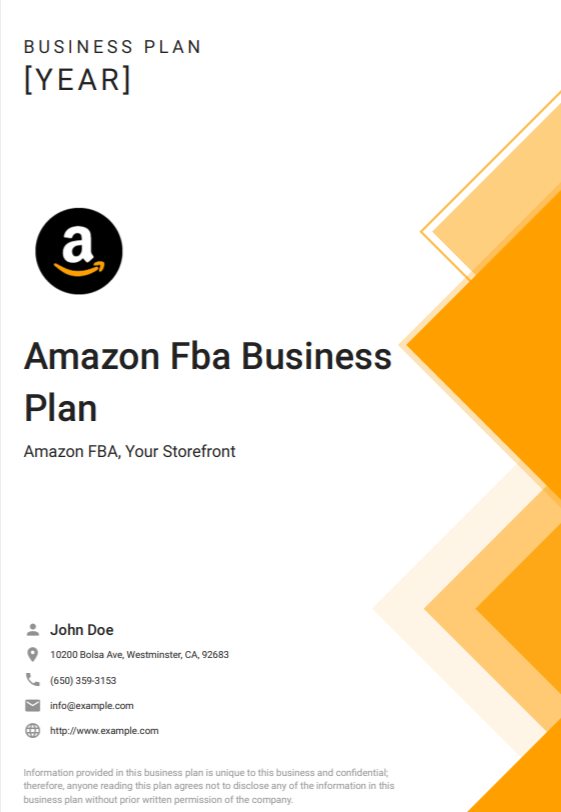
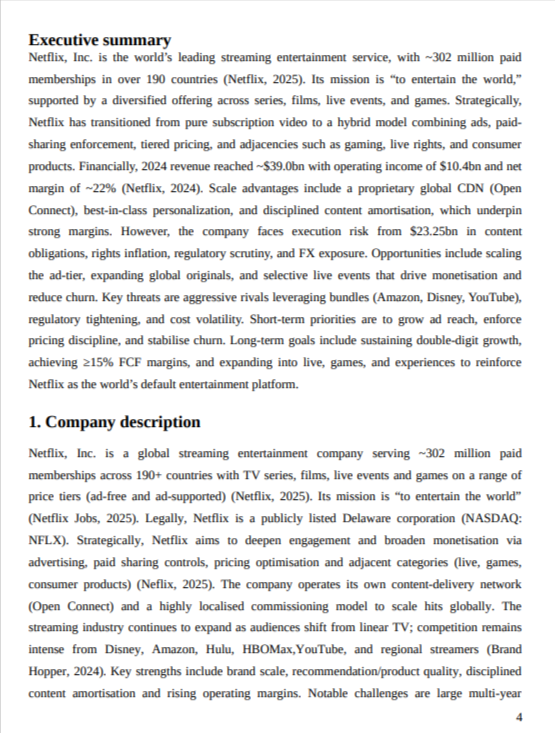
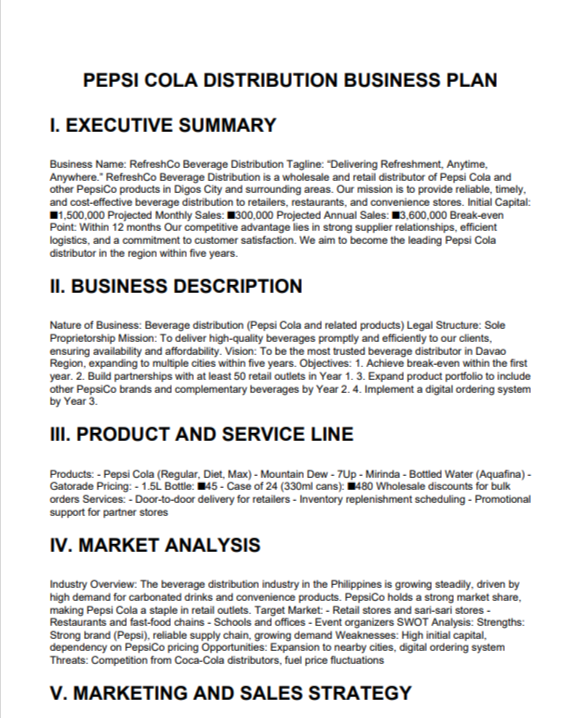
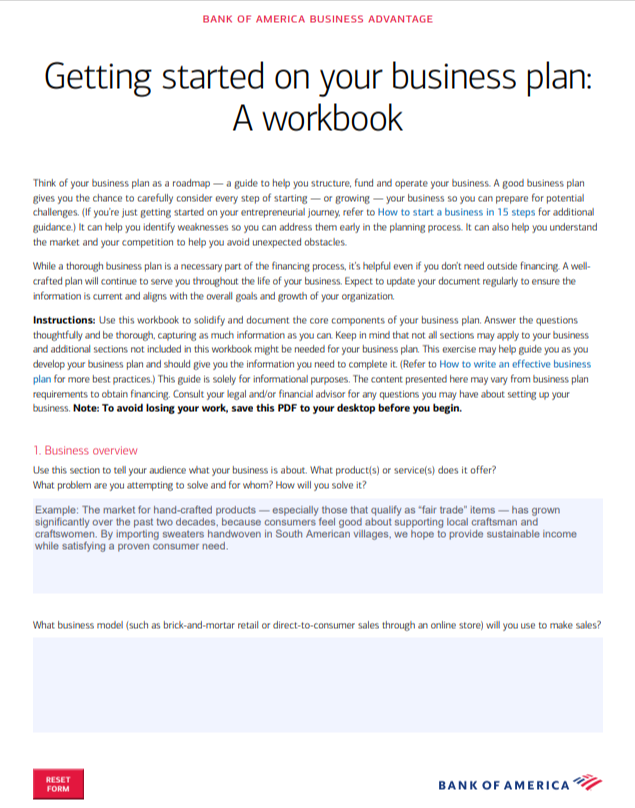
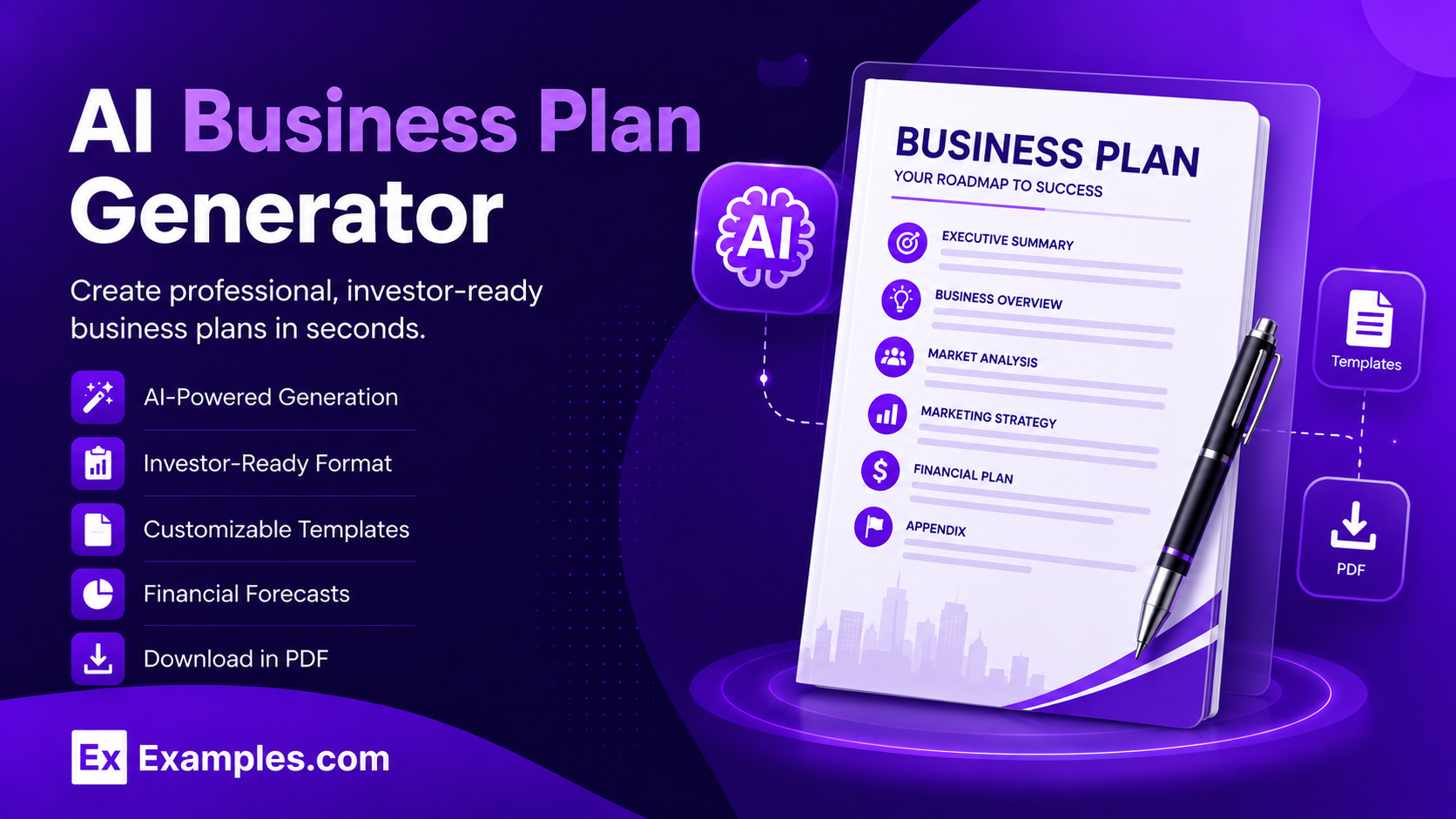
A business plan is a comprehensive document that outlines a company’s objectives, strategies, operations, financial projections, and growth plans. Whether you’re launching a startup, expanding an existing business, seeking investors, or applying for funding, a well-structured business plan helps communicate your vision, identify market opportunities, and guide informed decision-making. Explore real business plan examples, customize professional templates, and create investor-ready business plans tailored to your industry and business goals with confidence.
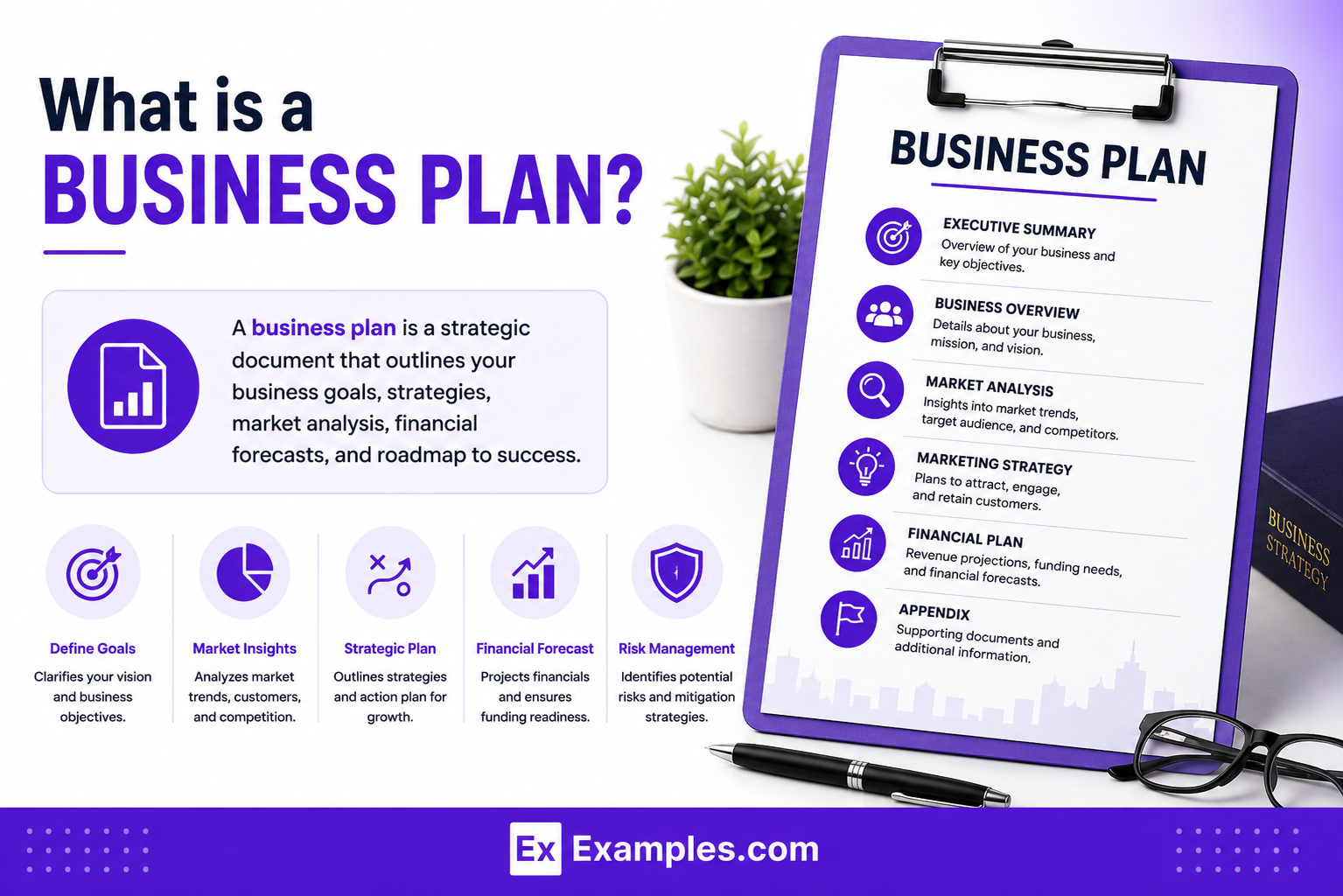
A business plan is a strategic document that defines a company’s mission, business model, target market, operational approach, marketing strategy, financial forecasts, and long-term objectives. Whether created for startups, small businesses, franchises, or established companies, a business plan provides a clear roadmap for growth, supports funding opportunities, measures performance, and helps entrepreneurs make informed business decisions while building a sustainable and successful organization.What Is a Business Plan?
Popular Types Of Business Plans
A Startup Business Plan outlines a new company’s vision, target market, products or services, marketing strategy, operational plan, and financial projections to guide growth and attract investors. A Small Business Plan defines business objectives, daily operations, customer segments, pricing strategies, marketing activities, and financial goals to support long-term success. An E-commerce Business Plan explains an online store’s business model, product offerings, sales channels, digital marketing strategy, fulfillment process, and revenue projections. A Restaurant Business Plan details the restaurant concept, menu offerings, target audience, operational workflow, staffing requirements, marketing approach, and financial forecasts. A Manufacturing Business Plan outlines production processes, supply chain management, equipment requirements, operational strategies, market analysis, and financial planning for a manufacturing business. A Healthcare Business Plan defines medical services, patient demographics, regulatory compliance, staffing, operational procedures, marketing initiatives, and financial projections for healthcare organizations.Startup Business Plan
Small Business Plan
E-commerce Business Plan
Restaurant Business Plan
Manufacturing Business Plan
Healthcare Business Plan
How Do I Generate Business Plan Using Real Business plan Examples?
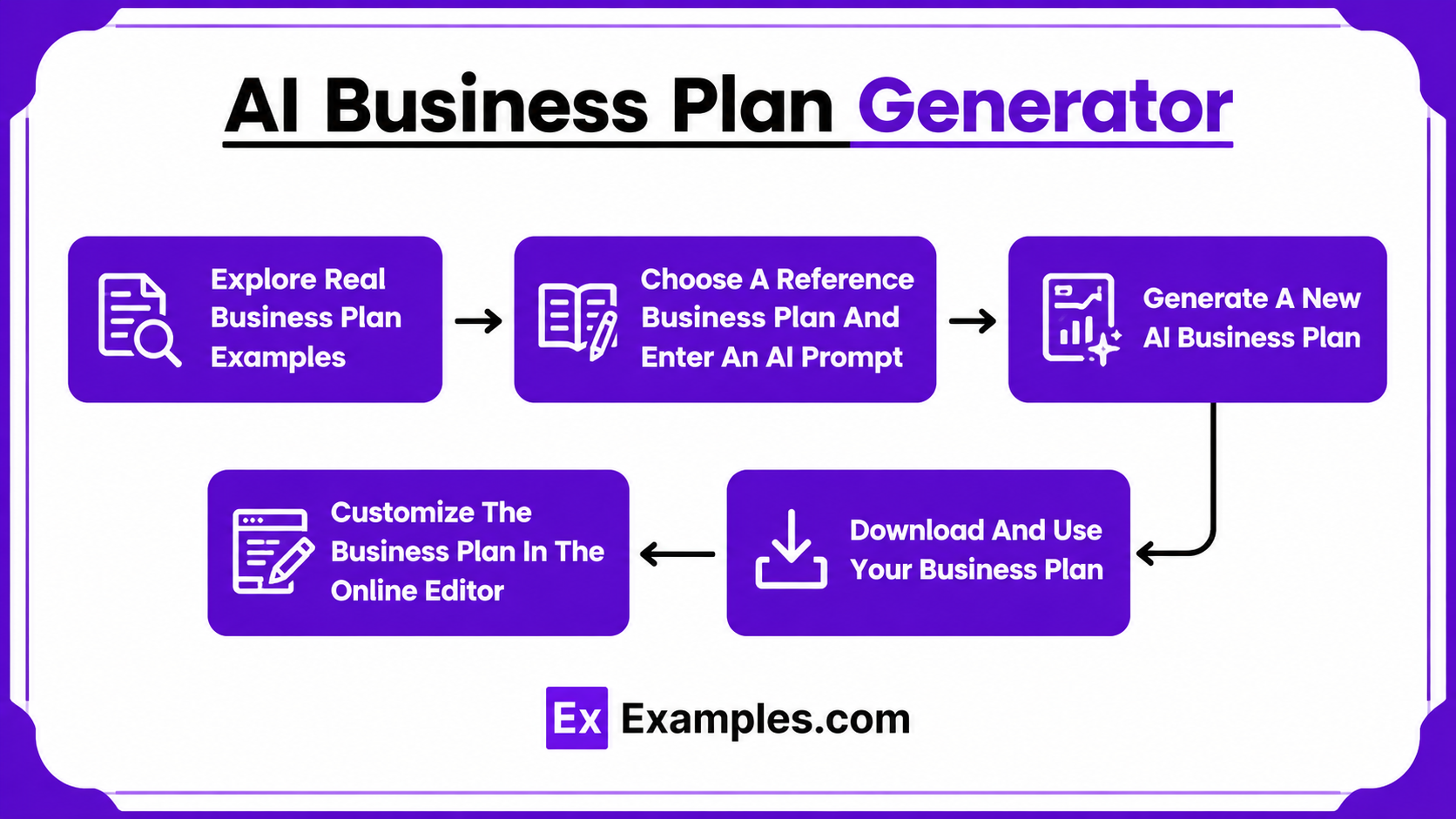
Browse professionally written business plan examples to understand document structure, market analysis, financial projections, operational strategies, and essential business sections. Reviewing real business plans helps you create a well-organized, investor-ready plan tailored to your industry and goals. Select a reference business plan and describe your business idea, industry, target market, products or services, revenue model, operational strategy, funding requirements, and growth objectives to generate a customized plan. The AI generates a customized business plan based on your prompt, organizing it into professional sections such as the executive summary, company overview, market analysis, marketing strategy, operations plan, and financial projections. Edit your company information, business goals, products and services, financial data, marketing strategy, operational details, formatting, and other sections to match your specific business requirements. Download your completed business plan in PDF format for presentations, investor meetings, loan applications, internal planning, or future business reference.Explore Real Business Plan Examples

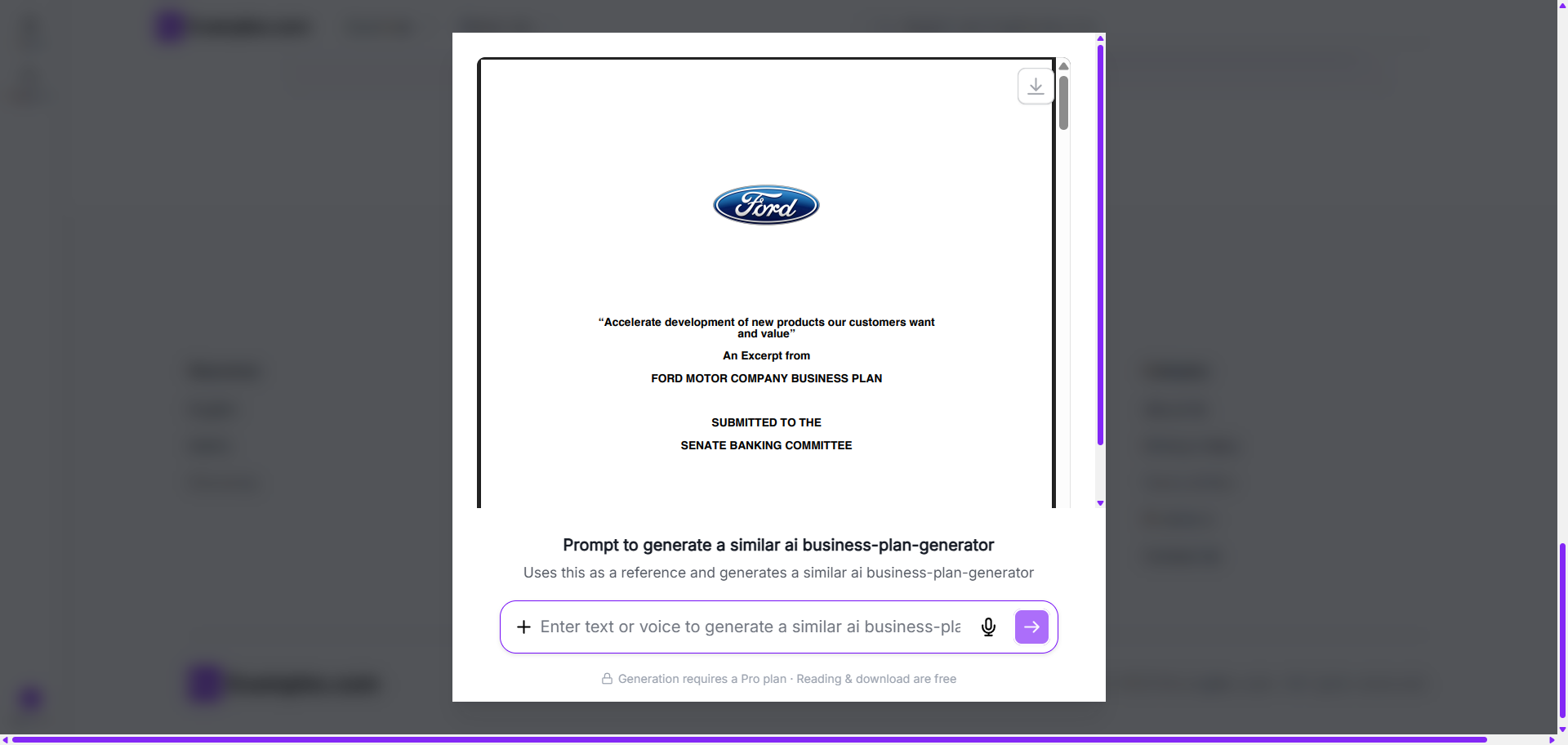
Choose A Reference Business Plan And Enter An AI Prompt
Generate A New AI Business Plan
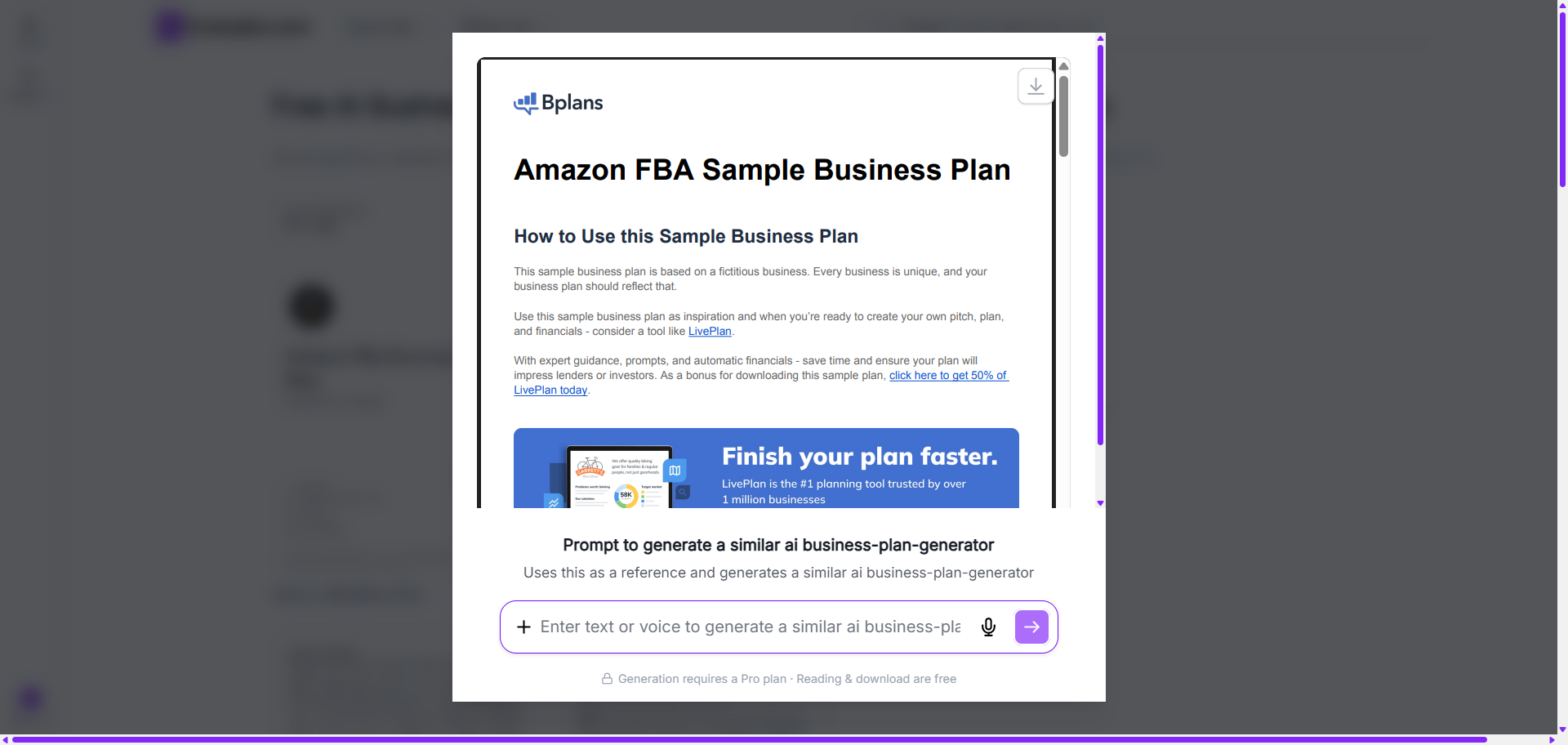
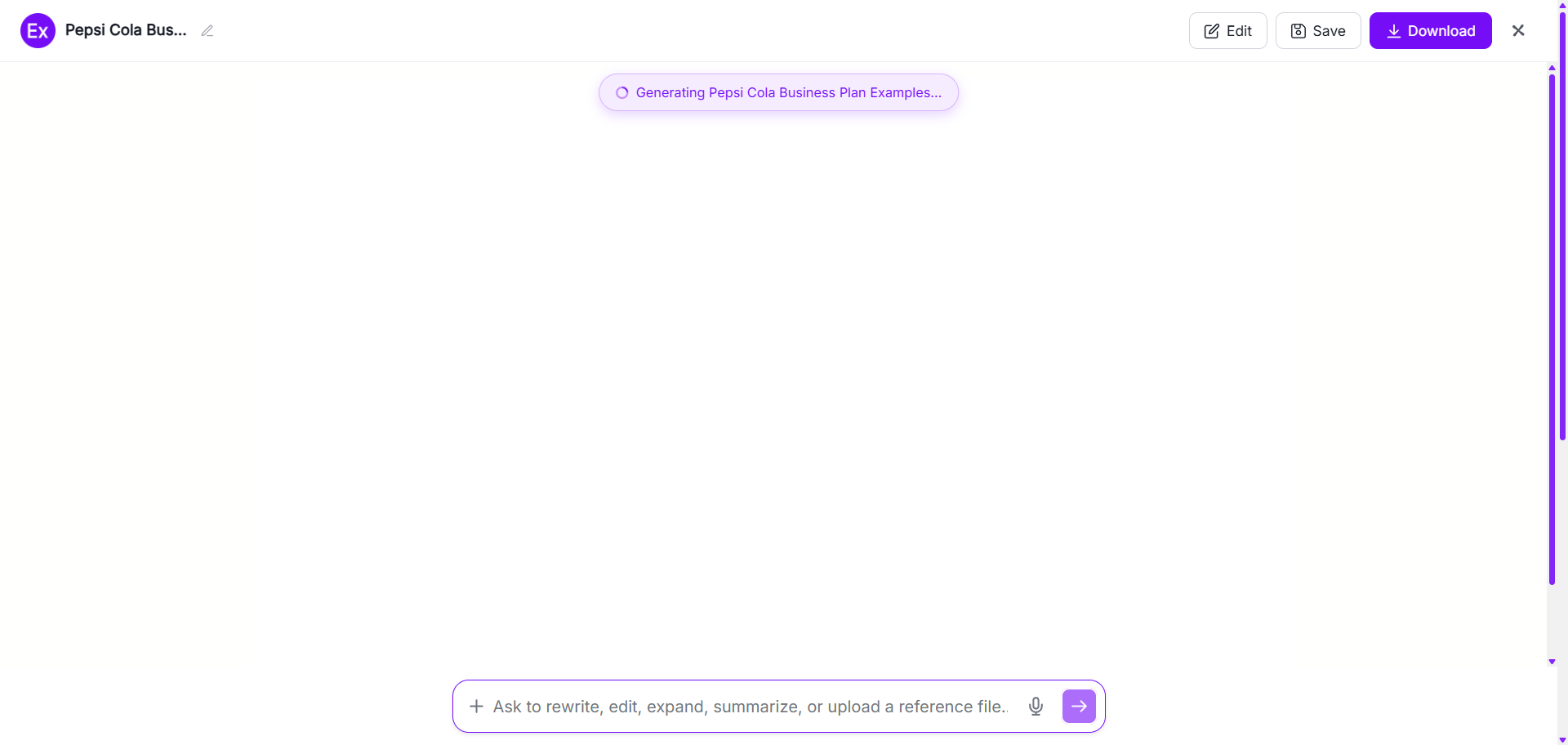
Customize The Business Plan In The Online Editor
Download And Use Your Business Plan

How Do I Customize An Business Plan Online?
Customize your business plan by updating your company information, business objectives, products or services, target market, marketing strategy, operational plan, financial projections, and funding requirements to match your specific goals. You can also add or remove sections, edit formatting, and tailor the plan for startups, small businesses, or established companies. Once complete, review your business plan, make final revisions, and download it for presentations, investor meetings, loan applications, or internal business planning.
AI Business Plan Editing Features
Generate a professionally structured business plan with sections tailored to your business idea, industry, and objectives. Add, remove, or modify sections such as market analysis, marketing strategy, operations, and financial projections to fit your business. Automatically organize headings, sections, layouts, and content for a polished, investor-ready business plan. Update company information, products or services, business goals, financial data, funding requirements, and growth strategies with ease. Share your business plan with partners, advisors, investors, or team members for feedback and review before finalizing. Download your completed business plan in your preferred format for presentations, funding applications, business planning, or future reference.AI Business Plan Generation
Smart Section Editing
Auto Formatting
Business Plan Customization
Collaboration And Review
Instant Download Options
Which Essential Elements Should Every Business Plan Include?
Executive Summary: Provide a concise overview of your business, including its mission, objectives, products or services, and growth potential. Company Description: Describe your business, industry, legal structure, target market, and the value your company delivers. Market Analysis: Research your industry, competitors, customer demographics, and market trends to identify opportunities and challenges. Products or Services: Explain your offerings, unique selling proposition, pricing strategy, and how they meet customer needs. Marketing and Sales Strategy: Outline how you will attract customers, promote your business, generate sales, and retain clients. Operations and Financial Plan: Detail your daily operations, management structure, funding requirements, revenue projections, expenses, and financial forecasts. Review and Finalize: Carefully review your business plan for accuracy, make necessary revisions, and prepare it for investors, lenders, stakeholders, or internal planning.
How Do I Write A Better Business Plan?
Write a Clear Executive Summary: Provide a concise overview of your business goals, products or services, and growth strategy. Define Your Business: Clearly explain your company, target market, competitive advantage, and business objectives. Include Market Research: Present industry insights, customer analysis, and competitor research to support your strategy. Outline Financial Projections: Include revenue forecasts, expenses, funding needs, and profitability estimates. Develop Actionable Strategies: Describe your marketing, sales, operations, and management plans with realistic objectives. Review Thoroughly: Check your business plan for accuracy, consistency, and completeness before sharing it with investors, lenders, or stakeholders.
Why Should I Use Real Business Plan Examples Before Creating My Own?
Save time by using a proven business plan structure.
Understand how professional business plans are organized.
Learn what investors and lenders expect to see.
Reduce errors and missing business information.
Customize the plan for your specific business goals.
Create a clear, strategic, and investor-ready business plan with confidence.
What Common Business Plan Mistakes Should I Avoid?
Using unrealistic financial projections.
Skipping market research and competitor analysis.
Writing vague or unclear business objectives.
Ignoring operational and marketing strategies.
Leaving out funding requirements or growth plans.
Not reviewing the business plan before presenting it.
How Can a Business Plan Help Your Business?
Define Clear Business Goals Establish measurable objectives and a roadmap for achieving sustainable business growth.
Secure Funding Present a professional business plan that helps attract investors, lenders, and strategic partners.
Support Better Decision-Making Use market research, financial forecasts, and strategic planning to make informed business decisions.
Improve Operational Planning Outline daily operations, staffing, resources, and workflows to improve business efficiency.
Drive Long-Term Growth Monitor performance, adapt strategies, and identify new opportunities for sustainable business success.
Business Plan Examples For Different Industries
Retail: Retail store business plans, e-commerce business plans, and wholesale business plans.
Technology: SaaS business plans, software startup business plans, and IT consulting business plans.
Healthcare: Medical clinic business plans, pharmacy business plans, and healthcare startup business plans.
Food & Hospitality: Restaurant business plans, café business plans, and hotel business plans.
Manufacturing: Manufacturing business plans, production business plans, and industrial business plans.
Professional Services: Consulting business plans, marketing agency business plans, and accounting firm business plans.
FAQs
What Is a Business Plan?
A business plan is a strategic document outlining your business goals, market analysis, financial projections, and growth strategies.
When Should I Create a Business Plan?
Create a business plan before starting a business, seeking funding, expanding operations, or launching new products or services.
Can I Customize a Business Plan?
Yes, you can customize your business plan by modifying goals, financial data, marketing strategies, operations, and timelines.
What Types of Business Plans Can I Create?
You can create startup, small business, nonprofit, franchise, eCommerce, restaurant, investor, and strategic business plans.
What Should Every Business Plan Include?
Every business plan should include an executive summary, company overview, market analysis, marketing strategy, operations, and financial projections.
Why Is a Business Plan Important?
A business plan helps define objectives, attract investors, secure funding, guide decision-making, and measure business growth over time.
Can AI Help Create Business Plans?
AI helps generate professional business plan drafts, saving time while allowing you to edit and customize every section.
Are Business Plan Examples Useful?
Business plan examples provide guidance on structure, formatting, financial planning, and content, making it easier to create your own.