
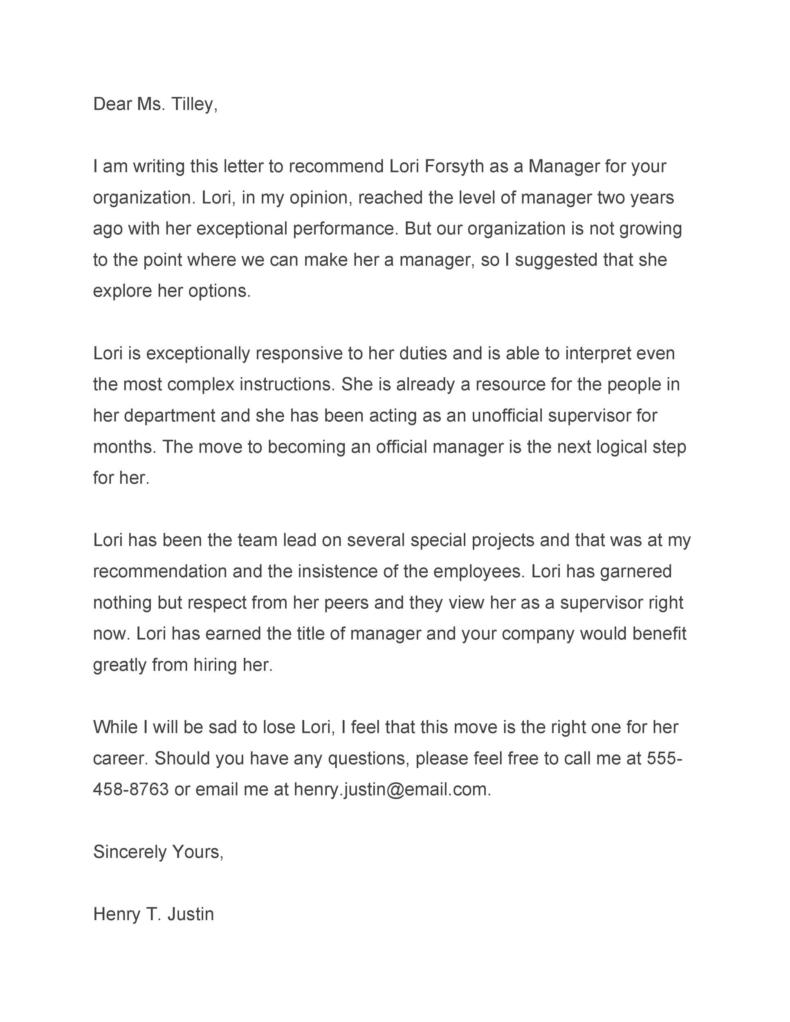
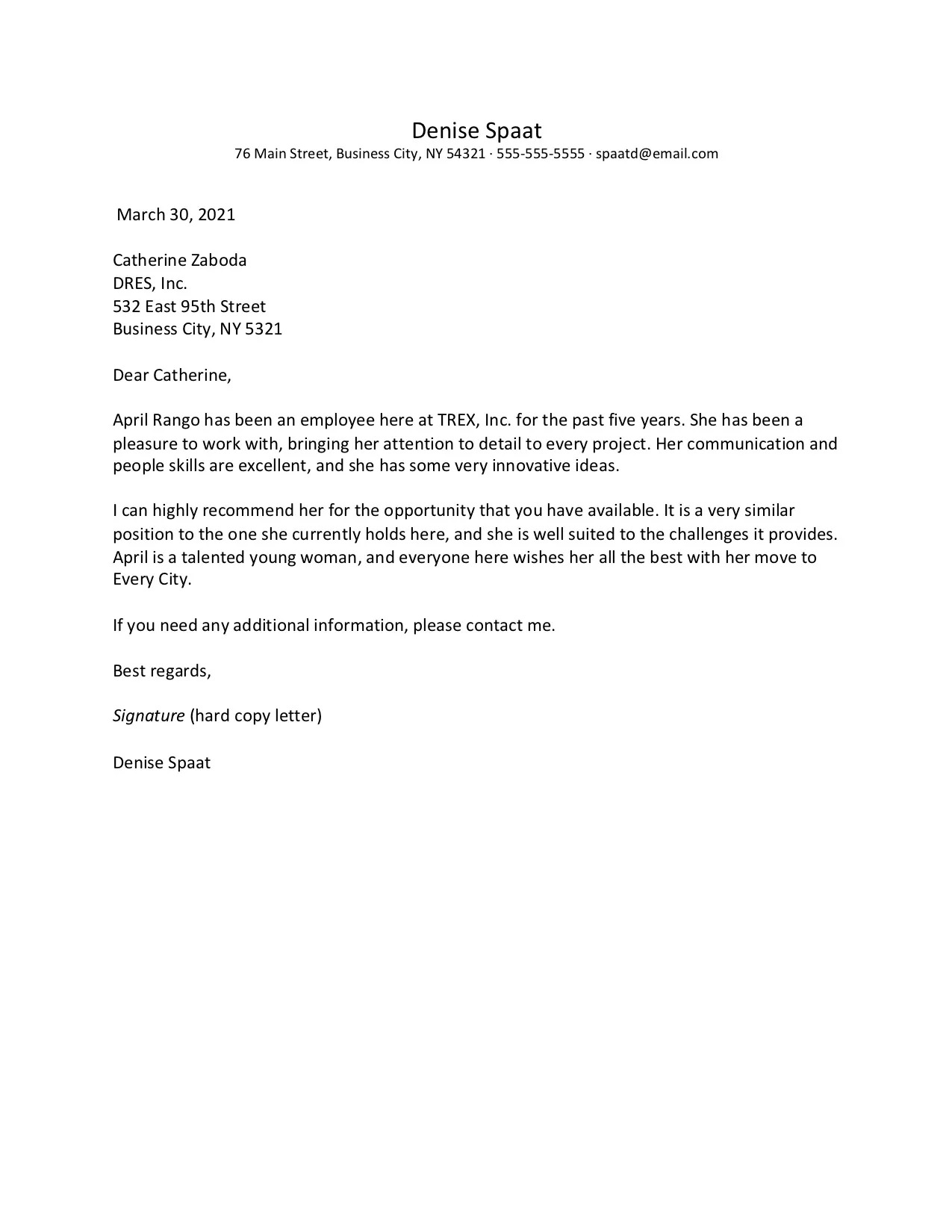
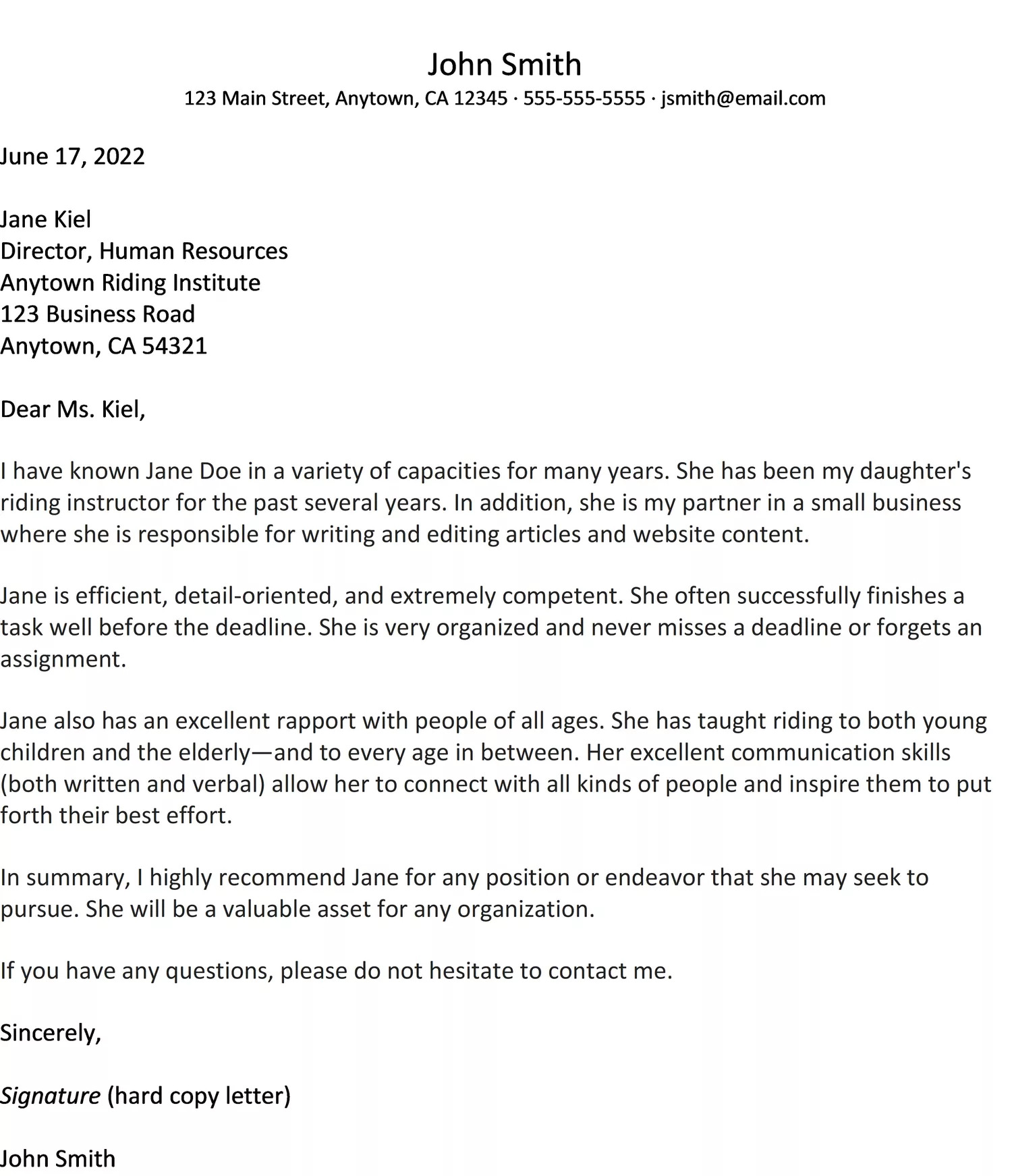
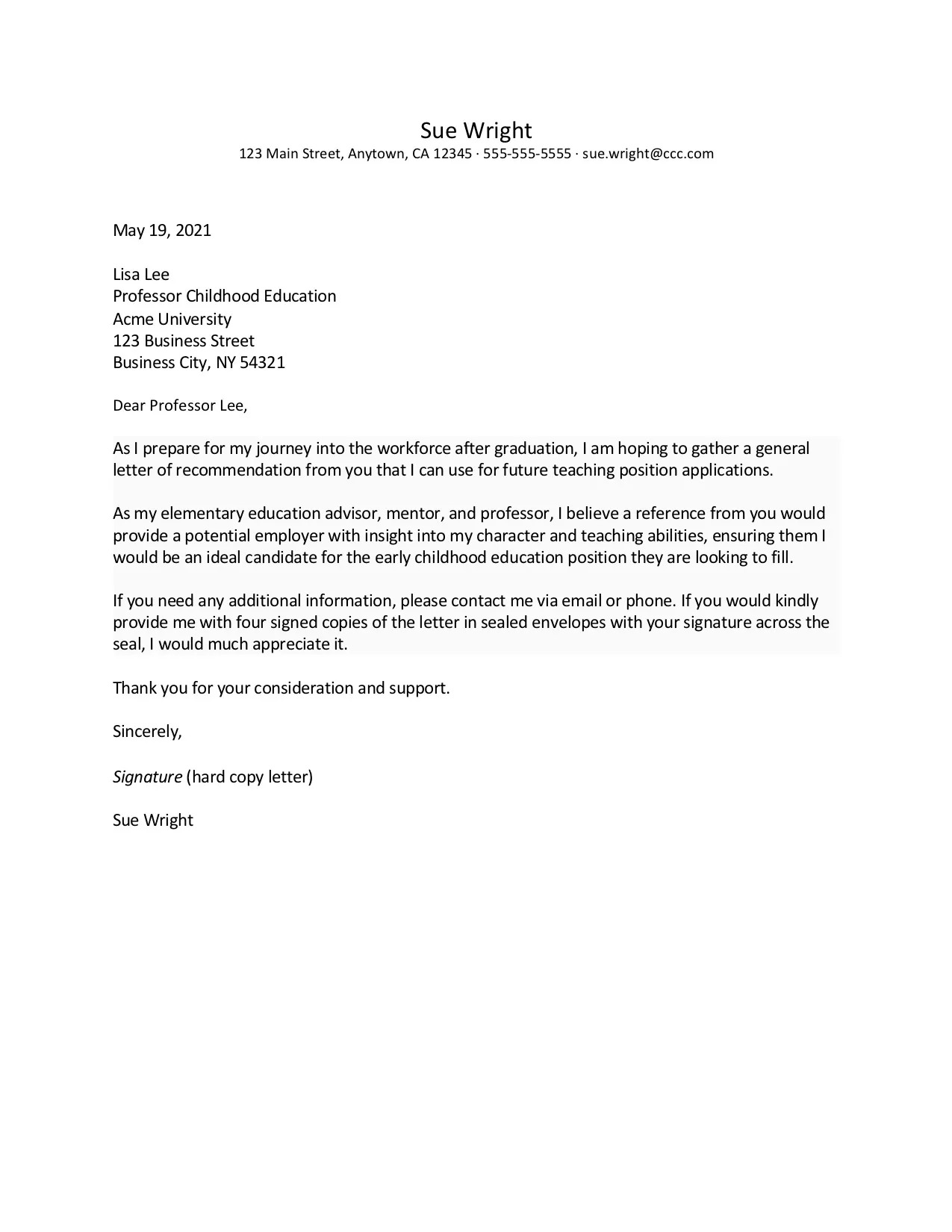
A reference letter is a formal document written by an employer, manager, teacher, professor, colleague, or professional contact to recommend a person’s skills, qualifications, character, or achievements. Strong reference letter examples help employers, universities, scholarship committees, and organizations evaluate candidates with confidence. Reviewing real-world reference letter examples also makes it easier to create personalized, professional, and credible recommendation letters.
What is a Reference Letter?
A reference letter (also called a recommendation letter) is a written endorsement that highlights an individual’s qualifications, work ethic, skills, experience, academic performance, or personal character. It is commonly requested during job applications, college admissions, scholarships, internships, promotions, volunteer opportunities, licensing processes, and professional certifications.
A well-written reference letter usually includes:
- Relationship between the writer and the applicant
- Length of time they have known the applicant
- Skills and qualifications
- Professional or academic achievements
- Personal qualities
- Specific examples supporting the recommendation
- Strong recommendation statement
- Contact information for verification

Popular Types Of Reference Letters
Reference letters come in many formats depending on the purpose. Each type serves a different audience while highlighting the applicant’s qualifications in a unique way.
Employment Reference Letter
Written by a current or former employer to verify work experience, job performance, professionalism, and contributions.
Example:
- Employment Reference Letter for a Software Engineer
- Employment Reference Letter for a Sales Executive
Professional Reference Letter
Written by managers, colleagues, clients, consultants, or business associates to recommend someone’s professional abilities.
Example:
- Professional Reference Letter from a Project Manager
- Professional Reference Letter from a Business Consultant
Character Reference Letter
Focuses on integrity, ethics, personality, reliability, leadership, and personal qualities rather than work experience.
Example:
- Character Reference Letter for Court
- Character Reference Letter for Volunteer Work
Academic Reference Letter
Prepared by teachers, professors, or academic advisors to support applications for universities, colleges, fellowships, or academic programs.
Example:
- Academic Reference Letter for Master’s Admission
- Academic Reference Letter for Research Fellowship
Scholarship Reference Letter
Highlights academic achievements, leadership, extracurricular activities, and community involvement to support scholarship applications.
Example:
- Scholarship Reference Letter for Engineering Student
- Scholarship Reference Letter for Medical Student
Internship Reference Letter
Recommends students or recent graduates applying for internships or entry-level opportunities.
Example:
- Internship Reference Letter for Marketing Student
- Internship Reference Letter for Computer Science Student
College Admission Reference Letter
Supports applications to undergraduate colleges by emphasizing academic performance and character.
Example:
- College Admission Reference Letter from School Principal
- College Admission Reference Letter from Teacher
Graduate School Reference Letter
Written for master’s, MBA, doctoral, or professional degree admissions.
Example:
- Graduate School Reference Letter for MBA Applicant
- Graduate School Reference Letter for PhD Candidate
Promotion Reference Letter
Prepared by supervisors or executives to recommend an employee for internal promotion.
Example:
- Promotion Reference Letter for Team Leader
- Promotion Reference Letter for Department Manager
Teacher Reference Letter
Written by teachers recommending students for colleges, scholarships, competitions, or leadership programs.
Example:
- Teacher Reference Letter for High School Student
- Teacher Reference Letter for Student Council
Professor Reference Letter
Prepared by university professors for graduate school, research positions, or professional opportunities.
Example:
- Professor Reference Letter for Research Assistant
- Professor Reference Letter for Doctoral Admission
Employer Reference Letter
Confirms employment history while recommending the employee’s performance and reliability.
Example:
- Employer Reference Letter for Immigration
- Employer Reference Letter for Visa Application
HR Reference Letter
Issued by Human Resources departments to verify employment details and professional conduct.
Example:
- HR Reference Letter for Employment Verification
- HR Reference Letter for Background Check
Supervisor Reference Letter
Written by a direct supervisor who has closely monitored the employee’s work performance.
Example:
- Supervisor Reference Letter for Project Coordinator
- Supervisor Reference Letter for Operations Executive
Manager Reference Letter
Focuses on leadership, technical expertise, teamwork, and professional accomplishments.
Example:
- Manager Reference Letter for Senior Accountant
- Manager Reference Letter for Software Developer
Team Leader Reference Letter
Highlights collaboration, communication, leadership potential, and project contributions.
Example:
- Team Leader Reference Letter for Business Analyst
- Team Leader Reference Letter for Customer Support Executive
Volunteer Reference Letter
Prepared by nonprofit organizations or community leaders to recognize volunteer service.
Example:
- Volunteer Reference Letter for Community Service
- Volunteer Reference Letter for NGO Volunteer
Business Reference Letter
Used between companies to recommend vendors, suppliers, contractors, or business partners.
Example:
- Business Reference Letter for Vendor Partnership
- Business Reference Letter for Service Provider
Client Reference Letter
Written by satisfied clients to endorse consultants, agencies, freelancers, or businesses.
Example:
- Client Reference Letter for Marketing Agency
- Client Reference Letter for IT Consultant
How Do I Generate Reference Letters Using Proven Examples from Top Companies?
Creating professional reference letters with AI allows users to generate personalized, well-structured recommendation letters using real-world examples, customizable prompts, and powerful editing tools.
Explore Real-World Reference Letter Examples
Browse professionally written reference letter examples from employers, managers, professors, HR professionals, and organizations. Explore different writing styles, recommendation formats, industries, and purposes to find the ideal reference for your needs.


Choose A Reference Letter And Enter An AI Prompt
Select a reference letter example that matches your purpose. Then enter an AI prompt describing the applicant, relationship, skills, achievements, position, organization, and any specific recommendations you want included.
Generate A New AI Reference Letter
AI instantly creates a unique, professional reference letter inspired by the selected example and your prompt. Every letter is customized to reflect the applicant’s qualifications and intended purpose.


Customize The Reference Letter In The Online Editor
Edit names, organizations, achievements, skills, formatting, fonts, and wording using the online editor. Personalize every section to ensure the recommendation accurately represents the individual.
Download And Use The Final Reference Letter
Download the completed reference letter in your preferred format and use it for employment, college admissions, scholarships, promotions, immigration, internships, professional licensing, or other official purposes.

Why Reference Letters Matter
Reference letters play an important role in hiring, admissions, and professional evaluations because they provide trusted, third-party validation of an individual’s qualifications. While resumes and applications describe accomplishments from the applicant’s perspective, reference letters confirm those achievements through someone who has directly observed their work, academic performance, or personal character.
Employers and institutions often rely on reference letters to assess qualities that are difficult to measure through resumes alone, such as leadership, teamwork, communication, integrity, reliability, and problem-solving abilities.
Some of the biggest benefits of reference letters include:
- Strengthen job applications with credible recommendations
- Increase trust during hiring decisions
- Support college and graduate school admissions
- Improve scholarship application success
- Verify employment history and professional achievements
- Demonstrate leadership, ethics, and interpersonal skills
- Build confidence among employers, recruiters, and admissions committees
Essential Elements of an Effective Reference Letter
A strong reference letter follows a professional structure and focuses on specific examples rather than general praise.
Professional Heading
Include the writer’s name, title, company or institution, contact information, and date.
Proper Salutation
Address the hiring manager, admissions committee, or recipient whenever possible.
Introduction
Explain your relationship with the applicant and how long you have known them.
Skills and Qualifications
Describe the person’s strengths, technical expertise, leadership abilities, work ethic, communication skills, or academic achievements.
Supporting Examples
Include measurable accomplishments or real experiences that demonstrate the applicant’s abilities.
Recommendation Statement
Clearly recommend the individual and explain why they are suitable for the opportunity.
Closing
Offer to provide additional information if needed and include your signature.
Reference Letter Format
Although reference letters vary by purpose, most professional letters follow a similar structure.
1. Writer’s Information
- Full Name
- Job Title
- Organization
- Email Address
- Phone Number
2. Date
Include the date the letter is written.
3. Recipient Information
Include the recipient’s name, company, or institution whenever available.
4. Greeting
Use a professional salutation such as:
- Dear Hiring Manager,
- Dear Admissions Committee,
- To Whom It May Concern,
5. Introduction
State your relationship with the applicant and how long you have known them.
6. Body Paragraphs
Describe:
- Professional skills
- Academic achievements
- Leadership qualities
- Character strengths
- Specific accomplishments
- Examples of performance
7. Recommendation
Clearly explain why you recommend the individual.
8. Closing
Invite the recipient to contact you for additional information.
9. Signature
Include your name, designation, and organization.
How to Write a Professional Reference Letter
Writing an effective reference letter is easier when you follow a clear process.
Understand the Purpose
Determine whether the letter is for employment, education, scholarships, promotions, immigration, or another purpose.
Learn About the Opportunity
Understand the role, program, or position so you can highlight the most relevant qualifications.
Describe Your Relationship
Explain how you know the applicant and how long you’ve worked together.
Focus on Relevant Strengths
Mention skills, accomplishments, leadership abilities, communication, teamwork, and professionalism that relate directly to the opportunity.
Use Specific Examples
Support your recommendation with real situations and measurable achievements whenever possible.
End with a Strong Recommendation
Clearly state that you recommend the individual without hesitation and express confidence in their future success.
Best Practices for Writing a Strong Reference Letter
An effective reference letter should be professional, honest, and tailored to the purpose. Following these best practices makes your recommendation more credible and impactful.
Know the Applicant Well
Only write a reference letter if you have worked closely with the individual and can confidently discuss their qualifications, work ethic, or character.
Understand the Purpose
Ask the applicant about the position, academic program, scholarship, or opportunity they are applying for so you can tailor your recommendation accordingly.
Personalize Every Letter
Avoid generic templates. Customize each reference letter based on the applicant’s achievements, responsibilities, and strengths.
Include Specific Examples
Support your recommendation with measurable accomplishments, successful projects, leadership experiences, or academic achievements instead of using broad statements.
Highlight Relevant Skills
Focus on qualities that match the opportunity, such as:
- Leadership
- Communication
- Teamwork
- Problem-solving
- Technical expertise
- Time management
- Reliability
- Adaptability
Keep a Professional Tone
Write clearly, respectfully, and positively while maintaining a formal business writing style.
Be Honest and Accurate
Never exaggerate qualifications or include misleading information. Authentic recommendations carry more weight than overly enthusiastic but unsupported praise.
Keep It Concise
Most professional reference letters are between one and two pages and include only relevant information.
Common Mistakes to Avoid
Even experienced professionals can make mistakes when writing recommendation letters. Avoiding these common errors improves the effectiveness of your letter.
Writing Generic Content
Using vague statements without supporting examples makes the recommendation less convincing.
Exaggerating Qualifications
Overstating skills or achievements can damage the credibility of both the writer and the applicant.
Including Irrelevant Information
Focus only on information related to the position, program, or opportunity.
Using Informal Language
Reference letters should remain professional throughout the document.
Repeating the Resume
A reference letter should complement the resume, not duplicate it. Instead of listing job duties, explain how the applicant performed those responsibilities.
Forgetting Contact Information
Always include your professional contact information so the recipient can verify the recommendation if necessary.
Making Grammar or Formatting Errors
Proofread carefully before submitting the letter. Small mistakes can affect professionalism.
Reference Letter vs Recommendation Letter
Although these terms are often used interchangeably, there are subtle differences.
| Reference Letter | Recommendation Letter |
|---|---|
| Confirms qualifications and experience. | Strongly endorses the applicant for a specific opportunity. |
| Often requested during hiring or verification. | Common for admissions, scholarships, promotions, and leadership roles. |
| May be more factual and employment-focused. | Usually more personalized and persuasive. |
| Can verify employment history and performance. | Highlights achievements, potential, and future success. |
In many organizations, both terms refer to the same type of document, and either may be accepted depending on the application requirements.
When Should You Request a Reference Letter?
Reference letters are useful in many professional and academic situations.
You may need one when applying for:
- Full-time jobs
- Internships
- Graduate school
- College admissions
- Scholarships
- Professional certifications
- Internal promotions
- Government positions
- Immigration applications
- Volunteer programs
- Fellowships
- Research opportunities
- Board memberships
- Leadership positions
Who Can Write a Reference Letter?
A strong reference letter should come from someone who knows your abilities firsthand.
Common reference providers include:
- Current employer
- Former employer
- Direct supervisor
- Department manager
- Team leader
- Human Resources manager
- Professor
- Teacher
- Academic advisor
- Research supervisor
- Business client
- Business partner
- Mentor
- Coach
- Community leader
- Volunteer coordinator
Choose someone who can provide detailed examples of your work, achievements, and character rather than someone with a high-ranking title who knows you only briefly.
Tips for Requesting a Reference Letter
Requesting a reference letter professionally increases your chances of receiving a thoughtful recommendation.
Ask Early
Give the writer at least two to four weeks before the submission deadline.
Explain the Purpose
Share details about the job, college, scholarship, or program you’re applying for.
Provide Supporting Information
Help the writer by sharing:
- Resume
- Job description
- Academic transcript
- Personal statement
- Portfolio
- List of achievements
Mention the Deadline
Clearly communicate when the reference letter is needed.
Express Gratitude
Thank the writer both before and after receiving the recommendation.
Frequently Asked Questions
What is a reference letter?
A reference letter is a formal recommendation written by someone who knows an individual’s work, academic performance, or personal character. It supports applications for jobs, colleges, scholarships, promotions, internships, and other opportunities.
Who can write a reference letter?
Reference letters can be written by employers, managers, supervisors, teachers, professors, mentors, colleagues, clients, business partners, volunteer coordinators, or community leaders who have firsthand knowledge of the applicant.
What should a reference letter include?
A professional reference letter should include the writer’s relationship with the applicant, relevant skills, accomplishments, character traits, supporting examples, a recommendation statement, and contact information.
How long should a reference letter be?
Most reference letters are one page long and typically contain 300–600 words, depending on the purpose.
Is a reference letter the same as a recommendation letter?
The terms are often used interchangeably. Both provide professional or personal endorsements, although recommendation letters may be slightly more persuasive and opportunity-specific.
Can a colleague write a reference letter?
Yes. A colleague can write a professional reference letter if they have worked closely with the applicant and can accurately describe their skills, teamwork, and work ethic.
When do employers ask for reference letters?
Employers commonly request reference letters during hiring, executive recruitment, internal promotions, government employment, and professional licensing processes.
How can AI help create reference letters?
AI reference letter generators use prompts and professionally written examples to produce customized recommendation letters that can be edited, personalized, and downloaded for different purposes.
Can reference letters be used for college admissions?
Yes. Schools and universities often require academic reference letters from teachers, professors, principals, or academic advisors to evaluate an applicant’s potential.
What makes a reference letter effective?
An effective reference letter is personalized, specific, honest, professionally written, and supported with real examples that demonstrate the applicant’s qualifications and achievements.