
Introduction
Preparing for a challenging certification exam takes more than reading notes once — it takes repetition. Cfexpress break down dense material into bite-sized question-and-answer pairs you can drill anywhere, anytime. If you’d rather skip building a deck by hand, the Examples.com flashcards tool can generate a full set on this topic in seconds.
What Are Cfexpress?
Cfexpress are compact study cards — physical or digital — built around the exact content covered on the exam. Each card typically pairs a question, term, or scenario on one side with the correct answer or explanation on the other, allowing for quick self-testing. A few cfexpress flashcard examples can serve as a helpful template before writing your own questions.
Why Use Cfexpress to Prepare
Active Recall Beats Passive Review
Reading a textbook chapter again feels productive, but it rarely tests whether you actually remember the material. Flashcards force you to retrieve the answer from memory, which is proven to build stronger, longer-lasting recall than re-reading.
Fits Into a Busy Schedule
Most candidates are studying around work, clinical hours, or other commitments. Cfexpress can be reviewed in five-minute pockets of time — waiting in line, on a break, or before bed — without needing a full study session.
Tracks Weak Areas
As you work through a deck, you can separate cards into “know it” and “review again” piles. This naturally focuses your remaining study time on the material you’re actually struggling with, rather than re-covering what you’ve already mastered.
How to Build an Effective Study Routine
- Sort content into small decks. Group cards by topic or domain area so you can target weak spots directly.
- Review daily, not just before the exam. Short, frequent sessions beat long, infrequent cramming.
- Use spaced repetition. Revisit cards you got wrong more often than ones you already know well.
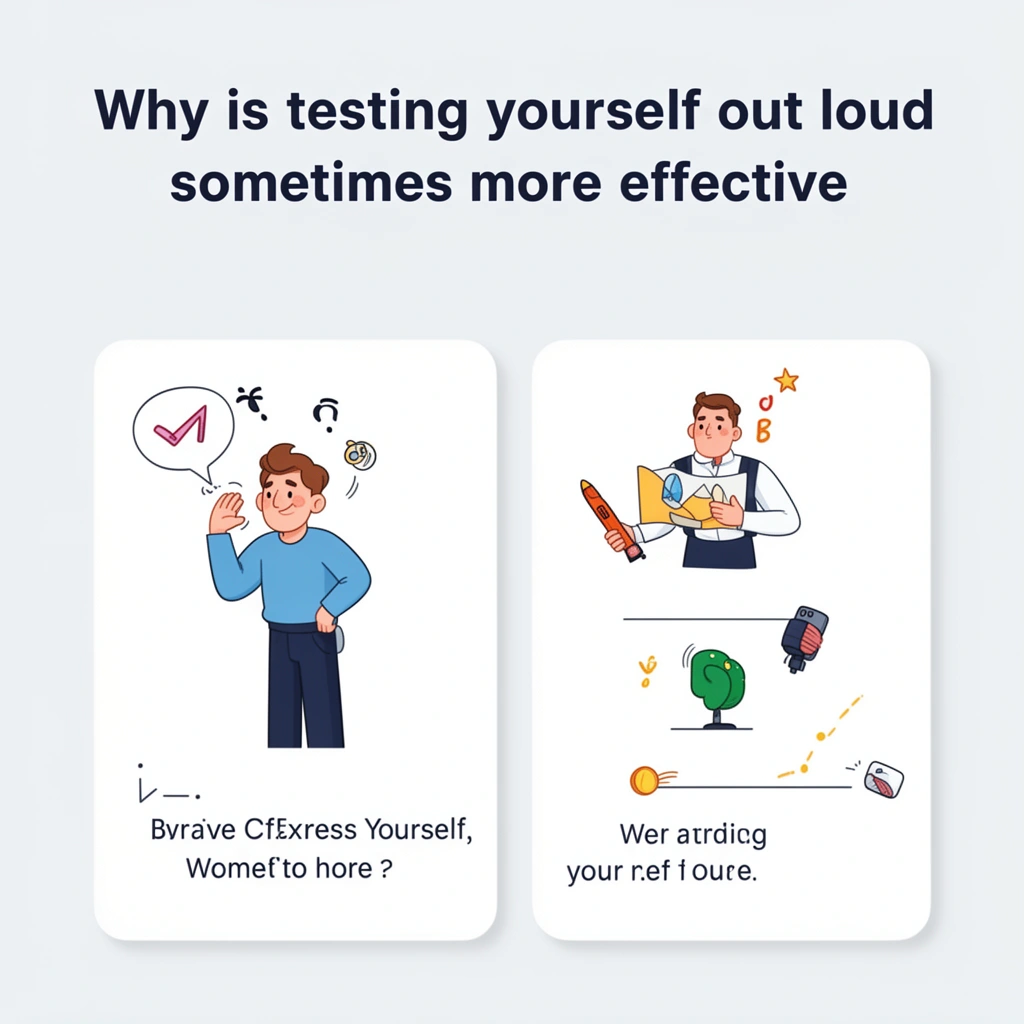
- Test yourself out loud. Saying the answer aloud reinforces memory more than simply reading it silently.
- Simulate exam conditions occasionally. Time yourself going through a full deck to build speed and confidence.
Anyone who wants to skip the manual work can use a flashcard maker to build a complete deck around this topic instantly.
Digital vs. Physical Flashcards
Physical cards are tactile and require no device, which some learners find easier to focus with. Digital flashcard apps, on the other hand, often include spaced-repetition algorithms, progress tracking, and the ability to study from a phone between commitments. Many successful candidates use both — physical cards for focused study sessions and a digital deck for review on the go. Tools like an AI flashcard generator can produce a full set of cards like this in seconds, including hints and quiz-ready answer choices.
FAQs
How many cfexpress should I review per day?
Most candidates find 20–50 cards a day sustainable, focusing more time on cards they consistently get wrong rather than reviewing the whole deck equally.
Are physical or digital cfexpress better for exam prep?
Both work well. Digital decks are convenient for review on the go and often include spaced repetition, while physical cards can help some learners focus without screen distractions.
How far in advance should I start using flashcards?
Starting several weeks before the exam allows time for spaced repetition to work effectively, rather than relying on last-minute cramming.
Conclusion
Cfexpress offer a simple, proven way to build stronger recall and confidence around Cfexpress. Used consistently — in short, regular sessions rather than occasional cramming — they can turn what feels like a mountain of material into steady, manageable progress.