

Introduction
Reading fluency is built word by word. Phonogram Flashcards give early readers the repeated exposure they need to recognize words and sounds automatically. Rather than creating cards manually, you can generate flashcards for this topic in just a few clicks.
What Are Phonogram Flashcards?
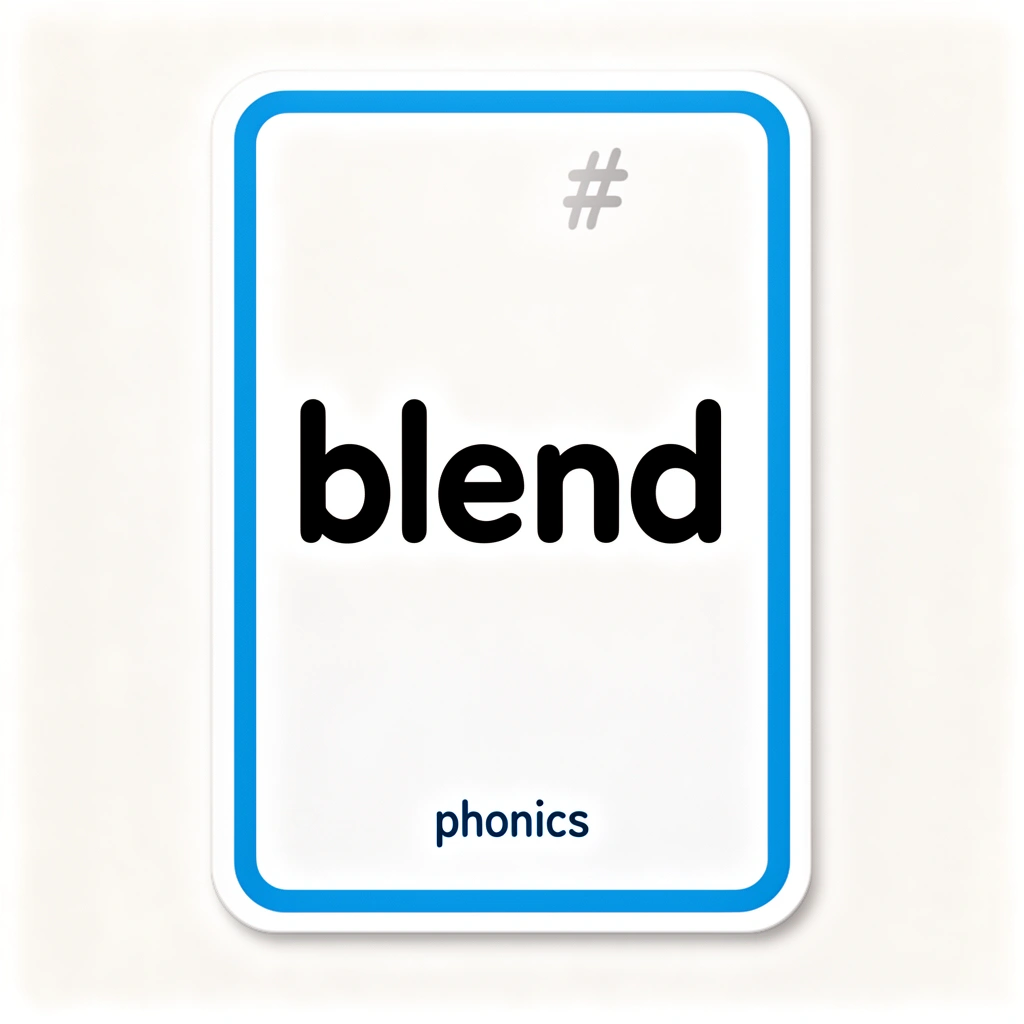
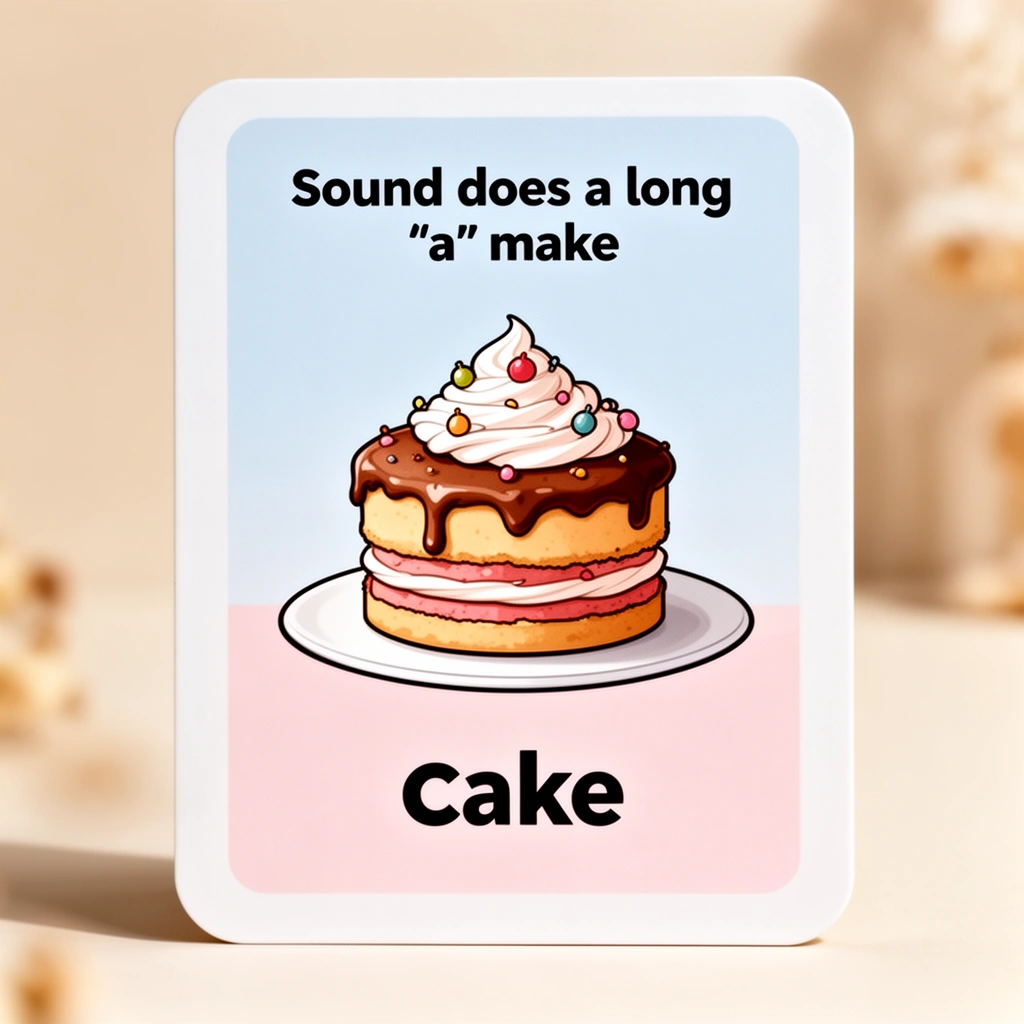
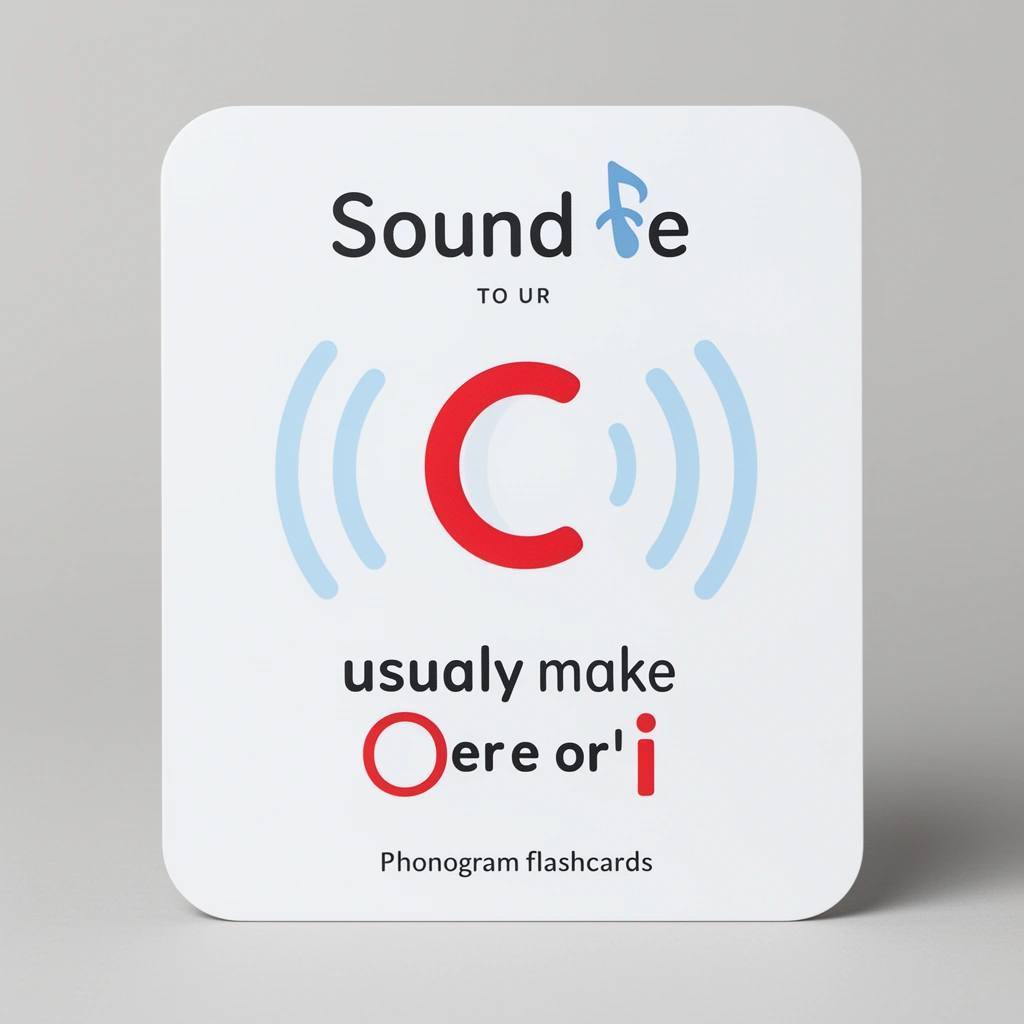
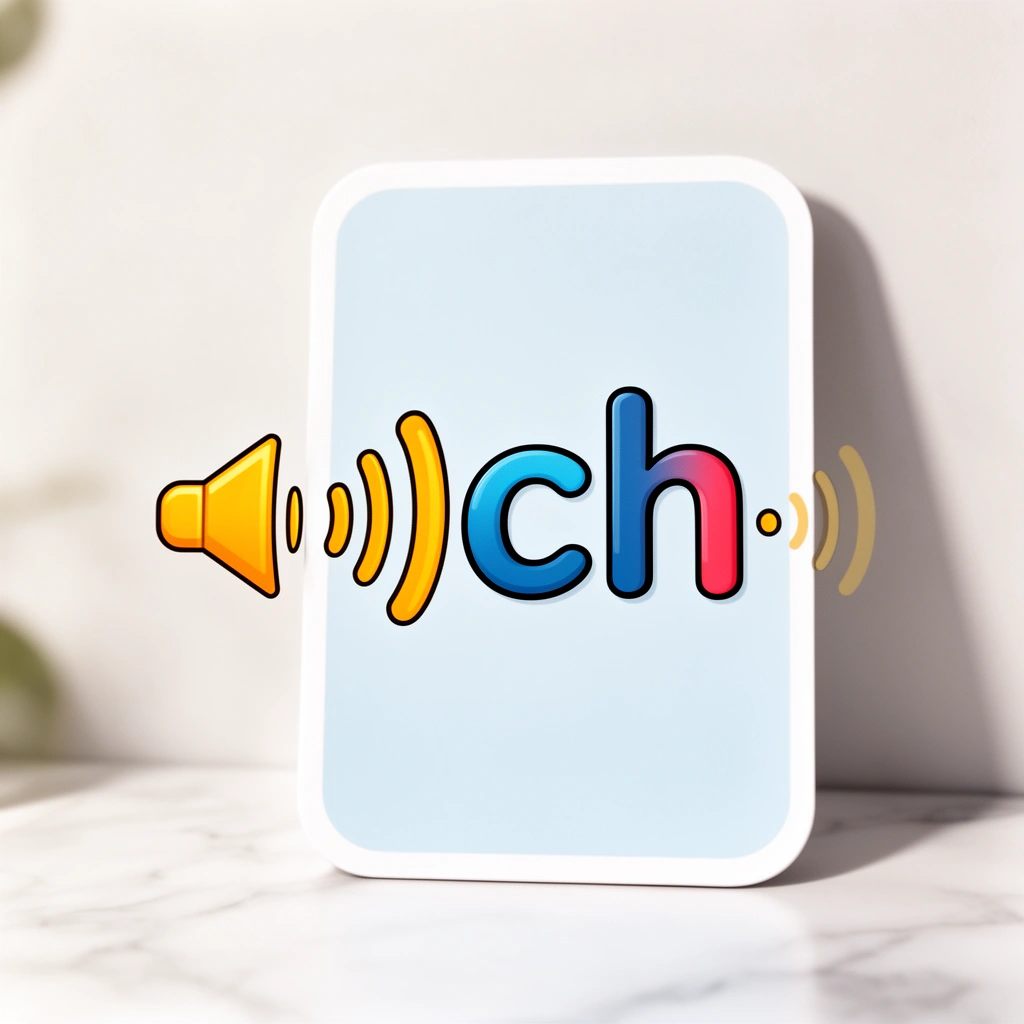
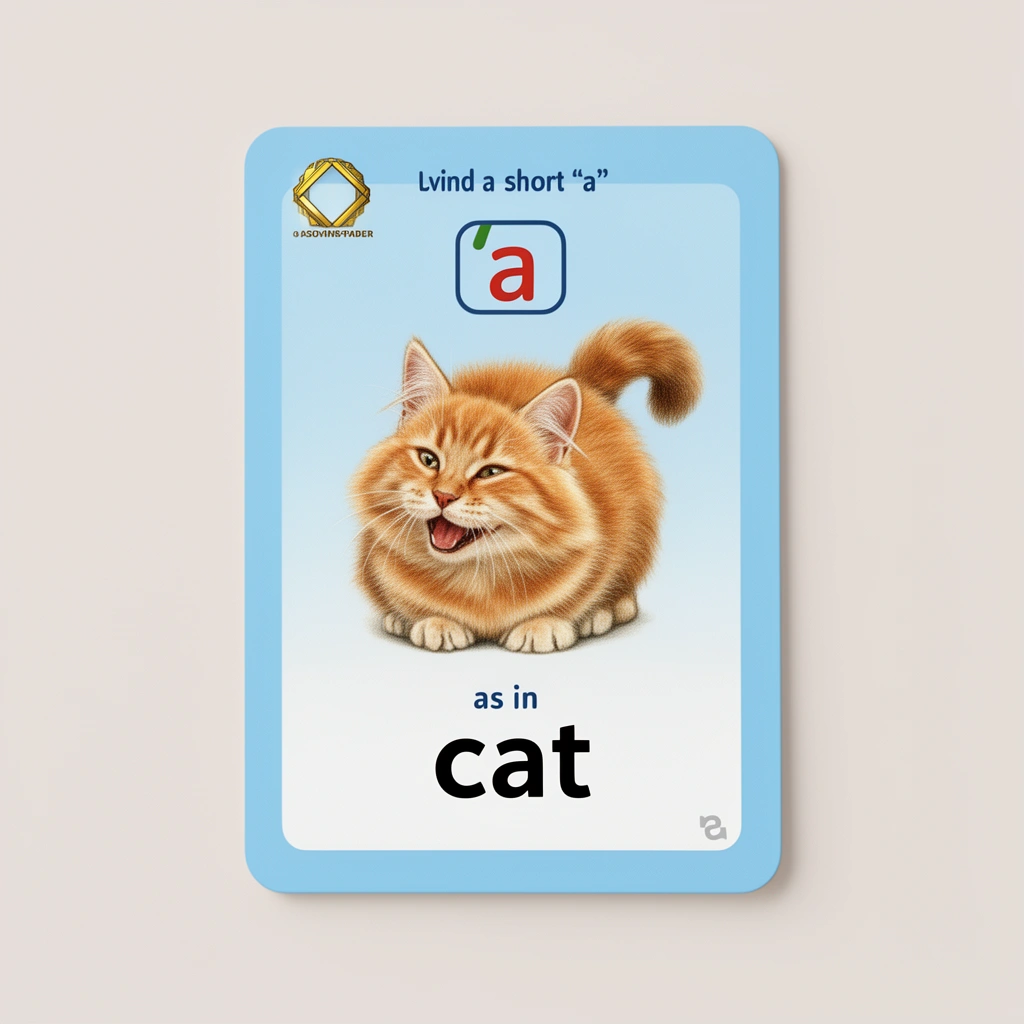
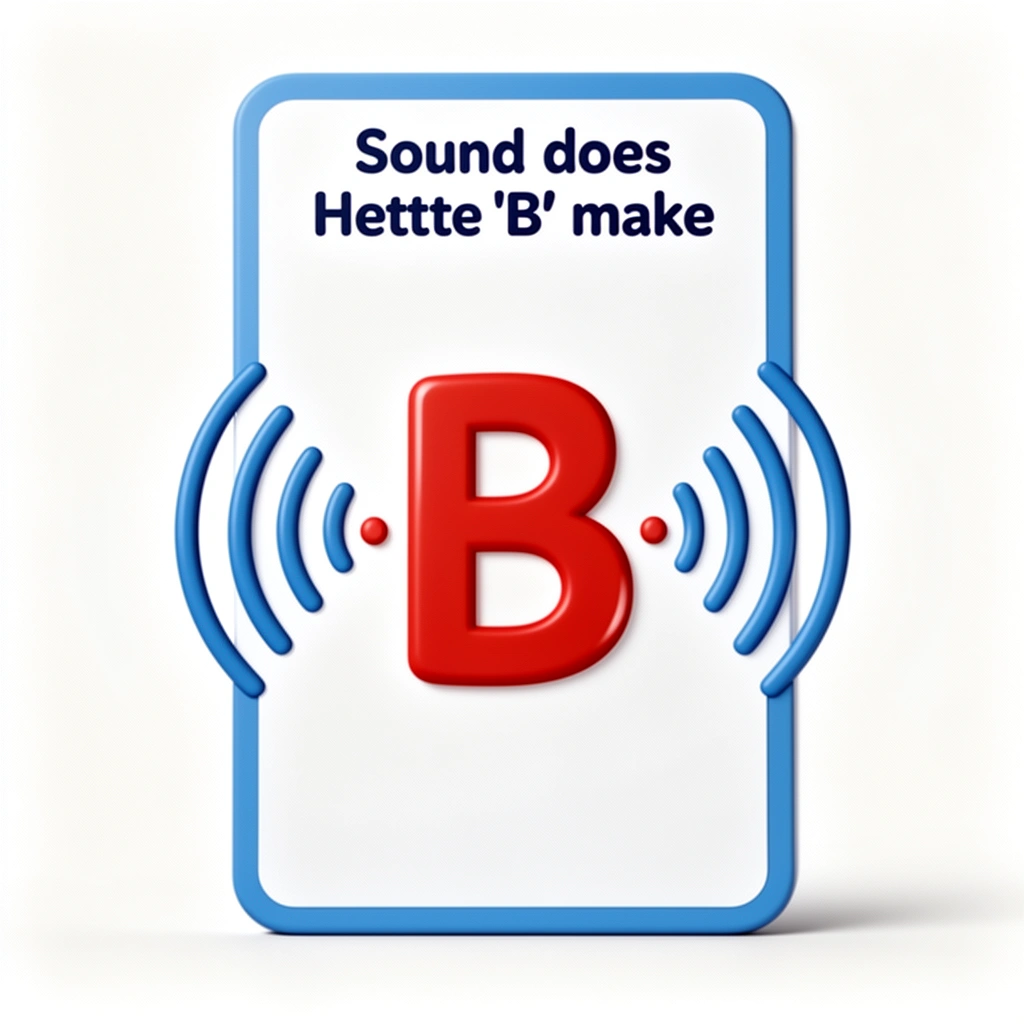
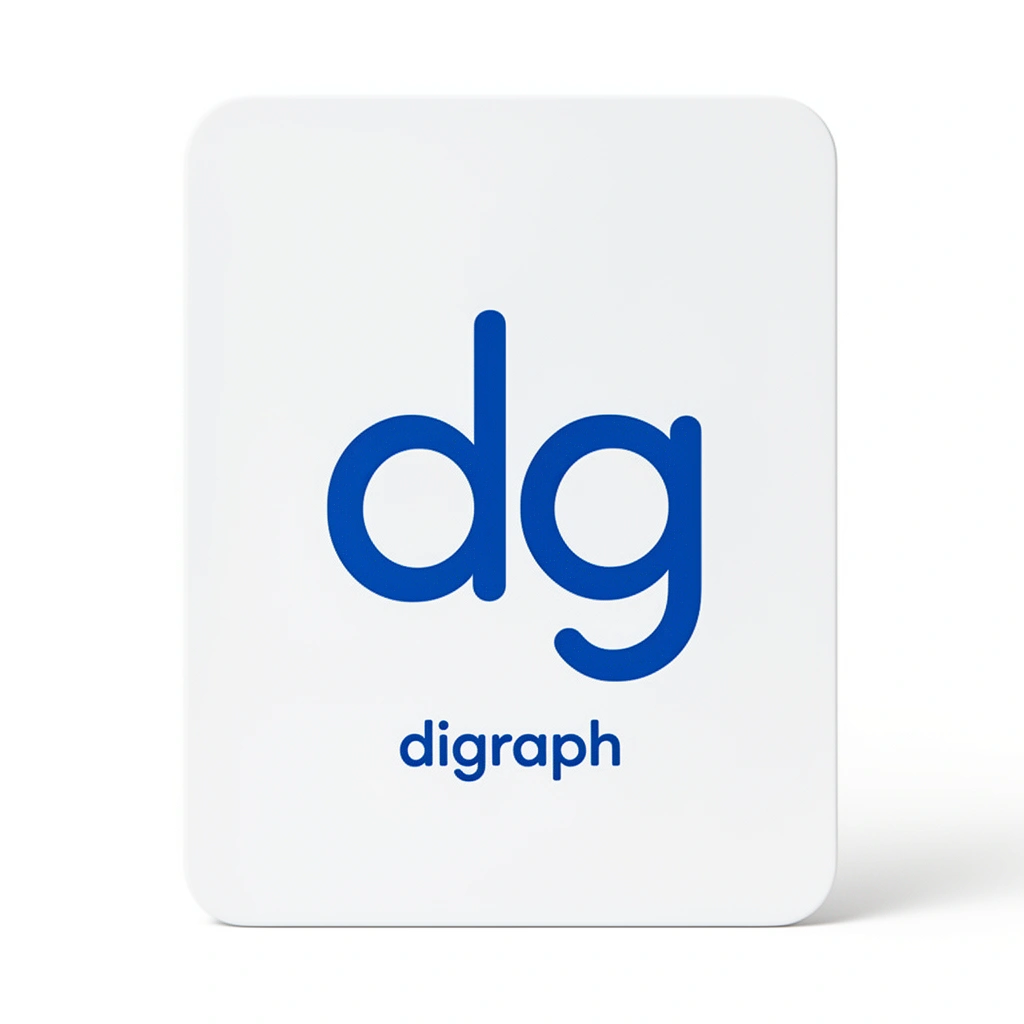
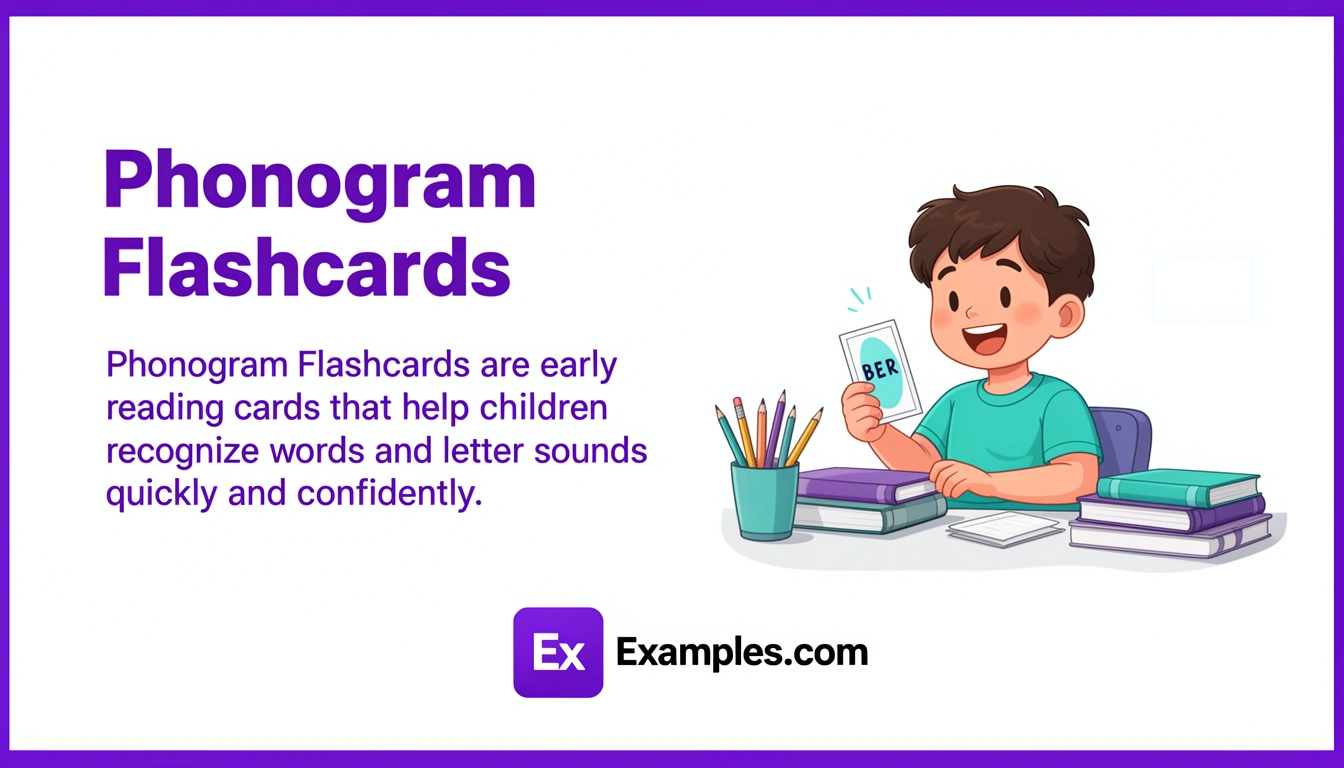
Phonogram Flashcards present individual words, letters, or sound patterns for children to recognize and read aloud, building the automatic word recognition that underlies fluent reading. Reviewing existing phonogram flashcard examples can make it easier to judge what belongs on a good card and what doesn’t.
Why Flashcard Practice Supports Reading Development
Building Automaticity
Fluent readers don’t sound out every word — they recognize many words instantly. Repeated flashcard practice helps move words from “sounding out” to instant recognition.
Reinforcing Phonics Patterns
For cards built around letter sounds or spelling patterns, repetition helps children internalize the relationship between letters and sounds, which supports decoding new words later.
Building Reading Confidence
Mastering a deck of words gives children a visible sense of progress, which can build confidence and enthusiasm around reading practice.
How to Use Phonogram Flashcards With Early Readers
- Start with a small, manageable set rather than an entire word list at once.
- Review in short, frequent sessions — a few minutes daily works better than one long weekly session.
- Mix in review of previously mastered words to prevent forgetting.
- Use the words in simple sentences once recognized, to build reading in context, not just isolated recall.
- Celebrate progress as new words move from “still learning” to “mastered.”
For a faster setup, a flashcard maker can generate this whole deck automatically rather than writing each card by hand.
A Note for Parents and Teachers
Not every child will progress at the same pace, and that’s normal. The goal of Phonogram Flashcards is steady, low-pressure repetition — not rushing a child through the deck as quickly as possible. Tools like an AI flashcard generator can produce a full set of cards like this in seconds, including hints and quiz-ready answer choices.
FAQs
What age should children start using phonogram flashcards?
Most children begin working with early literacy flashcards between ages 3 and 6, depending on their individual readiness for reading instruction.
How many words should be in a starter deck?
Starting with a small set of 10–20 words keeps early practice manageable and builds confidence before expanding the deck.
Should flashcards be used alongside reading books?
Yes — flashcards work best when paired with reading books and other literacy activities, rather than as the only reading practice a child gets.
Conclusion
Phonogram Flashcards offer a simple, proven way to build stronger recall and confidence around Phonogram. Used consistently — in short, regular sessions rather than occasional cramming — they can turn what feels like a mountain of material into steady, manageable progress.