sample 3 – Best AI Marketing Tools & Examples for 2026
AI marketing tools are software platforms that use artificial intelligence to help businesses plan campaigns, create content, analyze data, and automate marketing tasks. In 2026, they are no longer optional tools – they are becoming a core part of how modern marketing works.
This guide is for marketers, founders, agencies, and creators who want to understand the best AI marketing tools and how they are actually used in real marketing. Instead of just listing tools, it explains where they fit and how they help businesses grow.
The biggest shift is clear: AI is moving beyond content creation and becoming a decision-making engine — helping teams choose what to create, who to target, and how to improve results.
What Are AI Marketing Tools?
AI marketing tools are software platforms that use artificial intelligence, machine learning, and large language models to help businesses plan, execute, and optimize marketing activities. They assist with tasks like content creation, advertising, customer targeting, analytics, and automation, allowing marketers to work faster and make more data-driven decisions.
In simple terms, AI marketing tools help companies understand their audience better, create more relevant messaging, and improve marketing performance without relying entirely on manual work.
How they work in Marketing?
AI marketing tools work by collecting and analyzing large amounts of data from different sources — such as website activity, search behavior, social media engagement, email interactions, and advertising performance. They identify patterns, predict outcomes, and recommend or automate actions based on those insights.
For example:
- AI can analyze search trends and suggest what content to create
- It can study customer behavior and personalize email campaigns
- It can test multiple ad variations and optimize the best-performing ones
- It can automate repetitive tasks like reporting, scheduling, and segmentation
Instead of marketers guessing what might work, AI provides data-backed direction and execution support.
How AI Is Transforming Marketing in 2026?
AI is changing how marketing works by making it faster, smarter, and more data-driven. Instead of doing everything manually, marketers now use AI to plan, create, and optimize campaigns with better accuracy.
Here’s how AI is transforming marketing in 2026:
Content creation & SEO
AI helps marketers create blog posts, website content, social media captions, and ads quickly. It also suggests keywords, improves readability, and optimizes content so it ranks better on search engines like Google.
Advertising & performance
AI analyzes ad performance in real time and automatically adjusts targeting, budgets, and creatives. This helps businesses run more effective ad campaigns and reduce wasted spending.
Personalization
AI studies customer behavior and shows personalized content, emails, and product recommendations to each user. This improves engagement and increases conversions.
Automation
AI automates repetitive tasks like scheduling posts, sending emails, generating reports, and managing workflows. This saves time and allows marketers to focus on strategy.
Customer insights
AI collects and analyzes data from websites, social media, and campaigns to understand what customers want, what they click, and what influences their decisions. These insights help marketers make smarter decisions.
Types of AI Marketing Tools
AI marketing tools generally fall into several key categories based on how they support marketing workflows.
Content creation & SEO tools
Used to generate blog posts, ad copy, landing pages, and optimize content for search engines.
Advertising & campaign optimization tools
Help manage paid ads, test creatives, optimize targeting, and improve ROI.
Customer insights & analytics tools
Analyze user behavior, engagement, and sentiment to guide marketing decisions.
Automation & workflow tools
Connect different marketing platforms and automate repetitive processes.
Email & personalization tools
Create personalized campaigns, segment audiences, and nurture leads.
Creative & media tools
Generate images, videos, and marketing assets for campaigns.
Together, these tools form a complete AI-driven marketing ecosystem that supports everything from strategy planning to campaign execution and performance optimization.
Top AI Marketing Tools for 2026
Core AI Marketing Platforms (Most Important Tools)
Core AI marketing platforms are the foundation of modern marketing in 2026. These are not single-purpose tools — they support strategy, content, automation, analytics, and decision-making. Most businesses start with these platforms before adding specialist tools for SEO, ads, design, or email.
They help marketers move from manual execution to intelligent marketing systems that plan, create, optimize, and automate campaigns.
Below are the most important core AI marketing tools and how they are used in real marketing workflows.
Jasper
What it does
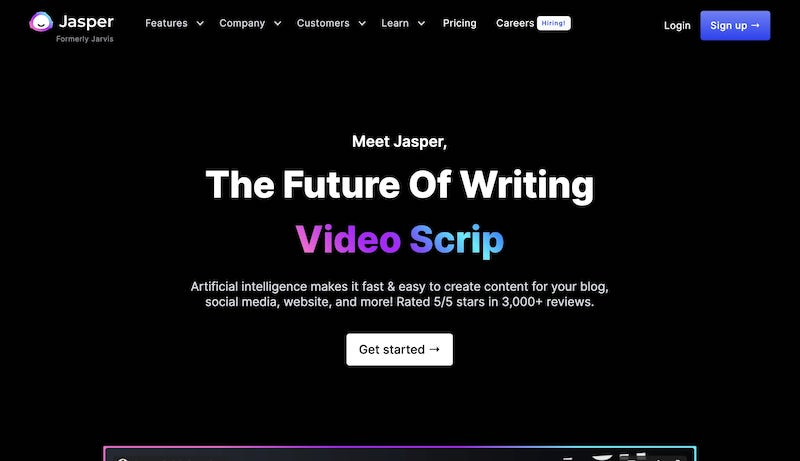
Jasper is an AI copywriting platform designed to create marketing content that matches a brand’s tone and messaging.
Why marketers use it
Maintaining consistent brand voice while producing high volumes of content is difficult. Jasper helps teams scale content production without losing brand identity.
Key features
- Brand voice training
- Marketing templates (ads, blogs, emails)
- Long-form content creation
- Team collaboration features
Real marketing use cases
- Marketing teams generating email campaigns
- Ecommerce brands writing product descriptions
- Agencies producing ad copy at scale
- Businesses creating blog content regularly
Limitations
- Requires editing and refinement
- Needs strong input to match brand tone perfectly
- Subscription cost for teams
Who should use it
- Marketing teams
- Agencies
- Ecommerce brands
- Content-driven businesses
Surfer SEO

What it does
Surfer SEO helps marketers optimize content so it ranks higher on search engines by analyzing top-performing pages and suggesting improvements.
Why marketers use it
Ranking content requires data-driven SEO, not guesswork. Surfer provides insights into keywords, structure, and optimization factors.
Key features
- Real-time SEO content scoring
- Keyword recommendations
- SERP analysis
- Outline suggestions
Real marketing use cases
- SEO agencies optimizing client articles
- SaaS companies scaling organic traffic
- Bloggers improving ranking performance
- Content teams aligning articles with search intent
Limitations
- Requires a writing tool alongside it
- Learning curve for beginners
- Focused on SEO, not full marketing strategy
Who should use it
- SEO specialists
- Bloggers
- Content teams
- Growth marketers
HubSpot AI
What it does
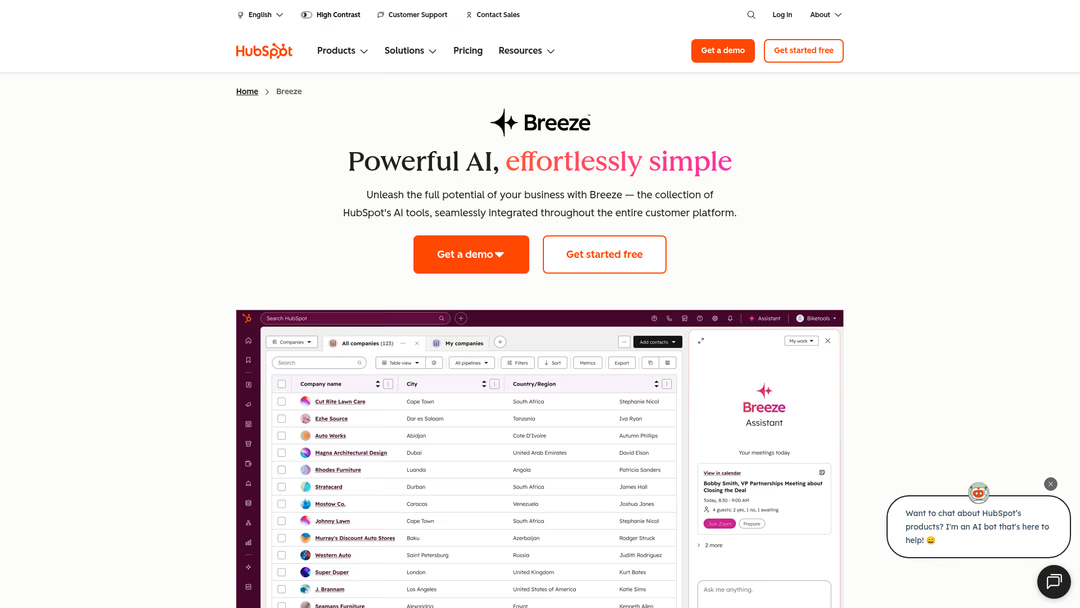
HubSpot AI integrates artificial intelligence into CRM, email marketing, lead management, and campaign automation.
Why marketers use it
Marketing works best when customer data, campaigns, and sales pipelines are connected. HubSpot AI centralizes and automates these processes.
Key features
- AI email personalization
- Lead scoring
- Campaign automation
- CRM insights
- Customer lifecycle tracking
Real marketing use cases
- B2B teams automating lead nurturing sequences
- Sales teams prioritizing high-quality leads
- Marketing teams personalizing email campaigns
- Businesses tracking full customer journeys
Limitations
- Higher cost for advanced features
- Works best within HubSpot ecosystem
Who should use it
- B2B companies
- SaaS businesses
- Marketing teams managing leads and pipelines
Gumloop
What it does
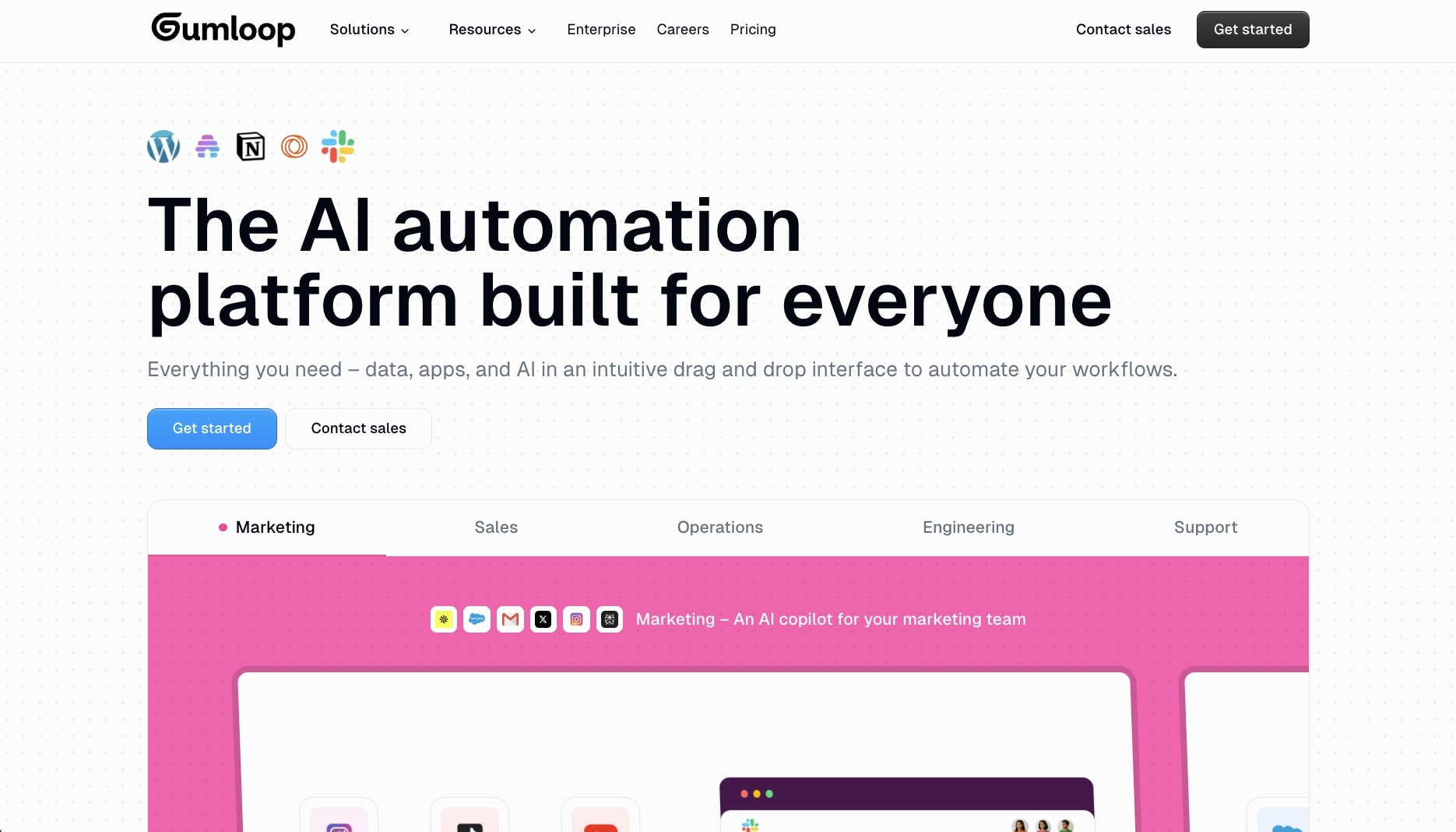
Gumloop is a no-code AI workflow tool that connects apps, data, and AI models to automate marketing processes.
Why marketers use it
Marketing involves many repetitive tasks like research, reporting, and data updates. Gumloop automates these workflows.
Key features
- Drag-and-drop automation
- LLM integrations
- Workflow building
- Data processing automation
Real marketing use cases
- Automated competitor tracking
- Lead data enrichment
- Campaign performance reporting
- Research automation pipelines
Limitations
- Requires workflow setup and planning
- Not focused on content creation
Who should use it
- Marketing operations teams
- Agencies
- Growth teams
- Businesses managing multiple tools
Semrush AI Toolkit
What it does
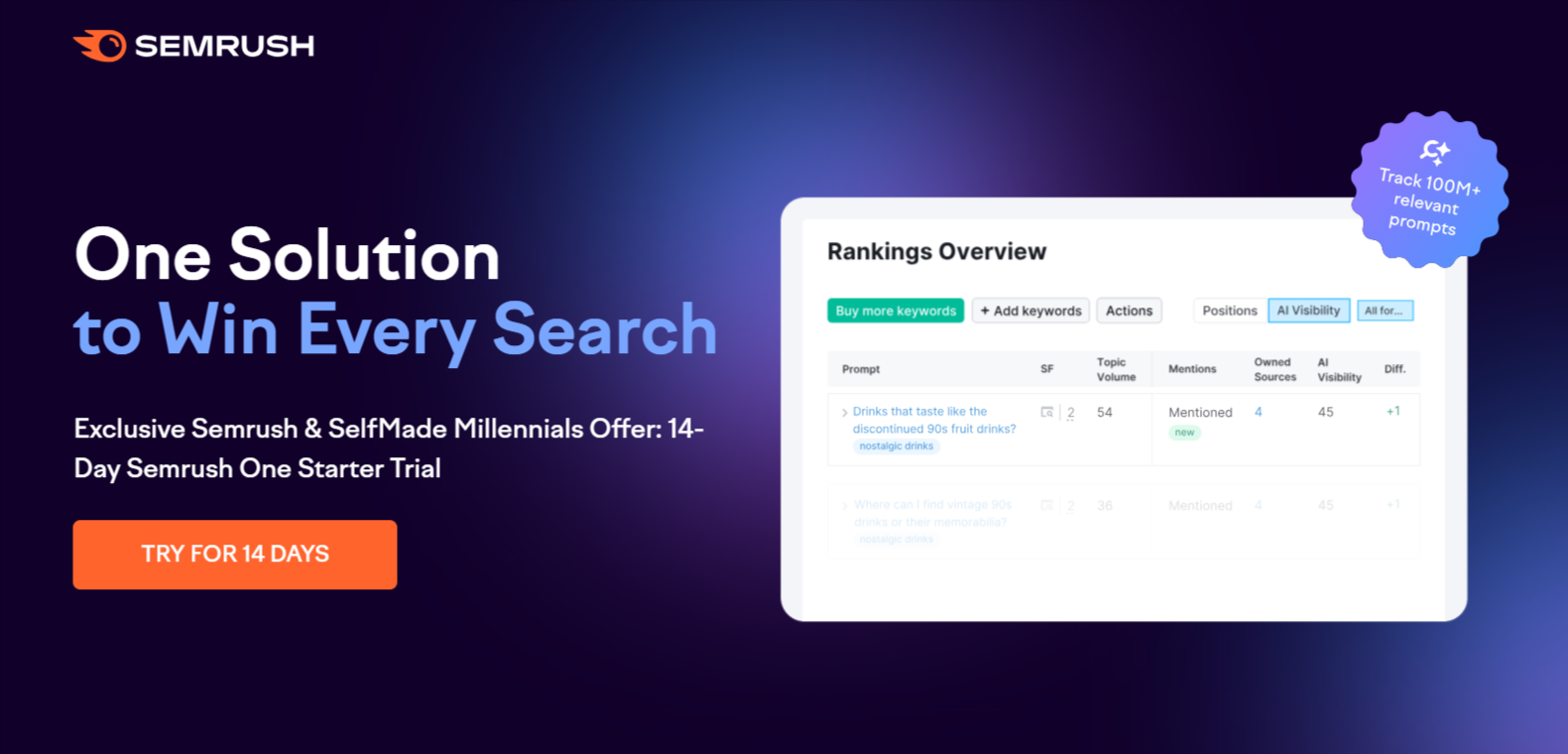
Semrush AI Toolkit helps marketers analyze SEO performance, track brand visibility, research keywords, and understand how their brand appears in AI search results.
Why marketers use it
Search is changing with AI results and search engines evolving. Marketers need data to plan content and compete effectively.
Key features
- Keyword research
- Competitor analysis
- SEO performance tracking
- AI visibility insights
- Prompt research
Real marketing use cases
- SEO teams planning content strategies
- Agencies analyzing competitor gaps
- Brands tracking online visibility
- Marketers improving organic traffic
Limitations
- Data-heavy for beginners
- Works best as part of an SEO workflow
Who should use it
- SEO specialists
- Agencies
- Content strategists
- Businesses focused on organic growth.
AI Tools for Content Creation & SEO
These tools help marketers produce content faster, optimize it for search engines, and improve quality without relying entirely on manual writing or editing. They are widely used for blogging, landing pages, email copy, and SEO workflows.
Brandwell
What it does
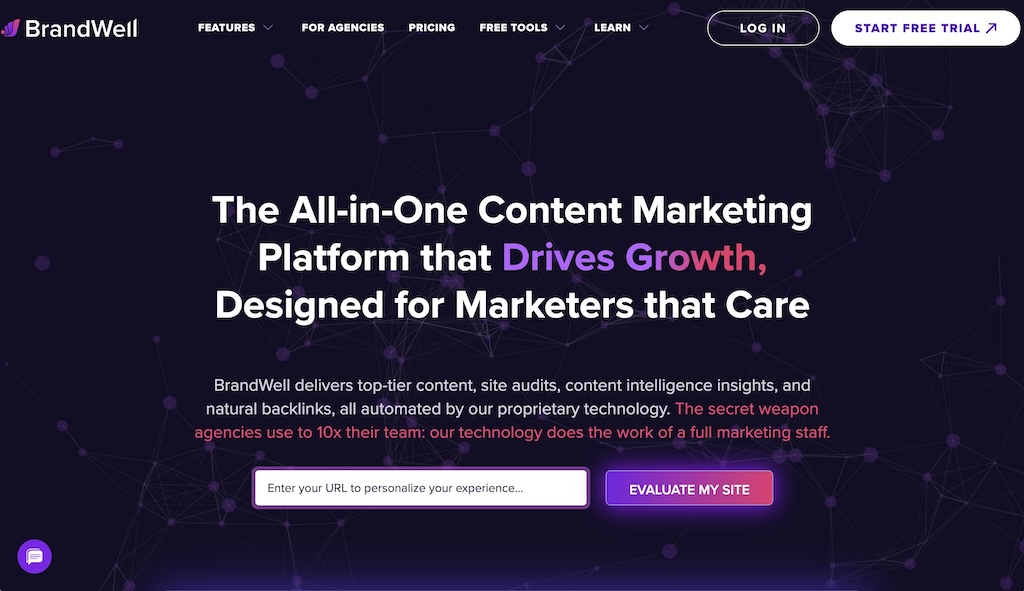
Brandwell is an AI content generation platform built for producing long-form blog posts and SEO-focused articles. It helps marketers create structured content aligned with keywords and search intent. The tool focuses on scaling blog production while maintaining readability and optimization.
Where it’s used in marketing
- Blog content production
- Affiliate content creation
- SEO article publishing
- Content marketing workflows
Who should use it
- Bloggers
- Content marketers
- SEO teams
- Agencies
Writer.com
What it does
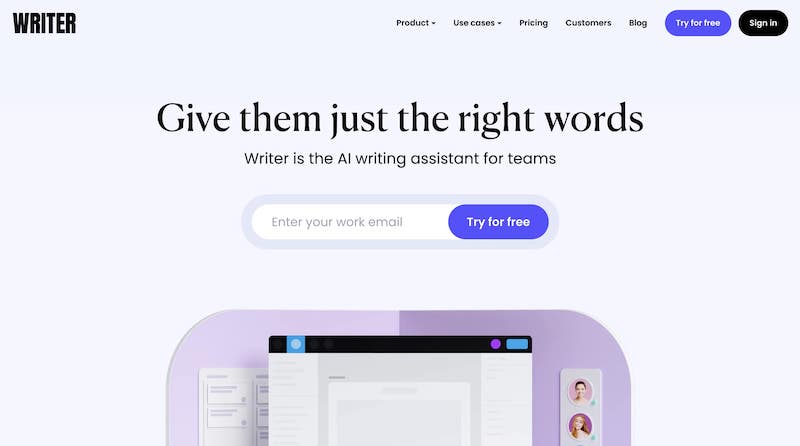
Writer.com is an AI writing assistant designed for teams that need consistent brand communication. It helps improve clarity, grammar, and tone while maintaining brand guidelines across marketing content. The tool works more as a writing companion than a full content generator.
Where it’s used in marketing
- Website copy
- Brand messaging
- Internal marketing documents
- Email content
Who should use it
- Enterprise marketing teams
- Content managers
- Brand teams
Koala AI
What it does
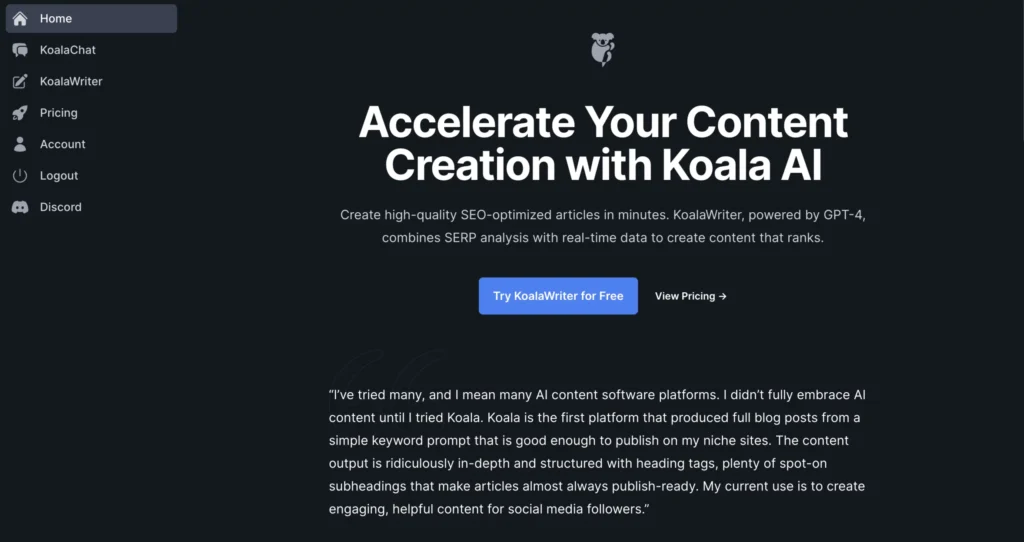
Koala AI generates SEO blog posts based on keywords, outlines, and tone preferences. It combines AI writing with optimization features to simplify content creation. The platform helps marketers produce articles quickly while keeping SEO considerations in mind.
Where it’s used in marketing
- Blog writing
- Niche site content
- Affiliate marketing content
- Content scaling
Who should use it
- Bloggers
- SEO creators
- Website owners
ContentShake AI
What it does
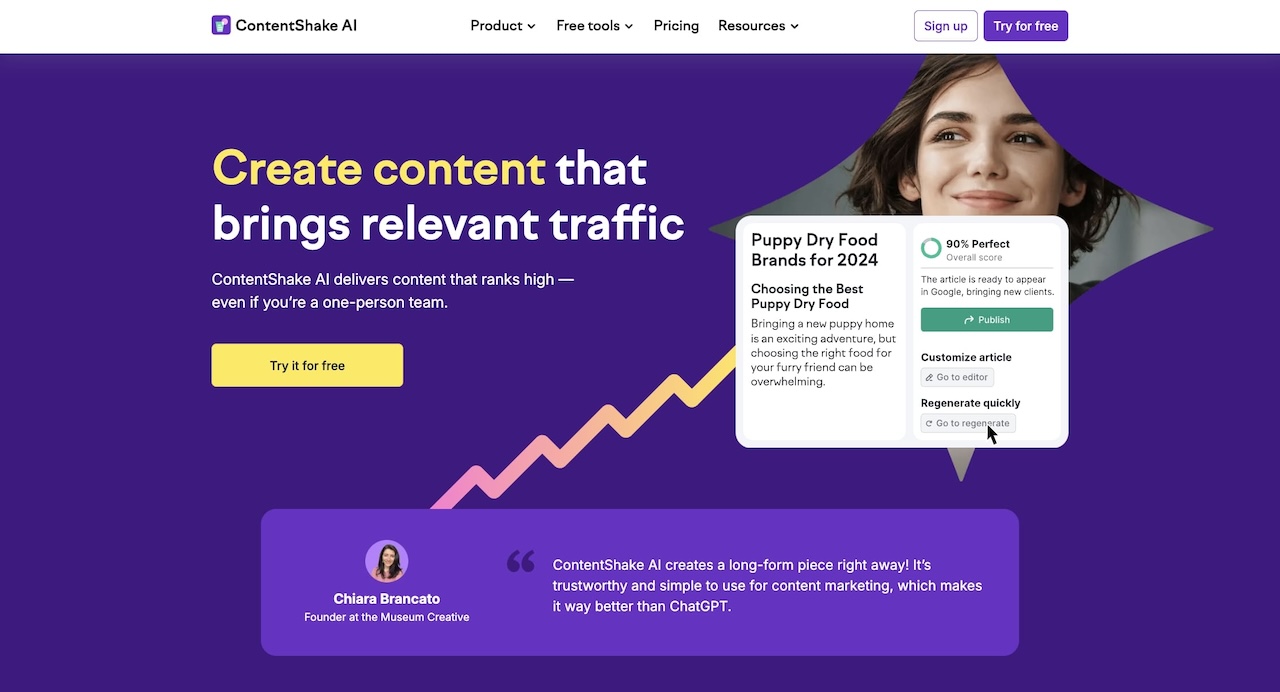
ContentShake AI helps marketers create SEO-focused content using search data and AI writing capabilities. It connects keyword research with article creation and optimization. The tool is designed to improve content performance in search rankings.
Where it’s used in marketing
- SEO content planning
- Blog article generation
- Keyword-based content strategies
Who should use it
- SEO marketers
- Agencies
- Content strategists
Originality AI
What it does
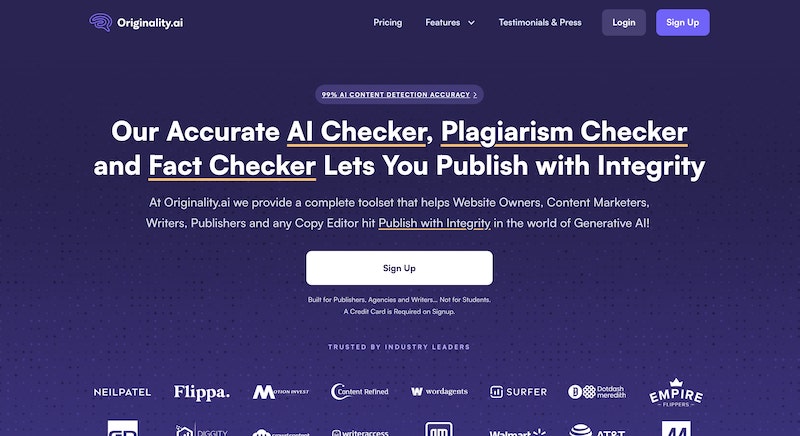
Originality AI detects AI-generated content and checks for plagiarism. It helps marketers ensure content authenticity and maintain originality. The tool is often used as a quality-check layer before publishing content.
Where it’s used in marketing
- Content audits
- Writer verification
- Editorial review workflows
Who should use it
- Editors
- Agencies
- Content managers
Undetectable AI
What it does
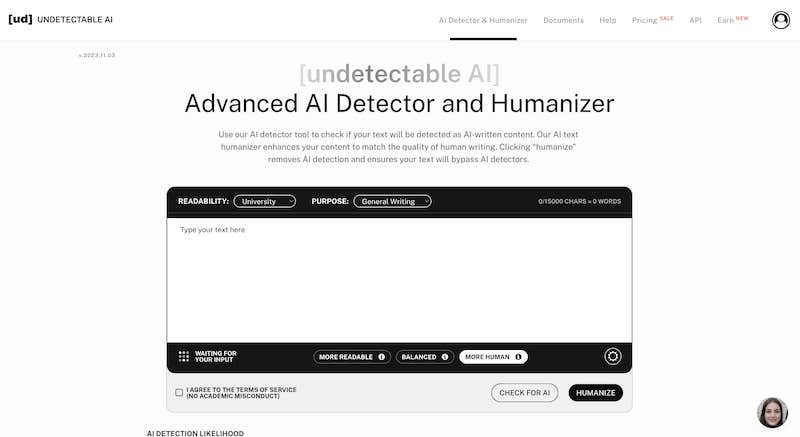
Undetectable AI rewrites AI-generated text to make it sound more natural and human. It focuses on improving tone and readability. The tool is used to refine drafts created using AI platforms.
Where it’s used in marketing
- Blog editing
- AI draft refinement
- Content polishing
Who should use it
- Bloggers
- Content creators
- Agencies
Grammarly
What it does
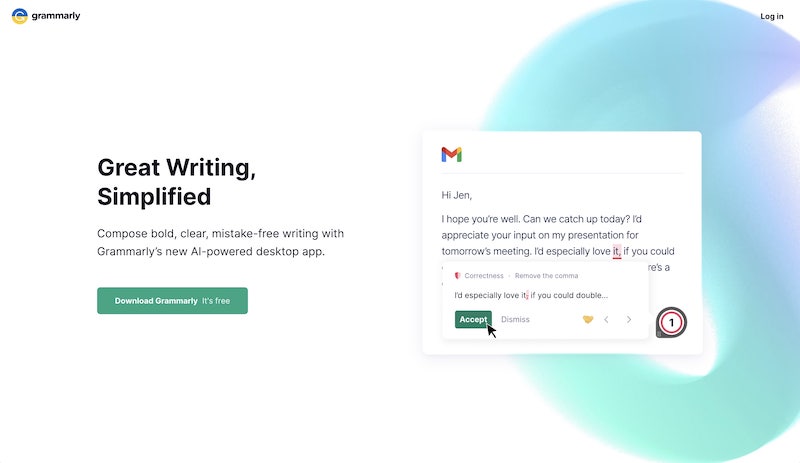
Grammarly is an AI writing assistant that improves grammar, clarity, and tone. It helps marketers refine their content before publishing. The tool works across emails, documents, and marketing platforms.
Where it’s used in marketing
- Email writing
- Blog editing
- Social media content
- Business communication
Who should use it
- Writers
- Marketers
- Professionals
Hemingway
What it does
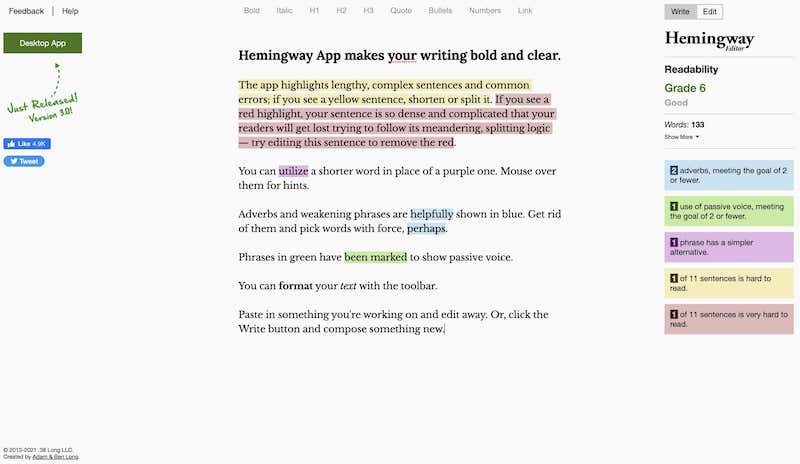
Hemingway is a readability tool that simplifies sentences and improves clarity. It highlights complex phrasing, passive voice, and long sentences. The goal is to make content easier to understand.
Where it’s used in marketing
- Blog editing
- Landing page copy
- Marketing content simplification
Who should use it
- Content writers
- Editors
- Marketing teams
AI Tools for Images, Video & Creatives
These tools help marketers create visual and audio content faster for social media, ads, blogs, and campaigns. Instead of relying fully on designers or editors, AI allows teams to generate creatives at scale.
Lexica Art
What it does
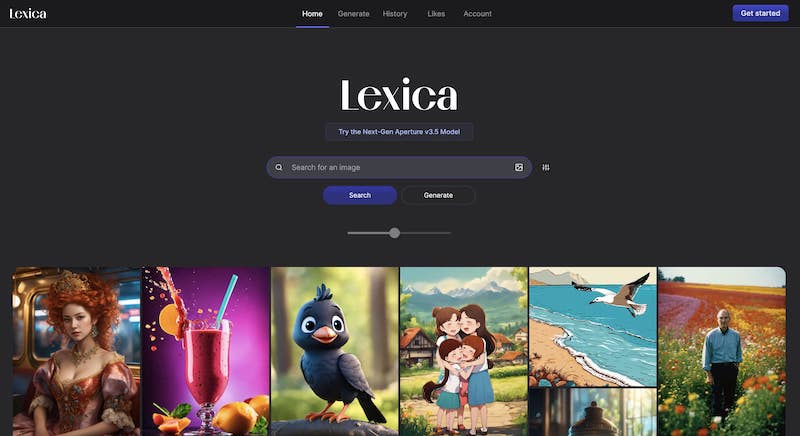
Lexica Art is an AI image generation tool that creates visuals from text prompts. It helps marketers generate unique images for marketing campaigns, blog thumbnails, and social content without using stock photos. The platform focuses on producing creative, realistic visuals quickly.
Where it’s used in marketing
- Blog featured images
- Social media graphics
- Ad creatives
- Website visuals
Who should use it
- Content marketers
- Bloggers
- Social media teams
Crayo
What it does
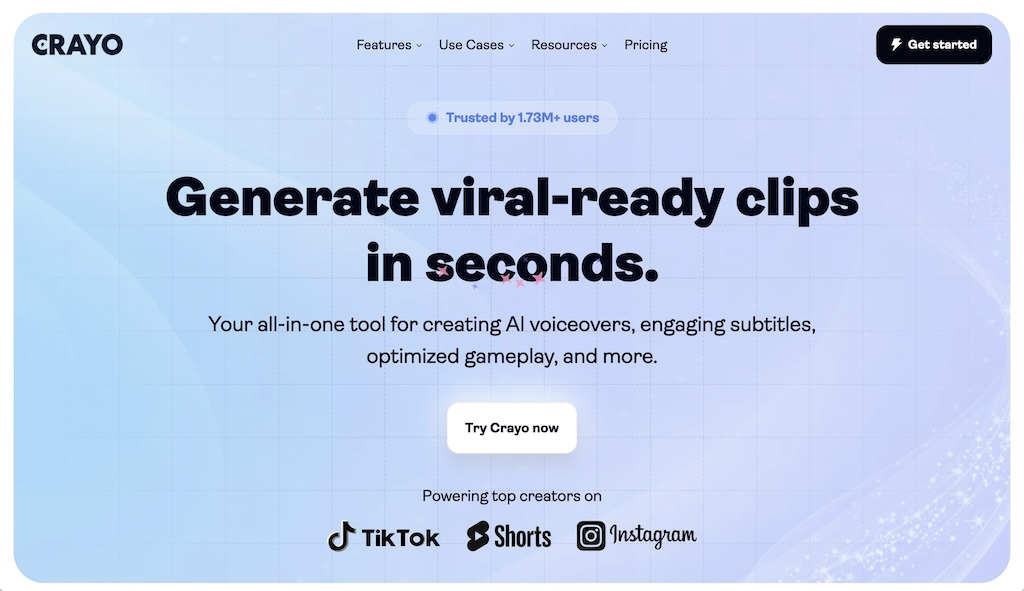
Crayo is an AI video creation tool designed for short-form marketing videos. It helps marketers generate scripts, visuals, and edits for platforms like Instagram, TikTok, and YouTube Shorts. The focus is on speed and viral-style video production.
Where it’s used in marketing
- Social media video content
- Product promotions
- Short-form video campaigns
Who should use it
- Social media marketers
- Creators
- Agencies
PhotoRoom

What it does
PhotoRoom uses AI to remove backgrounds and enhance images instantly. It helps marketers create professional-looking visuals without design skills. The tool is especially useful for product images and promotional graphics.
Where it’s used in marketing
- Ecommerce product images
- Marketing banners
- Social media visuals
Who should use it
- Ecommerce brands
- Small businesses
- Content creators
LALAL.AI
What it does
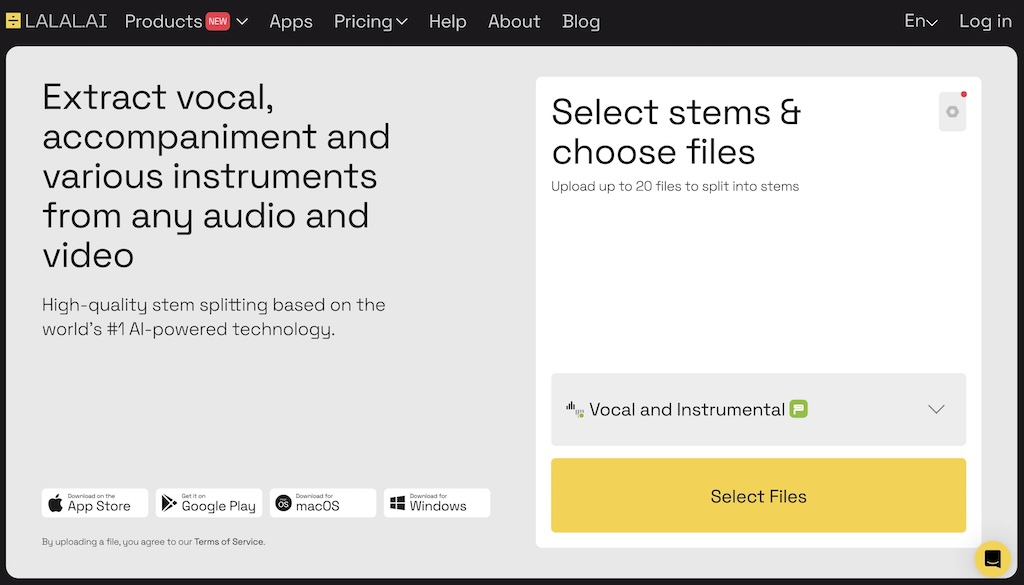
LALAL.AI is an AI audio processing tool that removes noise, separates vocals, and improves sound quality. It helps marketers produce clean audio for videos, podcasts, and campaigns. The platform simplifies audio editing without professional tools.
Where it’s used in marketing
- Podcast production
- Video voiceovers
- Audio content editing
Who should use it
- Video creators
- Podcasters
- Marketing teams
AI Tools for Ads & Campaign Optimization
These tools help marketers improve advertising performance by optimizing messaging, targeting, and campaign results using AI insights and automation.
Albert.ai
What it does
Albert.ai is an AI advertising platform that manages and optimizes paid campaigns across digital channels. It analyzes data to adjust targeting, budgets, and creatives automatically. The goal is to improve performance and reduce wasted ad spend.
Where it’s used in marketing
- Paid ad campaigns
- Performance marketing
- Campaign optimization
Who should use it
- Paid ads teams
- Agencies
- Ecommerce brands
Persado
What it does
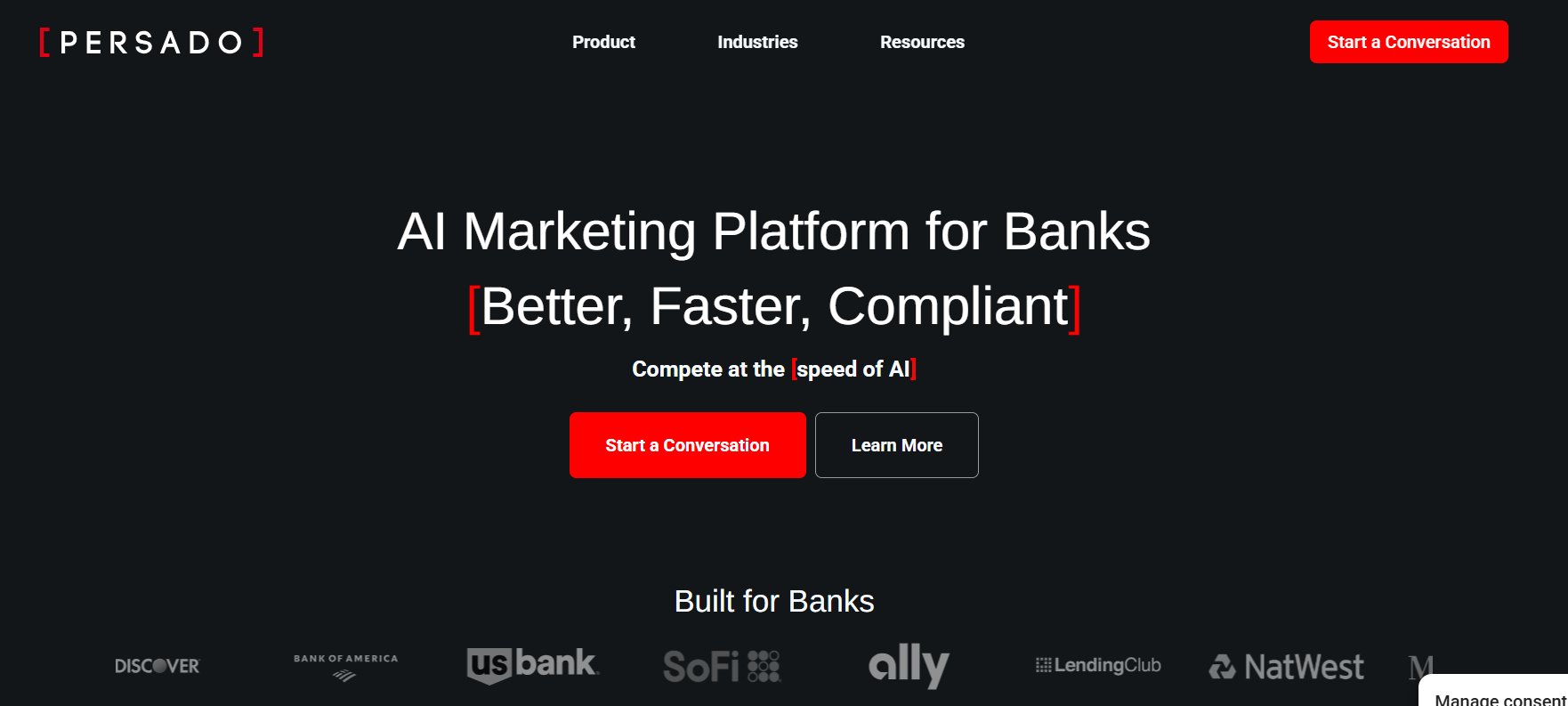
Persado uses AI to generate marketing messages designed to improve engagement and conversions. It focuses on emotional language and data-driven copy. The tool helps marketers test and refine messaging.
Where it’s used in marketing
- Email campaigns
- Ad messaging
- Website CTAs
Who should use it
- Marketing teams
- Email marketers
- Growth teams
AI Tools for Email Marketing & Funnels
These tools help marketers automate outreach, nurture leads, and grow audiences through email campaigns and funnel-based communication.
Reply.io
What it does
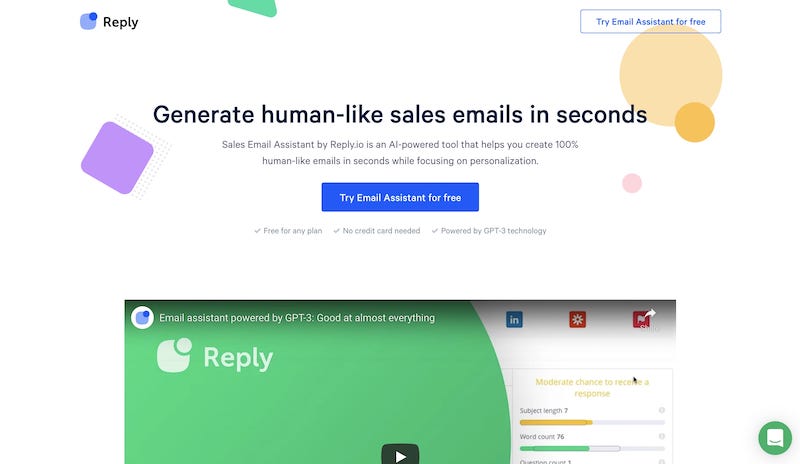
Reply.io is an AI-powered outreach platform that automates email sequences, follow-ups, and lead communication. It helps teams manage conversations at scale while maintaining personalization. The tool is widely used in sales and B2B marketing workflows.
Where it’s used in marketing
- Cold outreach campaigns
- Lead nurturing sequences
- Sales communication
Who should use it
- B2B marketers
- Sales teams
- Agencies
beehiiv
What it does
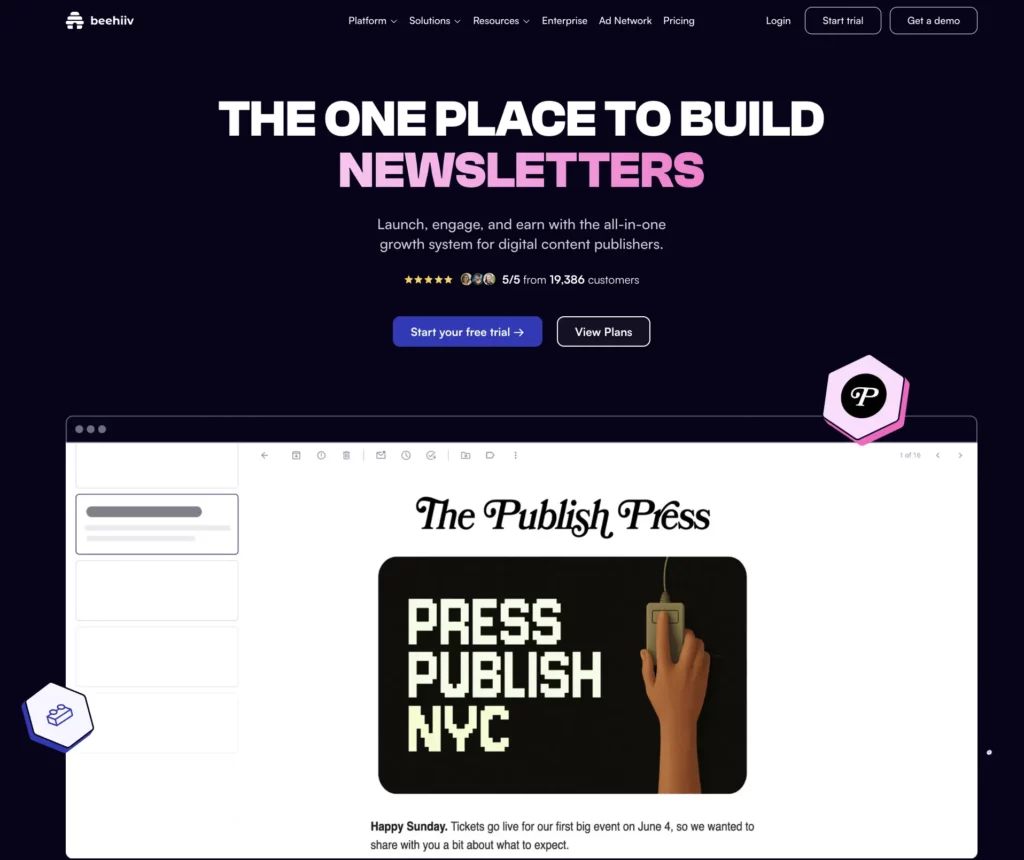
beehiiv is an AI-supported newsletter platform designed to create, grow, and monetize email audiences. It helps marketers write newsletters, manage subscribers, and analyze performance. The platform is focused on audience-driven marketing.
Where it’s used in marketing
- Newsletter marketing
- Audience building
- Creator marketing
Who should use it
- Creators
- Content marketers
- Startups
AI Chatbots for Leads & Customer Support
AI chatbots help businesses respond instantly to customers, capture leads, and automate conversations across websites and messaging platforms.
Chatfuel
What it does
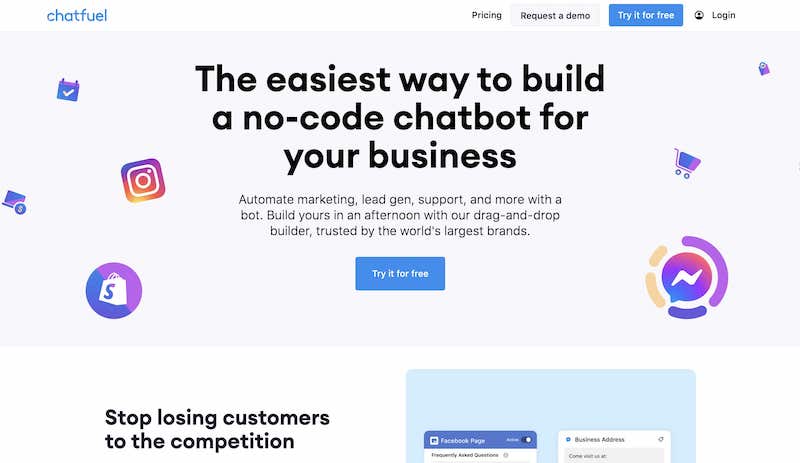
Chatfuel is an AI chatbot platform that allows businesses to automate conversations with customers. It helps answer questions, collect leads, and guide users through basic support or sales processes.
Where it’s used in marketing
- Website chat
- Lead capture
- Social media messaging
Who should use it
- Ecommerce brands
- Service businesses
- Marketing teams
Userbot.ai
What it does
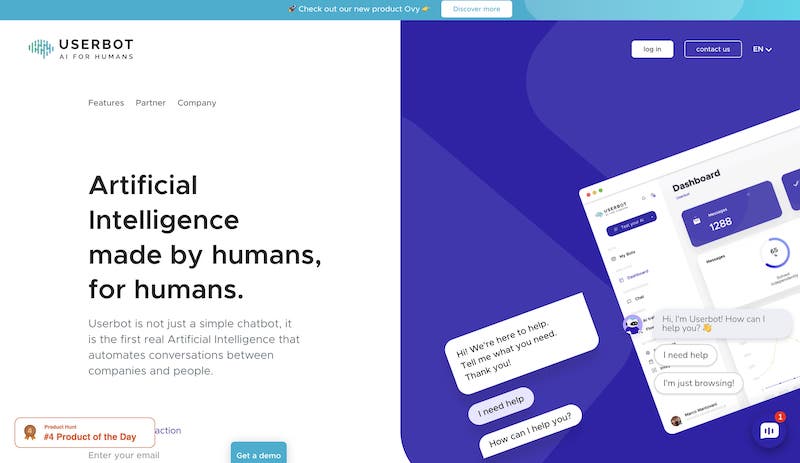
Userbot.ai is a conversational AI platform that blends chatbot automation with human support when needed. It helps manage customer interactions and improves response efficiency.
Where it’s used in marketing
- Customer support
- Sales conversations
- Lead qualification
Who should use it
- Support teams
- SaaS companies
- Online businesses
AI Tools for Customer Insights & Analytics
These tools help marketers understand customer behavior, track performance, and make data-driven decisions using AI analysis.
FullStory
What it does
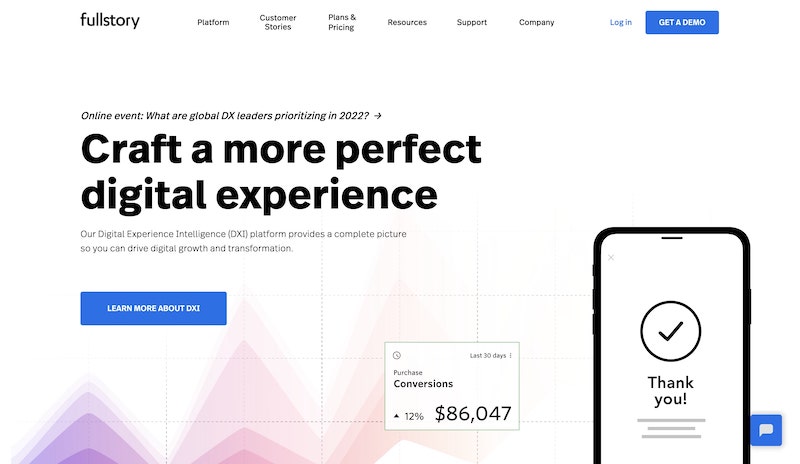
FullStory tracks how users interact with websites and apps by recording sessions, clicks, and navigation behavior. It helps marketers identify friction points and improve user experience.
Where it’s used in marketing
- Conversion optimization
- Website UX improvement
- Funnel analysis
Who should use it
- Growth marketers
- UX teams
- Ecommerce brands
Mixpanel
What it does
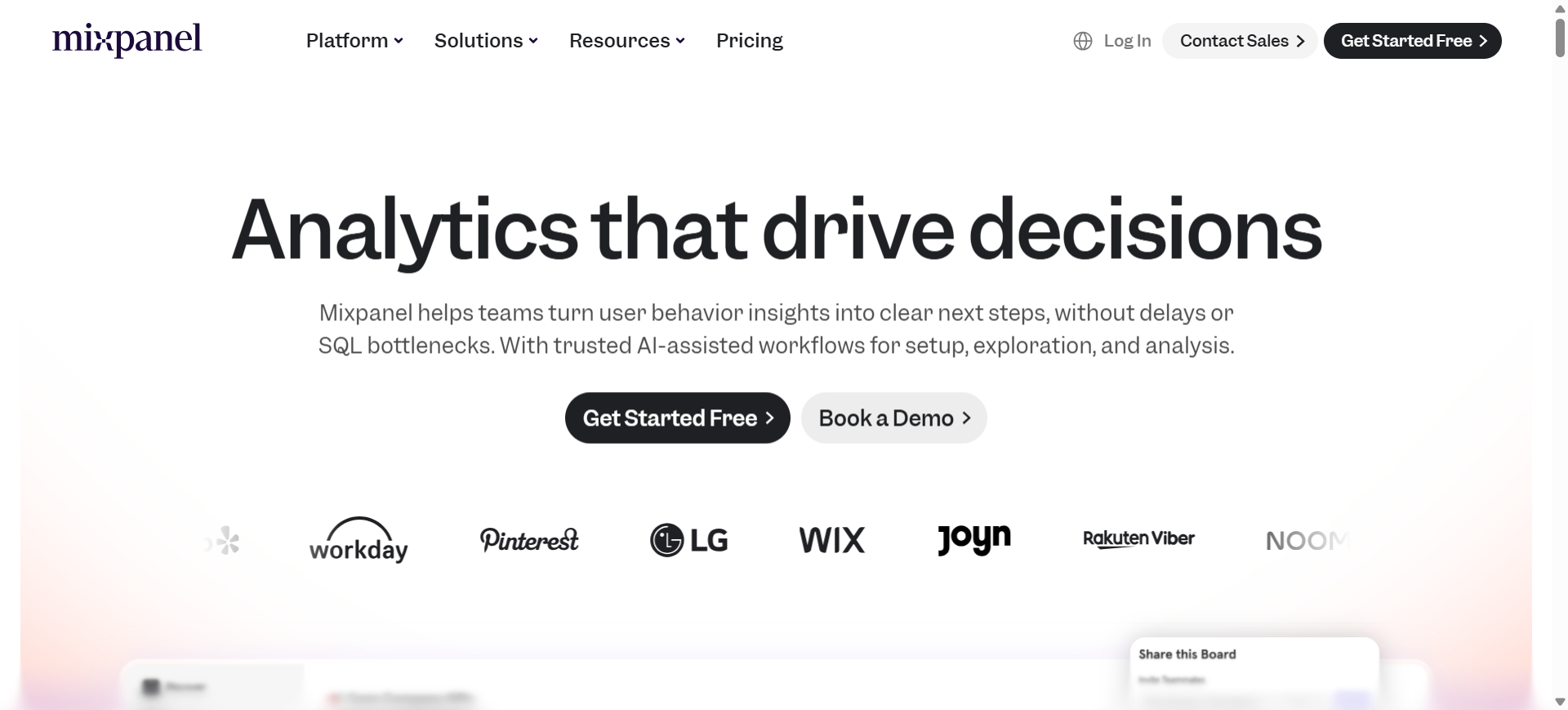
Mixpanel is an analytics platform that tracks user behavior, engagement, and retention across digital products. It helps marketers understand how users interact with campaigns and features.
Where it’s used in marketing
- Funnel tracking
- Product marketing
- Campaign performance analysis
Who should use it
- SaaS companies
- Product marketers
- Growth teams
Brand24
What it does
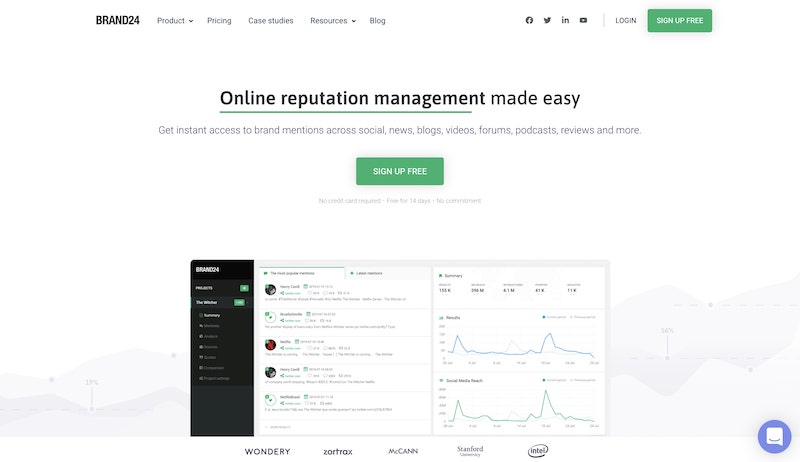
Brand24 monitors online mentions of a brand across social media, blogs, and news platforms. It uses AI to analyze sentiment and identify trends.
Where it’s used in marketing
- Brand monitoring
- Reputation management
- Social listening
Who should use it
- Marketing teams
- PR teams
- Agencies
AI Tools for Marketing Automation & Workflows
These tools help marketers automate repetitive tasks, connect apps, and build systems that run marketing processes without manual work. They are used to improve efficiency and scale operations.
Zapier
What it does
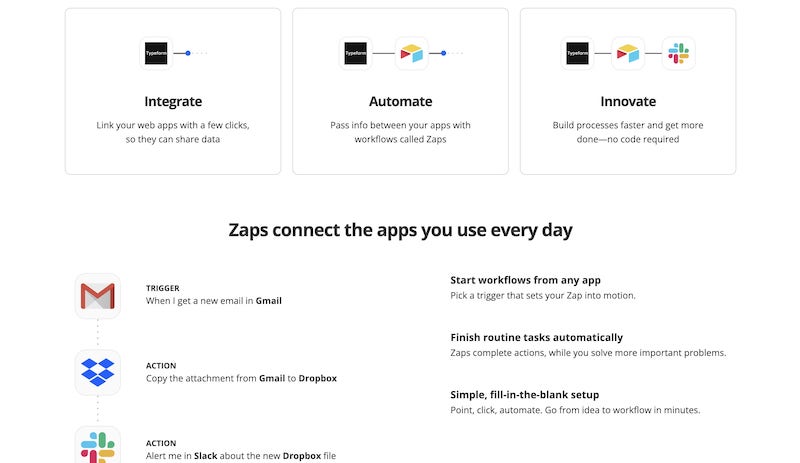
Zapier is a no-code automation platform that connects different marketing tools and apps. It automates tasks like sending data between platforms, triggering workflows, and managing processes. Marketers use it to reduce manual work and streamline operations.
Where it’s used in marketing
- Lead automation
- Workflow integrations
- Campaign task automation
Who should use it
- Marketing teams
- Agencies
- Small businesses
Browse AI
What it does
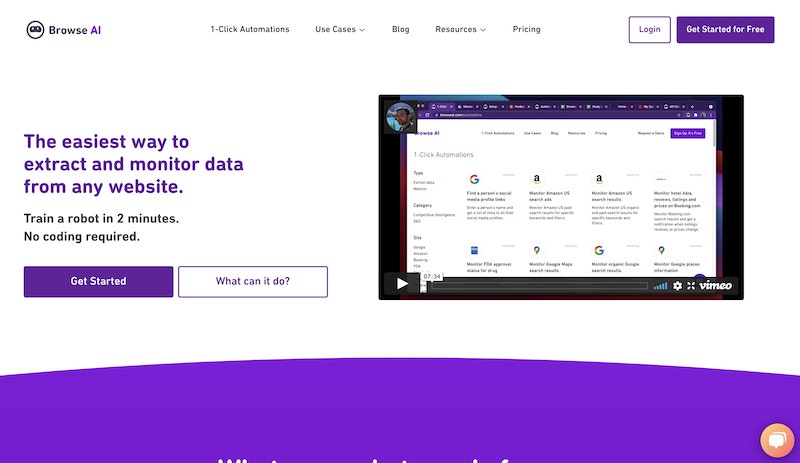
Browse AI extracts data from websites and automates research tasks. It helps marketers collect competitor data, monitor updates, and gather insights automatically. The tool simplifies data collection without manual effort.
Where it’s used in marketing
- Competitor research
- Price monitoring
- Market analysis
Who should use it
- SEO teams
- Researchers
- Agencies
AI Tools for Social & Influencer Marketing
AI tools in this category help brands discover influencers, manage campaigns, and measure performance across social platforms.
Influencity
What it does
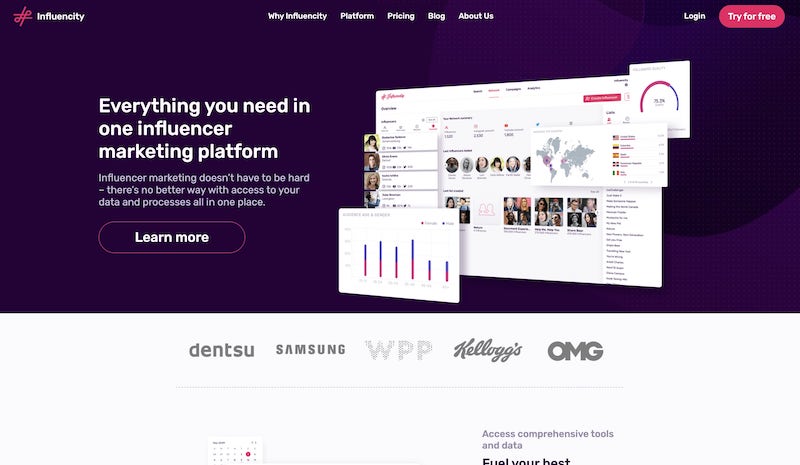
Influencity is an AI influencer marketing platform that helps brands identify, analyze, and collaborate with influencers. It provides data insights and campaign tracking to improve influencer partnerships.
Where it’s used in marketing
- Influencer discovery
- Campaign management
- Social media collaborations
Who should use it
- Brands
- Agencies
- Social media marketers
AI Tools for Website Search & Personalization
These tools help improve user experience by making website search smarter and recommending relevant content or products.
Algolia
What it does
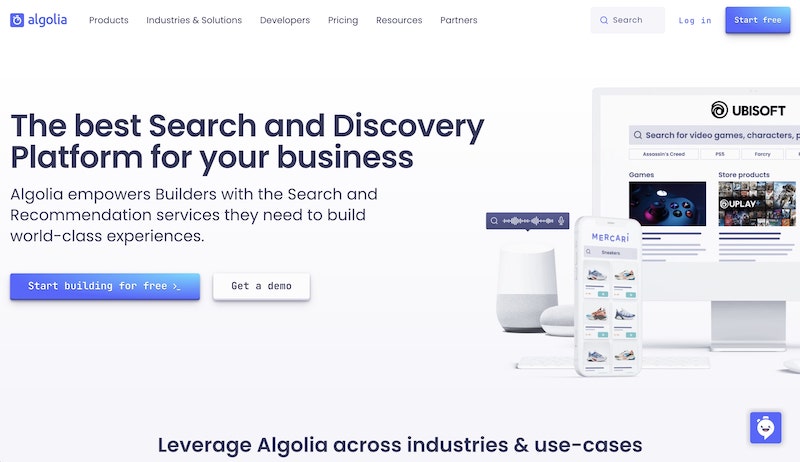
Algolia is an AI-powered search and recommendation platform that improves how users find content or products on websites. It delivers fast search results and personalized recommendations based on user behavior.
Where it’s used in marketing
- Ecommerce search
- Website personalization
- Product recommendations
Who should use it
- Ecommerce brands
- SaaS platforms
- Websites with large content libraries
AI Tools for Marketing Planning & Team Operations
These tools support internal marketing workflows, planning, and collaboration.
Notion AI
What it does
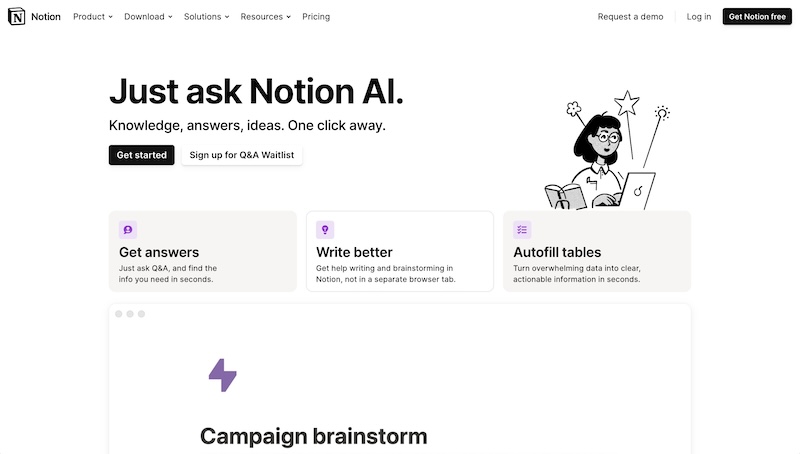
Notion AI is an AI assistant integrated into the Notion workspace that helps teams write, plan, organize, and manage marketing work. It supports brainstorming, documentation, and task management.
Where it’s used in marketing
- Content planning
- Campaign documentation
- Team collaboration
Who should use it
- Marketing teams
- Content teams
- Agencies
Real Examples of AI Marketing in Action (2026)
AI marketing is not theoretical anymore. Businesses across industries are already using AI tools to run campaigns, create content, and improve performance.
Ecommerce example
An ecommerce brand uses AI tools to generate product descriptions, run ad campaigns, and personalize recommendations. AI analyzes browsing behavior and suggests products automatically, increasing conversions and average order value.
SaaS example
A SaaS company uses AI for SEO content, email automation, and lead scoring. AI identifies high-intent users, personalizes onboarding emails, and improves retention through behavior-based messaging.
Local business example
A local service business uses AI chatbots for website inquiries, automated appointment reminders, and social media content generation. This reduces manual work and improves customer response time.
Creator example
A content creator uses AI to generate blog outlines, social posts, newsletters, and video scripts. This helps maintain consistent publishing and audience growth without a large team.
Why AI Marketing Tools Matter in 2026?
AI marketing tools are becoming essential because marketing itself is changing.
Competition
Businesses that adopt AI produce more content, launch campaigns faster, and analyze performance better. This creates a gap between AI-driven marketers and traditional teams.
AI search shift
Search engines and AI assistants are reshaping discovery. Brands now need content optimized for AI results, not just traditional search rankings.
Automation advantage
AI reduces repetitive work, allowing marketers to focus on strategy, creativity, and growth.
ROI improvements
AI improves targeting, messaging, and optimization — which leads to higher conversions and better marketing performance.
AI Marketing Tools Comparison Table
| Tool | Category | Best for | Skill level | Pricing type | Strength | Limitation |
|---|---|---|---|---|---|---|
| Jasper | Content | Copywriting & brand voice | Beginner | Subscription | Templates & tone control | Needs editing |
| Surfer SEO | SEO | Content optimization | Intermediate | Subscription | Ranking insights | Not a writer |
| HubSpot AI | CRM & marketing | Lead nurturing | Intermediate | Subscription | CRM integration | Cost |
| Gumloop | Automation | Workflow building | Intermediate | Freemium | App integrations | Setup required |
| Semrush AI | SEO & research | Keyword & visibility | Intermediate | Subscription | Data insights | Complex |
| Grammarly | Editing | Writing clarity | Beginner | Freemium | Easy editing | Not content generator |
| PhotoRoom | Creative | Image editing | Beginner | Freemium | Fast visuals | Limited design |
| Zapier | Automation | Task workflows | Beginner–Intermediate | Freemium | Integration ecosystem | Complex workflows |
| Brand24 | Analytics | Reputation monitoring | Beginner | Subscription | Social insights | Monitoring focus |
How to Choose the Right AI Marketing Tool
Not every tool fits every business. Choosing depends on your goals, budget, and workflow.
Based on business type
- Ecommerce → ads, personalization, product content
- SaaS → SEO, email, automation
- Agency → multi-tool workflows
- Creator → content & social tools
Based on marketing channel
- SEO → Surfer, Semrush
- Ads → Albert, Persado
- Email → Reply.io, beehiiv
- Social → Crayo, Influencity
Based on budget
- Free tools → ChatGPT, Grammarly, Notion AI
- Mid budget → Jasper, Surfer
- Enterprise → HubSpot AI
Based on team size
- Solo → all-in-one tools
- Small teams → automation + content tools
- Large teams → CRM + workflow tools
Based on growth stage
- Early stage → content + SEO tools
- Scaling → automation + analytics
- Mature → AI decision platforms
Conclusion
AI marketing tools are powerful, but strategy matters more than tools.
Businesses that succeed in 2026 are not those using the most tools — but those using the right ones with a clear strategy. The gap between AI-enabled marketers and traditional workflows is growing quickly.
The real advantage comes from combining human creativity with AI intelligence.
Share :