89 | SMALL BUSINESS SAFETY AND HEALTH HANDBOOK
Whistleblower Program:
Protection from Retaliation
To help ensure that workers are free to participate
in safety and health activities, Section 11(c) of
the OSH Act prohibits any person from firing or
in any manner retaliating against any worker for
exercising rights under the OSH Act. These rights
include raising safety and health concerns with
an employer, reporting a work-related injury or
illness, filing a complaint with OSHA, seeking
an OSHA inspection, participating in an OSHA
inspection and participating or testifying in any
proceeding related to an OSHA inspection.
Protection from retaliation means that an
employer cannot retaliate by taking “adverse
action” against workers, such as:
•
Firing or laying off
•
Demoting
•
Denying overtime or promotion
•
Disciplining
•
Denying benefits
•
Failing to hire or rehire
•
Intimidation or harassment
•
Making threats
•
Reassignment to a less desirable position or
actions affecting prospects for promotion
(such as excluding an employee from training
meetings)
•
Reducing or changing pay or hours
•
More subtle actions, such as isolating,
ostracizing, mocking, or falsely accusing the
employee of poor performance
•
Blacklisting (intentionally interfering with an
employee’s ability to obtain future employment)
•
Constructive discharge (quitting when an
employer makes working conditions intolerable
due to the employee’s protected activity)
•
Reporting or threatening to report an employee
to the police or immigration authorities
Workers who believe an employer has retaliated
against them for exercising their safety and
health rights should contact their local OSHA
office right away. A worker must file a retaliation
complaint with OSHA within 30 calendar days
from the date the retaliatory decision has
been both made and communicated to the
worker. No form is needed, but workers must
contact OSHA within 30 days of the alleged
retaliation. Complaints may be filed verbally
with OSHA by visiting or calling the local OSHA
office at 1-800-321-OSHA (6742), or may be
filed in writing by sending a written complaint
by facsimile, electronic communication, hand
delivery during normal business hours, U. S. mail,
or other third‑party commercial carrier to the
closest OSHA regional or area office, or by
filing a complaint online at
www.osha.gov/
whistleblower/WBComplaint
. For more
information, please visit OSHA’s
Whistleblower
Protection Program webpage
If a worker believes that working conditions
are unsafe or unhealthful, the worker may file a
complaint with OSHA concerning a hazardous
working condition. The worker may have a legal
right to refuse to work if the condition clearly
presents a risk of death or serious physical
harm, there is not sufficient time for OSHA
to inspect, and, where possible, a worker has
brought the condition to the attention of the
employer. For more information, visit OSHA’s
Worker Rights webpage
.
State Plans
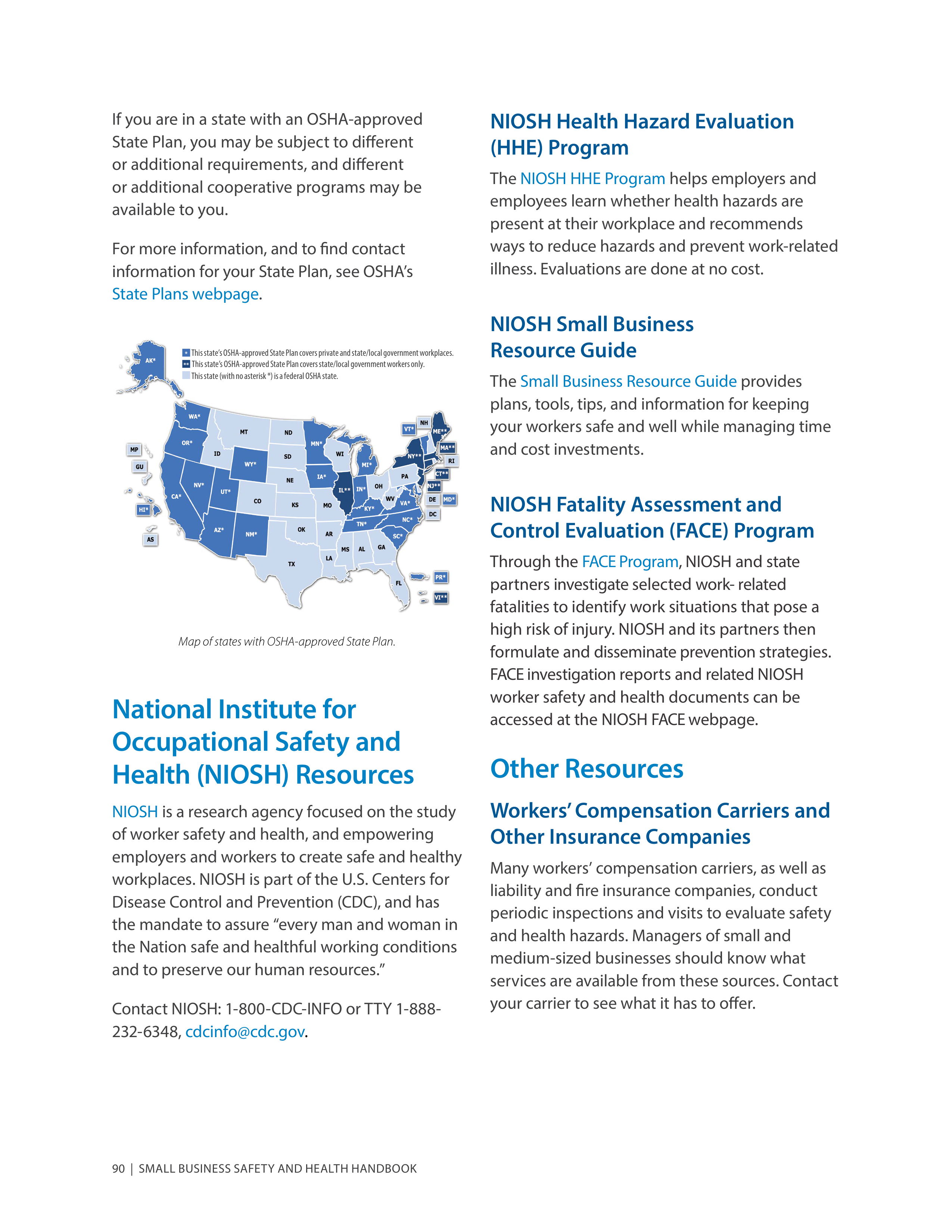
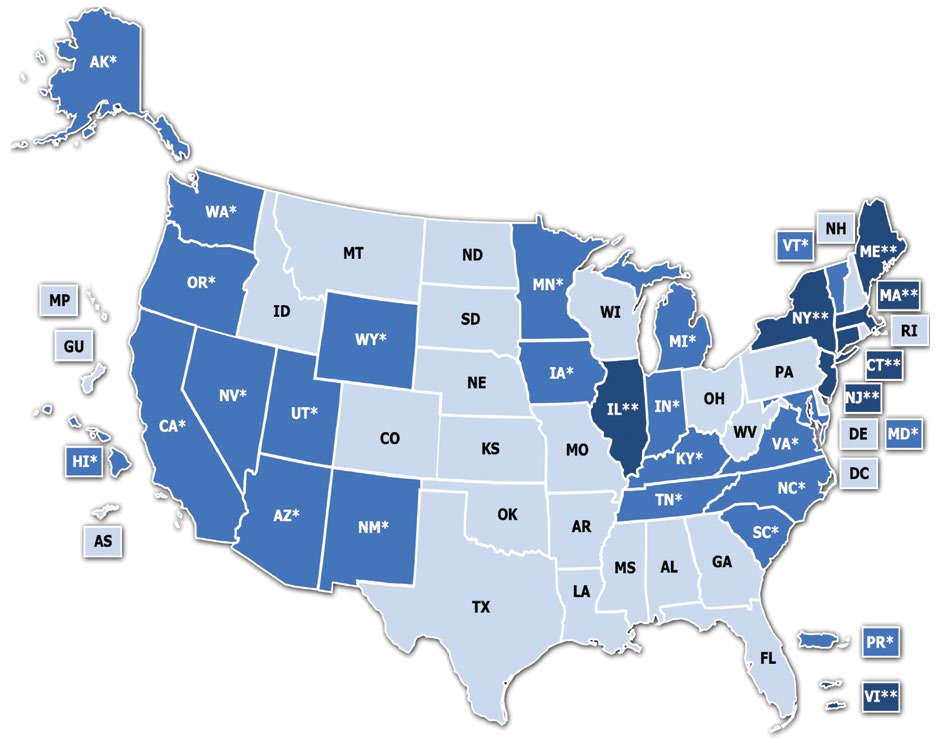
State Plans are OSHA-approved workplace safety
and health programs operated by individual
states instead of Federal OSHA. There are
currently 22 states or territories that have OSHA-
approved state programs that cover both private
sector and state and local government workers.
OSHA monitors State Plans, which must be at
least as effective as OSHA in protecting workers
and in preventing work‑related injuries, illnesses,
and deaths.