
A short narrative essay tells a story based on personal experiences or imagined events. It engages readers while developing storytelling and writing skills.
What is Short Narrative Essay?
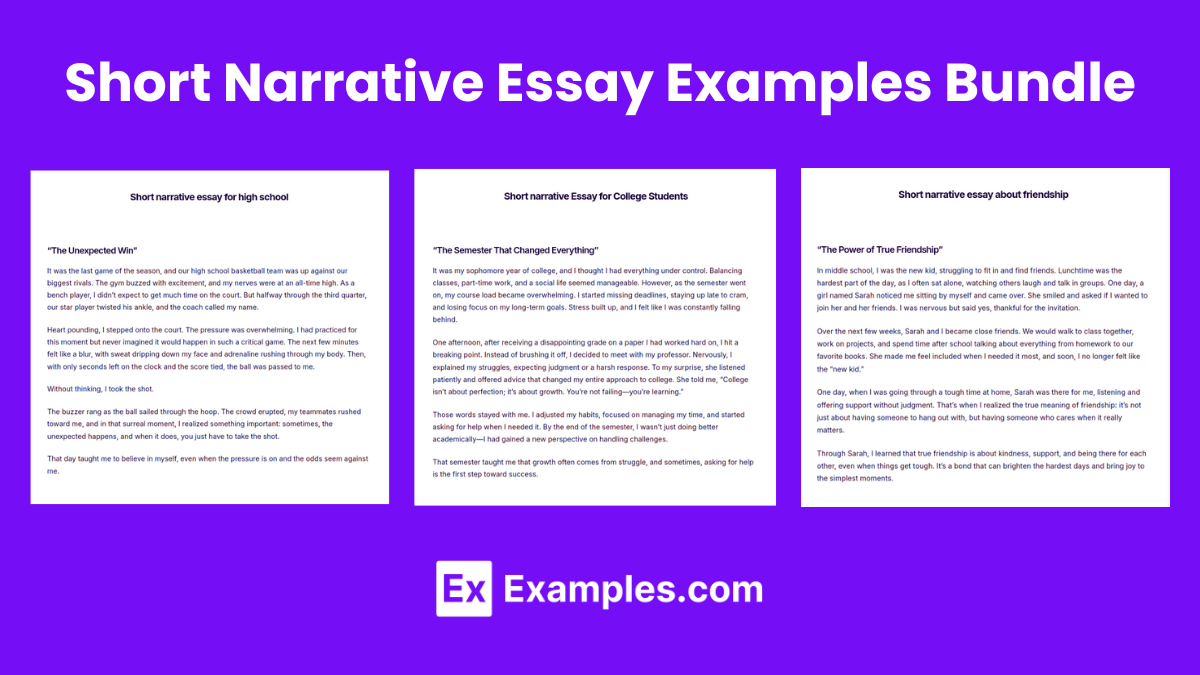
Download Short Narrative Essay Examples Bundle
Short Narrative Essay Format
A short narrative essay follows a clear structure to ensure the story flows smoothly and engages the reader. Here’s a simple format to guide your writing:
Introduction
- Hook: Start with an engaging opening that grabs the reader’s attention.
- Thesis statement: Briefly introduce the event or experience and its significance.
Body Paragraph(s)
- Event description: Describe the key events in chronological order.
- Sensory details: Include vivid descriptions to create imagery (sight, sound, touch, etc.).
- Emotions and reflection: Share your personal thoughts, feelings, and reactions to the event.
Conclusion
- Resolution: Explain how the event ended or the outcome of the experience.
- Lesson or insight: Reflect on what you learned or how the experience changed you.
Short Narrative Essay Example
Short Narrative Essay Example: “A Lesson in Patience”
It was a scorching summer afternoon, and I stood in the middle of a crowded DMV, growing increasingly impatient. I had been waiting for nearly two hours to renew my driver’s license, and the line seemed endless. Every glance at the clock made my frustration grow. My irritation was about to boil over when I noticed an elderly man, seated quietly near the front, waiting just like everyone else. He wasn’t complaining or checking his watch; instead, he sat there calmly, reading a book.
Watching him, I realized how much I let minor inconveniences upset me. The frustration that clouded my mind started to clear. I decided to take a deep breath, pulled out my phone, and read an article while waiting my turn. Time passed more easily, and soon, I found myself at the front of the line.
That day, I learned a valuable lesson about patience. What had started as a stressful afternoon turned into an important reminder: sometimes, we just need to slow down and make the best of the moment.
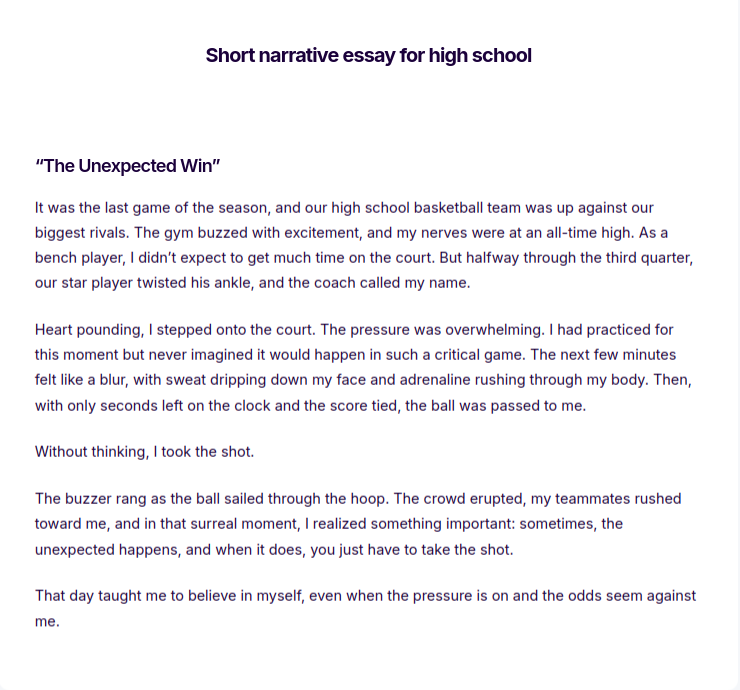
Short narrative Essay for High School
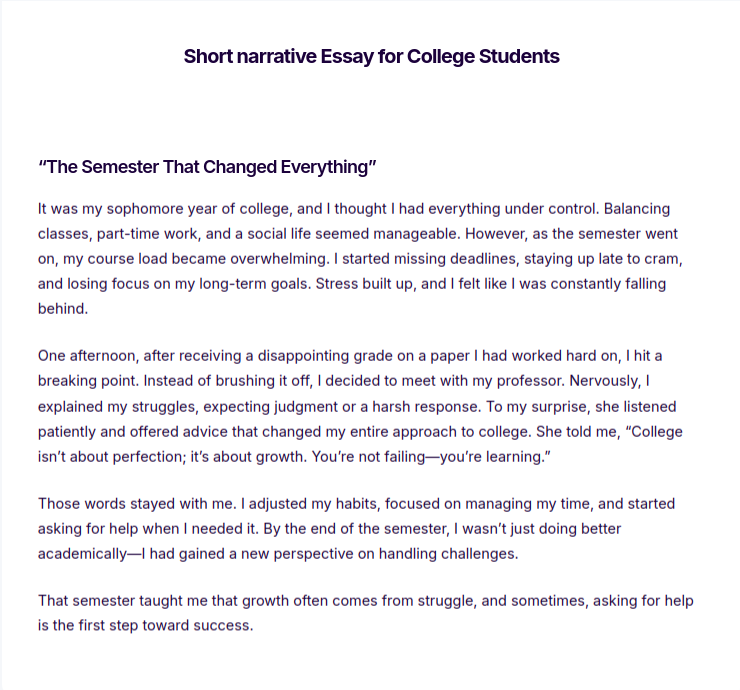
Short narrative Essay for College Students
Strong narrative writing skills can also improve job application documents created with the AI Resume Builder. When applying for internships or jobs, you can also create professional application letters using the AI Cover Letter Generator. If you need supporting application documents, the AI Reference Letter Generator can help draft professional recommendation letters.
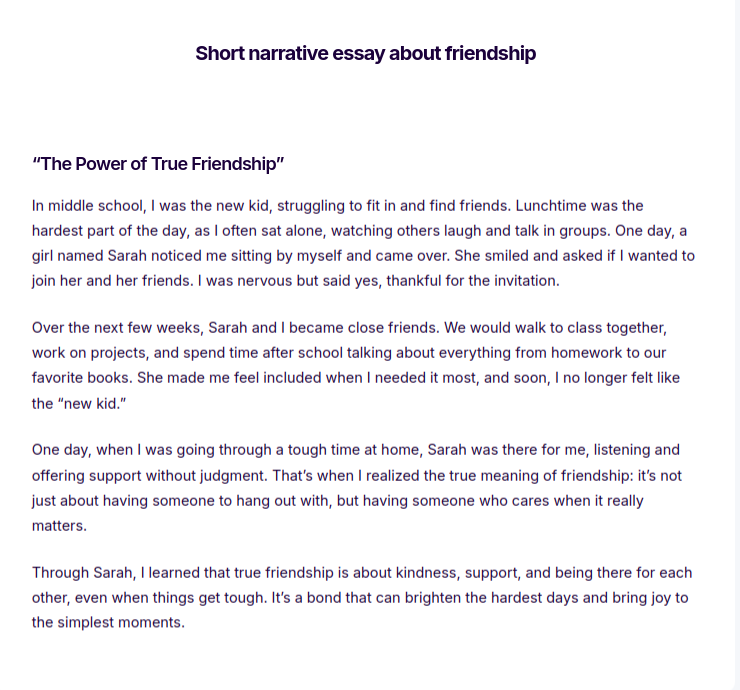
Short narrative essay about friendship
- Short narrative essay about family
- Short narrative Essay for kids
- Short narrative essay about life
- Short narrative essay about love
- Short narrative essay about experience
- Short narrative essay about myself
- Short narrative essay for grade 5
- Short narrative essay for grade 4
- Short narrative essay for grade 7
Short Narrative Essay Examples and Templates
Short Narrative Essay Examples
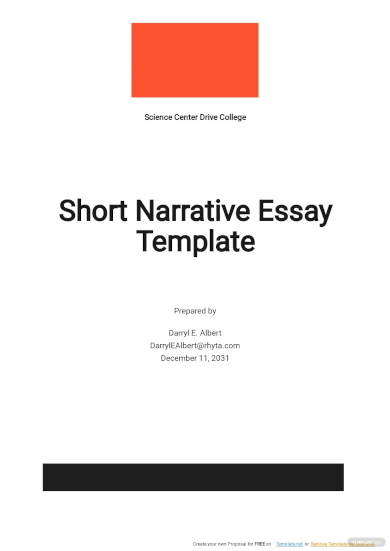
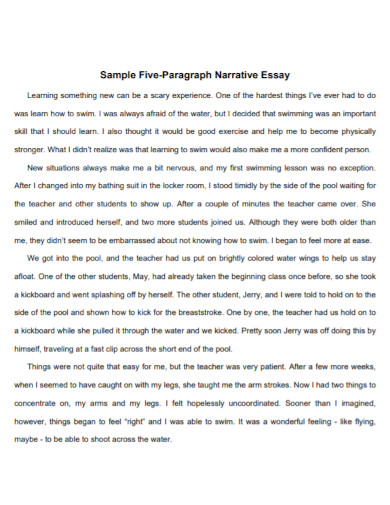
Five-Paragraph Short Narrative Essay
Short Narrative Writing Essay
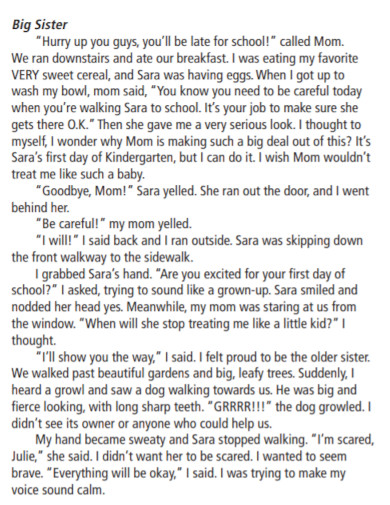
High School Short Narrative Essay Examples
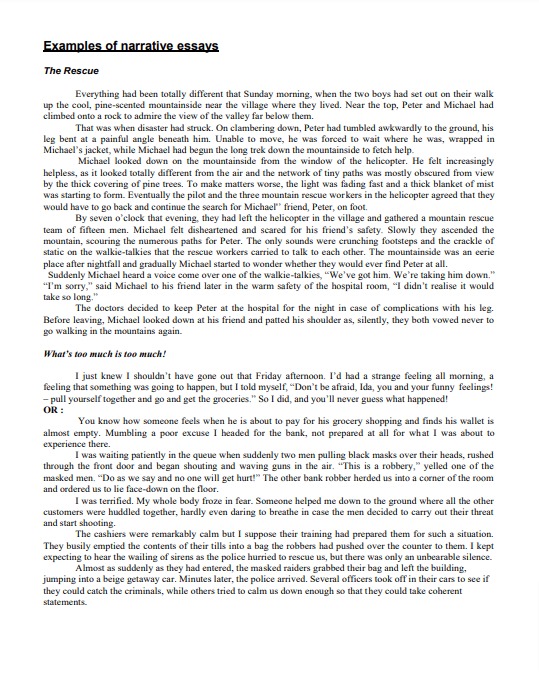
Teachers can also create engaging classroom displays and assignments with the AI Poster Generator.
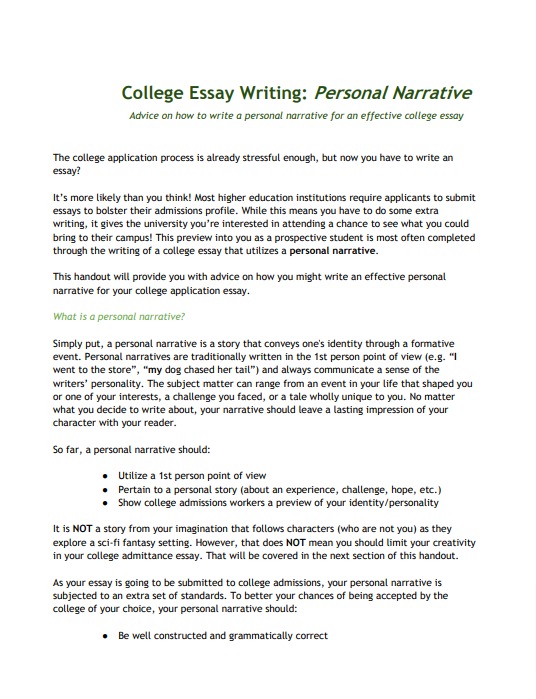
College Short Narrative Essay Examples
Students working on larger academic assignments may also find the AI Research Paper Generator useful for planning and drafting research-based writing. For formal academic or project submissions, the AI Report Generator can help organize information into a professional format.
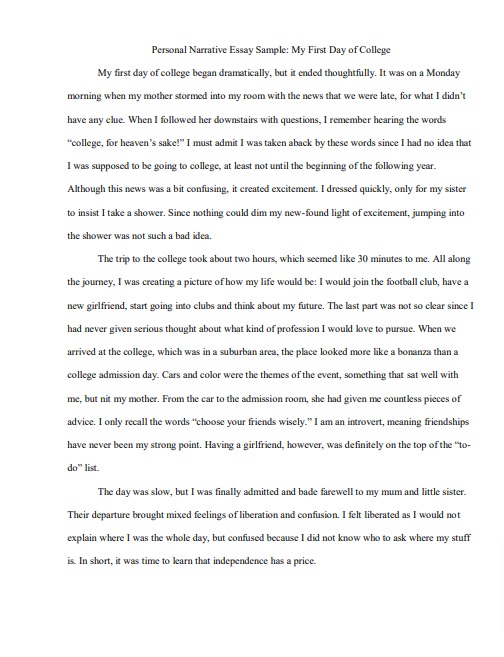
Personal Short Narrative Essay Examples
How to write a Short Narrative Essay?
Writing a short narrative essay involves telling a story from your personal experience while engaging your reader with vivid details and a clear message. Follow these steps to create a compelling short narrative essay:
- Choose a Meaningful Topic
Select a personal experience that had a significant impact on you. It could be a moment of growth, a challenge you overcame, or a memorable event.
Ensure the topic is narrow enough to fit within a short essay but meaningful enough to convey a message. - Create an Outline
Introduction: Start with a hook to grab attention. Briefly introduce the setting and characters. End the introduction with a thesis or point of the story.
Body Paragraph(s): Describe the events in chronological order. Use vivid descriptions and include emotions to make the story engaging. Focus on one key event or moment.
Conclusion: Wrap up the story by explaining the outcome or lesson you learned. If you need help organizing your ideas into well-structured paragraphs, try the Paragraph Writer to create a strong first draft. - Write in First-Person
Use first-person point of view (“I”) to make the narrative personal and direct. This helps the reader connect with your experience.
- Use Descriptive Language
Include sensory details to make the story come alive. Describe what you saw, heard, felt, or smelled to immerse the reader in your experience. You can also use the Paragraph Expander to add richer sensory details and make your narrative more engaging.
- Focus on a Clear Message or Theme
Every narrative essay should have a purpose. Ask yourself: What did I learn from this experience? This lesson should be clear in your conclusion.
- Keep it Concise
Since it’s a short narrative essay, focus on the most important details. Avoid unnecessary background information or side stories. Aim for clarity and impact.
- Revise and Edit
After writing, review your essay for grammar, spelling, and clarity. Ensure the story flows logically and that your message is clear. Improve sentence flow and readability with the Paragraph Rewriter before submitting your final essay. If your essay feels too lengthy, the Paragraph Summarizer can help condense key ideas while preserving the main message. To eliminate repetitive wording and improve originality, you can also use the Paraphraser.
Tips for Writing a Narrative Essay
- Choose a Clear Topic : Focus on a specific experience or moment in your life with a clear lesson.
- Use a Strong Hook : Start with an engaging opening like a question, dialogue, or intriguing statement.
- Write in the First Person : Use “I” to make the story personal and relatable.
- Include Vivid Descriptions : Use sensory details (sight, sound, touch) to create imagery and draw readers in.
- Follow a Clear Structure : Introduction, body (chronological events), and conclusion (reflection or lesson).
- Keep the Story Focused : Stick to one main event or theme; avoid unnecessary details.
- Show, Don’t Just Tell : Show emotions through actions and descriptions instead of simply stating them.
FAQ’s
A short narrative essay typically ranges from 300 to 800 words. It should be concise but still provide enough detail to engage the reader and deliver a meaningful message.
Choose a meaningful personal experience or event that had an impact on you. Focus on a single moment or story that conveys a lesson or offers an important reflection.
A short narrative essay is typically written in the first person using “I” to make the story personal and relatable.
A narrative essay tells a story with a clear sequence of events, while a descriptive essay focuses on creating a vivid picture of a person, place, or thing using detailed descriptions.
While it’s not mandatory, many narrative essays conclude with a reflection or lesson learned from the experience. This gives the story a deeper meaning and leaves the reader with something to think about.