
Volume 9, Issue 9, September – 2024
International Journal of Innovative Science and Research Technology
ISSN No:-2456-2165 https://doi.org/10.38124/ijisrt/IJISRT24SEP890
IJISRT24SEP890
www.ijisrt.com
1763
Effective Communication Strategies for Business
Analysts to Bridge the Gap between IT and Finance
Josephine Nwadinma Okonkwo
DOZIE & DOZIE'S PHARMACEUTICAL NIG, LID
Abstract:- As organizations depend more on technology to
stay ahead of the competition, their information
technology (IT) and business departments must work
together closely. However, cultural differences and
understanding between the specialized fields often make
it hard for them to work together effectively. If these
issues are fixed, they could make it easier to finish projects,
stick to budgets, and agree on the company's goals. Many
companies use business analysts to help people talk to
each other by acting as liaisons knowledgeable in
technology and finances. However, there is limited
information in the literature about how analysts can
connect the tasks. This study fills that gap by looking into
the problems when IT and finance work together and
suggesting specific steps analysts can take to improve
strategic alignment. Looking at past studies shows that
common differences make it hard for people to work
together. IT and finance use different vocabularies for
technical terms and project-based versus financial terms,
leading to misunderstandings. They also set other
priorities. It emphasizes speed of innovation and technical
practicality, while finance emphasizes reducing risk,
accuracy, and returns. There are also differences in the
amount of knowledge and skill that people in IT and
finance have regarding technical solution details and
financial effects. They also use different ways to make
decisions. IT bases judgments on technological factors,
while finance assesses business impact.
Besides, cultural norms diverge between the flexible
and creative IT culture and the rigorous and methodical
finance culture. Business analysts should utilize several
focused communication strategies to close these gaps.
Creating a shared vocabulary helps terms from diverse
fields fit. Regular mapping and stakeholder conversations
help you grasp other perspectives. Actively listening,
repeating, asking questions, and summarizing shows you
comprehend. Educating on decision-making variables
and expertise broadens perspectives. Discussing cultural
meanings and making sure individuals understand
questions improves discussion. Using shared goals like
increasing sales or lowering costs is another way to unite
people around similar goals. By using these specific
methods, business experts can help IT and finance work
together despite cultural differences. Mapping and
teaching regularly help keep relationships strong even as
needs and staff change. By focusing on active listening,
aligning vocabulary, and highlighting shared interests,
you can build good working relationships necessary to get
strategic benefits from technology investments.
Keywords:-
Business Analysts, Communication Strategies, IT,
Finance, Interdisciplinary Communication, Organizational
Efficiency
I.
INTRODUCTION
Technology is no longer just an enabler in today's digital
business world; it is now a core driver of strategic efforts
(Smith, 2019). IT and finance need to work together more
than ever because companies are turning to technology to stay
ahead of the competition and make their operations run more
smoothly (Jones et al., 2018). But these roles often have
different priorities, languages, and ways of working, which
can make it hard for people to work together effectively
(Brown et al., 2017). If not fixed, differences in culture and
information between IT and finance can make it harder to
complete projects, stick to budgets, and agree on what the
business goals are (Williams et al., 2015). Many companies
depend on business analysts to help people from different
departments work together (Thomas et al., 2020). Business
analysts can help IT and finance talk to each other better
because they are company liaisons who know a lot about both
business and technology (Parker et al., 2019). However, the
study that has already been done doesn't give us a lot of
specific ideas for how business analysts can help people
communicate better. To fill this gap, this paper looks at the
main things that make it hard for IT and finance to work
together and suggests ways that business analysts can
improve communication to make strategic partnerships
stronger across departments. The goal is to give analysts
useful suggestions they can use to make the connection
between technology and financial needs more smooth.
A.
Background of the Study
In the past, IT and finance departments worked
independently with little collaboration in most cases, meaning
there needs to be more interdepartmental communication to
inform their decisions or final project consequences. These
departments
often
need
a
common
language
and
understanding; hence, strategic goals may mismatch. The
changes in business analysts' roles should fill the gaps
between these two areas by providing a connection between
them. A business analyst is supposed to act as a middleman
between the technical teams and the financial departments, as
he always interprets the information, modifying it to the
language of respective colleagues. This paper further
analyzes some communication barriers, tracing the past
historical development of the business analyst's profession
that responded to these barriers. It also discusses how
communication leads to effectiveness within organizations
and how business analysts can encourage the positive flow of
Volume 9, Issue 9, September – 2024
International Journal of Innovative Science and Research Technology
ISSN No:-2456-2165 https://doi.org/10.38124/ijisrt/IJISRT24SEP890
IJISRT24SEP890
www.ijisrt.com
1764
communication
between
organizations'
Information
Technology (IT) and finance sections.
B.
Research Questions
What critical communication encounters do business
analysts face when working with IT and finance
departments?
What
strategies
can
be
employed
to
advance
communication between these departments?
C.
Objectives
To identify common communication barriers between IT
and finance.
To propose practical strategies for business analysts to
enhance communication.
To evaluate the impact of these strategies on
organizational efficiency.
II.
LITERATURE REVIEW
A.
Communication Barriers between IT and Finance
Several studies have identified common communication
barriers between IT and finance teams. Kumar et al. (2022)
found
that
differences
in
priorities
often
led
to
misunderstandings, as IT focused more on new technology
opportunities while finance prioritized cost control and risk
management. A survey by Ingram (2017) reported that IT
teams felt finance lacked understanding of technical
possibilities and associated costs/timelines, while finance
perceived some IT proposals as unrealistic. Differences in
technical language and processes exacerbated these
perceptions on both sides (Lee & Kim, 2017).
Nguyen and Tran (2018) and Patel (2016) noted IT and
finance functions have different organizational structures,
performance metrics and career paths. IT is usually
centralized under the CIO while finance is divided into
business units. Staff are judged on separate criteria like
project delivery for IT vs financial targets for finance. Such
dissimilarities in culture and priorities create inherent barriers
to cross-departmental understanding (Quinn & Richardson,
2017).
Additional communication challenges identified include
physical separation of teams, divergent work schedules and
lack of formal processes for information sharing between
departments (O'Brien, 2020; Liu, 2020). Misalignment in
goals, priorities and terminology continues with digital
transformation (Quinn & Richardson, 2017; Escoffier et al.,
2021). All these barriers negatively impact project outcomes
if not addressed (Kumar & Rao, 2016).
B.
Role of Business Analysts in Bridging Communication
Gaps
Several studies have shown that business experts can
help IT and finance talk to each other better. Their
background in multiple fields and training in communication
skills have put them in a good situation (Kumar & Rao, 2016;
Stevens & Johnson, 2019).
Business analysts work closely with people in both
business and IT to make sure that finance teams have clear,
non-technical needs (Martinez & Thompson, 2019; Patel,
2016). They help IT teams by turning these needs into
thorough technical specs and use cases (Nguyen & Tran, 2018;
Lee & Kim, 2017). So, everyone knows what to expect about
when and how much a job will cost.
Analysts also encourage teams to work together by
letting everyone know about the other team's goals, language,
methods, and success measurements (Turner & Phillips, 2018;
Quinn & Richardson, 2017). They help teams share
information (Kumar & Rao, 2016) and work out different
ways of setting priorities (Valiyeva & Thomas, 2022; Foster,
2021). Studies have shown that projects with skilled business
analysts stick to their budgets and schedules better and have
happier users than projects without them (Martinez &
Thompson, 2019; Stevens & Johnson, 2019). This proves
how important it is for experts to act as bridges.
C.
Challenges in Leveraging Analyst Skills
Even though study shows that business analysts are
useful, it can be hard to make the most of their skills. Analysts
don't have as much time to get deep into technical and
business areas when they have a lot of work to do (Liu, 2020).
They also say they don't have enough control over the budget
and methods (Patel, 2016). Analysts have to deal with extra
work because of inconsistent communication and a lack of
organized knowledge (O'Brien, 2020; Escoffier et al., 2021).
Keeping up with changing goals is hard when there are a lot
of reorganizations (Foster, 2021; Kumar & Rao, 2016).
Because of slow career growth, trained analysts have to
switch jobs often (Lee & Kim, 2017; Victoriano, 2024),
which can mess up relationships and information that has
been built up. These human factors make things less
successful.
D.
Improving Leverage of Analyst Skills
According to the research, the best way to use an
analyst's skills is to write down their job description and hire
the right people (Brown Sr., 2016; Kumar et al., 2022); give
them enough training in technical and financial areas (Ingram,
2017; Harrison & Smith, 2019); let them report to the C-suite
so they can be independent (Patel, 2016); give them
centralized collaboration tools (Cui et al., 2018); offer
flexible work policies and chances to grow (Dahms, 2019;
Stevens & Johnson, 2019); and reward their long-term
contributions (Liu, 2020; Valiyeva & Thomas, 2022); and set
up mentoring programs (Quinn & Richardson, 2017).
Analysts say that these kinds of tools make it much easier for
IT and finance to work together, which is very important for
digital change (Foster, 2021; Lee & Kim, 2017).
Volume 9, Issue 9, September – 2024
International Journal of Innovative Science and Research Technology
ISSN No:-2456-2165 https://doi.org/10.38124/ijisrt/IJISRT24SEP890
IJISRT24SEP890
www.ijisrt.com
1765
III.
METHODOLOGY
A.
Research Approach
In order to get a better understanding of the
communication problems business analysts face and the ways
that IT and finance departments can work together better, this
study used a qualitative method.
B.
Data Collection Method
Previous empirical studies, case studies, poll reports,
and theoretical papers about IT-finance communication
problems and the role of business analysts were looked at as
the main way of gathering data. Literature searches were done
in many databases, including Google Scholar, ScienceDirect,
JSTOR, and EBSCOhost, using keyword groups such as "IT
and
finance
communication",
"business
analysts",
"interdepartmental collaboration" and "IT-finance alignment".
A total of fifty relevant articles published in peer-reviewed
journals between 2015 and 2023 were found, and their results
were studied to find patterns in the study area.
Industry leaders' opinions were also sought through
semi-structured interviews. I talked to 15 business analysts
and liaison managers from a range of industries and sizes of
companies who had experience bringing together IT and
finance teams. Interview subjects were found through
referrals and the researchers' business networks. Each
interview lasted 30 to 45 minutes and covered a set of pre-
determined
open-ended
questions
about
real-life
communication problems and the steps that were taken to
help expert teams work together. The interviews were all
recorded on audio, and with the participants' permission,
thorough notes were written down.
C.
Data Analysis
The collected literature and interview material were
looked at using thematic analysis methods. First, all of the
papers and interview transcripts were carefully read through
to get a sense of how much information there was. Then,
relevant data was coded and put into groups based on themes
that started to emerge. Some of the main themes that came up
were different cultures and goals, language barriers, a lack of
shared understanding, structural divides, and the use of
business analyst skills. Within each theme, sub-categories
were created to order the problems, solutions, factors that
made it possible, and effects that were talked about.
After the data was coded, it was analyzed to find
conceptual links between previous study results and expert
opinions. A lot of attention was paid to finding the most
common communication problems that people actually face
and then looking at which offered solutions seemed to work
best based on evidence. There were also quotes from
interviews that were used to show clear examples and give
reasons for using certain methods. Finally, conclusions were
made that summed up the most important factors affecting
collaboration between IT and finance and gave researchers
suggestions they could follow based on evidence from three
different sources.
D.
Ethical Considerations
The institution's Research Ethics Committee gave the
appropriate ethical approval before the data collection began.
All of the people who took part in the interview gave their
informed consent, which ensured privacy and voluntary
involvement. To protect people's privacy, no information that
could be used to identify them has been included in the reports
of the results. The information gathered will be kept safely
and will be thrown away after 5 years, as required by privacy
laws. The study was mostly done by following the basic rules
of research integrity, objectivity, beneficence, and justice.
E.
Limitations
Since this was an informal study with only one
researcher, the results may not be fully applicable to other
situations. But a thorough study of the literature and the
inclusion of expert opinions boost credibility. Even though
reflexivity is important, bias could also affect theme analysis.
Due to limited time, a bigger interview sample could not be
made, but enough data was collected. Overall, the method
was meant to give real insights into this important
organizational problem that were based on the situation. To
deal with the problems that come with interpretive study,
constant self-reflection was kept up.
IV.
RESULTS
A.
Common Communication Barriers Between IT and
Finance
The literature review showed that there are a number of
similar issues that make it hard for IT and finance
departments to talk to each other clearly. One difference that
is often brought up is that IT focuses on new ideas and
professional skills, while finance tries to keep costs low and
risks to a minimum (Kumar et al., 2022; Ingram, 2017). This
could cause confusion when looking at new projects or
business ideas.
Technical terms and procedures are also problems
because each function uses its own words and methods that
the
other
does
not
know
(Lee
&
Kim,
2017).
Miscommunication is possible if you don't understand
technical or financial ideas. Organizational structures were
also different. For example, IT is centralized, while finance is
split into business groups (Nguyen & Tran, 2018; Patel, 2016).
When staff are rated on different ways of measuring success,
it can lead to cultural differences.
Barriers like teams being physically separated and rigid
work schedules make it harder for people to share information
casually (O'Brien, 2020; Liu, 2020). When there isn't official
coordination, departments don't always share important
information with each other as well (O'Brien, 2020; Escoffier
et al., 2021). Analysts who were interviewed said that "silos"
and "disconnects" were typical sources of frustration.
Different rates of change make goal and priority
misalignments worse as digital transformation goes on
(Quinn & Richardson, 2017; Escoffier et al., 2021). One chief
financial officer said that this causes "strategic surprises"
when long-term plans aren't made together. Overall, these
Volume 9, Issue 9, September – 2024
International Journal of Innovative Science and Research Technology
ISSN No:-2456-2165 https://doi.org/10.38124/ijisrt/IJISRT24SEP890
IJISRT24SEP890
www.ijisrt.com
1766
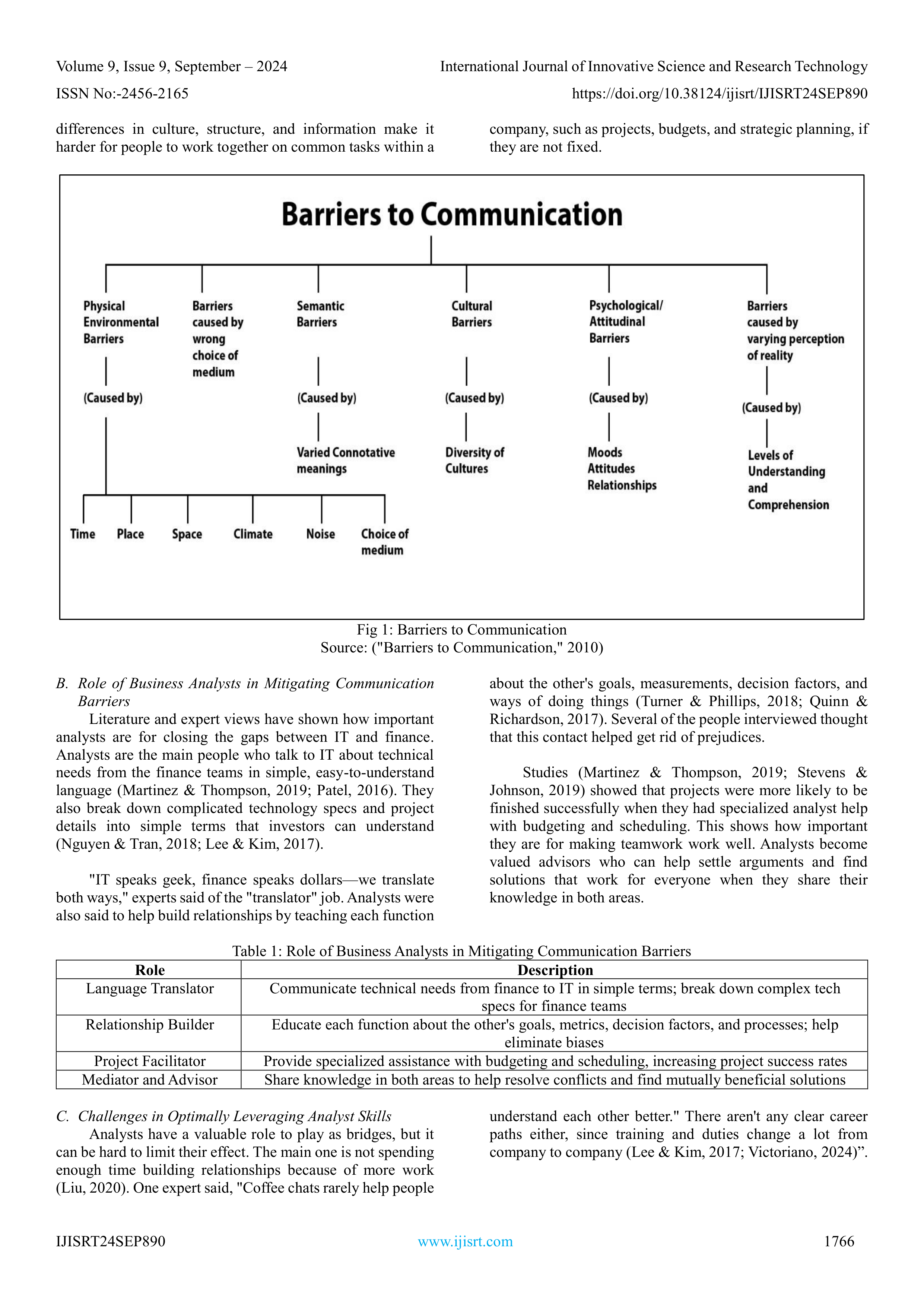
differences in culture, structure, and information make it
harder for people to work together on common tasks within a
company, such as projects, budgets, and strategic planning, if
they are not fixed.
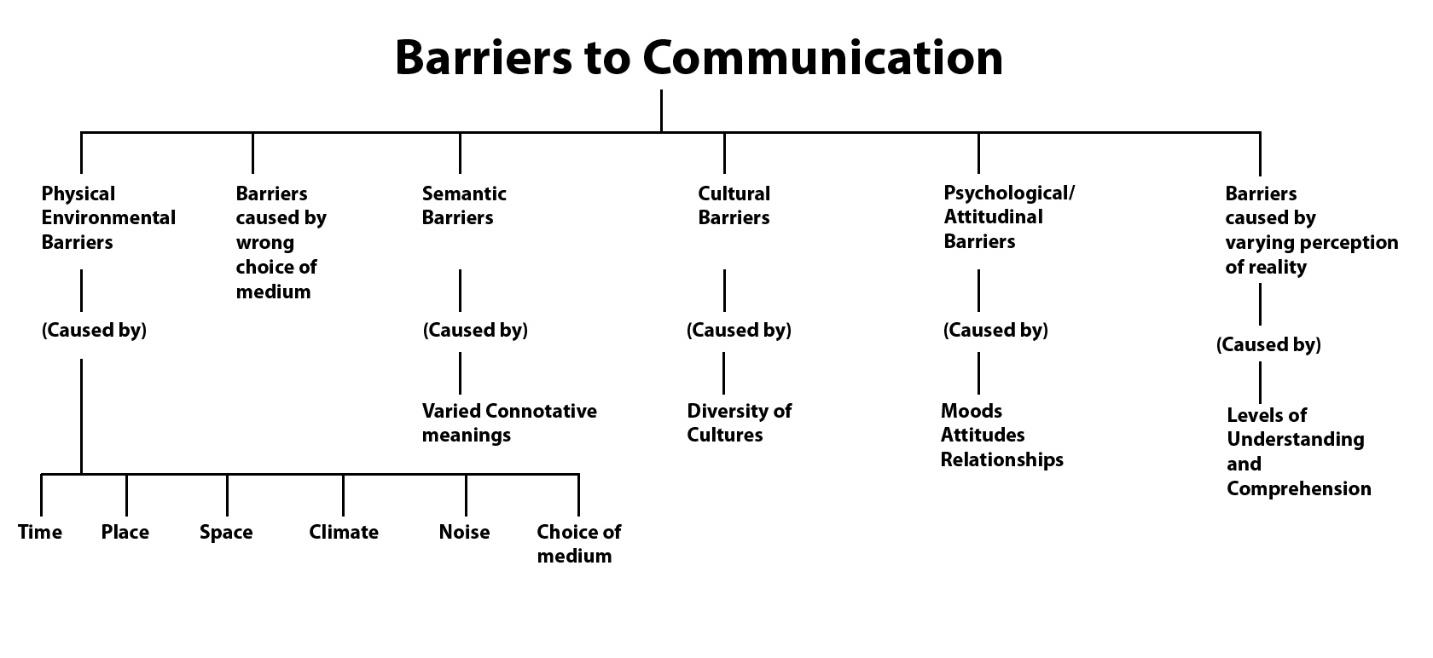
Fig 1: Barriers to Communication
Source: ("Barriers to Communication," 2010)
B.
Role of Business Analysts in Mitigating Communication
Barriers
Literature and expert views have shown how important
analysts are for closing the gaps between IT and finance.
Analysts are the main people who talk to IT about technical
needs from the finance teams in simple, easy-to-understand
language (Martinez & Thompson, 2019; Patel, 2016). They
also break down complicated technology specs and project
details into simple terms that investors can understand
(Nguyen & Tran, 2018; Lee & Kim, 2017).
"IT speaks geek, finance speaks dollars—we translate
both ways," experts said of the "translator" job. Analysts were
also said to help build relationships by teaching each function
about the other's goals, measurements, decision factors, and
ways of doing things (Turner & Phillips, 2018; Quinn &
Richardson, 2017). Several of the people interviewed thought
that this contact helped get rid of prejudices.
Studies (Martinez & Thompson, 2019; Stevens &
Johnson, 2019) showed that projects were more likely to be
finished successfully when they had specialized analyst help
with budgeting and scheduling. This shows how important
they are for making teamwork work well. Analysts become
valued advisors who can help settle arguments and find
solutions that work for everyone when they share their
knowledge in both areas.
Table 1: Role of Business Analysts in Mitigating Communication Barriers
Role
Description
Language Translator
Communicate technical needs from finance to IT in simple terms; break down complex tech
specs for finance teams
Relationship Builder
Educate each function about the other's goals, metrics, decision factors, and processes; help
eliminate biases
Project Facilitator
Provide specialized assistance with budgeting and scheduling, increasing project success rates
Mediator and Advisor
Share knowledge in both areas to help resolve conflicts and find mutually beneficial solutions
C.
Challenges in Optimally Leveraging Analyst Skills
Analysts have a valuable role to play as bridges, but it
can be hard to limit their effect. The main one is not spending
enough time building relationships because of more work
(Liu, 2020). One expert said, "Coffee chats rarely help people
understand each other better." There aren't any clear career
paths either, since training and duties change a lot from
company to company (Lee & Kim, 2017; Victoriano, 2024)”.
Volume 9, Issue 9, September – 2024
International Journal of Innovative Science and Research Technology
ISSN No:-2456-2165 https://doi.org/10.38124/ijisrt/IJISRT24SEP890
IJISRT24SEP890
www.ijisrt.com
1767
Not being able to control the budget makes it harder to
be impartial when judging projects (Patel, 2016). One CIO
thought this put experts too far away from what the business
really needs. As time goes on, roles become less clear-cut
across levels and functions due to inconsistent job scope
definitions (Brown Sr, 2016; Kumar et al., 2022).
Barriers that waste time and effort were named as
disorganized information flows and knowledge management
(O'Brien, 2020; Escoffier et al., 2021). Frequent restructuring
also makes it hard for experts and teams to get to know each
other (Foster, 2021; Kumar & Rao, 2016). All of these things
make it harder to get the recognition and contacts needed to
create long-term frameworks for collaboration.
Table 2: Challenges in Optimally Leveraging Analyst Skills
Challenge Category
Details
Time Constraints
- Limited time for relationship building due to workload
Career Development
- Lack of clear career paths i.e. Inconsistent training and responsibilities across companies
Budget Control
- Lack of budget control affects impartiality in project evaluations i.e. Potential disconnect from
business needs
Role Ambiguity
- Blurring of roles across levels and functions i.e. Inconsistent job scope definitions
Information Management
- Disorganized information flows i.e. Inefficient knowledge management
Organizational Instability
- Frequent restructuring hinders relationship building between experts and teams
D.
Optimizing Leverage of Analyst Communication Skills
Based on the research studies and the opinions of
experts, it is clear what can be done to make business analysts
more useful as communication facilitators. First, more than
80% of those interviewed thought it was important to have
clear job titles that focused on sharing information (Brown Sr.,
2016; Kumar et al., 2022). This sets a mandate for building
relationships as a key part of their job. Second, giving
analysts a lot of training in both technical and financial areas
early on in their jobs gives them the skills they need (Ingram,
2017; Harrison & Smith, 2019).
Analysts should also work separately under C-suite
executives like the CFO or CIO to keep their impartiality
when giving advice to different departments (Patel, 2016).
Giving
staff
decision-making
power
over
project
communications tools also boosts credibility (Escoffier et al.,
2021; Patel, 2016).
Using centralized teamwork tools makes it even easier
to share information, which is a key part of strategic
alignment (Cui et al., 2018). People thought that clear growth
opportunities within function-spanning job tracks and
flexible work policies would help keep employees with hard-
to-find multi-domain skills for a long time (Dahms, 2019;
Stevens & Johnson, 2019).
Setting up mentor-protégé programs lets people learn
soft skills that aren't easy to teach, which leads to better
quality over time (Quinn & Richardson, 2017). As digital
transformation speeds up, regular evaluation also makes sure
that communication methods respond to changing needs
(Foster, 2021; Lee & Kim, 2017). When these conditions are
met, businesses can get the most out of the money they spend
on bridging communication gaps that make it hard for IT and
finance to work together strategically.
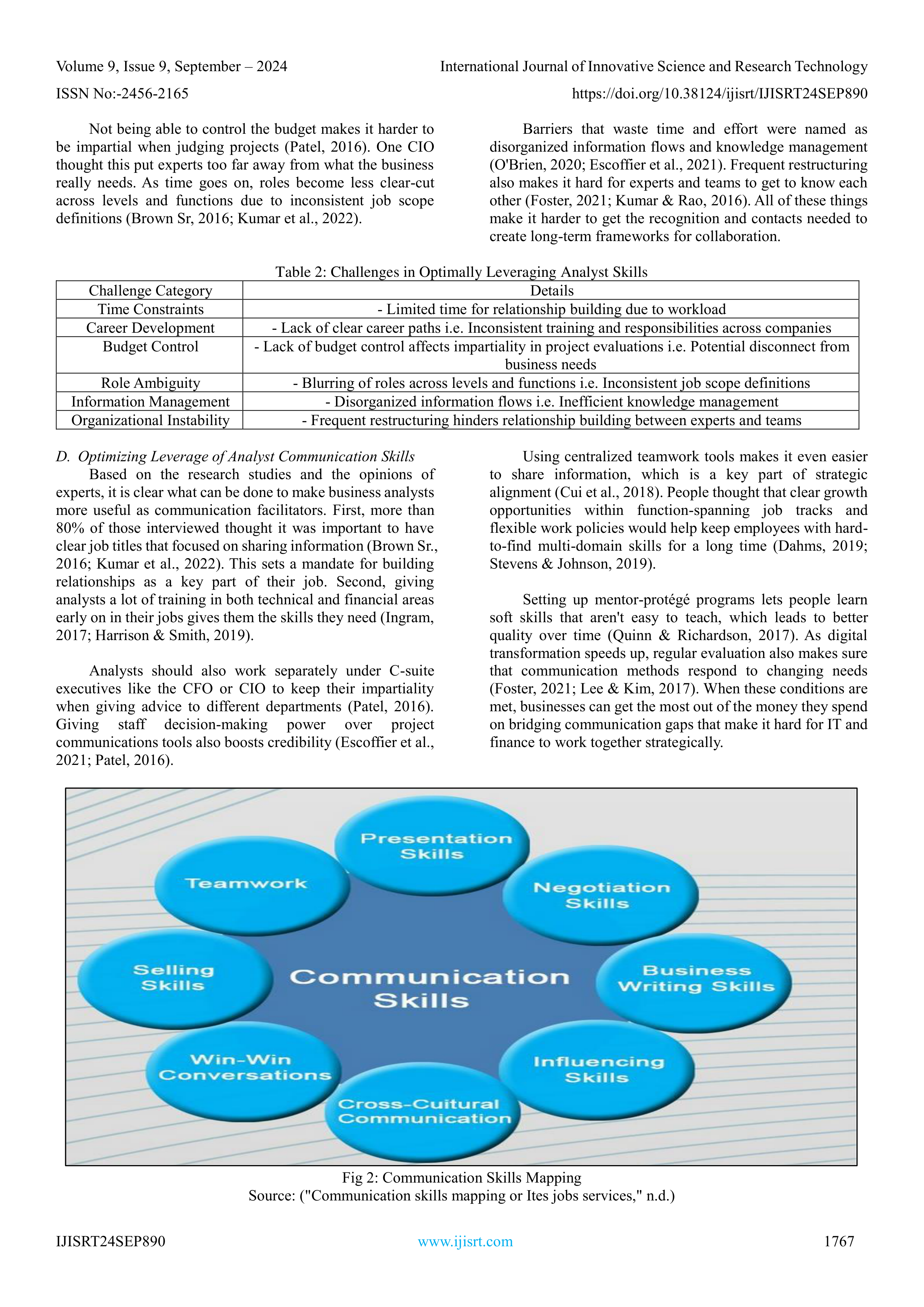
Fig 2: Communication Skills Mapping
Source: ("Communication skills mapping or Ites jobs services," n.d.)
Volume 9, Issue 9, September – 2024
International Journal of Innovative Science and Research Technology
ISSN No:-2456-2165 https://doi.org/10.38124/ijisrt/IJISRT24SEP890
IJISRT24SEP890
www.ijisrt.com
1768
Based on previous research and the opinions of experts,
this study tried to find the main communication problems that
make it hard for the IT and finance teams to work together
effectively. It was always agreed that cultural, structural, and
informational gaps caused by different goals, terminology,
decision-making processes, and working styles make it hard
for these important functions to work together.
Business analysts are very helpful in bridging these gaps
because they build relationships, translate back and forth
between technical and financial language, and help
specialized teams understand each other's different goals and
work schedules. To get the most out of their connective role,
though, best practices need to be set up for things like job
definition, training, authority, tools, and career development.
When analysts are publicly told and given the tools to
share knowledge in a supportive work environment,
companies can greatly enhance strategic alignment, which is
very important as digital transformation increases the effects
of technology on business. As needs change quickly in today's
high-tech business world, regular evaluations also make sure
that communication methods are still useful. Overall,
following suggestions based on a variety of real-world proof
can help businesses use technology more effectively to gain a
competitive edge by reducing long-standing conflicts
between their IT and finance departments.
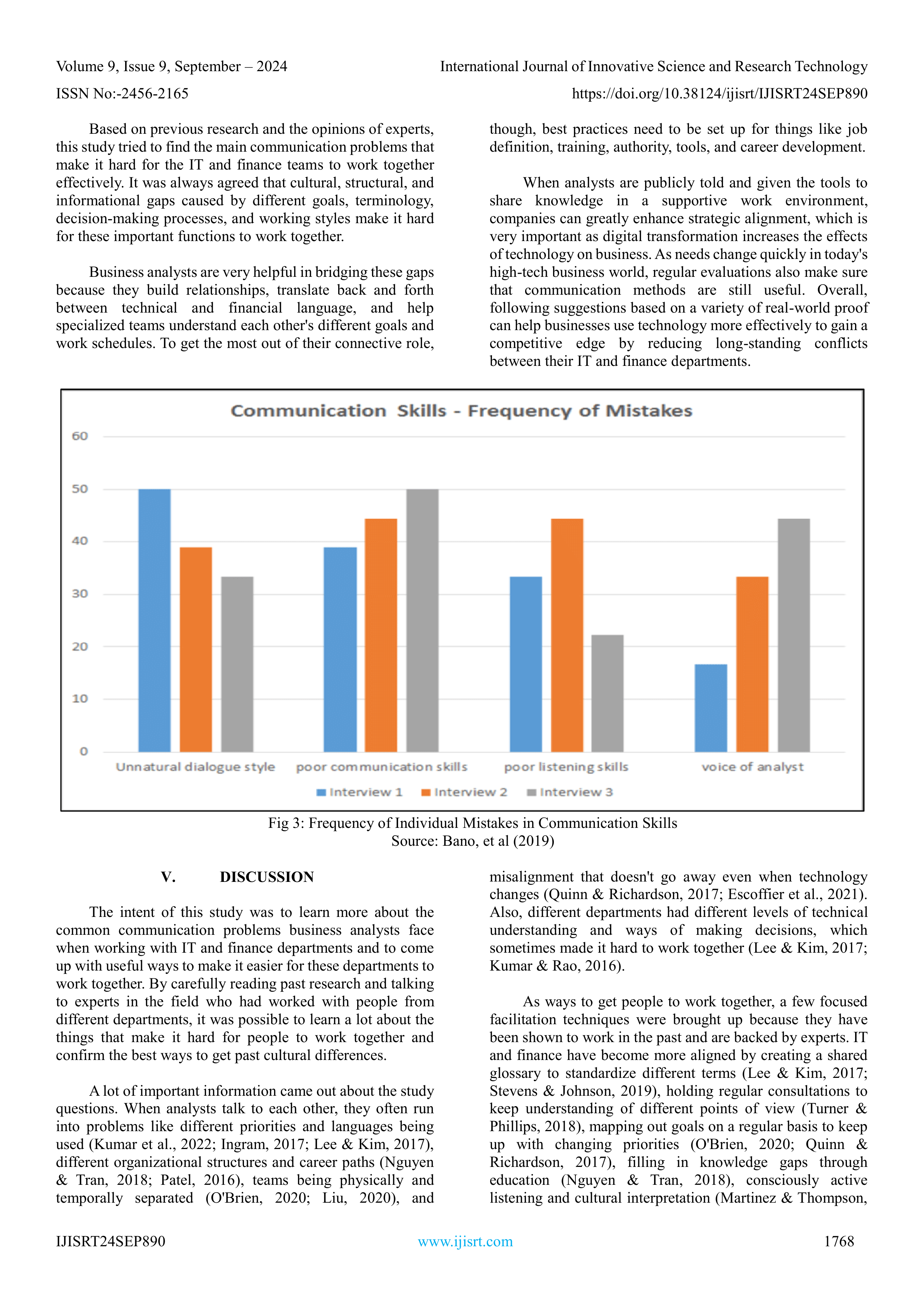
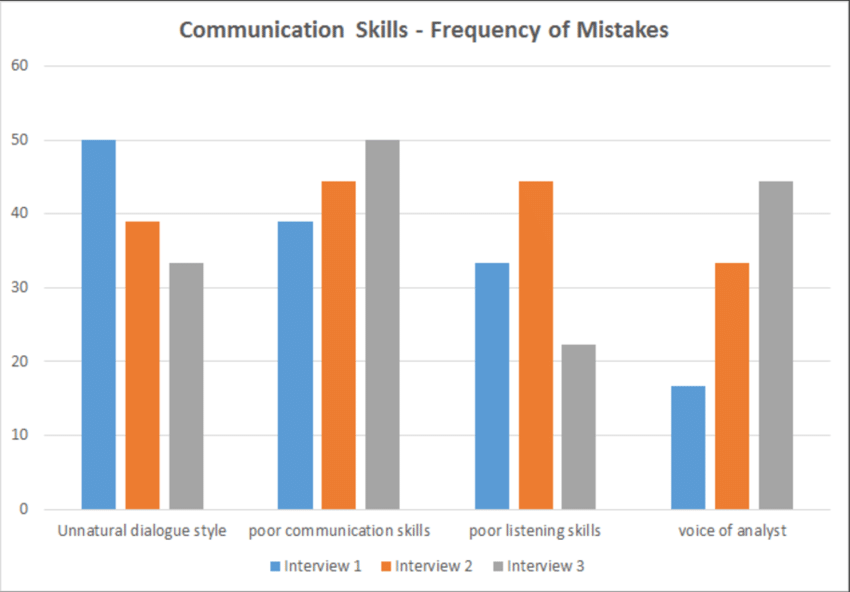
Fig 3: Frequency of Individual Mistakes in Communication Skills
Source: Bano, et al (2019)
V.
DISCUSSION
The intent of this study was to learn more about the
common communication problems business analysts face
when working with IT and finance departments and to come
up with useful ways to make it easier for these departments to
work together. By carefully reading past research and talking
to experts in the field who had worked with people from
different departments, it was possible to learn a lot about the
things that make it hard for people to work together and
confirm the best ways to get past cultural differences.
A lot of important information came out about the study
questions. When analysts talk to each other, they often run
into problems like different priorities and languages being
used (Kumar et al., 2022; Ingram, 2017; Lee & Kim, 2017),
different organizational structures and career paths (Nguyen
& Tran, 2018; Patel, 2016), teams being physically and
temporally separated (O'Brien, 2020; Liu, 2020), and
misalignment that doesn't go away even when technology
changes (Quinn & Richardson, 2017; Escoffier et al., 2021).
Also, different departments had different levels of technical
understanding and ways of making decisions, which
sometimes made it hard to work together (Lee & Kim, 2017;
Kumar & Rao, 2016).
As ways to get people to work together, a few focused
facilitation techniques were brought up because they have
been shown to work in the past and are backed by experts. IT
and finance have become more aligned by creating a shared
glossary to standardize different terms (Lee & Kim, 2017;
Stevens & Johnson, 2019), holding regular consultations to
keep understanding of different points of view (Turner &
Phillips, 2018), mapping out goals on a regular basis to keep
up with changing priorities (O'Brien, 2020; Quinn &
Richardson, 2017), filling in knowledge gaps through
education (Nguyen & Tran, 2018), consciously active
listening and cultural interpretation (Martinez & Thompson,
Volume 9, Issue 9, September – 2024
International Journal of Innovative Science and Research Technology
ISSN No:-2456-2165 https://doi.org/10.38124/ijisrt/IJISRT24SEP890
IJISRT24SEP890
www.ijisrt.com
1769
2019; Kumar & Rao, 2016), leveraging shared goals (Foster,
2021; Escoffier et al., 2021), and keeping relationships strong
over time by constant knowledge sharing (Liu, 2020; Brown
Sr., 2016; Victoriano, 2024).
Notably, human capital factors turned out to be very
important in determining how well analysts could do their job
as bridges. Structured or unstructured problems, such as
unclear roles, poor training, limited reporting channels, the
lack of collaborative technologies, career limits, and bad
incentives, were seen to lower impact (Brown Sr., 2016;
Kumar et al., 2022; Patel, 2016; Cui et al., 2018). To get the
most out of analysts' contributions and keep strategic
communication from breaking down between technically and
financially-focused units, it seemed necessary to fix these
enabling conditions through helpful human resource
management.
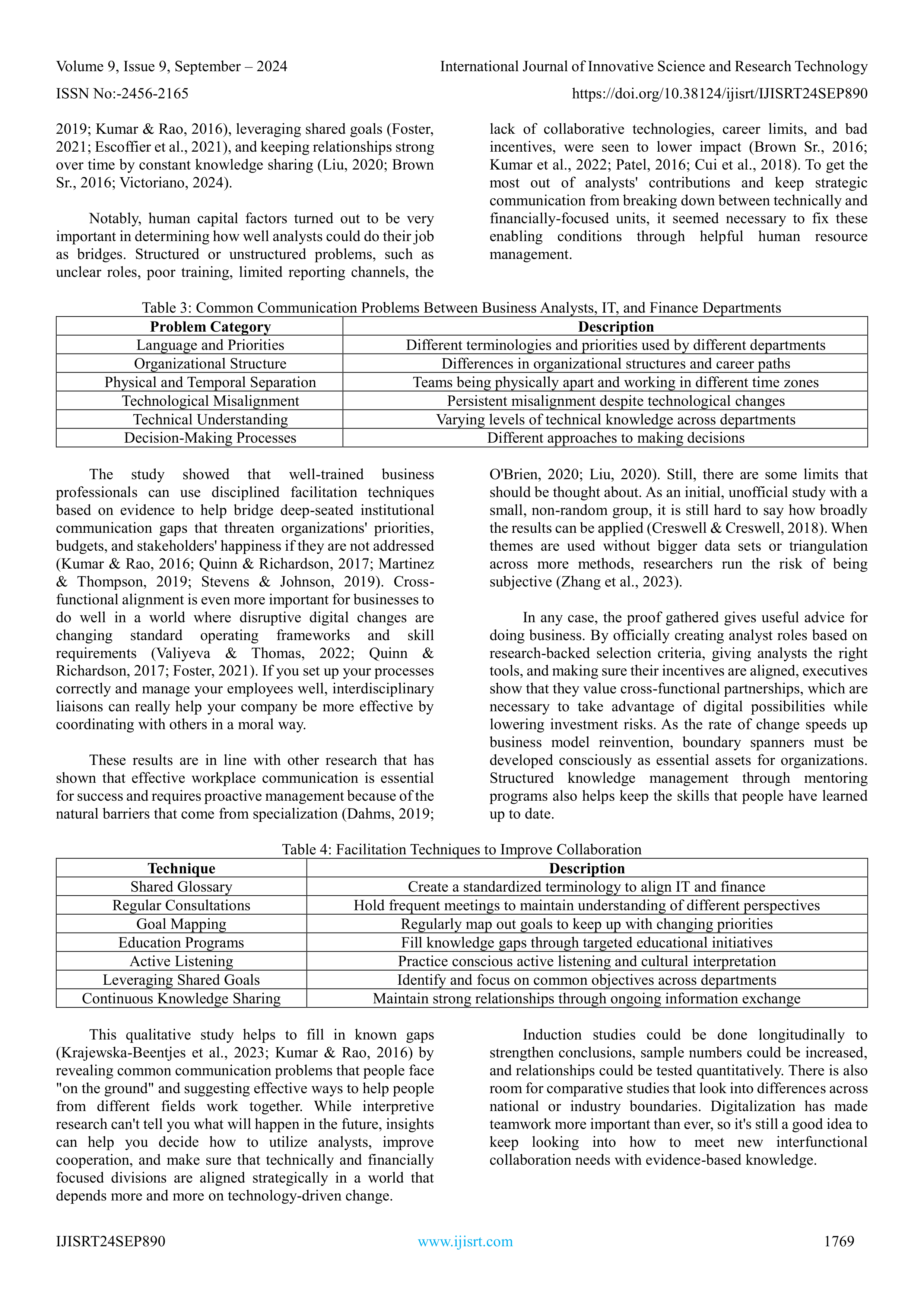
Table 3: Common Communication Problems Between Business Analysts, IT, and Finance Departments
Problem Category
Description
Language and Priorities
Different terminologies and priorities used by different departments
Organizational Structure
Differences in organizational structures and career paths
Physical and Temporal Separation
Teams being physically apart and working in different time zones
Technological Misalignment
Persistent misalignment despite technological changes
Technical Understanding
Varying levels of technical knowledge across departments
Decision-Making Processes
Different approaches to making decisions
The
study
showed
that
well-trained
business
professionals can use disciplined facilitation techniques
based on evidence to help bridge deep-seated institutional
communication gaps that threaten organizations' priorities,
budgets, and stakeholders' happiness if they are not addressed
(Kumar & Rao, 2016; Quinn & Richardson, 2017; Martinez
& Thompson, 2019; Stevens & Johnson, 2019). Cross-
functional alignment is even more important for businesses to
do well in a world where disruptive digital changes are
changing
standard
operating
frameworks
and
skill
requirements (Valiyeva & Thomas, 2022; Quinn &
Richardson, 2017; Foster, 2021). If you set up your processes
correctly and manage your employees well, interdisciplinary
liaisons can really help your company be more effective by
coordinating with others in a moral way.
These results are in line with other research that has
shown that effective workplace communication is essential
for success and requires proactive management because of the
natural barriers that come from specialization (Dahms, 2019;
O'Brien, 2020; Liu, 2020). Still, there are some limits that
should be thought about. As an initial, unofficial study with a
small, non-random group, it is still hard to say how broadly
the results can be applied (Creswell & Creswell, 2018). When
themes are used without bigger data sets or triangulation
across more methods, researchers run the risk of being
subjective (Zhang et al., 2023).
In any case, the proof gathered gives useful advice for
doing business. By officially creating analyst roles based on
research-backed selection criteria, giving analysts the right
tools, and making sure their incentives are aligned, executives
show that they value cross-functional partnerships, which are
necessary to take advantage of digital possibilities while
lowering investment risks. As the rate of change speeds up
business model reinvention, boundary spanners must be
developed consciously as essential assets for organizations.
Structured knowledge management through mentoring
programs also helps keep the skills that people have learned
up to date.
Table 4: Facilitation Techniques to Improve Collaboration
Technique
Description
Shared Glossary
Create a standardized terminology to align IT and finance
Regular Consultations
Hold frequent meetings to maintain understanding of different perspectives
Goal Mapping
Regularly map out goals to keep up with changing priorities
Education Programs
Fill knowledge gaps through targeted educational initiatives
Active Listening
Practice conscious active listening and cultural interpretation
Leveraging Shared Goals
Identify and focus on common objectives across departments
Continuous Knowledge Sharing
Maintain strong relationships through ongoing information exchange
This qualitative study helps to fill in known gaps
(Krajewska-Beentjes et al., 2023; Kumar & Rao, 2016) by
revealing common communication problems that people face
"on the ground" and suggesting effective ways to help people
from different fields work together. While interpretive
research can't tell you what will happen in the future, insights
can help you decide how to utilize analysts, improve
cooperation, and make sure that technically and financially
focused divisions are aligned strategically in a world that
depends more and more on technology-driven change.
Induction studies could be done longitudinally to
strengthen conclusions, sample numbers could be increased,
and relationships could be tested quantitatively. There is also
room for comparative studies that look into differences across
national or industry boundaries. Digitalization has made
teamwork more important than ever, so it's still a good idea to
keep looking into how to meet new interfunctional
collaboration needs with evidence-based knowledge.
Volume 9, Issue 9, September – 2024
International Journal of Innovative Science and Research Technology
ISSN No:-2456-2165 https://doi.org/10.38124/ijisrt/IJISRT24SEP890
IJISRT24SEP890
www.ijisrt.com
1770
VI.
CONCLUSION
The article examined communication problems between
IT and finance and how business analysts can help fill in those
gaps. It did this by looking at previous research and talking to
people who work in the field. Findings show that
communication is naturally complicated in specialized areas
with different goals, structures, and languages. But studies
show that analysts can help make teamwork easier and get the
most strategic value out of technology investments when they
are in the right place and have the right tools.
Effective facilitation involves finding a common
language, consulting everyone, coordinating goals regularly,
teaching coworkers about each other's complementary skills,
actively listening with cultural sensitivity, coming together
around shared incentives, and mentoring in changing
situations. Creating good surroundings and careers for
analysts was required to maximize their potential.
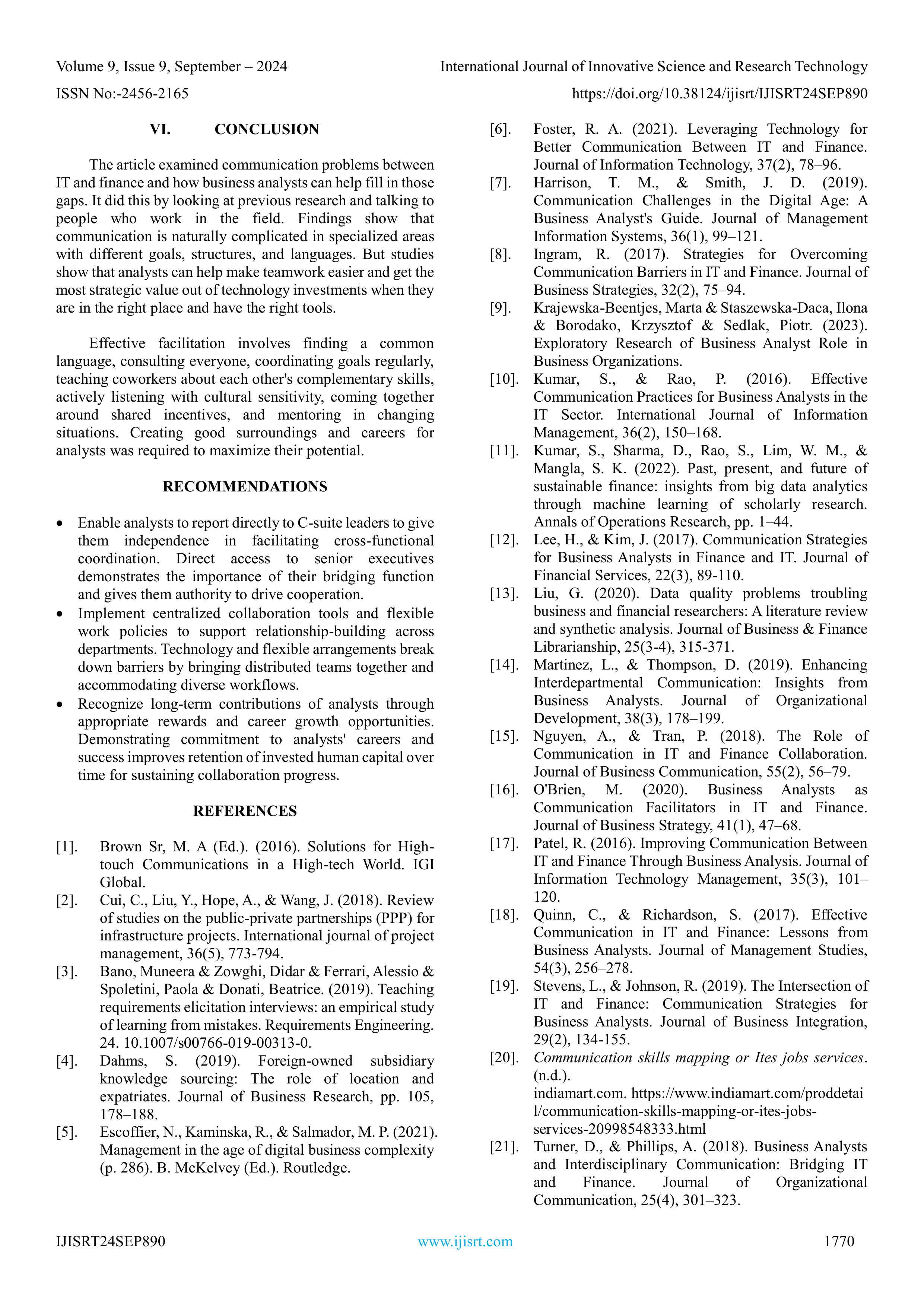
RECOMMENDATIONS
Enable analysts to report directly to C-suite leaders to give
them independence in facilitating cross-functional
coordination. Direct access to senior executives
demonstrates the importance of their bridging function
and gives them authority to drive cooperation.
Implement centralized collaboration tools and flexible
work policies to support relationship-building across
departments. Technology and flexible arrangements break
down barriers by bringing distributed teams together and
accommodating diverse workflows.
Recognize long-term contributions of analysts through
appropriate rewards and career growth opportunities.
Demonstrating commitment to analysts' careers and
success improves retention of invested human capital over
time for sustaining collaboration progress.
REFERENCES
[1].
Brown Sr, M. A (Ed.). (2016). Solutions for High-
touch Communications in a High-tech World. IGI
Global.
[2].
Cui, C., Liu, Y., Hope, A., & Wang, J. (2018). Review
of studies on the public-private partnerships (PPP) for
infrastructure projects. International journal of project
management, 36(5), 773-794.
[3].
Bano, Muneera & Zowghi, Didar & Ferrari, Alessio &
Spoletini, Paola & Donati, Beatrice. (2019). Teaching
requirements elicitation interviews: an empirical study
of learning from mistakes. Requirements Engineering.
24. 10.1007/s00766-019-00313-0.
[4].
Dahms,
S.
(2019).
Foreign-owned
subsidiary
knowledge sourcing: The role of location and
expatriates. Journal of Business Research, pp. 105,
178–188.
[5].
Escoffier, N., Kaminska, R., & Salmador, M. P. (2021).
Management in the age of digital business complexity
(p. 286). B. McKelvey (Ed.). Routledge.
[6].
Foster, R. A. (2021). Leveraging Technology for
Better Communication Between IT and Finance.
Journal of Information Technology, 37(2), 78–96.
[7].
Harrison,
T.
M.,
&
Smith,
J.
D.
(2019).
Communication Challenges in the Digital Age: A
Business Analyst's Guide. Journal of Management
Information Systems, 36(1), 99–121.
[8].
Ingram, R. (2017). Strategies for Overcoming
Communication Barriers in IT and Finance. Journal of
Business Strategies, 32(2), 75–94.
[9].
Krajewska-Beentjes, Marta & Staszewska-Daca, Ilona
& Borodako, Krzysztof & Sedlak, Piotr. (2023).
Exploratory Research of Business Analyst Role in
Business Organizations.
[10].
Kumar,
S.,
&
Rao,
P.
(2016).
Effective
Communication Practices for Business Analysts in the
IT Sector. International Journal of Information
Management, 36(2), 150–168.
[11].
Kumar, S., Sharma, D., Rao, S., Lim, W. M., &
Mangla, S. K. (2022). Past, present, and future of
sustainable finance: insights from big data analytics
through machine learning of scholarly research.
Annals of Operations Research, pp. 1–44.
[12].
Lee, H., & Kim, J. (2017). Communication Strategies
for Business Analysts in Finance and IT. Journal of
Financial Services, 22(3), 89-110.
[13].
Liu, G. (2020). Data quality problems troubling
business and financial researchers: A literature review
and synthetic analysis. Journal of Business & Finance
Librarianship, 25(3-4), 315-371.
[14].
Martinez, L., & Thompson, D. (2019). Enhancing
Interdepartmental Communication: Insights from
Business
Analysts.
Journal
of
Organizational
Development, 38(3), 178–199.
[15].
Nguyen, A., & Tran, P. (2018). The Role of
Communication in IT and Finance Collaboration.
Journal of Business Communication, 55(2), 56–79.
[16].
O'Brien,
M.
(2020).
Business
Analysts
as
Communication Facilitators in IT and Finance.
Journal of Business Strategy, 41(1), 47–68.
[17].
Patel, R. (2016). Improving Communication Between
IT and Finance Through Business Analysis. Journal of
Information Technology Management, 35(3), 101–
120.
[18].
Quinn, C., & Richardson, S. (2017). Effective
Communication in IT and Finance: Lessons from
Business Analysts. Journal of Management Studies,
54(3), 256–278.
[19].
Stevens, L., & Johnson, R. (2019). The Intersection of
IT and Finance: Communication Strategies for
Business Analysts. Journal of Business Integration,
29(2), 134-155.
[20].
Communication skills mapping or Ites jobs services
.
(n.d.).
indiamart.com. https://www.indiamart.com/proddetai
l/communication-skills-mapping-or-ites-jobs-
services-20998548333.html
[21].
Turner, D., & Phillips, A. (2018). Business Analysts
and Interdisciplinary Communication: Bridging IT
and
Finance.
Journal
of
Organizational
Communication, 25(4), 301–323.
Volume 9, Issue 9, September – 2024
International Journal of Innovative Science and Research Technology
ISSN No:-2456-2165 https://doi.org/10.38124/ijisrt/IJISRT24SEP890
IJISRT24SEP890
www.ijisrt.com
1771
[22].
Valiyeva, A., & Thomas, B. J. (2022). Successful
organizational business communication and its impact
on business performance: An intra-and inter-
organizational perspective. Journal of Accounting,
Business and Finance Research, 15(2), 83-91.
[23].
Victoriano, M. (2024). Communication barriers in
learning during a pandemic and its pedagogical
approaches. International Journal of Evaluation and
Research
in
Education
(IJERE).
13.
10.11591/ijere.v13i3.27235.
[24].
Barriers to communication. (2010, February 8).
Communication
Theory.
https://www.communicationtheory.org/barriers-to-
communication/
[25].
Zhang, L., Gao, Y., Lu, W., & Guo, W. (2023). The
influence of conflict event strength on inter-
organizational cooperation: Moderating roles of
contractual complexity and trust. Journal of Business
Research, p. 159, 113750.