
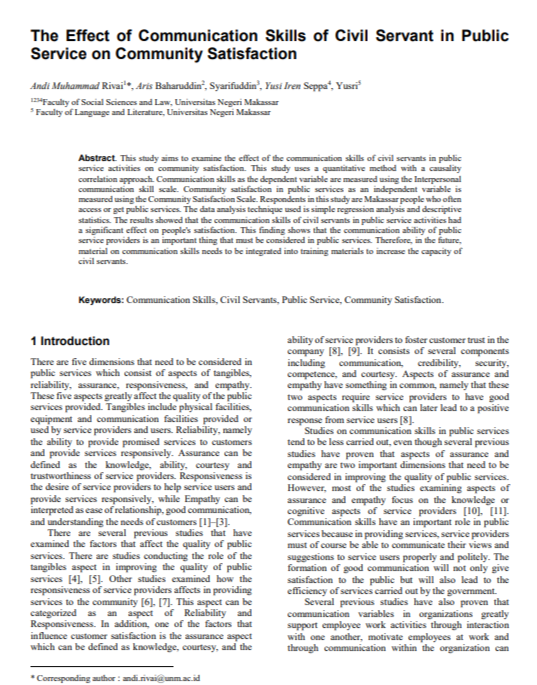
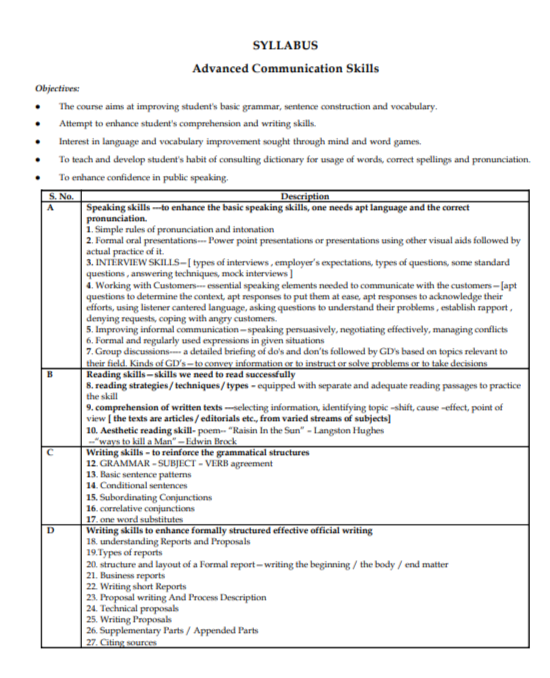
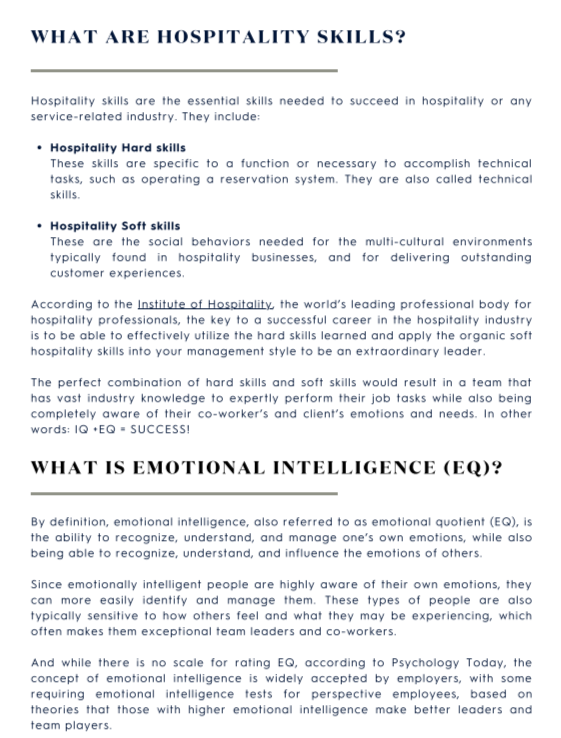
Communication skills are the ability to express ideas clearly, listen actively, and build meaningful connections in personal, academic, and professional settings. Whether you’re improving verbal, written, nonverbal, interpersonal, presentation, or workplace communication, strong communication skills foster collaboration, strengthen relationships, and support personal and career growth. Explore real communication skills examples, practical techniques, and expert guidance to develop confident, effective communication for any situation.
Popular Types Of Communication Skills
Verbal Communication
Verbal communication involves expressing ideas, thoughts, and information clearly through spoken language. Strong verbal communication improves conversations, meetings, interviews, and everyday interactions.
Active Listening
Active listening focuses on understanding the speaker by paying attention, asking relevant questions, and providing thoughtful feedback. It strengthens relationships, trust, and collaboration.
Written Communication
Written communication includes emails, reports, proposals, messages, and other documents. Clear, concise, and professional writing helps convey information accurately and effectively.
Nonverbal Communication
Nonverbal communication includes body language, facial expressions, gestures, posture, and eye contact. These cues reinforce spoken messages and improve overall communication effectiveness.
Presentation Skills
Presentation skills involve organizing ideas and delivering engaging speeches or presentations with confidence. Effective presenters communicate clearly and keep their audience interested.
Interpersonal Communication
Interpersonal communication focuses on building positive relationships through empathy, collaboration, respect, and effective interaction with others in personal and professional settings.
How Do I Improve Communication Skills Using Real Communication Skills Examples?
Choose the Communication Skill You Want to Develop
Select the type of communication skill you want to improve, such as verbal communication, written communication, active listening, presentation skills, interpersonal communication, or workplace communication. Focusing on a specific area helps you learn more effectively.
Explore Real Communication Skills Examples
Review practical communication examples to understand how effective communication works in real-life situations. Study techniques, language, tone, structure, and best practices that can be applied to your own interactions.
Customize Your Communication Approach
Adapt proven communication strategies to match your audience, purpose, and situation. Whether you’re writing an email, delivering a presentation, or participating in a meeting, personalize your communication for maximum impact.
Practice and Apply with Confidence
Use your improved communication skills in conversations, interviews, presentations, teamwork, and professional settings. Regular practice, feedback, and continuous learning will help you become a more confident and effective communicator.
How Do I Customize Communication Skills Online?
Customize your communication skills by selecting the specific area you want to improve, such as verbal, written, interpersonal, presentation, or workplace communication. Personalize practice exercises, examples, tone, and learning goals to match your academic, personal, or professional needs. Refine your communication style with AI-powered suggestions, track your progress, and build confidence through real-world examples.
AI Communication Skills Features
AI Communication Coaching
Receive personalized tips, explanations, and examples to strengthen your communication skills in different situations.
Smart Writing Assistance
Improve emails, messages, reports, presentations, and other written communication with AI-powered suggestions.
Grammar And Clarity Enhancement
Automatically refine grammar, sentence structure, readability, and tone for clear and professional communication.
Personalized Learning
Customize lessons and practice activities based on your communication goals, profession, or experience level.
Real-World Practice
Learn from practical communication examples, workplace scenarios, interviews, meetings, and everyday conversations.
Progress Tracking
Monitor your communication improvement with guided exercises, feedback, and skill-building recommendations.
Which Essential Elements Should Every Strong Communication Skill Include?
Clear Purpose: Know the objective of your communication before speaking or writing.
Active Listening: Pay attention, understand the message, and respond thoughtfully.
Clarity And Conciseness: Express ideas in simple, direct, and organized language.
Confidence: Communicate with a positive tone, appropriate body language, and self-assurance.
Empathy: Understand your audience’s perspective and adapt your communication accordingly.
Constructive Feedback: Give and receive feedback respectfully to encourage understanding and improvement.
Consistency: Ensure your words, tone, and actions align to build trust and credibility.
How Do I Improve My Communication Skills?
Practice Regularly: Communicate frequently in personal, academic, and professional settings.
Listen Actively: Focus on understanding before responding.
Expand Your Vocabulary: Use appropriate words to express ideas more effectively.
Improve Body Language: Maintain eye contact, posture, and positive facial expressions.
Ask For Feedback: Learn from others to identify strengths and areas for improvement.
Keep Learning: Study communication techniques and apply them in real-world situations.
Why Should I Learn From Real Communication Skills Examples?
- Learn practical communication techniques that work in real situations.
- Understand how professionals communicate effectively.
- Build confidence through proven examples.
- Improve workplace, academic, and personal interactions.
- Develop stronger listening, speaking, and writing skills.
- Apply communication strategies to everyday conversations and professional success.
What Common Communication Mistakes Should I Avoid?
- Using unclear or confusing language.
- Interrupting others while they are speaking.
- Ignoring nonverbal communication cues.
- Using an inappropriate tone for the audience.
- Failing to listen actively.
- Overloading conversations with unnecessary information.
How Can Strong Communication Skills Help Your Career?
Build Strong Relationships
Communicate clearly and respectfully to strengthen trust with colleagues, clients, and team members.
Increase Workplace Collaboration
Share ideas effectively, resolve misunderstandings, and contribute to productive teamwork.
Improve Leadership Skills
Lead meetings, motivate teams, and communicate expectations with confidence.
Boost Career Opportunities
Strong communication skills improve interviews, networking, promotions, and professional growth.
Enhance Personal Confidence
Express your thoughts clearly, handle conversations effectively, and build meaningful relationships.
Communication Skills Examples For Different Situations
Business: Meetings, client communication, negotiations, and professional emails.
Education: Classroom discussions, presentations, group projects, and academic writing.
Healthcare: Patient communication, teamwork, counseling, and medical documentation.
Sales And Customer Service: Product presentations, customer support, conflict resolution, and relationship building.
Technology: Technical documentation, project discussions, team collaboration, and stakeholder communication.
Leadership: Public speaking, performance feedback, team motivation, and strategic communication.
FAQs
What Are Communication Skills?
Communication skills are the ability to express ideas clearly, listen actively, and exchange information effectively through verbal, written, and nonverbal communication.
Why Are Communication Skills Important?
Strong communication skills improve relationships, teamwork, problem-solving, collaboration, and success in both personal and professional environments.
Can I Improve My Communication Skills?
Yes, communication skills can be improved through regular practice, active listening, feedback, real-world examples, and consistent learning.
What Types of Communication Skills Can I Learn?
You can develop verbal, written, nonverbal, interpersonal, presentation, listening, workplace, leadership, and digital communication skills.
What Makes Someone a Good Communicator?
A good communicator listens actively, speaks clearly, writes effectively, understands their audience, and adapts their communication style when needed.
How Can Communication Skills Benefit My Career?
Effective communication helps you collaborate with teams, build professional relationships, perform well in interviews, and advance your career.
Can AI Help Improve Communication Skills?
Yes, AI can provide personalized feedback, improve writing, suggest better wording, generate practice exercises, and help build communication confidence.
Why Should I Learn From Communication Skills Examples?
Real communication skills examples demonstrate effective techniques, practical strategies, and best practices that you can apply in everyday conversations and professional situations.