TEACHING LIFE SKILLS COMMUNICATION TO STUDENTS IN SPECIAL ED
9
the competence as to when to speak, when not, and in what manner. The latter competencies are
assumed to be particularly important for social interactions” (Hofmann & Müller, 2022). If these
communication skills go unfixed through education, these developmental issues can follow a
child’s adolescence and adulthood.
Consideration of Diversity
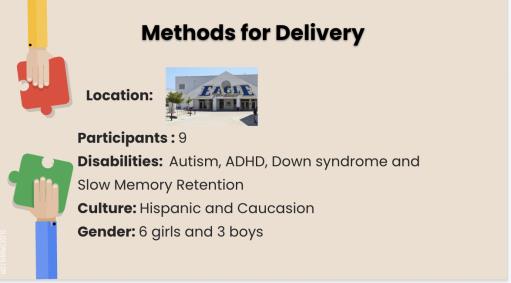
This project was completed in a Life Skills class with moderate to severe students at Everett
Alvarez High School classroom in Salinas, California. According to the School Accountability Report
Card ( SARC, 2019), Everett Alvarez High School has an enrollment of 2,664 students. Of those
students, 280 have a disability, about 10.50% of the school enrollment.
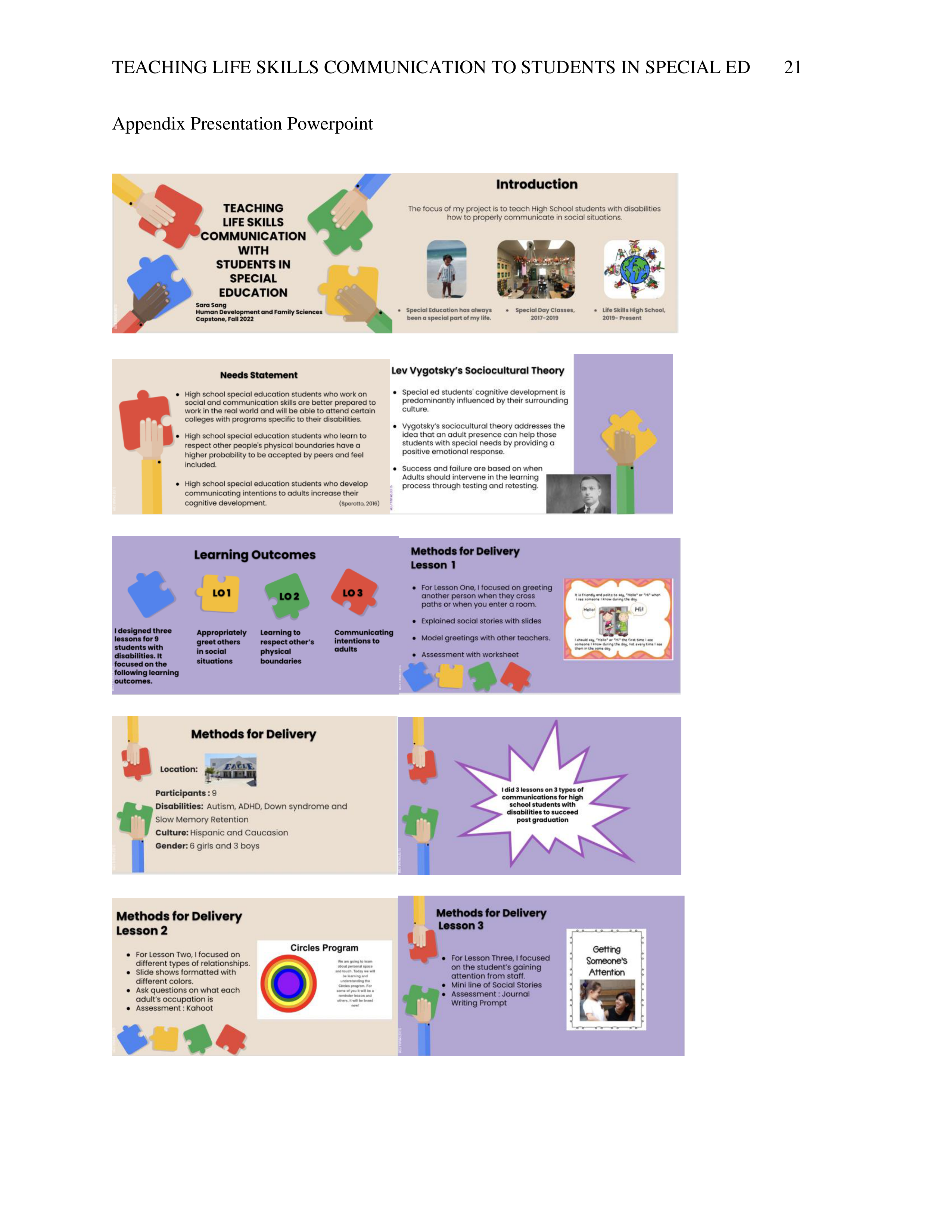
First, the students I had the
pleasure of working with had specific disabilities, ranging from high to low functioning and
Nonverbal Autism, ADHD, slow memory retention, and down syndrome. As for planning each
project for the students, I needed to know each student's level of understanding, so I decided to do
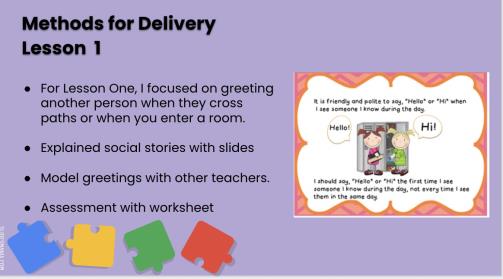
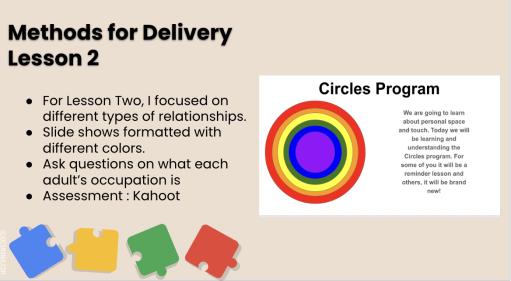
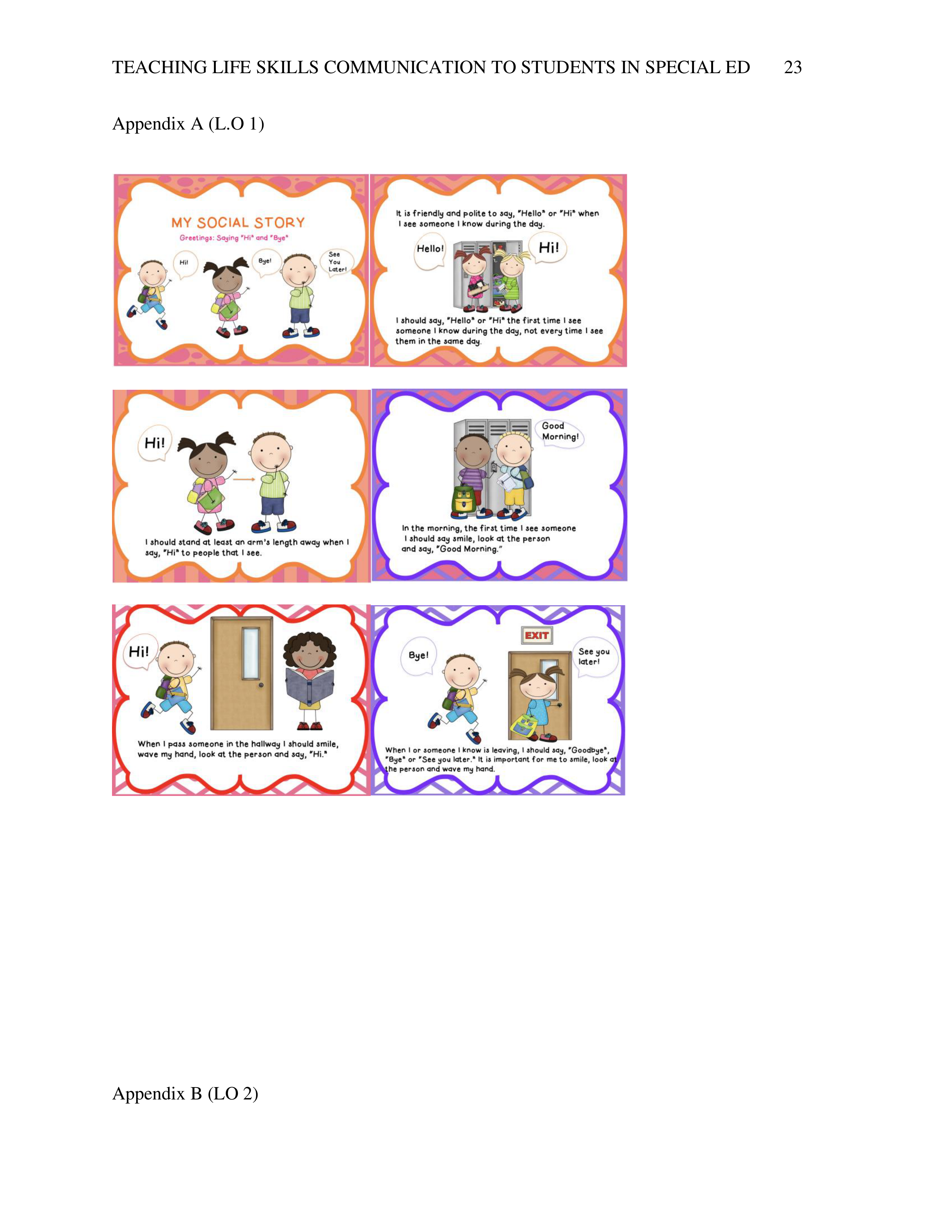
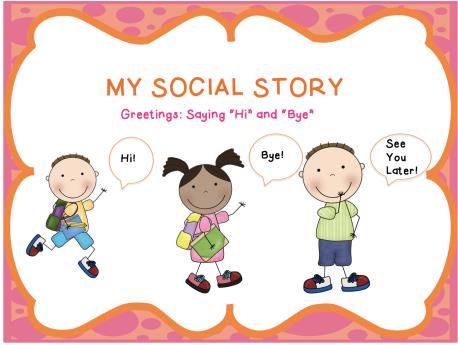
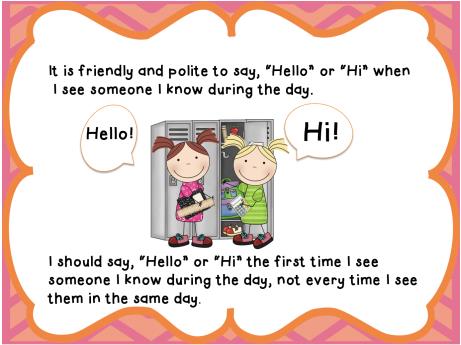
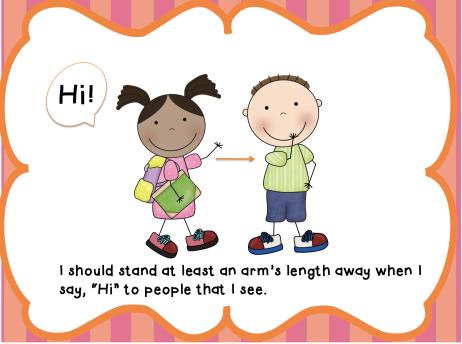
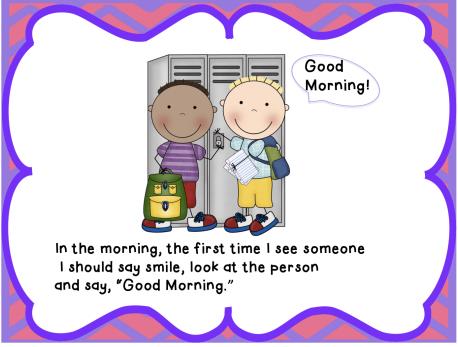
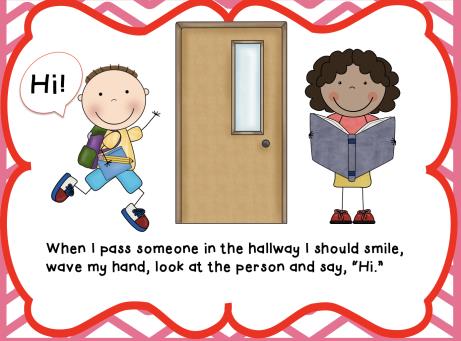
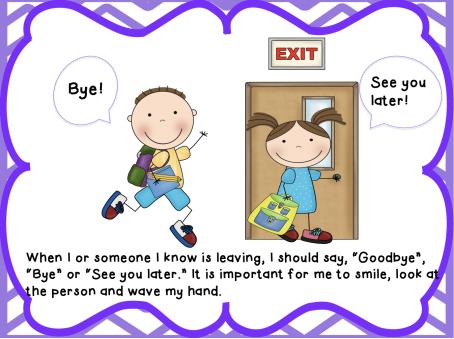
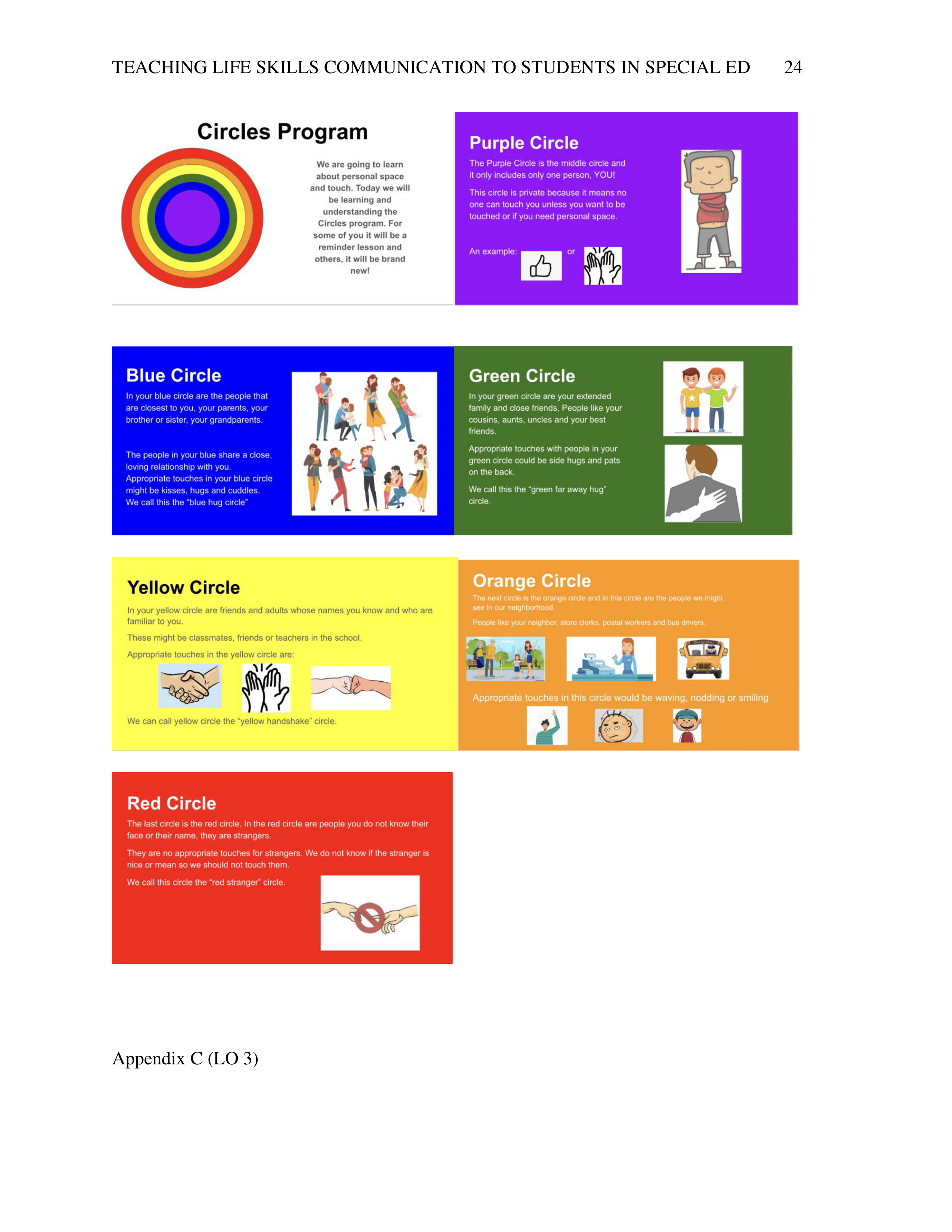
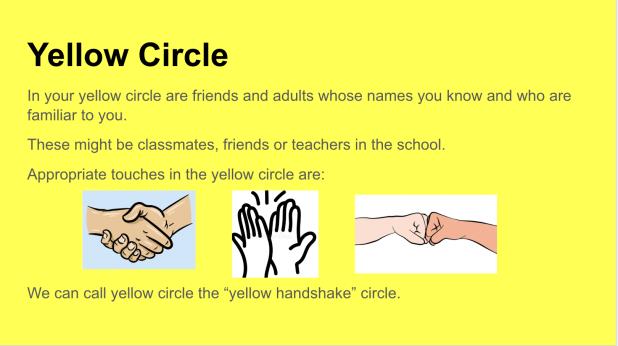
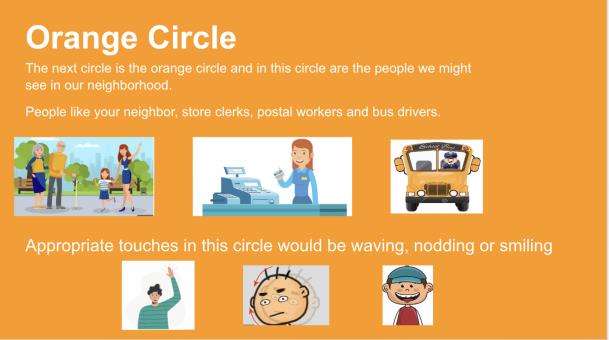
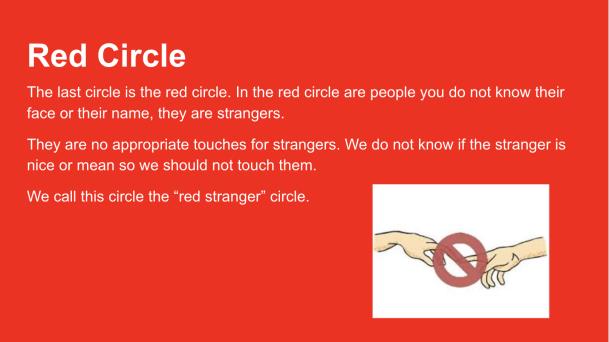
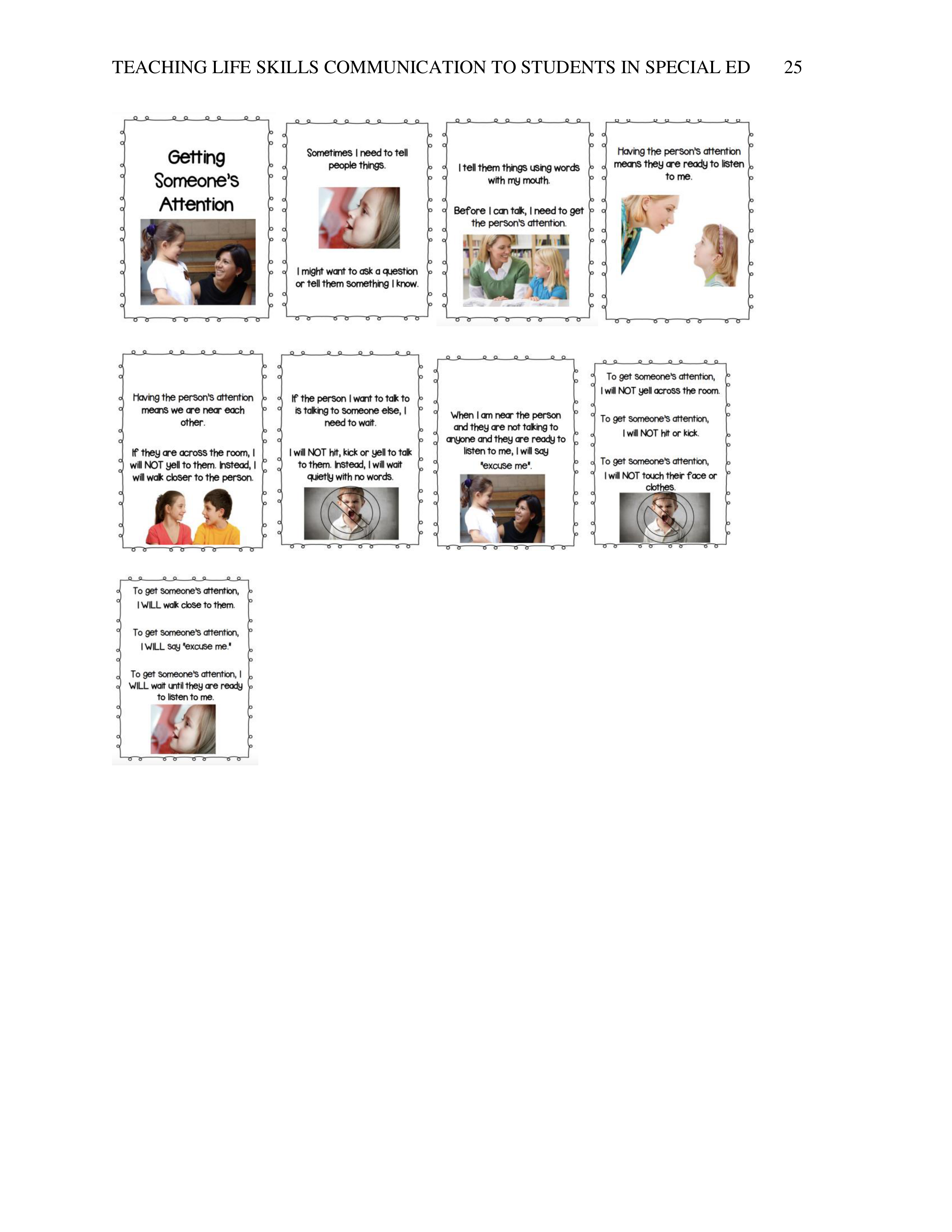
simple social stories, and a project with colors that would help the students with disabilities
understand and relate better to the project. Also, some of the students were nonverbal but could
follow along on their tablets (AAC devices) to an extent. Second, all nine students with disabilities
come from different social classes: lower and middle classes. The three students in the middle class
tend to have a better comprehension of the lessons than those in the lower class because the
middle-class students had more therapies (speech and RSP). Third, as an educator, the different
types of social classes were not an issue because all of the students learn at a different level, but the
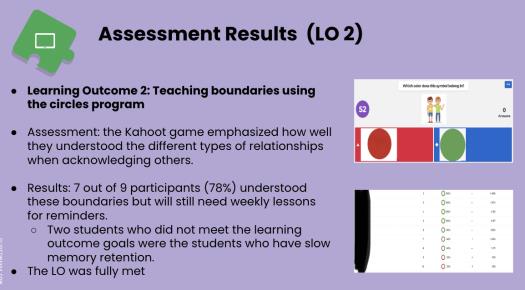
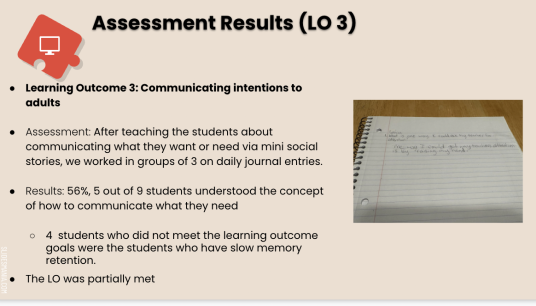
students from the middle class were quicker at answering questions on Kahoot or writing a journal
entry.
The group of special needs students would be diverse because each student's vocabulary,
speech, and comprehension level would be different. Students with disabilities come from many
different types of socioeconomic demographics because students have different support systems at
home and school. Each student comes with an influence of prior knowledge of communication. Not
all students that participated in the lessons had the same disabilities and materials. The students