Highlights in Business, Economics and Management
EMFRM 2023
Volume
24
(2024)
1314
SWOT Analysis of PepsiCo
Xinxuan Xie
*
Southern University of Science and Technology, 518055 Shenzhen, China
*Corresponding author: 12212658@mail.sustech.edu.cn
Abstract.
This paper demonstrates a comprehensive SWOT analysis of PepsiCo, which is one of
the most prominent beverage companies in the world. SWOT analysis is a strategic tool to profile an
organization from four aspects: strength, weakness, opportunity and threat. The paper aims to
present PepsiCo's current situation in the market with more clarity, including financial statement
analysis and competitive factors. The financial statements include total revenue, gross profit, total
cost, total assets from 2019-2022, as well as calculations of growth rate of gross profit, growth rate
of total cost, cash proportion, accounts receivable proportion, total liability proportion. Based on the
analysis, several recommendations are proposed for PepsiCo. The suggestions are consisted of
regional strategies, emerging markets and technologies, new regulations and risk aversion. The
findings of this study contribute to the strategic decision-making process for PepsiCo and provide
insights into the company's position within the food and beverage industry. The SWOT analysis
serves as a valuable tool for identifying strengths to capitalize on, weaknesses to address,
opportunities to exploit, and threats to mitigate. By aligning its strategies with the findings of this
analysis, PepsiCo can enhance its competitive position and achieve sustainable growth in the global
market.
Keywords:
SWOT analysis; PepsiCo; financial statements; competitors.
1.
Introduction
PepsiCo is a company in food and beverage industry. It owns over 20 brands worldwide, ranging
from sparkling water to potato chips and cereal. Adhering to the concept of "winning by winning",
PepsiCo's vision is to become a leader in the global leisure food and beverage industry. The 'Way to
Win' reflects our pursuit of a sustainable way to win the market and firmly integrate the company's
philosophy into all aspects of business. The main internal advantages, potentials, and external
opportunities and threats closely related to the research on Li through investigation are listed in the
adjusted SWOT analysis, which is based on the situation analysis under internal and external
competition environment and competitive conditions. These are then arranged in the form of a matrix,
and the idea of systematic analysis is used to match various factors with one another and analyze,
from which a series of correspond. By combining SWOT with PepsiCo current situation, some
proposal can be put forward for the future growth of PepsiCo.
2.
Market Analyzes
2.1.
Market Composition
The food and beverage industry is a huge and diversified industry with many parts. Large
multinational corporations: Enterprises like PepsiCo, Coca-Cola and Nestlé sell products worldwide
and own many brands. Food processing and manufacturing enterprises: These companies are
responsible for the intermediate process of food production, including cans, biscuits and dairy
products. Retailers: They build supply partnerships to meet consumer needs, supermarkets,
convenience stores are included. Fast food and beverage chains: These businesses operate globally in
the form of chain stores and have extensive distribution network. Packaging and logistics providers:
They ensure the safety and quality of food and beverages during production and processing, as well
as the smooth operation of sales and distribution.
Highlights in Business, Economics and Management
EMFRM 2023
Volume
24
(2024)
1315
2.2.
Industry Trend
Due to epidemic, world's food and beverage industry suffered a lot. In India the industry provides
most positions for over 7 million and 300 thousand; epidemic caused not only unemployment but also
bankruptcy. While countries are struggling to resume production, the public are concerning more
about hygiene situation. Contactless pay received favoritism in China, India's food safety and hygiene
situation is growing exponentially, more regulations and laws are enacted to ensure compliance and
increase user loyalty [1].
Apart from that, producers are making innovation in packaging and taste. Indonesia have come up
with a practical plan to use more sustainable packaging in face of inclining number of packaging
waste [2].
3.
Competitors
3.1.
Brief Introduction of Competitors
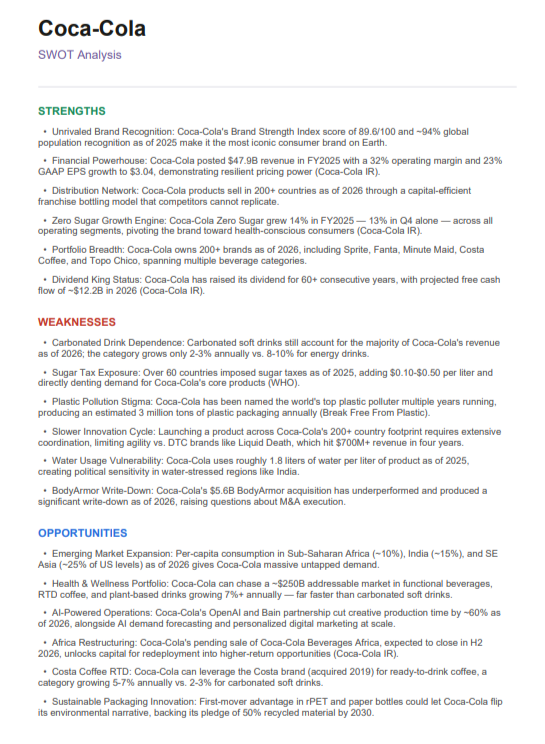
3.1.1 Coca-Cola
Coca-Cola is a leading global beverage company that offers a wide range of popular carbonated
drinks, juices, teas, and coffees. Since its establishment in 1886, Coca-Cola has been committed to
providing consumers with high-quality and refreshing beverages. The company's portfolio includes
iconic brands such as Coca-Cola, Sprite, Fanta, and more. With an extensive global distribution
network, Coca-Cola focuses on social responsibility and sustainable development.
3.1.2 Mondelez International
Mondelez International is a global leading snacking company with a portfolio of well-known
brands, including Oreo, Cadbury, and Milka. The company offers a diverse range of products such as
biscuits, chocolates, candies, and coffee. Mondelez International is dedicated to providing high-
quality, delicious, and innovative snack foods that are loved by consumers worldwide. Its
international strategy and continuous innovation have contributed to its success in the global market.
3.1.3 Kraft Heinz
Kraft Heinz is one of the largest food and beverage companies globally, offering a wide range of
products including cheese, condiments, and canned food. With well-known brands like Kraft, Heinz,
and Oscar Mayer, the company provides consumers around the world with premium food choices.
Known for its industry-leading supply chain and production practices, as well as its commitment to
innovation and sustainable development, Kraft Heinz has established a strong presence in the market.
3.2.
Competitive Factors
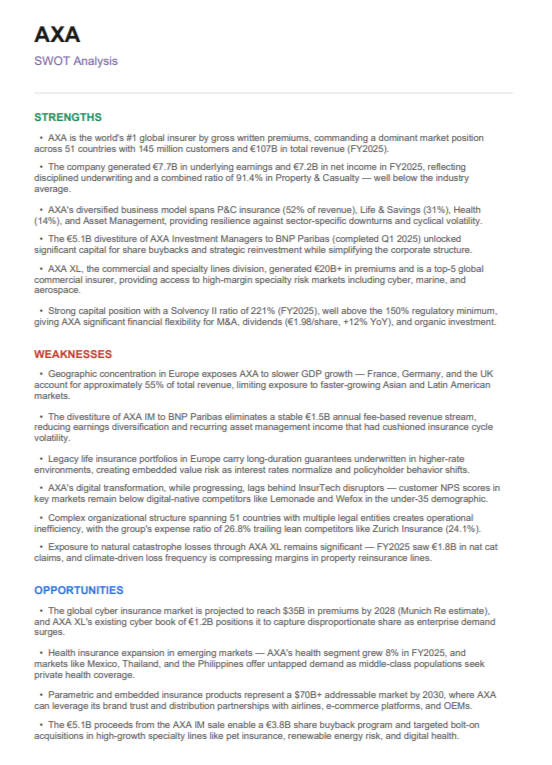
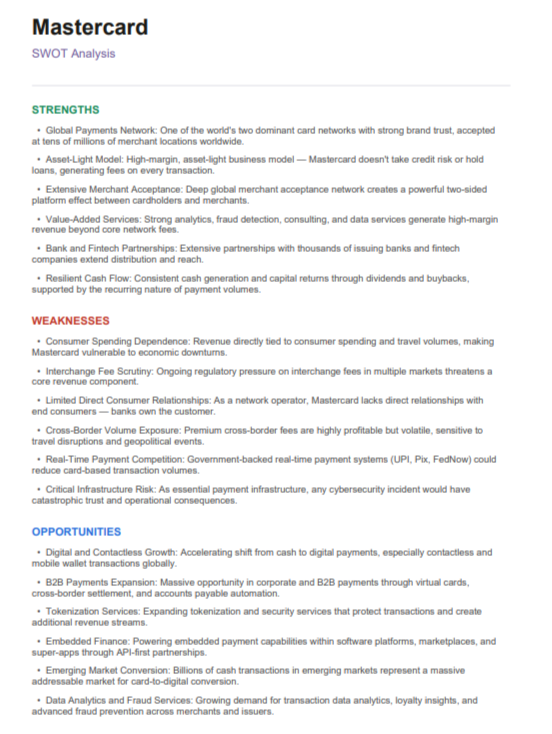
These four companies compete in many areas.
3.2.1 Beverage market
PepsiCo and Coca-Cola are largest fizzy beverage manufacturer, they have strong contest with
each other. Besides, all of them own many famous brands including fruit juices, tea drinks and coffee,
and try to attract customers through continuous innovation and marketing.
3.2.2 Snack market
Pepsi has snack brands like Lays, Cheetos; Mondelez International has Milka, Oreo; Kraft Heinz
owns Planters, Bagel bites. They compete fiercely in the fields of cookies, chocolates and more.
3.2.3 International expansions
All four companies operate globally and compete for market share. They have branches and
factories in various countries and regions to meet the tastes and needs of local consumers. They use
strategic partnerships, mergers and acquisitions, and the launch of innovative products to expand
market share and compete for a dominant position in the international market.
Highlights in Business, Economics and Management
EMFRM 2023
Volume
24
(2024)
1316
3.2.4 Sustainability and social responsibility
These companies are aware of the importance of sustainability and are committed to reducing
environmental impact, improving supply chain transparency, and engaging in social responsibility
programs. They compete for consumer attention and recognition by reducing carbon emissions,
recycling packaging materials, and providing social benefits.
4.
Analysis of Financial Conditions
Below are financial data tables of these four companies from 2019 to 2022.
4.1.
Total Revenue, Gross Profit and Total Cost
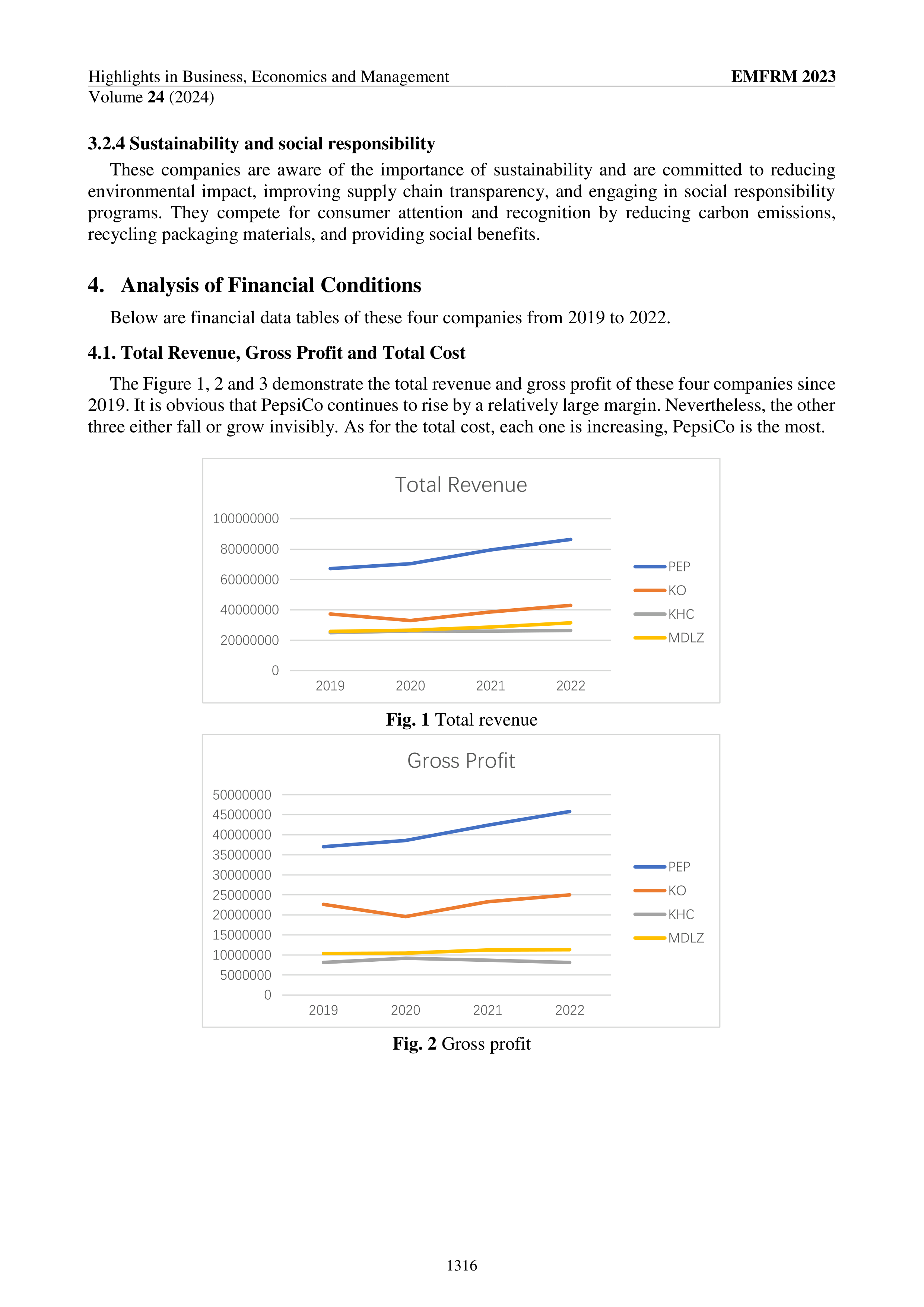
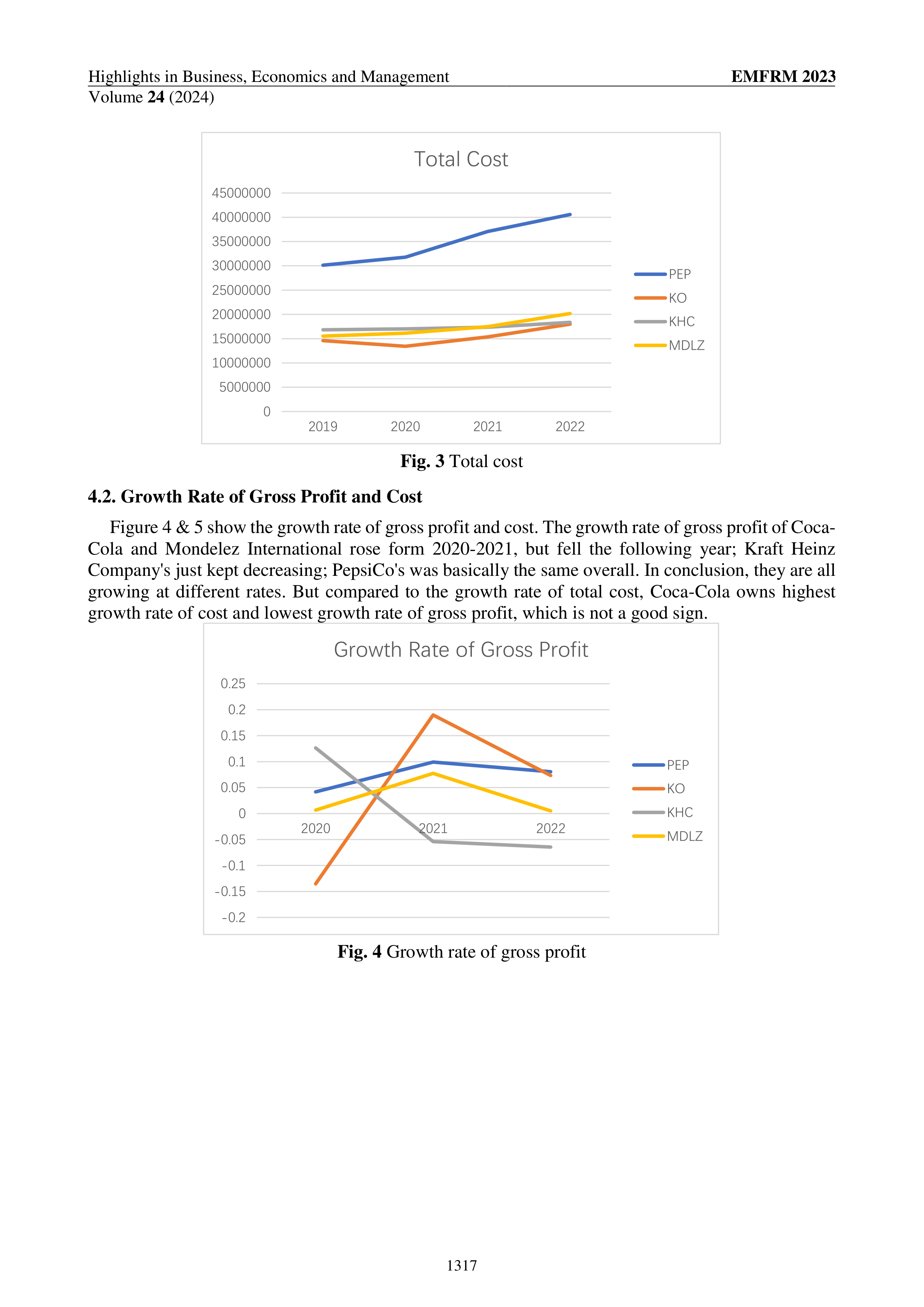
The Figure 1, 2 and 3 demonstrate the total revenue and gross profit of these four companies since
2019. It is obvious that PepsiCo continues to rise by a relatively large margin. Nevertheless, the other
three either fall or grow invisibly. As for the total cost, each one is increasing, PepsiCo is the most.
Fig. 1
Total revenue
Fig. 2
Gross profit
0
20000000
40000000
60000000
80000000
100000000
2019
2020
2021
2022
Total Revenue
PEP
KO
KHC
MDLZ
0
5000000
10000000
15000000
20000000
25000000
30000000
35000000
40000000
45000000
50000000
2019
2020
2021
2022
Gross Profit
PEP
KO
KHC
MDLZ
Highlights in Business, Economics and Management
EMFRM 2023
Volume
24
(2024)
1317
Fig. 3
Total cost
4.2.
Growth Rate of Gross Profit and Cost
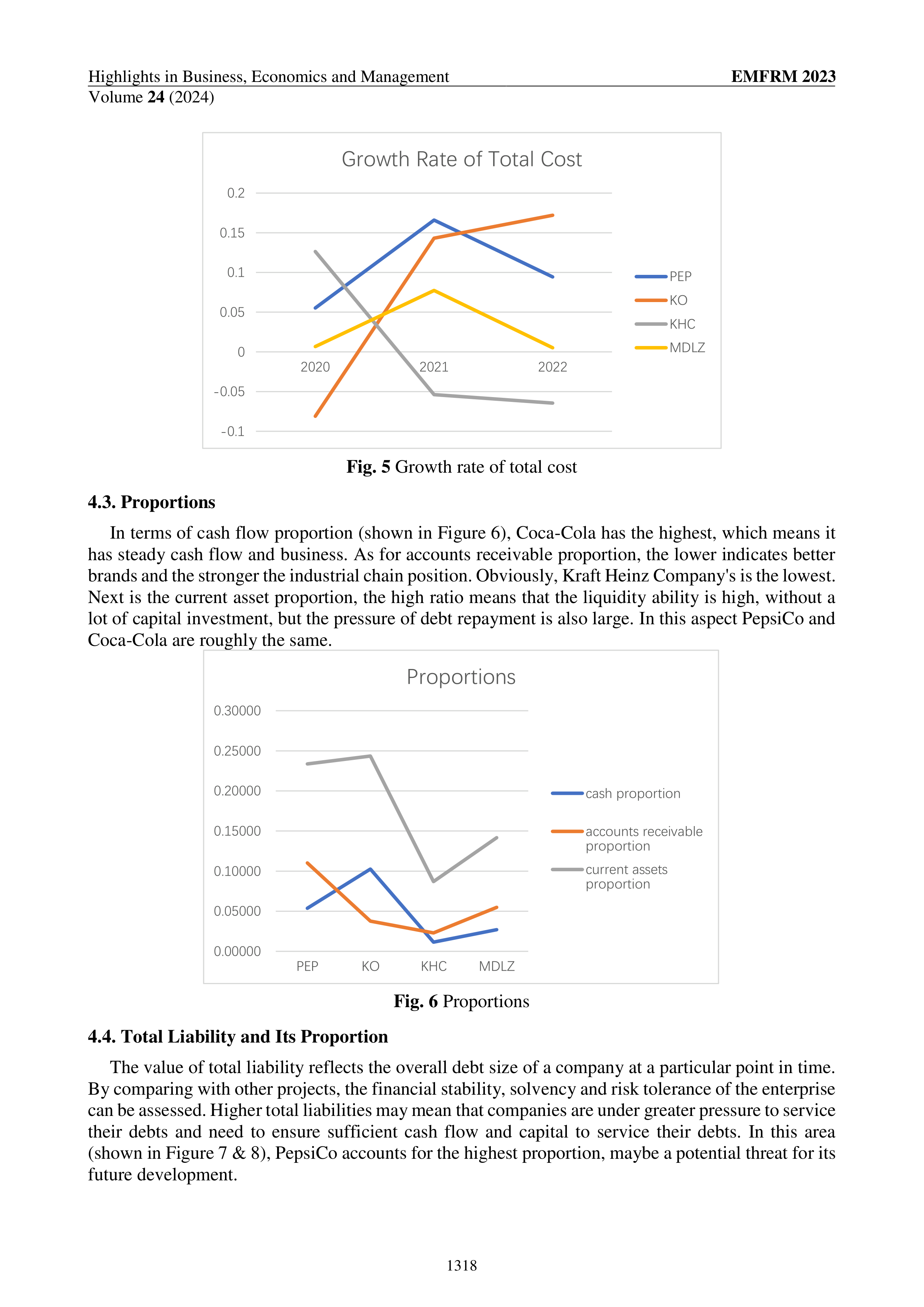
Figure 4 & 5 show the growth rate of gross profit and cost. The growth rate of gross profit of Coca-
Cola and Mondelez International rose form 2020-2021, but fell the following year; Kraft Heinz
Company's just kept decreasing; PepsiCo's was basically the same overall. In conclusion, they are all
growing at different rates. But compared to the growth rate of total cost, Coca-Cola owns highest
growth rate of cost and lowest growth rate of gross profit, which is not a good sign.
Fig. 4
Growth rate of gross profit
0
5000000
10000000
15000000
20000000
25000000
30000000
35000000
40000000
45000000
2019
2020
2021
2022
Total Cost
PEP
KO
KHC
MDLZ
-0.2
-0.15
-0.1
-0.05
0
0.05
0.1
0.15
0.2
0.25
2020
2021
2022
Growth Rate of Gross Profit
PEP
KO
KHC
MDLZ
Highlights in Business, Economics and Management
EMFRM 2023
Volume
24
(2024)
1318
Fig. 5
Growth rate of total cost
4.3.
Proportions
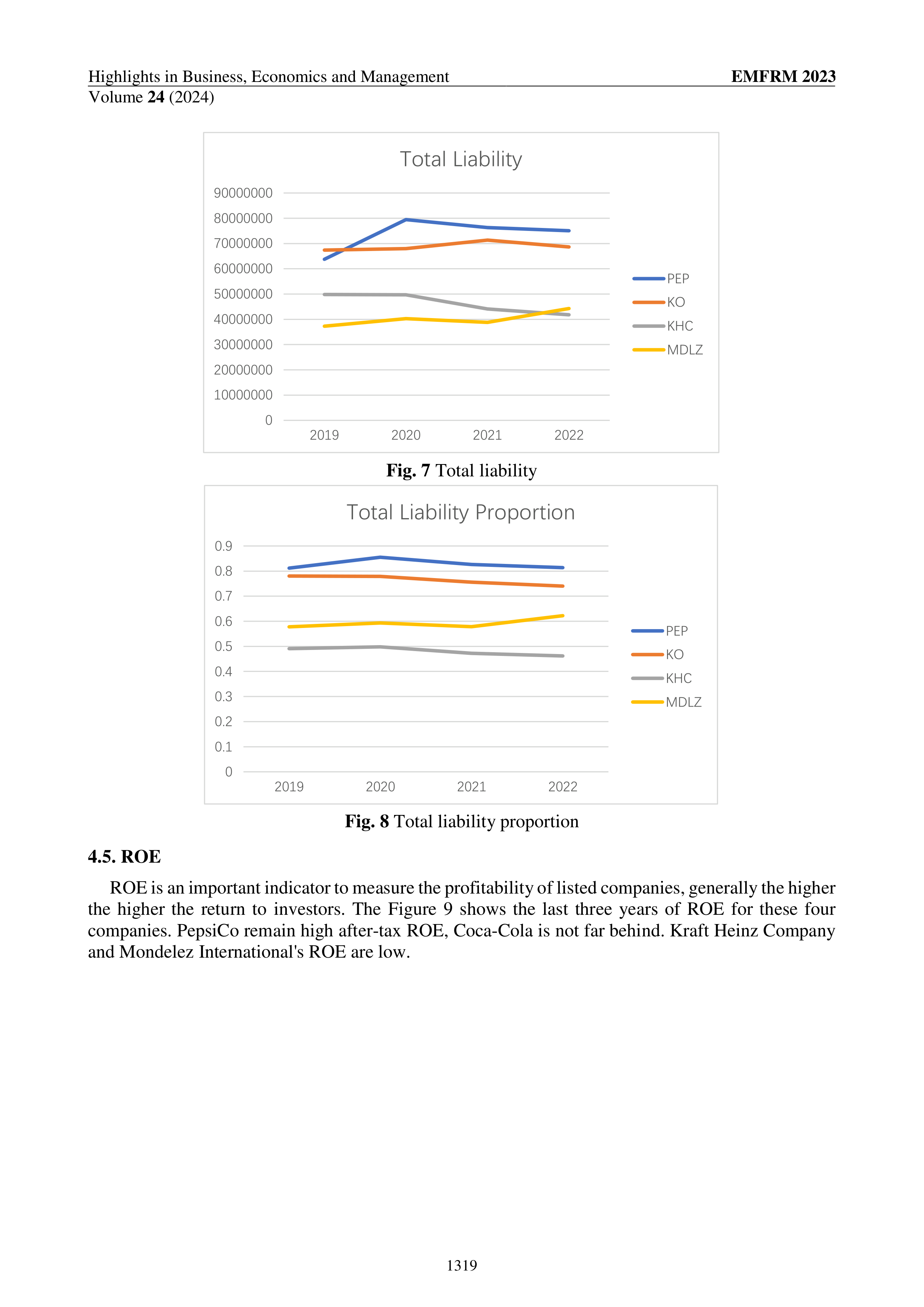
In terms of cash flow proportion (shown in Figure 6), Coca-Cola has the highest, which means it
has steady cash flow and business. As for accounts receivable proportion, the lower indicates better
brands and the stronger the industrial chain position. Obviously, Kraft Heinz Company's is the lowest.
Next is the current asset proportion, the high ratio means that the liquidity ability is high, without a
lot of capital investment, but the pressure of debt repayment is also large. In this aspect PepsiCo and
Coca-Cola are roughly the same.
Fig. 6
Proportions
4.4.
Total Liability and Its Proportion
The value of total liability reflects the overall debt size of a company at a particular point in time.
By comparing with other projects, the financial stability, solvency and risk tolerance of the enterprise
can be assessed. Higher total liabilities may mean that companies are under greater pressure to service
their debts and need to ensure sufficient cash flow and capital to service their debts. In this area
(shown in Figure 7 & 8), PepsiCo accounts for the highest proportion, maybe a potential threat for its
future development.
-0.1
-0.05
0
0.05
0.1
0.15
0.2
2020
2021
2022
Growth Rate of Total Cost
PEP
KO
KHC
MDLZ
0.00000
0.05000
0.10000
0.15000
0.20000
0.25000
0.30000
PEP
KO
KHC
MDLZ
Proportions
cash proportion
accounts receivable
proportion
current assets
proportion
Highlights in Business, Economics and Management
EMFRM 2023
Volume
24
(2024)
1319
Fig. 7
Total liability
Fig. 8
Total liability proportion
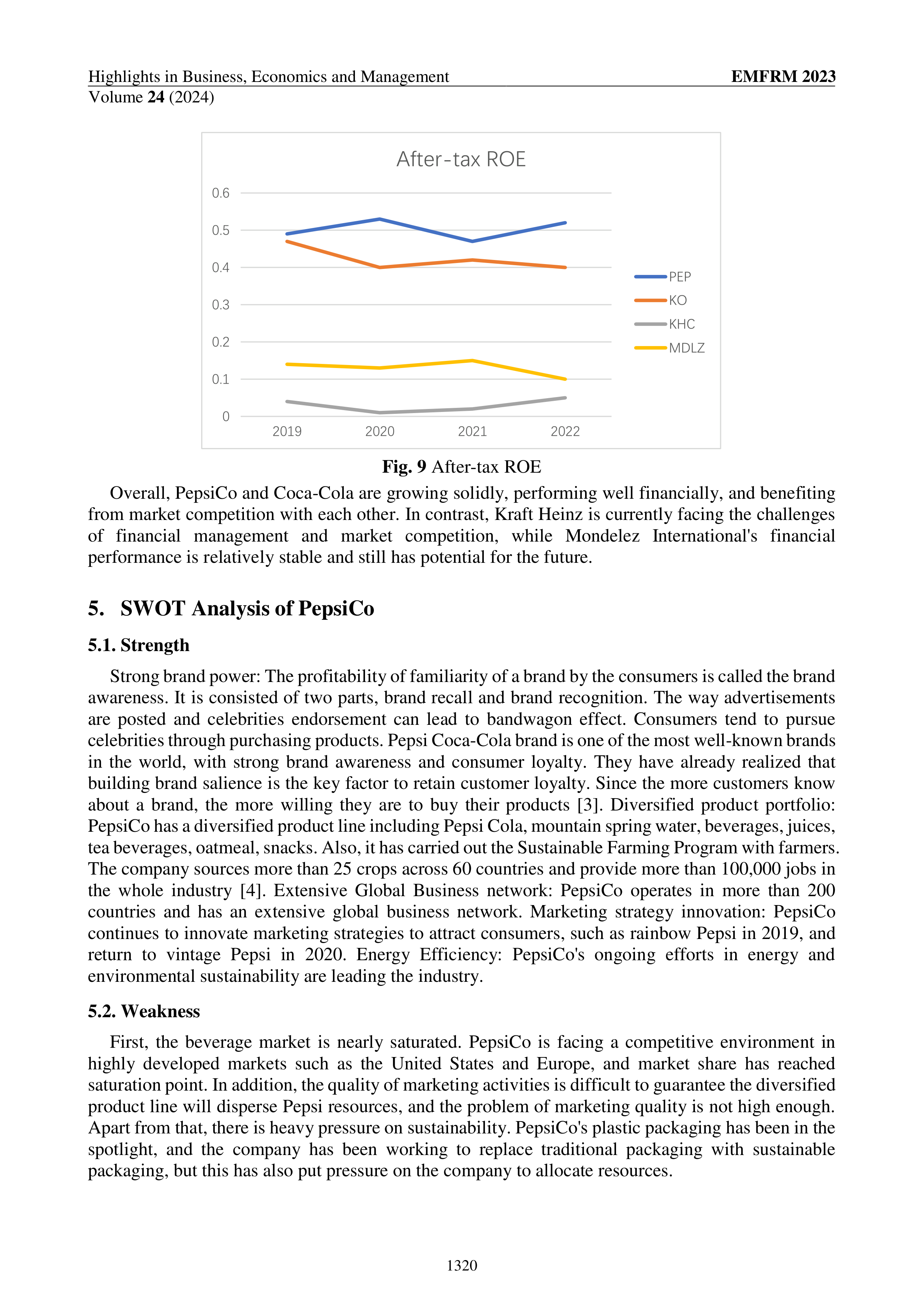
4.5.
ROE
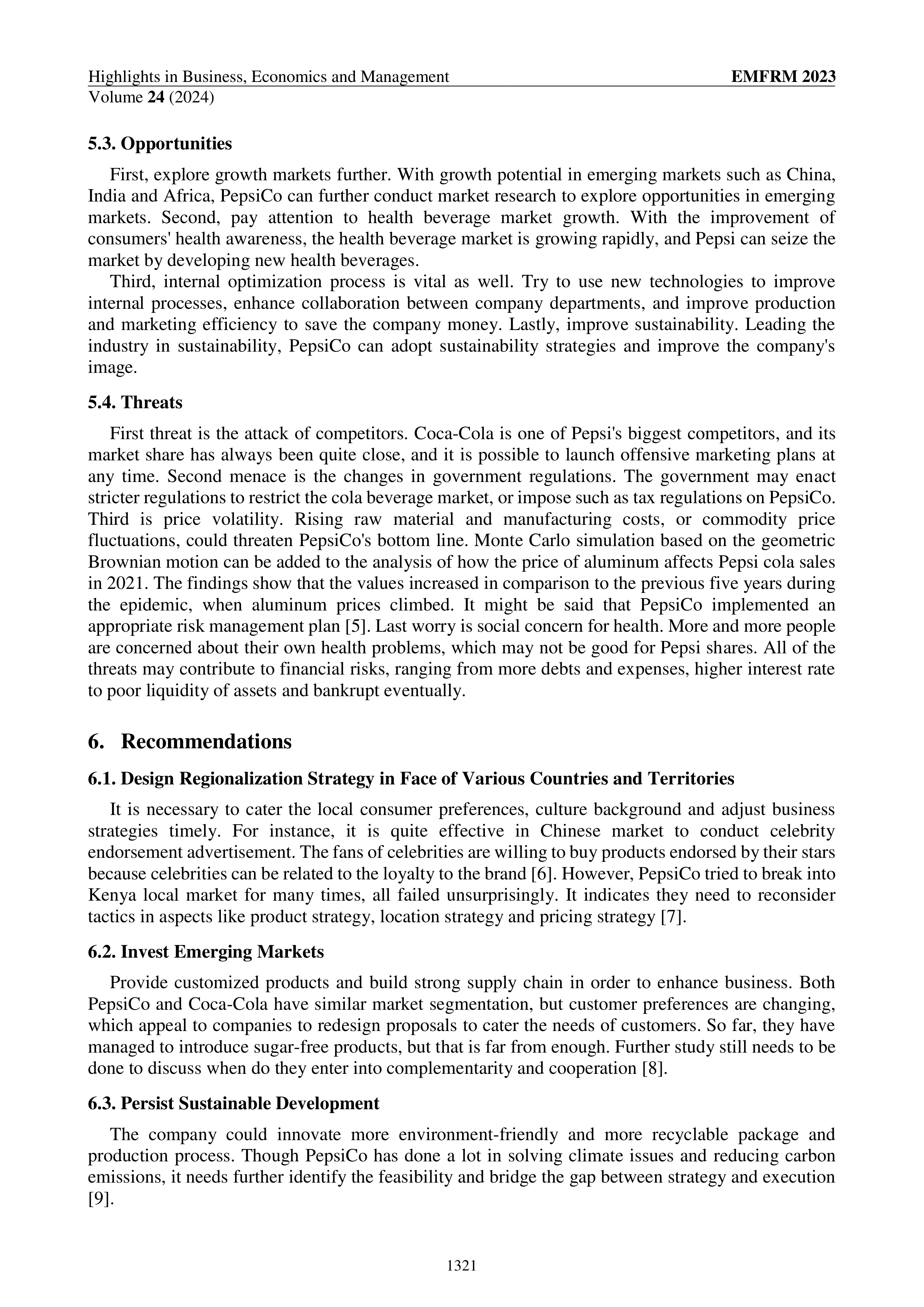
ROE is an important indicator to measure the profitability of listed companies, generally the higher
the higher the return to investors. The Figure 9 shows the last three years of ROE for these four
companies. PepsiCo remain high after-tax ROE, Coca-Cola is not far behind. Kraft Heinz Company
and Mondelez International's ROE are low.
0
10000000
20000000
30000000
40000000
50000000
60000000
70000000
80000000
90000000
2019
2020
2021
2022
Total Liability
PEP
KO
KHC
MDLZ
0
0.1
0.2
0.3
0.4
0.5
0.6
0.7
0.8
0.9
2019
2020
2021
2022
Total Liability Proportion
PEP
KO
KHC
MDLZ
Highlights in Business, Economics and Management
EMFRM 2023
Volume
24
(2024)
1320
Fig. 9
After-tax ROE
Overall, PepsiCo and Coca-Cola are growing solidly, performing well financially, and benefiting
from market competition with each other. In contrast, Kraft Heinz is currently facing the challenges
of financial management and market competition, while Mondelez International's financial
performance is relatively stable and still has potential for the future.
5.
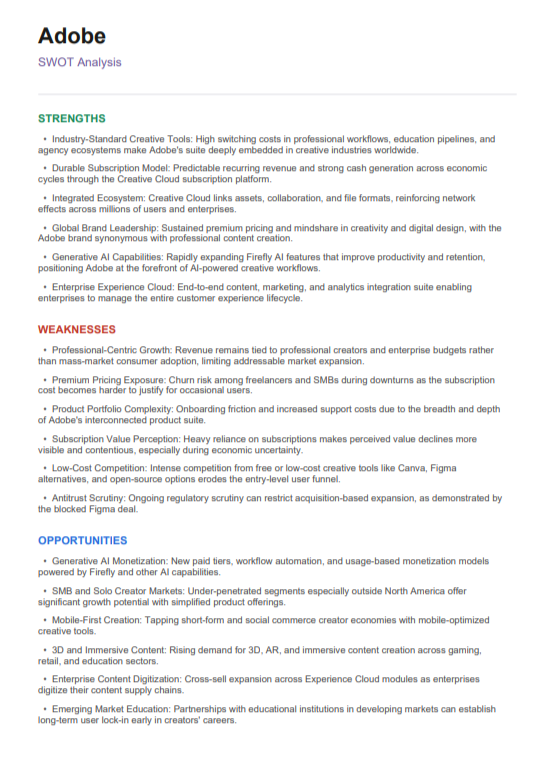
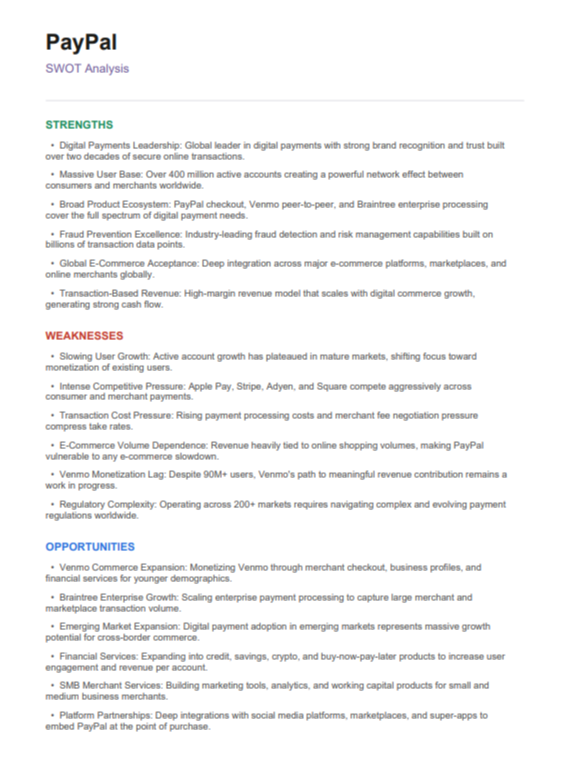
SWOT Analysis of PepsiCo
5.1.
Strength
Strong brand power: The profitability of familiarity of a brand by the consumers is called the brand
awareness. It is consisted of two parts, brand recall and brand recognition. The way advertisements
are posted and celebrities endorsement can lead to bandwagon effect. Consumers tend to pursue
celebrities through purchasing products. Pepsi Coca-Cola brand is one of the most well-known brands
in the world, with strong brand awareness and consumer loyalty. They have already realized that
building brand salience is the key factor to retain customer loyalty. Since the more customers know
about a brand, the more willing they are to buy their products [3]. Diversified product portfolio:
PepsiCo has a diversified product line including Pepsi Cola, mountain spring water, beverages, juices,
tea beverages, oatmeal, snacks. Also, it has carried out the Sustainable Farming Program with farmers.
The company sources more than 25 crops across 60 countries and provide more than 100,000 jobs in
the whole industry [4]. Extensive Global Business network: PepsiCo operates in more than 200
countries and has an extensive global business network. Marketing strategy innovation: PepsiCo
continues to innovate marketing strategies to attract consumers, such as rainbow Pepsi in 2019, and
return to vintage Pepsi in 2020. Energy Efficiency: PepsiCo's ongoing efforts in energy and
environmental sustainability are leading the industry.
5.2.
Weakness
First, the beverage market is nearly saturated. PepsiCo is facing a competitive environment in
highly developed markets such as the United States and Europe, and market share has reached
saturation point. In addition, the quality of marketing activities is difficult to guarantee the diversified
product line will disperse Pepsi resources, and the problem of marketing quality is not high enough.
Apart from that, there is heavy pressure on sustainability. PepsiCo's plastic packaging has been in the
spotlight, and the company has been working to replace traditional packaging with sustainable
packaging, but this has also put pressure on the company to allocate resources.
0
0.1
0.2
0.3
0.4
0.5
0.6
2019
2020
2021
2022
After-tax ROE
PEP
KO
KHC
MDLZ
Highlights in Business, Economics and Management
EMFRM 2023
Volume
24
(2024)
1321
5.3.
Opportunities
First, explore growth markets further. With growth potential in emerging markets such as China,
India and Africa, PepsiCo can further conduct market research to explore opportunities in emerging
markets. Second, pay attention to health beverage market growth. With the improvement of
consumers' health awareness, the health beverage market is growing rapidly, and Pepsi can seize the
market by developing new health beverages.
Third, internal optimization process is vital as well. Try to use new technologies to improve
internal processes, enhance collaboration between company departments, and improve production
and marketing efficiency to save the company money. Lastly, improve sustainability. Leading the
industry in sustainability, PepsiCo can adopt sustainability strategies and improve the company's
image.
5.4.
Threats
First threat is the attack of competitors. Coca-Cola is one of Pepsi's biggest competitors, and its
market share has always been quite close, and it is possible to launch offensive marketing plans at
any time. Second menace is the changes in government regulations. The government may enact
stricter regulations to restrict the cola beverage market, or impose such as tax regulations on PepsiCo.
Third is price volatility. Rising raw material and manufacturing costs, or commodity price
fluctuations, could threaten PepsiCo's bottom line. Monte Carlo simulation based on the geometric
Brownian motion can be added to the analysis of how the price of aluminum affects Pepsi cola sales
in 2021. The findings show that the values increased in comparison to the previous five years during
the epidemic, when aluminum prices climbed. It might be said that PepsiCo implemented an
appropriate risk management plan [5]. Last worry is social concern for health. More and more people
are concerned about their own health problems, which may not be good for Pepsi shares. All of the
threats may contribute to financial risks, ranging from more debts and expenses, higher interest rate
to poor liquidity of assets and bankrupt eventually.
6.
Recommendations
6.1.
Design Regionalization Strategy in Face of Various Countries and Territories
It is necessary to cater the local consumer preferences, culture background and adjust business
strategies timely. For instance, it is quite effective in Chinese market to conduct celebrity
endorsement advertisement. The fans of celebrities are willing to buy products endorsed by their stars
because celebrities can be related to the loyalty to the brand [6]. However, PepsiCo tried to break into
Kenya local market for many times, all failed unsurprisingly. It indicates they need to reconsider
tactics in aspects like product strategy, location strategy and pricing strategy [7].
6.2.
Invest Emerging Markets
Provide customized products and build strong supply chain in order to enhance business. Both
PepsiCo and Coca-Cola have similar market segmentation, but customer preferences are changing,
which appeal to companies to redesign proposals to cater the needs of customers. So far, they have
managed to introduce sugar-free products, but that is far from enough. Further study still needs to be
done to discuss when do they enter into complementarity and cooperation [8].
6.3.
Persist Sustainable Development
The company could innovate more environment-friendly and more recyclable package and
production process. Though PepsiCo has done a lot in solving climate issues and reducing carbon
emissions, it needs further identify the feasibility and bridge the gap between strategy and execution
[9].
Highlights in Business, Economics and Management
EMFRM 2023
Volume
24
(2024)
1322
6.4.
Apply Technology Innovations to Develop Healthier Products
For instance, replace high fructose corn syrup with sugar substitutes. And improve the
effectiveness of marketing strategies through digital analytics. Both PepsiCo and Coca-Cola are
changing their ways of commercial advertising. With a shift of advertising themes and taglines from
fun, lively, and sports to family, sexuality, and hedonism [10]. During epidemic, both Coca-Cola and
PepsiCo are attentive on social media. They chose Instagram as a major platform to spread their ideas
and share with the public about health crisis-related content. A large increase of interaction in terms
of likes, views and comments can be found [11].
6.5.
Focus on Political Stability and Trade Policy
Changes in political stability and trade policy may have some impact on PepsiCo's global business.
Therefore, the company needs to pay close attention to and participate in government-related
discussions and policy formulation to maintain the stable operation of its business and adapt to
changes in the international trade environment.
6.6.
Risk Management is Vital as Well
There are six steps to complete it. First, build criteria based on its characteristics. Second is to use
the criteria and find out possible consequences. Third step is risk assessment in order to determine
correct method and treat the risk. Last is to monitor risk and review timely [12].
The RSI from the end of April 2019 to the end of April 2020 indicates that the share price of
PepsiCo during epidemic hasn't fluctuated too much and with the recovery of economy and trade, the
stock values are at high level. It is believed that PepsiCo's future operation will make the company
have a good prospect [13].
7.
Conclusion
In the paper, food and beverage market, PepsiCo and its competitors are analyzed. In addition, we
compared PepsiCo's financial statistics in the last four years and gave out some beneficial suggestions.
The analysis revealed strength of PepsiCo as one of the largest food companies in the world, its
diverse products offerings contributed to its market leadership. By seizing the opportunities and
follow trends, PepsiCo can enhance its market position and cater to preferences of consumers.
Nevertheless, PepsiCo need to be cautious about potential threats, not only government movements
on policies, but also more severe competitions and changing consumers' needs. Opportunities coexist
with danger, as long as PepsiCo continue to expand into emerging markets and continuously optimize
management, the stage of development will get bigger and bigger. All in all, the SWOT analysis
reinforces the significance of innovation of new products, excellent planning and focus on the market.
With a proactive approach aligned with the findings of the analysis, PepsiCo can secure sustainable
growth and success in a dynamic business landscape.
References
[1]
Memon S.U.R, Pawase V.R, Pavase T.R, et al. Investigation of COVID-19 impact on the food and
beverages industry: China and India perspective. Foods, 2021, 10(5): 1069.
[2]
Chen C.C, Sujanto R.Y, Bui T.D, et al. Sustainable recyclate packaging in Indonesian food and beverage
industry: a hybrid decision-making analysis in consumption stages. Quality & Quantity, 2023, 57(3):
2053-2089.
[3]
Yadavalli L.K, Guru Basava Aradhya S, G Rajasekhar, Kushala B. An analysis of brand awareness levels
and its impact on brand salience of pepsico. Turkish Journal of Computer and Mathematics Education,
2021, Vol.12 No.13, 2511-2518.
[4]
Luna Yumi. Coca-Cola vs Pepsi, Netflix vs Walt Disney, UPS vs FedEx-a comparative analysis of world's
admirable companies. 10.13140/RG.2.2.25116.21125, 2021.
Highlights in Business, Economics and Management
EMFRM 2023
Volume
24
(2024)
1323
[5]
Chen Yini. Corporate metrics methodology application for the risk analysis in PepsiCo Company.
[Online], 2022.
[6]
Zhexi Li. Discover how celebrity endorsement advertisement impacts consumer purchasing behavior in
the case of Pepsi-Cola. Doctoral Dissertation, 2020.
[7]
Arati S.P. Effect of marketing strategy on performance of Pepsi-Cola (Ea) limited in Kenya. Jooust, 2021.
[8]
Jiaqi Wang. How Coca Cola and Pepsi use segmentation in consumer product industry. Advances in
Social Science, Education and Humanities Research, 2021, ISSN 2352-5398.
[9]
Qian D, Dargusch P, & Hill G. Carbon management behind the ambitious pledge of net zero carbon
emission-a case study of PepsiCo. Sustainability, 2022, 14(4): 2171.
[10]
Shahid, Saima & Ashfaq, Ayesha. Coca-Cola and PepsiCo advertising in Pakistan: changing trends of
cultural values manifested in television commercials. Journal of the Research Society of Pakistan., 2021,
58(2): 270.
[11]
Borsieri, Filippo. Strategic communication and social media before and after the pandemic: the Coca-
Cola company and PepsiCo compared.D.M.2022, 270/04.
[12]
Zhuo Zhang. Risk analysis of two leader drink company: PepsiCo and Coca-Cola. Asian Business
Research, 2019, ISSN 2424-8479 (Print), ISSN 2424-8983 (Online).
[13]
Kalinová, Eva, and Michal T. An analysis of the time series of the PepsiCo, Inc. (PEP) share price and a
prediction of its development. SHS Web of Conferences, 2021, Vol. 91. EDP Sciences.