7
Use Case:
Municipal Water Department
Effectively track vehicles and increase driver efficiency
The Bottom Line
Mobile applications can improve operational efficiencies by wirelessly dispatching work orders and providing turn by turn
directions, creating quicker response in emergencies and routine situations.
Water is a precious commodity in the dry southwest, where
Tim W. manages the water department for a growing city.
Dealing quickly with leaks and waterline breaks is a must to
conserve water, but outdated paper processes often made it
difficult to dispatch water technicians quickly to the scene of
a break. Each morning Tim’s 25 employees got a clipboard
listing the day’s assignments, but they often had to return
to the office to pick up new assignments, which delayed
response time and caused staff to put a lot of extra miles on
city vehicles. The system also made it difficult for them to
complete their regular work assignments.
The department’s difficulties multiplied as the city’s population
doubled. The budget didn’t allow Tim to hire additional
workers, so his staff had trouble keeping up with assignments,
and overtime costs skyrocketed. Tim believed he could hold
the line on costs, provide better customer service and save
water if he could find a way to deploy his employees more
efficiently and make them more productive.
Faster Emergency Response
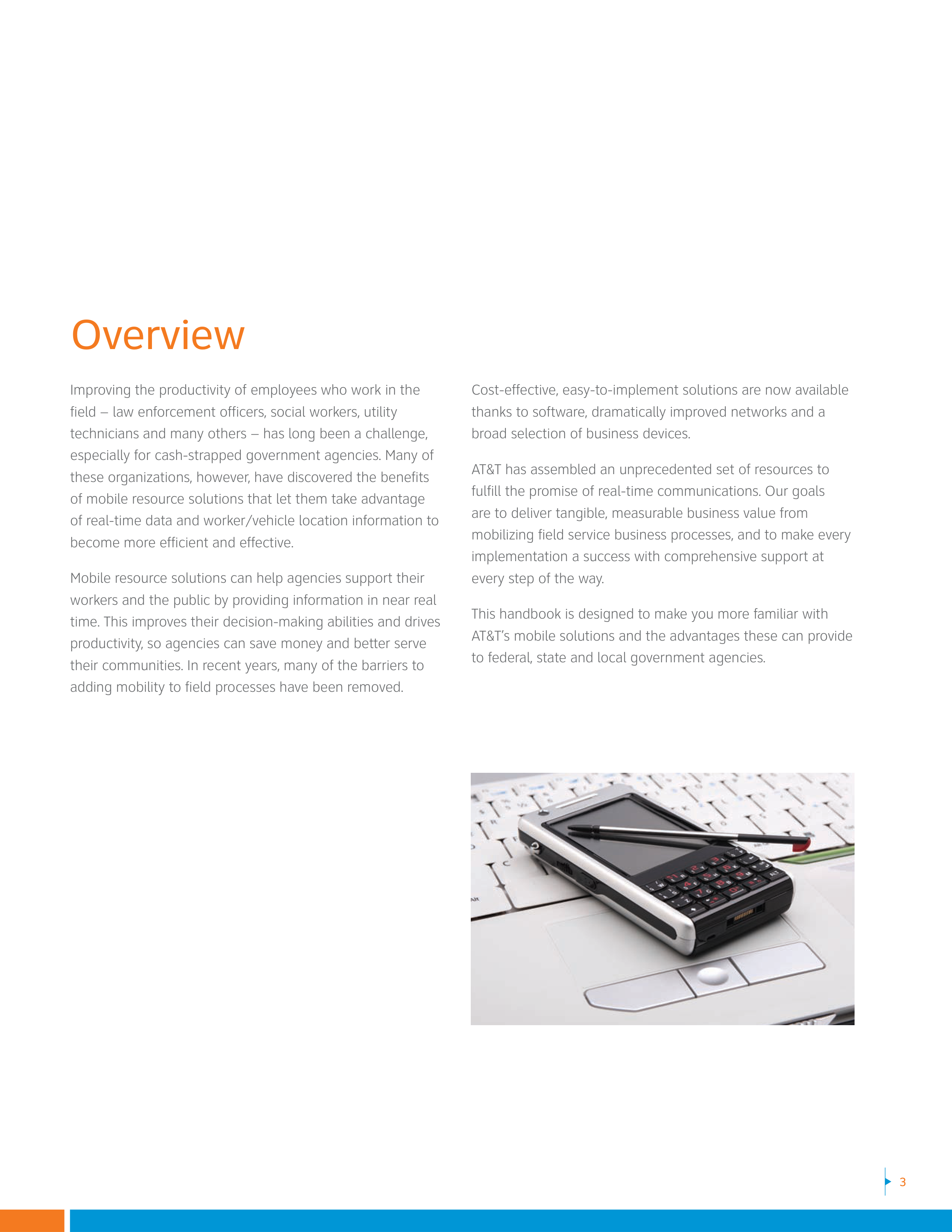
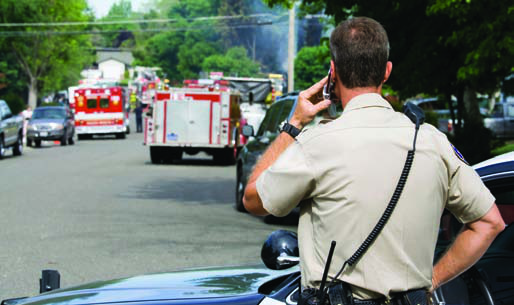
The city chose a mobile work management solution that
enables water department technicians to work more
efficiently in the field. Dispatchers send their new work
orders wirelessly to the workers’ Smartphones, creating
faster response to emergencies and reducing trips back to
the office during the work day.
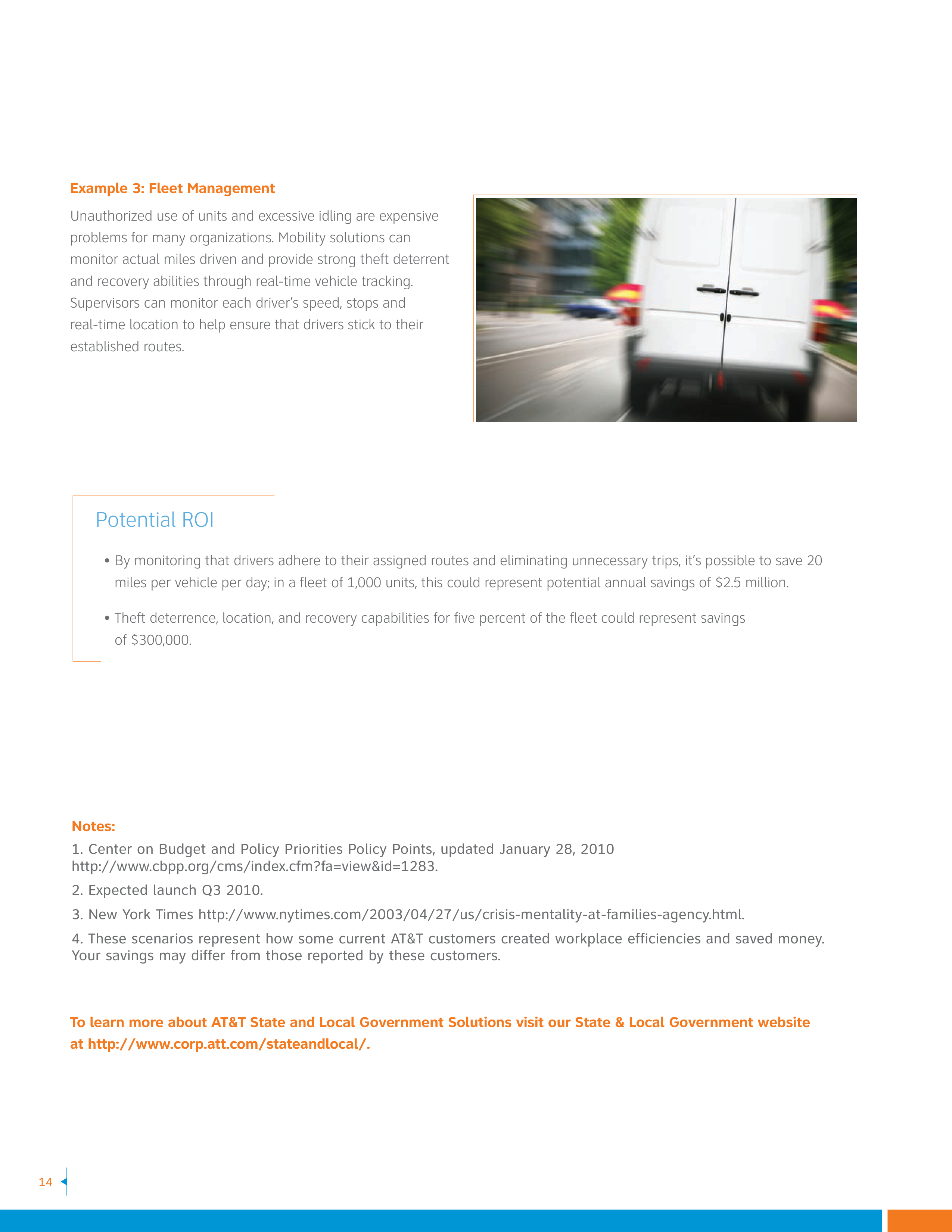
GPS capabilities let dispatchers
see where each technician is in
near real time, enabling them to
deploy the technician closest to
an emergency situation. If the emergency is a waterline break,
for instance, faster response time means shutting off the
water more quickly, minimizing damage and saving water.
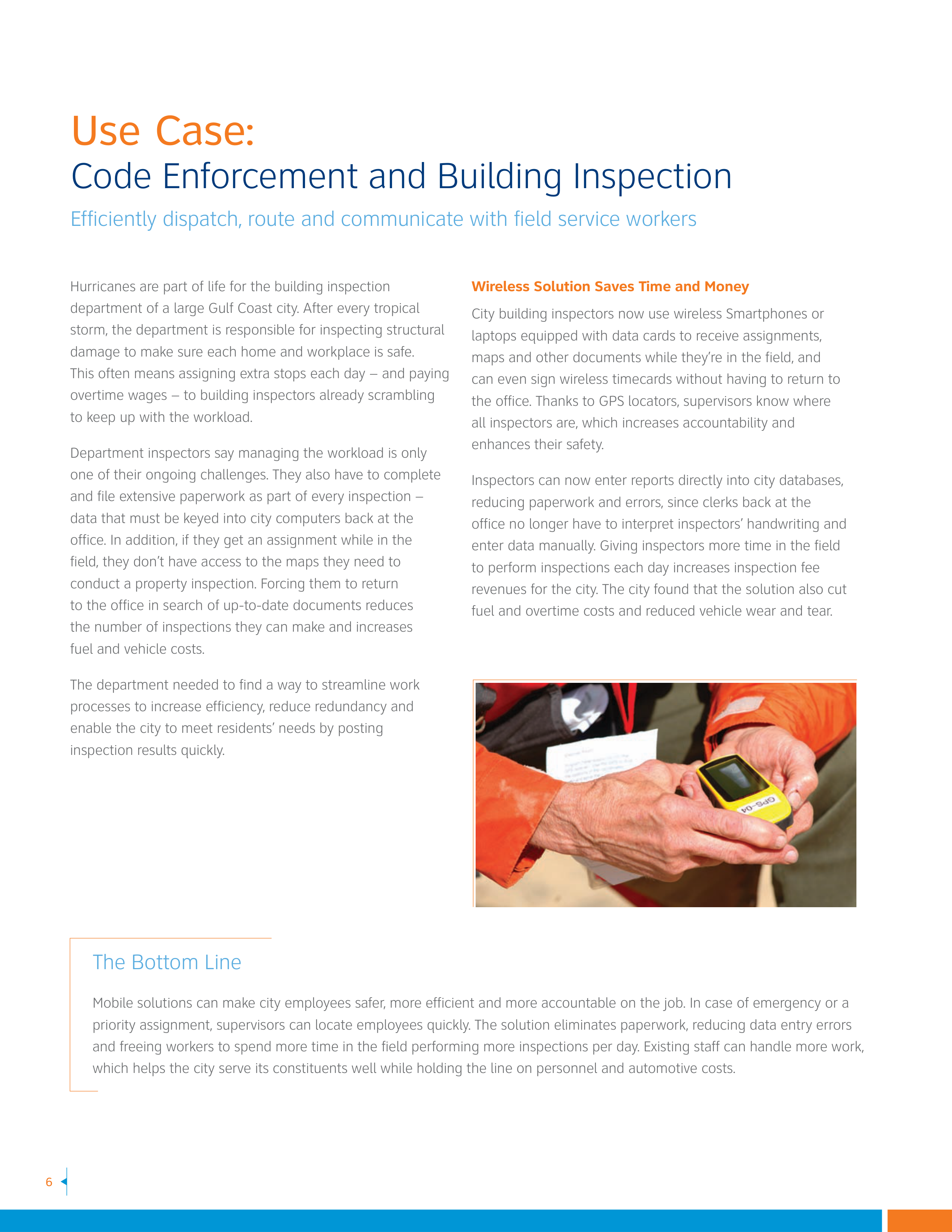
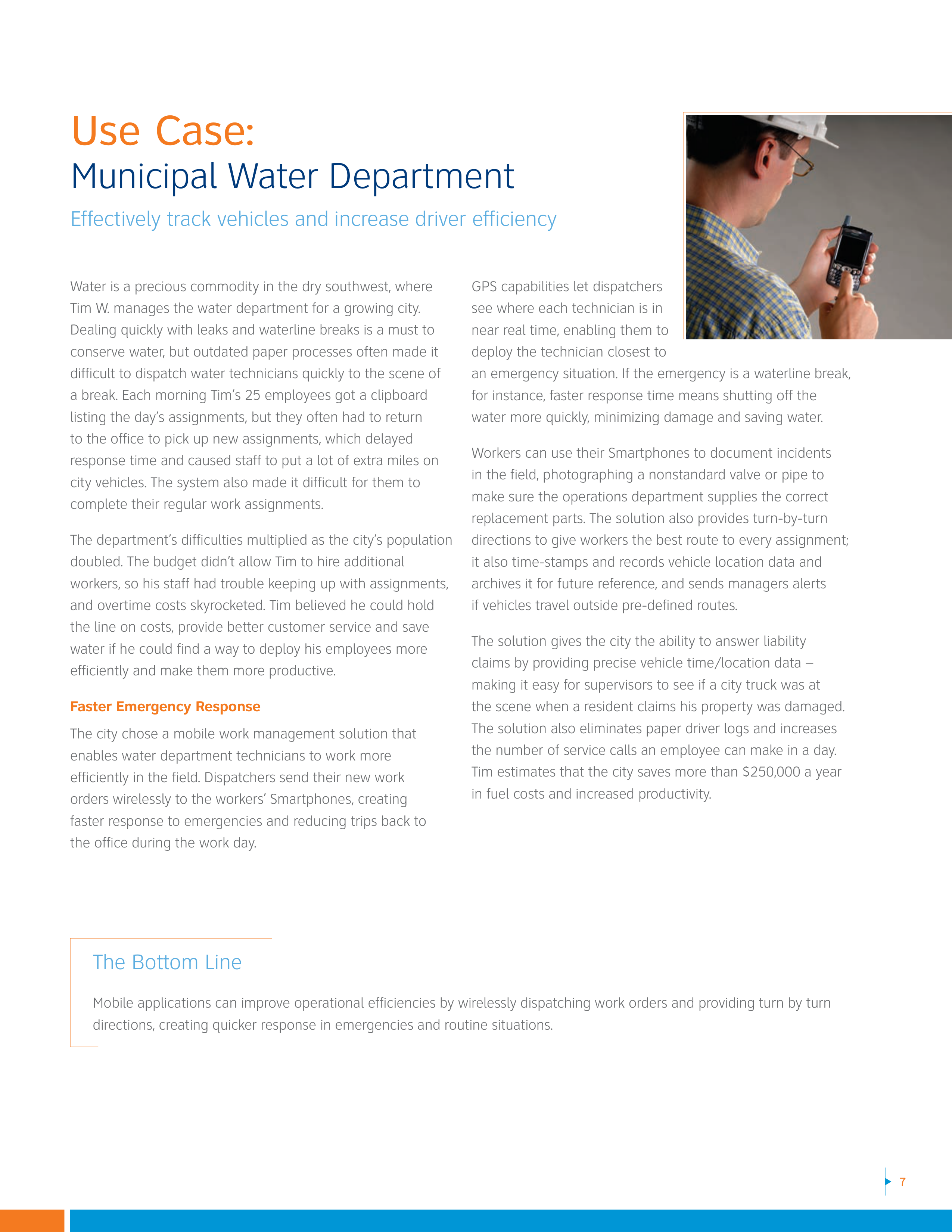
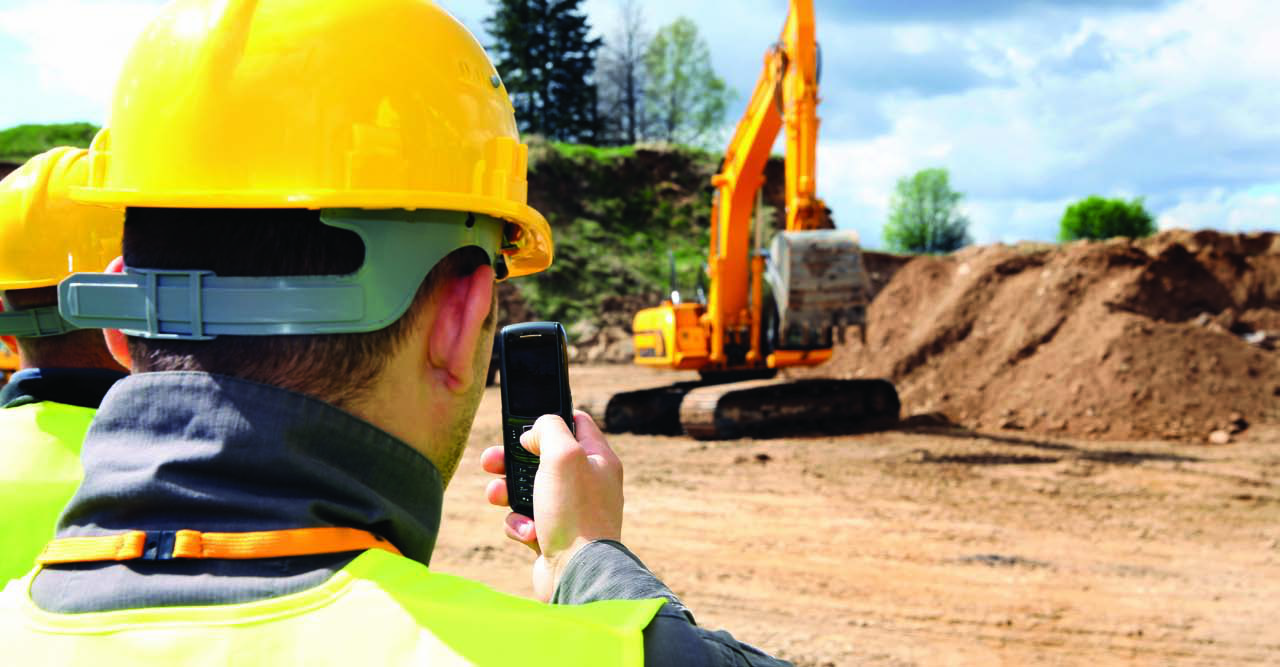
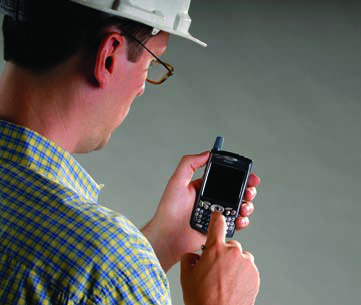
Workers can use their Smartphones to document incidents
in the field, photographing a nonstandard valve or pipe to
make sure the operations department supplies the correct
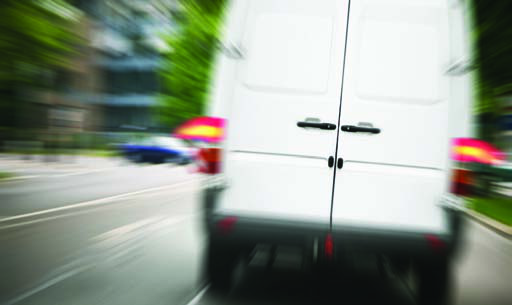
replacement parts. The solution also provides turn-by-turn
directions to give workers the best route to every assignment;
it also time-stamps and records vehicle location data and
archives it for future reference, and sends managers alerts
if vehicles travel outside pre-defined routes.
The solution gives the city the ability to answer liability
claims by providing precise vehicle time/location data –
making it easy for supervisors to see if a city truck was at
the scene when a resident claims his property was damaged.
The solution also eliminates paper driver logs and increases
the number of service calls an employee can make in a day.
Tim estimates that the city saves more than $250,000 a year
in fuel costs and increased productivity.