My Projects
Home
Free AI Short Term Goals Generator
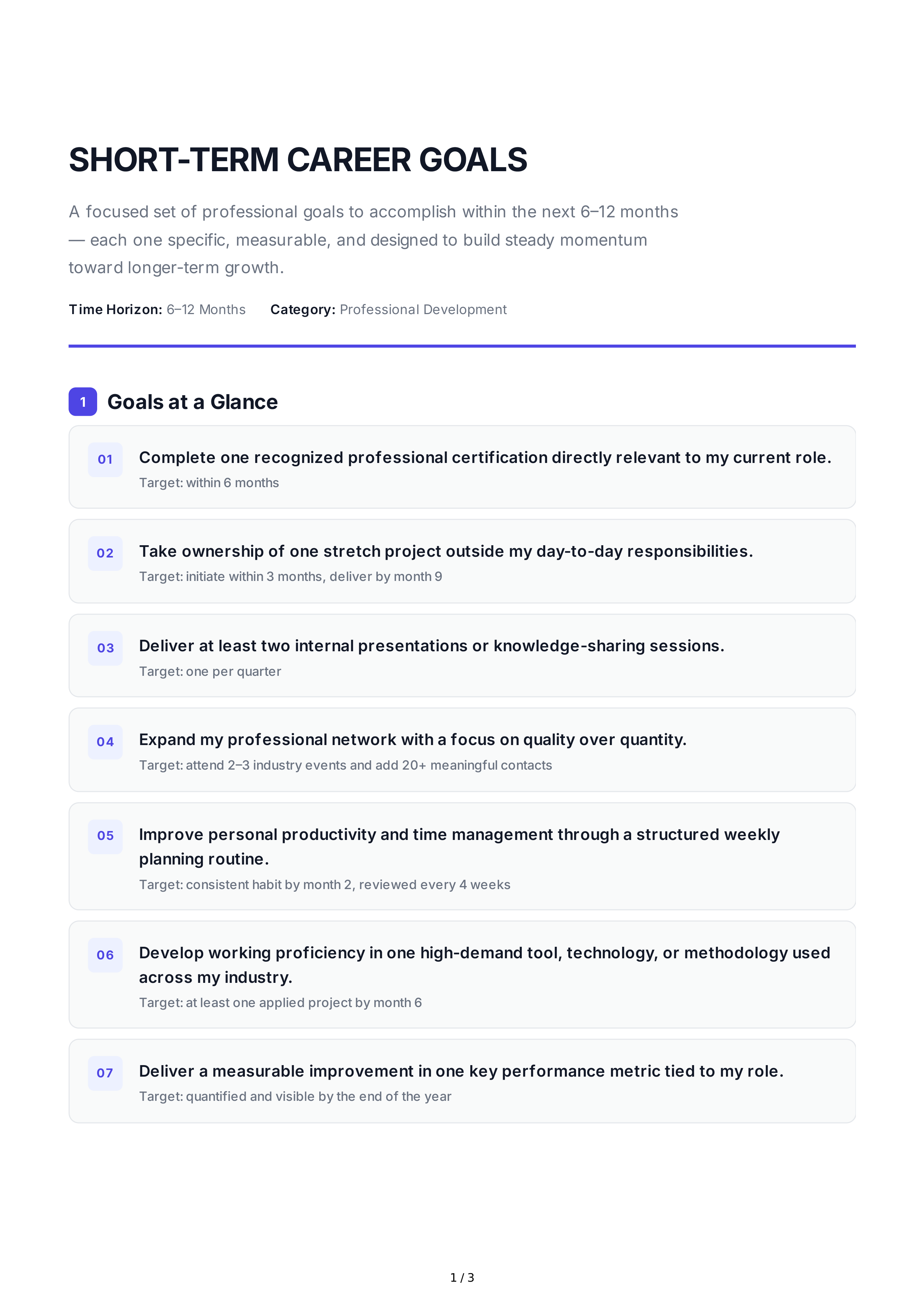
Short-Term Career Goals
SHORT
-
TERM
CAREER
GOALS
A
focused
set
of
professional
goals
to
accomplish
within
the
next
6–12
months
—
each
one
specific
,
measurable
,
and
designed
to
build
steady
momentum
toward
longer
-
term
growth
.
Time
Horizon
:
6–12
Months
Category
:
Professional
Development
1
Goals
at
a
Glance
01
Complete
one
recognized
professional
certification
directly
relevant
to
my
current
role
.
Target
:
within
6
months
02
Take
ownership
of
one
stretch
project
outside
my
day
-
to
-
day
responsibilities
.
Target
:
initiate
within
3
months
,
deliver
by
month
9
03
Deliver
at
least
two
internal
presentations
or
knowledge
-
sharing
sessions
.
Target
:
one
per
quarter
04
Expand
my
professional
network
with
a
focus
on
quality
over
quantity
.
Target
:
attend
2–3
industry
events
and
add
20+
meaningful
contacts
05
Improve
personal
productivity
and
time
management
through
a
structured
weekly
planning
routine
.
Target
:
consistent
habit
by
month
2,
reviewed
every
4
weeks
06
Develop
working
proficiency
in
one
high
-
demand
tool
,
technology
,
or
methodology
used
across
my
industry
.
Target
:
at
least
one
applied
project
by
month
6
07
Deliver
a
measurable
improvement
in
one
key
performance
metric
tied
to
my
role
.
Target
:
quantified
and
visible
by
the
end
of
the
year
1 / 3
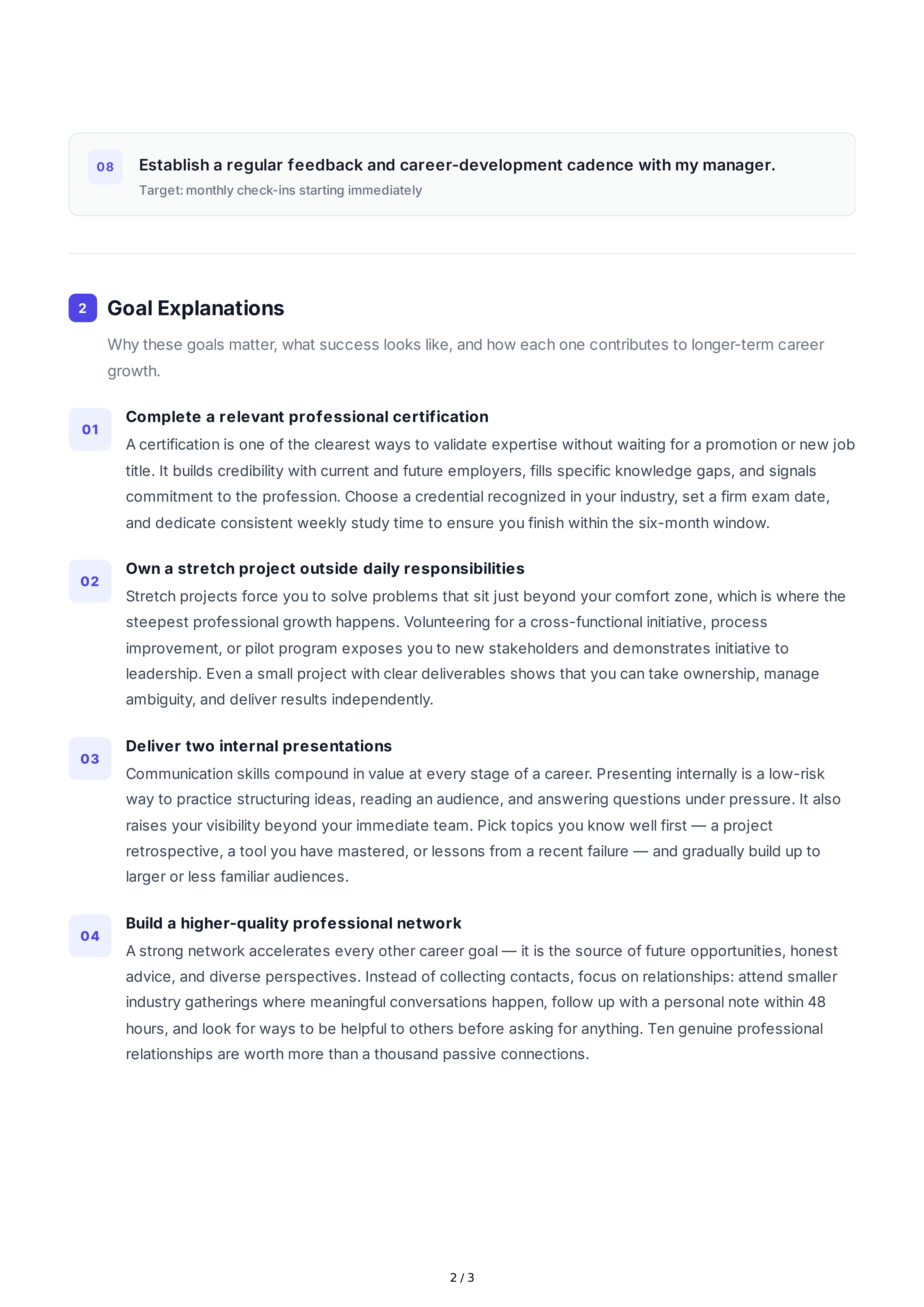
08
Establish
a
regular
feedback
and
career
-
development
cadence
with
my
manager
.
Target
:
monthly
check
-
ins
starting
immediately
2
Goal
Explanations
Why
these
goals
matter
,
what
success
looks
like
,
and
how
each
one
contributes
to
longer
-
term
career
growth
.
01
Complete
a
relevant
professional
certification
A
certification
is
one
of
the
clearest
ways
to
validate
expertise
without
waiting
for
a
promotion
or
new
job
title
.
It
builds
credibility
with
current
and
future
employers
,
fills
specific
knowledge
gaps
,
and
signals
commitment
to
the
profession
.
Choose
a
credential
recognized
in
your
industry
,
set
a
firm
exam
date
,
and
dedicate
consistent
weekly
study
time
to
ensure
you
finish
within
the
six
-
month
window
.
02
Own
a
stretch
project
outside
daily
responsibilities
Stretch
projects
force
you
to
solve
problems
that
sit
just
beyond
your
comfort
zone
,
which
is
where
the
steepest
professional
growth
happens
.
Volunteering
for
a
cross
-
functional
initiative
,
process
improvement
,
or
pilot
program
exposes
you
to
new
stakeholders
and
demonstrates
initiative
to
leadership
.
Even
a
small
project
with
clear
deliverables
shows
that
you
can
take
ownership
,
manage
ambiguity
,
and
deliver
results
independently
.
03
Deliver
two
internal
presentations
Communication
skills
compound
in
value
at
every
stage
of
a
career
.
Presenting
internally
is
a
low
-
risk
way
to
practice
structuring
ideas
,
reading
an
audience
,
and
answering
questions
under
pressure
.
It
also
raises
your
visibility
beyond
your
immediate
team
.
Pick
topics
you
know
well
first
—
a
project
retrospective
,
a
tool
you
have
mastered
,
or
lessons
from
a
recent
failure
—
and
gradually
build
up
to
larger
or
less
familiar
audiences
.
04
Build
a
higher
-
quality
professional
network
A
strong
network
accelerates
every
other
career
goal
—
it
is
the
source
of
future
opportunities
,
honest
advice
,
and
diverse
perspectives
.
Instead
of
collecting
contacts
,
focus
on
relationships
:
attend
smaller
industry
gatherings
where
meaningful
conversations
happen
,
follow
up
with
a
personal
note
within
48
hours
,
and
look
for
ways
to
be
helpful
to
others
before
asking
for
anything
.
Ten
genuine
professional
relationships
are
worth
more
than
a
thousand
passive
connections
.
2 / 3
05
Build
a
structured
weekly
planning
routine
Time
is
the
only
resource
that
cannot
be
recovered
,
yet
most
professionals
drift
through
weeks
reacting
to
whatever
is
loudest
.
A
simple
routine
— 15–20
minutes
each
week
to
set
priorities
,
block
deep
work
,
and
review
what
worked
—
creates
a
sense
of
control
and
noticeably
higher
output
.
Use
a
consistent
system
,
whether
digital
or
paper
,
and
protect
the
review
time
as
firmly
as
any
meeting
.
The
goal
is
not
to
fill
every
hour
but
to
ensure
the
important
work
gets
scheduled
before
the
urgent
work
consumes
everything
.
06
Gain
proficiency
in
a
high
-
demand
capability
Industries
shift
quickly
,
and
professionals
who
keep
learning
stay
relevant
and
resilient
.
Identify
one
tool
,
technology
,
or
methodology
that
is
increasingly
requested
in
your
field
—
check
job
postings
,
internal
job
titles
,
and
conversations
with
senior
colleagues
to
spot
the
pattern
.
Structured
learning
(
courses
,
documentation
,
guided
practice
)
is
important
,
but
real
proficiency
only
comes
from
applying
the
skill
:
take
on
a
small
real
project
,
contribute
to
an
internal
tool
,
or
build
something
tangible
you
can
show
and
discuss
in
interviews
.
07
Drive
a
measurable
performance
improvement
Career
advancement
is
ultimately
judged
on
outcomes
,
not
effort
.
Pick
one
metric
genuinely
connected
to
your
role
—
faster
turnaround
time
,
higher
quality
scores
,
improved
customer
satisfaction
,
increased
efficiency
—
and
make
a
concrete
plan
to
move
it
.
Establish
a
baseline
now
,
define
what
success
looks
like
in
numbers
,
and
document
your
actions
along
the
way
.
A
single
well
-
documented
improvement
gives
you
a
specific
,
credible
achievement
for
performance
reviews
,
resumes
,
and
future
interviews
.
08
Create
a
regular
feedback
cadence
with
your
manager
Waiting
for
the
annual
review
is
the
most
common
career
mistake
.
Regular
one
-
on
-
one
career
conversations
ensure
you
are
aligned
on
expectations
,
surface
small
issues
before
they
become
big
ones
,
and
give
you
honest
input
on
whether
you
are
on
track
.
Ask
directly
:
What
should
I
start
doing
?
What
should
I
stop
doing
?
And
where
do
you
see
the
greatest
opportunity
for
me
this
year
?
Managers
rarely
say
no
to
an
employee
who
takes
their
own
development
this
seriously
.
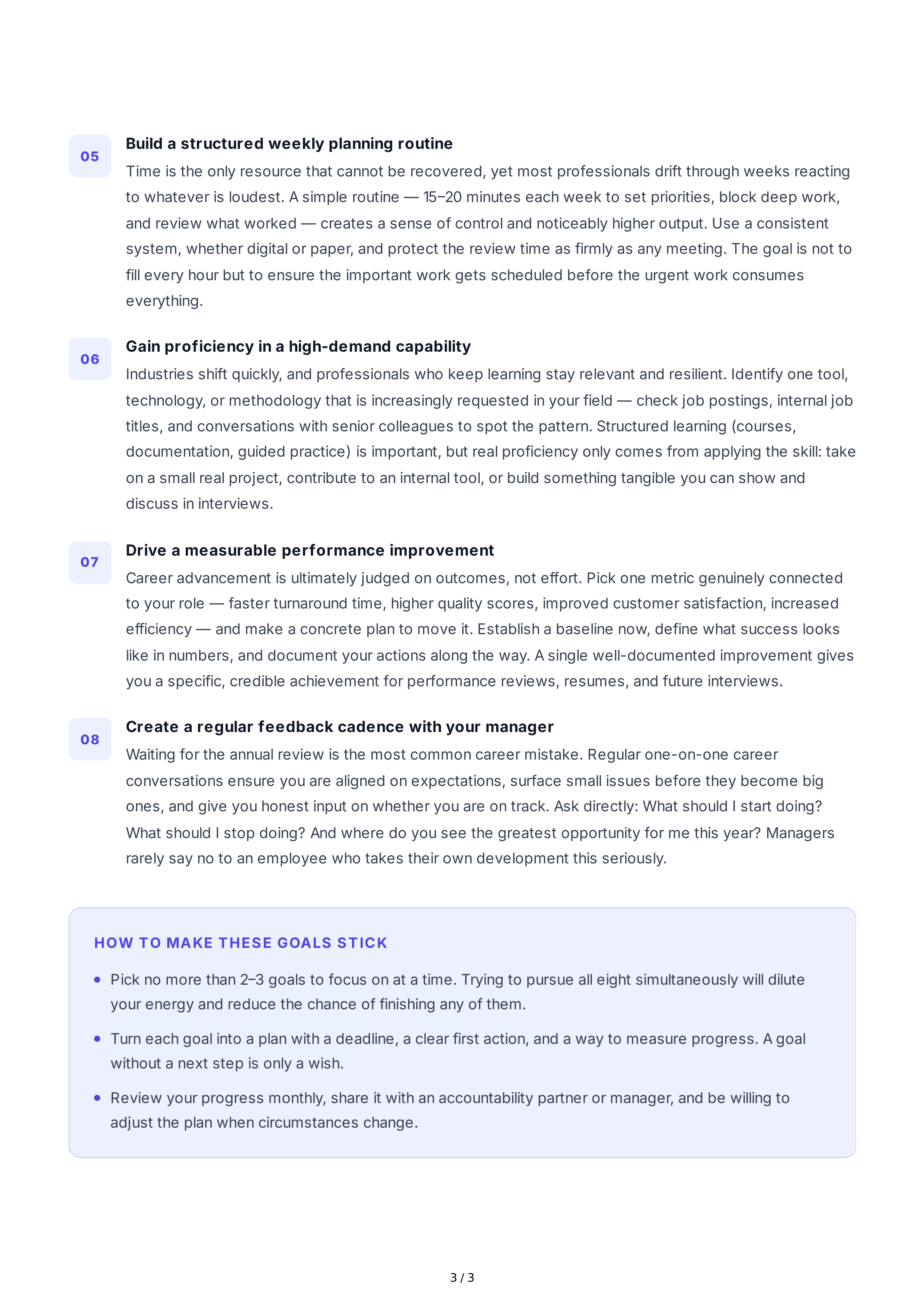
HOW
TO
MAKE
THESE
GOALS
STICK
Pick
no
more
than
2–3
goals
to
focus
on
at
a
time
.
Trying
to
pursue
all
eight
simultaneously
will
dilute
your
energy
and
reduce
the
chance
of
finishing
any
of
them
.
Turn
each
goal
into
a
plan
with
a
deadline
,
a
clear
first
action
,
and
a
way
to
measure
progress
.
A
goal
without
a
next
step
is
only
a
wish
.
Review
your
progress
monthly
,
share
it
with
an
accountability
partner
or
manager
,
and
be
willing
to
adjust
the
plan
when
circumstances
change
.
3 / 3
Similar Examples
Generate Similar
Short-Term Goals for Leadership Development
Generate Similar
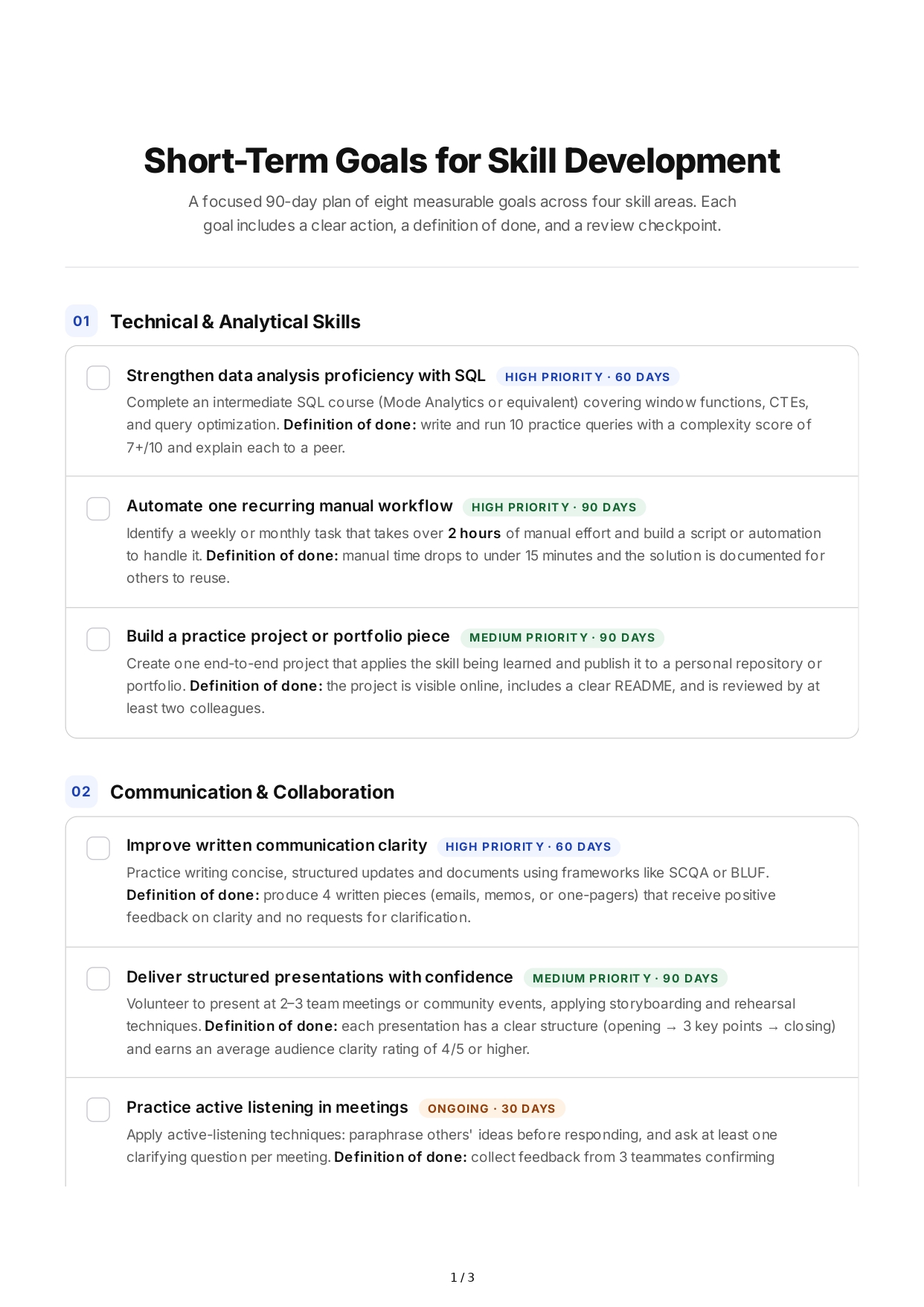
Short-Term Goals for Skill Development
Generate Similar
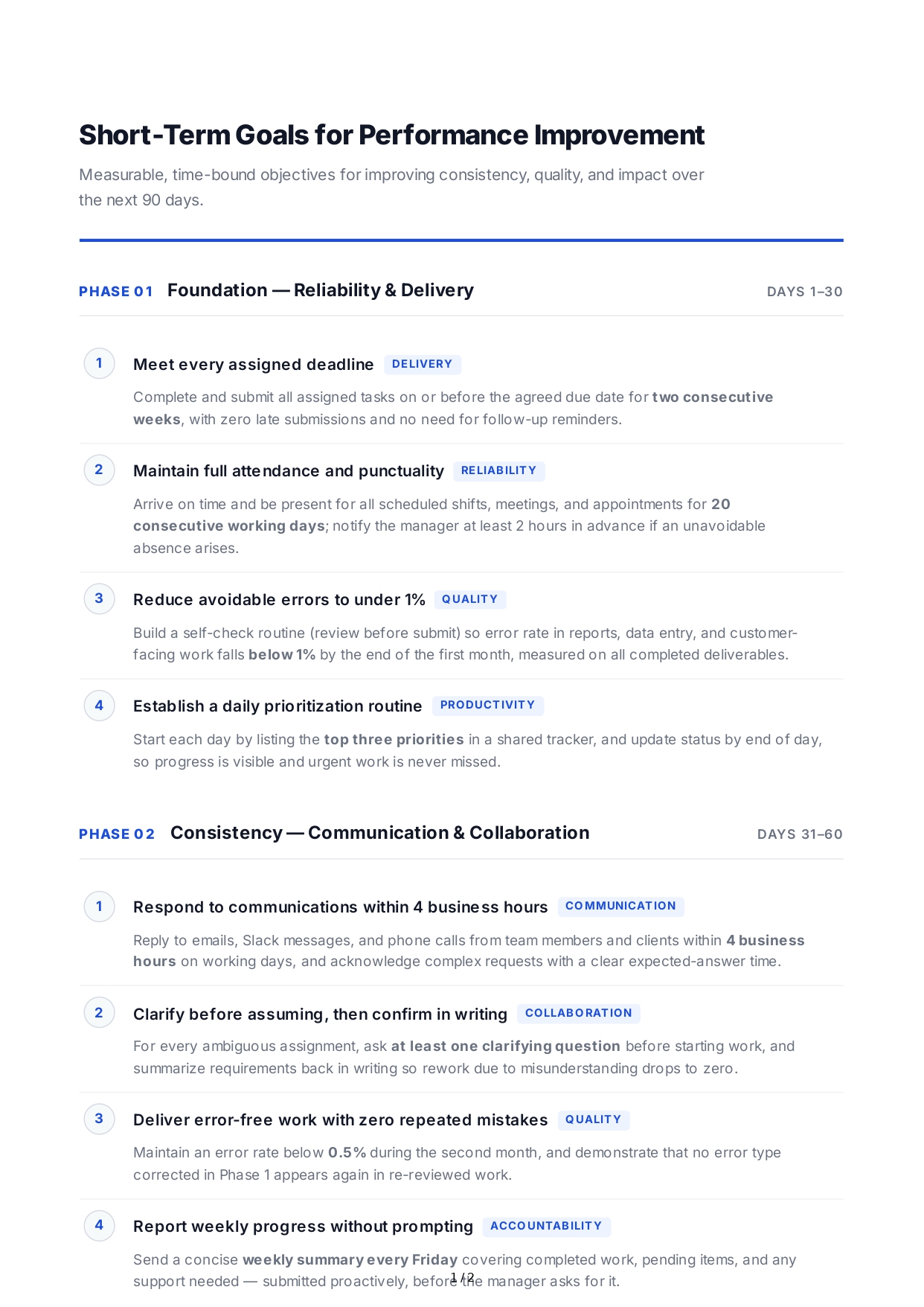
Short-Term Goals for Performance Improvement
Generate Similar
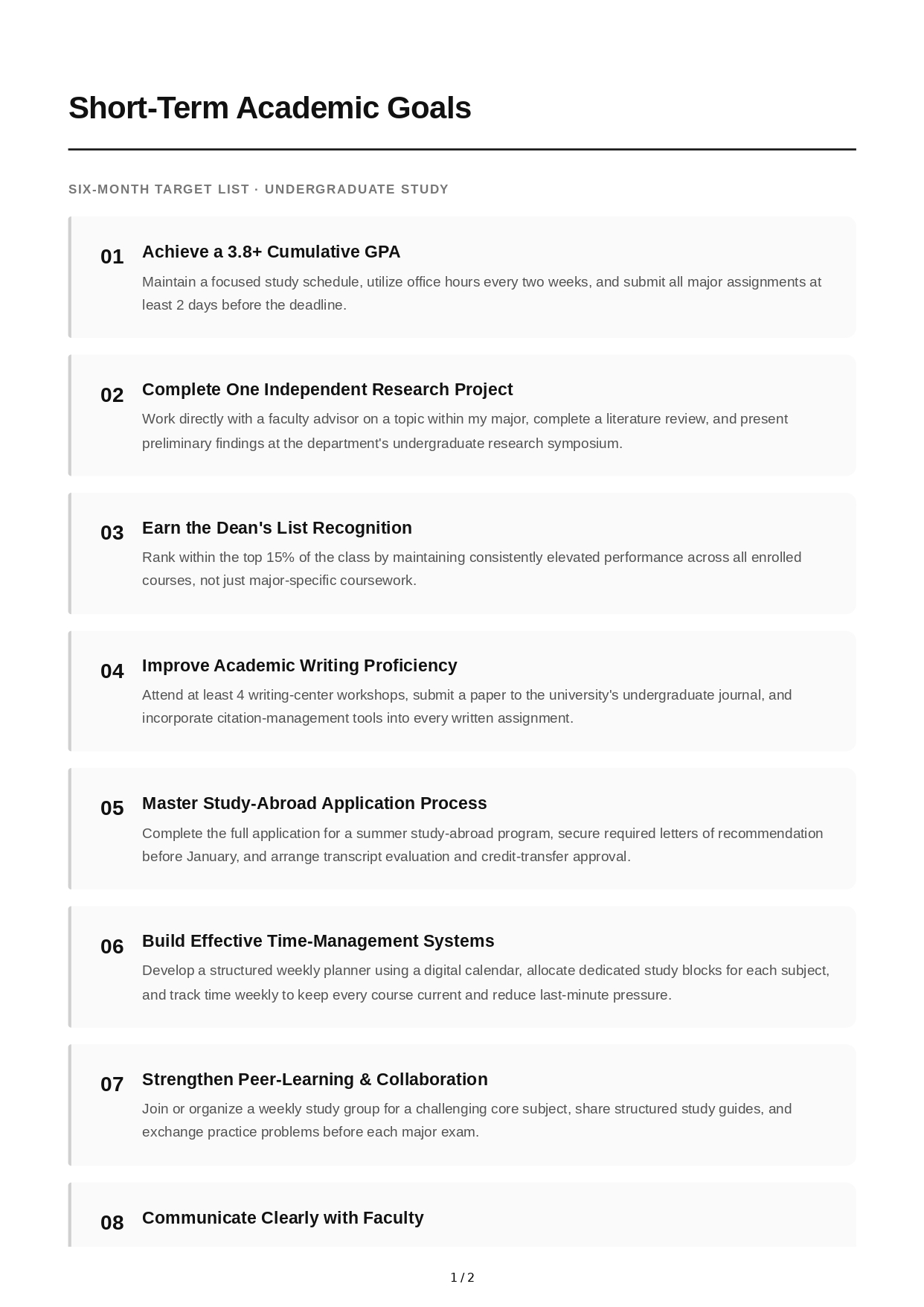
Short-Term Academic Goals
Generate Similar
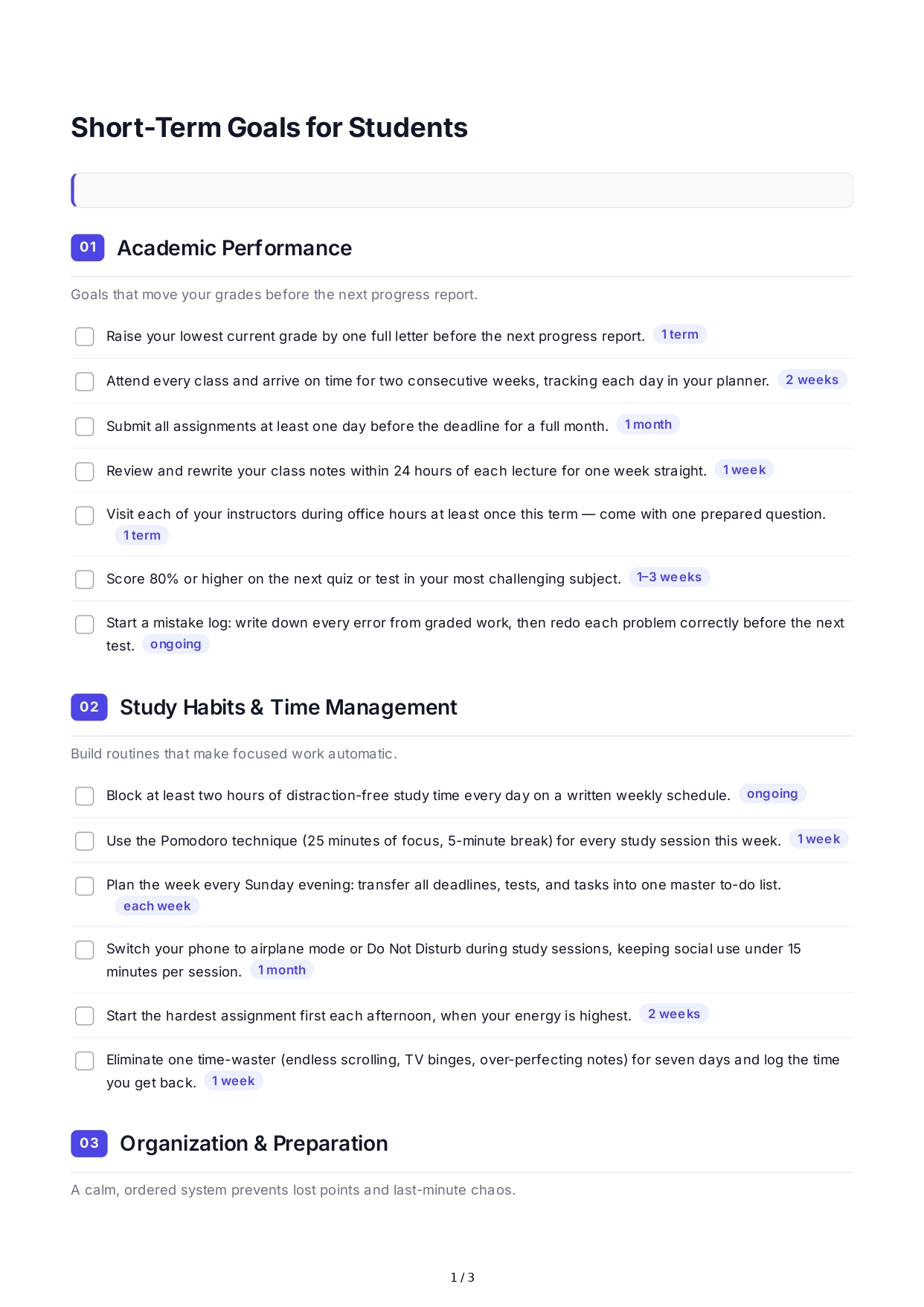
Short-Term Goals for Students
Generate Similar
Short-Term Goals for High School Students
Generate Similar
Short-Term Goals for College Students
Generate Similar
Short-Term Goals for College Freshmen
Generate Similar
Short-Term Exam Preparation Goals
Generate Similar
Short-Term Homework Goals
Generate Similar
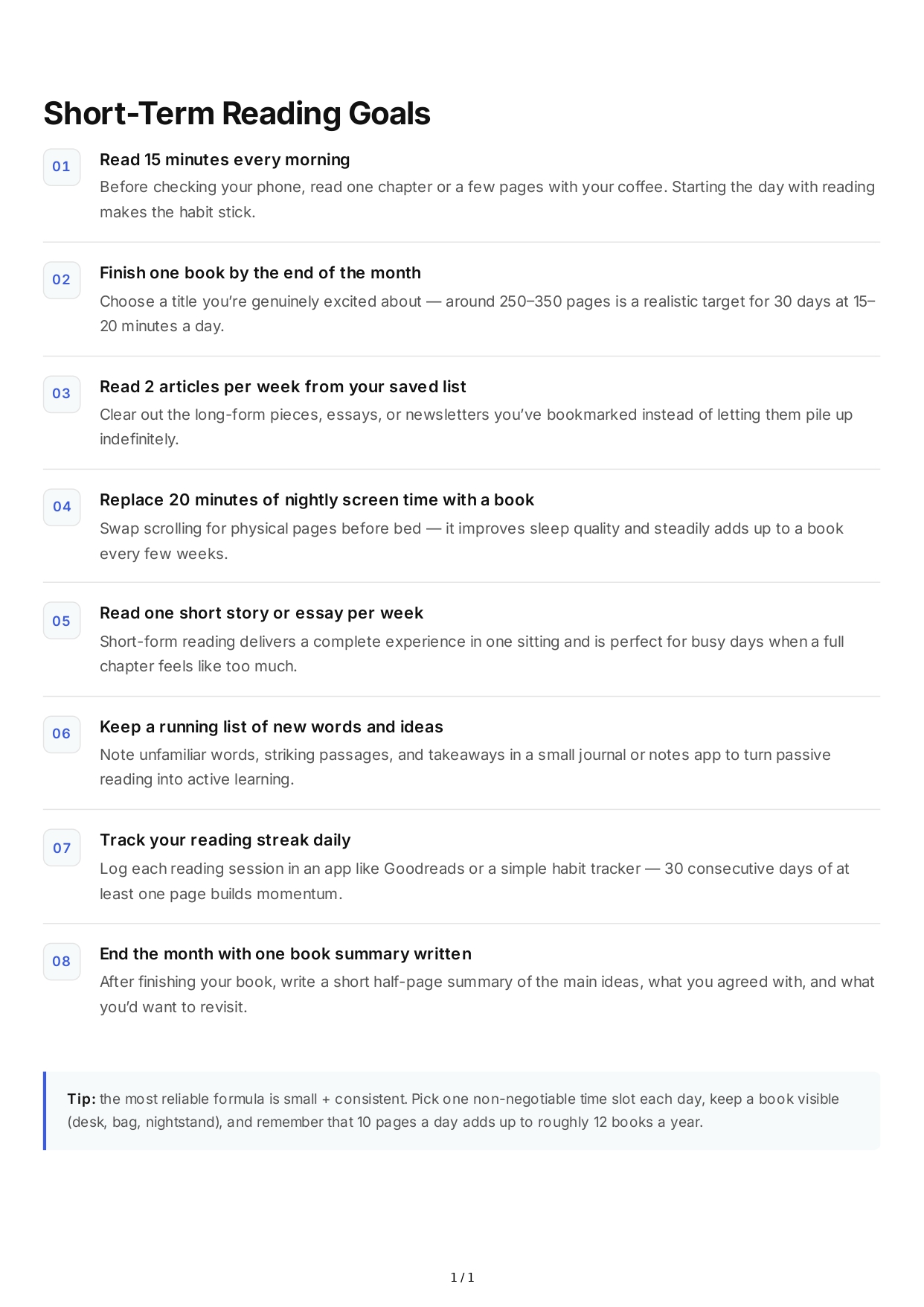
Short-Term Reading Goals
Generate Similar
Short-Term Goals for Online Students
Generate Similar
Short-Term Goals for Graduate Students
Generate Similar
Short-Term Classroom Goals
Generate Similar
Short-Term Goals for Teachers
Generate Similar
Short-Term Educational Goals
Generate Similar
Short-Term Learning Goals
Generate Similar
Short-Term Study Goals
Generate Similar
Short-Term Leadership Goals
Generate Similar
Short-Term Productivity Goals
Generate Similar
Short-Term Organization Goals
Generate Similar
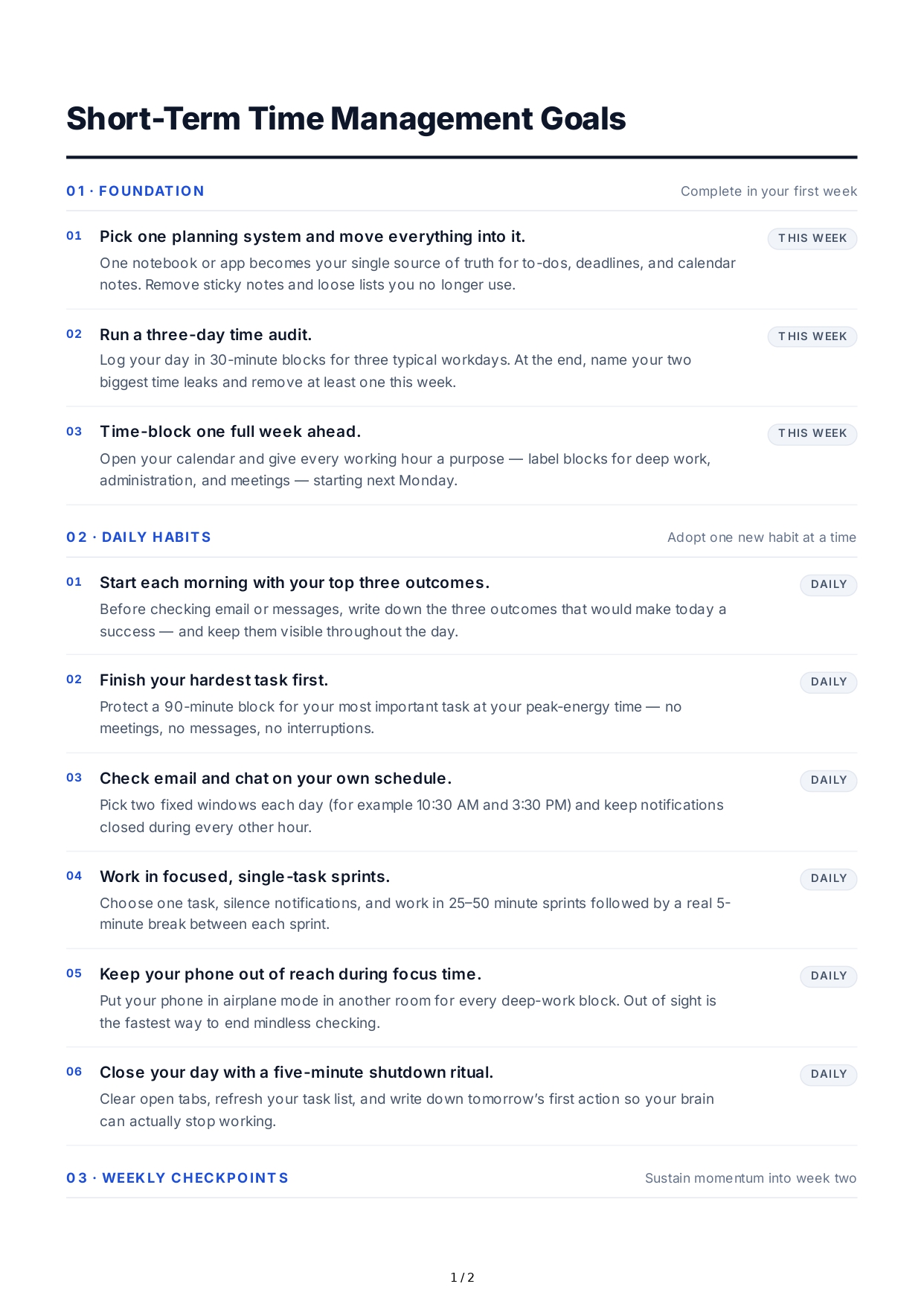
Short-Term Time Management Goals
Generate Similar
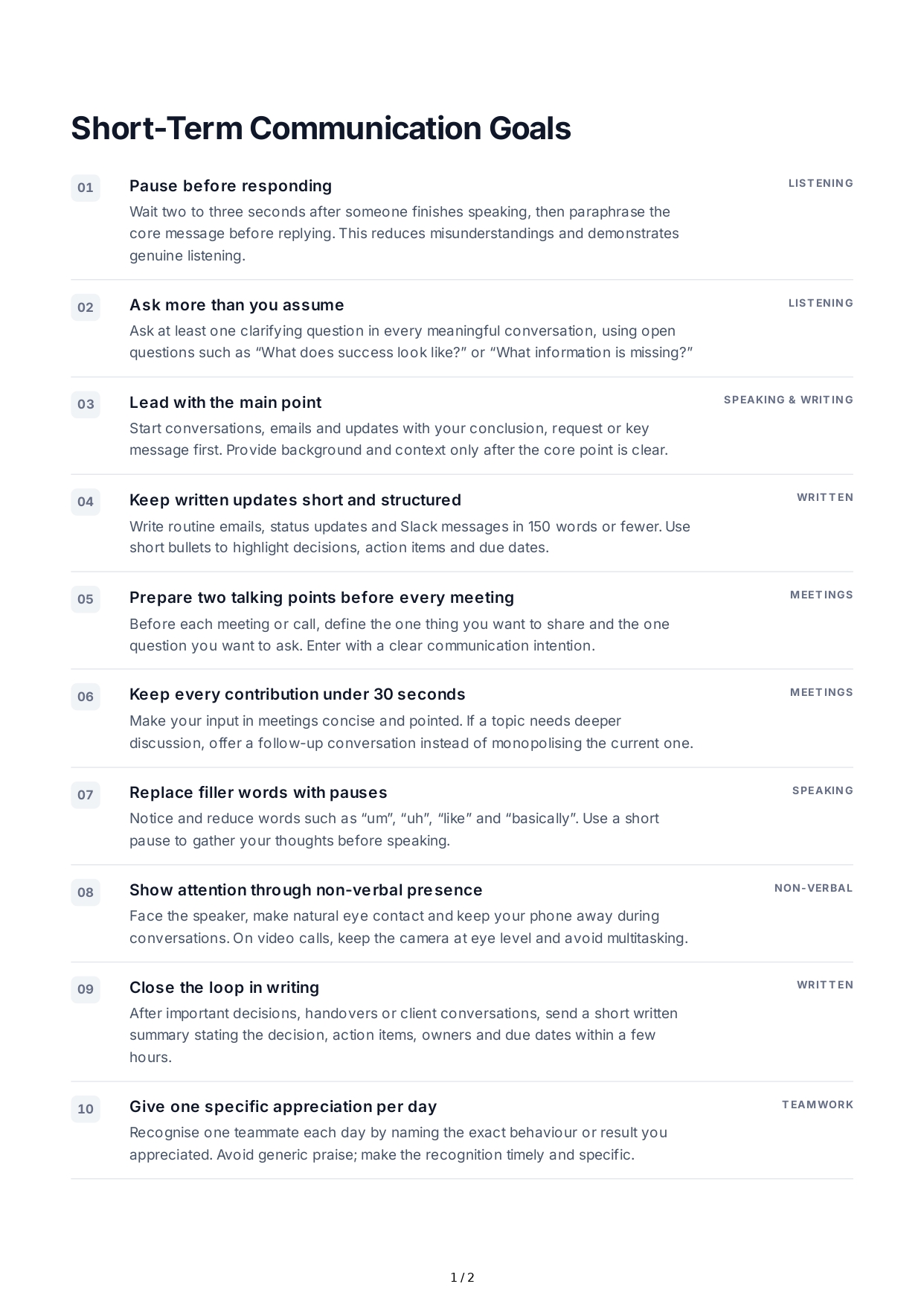
Short-Term Communication Goals
Generate Similar
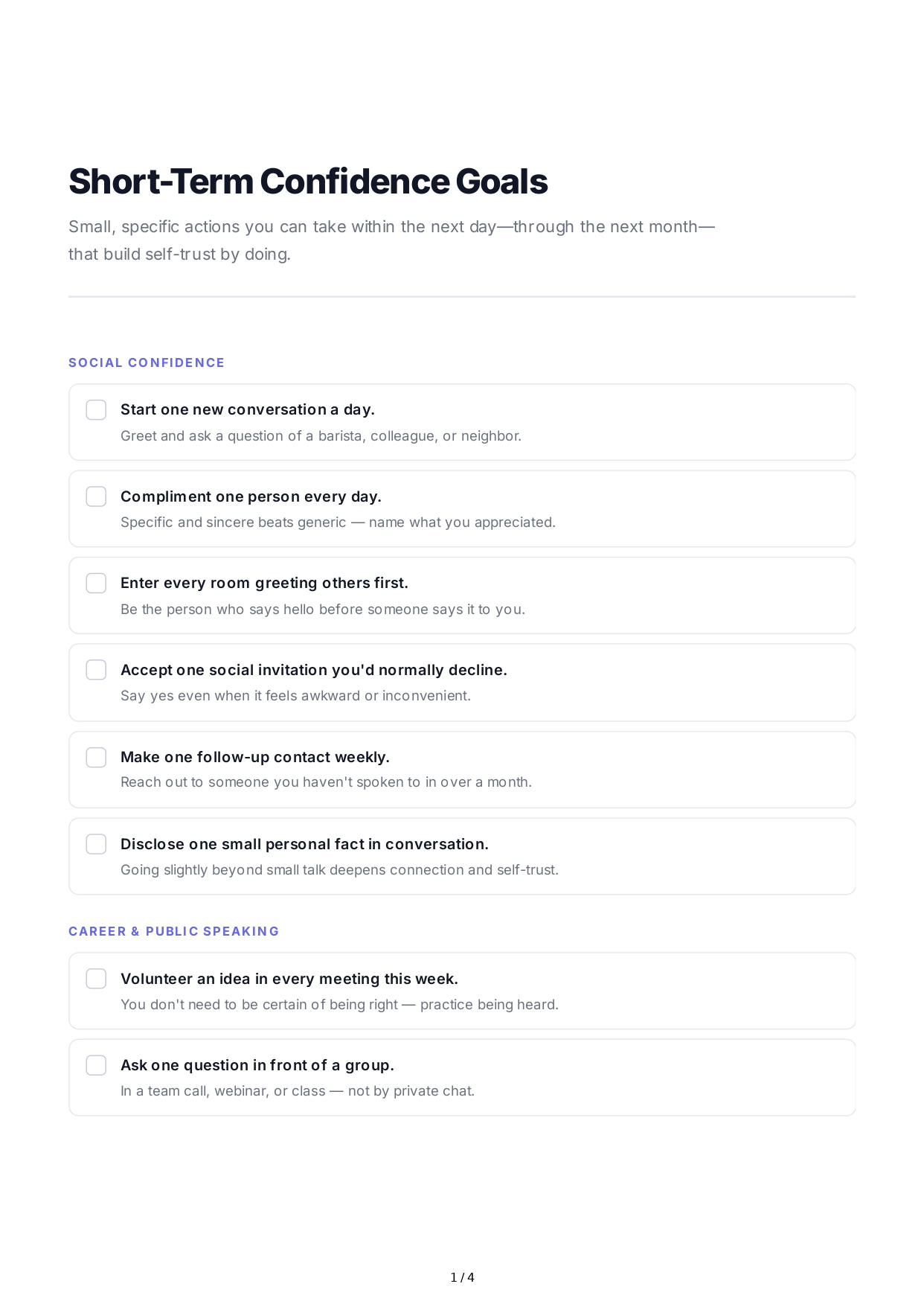
Short-Term Confidence Goals
Generate Similar
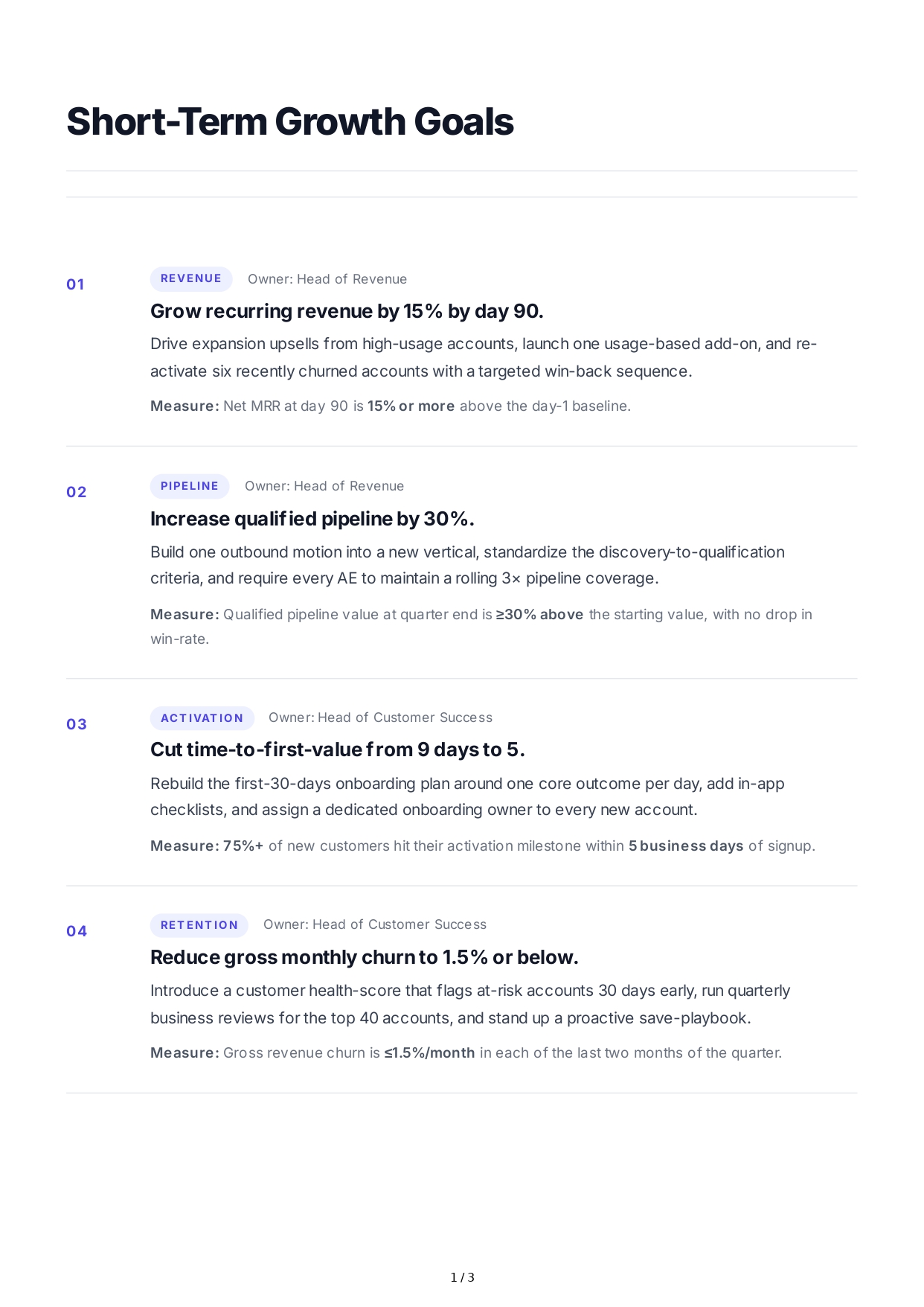
Short-Term Growth Goals
Generate Similar
Short-Term Personal Development Goals
Generate Similar
Short-Term Self-Improvement Goals
Generate Similar
Short-Term Personal Goals
Generate Similar
Short-Term Decision-Making Goals
Generate Similar
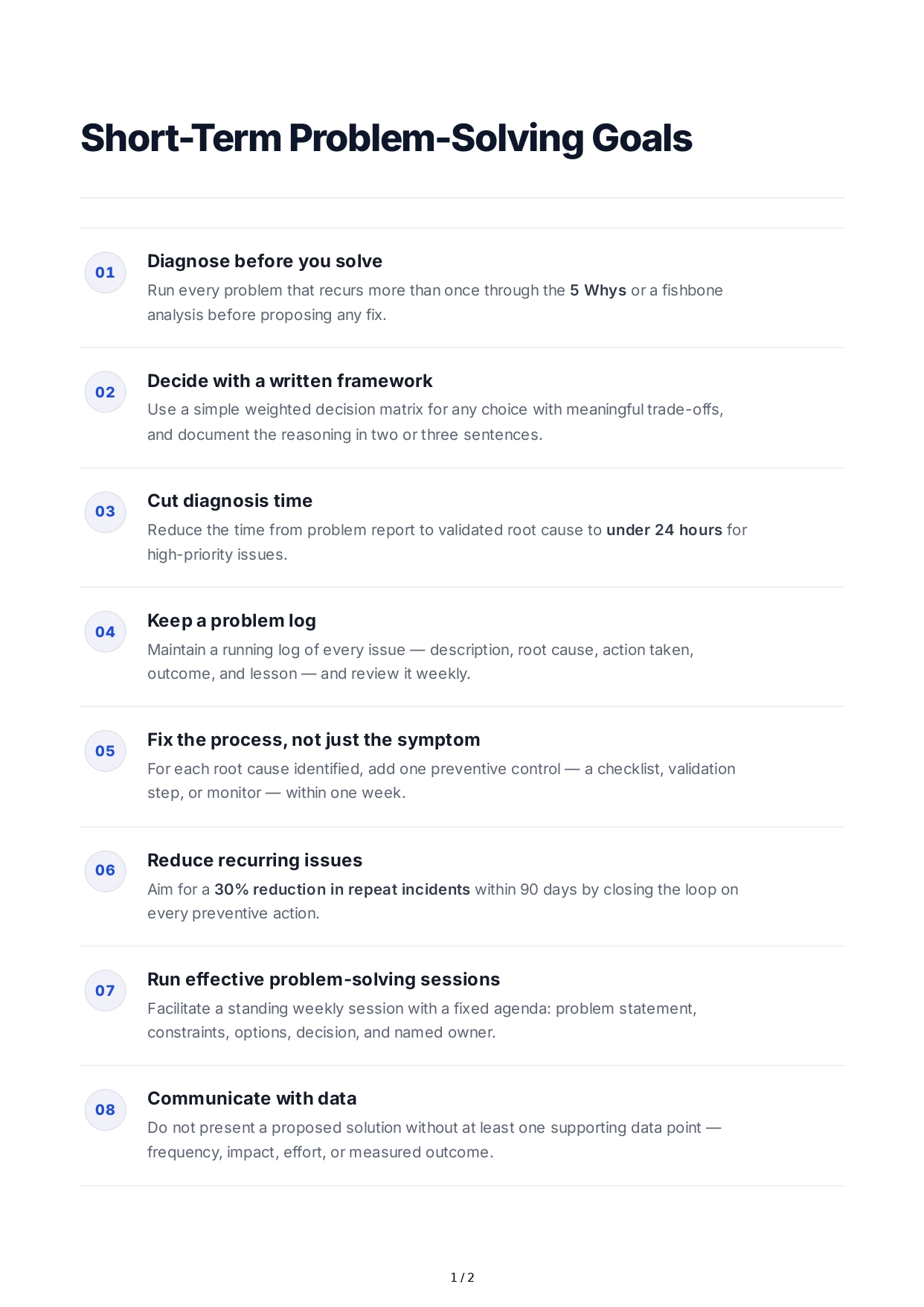
Short-Term Problem-Solving Goals
Generate Similar
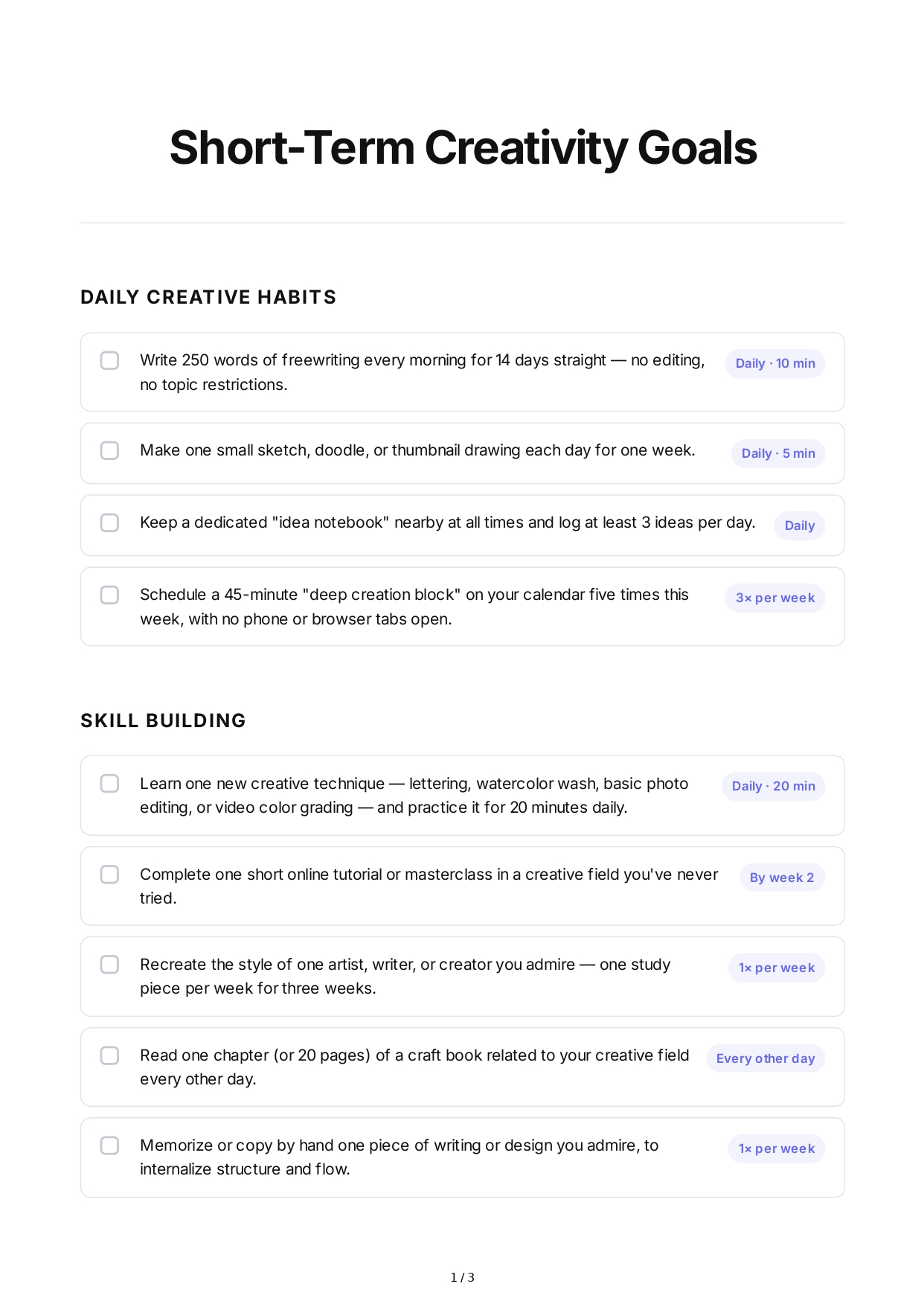
Short-Term Creativity Goals
Generate Similar
Short-Term Reading Goals
Generate Similar
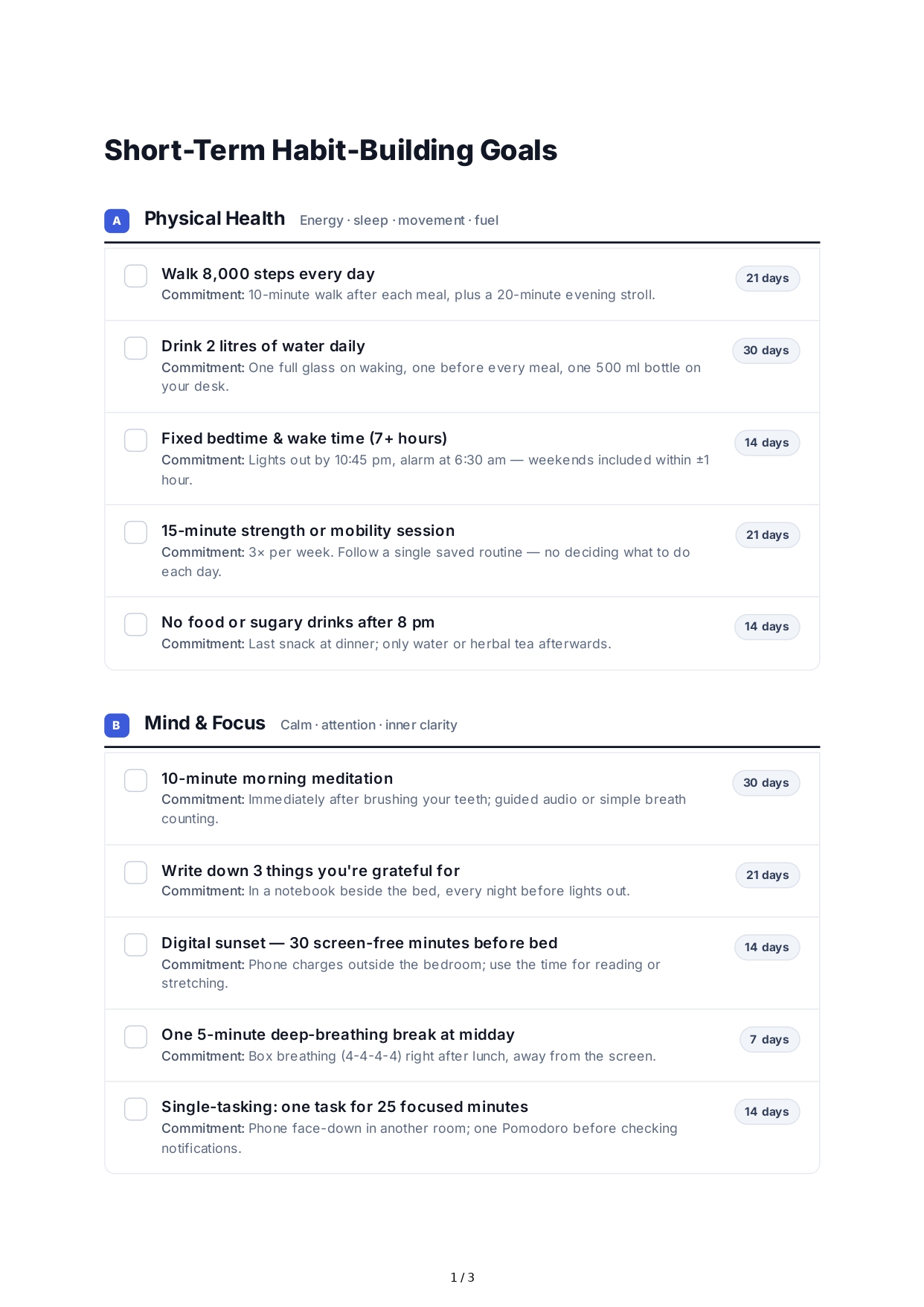
Short-Term Habit-Building Goals
Generate Similar
Short-Term Financial Goals
Generate Similar
Short-Term Savings Goals
Generate Similar
Short-Term Budgeting Goals
Generate Similar
Short-Term Money Goals
Generate Similar
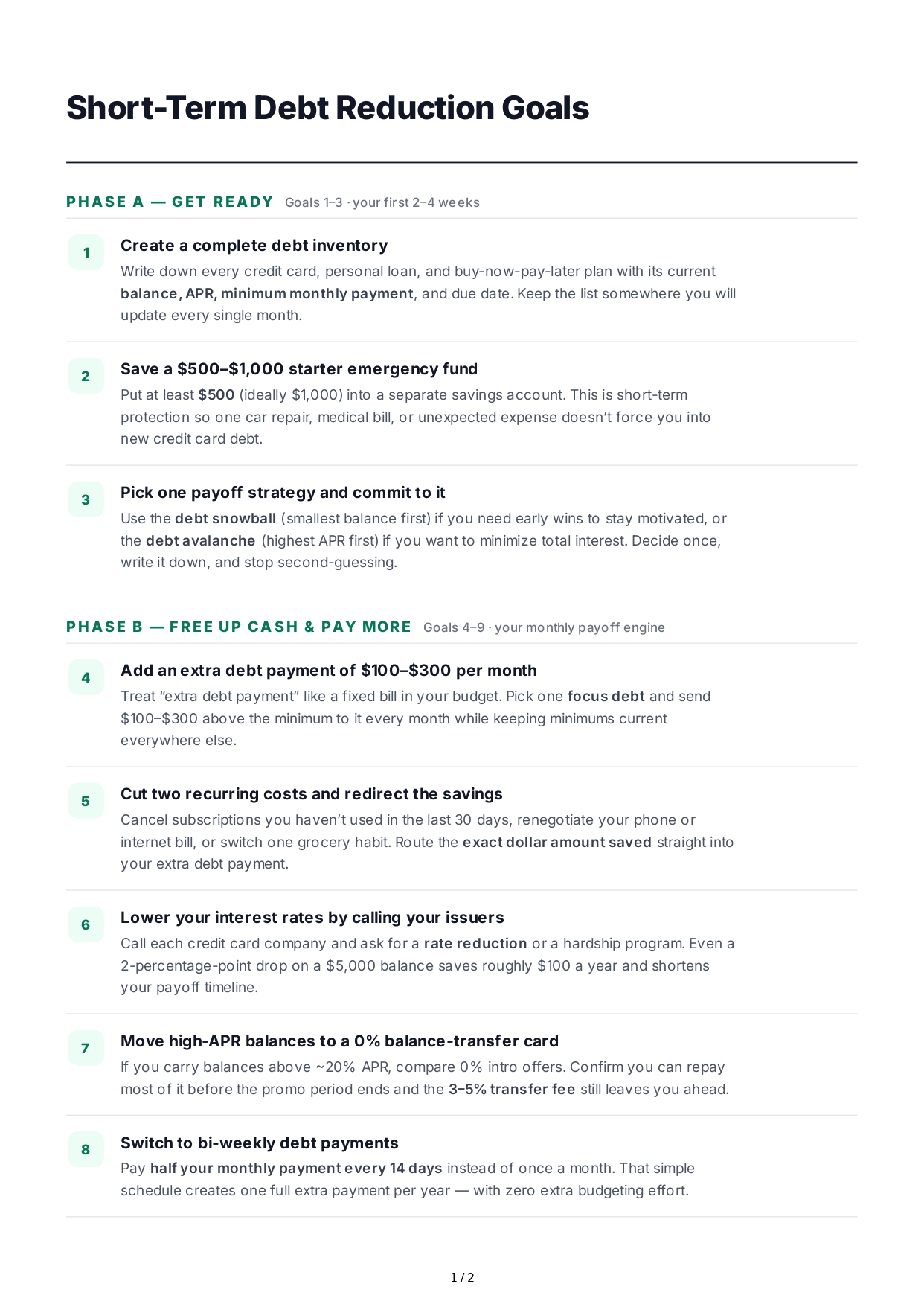
Short-Term Debt Reduction Goals