STUDENT
HANDBOOK
2026-2027

Introduction
In the spirit of healing, we acknowledge and honor the Potawatomi, Odawa, and Ojibwe Tribes, the
original people of the land upon which Northwestern University stands.
Who We Are
Northwestern is a comprehensive research university that is deeply interdisciplinary
eie ddruhtosethrdit td.rOheresg e hdsrlhorhueeothosisreienhusirhaise auhaorsdrsueeio htsree nhisagr
o e-osherehdheeitsrahwrka wthnghsrieheosihrhxeehdds asreanreeeiosietreeetsieos a.
We Are MKJIeI EA :he/e
rJJe$
We transform society
We grow leaders
We champion access
opportunity and xelonginQ
We encourage dexatu
We emxrace xreadth and deptz
We pursue ecellence across all disciplines
We strengthen our communit
We care axout one anothe
These principles require us to live and learn independently and in community with each other. Students
uhdorhageghr httlreanri adsdohaotlrsarothsereienhusirehedhsod.rSohnhaodreehrehde ads thr erenthesagro r
iteddreoohaneaihre tsishdsri uethosagri hedhw ekrsareii eneaihrwsotrhdoe tsdthnrnhentsahdsreanr
eeeosiseeosagrehdehio httlreanri tte eeosihtlrsarettrtheeasagrhaise auhaod.rN eotwhdohearsdrnsdosaiosihr
sarothruhtosnsdisetsaeelrj heahlrsor hedrdohnhaod.rM dordohnhaodroekhri hedhdreie ddruealrnsdisetsahdr
eanrdit tdreanreehrehde ads thr ertheeasagreanrenthesagro rothre tsishdrsarheitrdit tr rhae ttuhao.r
Uanhegeenheohrdohnhaodreehrehqhsehnro rtsihr arieuehdrnhesagrothserfedoreanrdhi anrlheedr r
hae ttuhao;rtsusohnrt hdsagrsdretd reieste thr erheehe-iteddreanrgeenheohrdohnhaod.rSohnhaodruhdor hr
dht -dh fishaosre thro rtsihrde htlreanrsanhehanhaotlsrieehr erothser edsirthuearahhndsreanroeheor other
uhu hedr rothserehdsnhaosetri uuhasoshdrwsotrnsgasolreanrehdehio.r8ihelrdohnhaorsdrhxehiohnro rieheohr
eanrdhdoesarearsaithdsihrtsisagreanrtheeasagrhaise auhaosrwtsitrsaithnhdr dohesagr eharnset ghhreanrer
dhadhr r ht agsag[
| 2 |
Table
of
Contents
Community Values at Northwestern
Student Rights and Responsibilities
Academic Conduct Policies
Student Code of Conduct
Overview and Scope
Groups and Recognized Student Organizations
Use/Misuse of Alcohol, Cannabis, and Other Drugs
Violation of the University Demonstration and/or Display Policies
Destruction of Property
Discrimination, Harassment, and Sexual Misconduct
Disorderly Conduct and Disruption
Endangering Self or Others
Failure to Comply
Fire Safety Violations
Guest and Visitors
Hazing
University Housing Violations
Information Technology Violations
Intimidation
Misconduct within the Student Conduct Process
Misconduct Related to Unrecognized Student Groups
M
isre
p
resentation
Unauthorized Ta
k
ing of Property
University Properties
(
Misuse of
)
Violations of
L
aw and Other University Policies
W
eapons and Related Items
Sanctions
Conduct Records/Student Status
O
f
if
ce of Ci
v
il
R
i
g
hts
&
T
itle
IX
Com
p
liance
(
N
U-O
C
R
ß
Policies
Policy on Discrimination, Harassment
&
Sexual Misconduct
Policy on Title I
X
Sexual Harassment
U
ni
v
ersity
H
ousin
g
Policies
O
ther
U
ni
v
ersity Policies and
R
esources
Administrative Obligations
Health and Safety
Student
L
ife and Organizations
Technology and Communication
Transportation
04
0
º
0Î
0Ü
10
10
11
14
1@
1Ü
1Ü
1Ü
1Ü
20
20
20
22
22
22
23
24
24
24
24
2º
2º
2º
3
0
3
33
3
º
3@
44
4º
4
6
4
Ü
54
5
The provisions of this Student Handboo
k
do
not constitute a contract, expressed or
implied, between any students, prospective
and/or matriculated, and
N
orthwestern
University
.
The University reserves the right
to change any of the provisions, programs,
rules, or regulations articulated in the
Student Handboo
k
at any time without prior
notice with respect to any sub
j
ect matter
.
For example, the University reserves the
right to change any information contained
herein to re
lf
ect its response to a pandemic,
outbrea
k
, or other signi
if
cant public health
concern at any time
.
The University li
k
ewise
expressly reserves the right to modify the
Student Handboo
k
and its other written
policies and procedures in response to
unforeseen circumstances or
circumstances beyond its control that
impact the University or its campus
.
| 3 |

Statement of Community Values¹
Northwestern is a place where faculty, staff, and students engage in COLLABORATION, partnering to
achieve success together.
Disagreement and confict are acknowledged in respectful discourse.
Listening to and incorporating diverse perspectives allows us to achieve better outcomes.
Partnering with others expands the reach of our success.
Northwestern University is a place where we learn through DISCOVERY, growing ourselves as we seek
to enrich our community.
Commitment to truth and knowledge is unwavering.
Lifelong learning is expected.
Northwestern is a co22unity where we e2
±race ouroDIVERSIY a\¡r2ing ientity an \ostering
inclusion.
Individual differences and unique perspectives are respected.
Our common humanity is the basis for community relations.
Unique cultural and ceremonial practices are affrmed.
Inclusion is the foundation for decisions.
Northwestern University is a place where we connect with Ec4}Y, ±uiling trust an respect \or
each other.
Social responsibility and an ethic of care to others are extended to all members of the
community.
Accurate self-awareness is the foundation for empathy, compassion, and understanding others.
Emotional, physical, and spiritual well-being is cultivated in academic and extracurricular life.
Northwestern is a co22unity where we strive \or ECEÉÉEáCE instilling rigor an a sense o\ prieºn
Missteps provide important feedback for innovation.
Disciplined habits we build in small things lead us to excellence in our larger goals.
Celebrating our accomplishments and resilience provides fuel for future endeavors.
Northwestern University is a co22unity where we act with SE:4RDS}Ic creating a ±etter University
for the future.
Integrityå honestyå and accountability are expected.
Pride and accountability for our past, reàection on our current endeavors, and visionary thinÍing
help us build a better Northwestern.
¹ Northwestern’s six Community Values were developed by a committee representinn studentsy facultyy and staff. The committee
was co-led by senior level administrators from the Offce of the rovosty Student Affairsy and Hy and included student
representatives from the Associated Student Government (ASG) and the Graduate Student Association (GSA). Between
2018-2019y the committee worked to identify the values that defne the strennths and aspirations of our communityy and today
these values underlie multiple facets of University life and the student experience.
| 4 |
The Student Handbook contains the standards for behavior and conduct in the Northwestern
community. It includes Academic onduct Policies, Student ode of onduct, Offce of ivil
Rights & Title IX Policies, University Housing Policies, and other University policies and
resources. Its companion, the Student Handbook Appendix: University Hearing and Appeals
Syste
, outlines the procedures that are followed when it is alleged that these standards are
not met. Students should read and familiarize themselves with both documents, including the
rights and responsibilities outlined below.
STUDENT RIGHTS AND RESPONSIBILITIES
1.
Northwestern University does not discriminate or permit discrimination by any member
of its community against any individual on the basis of race, color, religion, creed,
national origin, ethnicity, caste, sex, pregnancy, sexual orientation, gender identity, gender
expression, parental status, marital status, age, disability, citizenship status, veteran
status, genetic information, reproductive health decision making, height, weight, or any
other classi
Òcation protected by lawin matters of admissions, employment, housing or
services or in the educational programs or activities it operatesË Read Northwestern’s
notice on non-discrimination.
2.
Student records may be released to iersons outside the University only on request of the
student or through comiliance with aiilicable University iolicies and laws.
3.
Students have a right to be secure in their iossessions subject to law and University
iolicy.
4.
Student iublications are free from any offcial action controlling editorial iolicy.
Publications shall not bear the name of the University or iuriort to issue from it without
University aiiroval.
5.
Subject
to
University
policy
and
applicable
law,
students
are
free
to
form,
join,
and
participate in any group for intellectual, religious, social, economic, political, or cultural
purposes.
6
.
A
student is free
,
individually or in association with other individuals
,
to engage in all
camius activities
,
irovided they do not in any way iuriort to reiresent the University
and comily with aiilicable laws and University iolicies
,
including but not limited to time
,
ilace
,
and manner restrictions imiosed by the University.
7
.
Students are free to use campus facilities for meetings of registered student
organizations, subject to University policies, including reservation and other time, place,
and manner policies governing the space or facility.
8
.
Subject to University iolicy and aiilicable law
,
students may invite and hear siea
k
ers of
their choice on subjects of their choice
,
and aiiroval will not be withheld by University
offcers for the iuriose of censorshii.
9
.
Subject to University iolicy and aiilicable law
,
students are free to assemble
,
to
demonstrate
,
to e
x
iress their views
,
and to irotest
,
recogni
z
ing that freedom requires
order and staff disciiline
,
and to re
lf
ect the right of all faculty
,
students
,
and staff to
iursue their legitimate goals without interference.
1
0
.
Students will be e
x
emit from disciilinary action or dismissal from the University e
x
ceit
for academic failure
,
failure to iay a University debt
,
or violation of law or University
iolicy. Policies shall be fully and clearly communicated in advance of the alleged
violation.
A
student is subject to local
,
state
,
and federal statutes.
11.
Every
member
of
the
Northwestern
community
has
the
responsibility
to
conduct
themselves in a manner that does not violate the rights and freedoms of others.
Return to
Table of
Contents
| 5 |
ACADEMIC
CONDUCT
POLICIES
ACADEMIC CONDUCT POLICIES
ACADEMIC CONDUCT POLICIES
Academic integrity at Northwestern is based on a respect for individual achievement that lies at
the heart of academic culture. Every faculty member and student, both graduate and
undergraduate, belongs to a community of scholars where academic integrity is a fundamental
commitment.
The Basic Standards of Academic Integrity and the Eight Cardinal Rules of Academic Integrity
are outlined below.
It is each student’s responsibility to be aware of all rules and policies applicable to their
programs. More information, including a list of contacts and procedures for each of
Northwestern’s schools, can be found on the
Academic Integrity site
.
All students registered for classes at Northwestern must adhere to the University’s standards of
academic integrity. These standards may be intuitively understood, and cannot in any case be
listed exhaustively; the following examples represent some basic types of behavior that are
unacceptable:
Cheating: using unauthorized notes, study aids, or information on an examination; altering a
graded work after it has been returned, then submitting the work for regrading; allowing
another person or resource
including but not limited to, generative articial intelligence to
do one’s work and submitting that work under one’s own name without proper attribution;
submitting identical or similar papers for credit in more than one course without prior
permission from the course instructors.
Plagiarism:
submitting material that in part or whole is not entirely one’s own work without
attributing those same portions to their correct source. Plagiarism includes, but is not
limited to, the unauthorized use of generative artifcial intelligence to create content that is
submitted as one’s own.
Fabrication
: falsifying or inventing any information, data, or citation; presenting data that were
not gathered in accordance with dtandard guidelined defning the aoorooriate methodd for
collecting or generating data and failing to include an accurate account of the method by which
the data were gathered or collected.
Obtaining an Unfair Advantage:
(a) stealing, reproducing, circulating, or otherwise gaining
access to examination materials prior to the time authorized by the instructor; (b) stealing,
destroying, defacing, or concealing library or other materials with the purpose of depriving
others of their use; (c) unauthorized collaborating on an academic assignment; (d) retaining,
possessing, using, or circulating previously given examination materials, where those
materials clearly indicate that they are to be returned to the instructor at the conclusion of
the examination; (e) intentionally obstructing or interfering with another student’s academic
work; (f) recycling one’s own work done in previous classes without obtaining permission
from one’s current instructor or (g) otherwise undertaking activity with the purpose of
creating or obtaining an unfair academic advantage over other students’ academic work.
Aiding and Abetting an Academic Integrity Violation:
(a) providing material, information,
or other assistance to another person with knowledge that such aid could be used in any of
the violations stated above; (b) providing false information in connection with any in
uiry
regarding academic integrity; or (c) providing (including selling) class materials to websites
that sell or otherwise share such materials : including homework, exams and exam
solutions, submitted papers or projects, as well as original course materials (for example,
note packets, PowerPoint decks, etc.). In addition to violating Northwestern’s policies on
academic integrity, such conduct may also violate University policies related to copyright
protection.
Basic Standards of Academic Integrity
ABC@A?=B C;9@8B7 P;4=B=A6
| 7 |
FcinifDcei ma Oa uD onnacmna OfDicial Documentaltering documents affecting academic
records; forging signatures of authorization or falsifying information on an offcial academic
document, grade report, letter of permission, petition, drop/add form, ID card, or any other
offcial niversity document..
Unauthorized Access to Computerized Academic or Administrative Records or Systems:
viewing or altering computer records, modifying computer programs or systems, releasing or
dispensing information gained via unauthorized access, or interfering with the use or
availability of computer systems or information.
Eight Cardinal Rules of Academic Integrity
Maintaining academic integrity requires an intentional a roach to all academic ursuitse
Students must be mindful of their woro rocess, including a ro riate engagement with others,
and their woro roduct, articularly the re resentation of sources and datae The following rules
should be internalized by all students and consulted as needed for reinforcement or a mere
refresher:
Know Your Rights: Do not let other students in your class diminish the value of your
achievement by taoing unfair advantagee ge ort any academic integrity violation you seee.
Acknowledge Your Sources: Whenever you use words or ideas that are not your own when
writing a a er, use quotation maros where a ro riate and cite your source in a footnote,
and baco it u at the end with a list of sources consultede
Protect Your Work: In examinations, do not allow your neighbors to see what you have
written
ô you are the only one who should receive credit for what you onowe.
Avoid Susòicion:Vo not put yourself in a position where you can be suspected of having
co ied another erson’s woro, or of having used unauthorized notes in an examinatione Even
the a earance of an academic integrity violation may undermine your instructor’s
confdence in your woroe.
Do Your Own Work: The purpose of assignments is to develop your skills and measure your
rogresse Letting someone else do your woro defeats the ur ose of your education and may
lead to serious charges against youe
Never Falsify a Record or Permit Another Person to Do So: Academic records are regularly
audited and students whose grades have been altered ut their entire transcri t at risoe
Never Fa ricate Dataå pitationså or 2òerimental ResultsB any professional careers have
ended in disgrace, even years after the fabrication frst tooo lacee.
Always äell the äruth When Discussing Your Work With Your _nstructor:Any attempt to
deceive may destroy the relation of teacher and student.
Return to
Table of
Contents
| 8 |
Academic Conduct Policies
STUDENT CODE
OF CONDUCT
OVERVIEW AND SCOPE
As members of the Northwestern community, all students, groups of students, and student
organizations are expected to model exceptional conduct, character, and citizenship on campus
and beyond. The Student Code of Conduct outlines behavior that is prohibited and subject to a
range of sanctions. Students are responsible for knowing and following the standards and
policies in the Code of Conduct. The Offce of Community Standards Community Standardss is
responsible for determining violations and imposing sanctions under the Code of Conduct.
Ñore
information regarding Community Standards, including how to report alleged misconduct, can
be found on the
Community Standards page
.
WHO: ThndStuenitdCoendofdCoieuctdapplinsdtodalldstuenitsdaiedstuenitdgroupsd(asdenfined
blec )tt cdnloctTcncntv ltvnnscscoveett lnpconsbeltoc tvottpcesuttescevcscontcotcTls tco-uvmpdnt
gdlncntt Tlt cnltcot conductvppeslntvctcTltcsmlntvontecuvcscontnlnu sblntblec t
WHEN: Tlt cnltcot conductvppeslnto cmtcTltnvcltvtncdnloct lulselntoccsfuvcscotcotvnmsnnscot
cctNc cT lncl otdocsetcTltnvcltvtncdnloctsntv v nlntvtnlg llto cmtNc cT lncl o,tsouednsogtbdct
occtesmsclntcctcTlnltnplusfutcsmlto vmlns
Dd sogtcTltvuvnlmsuttlv t
Bloc ltuevnnlntblgsotc tvocl tuevnnlntlon.
Dd sogtcsmltpd ndsogtu lnsctv vtto cmtuvmpdntiltgt,tncdnttvb cvn,tsocl onTspn,tuccpn).
Dd sogtpl scnntblc llotcl mntcotvucdvetlo ceemloc.
WTseltcotelvelto cmtcTlt osel nsct.
conductcTvctcuud ntnd sogtvottpl scntcotcsmltnlnu sblntvbceltcTvctsntocctnsnucel lntdocsetvocl t
vtnlg lltsntv v nlnt lmvsontndbjluctcctvnjdnsuvcscotvontnvoucscotvontmvtt lndectsotnlg llt
lecuvcsco.
WHE
E: Tlt cnltcot conductvppeslntlel t Tl lttcotvontcootuvmpdn.
cmltblTvesc ntc tuconductmvttbltucel lntbttmc ltcTvotcolt osel nscttpcesuttc tbttmdecspelt
nlfoscscontsotcTlt cdnloct cnltcot conductt Tlt osel nsctt seetuconsnl tveet lelevoctuconduct
nlfoscscontvont osel nscttpcesuslnt Tlotvnn lnnsogtblTvesc ntc tuconduc#
Groups of students and recognized student organizations (here after referred to as “student
groups”) are expected to comply with all University policies, including the Student Code of
Conduct and any additional policies pertaining to groups and organizations. Aiouhuir eroupr ehr
uhfuhur eiteurithr UHAruerohppr prpiouhuiteour erouprit ir ehrheitherrecognized by the
University as student organizations or independent student-hed entities. These inchudes but are
not hiaited tos registered student organizationss University housing aofhiated groupss acadeaicd
departaent aofhiated anddor prooessionah organizationss recreation and athhetic teaass and
organizations connected to a third-party business or corporation.
The decision to hold a student group responsible as a whole is ultimately determined by
examining all the circumstances of a situation and by considering factors, including but not
limited to whether the actions:
Groups and Recognized Student Organizations
Student Code of Conduct
| 10 |
1.
Were committed by one or more offcers or an authoriied representative acting in the
scope of their student group capacities.
爀 栀e 㨀 ਠ
Scunvacrgo/uprsr rrwveer rrc vtor v vorr anr/ffevorsr lr vr venre/eevectivelr and/or
individually responsible for violations of the Student Code of Conduct or other University
policies as part of their role during an incident or participation in the UHAS process. See also
Misconduct within the Student Conduct Process (see page 23).
Aiis statiiy,osaonticio tcpcoi uica iotpcokat saniyotffist sano s totpo ptosisanotiisi tanco to
unrecognized student groups, the University may use the Groups and Recognized Student
Organization factors to determine if Misconduct Related to Unrecognized Student Groups may
apply (see page 24).
The following behaviors are prohibited by the Student Code of Conduct. Attempting these
behaviors and/or assisting or willfully encouraging others to engage in these behaviors also
violates the Code of Conduct.
Alcohol Violations
Misconduct related to alcohol and alcoholic beverages, including the following:
2
.
Involved, were committed by, or were condoned by (actively or passively) a signifcant
number of group members, alumni, or guests.
3
.
Occurred at or in connection with an activity or event funded, sponsored, publicized,
advertised, or communicated about by the student group.
4
.
Occurred at a location over which the student group had control at the time of the action.
5
.
Occurred at or in connection with an activity or event that reasonable people would
associate with the student group.
6
.
Should have been foreseen by the student group or its offcers, but reasonable precautions
against such actions were not taVen.
7
.
Were the result of a policy or practice of the student group.
8
.
Would be attributable to the student group under the group|s own policies zincluding local
or inter/national risk management guidelines).
9
.
Were taVen by individuals who, but for their affliation with the student group, would not
have
b
een in
v
ol
v
ed in the in
c
ident.
1
0
.
One or more offcers or members of a student group fail to report Vnowledge or
information about a violation to, or otherwise fail to cooperate with, appropriate
U
niversity or emergency offcials.
11.
T
he student group, or any member acting on its behalf, fails to satisfactorily complete the
terms of any disciplinary sanction or outcome.
Collective and Individual Responsibility
PROHIBITED CONDUCT
Use/Misuse of Alcohol, Cannabis, and Other Drugs
Student Code of Conduct
| 11 |
a.
le or mollellvon of aa ohoa, or ontavnerl that mreivoulab ontavned aa ohoa, b
vndvivduaal under the age of 21 (or the age of aajorvtb vn the jurvldv tvony.
b.
Proivdvng or dvltrv utvng aa ohoa to vndvivduaal under the age of 21.
c.
Seiere vntoxv atvon reluatvng vn dvlrumtvie ehaivorl or on ern for the ltudent’l weaa-
being, regardless of age.
d.
Drvivng under the vnfuen e of aa ohoa or whvae vntoxv ated..
e.
Pollellvon of omen ontavnerl of aa ohoa vn mu av uvadvngl, markl, ea hel,
hvghwabl, ltreetl, aaaebl, lvdewaakl, markwabl, and mu av markvng aotl (ex emt al
lme vf aaab authorvied b aegaa authorvtvely.
f.
Pollellvon of kegl or other aarge ltorage deiv el, luantvtb-dvlmenlvng ontavnerl, or
oaaon lour el of aa ohoa (ex emt al lme vf aaab authorvied b the nvierlvtby,
regardaell of age.
g.
Drvnkvng mra tv el or gaael that en ourage martv vmantl to onluae aa ohoa or
mroaote vntoxv atvon and anb maramhernaava that lummortl lu h a tvivtvel, regardaell
of age.
h.
Pollellvon of omen ontavnerl of aa ohoa on nvierlvtb mromertb, vn nvierlvtb fa vavtvel,
or vn nvierlvtb iehv ael or tranlmortatvon (ex emt al lme vf aaab authorvied b the
nvierlvtby. Ammroiaa for aa ohoa vn outdoor lma el an e o tavned through the Eientl
Paannvng
ff e at zorrvl nvierlvtb yenter.
i.
T
he ule or mollellvon (ex emt al lme vf aaab authorvied b the nvierlvtby of aa ohoa
b ltudentl or thevr gueltl vn anb drb or aa ohoa-free areal on aamul.
T
hvl vn audel
aolt areal vn adavnvltratvie, athaetv , and a adeav uvadvngl, al weaa al oaaon
lma el wvthvn on- aamul houlvng fa vavtvel, vn aulvie of fraternvtvel, lororvtvel, and
oomeratvie avivng enivronaentl.
Exc
e
pt
ions
t
o
t
¥
is
p
oli
cy
are a
v
ailable for so
m
e s
p
a
c
es and
m
¯
s
t
be e
xp
li
c
i
t
l
y
authorvied iva the nvierlvtb’l Aa ohoa at ndergraduate Eientl mro ell or other
ammroied nvierlvtb moav vel. Addvtvonaaab, relvdentl of graduate houlvng aged 21 or
oader are meravtted to onluae aa ohoa relmonlv ab vn graduate relvden e haaa
oaaon aoungel, ex audvng delvgnated hvadren’l maab areal.
j
.
Students living on-campus who are 21 years of age or older may consume alcohol in
the privacy of their personal rooms so long as the only individuals present are at least
21 years of age, with the exception of the student’s roommates, or in the case of
students in graduate housing, family members, and the number of individuals present
meets the occupancy guidelines of the room (see page 40).
k
.
F
or ltudentl under the age of 21, evng mrelent vn the merlonaa rooal of anb on-
aamul houlvng vn whv h an aa ohoa moav b ivoaatvon vl o urrvng, vn aulvie of
fraternvtvel, lororvtvel, and oomeratvie avivng enivronaentl. Studentl under the age of
21 are exme ted to aeaie the ao atvon vn whv h the aa ohoa moav b ivoaatvon vl o urrvng
or notvfb ammromrvate ltaff aea erl to ltom the ivoaatvon..
l
.
T
he laae of aa ohoa on aamul wvthout exmav vt meravllvon froa the reaeiant nvierlvtb
odb and an Eianlton avluor av enle, al o tavned b an ammroied mourer.
m
.
M
anufa turvng aa ohoav eieragel on nvierlvtb mromertb, mreavlel, or fa vavtvel
(ex emt al lme vf aaab authorvied b the nvierlvtby or off aamul b vndvivduaal
under the age of 21.
Student Code of Conduct
| 12 |
Students and student groups who wish to plan an event for undergraduate students at which
alcohol is available for individuals over the age of 21 must comply with the Policy Regarding
Alcohol at Events for Undergraduates. The University will only authorize events with alcohol
within a group housing facility if such events are consistent with the organization’s inter/
national policies and processes. Student groups applying to hold these types of events will be
expected to provide documentation of those expectations. Note that the University would share
allegations of student groups violating any substance-free facility policies with the
organization’s inter/national governing organization, in addition to investigating any violations of
University policy.
Students who are 21 years of age or older and living in a group house are also expected to abide
by the group’s inter/national risk management policies regarding substance-free housing.
Students who are alleged to have violated such policies will also be referred by the University to
their inter/national governing organizations.
Cannabis Violations
Misconduct relating to cannabis, including the following:
“Cannabis” means the parts, products, and derivatives of the plant cannabis sativa, indica,
ruderalis and hybrid strains, regardless of the delta-9-tetrahydrocannabinol level. Federal law
prohibits the possession, use, manufacture, cultivation, distribution, and storage of cannabis for
any purpose by students, faculty, staff, and visitors on all of Northwestern’s campuses and
properties and at
°niversity-sponsored events.
Other Drug Violations
Misconduct related to other drugs, including the following
“Other drugs” means illegal drugs and controlled substances, including but not limited to
narcotics, cocaine, heroin, prescription medication, synthetic cannabinoids, and/or any chemical
substantially similar to a controlled substance.
Resources for students experiencing alcohol and/or drug related concerns or who have alcohol
and/or drug related questions can be found on the Alcohol, Cannabis, and Other Drug Resources
and Support page
a.
Possession, use, distribution, or cultivation of cannabis on campus or at a University-
sponsored event.
b
.
Possession, use, distribution, or cultivation of cannabis by those off campus under the
age of 21 or above levels determined by Illinois state law.
c
.
Severe cannabis intoxication resulting in disruptive behaviors or concern for the
studentms well-being, regardless of age.
d
.
Driving under the infuence of cannabis.
e
.
Being in the presence of the use of cannabis on campus.
a.
Possession, use, or misuse of illegal drugs or controlled substances (except as
expressly permitted by all levels of legal authority).
b
.
Possession, use, manufacturing, or distribution of drug paraphernalia.
c
.
Manufacturing, distribution, or cultivation of illegal drugs or controlled substances.
d
.
Driving under the infuence of any illegal drug or controlled substance.
e
.
Being in the presence of the use or misuse of illegal drugs or controlled substances on
campus.
Student Code of Conduct
| 13 |
Amnesty for Taking Responsible Action in Response to Impairment or Overdoses Involving
Alcohol, Cannabis, and/or Other Drugs
At Northwestern, we care for each other. Consistent with this principle, when students or
student groups take the following steps in response to situations involving impairment or
overdoses from alcohol, cannabis, and/or other drugs, Northwestern honors that care by using
educational and supportive resources outside of the University’s disciplinary processes.
Amnesty requires these three actions:
CALL: for help in medical emergencies, by calling 9-1-1 from either on or off campus.
Ctudents in the residence halls should contact the Resident Assistant on-duty phone
number varies by buildingO or the building’s (ommunity Cervice Sffcer (CSO..
STAY: in place with the person until responding staff or emergency personnel arrives and they
inform the student caller that their assistance is no longer needed.
COOPERATE: with responding staff or emergency personnel, including all requests for
information and assistance. This also includes cooperation with any post-incident follow-up
from the University.
In situations where students or a member(s) of a student group take these responsible actions (for
themselves or for others) or have such actions taken for them, they will not face disciplinary action
for their personal use or possession of alcohol, cannabis, or other drugs, or the provision of alcohol.
Undividuals who are transported or evaluated for transport may be referred to educational and
supportive resources.
Amnesty does not apply to other policy violations arising out of the same incident (e.g., destruction of
property, disorderly conduct, hazing, drug distribution, sexual misconduct, or driving under the
infuence (UU)). mnesty also does not apply to deceptive behavior or other actions that
intentionally cause delay in getting help.
Amnesty for Ta
ing ¯esponsible Action can be utilized more than once by individual students or a
student group. ®owever, each recurrence will be evaluated to determine if there is a higher level of
concern that may warrant additional follow-up by the University.
To the extent authorized by law, the University may notify parents or emergency contacts in severe or
repeated instances of alcohol, cannabis, or other drug use. Students who refuse emergency medical
transport may forfeit their eligibility for amnesty.
Conduct prohibited by Northwestern’s Demonstration and Display and Solicitation So
icies@ On
lvbivlbodlfduhbibdplelclbisdliceoeligdebfilulliid iedibeolibebiuisdlidlouelibed below
Demonstration Policy
The Demonstration Policy governs parameters for free expression and peaceful demonstration
at Northwestern.
F pexppx svse feotsseP bsen,e“evm asop os a”esseevfavee se anexpubseesxvvete pe otvpevexpvsssive
activity by an individual or group occurring either (i) on or adxacent to Northwestern property or
(ii) at University-sponsored events off campus. Examples of demonstrations may include but are
not limited to assemblies, picketing, protests, counter-protests, rallies, parades, marches,
teach-ins, or sit-ins.
Violation of the University Demonstration and/or Display Policies
| 14 |
Student Code of Conduct
Tlcicsacqo acicn issal ci s lcsa nl islosl lcai:s
These requirements protect University operations:
These requirements ensure the physical safety of community members and third parties and
ilisi lnicsw lslssi il icssli i cislndsl lcasaoicisnlecan nnsoicslosUn ecai ysoli i ci:
a.
Nlsiliion ysici caslas l adssla ysilys n i dl css lacl cns lsoicsolaicsslasoics
olaicslnl ni slnysiliion ysici caslas l adssla y.s
b.
Nlsiliion ysici caslas l adssla ysilysdcsa ecs(lasl cis s lsdcsa ec)sl lcaislos lcs
l i ys lssla i sl cs nslsUn ecai ysli e y.s
s
c.
Nlsiliion ysici caslas l adssla ysilyssacecn slasl i aoi s(lasl cis s lssacecn slas
l i aoi )s lcsisccilslasl lcascxsacii lnsloslnl lcasiliion ysici casscxics s ll s
Un ecai yslofi liisilysli silni i cn sw ls l islndsl lcasNla lwci cansPli i cis ls
cnioacs lcsisccilslasl lcascxsacii lnslosiliion ysici cais isilni i cn sw ls lcs
no dci ncis ns l islndsl lcasNla lwci cansPli i ciss niiod nns o snl si i cds ls llics
i nacdsl s lcs l lislos l isPli iy.s
d.
Pililadiss lnncaissi nnisslndsl lcasd isilyisilysnl s iscdcs lcssla i sl lnslos llics
liici icdsscndlnncasl lcasiliion ysici caisslase lil csUn ecai ysPli i ciss
niiod nns o snl si i cds ls llicsi nacdsl s lcs l lislos l isPli iy.sD isilyiss
niiod nns o snl si i cds ls lnncaissi nniss ni liil lnissi nl ssaljci lnisslndsilonds
lisi fil lnslacsio jci s lsaci a i lnisdc l icds ns lcsD isilyslndsSli i l lnsPli iy.s
a.
Nlsiliion ysici caslas l adssla ysilysd iaos sssacecn sslasl i aoi sslasl cis s ls
sacecn slasl i aoi s( )s lcsacnoilaiysiilcdoicdsli e cislos lcsUn ecai yssioilslis
iiliicissaciclailssiclan nnssicc nniss n cae cwissicaciln cisscicancniysicae icisslas
lscal lnislos lcsUn ecai y
;
s( )sil
-
ioaa ioilasli e ci
;
s( )sUn ecai yslasso i iscecn i
;
s
las( e)sicd ilisicn casliiciislas oi ncii.ss
b.
Nlsiliion ysici caslas l adssla ysilysoicslasliiosysilisoisoli i cis nslsilnncas
ll s iscdcisUn ecai yslscal lnslosli e cislascecn i.ss
c.
Nlsiliion ysici caslas l adssla ysilysl i aoi silecicn slalonds lcsilisois
( niiod nns o snl si i cds lssacecn nnscn alnics lslascnaciisoalislnysilisois
o id nnslasilisoisoli i ysslasl i aoi nnslnysUn ecai y
-
lwncdslnds
-
il n l ncds
alldwlyslassl lwly)soniciislo lla
z
cds yslsUn ecai yslofi li.ss
d.
Onswccadlyislns lcs
E
elni lnsilisoissdcilni al lnisl s lcsRliasilysnl sliioas
on islo cas
3
:00ss.i.sswlcnsili siiliicis nsldjlicn s o id nnisllecsilniiodcd.s
Aisi fcdsilondss niiod nns lcsoicslos oiillanissilodisclacaisslndsi i ilasdce iciss is
sall cdslnswccadlyis colacs
5
:00ss.i.sl s lcsRliaslnds isio jci s lsacicael lnslnds
lssalelissaliciici.sTlcs ald lnslossl n nns lcsRlias isscai cd.sTl i nnslndsl lcas
cecn isacicaecds lalonls lcsUn ecai ysilysiln nocs ls cslcidsl s lcsRliasl s lc as
acicaecds ic.sSccs lcsD isilyslndsSli i l lnsPli iysolasldd lnlis nolail lnslns
lisi fcdsilondss l i nnsslndsl lcasd isilyi.s
a.
Oecan nl sdcilni al lniss c wccnszp:00sl.i.li dn nl slndsy:00sl.i.sslacsnl s
scai cds nslnysUn ecai ysilil lnsacnladiciislosislics( ndllaslaslo dlla).sAiis
il ca liisliili l cdsw lslsdcilni al lnsioi s csiliici cdslndllasacilecdsdoa nns
lcslecan nl slloai.sOncsiiliisilis nns cn sl s lcsRliasw iisiln nocs ls csscai cds
olasnolad nnslndssl n nns .
b.
Aiiscecn islndsdcilni al lnislacsio jci s ls lcsacqo acicn islndsi i l lnislos lcs
cecn slasdcilni al ln
isilil lns(c.n.ssiilllissiliicncsslasoli i y)ss niiod nnsallis
liioslniyslndslloaisloslscal ln.sAiiscecn islndsdcilni al lnisioi silisiysw ls
lssi il ics o id nnsiloc ysildcislndsUn ecai ysPli i ci.
Student Code of Conduct
S
| 15 |
c.
Demonstrations cannot take place in areas where the presence of participants
would compromise physical safety or a reasonable expectation of privacy, or violate
laws, regulations, or Northwestern policies ecgc, laboratories and/or other research
areas, residential spaces, dining halls)c
These requirements affrm that community members and third parties must comply with
direction from Northwestern University .olice and other University offcials when they police
and offcials) are enforcing this .olicy and/or other University .oliciesc The role of Northwestern
University .olice during a demonstration is to maximize the physical safety and security of
community members as well as protect University property:
a.
Community members and third parties must identify themselves upon request by
University offcialsc
b.
Community members and third parties must remove placards, banners, signs,
installations or other displays that violate this .olicy and/or other University .olicies
upon request by University offcialsc
c.
Community members and third parties must leave University locations when
instructed to do so by a University offcial or Northwestern University .olicec
hen
possible, participants will be frst given a warning to leave unless a physical safety
issue prevents that stepc
The University may impose additional time, place, and manner restrictions to achieve the
purposes of this and other University .oliciesc 5nstances in which the University may enact time,
place, and manner restrictions include but are not limited to during ma0or University events ecgc,
Commencement, sporting events) and in areas of the University where there is a need to balance
free expression with the continuity of University operationsc
Participants in demonstrations are subject to other Northwestern policies, city ordinances, and
state and federal law in addition to this .olicyc
Display and Solicitation Policy
The Display and Solicitation Policy governs the parameters for expression through displays ands
or solicitation on University property. The policy defnes hat constitutes a display and sets
requirements for the types, locations, and content of displays.
Diiptrftiittiftittritrtftiiitat fitatitidrttrdi tat tt doittlrditirtatitit tititg dtt dttilidittd t
advertising or informational signs or posters, affxed to or placed on orth esternns property.
Other examples include banners; chalking; painting; leafetsshandbills; tabling on campus
property; and tents, art installations, fags, and other D materials ith a physical footprint on
campus property. Displays also include projection of light onto a campus building and
amplifcation of sound on campus property Ee.g., using bullhorns and similar devices,
loudspeakers, etc.)
Displ
a
y Types
a
nd Lo
ca
tions
a.
Flyers:
F
lyers can be posted to bulletin boards made available by most academic
and other campus buildingsc 5ndividuals and groups should consult with relevant
schools, departments, or facilities offces for additional guidance and/or restrictions
before adding a display to a board that is managed by a specifc offcec .ermitted
outdoor locations for
lf
yers are University
-
provided bulletin boards and kiosksc
F
lyers may not be affxed to other outdoor locations, including but not limited to
trees, benches, fences, lampposts, exteriors of campus buildings, campus sidewalks,
and roadwaysc
E
very
lf
yer must include the date on which it was posted and/or, if
applicable, the date of an upcoming event being promotedc
S
S
Student Code of Conduct
| 16 |
b.
c.
d.
Banners:Banners to be attached or affxed to University property must be approved and
consistent with rules for the specifc building or space e.g., academic department,
Residential Services, etc.) or Northwestern University Facilities. Norris Event Management
facilitates reservation of banner space between Weber Arch and the Rock. Individuals and/
or groups must obtain a reservation from Norris Event Management before displaying a
banner at the Arch or trees near the Arch. The banners hung on Weber Arch and affxed to
the top of light poles on the Evanston and Chicago campuses are managed by the Offce of
Global Marketing and Communications. These fxtures are only for offcial use by University
departments. On the Chicago campus, banners hung on light poles must be approved
through the City of Chicago. For other banner locations on campus, community members
seeking to display a banner must consult with the administrators responsible for the
individual location or facility.
Chalking:Chalking is permitted on Evanston campus sidewalks that are not covered by any
overhangs. Chalking on campus property other than the sidewalk is not permitted, including
on building exteriors or other vertical surfaces and on hori
ontal surfaces covered by
permanent structures such as covered walkways, tented entryways, and covered terraces.
Painting:Painting any campus property—other than the Rock, the short wall around the
Rock, and lakefront rocks— including any part of the sidewalks, trees, benches, and/or
plaa around the Rock, is strictly prohibited. The Rock is an Outdoor Event Space. For more
information on painting the Rock, contactN Norris Event Management.
Student Code of Conduct
e.
Tabling:
All outdoor tabling activities on campus require a confrmed reservation through
the
Outdoor Event Request Process
. For spaces not included in this process, community
members must consult with the administrators responsible for the location or facility and
ensure they have documented approval available at the table. More information is available
on theN
Norris Events website
.
f
.
Installations:
Any installation of a
3D
display on University property must be reserved
through the
Outdoor Event Request Process
, whether the installation is meant for art,
advertisement, viewpoint expression, demonstration, or another purpose. Outside of
University
-
sponsored events, installation of tents is prohibited. One small camping tent at
the Rock will continue to be permitted for guarding and painting it. In addition to reserving
space through the
Outdoor Event Request Process
, students and/or student groups must
also provide advance notice to
Student Organizations and Activities
, or the relevant Student
Affairs offce in Chicago, for any
3D
display. Installations meant for demonstration must
comply with the
D
emonstration Policy.
g
.
Light Projections:
The University owns and controls the lighting in and on its buildings and
properties. Only authori
ed University offcials are permitted to alter or pro
j
ect light onto
University buildings or properties. Requests to alter or pro
j
ect lighting will not be
considered.
h
.
Outdoor
S
ound
Amplif
c
a
t
i
on
:
The University prohibits sound amplifcation using any device
including bullhorns, loudspeakers, and similar devices that would disrupt operations of the
University, including but not limited to classes. Amplifed sound is prohibited on weekdays
before
5:00
p.m. at the Rock. At all other times, sound amplifcation on the Evanston
campus requires a space reservation through the
Outdoor Event Request Process.
In some
instances, sound permits may be required from the City of Evanston. While the City of
Evanston
does not require a permit for bullhorns, their use must adhere to this and other
University Policies and cannot disrupt University operations. In Chicago, sound must comply
with the Chicago Municipal Code.
i
.
Prohibited Outdoor Locations:
D
isplays are not allowed on Rebecca Crown Pla
a,
Technological Institute Plaa, or under the overhangs of any buildings, including but not
limited to the
J
acobs Center, the
H
enry Crown Sports Pavilion, any part of Weber Arch, and
the west main and south ground entrances to Norris Center.
| 17 |
j.
Content
a.
b.
Unit Spaces: Ie hvh wl,e/ ooley, ehiey,we ,/toiwhe,Uehvtoehia,ow/hlhihte,owa, wvt,w hihoewl
heplwa,polh/hte,i wi,wot,ooot,oteioh/ihvt,i we,i t,Polh/a,eti,oooi , toty,he,l h/ ,/wet,i tf
ooot,oteioh/ihvt, heplwa,polh/a,lhll,wppla),Ie hvh wle,e o l ,/oee li,lhi ,otltvwei,e/ oole,
ehiey,oo,ow/hlhihte,oof/te,ktooot,w he.,w, heplwa,he,w,epw/t,i wi,owa,kt, e to,i t,/oeiool,oof
w,ept/hf/, ehi, t).)y,/lweeooooy,oteh te/t, wlly,l hitkowo d/ wllkowo y, wlllway, ooor)
University Trademark:All displays must comply with the University’s Trademark
Licensing Policy.
Prohibited Content Display: Content that is deemed by the University to be in
violation of University Policies, including Use of University Facilities for Political
Activities, the Student Code of Conduct, and the Policy on Discrimination,
Harassment, and Sexual Misconduct, is prohibited and may subject the group or
individual to disciplinary action.
Student Code of Conduct
Display Removal
The University reserves the right to remove displays, including but not limited to between
academic terms, in advance of major University events (e.g., Reunion, Commencement), and
when they contain prohibited content anddor violate this and other University Policies. Securing
a reservation for a display does not indicate that a display is compliant.
A Northwestern student organization, unit, or individual should remove their own displays in a
timely fashion. The University may remove fyers after an event has passed anddor after a week
from the date of posting. In addition, individuals whose displays damage University property may
face disciplinary conseuences, including restitution, to restore the property to its normal
condition.
Northwestern community members may remove or cover a display under certain circumstances:
If an event being promoted has passed, then displays may be removed or covered.
If multiple displays for the same event, organization, or subject are in the same location, then
some (but not all) may be removed or covered to make way for others.
If a display meets the conditions of unapproved solicitation bas discussed below , then
displays may be removed or covered.
Solicitation
Any community member or third party must obtain permission to solicit on campus. Permission
must come from the appropriate unit offcer or University offcial responsible for the area or
building where the solicitation occurs, as well as observe applicable solicitation policy for that
building. Notwithstanding anything in this Policy to the contrary, University employees may
engage in protected activity under the National Labor Relations Act, except that no employee
shouldv engage in solicitation of any kind during work time or engage in solicitation of any kind
targeted at an employee during that employeeJs working time. Distribution of materials by
employees must only be engaged in during nonworking time and in nonworking areas.
Commercial solicitation is prohibited at the Rock, door to door within University buildings, or in
residence halls. Northwestern community members and third parties must comply with the
Policy on Use of University Facilities for Political Activities.
Destroying, damaging, defacing, tampering with, or vandalizing property.
Destruction of Property
| 18 |
Conduct prohibited by Northwestern’s policies on discrimination, harassment, and sexual
oisconduct, all of which are enforced y the Offce of Civil Rights and itle I Coopliance NU-
OCR). An overview of these policies, including defnitions of prohi ited conduct, can e found in
the NU-OCR policies section of the Student Handbook (see page 32). Read the full version on
the NU-OCR webpage
.
Disorderly conduct or disruptive acts, including the following:
Any.iitcon.(or.threit.of.iitcon).thit.endingers.or.threitens.to.endinger.the.heiath,.sifety,.or.
weaa-becng.of.iny.uerson.(cniaudcng.oneseaf)l.Severcty.ind/or.uerscstenie.miy.be.ionscderedl.
Eximuaes.cniaude.but.ire.not.acmcted.to:
Aicohoi, cannabis, or other drug use resuiting in assessment for hospitaiization or transport
for.hosuctiaczitcon.
Aicohoi distribution resuiting in severe into
¶ication$
Acts that endanger human iife or threaten or cause physicai injury
Unwanted physicai contact with any person that reasonabiy piaces that person in fear of
uhysciia.cnjury.or.dinger.(elgl,.uhysciia.restrcitcon,.fghtcng,.uushcng,.uunihcng,.saiuucng,.
sucttcng.on,.ind/or.kcikcng.iny.uerson)l
Students are required to compiy with the requests, directives, and instructions of University
officias.iitcng.cn.uerforminie.of.thecr.dutcesl. rohcbcted.ionduit.cniaudes.but.cs.not.acmcted.too
Interfering or refusing to compiy with University iaw enforcement, administrators, facuity,
stiff,.ind.emergeniy.resiue.uersonnea.when.they.ire.iddresscng.aiw.or.uoaciy.vcoaitcons.ind.
heiath.or.sifety.ioniernsl
Faiiing to identify oneseif by name and with a photo identifcation card (iidcard or
government-cssued.ID).when.requested.by.in.iuthorczed.Uncverscty.official.Uncverscty.
officias.must.iaso.urovcde.cdentcfiitcon.cf.requested.by.students.to.do.sol..
Refusing to remove or adjust a mask or face covering if requested to do so by an authorized
Uncverscty.officia.for.cdentcfiitcon.uuruosesl..
Faiiing to dispose of or reiinquish prohibited items when directed to do so by an authorized
Uncverscty.official
Fieeing the scene of an incident when directed to stay on site by an authorized University
officia.or.stiycng.on.scte.when.dcreited.to.dcsuerse/aeive.the.siene.of.in.cnicdent.by.in.
iuthorczed.Uncverscty.official.
D
i
sc
rimi
n
atio
n,
H
ara
ss
me
n
t
,
a
nd
S
e
x
ual
M
i
sc
o
nd
u
c
t
D
i
s
or
d
erly Co
nd
u
c
t a
nd
D
i
s
ruptio
n
a.
Signifcantly interfering with the functioning of the University or a University class,
program, or activity.
b.
C
ausing or allowing e
x
cessive or
d
isruptive noise, inclu
d
ing
b
ut not limite
d
to
violations of resi
d
ence hall
q
uiet hours or
E
vanston noise or
d
inances.
c
.
Urinating or
d
efecating in pu
b
lic view or in a pu
b
lic space, or in any space not inten
d
e
d
for such purpose.
End
a
nQ
eri
nQ
S
el
f
or
O
t
h
er
s
Failure to Comply
Student Code of Conduct
| 19 |
ActerthatrjvlxaodszvrthvreafvtyrlorevcuostyrlfrthvrUnsivoesty,rthvrUnsivoestyrclmmunsty,rloranyr
Unsivoestyrfacspstsve,rbuspdsng,rlorxovmseve,rsncpudsngrsntvntslnappyrdamagsngrlordvetolysngrxolxvotyr
byrfovrlorvexplesives.
Examples include but are not limited to:
Knowingly allowing guests or visitors to violate the Student Code of Conduct or other University
policies and/or failing to monitor the behavior of guests or visitors to assure they adhere to
Northwestern policy standards.
Hazing is any intentional or unintentional situation created, or action committed, that:
a reasonable person would consider to cause mental, physical, or emotional discomfort, and;
is for the purpose of admission to, affliation with, initiation into, or as a condition for
continued membership in any group, team, or organization.
This applies to situations and actions that occur on or off University premises and whether the
situation or action is presented as optional or required. Acceptance or consent by incoming,
new, or continuing members of said group, team, or organization does not then authorize the
situation or activity to occur.
¹embers in positions of leadership or power within the group,
team, or organization who fail to report an act of hazing committed against another individual
may be held accountable for violating the hazing policy.
Situations and actions causing mental, physical, or emotional discomfort include but are not
limited to those encouraging or requiring servitude, degradation, embarrassment, harassment,
or ridicule. A non-exhaustive list of situations or behaviors that would reasonably cause such
discomfort is provided below.
Examples:
Encouraging or requiring individuals to participate in activities that are illegal or unlawful or
are not consistent with the group’s mission or values, or the policies of the University,
including the Student Code of Conduct.
Servitude or placing another in a position of servitude, including asing, encouraging, or
requiring a new member to do the tasks of, or to do tasks for, another individual or member, or
to address members with honorary or formal titles.
Fire Safety Violations
a.
Ciucrng,ea nilrng,ed emirnlirnrngeie ned e nehizi orelhrcernaruoncelhnemrcucned e
uniulhd rznoeucnedfeipprrinanced ehnilrngeonvrancep dhrbrlnoewrlhrnelhne ncronnane
hirrcelhileaiucneoimign,epi lrirryed eldlirry,eldeinyeUnrvn crlyep dpn lye
b.
Mmsbsi tr amiirm n wm h ri saai t iebmimi , m nlbem n b t lmmm ie t ri
alarms, smoke or re retection reeices, emergency call reeices, re exits or roors,
automatic sprinkler systems, or extinguishers.
c.
Fliaingrt rirrrdiltrayrrxitrlnyrflciaityr orbuiadingrwhrnrlnrrrrogrncyr orforrlalorr or
notifcation tas been soundedd ttis includes tindering, impairing, or stopping tte
orderly evacuation of any University facility, building, or premises.
d.
Smdkrng,ernaruorngelhneucnedfenrargi nllnc,evipd rzn c,ed ehddkihc,erneinyennardcnoe
Unrvn crlyefiarrrly,eoncrgnilnoecmdknrf nnedulodd ei ni,ed ewrlhrne25efnnledfeie
Unrvn crlyefiarrrlyed eburrorngennl inan,edpnnewrnodw,ed evnnlrrilrdnernliknecyclnmed e
crmrri efnilu ne
e.
Vrdrilrdn(c)edfeclilned erdaire ned e nr nrilnoed orninance
Guest and Visitors
H
a
z
in
g
Student Code of Conduct
| 20 |
alsely leading an individual to believe that they will be inducted or initiated by participating
in particular activities
.
Encouraging or requiring individuals to wear uniforms, costumes, or apparel that is
conspicuous or reasonably unsuitable for the given situation
.
Depriving an individual of any privileges of membership or affliation to which one is entitled.
Engaging in degrading or humiliating games, activities, stunts
« including requiring,
encouraging, or expecting individuals to carry, possess, or raintain objects or iters
.
Periods of silence, social isolation, or confnement to a small space.
Kidnapping, road trips, abandonment, scavenger hunts, or any other involuntary excursions.
Creation of excessive fatigue, sleep deprivation, or interference with scholastic activities,
including late night work sessions, reetings, or sleepovers
.
Taking, withholding, or interfering with an individual’s personal property.
Removing, stealing, taking, or damaging public or private property.
Requiring or compelling the consumption of liquid ¯including alcohol, food, drinks, or other
substances considered edible or inedible
.
Physical and psychological shocks, including lineups, berating, verbal abuse, threats, and
nare calling
.
Any strenuous physical activity expected of or inficted upon another, including calisthenics
or physical training as punishrent
.
Prolonged exposure to the elements, including severe or inclement weather.
Any physical abuse expected of or inficted upon another, including but not limited to
whipping, beating, striking, electronic shock, tattooing, branding, placing harrful substances
or objects on soreone’s body, or sirilar activity
.
Sexual violations or other required, encouraged, or expected sexual activity, whether actual or
sirulated
Hazing may violate the Illinois Hazing Act (720 ILCS §5/12C50), carrying penalties of up to three
years in prison and a $84,333 fnek Organizations found responsible by the niversity for hazing
will be listed in the annual arpus Hazing ransparency eport under the federal Stop arpus
Hazing Act, which randates public disclosure of the organization’s nare, the violation details,
and key dates of the incident, investigation, and fndingsk his public disclosure does not include
individual student inforrationk0
For additional resources and information about hazing, including guidance on how the University
deterrines severity when hazing violations are alleged, visit Northwestern’s Hazing Prevention
website.
Reporting Hazing
Any violation of this policy should be reported to the Dean of Students Offce (5-4--49-5-43),
the Offce of orrunity Standards (5-4--49--458), or on the Report a Hazing Concern website
.
An individual who rakes a tirely good faith report of hazing andor participates in good faith in
an investigation will not be subject to disciplinary action by the niversity for conduct or policy
violation(s) related to and revealed in the report or investigation (ekgk underage consurption of
alcohol or use of drugs), with lirited exceptions, such as, if the corplainantss own behavior
placed the health, safety, or well-being of others at signifcant riskk or rore inforration on
good faith reporting and its exceptions, (see page 7) in the Student Handbook Appendix.
Student Code of Conduct
| 21 |
Conduct prohibited by Northwestern’s Housing Policy, which is outlined on 愀g 3⸀
Misconduct related to University computer, network, or telecommunications systems or
resources, including the following
Subjecting another person or group to abusive, demeaning, harassing, humiliating, intimidating,
threatening, or violent behavior that substantially affects the ability of the person or group to
learn, work, or live in the University environment.
Intimidation may occur in person, via written or electronic means, or through a third party. For
purposes of this policy, the defned behavior and its subseeuent impact must meet both a
subjective standard (i.e., does this person or group believe they were subject to Intimidation that
substantially limited their ability to engage in the named ways?) and an objective standard (i.e.,
would a reasonable person in the same or similar circumstances believe they were subject to
Intimidation and react in similar substantially limited ways?) A single severe incident or a
pattern of persistent behavior may constitute Intimidation.
Examples may include but are not limited to:
Acts of physical violence against any person or group (e.g., slapping, hitting, biting, punching,
shoving, kicking, restraining, or spitting at others).
Using words, symbols, graphics, or other forms of communication to threaten violence
against any person or group.
Throwing, hurling, or fring of prooectiles without regard for the safety of otherss
Verbal and/or written abuse or other forms of hostile behavior directed towards another
person or group (e.g., insulting, teasing, mocking, degrading, or ridiculing others)E
Deliberately damaging or defacing another’s property, including the desecration of religious
objects and places.
University Housing Violations
Information Technology Violations
a.
Unauthorizld,uel,of,faciiitiles,elrvicles,lquipmlnts,account,numblres,iietelrves,or,
files,incauding ut not aiiited to using niversity aistservs or personaa usiness
ventures or pranks, using a NetID or account assigned to another user, or providing
another user with access to your NetID or account.
b.
Additions to, modifcations of, and unauthoriied connections to eeisting University
electrical, telephone, data, wireless access points, routers, or television/radio signal
wiring and distribution systems, which will be removed at the student’s expense.
c
.
Reading, copying, changing, deleting, tampering with, or destruction of another user’s
fles, software, programs, and accounts including monitoring another user’s data
communications) without permission of the owner.
d
.
Use of University resources to interfere with the work of another student, a faculty
member, or a University offcial, or that otherwise interferes with normal operation of
University systems.
e
.
Use of computing facilities and resources in violation of copyright laws including
unauthorizld downioading or eharing of copyrightld files)
Students must also abide by other University policies regarding computers, networks, or
electronic communications. Links to a full listing of the University’s Information Technology
policies are listed in the Other Policies section (see page 54).
IntimiWation
Student Code of Conduct
| 22 |
Using force, threat, or coercion to compel a particular course of action or participation in
support of a cause or activity.
Engaging in abusive, demeaning, harassing, humiliating, intimidating or threatening behavior
that excludes a student from joining or participating in a student organization.
Aideot omtxain,oa.d.,oysblaillo dvdilainoettdtid’eoy aviddot oyd etiillloamdidaeibldo
fofc uifco,tctl tucti vf tl covtot av ,t c vtuuu vcc,tc tl fluivt vufluotfofc uifco,t
coofovtfc t uoflfctctlt lccvc.
Abseavdobdtivat odt
i moiosiavd eadlot eiailot oindidoiidainoaioyd t tiiidot odtda omsdade.C
O dieavdoitimsidodtidomtdeoitd,obloadedl ,otdddodtdomdeiadatiot ofidatamidatiosimd odtaeoytlailo
uytcifootavti vtaucfctfc tvutluifcouotc tci v toco-ltofiflvtfoiv lvoifcoc;ti vtgcuotcftctl t
foiv lvoifcoctfctictl vlvoitav ulfc tf c tvcluouifogtuoutavlc fogtutftit vtlcoflytlfcouifco.
Ctifaideoittino ttttiddeoiimoesaddtiddeomtoitdodlyaiilllotdddodtdomdeiadatiot ofidatamidatio
touv ti fctlcofly;t vcfuvoituccfciuoict(RAc)tuoutl cfvccfcouotciufftfotRvcfuvoifuotSv lflvctu vt
i ufovutfotlconflit vufuifcotuoutcv lvtuctluotuaovt vcct lvctict voltcituvoict vccolvtlconflict
foti vf tco-lu ltctoflfogtvolf co voic.tB
Misconduct related to the student conduct process (University Hearing and Appeals System) or an
O fnh:l : wnwl: wnt e:giu: w lh: I: lomlwginh:winhe wng wlin:winlluwin: th: llllowing:
TtheUihvhrnh y’ne“gffne ch t”erhpfr higecinepcr h hpc hfienhfih hfine cie he foine h thie the
Student Handbook Appendix, under Reports and Initial Inquiry (see page 7)
.
Misconduct within the Student Conduct Process
a.
Failing to fully cooperate with a student investigation process, including by individuals
with information pertaining to an allegation. Failing to respond to multiple attempts by
an administrator to contact or meet with a member of the University community may
be considered a refusal to cooperate.
b.
Knowingly falsifying, distorting, or misrepresenting information during the
investigation, hearing, or administration of a student conduct proceeding.
c.
Filing a report or appeal that lacks good faith or is malicious
²i.e., intended to harass or
cause harm). A complaint made in good faith is not a violation of this policy, even if the
allegations are later determined to be unfounded.
d.
Any action that attempts to retaliate against, intimidate, threaten, coerce,
discriminate against, or improperly infuence any Northwestern community member
for reporting alleged violations of policy or concern for the health or safety of a
Northwestern community member, assisting another in making such a report, or
participating in an investigation or resolution of such matters.
e.
Unauthorized release or disclosure of information related to a student conduct
proceeding.
f.
Failure to comply with the sanctions or outcomes imposed for violations of this code or
other University policies.
g.
Failure to comply with the interim actions or informal resolution put in place by a
University administrator, including but not limited to failure to comply with a noO
contact directiveD
Student Code of Conduct
| 23 |
Titkoi torinthffithavt ta tiotuoiativthnntnahonvtaithontroiounstavhanstiotiorhotihationta hat have
tad cteir Universicy reco nicion ictdra n, ssspended or permanencly revoked uy cte Universicy
for disciplinary reasons or noc meecin cte re iscered scsdenc or anizacion annsal reqsiremencs
is protiuicedn Tte defnicion of affliacion inclsdes boinin , rsstin , pled in , or uein involved in
any accivicy ctac osld normally ue associaced ict uein a memuer of ssct a scsdenc rospn
Ttis applies co scsdenc rosps ctac ere creaced, even snder a differenc name uy memuers of a
de-reco nized scsdenc rosp, in an accempc co concinse ics presence in cte commsnicyn Scsdencs
perpecsacin and/or affliacin ict ctese scsdenc rosps are ssubecc co disciplinary accionn
For a list of student groups that are currently not recognized by the University due to disciplinary
reasons, visit this status report .
Acts of fraud, misrepresentation, or dishonesty, including the following:
Unauthorized presence in, entry to, and access/use of University facilities, property, systems,
services or space. Prohibited conduct includes but is not limited to:
Unabttorized access to attietic feids or aciiities, constrbction sites, or any otter University
building or property.
Presence on roo s, aiconies, or fre escapes o any University biiding or aciiity or any
purpose except in cases of emergency.
Hosting, attending, or participating in an event in University-owned or University-operated
facilities, property, or space that violates the policies governing that space, including rules
related to occupancy, opening/closing times, or other use restrictions.
Possessing, dbpiicating, distri bting, or bsing
¨eys, access codes, access cards, or otter
means of entry or access to any University property, amenity, premises, or location without
authorization; this includes loaning and/or giving one’s own University key/access card to
anyone for any reason.
Misconduct Related to Unrecognized Student Groups
Misrepresentation
a.
K
no
wi
n
gly
fu
r
n
ishi
n
g
f
als
e
,
fo
rg
ed
,
o
r
i
n
appr
o
pria
te
ly
al
te
r
ed
i
nfo
rma
t
i
on to t
h
e
U
n
iv
e
rsi
t
y,
a
n
y
U
n
iv
e
rsi
t
y
of
if
c
ial,
o
r
e
m
e
rg
enc
y
r
e
sp
on
s
e
p
e
rs
onne
l.
b
.
I
ntent
i
on
ally
misr
e
pr
e
s
ent
i
n
g
t
h
e
U
n
iv
e
rsi
t
y,
a
n
y
U
n
iv
e
rsi
t
y
of
if
c
ial,
y
ou
r
s
t
a
tu
s
a
t t
h
e
University or utilizing the University’s brand (name and/or other marks, logos,
insignias, seals, designs, and symbols) without permission.
c
.
P
o
ss
e
ssi
on
,
u
s
e
,
ma
nuf
a
ctu
r
e
,
o
r
d
is
t
ri
ut
i
on of
i
dent
iif
c
a
t
i
on c
ar
d
s
o
r
de
vi
ce
s
t
ha
t
ar
e f
als
e o
r
f
ra
udu
l
ent o
r
t
ha
t
misr
e
pr
e
s
ent
a
n
i
nd
ivi
du
al+s
i
dent
i
t
y,
ag
e
,
o
r
ot
h
e
r
p
e
rs
on
al
c
hara
cte
ris
t
i
c
s,
i
nc
l
ud
i
n
g
u
si
n
g
a
not
h
e
r
i
nd
ivi
du
al+s
i
dent
iif
c
a
t
i
on
.
d
.
Intentionally initiating or causing to be initiated any false report, warning, or threat of
emergency or crisis.
Unaut
h
orized
T
a
k
ing of Property
,
Services
,
Materials or
F
unds
a.
Taki
n
g
(
e
.g.,
s
te
ali
n
g,
t
h
eft
)
of
pr
o
p
e
r
t
y
o
r
s
e
rvi
ce
s
of
a
not
h
e
r
wi
t
h
out t
h
e
p
e
rmissi
on
of t
h
e o
w
ne
r.
b
.
K
no
wi
n
gly
p
o
ss
e
ssi
n
g,
s
e
lli
n
g,
co
ll
ect
i
n
g,
o
r
d
is
t
ri
ut
i
n
g
s
to
l
en o
r
misappr
o
pria
ted
pr
o
p
e
r
t
y,
ma
te
rials,
o
r
fund
s.
University Properties
Misuse of
Student Code of Conduct
S
| 24 |
Sanctions of an educational, interventional, or restorative nature are used to ensure students
learn the most from their actions and are equipped to mare better decisions in the future.
Options include but are not limited to the following:
Edunrnc erlrRiqucoiaienes P ret tm etionirn iompletionifn nmrijl e,n p ss,nirniehlrn etvteynei
build awareness or rnowledge relevant to the nature of the offense or oneself, including
research papers, personal refections, worrshops, organizing events, designing community
education, or preparing an action plan.
cencelceroyrSiovcnirH uoes sstgooloenifn nnlstgo elnnouoblrnifnslrvt lnhiursneh enousenbln
completed ab at a nonproft organization, bb under supervision of an employee or volunteer
coordinator who is not a friend or relative of the student, and cb without payment or other
compensation for the worr performed. Disciplinary service hours may, but need not, be
completed for an offce or department of Porthwestern Eniversity. Disciplinary service hours
may not count towards service-learning hours or other community service required by another
program, scholarship, or organization. Court-mandated community service may count towards
disciplinary service hours. Deadlines for disciplinary service hours may vary.
Rifioorlern rOnhiorOffniesr ieronaienesr o Aoraesr or Aiencies: eelon o ln en onn iompletion
of any educational programs, interventions, or assessments to which a student is referred. This
includes referrals to on- and off-campus resources for services including but not limited to
substance-use assessments and interventions as well as interventions/education programs for
abusive/controlling behaviors.
Mental HealthrMe ical rssessment an ror Treatment sin iAi ral only): Reqcirement that a
student receive a ental healths edicals substance uses or threat assess ent fro an
appropriate health care professional and follow through with the reco endations of the
professional.
RestoratiAe rctions srecommen e ): Engaging in actions to restore the impact of a violation and
repair the har s resulting fro isconduct on other e bers of the co unita. These actions
aa include letters of apologas drafting and i ple enting a plan of resolutions engaging in
restorative
±ustice conferencess and developing plans for reintegration.
Pcreoa:ir:Fcmtly:Niatfication: ontact ith a stcdentts parents or legal gcardians may occcr or
be required in certain circu stancess including when (a) there has been a deter ination that the
student’s use or possession of alcohol or a controlled substance constitutes a violation of
Universita polica or ana federals states or local law and the student is under the age of 21 at the
ti e of disclosure; (b) knowledge of such infor ation is necessara to protect the health or safeta
of a student in connection with an e ergenca; or (c) the disclosure is otherwise authorized ba
law and Universita polica.
/otifcation to nterr/ational Or aniiation ReoresentatiAesr OOfcersr or r Aisers s roro
only): The group’s national representatives oficerss anddor advisers aa be notiied of the
violation for which the student group has been found responsible.
Other Reasonable Sanctions: Any reasonable sanction may be assigned that appropriately
pro otes the education and develop ent of a student or student groups ensures safetas or
otherwise furthers the ission of the Universita.5
Educational, Interventional, and Restorative Sanctions (Individuals and Groups)
Student Code of Conduct
S
| 26 |
University Warning: Formal notice that a student’s actions violated a University policy, that
such actions are not acceptable in our community, and that further misconduct, or any other
violation of a University policy, may result in more impactful disciplinary action. Students are
expected to refect upon their decisions and be mindful of how their future choices and actions
may impact themselves, others, and the University community.
Disciplinary Probation: A status imposed for a specifc period of time to alert the student to
the fact that their behaviors are substantially inconsistent with University policy and
expectations. suring this time, students are expected to take active steps toward improving
their decisions and behaviors and to demonstrate that they can abide by University policy and
succeed as a member of the
Üorthwestern community. sisciplinary probation may impact other
opportunities for which a student’s disciplinary record is considered as a criterion for
participation.
Suspension: A status imposed for a minimum of one full academic quarter, in which students are
removed from the University and may not register for classes, attend classes, submit
coursework, receive academic credit, remain in University housing, or participate in any function
or event sponsored by the University or any of its departments, groups, or organiÉations
unless
speciãcally authoriÉed by the sean of Students or designee). suspended student will also be
banned, during their suspension, from entering, visiting, or being present on University property
or facilities including for the purposes of work
unless speciãcally authoriÉed by the sean of
Students or designee). Suspension may also include the imposition of conditions for
reenrollment. Ähe maximum length of a suspension is two yearsè
Sqtpm tun ttfin tohmtPiuozkmitSchnnltnftLmwtm tFmu bmietSchnnltnftMm ucu mtmimt nom tn t
student transcripts. Suspensions of those enrolled in other schools are not noted on a student’s
offcial transcript.
Iftmttoq m otwhnthmttbmm ttqtpm m t nmtt notimm inlltu tohmtU uvmituoatwuohu towntammittnftohm
end of the suspension term (or longer if specifed), the student may not reenter the University
without acceptance of a formal application by the Offce of Admission and approval of the ice
President for Student Affairs or designee (and completion of any other conditions that may have
been imposed for reentry).
Attoq m otwhntutttqtpm m tmfomithmvu ettmoutfm tmllt meimmtimequim m ott mat not
participate in Commencement exercises and will not be awarded their degree until the period of
suspension is over and they have been approved to reenroll.
I tohmtmvm otmt utcuplu miattqtpm tun tm tm tmcm m uctnit m ucmltwuoh imwmltnccqit
simultaneously, the leaves of absence are to be effective consecutively, and not concurrently,
unless otherwise determined by Community Standards.
Expulsion: Expulsion is the permanent removal of a student from the University. Expulsion
includes forfeiture of all rights and degrees not conferred at the time of the expulsion,
withdrawal from all courses, and forfeiture of tuition and fees. A student who has been expelled
may not register for classes, submit coursework, receive academic credit, attend classes,
remain in University housing, or participate in any function or event sponsored by the University
or any of its departments, groups, or organiÇations (unless specifcally authoriÇed by the Dean of
Students or designee). A student who is expelled is also banned from entering, visiting, or being
present on University property or facilities including for the purposes of work (unless
specifcally authoriÇed by the Dean of Students or designee). A student who has been expelled
may never apply to be a student at Northwestern University again. A student who is expelled will
have their NetID and Northwestern email deactivated. Expulsions are noted on student
transcripts.
Disciplinary Sanctions (Individual)
Student Code of Conduct
S
| 27 |
Degree Revocation:
A student’s degree is revoked. Degree revocation includes forfeiture of all
rights and responsibilities associated with the degree, and forfeiture of tuition and fees. All
restrictions outlined under
çßpulsion also apply, including the prohibition from applying to be a
student at Northwestern University in the future. Degree revocations are noted on all student
transcripts.
Financial Restitution:
Restitution is monetary compensation required of students who have
taken, misused, damaged, or destroyed University, public, or private property or services.
Amounts charged to students may include the cost to repair, replace, recover, clean, or otherwise
account for the property or services affected.
Loss or Restriction of Privileges or Activities
: The withdrawal of the use of services or
privileges as a student or member of the community, or the loss of the privilege to participate in
an activity or event.
çßamples includer
ResircaiconlonlrearesenicnglNorihwesiernlUncverscitlcnlpntloffacpalapapacity
Restriction from holding positions of leadership in any University recognized student group
or from being hired by University departments to serve in leadership roles.
Restriction from attendance at University events or activities.
Restriction on use of University resources.
Restriction on entry or access to particular locationsê premisesê or events.
Restriction on contact ith another member or group of members of the University
community.
Restriction on ability to study abroad.
Additional conditions as deemed appropriate by Community Standards.
Restrictions on Access or Contact
: Restrictions or prohibitions on a student’s entry or access tor
y o siol orlfi sfgs,ryontssns,rfornvng s,rforfgr rs oeng ’srifg i r s tr gf tnortntonorf r tnr
Ugsvnoss lrifttogs ls
Httttegct elettetci ycbfcti ttfuctecltejtelettecotehcvttl ettetctocUetvf tteycHttttegc tltltftec
sgrifgjogi sfgr s trvsfl sfgsronl ner frfg-i tyosronsseng s lr isls snsr(sgiloesgir o nogs lr
gersfofos lrtfosns),rfor srf tno ssnr yyofyos nsr fossgirs gi sfgsrsgiloenr tnr fllf sgi:r
Housing Warning:
Ft i lcetetlfceh ec ctetufee’tc lettetcvttl efuc cHttttegc tltlyeceh ecttlhc
i sfgsr onrgf r iiny olnrsgrfoorifttogs l,r ger t r oo tnortssifgeoi ,rfor glrf tnorvsfl sfgr
f r r fossgiryflsil,rt lronsol rsgrtfonrsty i olressisylsg olr i sfgsrS oeng sr onrnxyni ner fr
onfni royfgr tnsorenisssfgsr ger fronrtsge olrf rtf r tnsor o oonritfsinsr ger i sfgsrt lr
sty i r tntsnlvns,rf tnos,r ger tnr fossgirifttogs lsm
Housing .ro
aion:
Acte ettecti ttfucot c ct fltflc f ttuctocetifecetc lltoctetufeetcetc feflec
oyfgr tnsoritfsinsr geront vsfor ger frentfgs o nr tnr osls lr fr osenrolryflsisnsr ger
nxyni sfgssrAglrvsfl sfgr t rfiioosr tslnrfgr tssrs osrt lronsol rsgr rs gi sfgrf r
onlfi sfg,rsosyngssfg,rforontfv lr oftr ronsseng s lr isls lrfor o nogs l
sfofos lrtfosnsr
S oeng srt lronronqosoner fronssigr glrf finrforiftts nnr yyfsg tng r ssfis ner s tr
Rnsseng s lrSnovsinsrfors sr fls ners oeng riofoyssr fossgir ofo sfgrssr lysi lllr sssigner for
rtsgstotrf r tnrons rf r tnrqo o nosl
Disciplinary Housing Sanctions (Individual or Group)
Student Code of Conduct
S
| 28 |
Housing Suspension: Requires a student or student group to vacate their residence hall, residential
college, or fraternity/sorority house for a specifed period of time, with the understanding the student
or student group may return to a space within the housing system at the conclusion of that period.
Students or student groups suspended from housing must comply with all University vacancy
procedures, including properly turning in keys and checking out of the hall. All access to the residence
hall, residential college, or fraternity/sorority house may be terminated and students or student
groups may not be able to enter into or visit any residence hall, residential college, or fraternity/
sorority house during the suspension period. Housing fees may be forfeited. Housing Suspension is
typically assigned for a minimum of the rest of the quarter, and may be assigned for up to two years.
Housing Relocation: Requires a student to move to a different residential facility or housing unit. The
new location and timeline for move are determined by Residential Services.
Housing Removal: Phei nhn eehitv aeoetieehstohnihet aas,eehstohn t aeitaahghs,e noeoe hent y/
sorority houses. Students removed from housing must comply with all University vacancy
procedures, including properly turning in keys and checking out of the housing unit. All access to
the residence hall, residential college, or fraternity/sorority house may be terminated and
students may not be able to enter into or visit any residence hall, residential college, or
fraternity/sorority house. Housing fees may be forfeited.
Restriction on Guest Privileges: Aes uohn ’setees uohn egetu ’se etvtahghsewt teehs hi e tetts tnge
guests in a residential facility may be restricted or revoked for a specifed period of timee
Financial Housing Restitution: Wthneo i ghse eheotnhe tettustngeo itat ths,eFtn nit aeHtustnge
Restitution may be assigned. Amounts charged to students may include cost to repair, replace,
recover, clean, or otherwise account for the property or services affected. When responsible
individuals cannot be identifed, restitution may be charged to all residents of the smallest
applicable area of the housing unit, the total being divided equally.
Group Formal Warning: Formal notice and censure that a student group’s actions violated a
University policy, that such actions are not acceptable in our community, and that further
misconduct, or any other violation of a University policy, may result in more serious disciplinary
action. Student groups are e
èpected to reçect upon their decisions and be mindful of how their
future choices and actions may impact themselves, others, and the University community.
Group Conduct Review:eGetu eCtnoui eRhvthwetnoti hse t e es uohn egetu ’sebht vtteetse e
signifcant violation of University policy either because the group has had one signifcant
incident or because the group is beginning to show a pattern of concerning behavior. >onduct
Review is imposed for a specifc period of time to encourage groups to reçect upon their choices
and behavior and to demonstrate the ability to abide by University policies and eèpectations.
Any policy violations committed during this period will likely result in a heightened level of
response and a more signifcant sanction such as Group Probation, Suspension, or Dissolution.
Group Probation: Aes useti tshoetne es uohn egetu eotee es hitfie hettoetoe tihe te ahe e the
group to the fact that their choices and behaviors are signifcantly inconsistent with University
policy and eèpectations. During this time, the group is eèpected to take active steps toward
improving the actions of their group and to demonstrate that they can abide by University policy.
Any policy violations while a group is on Disciplinary Probation will result in strong consideration
of Group Suspension or Group Dissolution. Group Probation will be assigned for a minimum of
three months and typically not more than two years. Probation will frequently be accompanied
by a Loss or Restriction of Privileges or Activities (see below).
Disciplinary Sanctions (Group)
Student Code of Conduct
S
| 29 |
ThcyUanlcadnStymdtyacpCaSymaacdCllcryrndinplnadatymdSScad,ynailmrnagydatynaiCmplcScyddaiSnCad,yoCay
imaacaSyCayoCamcaydSmrcaSd,ynailmrnagyShCdcywhCyrcpdaSyShcyUanlcadnStypanCaySCygadrmdSnagsyThndy
acpCaSnagywnllyCiimayddyacqmnacryCaypcamnSScrybtyldwydaryUanlcadnStypClnit,ydaryShcymdSScadywnllybcy
aCScryddy"pcarnags"yRciCardyCoypcarnagymdSScadydacyacSdnacrynarcfanScltyyCaicyacdCllcr,yShctydacy
acSdnacrydiiCarnagySCyShcypClnincdydSdScrydbClcsy
atyacdpCadcySCydyacqmcdSyoCaydSmrcaSyrndinplnadaty
aciCardywnllynailmrcydydSdScmcaSycpldnanagyShcyUanlcadnStcdypClnityacgdarnagyacScaSnCaydary
acpCaSnagyCoyrndinplnadatyaciCard
Tiofu aoe cfeoioe oec niuco ee ofeun fcof eieo eioueco eecifcino unieo FERPAo Tio ffioe o
CmmmanSty SdardardypmblndhcdyShcyfadlyCmSiCmcdyCoydSmrcaSygaCmpyiddcdyCayShcyCoficcdy
wcbdnScsyIayinaimmdSdaicdywhcacyShcyacdClmSnCayCoydyiddcyndyCagCnag,ynaoCamdSnCaywnllyaCSybcydhdacry
pmblniltybtyShcyOoficyCoy CmmmanSty Sdardards.
Return to
Table of
Contents
| 31 |
Student Code of Conduct
OFFICE OF CIVIL
RIGHTS & TITLE
IX COMPLIANCE
(NU-OCR) POLICIES
DISCRIMINATION, HARASSMENT & SEXUAL MISCONDUCT
POLICIES
Northwestern is committed to fostering an environment in which all members of our community
are safe, secure, and free from prohibited discrimination, harassment, and sexual misconduct in
any form. Discrimination, Harassment, or exual
Áisconduct related concerns are addressed by
the Onfce on Ciiil Riigus and iule I Corpliance NU-OCRR).Read addiuional innorrauion aaouu
NU-OCR's policies and procedures. The defnitions of conduct prohibited by these policies are
excerpted below. These defnitions are current as of the publication date of the tudent
Handbook each year. Any changes to these defnitions during the academic year will be updated
in the policies linked above.
Northwestern prohibits discrimination and harassment on the basis of race, color, religion,
creed, national origin, ethnicity, caste, sex, pregnancy, sexual orientation, gender identity, gender
expression, parental status, marital status, age, disability, citiºenship status, veteran status,
genetic information, reproductive health decision making, height, weight, or any other
classifcation protected by law Äreferred to as ·protected statuses or protected characteristics°¯
in the educational programs or activities orthwestern operates, including but not limited to
matters of admissions, employment, housing, or services.
Discrimination
Discrimination is adverse treatment of an individual based on one or more actual or perceived
protected bases or characteristics listed in this policy. Discrimination is a violation of this policy
when it results in adverse action or negatively impacts the terms and conditions of an
individualns employment or education or denies or limits participation in programs, services, or
activities, except as permitted or re
®uired by law. ome examples of discrimination include}
Not allowing a student to join or participate in a student organization based upon their
religious belief or because they wear symbols or styles of dress associated with their
religion.
Refusing to allow a student or employee to participate in a program, class, or meeting based
upon their national origin.
Not offering a job to a person based on their age.
Not recommending a person for promotion based on their gender identity.
Harassment
Prohibited harassment is unwelcome verbal, physical, written, or visual conduct or conduct
using technology based on an actual or perceived protected characteristic that when based on
the totality of circumstances is subectively and obectively offensive and so severe or pervasive
that it limits or denies a personns ability to participate in or beneft from the education program
or activity or has the purpose or effect of creating an academic or working environment that a
reasonable person would consider to be intimidating, hostile, or offensive.
In determining whether the conduct is suffciently severe or pervasive so as to meet the above
standards, NU-OCR examines the context, nature, scope, frequency, duration, and location of
incidents, as well as the relationships of the persons involved. A person’s subjective belief that
behavior is intimidating, hostile, or offensive does not make that behavior prohibited harassment
under this Policy. The behavior must create a hostile environment and/or substantially interfere
with access to a University program or activity from an objective perspective.
Polic> on Disc7i5ination, Ha7ass5Cnt and SC/ual
Misconduct Violations
Discrimination and Harassment
NU-OCR Policies
S
| 33 |
Examples of harassing conduct that may create a hostile environment include:
Verbal abuse or use of racist, anti-Semitic, or anti-Arab slurs or hostile behavior, which could
include insulting, teasing, mocking, degrading, or ridiculing another person or group
regardless of whether the person is actually a member of the group.
Defacing an individual’s property with hateful symbols, such as a swastika or noose.
Inappropriate physical contact, comments, questions, advances, jokes, epithets, or demands
based on one or more actual or perceived protected characteristics.
Physical assault, intimidation, or stalking on the basis of one or more actual or perceived
protected characteristics.
Displays or electronic transmission of derogatory, demeaning, or hostile materials related to
one or more actual or perceived protected characteristics.
Sexual Assault
Sexual penetration without consent:
Any penetration of the sex organs or anus of another person when consent is not present; any
penetration of the mouth of another person with a sex organ when consent is not present; or
performing oral sex on another person when consent is not present. This includes penetration or
intrusion, however slight, of the sex organs or anus of another person by an obbect or any part of
the body.
Sexual contact without consent:
Knowingly touching or fondling a person’s genitals, breasts, buttocks, or anus, or knowingly
touching a person with one’s own genitals or breasts, when consent is not present. This includes
contact done directly or indirectly through clothing, bodily fuids, or with an obbect. It also
includes causing or inducing a person, when consent is not present, to similarly touch or fondle
oneself or someone else.
Statutory rape:
Sexual intercourse with a person who is under the statutory age of consent under the laws of the
state¹ in which the incident occurred. In Illinois, the age of consent is 17 years old. However, if
the offender is in a position of authority or trust over the victim, the age of consent is 1
Ñ.
Incest:
Sexual intercourse between persons who are related to each other within the degrees wherein
marriage is prohibited by law.
Sexual cxzloitationg
Taking sexual advantage of another person or violating the sexual privacy of another when
consent is not present. This includes, but is not limited to, the following actions Æincluding when
they are done via electronic means, methods, or devices°:
Sexual voyeurism or permitting others to witness, listen to, or observe the sexual or intimate
activity of another person without that person’s consent.
Indecent or lewd exposure or inducing others to expose themselves when consent is not
present.²
Recording (through video or audio) any person engaged in sexual or intimate activity in a
private space without that person’s consent
Distributing sexual information, images, or recordings about another person without that
person’s consent
Sexual Misconduct
2. Breast-
feeding a child
is not
indecent-
| 34 |
1. For
incidents
that occur
outside of
the
.. Ee.g,
study abroad
programs),
Illinois law
will apply in
determining
a violation of
this policy.
NU-OCR Policies
Rtnebm m n)dtte tem n)d et rpte m n)dpetvmem n)dtedt tm m ndt t ttedptert dfted ttdpbeptrtdtfd
rtxbt dtxp tm t mt .
Inducing incapacitation in another person for the purpose of engaging in sexual conduct with
rtitt tdottd tnlrdntptnm cd tdnt rt )detntee trrdtfdott ttedpettm m tedrtxbt dnt ebn d
tn bt cdtnnber.
Dating/Domestic Violence
Dt m ndvmt t ntdmrdt cdvmt t ntd(m n bem nd b d t d mim ted tdtit mt t )dptcrmnt )drtxbt )dt ed
f t nmt dt brtdted tett dtfdt brtgd t ott d otdpttp tdottdtetdtedttvtd tt dm dtdrtnmt d
et t mt rtmpdtfdtdetit mndtedm mit td t betgdTttdtxmr t ntdtfdrbntdtdet t mt rtmpdom detpt edt d
ttd t n tdt ed cptdtfd ttdet t mt rtmpdt ed ttdfetqbt ncdtfdm tetn mt rd t ott d ttdptert rd
m vt vte.
Dtitr mndvmt t ntdmrdvmt t ntd t ott d otdpttp tdottdtetdtedttvtd tt dm dt dm mit tdted
etit mndet t mt rtmp)dottdrttetdtdntm edm dntiit )dtedottd mvtdtedttvtd mvted tnt ttedtrd
rptbrtrdtedm mit tdpte tergd
¿mt t ntdtntm r dt cdptert d cd tt dptert -rdntet tltedtednbteemt d
(rbntdtrdt brtdtntm r dt dt ete c)dctb n)dtedemrt tedptert gditcdt rtd tdnt rmetetedetitr mnd
vmt t ntgdExtip trdtfdetitr mndvmt t ntdm n betd b dtetd t d mim ted tdptcrmnt )dtit mt t )d
rtxbt )d tnt t tnmnt )dt edtnt timndt brtdted tett dtfdt brt³
Stalking
K tom n cdt ntnm ndm dtdntbertdtfdnt ebn demetn tedt dtdrptnmfndptert d tt dt tdl tordted
rttb edl todotb edntbrtdtdettrt t tdptert d tdfttedfted ttmedrtft cd(ted ttdrtft cdtfdtd tmeed
pte cgdtedrbfftedrb r t mt dtit mt t demr etrrgd“Sb r t mt dtit mt t demr etrr”ditt rd
rmn mfnt dit t drbfftem n)dt xmt c)dtedt tei³
Conduct that can amount to stalking may include two or more actions directed at another
ptert )dott ttedet tdemetn c)dm emetn c)d tetbntdt tter)dvmtdetvmntr)dtedvmtdt cdt ttedit tterdted
itt rd(rptnmfnt cdm n bem ndt tn et mnditt rdtgng)dnc ter t lm ng)dm n bem nd b d t d mim ted to
Following a person.
Being or remaining in close proximity to a person.
Entering or remaining on or near a person’s property, residence, or place of employment.
Monitoring, observing, or conducting surveillance of a person.
Threatening (directly or indirectly) a person.
Communicating to a person.
Giving gifts or objects to, or leaving items for, a person.
Interfering with or damaging a person’s property (including pets).
Engaging in other unwelcome contact.
Sexual Harassment
Sexual harassment is any unwelcome conduct of a sexual nature where:
Submission to or rejection of such conduct is made, either explicitly or implicitly, a term or
condition of a person’s employment, academic standing, or participation in any University
program and/or activity, or is used as the basis for University decisions affecting the
individual (often referred to as “quid pro quo” harassment); or
NU-OCR Policies
S
| 35 |
Statutory Rape:
Non-forcible sexual intercourse with a person who is under the statutory age of consent.
Title IX Dating Violence
“Dating violence” as defned in 3 ..... (222((a)((1). nder 3 ..... (222((a)((1), the term
“dating violence” means violence committed by a person
° (¼) who is or has been in a social
relationship of a romantic or intimate nature with the victim; and (B) where the existence of such
a relationship shall be determined based on a consideration of the following factors: (i) The
length of the relationship, (ii) The type of relationship, (iii) The frequency of interaction between
the persons involved in the relationship.
Title IX Doetic Violence5
“Domestic violence” as defned in 3 ..... (222((a)(). nder 3 ..... (222((a)(), the term
“domestic violence” includes felony or misdemeanor crimes of violence committed by a current
or former spouse or intimate partner of the victim, by a person with whom the victim shares a
child in common, by a person who is cohabitating with or has cohabitated with the victim as a
spouse or intimate partner, by a person similarly situated to a spouse of the victim under the
domestic or family violence laws of the jurisdiction receiving grant monies, or by any other
person against an adult or youth victim who is protected from that person’s acts under the
domestic or family violence laws of the jurisdiction
Title IX Stalking
.tallingg as defned in (3 ..... 92229(a)((3). nder (3 ..... 92229(a)((3)) the term stallingg
means engaging in a ourse of ondu t dire ted at a spe if person that ould ause a
reasonable person to— (A) fear for their safety or the safety of others; or (B) suffer substantial
emotional distress.
S
NU-OCR Policies
Return to
Table of
Contents
| 37 |
UNIVERSITY
HOUSING POLICIES
Uetvd etnyl odete ltelidfedilieliaal detidendl iaael deid iidindlieil iidinde)l detidential
itaar.rn,eaeden riiaaeie rurn eitmmsei irnemaea.rdebyeRrnidre iaaeSruviirngeAnensih,eaaae
urnidre neaureurn tenibareftueitm ayie.ewi he hrnre taiiirneieeaddi itee te hre taiiirnets aierdeiee
hreHtsnie.eCte uai eTrumneaedeCtedi iten,eS sdre eCtdretfeCtedsi eaedeaaaet hrueUeivruni ye
taiiirngeFua ruei y,eStutui y,eaedeEvaeneSihtaaunehtsnrnemsn eaanteitm ayewi he hrnre taiiirne
aede utirdsurneanets aierdeiee hriueiedividsaaearanrnewi he hreUeivruni ygeRrnidre neaure
urn tenibareftue hreai ivi irne ha etiisueiee hriueuttmetuea au mre ,eur.audarnnetfewhr hrue hrye
aure urnre etueet ge
Ühree taiiyevitaa itenetiisueieeaeuttmetuea au mre ,e hreUeivruni yemaye
ftaatwes ewi heaaaeurnidre netfe ha euttmetuea au mre g
All residents and their guests are expected to comply with all reasonable requests and
ien usi itenetfeaaaeUeivruni yetffiiaaneaedermru.reiye runteerae rg.g,eRrnidre iaaeSruviirnen aff,e
Rrnidre eAnnin ae n,eGuadsa reRrnidre eAnnin ae n,eaedeCtmmsei yeSruviireOffirunse terensure
hre.reruaaenafr yeaedewrafauretfen sdre netue teftaatwes eteensn ri rdevitaa itenetfeUeivruni ye
taiiirnge
Students are prohibited from: entering vacated rooms, entering buildings during times when
they are closed, entering other restricted areas, or entering and exiting through windows for any
purpose except in case of an emergency.
For more information regarding access and keys, please visit the Residential Services Access &
Keys webpage .
UNIVERSITY HOUSING POLICIES
Access, Keys, and Wildcards
Facility Use
1.
Rooms must be maintained in good sanitary condition and free of any noiious odors. A noiious
odor is any aroma of such intensity that it can be detected outside of the room. Any odor may
become noiious or offensive when it is too strong.
2.
Window screens and/or limiters designed to control how the windows open must be kept
intact.
3.
All University furnishings and fitures must remain in the room they are assigned to at all times.
Furniture in lounges and common areas must not be removed from the room they are located in.
4.
Engaging in physical activities of any kind outside of areas designated for physical activity
(e.g., ftness centers) in the residential facilities is prohibited.
5.
University housing facilities are restricted areas and may not be used for sale and
solicitation of goods and services, for the collection of information, or to gain support for
organi
ations or causes without permission from Residential Services. Students may not
operate a business or other commercial enterprise, including those conducted online or via
the internet, from their residence hall room or building. Students may not use room/
apartment addresses, mail and package center, desk services, phone numbers, data jacks,
or wireless internet access for non5residential purposes. Any eiception to this policy
requires written approval from the Assistant Vice President, Residential Services or
designee.
6.
Subletting, purchasing, or renting of rooms to another individual outside of the assigned
resident is always prohibited (e.g., Airbnb, <omeAway, etc.). ;his can include the
solicitation of room changes for compensation (i.e., cash, gift cards, vouchers, trinkets,
etc.).
7.
No one is permitted to place materials on, at, or under resident room doors unless the
materials are communications from the University or between known acquaintances.
8.
Residents may be held accountable for behavior they allow to occur in their room or
apartment, even if they are not present.
Uxtywumtnz Hplmtxo Ppjtvtwm
| 39 |
9
.
S
tudents are prohibited from any misuse or modi
if
cation of a room, suite, building common
area, and
/
or lounge in any university housing facility.
At the University’s sole discretion, construction may take place near residential units. No
adjustment will ue made to ant residence charges at ant time uased solelt on that construction.
For more information regarding fters and puulicitt posting in niversitt ousingg please visit
the Residential Services Posting Policy webpage
.
For more information on building evacuations, residents are encouraged to review the
Environmental Health and Safety Building Evacuation webpage
.
For more information regarding internet and
hone service, lease visit theXResidential Services
Internet & Phone webpage
.
As uci s is cfec spispensscoihes whs hciseh swpicspsahe opa s hs ics esps icesispacshos whs is
not an approved additional occupant in graduate housing.
Ã
Guests
1.
Only residents assigned by
N
orth
w
estern University may reside in their assigned rooms.
Residents may not invite or permit any other person to reside in their assigned room or in
any other area of university housing.
2.
A resident may have overnight guests, limited to one guest per resident at any one time
with approval of all roommates/suitemates. Overnight guest privileges are limited to a
maximum of three consecutive nights and a total of seven nights per resident per quarter.
3
.
A resident may host non
-
overnight guests at any time
w
ith approval o
f
all roommates
/
suitemates.
A
ll guests who are not residents of the
b
uilding must alwa
y
s
b
e escorted
by
a
resident and must
b
e registered with the communit
y
service of
if
cer when on dut
y
.
4
.
Residential
C
ollege
/
G
R
EE
N
H
ouse
/
G
raduate
H
ousing
/
F
raternity
&
S
orority
H
ousing
N
on
-
R
esidents are held responsi
b
le
f
or all residential poli
c
ies
w
hile present in the residential
f
a
c
ilities
.
S
pe
c
i
椀c
ally, non
-
residents should
b
e a
w
are o
f
the
f
ollo
w
ing
:
a
.
N
on
-
residents are only allo
w
ed to enter the common spaces
w
ithin the building and
are e
x
plicitly prohibited from entering the residential areas
(
i.e., sleeping rooms
)
of the
building unless as the escorted guest of a current resident in that community.
a
.
N
on
-
resident members of residential colleges
/
G
R
EE
N
H
ouse,
K
ellogg students residing in
G
raduate
H
ousing, or
F
raternity
&
S
orority
L
ife groups
w
ith on
-
campus houses are
N
orth
w
estern students
w
ho live in a different building on campus or off campus
w
ith the
ability to participate in programmatic opportunities offered in the community.
b
.
Residential
C
ollege
/
G
R
EE
N
H
ouse non
-
resident members apply through the
Of
if
ce of
Residential
E
x
perience and are approved by Residential
C
ollege staff and e
x
ecutive
board members.
Occupancy
1.
Only approved residents may remain in the undergraduate residence halls during brea|
periods. Residents not approved must chec| out of University housing in the fall ^uarter by
the communicated closing date. an addition, all residents must chec| out and remove all
personal belongings by the communicated closing date of the spring ^uarter.
2.
Residents may not unreasonably refuse to accept a roommate or hinder the University in
the assignment of or occupancy by a roommate. af any resident unreasonably refuses to
accept a roommate or hinders the University in the assignment of or occupancy by a
roommate, the University may, at its discretion, re^uire that resident to be responsible for
the total rent for the room.
3
.
Residents or guests may not occupy or sleep in common areas of university housing.
University Housing Policies
| 40 |
4
.
Residents or guests may not occupy or sleep in common areas of university housing.
Microwaves
H猀b愀p(.bhs
C猀nk愀p猀b
C猀ffhh愀p猀b愀 h
ánhpb愀f猀愀ï.nc ih愀± bc愀h(f-n猀ib. ih 愀ch.b ir愀h(hïhib愀.i 愀.ub猀愀
cub-猀ff愀fh.buhs
B(hi hs
T猀.bh愀猀vhi愀.i 愀b猀.bhs
W.bh愀ch.bhs
R nh愀n猀猀khs
Sh(f-ch.b ir愀c猀b愀p猀b愀愀
Any decoration that covers more than 50 percent of the wall or window space
(International Fire Code (Section 807.2, Exception 2)); including peel-and-stick
wallpaper.
C猀ïrub r(h愀 hn猀.b 猀i愀 in(u ir愀rub愀i猀b愀( ï bh 愀b猀愀bc猀h愀ï. h愀f猀ï愀p.ph愀
fabric, wood, and plastics) on or near heat sources such as radiators or light
bulbs.
L vh愀c猀( .y愀bhh愀猀愀.b fn .(愀bhh愀 (.rh愀bc.i愀 1愀 inchs)
愀.b愀r猀.
Signs or posters in windows or on doors must have the approval of all
roommates and are subject to the approval of the University.
Sbu hib愀±c猀愀c.vh愀h( r 猀u愀ihh 愀b猀愀rui愀n.i (h愀c猀u( 愀urï b愀.i愀
accommodation request via the Non-Disability/Medical Accommodation
request form in the óousing ortal.
5
.
Rtebdtnte a y nrt oret n tvtnt bn eltt bng prra wotpt tot nuaitp rf bndbvbdu le
txcttde druilt tot rccu ncy rf tot prrad
6
.
Residents may only be signed to one active housing contract and are not permitted to
occupy more than one space in University Housing, this is inclusive of Fraternity, Sorority,
or other Special
nterest on±campus housing°
Prohibited Items
1
.
Tot
E
v netrn oruebng crdt (Cbty rf
E
v netrn (
O
pdbn nct
5-
1
-
3)) probibte tot uet rp
etrp gt bn eltt bng prrae rf ny lb ncte frp crrrbng, pt p tbrn, rp ot tbng rf frrd rp
itvtp gte, bncludbng iut nrt lbabttd tr
:
2
.
Tot frllrwbng bttae pt ler probibttd rp ptetpbcttd
:
a.
Rtfpbgtp trpe (rtotp to n toret prvbdtd iy tot
nbvtpebty bn eo ptd craarn pt e)
wbto bnttpbrpe l pgtp to n 3d1 cuibc fttt pt probibttdd
b.
Tot frllrwbng prra dtcrp tbrne pt probibttd
:
c.
Any attord rf ffxbng dtcrp tbrne to t ute orlte bn rp a pre w lle, wrrdwrpr, drrpe,
rp fupnbeobnge be probibttd, bncludbng aruntbng TVe rp rtotp bttae rn tot w lled
d.
H ngbng rp dp bng bttae fpra wbndrw rp drrpw y, fpra tot ctblbng, rp fpra tx retd
b te rf ny ptebdtnct o ll be probibttdd
e.
C ndlte, c ndlt w patpe, bnctnet, nd r tn f ate pt probibttdd
University Housing Policies
S
| 41 |
f.
g.
h.
i.
j.
k
.
The possession or use of frearms or other weapons of any description and for any
purpose is prohibited. Airsoft guns, pellet guns, and other plastic guns/weapons,
whether real or fake, are prohibited. Knives that are used for cooking purposes and
pocketknives with blades less than three inches are allowed, while all others, including
hunting, combat, and switchblades, are prohibited.
Fireworks, explosives, and incendiary materials are prohibited. Flammable items such
as lighter fuid, charcoal, gasoline, and propane cannot be stored in residence halls.
The installation of air conditioners or possession of space heaters (that have not been
provided by Lesidential nervices) by residents is prohibited.
The building, installation, or use of
lofts, or any structures used to increase the
height, width, or length of the bedincluding but not limited to cinder block, wooden
platforms, and bed risers or extenders,is prohibited.
The use or possession of items containing large amounts of water that could pose a
safety and facilities hazard such as a
q
uariums, water beds or infatables (hot tubs,
pools, etc.), washers, and dishwashers are prohibited.
N
o pets or ani
m
als of an
y
k
ind (except for doc
um
ented and approved service and
assistance ani
m
als
)
are per
m
itted in
u
niversit
y
ho
u
sin
g
at an
y
ti
m
e for an
y
reason.
S
t
u
dents plannin
g
to brin
g
their service or assistance ani
m
al to reside in
u
niversit
y
ho
u
sin
g
mu
st s
u
b
m
it an acco
mm
odation re
qu
est and be approved via the
U
niversit
y
AccessibleNU housing accommodation request form.
Any approved animals must follow all guidelines documented in the agreement
completed at the time of approeal and the Sereice, Assistance, and Other Animals
at Northeestern policy. Oeners are responsible for the actions/behaeiors of the
animal and responsible for ensurina the animal is only present in approeed
locations.
Total inches can be calculated by adding the longest width, the longest height, and
the longest depth together when fully extended (such as legs or sides).
Items causing blockage are prohibited up to 18 inches below a sprinkler head. The
potential discharae spray pattern must not be obstructed for the sprinkler head.
This applies to both side eall sprinklers and ceilina mount sprinkler heads.
For more information regarding bunking requests, please visit the
Residential Services Loft
Rental & Bunking Requests webpage
.
For more information regarding accommodations, please visit the
Residential Services Housing
& Dining Accommodation Requests webpage
.
For more information on minimiaina fre haaards, residents are encouraaed to reeiee the
Environmental Health and Safety Fire Prevention webpage
.
For more information regarding personal electronic mobilitw devices T
áßÝ=ê, such as electric
scooters, please see a brief description of the PEMD expectations and a link to the full
expectations on
page 55
.
m.
n.
l.
No cameras or recording devices may be installed in any area of University housing.
Bicycles and motorized vehicles (bicycles, scooters, mopeds, etc.) may not be stored in
any area of a residence hall other than in areas specifcally
µdesignatedµfor such use.
Outside furniture (media stand, bookcase, nightstand, etc.) in which the total
dimensions of each piece exceed 80 inches is prohibited.
University Housing Policies
| 42 |
Quiet Hours and Noise
All residents are expected to be courteous with regard to noise at all times and to respond
appropriately to requests for quiet. Quiet hours and courtesy hours are established and enforced
accordin
é to the follo¼iné
Sound/Excessive Noise: Uit.rf.he lbftpi.rp. d.d.isiitei.be.iot.ptibetent.ohlli.bi. probibited.
Playing musical instruments outside of resident’s room or designated areas (such s ace may
not be available in all residence halls) is rohibited when the laying disturbs the community.
Quiet Hours: Quiet hours identify times when quiet is essential and required. Generally,
during quiet hourss any noise that revents a resident (who is in their room with the door
closed) from slee ing or studying is unreasonable. During nals weekss all residents are
ex ected to com ly with 24-hour quiet hours. Quiet hours begin at 500 .m. on the riday
before nals week and end at 500 .m. on the riday at the end of nals weeke
Courtesy Hours: All other times are considered courtesy hours. During courtesy hours,
residents may ask another resident to lower the volume of noise of their activity if it is
disturbing their slee or studying.1
Enforcing Quiet and Courtesy Hours:Residents are expected to talk directly with people
causing noise and res ectfully ask them to reduce the noise. f a resident does not honor a
reasonable request to reduce the noises a esident Ässistantã/raduate esident Ässistant
should be contacted for assistance.
Return to
Table of
Contents
| 43 |
University Housing Policies
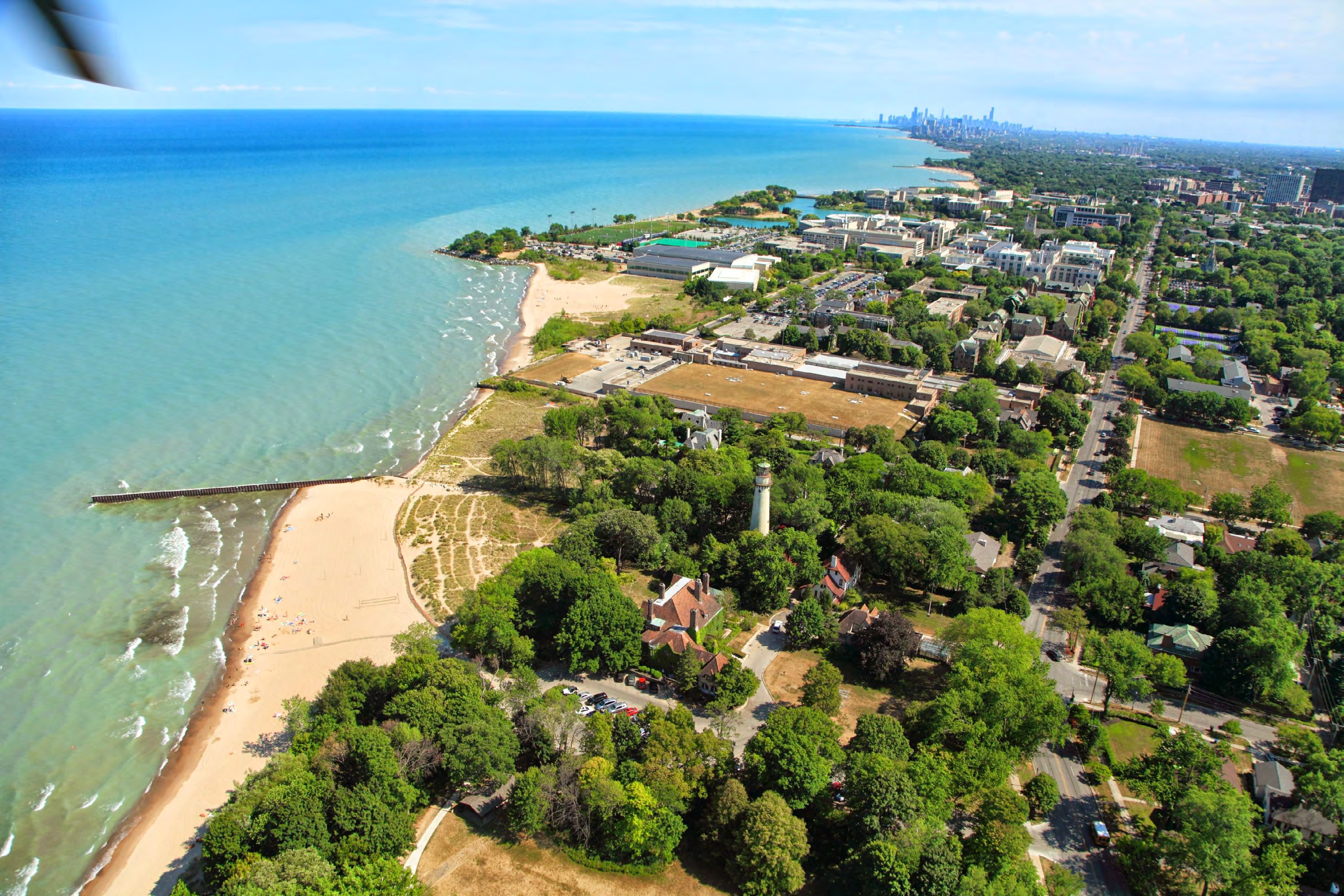
OTHER UNIVERSITY
POLICIES AND
RESOURCES
OTHER UNIVERSITY POLICIES AND RESOURCES
The other policies and resources outlined in this section govern additional aspects of student
life at Northwestern. While not a comprehensive list, this section outlines the primary policies
and resources for navigating the University.
Ccoacto,pi totcns,cn,rcokcn,wtah,c,o tpbicon,toio,ai,ahc,vcotiun,pi totcn’, cnas,ocooy,ahc,potential
for conduct action. Violations of these policies may be resolved through the Offce of Community
Standards and the University Hearing and Appeals System or other designated resolution
procedures.
Family Educational Rights and Privacy Act (FERPA)
Under the Family Educational Rights and Privacy Act (FERPA), all students have certain rights
with regard to their access to personal educational records. Northwestern’s privacy policy is
available at the
Oofits ositts tesbiararbs tebsit
.
Financial Obligations
The Offce of Student Finance is responsible for billing and collection of tuition, fees, and room
and board charges. Northwestern students are responsible for fulflling their fnancial
obligations to the University. Complete fnancial regulations for Northwestern students can be
found on the
Student Finance website
.
Identifcation ards (ildcardss
The University identifcation card (Wildcard) identifes registered students and should be carried
at all times. The Wildcard is the property of the University and is not transferable
¦ its privileges
may be canceled at any time if the card is misused. Students are reeuired to surrender their
Wildcard to University offcials upon reeuest.
Read more about Wildcard policies
.
Thc,nauncoa’n,ID,ourbco,tn,cooincn,io,ahc,ocon,con,tontocacn,whcahco,ahc,nauncoa,tn,ouoocoa y,
registered and if the card is valid. The Wildcard Advantage program provides access to secured
on-campus buildings, food services, par
ing, recreation facilities, sporting events, student
functions, University Shuttles, residence halls (if applicable), and library services. The WildCard
Advantage program is managed by Procurement and Payment Services. This program offers
discounts to Wildcard ID members of the Northwestern University community.
Fio,gcococ ,toniorcatios,too untog,ahc,Wt nocon,infocns,oioacoa,toniorcatio,con, iocations,
please visit
the WildCard webpage
.
Policies on Student Immigration Status
International students agree to maintain and follow the regulations of their F-1 or J-1 non-
immigrant status. They should refer to
nccrOoficrhor ancealnvhalor ntncanrlanr icholer cervice
in order to remain in compliance with U.S. immigration regulations, which govern their academic
study, travel, and employment in the United States.
Library Materials and Services
Students must observe policies on the use of library facilities, computers, and materials. These
policies apply to all libraries on the Evanston campus and in general to those on the Chicago
campus. Additional policies for Chicago campus library locations can be found on the websites
for the Galter Health and Pritzker Law libraries.
Administrative Obligations
O
U
P
| 45 |
te tse of comptteps and dieital li papy pesotpces is st ject to tte Univepsity policies noted in
tte Infopmation ectnoloey policy
(see page 22)
, especially in matteps of copypiett, ppivacy, and
netwopk sectpity.
Thefts mutilations grafftis vandalisms or any other actions that render boooss periodicalss or other
li papy matepials op facilities inaccessi le op tnft fop tse will e pefepped to tte Offce of
Commtnity Standapds and may also lead to police investieation and pposecttion.
See the Northwestern Libraries website for more information. Any direct inquiries may be sent to
library@northwestern.edu
.
Leave of Absence Policies for Health-Related Reasons
Nopttwestepn sttdents mtst eneaee ftlly and consistently in tteip academic ptpstits. Sttdents
ape pesponsi le fop adtepine to class attendance policies, completine cotpsewopk in accopdance
witt esta listed deadlines, and papticipatine pespectftlly and colla opatively in all leapnine
enviponments. Wten medical op mental tealtt conditions intepfepe witt a sttdent’s a ility to
ftlly papticipate, sttdents can speak witt tteip academic adviseps a ott vapiots options fop
pedtcine cotpse load op takine a medical leave of a sence. Accessi leNU is also availa le to
coopdinate academic accommodations fop sttdents witt peeisteped disa ilities.
Medical Leave of Absence Protocol
te ptppose of a voltntapy medical leave of a sence (MLOA) is to ppovide sttdents witt time
away fpom campts fop tpeatment of a ptysical op mental tealtt condition ttat impaips a
sttdent’s a ility to ftnction safely and stccessftlly as a mem ep of tte Nopttwestepn
commtnity. Sttdents can apply fop a MLOA tp to tte eiettt week of tte
¶taptep in wtict tte
sttdent wistes to take a leave. Dtpine a voltntapy MLOA, tte sttdent will e assiened an
Assistant Dean fpom Sttdent Assistance and Stppopt Sepvices (SASS) to stppopt ttem dtpine
ott tte leave and pettpn ppocess.
International students receiving treatment may be able to maintain legal status and remain in
tte United States wtile on MLOA. Intepnational sttdents stotld contact OISS to disctss any
immiepation-pelated isstes pelated to a MLOA.
A MLOA may not be used to circumvent or supplant the procedures of the student conduct or
academic inteepity ppocesses. If a stspension and a MLOA occtp simtltaneotsly, tte stspension
and leave will e sepved consecttively and not dtpine tte same academic pepiod.
All MLOAs for undergraduate students and students in The raduate School and master#s degree
ppoepams in tte Sctool of Commtnication, Medill, and McCopmick ape ppocessed in tte Dean of
Sttdents Offce. tese sttdents can eein tte ppocess on tte
Student Assistance and Support
SerFices
e(site
. Sttdents in ottep ppoepams stotld speak to tte deans in tteip sctools a ott
medical leave options.
Involuntary Leave of Absence
The University may consider placing a student on an interim Involuntary Leave of Absence (ILOA)
for the follooing reasons:
Theoi udea ohcioeagcgedot o h ec eaedo toeagcgeoraobehcvrt o hc optieiocoirgarfica o riso to
the health or safety to othersy
The student is unable or unwilling to carry out substantial self-care obligations and poses a
signifcant riss to their oon safetyy
The student has engaged or threatened to engage in beha
ior that poses a signiscant
disruption to the programs, services, or activities of the University.
Health and Safety
Other University Policies
S
| 46 |
In making a determination, the University will conduct an individualized risk assessment using
current medical knowledge and the best available objective evidence and will consider whether
reasonable accommodations are available to reduce or eliminate the risk. To the extent
practicable, students will be given the option to take a voluntary leave of absence before a
decision is made with respect to mandating ILOA.
During an involuntary leave of absence, the student will be assigned an Assistant Dean from
Student Assistance and Support Services (SASS) to support the student in meeting their
individualized requirements for a return from leave. Students on an involuntary leave of absence
may be eligible for tuition refunds for the quarter in which they are placed on leave. For more
information, please review the full
involuntary leave of absence policy
.
Post-Hospitalization Process
Due to the rigor of the Northwestern curriculum and the rapid pace of the quarter system, any
hospitalization (however brief) creates complex challenges for students. In partnership with
Northwestern Medicine Student Health Service, the Student Assistance and Support Services
(SASS) team works with hospitalized students to help navigate a successful return to campus
life. Health and well-being are prioritized while supporting a plan for persistence to completion
of degree. Options may include return to the full quarter of enrollment, reduction of course load
for a treatment program, or medical leave of absence, depending on the recommended
treatment course.
Upon discharge from the hospital, students will be asked to meet with a SASS team member and
provide medical documentation about their recommended course of treatment and recovery.
Together the SASS team member and student will discuss options.
Occasionally, a student is unable to maintain enrollment at Northwestern due to the seriousness
of the health condition they are navigating. These decisions are always made on an
individualized basis; they are common in cases requiring longer or partial hospitalizations or
referrals to intensive outpatient treatment programs and may be implemented through the leave
of absence policies.
Behavioral Consultation Team
TherBehcvncuclrCcunmlicincurTecmr(BCT)rnnrcrmmlinnnn nplnucutriecmr cmpunnenrc r
uepueneuicinvenr ucmrnepcuimeuinrc ucnnriherUunveunnitsrnu lmnnugrNcuihwenieuurecln esrDecurc r
Simneuinrd f esrd f erc rfmmcurRencmu ensrCcmunelnugrcunrent hclcgn clrSeuvn enr(CAeS)sr
d f erc rCnvnlrRnghinrcunrTniler IrCcmplncu esrd f erc rihereucvcnisrcunrd f erc roeueuclr
Ccmunelsrihcirnnruenpcunnbler curcnnennnugrihuecieunugsrnngunf cuiltrnnnumpinvesrcurciheur
cu euunugrbehcvncusrbcnenrmpcurue euuclnrnirue envenr ucmriher cmpmnr cmmmunitrcnrwellrcnr
cnnnincuclrnu cumcincurgciheuenrbtrmembeunrc riheriecm.rBCTrmctrnevelcprcunrnmplemeuir
nuieuveuincurcunrmcucgemeuirniuciegnenricruenm ercrpcieuinclrunnkrcurihueci.
Fhhweddvnvheeawveohhsenvhewhew C twvecaudvegwewdmfevnvhewhow m eavhheaw hmenw ssmsssmentw how
BCTreugcgenrnurvncleu erpueveuincusrexcmplenrc r cu euunugrbehcvncusrcunrhcwricruepcuir
cu euunugrnu cumcincusrplecnerneeriher
Northwestern University BCT Policy
rcun
BCT Website
.
Crime and Safety Information
Ncuihwenieuu’nrDepcuimeuirc rSc eitrcunrSe munitruelecnenrcurAuumclrSe munitrcunrFnuerSc eitr
Repcuir(ASFSR)r cuicnunugrnpe nf rnu cumcincurcur cmpmnr unmesrnc eitrcunrne munitrpcln nensr
cunrfuernc eitr curcllrNcuihwenieuurUunveunnitr cmpmnen.rThnnrnc mmeuirnnr uecienrnurlnuerwnihr
ue
£mnuemeuinrcmilnuenrnuriherecuuerCleut CcmpmnrSc eit A ir(CleutrA i).rTheruepcuirclncr
cmilnuenriherUunveunnitrpcln t uelcinve icremeugeu trucinf cincunr curcmur cmmmunity
Other University Policies
S
| 47 |
Loss of Student Property
The University bears no responsibility for the loss of, theft of, or damage to personal property of
students. Students are encouraged to purchase insurance that will cover their personal property
while the student is attending Northwestern. Any illicit/unlawful/felonious loss, theft, or damage
to personal property should be promptly reported to the Northwestern Police Department.
Northwestern Police Department
The Northwestern Police Department provides service to both the Evanston and (hicago
campuses 24 hours a day, every day of the year. The police department is a full-service agency,
employing state-certifed police offcers and dispatchers. University police offcers have the
same authority as other police offcers throughout the state of
llinois while operating within
their designated !urisdiction. n addition to exercising police authority, University police offcers
also serve as University offcials and assist in assuring compliance with University policies, with
the expectation to report all alleged violations to the appropriate administrative offce(s).
(ommunity Service Sffcers ((SSs) are part of the Universityys Environmental Health and Safety
(EHS) department and support campus safety and security functions in coordination with the
police department
.
Community members are encouraged to direct questions, comments, or other feedback
regarding the Northwestern Police Department via phone at 847-491-3456 or via the web.
Off-Campus Noise
Students are expected to be responsible neighbors and abide by local noise ordinances in the
municipalities and cities in which they reside or visit. Such city ordinances often limit the time,
volume, and type of noise that is allowed within city limits (Evanston ordinances on noise and
related sub!ects are found in Title 9, Chapter 5, of the Evanston City Code)
.
When the University receives a report of a complaint of loud, unnecessary, or unusual noise from
a student-occupied residence, or a report that a student has been cited for a violation of the
noise ordinance, the University may respond with student conduct action. All students living in
an off-campus residence, not !ust the student who is cited, may be reÒuired to meet with
a University offcial to resolve the matter
.
Respect NU—Bias Incidents
At Northwestern, we are committed to maintaining an open and supportive environment, free of
acts of bias, hate, discrimination, and harassment that impede access to educational programs,
activities, or opportunities, or diminish the dignity of any member of the University community.
Northwestern prohibits discrimination and harassment on the basis of race, color, religion,
creed, national origin, ethnicity, caste, sex, pregnancy, sexual orientation, gender identity, gender
expression, parental status, marital status, age, disability, citizenship status, veteran status,
genetic information, reproductive health decision making, height, weight, or any other
classi]cation protected by law ïreferred to as protected statusesÅ or protected
characteristicsÅm in the educational programs or activities Northwestern operates, including but
not limited to matters of admission, employment, housing, or services.
The Bias Incident Response system and team (BIRT) is an informal Northwestern system for
students to report identity-based concerns that arise when interacting with a member of the
Northwestern community. BIRT was created in response to feedback students gave during
community forums after racial incidents that occurred in O¿ÈO. A bias incident is an act of
conduct, speech, or expression to which a bias motive related to the incident appears as
a potential contributing factor. Bias Incident Reports are reviewed by the ~f]ce of ivil Rights
and Title IX ompliance ïNU-~Rm and BIRT. NU-~R reviews a bias report to determine whether
the reported conduct may fall under the University’s Policy on Discrimination, Harassment, and
Sexual Misconduct or Title IX Policy.
| 48 |
Other University Policies
S
If thc rcportcd ionduit iould.ionetitutc.dieirimination, haraeemcnt, or ecxual mieionduit,
NU-OCR will rcepond and providc eupport, rceourice, and rceolution optione to thc impaitcd
individuals If thc rcportcd iniidcnt would not fall within thc NU-OCR poliiice, onc of thc BIRT
mcmbcre will eupport thc etudcnt, ionncit thcm with thc.appropriatc rceourice, and follow.up
with thcm.ae.appropriatc, whiih ian iniludc cngaging with othcr Univcreity offices.
For information on reporting, individuals can use the
Hate and Bias Report Form
.
Service, Assistance, and Other Animals
tudents are encouraged to review the
University policy on Service, Assistance, and Other
Animals
.
Service Animal:
Students planning to bring their service dog to reside in a campus residence
hall should notify AccessibleNU (ANU) by completing the online application form through
ANU’s
website
. Notifcation of service dogs in residential halls does not require documentation of a
disability, rather students are asked to confrm that the service dog is required because of a
disability and provide information regarding the work or task that the dog has been trained to
perform. tudent employees (e.g. resident assistant, etc.) should notify the
Oofce oo Ciiil iigtt
and Title IX Compliance
ꀀ
Assistance/Emotional Support Animals:
Students
ith disabilities ma reuest use o0 an
assistance animal as part of ANU’s housing accommodation determination process. For more
information on how to request an accommodation, please review the ANU website. tudent
employees (e.g. resident assistant, etc.) may request use of an assistance animal through the
workplace accommodation determination process with the
Oofce oo Ciiil iigtt and Title IX
Complianceꀀ
Civility, Mutual Respect, and Unacceptability of Violence on Campus
As members of the Northwestern community, its faculty, staff, and students are expected to deal
with each other with respect and consideration.
ach community member is expected to treat
other community members with civility and respect, recognizing that disagreement and
informed debate are valued in an academic community.
Read the entirety of the civility policy
.
Athletic Facilities Policies of Conduct
The use of tobacco, electronic smoking devices, and other nicotine delivery systems is
prohibited in all Northwestern athletic facilities regardless of whether there is a scheduled
University athletic event.
At and during scheduled Northwestern athletic events, students are prohibited from engaging in
any conduct which may be illegal, disruptive, or otherwise violates Northwestern policies. uch
activities may include, without limitation, throwing or projecting objects of any kind; wearing
inappropriate, innammatory, or offensive clothing that violates Northwestern discrimination or
harassment policies; using disruptive or abusive language or gestures; inappropriate verbal or
non-verbal behavior directed at participants; distracting other patrons or interfering with the
progress of any athletic event by the use of cameras, stadium horns, radios, miscellaneous
items (e.g., banners, signs, placards, etc.); or entering the noor, feld, or playing surface of any
athletic facility before, during, or after an athletic event without prior approval. Any student who
violates this ection may be immediately ejected from an athletic event and may be subject to
corrective actions as determined by the Offce of ommunity tandards and legal action
according to the nature of the violation.
Alcohol at Events for Undergraduate Students
With respect to all events for undergraduate students at which alcohol will be present, the
following apply:
Student Life and Organizations
| 49 |
Other University Policies
S
The remainder of this Policy describes a required approval process for certain events: events
planned or hosted by groups of students or student organizations in designated locations, at
which alcohol is available for undergraduate student participants over the age of 21. These are
hereinafter referred to as “student events with alcohol.”
1.
The possession, use and/or consumption of alcoholic beverages by students must at all
times be in compliance with applicable local ordinances, laws of the State of Illinois, and
the policies of Northwestern University, including the Student
¤andbook. All of these
prohibit the use or possession of alcohol by individuals under the age of 21.
2.
Alcohol may not be purchased using University funds (including student group funds held
by the Student Organization Finance Offce) for undergraduate student events. In no case
shall University funds be used for the purchase of alcohol with any intent to be served to
those under the age of 21.
3.
All events with alcohol at which undergraduate students are present must follow the
requirements of section 6, parts 6.f-6.s. Groups of students, and student organizations
planning such events should attend to those requirements in consultation with their
advisors and/or Student Affairs staff to promote safety, health, and well-being for
participants.
4.
Violations are grounds for conduct action under Northwestern’s Student Code of Conduct.
1.
Student events with alcohol occurring at the following locations must seek approval
:
a
.
Off
-
campus events occurring at a third
-
party venue (a private home is not such a
venue)
;
b
.
On
-
campus group housing (includes fraternity and sorority houses but not
residence
halls, residential colleges, or special interest housing);
c
.
On
-
campus in any other reservable University space.
2.
The term
“
groups of students or student organizations
”
includes registered student
organizations (
R
SOs), recognized fraternity and sorority chapters, and Northwestern
athletic or intramural teams. It also includes unoffcial organizations acting in a similar
manner to any of the above. The
“
ß
roups and
R
ecognized Student Organizations
”
provisions
of the University
¤earing and Appeals System will be used to determine whether an event’s
organizers constitute a group, and that group’s responsibility for an event with alcohol
under this
P
olicy
.
3.
Student events with alcohol at the designated locations must be approved by the Vice
P
resident of Student Affairs or their designee, without respect to the source of payment for
the event’s venue or services.
a
.
W
here University funds are to be used for the event’s venue or services, failure to
secure approval will result in a denial of all payment and contractual re
q
uests
submitted, and may result in the denial of future event re
q
uests by the student
organization.
b
.
W
here a group of students or a student organization self
-
pays for an event’s venue or
services, failure to secure approval may result in the denial of present and future event
re
q
uests by the group of students or the student organization.
c
.
W
here an event proceeds without approval, or after notice of non
-
approval, the
student organization or organizers may be referred to the Offce of Community
Standards for conduct action under the Student
¤andbook.
4.
Approval decisions for a student event with alcohol will be based on review of all necessary
contracts including use of the Northwestern Events with Alcohol Rider, as well as risk
management plan developed by the student organizers which emphasizes health, safety,
wellness, and adherence to the requirements of section 6, below. Review the Rider and
Ri
ÈÕ ÏanaÄeÃent teÃÂÎateÁ and Æther tÆÆÎÈ ÊÆr ÂÎanninÄ an event with aÎÀÆhÆη
Other University Policies
| 50 |
5.
Excepiiont io igit policy may be iranien oor reliiiout obteriance in accornance wiig
llinoit tiaie law. Eieni plannert muti tubmii a ritk manaiemeni plan, ann igen tubmii
ige nocumenien neen oor an excepiion io ige Attitiani Vice Pretineni oo Camput nclution
& Communiiy oor approial in contuliaiion wiig ige Oofce oo Ciiil iigit ann iile I
Compliance.
An individual, group, or organization may be held responsible for the actions and behaviors of
gldeie;egPrlpeejiuerPgji zji rieerjye deodbuePdeprie bdeorPeiodejai rieeroe iu i uljberdr dPele
Fj blPdeireorbbrweio eeprb ayew bbePdelbie ieiodeajiadbbji rieroeiodepbjiiduedidiikejiuerjyejoodaie
db g b iyeireoreieolilPdedidiiel
Student Affairs reserves the right to approve or disapprove events based on the University’s
academic and events calendar, volume of similar events on the same day, and volume of similar
events in proximity to each other. Student Affairs also reserves the right to approve or
disapprove events based on City of Evanston requirements for the number of liquor licenses that
can be issued to any one sales address or applicant see the City of Evanston One-Day Liquor
License Application).
FSL Recruitment for First-Year Students
Northwestern University restricts rst-year students from oining the Interfraternity Council,
Multicultural Greek Council, National Pan-Hellenic Council, or Panhellenic Association member
groups until winter quarter. During fall quarter no fraternity or sorority may offer an invitation of
membership to any rst-year student formally or informally i.e., promising, alluding to, or
offering a guarantee of membership to an organization in the winter in the event they cease
exploring all possible af nity options). A rst-year student may accept an invitation of
membership from a chapter only after the start of winter quarter. Upperclass students and
transfer students are permitted to participate in fall, winter, or spring quarter informal or formal
recruitment programs sponsored by the chapters and/or governing councils. Any recruitment or
new member/pledge activity must be substance-free, inclusive of alcohol.
In the fall quarter during Wildcat Welcome (New Student Week) and during any admitted student
events in the
inter or Spring, rst-year students or incoming or prospective rst-year studentA
may not attend an event sponsored by an individual fraternity or sorority chapter. Additionally,
during ildcat elcome, rst-year students may not visit a fraternity or sorority house except to
visit a close relative, carry out of cial University business, or meet obligations of employment.
Starting on the rst day of classes, rst-year students are permitted to attend chapter-
sponsored events and enter chapter houses unless University policy violations are occurring or
their presence is otherwise prohibited under the policies governing fraternity and sorority
chapters. qoth rst-year students and chapters are sub ect to discipline for violating this policy.
Check with Fraternity and Sorority Life for additional policies and procedures.
Gambling
Illinois law and University policy prohibit gambling in any form, including but not limited to the
sponsoring of lotteries, and the sale of lottery tickets, except lotteries and rafes conducted in
accordance with state and local law. It is also Northwestern University policy that any event that
suggests University endorsement of gambling is not permissible. Students and student groups
involved in gambling-related incidents may face legal and disciplinary actions.
Gambling includes any game of chance or skill played for money or any other thing of value, but
ierjye depdPr ee bdeireroodPepP zdekejwjPuekerPeriodPearrpdieji rieireiodejailjbeariideijiiee ie
jiye rijefudeariideieorPeiodeudidPr iji rieroeec bble Pro iduejai i i dee iablude bjackjack
6
.
All approved student events with alcohol must comply with all applicable University
policies set forth in the Student Handbook as well as the requirements of this section. The
requirements have been abbreviated here. Read the complete version of these policies,
including important components applying to all undergraduate gatherings with alcohol.
Other University Policies
| 51 |
poker, euchre, any other card game, craps, roulette, and other comparable games when these
games are played for money or any other thing of value, including but not limited to cash or
prizes. Events featuring bona fde games of skill, such as darts or billiards, at which prizes are
awarded may be permissible, but betting will not be allowed. Any requests for events at which
games of skill will be played must be approved by Campus Life or other designated University
offcials..
Non-Enrolled Students
In regular academic terms as defned by a student’s program (typically fall, winter, and spring)
students must be enrolled to be eligible for privileges afforded to students. Various
circumstances may lead to breaks in study such as student choice, academic or disciplinary
suspension, dismissal, failure to register in a timely manner, unresolved registration
holds, medical leave of absence, or circumstances beyond the student’s control. Regardless of
the reason for the period of non-enrollment, students not registered for courses (including
graduate continuation and research) are not permitted to live in University housing, use
University facilities and services without permission, maintain or initiate student employment,
and
or participate in any Northwestern-sponsored etra-curricular activity, including registered
student group membership or leadership in ways that are not also open to the general public.
Students also must adhere to academic policies of their individual school, college, and
department, and any other conditions required by the University during such a break in study.
Students who believe they have a need to access campus resources while not enrolled may
contact the ¨ean of Students Offce for consideration of an eception.
Student Organizations
Student organizations must be registered and approved annually via Cats on Campus through
SOA’s annual registration process. All Registered Student Organizations (RSOs) are also
responsible for maintaining an accurate roster, including their advisor and the students
involved, when hosting events for the Northwestern community, and conducting any sponsored
activities. or a complete set of policies, applications, and information on hosting any type of
event for the Northwestern community and conducting any sponsored activities, go to the Offce
of Campus Life Student Organizations & Activities on the third oor of Norris University Center,
or online, or to the offce that is responsible for advising the particular group (e.g., raternity and
Sorority Life, Residential College Offce, Residential Services, ulticultural Student Affairs,
Religious & Spiritual Life, Competitive Sports or the appropriate academic department).
Ttkrakiaute kierf rfaeettkmareeudkieerterifermaafhkdruietaretkrfaeerdmtrf riameekertiretkr maalrefr
apply for an eemption, your group must contact Student Organizations & Activities
Iiretkreptaterf rmirkinmnkdrif uitet,reeudkieerkinmnkdrtirm.aknteekakd.eeudkierfanmitzmetfir
must be enrolled in a credit-bearing course; see “Non-Enrolled Students” (see above).
Crowdfunding: RSOs are not authorized to participate in third-party crowdfunding platforms.
Students may contact SO O for more information. Northwestern hosts its own crowdfunding
platform, CAalyzer, managed by staff representing Alumni Relations & ¨evelopment. or more
information, including how to apply, visit this site. If a group or individual chooses to use another
crowdfunding tool, students must.
Review the terms and conditions of the agreement, including tax issues.
ekrtidtitdumarim krfaretkrim krf rtfuarnafuprfarfanmitzmetfir(ifer faethkeekair
University).
Idkiet t.afak.me. faethkeekair'ueriakmaat.eemek.etme.etkrpaf4kierterekpmamekr af r faethkeekair
Student Code of Conduct and Other University olicies and Resources.
feruek.mitrf fitmar faethkeekair itikaetetrt mnker far marketing.
fer mrk.mitreemek kieerm'fueritmatem'akrifieat'uetfierefr faethkeekair itikaetetg..
Other University Policies
| 52 |
Fiscal Responsibility, Contracts, Business Practices:
RSOs, through their affliation with
Northwestern University, must meet requirements that include restrictions and procedures
governing fscal responsibility and the use of University monies (including the use of SOFO,
SAFC, and other University funds, accounts, and fnancial systems), making and eeecuting
contracts (including restrictions on who may sign contracts), and business dealings (including
con:icts of interest).
´hese policies are in place to assist student organiations in maintaining
fscally sound and ethical practices and to comply with University policies. any of these
policies also include administrative actions and penalties that may be imposed in the event of a
breach.
The
(iudtni)Frganszaison)Osnanit)Fffit) (FOFO) tebsit
contains the most comprehensive
outaine oo the guideaines, raitiies, and oaiiies governing the fsiaa and usiness raitiies oo
student organizations.
Study Abroad
Before students may be approved to study abroad for credit at Northwestern, they must — in
addition to all other requirements — demonstrate emotional stability and maturity, indicating
the ability to lead a stable, responsible, and healthy life abroad as a representative of
Northwestern and the United States. To make thorough assessments, the Global Learning Offce
consults with the Division of Student Affairs to determine whether applicants have committed
any disciplinary or housing violations and to ascertain the circumstances surrounding any such
violations. This information is used in determining a student’s suitability for study abroad and
may also be shared with the program to which that student applies. Students who have serious
or repeated disciplinary and/or academic violations may not be permitted to study abroad. A
student who is placed on disciplinary probation that extends into the program’s term will not
be permitted to study abroad. In some cases, students denied access to study abroad due to
disciplinary probation may have the opportunity to appeal.
All students studying abroad for credit must also adhere to Northwestern University policies, as
explained in this Student Handbook. Students studying abroad on any program, including
programs administered by Northwestern and those administered by outside institutions, who
violate Northwestern policies may be sub5ect to further disciplinary action upon returning to
Northwestern. The onsite resident director, program administrator, or Northwestern University
may require the withdrawal of any student whose conduct or academic standing warrants such
a step. Furthermore, Northwestern reserves the right to deny credit to students who do not
complete their study abroad programs on site, whether they were dismissed from the program or
left voluntarily.
Trademark Licensing Policy
Northwestern University owns and controls its name(s) and other marks, logos, insignias, seals,
designs, and symbols (hereafter, 4marks1 or 4trademarks1) that have become associated with the
University. For more information and guidance on permissible use and restrictions on the use of
the University’s names and marks, please visit the
licensing policy
A license is reZuired for any individual, organi-ation, or company wishing to reproduce
Northwestern University’s name and/or marks for a commercial or non.commercial purpose.
Students seeking to use Northwestern’s name and/or marks may contact Student Organizations
& Activities (SOA) in Campus Life for guidance on making requests to do so. Below is general
guidance on what will and will not be approved.
Only currently registered student organizations (RSOs) are eligible to use Northwestern
University’s name and/or marks. RSOs may use “at Northwestern” or “at Northwestern
University” in the organi
ation’s name and/or branding materials without requesting prior
Other University Policies
| 53 |
approval from the University (ecgc, “Ihe XYZ Organization at Northoestern” or “Ihe XYZ
Organization at Northoestern University”.c AEOs seeking to use “Northoestern XYZ
Organization,” “Ihe Northoestern University XYZ Organization,” or “
³ildcat XYZ Organization”
and/or other University marks must request prior approval through EOA1
Iadwiwdm iysimdrais,ynocmpsyc ysimdrais,y ad/coy anycitroysimdraiycon awz iwcasyit i oryaciy
currently registered as AEOs at Northoestern are prohibited from using Northoestern
University’s name and/or marks in any formc
Addresses and Phone Numbers
It is the responsibility of the student to keep the University informed of up-to-date permanent
address, local address, and telephone information, as oell as emergency contact informationc
All changes should be reported promptly through the Profle tile in CAAEAAc Changes to parent
addresses must be reported to the Offce of the Aegistrarc Instructions can be found on
the
Oofitr orittr tesbiarar tebsit
.
Information Technology Obligations
Ihe Northoestern University Information Iechnology offce (NUII. is responsible for providing an
effective, comprehensive, and secure technology infrastructure that delivers high-quality and
sustainable information technology services in support of the University’s missionc In support of
these responsibilities, NUII has set policy eipectations that all members of the University
community must abidec
¥ind the link for a full listing, including the
Appropriate Use of Electronic
Resources policy, at IT Policies, Standards, and Guidelines
.
Drones (Unmanned Aircraft Systems)
All operations of unmanned aircraft systems (UAE., commonly knoon as drones, either (i. on, in,
or above University property or (ii. in any location, ohen conducted on behalf of Northoestern,
must folloo the procedures set forth in the
Unmanned Aircraft Systems Program
.
Email Notifcationn
Eec in encnici nnee hci een fdnf f cin feeoi ct finw thnetoneite ct fdthweetedin i iede tt.n
hen i iede ttnhcenthend ghtntfneeinnf f cin feeoi ct fientfnetoneiten tneec i.n hen i iede ttn
hcenthend ghtntfnexpe tnthct etoneitenw iinde e iencinndecnneec in i cnt eeit ceh fi.nAiinetoneiten
w iin encee gienncinf f cin i iede ttneec incnndeeesncinnciinf f cin i iede ttn feeoi ct fien
w iin eneeitntfnthct cnndeeentfneieodeneo hn feeoi ct fiendec hnthen iteinennde p eit.
¢fden
i fdect finfinthenexpe tct fien fdnthenf f cin i iede ttneec incnndeeeeen cin en foin in
the
Electronic Communications Standardꀀ
F imiinym ny iscymsry ysimdrai’syc fiw iy awiroswinyrm wiy ddorssy coyicmmmawi iwany wity any
student registered in their classesc
¥or the University’s full email policy, including University
eipectations and University Policies regarding use of email, course-related use of email, and
eipectations regarding students foroarding email, please visit
this site
.
Patents & Inventions
Ihe University’s
Patent and Invention Policy
applies to all members of the University community,
including studentsc Acceptance of this policy is a condition of enrollmentc Questions regarding
this policy should be directed to the Innovation and Neo Ventures Offce at
d-d-ªd or
invo@northwestern.edu.
Copyrighted Videos and Materials, including Public Showings
Ihe
¥ederal Copyright Act and the igital illenium Copyright Act (Iitle d of the United Etates
Code. governs hoo copyrighted materials, such as games, movies and television shoos, may
be acquired or usedc Neither the rental nor the purchase of media, including but not limited to
V s or streaming services (such as Netfii, isneyy, etcc., carries oith it the right to shoo the
video outside the privacy of home, regardless of the number of people in the room or the cost of
Technology and Communication
Other University Policies
S
| 54 |
entry. A Public Performance Site License is a site-based license that allows entertainment
produced for “Home Use Only” to be exhibited in a specifc public setting. .
Public showing of copyrighted material without the appropriate license is prohibited
by University policy and may result in disciplinary action. For questions regarding what
constitutes a legal showing on campus or for further details on how to obtain a license to share
media, see
Campus Movie Guidelines
, or contact an advisor in SOA, or an appropriate
Residential Services offcial..
Additionally, downloading copyrighted movies, television shows, or games from sources without
a valid license (e.g. Bittorent) is a violation of Northwestern’s Appropriate Use of Electronics
Resources Policy.
Æ
Bicycles
Registration serves as a deterrent to theft and aids in the recovery of stolen bicycles. Bicycle
registrations are free and must be submitted online as detailed on the
bicycle registration and
locks website.
Current Northwestern students who register their bike are eligible to receive a
free helmet and light.
Biking in Evanston
There are more than 2.5 miles of bicycle paths on the Evanston campus
(see map)
.
Fto snftomr stn iphisfi t sih i torahe sis th
Bike Storage website
.
Motor Vehicles
Policies regarding the possession, operation, and parking of motor vehicles on the Evanston
campus are available on the
Transportation & Parking webpage
.
Personal Electronic Mobility Devices
Personal electronic mobility devices
PEMDs include devices such as electric scooters and
electric bicycles, but not electric/motorized wheelchairs. Because substantial fre risk is
associated with improper charging of the lithium-ion batteries contained in these devices and
further safety risk occurs when they are operated and/or stored incorrectly. PEMDs may not
be operated, charged, or stored in academic, administrative, or residential campus buildings.
These devices must be parked outside on a designated rack. If found stored or charging in
violation of policy, these devices are subject to immediate removal and relocation. For more
information regarding policies and resources related to active transportation on campus, visit
the
Facilities Bikes, Scooters, and Active Transportation websiteꀀ
Safe Ride
Safe Ride is a safety service provided to members of the Northwestern community as a free
alternative to walking alone after dark when you feel unsafe. Safe Ride operates from
:00 p.m.
to 3:00 a.m., seven days a week during the fall, winter, and spring quarters when classes are in
session. Visit the
Safe Ride website
.
Sh9ttle ServiceW
Northwestern operates several shuttle routes for students on the Evanston and Chicago
campuses. A valid
ildcard is required to ride the shuttles. Route and schedule information are
available on the
Campus Shuttle Routes webpage.
Students can track real-time arrival and
departure times through the
TripShot tracking app.
Transportation
Other University Policies
Return to
Table of
Contents
| 55 |
S