Popular Types of Ads
Display Ads
Banner and graphic ads used on websites and apps to increase traffic and visibility.
Social Media Ads
Ads shown on Facebook, Instagram, LinkedIn, TikTok, and other social platforms.
Video Ads
Short promotional videos used on YouTube, websites, and social campaigns.
Search Ads
Text-based ads shown on search engine results for targeted keywords.
Mobile Ads
Responsive advertisements optimized for smartphones and mobile apps.
Influencer Ads
Promotional content created by influencers to reach engaged audiences.
Create High-Quality Clipart Faster with AI Clipart Generator
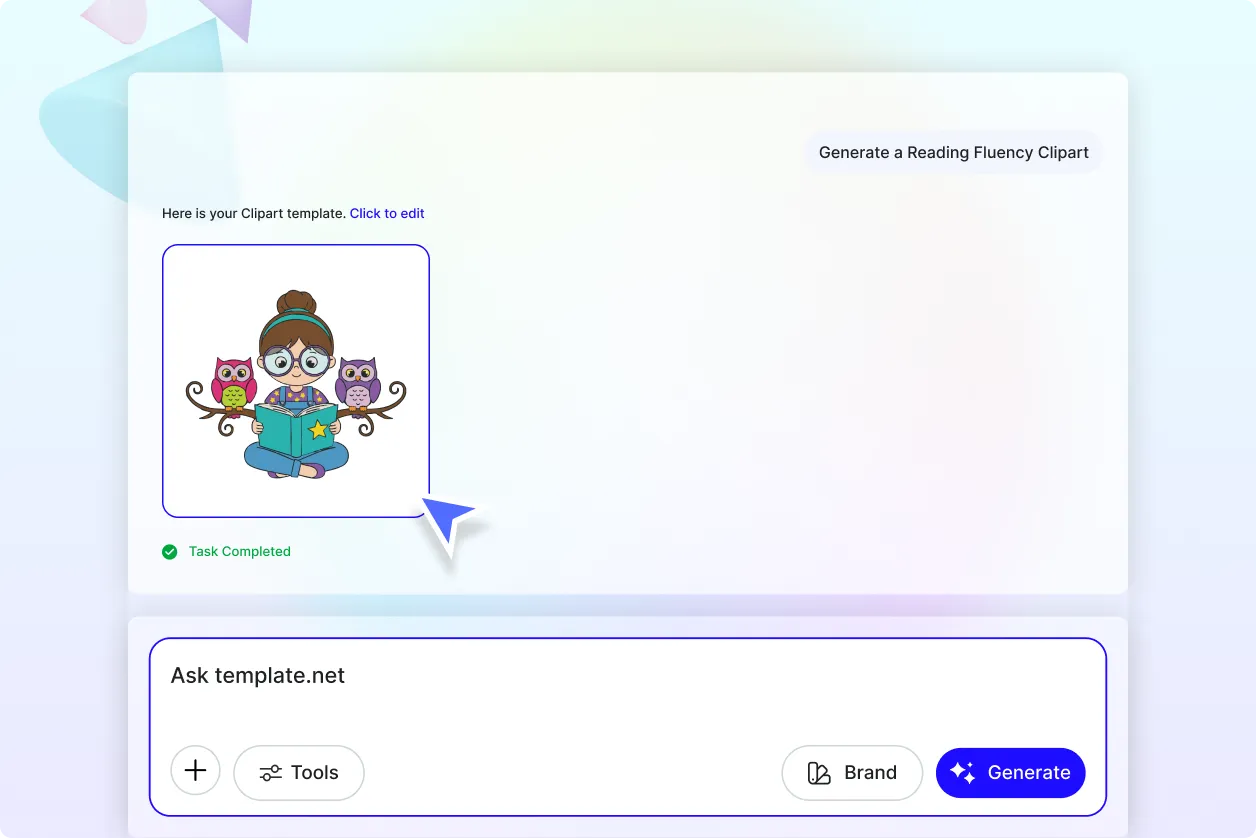
Turn Ideas into Clean Clipart Instantly
Transform simple prompts into structured clipart illustrations with clear outlines, balanced colors, and professional composition. This helps you create ready-to-use visuals without design skills.
- 123123
- asdmasmdas
How To Columns
Testing
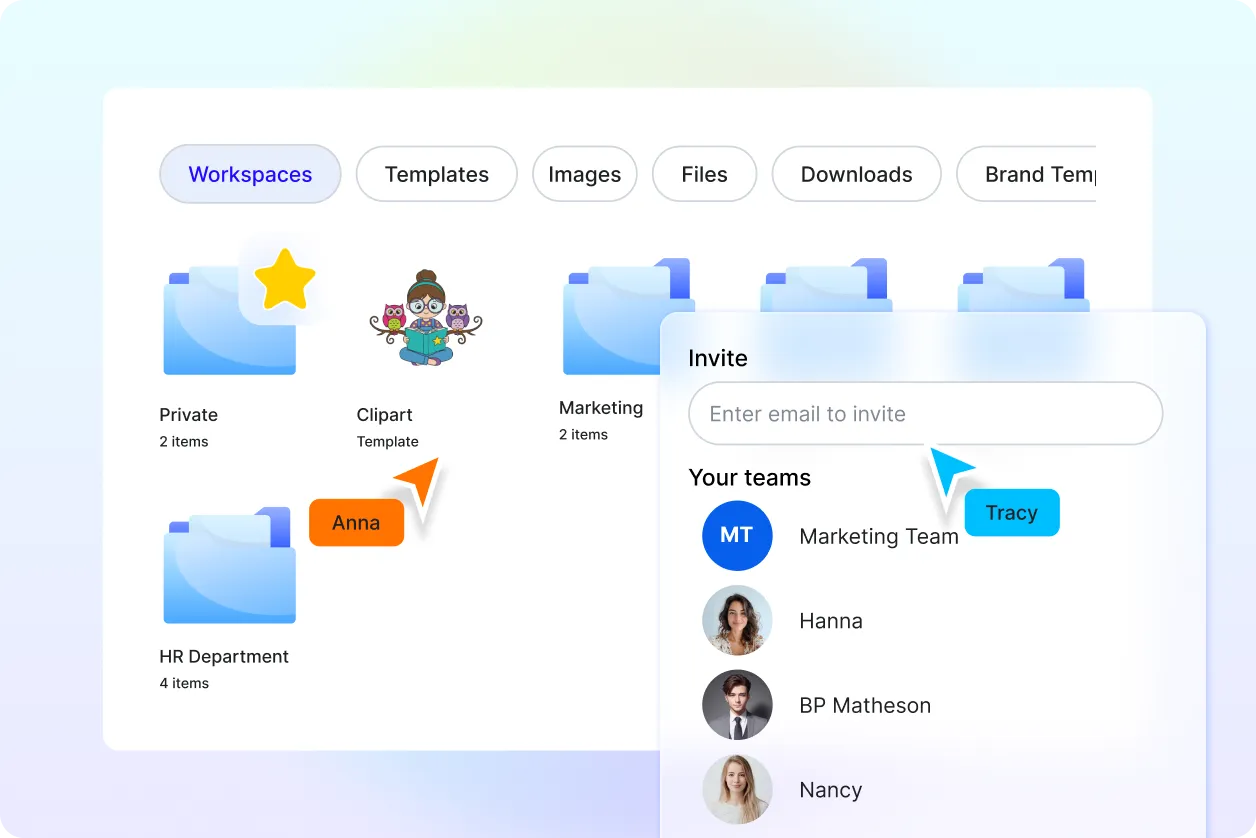
HOW TO STEPS
HOW STEPS
asdsadsad
123213
123213
12123
asdsad
HOW TO STEP 2
asdsad
asd
asdsa
asdas
d
asdsad
Ad Sizes
Ad sizes help businesses create responsive and high-performing advertisements across websites, social media platforms, mobile devices, and video campaigns. Using the correct dimensions improves visibility, user engagement, and conversion rates.
| Ad Type | Recommended Size | Common Use |
|---|---|---|
| Leaderboard Banner | 728 × 90 px | Website header ads |
| Medium Rectangle | 300 × 250 px | Display advertising |
| Large Rectangle | 336 × 280 px | Content section ads |
| Skyscraper Ad | 160 × 600 px | Sidebar advertising |
| Mobile Banner | 320 × 50 px | Mobile websites and apps |
| Large Mobile Banner | 320 × 100 px | Mobile display ads |
| Facebook Feed Ad | 1080 × 1080 px | Social media campaigns |
| Instagram Story Ad | 1080 × 1920 px | Vertical story ads |
| LinkedIn Ad | 1200 × 627 px | Professional advertising |
| YouTube Video Ad | 1920 × 1080 px | Video marketing |
| TikTok Video Ad | 1080 × 1920 px | Short-form video ads |
| Email Banner Ad | 600 × 200 px | Email marketing campaigns |
Headline
The headline is the first thing users notice in an advertisement. A strong headline grabs attention quickly and clearly explains the main message or offer.Headline
FAQs
What makes an ad example effective?
An effective ad example uses strong visuals, clear messaging, emotional appeal, and a compelling call to action that encourages audiences to engage or make a purchase.
Why do businesses study ads examples?
Businesses study ads examples to learn successful marketing strategies, improve campaign creativity, understand audience behavior, and create advertisements that generate better engagement and conversions.
Which advertising format performs best today?
Short-form video ads often perform best because they quickly capture attention, increase engagement, and work effectively across mobile-focused digital platforms and social media channels.
How do visuals impact advertisement performance?
High-quality visuals make advertisements more attractive, improve brand recognition, capture audience attention faster, and increase the chances of user interaction and conversions.
Why is a call to action important in ads?
A call to action guides users toward the next step, such as purchasing, signing up, or learning more, helping businesses improve clicks and overall campaign performance.
Ad Elements
Successful ads use a combination of visual and written elements to capture attention, communicate value, and encourage customer action. Strong ad elements improve engagement, brand recognition, and conversion rates across digital and traditional advertising platforms.
[howto_faq question=”Headline” variant=”numbered” number=”1″]The headline is the first thing users notice in an advertisement. A strong headline grabs attention quickly and clearly explains the main message or offer.[/howto_faq]
Headline
Headline
The headline is the first thing users notice in an advertisement. A strong headline grabs attention quickly and clearly explains the main message or offer.
Visuals
Images, graphics, videos, and illustrations help ads stand out and improve audience engagement. High-quality visuals make advertisements more attractive and memorable.
Ad Copy
Ad copy is the written content that explains the product, service, or promotion. Effective ad copy is short, persuasive, and focused on customer benefits.
Call to Action (CTA)
A call to action encourages users to take the next step, such as “Buy Now,” “Learn More,” “Sign Up,” or “Get Started.” Clear CTAs help improve clicks and conversions.
Brand Logo
A logo increases brand recognition and helps audiences identify the business behind the advertisement. Consistent branding improves trust and credibility.
Colors and Typography
Colors and fonts influence how users respond to advertisements. Strong color contrast and readable typography improve visibility and user experience.
Offer or Promotion
Discounts, limited-time deals, free trials, and special offers encourage users to engage with the advertisement and take immediate action.
Target Message
Ads should communicate directly to the intended audience. Personalized messaging helps businesses connect with customer needs, interests, and problems more effectively.
Ad Use Cases
- Brand Awareness – Helps businesses increase visibility and improve brand recognition among target audiences.
- Product Promotion – Used to promote products, services, discounts, seasonal offers, and new launches.
- Lead Generation – Collects customer details such as emails, phone numbers, and inquiries for future marketing.
- Website Traffic – Drives users to websites, landing pages, and online stores through digital advertising campaigns.
- Social Media Engagement – Increases likes, shares, comments, and audience interaction across social platforms.
- App Downloads – Promotes mobile applications and encourages users to install apps on smartphones and tablets.
- Event Promotion – Advertises webinars, product launches, sales campaigns, conferences, and special events.
- Retargeting Campaigns – Re-engages users who previously visited a website or interacted with a product or service.
- Sales Conversion – Encourages users to complete purchases, subscriptions, or other business goals.
- Customer Retention – Helps businesses reconnect with existing customers using personalized offers and promotions.
How Do I Generate Ads With AI?
Creating ads with AI on Examples.com is fast and simple. You can explore real-world ads examples, use them as inspiration, and generate professional ad designs online in just a few steps.
1. Explore Ads Examples
Open the ads category page on Examples.com and browse different advertising styles, layouts, and creative campaign ideas.
2. Select An Ad Reference
Click any ad example you like. The selected design becomes a visual reference for your new AI-generated advertisement.
3. Enter Your Ad Idea
Type a prompt describing the advertisement you want to create. You can include details like brand colors, text style, product type, campaign goal, audience, or promotional message.
4. Upload Images Or Brand Assets
Add your own logos, product images, graphics, or media files to personalize the advertisement and match your brand identity.
5. Customize The Ad Online
Use the built-in editor to resize ads, change layouts, edit text, update backgrounds, crop images, and generate multiple AI-powered design variations instantly.
6. Download Your Ad
Once your advertisement is complete, download the final design in PNG format for websites, social media, digital campaigns, promotions, or online advertising use.
How Do I Customize Ads?
Customizing ads helps businesses create unique and brand-focused advertisements for different marketing campaigns. Personalized ads improve engagement, brand recognition, and conversion rates across digital platforms.
1. Choose The Right Ad Format
Select the ad type based on your campaign goal, such as display ads, social media ads, video ads, or mobile ads.
2. Add Brand Colors And Fonts
Use consistent brand colors, typography, and design styles to make the advertisement visually recognizable and professional.
3. Update The Ad Copy
Customize headlines, descriptions, and promotional messages to match your audience, products, or campaign objectives.
4. Add Images Or Videos
Upload product images, graphics, videos, or illustrations to make the ad more attractive and engaging.
5. Edit The Layout
Adjust spacing, alignment, backgrounds, and element placement to improve readability and visual hierarchy.
6. Personalize The CTA
Use strong call-to-action buttons like “Shop Now,” “Learn More,” or “Get Started” based on your marketing goal.
7. Optimize For Different Platforms
Resize and adapt the advertisement for websites, mobile devices, Facebook, Instagram, YouTube, LinkedIn, and other advertising platforms.
8. Preview And Download
Review the final advertisement, make any last adjustments, and download the customized ad for digital or print marketing use.
How to Design Better Ads
Designing better ads helps businesses capture attention, improve engagement, and increase conversions across digital and traditional marketing platforms. Effective advertisements combine strong visuals, clear messaging, and strategic layouts to communicate value quickly.
1. Use Clear Headlines
Create short and attention-grabbing headlines that explain the main message or offer immediately.
2. Focus On Simple Design
Keep the advertisement clean and visually organized to improve readability and user experience.
3. Use High-Quality Visuals
Add professional images, graphics, videos, or illustrations that support the advertisement’s message.
4. Highlight The Main Offer
Make discounts, promotions, product benefits, or important information clearly visible within the ad.
5. Add A Strong CTA
Use persuasive call-to-action buttons like “Buy Now,” “Sign Up,” or “Learn More” to encourage user action.
6. Use Brand Consistency
Maintain consistent colors, fonts, logos, and design styles to strengthen brand recognition.
7. Optimize For Mobile Devices
Ensure advertisements display properly on smartphones and tablets using responsive ad sizes and layouts.
8. Test Different Ad Variations
Experiment with multiple headlines, visuals, colors, and CTAs to identify which ad performs best.
9. Improve Visual Hierarchy
Arrange elements strategically so users notice the headline, visuals, and CTA in the correct order.
10. Keep The Message Short
Use concise and direct ad copy to communicate information quickly without overwhelming the audience.
How Can I Market My Product Using Ads?
Ads help businesses promote products, attract customers, and increase sales across online and offline platforms. Choosing the right advertising strategy improves visibility and helps brands reach their target audience more effectively.
1. Use Social Media Ads
Promote products on platforms like Facebook, Instagram, TikTok, and LinkedIn to reach targeted audiences based on interests and behavior.
2. Create Display Ads
Use banner and display advertisements on websites and apps to increase product visibility and drive website traffic.
3. Run Video Ad Campaigns
Create short promotional videos for YouTube, social media, and streaming platforms to improve engagement and brand awareness.
4. Use Search Engine Ads
Advertise products on search engines using keyword-based campaigns that target users actively searching for related products or services.
5. Promote Seasonal Offers
Use advertisements to highlight discounts, limited-time deals, product launches, and special promotions.
6. Retarget Potential Customers
Show ads to users who previously visited your website or interacted with your products to improve conversion rates.
7. Optimize Ads For Mobile
Design mobile-friendly advertisements that load quickly and display properly on smartphones and tablets.
8. Use Strong CTAs
Add clear call-to-action buttons like “Shop Now,” “Order Today,” or “Get Started” to encourage customer action.
9. Track Ad Performance
Monitor impressions, clicks, engagement, and conversions to understand which ads perform best.
10. Test Multiple Ad Variations
Experiment with different headlines, visuals, layouts, and ad formats to improve advertising results and campaign performance.
Tips for Creating Better Ads
- Use Clear Messaging – Keep the advertisement simple and easy to understand within a few seconds.
- Focus On One Goal – Design the ad around a single objective such as sales, traffic, downloads, or lead generation.
- Use Strong Visuals – High-quality images, videos, and graphics improve attention and engagement.
- Write Attention-Grabbing Headlines – Strong headlines help users instantly understand the main offer or message.
- Add A Clear CTA – Use action-focused buttons like “Buy Now,” “Learn More,” or “Get Started” to encourage clicks.
- Optimize For Mobile Devices – Ensure ads display properly on smartphones, tablets, and different screen sizes.
- Use Brand Consistency – Maintain the same colors, fonts, logos, and style across all advertisements.
- Keep The Design Clean – Avoid overcrowding the ad with too much text or unnecessary elements.
- Highlight Benefits Clearly – Focus on customer value instead of only product features.
- Test Multiple Ad Versions – Compare different headlines, visuals, layouts, and CTAs to improve performance.
- Use Emotional Appeal – Ads that create excitement, urgency, trust, or curiosity often perform better.
- Track Performance Metrics – Monitor clicks, impressions, conversions, and engagement to optimize future campaigns.
Common Mistakes to Avoid in Ads
- Using Too Much Text – Overcrowded ads reduce readability and engagement.
- Weak CTA – Unclear call-to-action buttons lower conversions.
- Poor Visual Quality – Low-quality images make ads look unprofessional.
- Ignoring Mobile Optimization – Non-responsive ads perform poorly on mobile devices.
- Cluttered Design – Too many elements distract users from the main message.
- Targeting The Wrong Audience – Irrelevant targeting reduces ad effectiveness.
- Not Testing Ads – Skipping A/B testing limits performance improvements.
- Ignoring Analytics – Without tracking results, optimizing campaigns becomes difficult.
Conclusion
Ads examples help businesses understand what makes advertising successful across different formats and campaigns. From creative visuals and strong headlines to clear calls to action and emotional marketing, effective advertisements combine multiple elements to attract audiences and increase conversions. By studying real-world ads examples and following modern advertising strategies, businesses can create more engaging, memorable, and high-performing marketing campaigns.