
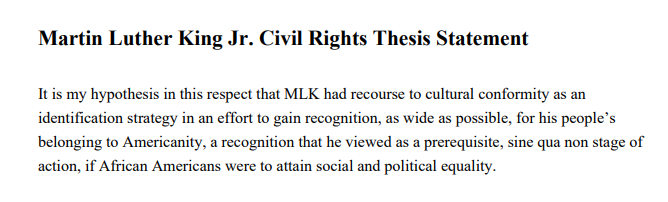
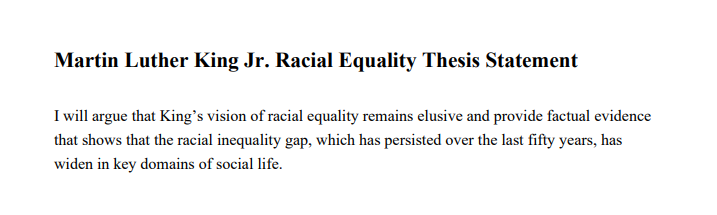
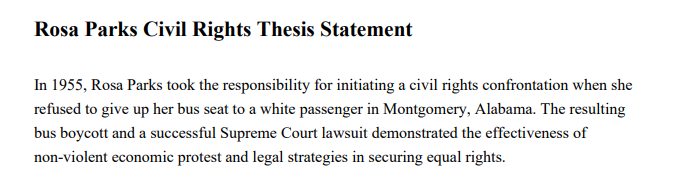




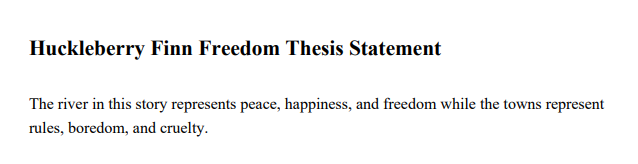


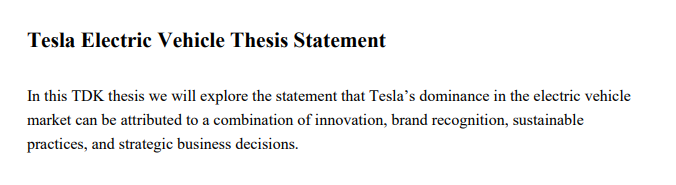


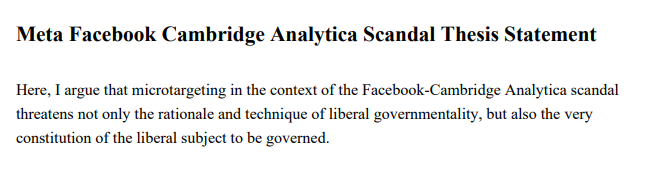

A thesis statement is the central argument of an academic paper, usually presented at the end of the introduction to tell readers exactly what the paper will argue or prove. A strong thesis statement takes a clear position, stays focused, and gives the reader a clear direction for the evidence and reasoning that follow.

What Is a Thesis Statement?
A thesis statement is a clear sentence that presents the main argument or central idea of a paper. It tells readers what the paper will focus on and guides the evidence and reasoning used to support the writer’s position.
What Are the Different Types of Thesis Statements?
Argumentative Thesis Statement
An Argumentative Thesis Statement takes a clear position on a debatable issue and gives the main reasons that support the writer’s argument.
Analytical Thesis Statement
An Analytical Thesis Statement breaks down an idea, issue, or subject into its key parts and explains what the analysis will demonstrate.
Expository Thesis Statement
An Expository Thesis Statement explains the main topic or subject that the paper will explore without taking a strongly opposing position.
Persuasive Thesis Statement
A Persuasive Thesis Statement presents a specific opinion and aims to convince readers to accept the writer’s position using supporting reasons and evidence.
Compare and Contrast Thesis Statement
A Compare and Contrast Thesis Statement identifies the main similarities, differences, or significance between two or more subjects.
Cause and Effect Thesis Statement
A Cause and Effect Thesis Statement explains the relationship between an event or situation and the factors that caused it or the results it produces.
Problem-Solution Thesis Statement
A Problem-Solution Thesis Statement identifies a specific problem and presents the main solution or approach the paper will support.
Literary Analysis Thesis Statement
A Literary Analysis Thesis Statement presents an interpretation of a literary work and explains the central idea or argument the analysis will develop.
Research Thesis Statement
A Research Thesis Statement states the central claim or conclusion that a research paper will investigate and support with evidence.
Definition Thesis Statement
A Definition Thesis Statement establishes how a specific concept, term, or idea should be understood and explains the interpretation the paper will develop.
How Do I Generate Thesis Statements Using Real Thesis Statement Examples?
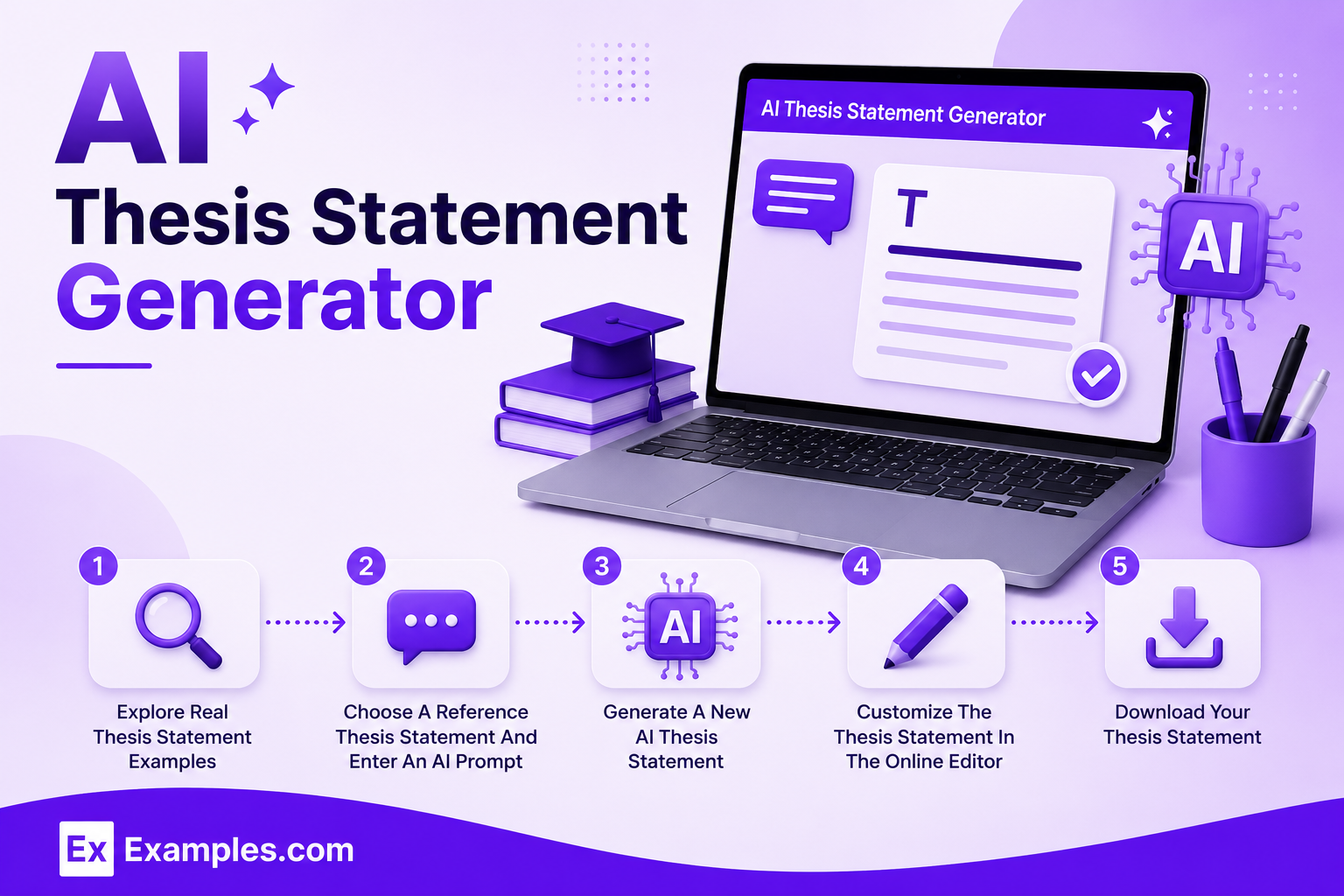
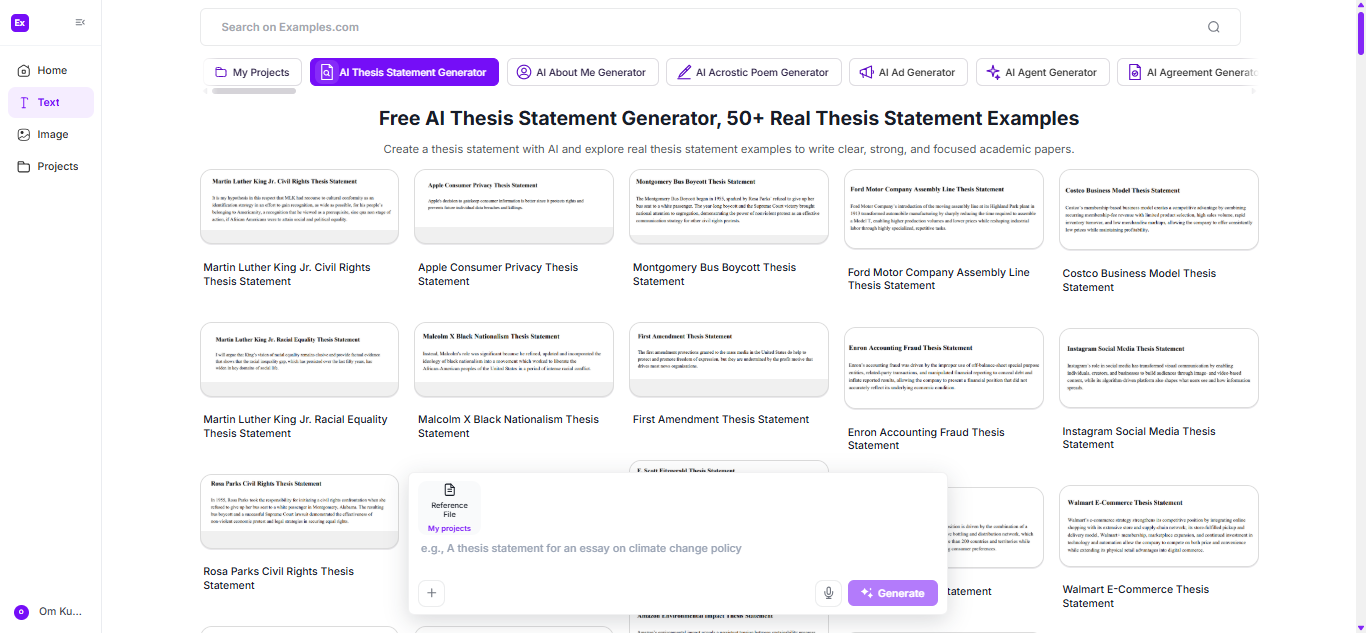
Explore Real Thesis Statement Examples
Review well-written thesis statement examples to understand how strong arguments are structured, how claims are presented, and how supporting reasons are included. Real examples can help you identify effective wording, focus, specificity, and organization before creating your own thesis statement.
Choose A Reference Thesis Statement And Enter An AI Prompt
Select a relevant thesis statement example and describe your requirements, including your topic, subject, position, main argument, supporting reasons, and desired writing style. A clear prompt helps generate a thesis statement that matches the purpose and focus of your paper.
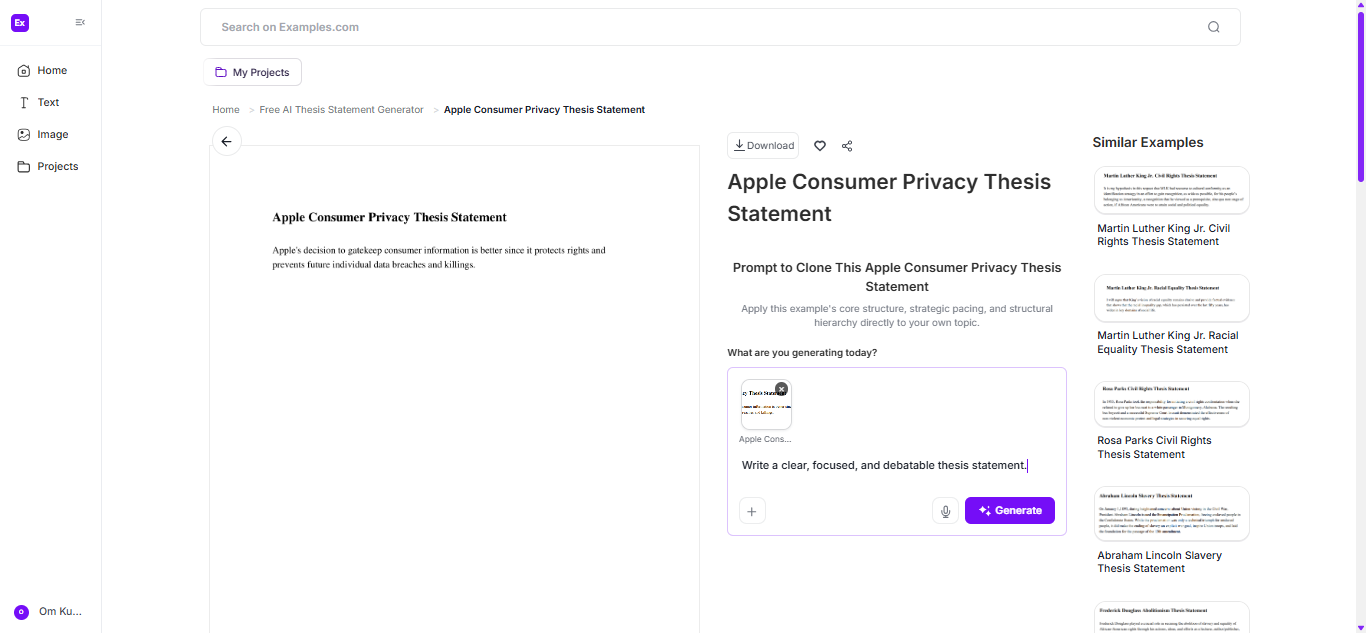

Generate A New AI Thesis Statement
AI generates a thesis statement based on your topic and instructions, combining a focused claim with relevant supporting reasons. The result can provide a starting point that you can review and refine for your specific assignment.
Customize The Thesis Statement In The Online Editor
Edit the claim, supporting reasons, wording, focus, and level of specificity to make the thesis statement accurately reflect your argument. You can also adjust the statement to match your subject, assignment requirements, and intended audience.
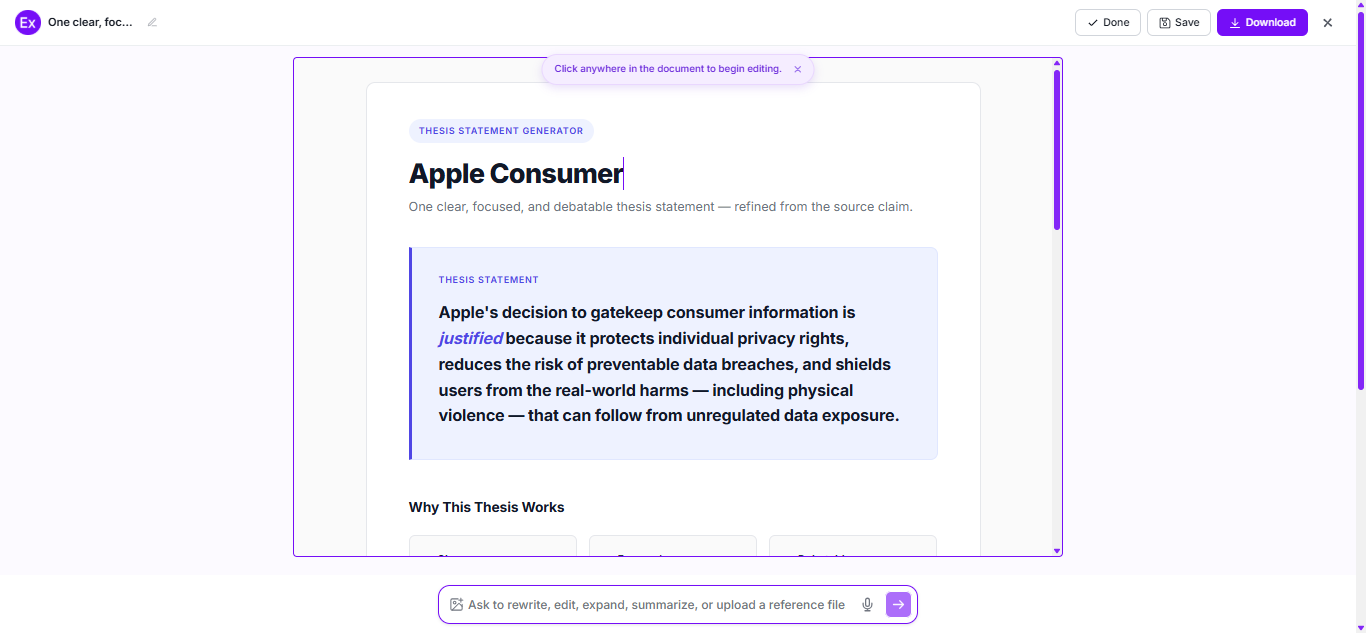

Download Your Thesis Statement
Download your completed thesis statement in PDF format for printing, reviewing, or keeping as a reference while developing your paper.
How Do I Customize and Improve an AI-Generated Thesis Statement?
Customize and improve an AI-generated thesis statement by reviewing its main claim, supporting reasons, clarity, specificity, and alignment with your topic. Remove vague wording, strengthen the position, add relevant details, and adjust the statement to reflect your own argument and assignment requirements.
What Is the Purpose of a Thesis Statement?
A thesis statement gives your paper a clear central direction by telling readers the main argument, position, or idea you will develop. It helps organize your supporting points and evidence while allowing readers to understand what your paper intends to explain, analyze, or prove.
What Makes a Good Thesis Statement?
A good thesis statement is specific, focused, clear, and debatable rather than a broad or obvious fact. It presents a definite claim and, when appropriate, identifies the key reasons or ideas that the paper will support, helping keep the argument organized and within a manageable scope.
Which Essential Elements Should I Include in Every Thesis Statement?
- Topic: Clearly identify the specific subject your paper will address.
- Claim: State your main argument, position, or interpretation clearly.
- Supporting Reasons: Include the key reasons or points that support your central claim.
- Specificity: Use precise language rather than broad or vague statements.
- Focus: Keep the thesis narrow enough to develop and support within your paper.
- Debatable Position: Present a claim that can be discussed, challenged, or supported with evidence.
How Do I Write a Better Thesis Statement?
- Start With a Clear Topic: Identify exactly what your paper will discuss.
- Take a Definite Position: State a clear argument instead of simply presenting a fact.
- Be Specific: Replace broad ideas with precise claims that can be supported.
- Add Supporting Reasons: Briefly indicate the main points that will strengthen your argument.
- Keep It Focused: Limit the thesis to an idea you can fully develop within your paper.
- Use Clear Language: Avoid unnecessary words, complicated phrasing, and vague expressions.
- Make It Debatable: Create a claim that allows for discussion or differing viewpoints.
Why Should I Use Real Thesis Statement Examples to Create My Own Thesis Statement?
- Real thesis statement examples show how a clear claim, topic, and supporting reasons can be combined into a focused statement.
- Reviewing examples helps you understand precise wording and avoid vague, broad, or unsupported claims.
- Examples demonstrate how to narrow a general topic into a specific argument that can be developed within a paper.
- Comparing different examples helps you recognize how thesis statements can take analytical, argumentative, explanatory, persuasive, or problem-solution approaches.
- Real examples can help you identify common weaknesses, such as unclear positions, overly broad claims, and unnecessary information.
- Using examples as references gives you a practical starting point while allowing you to create an original thesis statement for your own topic.
- Examples can also help you align your thesis statement with your subject, assignment purpose, scope, and required argument.
What Common Thesis Statement Mistakes Should I Avoid?
- Being Too Broad: Avoid claims that cover such a large topic that you cannot develop them properly within your paper.
- Making a Factual Statement: A thesis should present an argument or interpretation rather than simply state an obvious fact.
- Using Vague Language: Replace unclear words and general ideas with specific, precise language.
- Lacking a Clear Position: Make sure your thesis communicates a definite argument, opinion, or interpretation.
- Including Too Many Ideas: Focus on one central argument instead of combining unrelated points.
- Writing Without Evidence: Make sure your claim can be supported and explained with relevant evidence and reasoning.
- Ignoring the Assignment: Keep your thesis aligned with the topic, purpose, subject, and requirements of your paper.
- Making It Too Long: Keep the statement concise enough that readers can immediately understand your main argument.
How Can I Use a Thesis Statement in My Paper?
Identify Your Main Topic
Choose Your TopicIdentify the specific subject your paper will discuss and narrow it to a manageable focus.Develop Your Main Claim
State Your PositionExpress the main argument, interpretation, or position you want your paper to explain or prove.Add Supporting Reasons
Include Key ReasonsIdentify the main points or reasons that will support your claim throughout the paper.Make Your Thesis Specific
Refine Your StatementRemove vague or unnecessary information and make the thesis focused enough to support with evidence.Place It in Your Introduction
Present Your ThesisPlace the completed thesis statement near the end of your introductory paragraph to establish the direction of your paper.What Is the Difference Between a Thesis Statement, a Topic Sentence, and a Research Question?
| Element | Purpose | What It Does | Example |
|---|---|---|---|
| Thesis Statement | States the paper’s main argument | Presents the central claim or position that the paper will support with evidence | Online learning should be optional because it improves accessibility and supports different learning needs. |
| Topic Sentence | Introduces the main idea of a paragraph | Connects a specific paragraph to the broader argument of the paper | Online learning can make education more accessible to students with different needs. |
| Research Question | Guides the investigation | Asks the specific question the research will explore or answer | How does online learning affect educational accessibility? |
FAQs
What Is the Main Purpose of a Thesis Statement?
A thesis statement establishes your paper’s central argument and guides readers toward the main ideas you will develop.
Where Should I Put My Thesis Statement?
Place your thesis statement near the end of your introductory paragraph, where it clearly introduces your paper’s direction.
How Long Should a Thesis Statement Be?
A thesis statement is usually one or two sentences long, depending on your topic, argument, and assignment requirements.
Can a Thesis Statement Be a Question?
No, a thesis statement should present a clear claim or position rather than ask a question requiring investigation.
Should a Thesis Statement Include Reasons?
Including key supporting reasons can strengthen your thesis by showing readers how you will develop your central argument.
How Do I Know If My Thesis Statement Is Strong?
A strong thesis is specific, focused, debatable, clear, and supportable with evidence throughout the paper’s main discussion.
Can I Change My Thesis Statement While Writing?
Yes, you can revise your thesis as your research develops and your understanding of the topic becomes clearer.
What Makes a Thesis Statement Debatable?
A debatable thesis presents a position or interpretation that reasonable readers could question, challenge, or support using evidence.
Can a Thesis Statement Contain More Than One Claim?
It can, but combining unrelated claims may weaken your focus and make the argument difficult to develop effectively.
How Can I Turn a Topic Into a Thesis Statement?
Narrow your topic, choose a clear position, add supporting reasons, and combine them into one focused argument.