
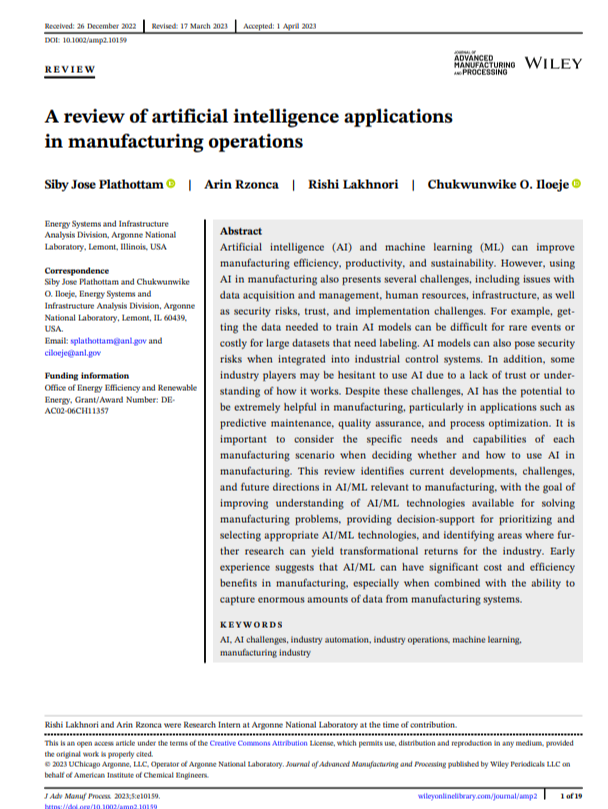
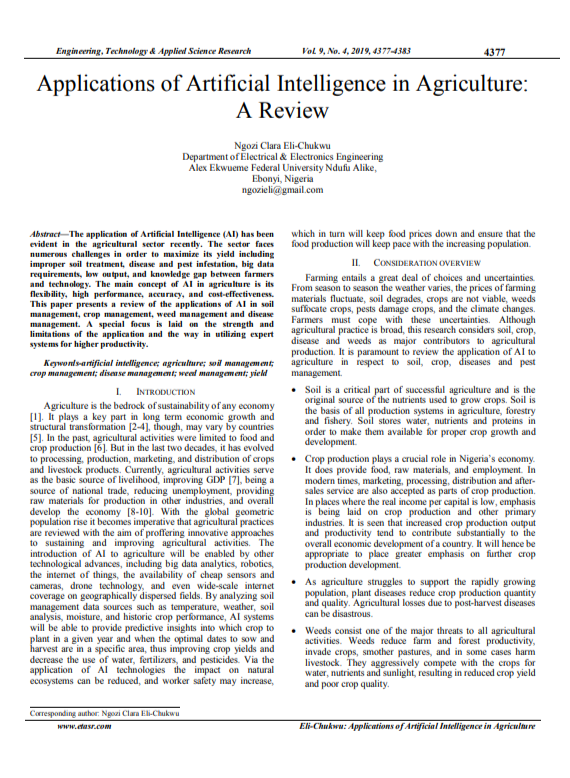


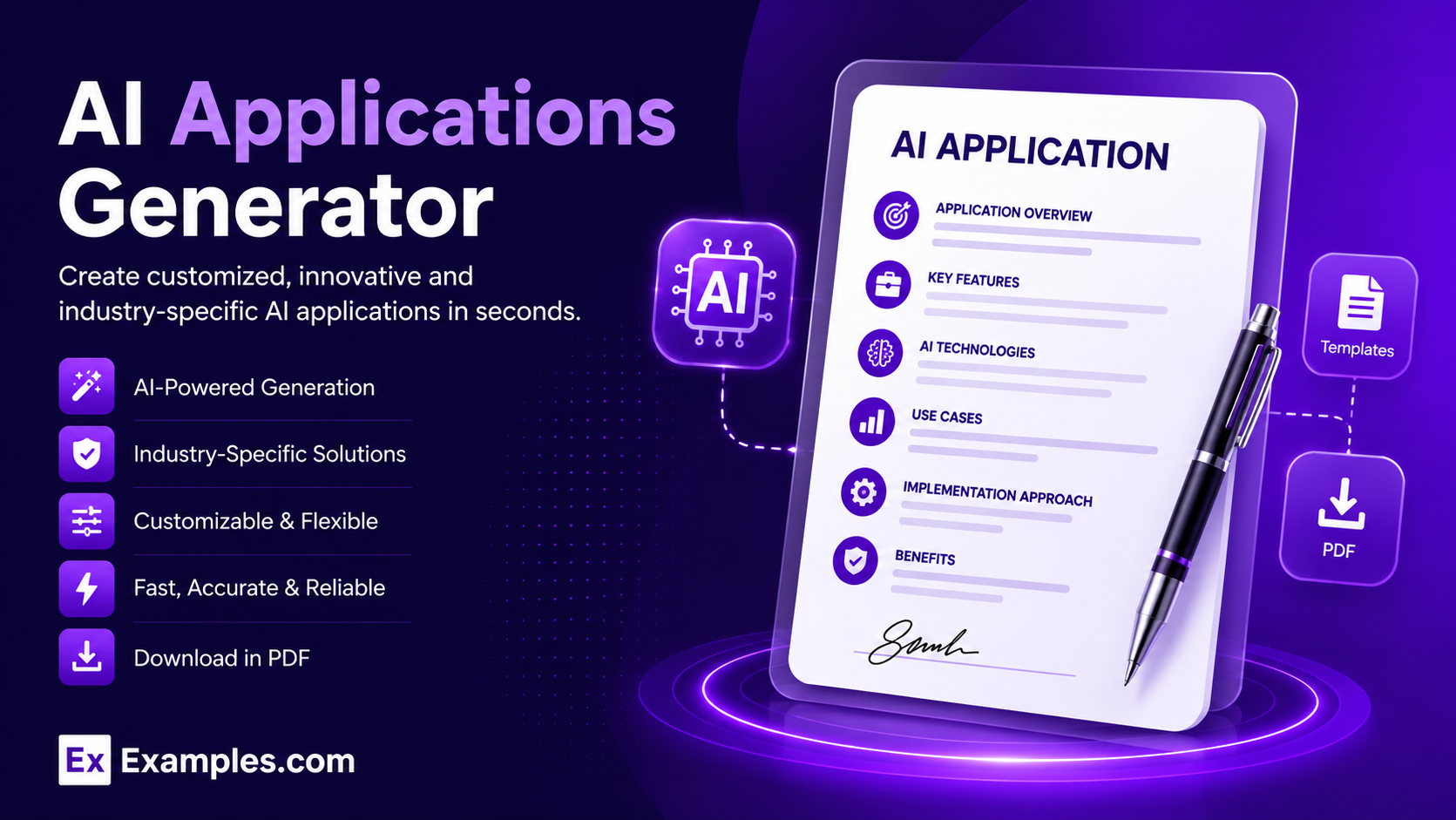
Artificial Intelligence (AI) applications are practical implementations of AI technologies that enable machines and software to perform tasks requiring human intelligence, such as learning, reasoning, problem-solving, language understanding, image recognition, and decision-making. Whether you’re exploring AI for healthcare, finance, education, manufacturing, marketing, customer service, or software development, understanding real-world AI applications helps organizations improve efficiency, automate repetitive tasks, enhance decision-making, and drive innovation. Explore AI application examples, discover industry use cases, and learn how artificial intelligence is transforming businesses and everyday life.
What Are Artificial Intelligence Applications?
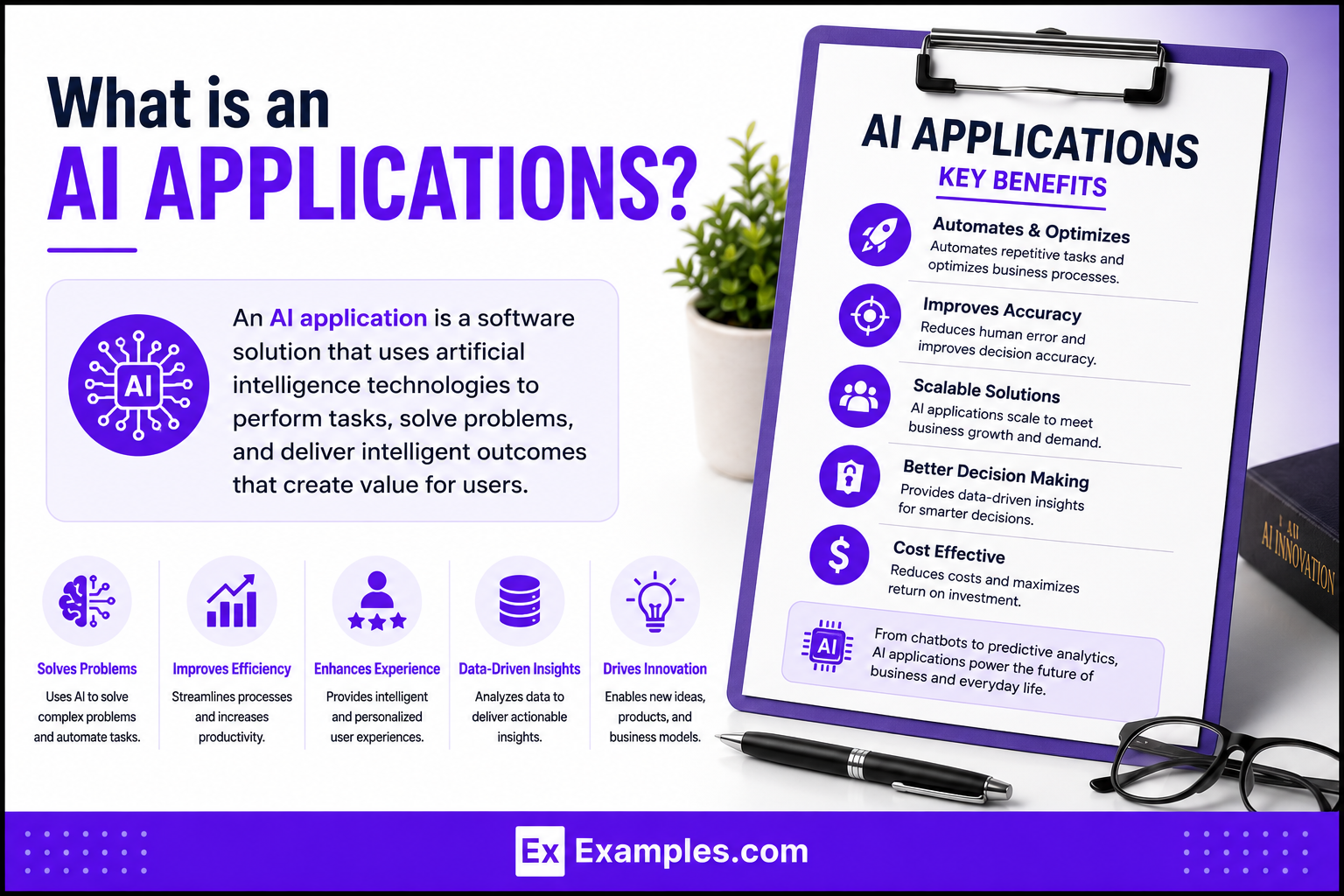
Artificial Intelligence (AI) applications are software programs, systems, and technologies that use artificial intelligence to perform tasks that typically require human intelligence. These applications can analyze data, recognize patterns, understand natural language, generate content, automate repetitive processes, make predictions, and support intelligent decision-making. From healthcare and finance to retail, manufacturing, education, transportation, and customer service, AI applications help organizations increase productivity, reduce costs, improve accuracy, enhance user experiences, and drive innovation across a wide range of industries.
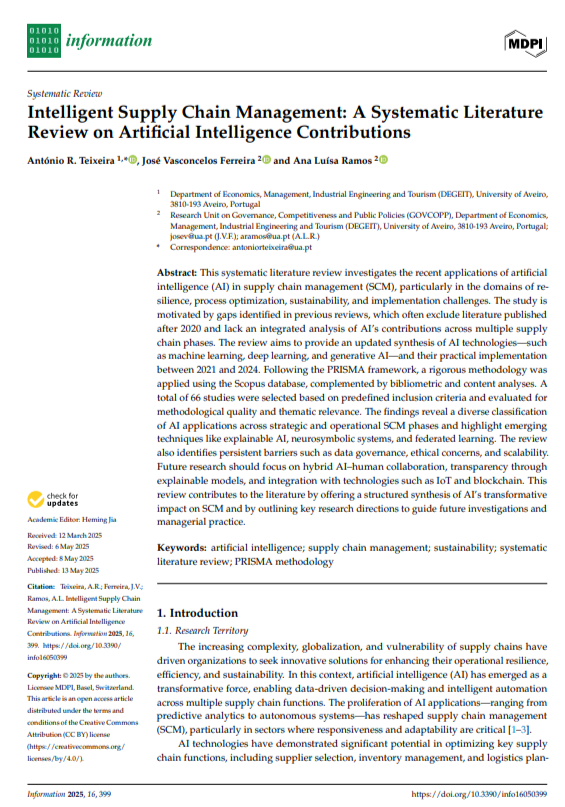
Healthcare AI Applications
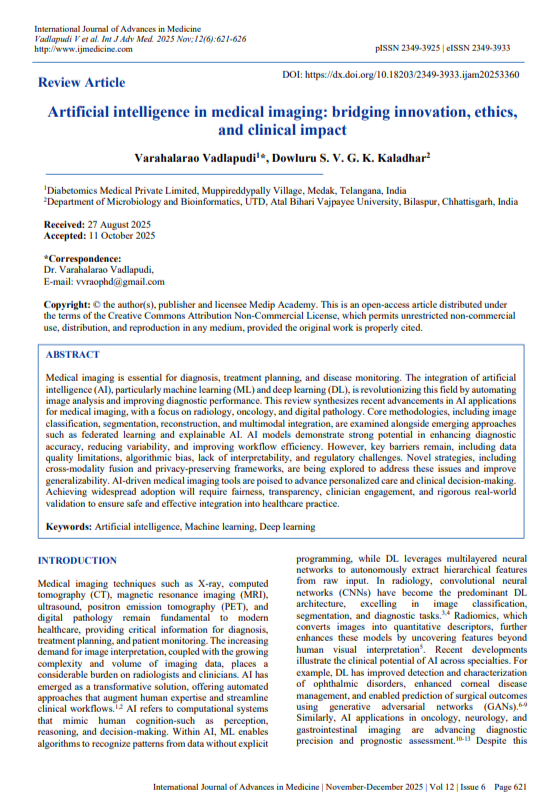
Healthcare AI applications assist in medical imaging, disease diagnosis, patient monitoring, drug discovery, and personalized treatment planning. They help healthcare professionals improve accuracy, reduce costs, and deliver better patient outcomes.
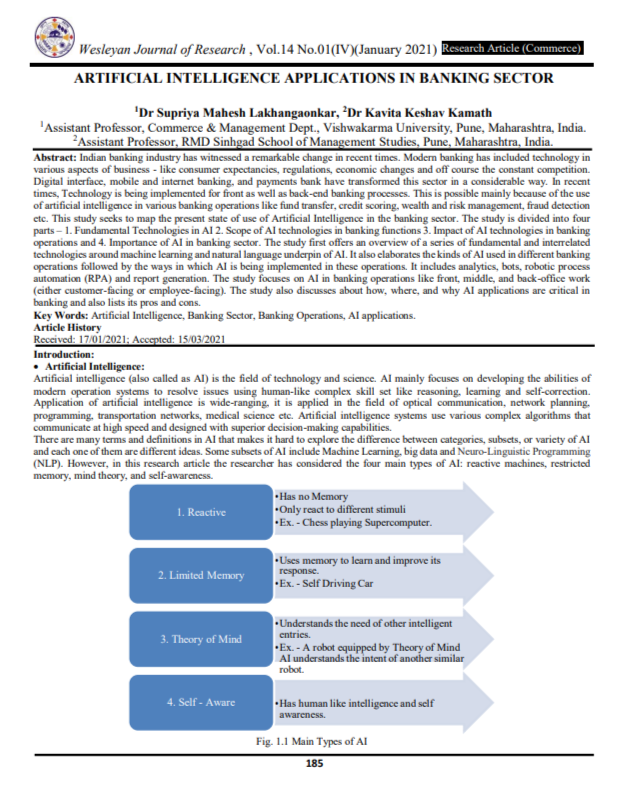
Finance AI Applications
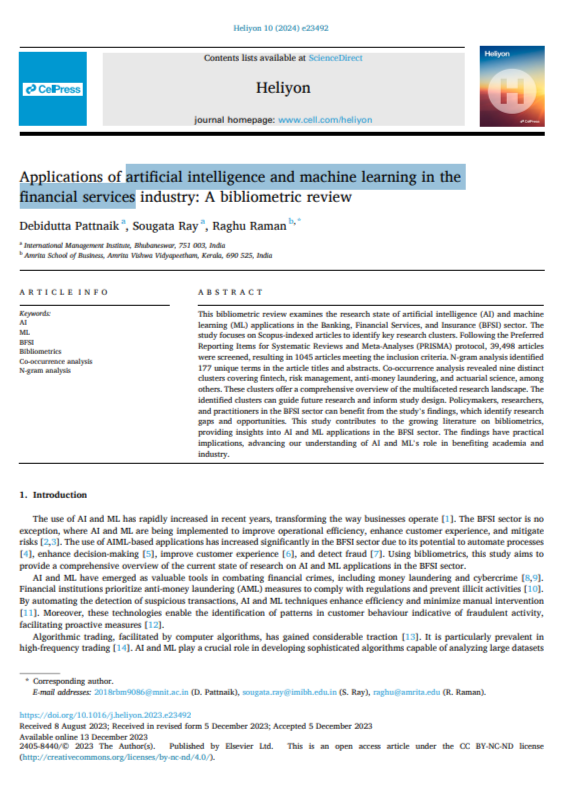
Finance AI applications automate fraud detection, credit scoring, risk assessment, algorithmic trading, and customer support. They enable financial institutions to improve security, streamline operations, and make data-driven decisions.
Retail AI Applications
Retail AI applications enhance customer experiences through personalized product recommendations, demand forecasting, inventory management, dynamic pricing, and intelligent chatbots that provide 24/7 customer support.
Manufacturing AI Applications
Manufacturing AI applications optimize production processes, enable predictive maintenance, improve quality control, automate inspections, and increase operational efficiency through smart factories and intelligent robotics.
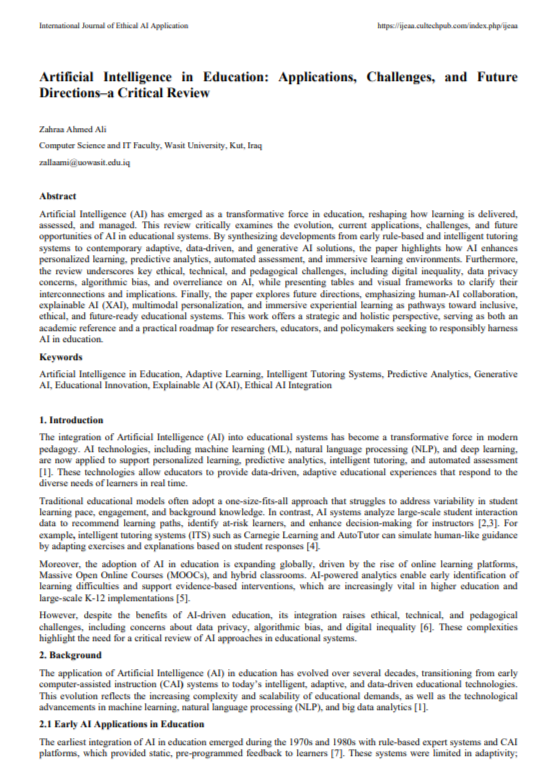
Education AI Applications
Education AI applications deliver personalized learning experiences, automate grading, provide intelligent tutoring, support virtual classrooms, and help educators analyze student performance to improve learning outcomes.
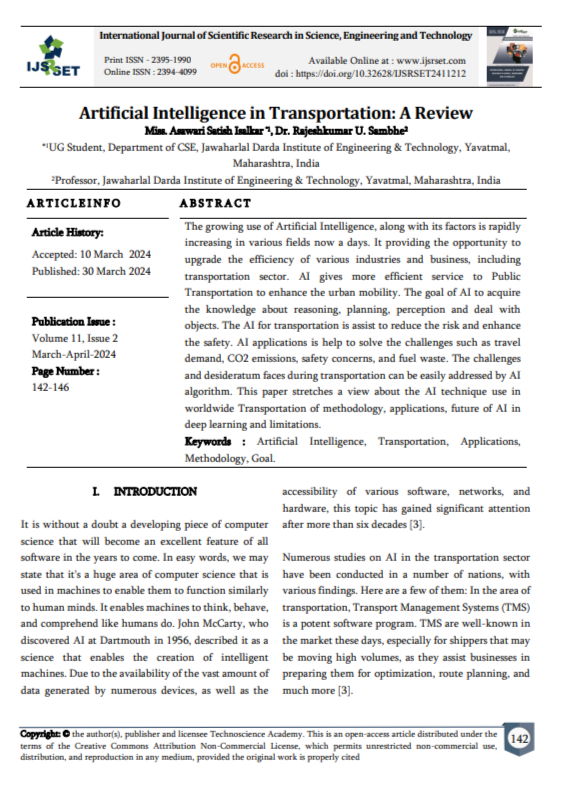
Transportation AI Applications
Transportation AI applications power autonomous vehicles, optimize traffic management, improve route planning, enhance fleet management, and increase safety through real-time data analysis and predictive technologies.
How Do I Generate Artificial Intelligence Applications Using Real AI Application Examples?
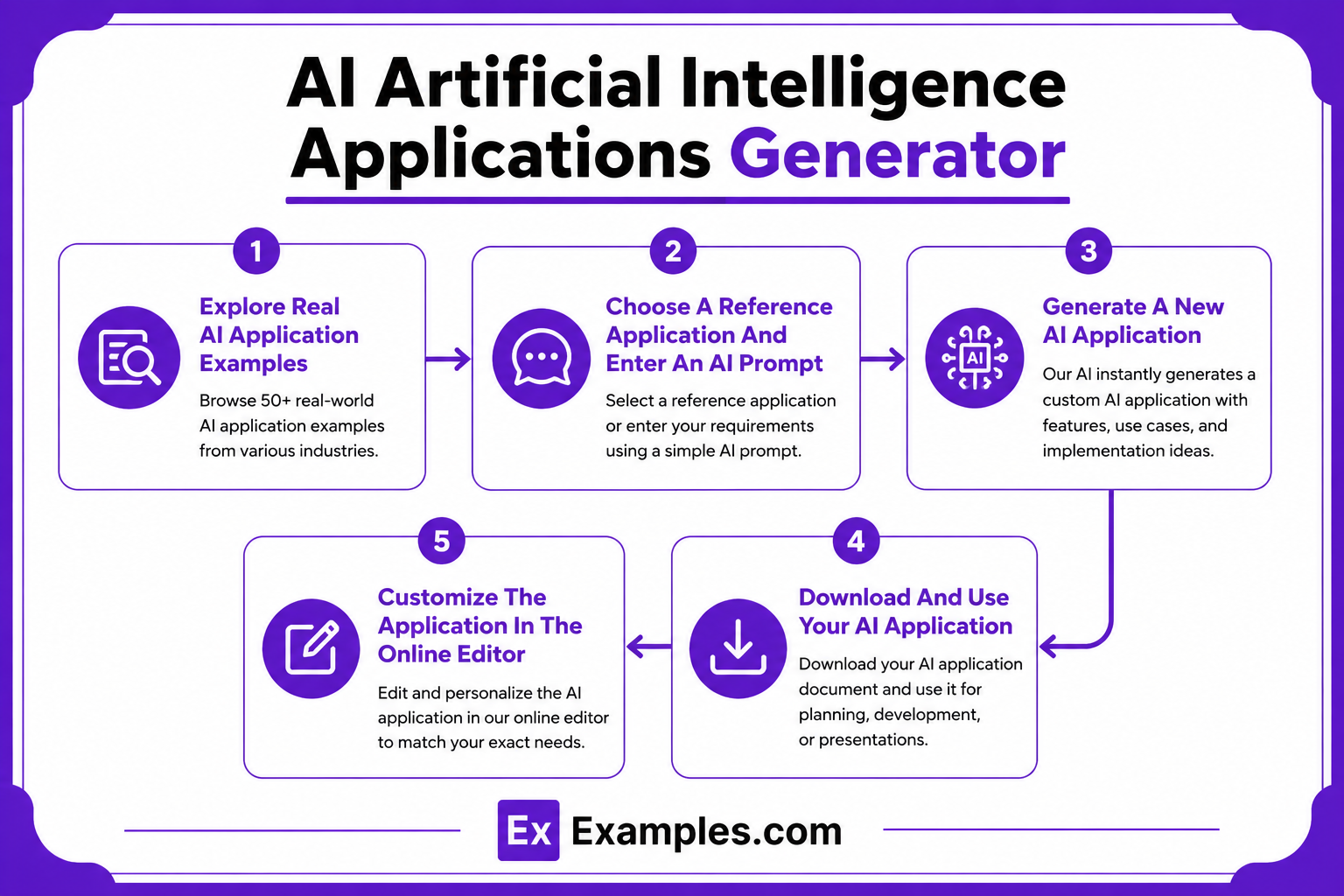
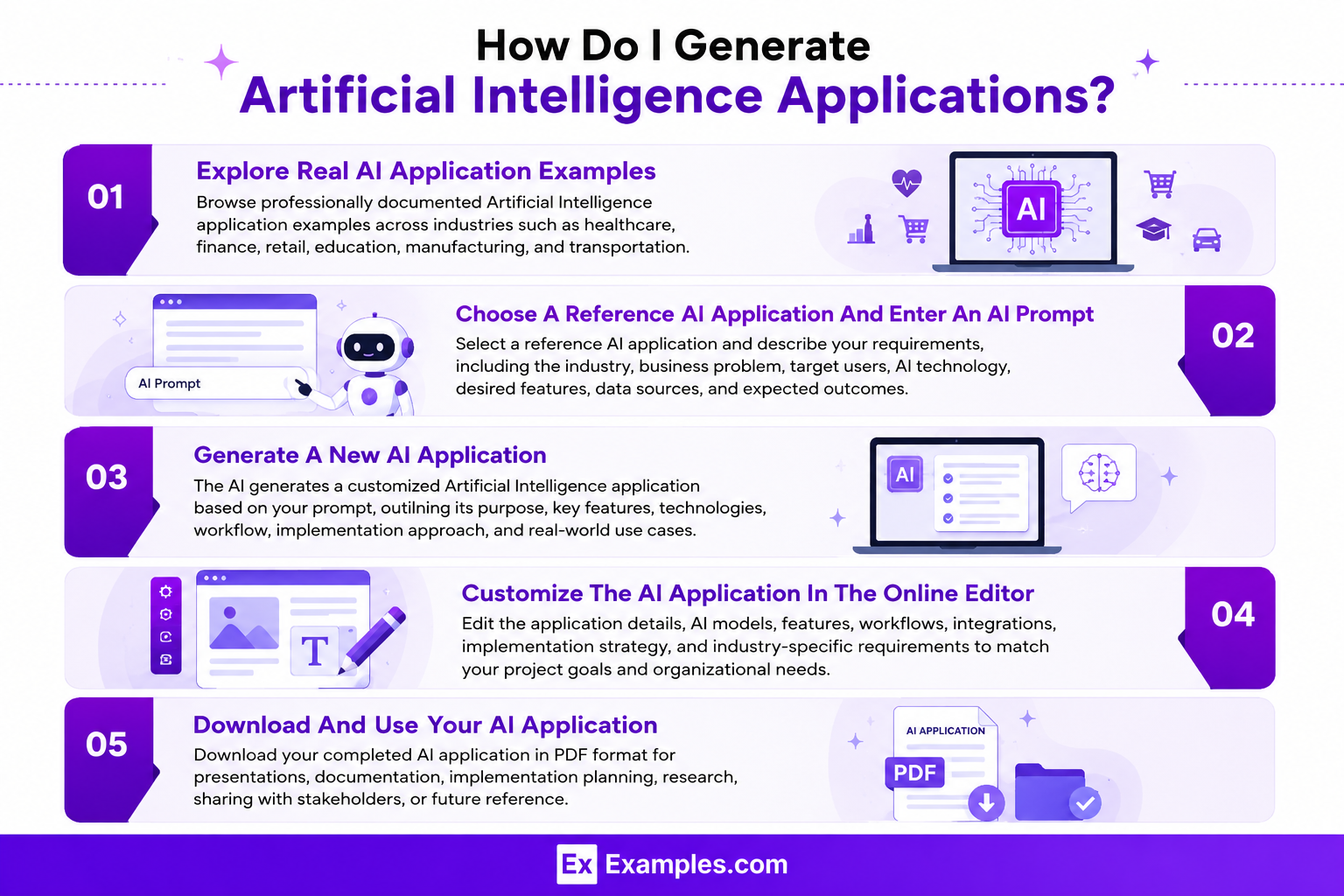
Explore Real AI Application Examples
Browse professionally documented Artificial Intelligence application examples across industries such as healthcare, finance, retail, education, manufacturing, and transportation. Reviewing real AI implementations helps you understand how artificial intelligence solves business challenges, automates workflows, and improves decision-making.
Choose A Reference AI Application And Enter An AI Prompt
Select a reference AI application and describe your requirements, including the industry, business problem, target users, AI technology, desired features, data sources, and expected outcomes. A detailed prompt helps generate a more relevant and practical AI application.
Generate A New AI Application
The AI generates a customized Artificial Intelligence application based on your prompt, outlining its purpose, key features, technologies, workflow, implementation approach, and real-world use cases in a clear and well-structured format.
Customize The AI Application In The Online Editor
Edit the application details, AI models, features, workflows, integrations, implementation strategy, and industry-specific requirements to match your project goals and organizational needs.
Download And Use Your AI Application
Download your completed AI application in PDF format for presentations, documentation, implementation planning, research, sharing with stakeholders, or future reference.
How Do I Customize an Artificial Intelligence Application Online?
Customize your Artificial Intelligence application by updating its purpose, industry, target users, features, workflows, AI models, integrations, and expected outcomes to match your specific requirements. You can also add or remove capabilities, modify prompts, personalize automation workflows, and adjust implementation details for business, educational, healthcare, or personal use. Once complete, review the application, make final improvements, and download it for deployment, documentation, or presentations.
AI Artificial Intelligence Application Editing Features
AI Application Generation
Generate complete Artificial Intelligence application ideas, workflows, features, and implementation plans based on your requirements.
Smart Feature Customization
Add, remove, or modify AI capabilities, use cases, automation workflows, and functional requirements.
Auto Documentation
Automatically organize application descriptions, features, architecture, and implementation details into a professional format.
Application Personalization
Customize industry, objectives, target audience, AI models, integrations, and expected outcomes with ease.
Collaboration And Review
Share your AI application with your team for feedback, review, testing, or approval before implementation.
Instant Download Options
Download your completed AI application document in your preferred format for development, documentation, or presentations.
Which Essential Elements Should Every Artificial Intelligence Application Include?
Application Objective: Clearly define the problem the AI application is designed to solve.
Target Users: Identify who will use the application, including customers, employees, students, or healthcare professionals.
Core Features: Describe the AI-powered capabilities, automation, predictions, recommendations, or intelligent functions.
Data Sources: Specify the datasets, APIs, documents, or information required for the AI system.
AI Models And Technologies: Explain the machine learning models, large language models, computer vision, NLP, or other AI technologies being used.
Integration Requirements: Define how the application connects with existing software, databases, cloud platforms, or business systems.
Expected Outcomes And Success Metrics: Include measurable goals, performance indicators, and expected business or user benefits.
How Do I Build A Better Artificial Intelligence Application?
Define a Clear Problem: Focus on solving a real business or user challenge.
Know Your Users: Design the application around user needs and expectations.
Select the Right AI Technology: Choose machine learning, NLP, computer vision, generative AI, or predictive analytics based on the use case.
Use High-Quality Data: Ensure the AI model is trained using accurate, relevant, and reliable data.
Prioritize Security And Privacy: Protect user data and comply with applicable regulations.
Test And Improve Continuously: Evaluate performance, collect feedback, and optimize the application over time.
Why Should I Use Real Artificial Intelligence Application Examples Before Creating My Own?
- Save time using proven AI application frameworks.
- Learn how successful AI solutions are structured.
- Discover practical AI features and workflows.
- Avoid common design and implementation mistakes.
- Customize applications for your industry and business goals.
- Build scalable, intelligent, and professional AI solutions with confidence.
What Common Artificial Intelligence Application Mistakes Should I Avoid?
- Solving a problem that doesn’t require AI.
- Using poor-quality or insufficient training data.
- Ignoring user experience and usability.
- Selecting the wrong AI model or technology.
- Overlooking privacy, security, and ethical considerations.
- Failing to test, monitor, and improve the application after deployment.
How Can Artificial Intelligence Applications Benefit Your Business?
Improve Business Efficiency
Automate repetitive tasks, reduce manual effort, and streamline business operations.
Enhance Decision Making
Generate data-driven insights, forecasts, and recommendations for better business decisions.
Increase Customer Satisfaction
Deliver personalized experiences through AI-powered chatbots, recommendations, and intelligent support.
Boost Productivity
Help employees complete tasks faster with AI-assisted content creation, analytics, and automation.
Drive Innovation And Growth
Create new products, services, and business opportunities using advanced Artificial Intelligence technologies.
Artificial Intelligence Application Examples For Different Industries
- Healthcare: Medical imaging, disease prediction, patient monitoring, virtual health assistants.
- Finance: Fraud detection, credit scoring, algorithmic trading, risk assessment.
- Retail & E-commerce: Product recommendations, inventory forecasting, personalized shopping, customer support chatbots.
- Education: Intelligent tutoring systems, automated grading, personalized learning platforms, AI content generation.
- Manufacturing: Predictive maintenance, quality inspection, robotics, supply chain optimization.
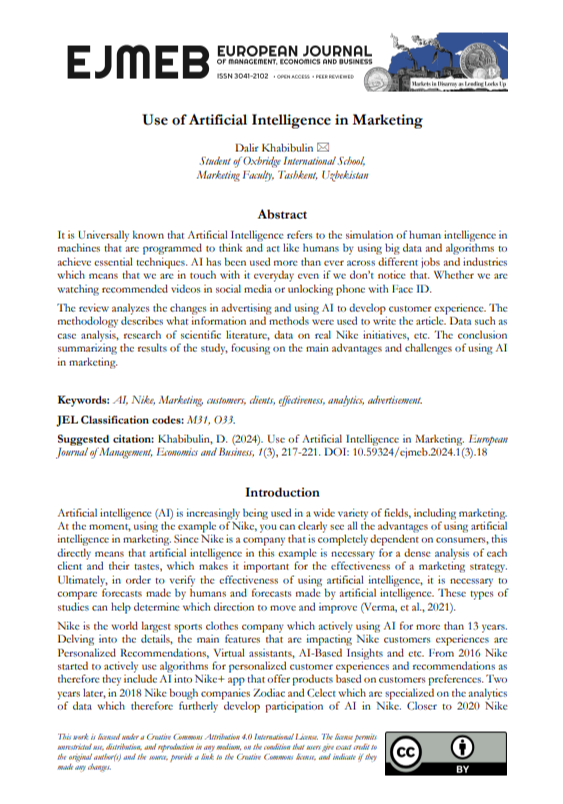
- Marketing & Sales: Customer segmentation, lead scoring, campaign optimization, AI-powered content creation.
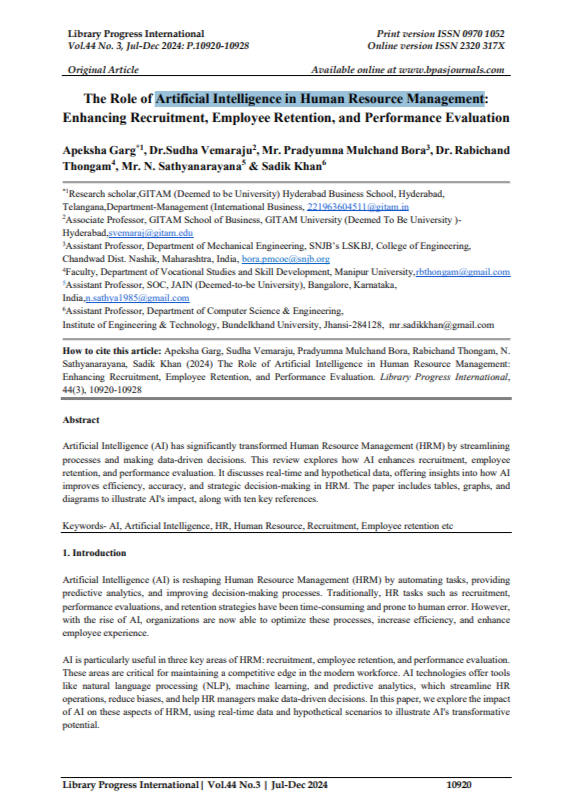
- Human Resources: Resume screening, employee onboarding, workforce analytics, talent acquisition.
- Transportation: Autonomous vehicles, route optimization, traffic prediction, fleet management.
- Agriculture: Crop monitoring, precision farming, yield prediction, pest detection.
- Cybersecurity: Threat detection, anomaly detection, automated incident response, identity verification.
FAQs
What Is an Artificial Intelligence Application?
An Artificial Intelligence application is software that uses AI technologies to automate tasks, analyze data, make predictions, or assist users in solving real-world problems.
When Should I Use an Artificial Intelligence Application?
Use an AI application when you want to automate repetitive tasks, improve decision-making, enhance customer experiences, or increase operational efficiency.
Can I Customize an Artificial Intelligence Application?
Yes, you can customize features, AI models, workflows, integrations, prompts, user roles, and automation settings to match your specific business or personal needs.
What Types of Artificial Intelligence Applications Can I Create?
You can create AI chatbots, virtual assistants, recommendation systems, predictive analytics tools, healthcare solutions, educational platforms, content generators, and many other AI-powered applications.
What Should Every Artificial Intelligence Application Include?
Every AI application should include a clear objective, target users, core features, data sources, AI technologies, integrations, security measures, and expected outcomes.
Why Are Artificial Intelligence Applications Important?
AI applications improve productivity, automate complex processes, reduce operational costs, enhance accuracy, and help organizations make data-driven decisions.
Can AI Help Build Artificial Intelligence Applications?
Yes, AI can generate application ideas, design workflows, create documentation, recommend features, and accelerate the planning and development of AI-powered solutions.
Are Artificial Intelligence Application Examples Useful?
Yes, real AI application examples provide practical inspiration, demonstrate proven implementation strategies, highlight useful features, and make it easier to design effective AI solutions.
What Is an Artificial Intelligence Application?
An Artificial Intelligence application is software that uses AI technologies to automate tasks, analyze data, make predictions, or assist users in solving real-world problems.
When Should I Use an Artificial Intelligence Application?
Use an AI application when you want to automate repetitive tasks, improve decision-making, enhance customer experiences, or increase operational efficiency.
Can I Customize an Artificial Intelligence Application?
Yes, you can customize features, AI models, workflows, integrations, prompts, user roles, and automation settings to match your specific business or personal needs.
What Types of Artificial Intelligence Applications Can I Create?
You can create AI chatbots, virtual assistants, recommendation systems, predictive analytics tools, healthcare solutions, educational platforms, content generators, and many other AI-powered applications.
What Should Every Artificial Intelligence Application Include?
Every AI application should include a clear objective, target users, core features, data sources, AI technologies, integrations, security measures, and expected outcomes.
Why Are Artificial Intelligence Applications Important?
AI applications improve productivity, automate complex processes, reduce operational costs, enhance accuracy, and help organizations make data-driven decisions.
Can AI Help Build Artificial Intelligence Applications?
Yes, AI can generate application ideas, design workflows, create documentation, recommend features, and accelerate the planning and development of AI-powered solutions.
Are Artificial Intelligence Application Examples Useful?
Yes, real AI application examples provide practical inspiration, demonstrate proven implementation strategies, highlight useful features, and make it easier to design effective AI solutions.