




A conclusion paragraph is the final section of an essay, report, article, research paper, or speech that brings the writing to a meaningful close. The best conclusion paragraph examples summarize the main ideas, reinforce the central message, and leave readers with a memorable final thought without introducing new information. Whether you’re writing an academic essay, business report, personal statement, or blog post, studying conclusion paragraph examples helps you write endings that are clear, persuasive, and impactful.
What is a Conclusion Paragraph?
A conclusion paragraph is the last paragraph of a piece of writing. It reminds readers of the main point, ties together supporting ideas, and provides a satisfying ending. Rather than repeating the introduction word for word, an effective conclusion reinforces the message using fresh language and explains why the topic matters.
A strong conclusion paragraph typically:
- Restates the main idea
- Summarizes key supporting points
- Reinforces the purpose of the writing
- Ends with a lasting impression
- Avoids introducing completely new ideas

Popular Types Of Conclusion Paragraphs
Different writing styles require different types of conclusions. Here are some of the most common conclusion paragraph examples.
Essay Conclusion Paragraph
Summarizes the thesis and supporting arguments while reinforcing the writer’s viewpoint.
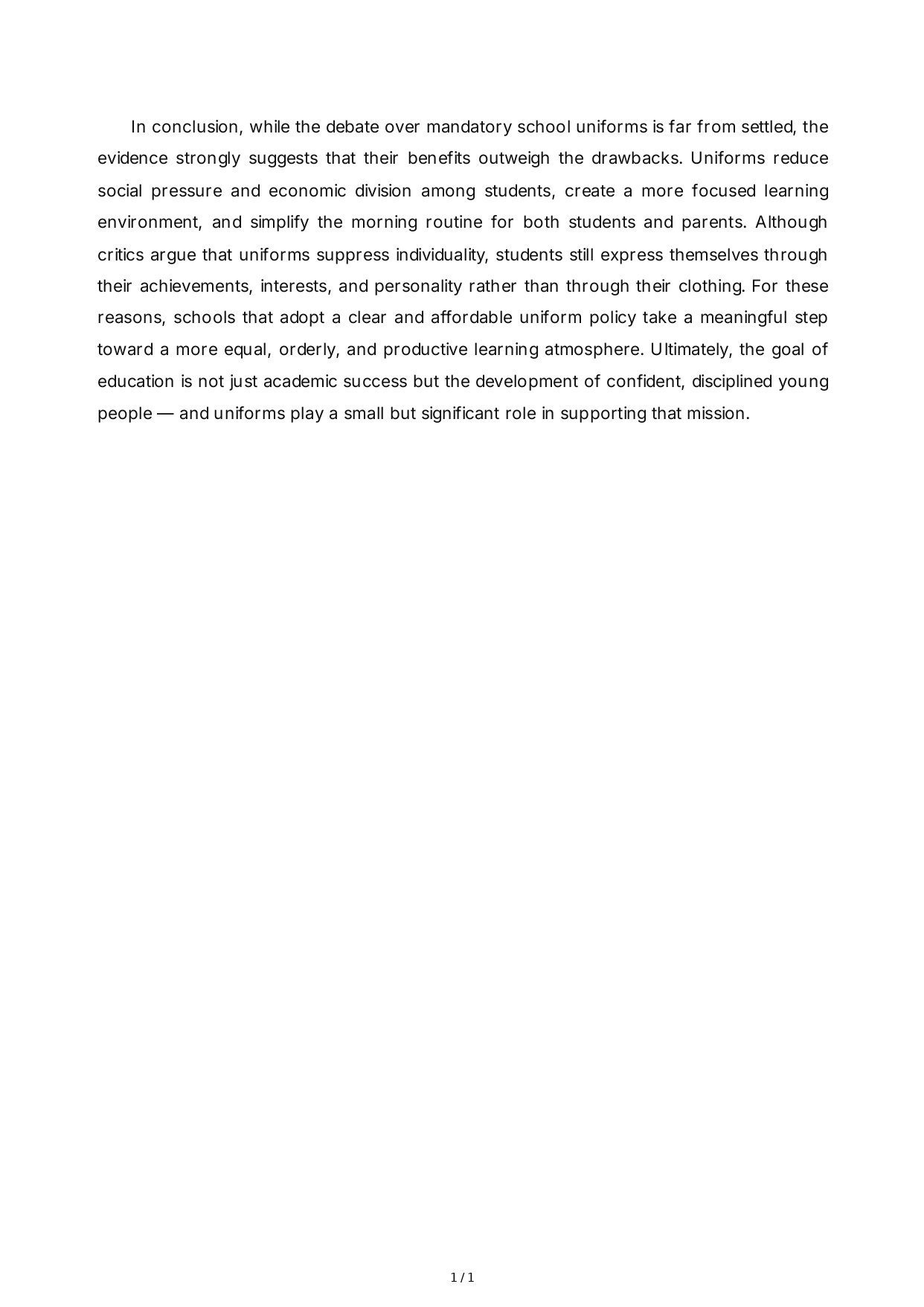
Argumentative Conclusion Paragraph
Restates the position, strengthens the argument, and encourages readers to consider the evidence presented.
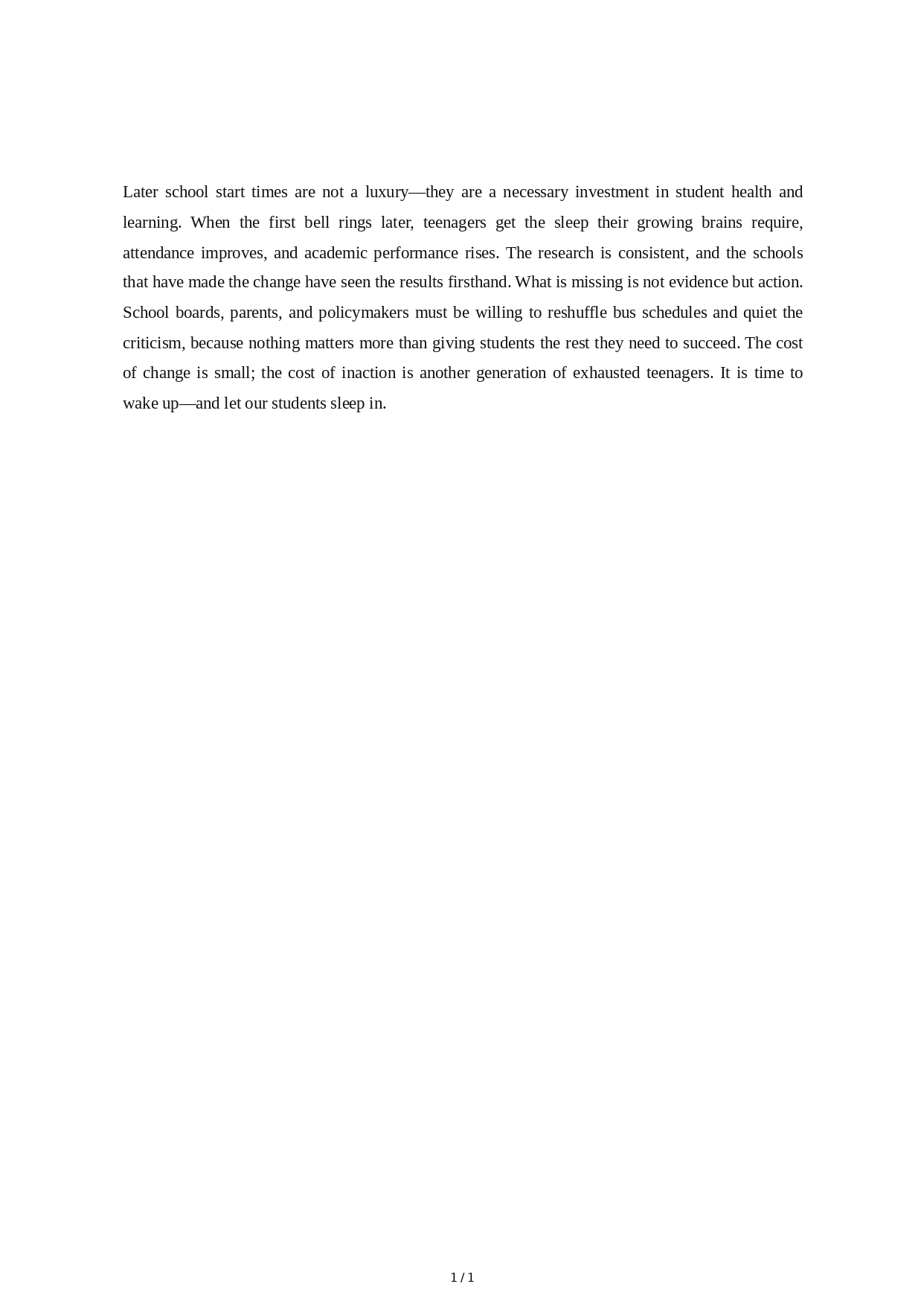
Persuasive Conclusion Paragraph
Ends with a compelling statement or call to action that motivates readers to think or act.
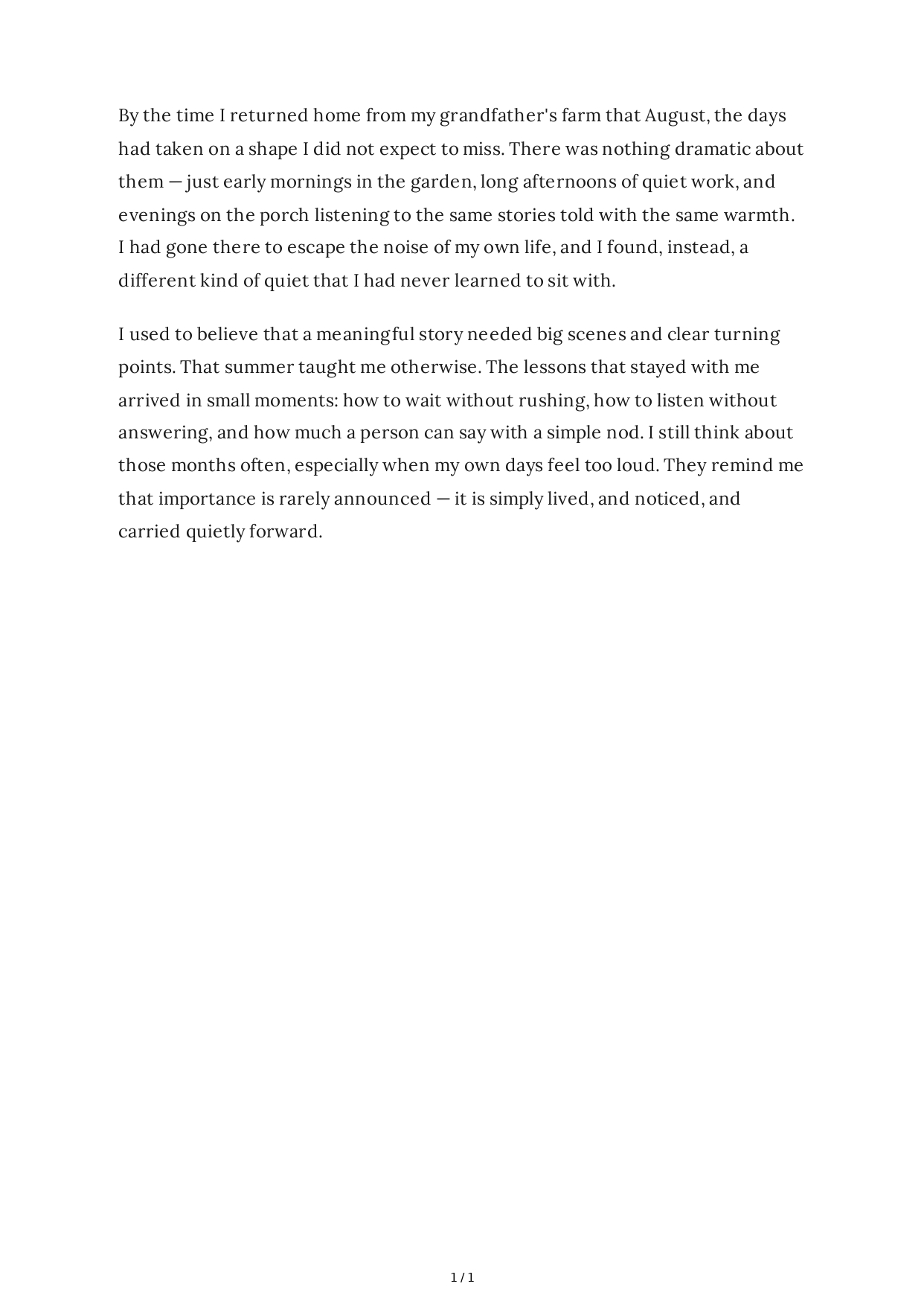
Narrative Conclusion Paragraph
Provides closure to the story by reflecting on the experience or revealing its lesson.
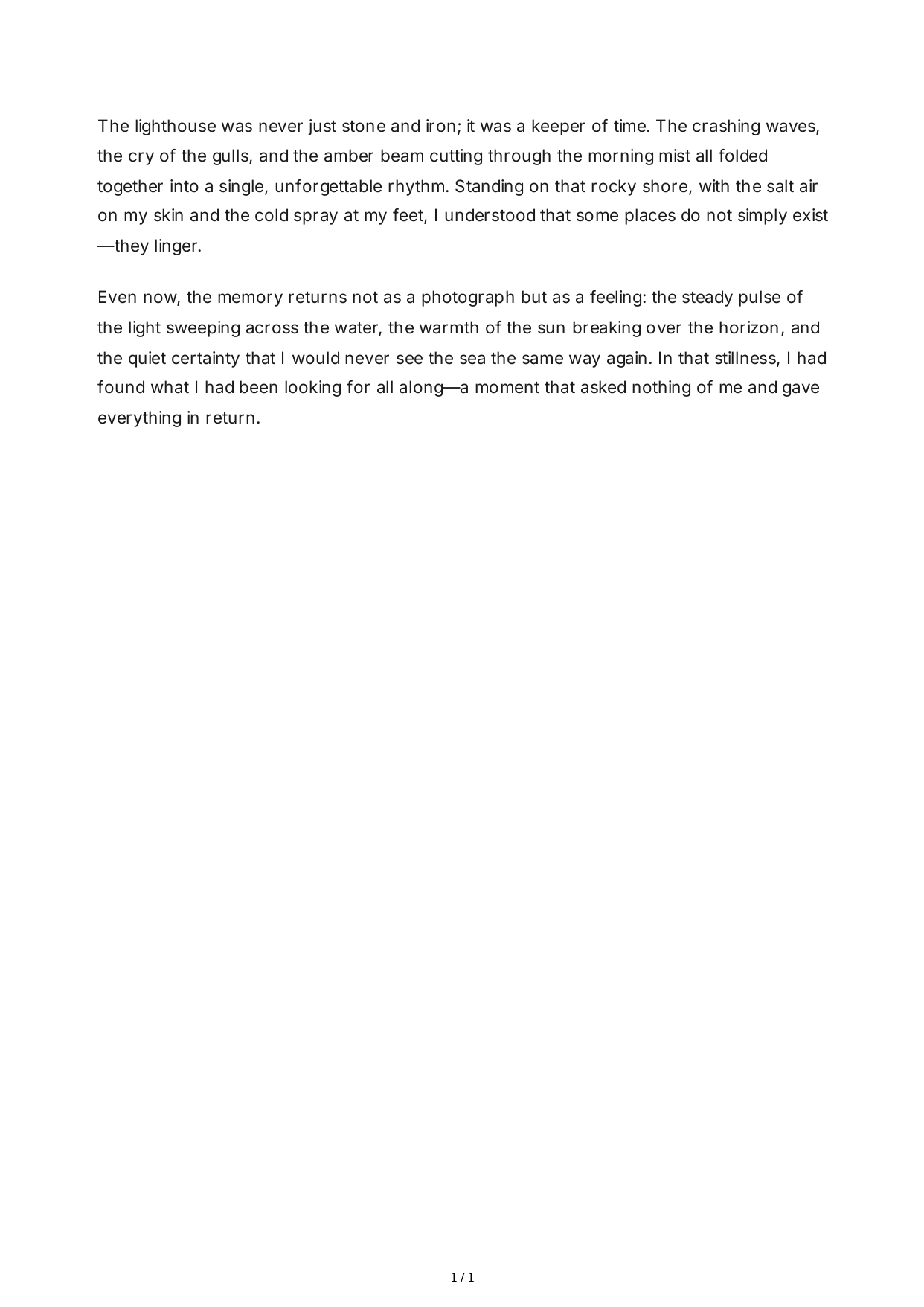
Descriptive Conclusion Paragraph
Leaves readers with a vivid final impression of the subject through thoughtful reflection.
Expository Conclusion Paragraph
Summarizes facts and explanations without introducing personal opinions.
Compare and Contrast Conclusion Paragraph
Highlights the most important similarities and differences before presenting an overall conclusion.
Cause and Effect Conclusion Paragraph
Explains the significance of the causes and effects discussed throughout the paper.
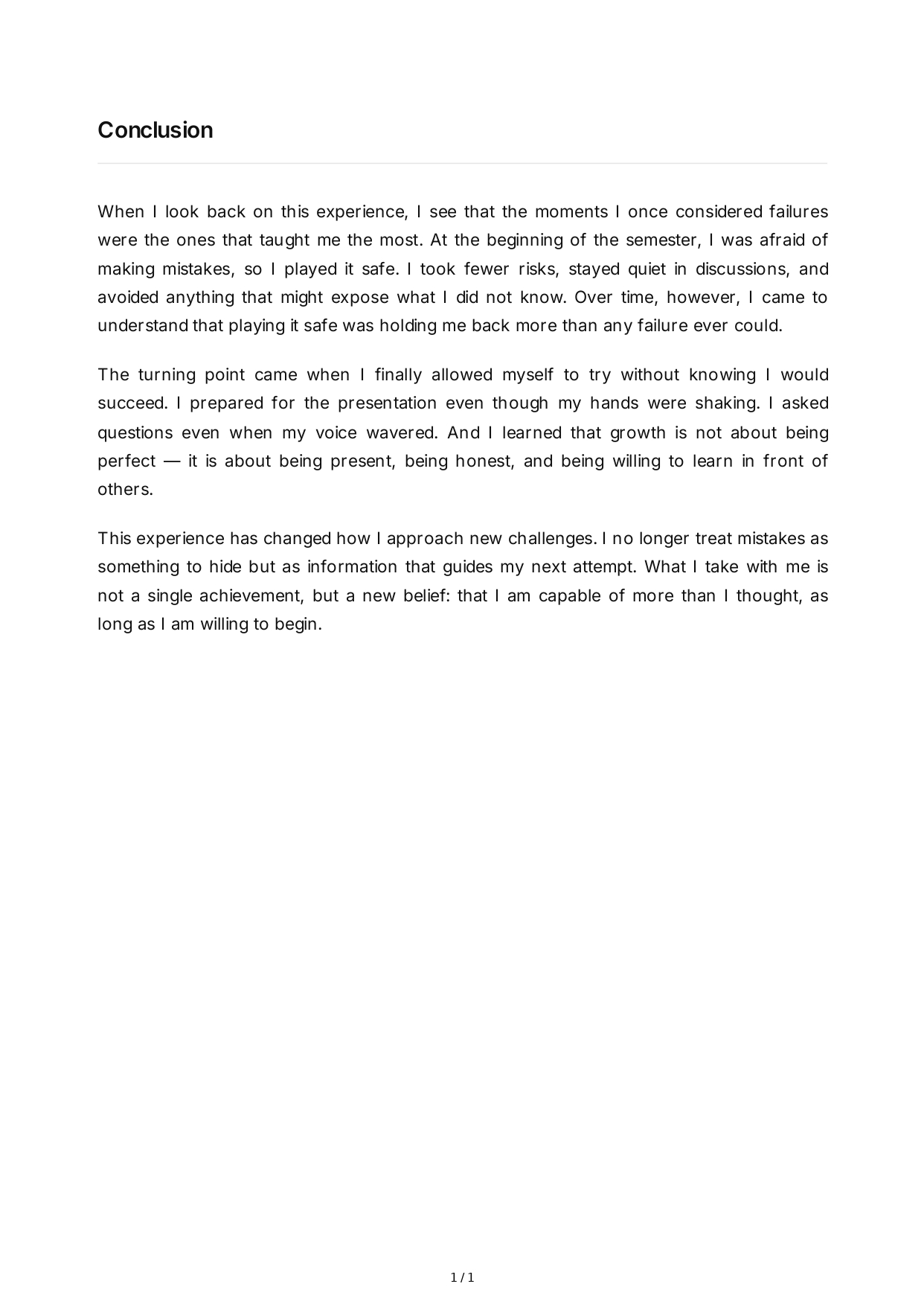
Reflective Conclusion Paragraph
Focuses on personal learning, growth, or insights gained from the experience.
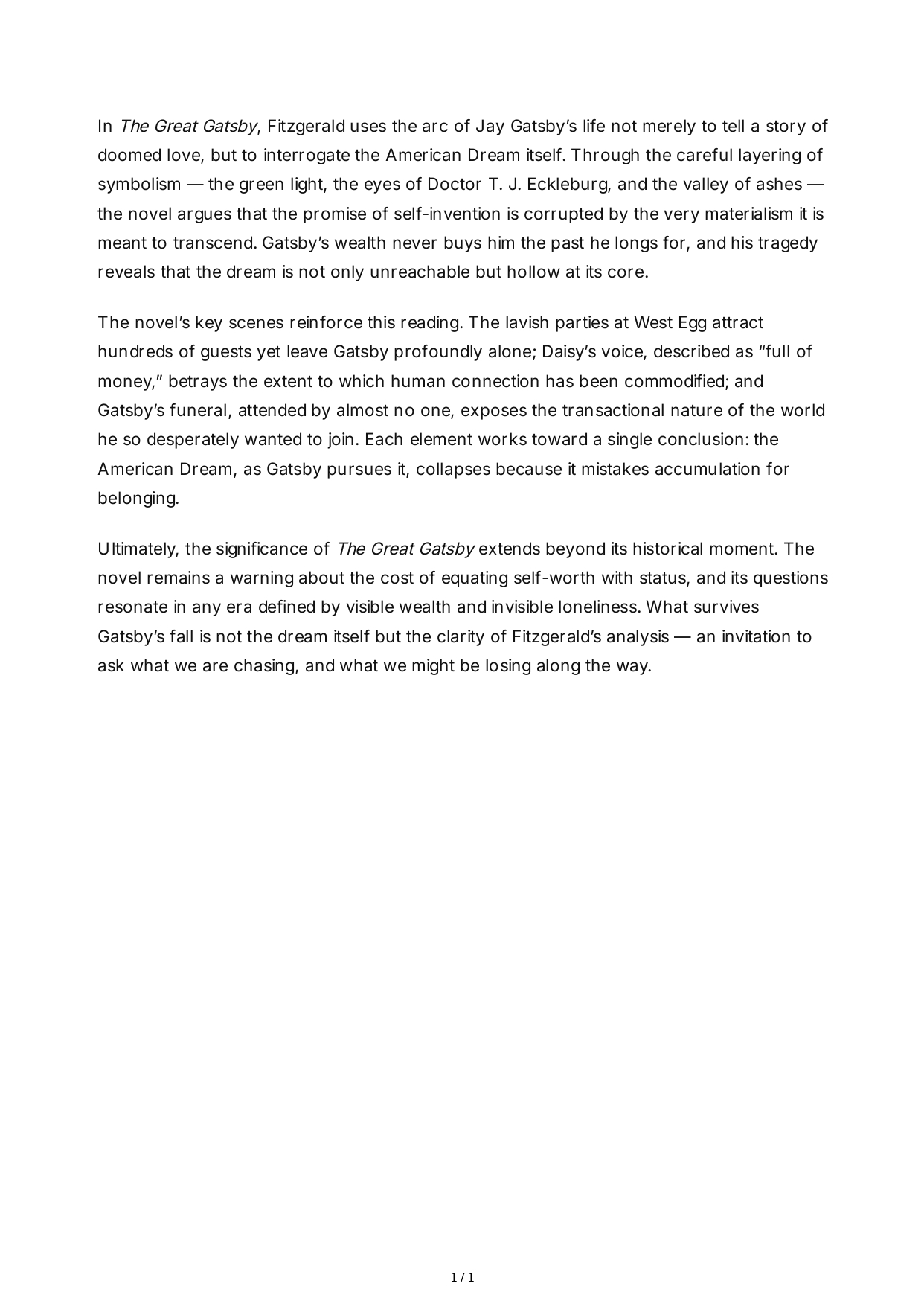
Analytical Conclusion Paragraph
Brings together the analysis and explains its broader meaning.
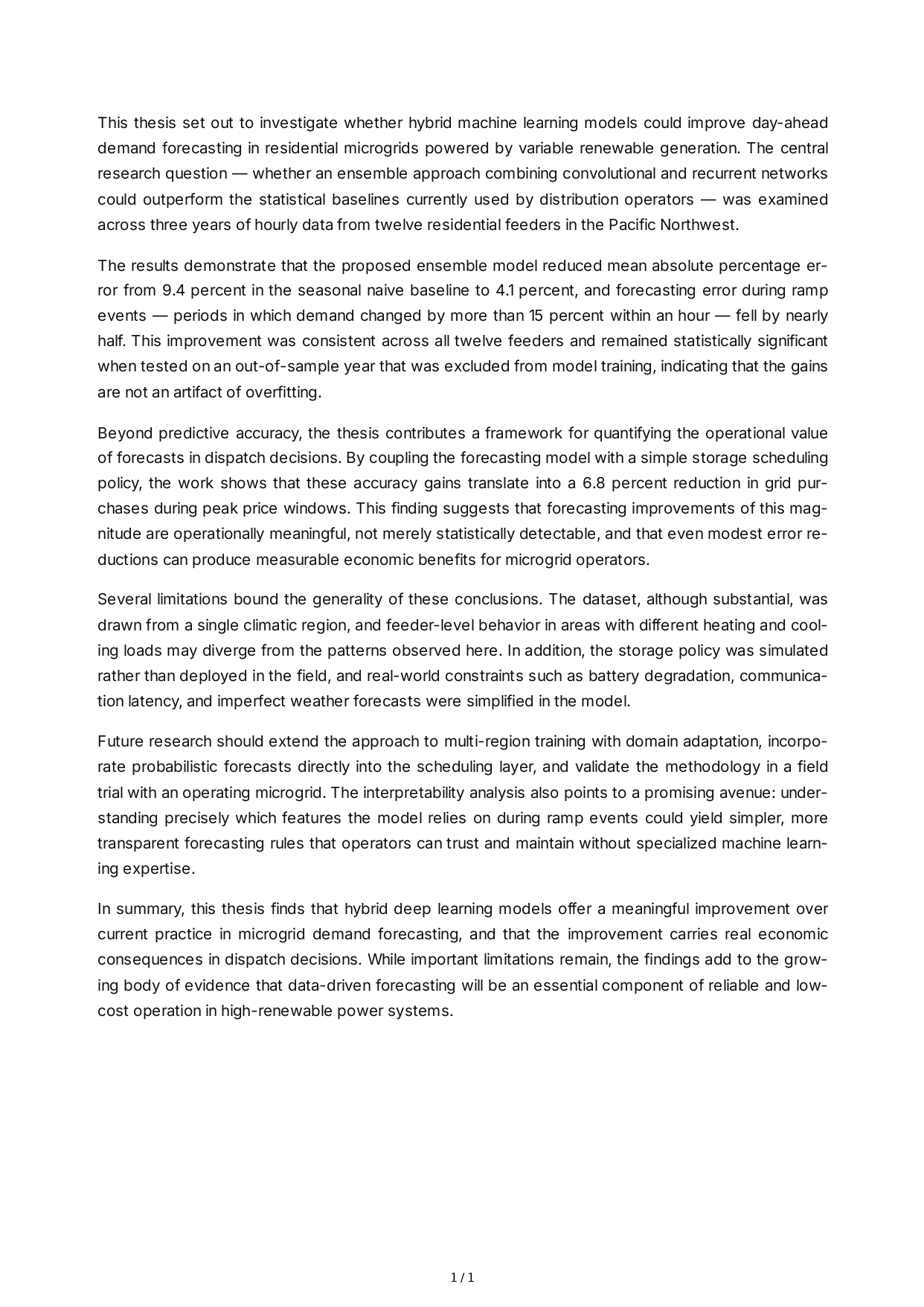
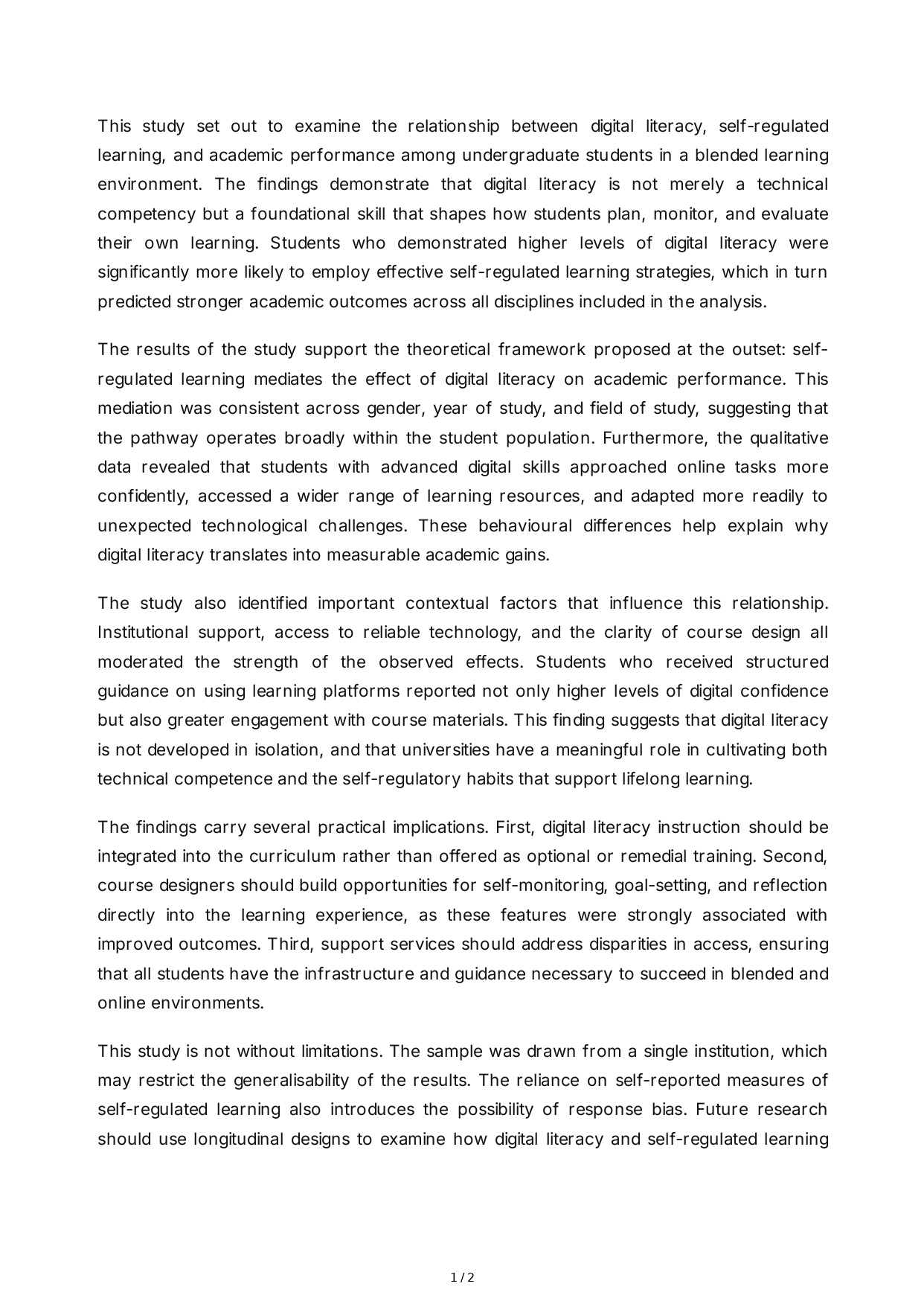
Research Paper Conclusion Paragraph
Summarizes research findings, answers the research question, discusses significance, and may suggest future research.
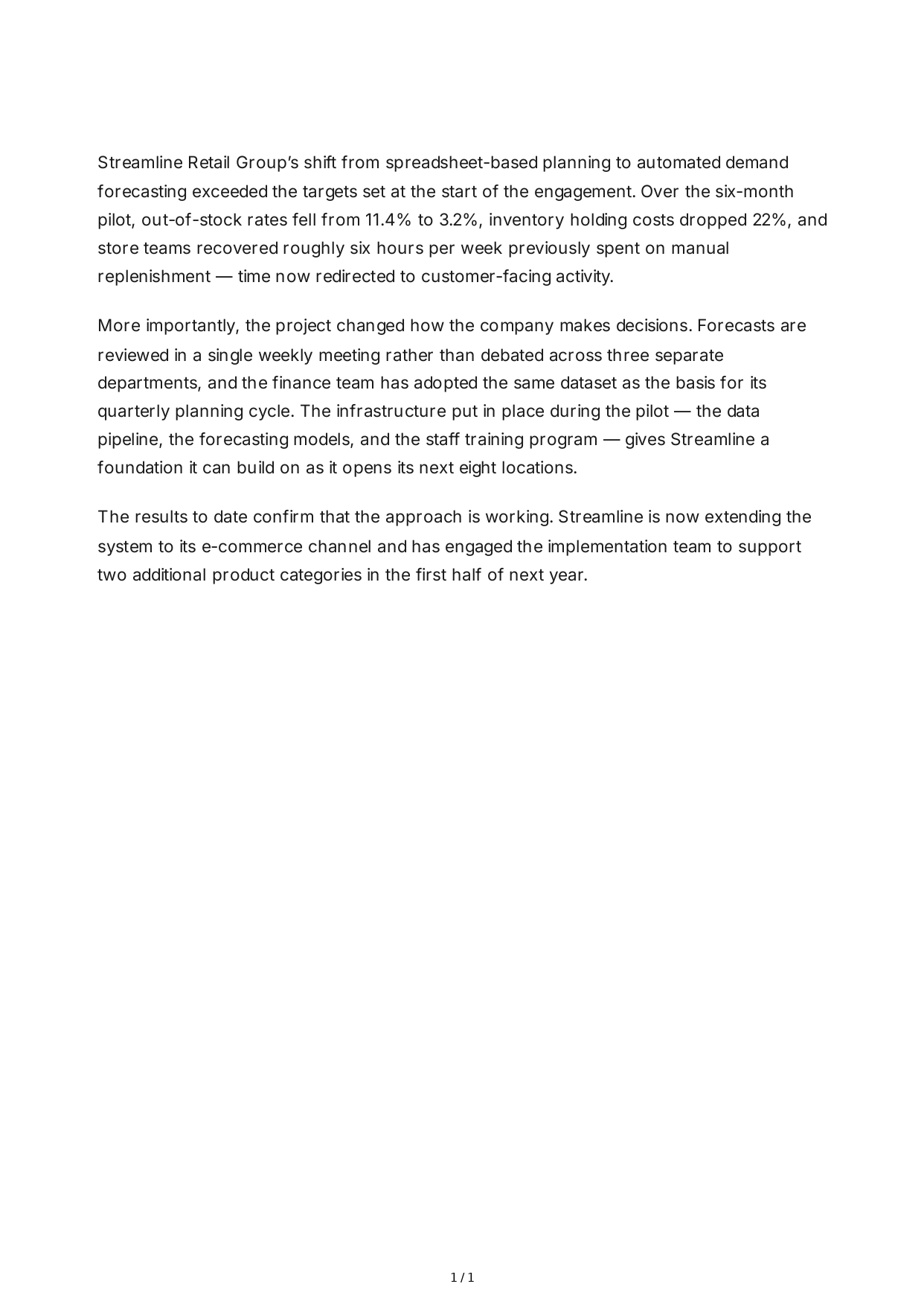
Case Study Conclusion Paragraph
Summarizes the problem, findings, solutions, and major takeaways.
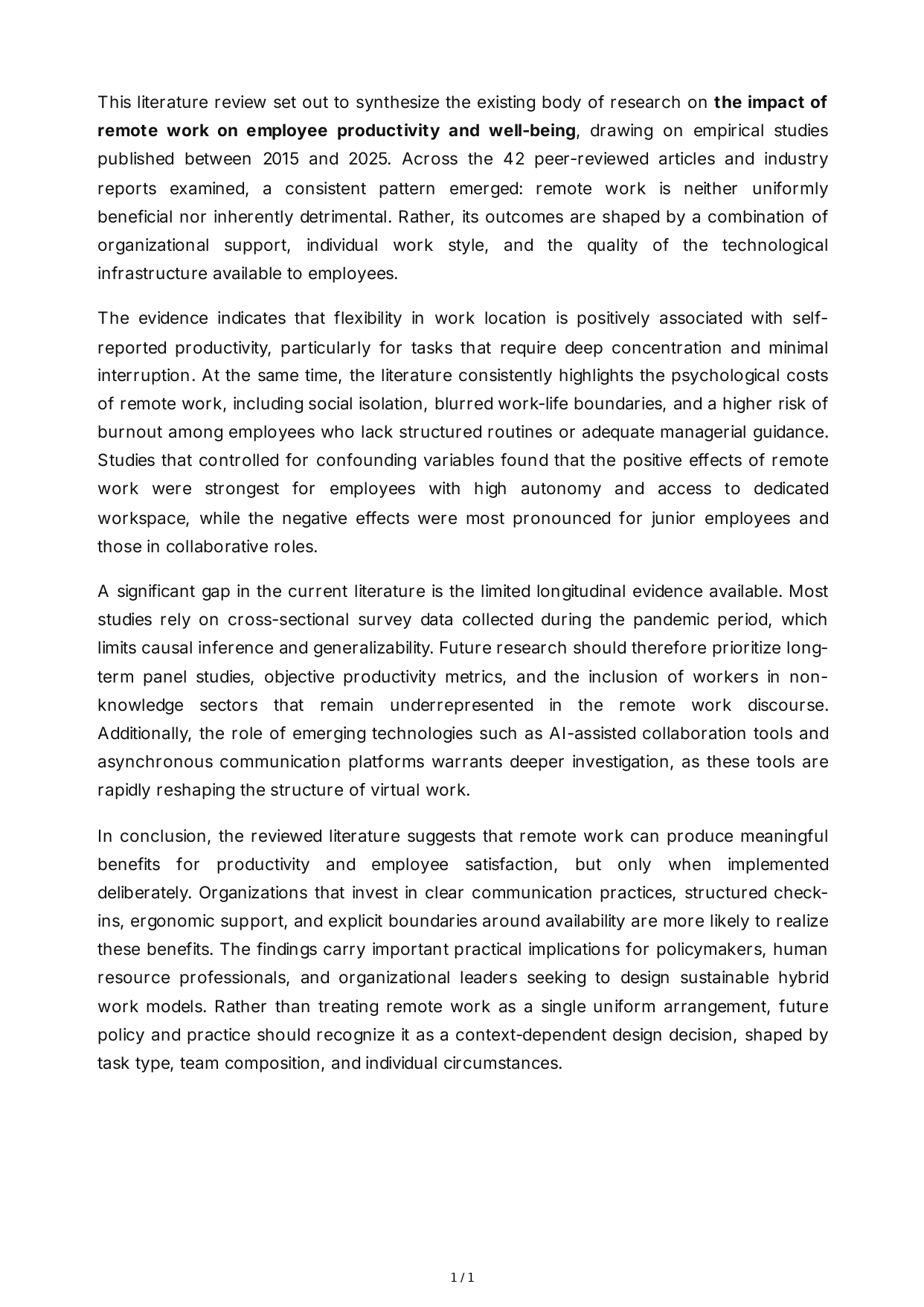
Literature Review Conclusion Paragraph
Highlights overall research trends, identifies knowledge gaps, and summarizes existing studies.
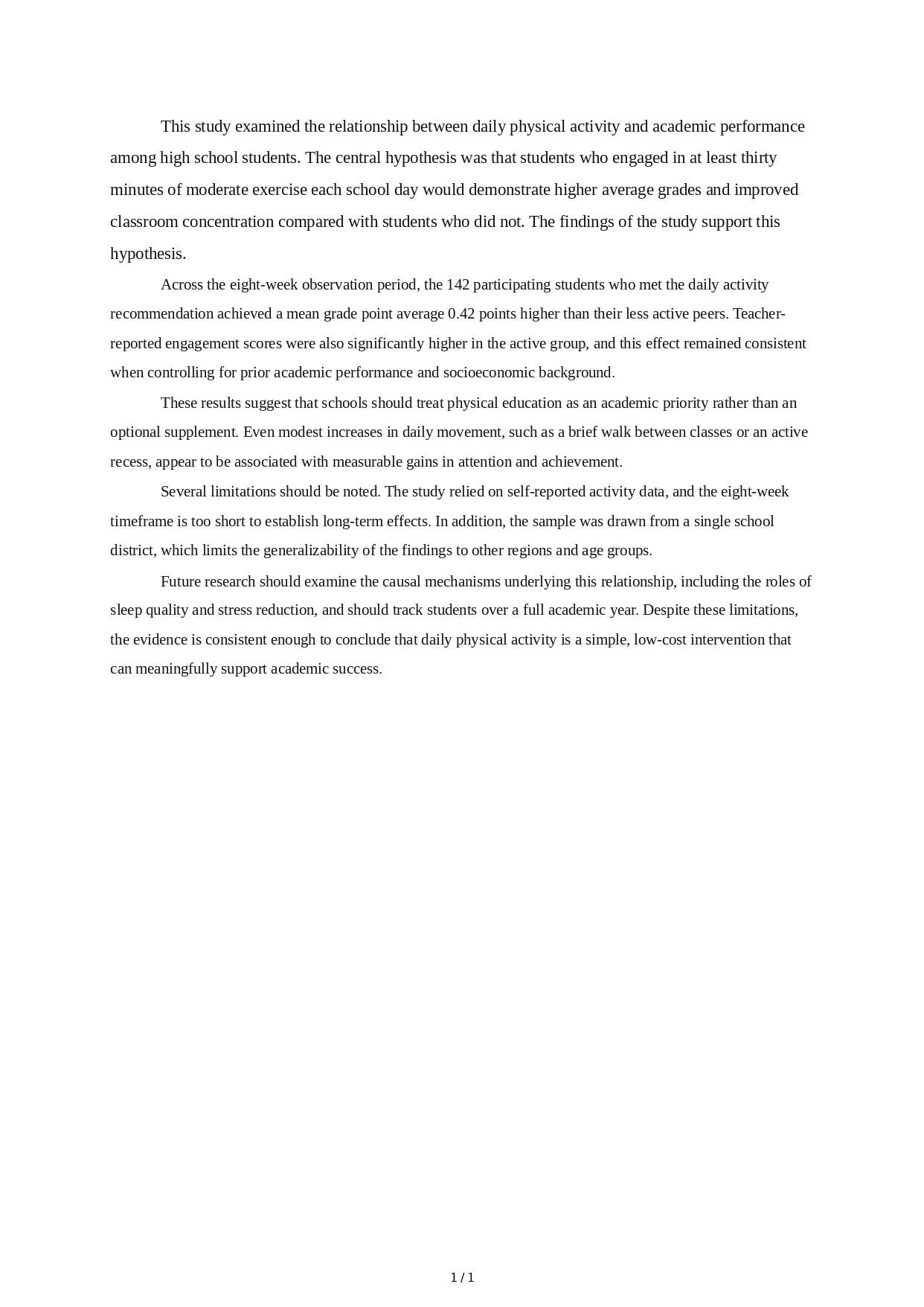
Lab Report Conclusion Paragraph
Summarizes the experiment, key findings, and whether the hypothesis was supported.
Project Report Conclusion Paragraph
Reviews project outcomes, accomplishments, challenges, and recommendations.
Business Report Conclusion Paragraph
Summarizes business findings and provides actionable recommendations.
Speech Conclusion Paragraph
Ends with a memorable statement, quotation, or call to action.
Article Conclusion Paragraph
Recaps the topic and leaves readers with a meaningful final takeaway.
Blog Conclusion Paragraph
Summarizes the discussion while encouraging readers to comment, share, or continue learning.
How Do I Generate Conclusion Paragraphs Using Proven Examples from Top Writers?
Creating conclusion paragraphs with AI helps writers generate clear, engaging, and well-structured endings by combining proven writing examples, custom prompts, and intelligent editing tools.
Explore Real-World Conclusion Paragraph Examples
Browse professionally written conclusion paragraph examples from essays, research papers, reports, speeches, blogs, and academic writing. Reviewing different styles helps you understand how effective conclusions are structured.
Choose A Reference Example And Enter An AI Prompt
Select a conclusion paragraph example that matches your writing style. Then enter an AI prompt describing your topic, writing purpose, audience, tone, key points, and desired ending style.
Generate A New AI Conclusion Paragraph
AI instantly creates a unique conclusion paragraph that summarizes your ideas, reinforces your main message, and delivers a natural, engaging ending tailored to your content.
Customize The Conclusion In The Online Editor
Edit wording, tone, sentence structure, formatting, keywords, and final thoughts using the built-in editor to create a polished and personalized conclusion.
Download And Use The Final Conclusion Paragraph
Once satisfied, download or copy your conclusion paragraph and use it in essays, reports, research papers, presentations, articles, blogs, or academic assignments.
Why Is a Strong Conclusion Paragraph Important?
The conclusion is often the last thing readers remember. A well-written ending reinforces your message and provides closure.
Benefits include:
- Reinforces your central argument
- Creates a lasting impression
- Connects all major ideas
- Improves overall readability
- Demonstrates strong writing skills
- Encourages readers to reflect
- Makes essays and reports more persuasive
- Provides a satisfying ending
- Increases the effectiveness of academic writing
- Helps readers remember key takeaways
Key Elements of an Effective Conclusion Paragraph
An effective conclusion paragraph contains several essential parts.
Restated Thesis
Present the main idea again using different wording instead of repeating it exactly.
Summary of Main Points
Briefly revisit the strongest supporting ideas without rewriting the body paragraphs.
Final Insight
Leave readers with an important takeaway, broader implication, or thoughtful reflection.
Logical Closure
Ensure the ending feels complete and naturally concludes the discussion.
Confident Tone
End positively and confidently rather than sounding uncertain or repetitive.
How to Write a Conclusion Paragraph
Writing a conclusion becomes easier when you follow a structured process.
Step 1: Review Your Main Purpose
Identify the central message of your writing.
Step 2: Restate Your Main Idea
Rewrite your thesis naturally without copying the introduction.
Step 3: Summarize Supporting Points
Mention only the most important ideas discussed earlier.
Step 4: Explain Why It Matters
Show readers the significance or practical value of your topic.
Step 5: Finish With a Strong Closing Statement
Leave readers with a memorable final sentence that reinforces your message.
Common Mistakes to Avoid in a Conclusion Paragraph
Avoid these common writing errors.
- Introducing completely new arguments
- Repeating the introduction word for word
- Ending too abruptly
- Adding unnecessary details
- Using weak or uncertain language
- Making unsupported claims
- Writing an overly long conclusion
- Forgetting to connect ideas together
- Ending without a final takeaway
- Using clichés repeatedly like “In conclusion” in every paper
Best Practices for Writing Conclusion Paragraphs
A strong conclusion paragraph does more than simply end your writing. It reinforces your message, reminds readers of the main ideas, and leaves them with something meaningful to remember.
Start by Revisiting Your Thesis
Your conclusion should briefly remind readers of your main argument or purpose. Rephrase the thesis instead of copying it from the introduction.
Keep It Concise
Most conclusion paragraphs are between three and seven sentences, depending on the length of the writing.
Connect the Main Ideas
Bring together the key points discussed throughout the body without repeating every detail.
Leave Readers with a Final Thought
End with an insight, recommendation, prediction, lesson, or reflection that gives readers something to consider.
Match the Tone of the Writing
A formal research paper requires a professional ending, while a personal narrative may conclude with reflection or emotion.
Avoid New Information
The conclusion is not the place to introduce new evidence, arguments, or examples.
Transition Words for Conclusion Paragraphs
Using transition words helps conclusions flow naturally.
Common conclusion transitions include:
- In conclusion
- To conclude
- In summary
- Overall
- Ultimately
- Finally
- To sum up
- All things considered
- In the end
- As a result
- Therefore
- Thus
- Consequently
- On the whole
- In closing
Tips for Writing Better Conclusion Paragraphs
Whether you’re writing an essay, report, article, or speech, these practical tips can help you create stronger and more memorable conclusions.
Focus on the Big Picture
Rather than repeating every point, explain why your topic matters and how it connects to a broader idea.
End with Confidence
Finish with a clear, positive statement that reinforces your message.
Keep It Relevant
Every sentence in the conclusion should connect directly to the topic discussed in the body.
Use Fresh Language
Restate ideas differently to avoid sounding repetitive.
Consider Your Audience
Write an ending that matches the expectations and interests of your readers.
Proofread Carefully
Since the conclusion is the last thing readers see, ensure it is free of grammar, spelling, and punctuation errors.
When to Use Different Types of Conclusion Paragraphs
Choosing the right conclusion style depends on your writing purpose.
| Writing Type | Best Conclusion Style |
|---|---|
| Essay | Restated thesis with key points |
| Research Paper | Findings with future research |
| Blog Post | Summary with reader takeaway |
| Speech | Memorable closing statement |
| Business Report | Findings and recommendations |
| Personal Statement | Reflection and future goals |
| Narrative | Lesson learned or emotional closure |
| Persuasive Essay | Strong call to action |
| Case Study | Summary of outcomes and recommendations |
| Literature Review | Research summary and knowledge gaps |
Frequently Asked Questions (FAQs)
What is a conclusion paragraph?
A conclusion paragraph is the final paragraph of a piece of writing that summarizes the main ideas, reinforces the central message, and provides a satisfying ending.
How long should a conclusion paragraph be?
For most essays and articles, a conclusion paragraph should contain three to seven sentences. Longer research papers may require more detailed conclusions.
Should I introduce new ideas in the conclusion?
No. A conclusion should reinforce ideas already discussed rather than introducing new evidence, arguments, or examples.
How do I make my conclusion memorable?
How do I make my conclusion memorable?
What is the difference between a summary and a conclusion?
A summary briefly repeats the main points, while a conclusion explains their significance and provides closure.
Can a conclusion include a quotation?
Yes. A relevant quotation can strengthen your conclusion if it supports your overall message and fits naturally within the ending.
How do I write a conclusion for a research paper?
Summarize your findings, answer the research question, explain the importance of the results, discuss limitations if necessary, and suggest future research opportunities.
Why is the conclusion paragraph important?
The conclusion is important because it reinforces your message, provides closure, improves readability, and leaves readers with a lasting impression of your writing.