
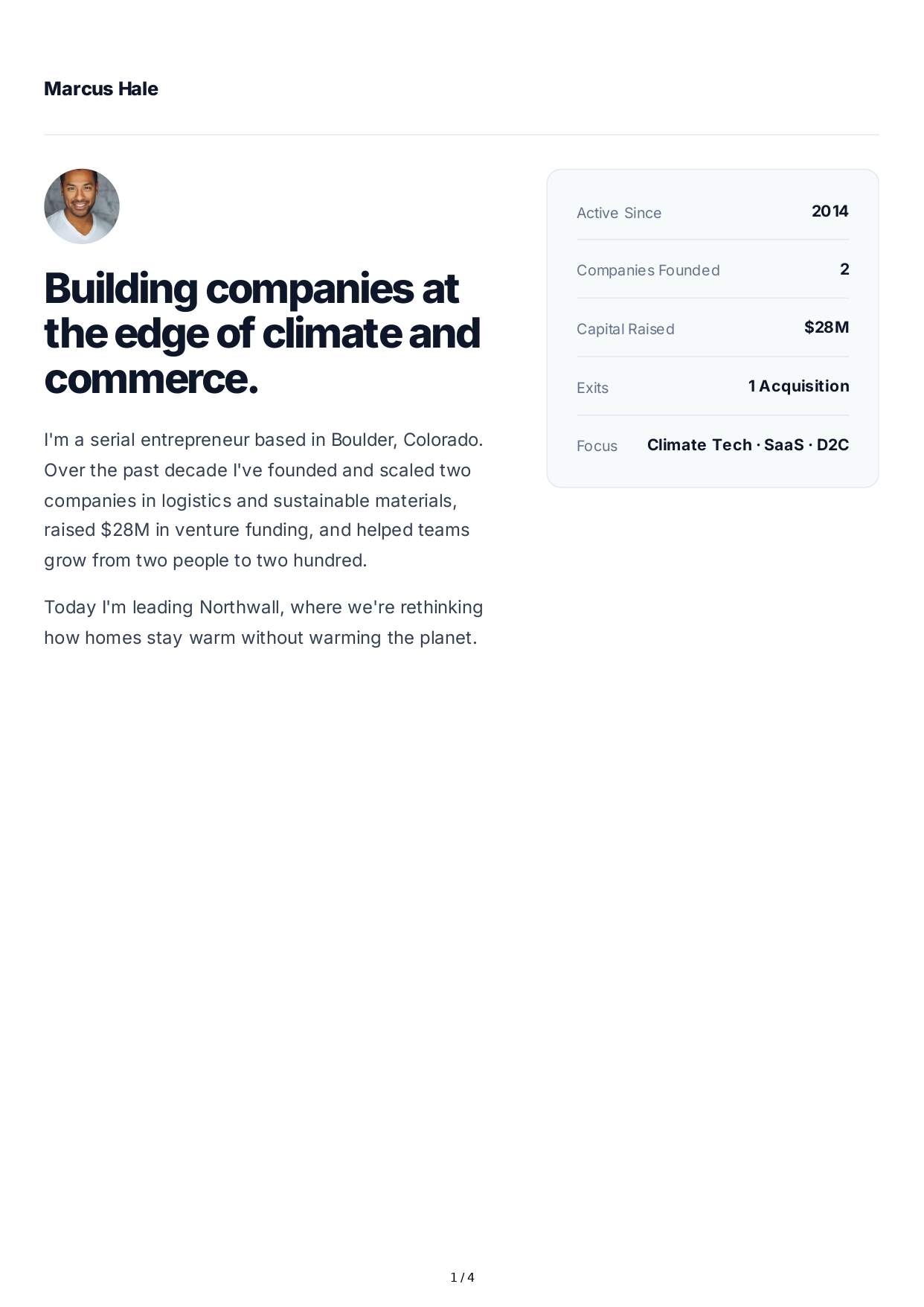
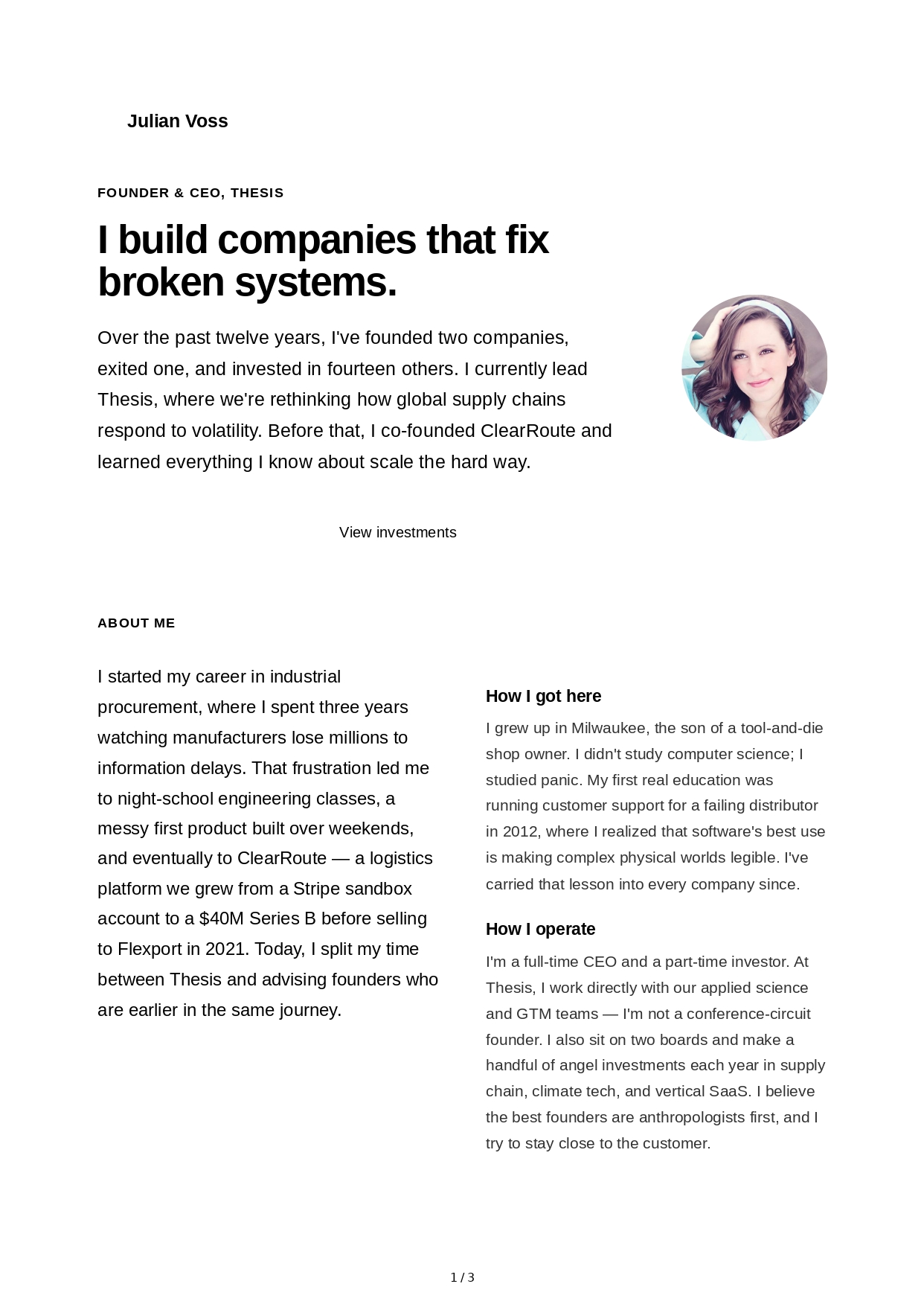
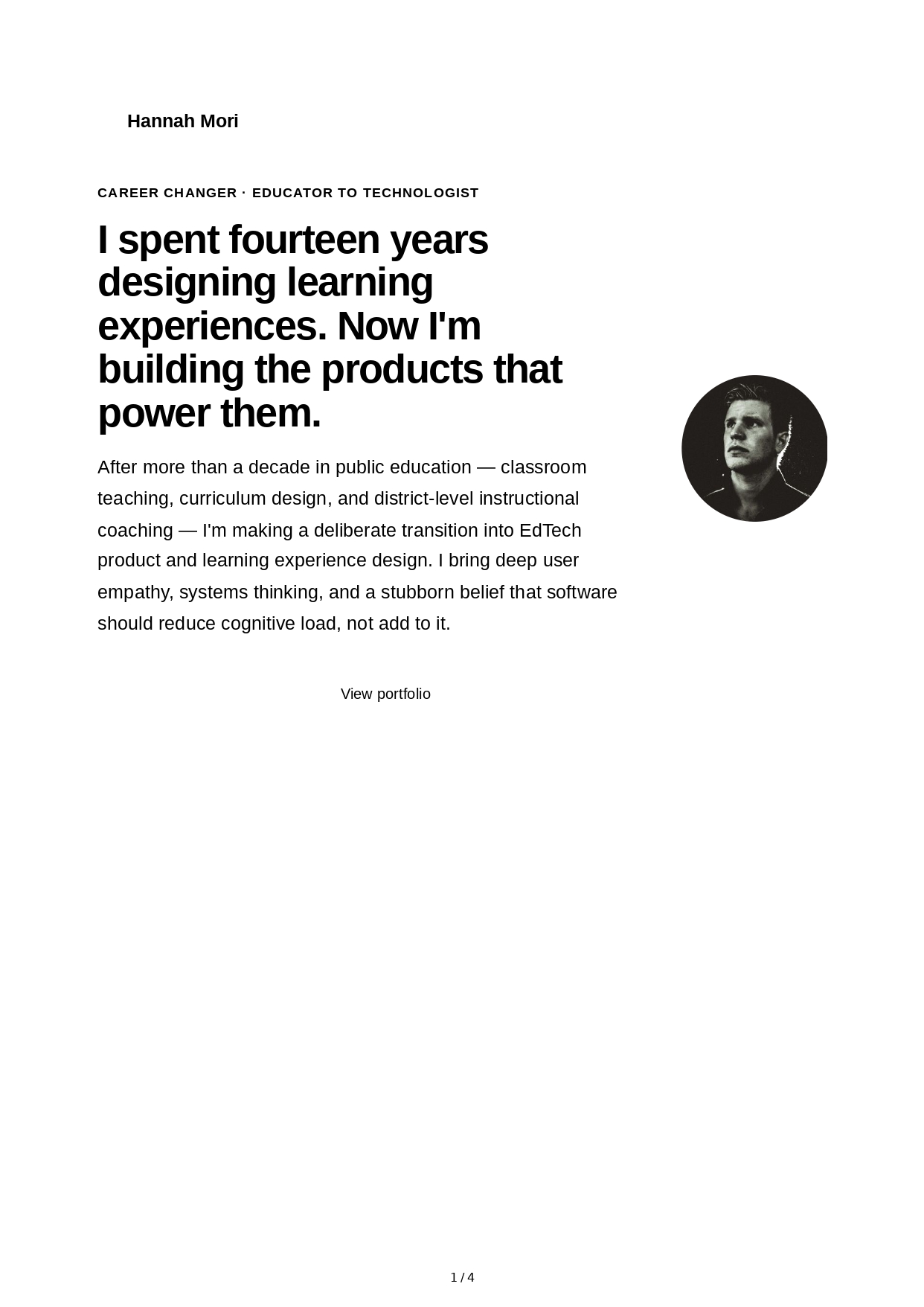
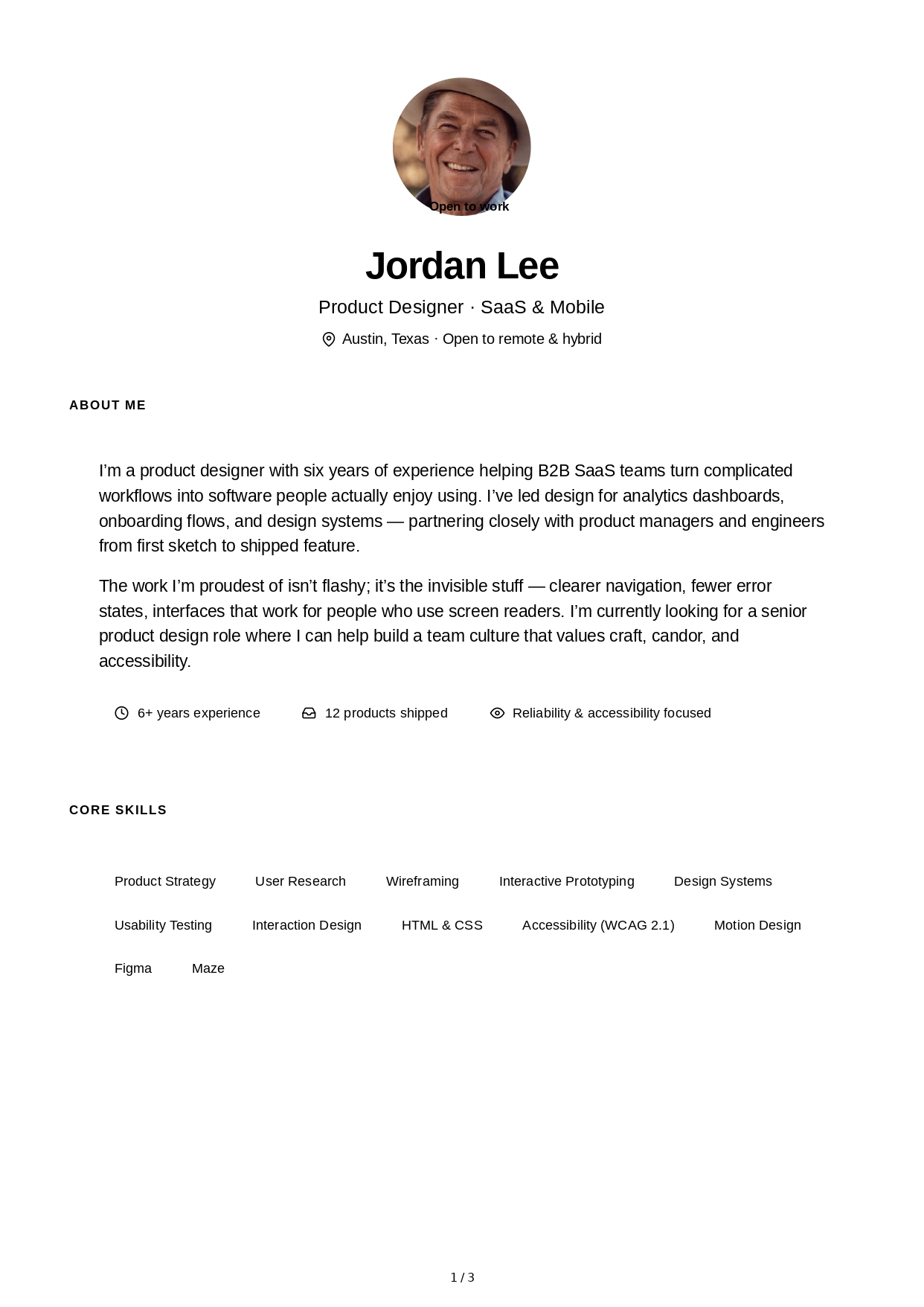
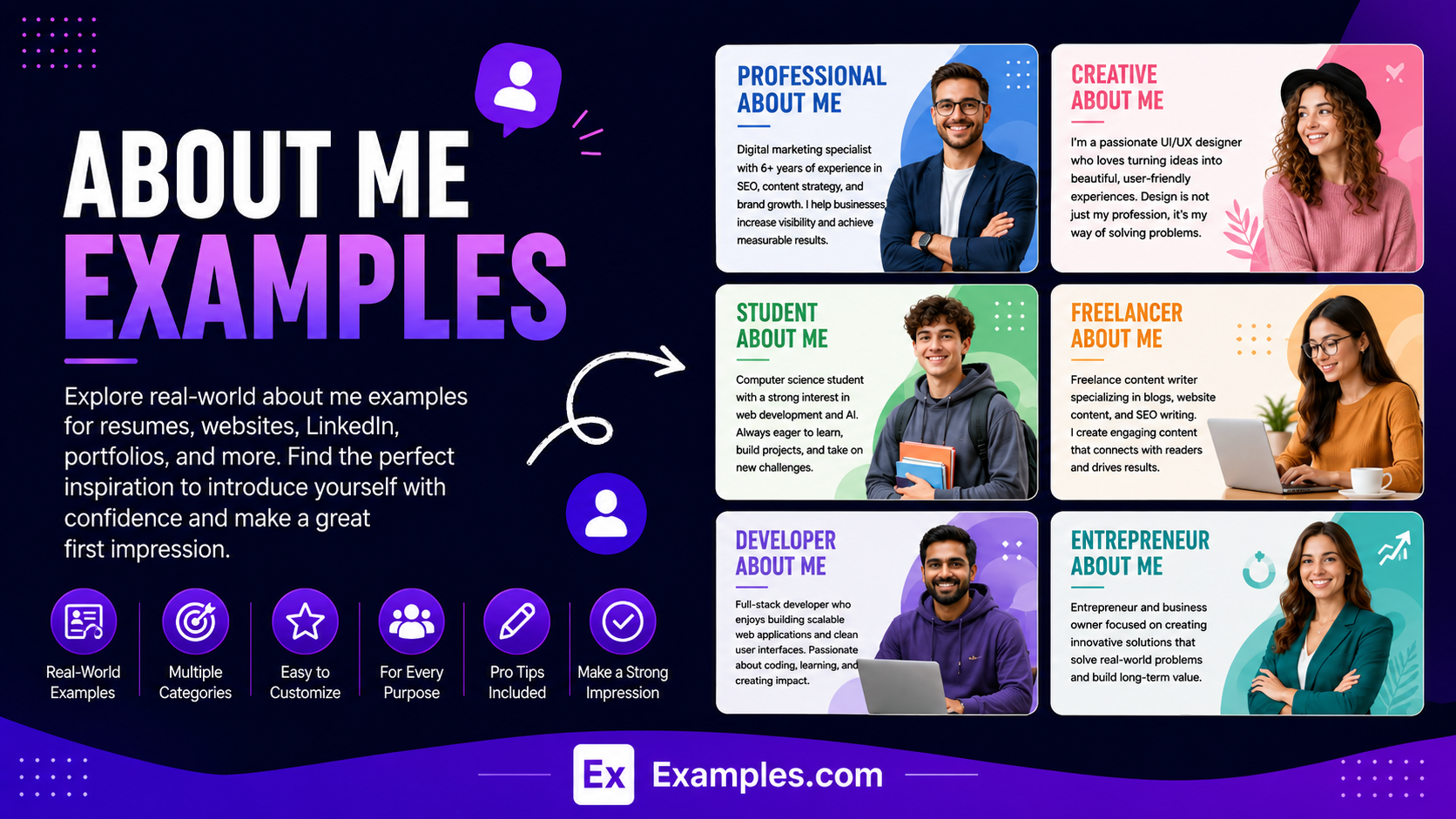
An About Me section is a short introduction that tells readers who you are, what you do, what you are good at, and what makes you different. You can use About Me examples for resumes, portfolios, personal websites, LinkedIn profiles, blogs, freelance profiles, and professional bios. A strong About Me statement is concise, specific, audience-focused, and written to show your value rather than simply list personal information.
Whether you are a student, job seeker, professional, freelancer, creator, or business owner, the right About Me example can help you introduce yourself with confidence and create a stronger first impression.
What Is an About Me?
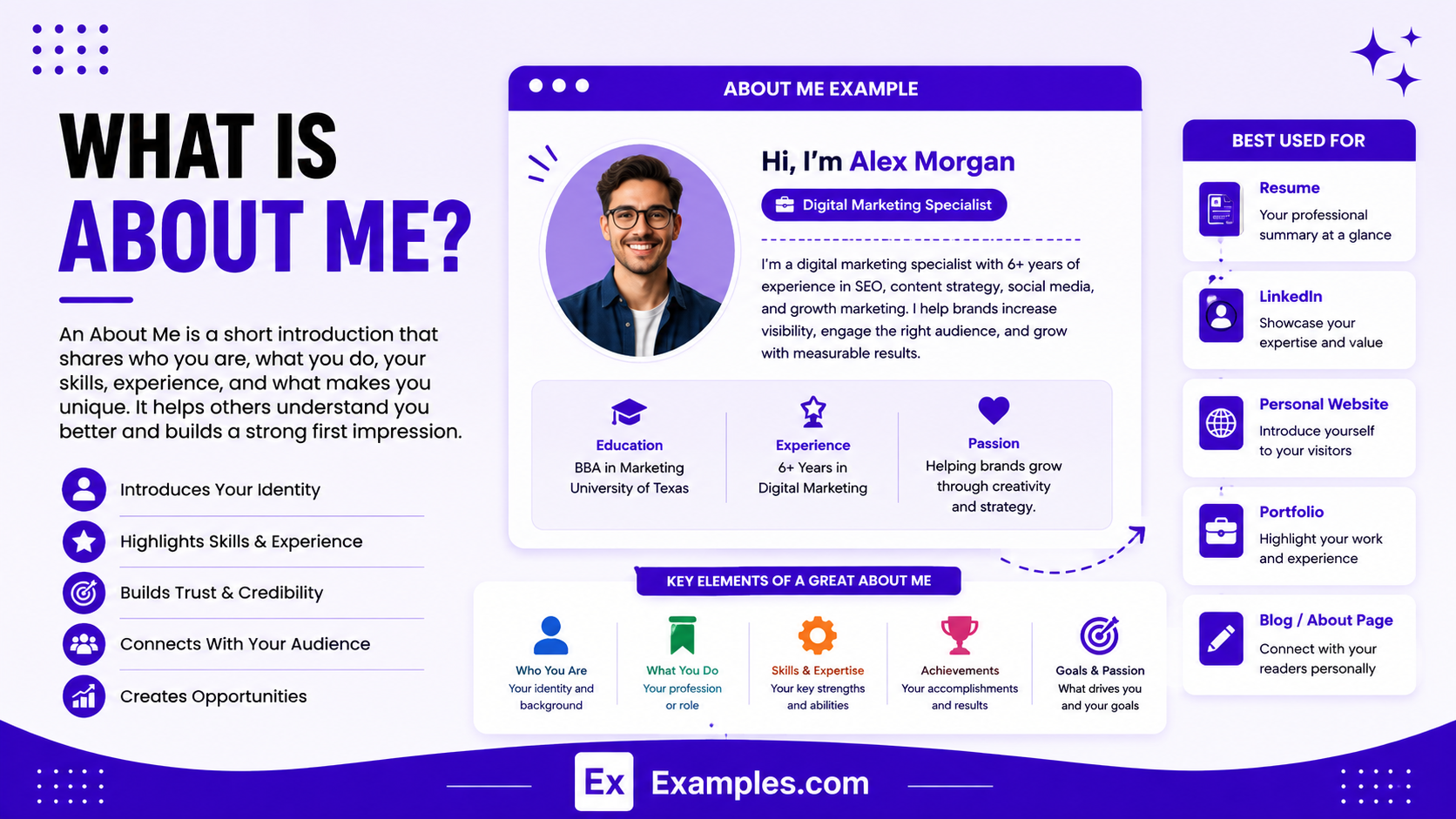
An About Me is a brief personal or professional introduction that explains who you are, what you do, your key strengths, and what you want your audience to know about you. It may appear as a short paragraph, a few paragraphs, or a dedicated page depending on where it is used.
A good About Me answers questions such as:
- Who are you?
- What do you do?
- What are your strongest skills?
- What experience or achievements do you have?
- What are you passionate about?
- Who do you help or work with?
- What makes you different?
- What do you want readers to do next?
Popular Types of About Me
About Me statements can take different forms. Choosing the right type helps you present information that matches your audience and platform.
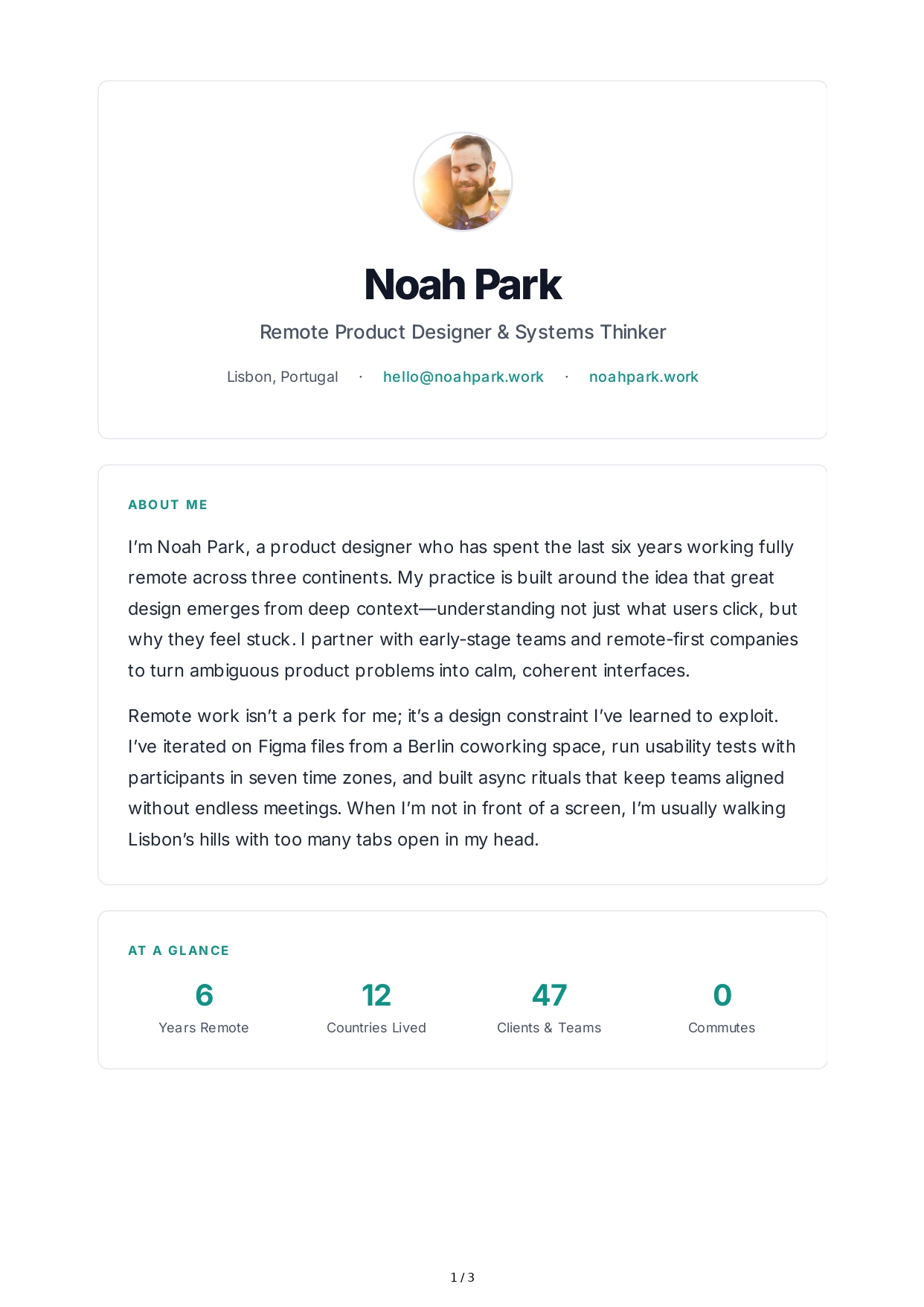
Professional About Me
A professional About Me focuses on your career, expertise, accomplishments, and professional goals. It works well for resumes, LinkedIn profiles, company profiles, and professional websites.
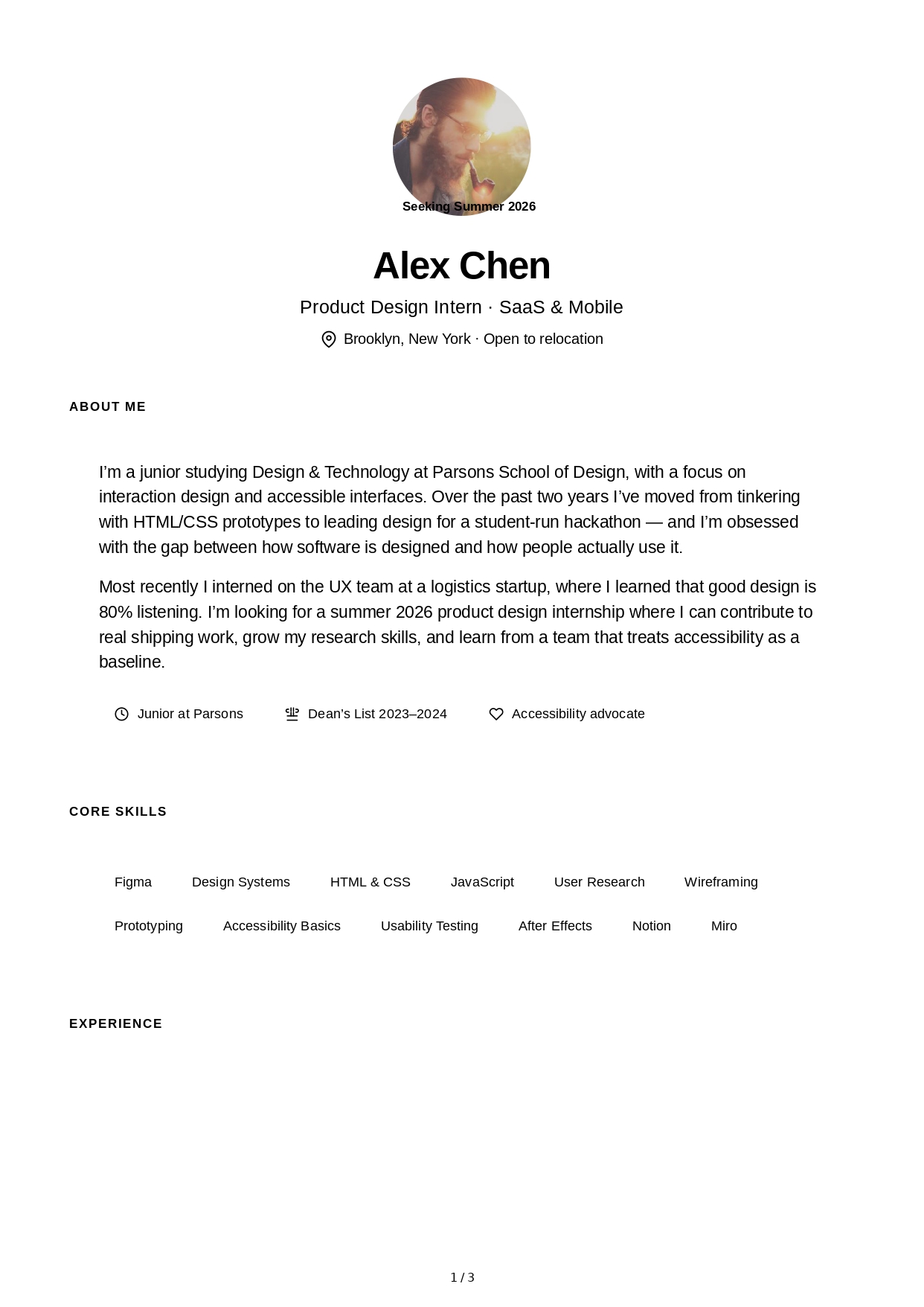
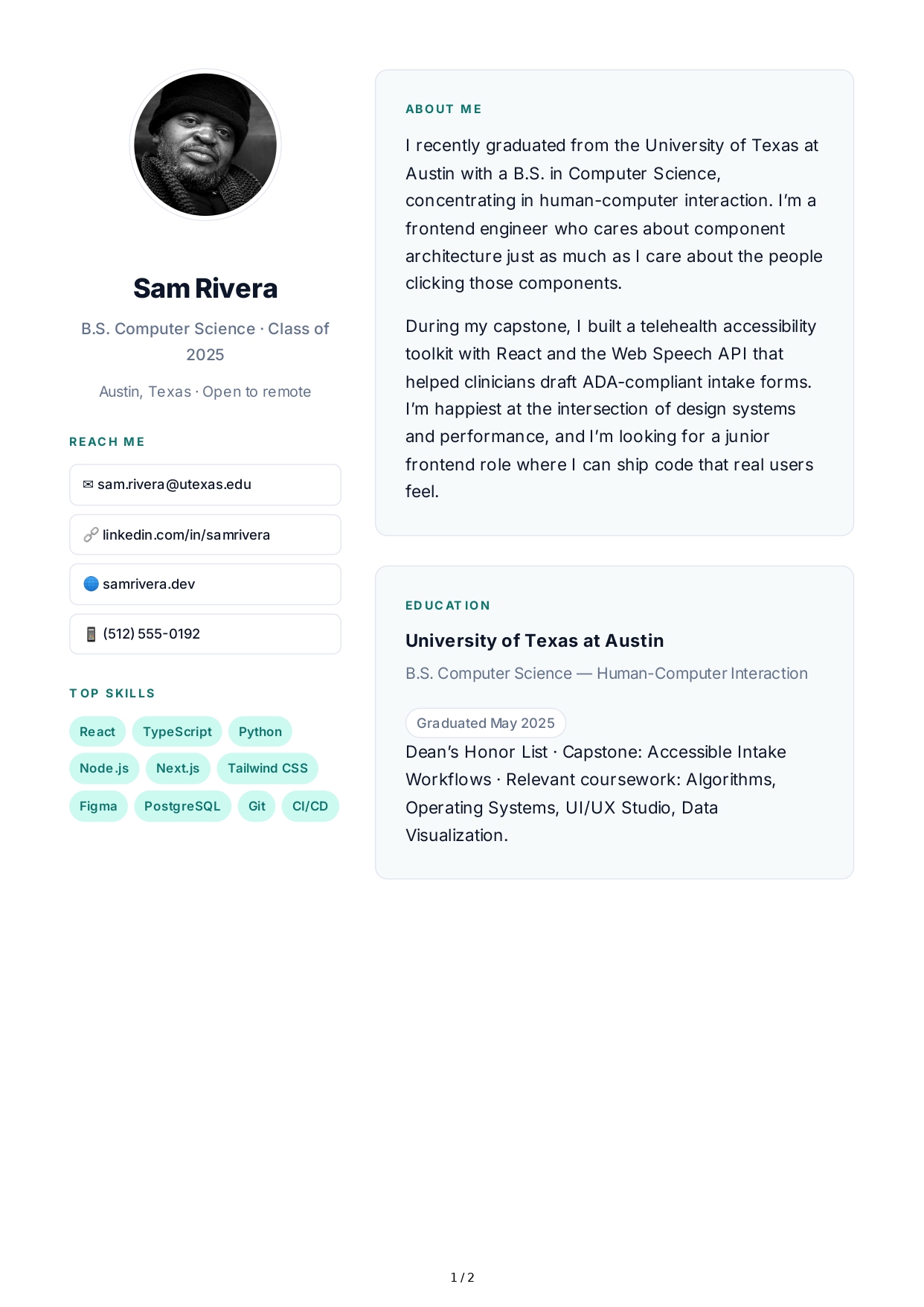
Student About Me
A student About Me highlights education, academic interests, skills, projects, extracurricular activities, and career aspirations. It is useful for student portfolios, college applications, internships, and personal websites.
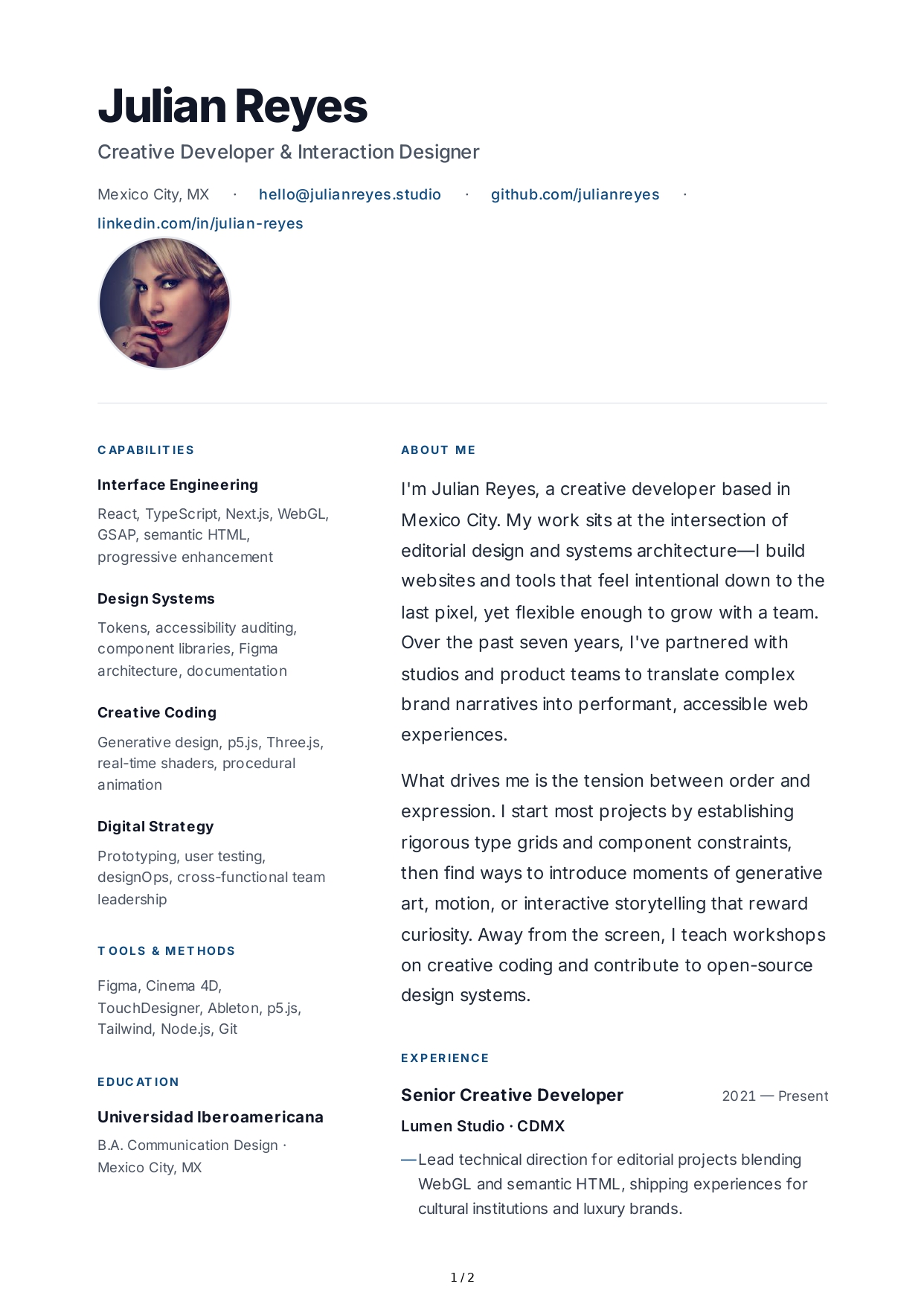
About Me for a Resume
A resume About Me is a concise professional introduction placed near the top of the resume. It can highlight your job title, experience, strongest qualifications, relevant skills, and a measurable accomplishment.
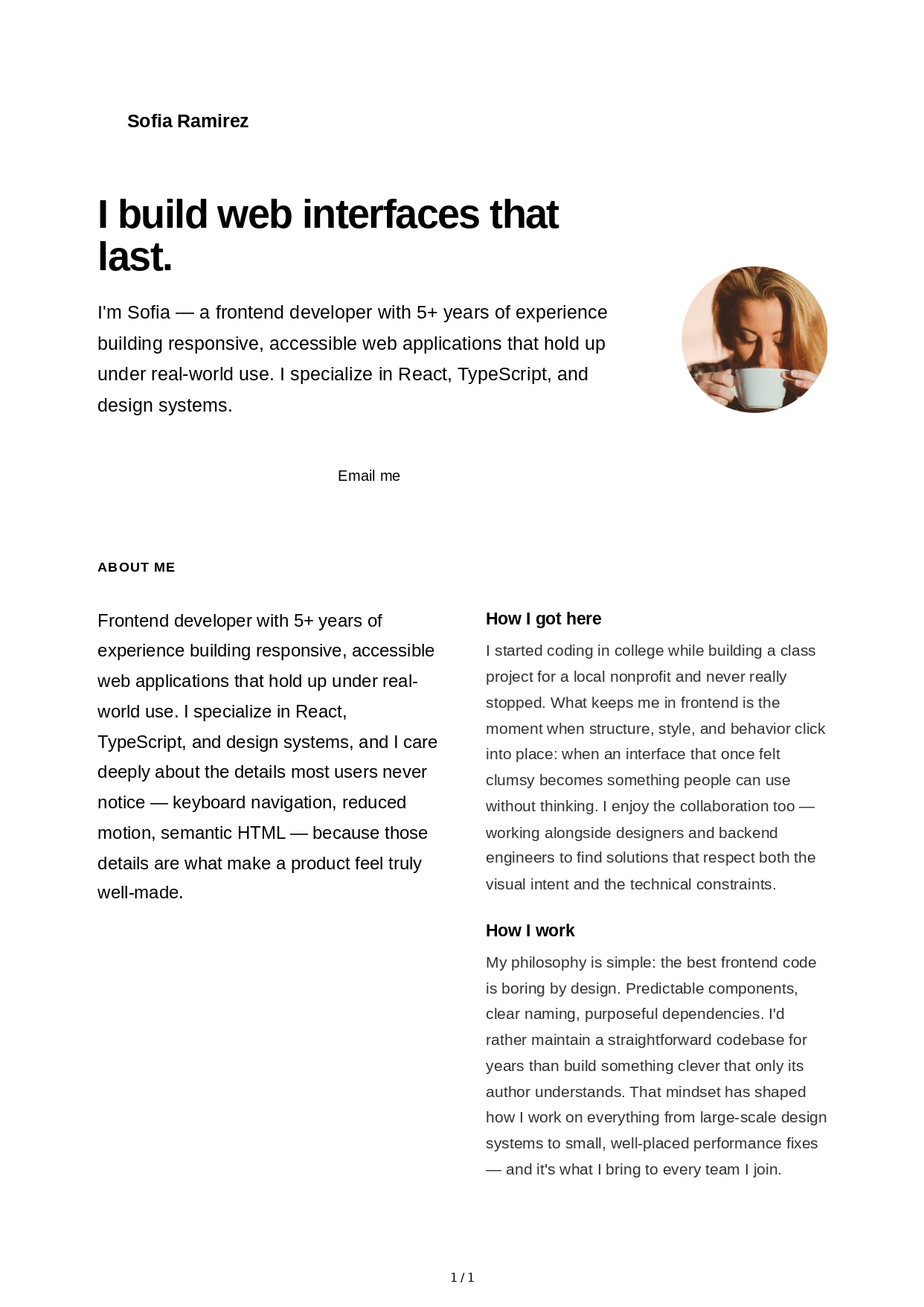
About Me for a Portfolio
A portfolio About Me introduces your professional identity while giving visitors context about your work. Designers, writers, developers, photographers, marketers, and other creatives can use it to explain their expertise and approach.
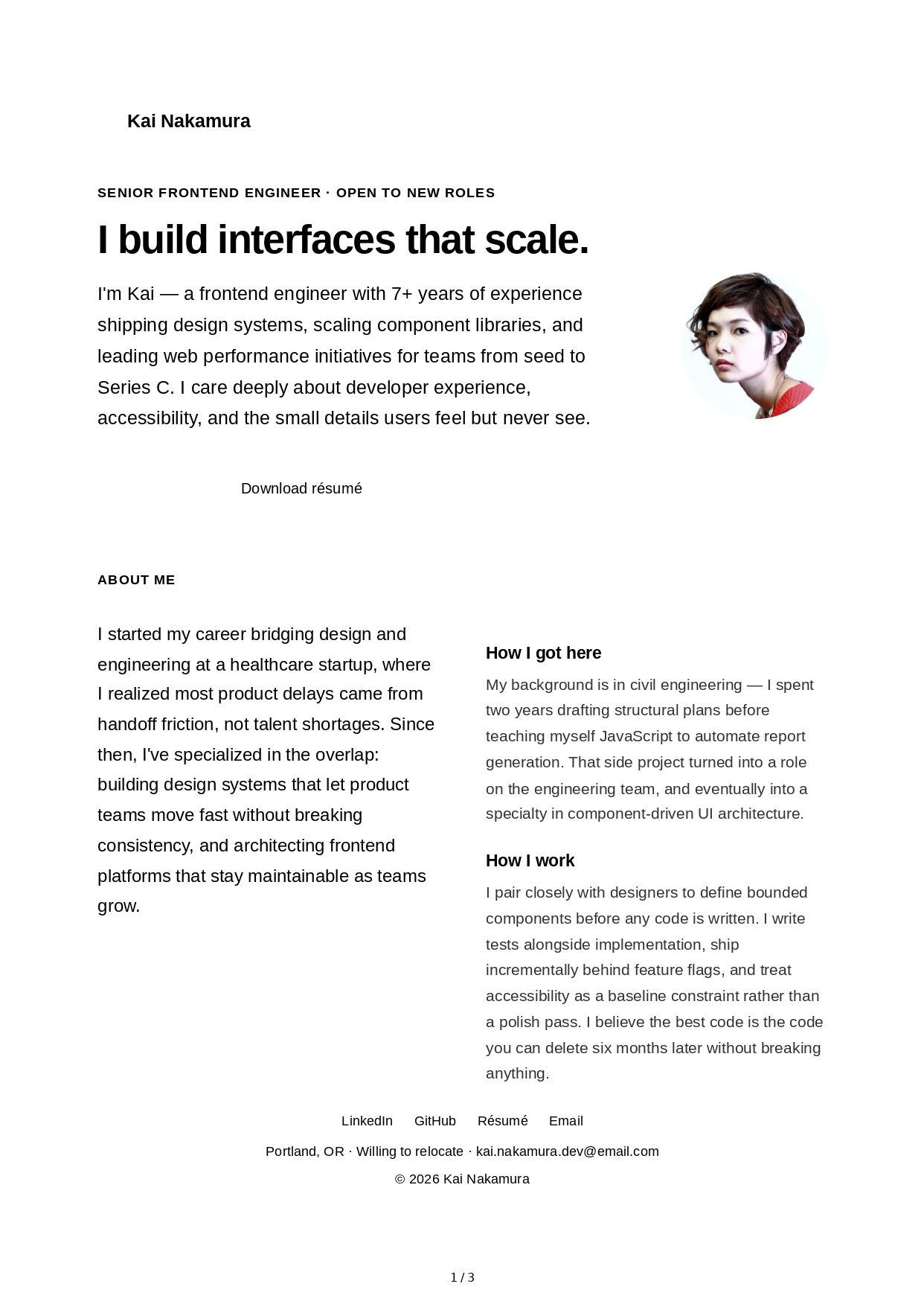
About Me for a Personal Website
A personal website About Me can combine professional and personal information. It may include your background, career journey, values, interests, skills, achievements, and a call to action.
About Me for LinkedIn
A LinkedIn About Me section should quickly communicate your professional identity, expertise, achievements, and career interests. Relevant industry keywords can also help make your profile easier to understand and discover.
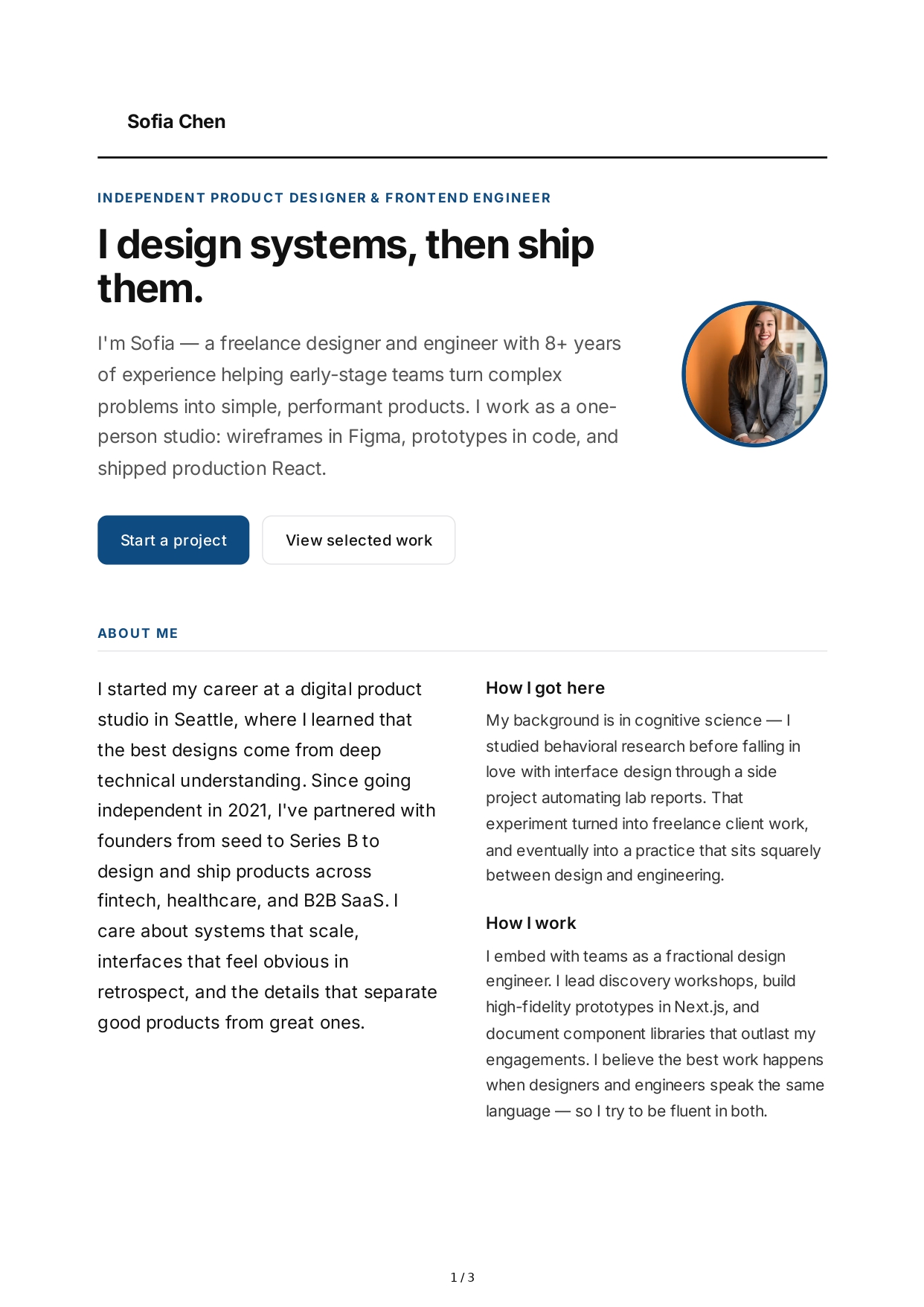
Freelancer About Me
A freelancer About Me should focus on the problems you solve, services you provide, skills you offer, industries you serve, and results you can deliver.
Creative About Me
Creative professionals can use a more personal and distinctive tone while still explaining their skills and professional value. This format works particularly well for artists, designers, photographers, writers, musicians, and content creators.
About Me for a Blog
A blog About Me introduces the person behind the content. It can explain your subject expertise, interests, experience, writing purpose, and what readers can expect from the blog.
About Me for a Social Media Profile
A social media bio is usually much shorter. It should communicate your identity, niche, interests, or value proposition quickly and use language appropriate for the platform.
How Do I Generate About Me Using Proven Examples from Top Companies?
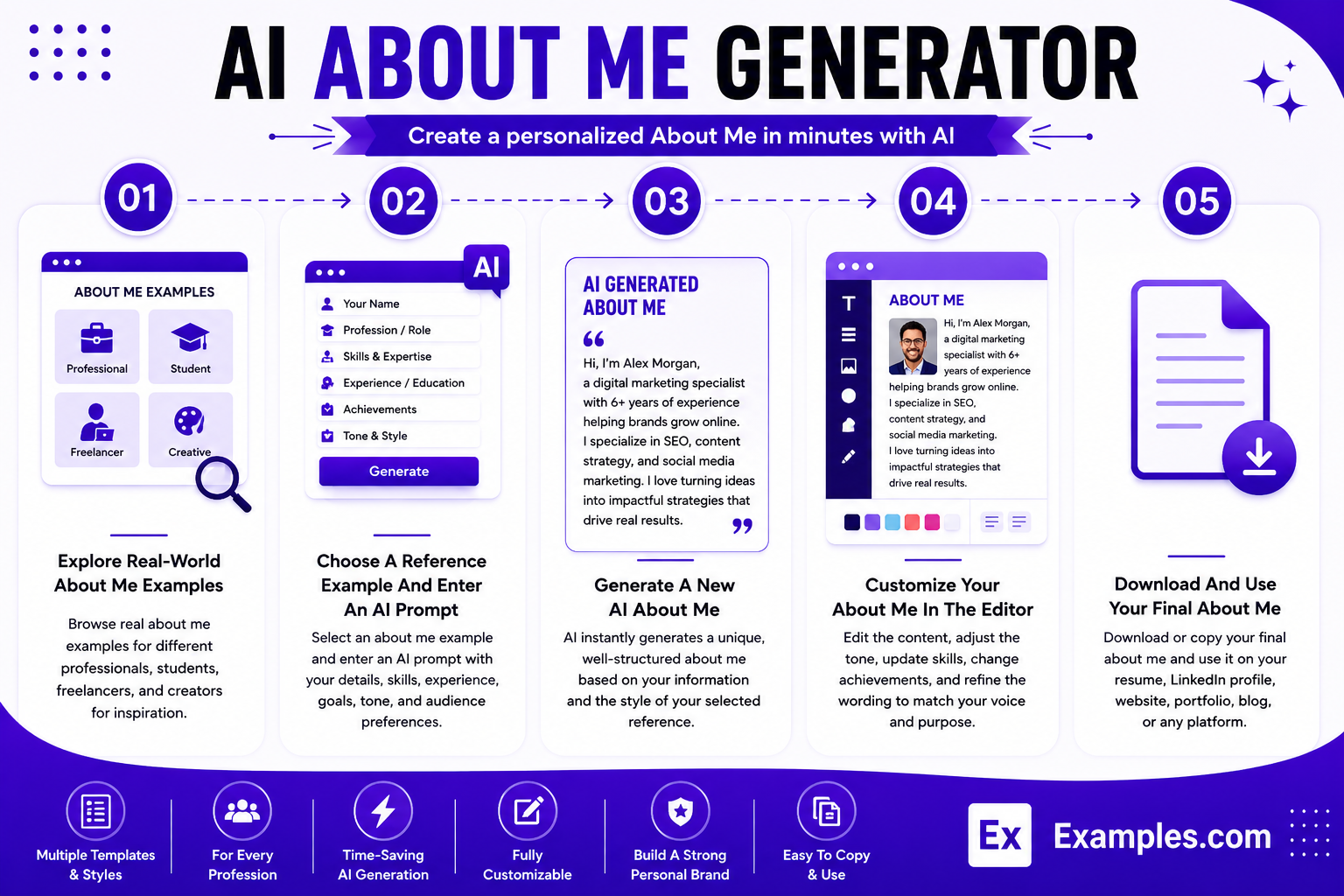
Creating an About Me with AI helps users quickly develop a professional and personalized introduction using examples, prompts, career details, and editing tools.
Browse real-world About Me examples to explore different writing styles, professional tones, structures, career levels, industries, and personal branding approaches. Use these examples to identify the type of introduction that best matches your purpose. Select an About Me example that matches the tone or structure you want to follow. Then enter an AI prompt describing yourself, including your profession, experience, skills, education, achievements, interests, career goals, target audience, preferred tone, and other relevant details. The AI generates a new About Me statement based on your information and selected creative direction. The result can be tailored for a resume, portfolio, website, LinkedIn profile, personal brand, student profile, or other professional purpose. Edit the generated content to make it more personal and relevant. Adjust the wording, tone, length, skills, achievements, career goals, and other details so the final About Me accurately represents your experience and personality. Once your About Me is complete, copy or download the final version and use it on your resume, portfolio, website, LinkedIn profile, blog, professional bio, or other appropriate platform.Explore Real-World About Me Examples
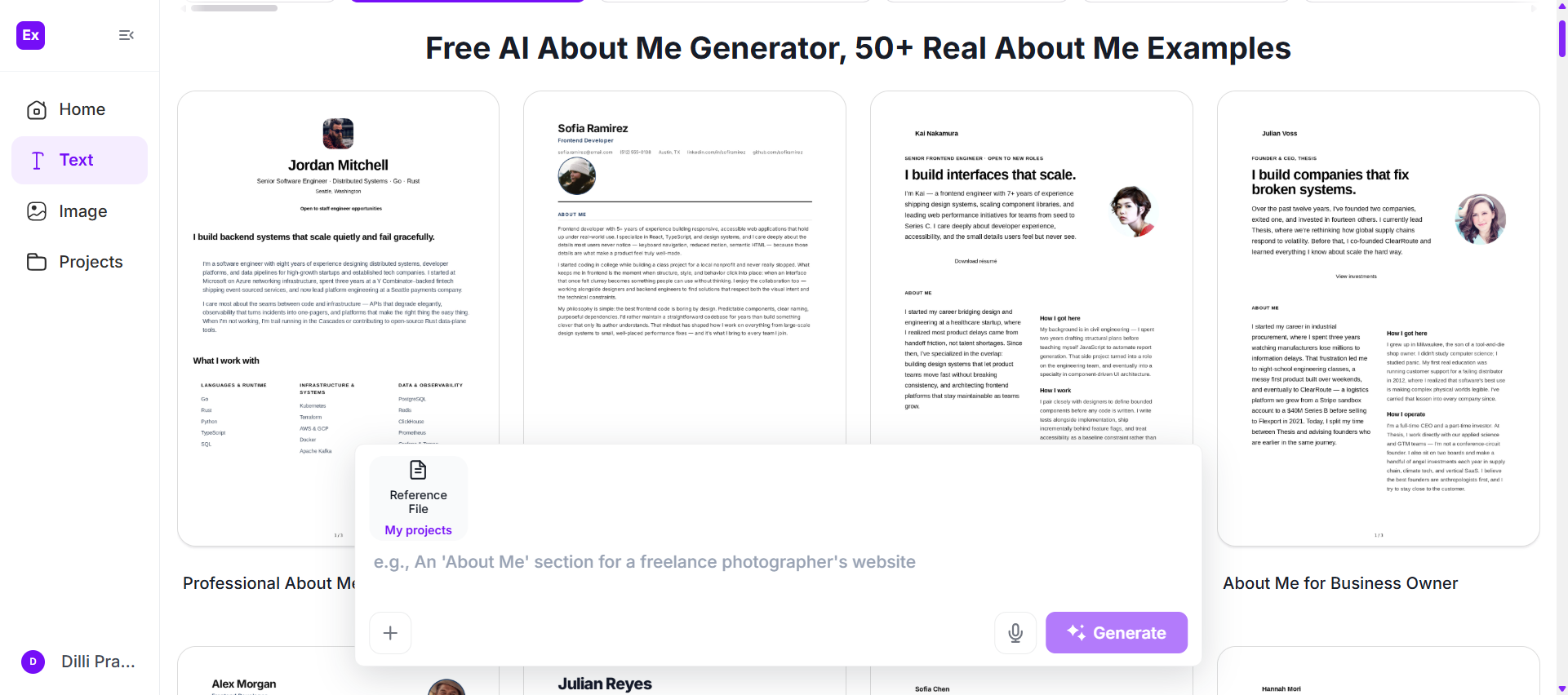
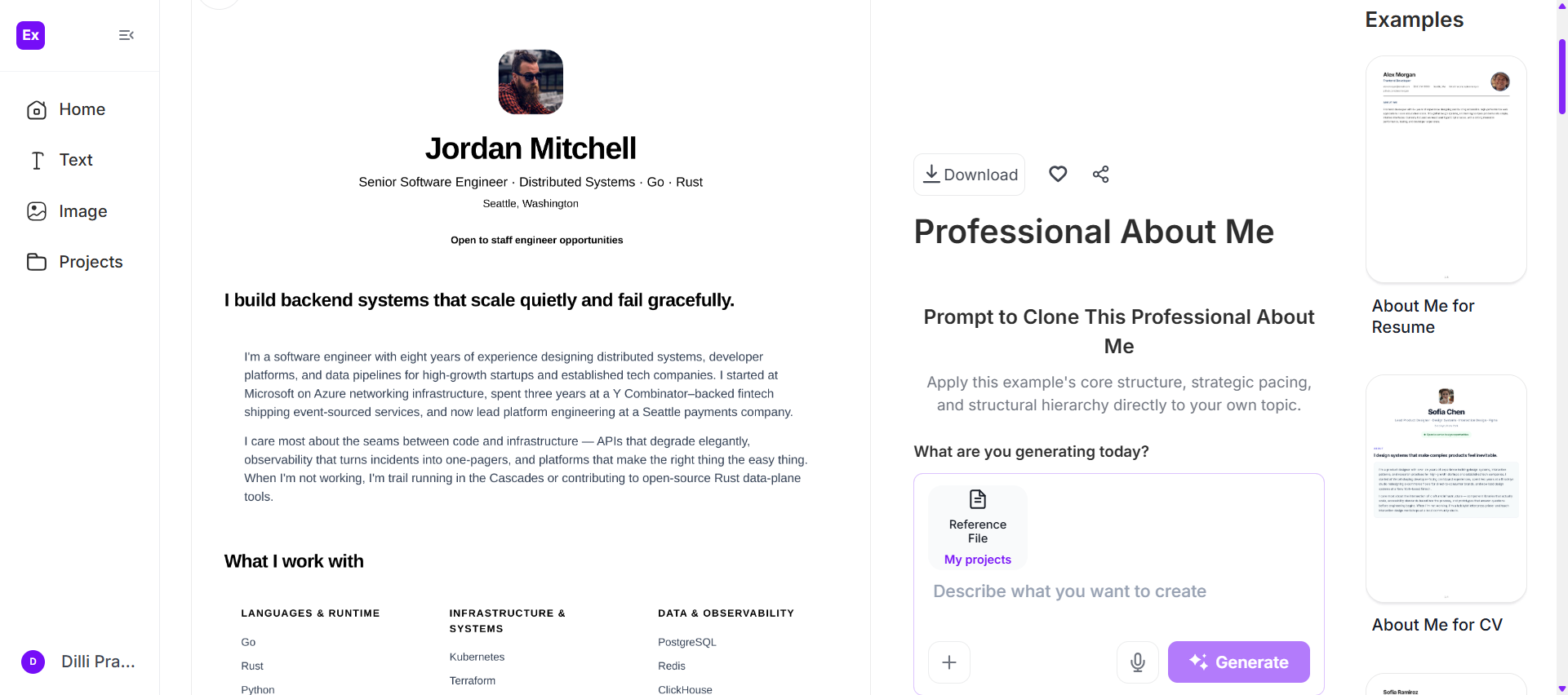
Choose A Reference Example And Enter An AI Prompt
Generate A New AI About Me
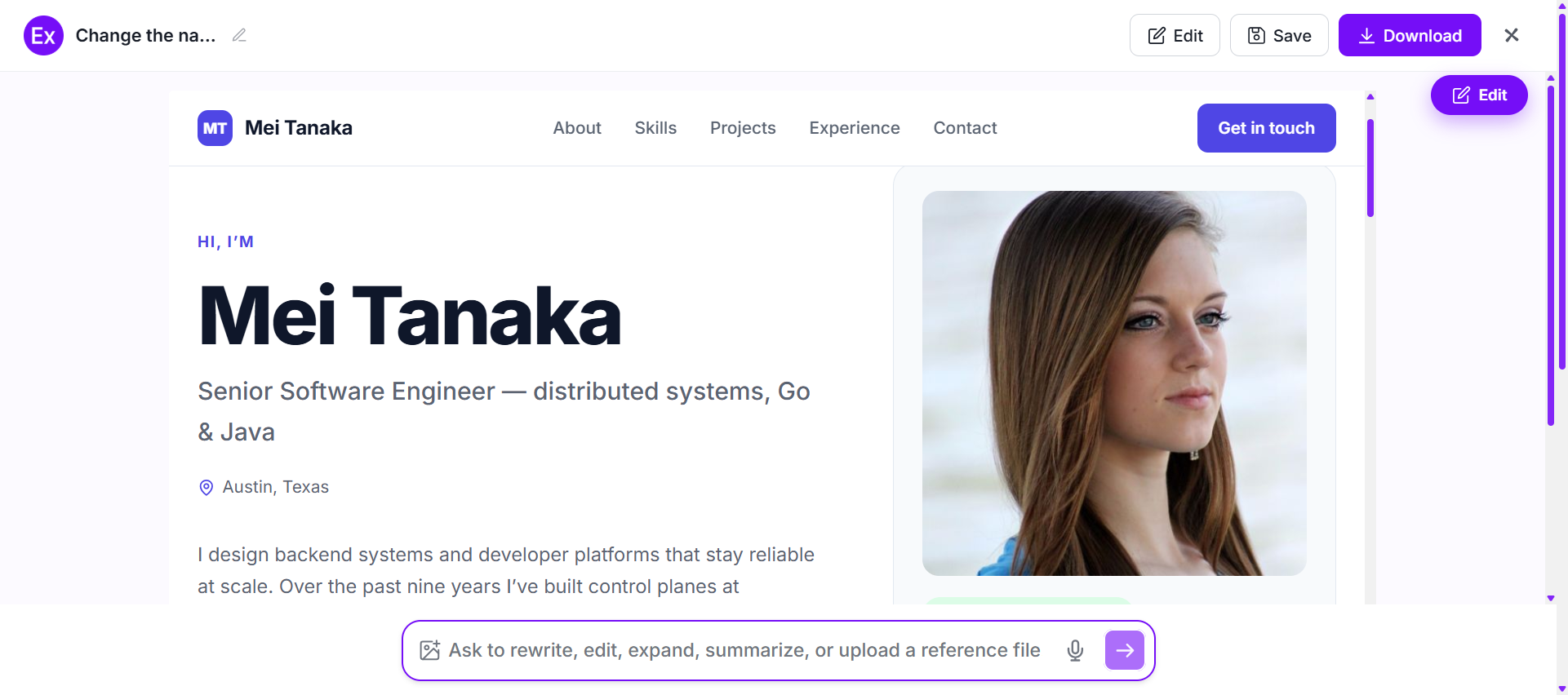
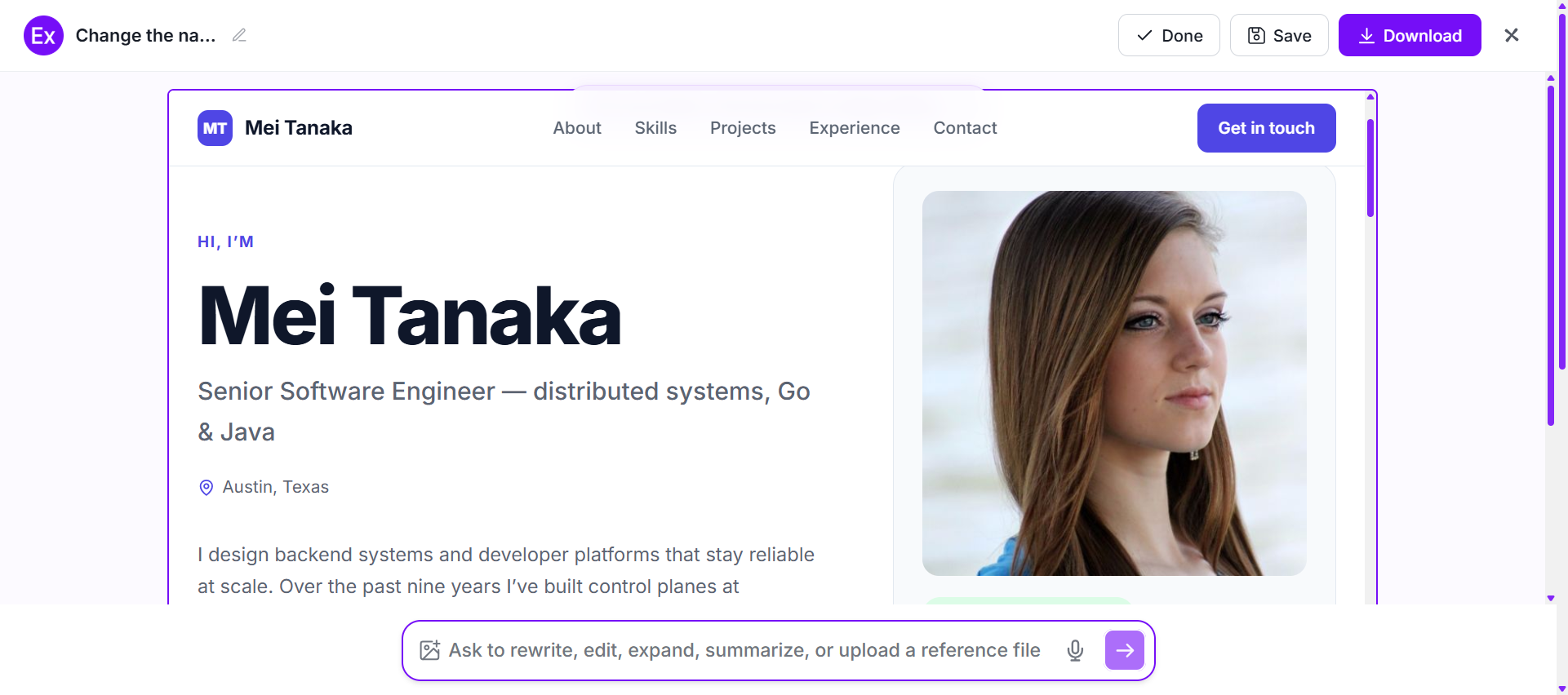
Customize Your About Me In The Online Editor
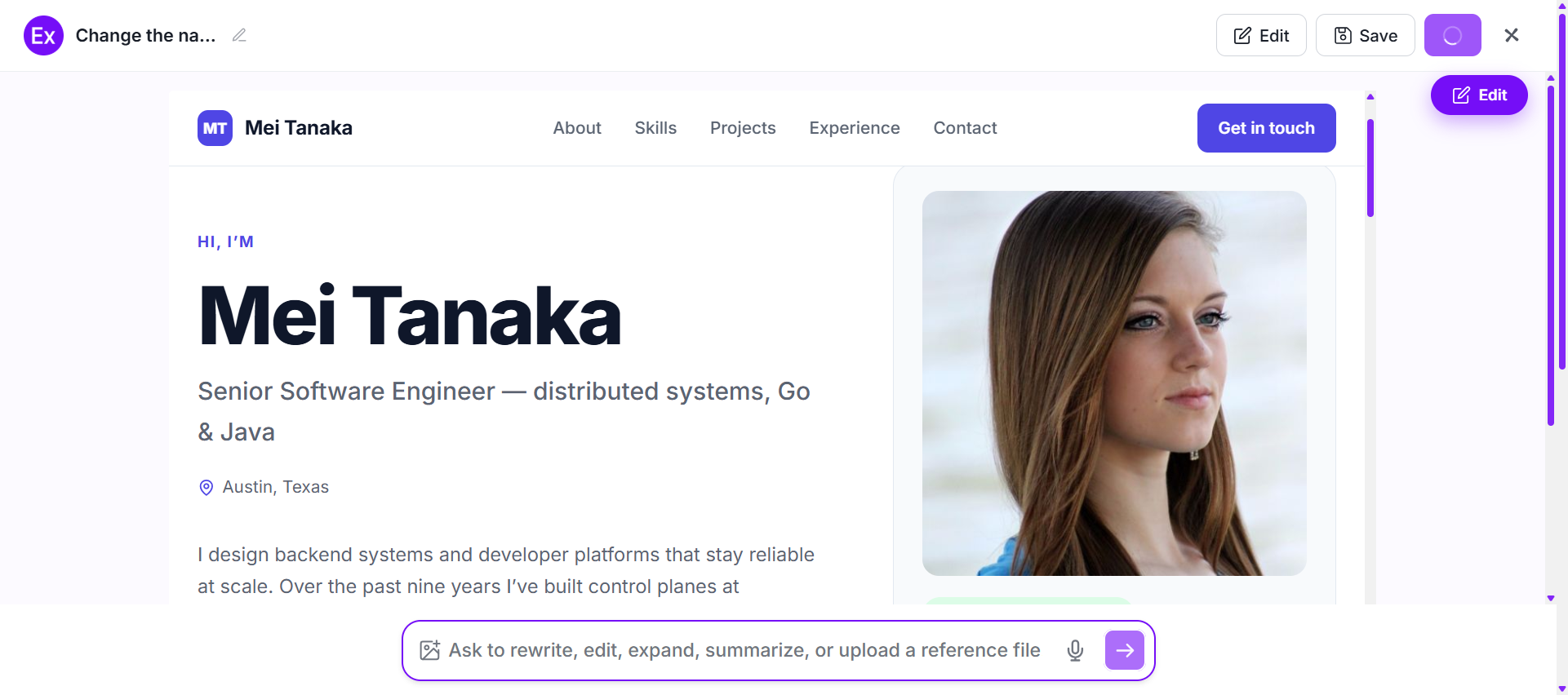
Download And Use Your Final About Me
What Should You Include in an About Me?
The best About Me statements contain information that is relevant to the reader rather than a complete biography.
Consider including:
- Your professional identity: State your job title, field, role, or area of study.
- Experience: Mention relevant years of experience or significant career exposure when useful.
- Key skills: Highlight the skills that support your professional identity.
- Achievements: Include specific accomplishments or measurable results when available.
- Education or credentials: Add qualifications that strengthen your profile.
- Values or interests: Share relevant motivations or interests, particularly on personal websites.
- Career direction: Explain what you are working toward when it adds value.
- Call to action: Tell visitors how they can contact, hire, collaborate with, or follow you.
For professional profiles, prioritize information that demonstrates your value. Indeed recommends using an About Me section to highlight strengths, relevant experience, accomplishments, and career goals rather than simply describing yourself with generic adjectives.
How to Write a Good About Me
1. Start With a Clear Introduction
Begin by stating who you are and what you do.
Example:
Digital marketing specialist focused on SEO, content strategy, and organic growth.
2. Highlight Your Strongest Skills
Choose two or three skills that are directly relevant to your audience. Avoid filling the paragraph with a long list of abilities.
3. Add Proof of Your Value
Whenever possible, support your strengths with an accomplishment, result, project, certification, or other evidence.
4. Show Some Personality
A personal website or portfolio can include your interests, values, motivation, or career story. This helps readers understand the person behind the work.
5. Match the Audience
An About Me for a corporate resume should sound different from an About Me for a creative portfolio. Always consider who will read it and what they need to know.
6. Keep It Focused
Do not turn your About Me into a complete life story. Every sentence should help the reader understand your identity, expertise, personality, or value.
About Me vs. Professional Summary
An About Me and a professional summary can serve similar purposes, particularly on a resume, but the tone and amount of personal information can vary.
| About Me | Professional Summary |
|---|---|
| Can be professional or personal | Primarily professional |
| Common on websites and portfolios | Common on resumes |
| May include personality and values | Focuses on qualifications and achievements |
| Can be several paragraphs on a website | Usually concise |
| Often introduces your personal brand | Directly presents professional value |
On resumes, the terms About Me, Professional Summary, Profile, and Personal Statement are sometimes used for similar introductory sections. The most important factor is the quality and relevance of the content rather than the exact heading.
Tips for Creating a Strong About Me
A strong About Me should be:
- Specific: Replace vague claims with real skills, experiences, or achievements.
- Relevant: Focus on information that matters to your target audience.
- Concise: Remove unnecessary background information.
- Authentic: Use language that genuinely reflects your personality and experience.
- Easy to read: Use short sentences and clear language.
- Audience-focused: Write for the person who will read it.
- Consistent: Make sure it matches the information on your resume, portfolio, or professional profile.
- Action-oriented: Include a clear next step when appropriate.
For online About Me pages, relevant keywords can also help explain your expertise and improve search visibility, while a clear story and professional identity can help establish credibility.
Common About Me Mistakes to Avoid
Using Generic Statements
Avoid phrases such as “I am a hardworking and passionate person” without explaining what you actually do or accomplish.
Writing Too Much
An About Me should introduce you, not reproduce your entire resume or autobiography.
Making It Too Personal
Personal information is useful when it supports your story or brand. Avoid sharing unnecessary details that do not serve your purpose.
Ignoring the Audience
A recruiter, potential client, website visitor, and social media follower may all need different information from your About Me.
Listing Skills Without Evidence
Instead of simply saying you are an excellent leader, explain a project, responsibility, or achievement that demonstrates leadership.
Using the Same About Me Everywhere
A single version can be a starting point, but your About Me should be adjusted for the platform, audience, and purpose.
Frequently Asked Questions
What is a good About Me example?
A good About Me example clearly introduces who you are, explains what you do, highlights relevant strengths or achievements, and gives the reader a reason to continue engaging with your profile.
How long should an About Me be?
The ideal length depends on where you use it. A resume About Me should be concise, while a personal website can use several short sections to explain your background, expertise, values, and story. Current career guidance commonly recommends keeping resume versions to a few sentences rather than turning them into lengthy biographies.
Should an About Me be written in first person?
It depends on the platform. First person often feels natural for personal websites, portfolios, and blogs. Resume summaries can also use a concise professional style without repeatedly using “I.”
What should I write in an About Me for a resume?
Include your professional identity, relevant experience, strongest skills, an important achievement when available, and career direction relevant to the position.
Can students write an About Me?
Yes. Students can focus on their education, academic interests, skills, projects, achievements, extracurricular activities, and career goals.
Can I use an About Me on LinkedIn?
Yes. LinkedIn is an appropriate place for a professional introduction that explains your expertise, career background, accomplishments, interests, and professional direction.
How do I make my About Me more interesting?
Use a specific opening, show evidence of your skills, include a meaningful achievement or experience, and add personality where appropriate. Avoid generic phrases and information that could describe anyone.
Is an About Me the same as a biography?
Not always. An About Me is usually a more focused introduction written for a particular audience or purpose. A biography can be longer and may provide a more detailed account of someone’s life or career.