
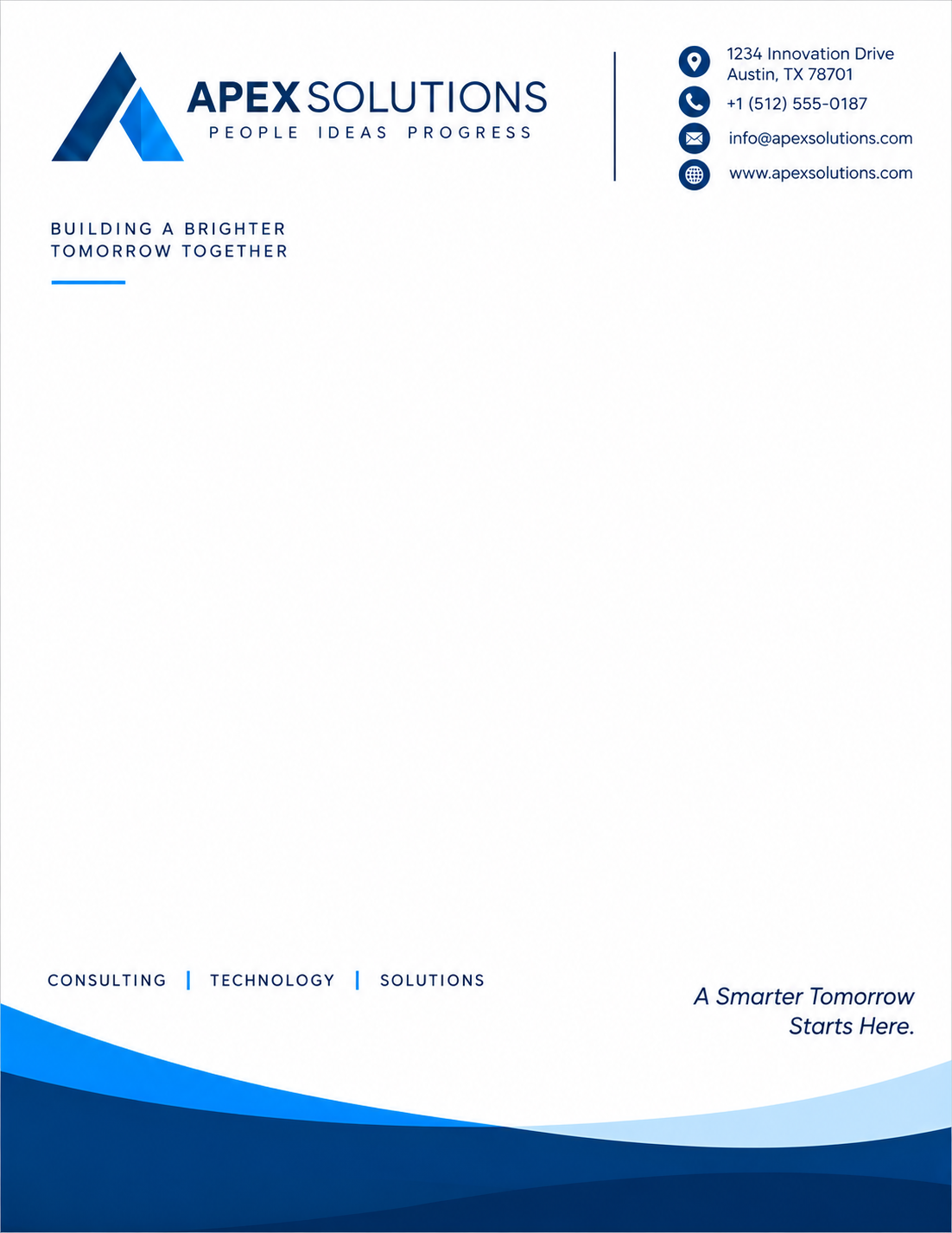
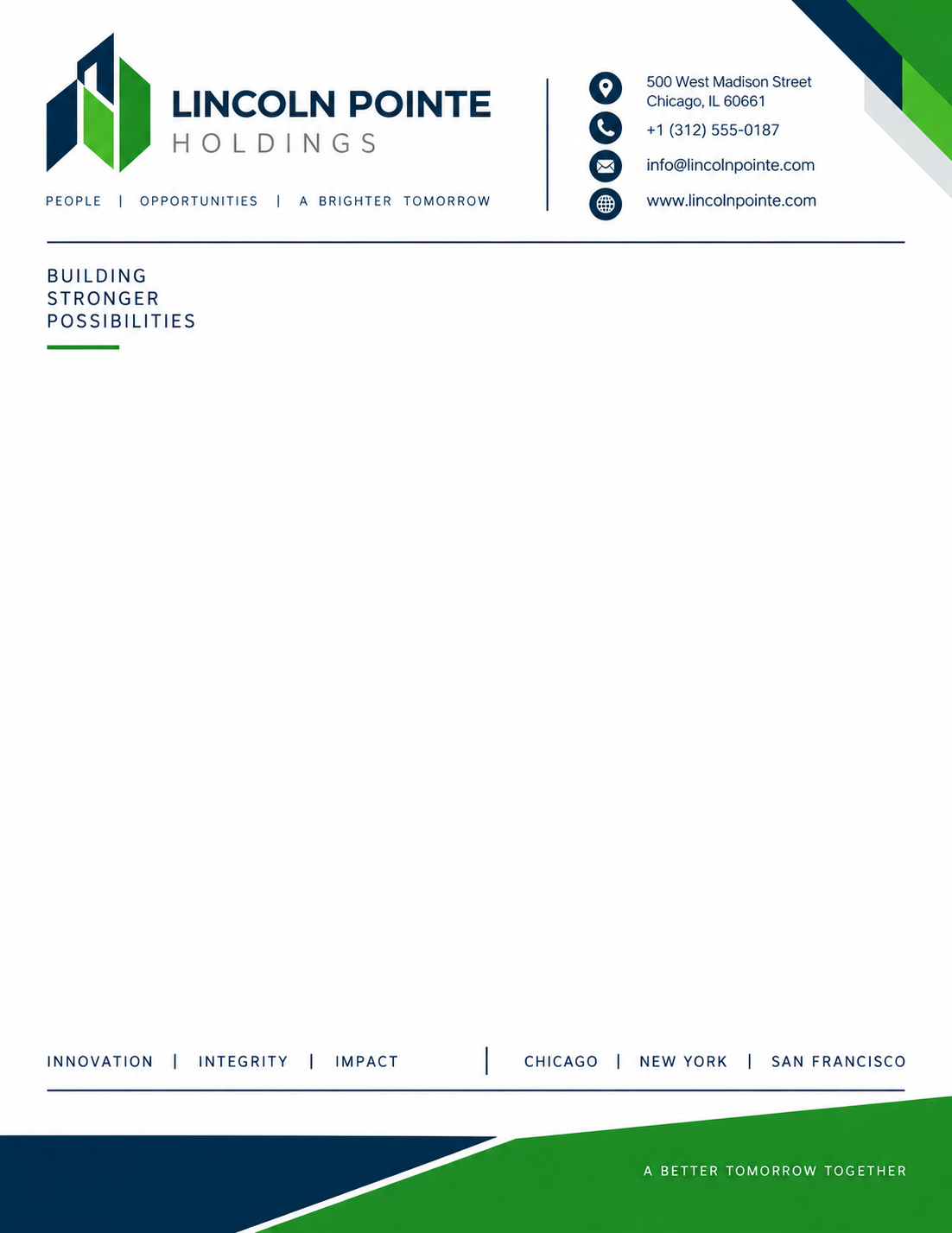
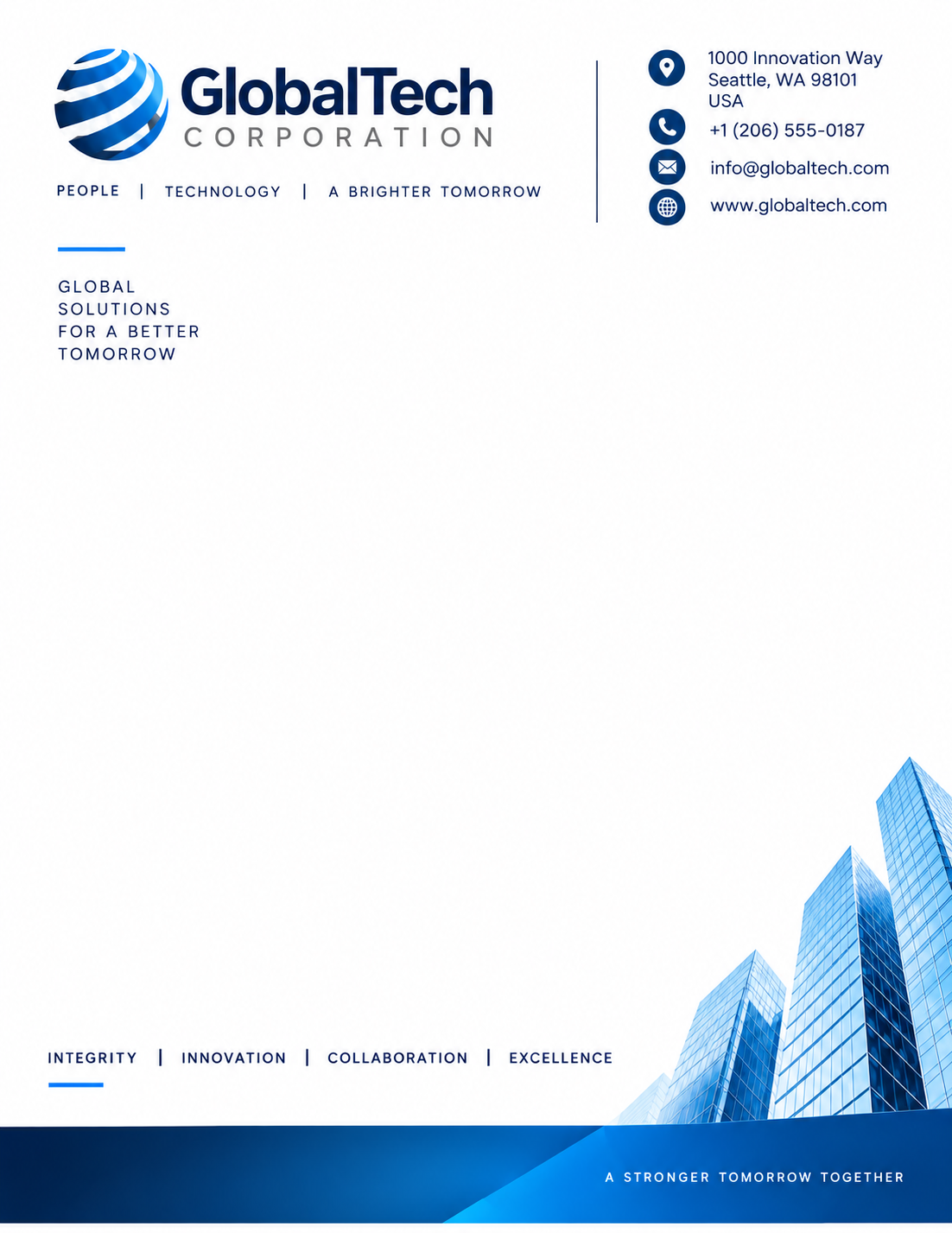
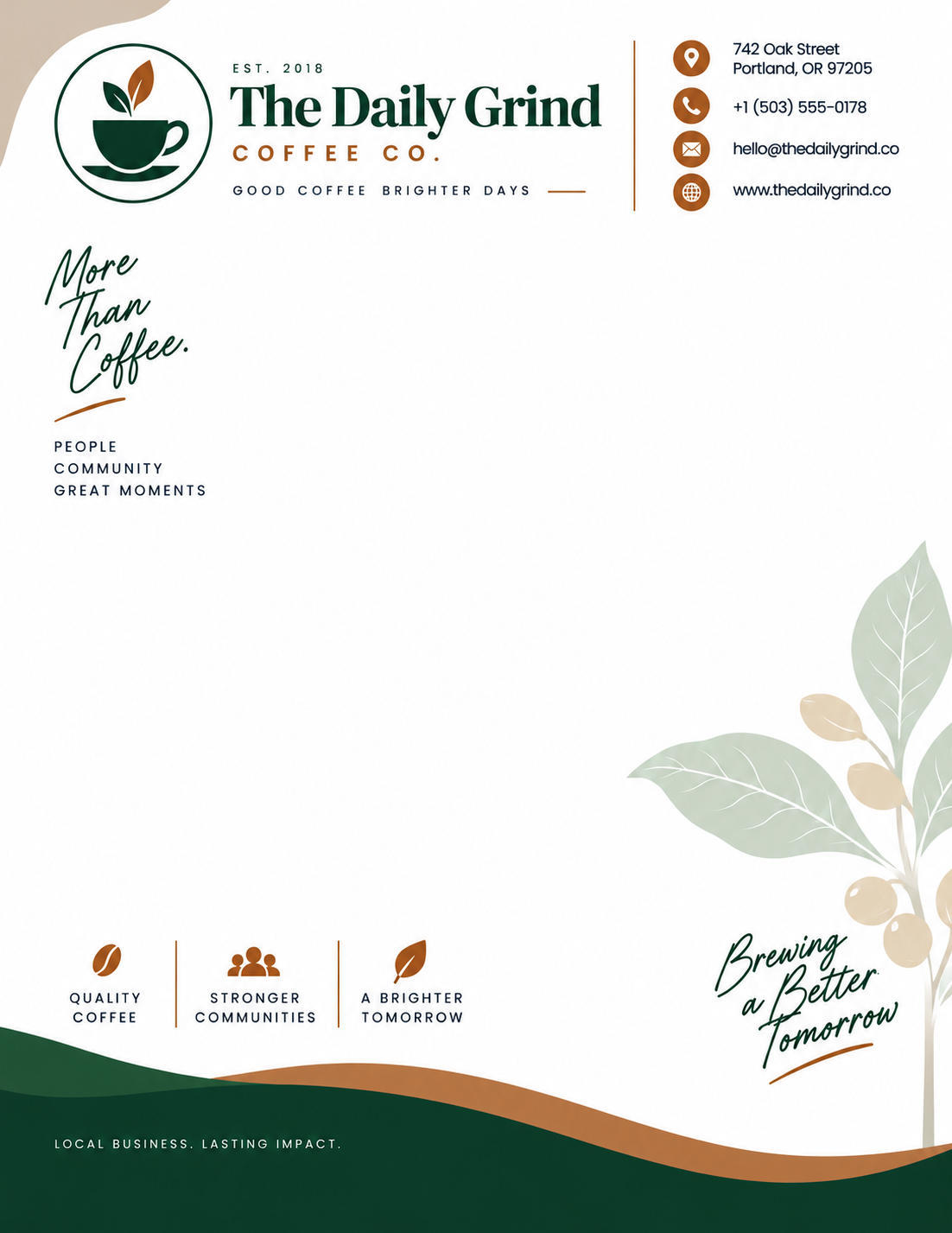
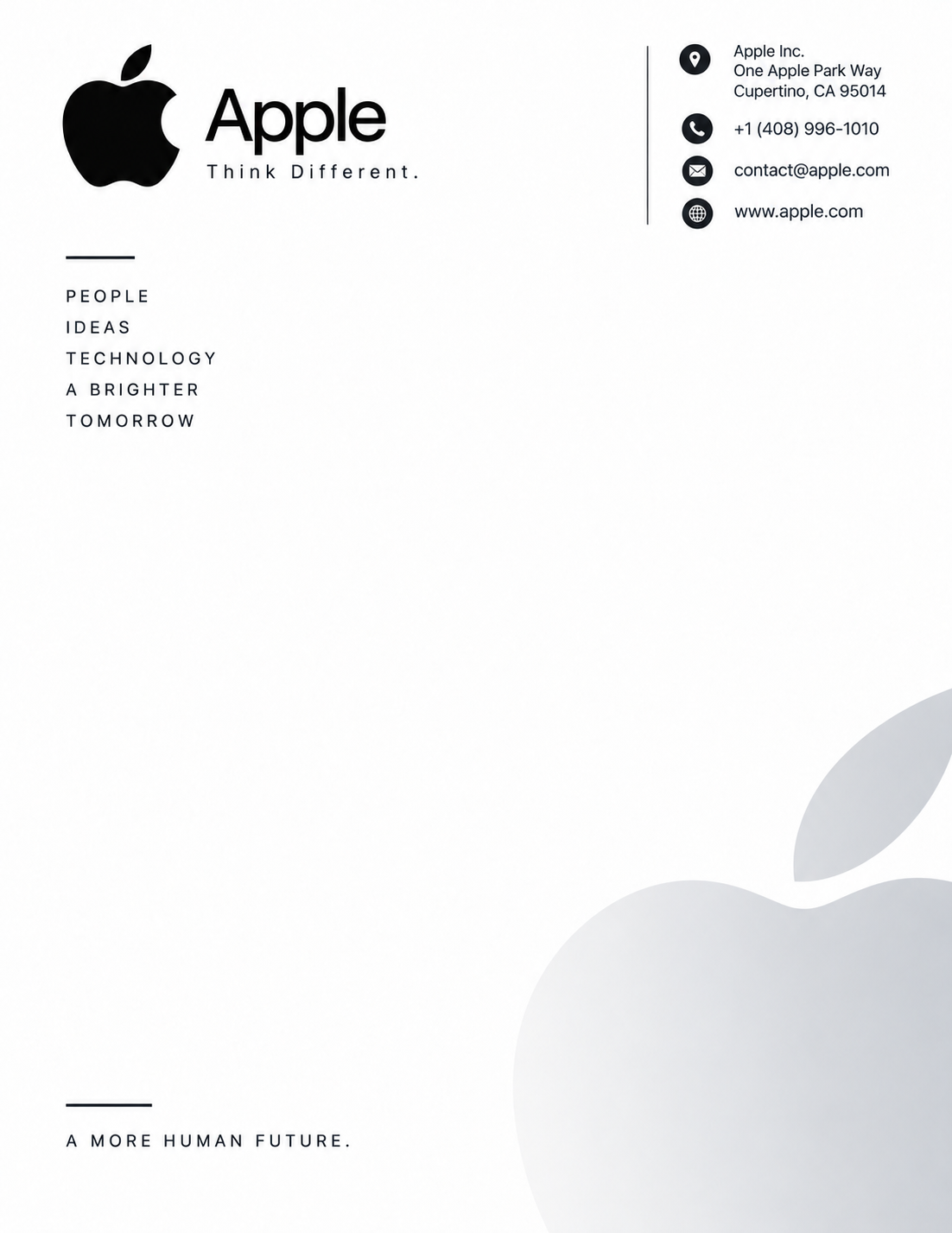

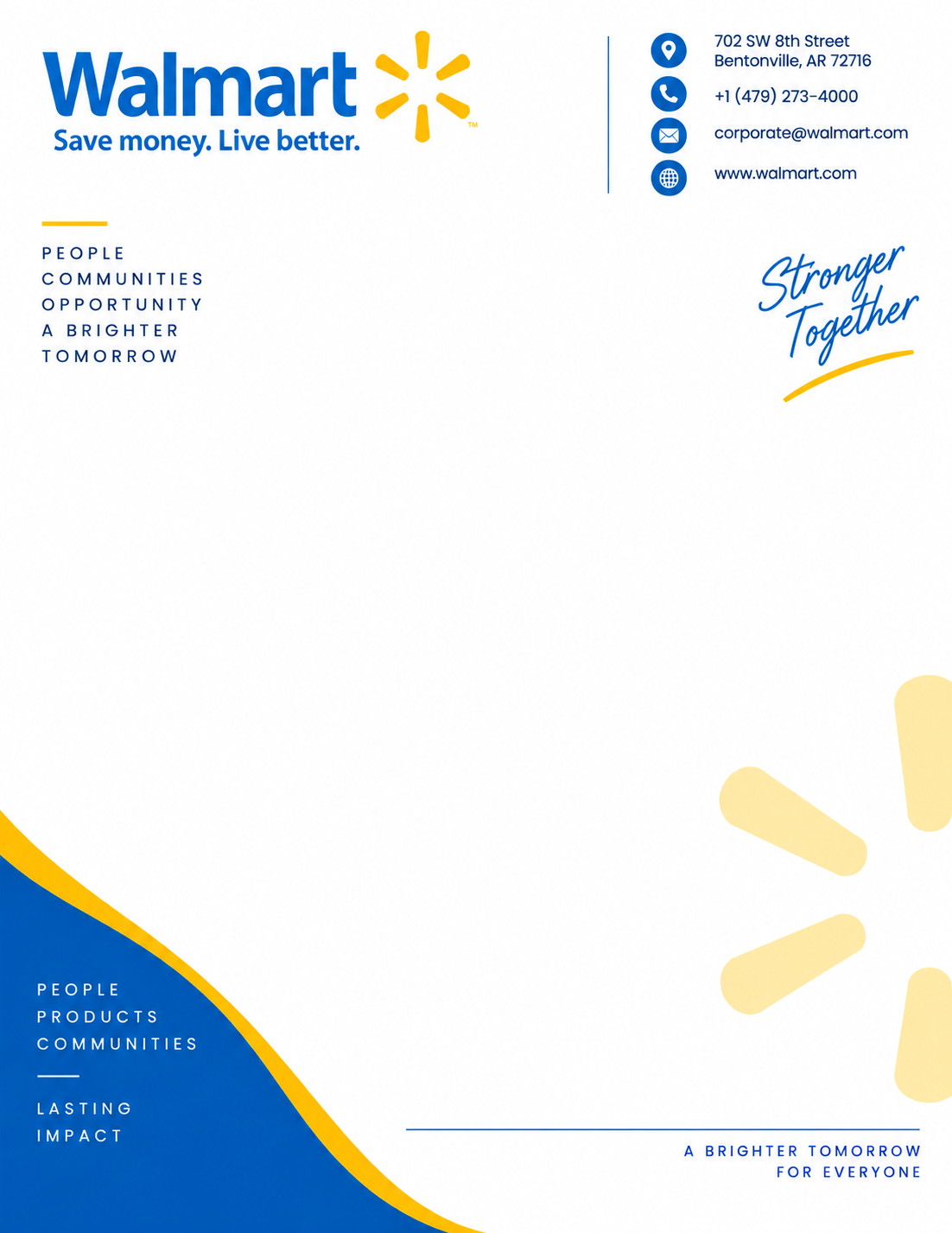
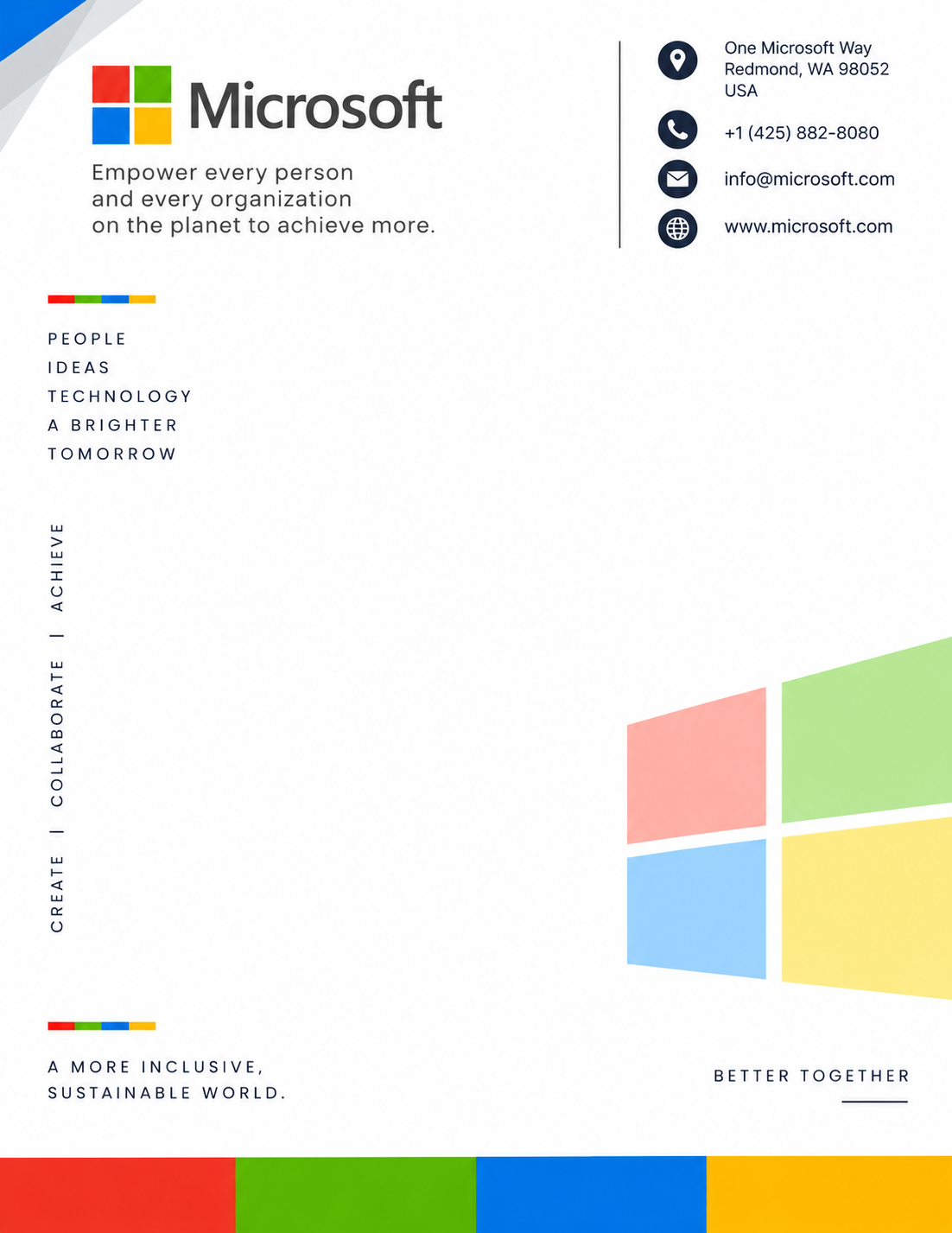
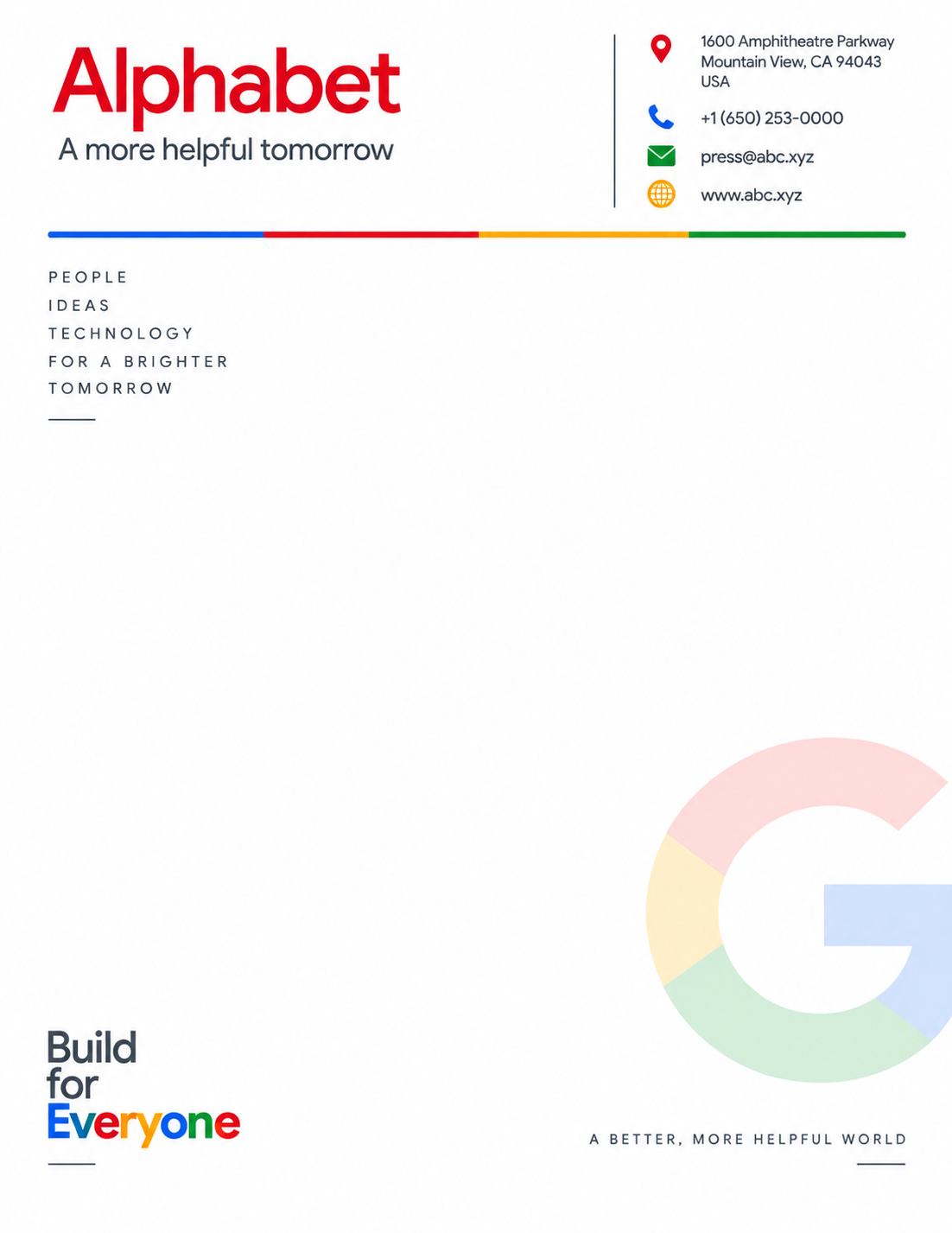
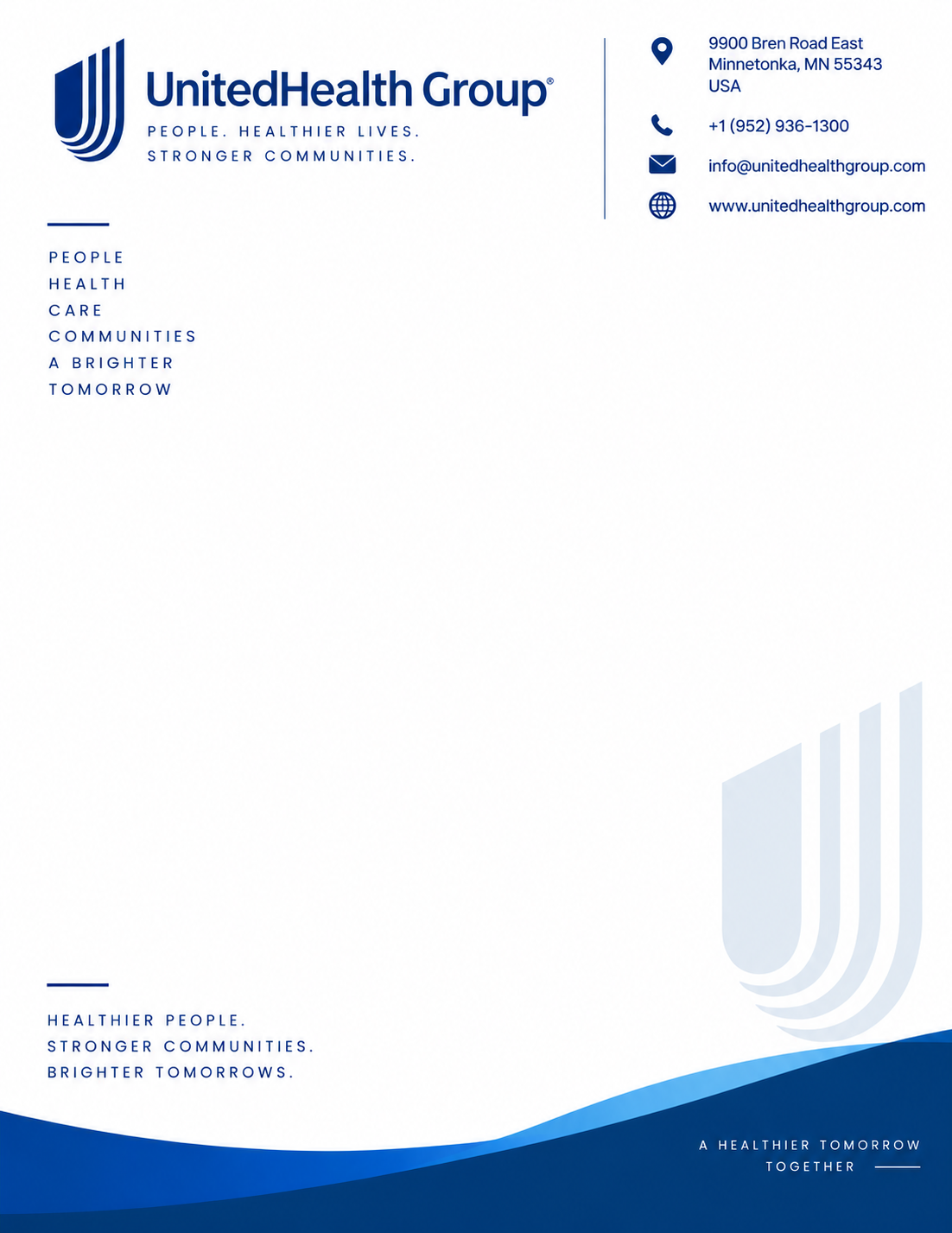
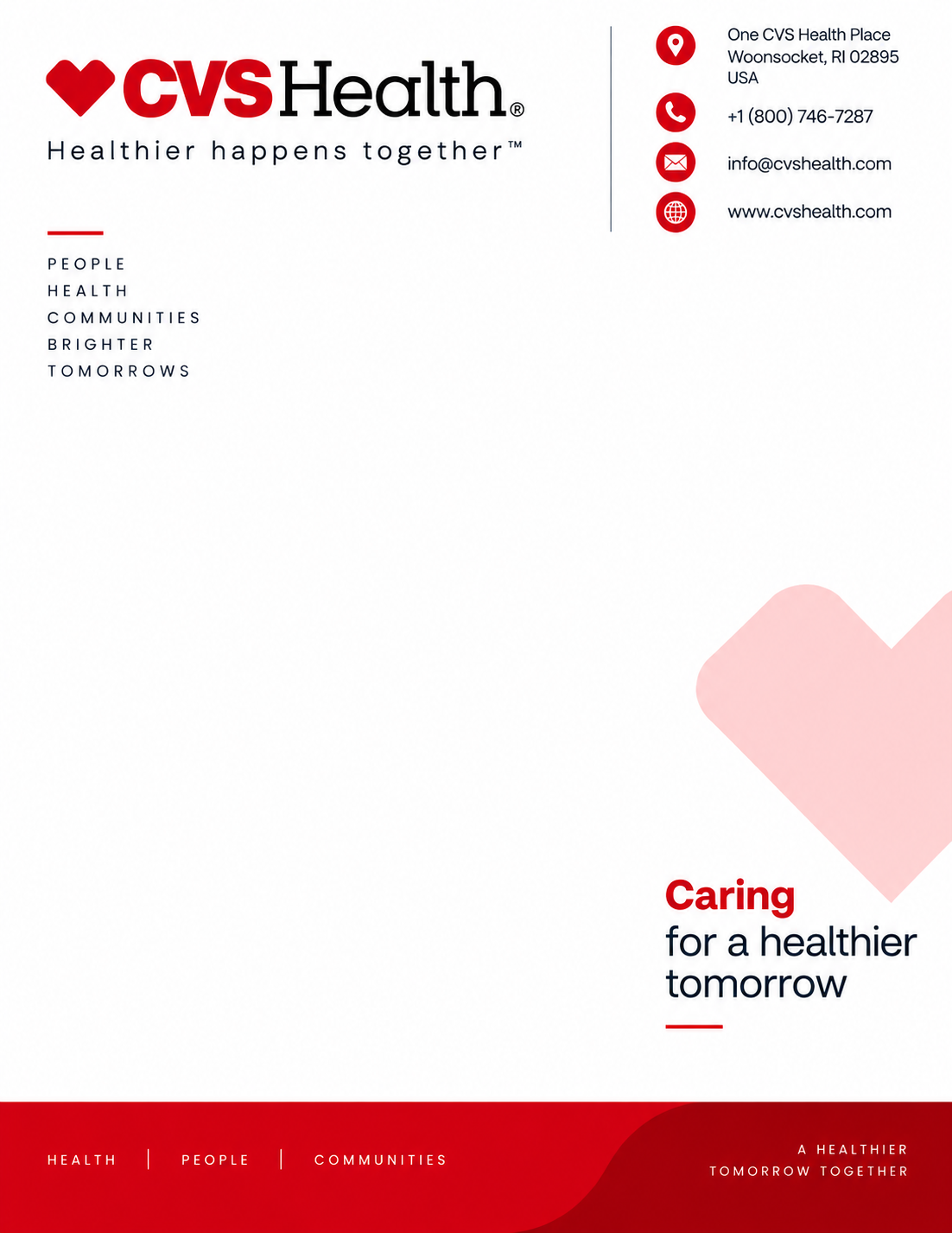
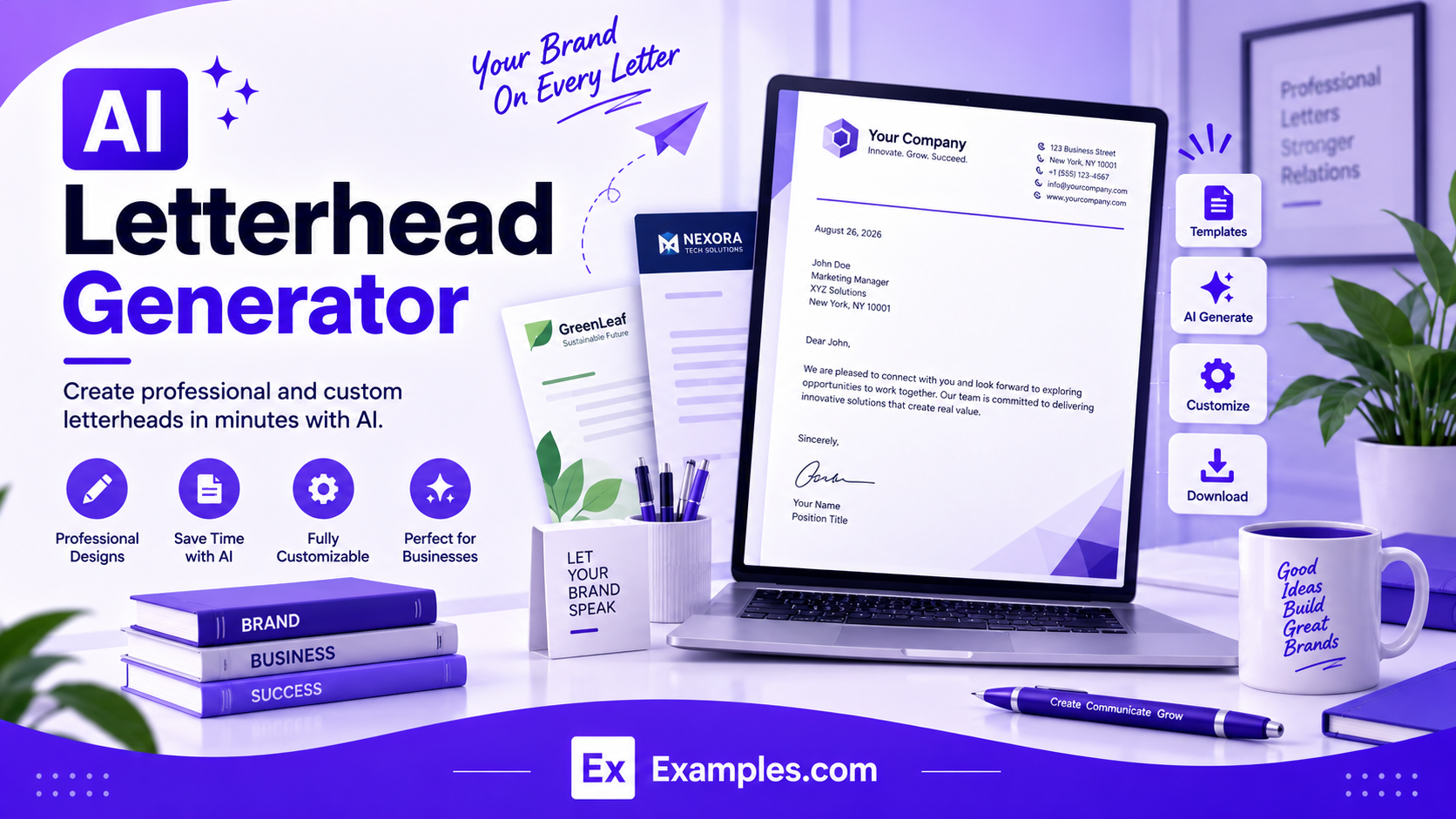
A letterhead is a branded heading or stationery design used to identify a person, business, company, organization, or institution on formal correspondence. It commonly features a name or organization name, logo, address, phone number, email, website, and other visual branding elements. A well-designed letterhead combines these details with typography, colors, spacing, and layout to create a recognizable professional identity. Digital letterhead designs can be presented as visual images such as JPG or PNG for viewing, sharing, and design inspiration.
What Is a Letterhead?
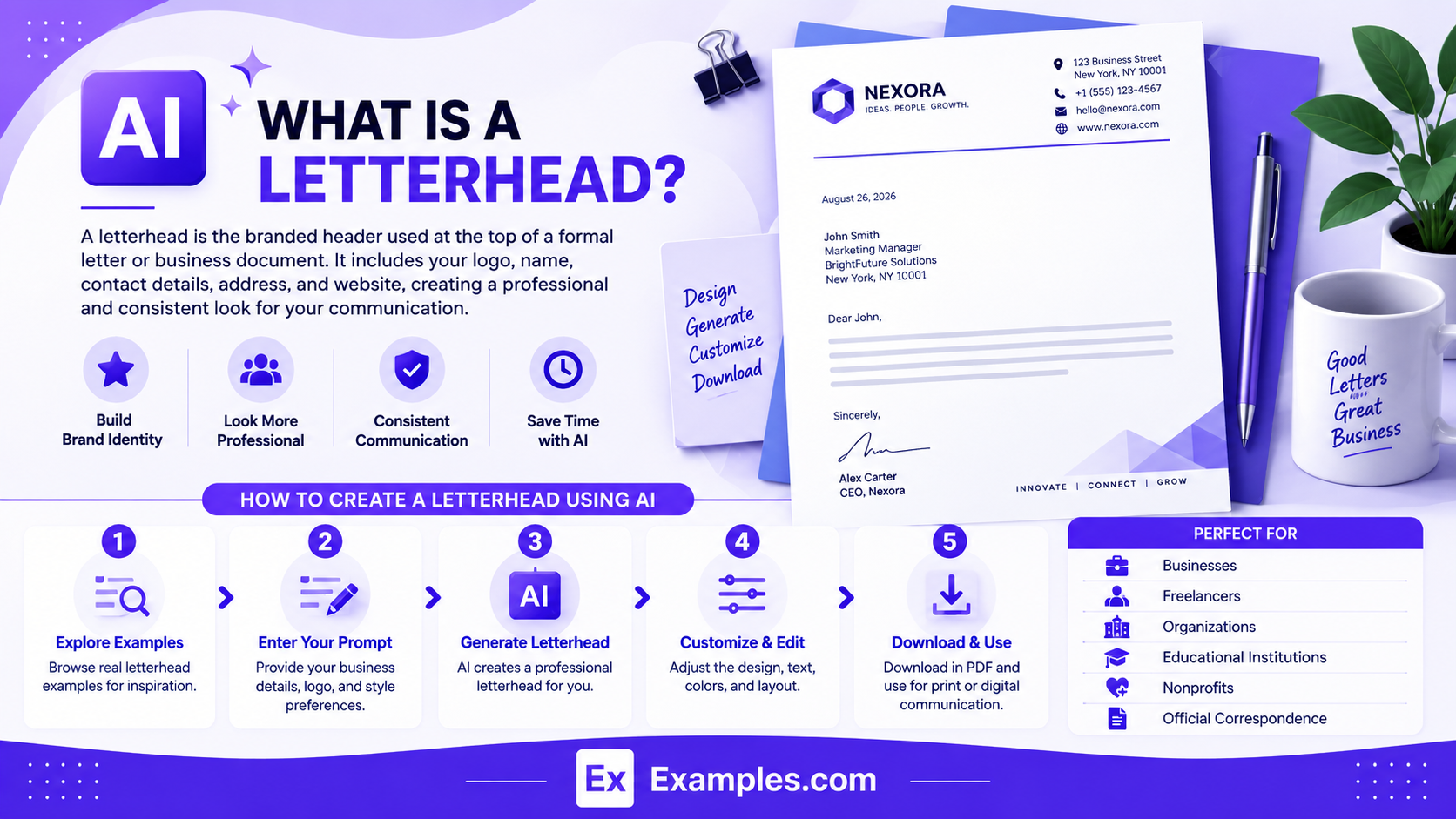
A letterhead is the branded heading or stationery used at the top of a formal letter or business communication. It identifies who the communication comes from and typically includes the organization or individual’s name, logo, address, and contact information. The visual design may also use brand colors, typography, lines, borders, and other graphic elements to create a consistent professional identity.
Who Creates a Letterhead?
Graphic Designers
Graphic designers create letterheads by combining logos, typography, colors, contact information, spacing, and other visual elements into a professional branded layout.
Brand Designers
Brand designers create letterheads that follow an organization’s broader visual identity, helping maintain consistency across professional communications and branded materials.
Marketing Teams
Marketing teams may create or coordinate letterhead designs to ensure business communications consistently represent the company’s branding and public identity.
Business Owners
Small-business owners may create their own letterheads using design tools or templates, particularly when they need a simple branded format for business correspondence.
Freelancers and Professionals
Freelancers, consultants, and independent professionals can create personal or professional letterheads that present their names, services, logos, and contact details.
Organizations and Institutions
Schools, nonprofits, government offices, and other organizations may create official letterheads to provide a consistent visual identity for formal communications.
Design Agencies
Design agencies create custom letterheads as part of broader branding and identity projects for companies and organizations.
Printing Services
Printing companies can reproduce approved letterhead designs on physical stationery after the visual design has been created by a business or designer.
What Are the Different Types of Letterheads?
Business Letterhead
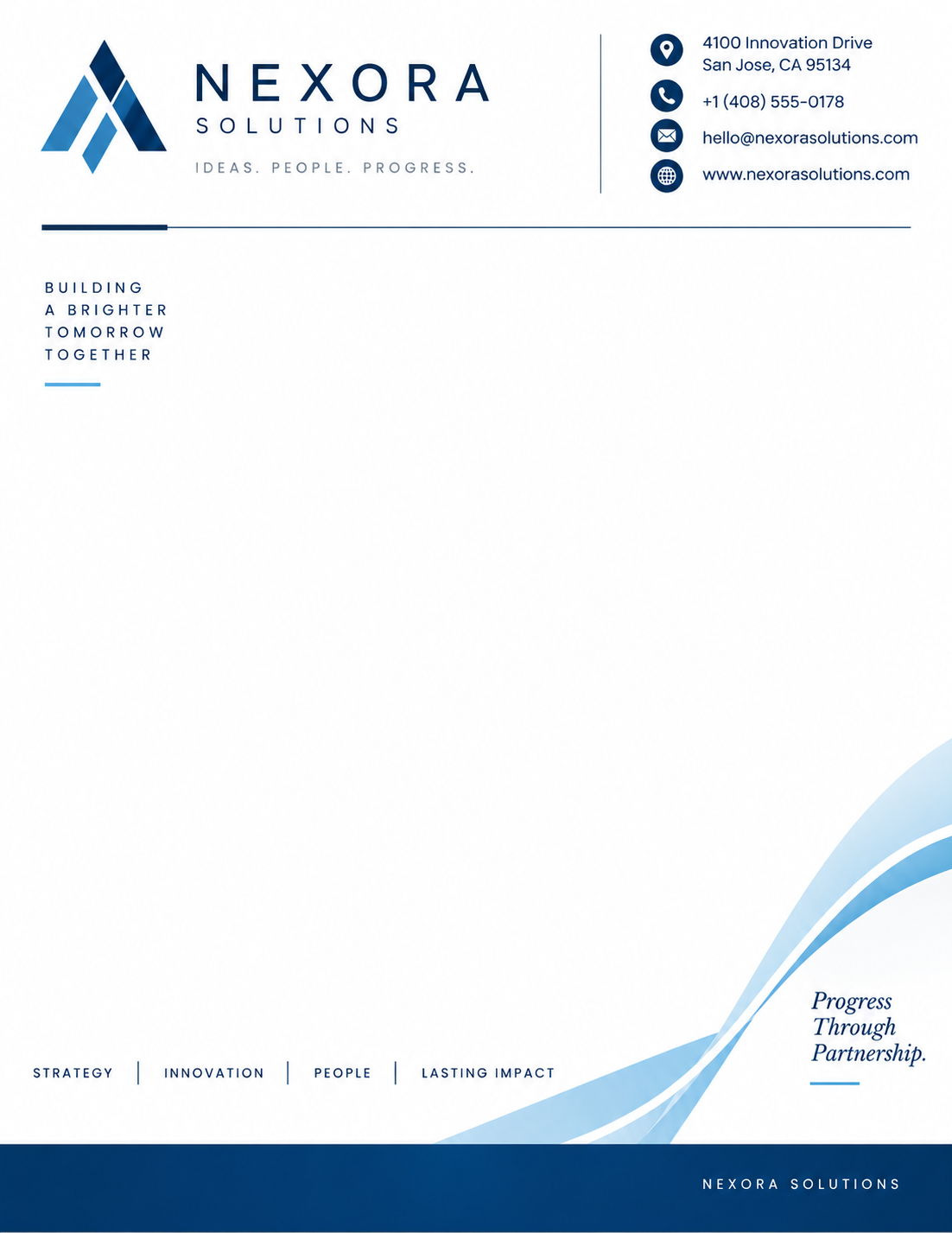
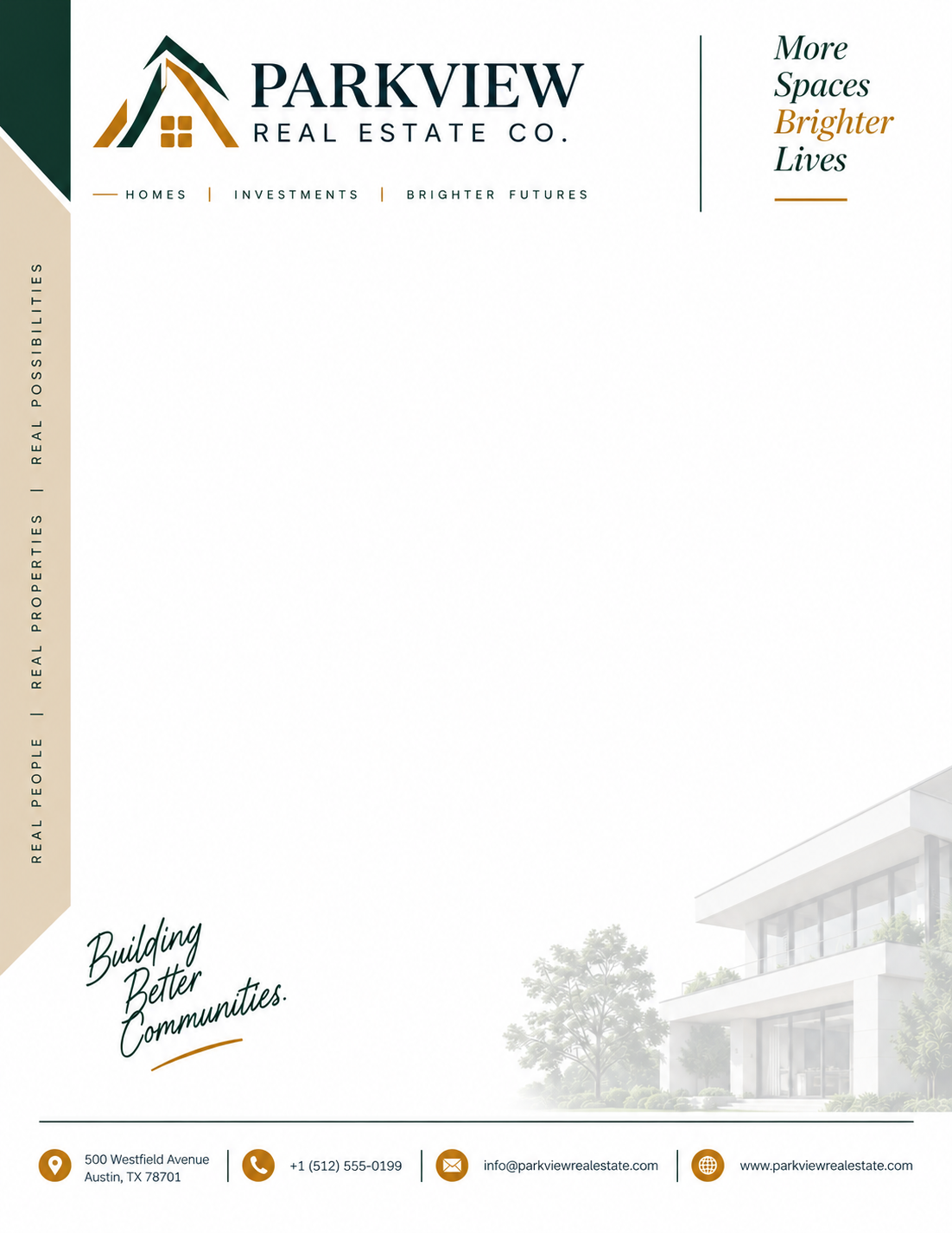
A Business Letterhead presents a company’s name, logo, contact information, and brand identity in a professional visual layout for formal business communication.
Corporate Letterhead
A Corporate Letterhead uses established company branding, structured typography, and organized contact information to create a consistent professional identity.
Personal Letterhead
A Personal Letterhead features an individual’s name, logo, initials, and contact information in a polished design for personal or professional correspondence.
Law Firm Letterhead
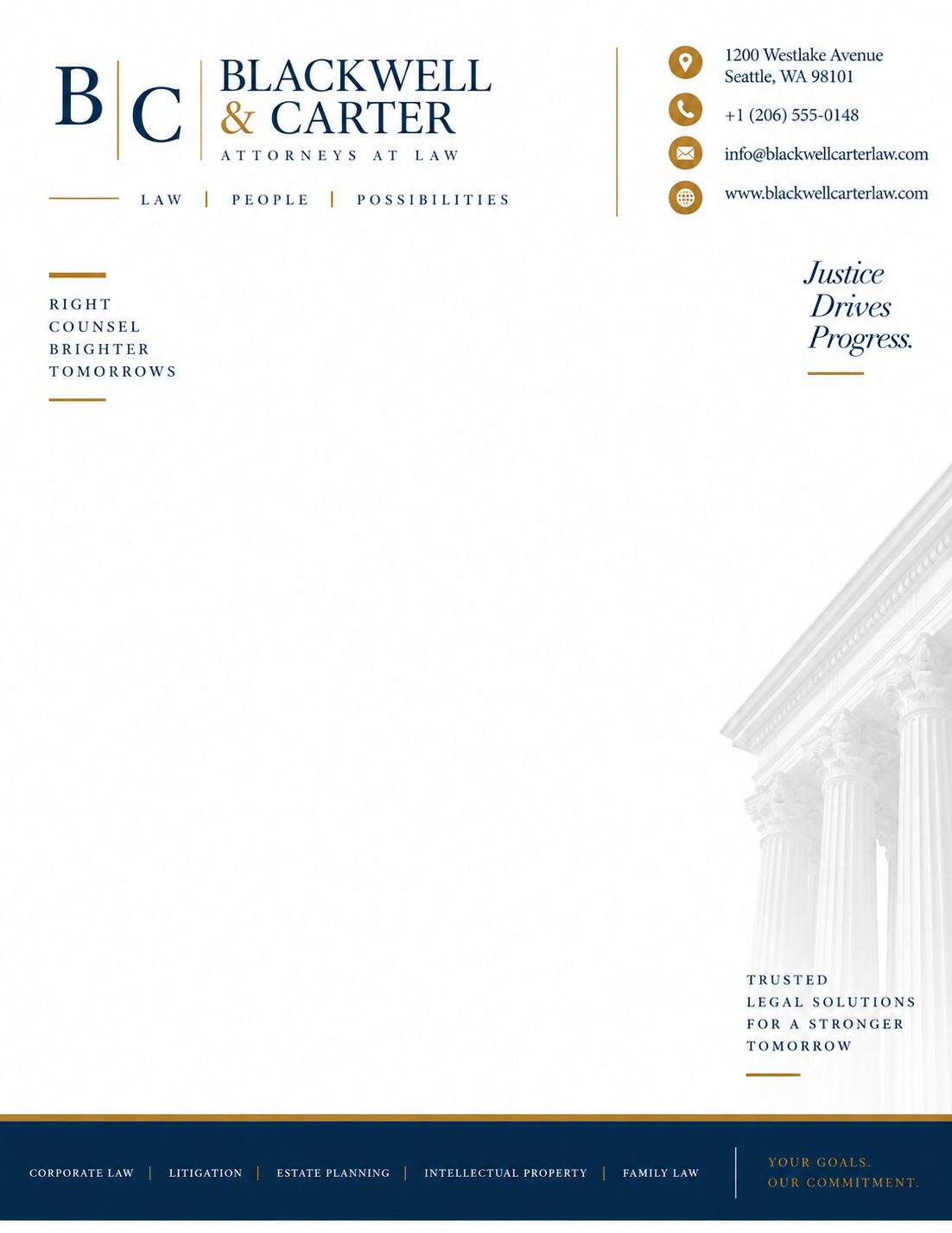
A Law Firm Letterhead presents the firm’s name, attorney information, logo, and contact details in a formal and professional visual style.
Medical Letterhead
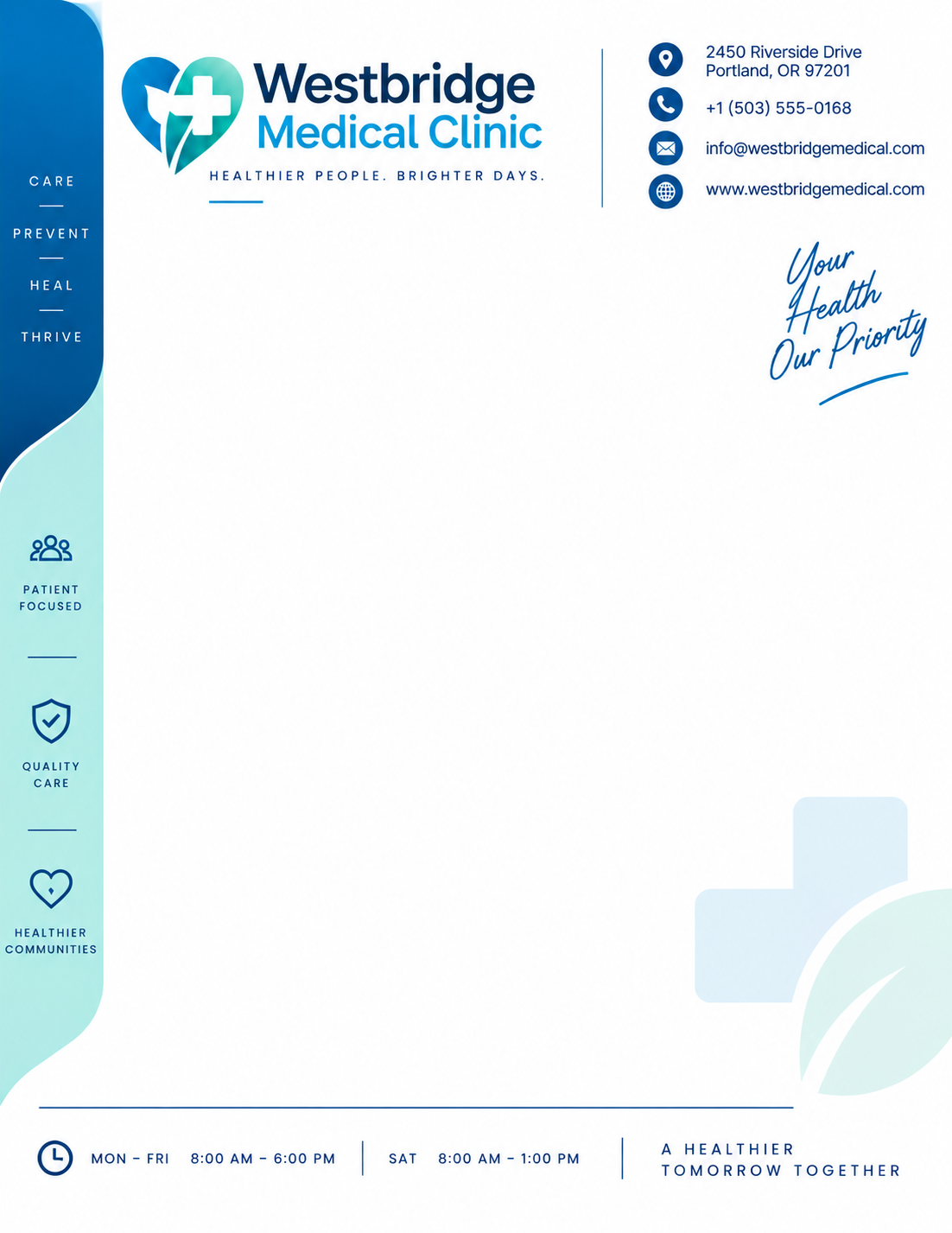
A Medical Letterhead uses healthcare-related branding, practice information, logos, and clean visual elements for doctors, clinics, and medical organizations.
School Letterhead
A School Letterhead includes an institution’s name, logo, colors, and contact information to establish an official academic identity.
Nonprofit Letterhead
A Nonprofit Letterhead combines an organization’s name, logo, mission-related branding, and contact information in a recognizable professional design.
Professional Letterhead
A Professional Letterhead helps consultants, freelancers, agencies, and independent professionals create a consistent personal or business identity.
Creative Letterhead
A Creative Letterhead uses distinctive typography, illustrations, graphics, colors, and layouts to create a memorable visual identity.
Minimal Letterhead
A Minimal Letterhead uses clean typography, limited colors, simple branding, and generous spacing for an elegant professional appearance.
How Do I Create Letterhead Using Real Examples?
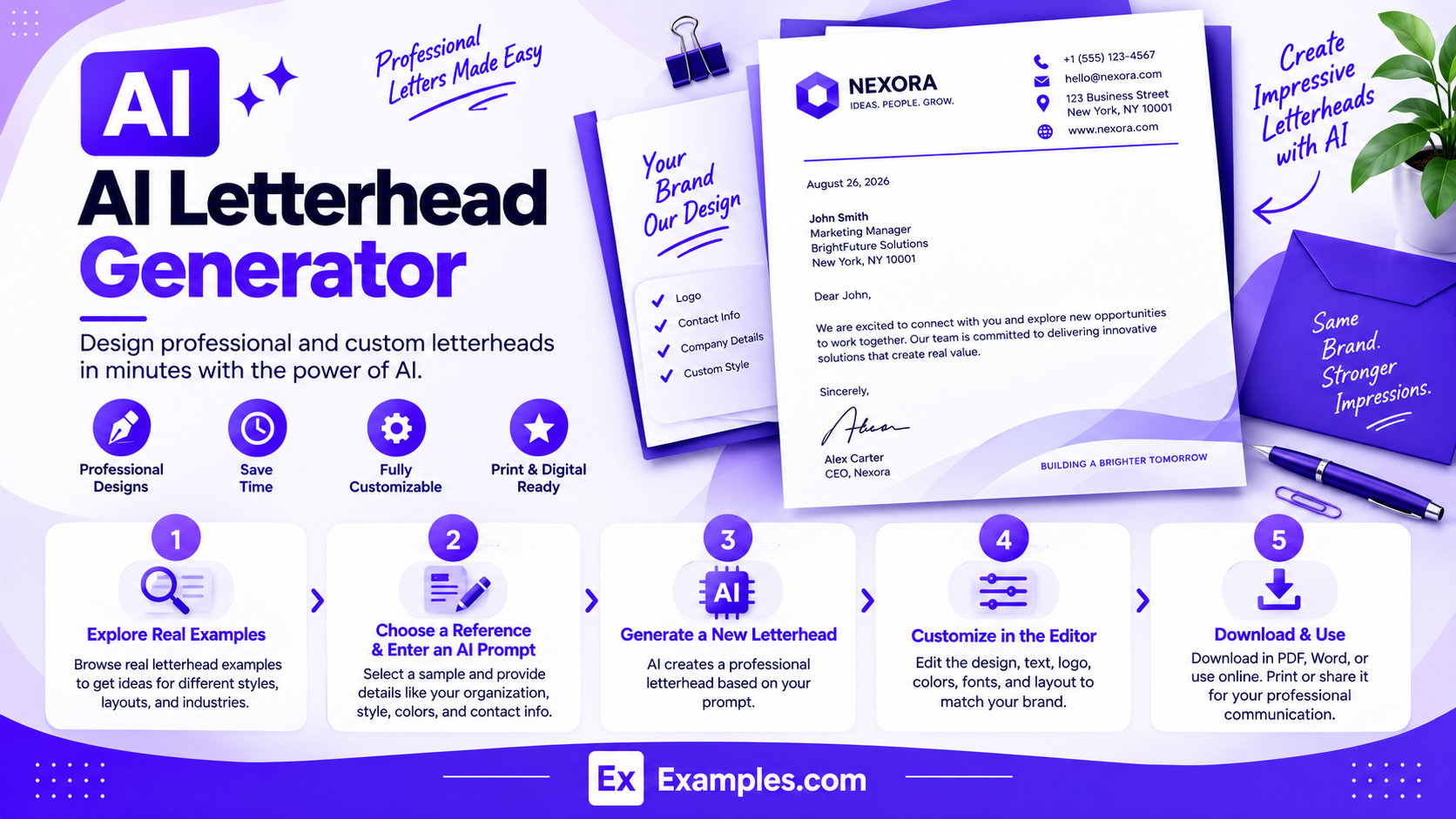
Explore Real Letterhead Examples
Review real letterhead examples to see how professional designs combine logos, names, contact information, typography, colors, spacing, borders, and other visual elements. Examples can help you understand different approaches for businesses, professionals, schools, nonprofits, and other organizations.
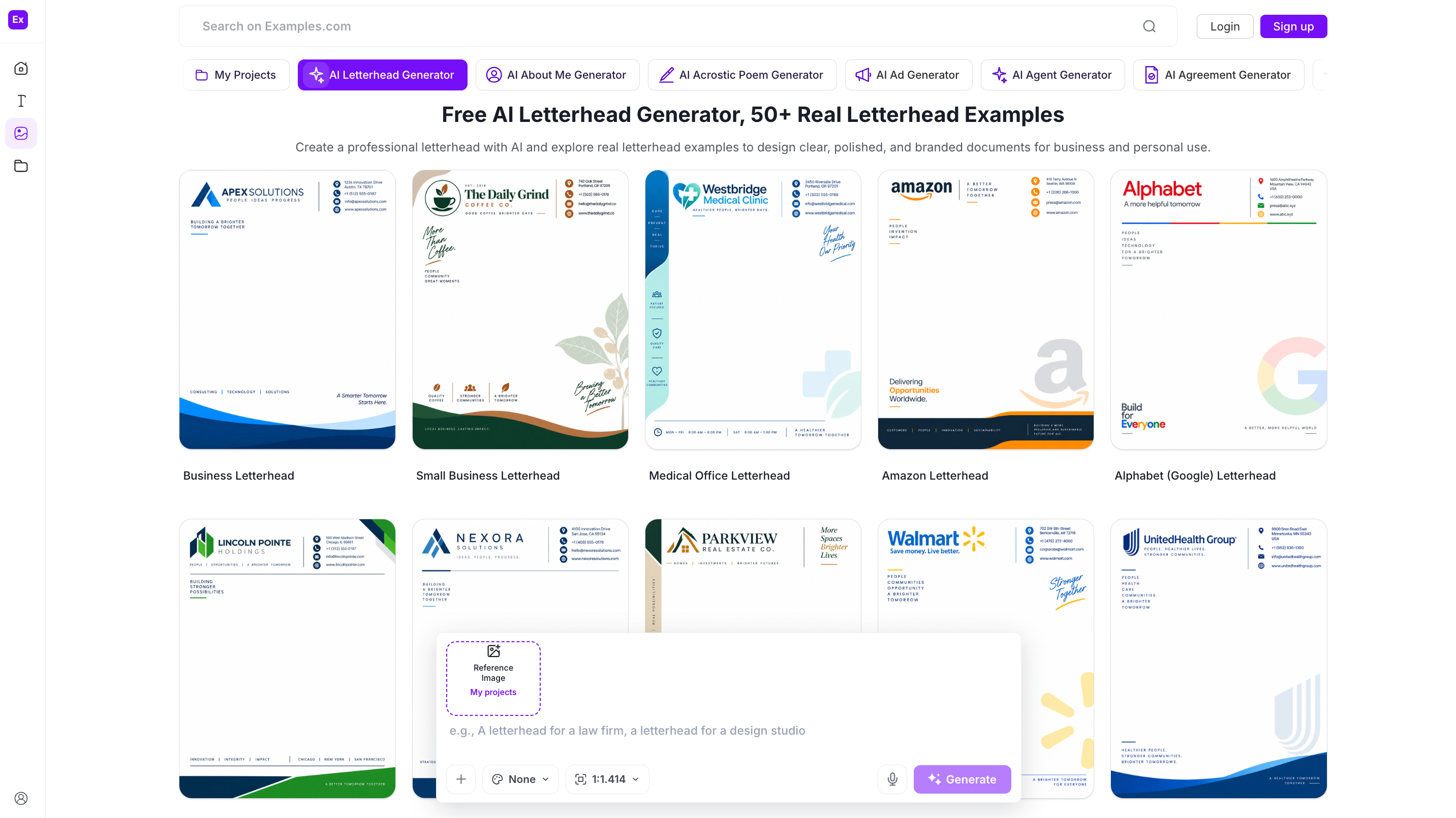
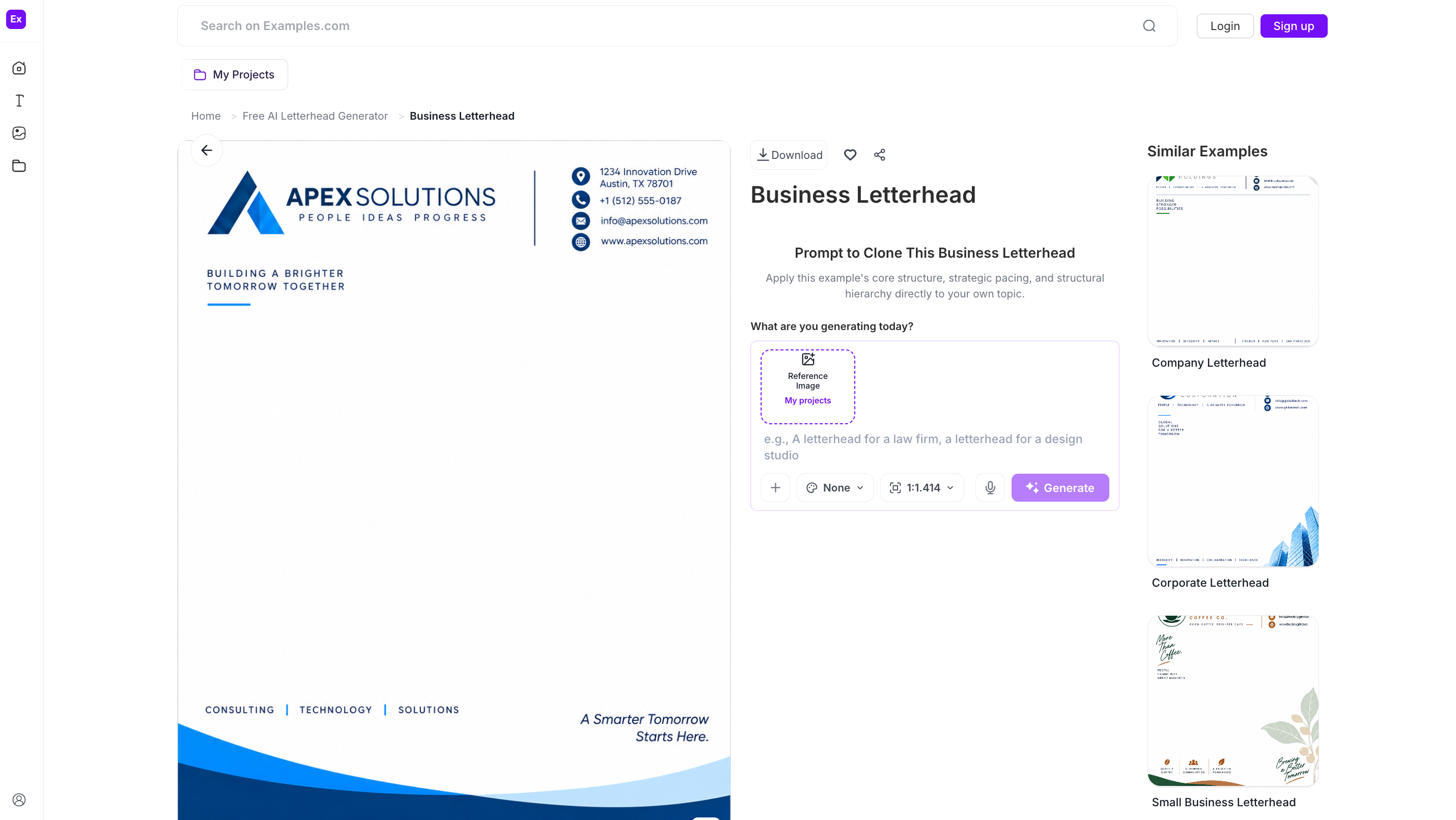
Choose A Reference Example And Enter An AI Prompt
Choose a reference letterhead design and describe the organization, visual style, logo placement, colors, typography, contact information, layout, and other design preferences in your prompt. A detailed prompt helps create a more focused and relevant letterhead concept.
Generate A New Letterhead Design
Generate a new letterhead design from your prompt. The result can combine branding, contact information, typography, shapes, lines, colors, and other visual elements into a professional letterhead composition.
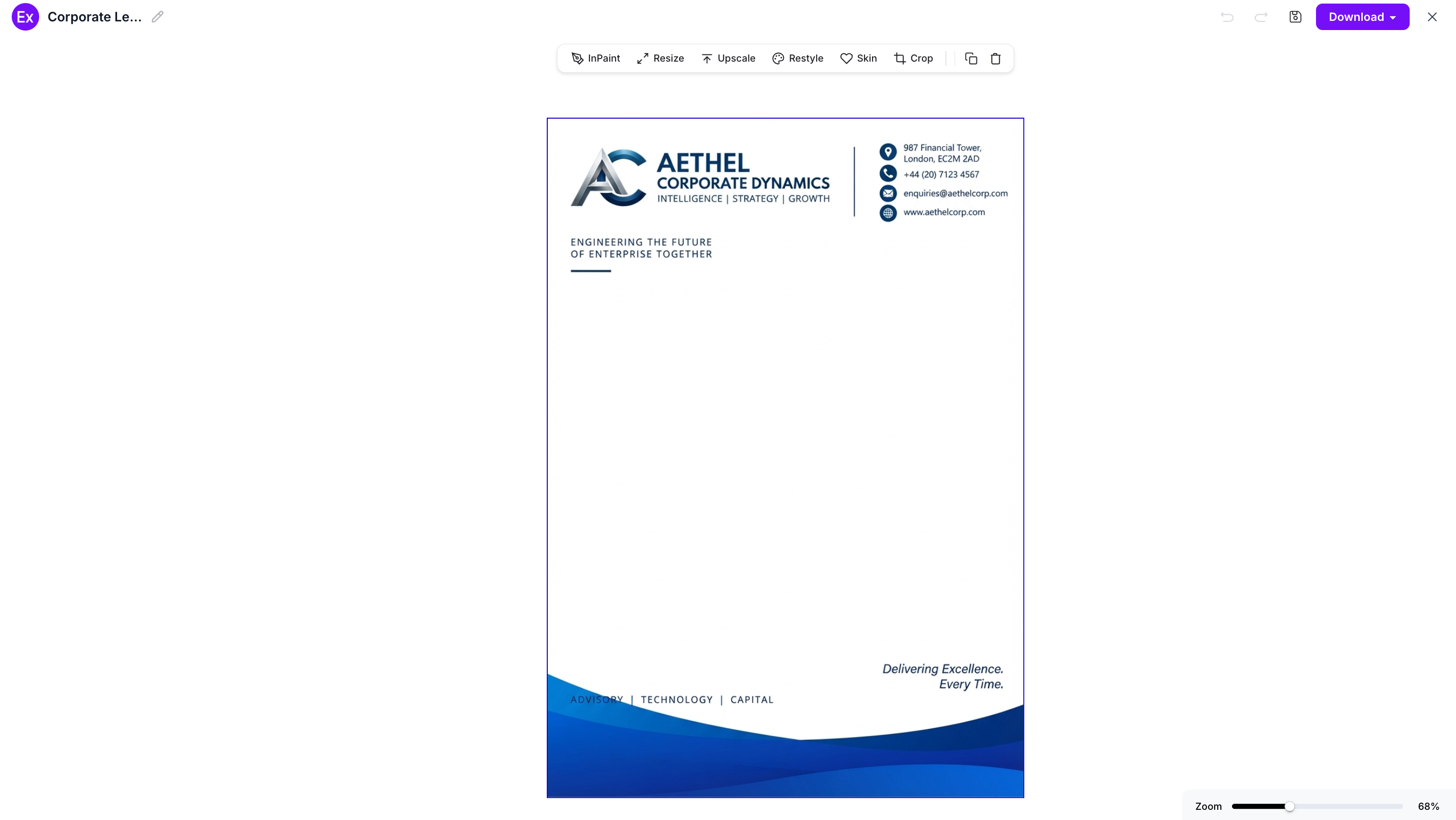
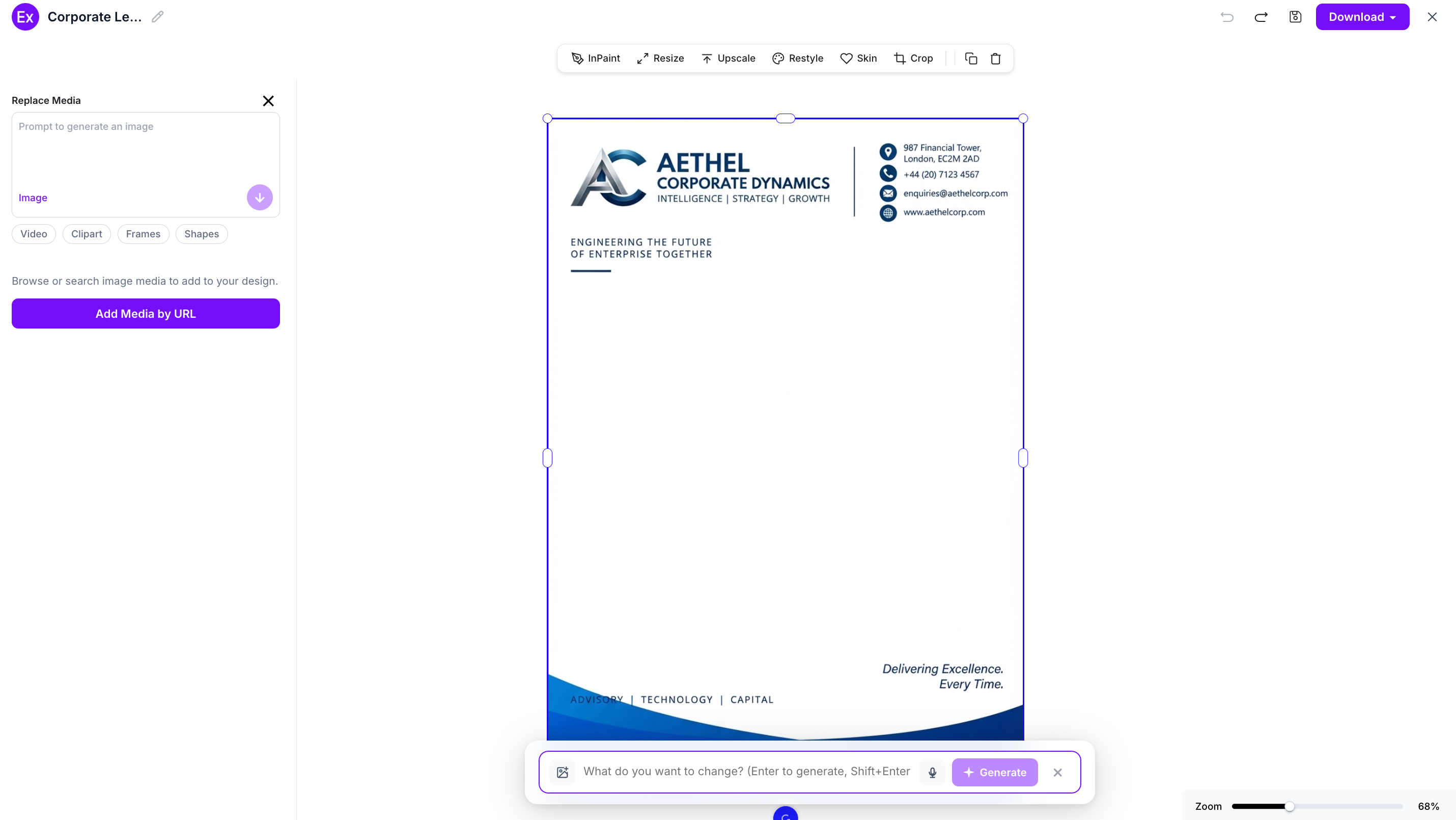
Customize The Letterhead In The Online Editor
Customize the letterhead design by changing the logo, colors, text, typography, spacing, alignment, borders, and graphic elements. Refine the visual hierarchy so the final design reflects the intended brand or professional identity.
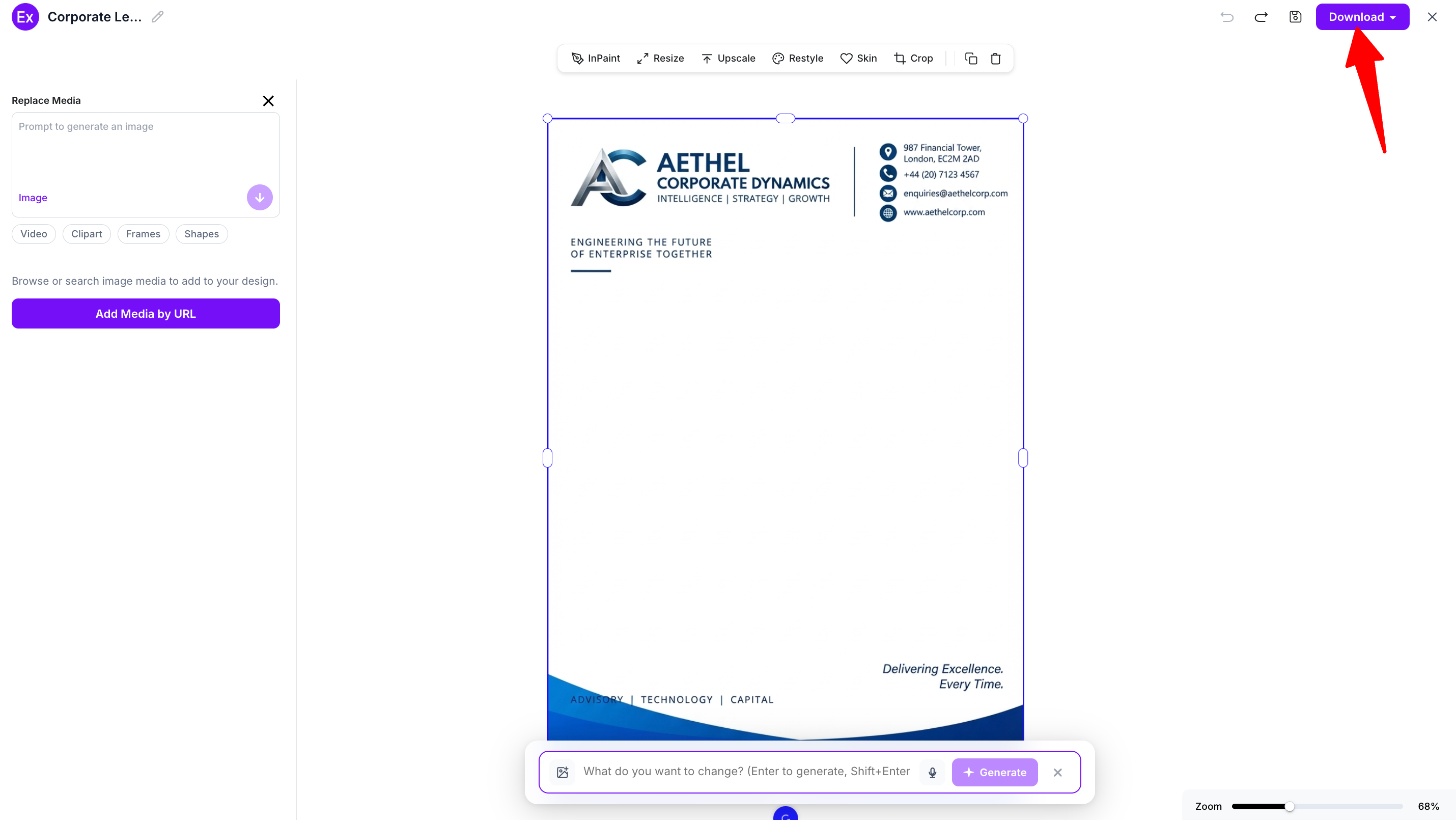
Download And Use Your Letterhead Image
Download your completed letterhead as a JPG or PNG image for visual reference, digital presentation, branding, design projects, or use as a branded graphic element.
Generate Your Letterhead Examples
What Makes a Good Letterhead?
A good letterhead is professional, recognizable, balanced, and consistent with the sender’s visual identity. It should clearly present important information such as the organization or individual’s name, logo, and contact details without making the design feel crowded. Strong letterheads use readable typography, appropriate colors, clear visual hierarchy, balanced spacing, and a layout that supports the purpose of the communication.
Letterhead Design Features
Professional Letterhead Design
Create a polished visual letterhead that combines branding, contact information, typography, colors, and layout into one cohesive design.
Logo Placement
Position a company logo, personal logo, emblem, or monogram prominently while maintaining visual balance throughout the design.
Brand Color Customization
Choose and adjust colors to match an existing brand identity or create a new visual style for the letterhead.
Typography Selection
Use suitable fonts, sizes, and text hierarchy to make organization names and contact details clear and visually appealing.
Layout Customization
Adjust alignment, spacing, borders, shapes, graphic elements, and other visual components to create the preferred letterhead composition.
JPG and PNG Image Output
Save the completed letterhead as a JPG or PNG image for digital presentation, visual reference, and branding applications.
What Are the Essential Elements of a Letterhead?
- Organization or Individual Name: Clearly identify the business, organization, institution, or person represented by the letterhead.
- Logo or Brand Mark: Include a recognizable logo, emblem, symbol, or monogram when appropriate.
- Address: Display a relevant business, office, or mailing address.
- Phone Number: Provide an appropriate contact number for communication.
- Email Address: Include a professional email address where recipients can reach the sender.
- Website: Add a website when it is relevant to the organization or professional identity.
- Brand Colors: Use colors that support a consistent visual identity.
- Typography: Select readable fonts that complement the overall design.
- Visual Hierarchy: Arrange elements so the most important information is easy to recognize.
- Balanced Layout: Use appropriate spacing and alignment to keep the design clear and professional.
How Do I Design a Letterhead?
- Identify the Purpose: Determine whether the letterhead is for a business, professional, personal, educational, nonprofit, medical, legal, or other use.
- Identify the Creator or Brand: Decide whose identity the letterhead should represent and collect the required information.
- Gather Brand Elements: Collect the logo, organization name, address, phone number, email, website, colors, and other visual assets.
- Choose the Design Style: Select a minimal, modern, corporate, creative, traditional, or other style appropriate to the intended identity.
- Plan the Layout: Decide where the logo, name, contact information, lines, borders, and graphic elements should appear.
- Select Typography: Choose readable fonts and establish a clear hierarchy between the organization name and supporting details.
- Apply Brand Colors: Use a consistent color palette that complements the logo and overall brand identity.
- Balance the Composition: Adjust spacing, alignment, proportions, and decorative elements so the design feels organized rather than crowded.
- Review the Details: Check spelling, names, phone numbers, addresses, email addresses, website information, and logo placement.
- Download the Letterhead Image: Save the finished visual design as JPG or PNG when an image version is needed.
Why Should I Use Real Letterhead Examples to Create My Own Letterhead?
- Real examples show how professional letterheads combine branding and contact information.
- They help you compare corporate, business, personal, medical, legal, school, nonprofit, and creative designs.
- They provide ideas for logo placement, typography, colors, spacing, borders, and visual hierarchy.
- They help you understand how much information to include without overcrowding the design.
- They make it easier to select a visual direction before creating your own letterhead.
- They provide inspiration for developing an original design that reflects a specific brand or profession.
What Common Letterhead Mistakes Should I Avoid?
- Overcrowding the Design: Avoid using too many logos, graphics, colors, or contact details.
- Using a Poor-Quality Logo: A blurry or pixelated logo can make an otherwise professional design look unfinished.
- Choosing Difficult Fonts: Avoid typography that makes names or contact information difficult to read.
- Using Too Many Colors: Keep the visual palette controlled and consistent with the intended identity.
- Incorrect Contact Information: Check names, addresses, phone numbers, email addresses, and website details carefully.
- Poor Alignment: Make sure logos, text, lines, and graphic elements are consistently positioned.
- Weak Visual Hierarchy: Important identity information should be easier to notice than secondary details.
- Unnecessary Decorations: Use graphics and decorative elements only when they contribute to the overall design.
- Low Image Quality: Use sufficiently high-resolution visual assets so logos and text remain clear.
- Inconsistent Branding: Keep the logo, colors, typography, and other elements visually consistent.
What Is the Difference Between a Letterhead and a Logo?
| Letterhead | Logo |
|---|---|
| A complete branded heading or stationery design. | A visual symbol or brand mark. |
| Can contain a logo, name, address, contact details, and other design elements. | Usually represents the identity of a business, organization, or individual by itself. |
| Provides the visual structure for branded correspondence. | Provides brand recognition. |
| Uses multiple elements arranged in a specific layout. | Is generally a single graphic or wordmark. |
| Can incorporate a logo as one part of the overall design. | Can be used as one element within a letterhead. |
Letterhead Ideas for Different Uses
- Business Letterhead: Combine a business name, logo, contact information, and brand colors in a clean professional layout.
- Corporate Letterhead: Use structured branding, professional typography, and organized information for corporate communication.
- Personal Letterhead: Use a person’s name, initials, logo, and contact details to create a personal professional identity.
- Medical Letterhead: Combine practice branding, healthcare-related visual elements, and relevant contact information.
- Legal Letterhead: Use a formal layout featuring a law firm or attorney name, logo, credentials, and contact information.
- School Letterhead: Use the institution’s logo, school colors, name, and contact details to establish academic identity.
- Nonprofit Letterhead: Combine organizational branding with a clean layout that reflects the nonprofit’s identity.
- Professional Letterhead: Create a polished visual identity for consultants, freelancers, agencies, and independent professionals.
- Creative Letterhead: Use distinctive colors, typography, illustrations, shapes, and modern layouts.
- Minimal Letterhead: Use simple branding, clean typography, limited colors, and generous spacing.
FAQs
A letterhead is a branded heading or stationery design that identifies a person, company, organization, or institution on formal correspondence. It commonly includes a name, logo, address, and contact information.What Is a Letterhead?
Letterheads can be created by graphic designers, brand designers, marketing teams, design agencies, business owners, freelancers, or organizational staff, depending on the size and needs of the organization.Who Creates a Letterhead?
A letterhead itself is traditionally printed stationery or the heading placed on stationery. A digital letterhead design can also be represented as an image, such as JPG or PNG, for visual presentation or digital design use.Is a Letterhead an Image?
A letterhead commonly includes the name of the person or organization, address, logo or brand mark, and relevant contact information. Additional branding elements such as colors, typography, and website information may also be included.What Should Be Included on a Letterhead?
A logo is commonly included in branded letterheads because it helps identify the organization or individual and reinforces visual brand recognition.Should a Letterhead Include a Logo?
A letterhead identifies the sender and gives formal correspondence a consistent professional and recognizable visual identity.What Is the Purpose of a Letterhead?
Letterhead refers to the branded heading or the stationery carrying that heading, while stationery is the broader term for writing materials used for correspondence.What Is the Difference Between Letterhead and Stationery?
JPG and PNG can be used when the letterhead is needed as a digital image. The appropriate format depends on how the design will be displayed or incorporated into other content.What Image Format Can I Use for a Digital Letterhead?
Start with the sender’s name or organization name, logo, contact information, brand colors, typography, and preferred visual style. Arrange these elements with clear hierarchy, balanced spacing, and consistent branding.How Do I Make a Professional Letterhead?
Yes. AI can help generate letterhead design concepts based on a business name, profession, logo, colors, visual style, typography, and layout preferences.Can AI Help Me Create a Letterhead?