
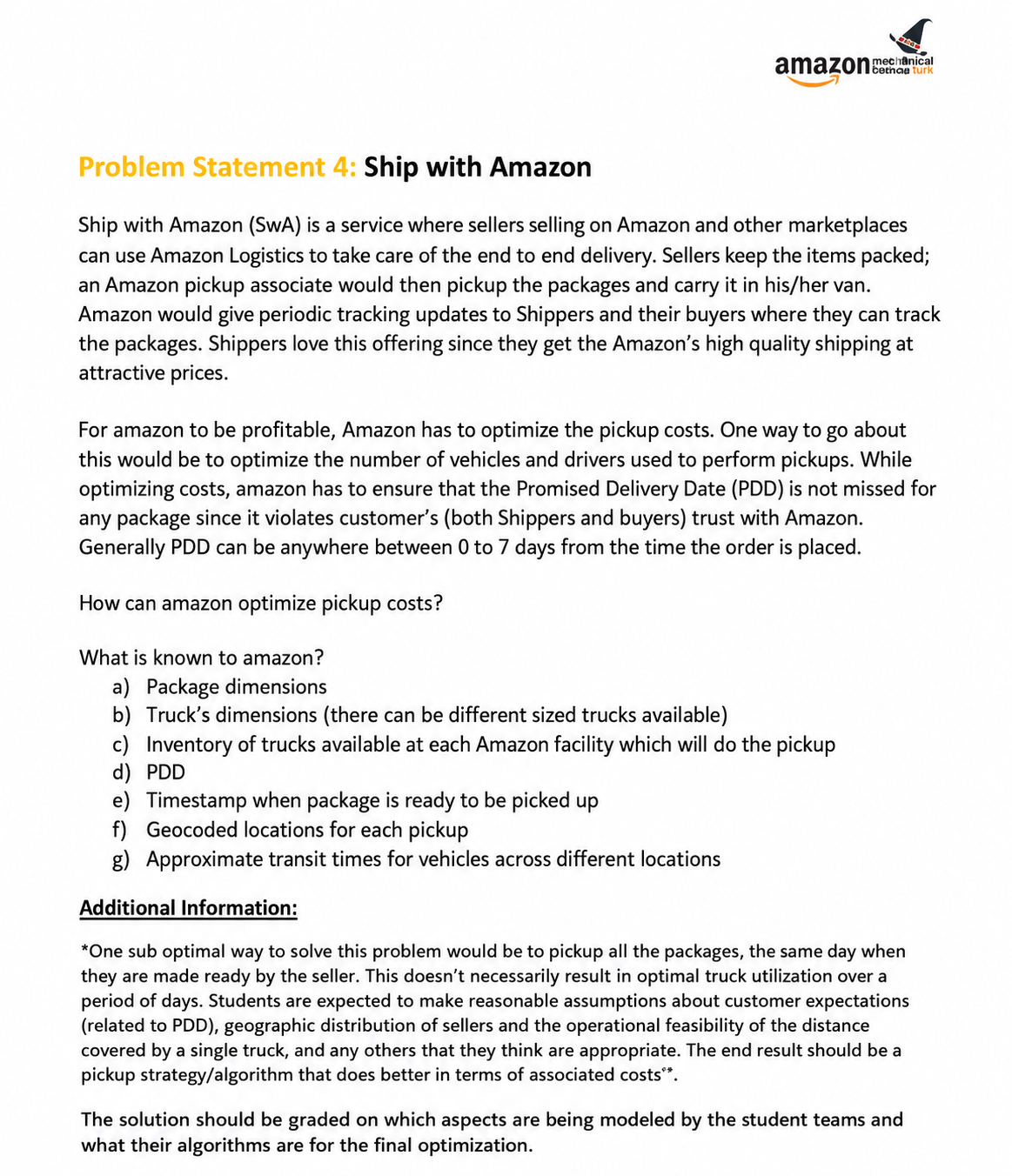
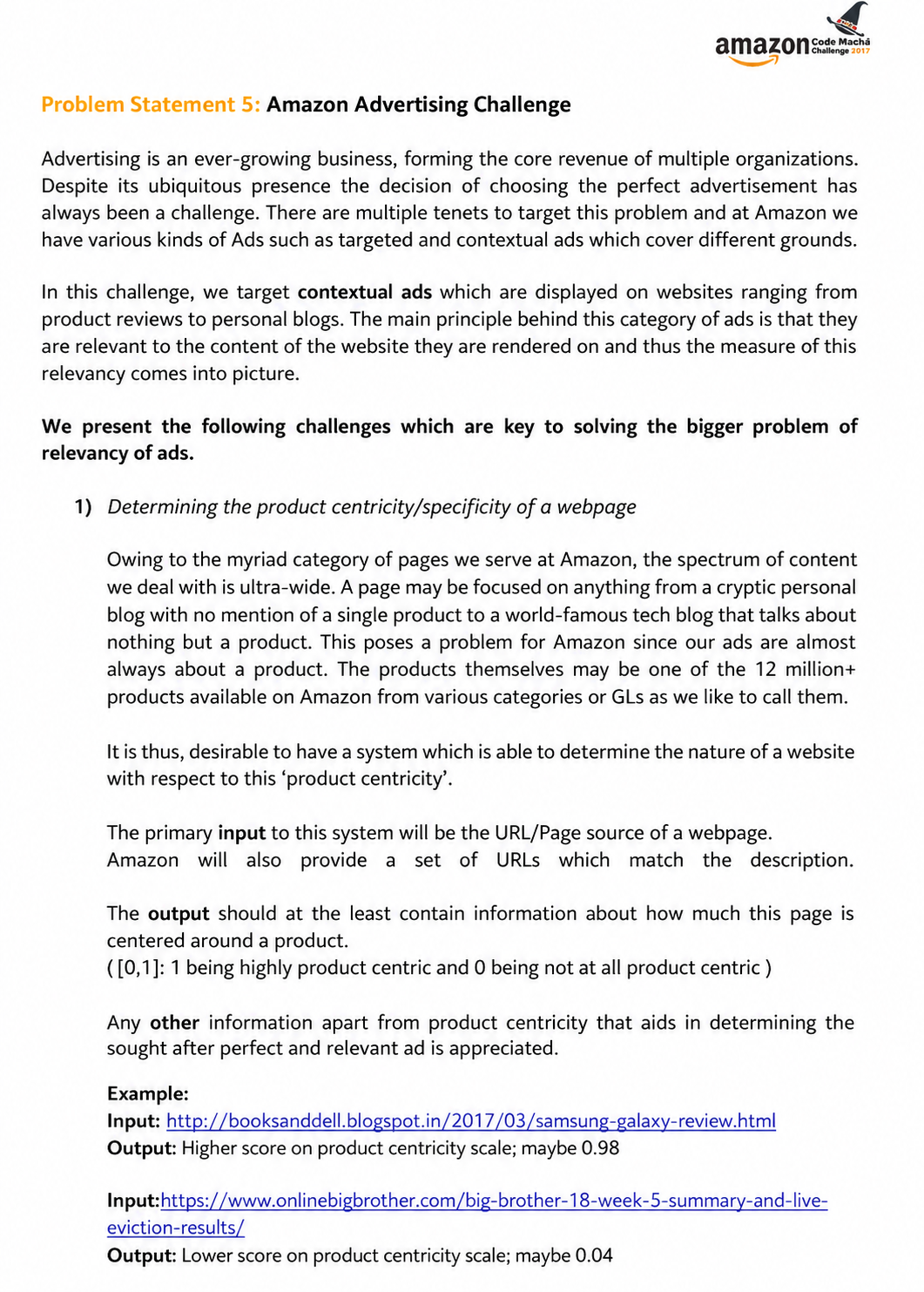
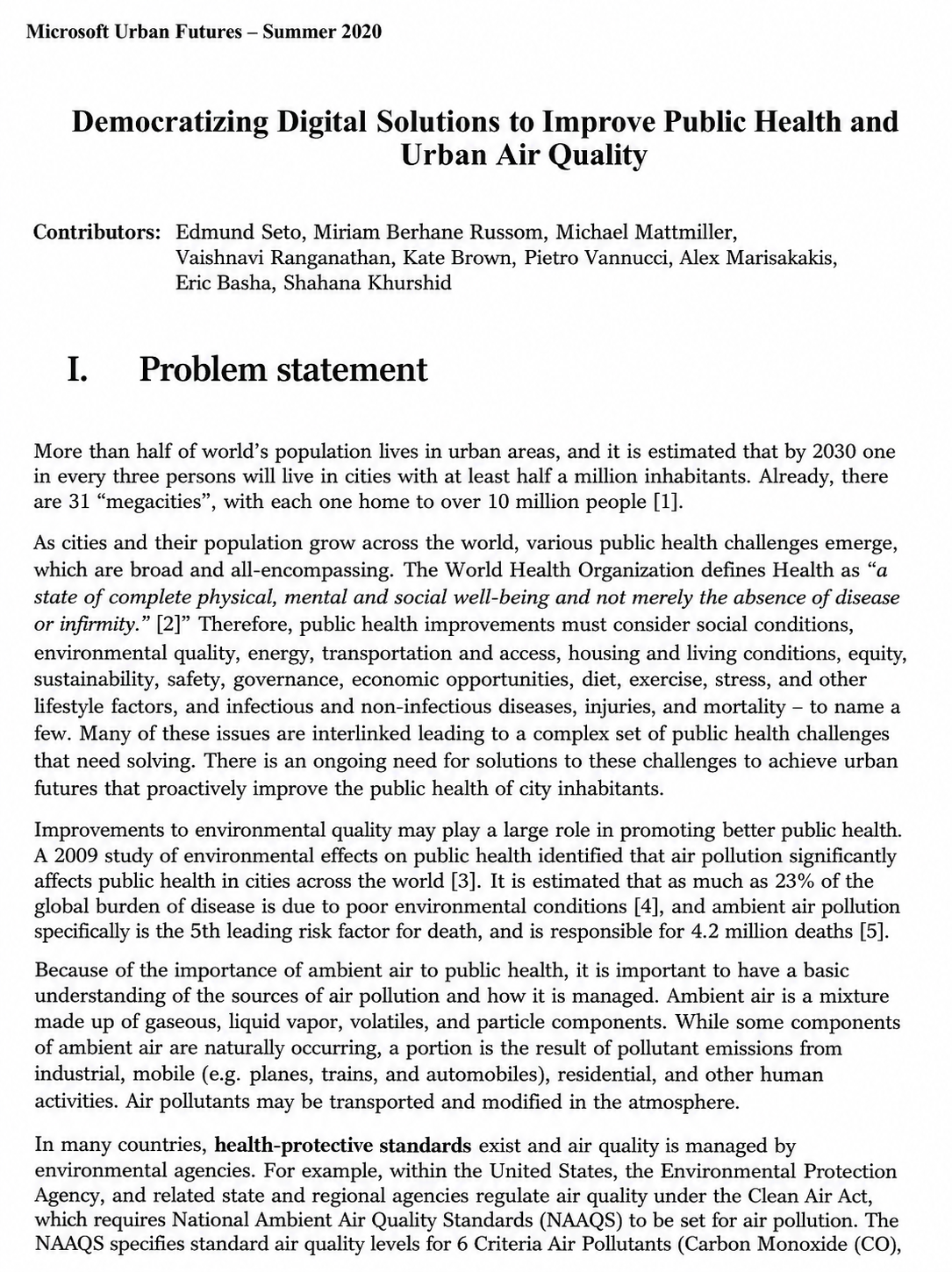
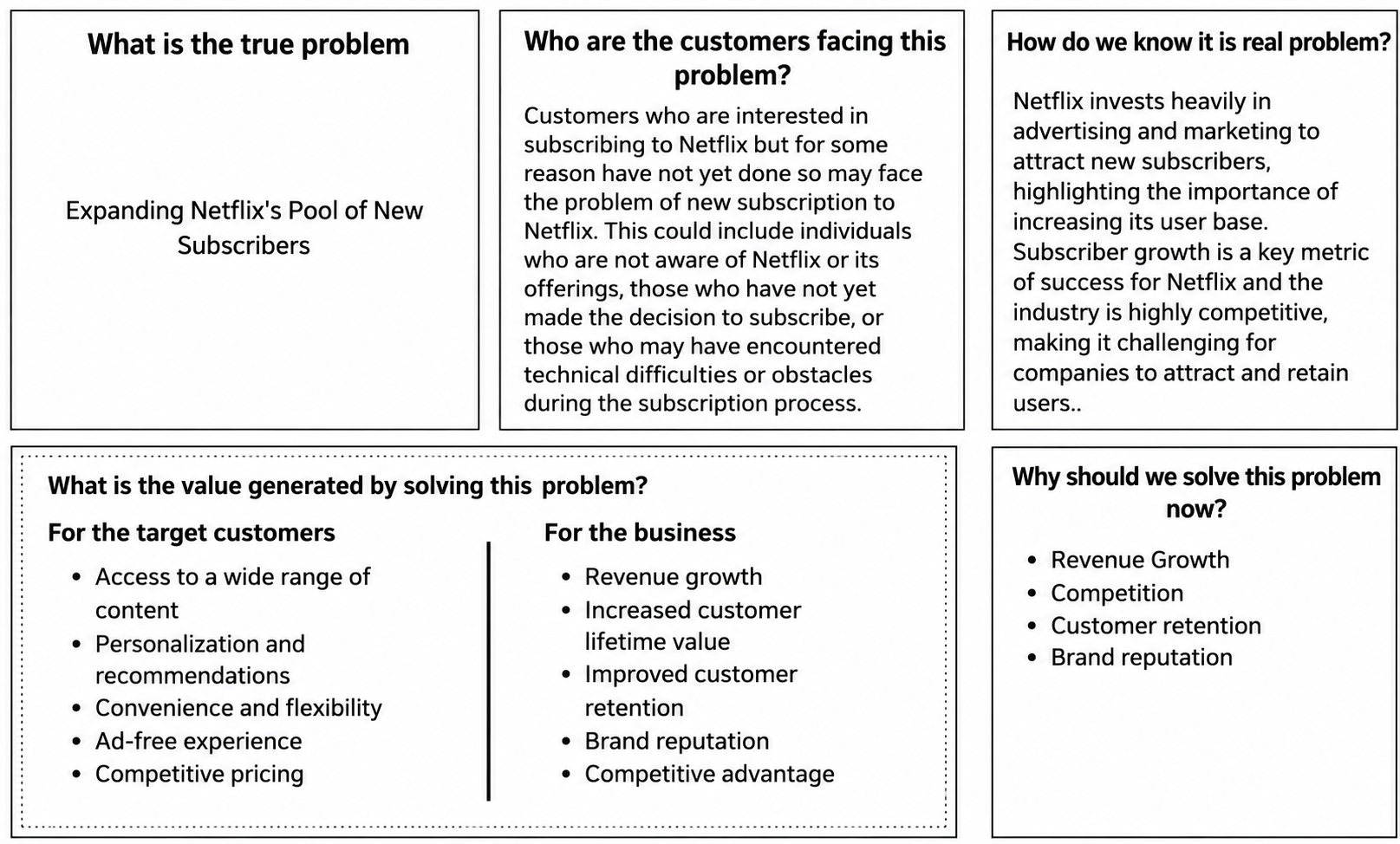
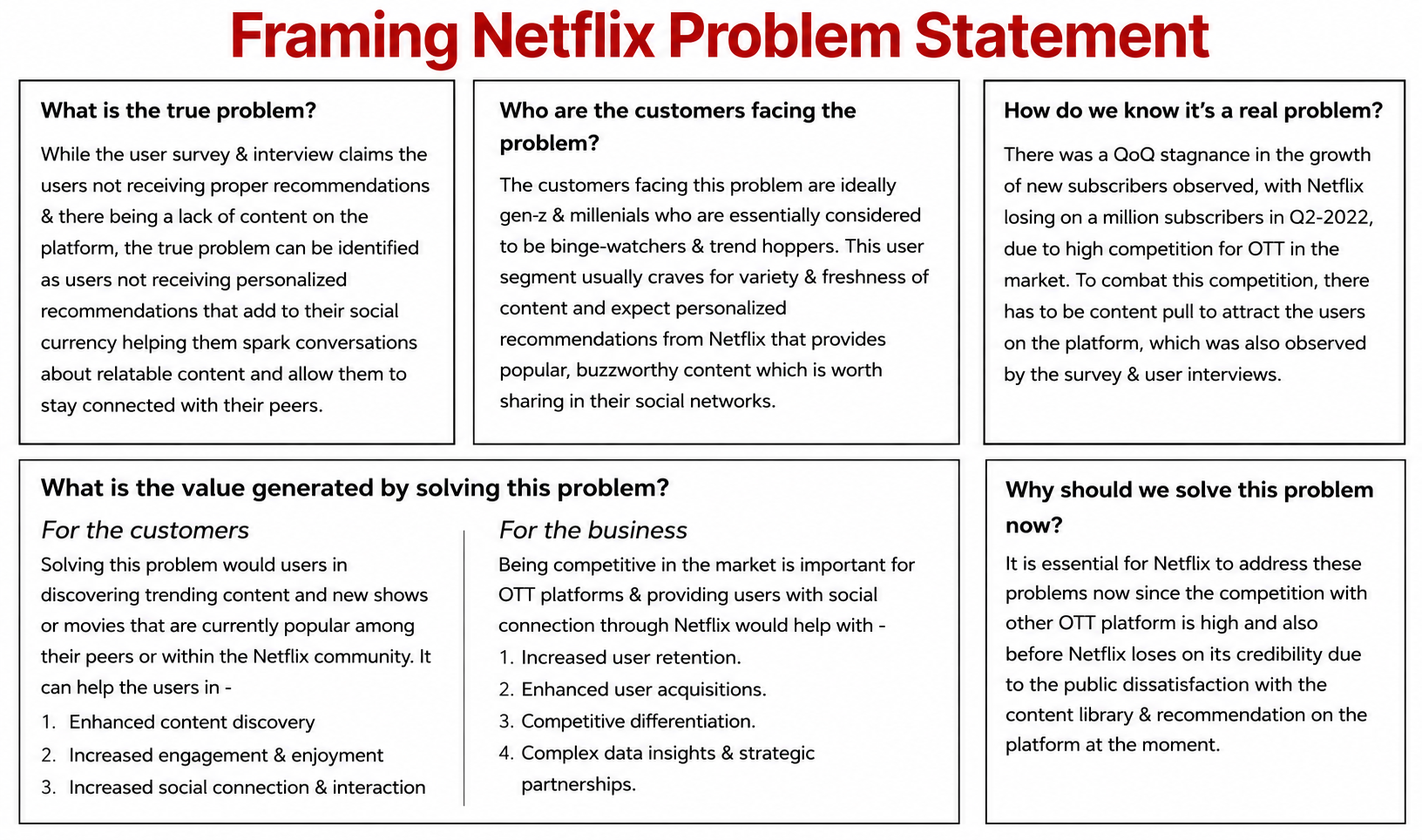
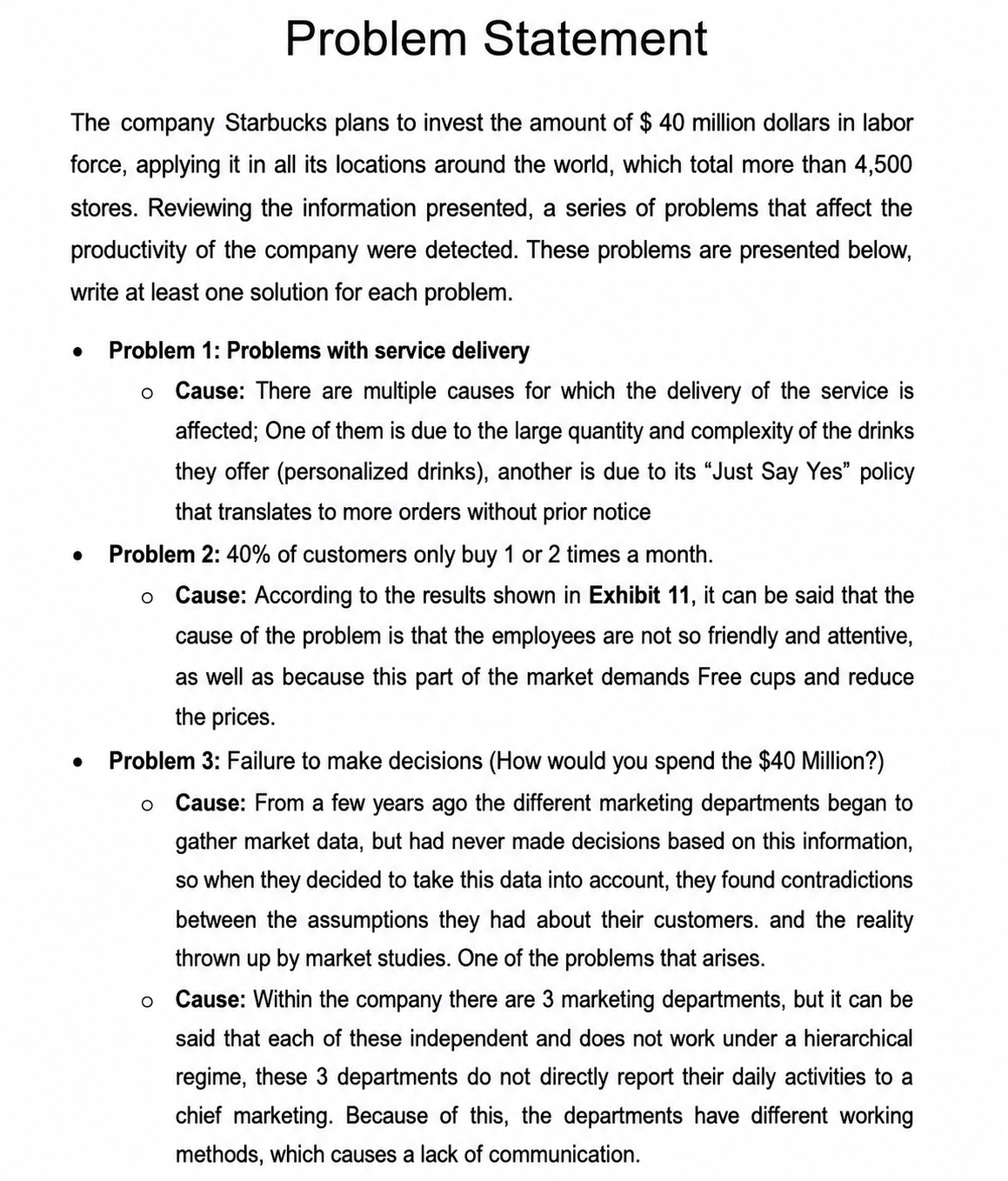

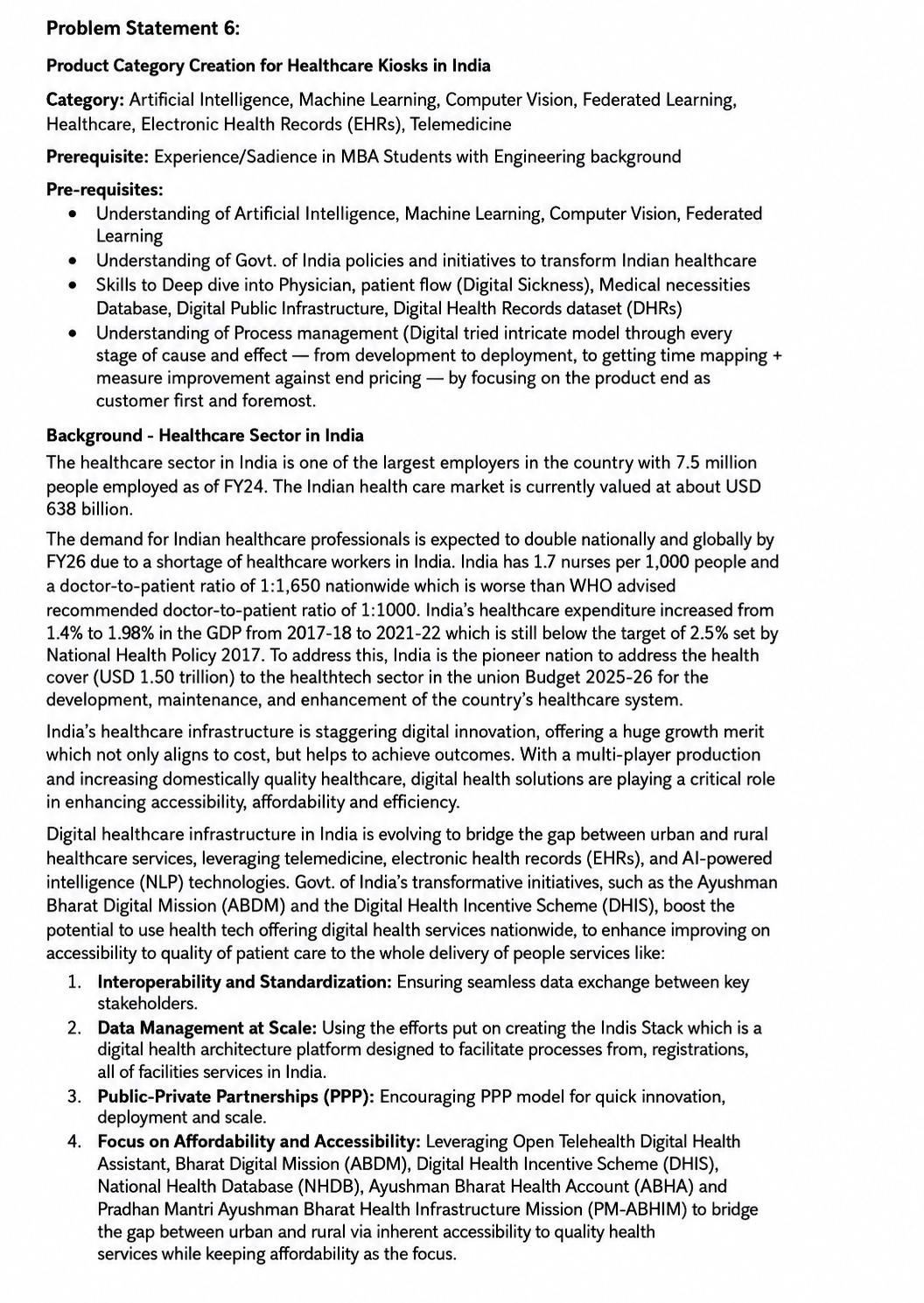
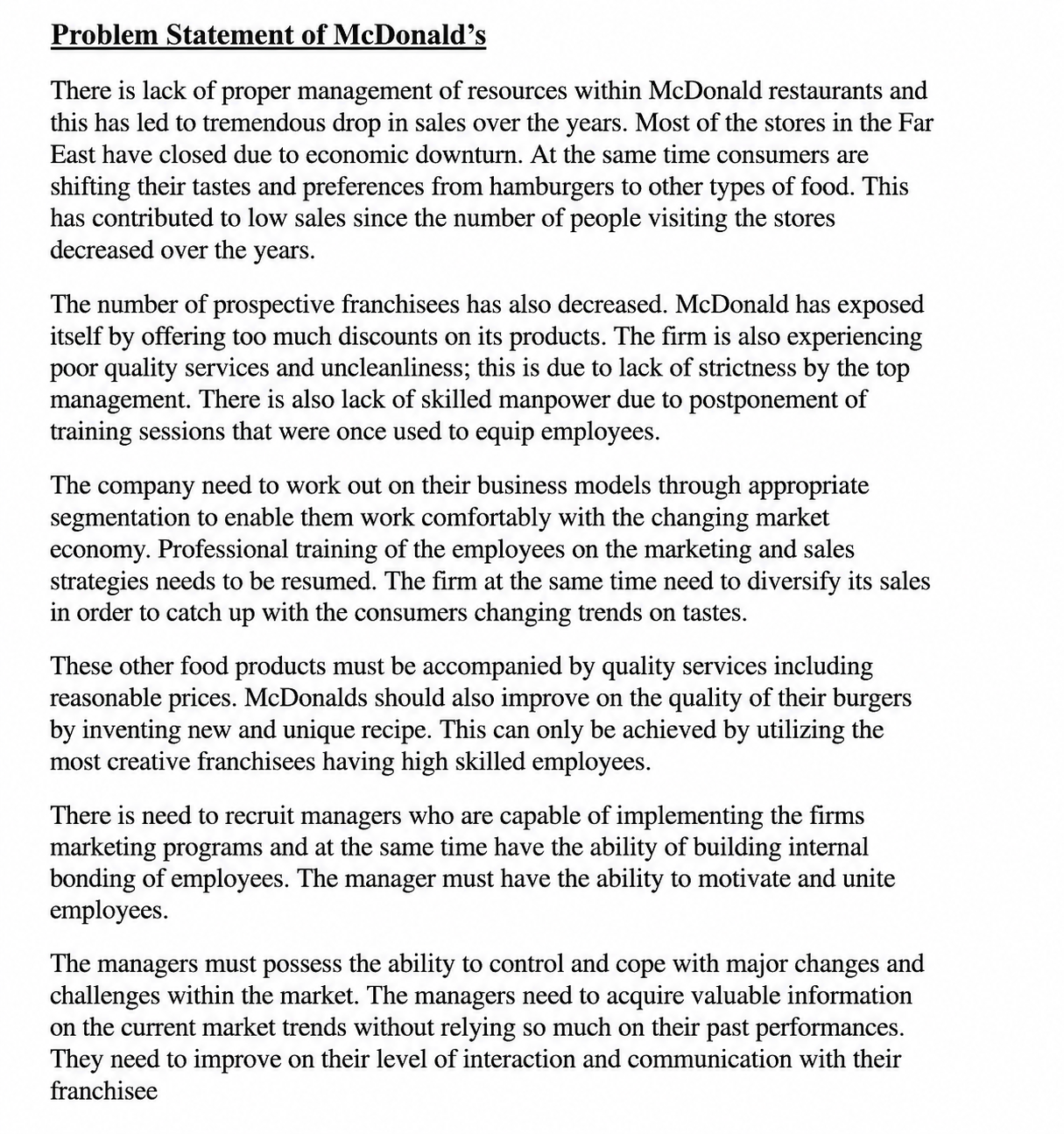
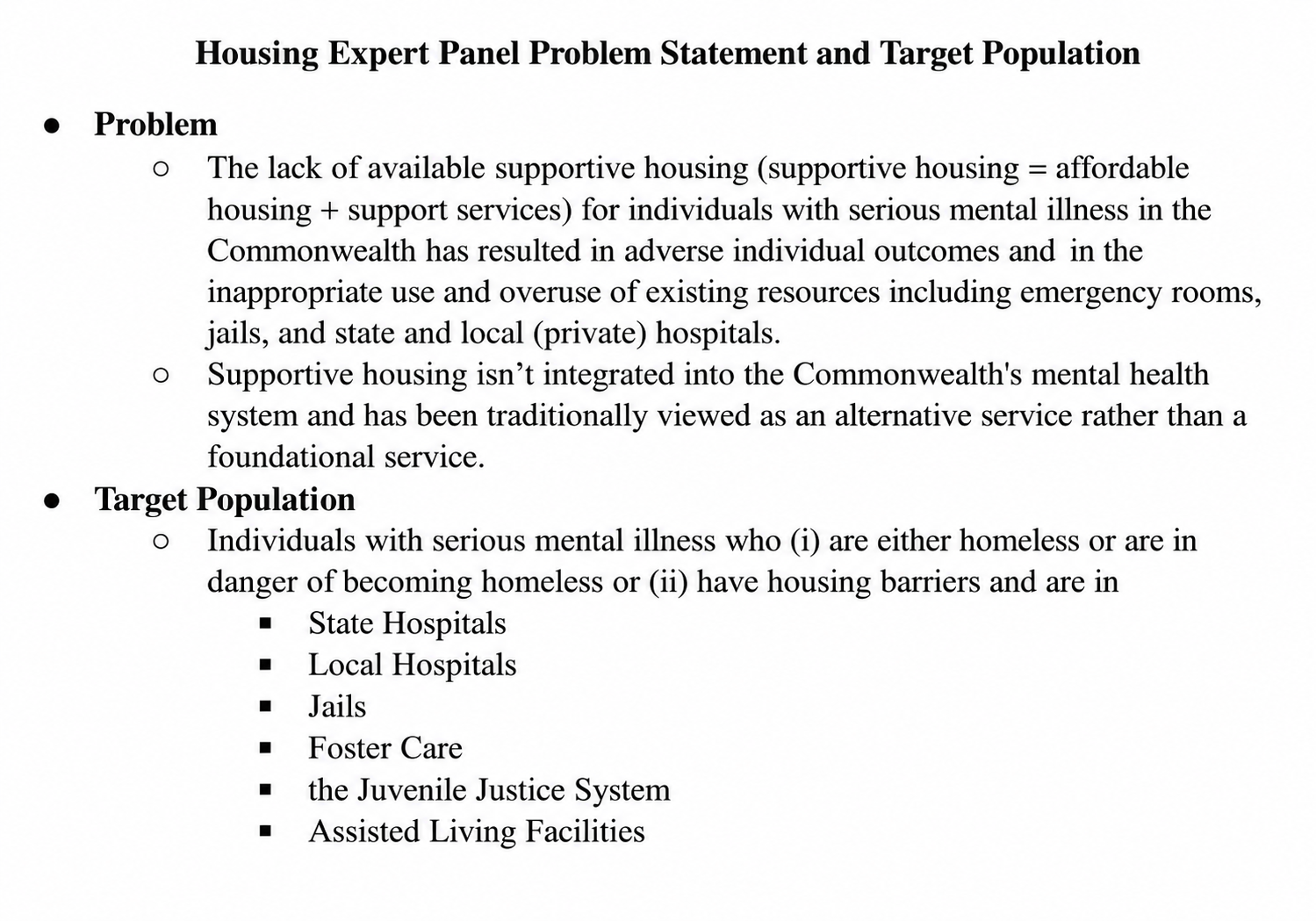
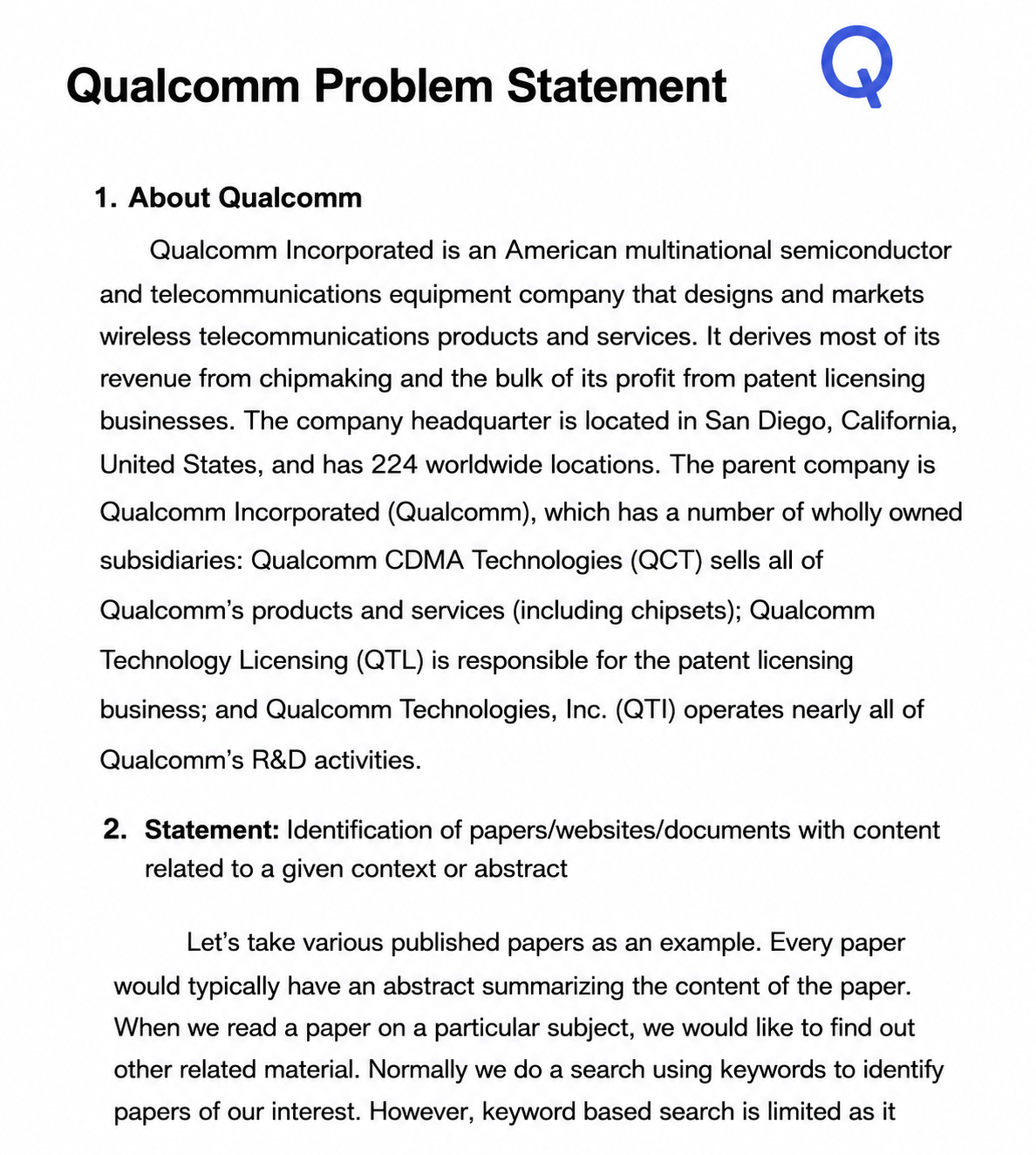
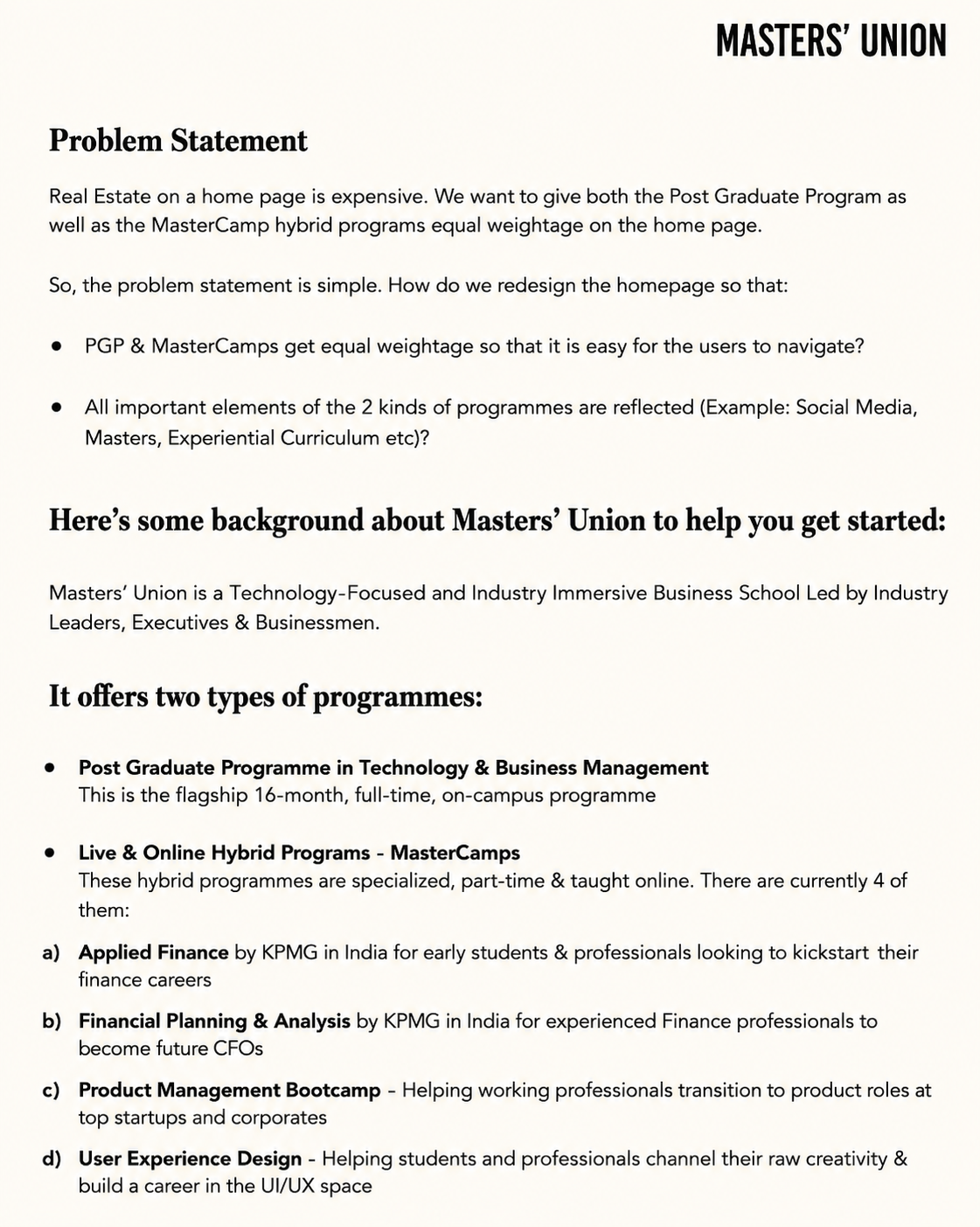
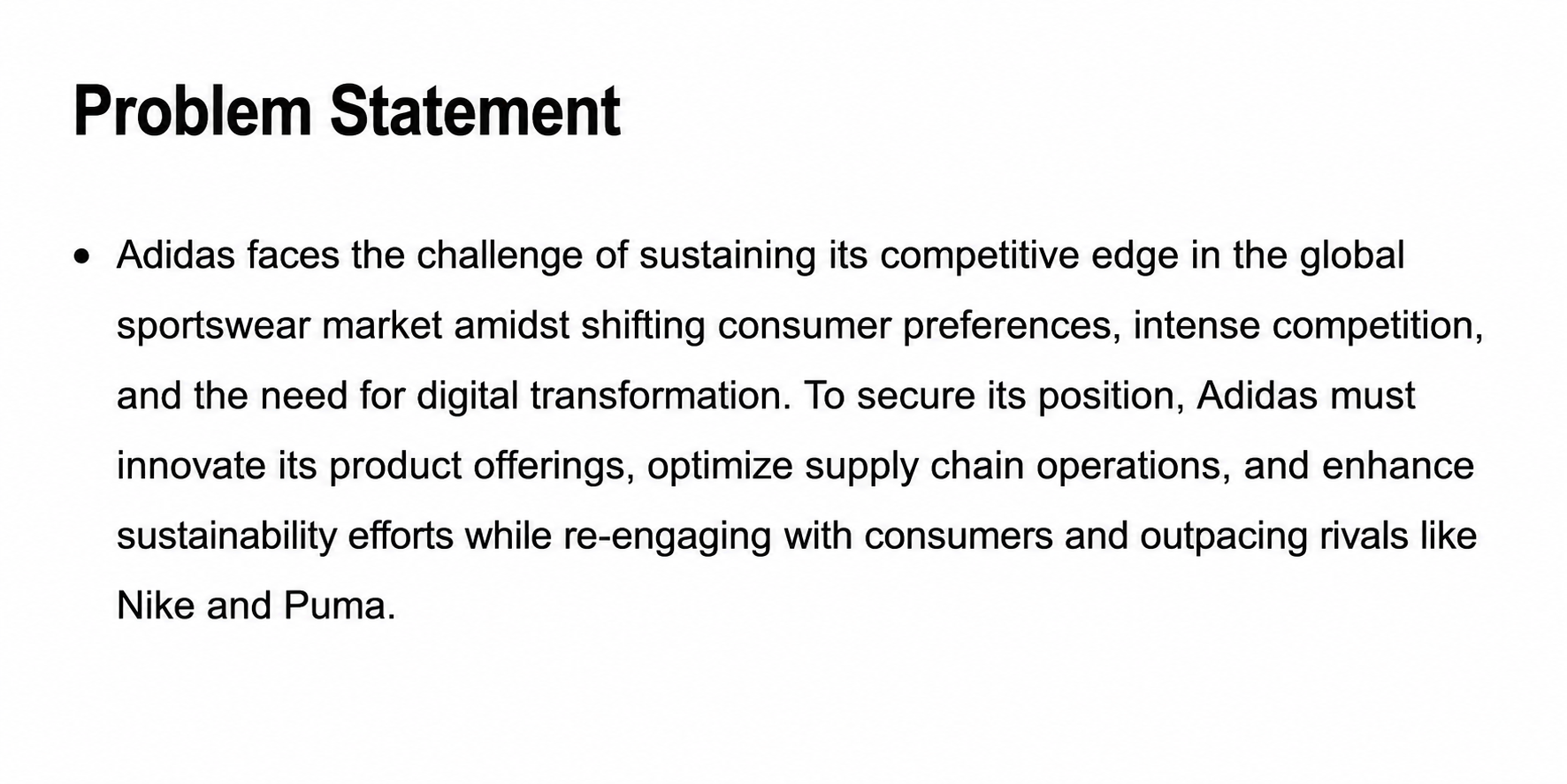

A problem statement is a clear, concise description of a specific issue, challenge, or gap that needs to be addressed. A strong problem statement identifies what is not working, who or what is affected, why the issue matters, and the impact it creates without immediately proposing a solution. Whether you are defining a business challenge, research problem, project issue, or customer pain point, a well-written problem statement helps establish a focused direction for analysis and decision-making. With the right structure and evidence, you can turn a complex issue into a specific, understandable problem that is easier to investigate and address.
What Is a Problem Statement?
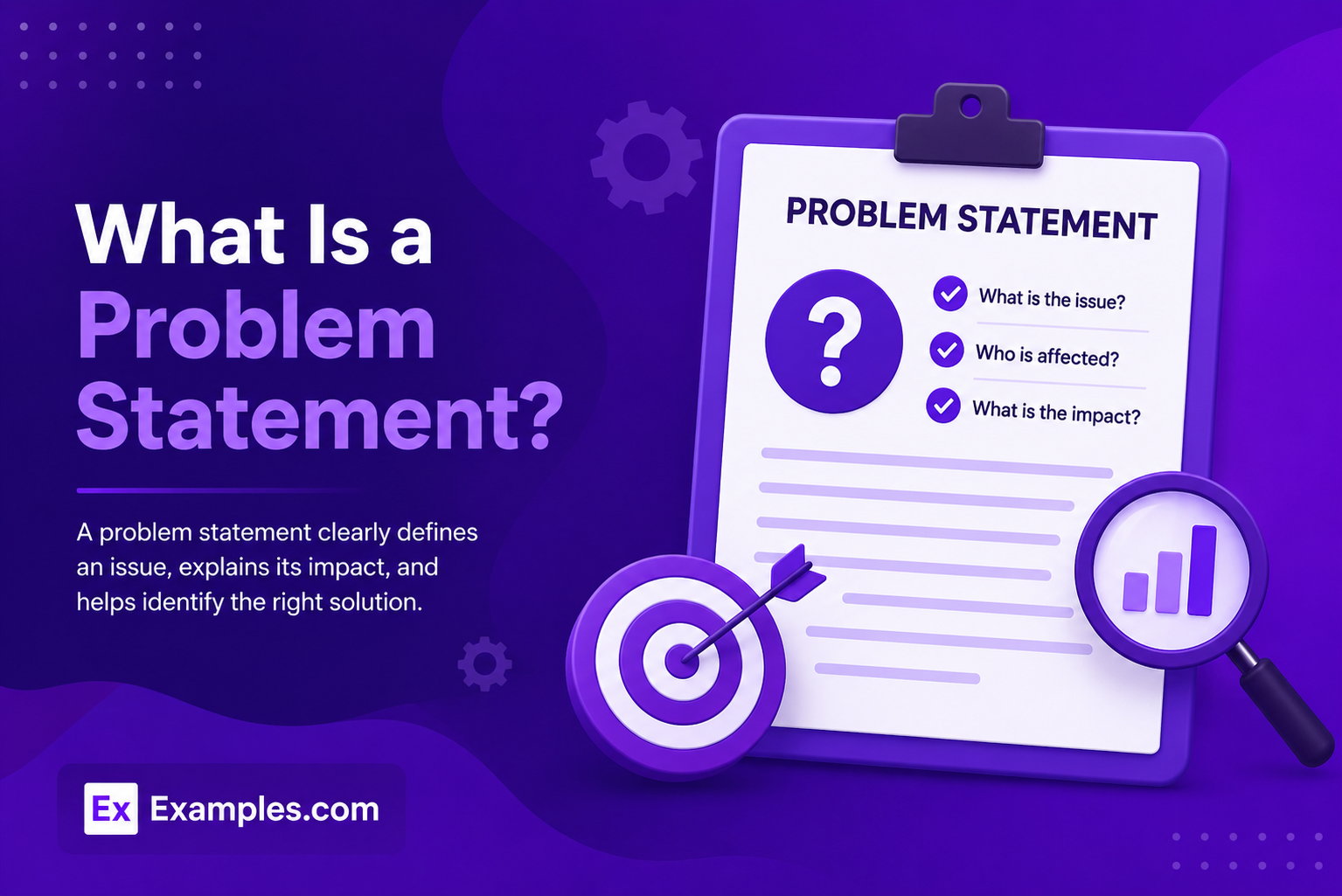
A problem statement is a clear, concise summary of a specific issue, challenge, or gap that needs to be addressed. It explains what is wrong, who or what is affected, and why the problem matters, while focusing on the issue rather than proposing a solution.
What Are the Different Types of Problem Statements?
Research Problem Statement
A Research Problem Statement identifies a specific issue, gap, or unanswered question that a study aims to investigate.
Business Problem Statement
A Business Problem Statement defines a business challenge, explains its impact, and establishes the need for improvement or investigation.
Customer Problem Statement
A Customer Problem Statement focuses on a specific customer pain point, need, or difficulty that affects the user experience.
Project Problem Statement
A Project Problem Statement describes the problem a project is intended to address, including its scope, impact, and underlying challenge.
Process Problem Statement
A Process Problem Statement identifies an inefficiency, failure, or gap in a workflow or operational process that needs attention.
Social Problem Statement
A Social Problem Statement defines a significant issue affecting a community or population and explains why it requires attention.
How Do I Generate Problem Statements Using Real Problem Statement Examples?
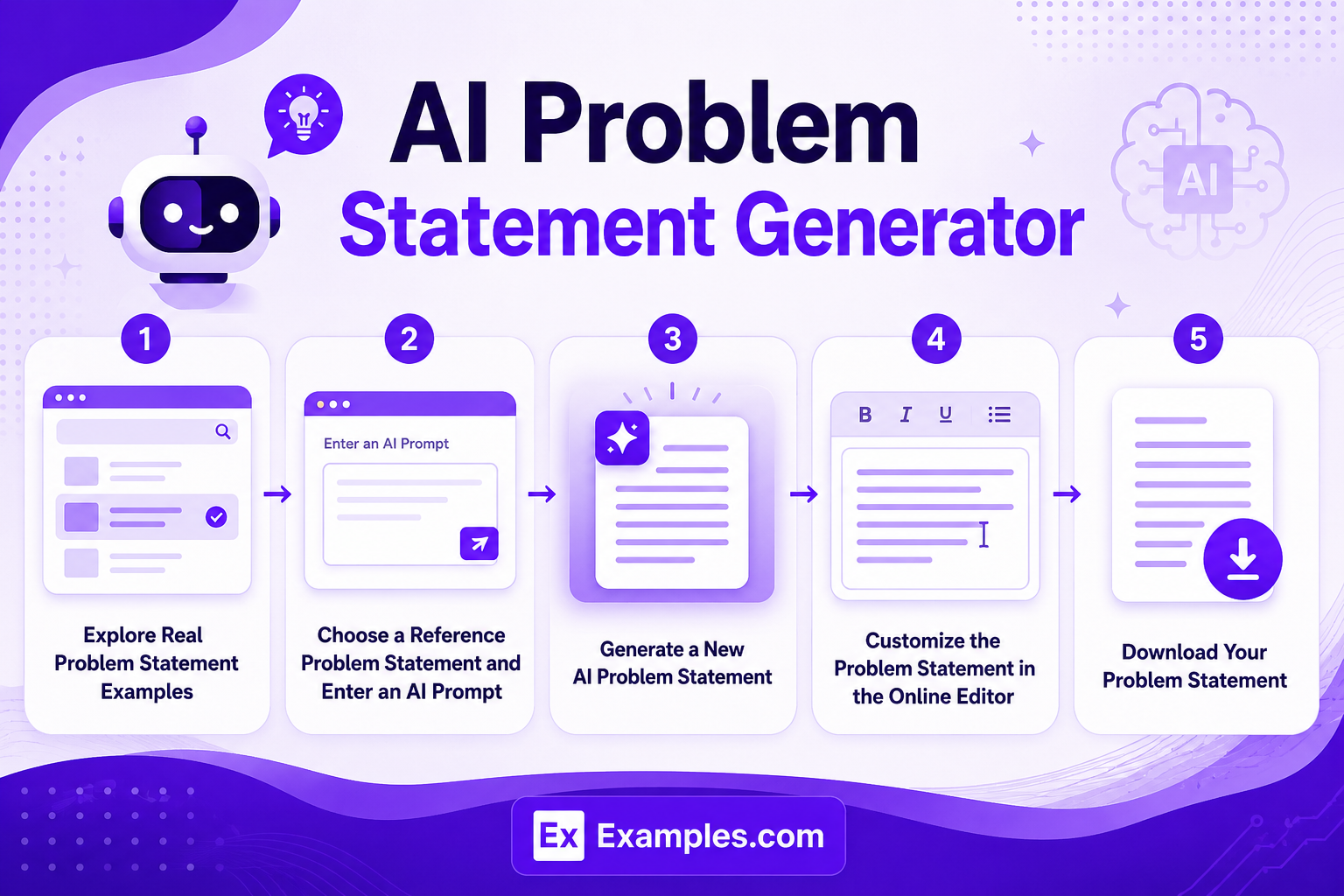
Explore Real Problem Statement Examples
Review real problem statement examples to understand how effective statements define the context, identify the core issue, explain its impact, and establish why the problem needs attention. Using real examples can help you recognize the structure and level of detail needed for different types of problems.
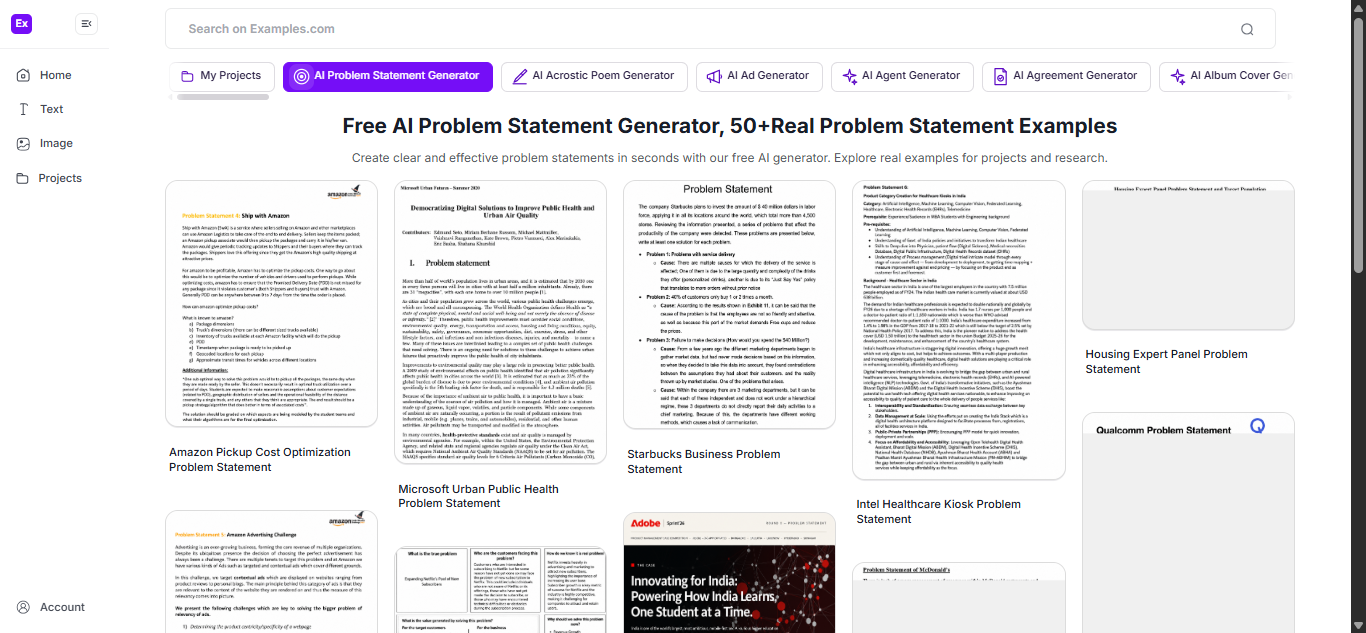
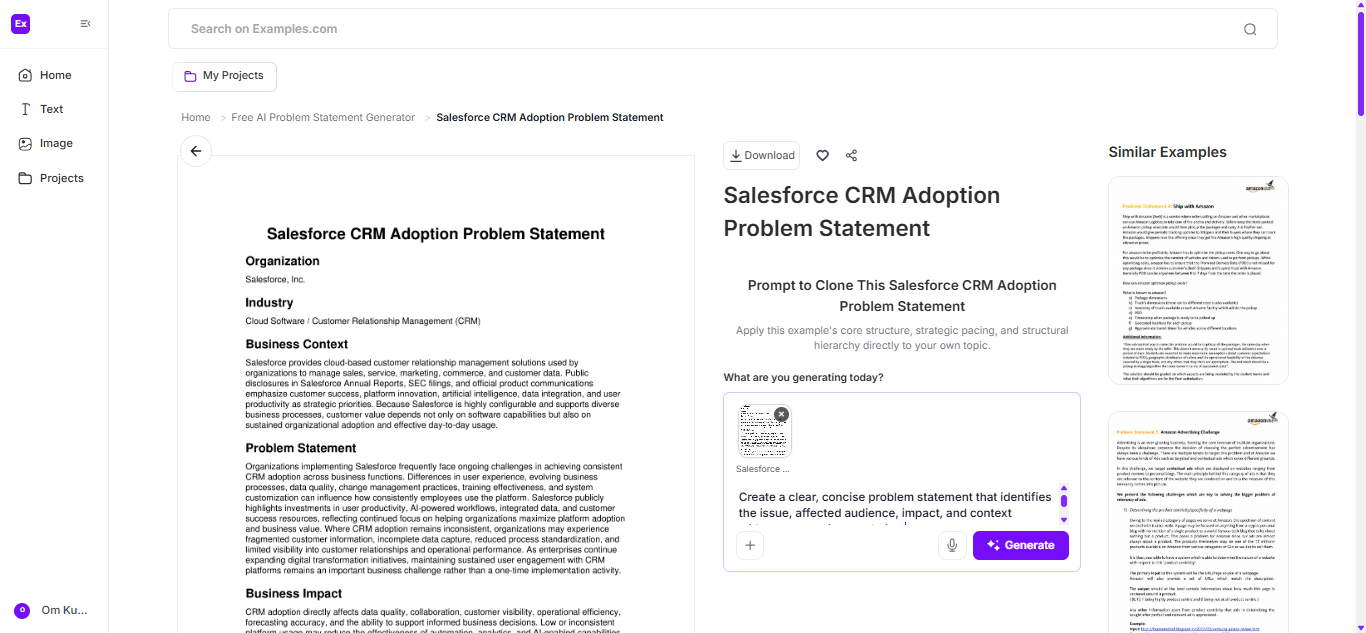
Choose a Reference Problem Statement and Enter an AI Prompt
Select a relevant problem statement example and describe your requirements in the AI prompt, including the issue, context, affected audience, evidence, scope, and intended purpose.
Generate a New AI Problem Statement
The AI generates a focused problem statement from your prompt, clearly presenting the issue, its impact, supporting context, and the gap that needs to be addressed without immediately suggesting a solution.
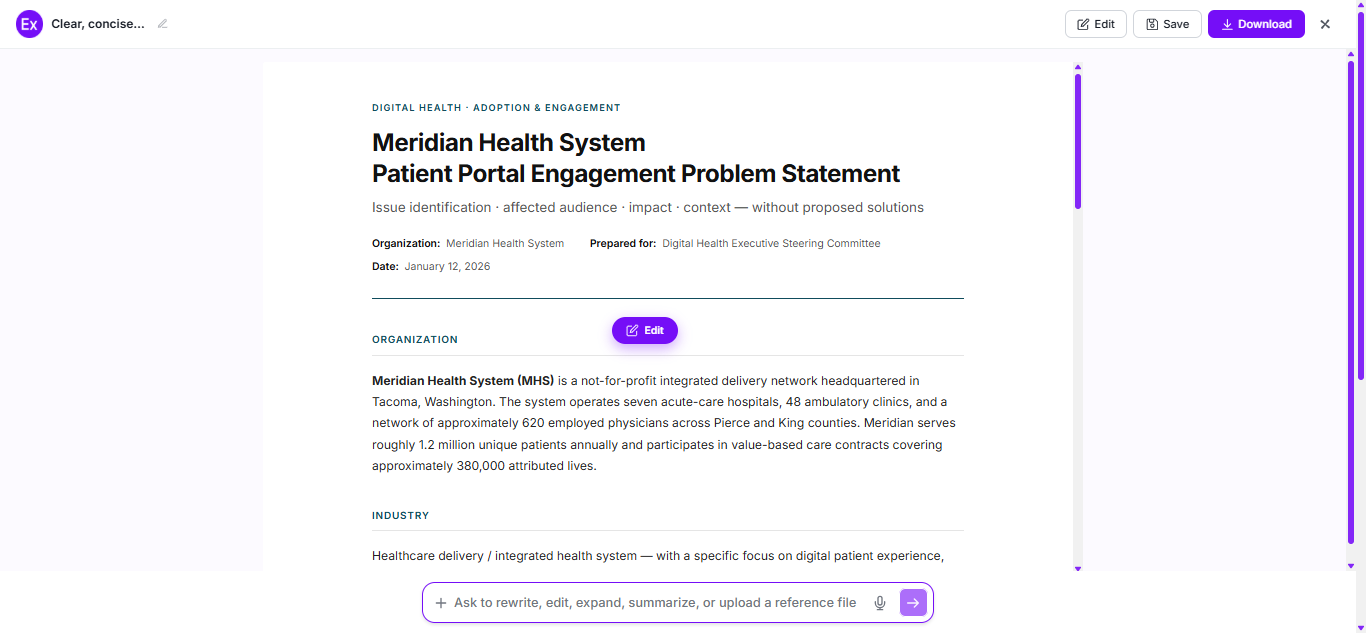
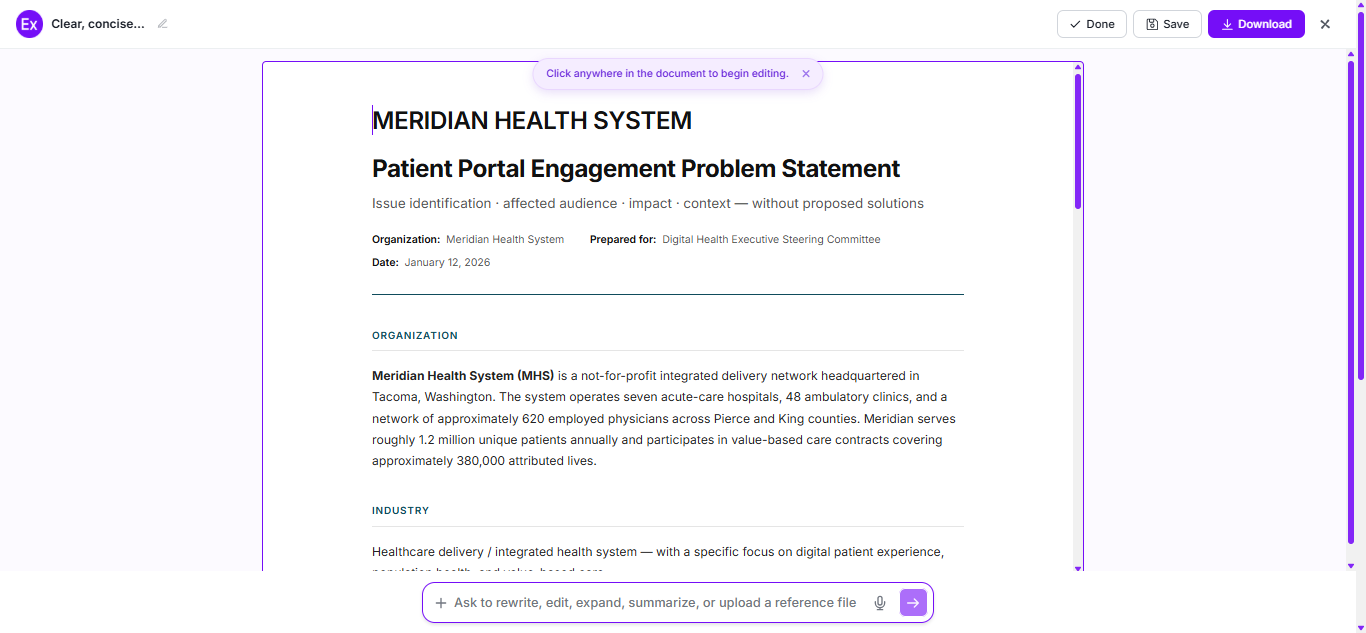
Customize the Problem Statement in the Online Editor
Edit the problem description, context, scope, supporting details, affected audience, and other sections to make the problem statement more specific, accurate, and relevant to your purpose.
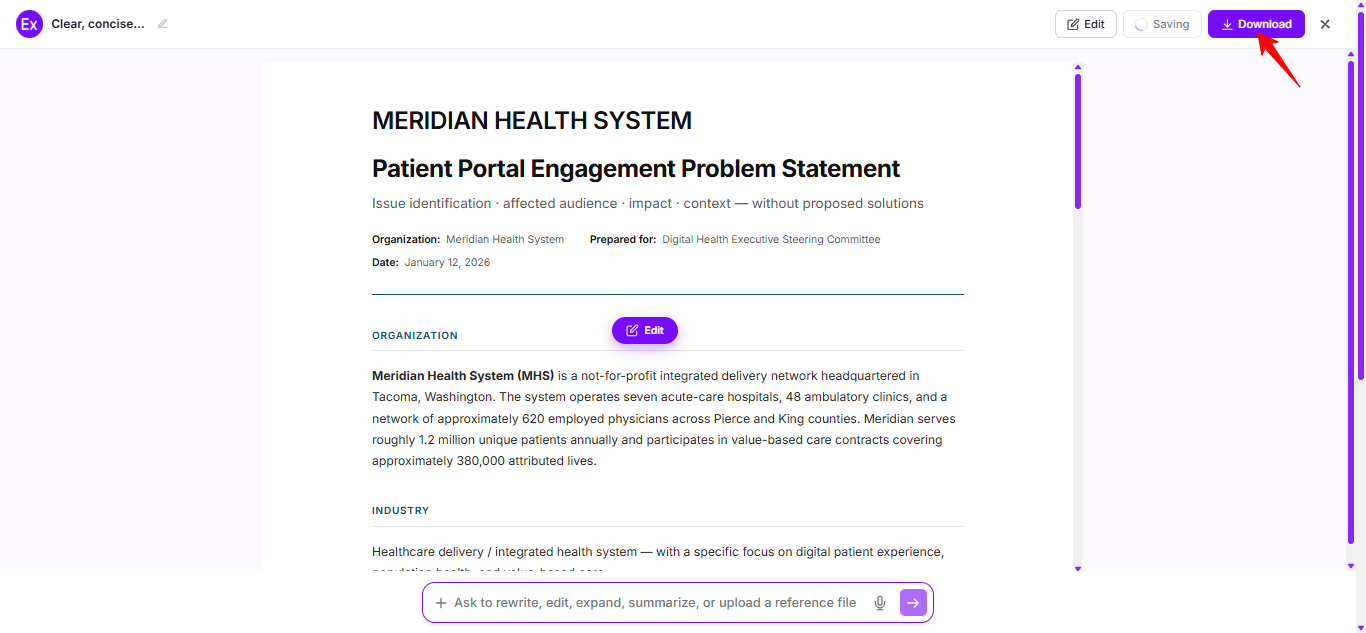
Download Your Problem Statement
Download your completed problem statement in PDF format for your records, review, printing, or use in your project, research, or business documentation.
Why Is a Problem Statement Important?
A problem statement is important because it clearly defines the issue that needs to be understood, investigated, or addressed. It helps establish the context, identify who or what is affected, explain the impact of the problem, and keep research, projects, or business decisions focused on a specific goal. A well-defined problem statement also prevents unclear assumptions, narrows the scope, and provides a strong foundation for developing effective solutions.
AI Problem Statement Editing Features
AI Problem Generation
Generate clear and focused problem statements based on your topic, requirements, context, and intended purpose.
Smart Problem Editing
Add, remove, or modify problem details, context, scope, impact, and supporting information to improve clarity and accuracy.
Structured Formatting
Organize the problem statement into clear sections and logical content for a concise, professional presentation.
Problem Statement Customization
Update the issue, affected audience, evidence, scope, and other details to match your specific research, business, or project needs.
Clarity And Refinement
Refine wording, remove unnecessary details, and make the problem statement more specific, understandable, and focused.
Instant PDF Download
Download your completed problem statement as a PDF for reviewing, printing, presenting, or keeping as a record.
Which Essential Elements Should I Include in Every Problem Statement?
- A Clear Problem: Identify the specific issue, challenge, or gap that needs to be addressed.
- Relevant Context: Provide enough background information to explain the current situation and how the problem developed.
- Affected Audience: State who or what is directly affected by the problem and why it matters to them.
- Evidence of the Problem: Support the statement with relevant data, observations, research, feedback, or other credible evidence.
- Measurable Impact: Explain the negative consequences, risks, costs, delays, or other effects caused by the problem.
- Defined Scope: Keep the problem specific and focused by establishing clear boundaries around what the statement covers.
- Significance: Explain why the problem is important and why it deserves attention or further investigation.
- Solution-Free Focus: Describe the problem itself without jumping directly to a specific solution or proposed answer.
How Do I Write a Better Problem Statement?
- Identify the Core Problem: Focus on the specific issue, gap, or challenge that needs to be addressed.
- Define the Scope: Keep the problem narrow and specific by clearly establishing its context and boundaries.
- Include Supporting Evidence: Use relevant data, research, observations, or feedback to demonstrate that the problem exists.
- Identify Who Is Affected: Clearly state the people, organizations, customers, or communities impacted by the problem.
- Explain the Impact: Describe the measurable or practical consequences of the problem.
- Stay Objective: Use clear, factual language and avoid assumptions, unnecessary opinions, or unsupported claims.
- Avoid Proposed Solutions: Describe the problem without immediately suggesting how it should be solved.
- Keep It Concise: Remove unnecessary information and focus on the problem, its context, and its impact.
Why Should I Use Real Problem Statement Examples to Create My Own Problem Statement?
- Helps you understand how a real problem is clearly defined.
- Shows how context and background information are presented.
- Demonstrates how the affected people or groups are identified.
- Shows how the impact of the problem is explained.
- Helps you understand how evidence supports the problem.
- Makes it easier to define a specific and focused problem.
- Helps you avoid describing a solution instead of the problem.
- Gives you a clear reference for creating your own problem statement.
What Common Problem Statement Mistakes Should I Avoid?
- Using a Vague Problem: Avoid describing a broad topic without clearly identifying the specific issue or gap.
- Adding Too Much Background: Include only the context needed to understand the problem.
- Ignoring the Impact: Explain how the problem affects people, processes, organizations, or outcomes.
- Making Unsupported Claims: Use relevant evidence, data, research, or observations where appropriate.
- Making the Scope Too Broad: Keep the problem specific, focused, and manageable.
- Jumping to a Solution: Focus on defining the problem instead of immediately suggesting how to solve it.
- Using Unclear Language: Write in direct, simple language so the problem is easy to understand.
- Including Irrelevant Details: Remove information that does not help explain the problem or its significance.
Problem Statement Examples by Industry or Use Case
- Business: Defines a business challenge such as declining sales, inefficient processes, rising costs, or customer retention issues and explains its impact on business performance.
- Research: Identifies a specific research gap, unanswered question, or issue that requires further investigation and provides the context for the study.
- Education: Describes an academic, teaching, learning, or student-related challenge and explains how it affects educational outcomes.
- Healthcare: Defines a patient, operational, service, or healthcare-system problem, including who is affected and the consequences of the issue.
- Technology: Focuses on technical issues such as system performance, usability, security, integration, or data-related challenges that need investigation.
- Marketing: Identifies a problem involving customer engagement, brand awareness, campaign performance, audience reach, or conversion and describes its business impact.
- Finance: Explains financial challenges such as cash-flow issues, budgeting gaps, cost increases, financial risk, or inefficient resource allocation.
- Project Management: Defines a project challenge involving delays, limited resources, unclear requirements, workflow issues, or missed objectives.
- Customer Experience: Identifies a customer pain point, service issue, usability problem, or experience gap and explains how it affects customers.
- Social Issues: Describes a community or societal problem, identifies the affected population, and explains why the issue requires attention.
- Engineering: Defines a technical, design, performance, safety, or operational problem within a specific engineering context.
- Nonprofit Organizations: Identifies a community need, resource gap, access issue, or social challenge that the organization aims to understand or address.
What Is the Difference Between a Problem Statement ,Solution Statement, and Research Question?
| Aspect | Problem Statement | Solution Statement | Research Question |
|---|---|---|---|
| Purpose | Defines the specific issue, challenge, or gap that needs attention. | Describes the proposed approach or outcome for addressing the problem. | States what you want to investigate or find out about the problem. |
| Main Focus | What is wrong or missing? | How can the problem be addressed? | What do I need to discover or understand? |
| Approach | Describes the problem without prescribing a solution. | Presents a possible solution or direction for improvement. | Guides research, investigation, or analysis. |
| Evidence | Uses data, observations, research, or feedback to establish the problem. | May explain how the proposed solution could address the identified issue. | Requires investigation and evidence to develop an answer. |
| Example | Customers experience long delivery delays that reduce satisfaction. | Introduce a faster delivery process to reduce customer waiting times. | How do delivery delays affect customer satisfaction? |
FAQs
How Long Should a Problem Statement Be?
A problem statement should be concise, focused, and detailed enough to explain the issue, context, impact, and significance.
Who Writes a Problem Statement?
Researchers, business professionals, project teams, students, and organizations write problem statements to clearly define issues requiring investigation or improvement.
Can I Write a Problem Statement Without Data?
You can, but supporting evidence, observations, research, or measurable information makes the problem statement more credible and specific.
Should a Problem Statement Include a Solution?
No, focus on defining the problem, its context, affected groups, and impact without prescribing a specific solution.
How Do I Make a Problem Statement Specific?
Define the exact issue, affected audience, context, scope, consequences, and evidence instead of describing a broad or general concern.
What Makes a Problem Statement Effective?
An effective problem statement is clear, specific, evidence-based, focused, objective, and explains why the issue deserves attention.
Can I Use a Problem Statement for a Business Project?
Yes, businesses use problem statements to define operational, customer, financial, technological, or strategic challenges affecting performance.
What Is the Main Goal of a Problem Statement?
Its main goal is to establish a clear understanding of the problem before research, analysis, decision-making, or solution development begins.
How Do I Know If My Problem Statement Is Too Broad?
If it covers multiple unrelated issues or lacks clear boundaries, narrow the topic by defining a specific context and affected group.
Can AI Help Me Create a Problem Statement?
Yes, AI can help organize your information into a clear problem statement while allowing you to review and customize the result.