
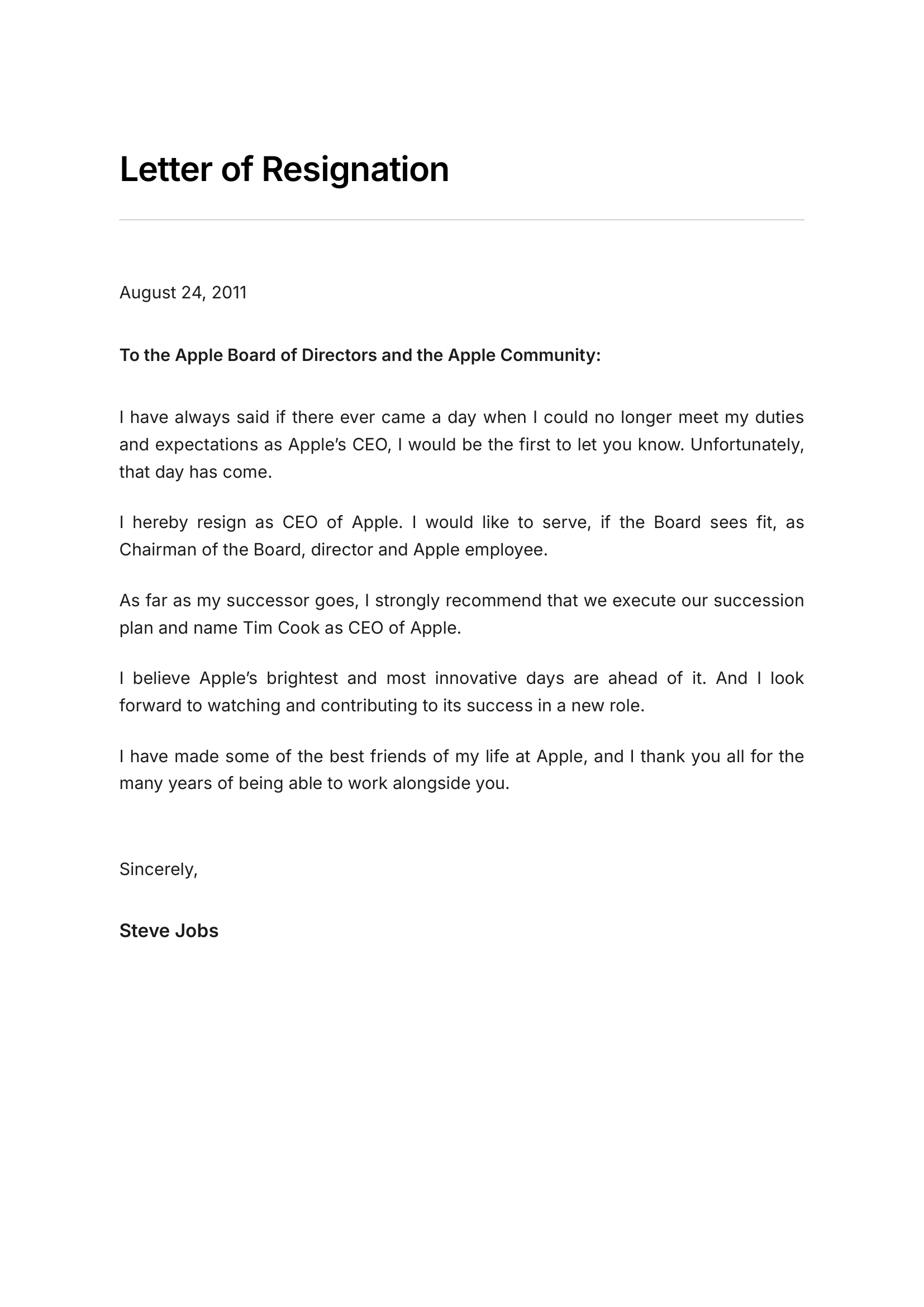
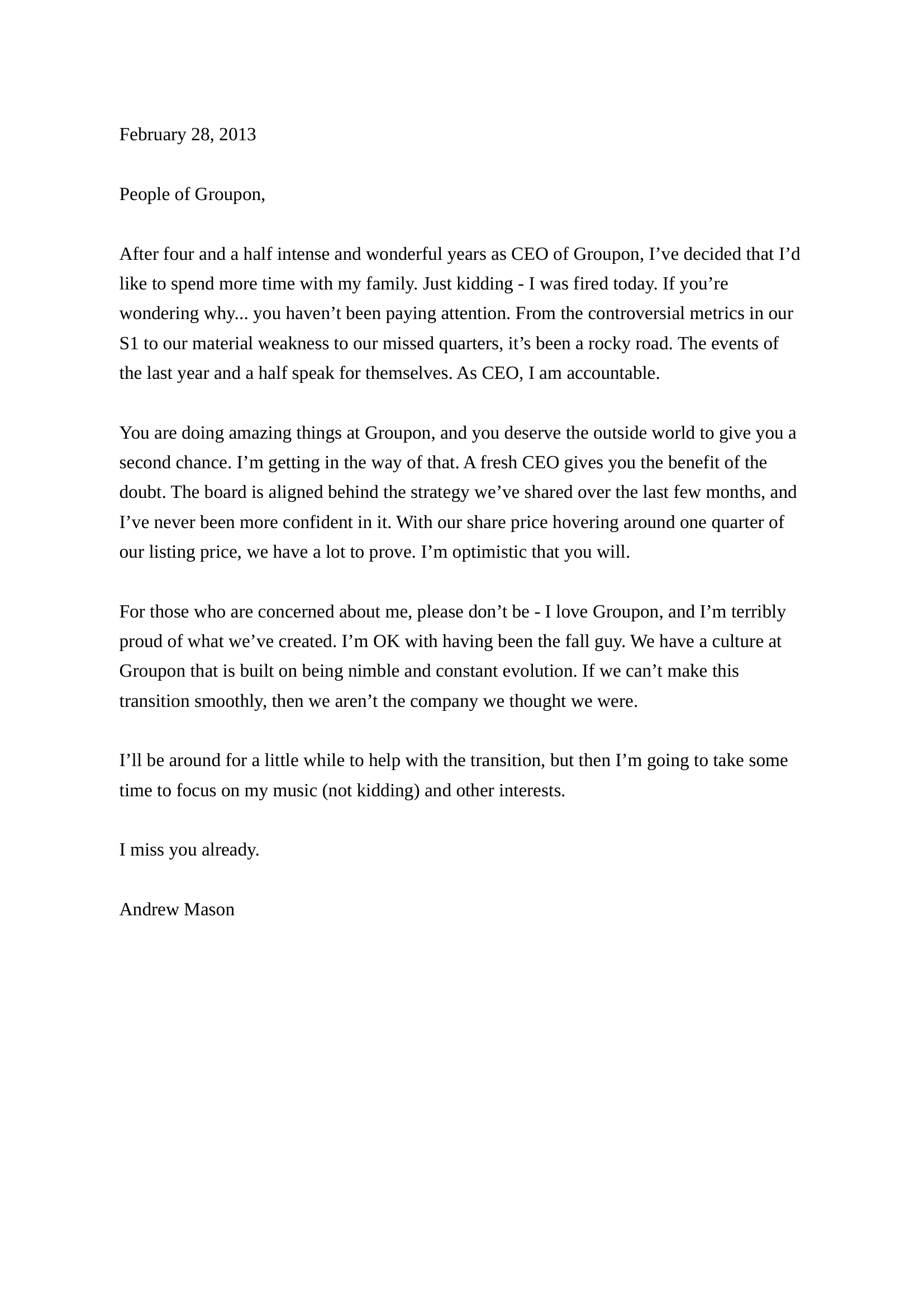
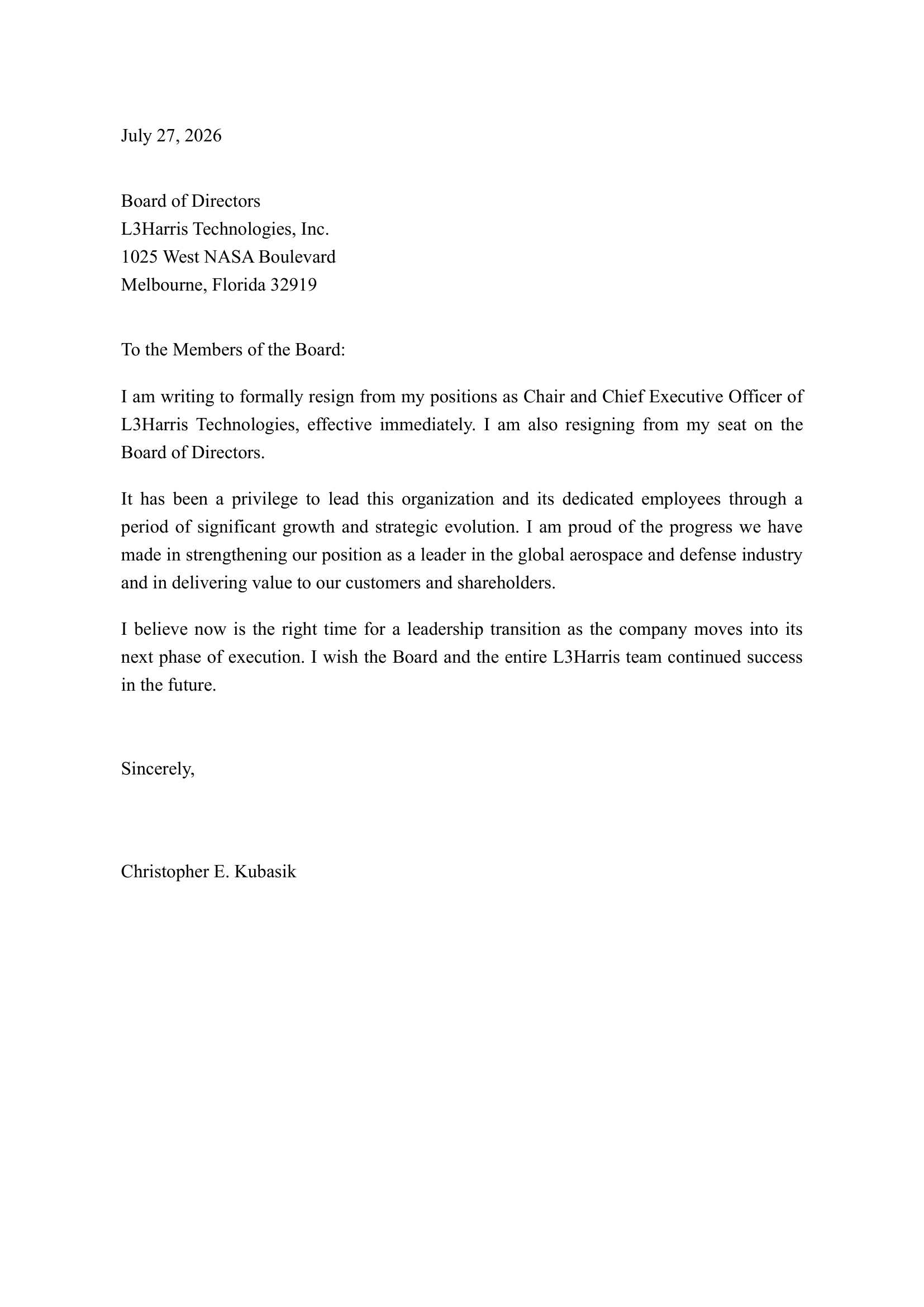
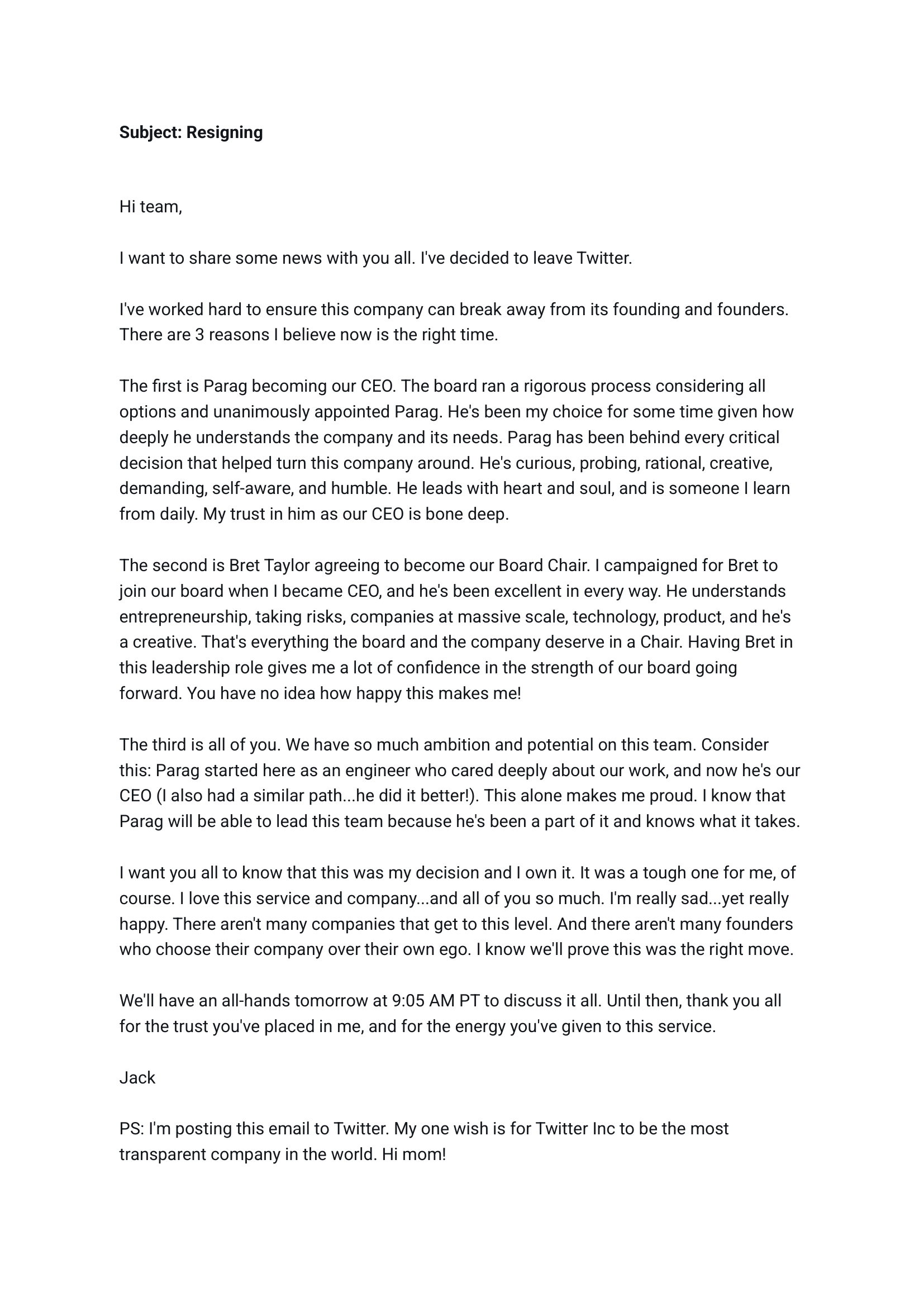
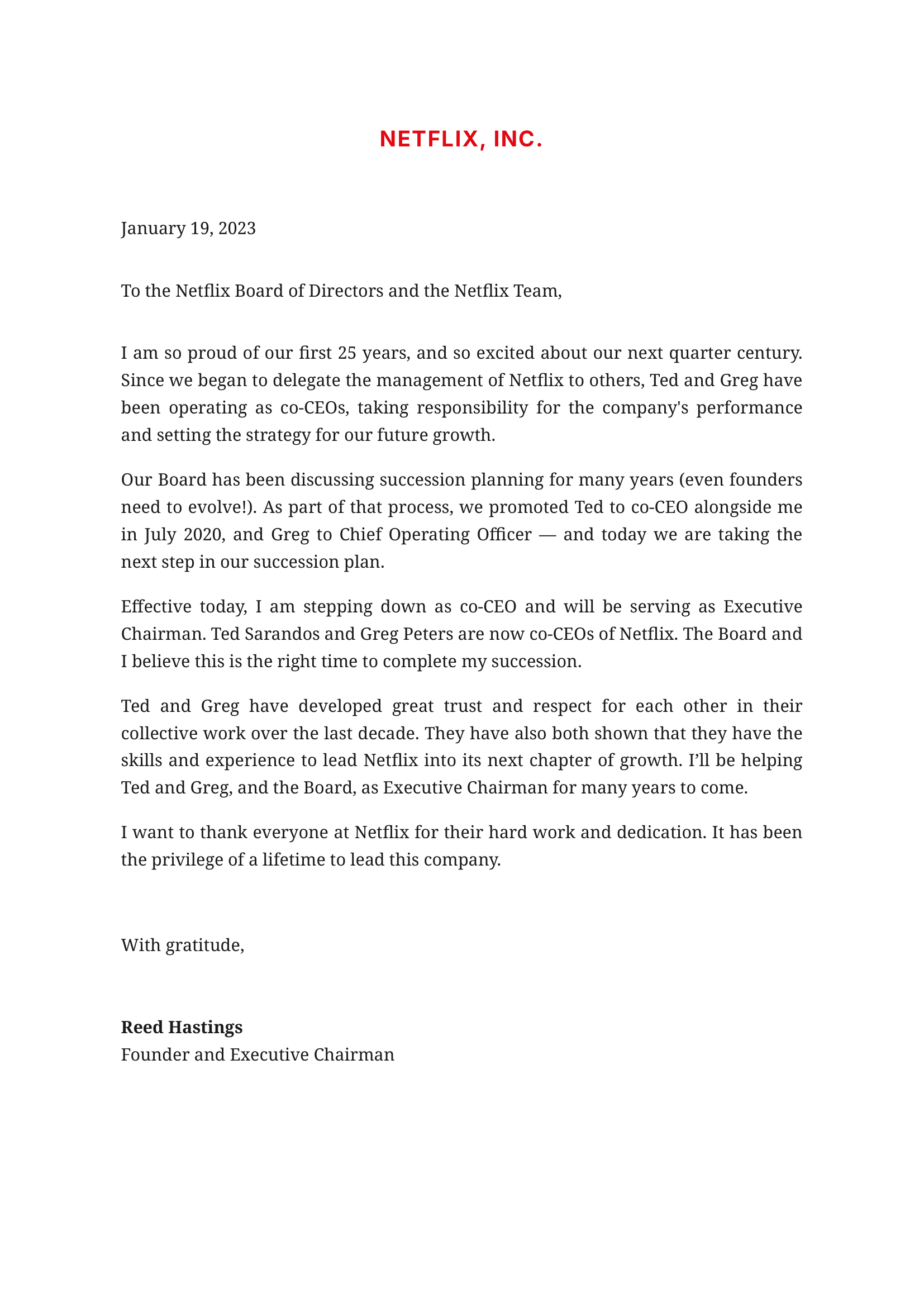
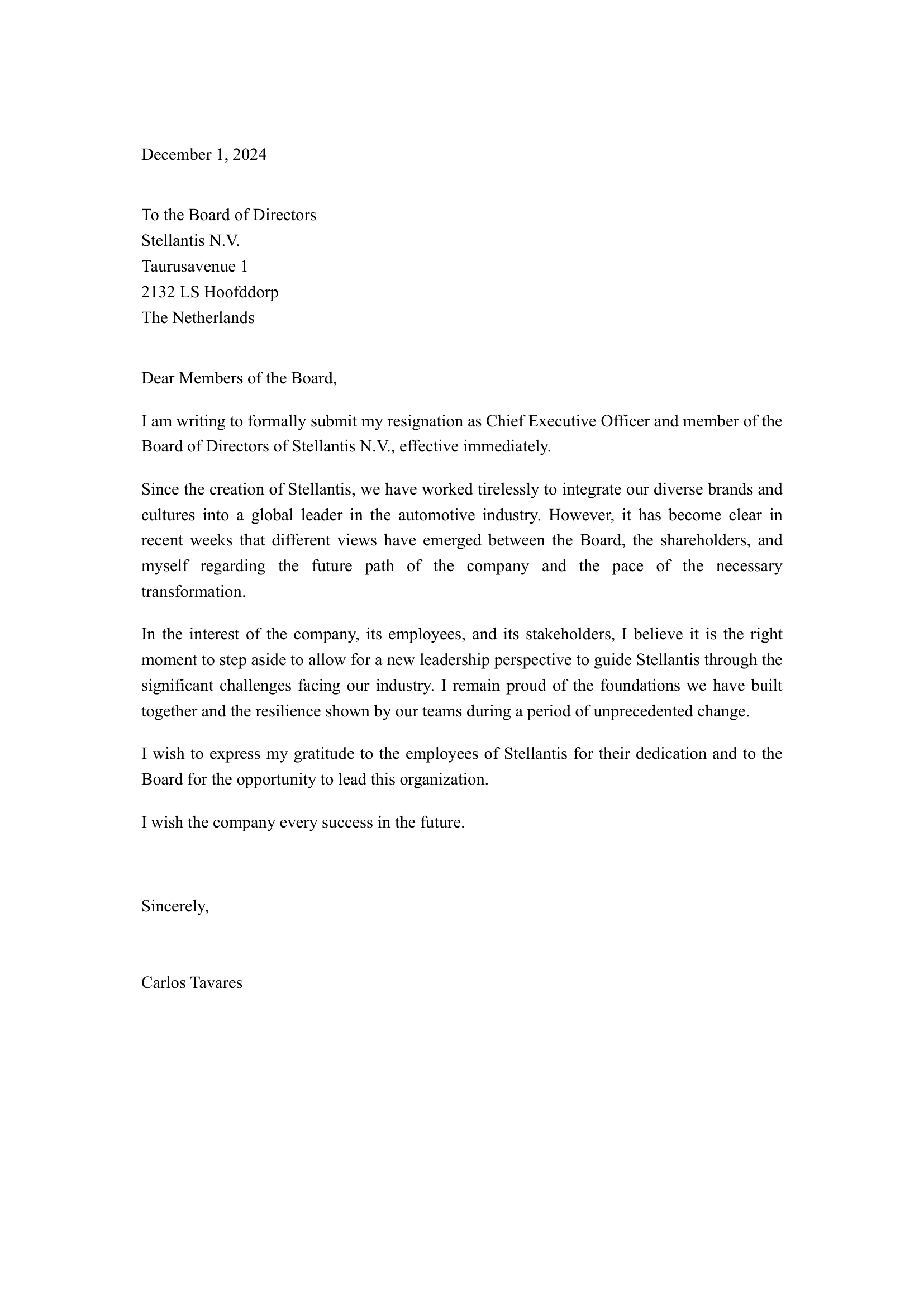
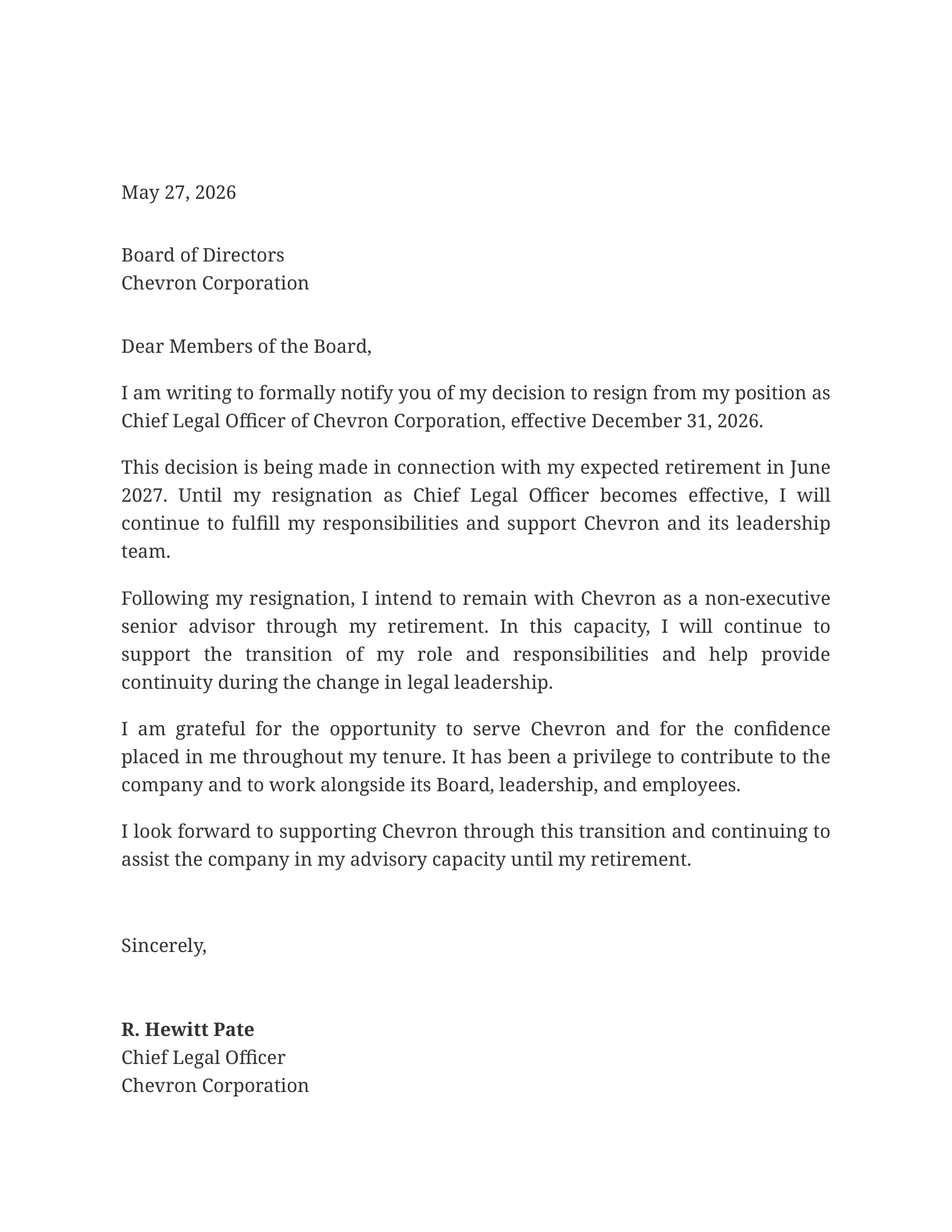
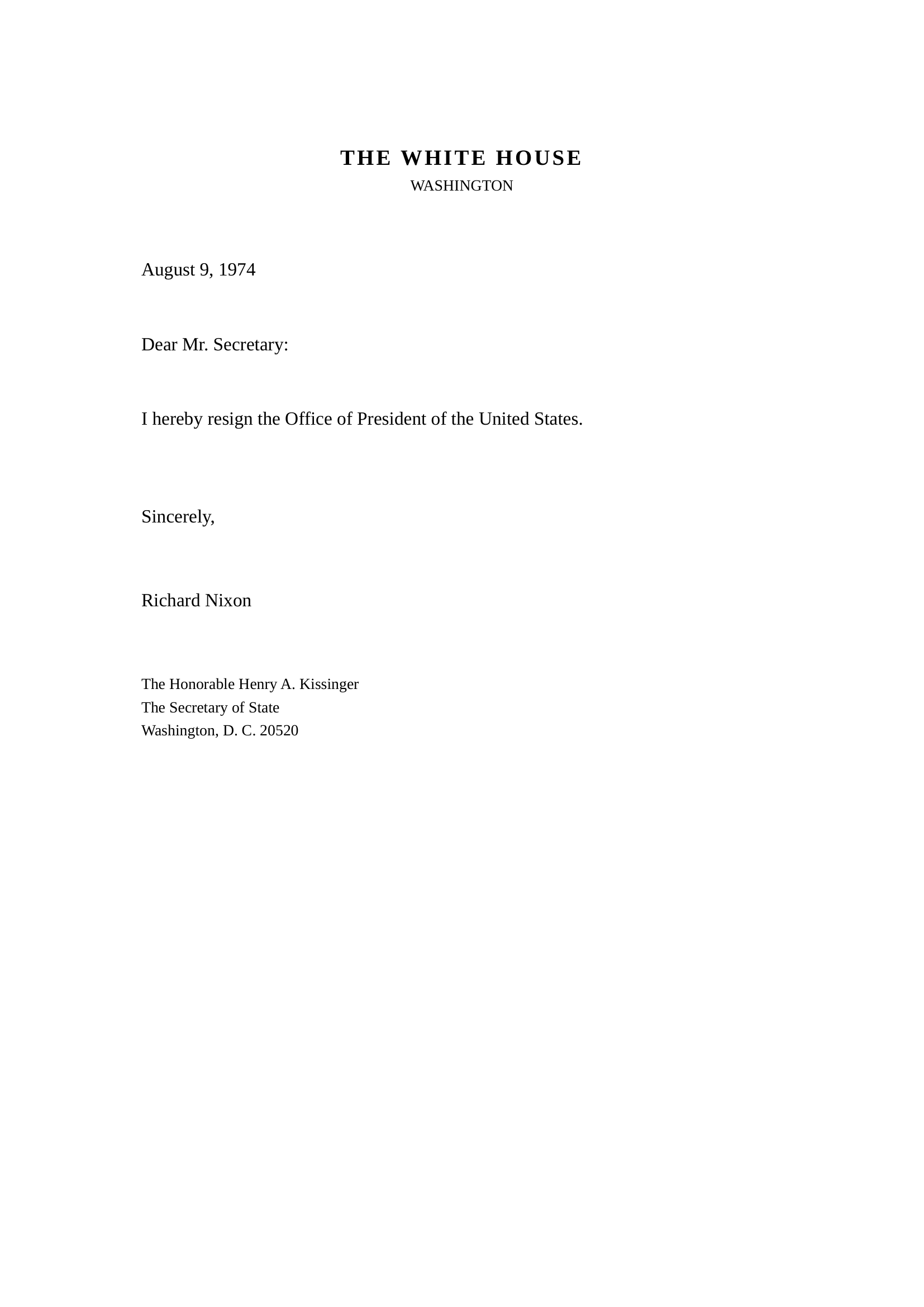
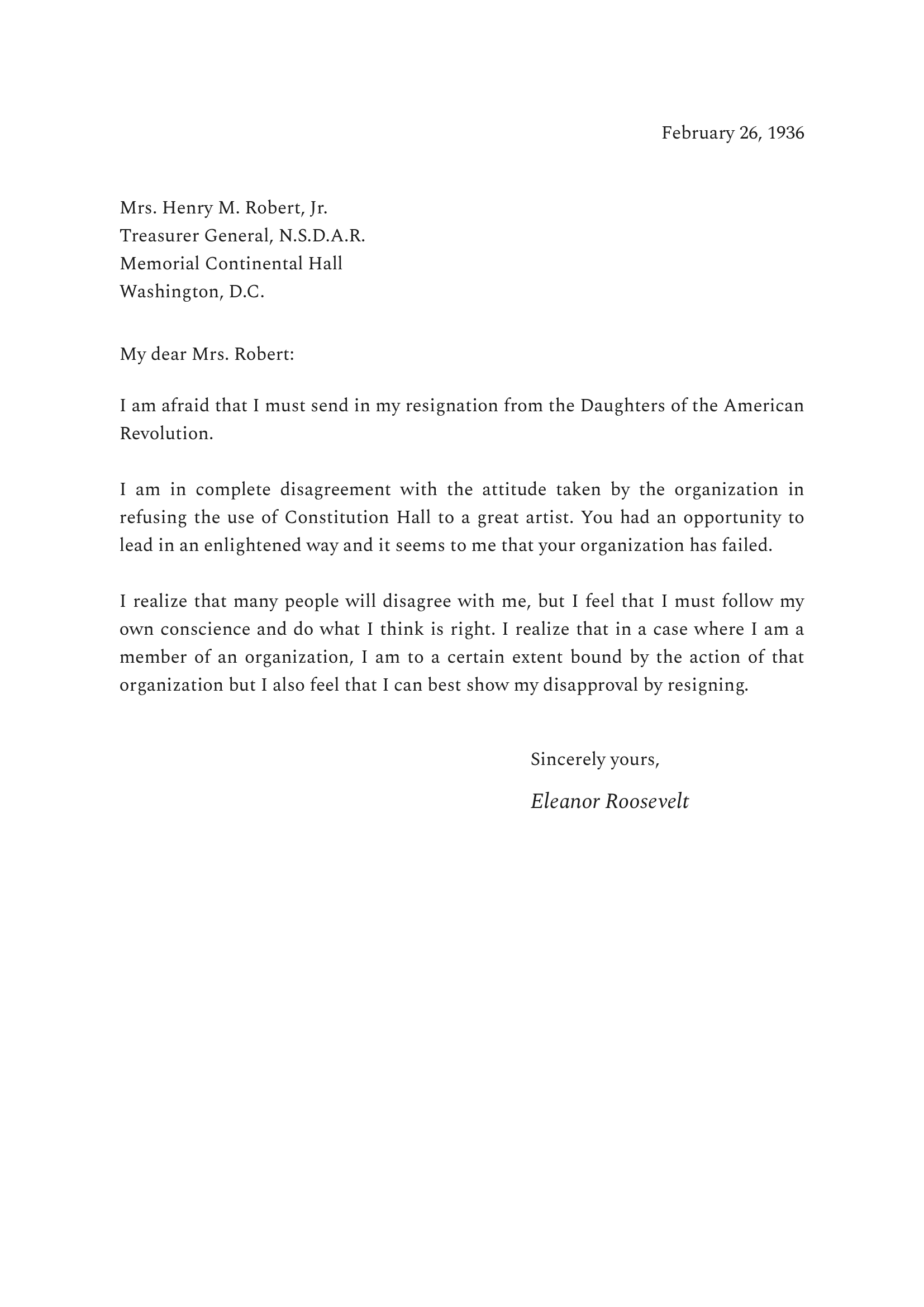
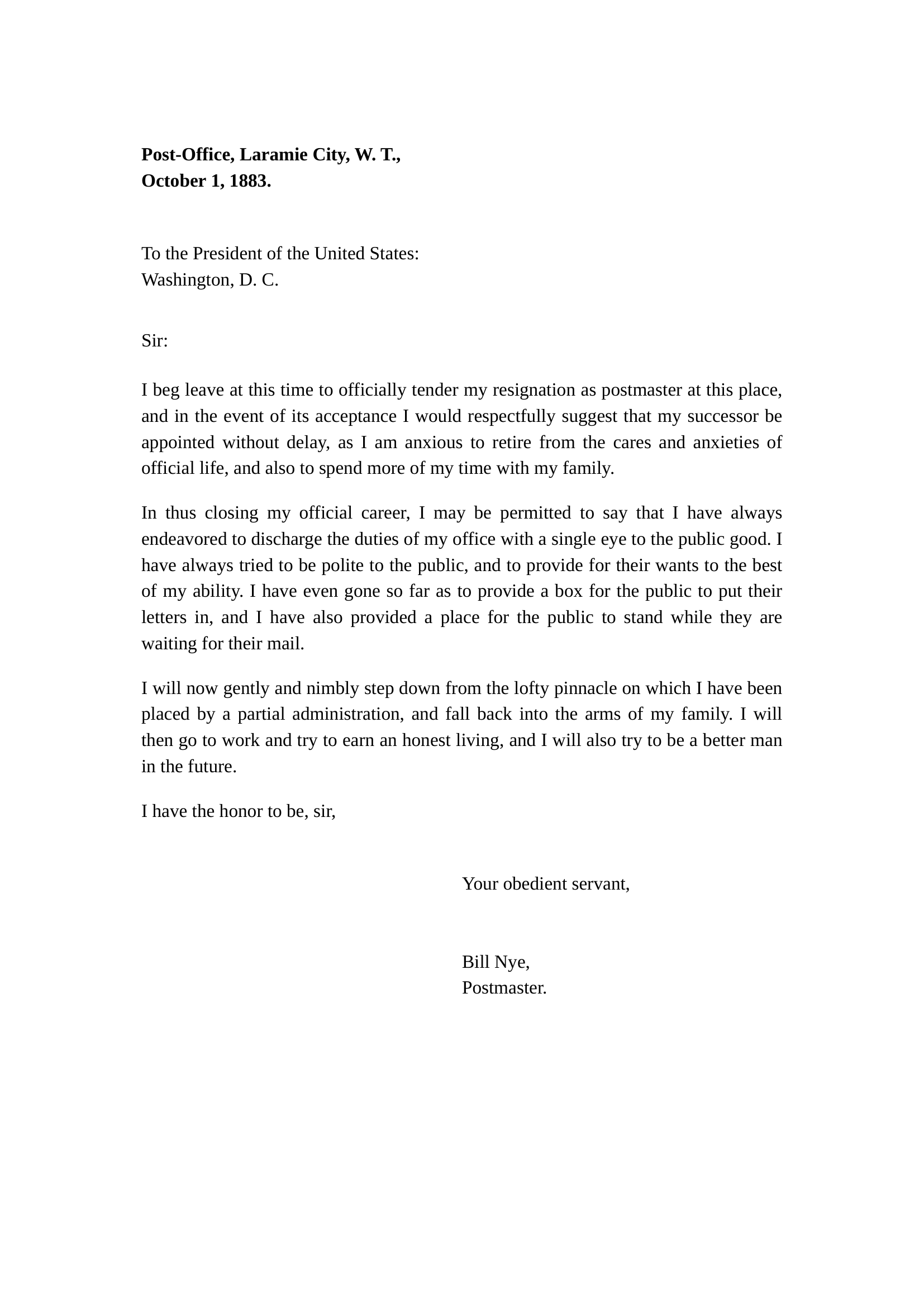
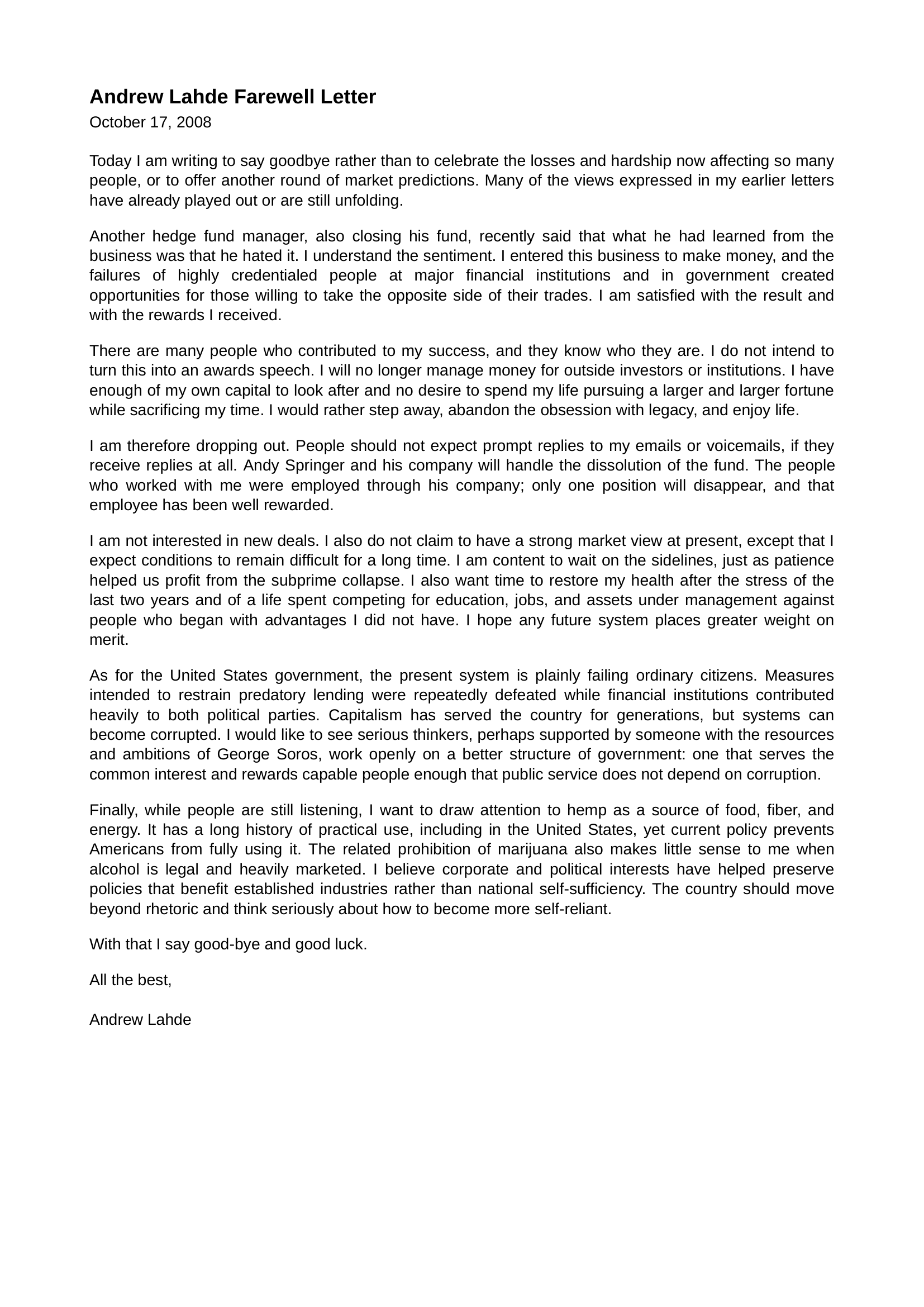
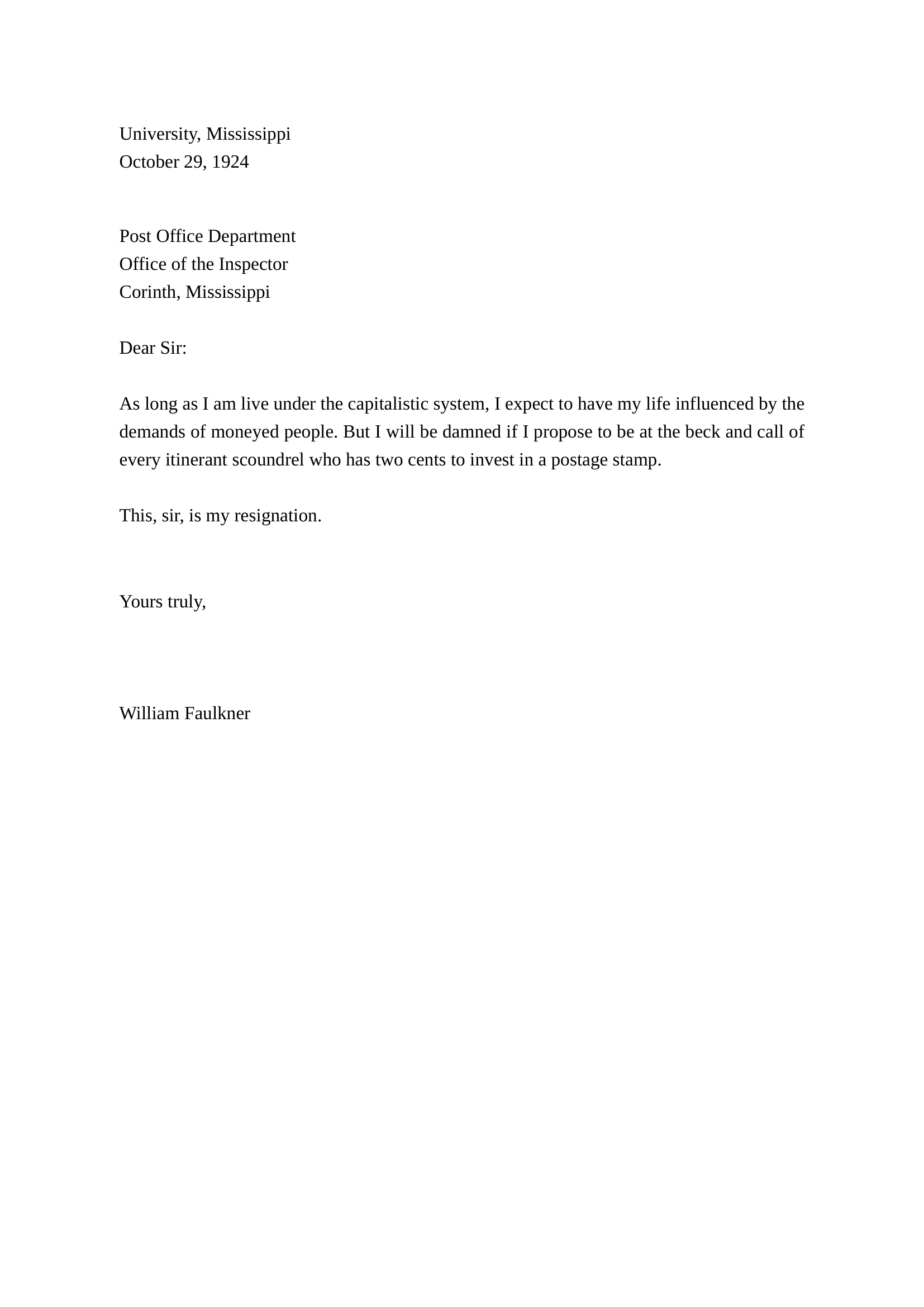
Create clear, professional resignation letters using AI-powered document generation inspired by real-world professional letters. Explore different resignation letter formats, choose a suitable reference, enter your prompt, and generate a completely new resignation letter in seconds. Customize wording, tone, dates, employment details, formatting, and transition information in the online editor before downloading the final document. Examples.com helps employees create polished resignation letters for standard departures, short-notice resignations, retirement, career changes, and other professional transitions.
What Is A Resignation Letter?
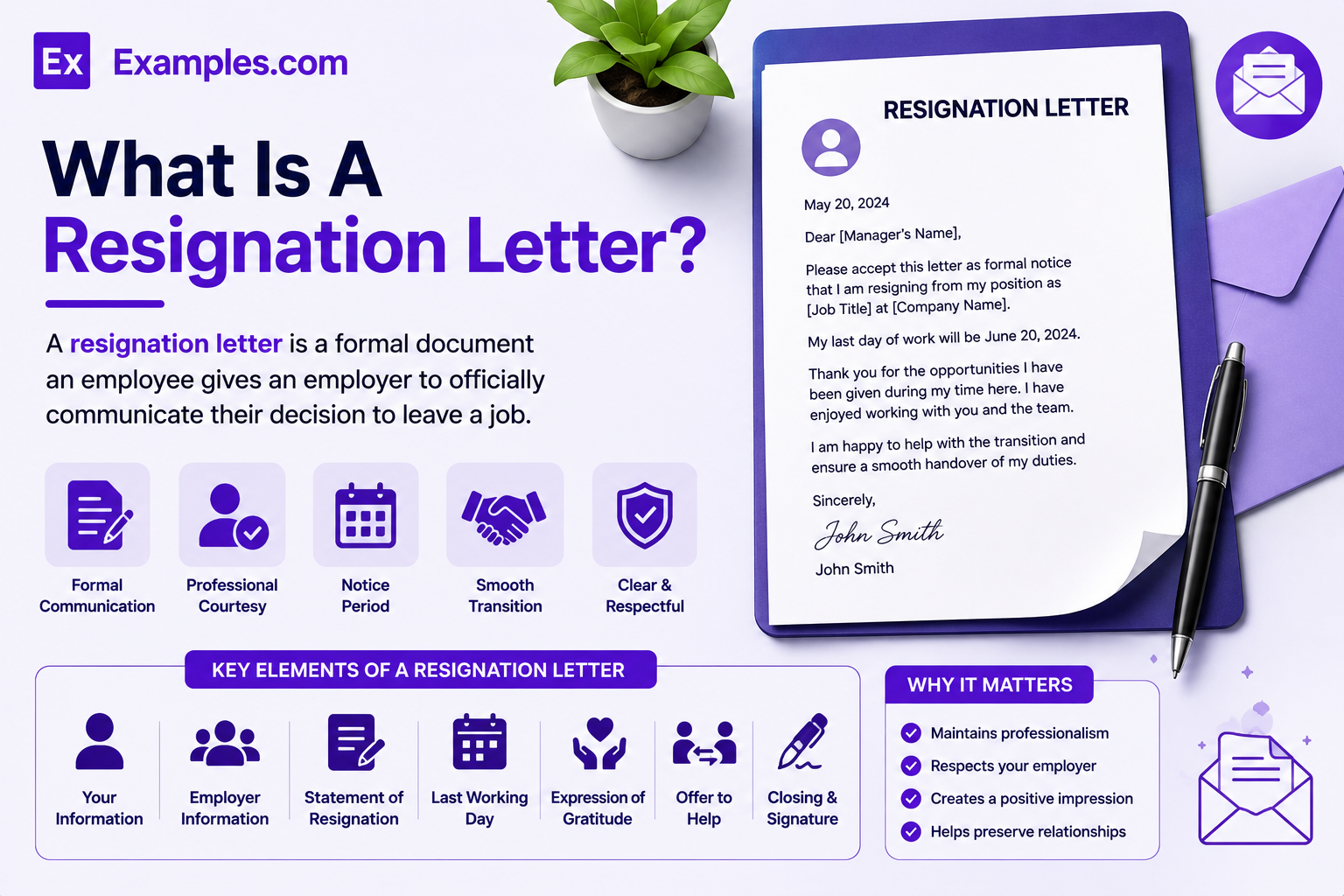
A resignation letter is a formal document an employee gives an employer to officially communicate their decision to leave a job. It normally identifies the employee, states the resignation, confirms the intended final working date, and may briefly express appreciation. A professional letter can also offer assistance with transferring responsibilities before departure. It is typically provided after discussing the resignation with a manager or supervisor and can help create a clear written record of the employee’s notice.
Popular Types Of Resignation Letters
Resignation letters vary according to the employee’s circumstances, notice period, and preferred communication style. Different formats can help employees communicate their departure appropriately for their specific situation.
Standard Resignation Letter
Clearly announces departure, provides notice, expresses appreciation, and offers transition assistance professionally.
Brief Resignation Letter
Communicates essential departure details without explaining personal reasons or providing extensive background information.
Short-Notice Resignation Letter
Explains an unexpectedly early departure while remaining respectful, concise, and considerate toward the employer.
Thankful Resignation Letter
Emphasizes appreciation for meaningful experiences, professional development, mentorship, and workplace relationships.
Retirement Resignation Letter
Announces retirement while recognizing long-term contributions and providing appropriate transition information.
Email Resignation Letter
Delivers formal resignation information digitally using a concise subject line and professional message structure.
Why Should I Use Real Resignation Letter Examples To Create My Own Resignation Letter?
Real resignation letter examples show how professionals communicate an important career decision without unnecessary emotion or complicated explanations. They provide practical references for organizing the opening statement, final working date, appreciation, transition assistance, and closing. Studying examples can also help you understand how tone changes between a standard departure, retirement, short-notice resignation, or highly appreciative message.
Using proven examples makes it easier to create a letter that feels professional while still reflecting your own circumstances. Examples.com can help you explore reference-based approaches before customizing the wording, structure, and information for your particular employment situation. The goal is not to copy another person’s letter, but to use established communication patterns as a practical starting point.
How Do I Generate Resignation Letters Using Proven Examples From The World’s Best Brands?
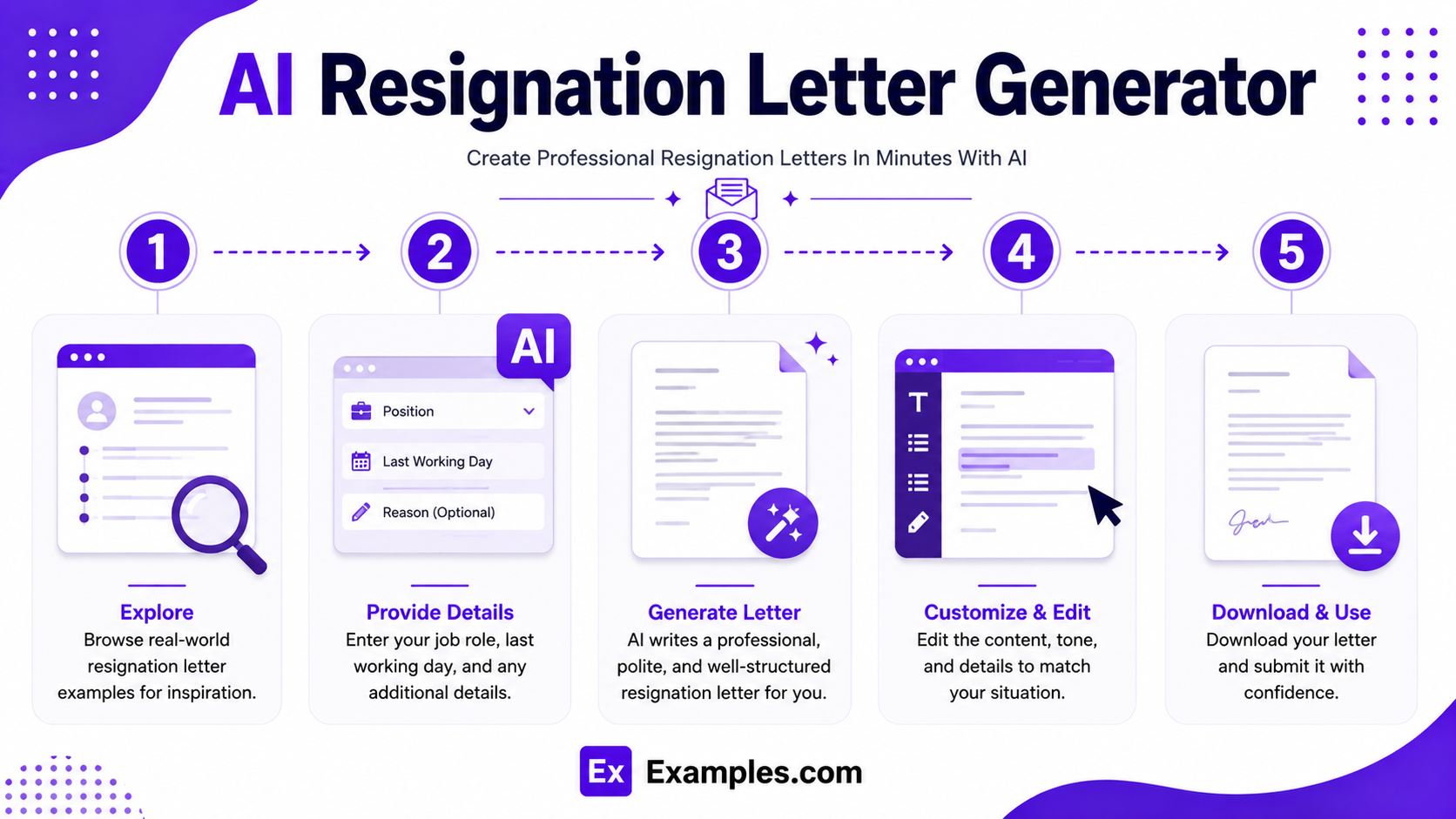
A reference-based workflow helps you move from research to a usable resignation letter while keeping the final document personal, accurate, and relevant.
Explore Real-World Resignation Letter Examples
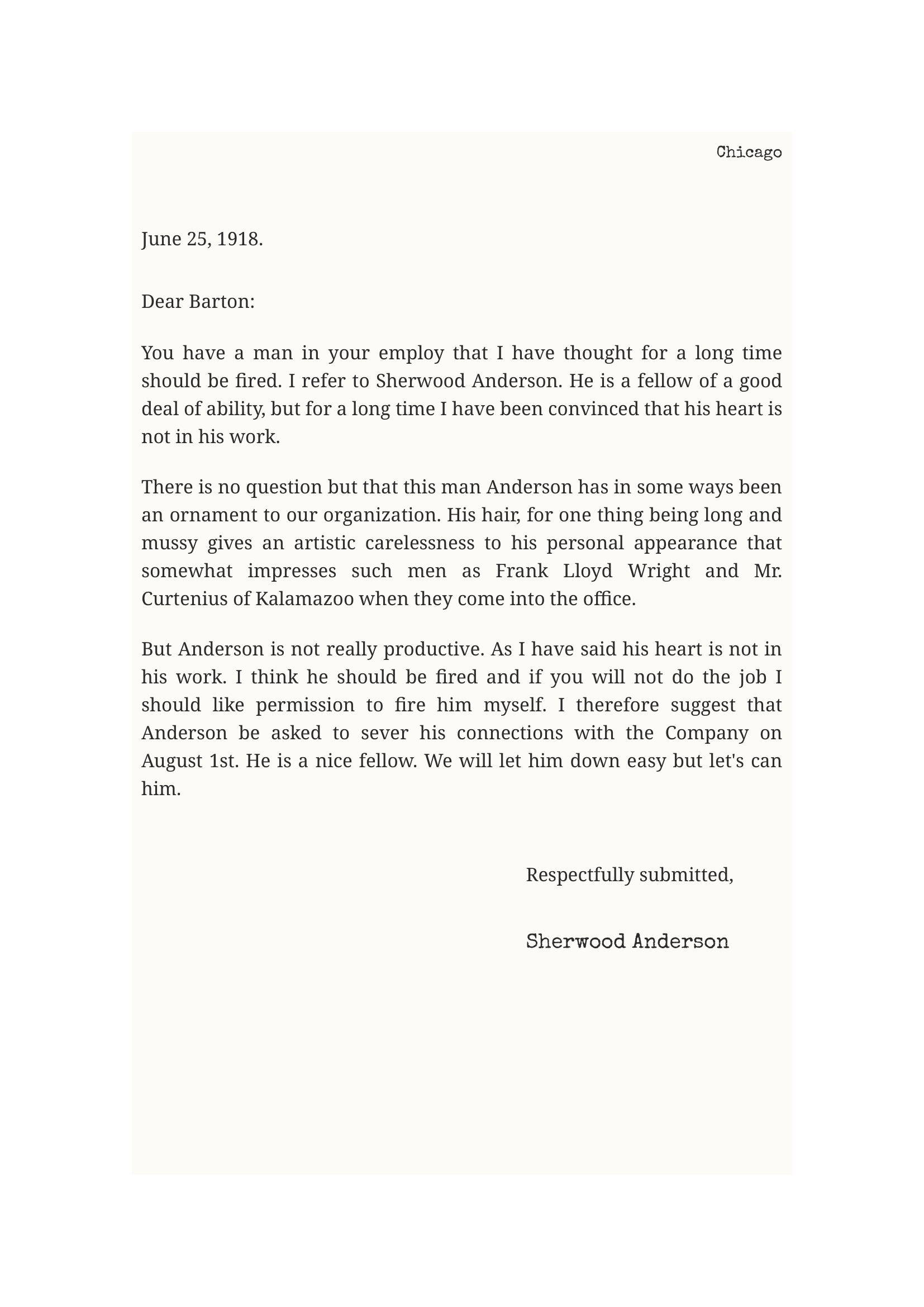
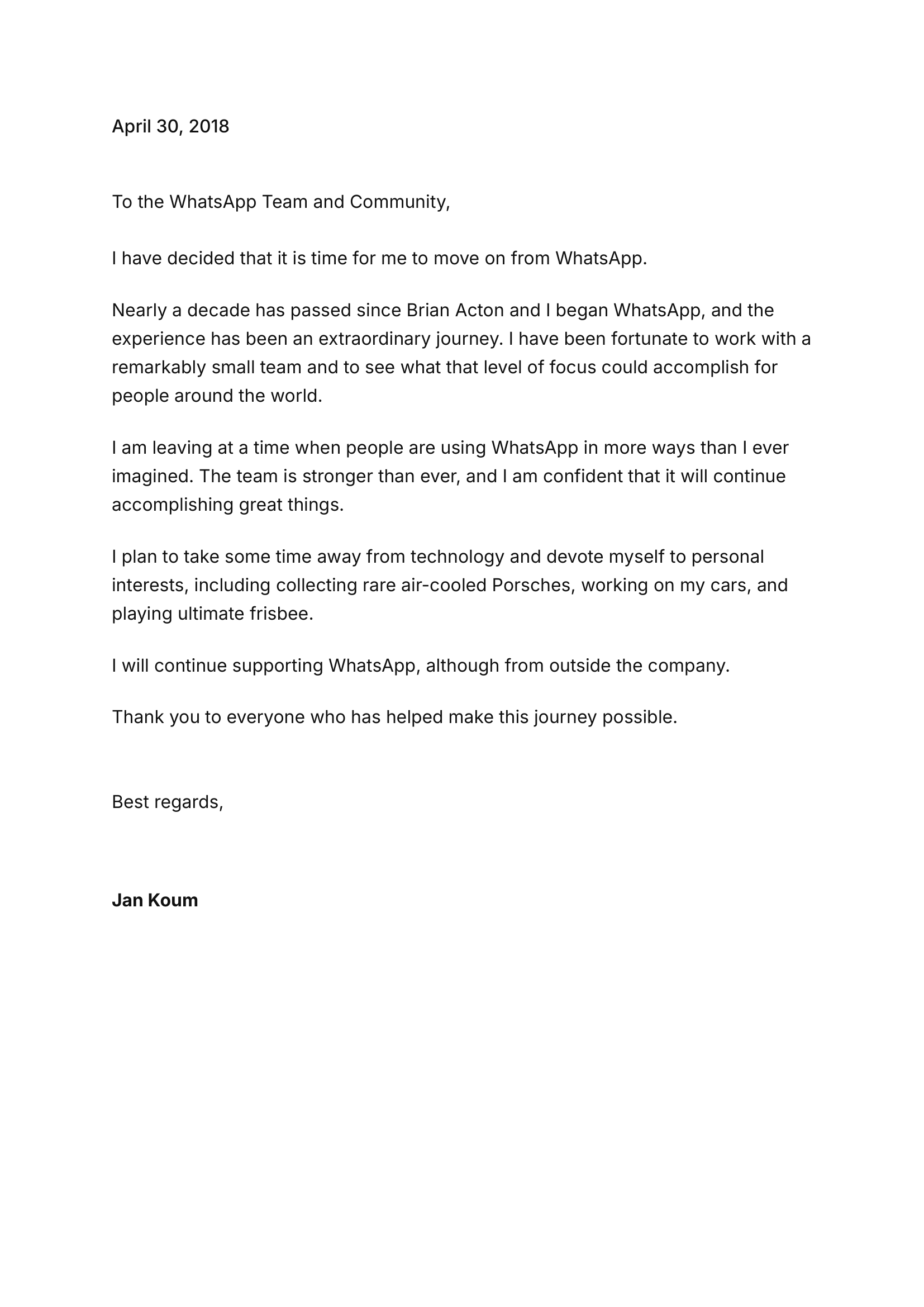
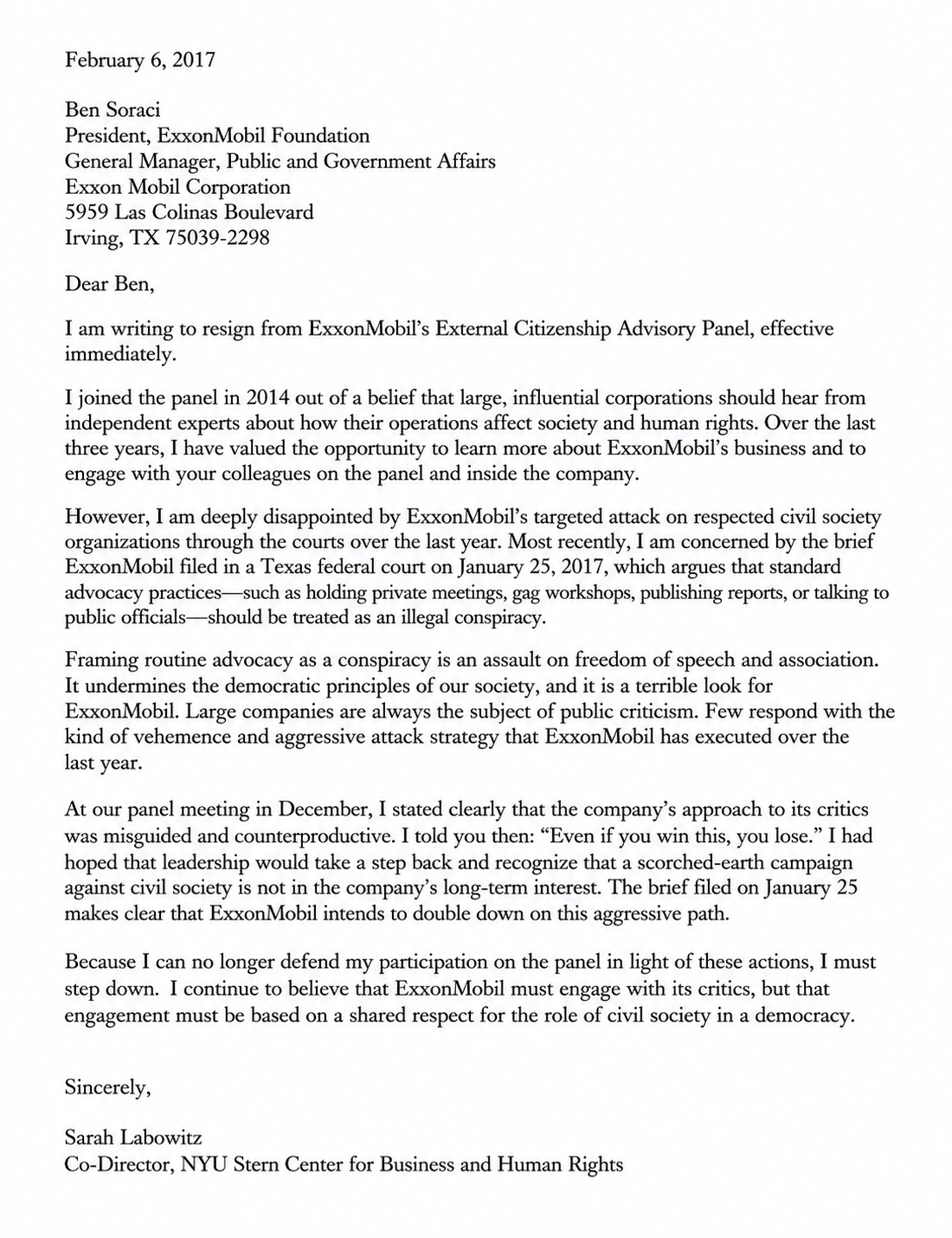
Review resignation letters from reputable professional sources, educational institutions, and established workplaces. Compare their structure, tone, level of detail, and presentation to identify an appropriate starting point.
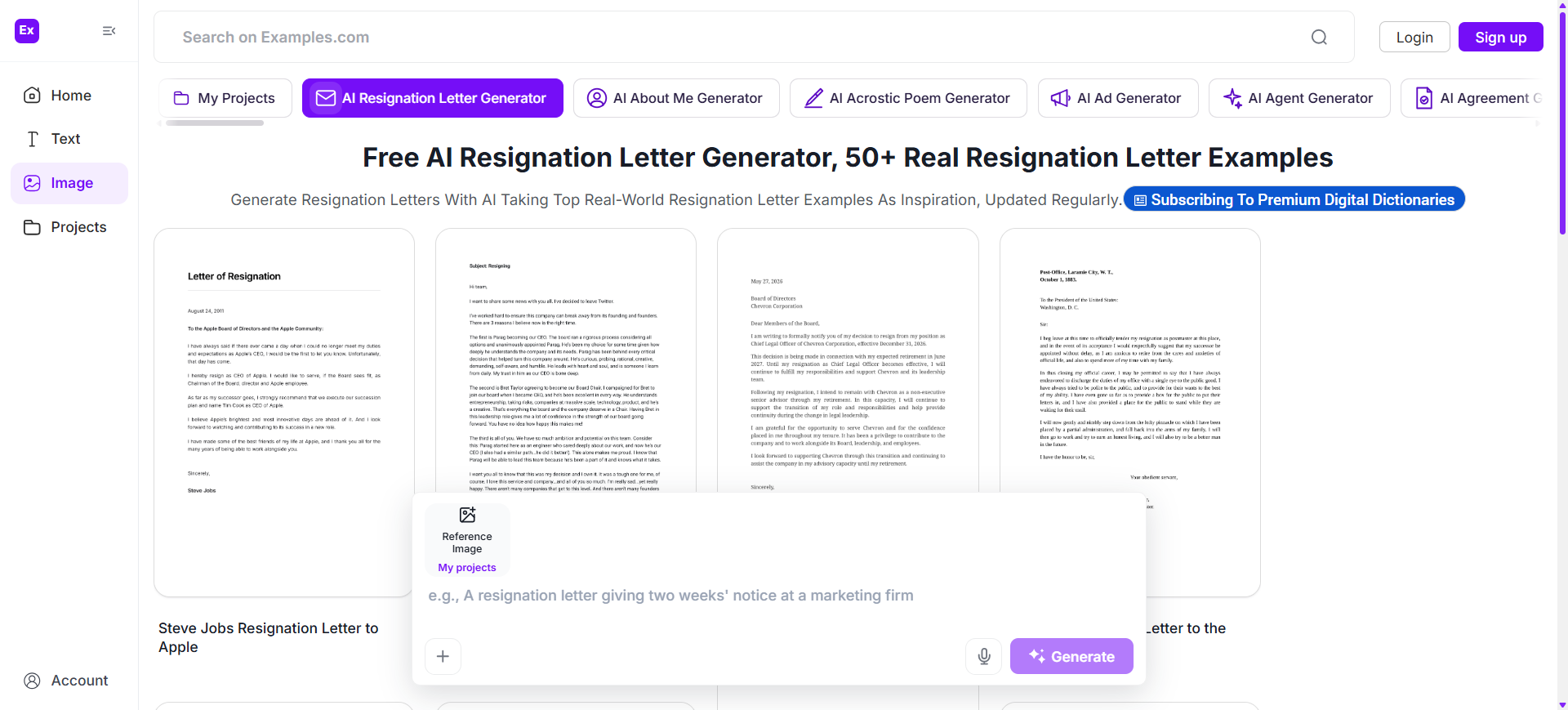
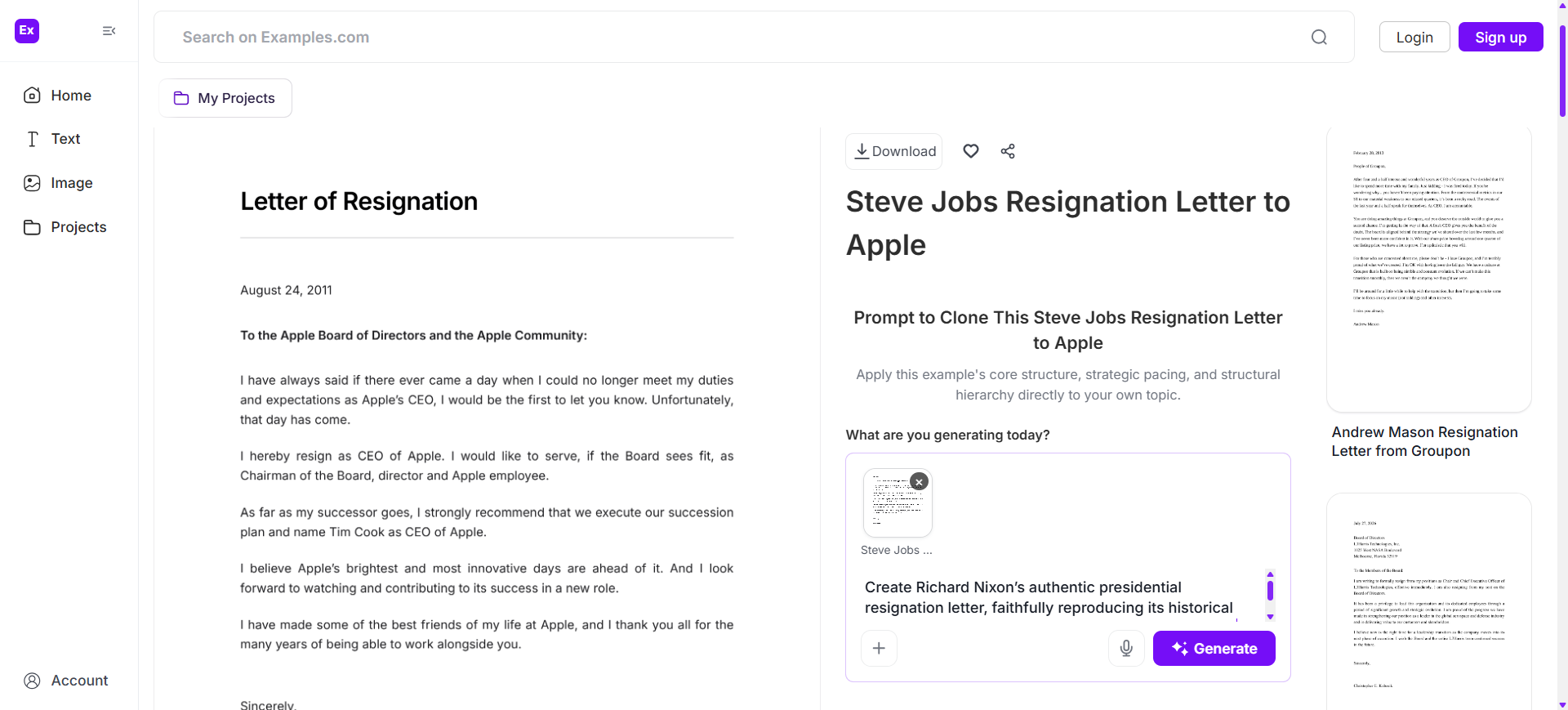
Choose A Reference Resignation Letter And Enter An AI Prompt
Select a reference that closely matches your situation, then provide an AI prompt describing your position, final working date, tone, notice period, and any information you want included.
Generate A New AI Resignation Letter
Use the reference structure to generate an original resignation letter. Ask for direct language, appropriate workplace etiquette, accurate dates, and a tone that matches your professional relationship.
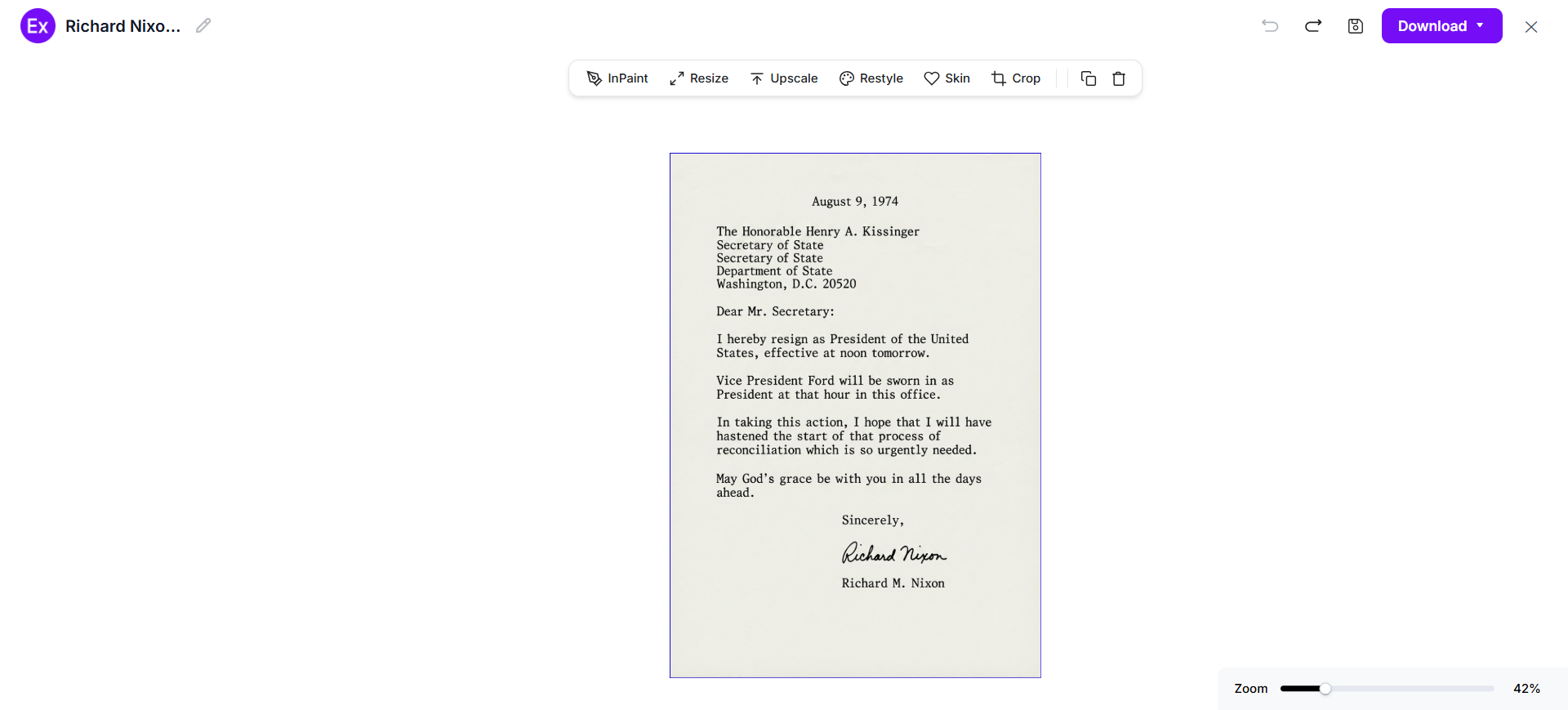
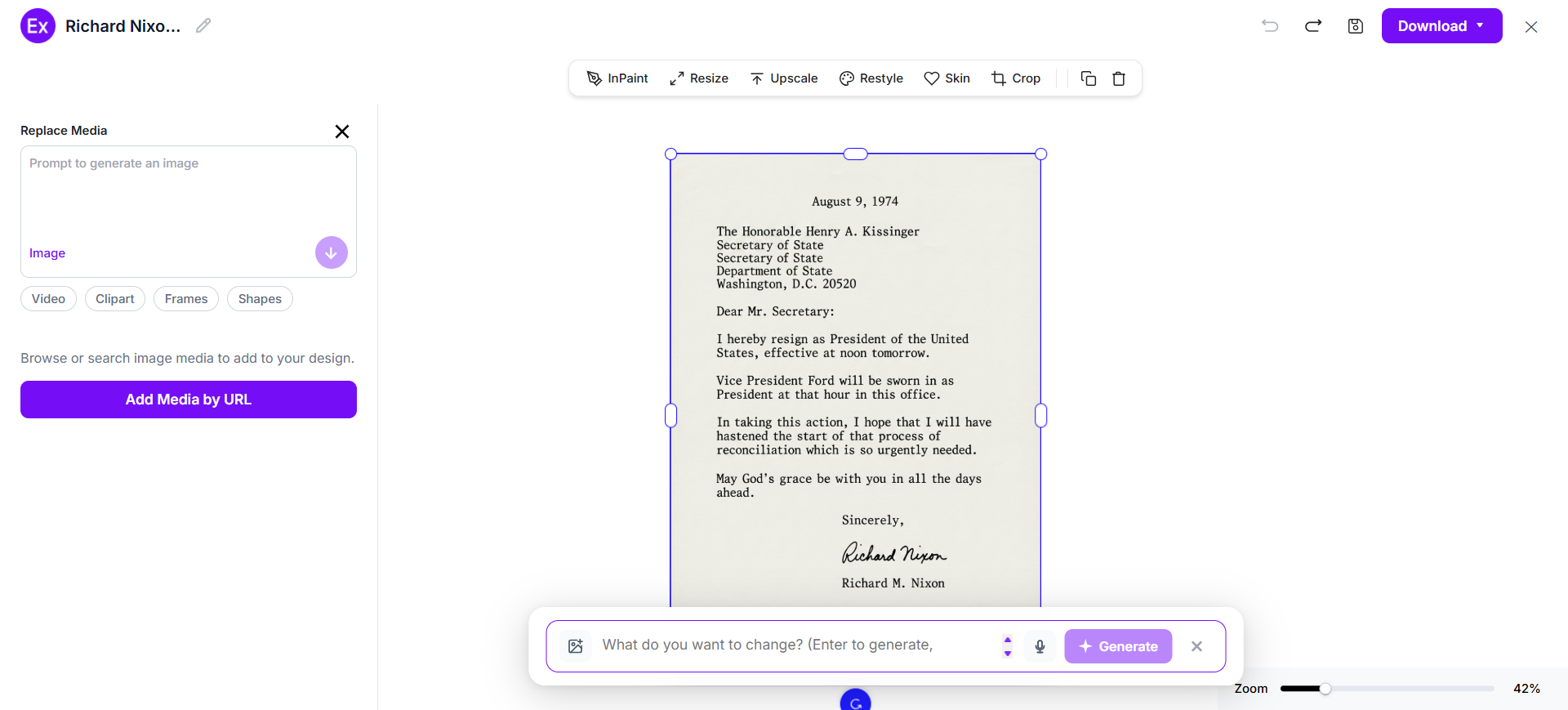
Customize The Resignation Letter In The Online Editor
Review every section and replace generic information with your name, manager, company, position, final date, and relevant transition details. Adjust wording, formatting, spacing, and typography as necessary.
Download And Use The Final Resignation Letter
Proofread the completed letter carefully before sending it. Confirm names, dates, notice requirements, contact information, and company procedures, then download or save the final document in the appropriate format.
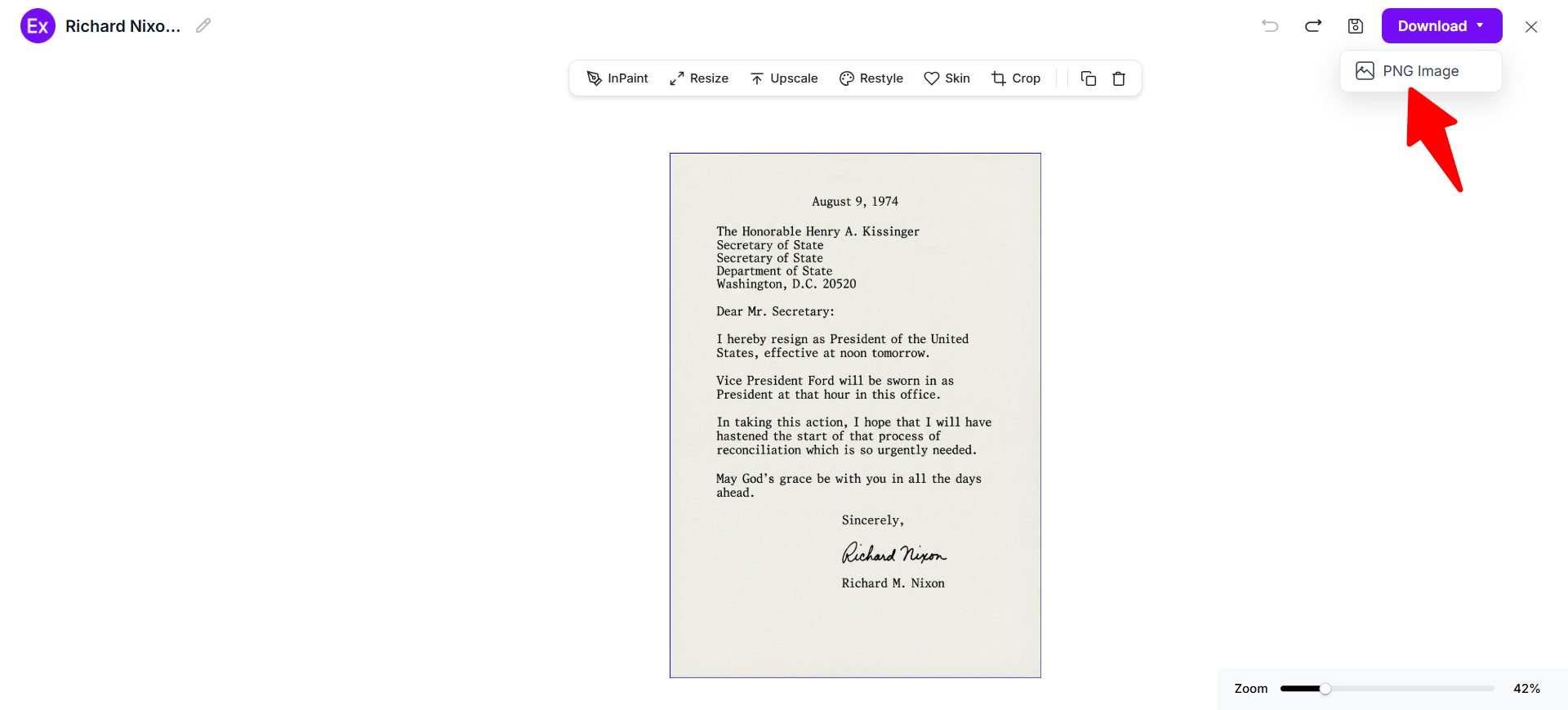
Customize Resignation Letter Designs Online
Customizing a resignation letter online allows you to adapt both the content and presentation to your specific workplace situation. Start with a suitable reference, then replace placeholder information with your name, job title, employer, manager, final working date, and relevant transition details. You can also adjust the tone from concise and formal to appreciative while keeping the message professional. Examples.com can help you begin with a structured reference and develop a personalized document rather than writing every section from scratch.
Online customization also makes it easier to refine formatting before submitting your resignation. Edit headings, spacing, margins, typography, alignment, and document details so the final letter looks organized and readable. Always review the completed version carefully because AI-generated text can contain incorrect assumptions or dates. Your final letter should accurately represent your own employment circumstances.
AI Resignation Letter Editing Features
Examples.com includes multiple AI-assisted editing features that help users personalize resignation letters while maintaining clear workplace communication.
Tone Adjustment
Change wording between formal, concise, appreciative, neutral, or respectful styles.
Personal Information Editing
Replace placeholder names, job titles, company information, and dates.
Notice Period Editing
Adjust the final working date and notice-related wording accurately.
Reason Customization
Include, shorten, or omit an explanation for leaving when appropriate.
Transition Assistance Editing
Add practical language about handovers, documentation, or training.
Paragraph Rewriting
Improve unclear, repetitive, or overly emotional sentences.
Formatting Controls
Adjust spacing, alignment, typography, and document structure.
Professional Language Refinement
Replace informal expressions with clear workplace-appropriate wording.
Final Proofreading
Review names, dates, grammar, punctuation, and consistency before submission.
Standard Resignation Letter Sizes And Formats
A resignation letter should use a conventional business-document format that makes the content easy to read and submit. The correct format depends partly on whether you are sending a printed letter or submitting the resignation digitally.
| Format | Typical Size | Best Use | Key Formatting Consideration |
|---|---|---|---|
| US Letter | 8.5 × 11 inches | United States and Canada | Standard business document layout |
| A4 | 210 × 297 mm | International use | Common professional document size |
| Letter or A4 | Digital submission | Preserves layout across devices | |
| DOCX | Letter or A4 | Editable document | Useful when revisions are required |
| Responsive digital format | Email resignation | Use a direct subject and concise body |
For printed letters, use readable fonts such as Arial, Calibri, Times New Roman, or Helvetica, generally around 10 to 12 points. Keep margins consistent and use left alignment for straightforward business communication. For digital submissions, PDF is useful when you need the final formatting to remain consistent.
Essential Elements Every Resignation Letter Should Include
A professional resignation letter should contain the essential information an employer needs to understand the employee’s decision and intended departure.
- Statement Of Resignation – Clearly state that you are resigning from your position.
- Final Working Date – Provide the exact date you intend to finish employment.
- Manager Or Employer Information – Address the appropriate recipient professionally.
- Professional Appreciation – Include a brief and sincere expression of thanks when appropriate.
- Transition Assistance – Offer reasonable help with transferring responsibilities before departure.
- Professional Closing – End with a courteous closing and your name.
- Contact Information – Include appropriate personal contact details when needed for future communication.
- Signature – Sign a printed letter or use an appropriate typed signature for digital submission.
How Do I Design A Better Resignation Letter?
A well-written resignation letter communicates your decision clearly while maintaining a respectful and professional tone. A focused structure helps employers quickly understand the resignation and final working date.
- State Your Decision Clearly – Open with a direct statement that you are resigning.
- Confirm Your Final Date – Make the intended last working day easy to identify.
- Keep The Message Concise – Include useful information without turning the letter into a long personal story.
- Use A Professional Tone – Remain calm, respectful, and appropriate even when circumstances are difficult.
- Express Appropriate Appreciation – Thank the employer for relevant opportunities, experience, or professional development.
- Offer Transition Support – Explain briefly how you can help with a smooth handover.
- Avoid Unnecessary Complaints – Keep workplace conflicts, criticism, and emotional statements out of the formal letter.
- Use Consistent Formatting – Maintain readable typography, spacing, margins, and alignment throughout the document.
- Check Important Details – Verify names, dates, job titles, company information, and contact details.
- Review Company Requirements – Confirm your employment agreement and workplace procedures before submitting notice.
Common Resignation Letter Design Mistakes To Avoid
A resignation letter should communicate departure information rather than create additional workplace conflict. Avoiding common problems helps maintain professional communication throughout the transition.
- Angry Language → Neutral Language – Remove emotional statements and communicate the resignation calmly.
- Long Personal Stories → Relevant Information – Focus on the resignation, final date, appreciation, and transition.
- Complaints About Colleagues → Professional Boundaries – Do not use the letter to criticize coworkers or managers.
- Unclear Final Date → Exact Date – State the intended final working day clearly.
- Overly Casual Wording → Business Language – Use respectful expressions appropriate for workplace communication.
- Missing Transition Information → Assistance Offer – Briefly explain how you can support the handover.
- Formatting Problems → Consistent Layout – Use readable fonts, spacing, margins, and alignment.
- Unverified Details → Careful Proofreading – Check every name, date, position, and company detail before sending.
How Can I Manage My Departure Using A Resignation Letter?
A resignation letter can support a professional departure by documenting your decision and establishing clear communication with your employer. It should not replace any required workplace procedures, contractual obligations, or conversations with management.
Confirm Your Departure
Clearly communicate that you are leaving and identify your intended final working date.
Support The Handover
Offer practical assistance with documenting responsibilities, completing priority tasks, or transferring knowledge.
Preserve Professional Relationships
Use respectful language that helps maintain positive relationships with managers and colleagues after your departure.
Document Important Information
Keep a copy of the submitted resignation and any relevant confirmation according to your workplace procedures.
Prepare For The Exit Process
Follow your employer’s instructions for returning equipment, completing documentation, and handling remaining responsibilities.
Maintain Your Professional Reputation
A concise, respectful resignation can demonstrate professionalism and consideration during an important career transition.
Which Resignation Letter Formats Perform Best?
The best format depends on how you are submitting the resignation and how much information your situation requires.
| Situation | Recommended Format | Main Purpose |
|---|---|---|
| Standard Job Departure | Formal Letter | Clearly communicate resignation and final date |
| Corporate Resignation | Brief Formal Letter | Keep communication direct and professional |
| Short-Notice Departure | Short-Notice Letter | Explain timing without excessive personal detail |
| Positive Long-Term Employment | Thankful Letter | Express appreciation while confirming departure |
| Retirement | Retirement Letter | Announce retirement and support long-term transition |
| Digital Submission | Email Resignation | Communicate essential details efficiently |
| Printed Submission | Business Letter | Provide a formal written record |
| HR Documentation | PDF Letter | Preserve the final formatting and content |
Resignation Letter Ideas For Different Industries
Different industries may require resignation letters to reflect workplace procedures, responsibilities, notice periods, and professional relationships.
- Corporate And Office Jobs – Use a concise formal structure with clear notice information, final date, and transition assistance.
- Healthcare – Keep the language professional and include sufficient notice while considering scheduling, patient responsibilities, and workplace procedures.
- Education – Teachers and education professionals can emphasize appreciation while providing clear information about their intended departure.
- Retail – A straightforward resignation letter can identify the final shift date and offer reasonable assistance with scheduling or handover.
- Technology – Technology professionals can mention transition support for projects, documentation, access, and knowledge transfer without adding unnecessary technical detail.
- Finance – Use a formal tone and clearly document the resignation date, responsibilities, and transition arrangements.
- Hospitality – Keep the letter concise and identify the final working date clearly to support scheduling and staffing decisions.
- Government – Follow applicable organizational policies and use a formal structure with accurate employment and notice information.
- Nonprofit Organizations – A respectful, appreciative tone can recognize the organization’s mission and professional experiences while keeping the resignation clear.
- Freelance And Contract Work – Adapt the document to the agreement, project timeline, contractual requirements, and responsibilities that need to be completed or transferred.
FAQs
Do I Need To Give A Reason For Resigning?
No. A resignation letter generally needs to communicate your decision to leave and your intended final working date. You can provide a reason if you choose and if it is appropriate for your situation.
Should I Resign Before Or After Talking To My Manager?
In many workplaces, it is professional to discuss your resignation with your manager first and then provide the formal written notice. Follow your employer’s established procedures and employment agreement.
How Long Should A Resignation Letter Be?
Most resignation letters can be concise. A few focused paragraphs are usually enough to communicate the decision, final date, appreciation, and transition assistance without unnecessary detail.
Is An Email Resignation Letter Acceptable?
An email may be appropriate when the employer accepts digital resignation notices. Check your workplace policy, employment agreement, or HR instructions to determine the required submission method.
Should I Include My New Job In A Resignation Letter?
You generally do not need to identify your next employer. If you want to mention your future plans, keep the information brief and professional.
Can I Write A Resignation Letter Without Knowing My Final Date?
It is better to confirm the applicable notice requirements and calculate the intended final working date before submitting the letter whenever possible.
Should A Resignation Letter Be Signed?
A printed resignation letter can include a handwritten signature. For digital submissions, a typed name or accepted electronic signature may be appropriate depending on workplace requirements.
Can AI Help Me Write A Resignation Letter?
Yes. AI can help organize a resignation letter, adjust its tone, improve wording, and create a structured draft from relevant information. However, review the final document carefully to ensure every detail is accurate and appropriate for your employment situation.