


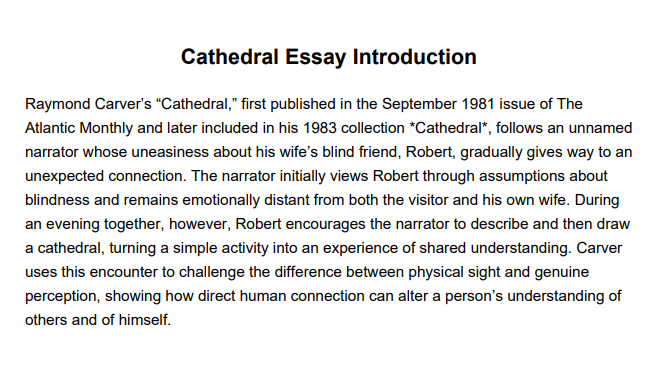
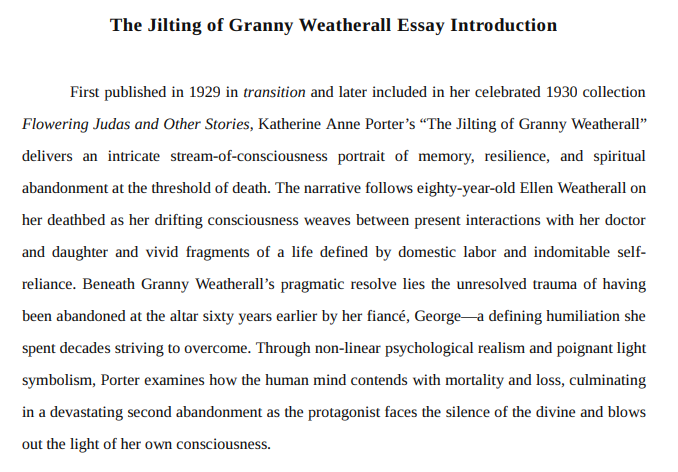

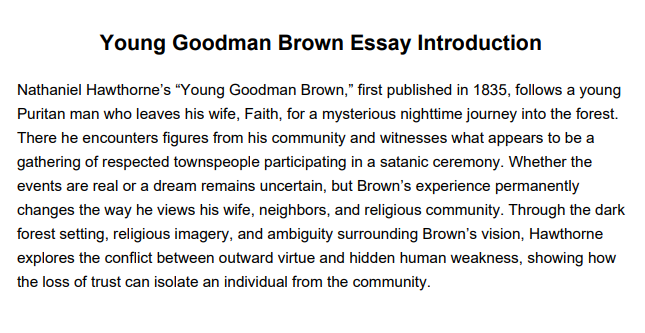


An essay introduction is the opening paragraph of an essay that captures the reader’s attention, provides essential background, and presents the main idea or thesis. A strong essay introduction should quickly establish what the essay is about and give readers a clear reason to continue. Whether you are writing an argumentative, informative, analytical, or personal essay, the introduction typically moves from a compelling hook to relevant context and ends with a focused thesis statement that guides the rest of the paper.
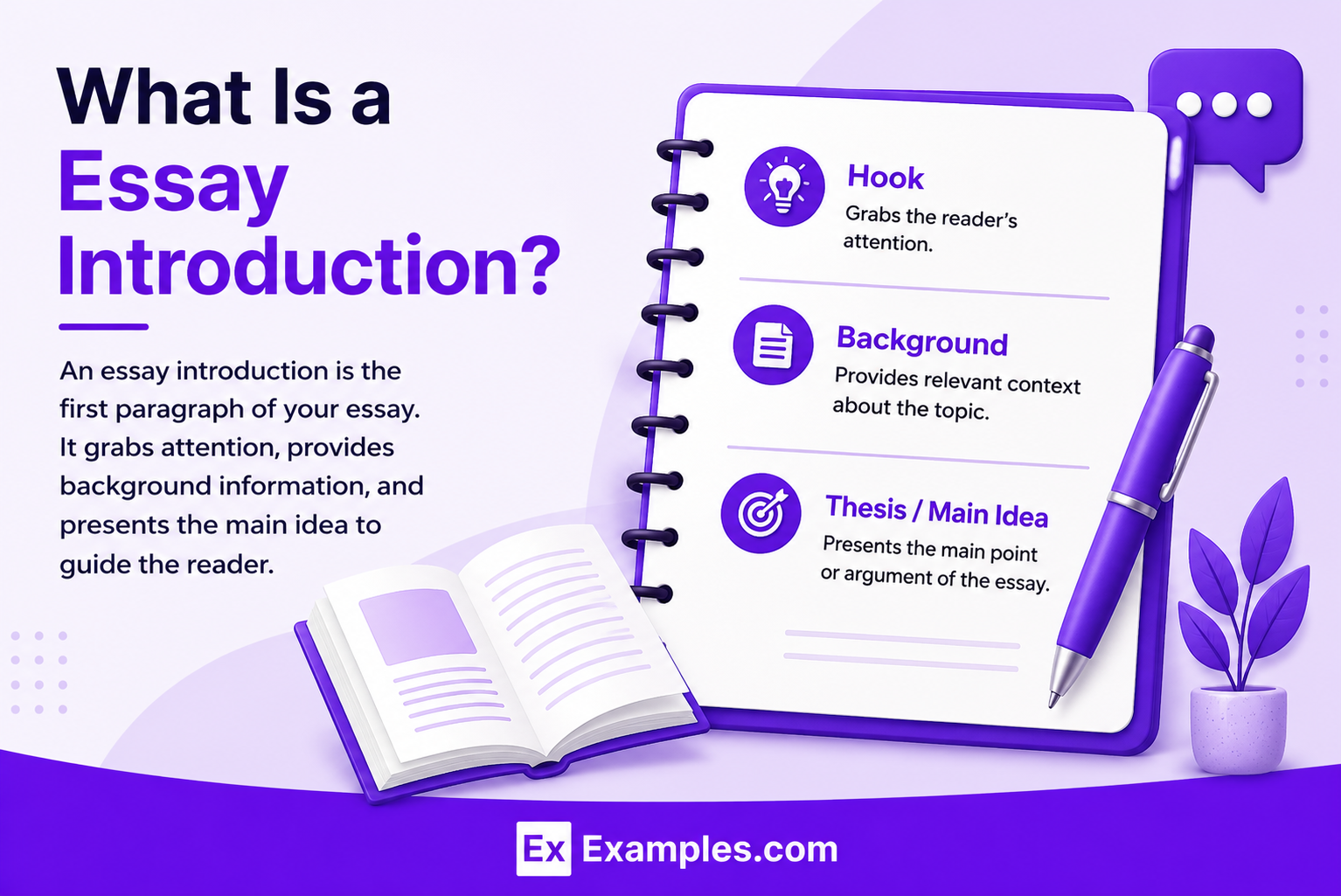
What Is an Essay Introduction?
An essay introduction is the opening paragraph of an essay that introduces the topic, provides relevant background, captures the reader’s attention, and presents the main idea or thesis that guides the paper.
How Do I Write an Essay Introduction Using Real Essay Examples?
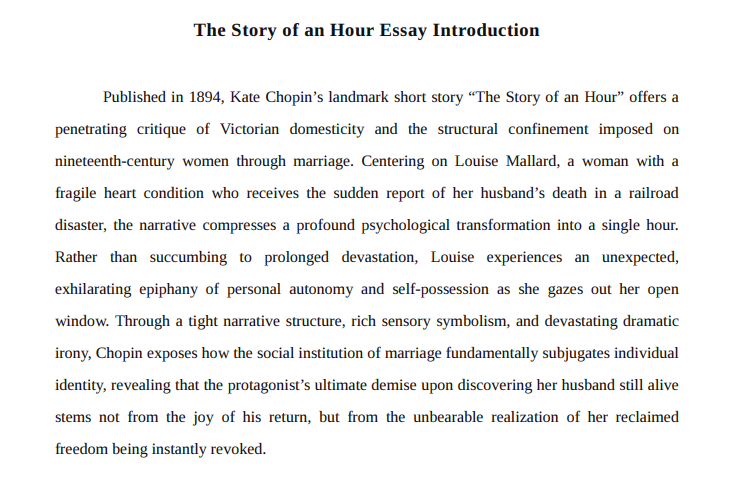
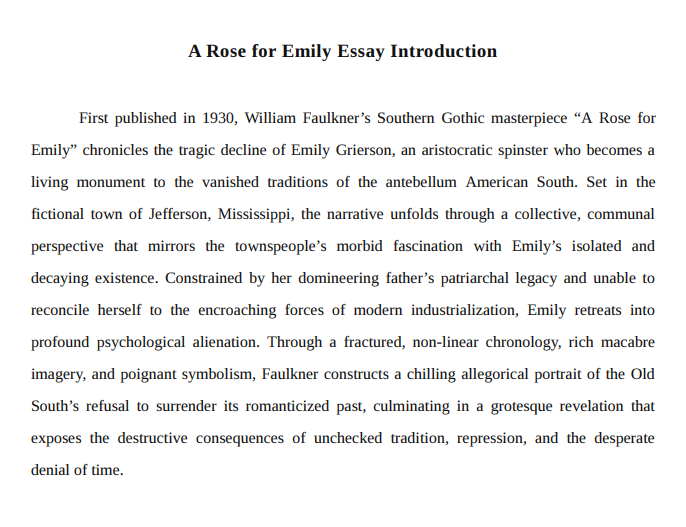
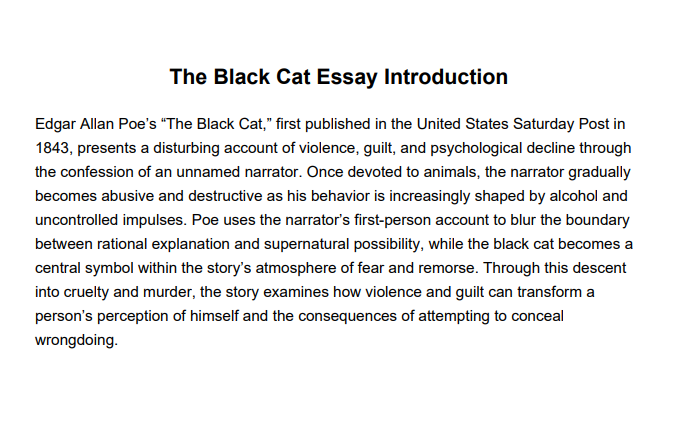
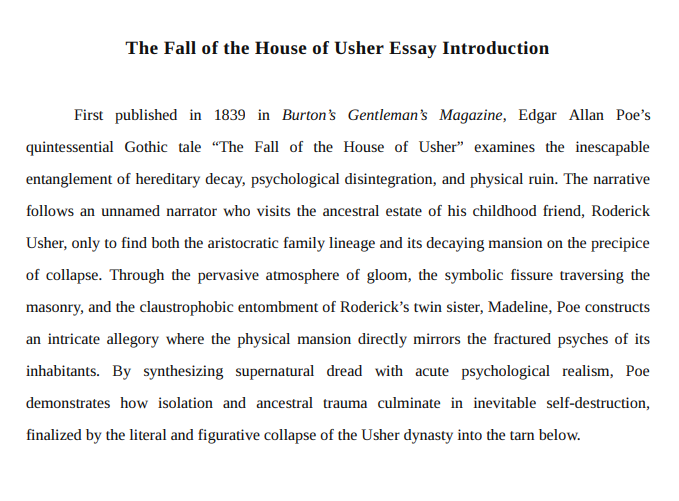
Explore Real Essay Introduction Examples
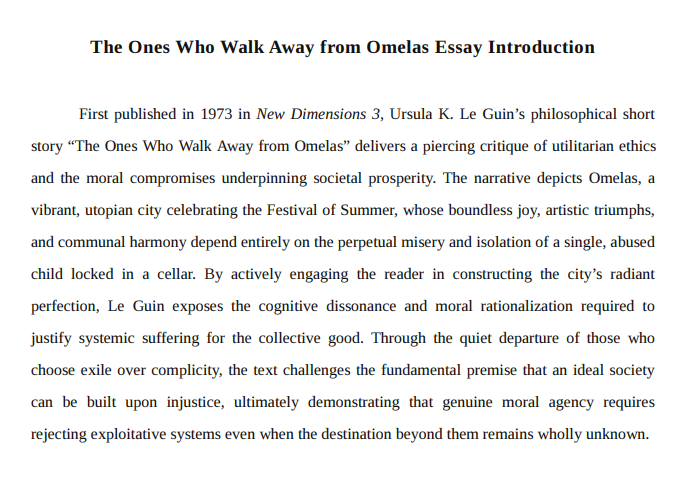
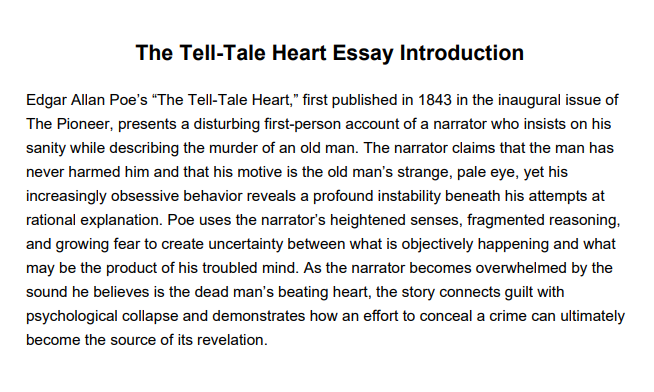
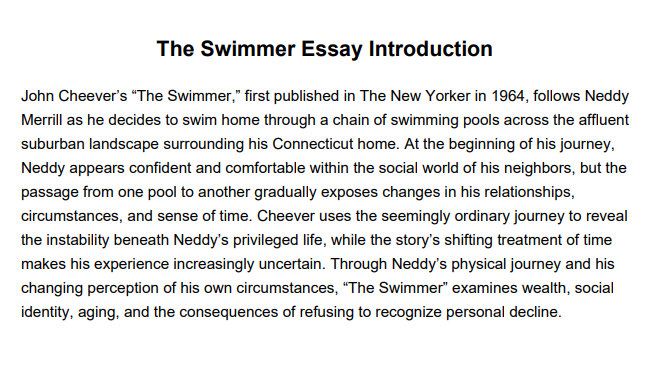
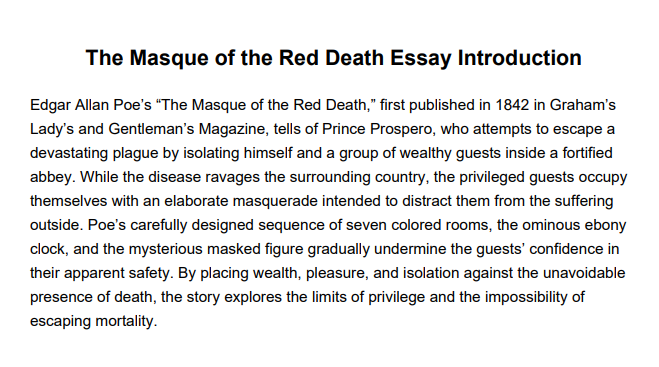
Review real essay introduction examples to understand how writers use hooks, background information, topic context, and thesis statements. Comparing examples can help you recognize effective structures and develop a clear introduction for your own essay.
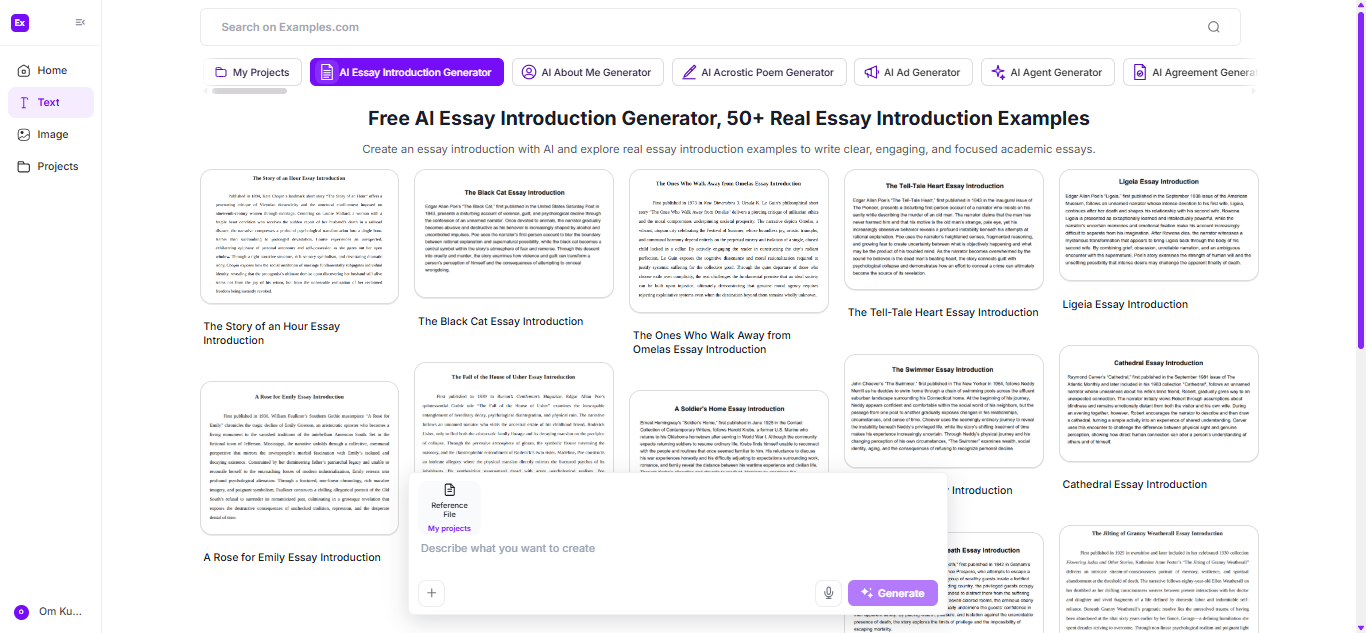
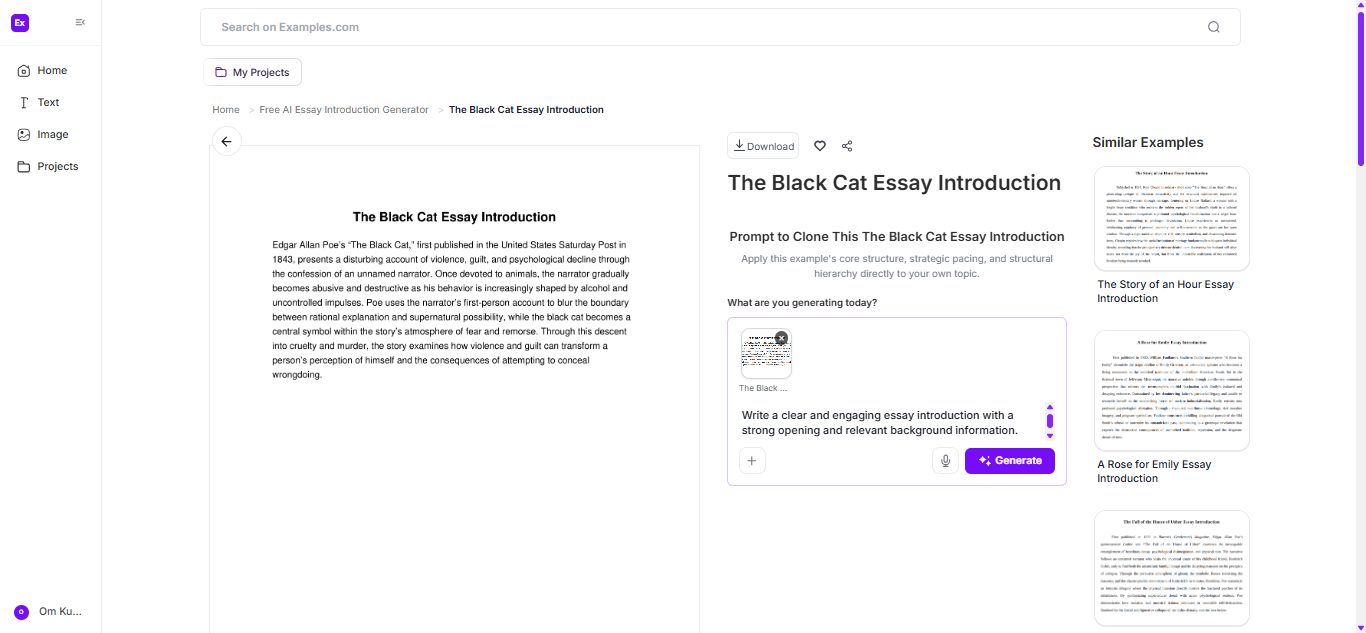
Choose A Reference Essay Introduction And Enter An AI Prompt
Select a reference introduction and describe your requirements, including the essay topic, purpose, tone, key points, background information, and main argument you want to present.
Generate A New AI Essay Introduction
The AI generates a customized essay introduction based on your prompt, organizing the opening with a relevant hook, supporting context, and focused thesis statement.

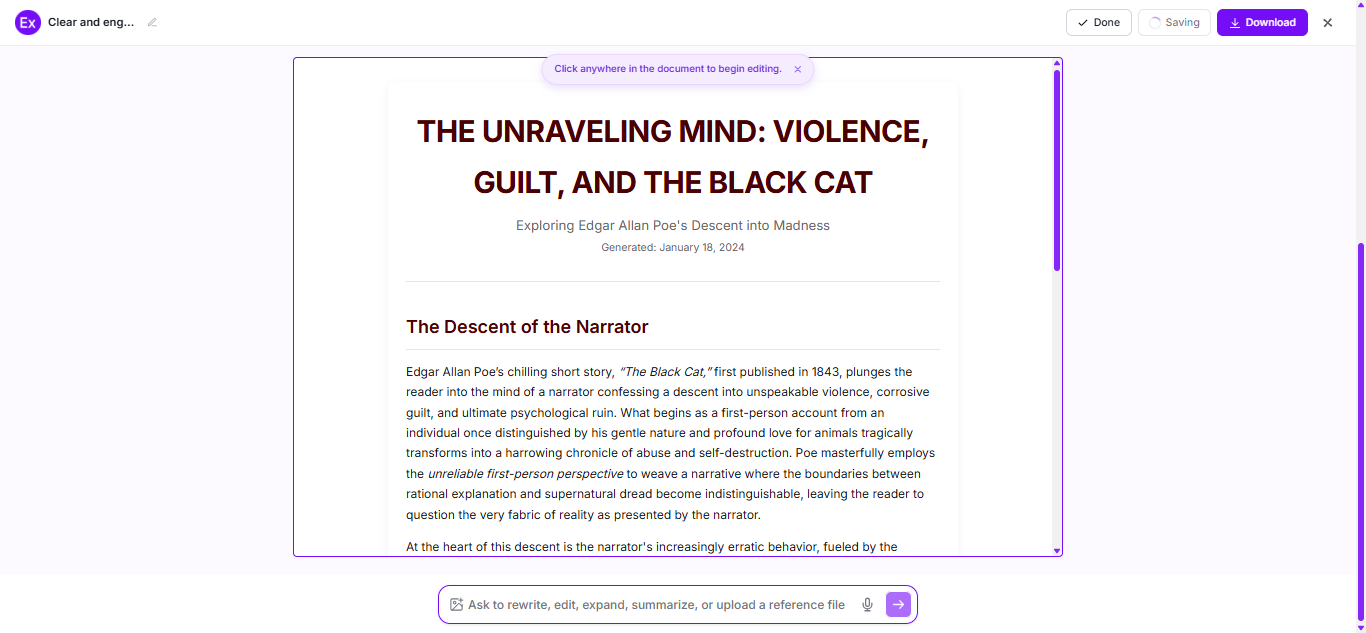
Customize The Essay Introduction In The Online Editor
Edit the topic, opening sentence, background information, wording, tone, and thesis statement to make the introduction clear, relevant, and appropriate for your essay.
Download Your Essay Introduction
Download your completed essay introduction in PDF format for reviewing, printing, or keeping as a reference while developing the rest of your essay.

How Long Should an Essay Introduction Be?
An essay introduction should generally be about 5% to 10% of the total essay length, providing enough space to introduce the topic, establish context, and present the main idea without overwhelming the reader.
How Do I Start an Essay Introduction?
Start with an engaging hook, such as a relevant fact, question, or thought-provoking statement, then provide brief background information before narrowing the focus to a clear thesis statement.
AI Essay Introduction Editing Features
AI Introduction Generation
Generate clear essay introductions based on your topic, purpose, tone, and main argument.
Smart Introduction Editing
Add, remove, or revise hooks, background information, and thesis statements to strengthen your introduction.
Auto Formatting
Organize the introduction into a clear and logical structure for a polished, easy-to-read opening.
Essay Introduction Customization
Adjust the topic, tone, wording, supporting details, and thesis statement to match your essay requirements.
Review And Improve
Review your introduction and refine its clarity, relevance, flow, and connection to the essay topic.
Instant PDF Download
Download your completed essay introduction in PDF format for reviewing, printing, or keeping as a reference.
Which Essential Elements Should I Include in Every Essay Introduction?
- Hook: Start with an engaging statement, question, fact, or idea that captures the reader’s attention.
- Background Context: Provide relevant information that helps readers understand the topic and its importance.
- Topic Introduction: Clearly introduce the subject or issue the essay will discuss.
- Focus: Narrow the topic from a broad idea to the specific point the essay will address.
- Thesis Statement: State the main argument, position, or idea that the essay will develop.
- Transition: Create a natural connection between the introduction and the essay’s body paragraphs.
How Do I Write a Better Essay Introduction?
- Start With a Strong Hook: Open with an interesting fact, question, statement, or observation that draws the reader into the topic.
- Introduce the Topic Clearly: Tell the reader exactly what subject the essay will discuss without being vague.
- Add Relevant Background: Provide enough context to help the reader understand the topic and its significance.
- Narrow the Focus: Move from the broader subject toward the specific issue, question, or argument addressed in the essay.
- Write a Clear Thesis Statement: State the central argument or main idea that the essay will explain or support.
- Keep It Concise: Remove unnecessary details and keep the introduction focused on preparing the reader for the essay.
Why Should I Use Real Essay Introduction Examples to Create My Own Essay Introduction?
- Real essay introduction examples show how effective openings capture attention and introduce a topic clearly.
- They help you understand how a strong hook can lead naturally into relevant background information.
- Examples make it easier to see how writers narrow a broad topic into a specific focus.
- Reviewing different introductions can help you understand how thesis statements present the main argument or idea.
- Real examples provide practical references for improving sentence structure, organization, tone, and clarity.
- Comparing examples can help you identify common weaknesses, such as vague openings, unnecessary background, or unclear thesis statements.
- Using examples as references can make it easier to develop your own introduction while adapting the structure to your specific essay topic.
- Studying several examples also helps you recognize how introductions differ across argumentative, informative, analytical, and other essay types.
How Do I Improve an Essay Introduction?
- Strengthen the Hook: Replace a generic opening with a relevant question, fact, observation, or statement that captures attention.
- Clarify the Topic: Make sure the introduction clearly explains what the essay will discuss.
- Improve the Background: Remove unnecessary information and keep only context that supports the topic.
- Refine the Thesis: Make the main argument or central idea specific, clear, and easy to understand.
- Improve the Flow: Connect the hook, background, topic, and thesis smoothly so each sentence leads naturally to the next.
- Remove Repetition: Eliminate repeated ideas, unnecessary phrases, and information that does not contribute to the introduction.
- Check the Length: Keep the introduction concise while providing enough information to prepare the reader for the essay.
What Common Essay Introduction Mistakes Should I Avoid?
- Starting Too Broadly: Avoid opening with a vague statement that does not clearly connect to your essay topic.
- Using an Unclear Hook: Choose a relevant opening instead of a question, fact, or statement that feels unrelated or forced.
- Adding Too Much Background: Include only the context readers need to understand the topic.
- Delaying the Main Point: Avoid taking too long to reveal what your essay is actually about.
- Writing a Weak Thesis: Make sure your thesis clearly states the main argument, position, or idea.
- Using Unnecessary Details: Remove information that belongs in the body paragraphs rather than the introduction.
- Repeating the Essay Question: Introduce the topic naturally instead of simply copying the assignment question.
- Making Unsupported Claims: Avoid presenting questionable facts or statistics without reliable support.
Essay Introduction Ideas for Different Subjects
- Argumentative Essay: Start with a thought-provoking question, relevant issue, or contrasting viewpoint before presenting your position in the thesis statement.
- Informative Essay: Introduce the topic with an interesting fact or brief context, then explain what the essay will explore.
- Persuasive Essay: Highlight a problem, concern, or compelling fact that leads naturally to your main argument.
- Descriptive Essay: Use vivid details, sensory language, or an engaging observation to introduce the person, place, object, or experience.
- Narrative Essay: Begin with an interesting moment, short scene, or personal experience that draws the reader into the story.
- Compare-and-Contrast Essay: Introduce the two subjects and establish the specific similarities, differences, or relationship the essay will examine.
- Cause-and-Effect Essay: Present the issue or event first, then introduce the causes, effects, or relationship that the essay will analyze.
- Research Essay: Provide concise background on the research topic, establish its significance, and end with a focused thesis or research claim.
FAQs
What Is the Purpose of an Essay Introduction?
An essay introduction prepares readers for the topic by providing context, capturing attention, and presenting the essay’s central argument or idea.
What Are the Three Main Parts of an Essay Introduction?
The three main parts are the hook, background information, and thesis statement that establishes the essay’s primary focus.
Can I Start an Essay Introduction With a Question?
Yes, a relevant question can engage readers and introduce the topic, provided it connects directly to your essay’s main focus.
Where Should I Put the Thesis Statement?
The thesis statement usually appears near the end of the introduction, clearly presenting the essay’s main argument or central idea.
Should Every Essay Introduction Have a Hook?
A strong hook is recommended because it captures attention, introduces the topic, and encourages readers to continue reading the essay.
How Much Background Information Should I Include?
Include enough background to establish context and understanding without adding unnecessary details that belong in the essay’s body paragraphs.
Can I Write an Essay Introduction Without a Thesis?
Most academic essays benefit from a thesis because it clearly communicates the main argument, purpose, or direction of the discussion.
What Makes an Essay Introduction Effective?
An effective introduction is focused, engaging, relevant, concise, and logically connects the opening hook, background information, and thesis statement.
How Can I Make My Essay Introduction More Engaging?
Use a relevant hook, specific language, concise background information, and a clear thesis that gives readers a reason to continue.
Should an Essay Introduction Include Citations?
Citations may be necessary when introducing factual information, statistics, research findings, or ideas taken from external sources.