




An opening statement is the foundation of a strong case because it introduces the facts, outlines what the evidence will show, and gives the judge or jury a clear roadmap of the case before testimony begins. Whether used in a courtroom, hearing, arbitration, or formal proceeding, an effective opening statement presents the story in a logical, engaging way without arguing or asking for a decision. A well-written opening statement helps establish credibility, explains the sequence of events, introduces the parties involved, and prepares the audience for the witnesses and evidence that follow, making it one of the most important parts of any legal presentation.
What Is An Opening Statement?
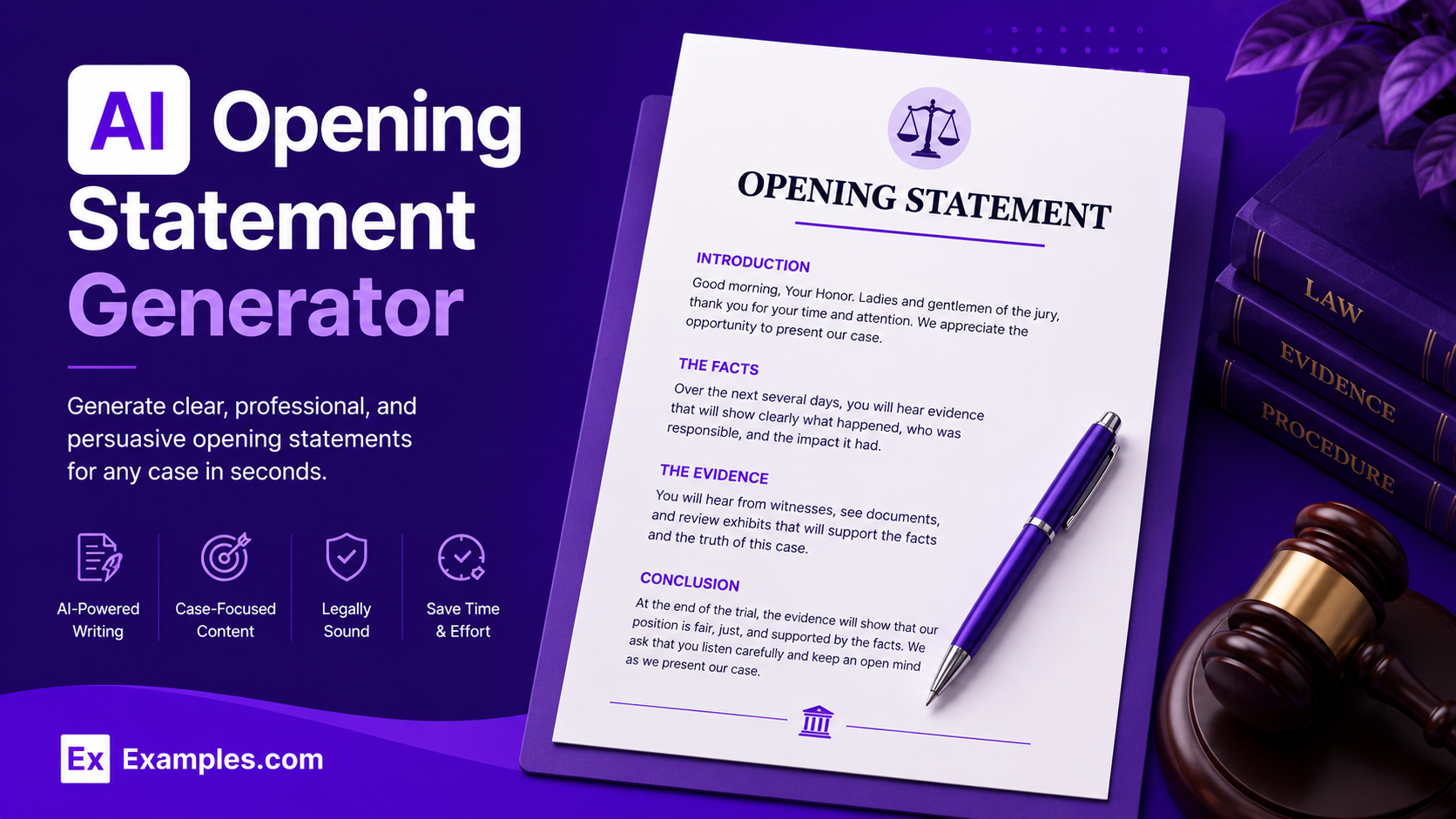
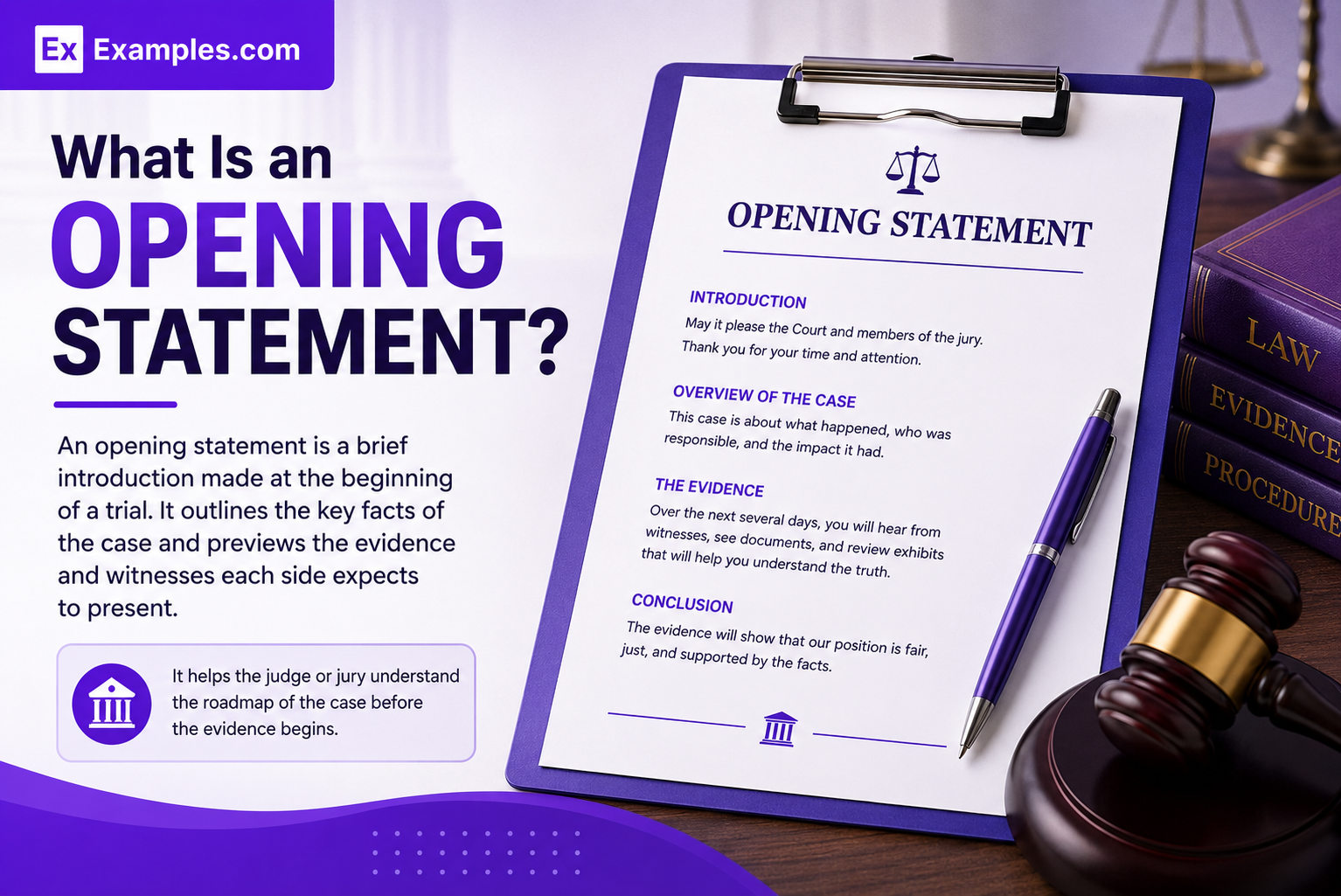
An opening statement is the first presentation made at the beginning of a legal proceeding that introduces the facts of the case, outlines what the evidence is expected to show, and provides a clear roadmap for the judge or jury. It presents the case in a logical, factual manner without making arguments or requesting a verdict.
Types of Opening Statements
Criminal Trial Opening Statement
A Criminal Trial Opening Statement introduces the charges, explains the facts of the case, and previews the evidence expected during the trial.
Civil Trial Opening Statement
A Civil Trial Opening Statement outlines the dispute between the parties, summarizes the key facts, and explains what the evidence is expected to prove.
Prosecution Opening Statement
A Prosecution Opening Statement presents the allegations, introduces the prosecution’s case, and explains how the evidence supports the charges.
Defense Opening Statement
A Defense Opening Statement provides the defense’s perspective, highlights the key facts, and prepares the audience for the evidence that follows.
Arbitration Opening Statement
An Arbitration Opening Statement summarizes the dispute, identifies the main issues, and outlines the evidence presented before the arbitrator.
Administrative Hearing Opening Statement
An Administrative Hearing Opening Statement introduces the case, explains the relevant facts, and previews the evidence to be presented during the hearing.
How Do I Generate Opening Statements Using Real Opening Statement Examples?
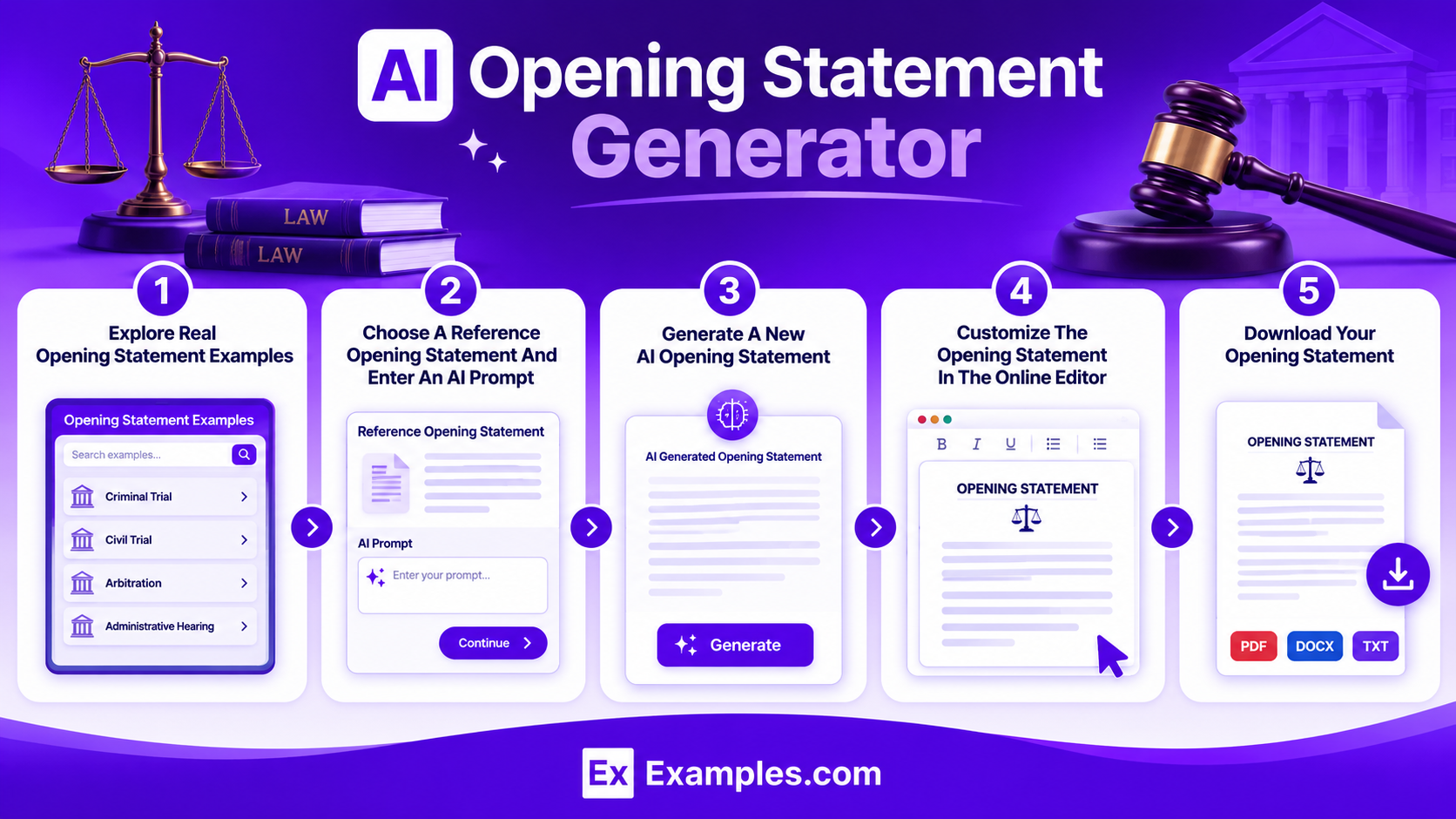
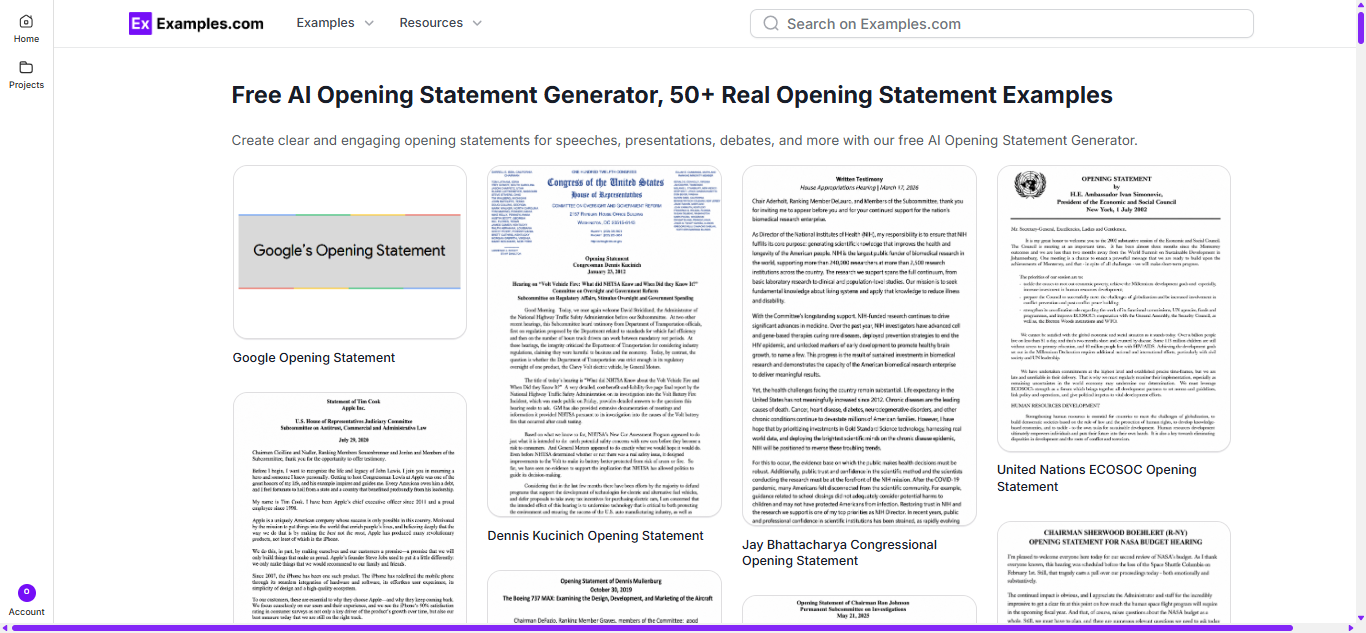
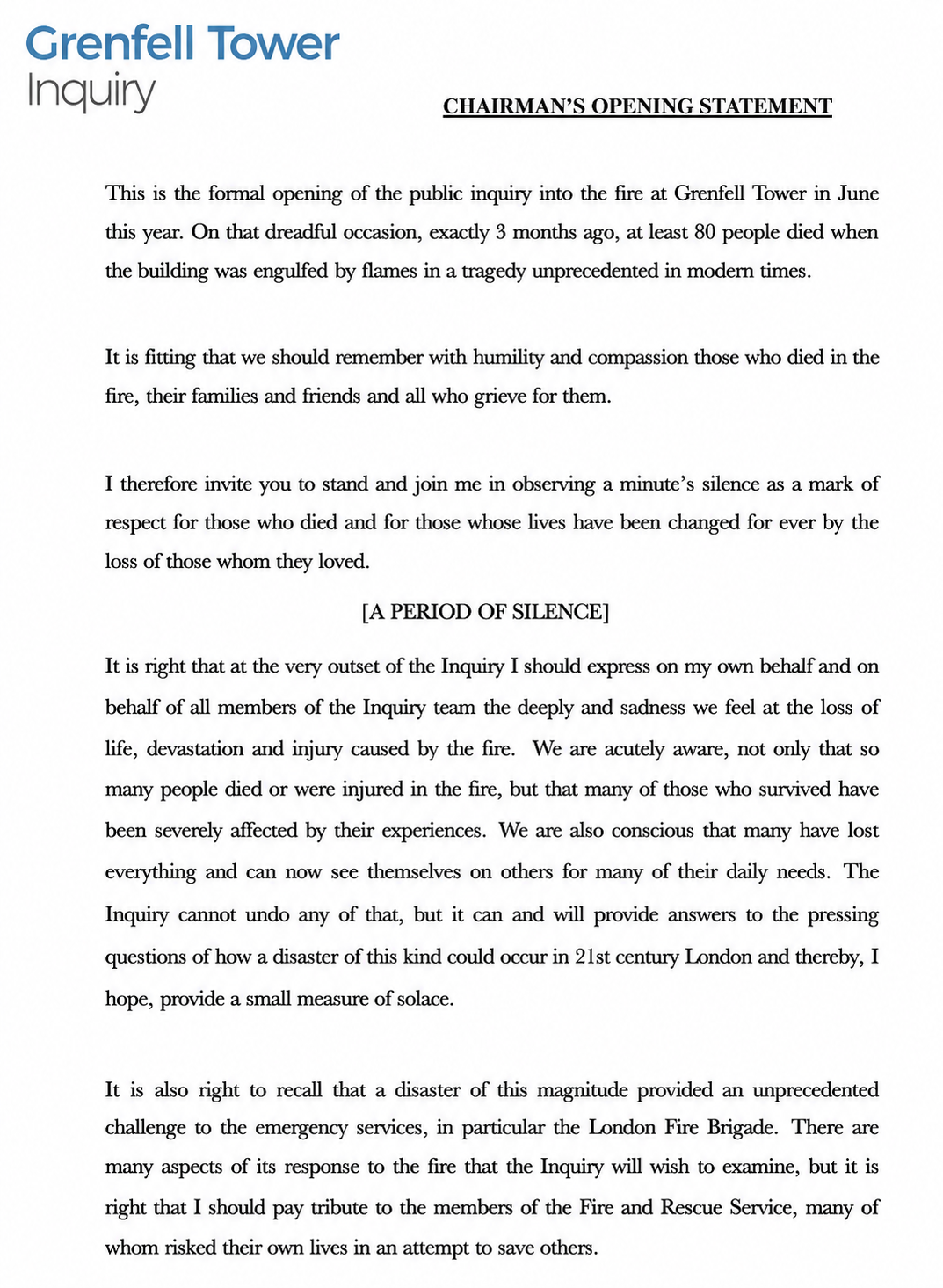
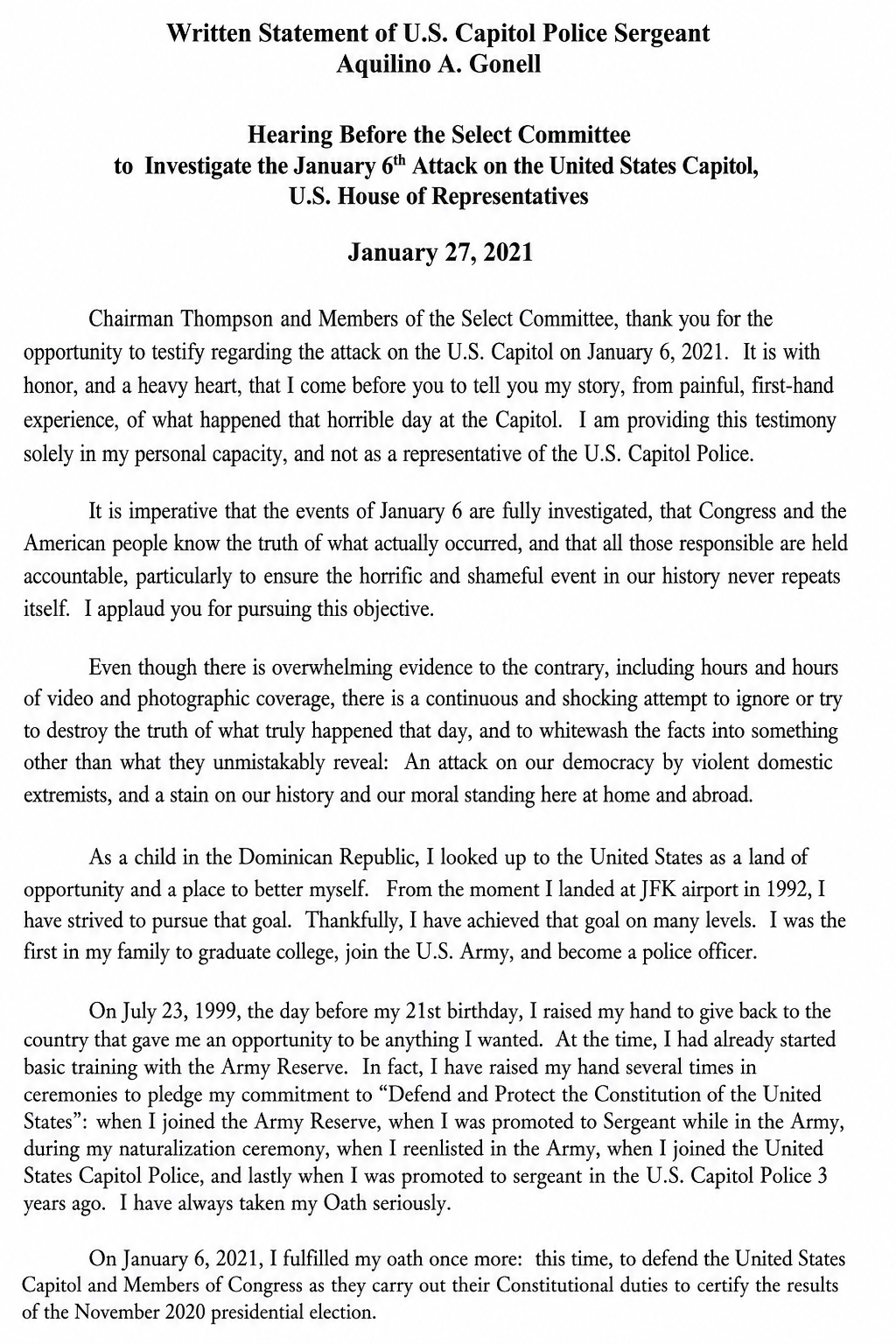
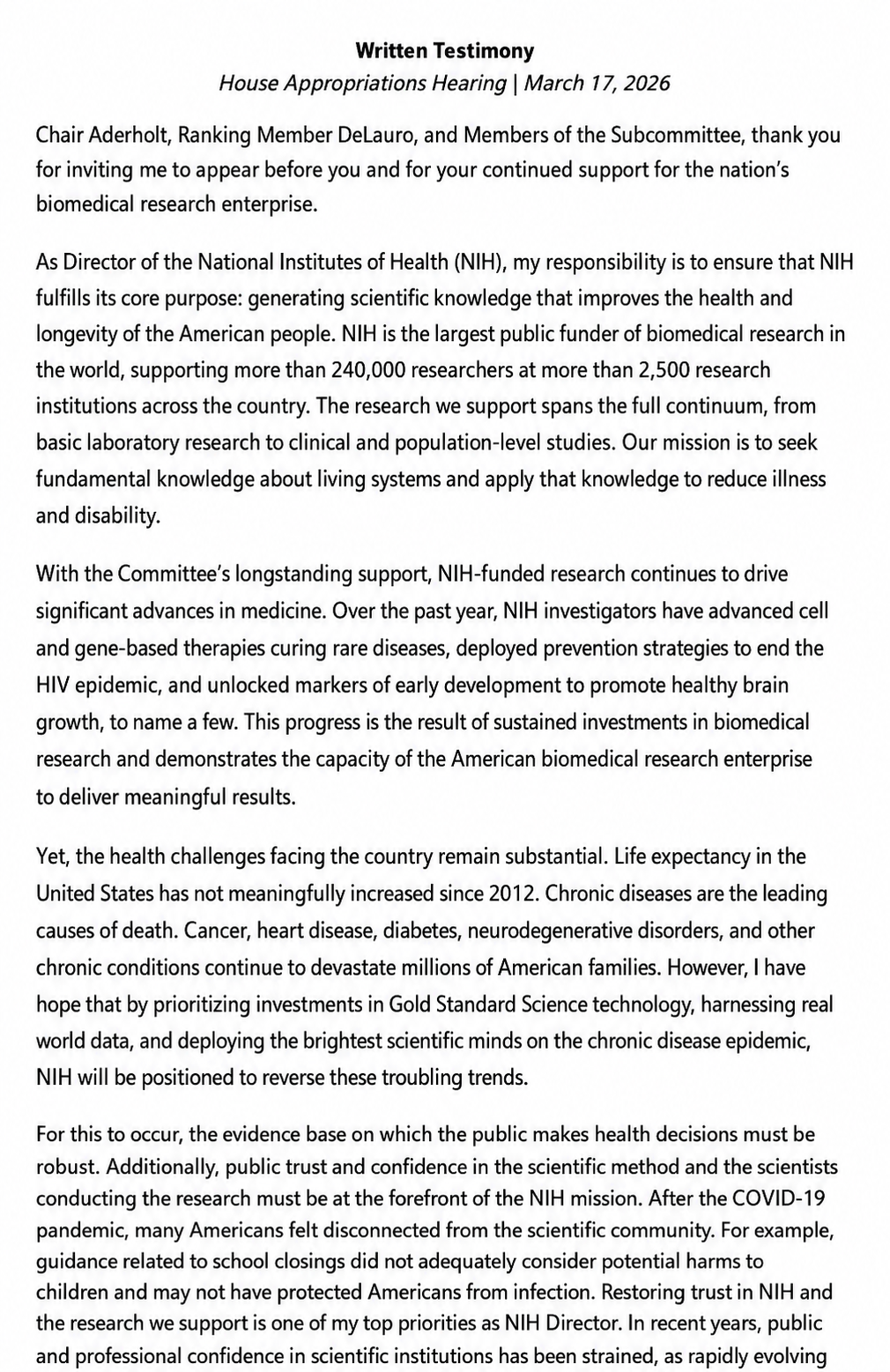
Explore Real Opening Statement Examples
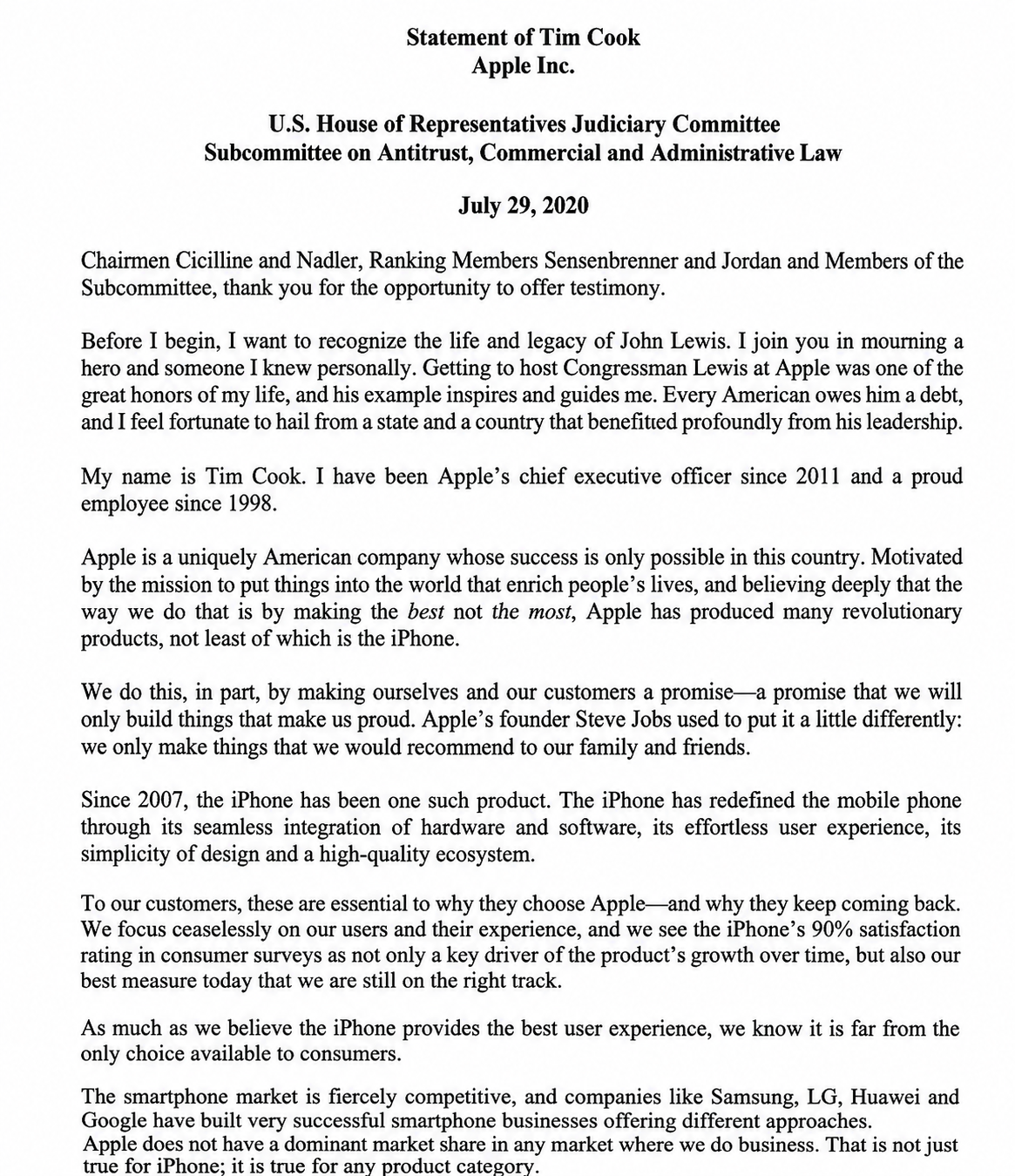
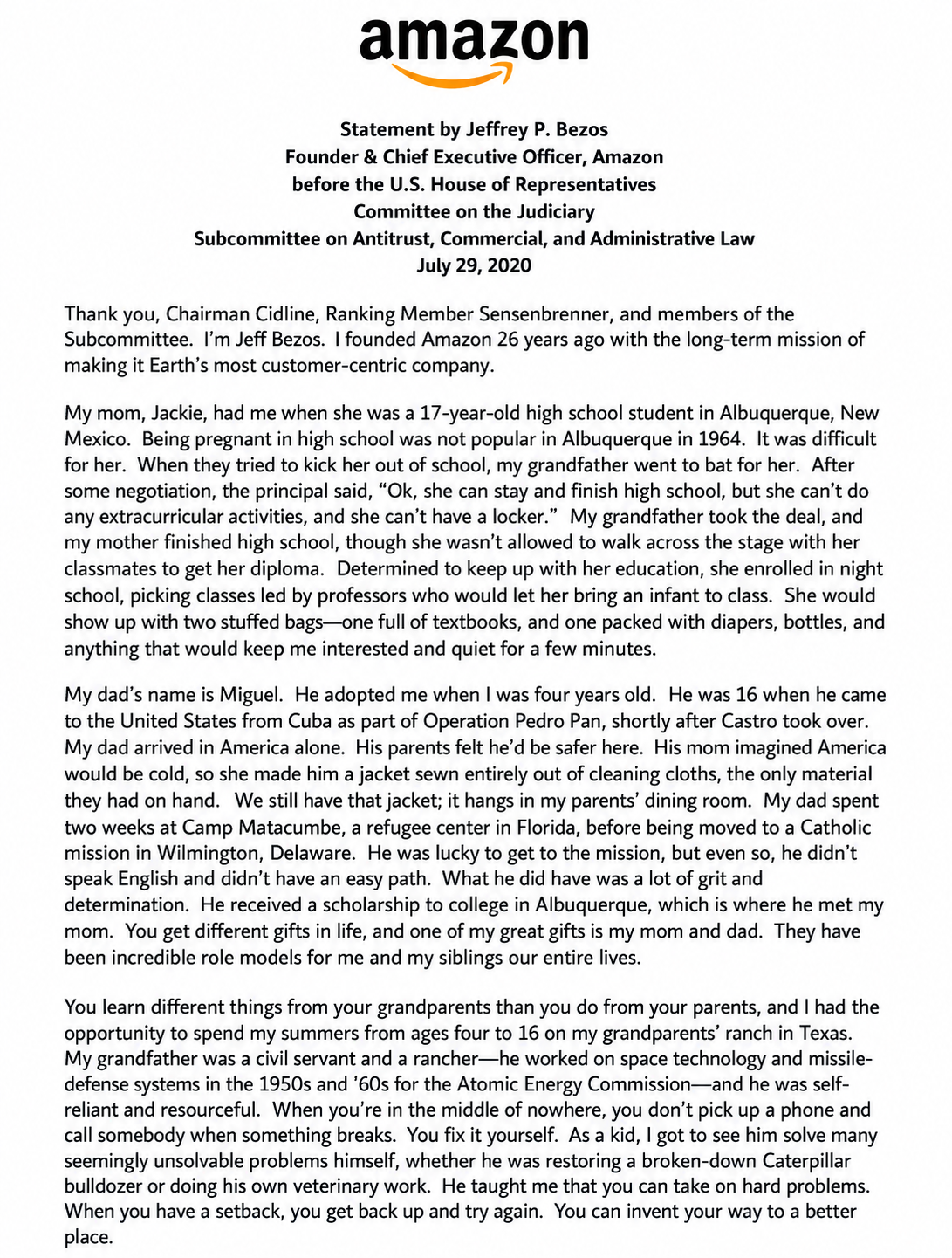
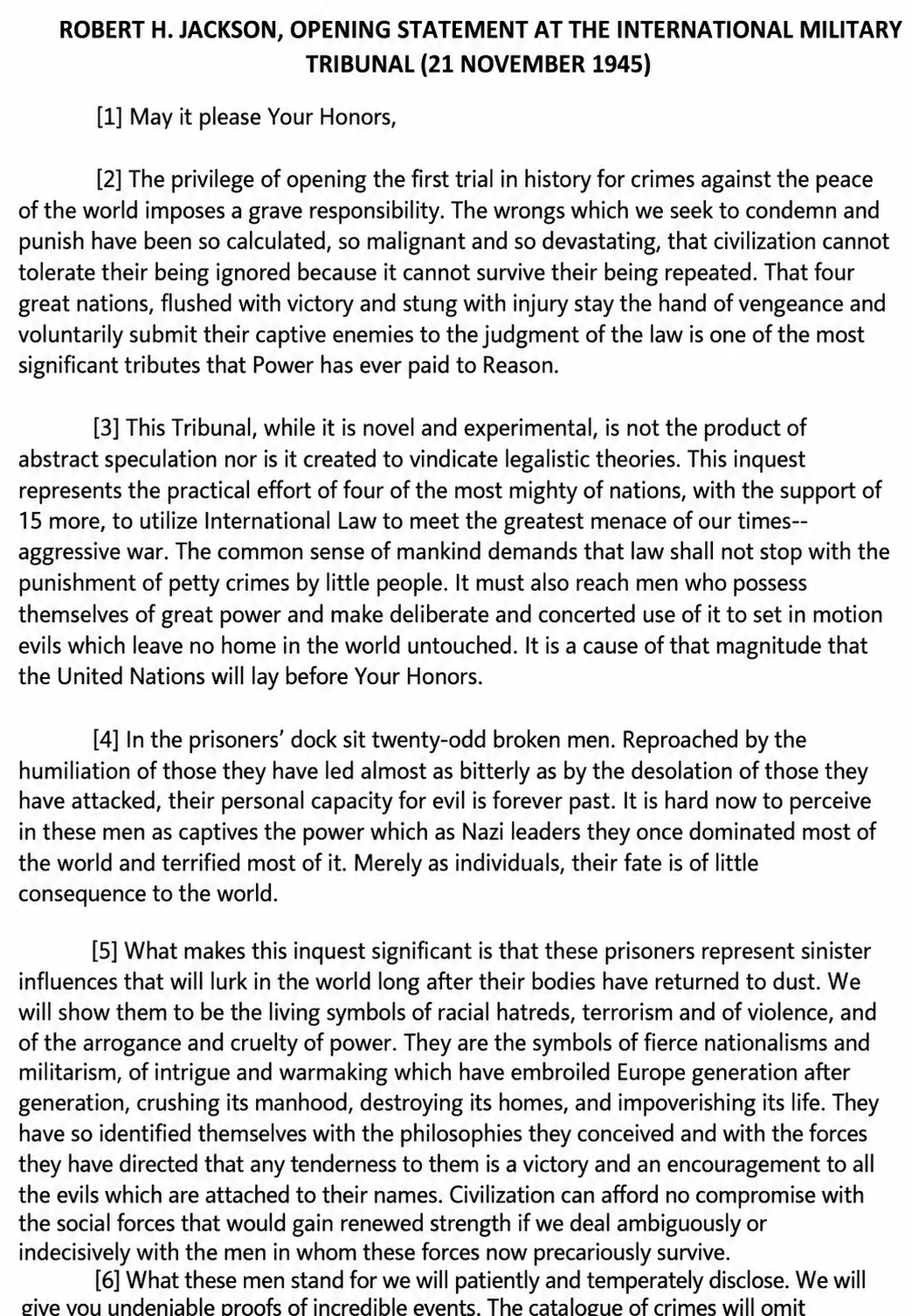
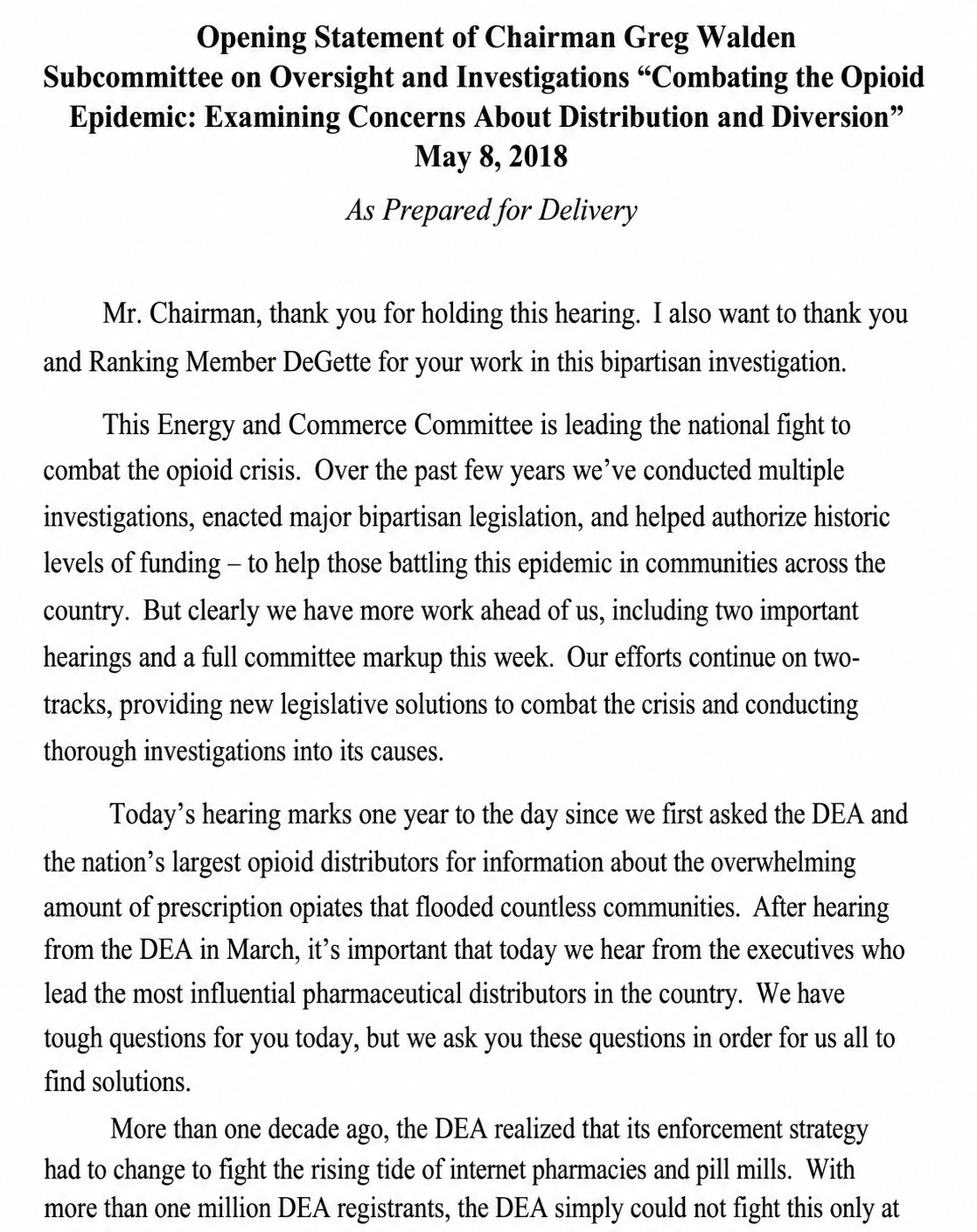
Browse professionally written opening statement examples to understand their structure, tone, case presentation, and organization. Reviewing real examples helps you create a clear, persuasive, and well-structured opening statement for different legal proceedings.
Choose A Reference Opening Statement And Enter An AI Prompt
Select a reference opening statement and describe your case, including the type of proceeding, key facts, parties involved, timeline of events, expected evidence, witnesses, and the overall theme you want to present.
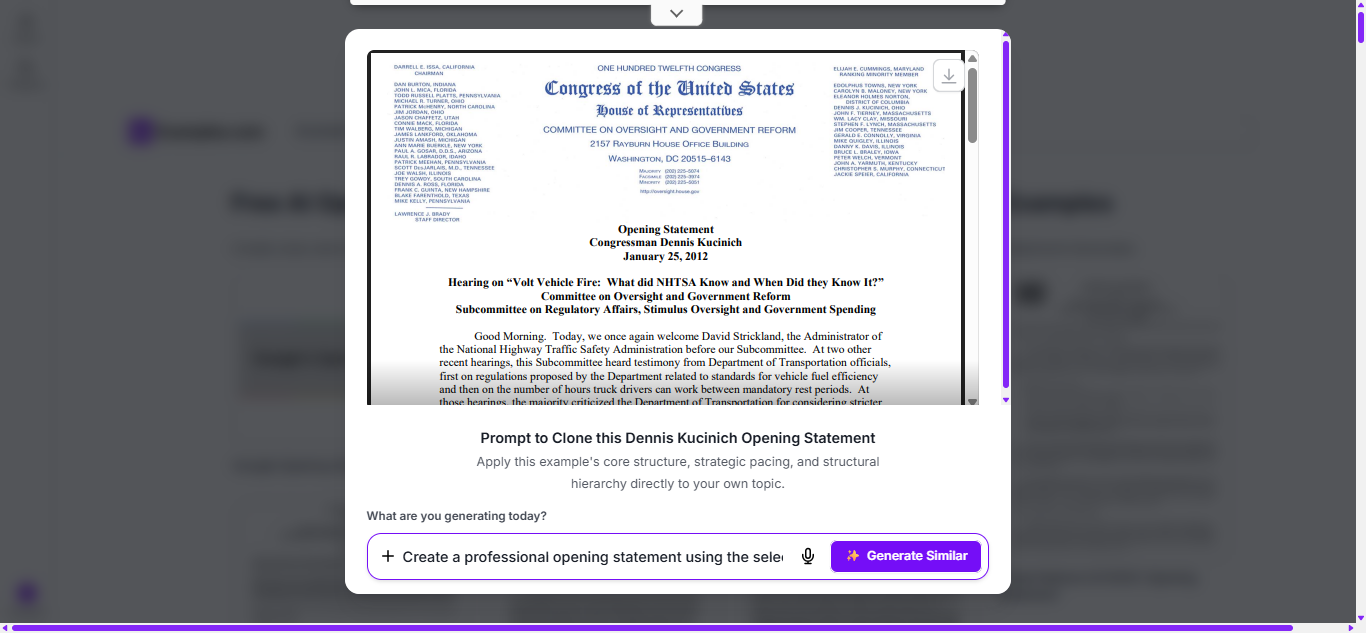
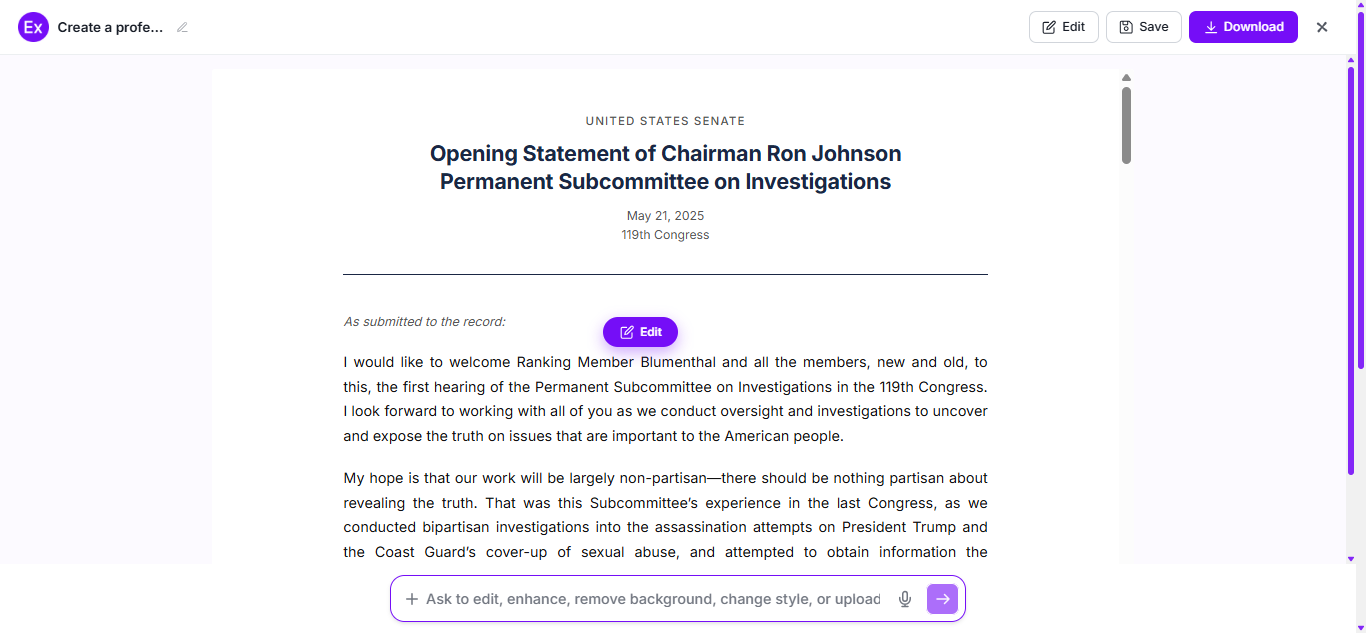
Generate A New AI Opening Statement
The AI generates a customized opening statement based on your prompt, organizing the facts into a logical narrative while presenting the case clearly and professionally without making arguments.
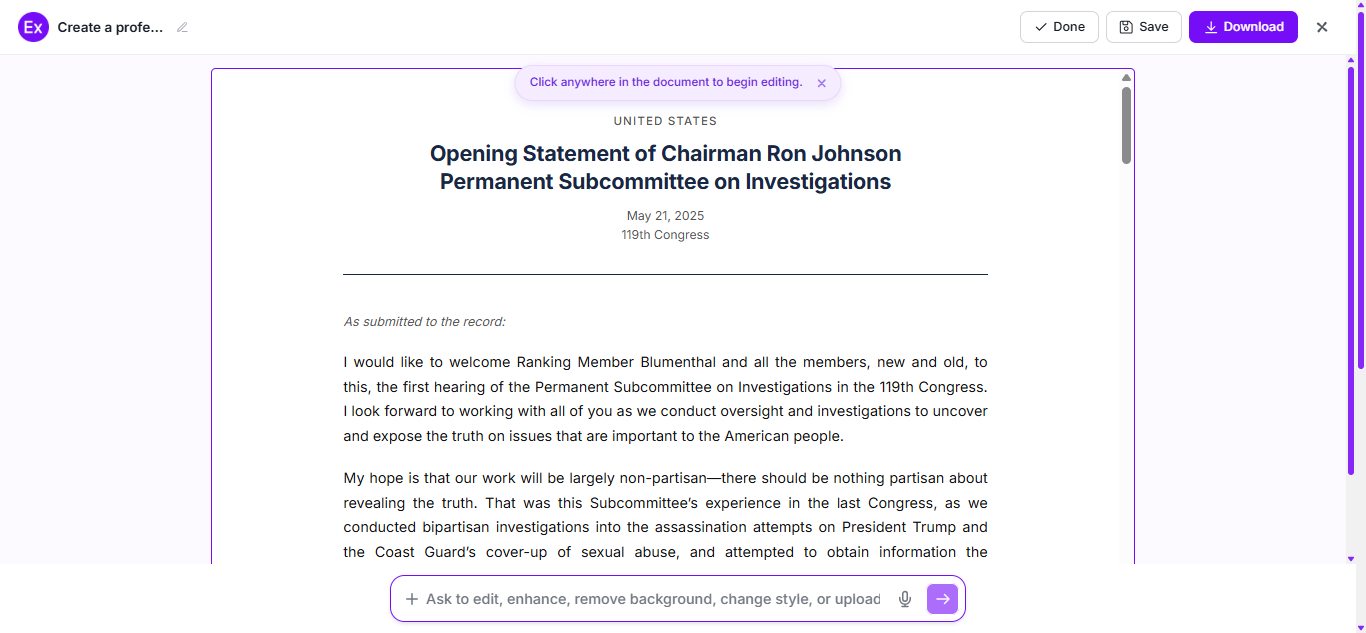
Customize The Opening Statement In The Online Editor
Edit the facts, parties, timeline, evidence, witness references, wording, formatting, and other details to match your specific case and presentation style.
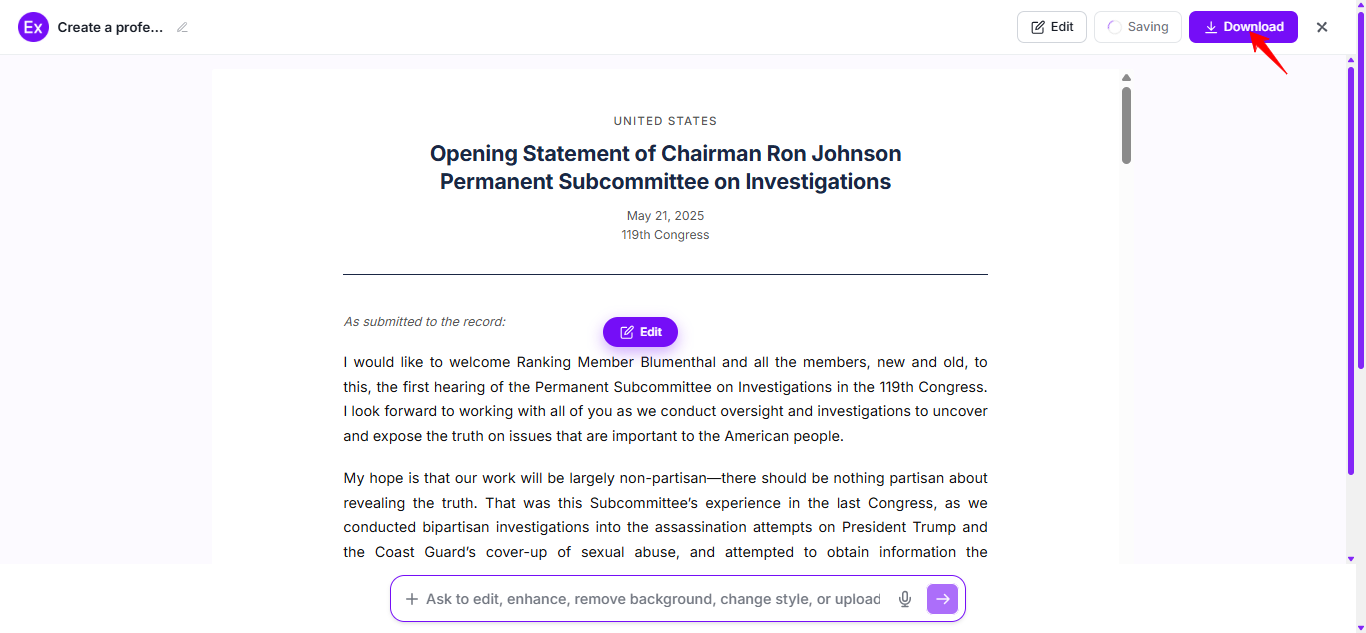
Download Your Opening Statement
Download your completed opening statement as a PDF, ready for review, printing, or future reference.
When Is an Opening Statement Used?
An opening statement is used at the beginning of a legal proceeding to introduce the case, explain the facts, and prepare the audience for the evidence that will be presented. It is commonly used in the following situations:
- Criminal Trials: To present the prosecution’s or defense’s overview of the case before witnesses testify.
- Civil Trials: To explain the dispute, introduce the parties, and outline the evidence supporting each side’s claims.
- Arbitration Hearings: To summarize the issues, present the case background, and establish the key points for the arbitrator.
- Administrative Hearings: To introduce the facts and explain the purpose of the hearing before evidence is presented.
- Disciplinary Proceedings: To provide a factual overview of the alleged conduct and outline the evidence to be reviewed.
- Mock Trials And Legal Education: To practice courtroom presentation skills and demonstrate how a case is introduced effectively.
How Do I Customize an Opening Statement?
Customizing an opening statement involves tailoring it to the specific facts, parties, and purpose of your case while maintaining a clear and professional structure. You can edit the introduction, case background, timeline of events, key facts, expected evidence, witness references, and overall tone to reflect your legal strategy. Adjust the wording, formatting, and organization to ensure the opening statement accurately presents your case, engages the audience, and provides a logical roadmap for the proceedings ahead.
AI Opening Statement Features
AI Opening Statement Generation
Generate a professionally written opening statement based on your case details, facts, and intended legal proceeding.
Smart Content Editing
Refine the facts, timeline, evidence, and language to create a clear, accurate, and compelling opening statement.
Automatic Formatting
Organize headings, paragraphs, and content into a clean, professional layout that’s easy to read and present.
Case-Specific Customization
Update party names, case details, evidence summaries, witness references, and other information to match your specific case.
Grammar And Clarity Enhancement
Improve readability, correct grammar, and enhance sentence flow while maintaining a professional and factual tone.
Instant PDF Download
Download your completed opening statement as a high-quality PDF for review, printing, or presentation.
Which Essential Elements Should I Include in Every Opening Statement?
- Strong Introduction: Begin with a clear opening that introduces the case and establishes its central theme.
- Case Overview: Summarize the facts of the case to give the judge or jury a clear understanding of what the proceeding is about.
- Parties Involved: Identify the parties and briefly explain their roles in the case.
- Chronological Timeline: Present the key events in a logical order to create an easy-to-follow narrative.
- Expected Evidence: Explain what the evidence, documents, and exhibits are expected to show during the proceeding.
- Witness Overview: Introduce the witnesses and briefly describe how their testimony supports the facts of the case.
- Case Theme: Present a consistent theme that ties the facts together and helps the audience understand the overall story.
- Clear and Professional Language: Use factual, organized, and objective language while avoiding arguments, opinions, or requests for a verdict.
How Do I Write a Better Opening Statement?
- Start With a Strong Theme: Introduce the central idea of your case to capture attention and give the audience a clear understanding of what to expect.
- Present the Facts Clearly: Explain the key facts in a logical, chronological order without exaggeration or unnecessary details.
- Focus on the Evidence: Briefly describe what the evidence and witnesses will demonstrate rather than making arguments or conclusions.
- Keep It Simple and Organized: Use clear, straightforward language that is easy for the judge or jury to follow.
- Maintain a Professional Tone: Stay objective, respectful, and factual throughout the opening statement.
- Highlight the Key Issues: Emphasize the most important facts and legal issues that support your case.
- Avoid Arguments and Opinions: Introduce the case without asking for a verdict or attempting to persuade before the evidence is presented.
- Review and Refine: Edit your opening statement for clarity, accuracy, and flow to ensure it presents a confident and well-structured case.
Why Should I Use Real Opening Statement Examples to Create My Own Opening Statement?
- Learn how to organize facts into a clear and logical case narrative.
- Understand the proper structure and flow used in effective opening statements.
- See how evidence and witness testimony are introduced professionally.
- Improve the clarity, tone, and credibility of your own opening statement.
- Save time by using proven formats instead of writing from scratch.
- Adapt successful approaches to fit different legal proceedings and case types.
- Avoid common drafting mistakes and unnecessary arguments.
- Build confidence by referencing professionally written opening statement examples before creating your own.
What Common Opening Statement Mistakes Should I Avoid?
- Making Arguments Instead of Presenting Facts: Focus on introducing the case and expected evidence rather than trying to persuade or argue your position.
- Using Opinions or Speculation: Include only facts that you reasonably expect the evidence and witnesses will support during the proceeding.
- Providing Too Much Detail: Keep the opening statement concise and avoid overwhelming the audience with unnecessary background information.
- Ignoring a Clear Case Theme: Present a consistent theme that helps the judge or jury understand the overall story of your case.
- Presenting Events Out of Order: Organize the facts in a logical, chronological sequence to make the case easy to follow.
- Misrepresenting the Evidence: Never promise evidence or witness testimony that cannot be presented during the proceeding.
- Using Complex or Technical Language: Write in clear, straightforward language that is easy for everyone in the courtroom to understand.
- Failing to Review Before Presenting: Proofread your opening statement to eliminate errors, improve clarity, and ensure all facts are accurate.
How Do I Present an Effective Opening Statement?
Understand the Facts
Review the case thoroughly and identify the key facts, timeline, parties involved, and evidence you expect to present.
Create a Clear Theme
Develop a simple, consistent theme that ties the facts together and helps the judge or jury understand your case.
Introduce the Parties and Case
Clearly identify the parties involved and provide a concise overview of the dispute or legal issue.
Outline the Expected Evidence
Explain what the witnesses, documents, and other evidence will demonstrate without making arguments.
Present the Events Logically
Describe the facts in a chronological order so the audience can easily follow the story of the case.
Review Before Presenting
Proofread your opening statement for accuracy, clarity, and flow to ensure it is professional and easy to understand.
Opening Statement Examples by Industry or Use Case
- Criminal Trial Opening Statement: Introduces the allegations, presents the sequence of events, and outlines the evidence expected to support the case.
- Civil Trial Opening Statement: Explains the dispute between the parties, summarizes the relevant facts, and previews the evidence for the court.
- Personal Injury Opening Statement: Describes the incident, the resulting damages, and the evidence that establishes liability and compensation.
- Employment Dispute Opening Statement: Introduces the workplace issue, identifies the parties involved, and explains the facts supporting the employment claim.
- Contract Dispute Opening Statement: Summarizes the agreement, explains the alleged breach, and outlines the evidence related to the contractual obligations.
- Family Court Opening Statement: Presents the background of the family matter and highlights the facts and evidence relevant to the issues before the court.
- Arbitration Opening Statement: Provides an overview of the dispute, identifies the key issues, and previews the evidence for the arbitrator’s consideration.
- Administrative Hearing Opening Statement: Introduces the case, explains the relevant facts, and outlines the evidence to be presented during the hearing.
FAQs
What Is the Purpose of an Opening Statement?
The purpose of an opening statement is to introduce the case, present the facts, and preview the evidence without making arguments.
Who Delivers an Opening Statement?
An opening statement is typically delivered by the parties representing each side at the beginning of a legal proceeding.
Can an Opening Statement Include Evidence?
An opening statement may describe expected evidence but should not present evidence or argue its significance before testimony begins.
How Long Should an Opening Statement Be?
An opening statement should be concise, well-organized, and long enough to clearly explain the facts and case roadmap.
Can an Opening Statement Be Written in Advance?
Yes, preparing an opening statement beforehand improves organization, clarity, accuracy, and confidence during the legal proceeding.
Should an Opening Statement Follow a Timeline?
Yes, presenting events chronologically helps the judge or jury understand the facts and follow the case more easily.
Can an Opening Statement Be Revised Before Presentation?
Yes, reviewing and revising an opening statement improves clarity, accuracy, structure, and consistency before it is presented.
What Tone Should an Opening Statement Use?
An opening statement should maintain a professional, factual, respectful, and objective tone throughout the presentation.
Why Are Real Opening Statement Examples Helpful?
Real opening statement examples demonstrate effective structure, organization, and presentation techniques for creating stronger legal introductions.
Can AI Help Create an Opening Statement?
Yes, AI can generate, organize, customize, and refine opening statements while maintaining a clear and professional structure.