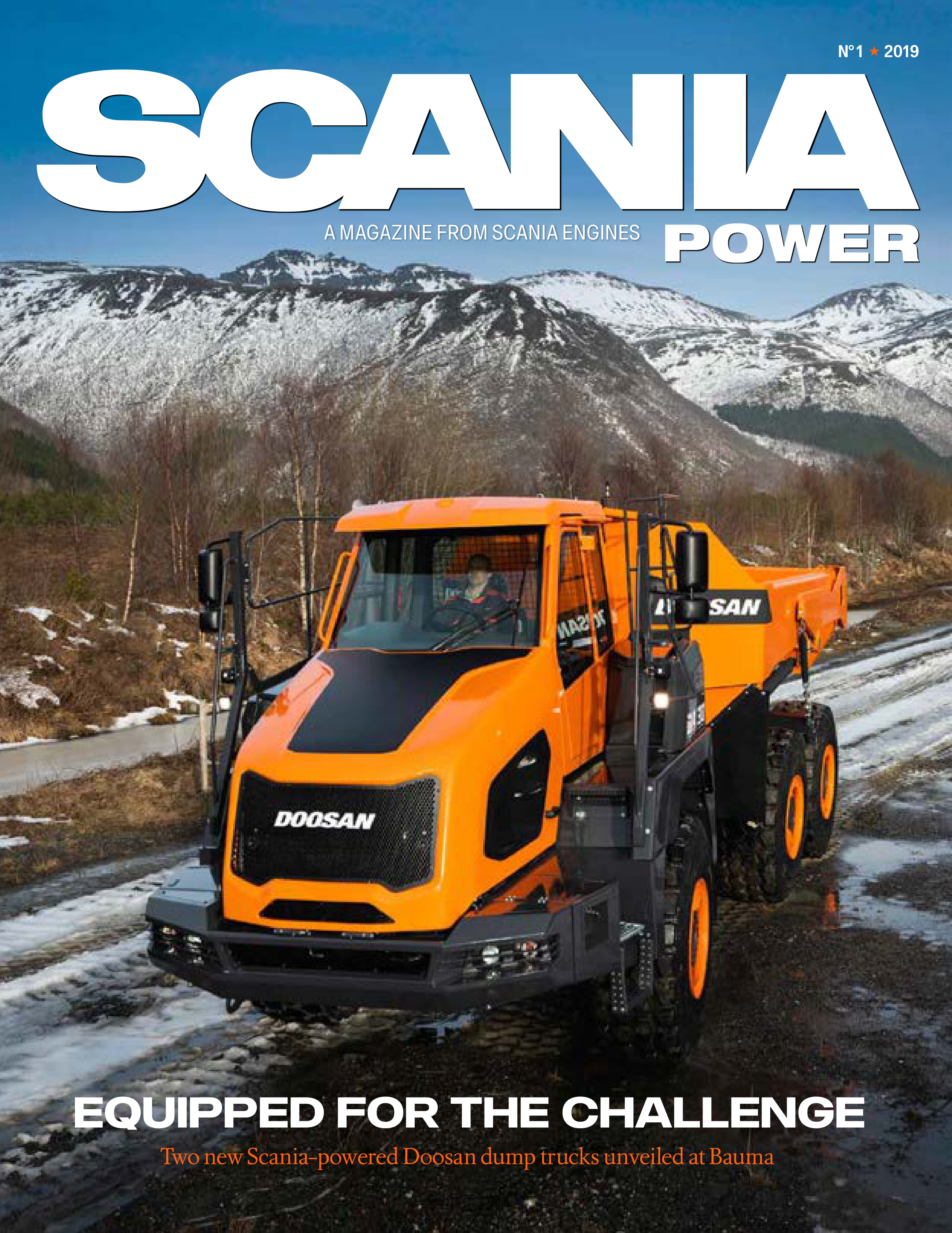
EQUIPPED FOR THE CHALLENGE
Two new Scania-powered Doosan dump trucks unveiled at Bauma
A MAGAZINE FROM SCANIA ENGINES
N°
1
2019


2
SCANIA POWER
•
1/2019
www.scania.com
Welcome to the first
Scania Power
of 2019. Scania Engines had a
great 2018, but we’re not resting on our laurels.
This year we are continuing to roll out engine connectivity. By con-
necting each customer’s engine, we can obtain user data that helps us
provide even more tailored services. Our OEMs place high demands
on their machines, and uptime and reliability are crucial, as they are
for Scania. As you’ll read, connectivity also allows us to be proactive
and solve issues quicker if things go wrong.
Speaking of OEMs, we feature the work in Norway of our partner
Doosan. Scania has long focused on large OEM partnerships world-
wide. This helps us understand the market and puts a healthy pres-
sure on us to be the best possible partner to OEMs.
The Bauma trade fair is upon us, and we look forward to seeing
new trends in construction, including electrification and alterna-
tive fuels, plus OEMs’ Stage V equipment, much of which features
our engines. Beyond Bauma, China’s efforts to cut emissions and
promote sustainability and connectivity will be prominent trends in
2019. And Scania will be ready to respond.
Enjoy reading this issue of
Scania Power
!
ContenTS
4
In brief
5
On the job
Editor-in-Chief
Ann-Helen.Tolleman@scania.com
Managing Editor
Ylva.Carlsson@appelberg.com
Art Director
Karin.Soderlind@appelberg.com
Editorial committee
Joel Granath, Fredrik Järild,
Andrew Montgomery,
Tobias Siöström,
Torben Dabrowski
Production and Prepress
Appelberg Publishing Group
Print
BrandFactory
Distribution
Sign up for a free subscription by
contacting us via phone or email.
Scania is one of the world’s
leading manufacturers of trucks,
buses and engines for heavy
transport, as well as for
industrial, marine and power
generation applications.
Scania Engines
SE-151 87 Södertälje, Sweden
Phone: +46 8 553 810 00
Email: engines@scania.com
www.scania.com
Scania Power
Scania Power
is a customer magazine issued three times a year
by Scania Engines. You are welcome to quote
Scania Power
.
Cover photo
Per Olav Tverfjell
Sustainability and
connectivity will be
prominent trends in 2019.
No resting on
our laurels
Fredrik Järild
vice president sales, scania engines
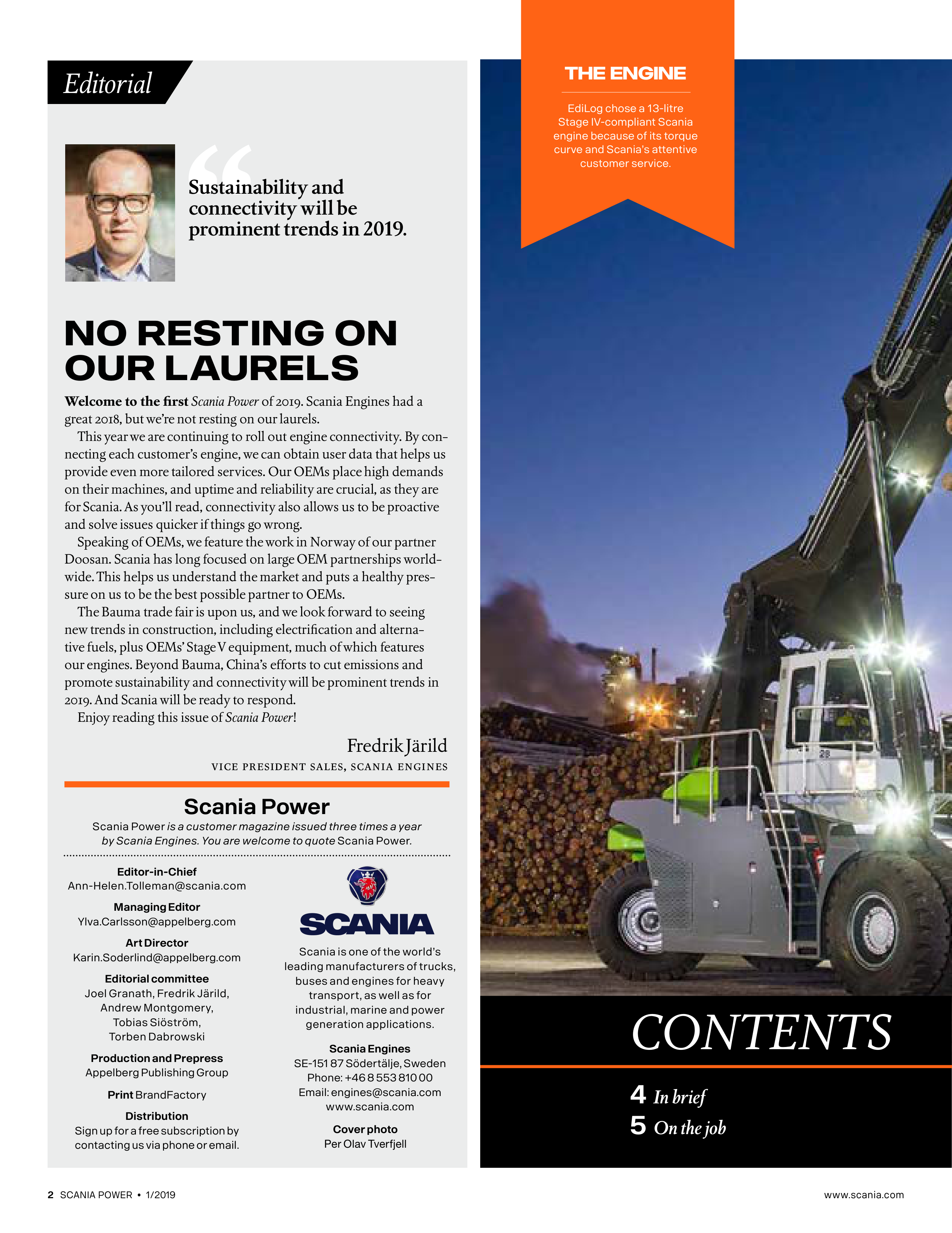
The engine
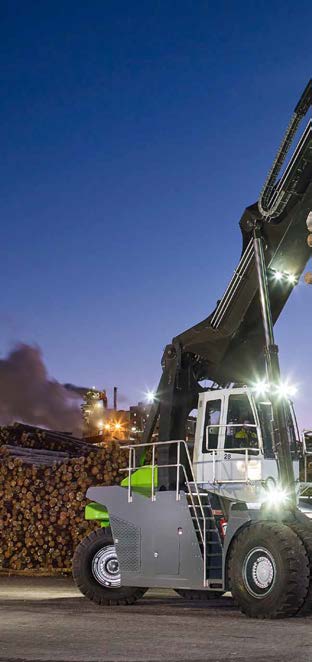
EdiLog chose a 13-litre
Stage IV-compliant Scania
engine because of its torque
curve and Scania’s attentive
customer service.
Editorial
www.scania.com
1/2019
•
SCANIA POWER
3
10
Going digital
12
Gold Digger
6
Doosan ready to roll
9
A new gas engine
of the future
The forklift
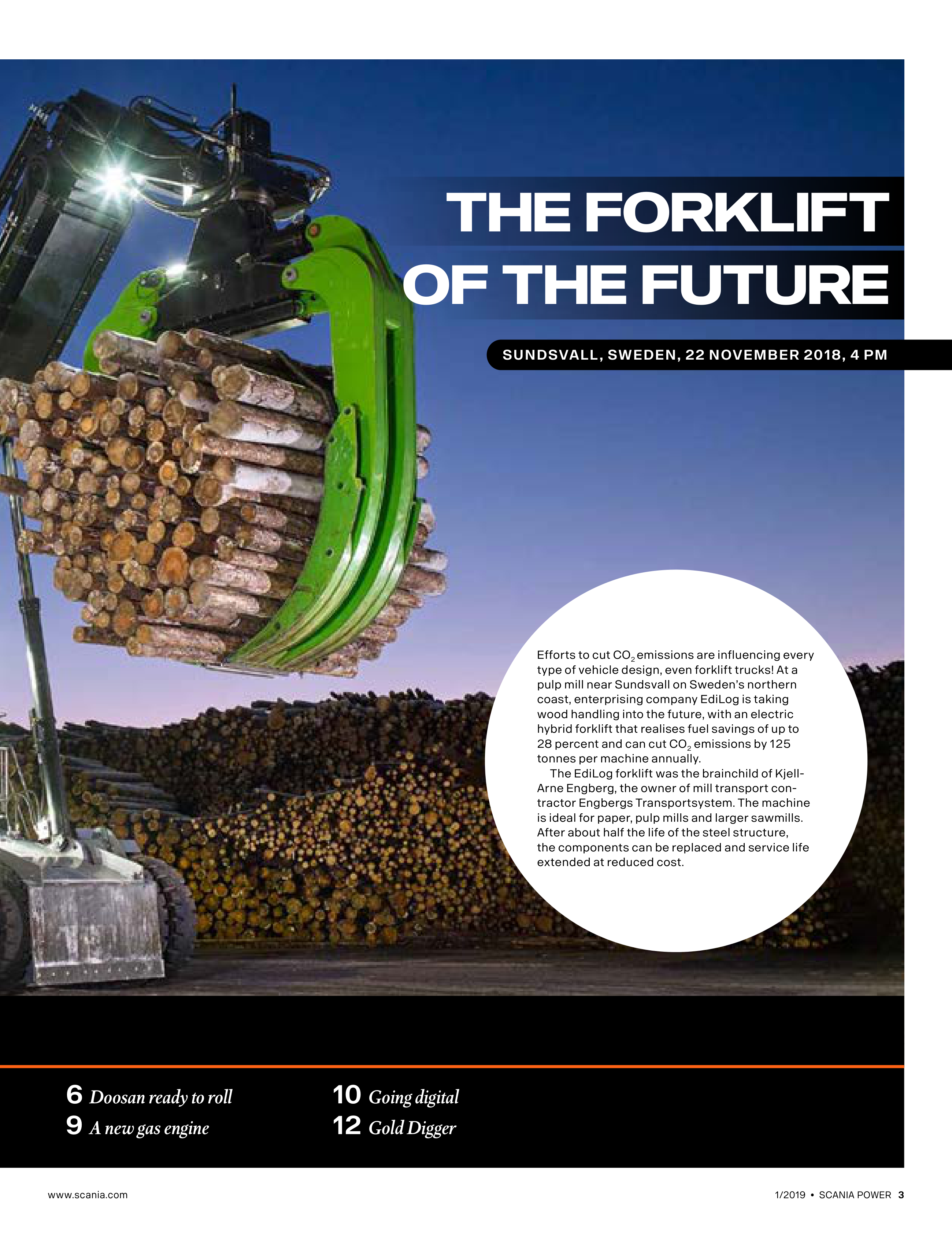
SUNDSVALL, sweden, 22 november 2018, 4 pm
Efforts to cut CO
2
emissions are influencing every
type of vehicle design, even forklift trucks! At a
pulp mill near Sundsvall on Sweden’s northern
coast, enterprising company EdiLog is taking
wood handling into the future, with an electric
hybrid forklift that realises fuel savings of up to
28 percent and can cut CO
2
emissions by 125
tonnes per machine annually.
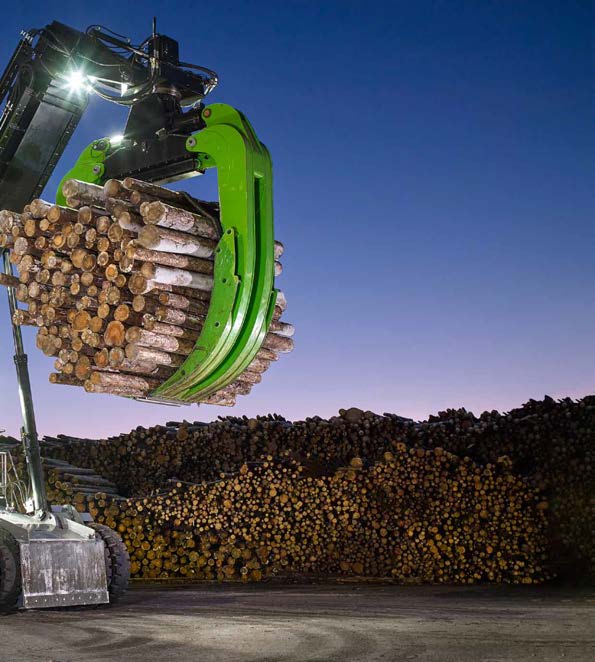
The EdiLog forklift was the brainchild of Kjell-
Arne Engberg, the owner of mill transport con-
tractor Engbergs Transportsystem. The machine
is ideal for paper, pulp mills and larger sawmills.
After about half the life of the steel structure,
the components can be replaced and service life
extended at reduced cost.



4
SCANIA POWER
•
1/2019
www.scania.com
What can we expect from this year’s
Bauma trade fair (8–14 April)?
This year’s Bauma is the 32nd
edition of the world’s leading trade
fair for construction vehicles, con-
struction equipment and mining
machines. It is an outstanding show-
in brief
3
questions
Katia Wedberg
Project Manager, Projects
and Events, Scania
case for Scania’s comprehensive
customer offering within these
industries. The last Bauma in 2016
attracted around 580,000 visitors
from 200 countries. It is the ideal
platform for exhibitors and profes-
sional visitors to initiate business
and conclude contracts.
Who goes to Bauma?
Bauma attracts international
truck and equipment manufacturers
and showcases vehicles, equipment
and support systems. It is open to
both trade visitors and the public.
The main target groups for Scania at
Bauma are prospective customers,
customers (incl. OEMs), end users,
and drivers/operators within the
construction and mining industries.
What should those coming to the
Scania stand expect to see?
Scania will display a total of five
construction trucks as well as a
gas-powered mixer, two sturdy XT
vehicles and a heavy haulage trac-
tor, all with a strong package of
associated services. Outdoors we
will present our extensive offering
for mining customers, including an
XT heavy tipper and our smart sup-
port for mining customers. We are
also displaying connected EU Stage
V-compliant engines for equipment,
vehicles and vessels that facilitate
fleet monitoring and optimised
uptime. And last but certainly not
least we’ll also be celebrating 50
years of the V8 engine!
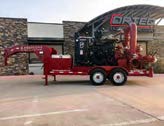
Texas-based Aquacore
Rental Company, part of the
Orteq group, provides centrifugal water transfer pumps
to US oilfields. Drilling for oil is a tough process, and
pumps are vital for removing excess water and keeping
the extraction process going. Aquacore’s equipment
is fitted with Scania DC13 550HP continuous-duty
engines, supplied by Scania distributor Loftin Equip-
ment Co. Oil companies can maximise their uptime with
a non-DPF, Tier 4F/CARB engine, which does not require
a regeneration cycle.
Maximising
oilfield uptime
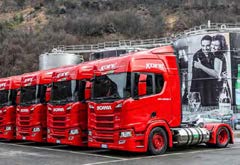
Acqua con gas
Italian mineral
water producer Gruppo Sanpellegrino
is now running all its product shuttle transports on li
quefied natural gas (LNG). The company is using Scania
R 410 LNG trucks to deliver mineral water from the
bottling plant to its logistics centre, a 35-kilometre jour-
ney. Last year, Gruppo Sanpellegrino produced 1.5 bil-
lion bottles of mineral water, exporting to more than 150
countries. The switch to LNG underlines the company’s
commitment to more sustainable operations.
Here’s a selection
of
the trade fairs and
exhibitions where
Scania will showcase
its solutions for power
generation and marine
and industrial applica-
tions in 2019.
8–14 April 2019
Bauma, Munich,
Germany
21–23 April 2019
G-Power, Shanghai,
China
10–13 June 2019
Seawork International,
Southampton, UK
4–7 September 2019
BICES, Beijing, China
8–11 October 2019
Interairport, Munich,
Germany
22–25 October 2019
Kormarine, Busan,
South Korea
wanna meet?
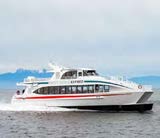
Seattle-based
whale-watching company
Puget Sound Express recently took deliv-
ery of
The Saratoga
. Built by All American
Marine, this amazing 54-tonne vessel
has four Scania 16-litre engines (900 hp),
giving it 2,300 r/min with Hamilton 364
waterjets and a top speed of 46 knots. The
boat, which can carry 149 passengers,
was launched in June 2018. It’s a source
of great pride for Puget Sound Express, All
American Marine, Cascade Engine Center,
the local Scania distributor and Scania.
A whale
of a time
Scania is supplying
741 Euro 6 gas buses
to TransMilenio in
Bogotá, Colombia.
741
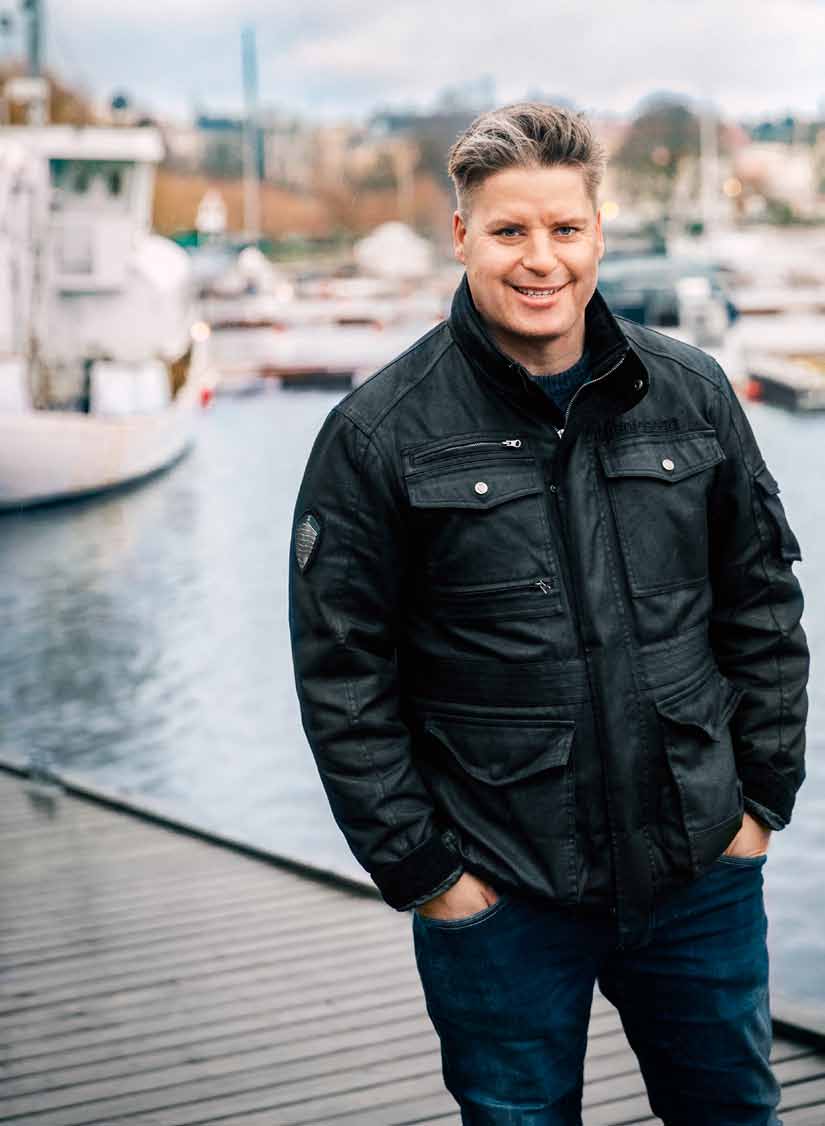
on the job
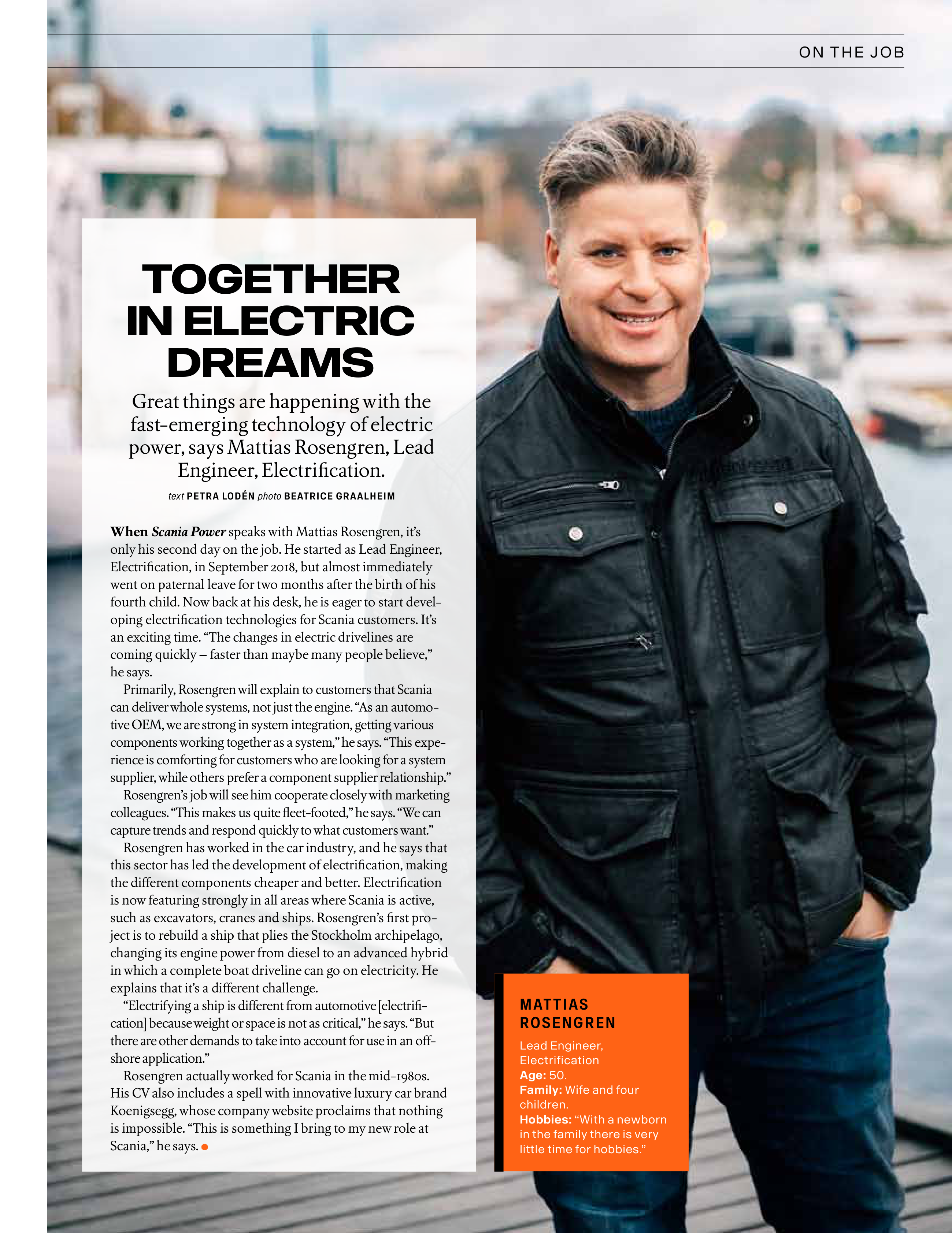
mattias
rosengren
Lead Engineer,
Electrification
Age:
50.
Family:
Wife and four
children.
Hobbies:
“With a newborn
in the family there is very
little time for hobbies.”
text
petra lodén
photo
beatrice graalheim
Together
in electric
dreams
Great things are happening with the
fast-emerging technology of electric
power, says Mattias Rosengren, Lead
Engineer, Electrification.
When
Scania Power
speaks with Mattias Rosengren, it’s
only his second day on the job. He started as Lead Engineer,
Electrification, in September 2018, but almost immediately
went on paternal leave for two months after the birth of his
fourth child. Now back at his desk, he is eager to start devel-
oping electrification technologies for Scania customers. It’s
an exciting time. “The changes in electric drivelines are
coming quickly – faster than maybe many people believe,”
he says.
Primarily, Rosengren will explain to customers that Scania
can deliver whole systems, not just the engine. “As an automo-
tive OEM, we are strong in system integration, getting various
components working together as a system,” he says. “This expe-
rience is comforting for customers who are looking for a system
supplier, while others prefer a component supplier relationship.”
Rosengren’s job will see him cooperate closely with marketing
colleagues. “This makes us quite fleet-footed,” he says. “We can
capture trends and respond quickly to what customers want.”
Rosengren has worked in the car industry, and he says that
this sector has led the development of electrification, making
the different components cheaper and better. Electrification
is now featuring strongly in all areas where Scania is active,
such as excavators, cranes and ships. Rosengren’s first pro-
ject is to rebuild a ship that plies the Stockholm archipelago,
changing its engine power from diesel to an advanced hybrid
in which a complete boat driveline can go on electricity. He
explains that it’s a different challenge.
“Electrifying a ship is different from automotive [electrifi-
cation] because weight or space is not as critical,” he says. “But
there are other demands to take into account for use in an off-
shore application.”
Rosengren actually worked for Scania in the mid-1980s.
His CV also includes a spell with innovative luxury car brand
Koenigsegg, whose company website proclaims that nothing
is impossible. “This is something I bring to my new role at
Scania,” he says.
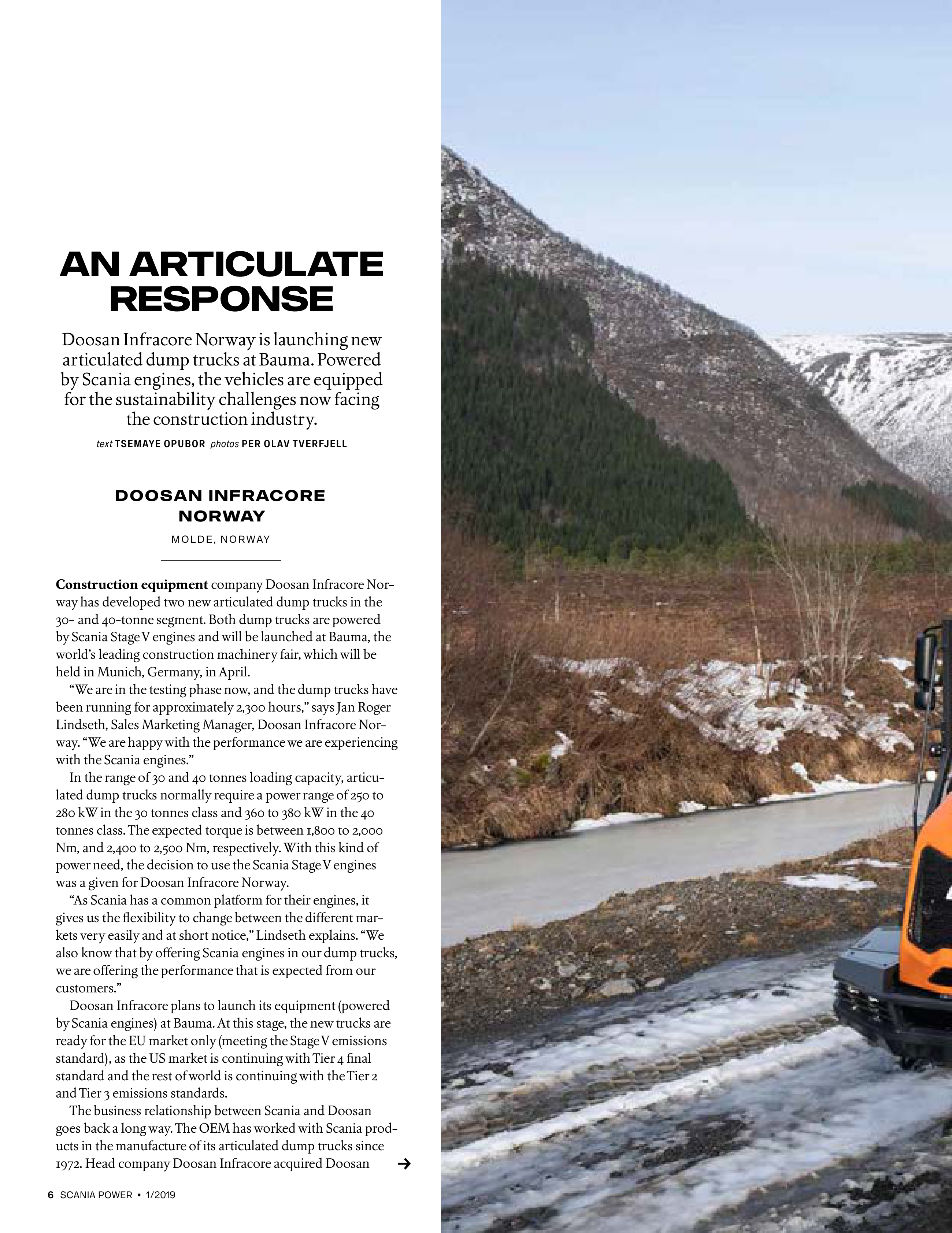
6
SCANIA POWER
•
1/2019
www.scania.com
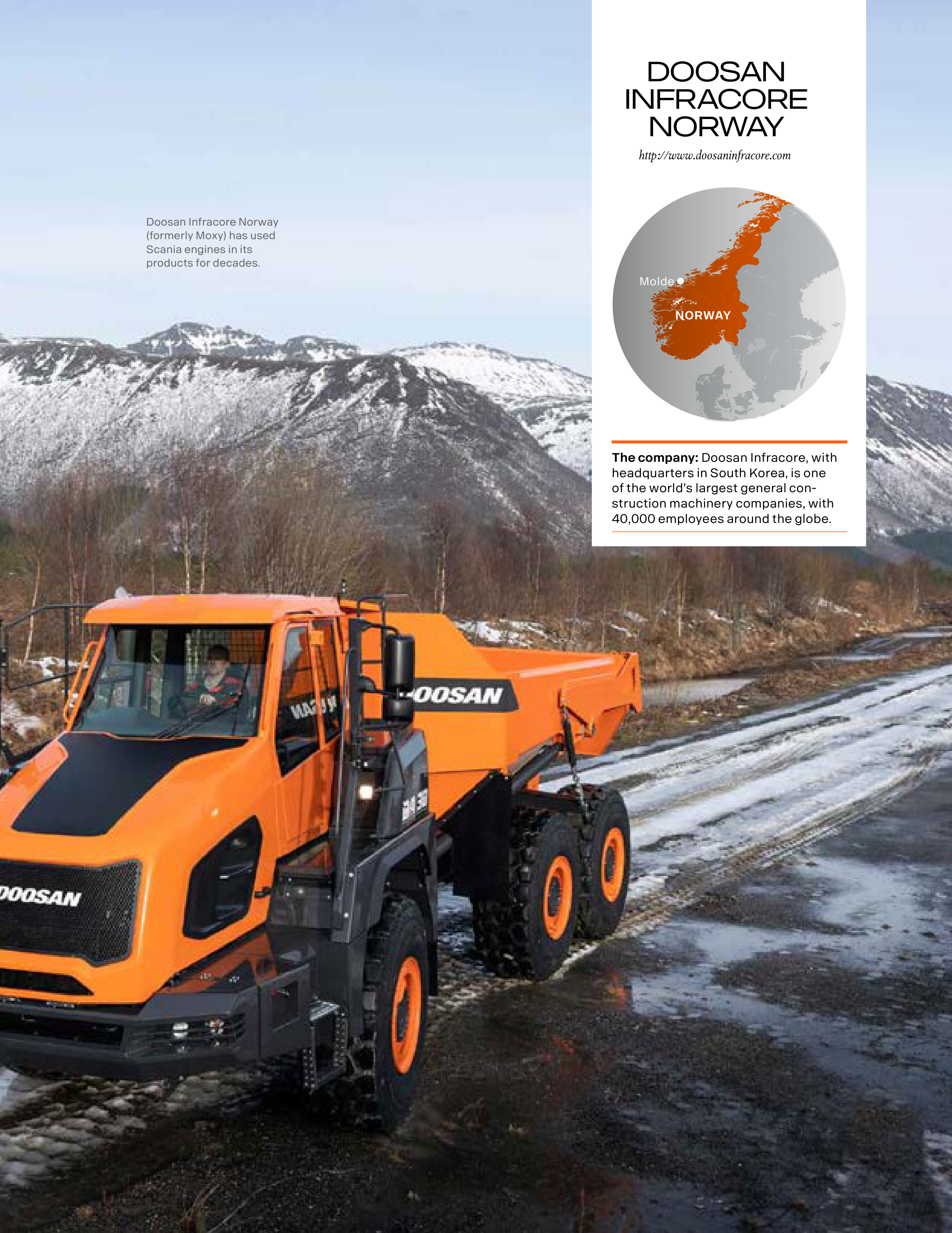
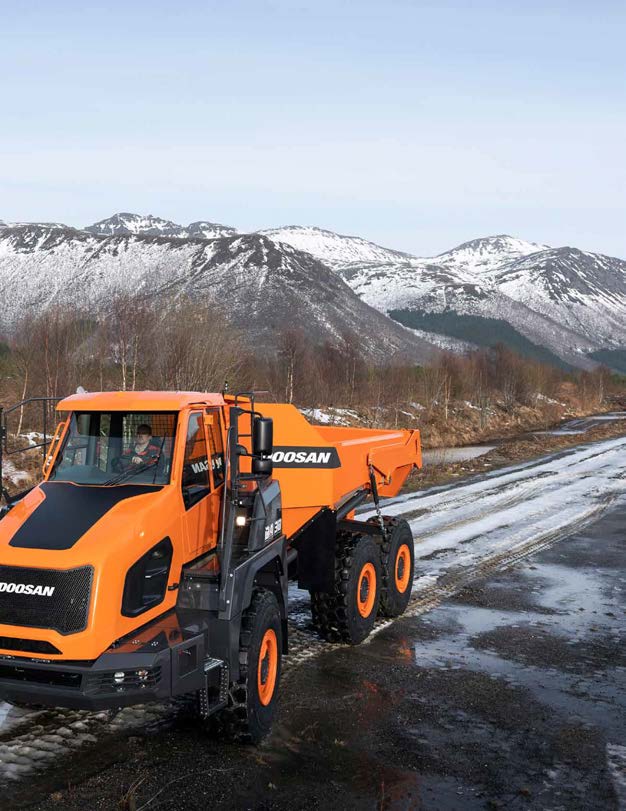
Doosan Infracore Norway is launching new
articulated dump trucks at Bauma. Powered
by Scania engines, the vehicles are equipped
for the sustainability challenges now facing
the construction industry.
text
TSEMAYE OPUBOR
photos
Per Olav Tverfjell
An articulate
response
Construction equipment
company Doosan Infracore Nor-
way has developed two new articulated dump trucks in the
30- and 40-tonne segment. Both dump trucks are powered
by Scania Stage V engines and will be launched at Bauma, the
world’s leading construction machinery fair, which will be
held in Munich, Germany, in April.
“We are in the testing phase now, and the dump trucks have
been running for approximately 2,300 hours,” says Jan Roger
Lindseth, Sales Marketing Manager, Doosan Infracore Nor-
way. “We are happy with the performance we are experiencing
with the Scania engines.”
In the range of 30 and 40 tonnes loading capacity, articu-
lated dump trucks normally require a power range of 250 to
280 kW in the 30 tonnes class and 360 to 380 kW in the 40
tonnes class. The expected torque is between 1,800 to 2,000
Nm, and 2,400 to 2,500 Nm, respectively. With this kind of
power need, the decision to use the Scania Stage V engines
was a given for Doosan Infracore Norway.
“As Scania has a common platform for their engines, it
gives us the flexibility to change between the different mar-
kets very easily and at short notice,” Lindseth explains. “We
also know that by offering Scania engines in our dump trucks,
we are offering the performance that is expected from our
customers.”
Doosan Infracore plans to launch its equipment (powered
by Scania engines) at Bauma. At this stage, the new trucks are
ready for the EU market only (meeting the Stage V emissions
standard), as the US market is continuing with Tier 4 final
standard and the rest of world is continuing with the Tier 2
and Tier 3 emissions standards.
The business relationship between Scania and Doosan
goes back a long way. The OEM has worked with Scania prod-
ucts in the manufacture of its articulated dump trucks since
1972. Head company Doosan Infracore acquired Doosan
doosan infracore
norway
molde, norway
www.scania.com
3/2016
•
SCANIA POWER
7
The company:
Doosan Infracore, with
headquarters in South Korea, is one
of the world’s largest general con-
struction machinery companies, with
40,000 employees around the globe.
Doosan
infracore
norway
http://www.doosaninfracore.com
norway
Molde
Doosan Infracore Norway
(formerly Moxy) has used
Scania engines in its
products for decades.

8
SCANIA POWER
•
1/2019
www.scania.com
Infracore Norway (formerly Moxy) in 2008 and has since
then incorporated the use of Scania engines in the wide
machinery portfolio offered by the company, including
wheel loaders, excavators and articulated dump trucks.
“Our long and successful cooperation with Scania is key
to wanting to continue our partnership with them,” says
Lindseth. “The easy communication during development
projects and the support for our projects is always very
good.”
The construction industry is changing, and in order to
be prepared for new challenges it is important to provide
dump trucks for the market that take into consideration the
new demands of construction equipment. Fuel efficiency
and the option to use biogas as fuel for articulated dump
trucks are just two of the areas that Lindseth believes will
become important trends for the industry.
“Big companies that are global players in the construc-
tion equipment industry are requiring more environmen-
tal focus,” he says, “and this will force the industry to adapt
more quickly than we had previously thought. The environ-
mental impact of the industry is becoming more and more
important, no matter where in the world your business hap-
pens to be. Companies that can focus on alternatives will
win in the long run, which is why suppliers like Scania are
good to work with.”
Lindseth also believes that the construction industry will
be experimenting with electrification and hybrid solutions
in construction equipment, with machinery such as exca-
vators leading the way in the future.
“We’ve seen the change to biofuel in buses, and we believe
this might also be introduced for construction equipment in
the future,” he says. “Of course, there are different require-
ments for different countries, but there is no doubt that the
speed of development and new governmental regulations
will encourage companies to find new solutions.”
“ T H E E N V I R O N M E N T A L
I M P A C T O F T H E
I N D U S T R Y I S B E C O M I N G
M O R E A N D M O R E
I M P O R T A N T . ”
J A N R O G E R L I N D S E T H ,
S A L E S M A R K E T I N G M A N A G E R ,
D O O S A N I N F R A C O R E N O R W A Y
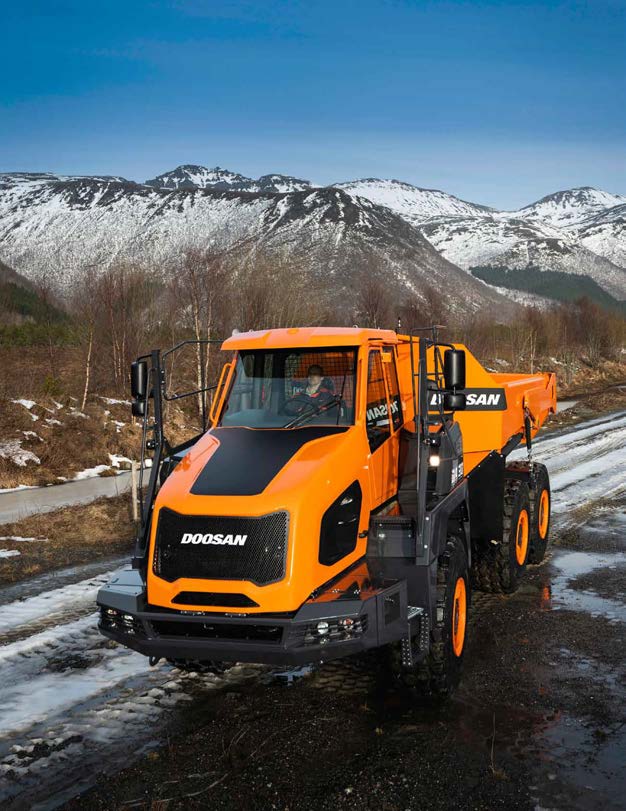
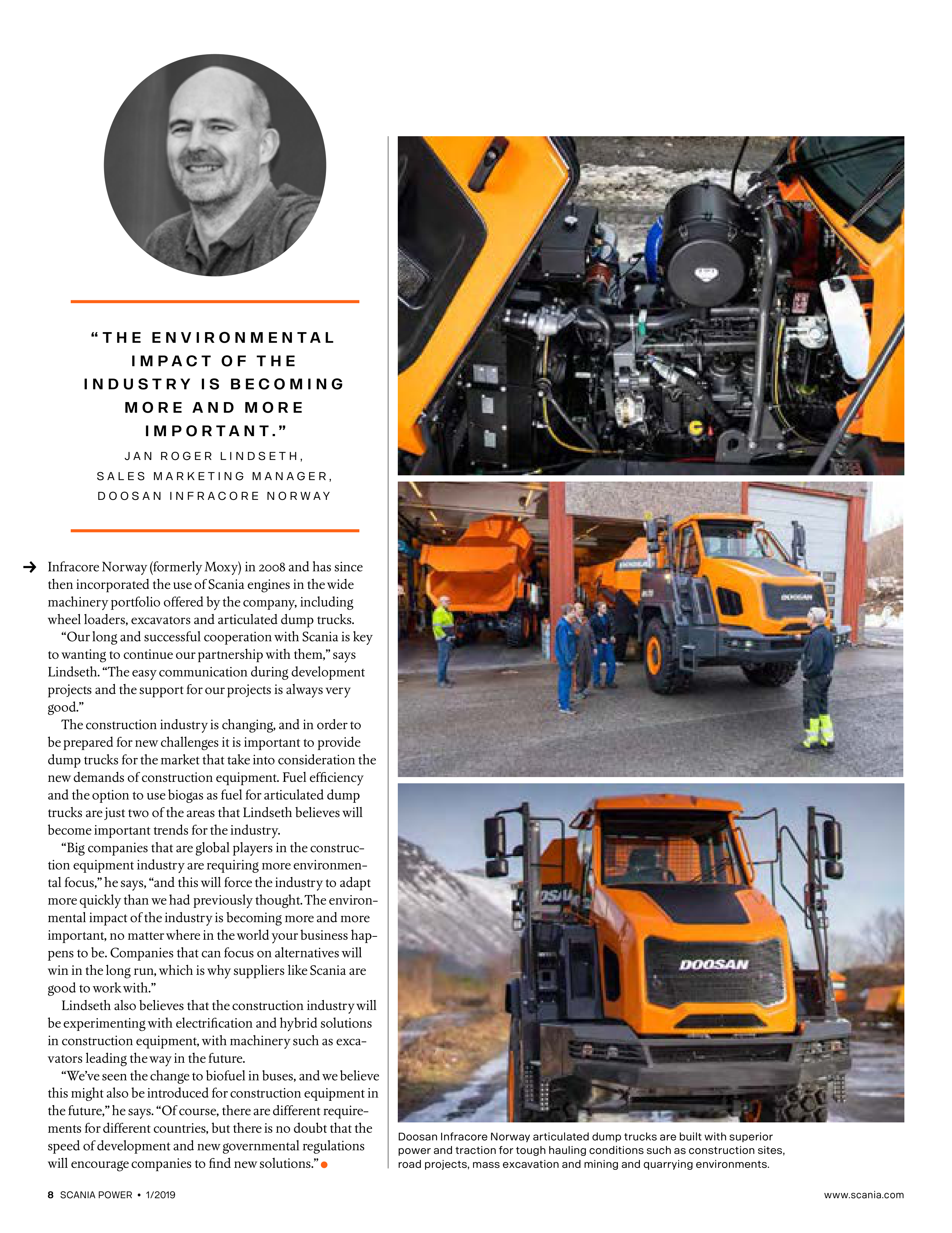
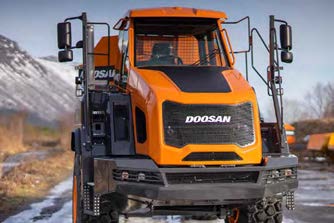
Doosan Infracore Norway articulated dump trucks are built with superior
power and traction for tough hauling conditions such as construction sites,
road projects, mass excavation and mining and quarrying environments.
www.scania.com
1/2019
•
SCANIA POWER
9
The most cost-efficient
and sustainable produc-
tion comes from a mixture of gases created by the
breakdown of organic matter in liquid waste, sew-
age sludge and food waste.
With up to 90 percent reduction in CO2 emis-
sions, better air quality with less particle emis-
sions and lower operating costs than the equiva-
lent amount of diesel, the sustainability aspects of
biogas are also important – and impressive.
“This new gas engine is ahead of the curve,” says
Hans Petersson, Global Product Manager Power
Generation, Scania Engines. “We hear more and
more from our customers that they are inter-
ested in this type of engine and in renewable fuel
sources. We are starting to see an increased interest
in gas engines across the world, especially in Brazil
and Russia.”
The Scania V8 16-litre gas engine will run on
A new gas engine developed by Scania for power generation can use a completely
natural, sustainable and renewable fuel source – your waste.
text
TSEMAYE OPUBOR
photos
dan boman
WASTE NOT, WANT NOT
biogas for power-generation purposes. It features
output ranges from 320 kW for continuous operating
power and can be switched between 1,500 / 1,800
r/min at 360 kW for prime power.
“This engine is another step
towards meeting
Scania’s sustainability goals,” says Petersson. “While
customer demand for biogas engines hasn’t fully
taken off yet, our customers will learn more about
the benefits of this type of engine. In the meantime,
we will continue to refine it, perhaps in collaboration
with some key customers.”
He believes that early adopters of the biogas
engine will include customers who are looking for
power generation and who have agricultural or
municipal waste in their industries. As a result, he
says, they will obtain “biogas for free, so they can
create their own power.”
Scania has pioneered the
use of alternative fuels for
30 years, and today it has
the broadest range of alter-
native-fuel-enabled heavy
trucks and buses on the
market. Biogas is emerging
as a readily available renew-
able fuel for both vehicles
and power-generation
purposes in many parts of
the world. The most cost-
efficient and sustainable
biogas production method
is to use local sewage or
waste.
Scania and
renewable
fuels
technology
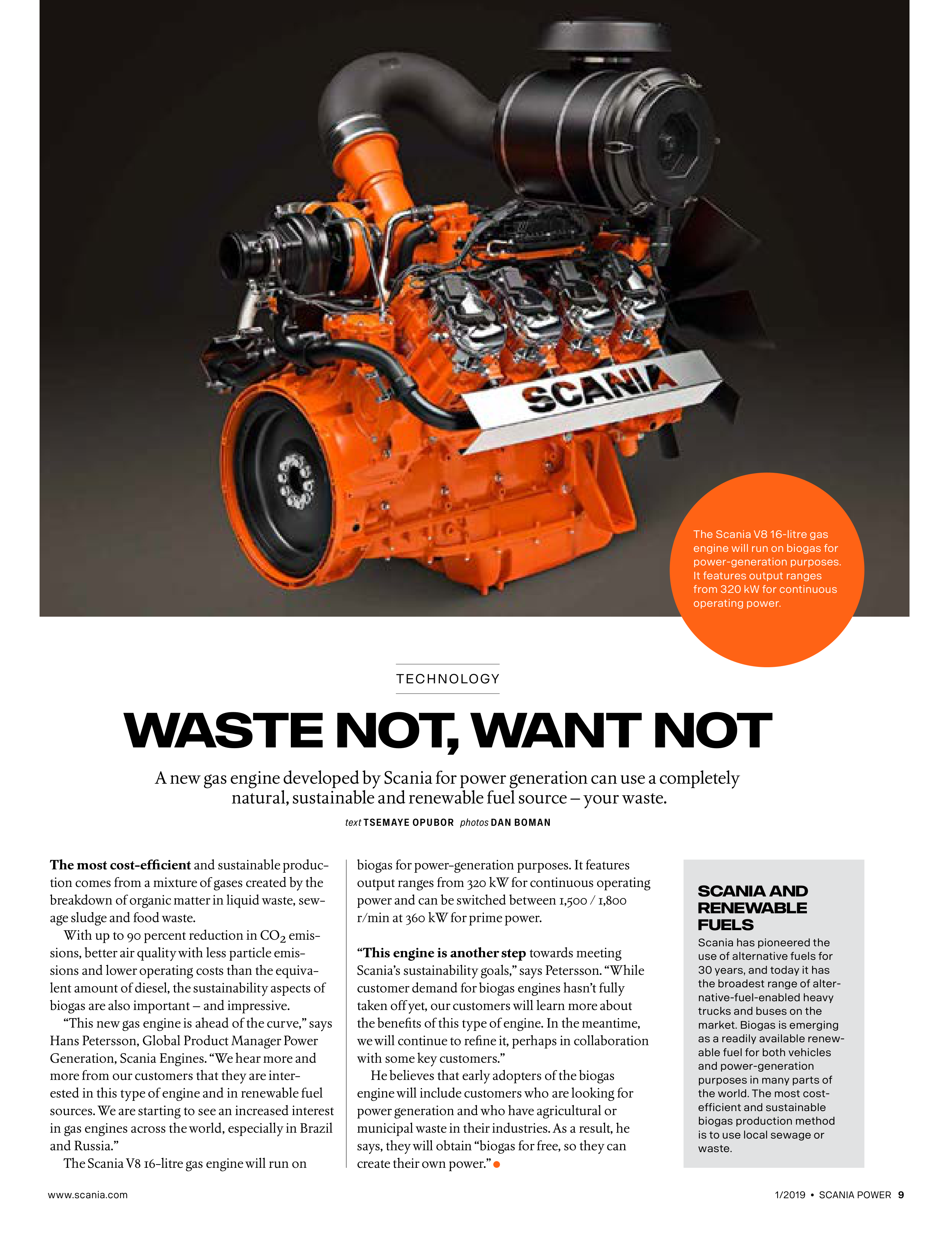
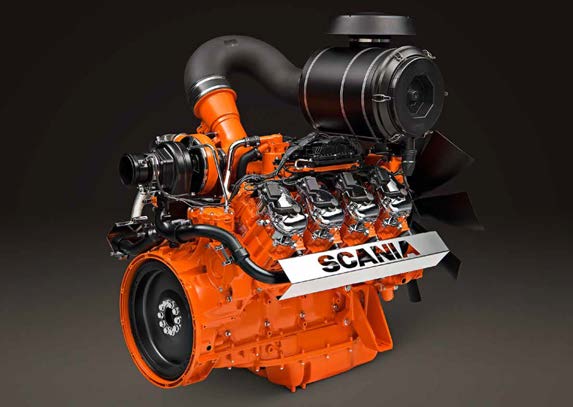
The Scania V8 16-litre gas
engine will run on biogas for
power-generation purposes.
It features output ranges
from 320 kW for continuous
operating power.
10
SCANIA POWER
•
1 /2019
www.scania.com
Engines join
the Internet
of Things
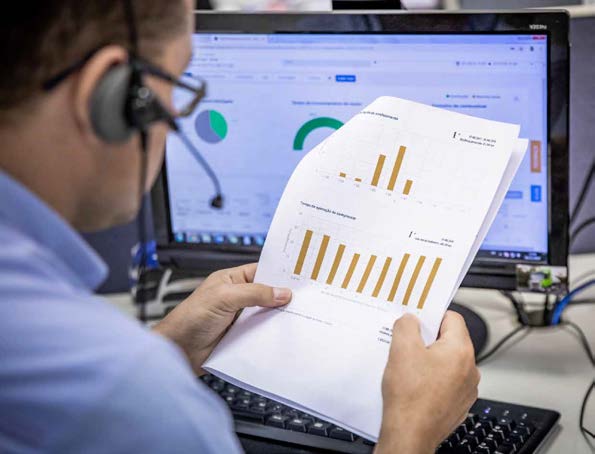
Following the success of its connected trucks
and buses, Scania is now doing the same for its
engines. Acting Head of Connected Services
& Solutions Claes Jacobsson outlines the
significant customer benefits of going digital.
text
ANDREW MONTGOMERY
photos
Scania
connectivity
Since adopting connectivity in 2011,
Scania has gone on
to fit automotive connectors to more than 360,000 vehicles,
changing the very nature of service and maintenance in the
process. Now Scania is doing the same with its engines.
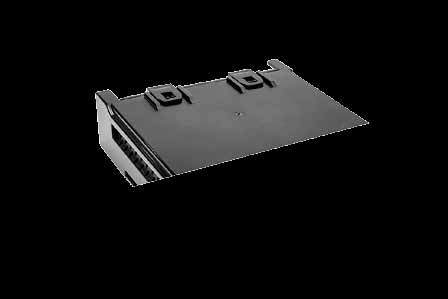
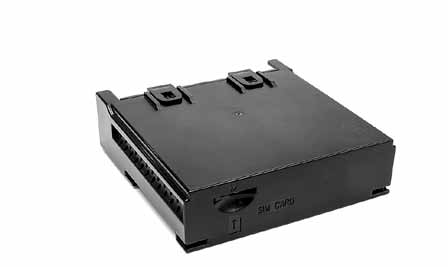
In late 2018, subject to customer approval, Scania began
fitting all new engines with the Scania Communicator, a
black box that looks a bit like outsized hard drives. The
company also initiated a programme to trace and retrofit
existing engines – again provided that the end users give
their approval.
The sheer potential opened up by the connected engine is
something that Claes Jacobsson finds hugely exciting. In his
role as Acting Head of Connected Services & Solutions, he is
in charge of the team that gathers all the data transferred and
translates it into valuable services that Scania can offer the
marketplace, as well as supporting the company’s network of
service providers in their work with Scania customers.
“Connecting our customers’ engines allows us to capture a
www.scania.com
1/2019
•
SCANIA POWER
11
Scania Communicator
“ W e b e l i e v e t h a t
e n g i n e c o n n e c t i v i t y
w i l l b e o f h u g e
b e n e f i t t o b o t h
O E M s a n d e n d u s e r s . ”
C l a e s J a c o b s s o n , A c t i n g
H e a d o f C o n n e c t e d
S e r v i c e s & S o l u t i o n s
wealth of real-time user data that tells us when these engines
will need servicing,” says Jacobsson. “By analysing this data,
we can even identify any issue that may be developing and
send out a technician to do predictive maintenance on an
engine to troubleshoot any potential problems before it actu-
ally breaks down.”
Scania often speaks about the importance of custom-
er uptime. The significance of uninterrupted power is,
if anything, even more acute for the company’s engine
customers.
“A stone crusher at a standstill in a mine could have a huge
cost impact,” says Jacobsson. “You might see a day’s produc-
tion go out the window. People tend to be willing to pay quite
a lot to avoid that. We should be able to service engines in
the best possible way to prevent machines from coming to a
standstill, so here the sort of preventative maintenance that
connectivity enables is vitally important.”
Commuter boat operators
are set to enjoy similar bene
fits. Jacobsson, who used to be Managing Director of Scania
Great Britain, points out that Thames River boat operators in
London currently suffer similar penalties to public bus ser-
vice operators if they don’t deliver their service as scheduled
and in accordance with projected customer capacity. Timely
servicing should help put a stop to that.
Hospitals constitute another customer group that stands
to benefit from this vital innovative digital technology. In the
event of a power failure, gensets have to be used by hospitals –
and it’s essential for their engines to be in top working order.
The benefits are obvious. Why then is Scania only just
introducing connectivity to engines now? Jacobsson has an
answer: “The challenge for Scania is to be able to reach out
to end users worldwide to be able to offer them remote diag-
nostics to keep their machines up and running.
“Without connectivity, we have been unable to help our
customers in that way,” he continues. “Our trucks and buses
are registered, so even if they are exported, we can work with
them on remote diagnositics. Now, with connectivity, we will
know exactly where each engine is and how it is being used,
so we can offer customers an even better, more comprehen-
sive service.”
When it comes to existing engines that have not yet been
retrofitted with Scania Communicator, Jacobsson’s team is
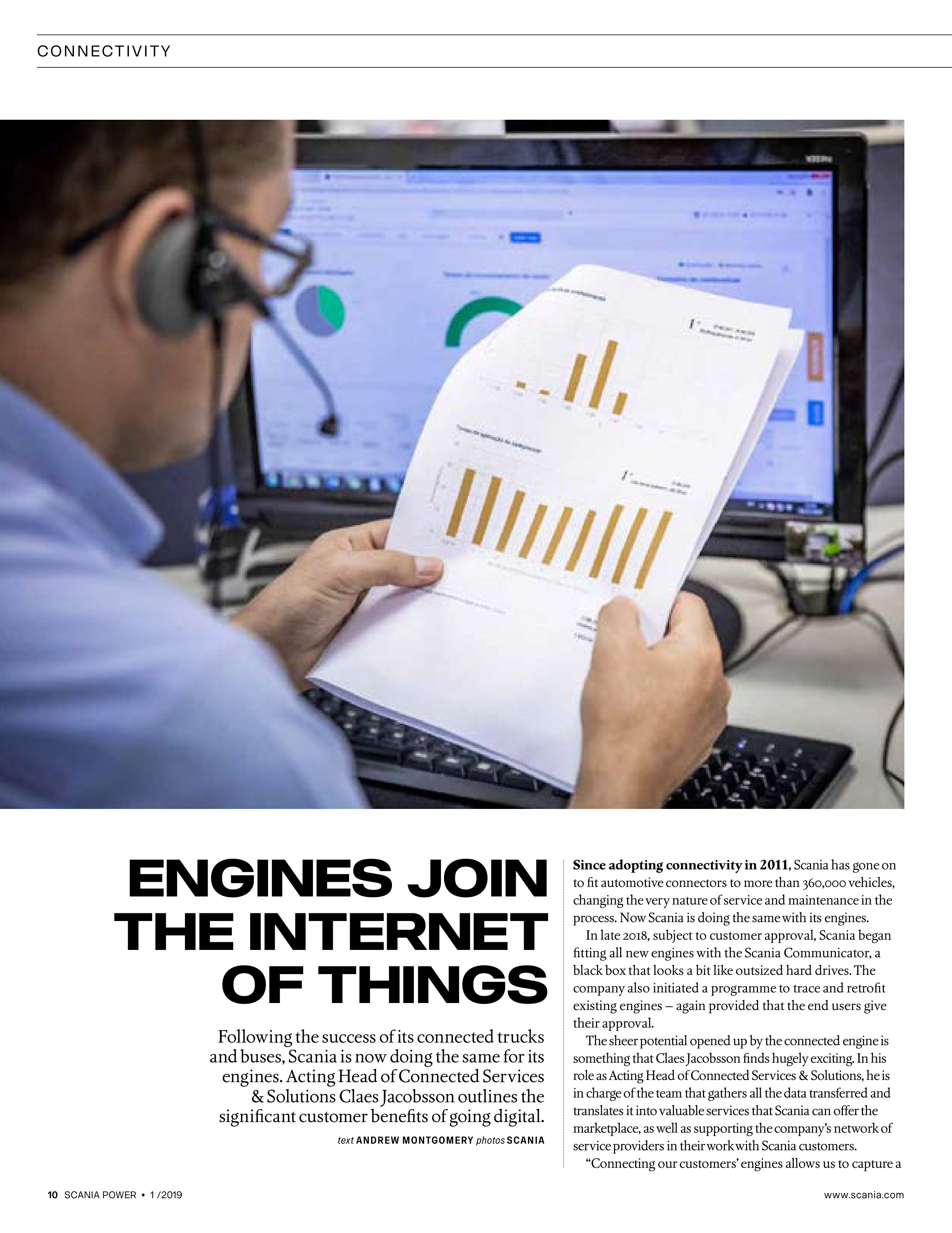
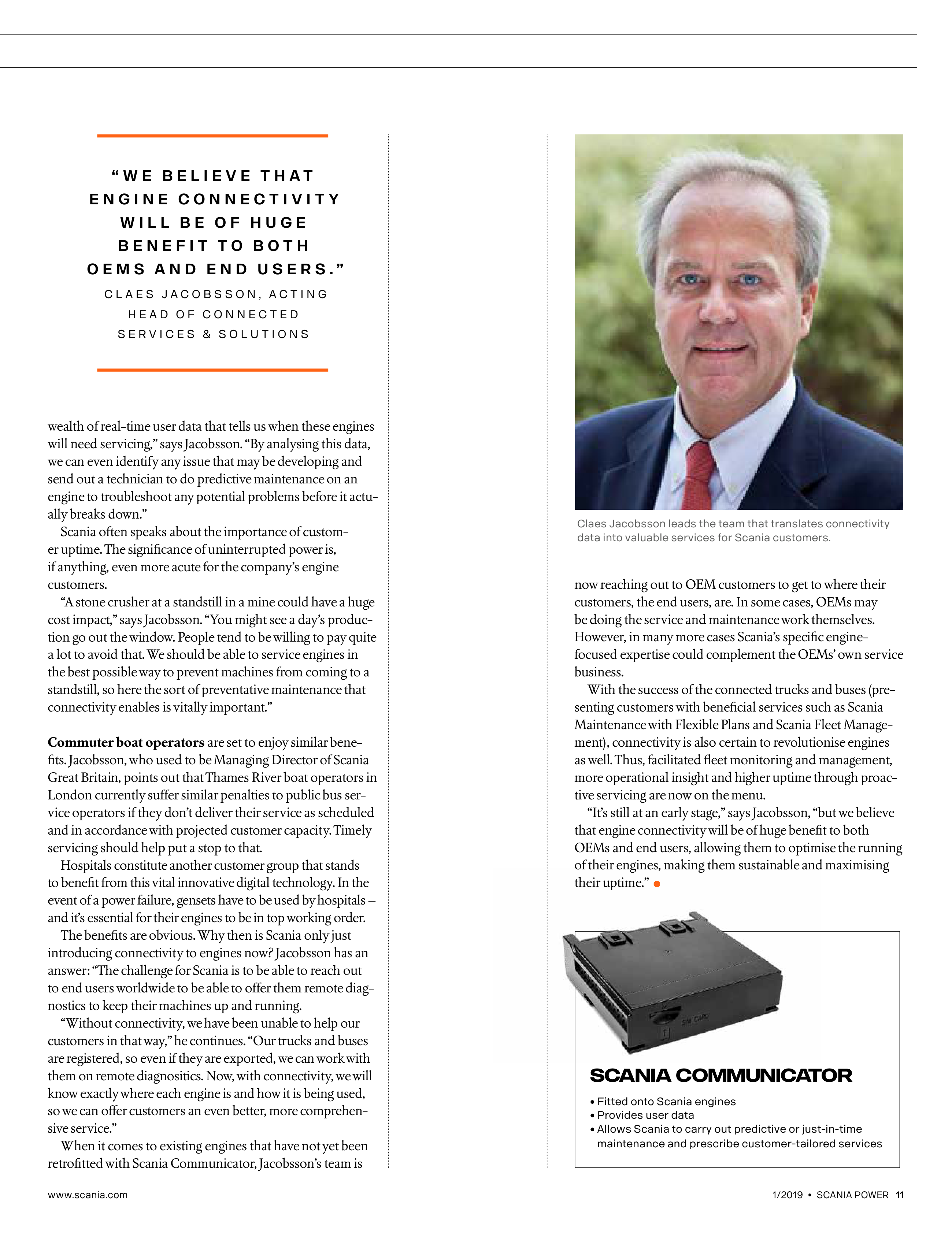
Claes Jacobsson leads the team that translates connectivity
data into valuable services for Scania customers.
now reaching out to OEM customers to get to where their
customers, the end users, are. In some cases, OEMs may
be doing the service and maintenance work themselves.
However, in many more cases Scania’s specific engine-
focused expertise could complement the OEMs’ own service
business.
With the success of the connected trucks and buses (pre-
senting customers with beneficial services such as Scania
Maintenance with Flexible Plans and Scania Fleet Manage-
ment), connectivity is also certain to revolutionise engines
as well. Thus, facilitated fleet monitoring and management,
more operational insight and higher uptime through proac-
tive servicing are now on the menu.
“It’s still at an early stage,” says Jacobsson, “but we believe
that engine connectivity will be of huge benefit to both
OEMs and end users, allowing them to optimise the running
of their engines, making them sustainable and maximising
their uptime.”
• Fitted onto Scania engines
• Provides user data
• Allows Scania to carry out predictive or just-in-time
maintenance and prescribe customer-tailored services
The Maine Lobster
Boat Races are an essen
tial part of this north-eastern US state’s calen
-dar. When lobster boats hit the coastal
raceways, Maine’s summer officially begins.
Heather Thompson is a fourth-generation
lobster boat captain who combines fishing
sustainably for this “red gold” with racing.
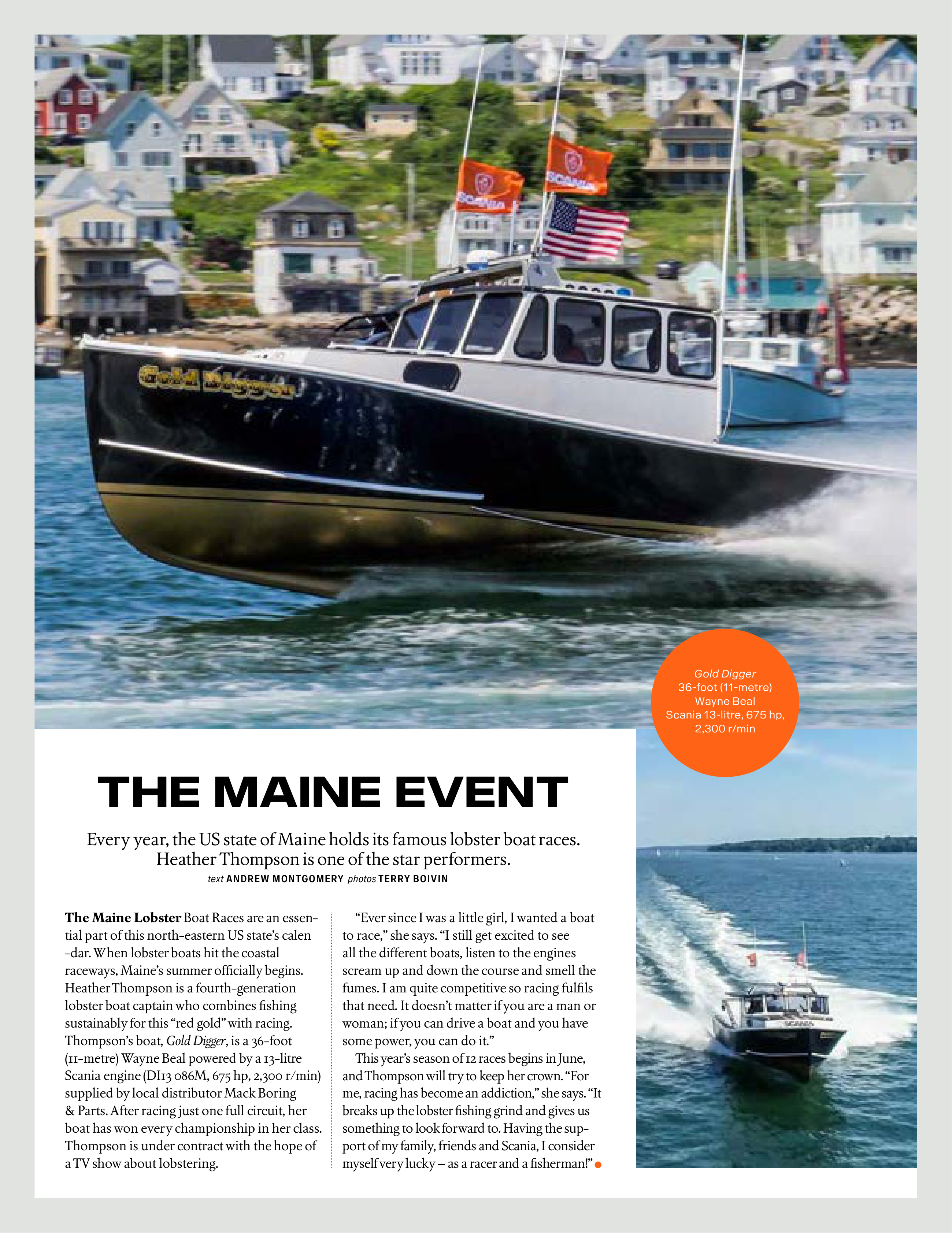
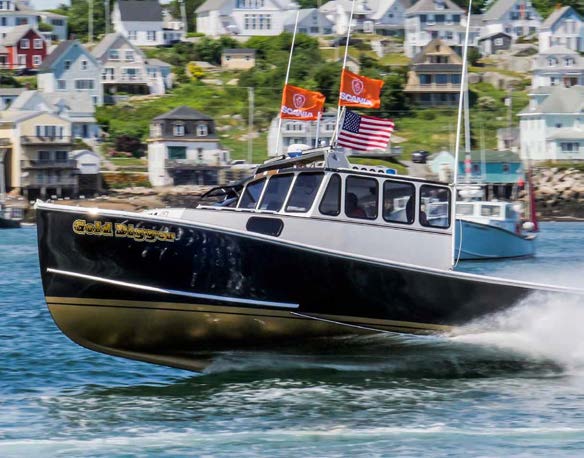
Thompson’s boat,
Gold Digger
, is a 36-foot
(11-metre) Wayne Beal powered by a 13-litre
Scania engine (DI13 086M, 675 hp, 2,300 r/min)
supplied by local distributor Mack Boring
& Parts. After racing just one full circuit, her
boat has won every championship in her class.
Thompson is under contract with the hope of
a TV show about lobstering.
“Ever since I was a little girl, I wanted a boat
to race,” she says. “I still get excited to see
all the different boats, listen to the engines
scream up and down the course and smell the
fumes. I am quite competitive so racing fulfils
that need. It doesn’t matter if you are a man or
woman; if you can drive a boat and you have
some power, you can do it.”
This year’s season of 12 races begins in June,
and Thompson will try to keep her crown. “For
me, racing has become an addiction,” she says. “It
breaks up the lobster fishing grind and gives us
something to look forward to. Having the sup
port of my family, friends and Scania, I consider
myself very lucky – as a racer and a fisherman!”
Every year, the US state of Maine holds its famous lobster boat races.
Heather Thompson is one of the star performers.
text
ANDREW MONTGOMERY
photos
terry boivin
The Maine event
Gold Digger
36-foot (11-metre)
Wayne Beal
Scania 13-litre, 675 hp,
2,300 r/min