Research-based synthesized Action Plan • Not an official GE Aerospace publication
Page 1
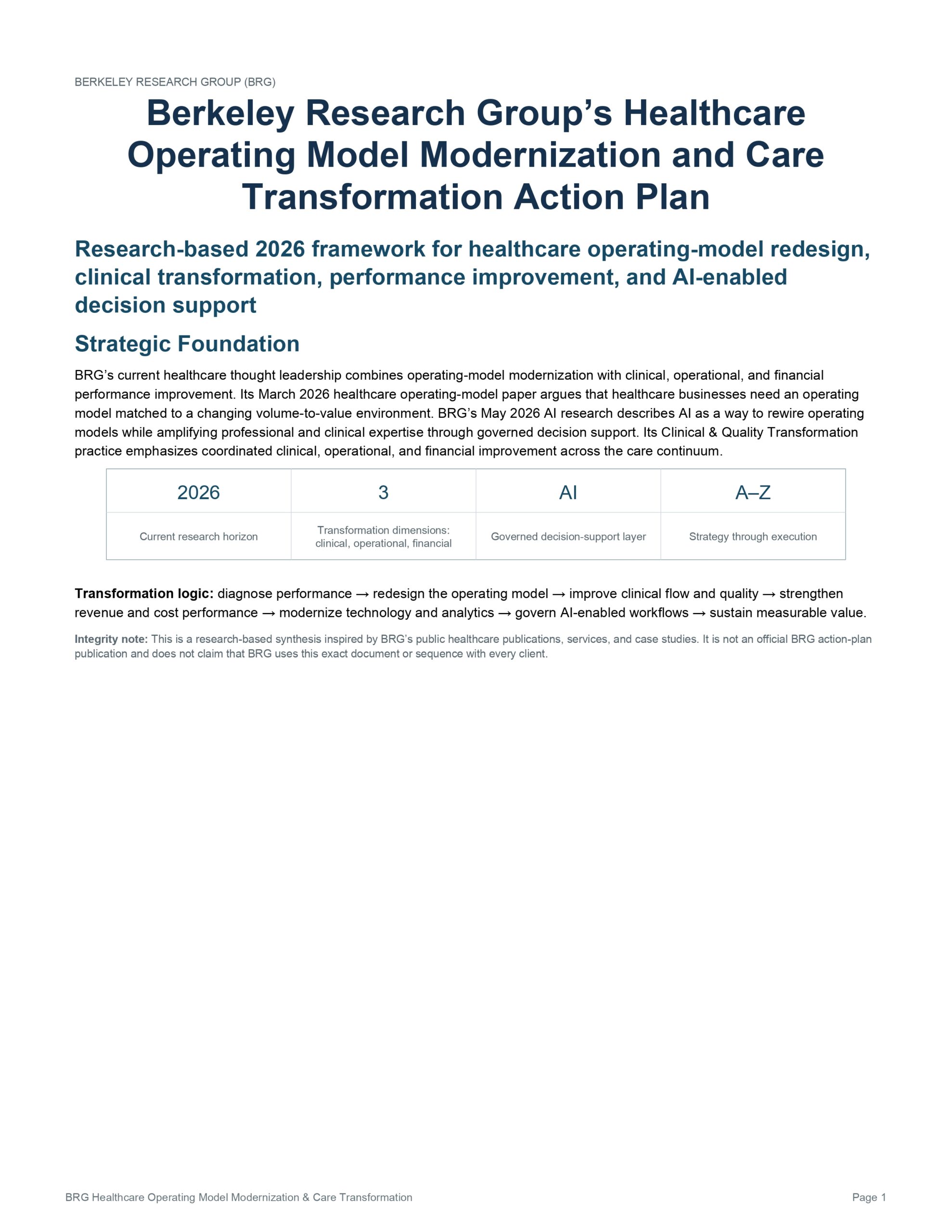
GE AEROSPACE
General Electric Global Manufacturing Capacity
Expansion and "Flight Deck" Supply Chain
Action Plan
Strategic Execution Framework • 2026–2028
I
STRATEGIC FOUNDATION
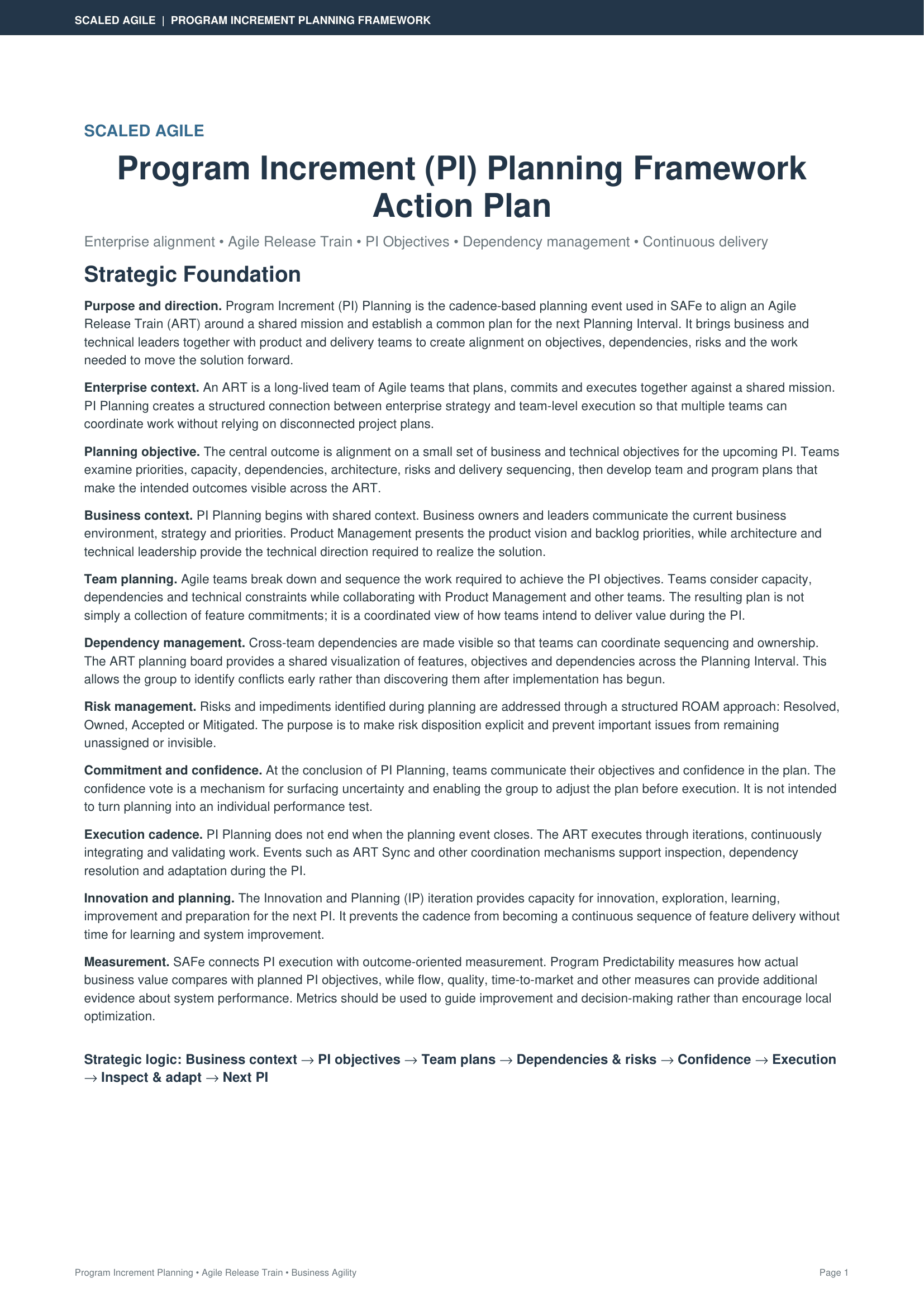
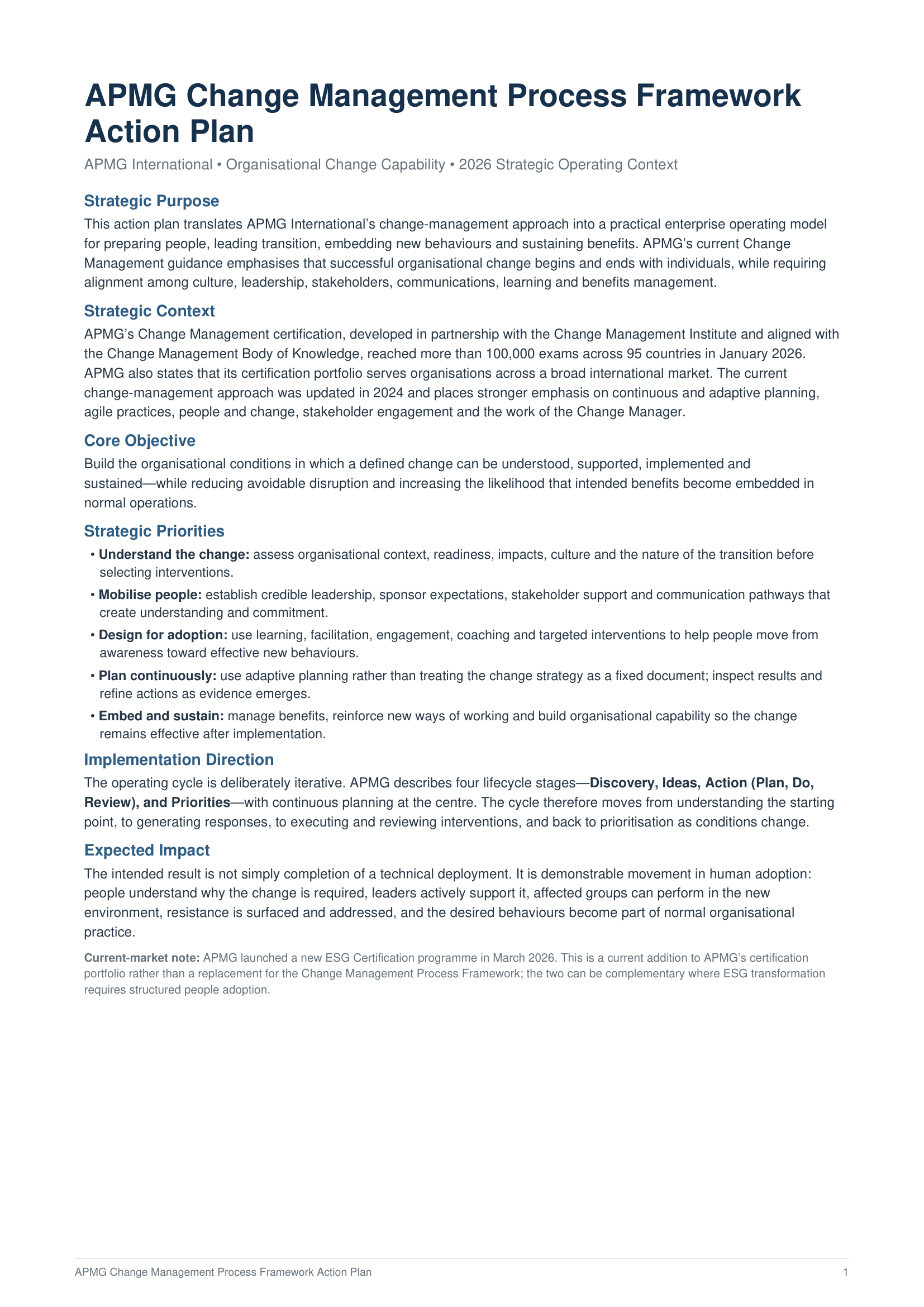
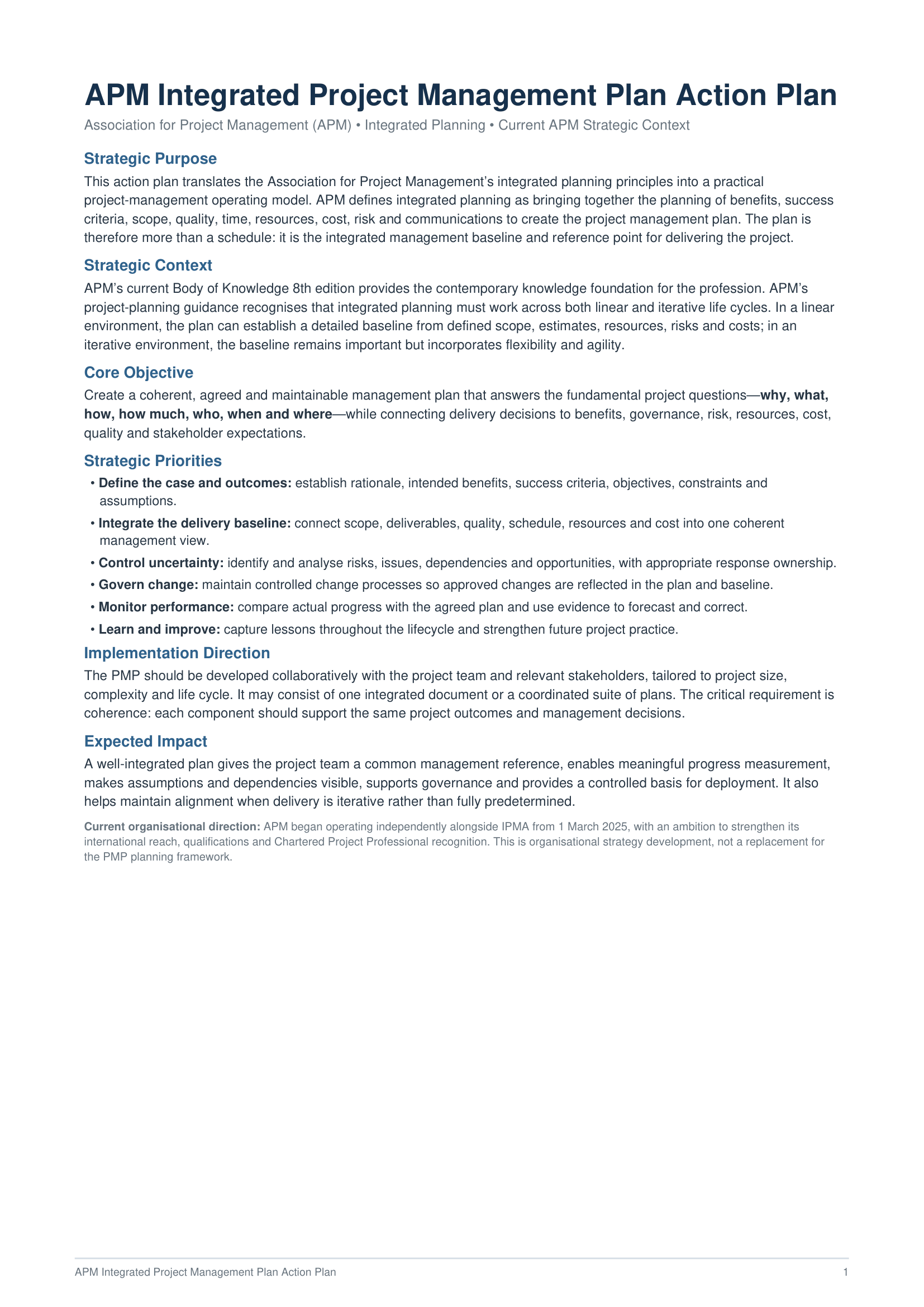
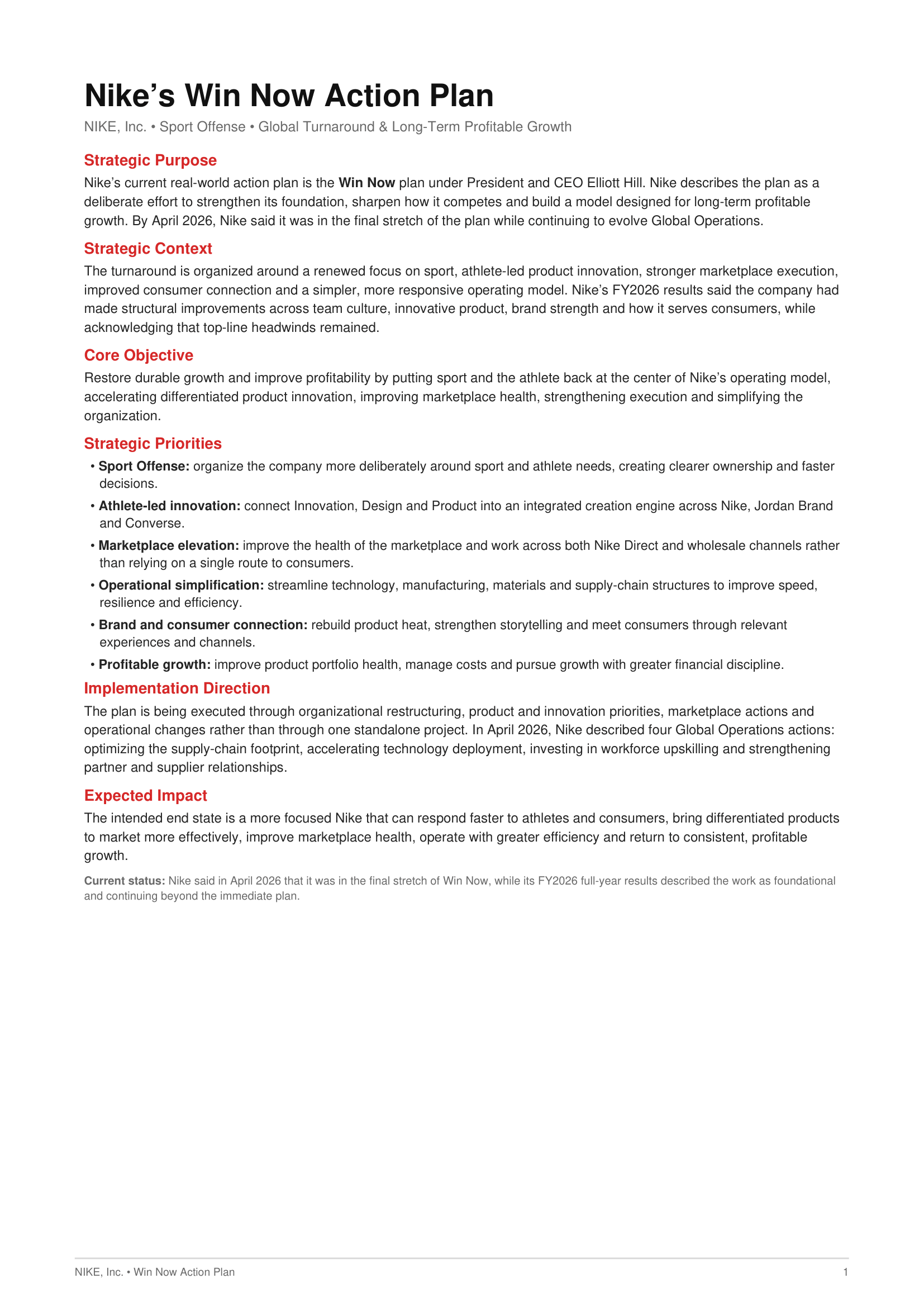
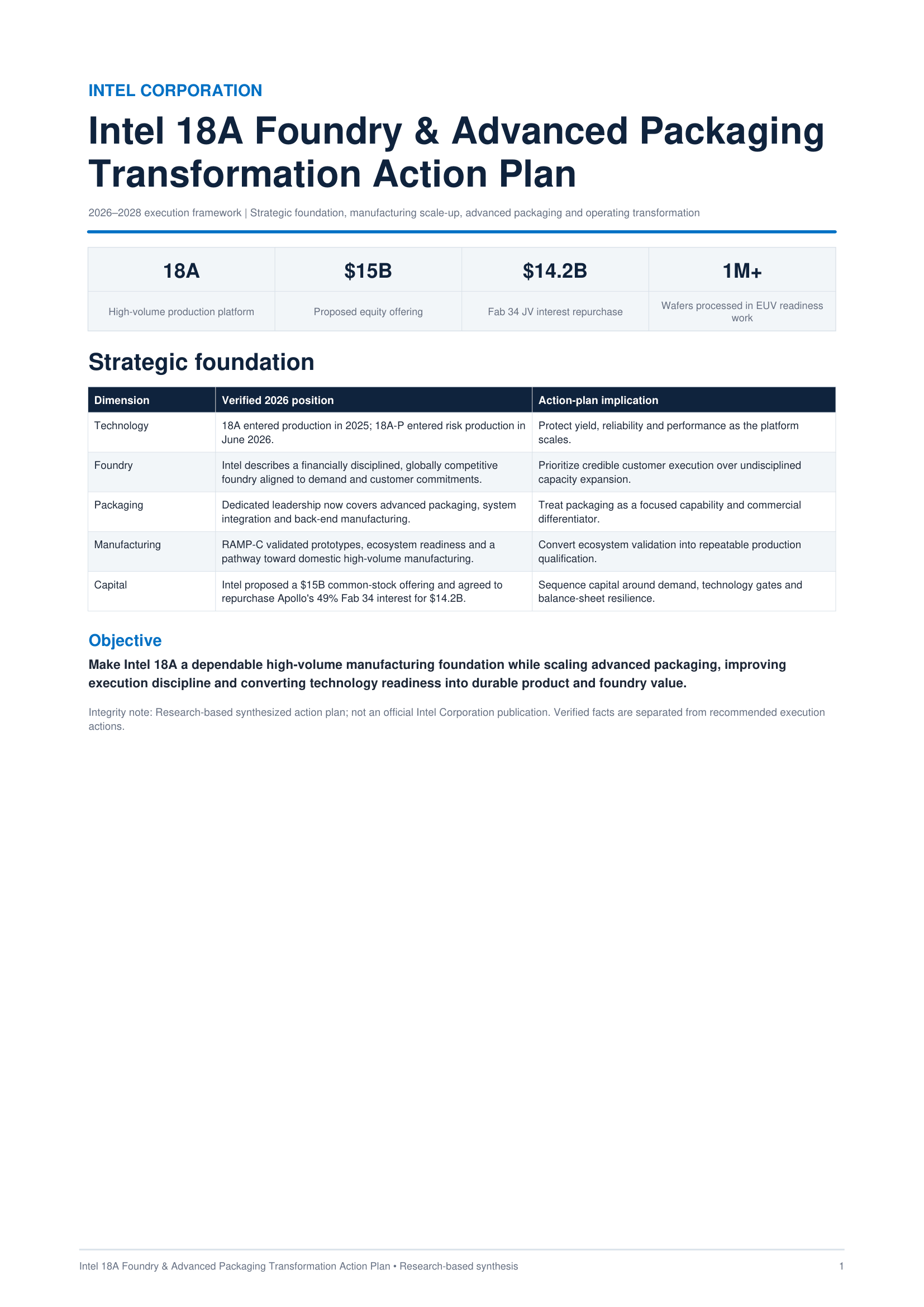
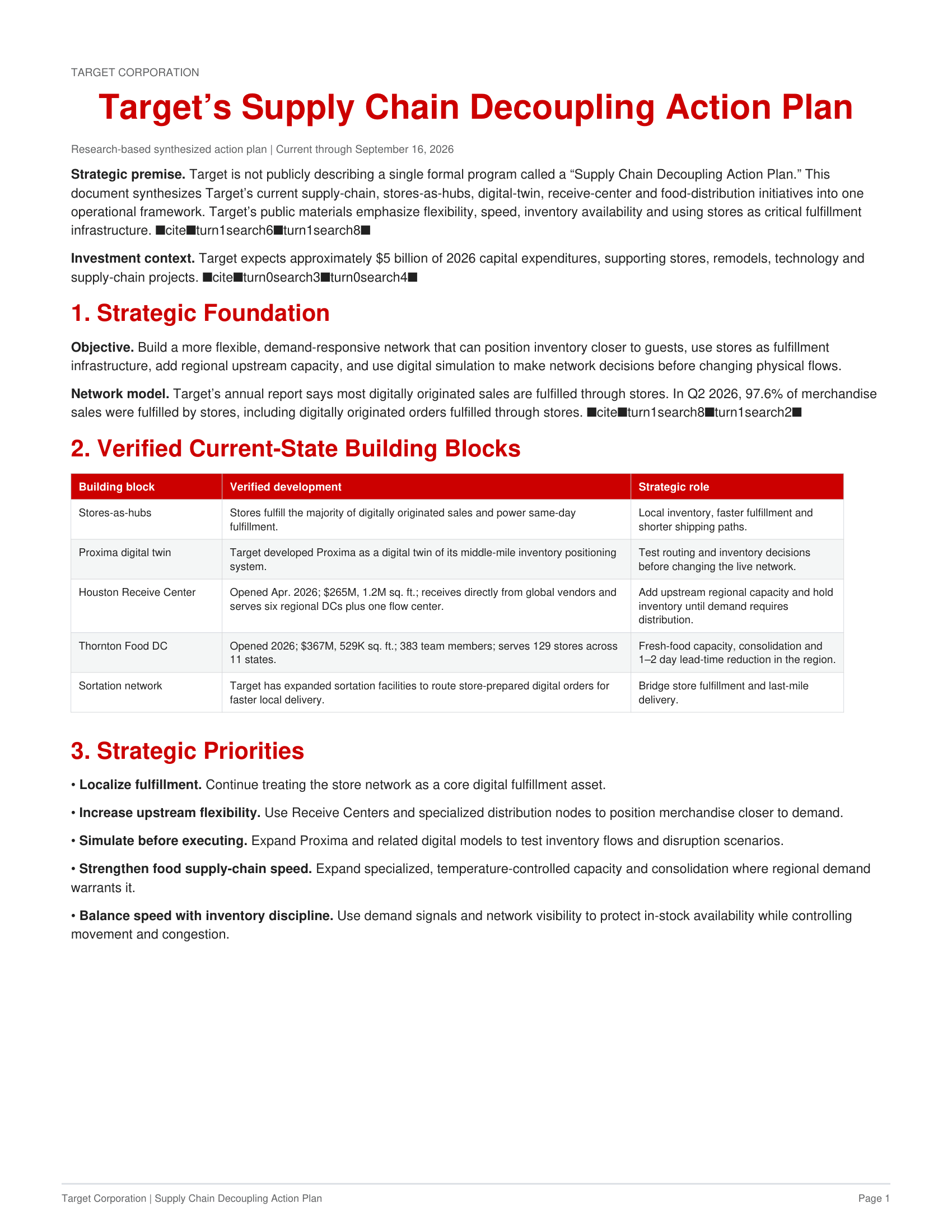
Following the separation of GE Aerospace as an independent public company, the most relevant current manufacturing roadmap is a
coordinated capacity, supply-chain and operational-excellence program designed to increase engine and component output while addressing
aerospace supply constraints. The framework combines major manufacturing investment, workforce expansion, supplier intervention and the
FLIGHT DECK lean operating model.
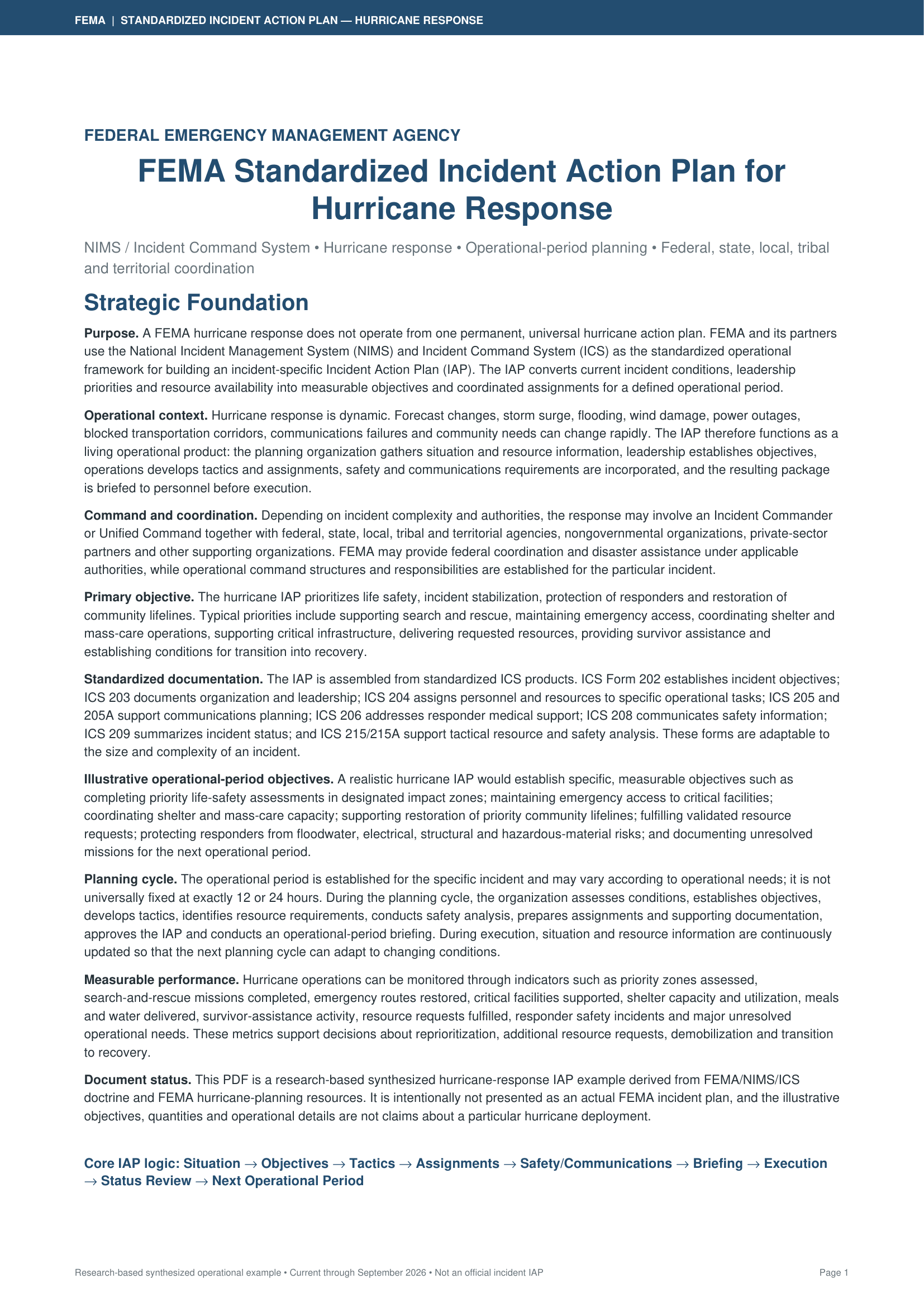
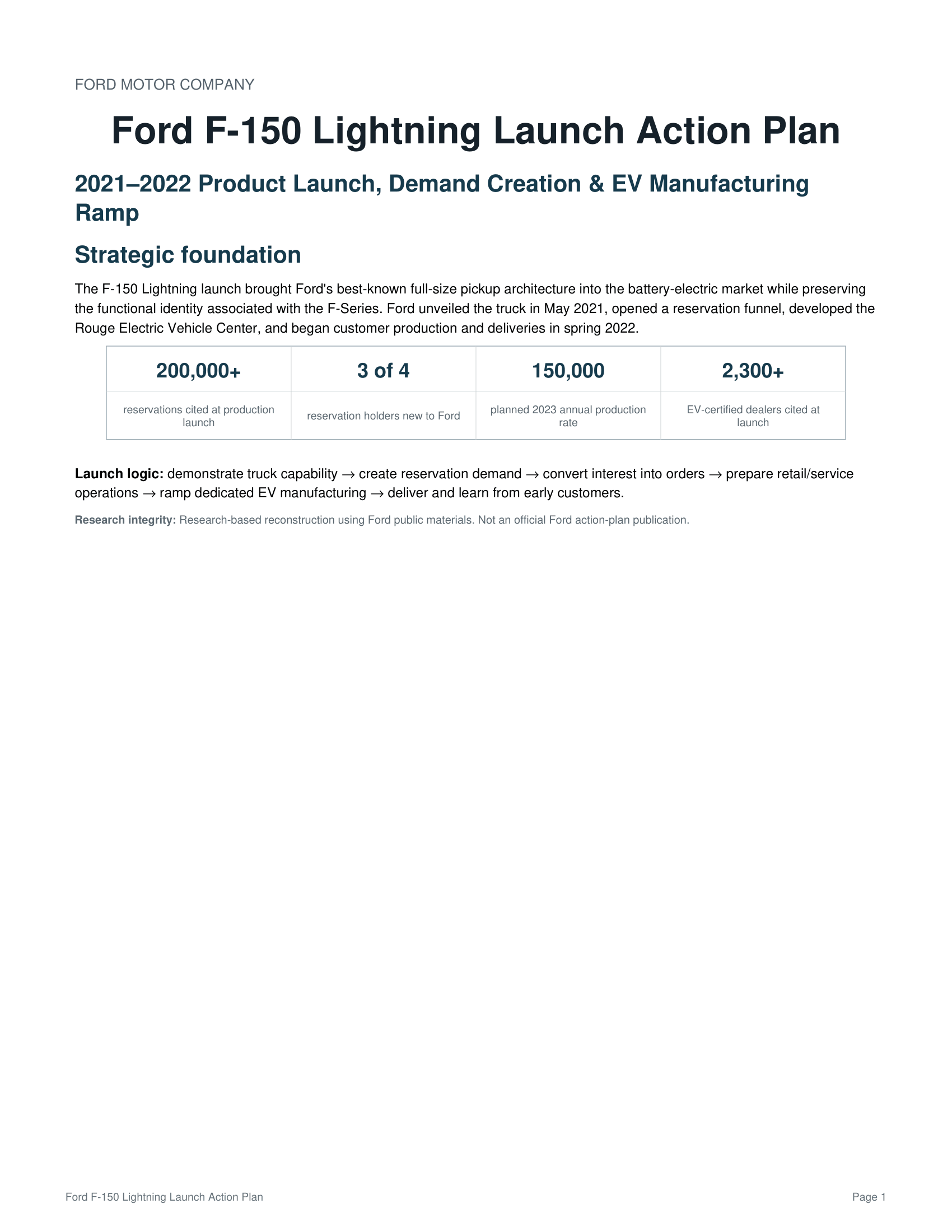
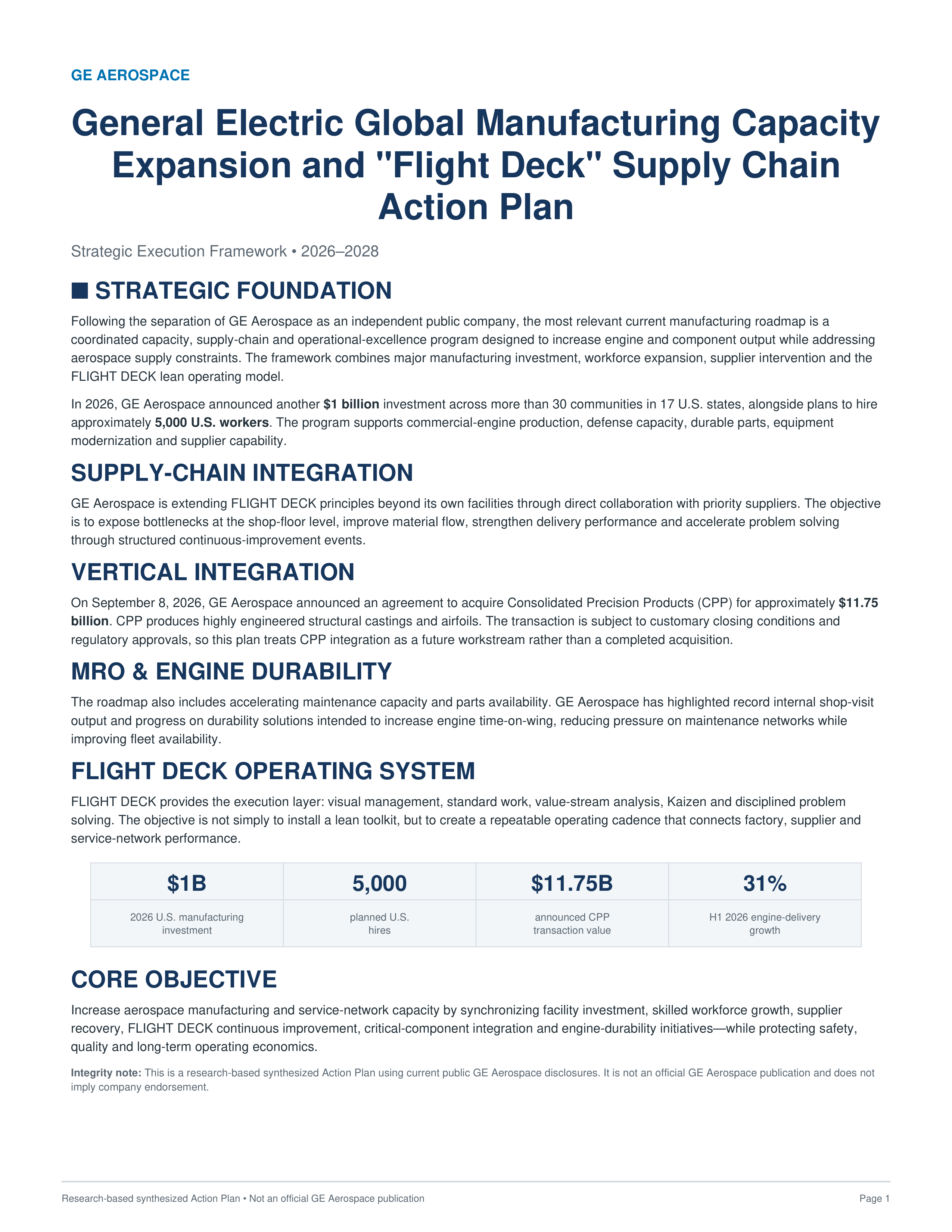
In 2026, GE Aerospace announced another
$1 billion
investment across more than 30 communities in 17 U.S. states, alongside plans to hire
approximately
5,000 U.S. workers
. The program supports commercial-engine production, defense capacity, durable parts, equipment
modernization and supplier capability.
SUPPLY-CHAIN INTEGRATION
GE Aerospace is extending FLIGHT DECK principles beyond its own facilities through direct collaboration with priority suppliers. The objective
is to expose bottlenecks at the shop-floor level, improve material flow, strengthen delivery performance and accelerate problem solving
through structured continuous-improvement events.
VERTICAL INTEGRATION
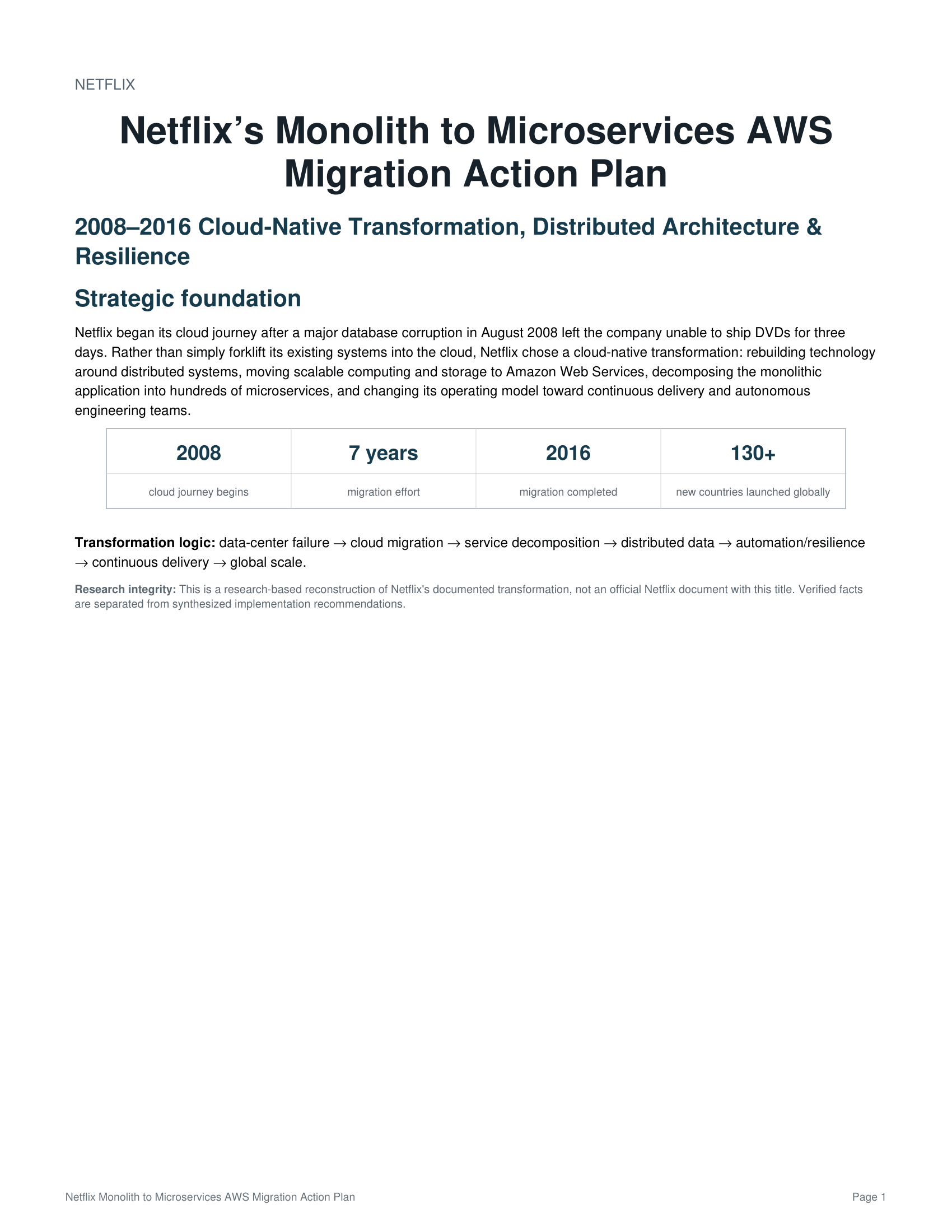
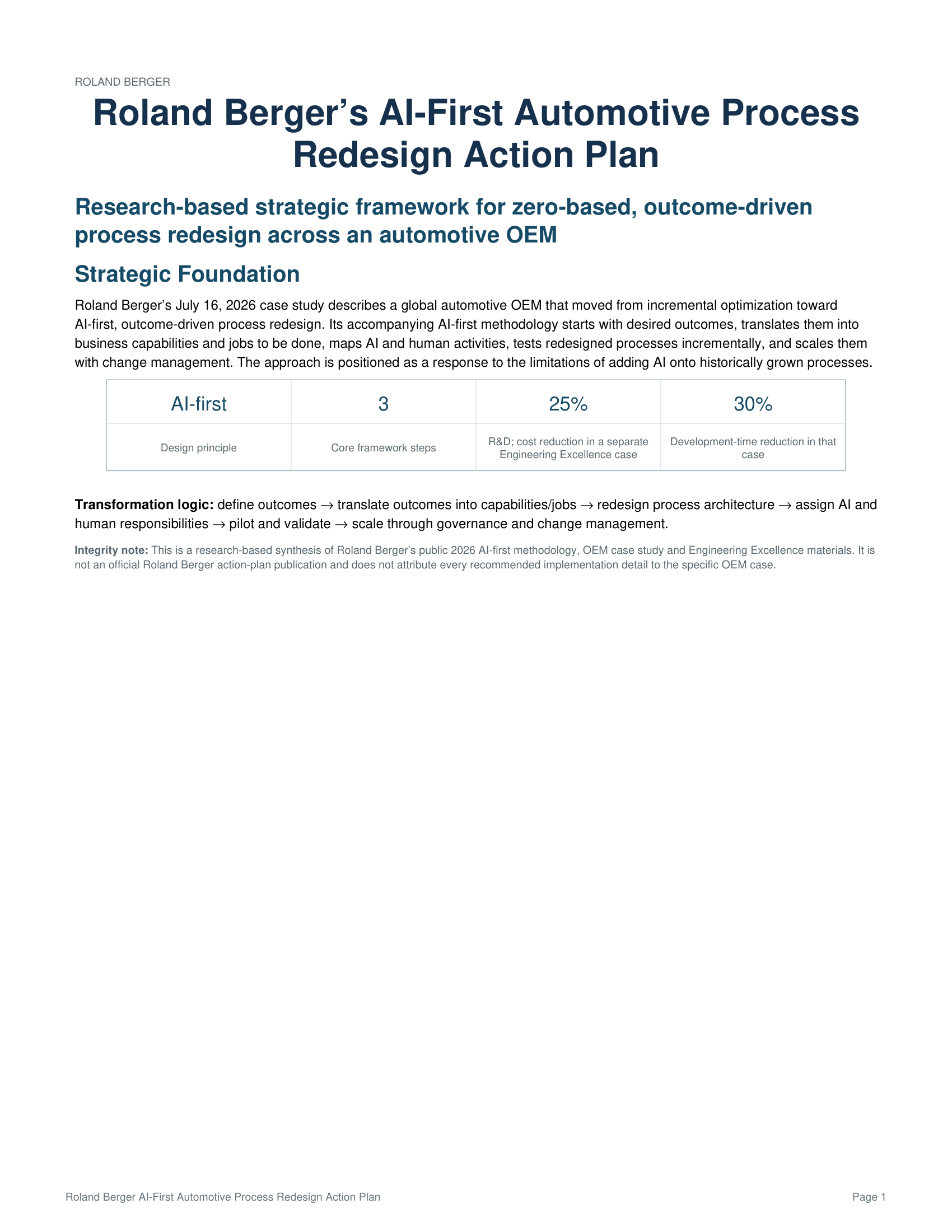
On September 8, 2026, GE Aerospace announced an agreement to acquire Consolidated Precision Products (CPP) for approximately
$11.75
billion
. CPP produces highly engineered structural castings and airfoils. The transaction is subject to customary closing conditions and
regulatory approvals, so this plan treats CPP integration as a future workstream rather than a completed acquisition.
MRO & ENGINE DURABILITY
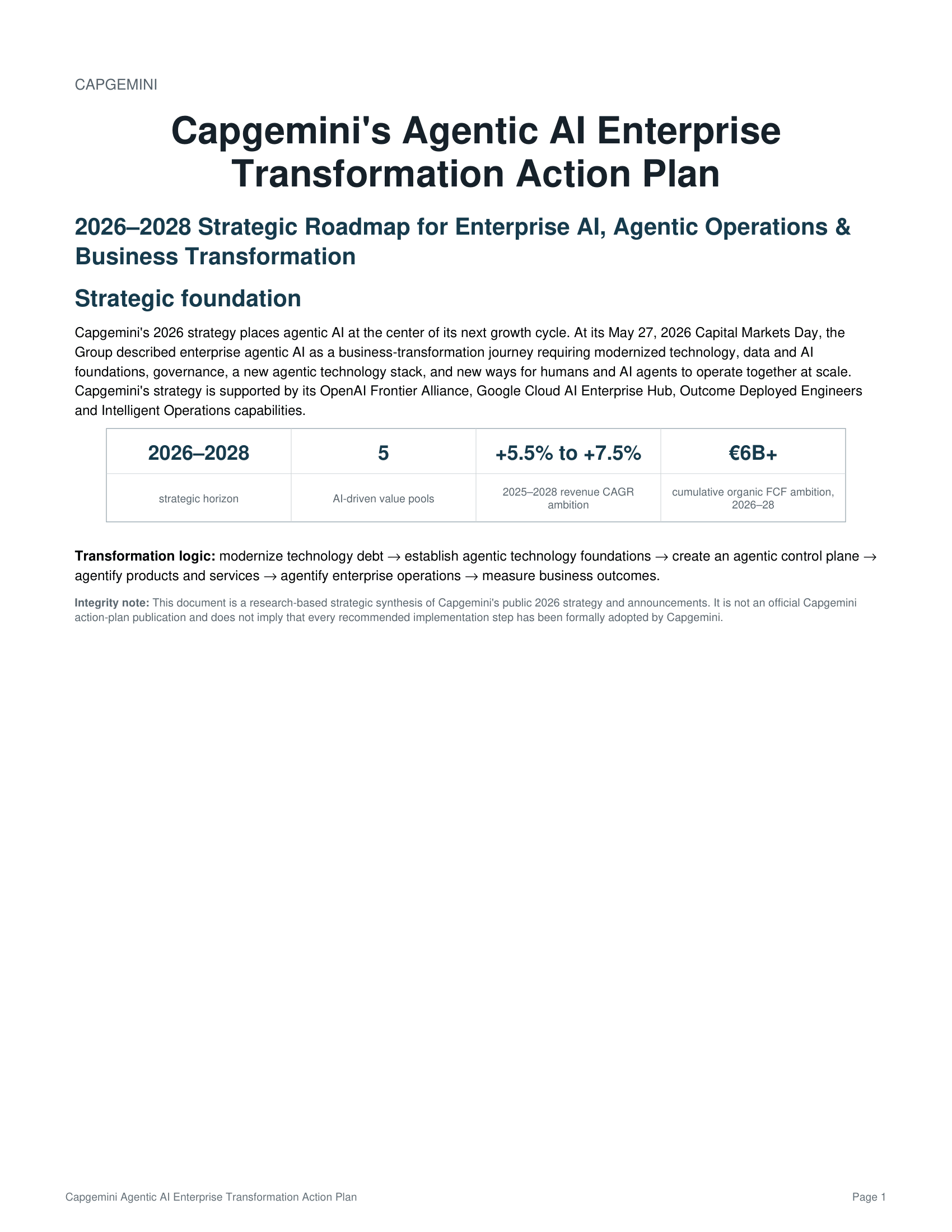
The roadmap also includes accelerating maintenance capacity and parts availability. GE Aerospace has highlighted record internal shop-visit
output and progress on durability solutions intended to increase engine time-on-wing, reducing pressure on maintenance networks while
improving fleet availability.
FLIGHT DECK OPERATING SYSTEM
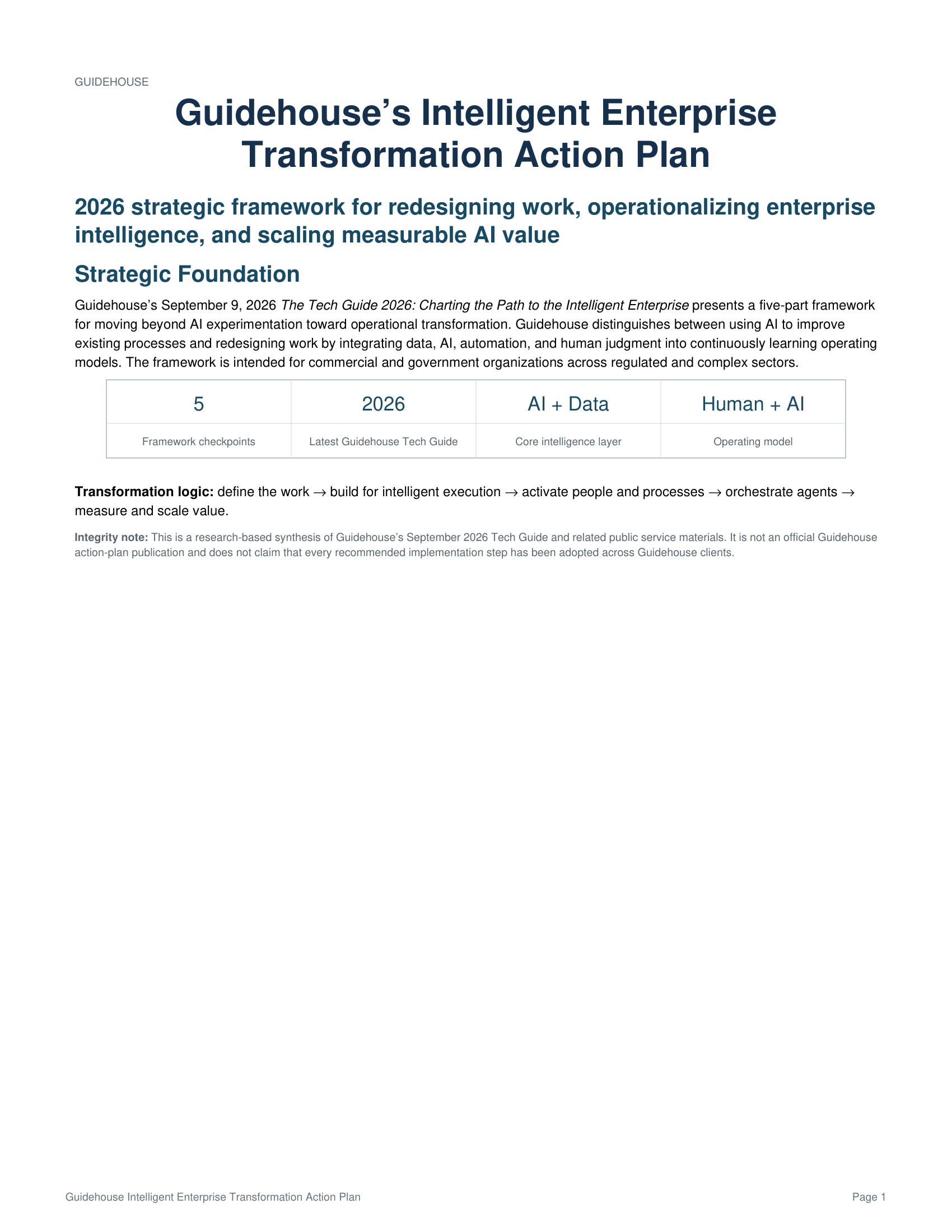
FLIGHT DECK provides the execution layer: visual management, standard work, value-stream analysis, Kaizen and disciplined problem
solving. The objective is not simply to install a lean toolkit, but to create a repeatable operating cadence that connects factory, supplier and
service-network performance.
$1B
5,000
$11.75B
31%
2026 U.S. manufacturing
investment
planned U.S.
hires
announced CPP
transaction value
H1 2026 engine-delivery
growth
CORE OBJECTIVE
Increase aerospace manufacturing and service-network capacity by synchronizing facility investment, skilled workforce growth, supplier
recovery, FLIGHT DECK continuous improvement, critical-component integration and engine-durability initiatives—while protecting safety,
quality and long-term operating economics.
Integrity note:
This is a research-based synthesized Action Plan using current public GE Aerospace disclosures. It is not an official GE Aerospace publication and does not
imply company endorsement.
Research-based synthesized Action Plan • Not an official GE Aerospace publication
Page 2
1. Strategic Priorities & Current-State Baseline
Manufacturing Capacity Expansion
Modernize equipment, increase production capability and remove facility constraints across U.S. sites supporting commercial and defense
engine programs.
Workforce & Skills
Recruit approximately 5,000 U.S. workers while strengthening technical training, qualification, frontline leadership and manufacturing
problem-solving capability.
Supplier Resilience
Deploy GE Aerospace teams alongside critical suppliers to identify bottlenecks, improve material flow and accelerate recovery of constrained
components.
FLIGHT DECK Operating System
Scale a common lean execution model using standard work, visual management, value-stream mapping, Kaizen and structured daily
management.
Critical-Component Integration
Prepare the operating and integration roadmap for CPP following closing, with emphasis on castings, airfoils, capacity, quality, technology and
supply continuity.
Engine Durability & MRO
Increase parts availability and service-network capacity while extending engine time-on-wing through certified durability improvements.
Quality & Safety
Ensure capacity growth does not compromise aviation safety, product quality, traceability, configuration control or regulatory compliance.
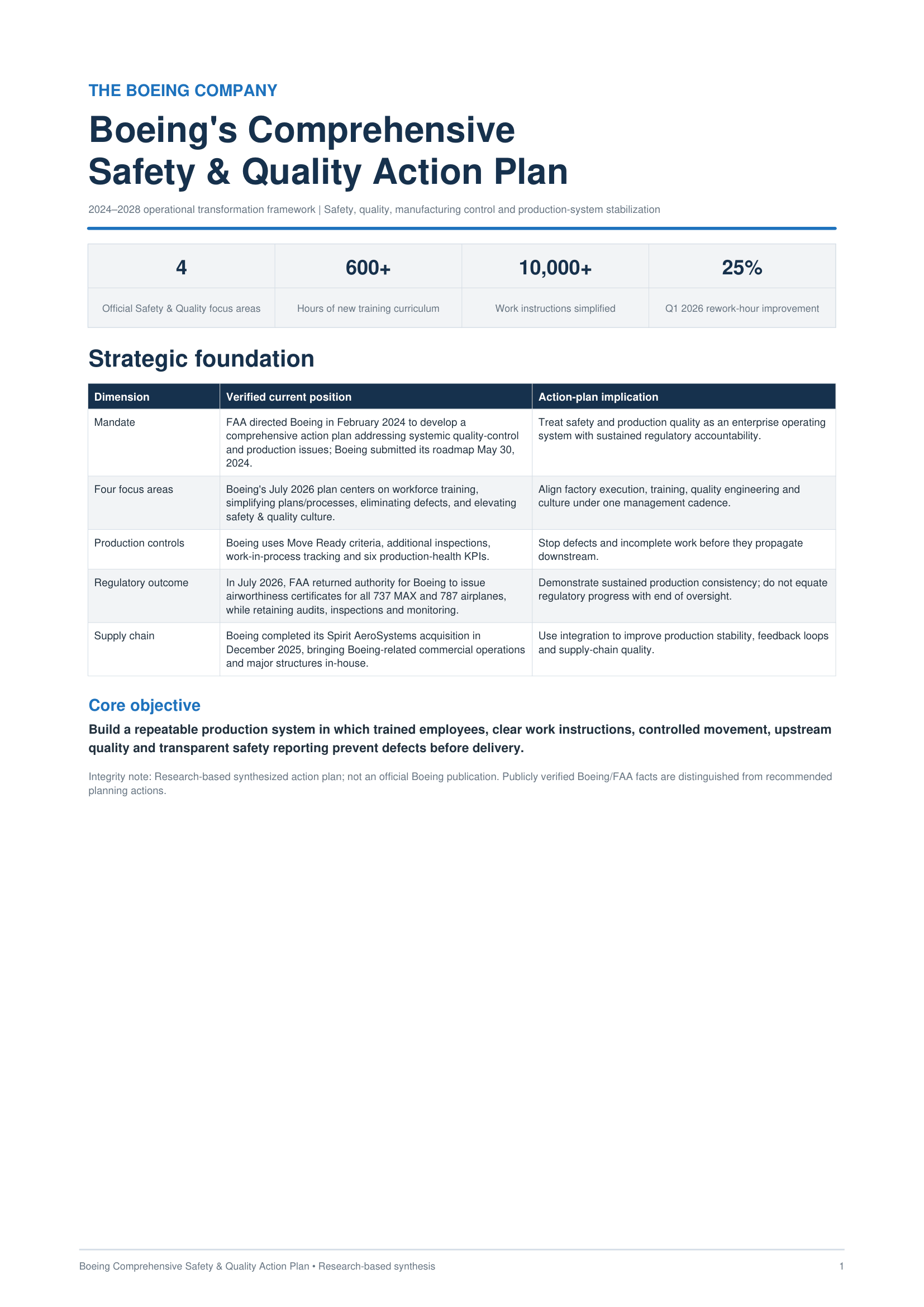
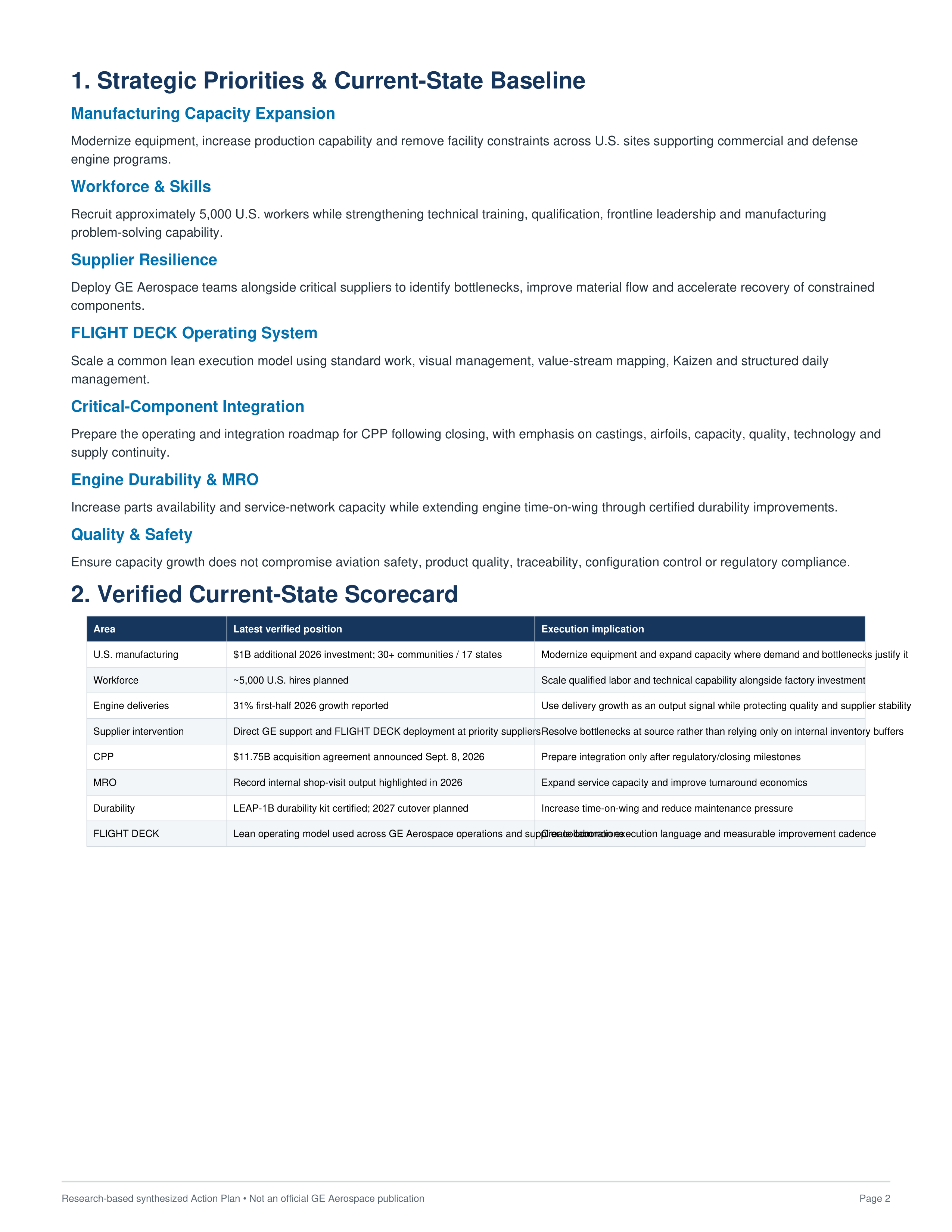
2. Verified Current-State Scorecard
Area
Latest verified position
Execution implication
U.S. manufacturing
$1B additional 2026 investment; 30+ communities / 17 states
Modernize equipment and expand capacity where demand and bottlenecks justify it
Workforce
~5,000 U.S. hires planned
Scale qualified labor and technical capability alongside factory investment
Engine deliveries
31% first-half 2026 growth reported
Use delivery growth as an output signal while protecting quality and supplier stability
Supplier intervention
Direct GE support and FLIGHT DECK deployment at priority suppliersResolve bottlenecks at source rather than relying only on internal inventory buffers
CPP
$11.75B acquisition agreement announced Sept. 8, 2026
Prepare integration only after regulatory/closing milestones
MRO
Record internal shop-visit output highlighted in 2026
Expand service capacity and improve turnaround economics
Durability
LEAP-1B durability kit certified; 2027 cutover planned
Increase time-on-wing and reduce maintenance pressure
FLIGHT DECK
Lean operating model used across GE Aerospace operations and supplier collaborations
Create common execution language and measurable improvement cadence
Research-based synthesized Action Plan • Not an official GE Aerospace publication
Page 3
3. Comprehensive Execution Framework
A. Capacity Mapping & Investment Deployment
Map engine-program demand, constrained work centers, equipment age, supplier dependencies and facility capacity. Sequence the $1 billion
investment toward the highest-value production constraints and readiness requirements.
B. Workforce Ramp & Qualification
Align recruiting, apprenticeship/technical training, certification and supervisor capacity with machine installation and production ramp
schedules. Track time-to-qualification rather than headcount alone.
C. Supplier Recovery Cells
Create cross-functional supplier teams for priority constraints. Use daily issue boards, material-flow mapping, root-cause analysis and
recovery milestones to move suppliers from firefighting toward stable pull-based replenishment.
D. FLIGHT DECK Deployment
Apply the tenets of FLIGHT DECK through standard work, visual controls, Kaizen, continuous improvement and respect for frontline expertise.
Establish before/after baselines for lead time, WIP, floor-space utilization and output.
E. CPP Integration Readiness
Before closing, establish clean-team integration plans, systems/data mapping, quality and configuration controls, workforce continuity and
synergy hypotheses. After closing, sequence integration around safety, customer continuity and capacity bottlenecks.
F. Engine Durability & Parts Availability
Scale certified durability solutions, repair capability and parts production to increase time-on-wing and reduce service-network constraints.
G. MRO Network Flow
Standardize repair-shop work sequencing, material staging, visual management and turnaround measurement across applicable sites while
preserving local technical requirements.
H. Additive & Advanced Manufacturing
Apply disciplined process mapping and manufacturing-engineering improvements to additive and advanced-material workflows where
validated economics and quality requirements support scale.
I. Quality & Safety Gates
Every capacity increase, supplier change and process redesign passes aviation-quality, engineering, safety and regulatory gates before
production release.
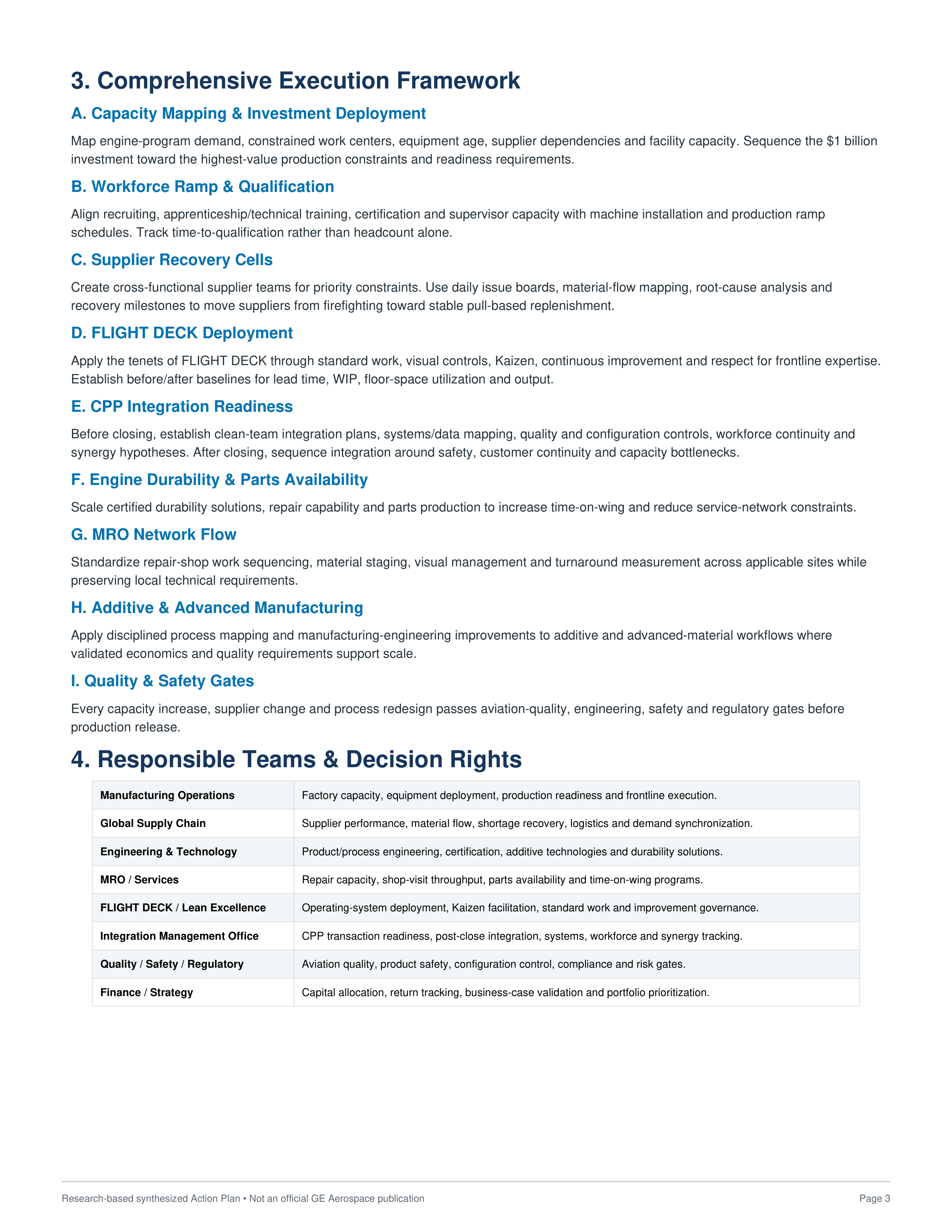
4. Responsible Teams & Decision Rights
Manufacturing Operations
Factory capacity, equipment deployment, production readiness and frontline execution.
Global Supply Chain
Supplier performance, material flow, shortage recovery, logistics and demand synchronization.
Engineering & Technology
Product/process engineering, certification, additive technologies and durability solutions.
MRO / Services
Repair capacity, shop-visit throughput, parts availability and time-on-wing programs.
FLIGHT DECK / Lean Excellence
Operating-system deployment, Kaizen facilitation, standard work and improvement governance.
Integration Management Office
CPP transaction readiness, post-close integration, systems, workforce and synergy tracking.
Quality / Safety / Regulatory
Aviation quality, product safety, configuration control, compliance and risk gates.
Finance / Strategy
Capital allocation, return tracking, business-case validation and portfolio prioritization.
Research-based synthesized Action Plan • Not an official GE Aerospace publication
Page 4
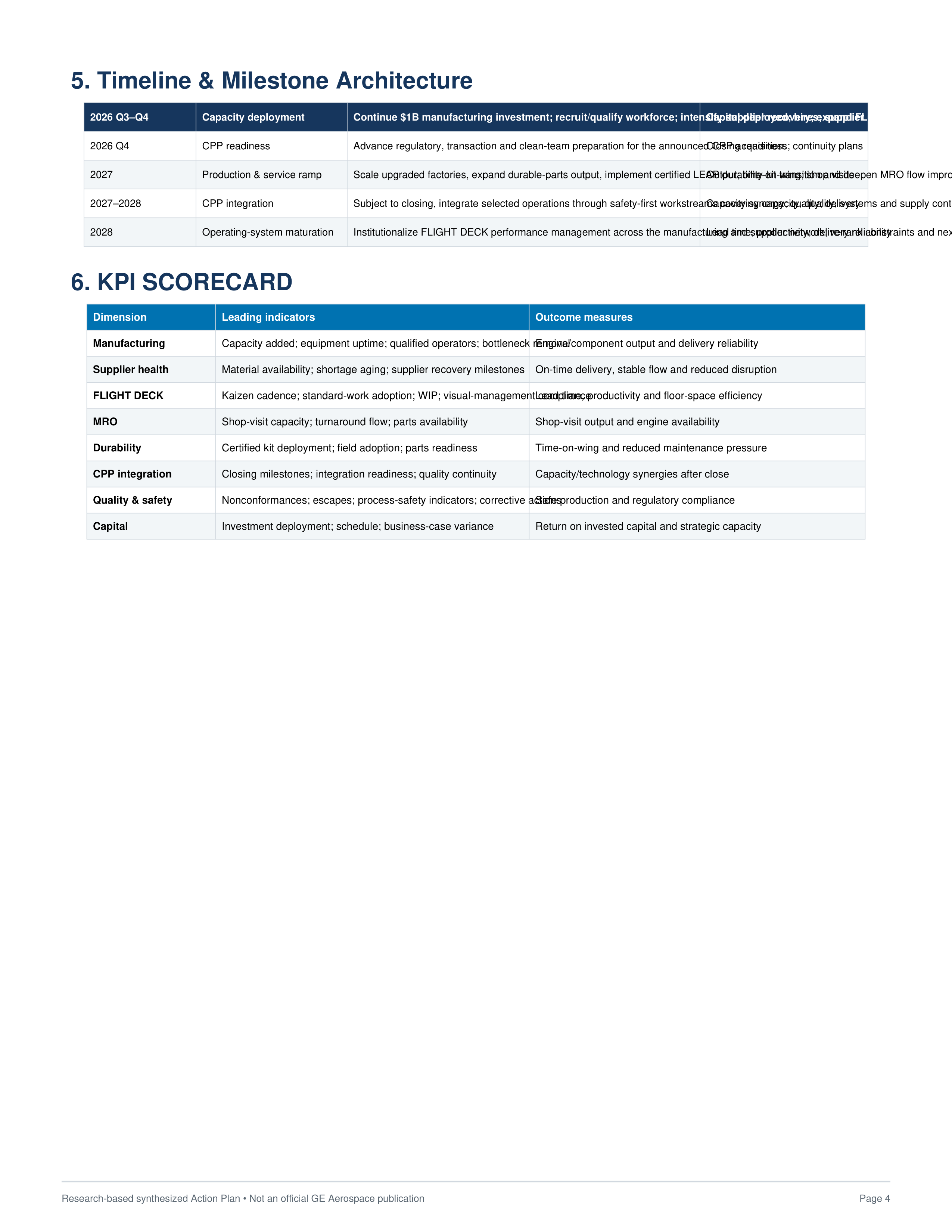
5. Timeline & Milestone Architecture
2026 Q3–Q4
Capacity deployment
Continue $1B manufacturing investment; recruit/qualify workforce; intensify supplier recovery; expand FLIGHT DECK deplo
Capital deployed; hires; supplier recovery
2026 Q4
CPP readiness
Advance regulatory, transaction and clean-team preparation for the announced CPP acquisition.
Closing readiness; continuity plans
2027
Production & service ramp
Scale upgraded factories, expand durable-parts output, implement certified LEAP durability-kit transition and deepen MRO flow impro
Output; time-on-wing; shop visits
2027–2028
CPP integration
Subject to closing, integrate selected operations through safety-first workstreams covering capacity, quality, systems and supply cont
Capacity synergy; quality; delivery
2028
Operating-system maturation
Institutionalize FLIGHT DECK performance management across the manufacturing and supplier network; re-rank constraints and nex
Lead time; productivity; delivery reliability
6. KPI SCORECARD
Dimension
Leading indicators
Outcome measures
Manufacturing
Capacity added; equipment uptime; qualified operators; bottleneck removal
Engine/component output and delivery reliability
Supplier health
Material availability; shortage aging; supplier recovery milestones
On-time delivery, stable flow and reduced disruption
FLIGHT DECK
Kaizen cadence; standard-work adoption; WIP; visual-management compliance
Lead time, productivity and floor-space efficiency
MRO
Shop-visit capacity; turnaround flow; parts availability
Shop-visit output and engine availability
Durability
Certified kit deployment; field adoption; parts readiness
Time-on-wing and reduced maintenance pressure
CPP integration
Closing milestones; integration readiness; quality continuity
Capacity/technology synergies after close
Quality & safety
Nonconformances; escapes; process-safety indicators; corrective actions
Safe production and regulatory compliance
Capital
Investment deployment; schedule; business-case variance
Return on invested capital and strategic capacity
Research-based synthesized Action Plan • Not an official GE Aerospace publication
Page 5
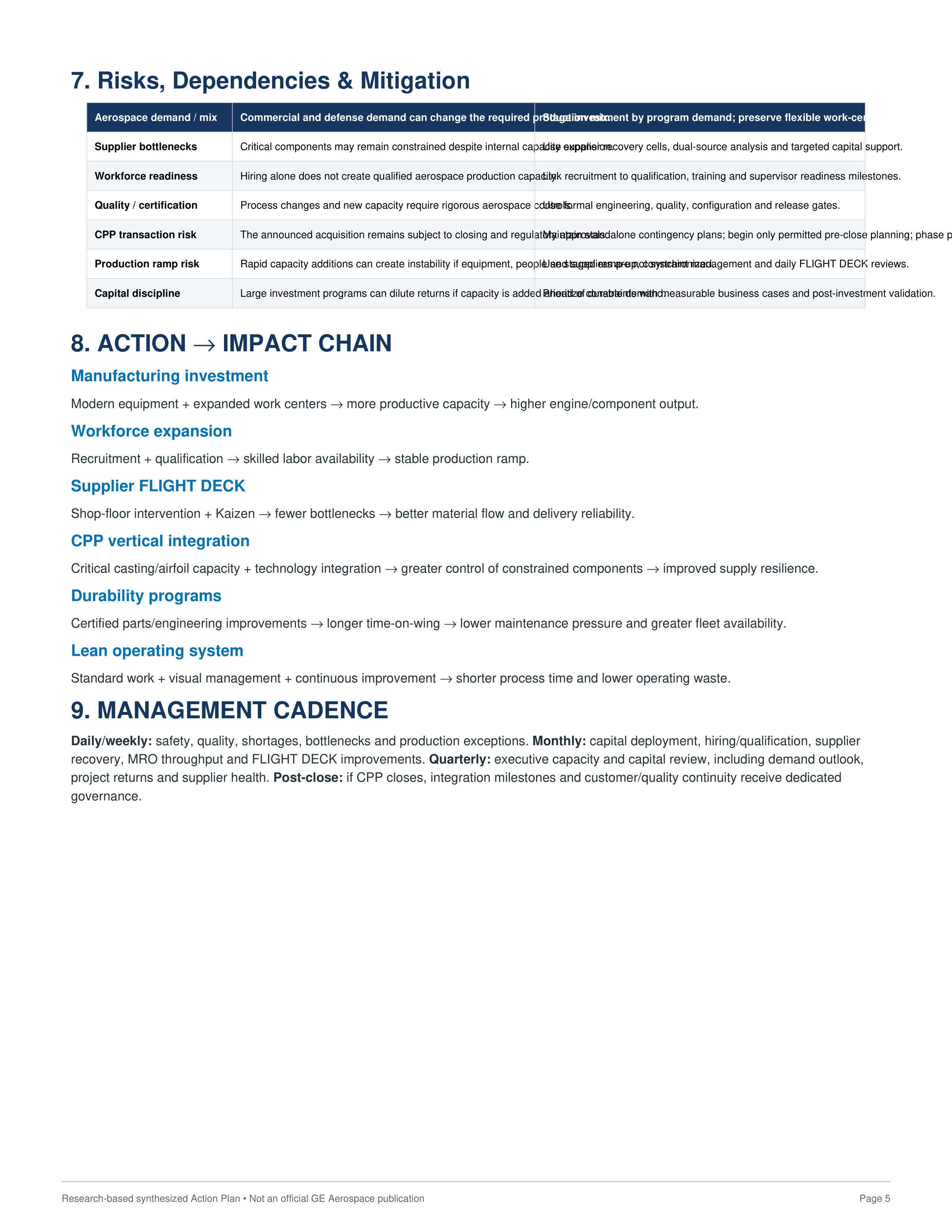
7. Risks, Dependencies & Mitigation
Aerospace demand / mix
Commercial and defense demand can change the required production mix.
Stage investment by program demand; preserve flexible work-center capacity.
Supplier bottlenecks
Critical components may remain constrained despite internal capacity expansion.
Use supplier recovery cells, dual-source analysis and targeted capital support.
Workforce readiness
Hiring alone does not create qualified aerospace production capacity.
Link recruitment to qualification, training and supervisor readiness milestones.
Quality / certification
Process changes and new capacity require rigorous aerospace controls.
Use formal engineering, quality, configuration and release gates.
CPP transaction risk
The announced acquisition remains subject to closing and regulatory approvals.
Maintain standalone contingency plans; begin only permitted pre-close planning; phase p
Production ramp risk
Rapid capacity additions can create instability if equipment, people and suppliers are not synchronized.
Use staged ramp-up, constraint management and daily FLIGHT DECK reviews.
Capital discipline
Large investment programs can dilute returns if capacity is added ahead of durable demand.
Prioritize constraints with measurable business cases and post-investment validation.
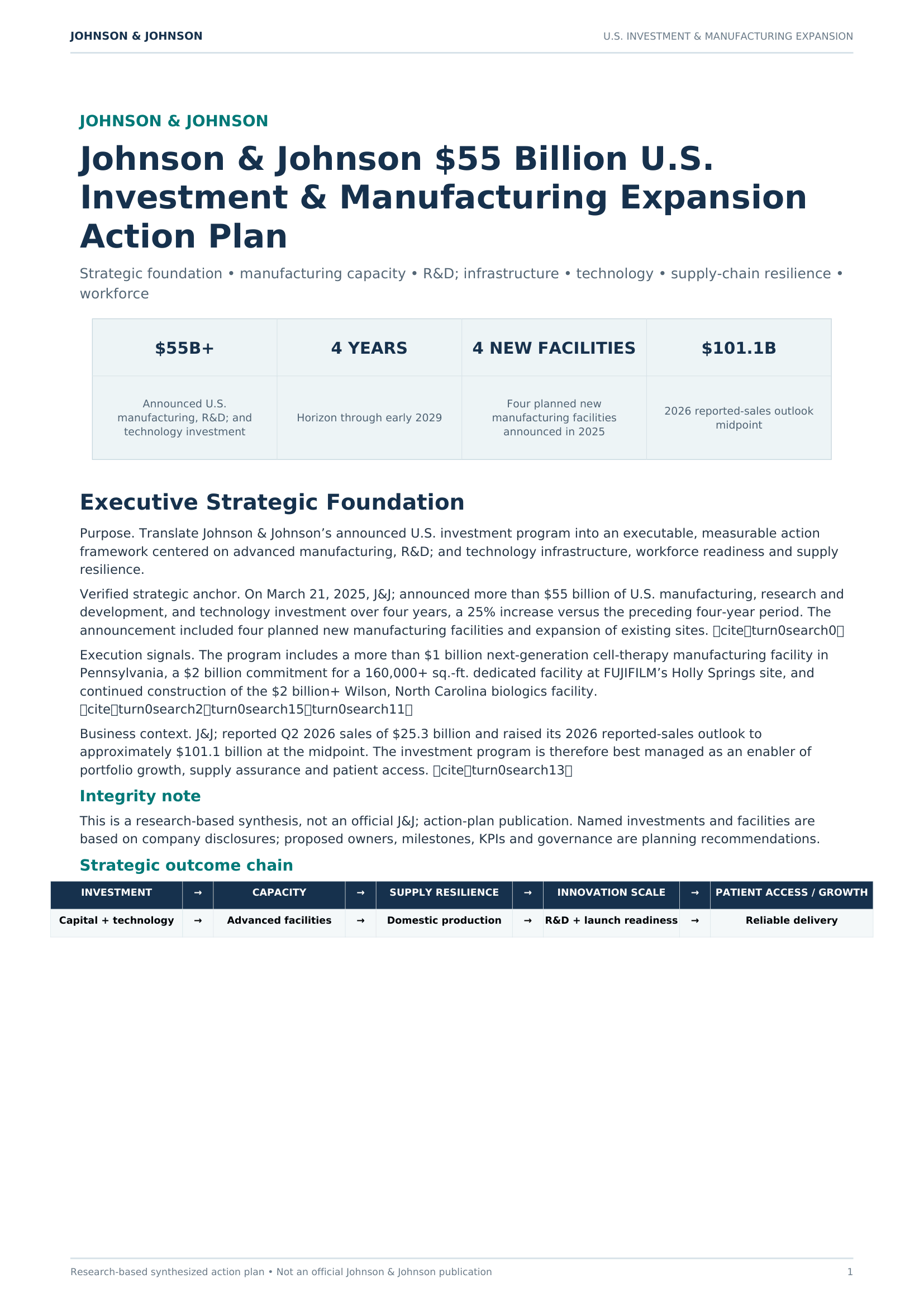
8. ACTION
→
IMPACT CHAIN
Manufacturing investment
Modern equipment + expanded work centers
→
more productive capacity
→
higher engine/component output.
Workforce expansion
Recruitment + qualification
→
skilled labor availability
→
stable production ramp.
Supplier FLIGHT DECK
Shop-floor intervention + Kaizen
→
fewer bottlenecks
→
better material flow and delivery reliability.
CPP vertical integration
Critical casting/airfoil capacity + technology integration
→
greater control of constrained components
→
improved supply resilience.
Durability programs
Certified parts/engineering improvements
→
longer time-on-wing
→
lower maintenance pressure and greater fleet availability.
Lean operating system
Standard work + visual management + continuous improvement
→
shorter process time and lower operating waste.
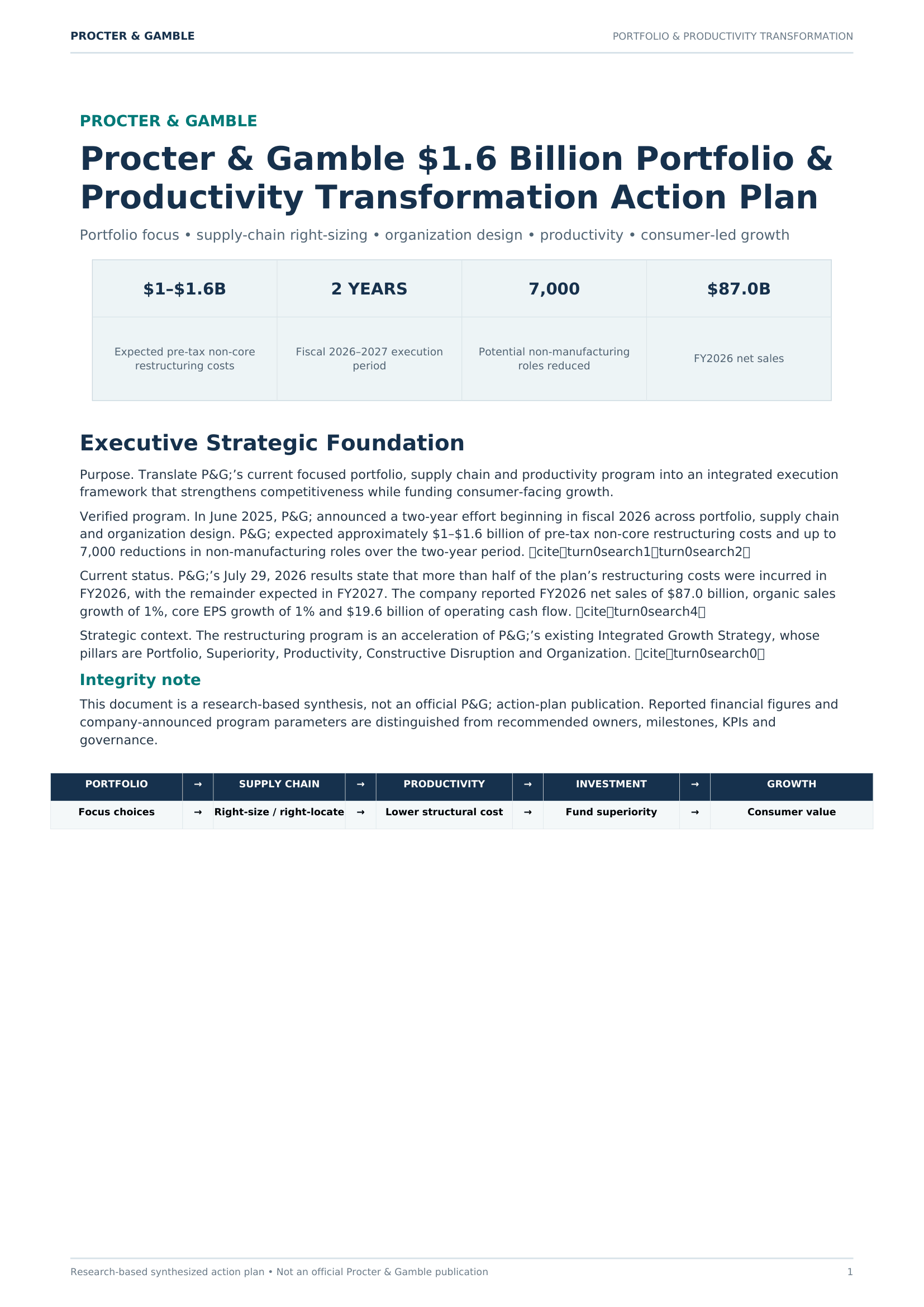
9. MANAGEMENT CADENCE
Daily/weekly:
safety, quality, shortages, bottlenecks and production exceptions.
Monthly:
capital deployment, hiring/qualification, supplier
recovery, MRO throughput and FLIGHT DECK improvements.
Quarterly:
executive capacity and capital review, including demand outlook,
project returns and supplier health.
Post-close:
if CPP closes, integration milestones and customer/quality continuity receive dedicated
governance.
Research-based synthesized Action Plan • Not an official GE Aerospace publication
Page 6
10. Research Basis & Executive Conclusion
This document synthesizes current GE Aerospace public disclosures available through September 12, 2026. It deliberately distinguishes
announced corporate actions from recommended execution mechanisms and treats the CPP acquisition as pending rather than completed.
Primary evidence reflected in this framework
• GE Aerospace announced another $1 billion investment in U.S. manufacturing in 2026, covering more than 30 communities across 17 states
and supporting a planned 5,000 U.S. hires.
• GE Aerospace reported 31% growth in total engine deliveries in the first half of 2026, alongside continued work to address supply-chain and
maintenance constraints.
• GE Aerospace has used FLIGHT DECK as its lean operating model and has extended the approach through collaboration with priority
suppliers.
• GE Aerospace announced on September 8, 2026 an agreement to acquire Consolidated Precision Products for approximately $11.75 billion,
subject to customary closing conditions and regulatory approvals.
• CPP is a supplier of highly engineered structural castings and airfoils, making the transaction strategically relevant to GE Aerospace's
mission-critical component supply chain.
• GE Aerospace has reported record internal shop-visit output and certified durability improvements for LEAP-family engines, supporting the
broader capacity and availability agenda.
SOURCE BASIS
Primary sources: GE Aerospace Investor Relations and newsroom releases on 2026 manufacturing investment, second-quarter 2026 results, FLIGHT DECK operating
initiatives, engine durability and the CPP acquisition; GE Aerospace operating and supplier-transformation materials. Secondary sources are used only for context and are
subordinate to company disclosures.
FINAL EXECUTIVE TAKEAWAY
GE Aerospace's latest manufacturing roadmap is best understood as a
capacity-and-control flywheel
: invest in factories and skilled people,
stabilize suppliers at the source, institutionalize FLIGHT DECK operating discipline, increase engine durability and MRO throughput,
and—subject to closing—bring critical casting and airfoil capabilities closer inside the enterprise. The intended outcome is not capacity growth
for its own sake, but a more resilient production system capable of converting demand into reliable engine deliveries while maintaining
aviation-quality and safety standards.
Research-based synthesized Action Plan • Not an official GE Aerospace publication • Prepared September 2026