

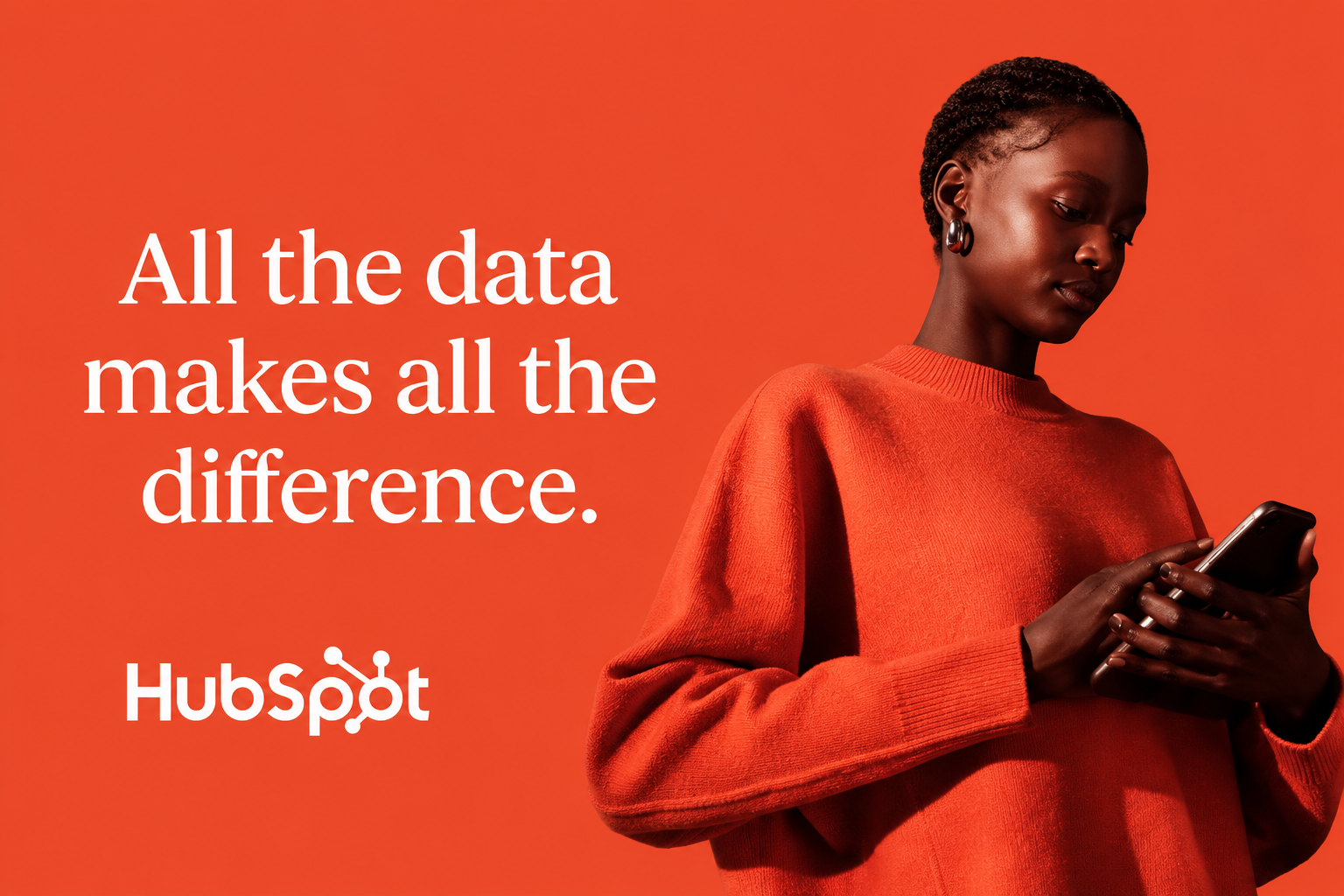
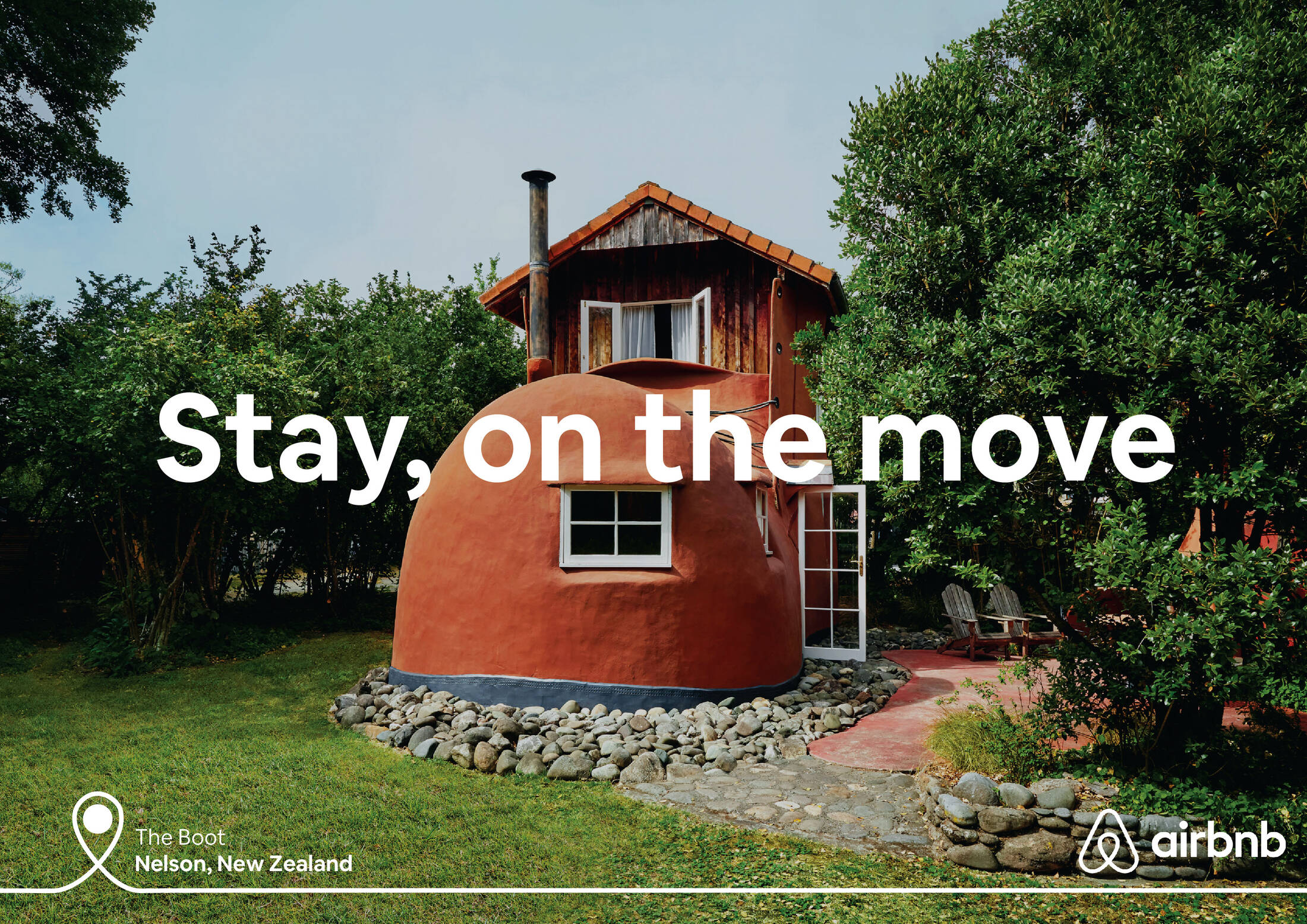
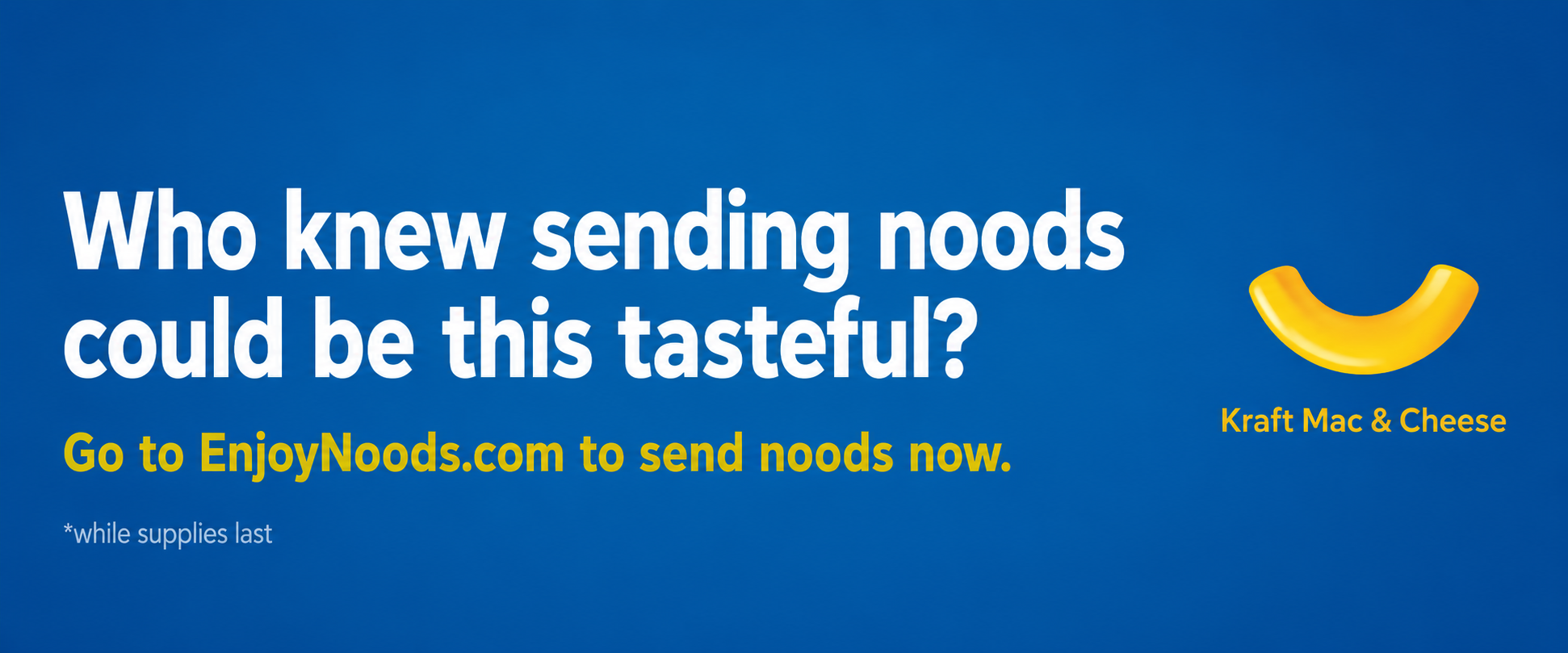
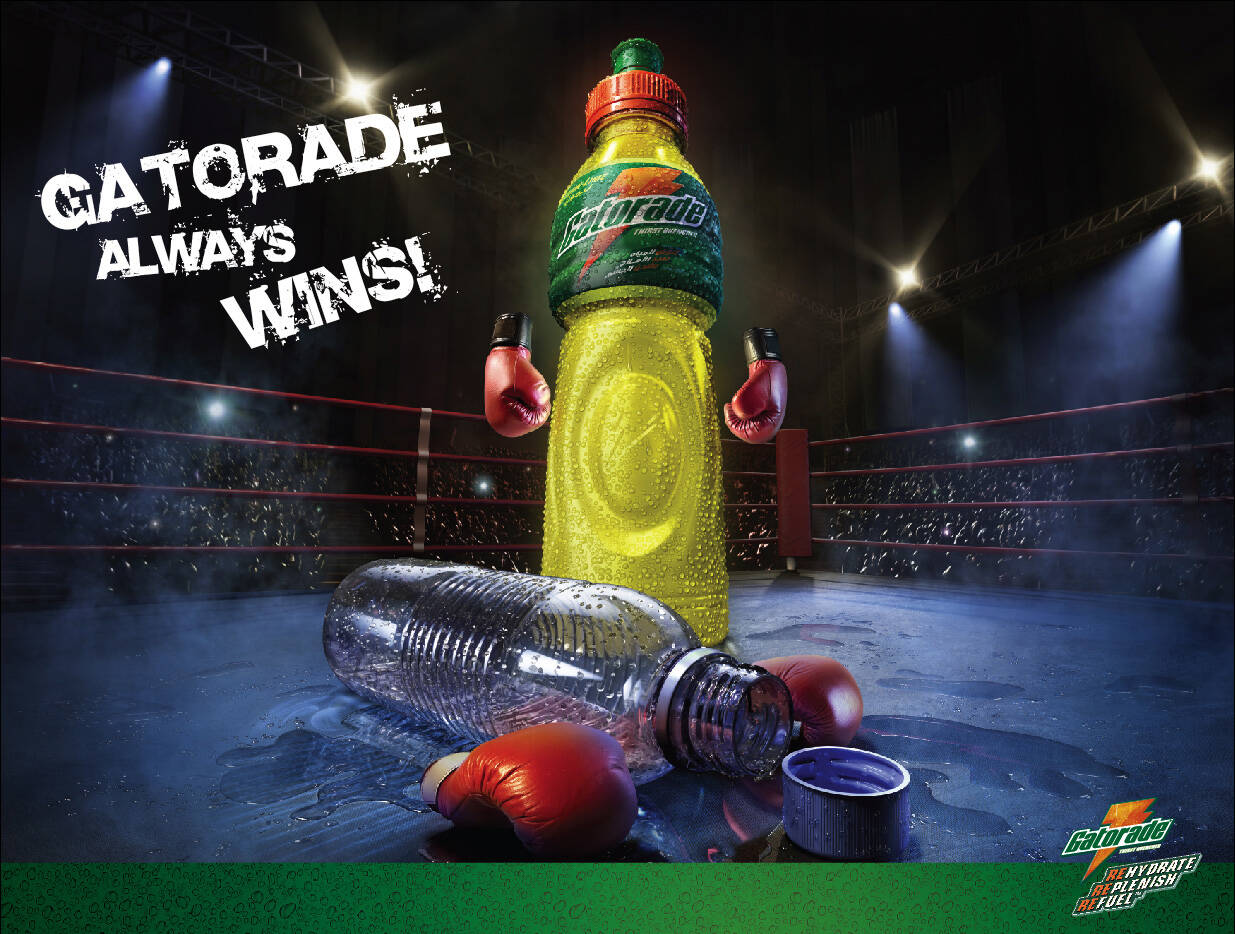
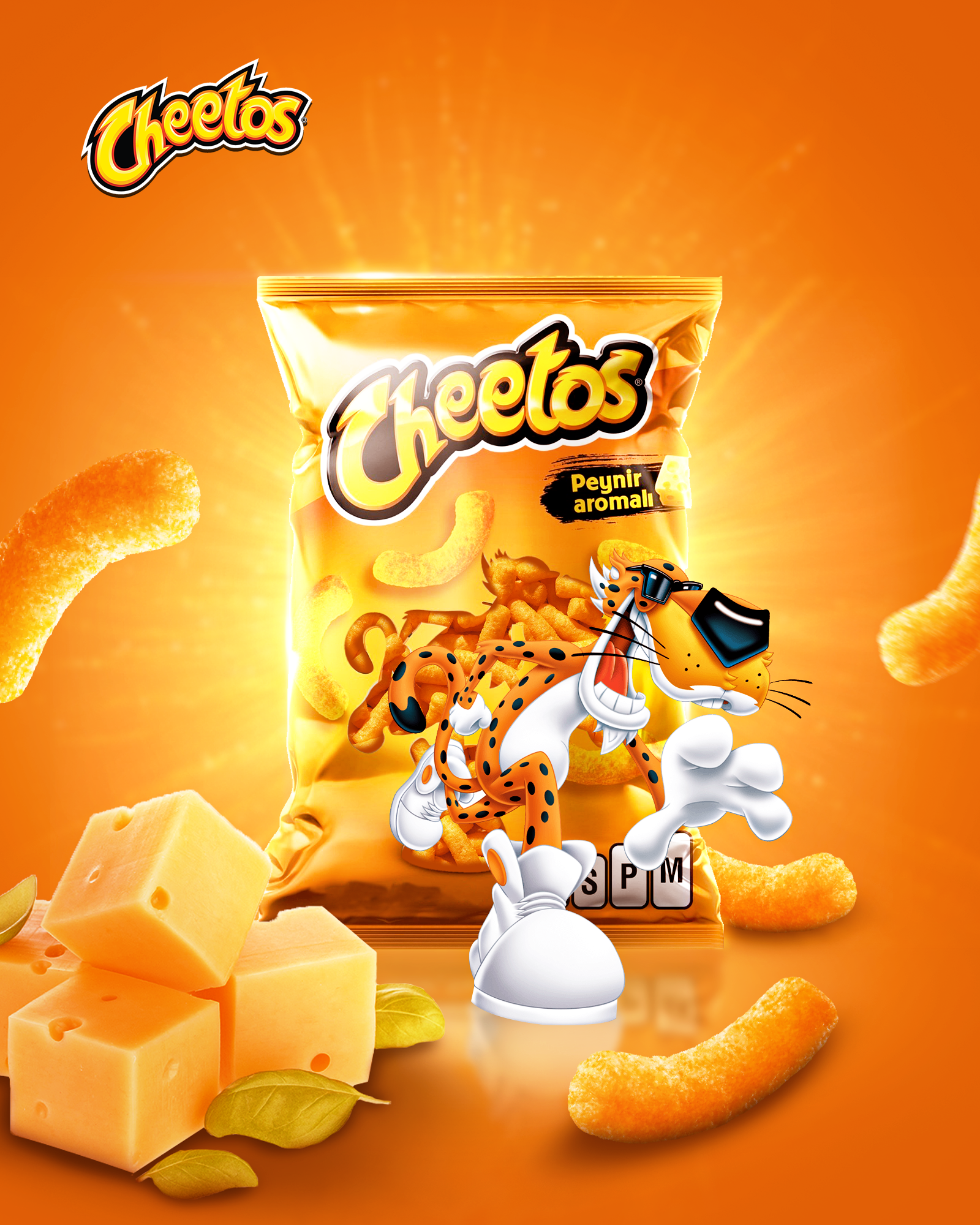
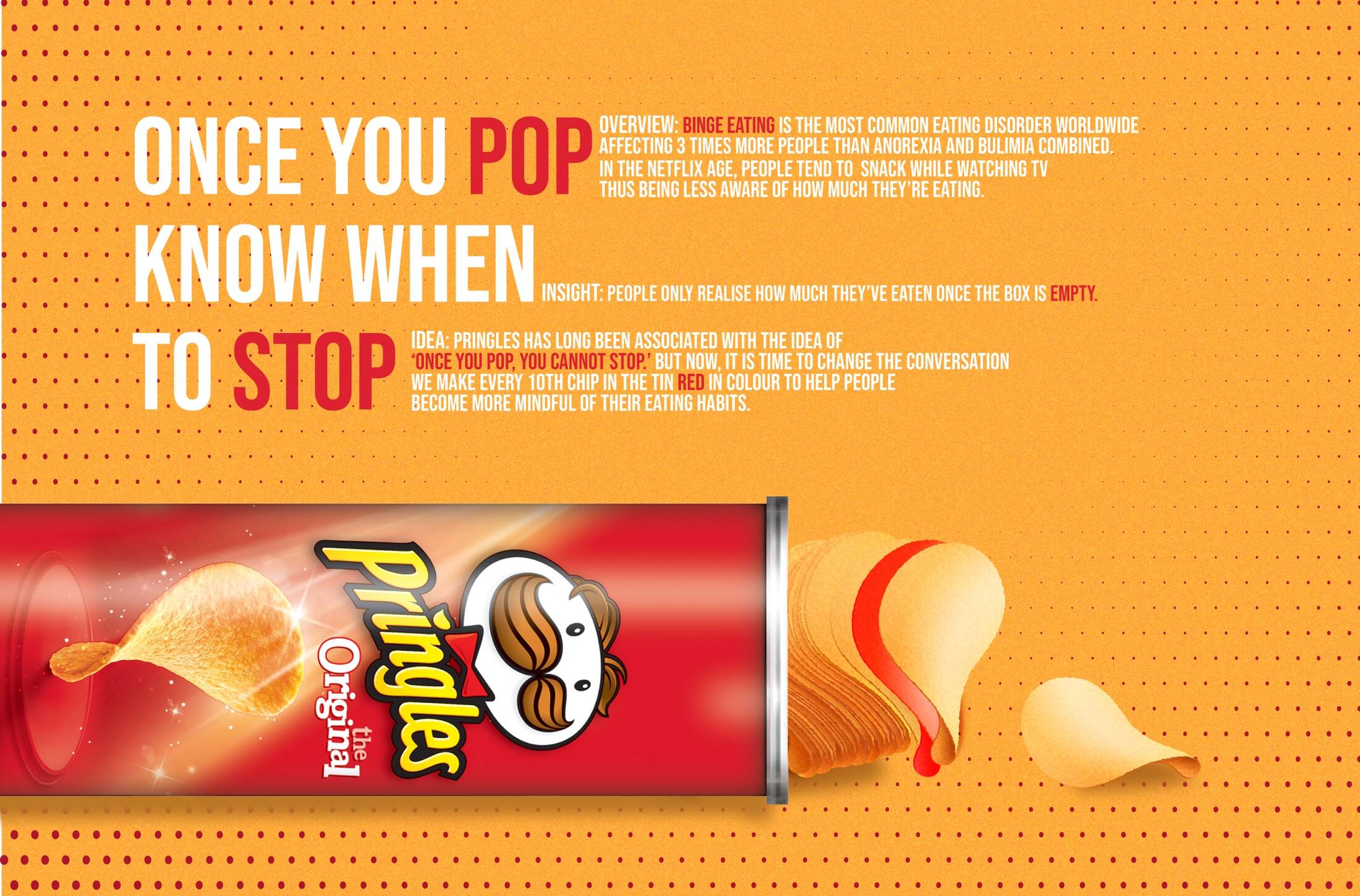

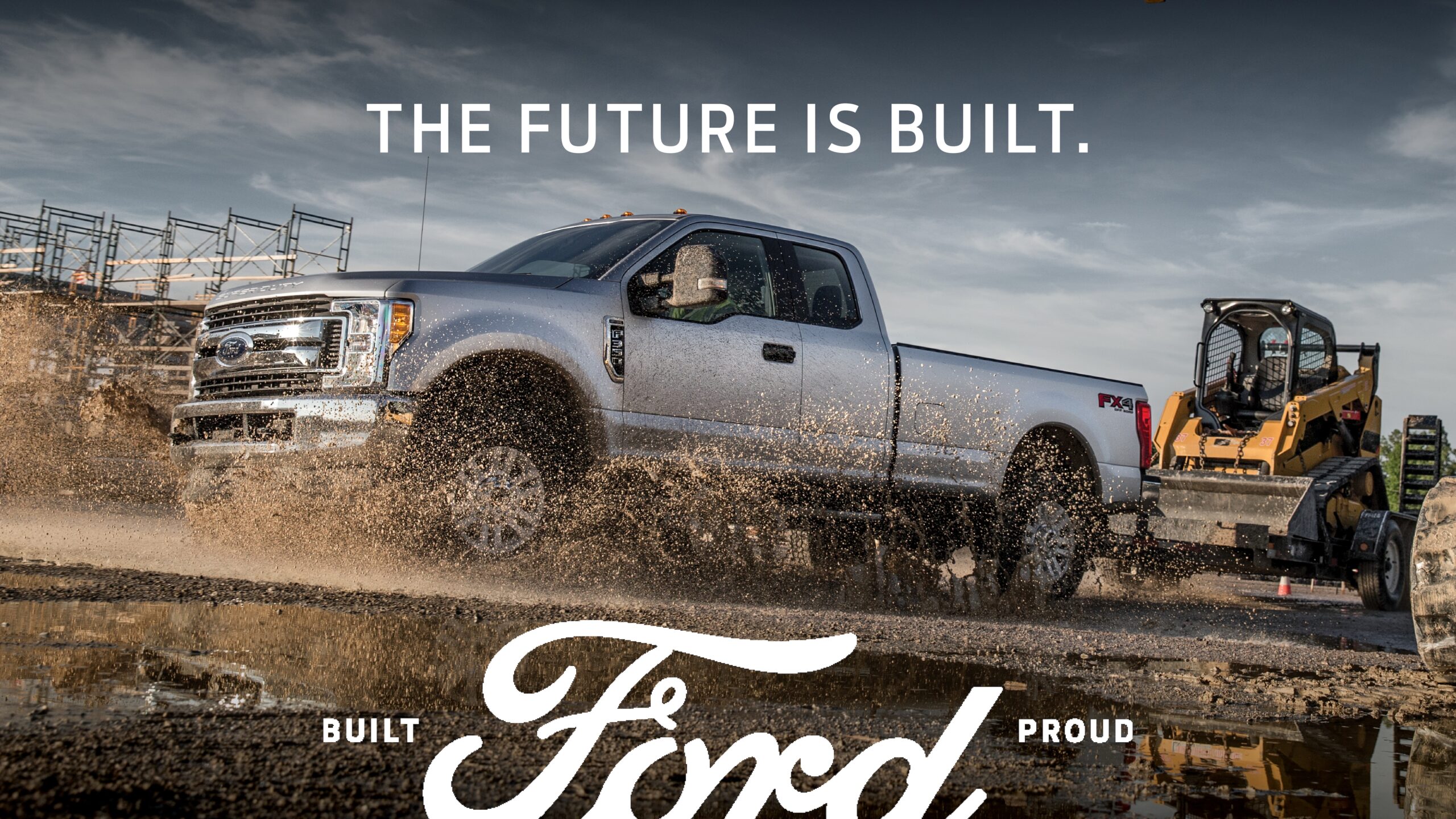
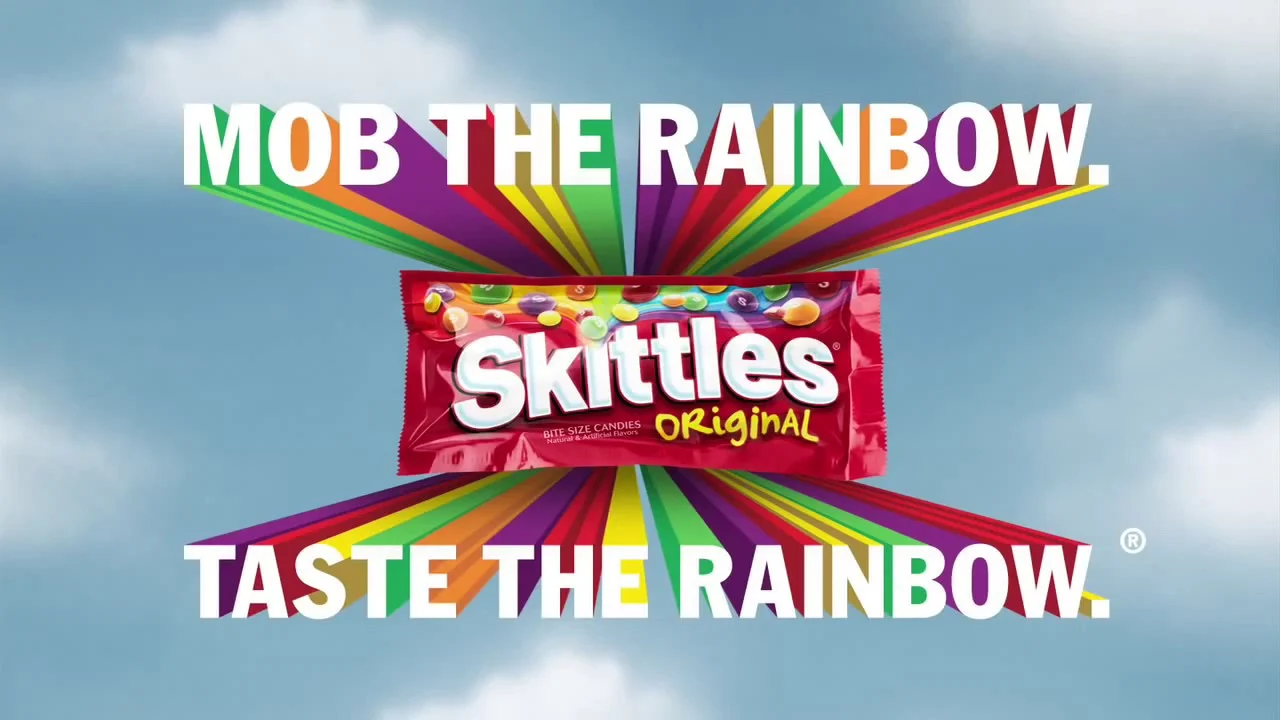
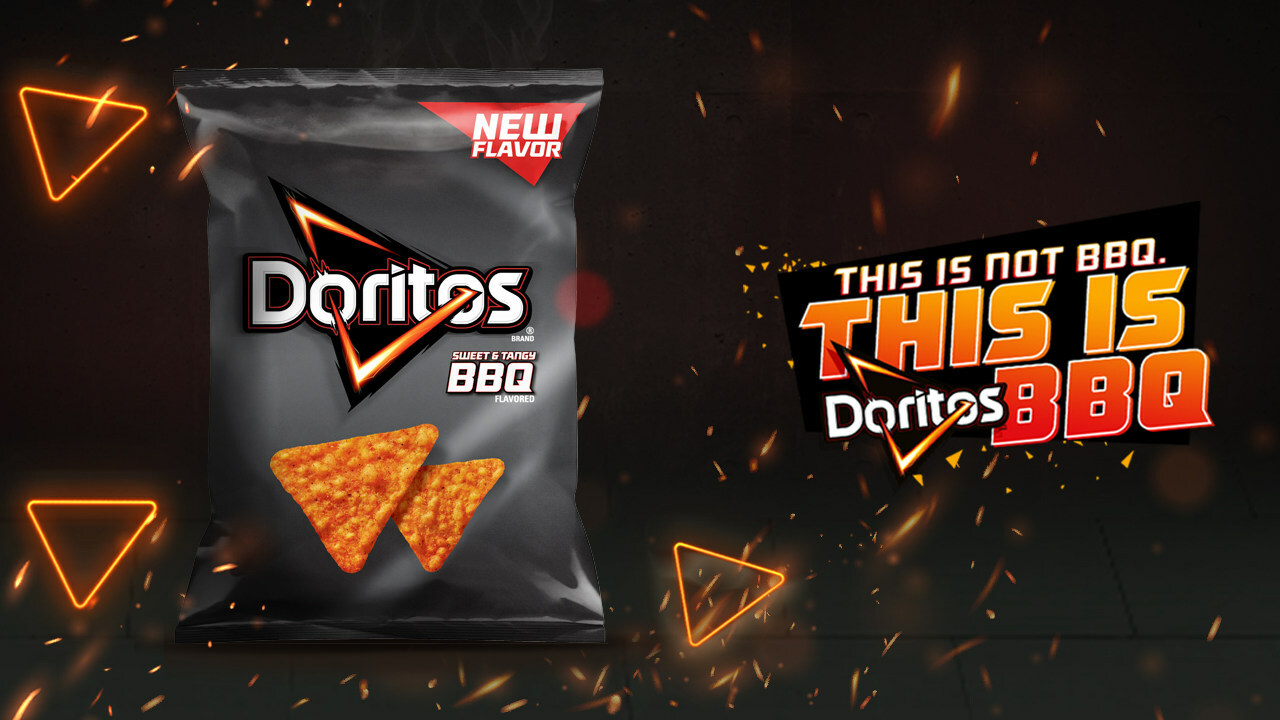
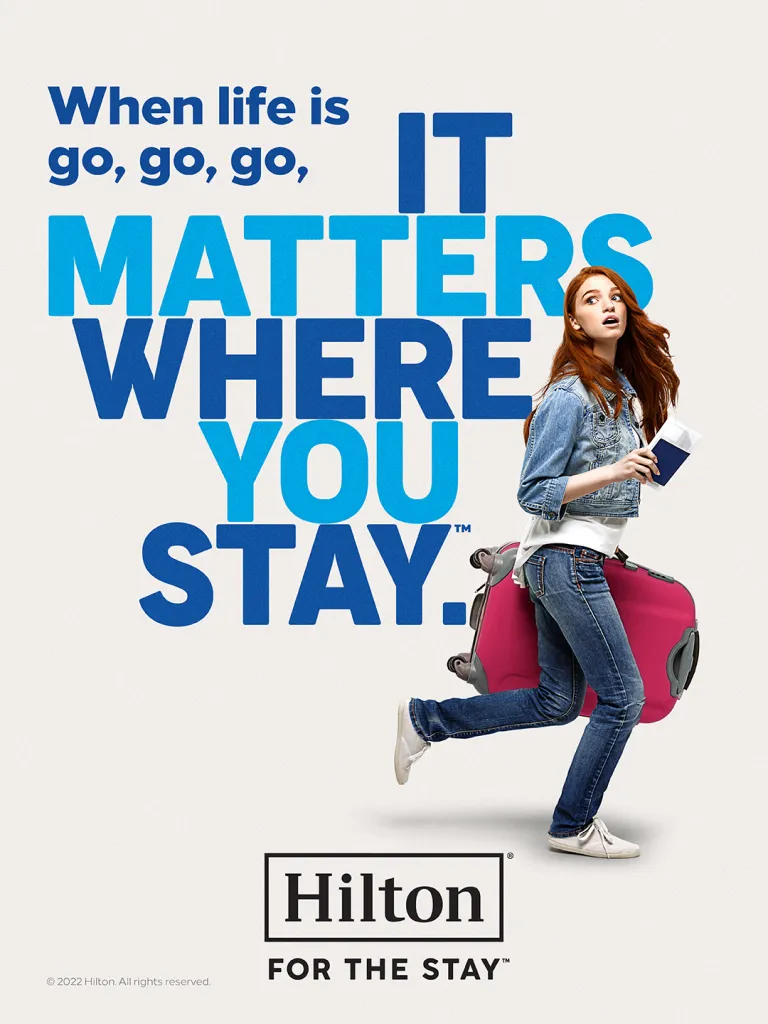
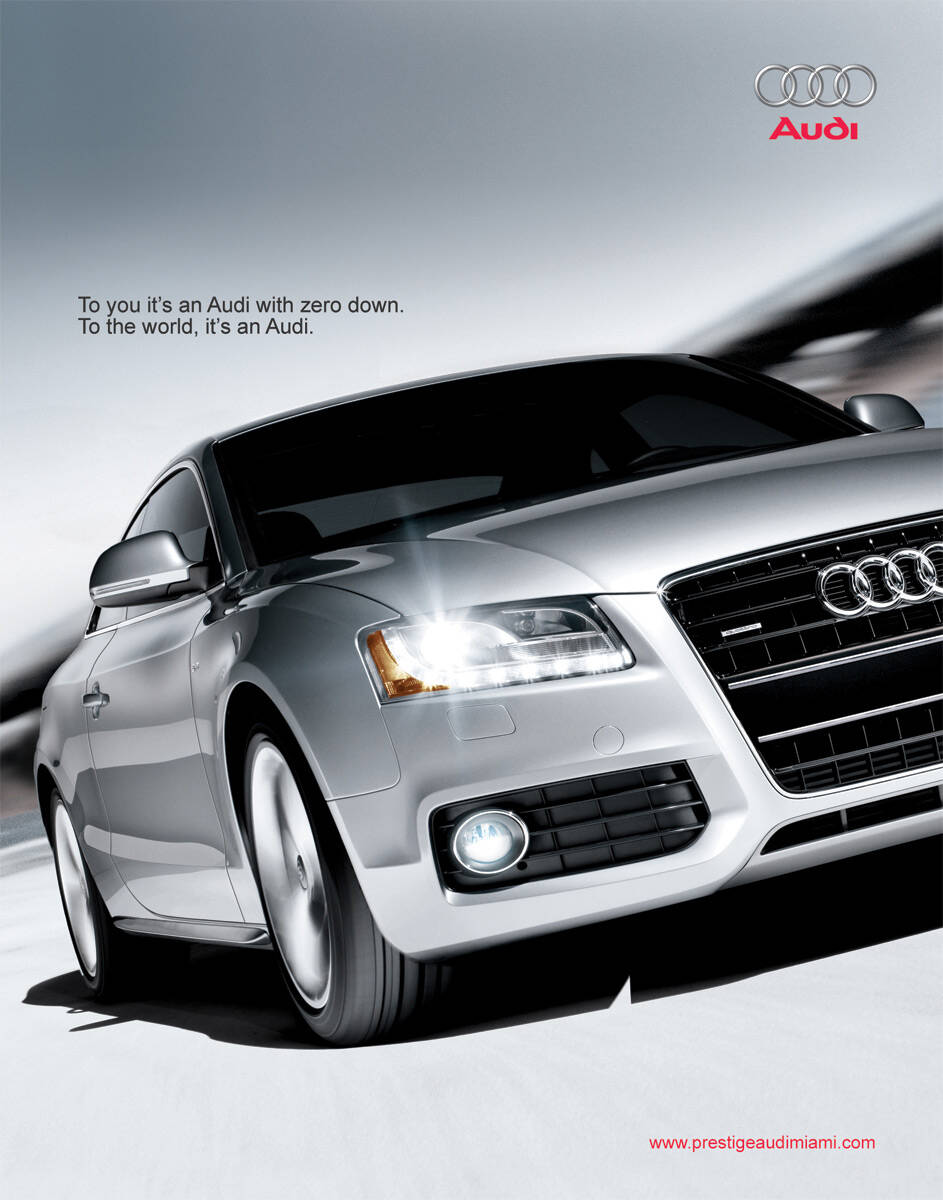

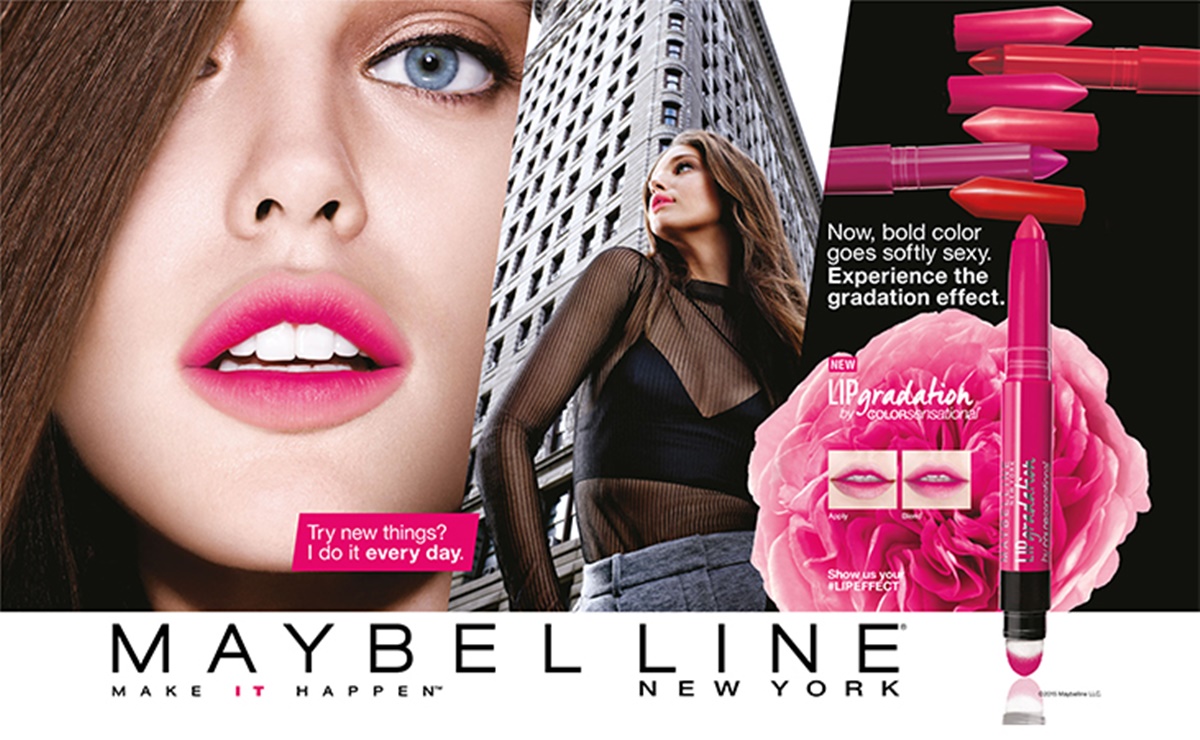
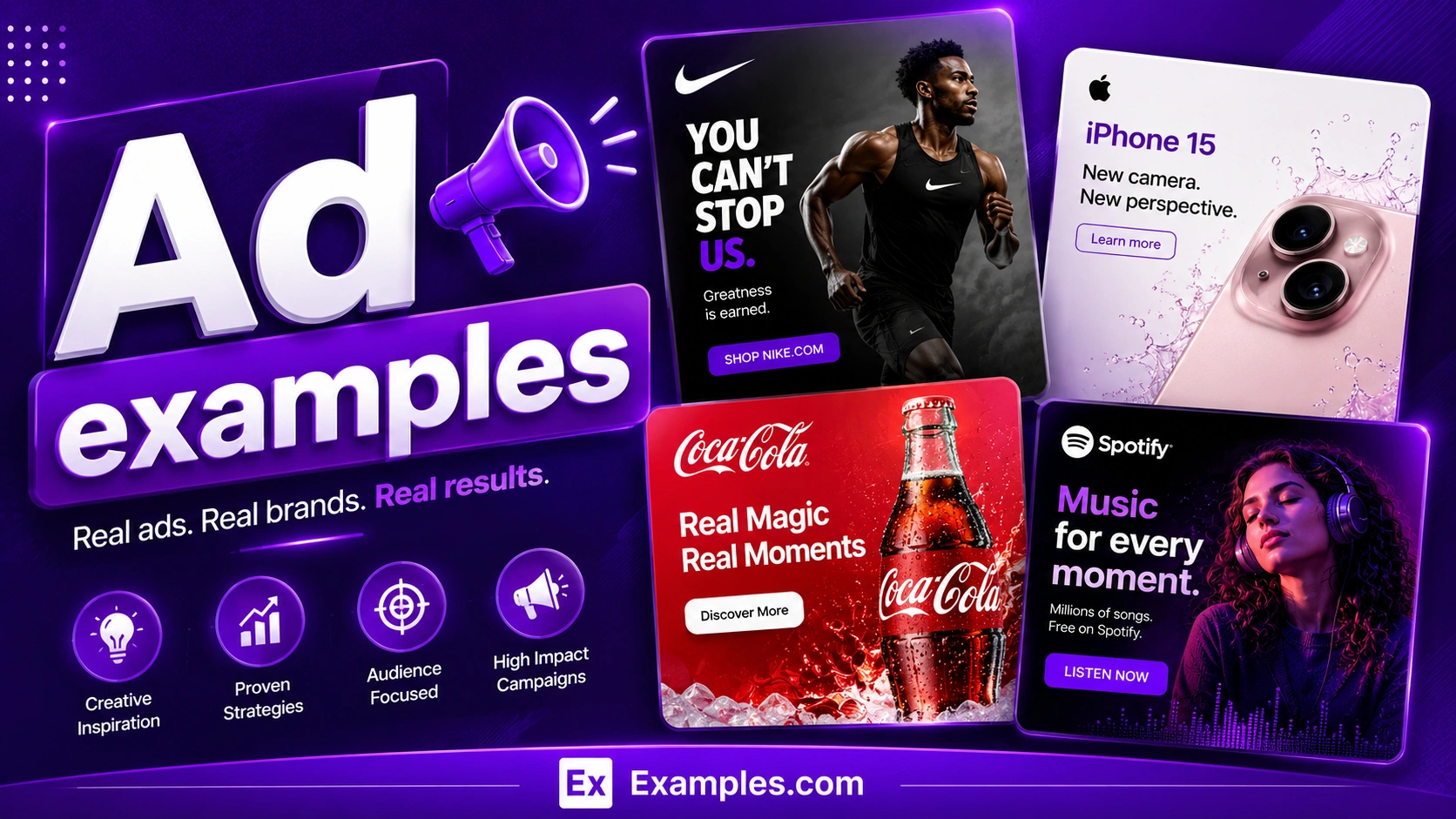
Ads examples help businesses create attention-grabbing marketing campaigns that increase brand awareness, engagement, and sales. The best advertisement examples use clear messaging, strong visuals, and persuasive calls to action to attract customers quickly. From social media ads to banner and video advertisements, modern ads examples help brands discover creative ideas, improve promotions, and design high-converting campaigns for different industries and platforms. Advertising examples are also categorized by their medium and objective, ranging from clever visual concepts to viral social media campaigns.
What Is An Advertisement?
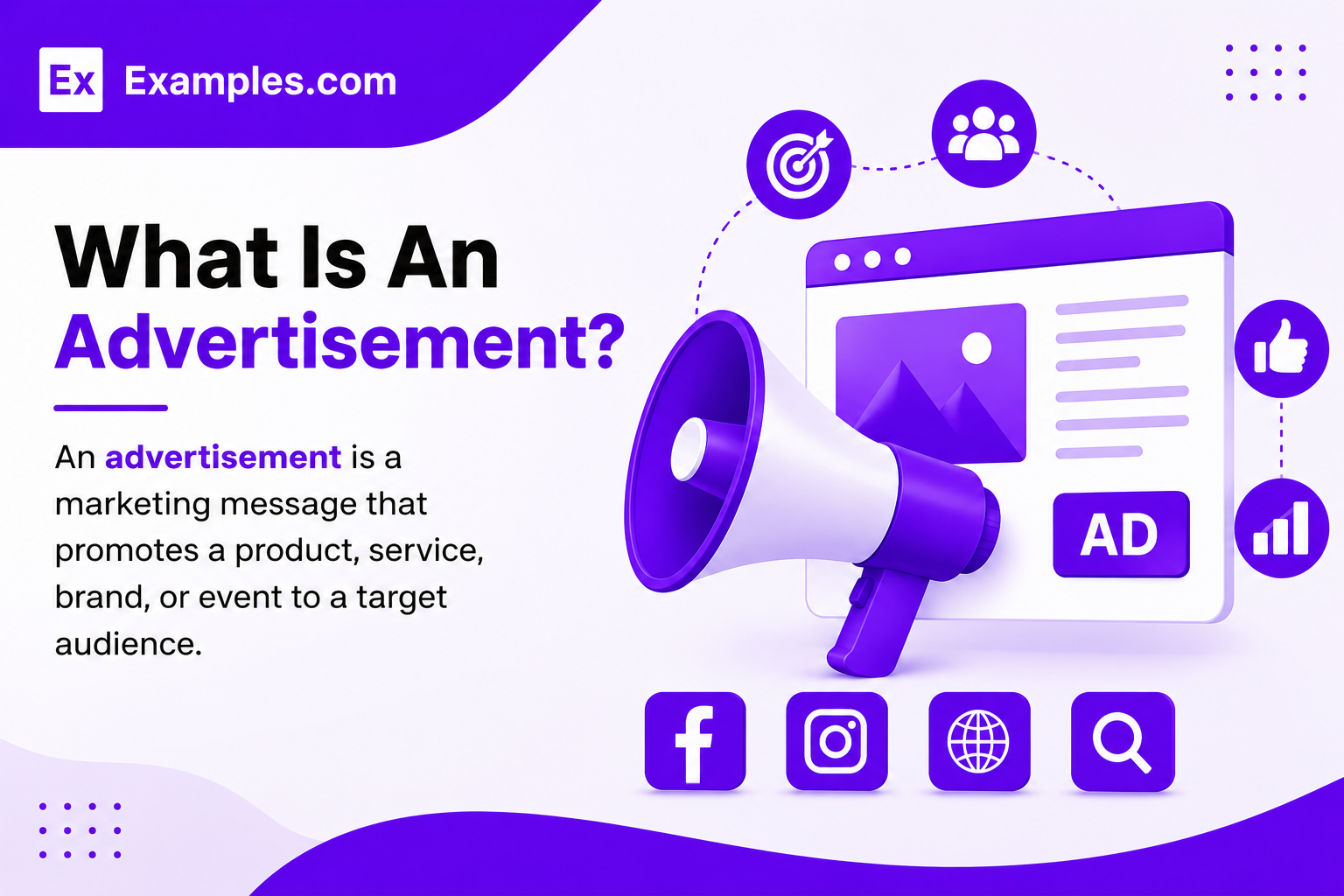
An advertisement is a marketing message designed to promote a product, service, brand, or event to a target audience. Businesses use advertisements to attract attention, increase sales, build brand awareness, and encourage customer action through social media, websites, search engines, print media, television, and mobile apps.
Popular Types Of Ads
Digital Ads
Digital ads are online advertisements displayed on websites, apps, search engines, and social media platforms. Personalized campaigns like Spotify Wrapped and short-form stop-scroll content help brands improve engagement and shares.
Print Ads
Print ads are advertisements published in newspapers, magazines, brochures, and flyers. Famous campaigns like Volkswagen’s “Think Small” used minimal design and simple messaging to create lasting impact.
Video Ads
Video ads use promotional video content on YouTube, streaming services, and social media. Short-form videos with fast transitions and strong visuals improve audience attention and engagement.
Outdoor Ads
Outdoor ads include billboards, posters, and transit advertisements displayed in public locations.
Audio Ads
Audio ads promote products through podcasts, radio stations, and music platforms.
Broadcast Ads
Broadcast ads are television and radio advertisements designed for mass audiences.
How Do I Generate Ads Using Real Ad Examples?
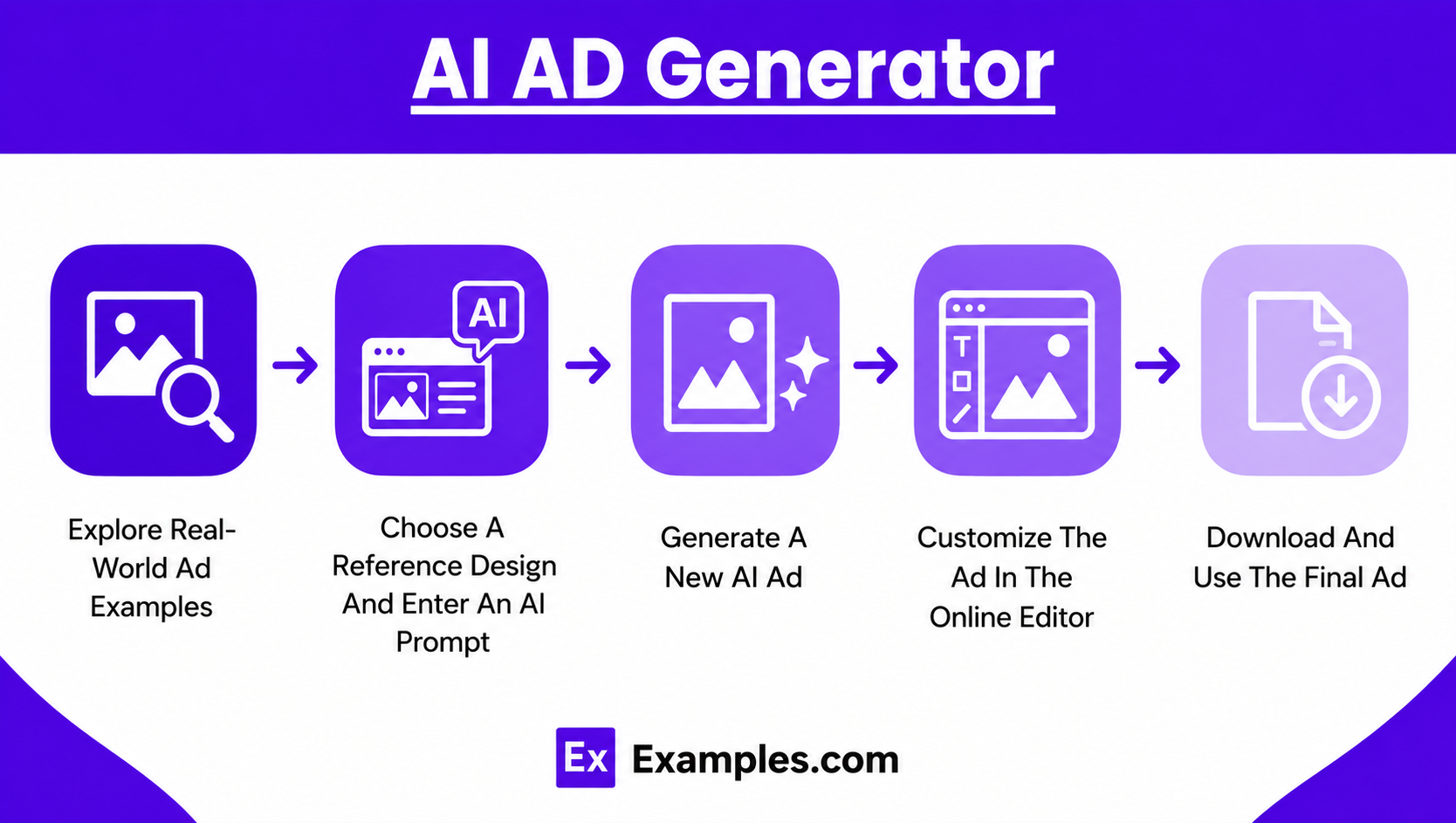
Explore Real-World Ad Examples
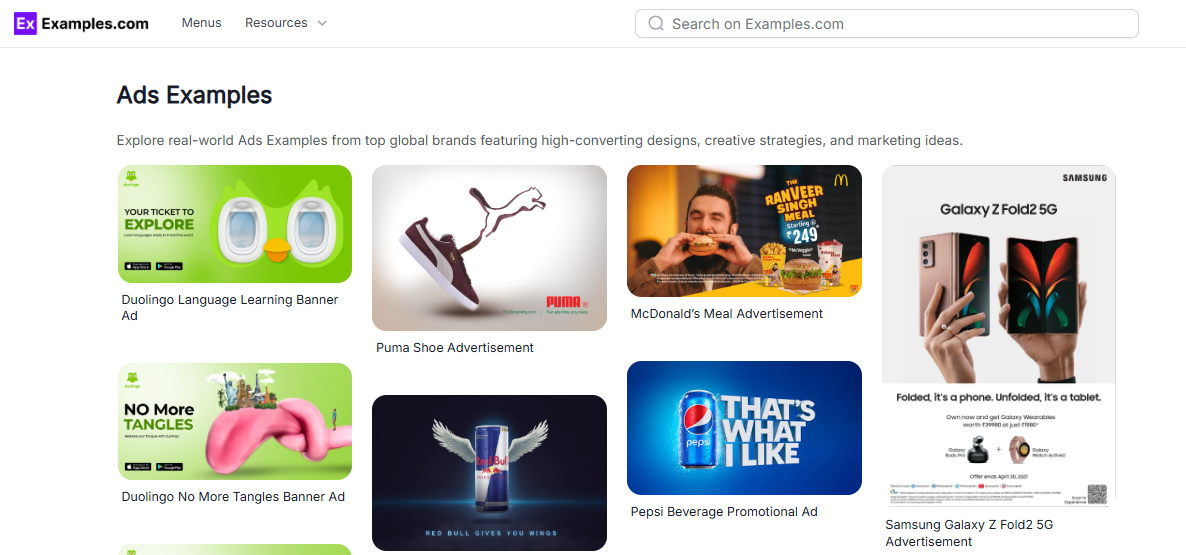
Browse ad examples to discover layouts, typography styles, branding ideas, and promotional inspiration. Studying successful campaigns also helps businesses understand how top brands use storytelling and engagement in advertising.
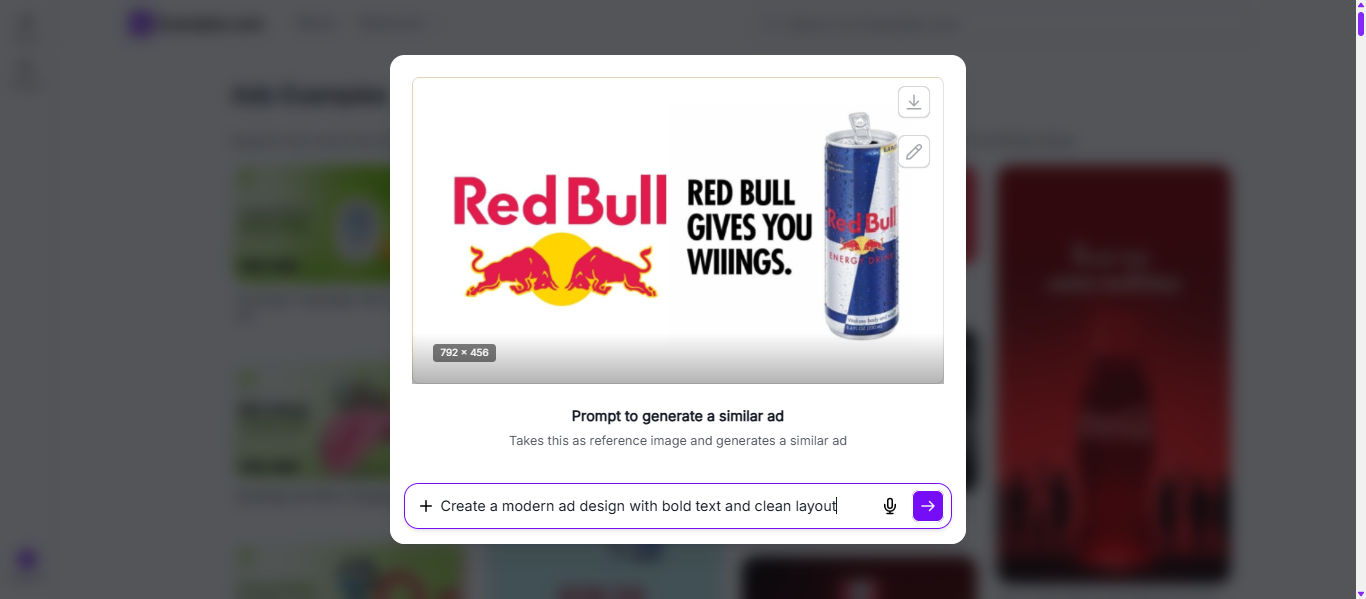
Choose A Reference Design And Enter An AI Prompt
Select a reference design and enter a prompt describing colors, products, branding, layouts, and campaign goals.
Generate A New AI Ad
The AI creates a unique advertisement inspired by the selected design and prompt.
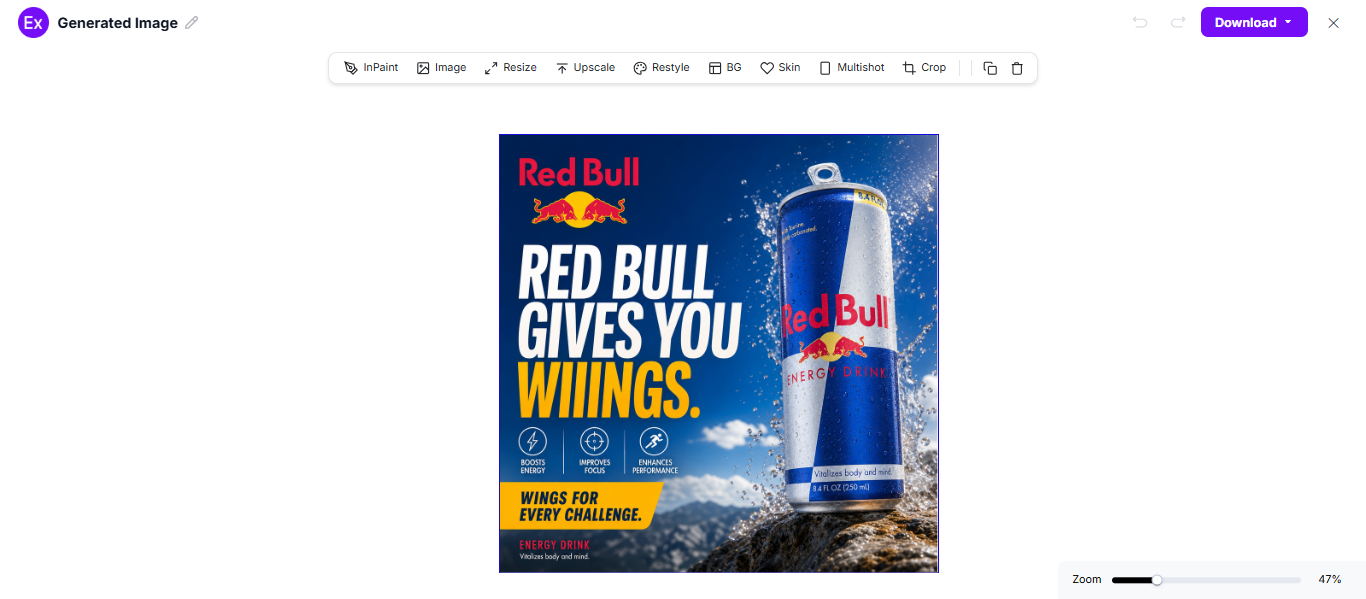
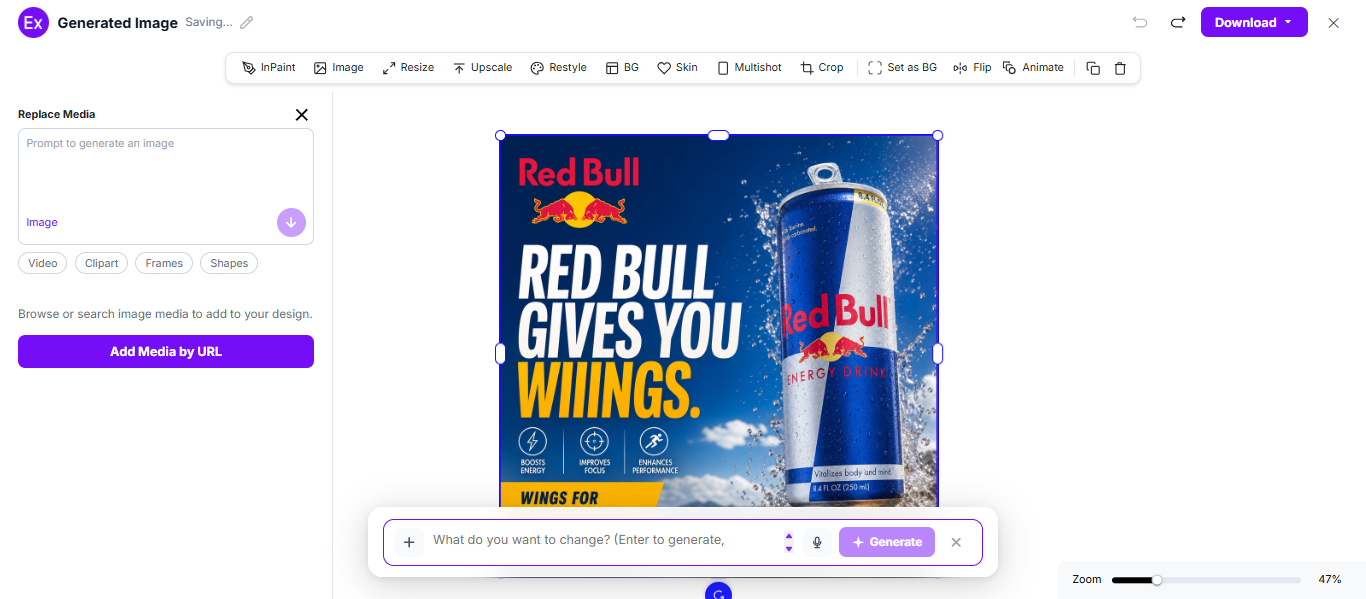
Customize The Ad In The Online Editor
Edit visuals, upload logos, update text, adjust layouts, and personalize advertisements.
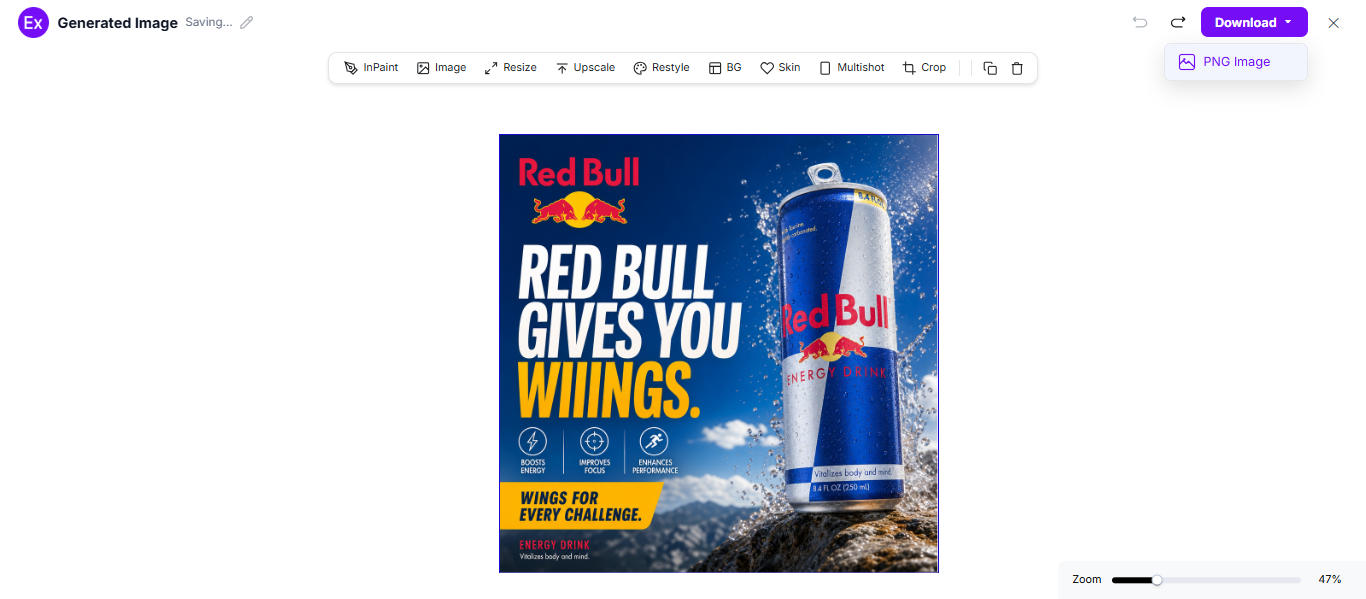
Download And Use The Final Ad
Download the final advertisement for social media, websites, campaigns, and promotions.
How Do I Customize Ad Designs Online?
Online ad editors help businesses create professional advertisements quickly without advanced design skills. Users can personalize layouts, edit text, upload logos, change colors, and optimize advertisements for digital and print platforms.
AI Ad Editing Features
AI Text Generation
Create ad headlines, slogans, and promotional messages automatically.
Smart Background Editing
Replace or customize advertisement backgrounds instantly.
Resize Tools
Resize ads for social media, websites, and mobile campaigns.
AI Image Enhancement
Improve image quality and visual appeal.
Brand Asset Uploads
Add logos, product photos, and brand graphics.
Instant Download Options
Export advertisements in high-quality formats.
Which Standard Ad Sizes And Formats Can I Use?
| Ad Format | Standard Size |
|---|---|
| Leaderboard Ad | 728 × 90 px |
| Billboard Ad | 970 × 250 px |
| Medium Rectangle Ad | 300 × 250 px |
| Half Page Ad | 300 × 600 px |
| Mobile Banner Ad | 320 × 50 px |
| Facebook Feed Ad | 1080 × 1080 px |
| Instagram Story Ad | 1080 × 1920 px |
| YouTube Video Ad | 1920 × 1080 px |
| Pinterest Ad | 1000 × 1500 px |
Which Essential Elements Should I Include In Every Ad?
- Attention-Grabbing Headline – Strong headlines capture audience attention quickly.
- Strong Visuals – High-quality visuals improve engagement and advertisement appeal.
- Brand Identity – Logos, colors, and typography improve brand recognition.
- Clear Call-To-Action – Action-focused text encourages clicks and conversions.
- Concise Ad Copy – Short messaging improves readability and marketing performance.
- Target Audience Focus – Advertisements should match customer interests and campaign goals.
- Balanced Layout Design – Organized layouts improve readability and user experience.
- Mobile-Friendly Formatting – Optimized designs perform better on smartphones and tablets.
Which Ad Sizes Perform Best?
| Ad Size | Format Type | Best For |
|---|---|---|
| 300 × 250 px | Medium Rectangle | Website display ads |
| 728 × 90 px | Leaderboard | Website header ads |
| 1080 × 1080 px | Square Social Ad | Facebook and Instagram |
| 1080 × 1920 px | Story Ad | Instagram Stories |
| 1920 × 1080 px | Video Ad | YouTube campaigns |
| 1000 × 1500 px | Pinterest Ad | Pinterest promotions |
How Do I Design A Better Advertisement?
- Use A Clear Headline – Communicate the main message quickly.
- Keep The Design Simple – Clean layouts improve readability.
- Choose High-Quality Visuals – Professional visuals improve trust.
- Add A Strong Call-ToAction – Encourage customer interaction.
- Use Brand Colors Consistently – Maintain visual identity.
- Optimize For Mobile Devices – Improve mobile visibility and engagement.
- Use Readable Fonts – Clear typography improves user experience.
- Test Different Ad Variations – A/B testing improves campaign performance. Brands like Wendy’s have successfully used conversational humor and social media engagement to make campaigns more memorable.
Why Should I Use Real Ads Examples To Create My Own Advertisements?
- Learn from successful advertising strategies used by top brands and companies.
- Explore professional layouts, messaging styles, and promotional ideas.
- Generate advertisements faster with AI-powered tools.
- Avoid creating campaigns from scratch with ready-to-use inspiration.
- Discover social media ads, banner ads, display ads, and video campaigns.
- Customize headlines, visuals, offers, CTAs, and branding easily.
- Understand how modern businesses create engaging advertisements.
- Campaigns like McDonald’s “McMobile” advertisement creatively combine digital experiences with real-world visuals.
- Cause-driven campaigns like Patagonia’s “Don’t Buy This Jacket” demonstrate how brands build loyalty through authentic storytelling.
- Updated regularly with trending advertisement examples.
What Common Ad Design Mistakes Should I Avoid?
- Using Too Much Text – Excessive text reduces readability.
- Poor Image Quality – Low-resolution visuals reduce professionalism.
- Weak Call-To-Action – Missing CTAs lower conversions.
- Cluttered Layouts – Crowded designs confuse audiences.
- Ignoring Brand Consistency – Inconsistent branding weakens recognition.
- Using Hard-To-Read Fonts – Complex typography affects readability.
- Poor Color Contrast – Low contrast reduces visibility.
- Not Optimizing For Mobile – Non-responsive ads perform poorly on smartphones.
How Can I Market My Product Using Ads?
Use Social Media Advertising
Promote products on Facebook, Instagram, TikTok, and LinkedIn.
Run Search Engine Ads
Use PPC campaigns to target users searching for related products.
Create Video Advertisements
Short videos improve audience engagement and product awareness.
Use Retargeting Campaigns
Retarget website visitors with personalized advertisements.
Promote Limited-Time Offers
Discounts and promotions encourage faster customer action.
Ad Ideas For Different Industries
- Retail Ads – Promote discounts, sales, and product launches.
- Real Estate Ads – Showcase property listings and virtual tours.
- Education Ads – Advertise courses, certifications, and admissions.
- Fitness Ads – Market gym memberships and workout plans.
- Technology Ads – Promote software, AI tools, and digital services.
- Automotive Ads – Advertise vehicles, services, and financing offers.
FAQs
What are ads examples used for?
Ads examples help businesses discover creative marketing ideas and improve advertising campaigns.
Why are advertisement examples important?
Advertisement examples provide inspiration for creating engaging campaigns.
Which platforms are best for online advertising?
Google, Facebook, Instagram, YouTube, LinkedIn, TikTok, and Pinterest are popular advertising platforms.
How do businesses create effective advertisements?
Businesses combine strong visuals, clear messaging, targeting, and CTAs strategically.
What makes an advertisement successful?
Successful advertisements capture attention, communicate value clearly, and encourage action.
Are AI-generated advertisements effective?
AI-generated advertisements help businesses create faster and improve campaign consistency.
What is the difference between digital ads and print ads?
Digital ads appear online, while print ads are used in newspapers and magazines.
How can small businesses benefit from advertisements?
Advertisements help small businesses increase visibility, attract customers, and improve sales.