
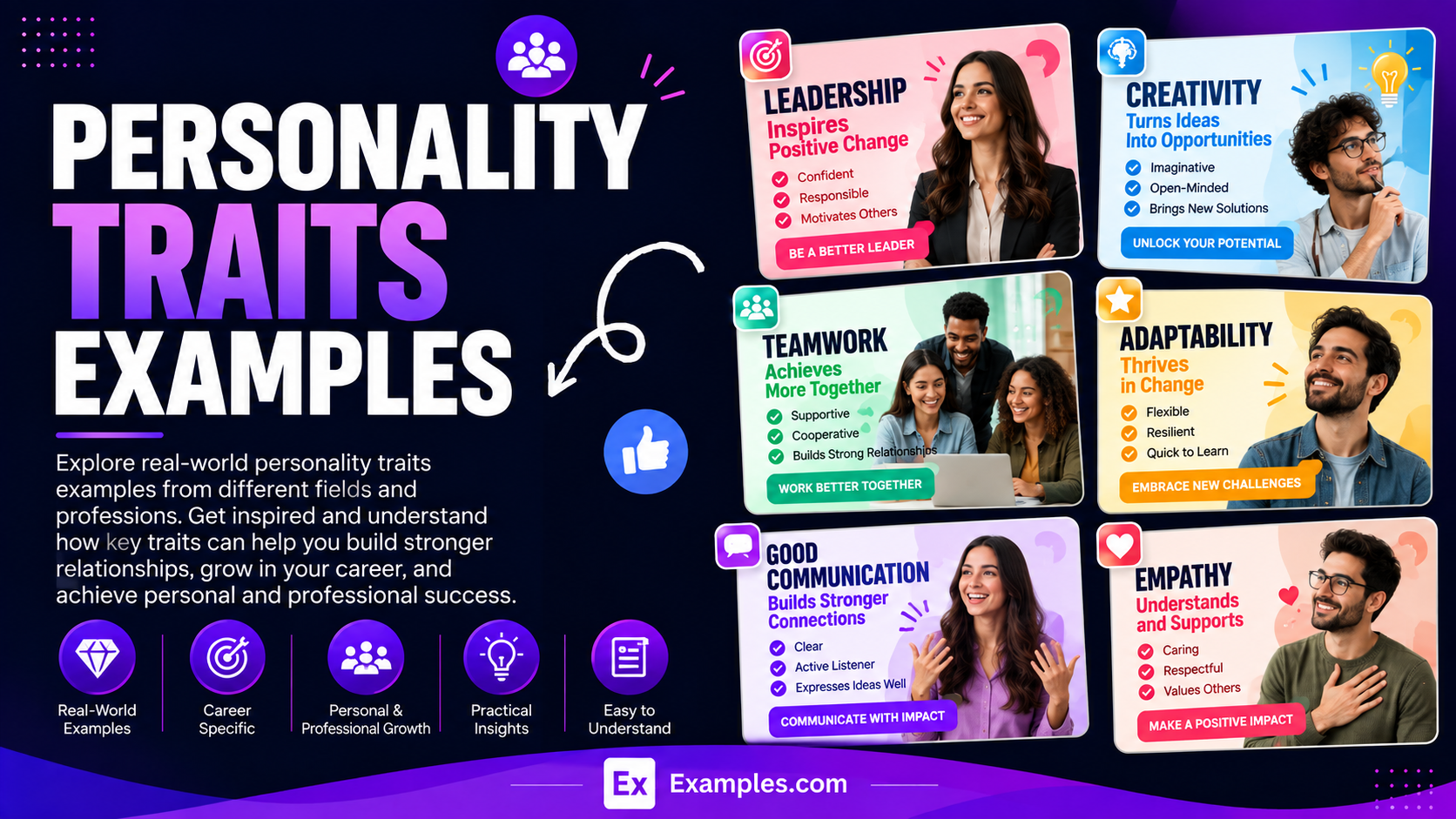
Personality traits are consistent characteristics that influence how people think, feel, behave, make decisions, and interact with others. Common personality traits examples include confidence, honesty, curiosity, patience, adaptability, creativity, empathy, resilience, responsibility, and enthusiasm. Understanding personality traits can help people describe themselves more accurately, recognize their strengths, and communicate their qualities in personal and professional settings.
What are Personality Traits?
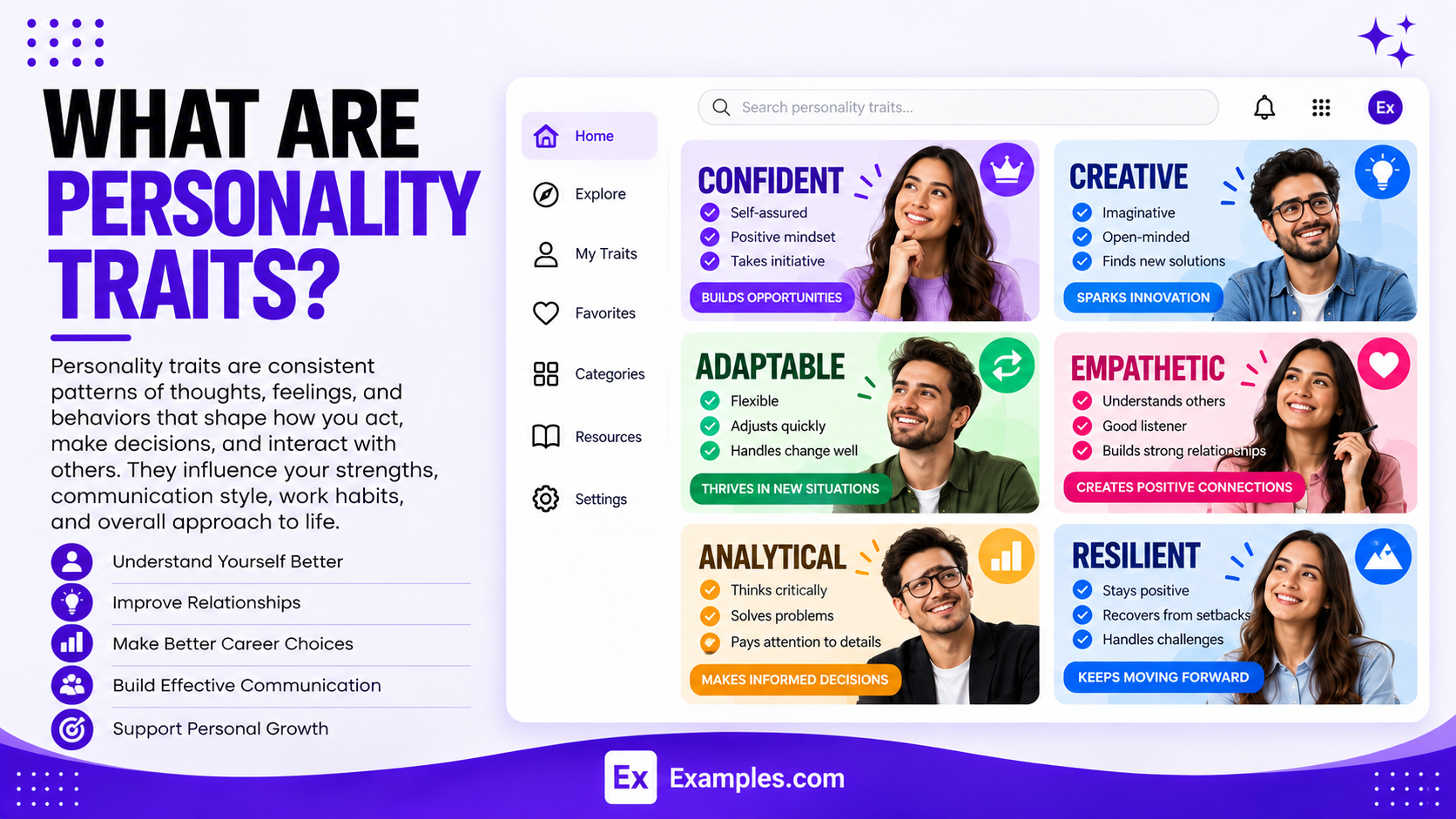
Personality traits are relatively consistent patterns of thoughts, feelings, and behaviors that help describe an individual’s personality. They can influence how someone responds to situations, interacts with other people, approaches responsibilities, and handles change.
Personality traits can help people:
- Understand their strengths and preferences.
- Describe their personal qualities.
- Improve self-awareness.
- Build stronger relationships.
- Identify suitable work environments.
- Communicate their strengths during interviews.
- Support personal and professional development.
Personality traits are not simply labels. People can show different traits at different levels and may adapt their behavior depending on the situation.
Popular Types Of Personality Traits
Personality traits can be grouped in many ways. One of the best-known psychological frameworks is the Big Five, which describes personality across openness, conscientiousness, extraversion, agreeableness, and neuroticism. Each dimension exists on a spectrum rather than as a simple either-or category.
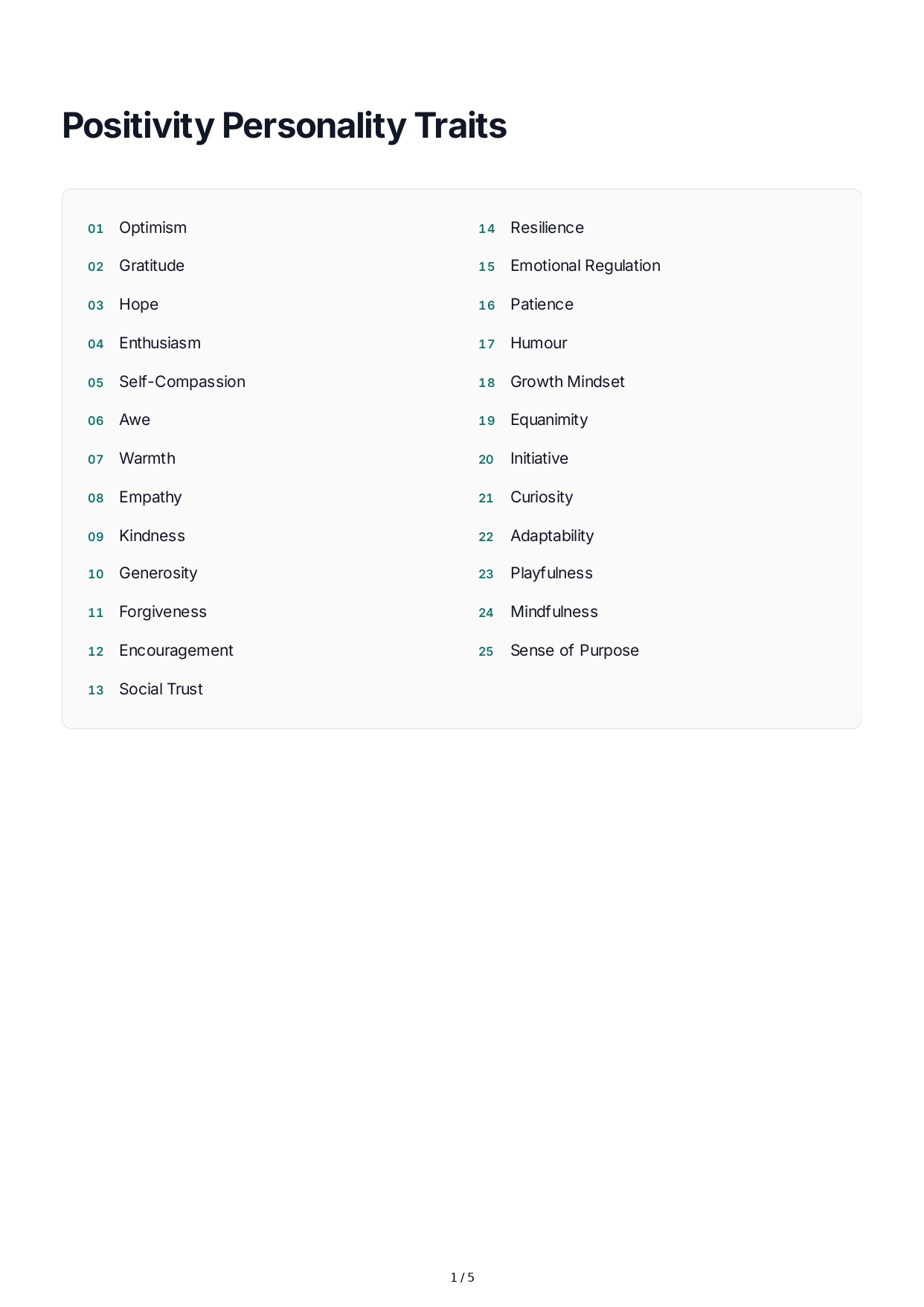
Positive Personality Traits
Positive personality traits generally describe qualities that can support healthy relationships, responsible behavior, and productive work.
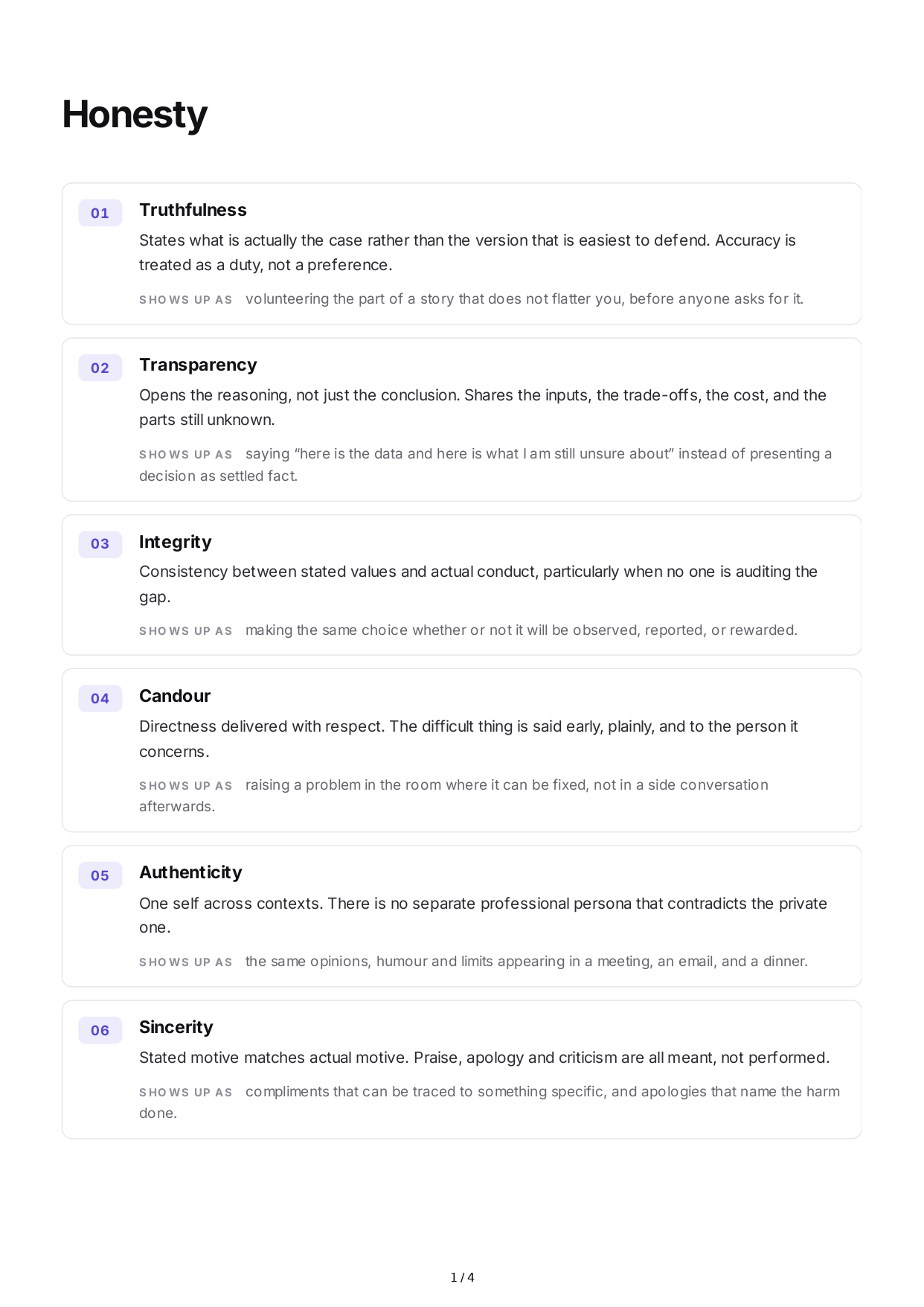
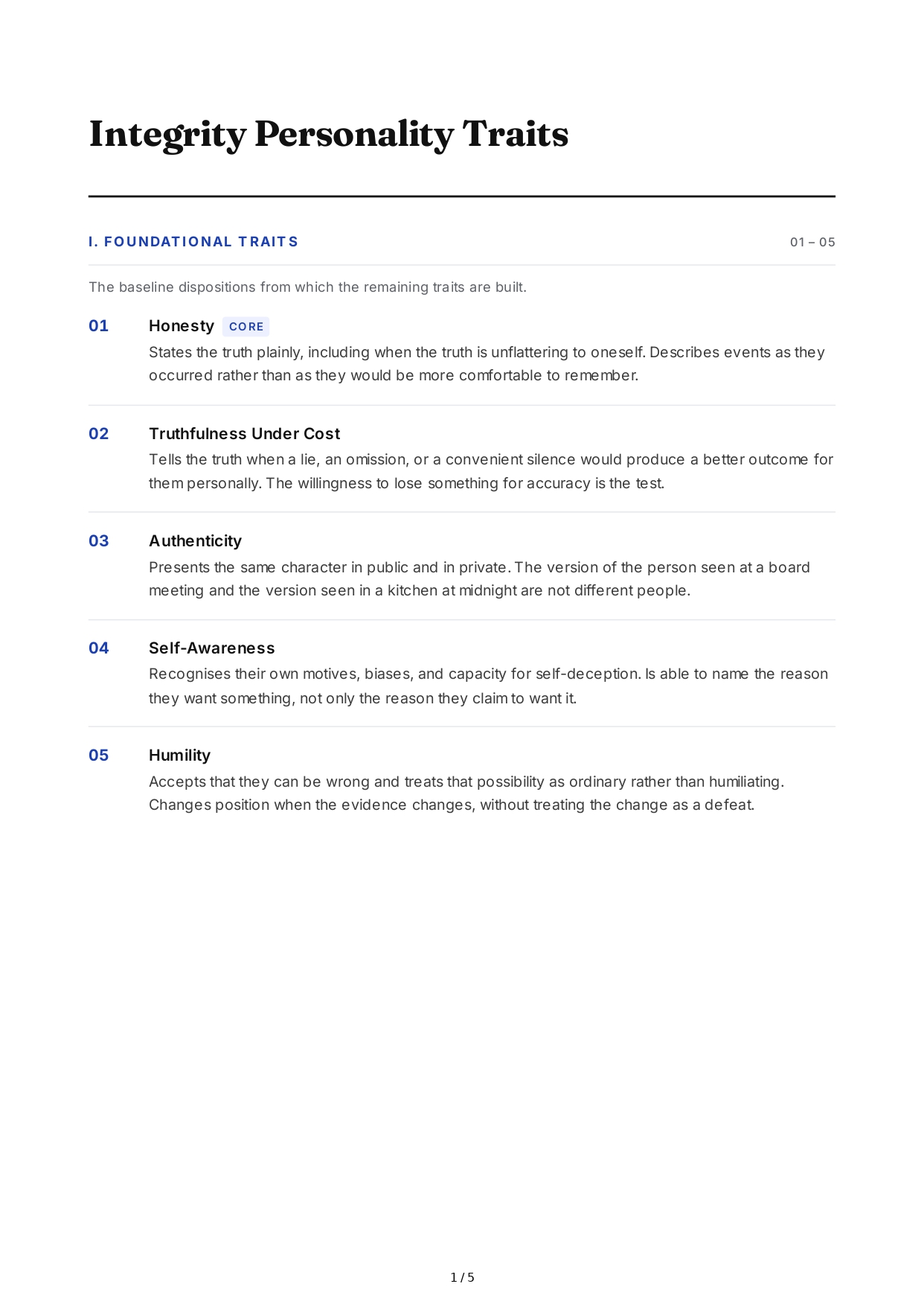
- Honest
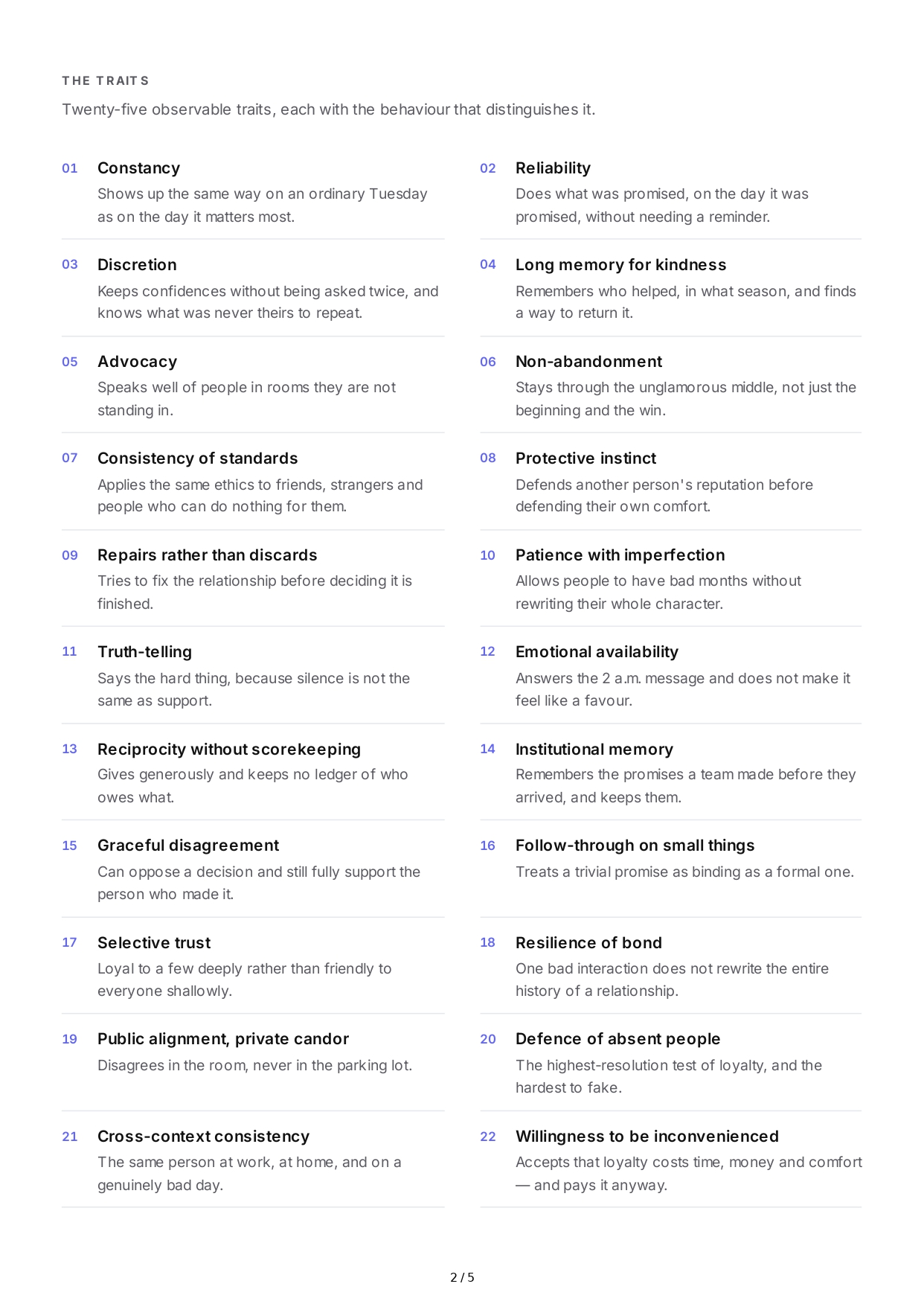
- Reliable
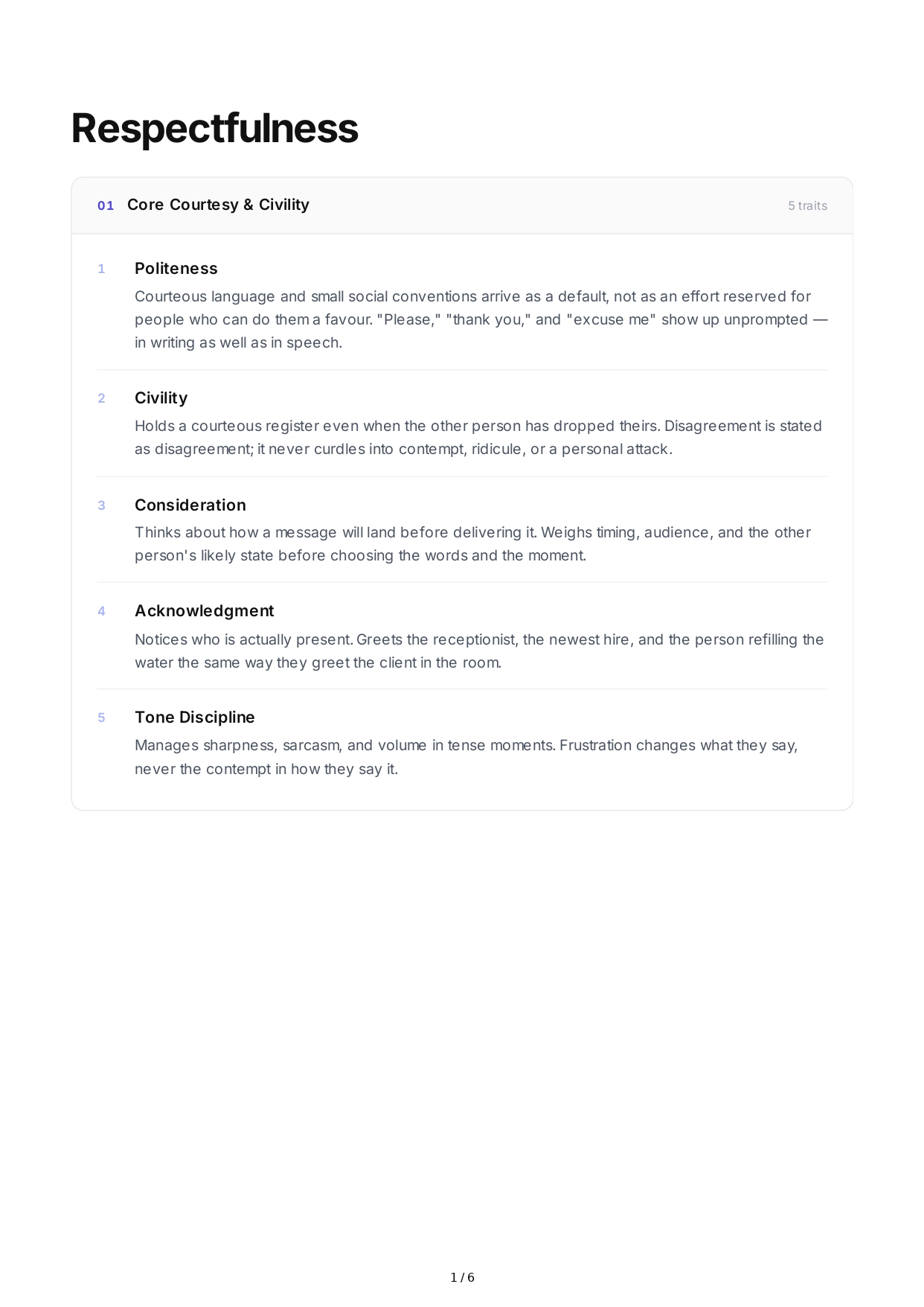
- Respectful
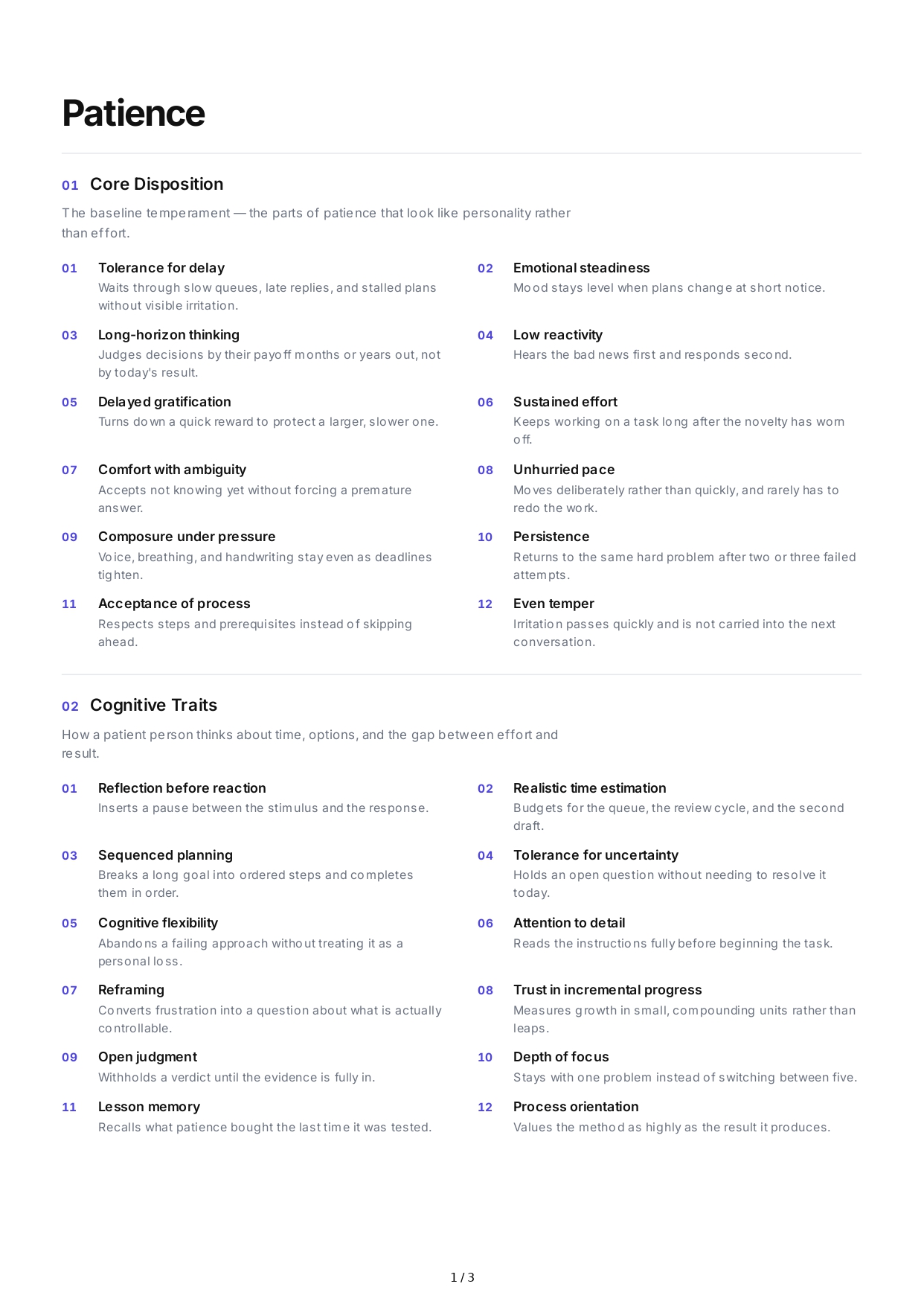
- Patient
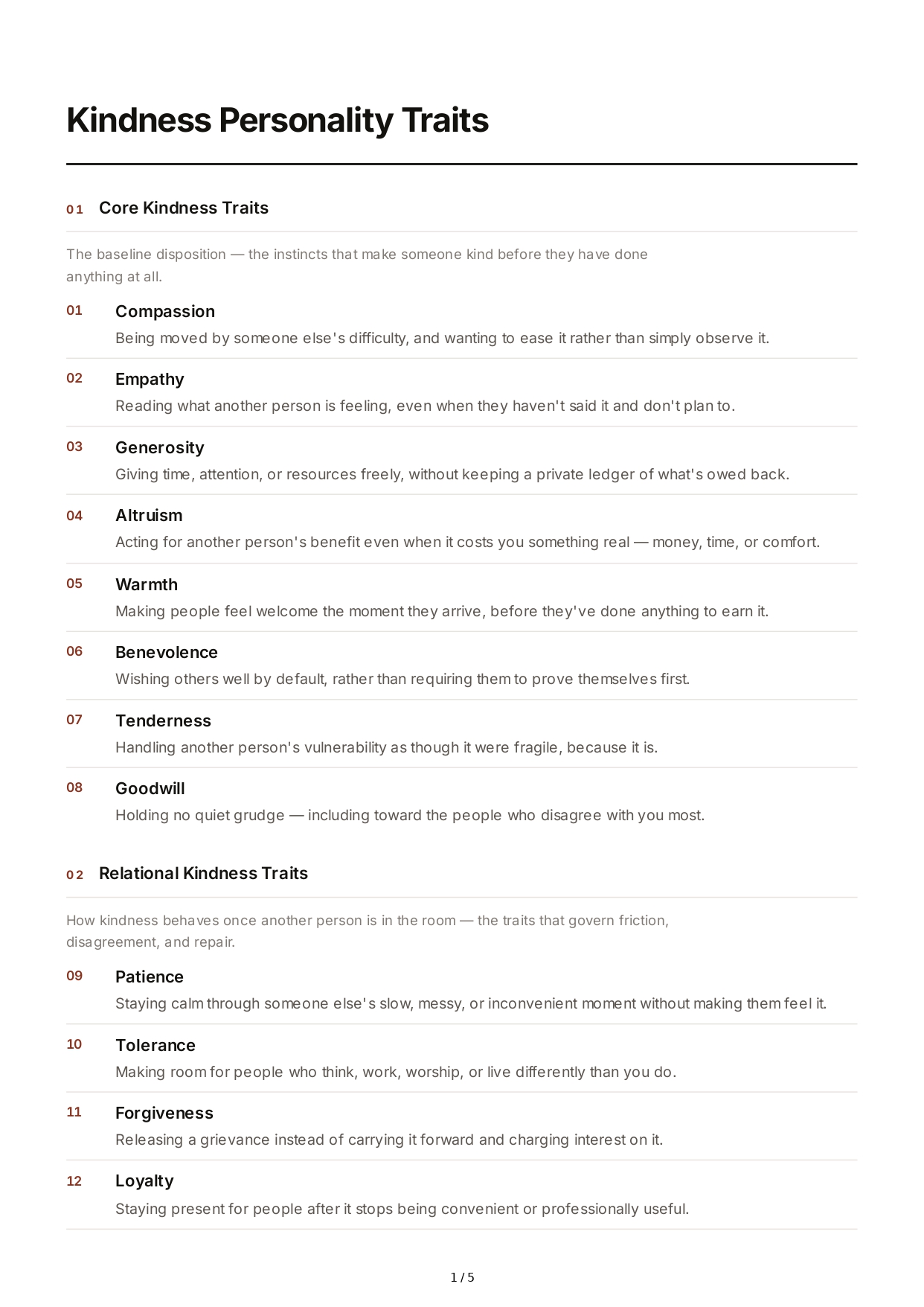
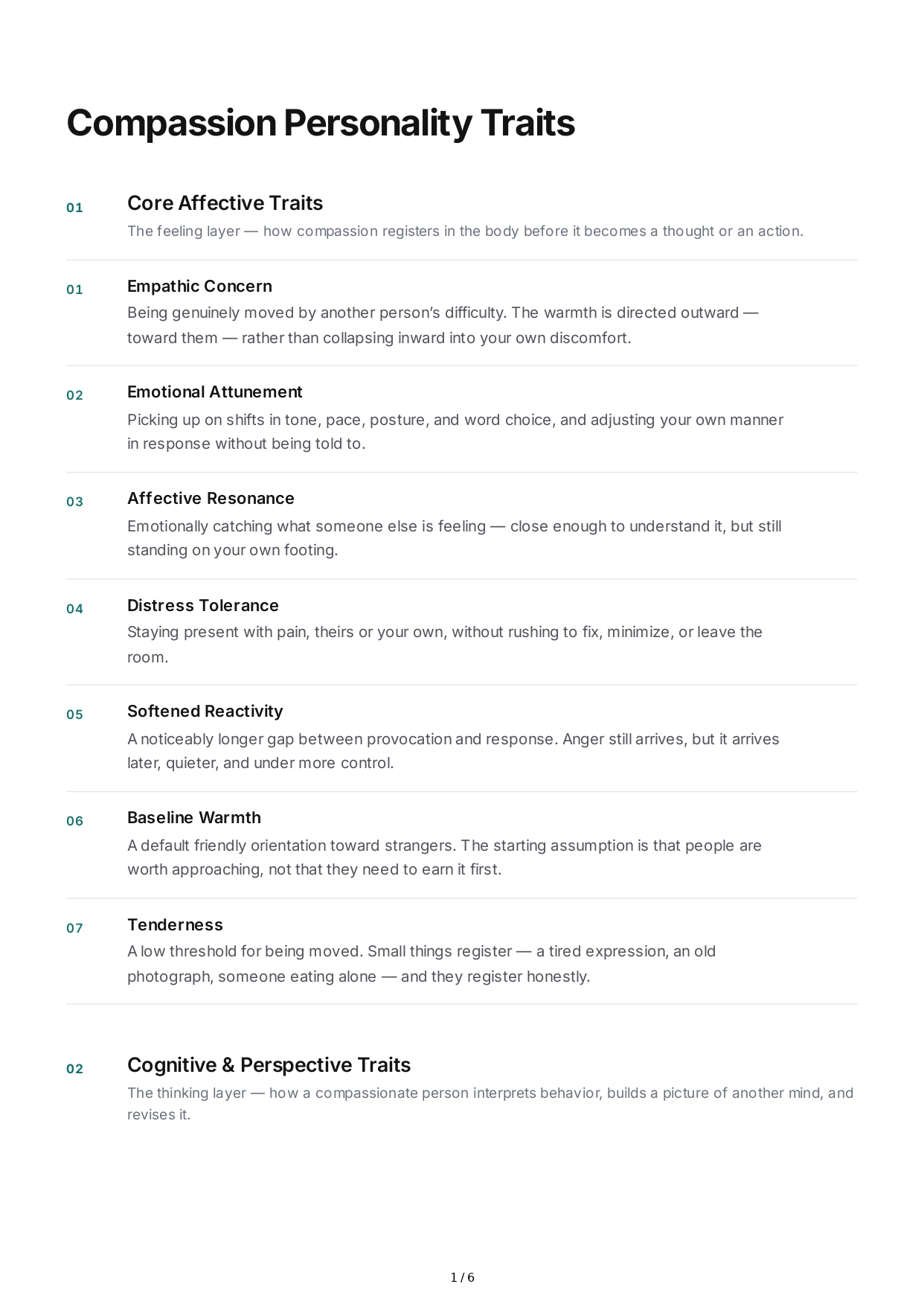
- Compassionate
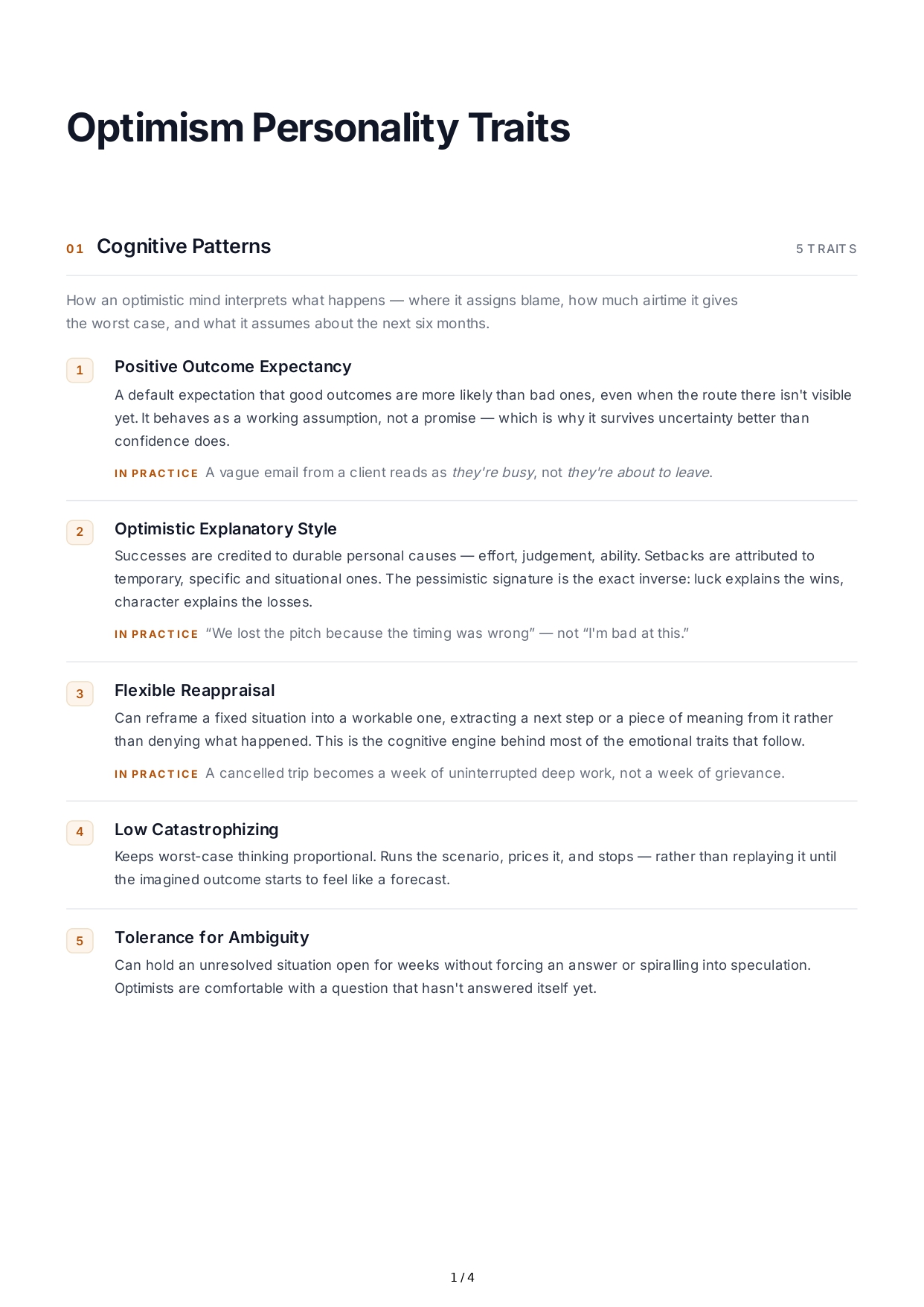
- Optimistic
- Sincere
- Helpful
- Loyal
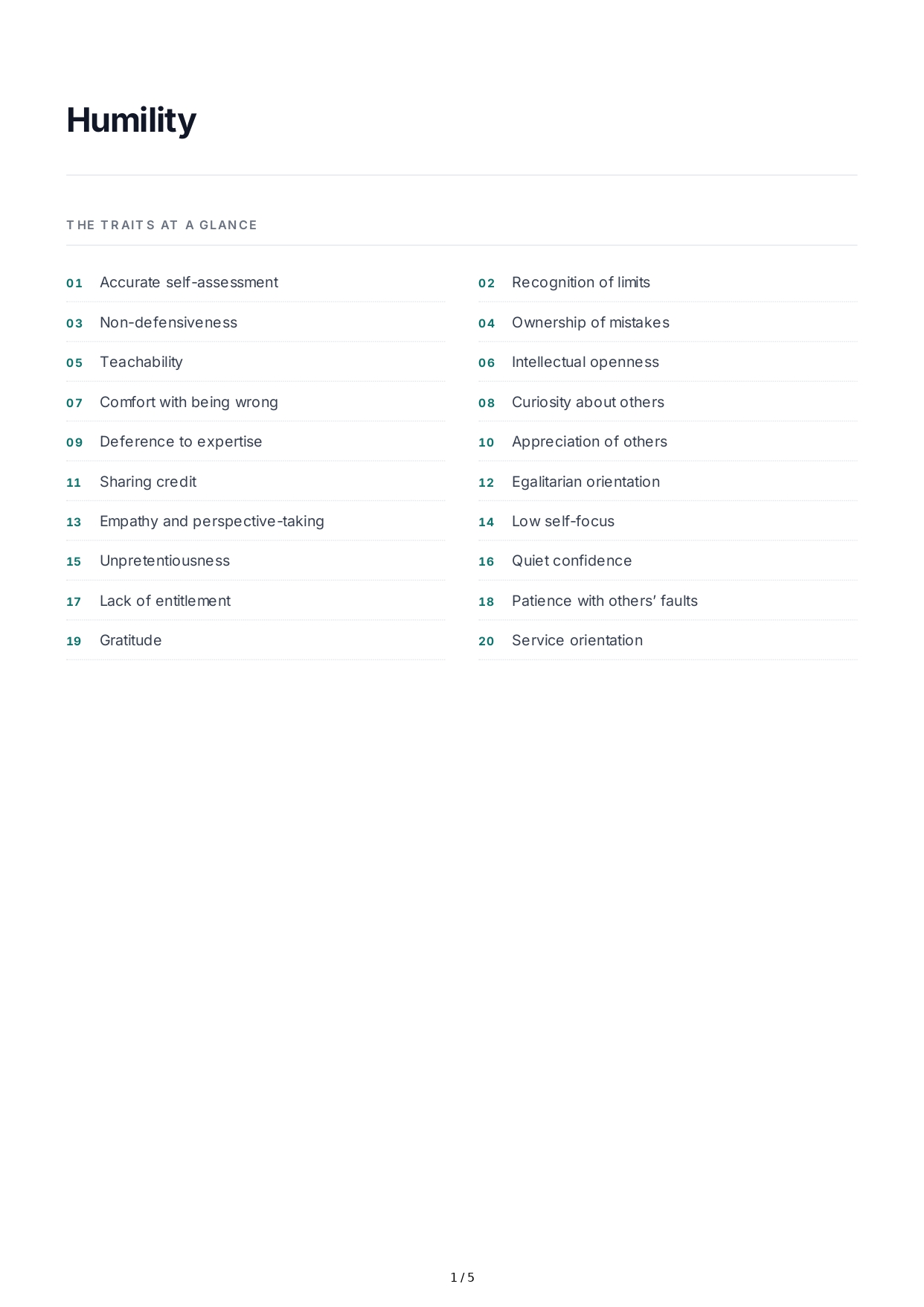
- Humble
Social Personality Traits
These traits describe how people tend to interact, communicate, and connect with others.
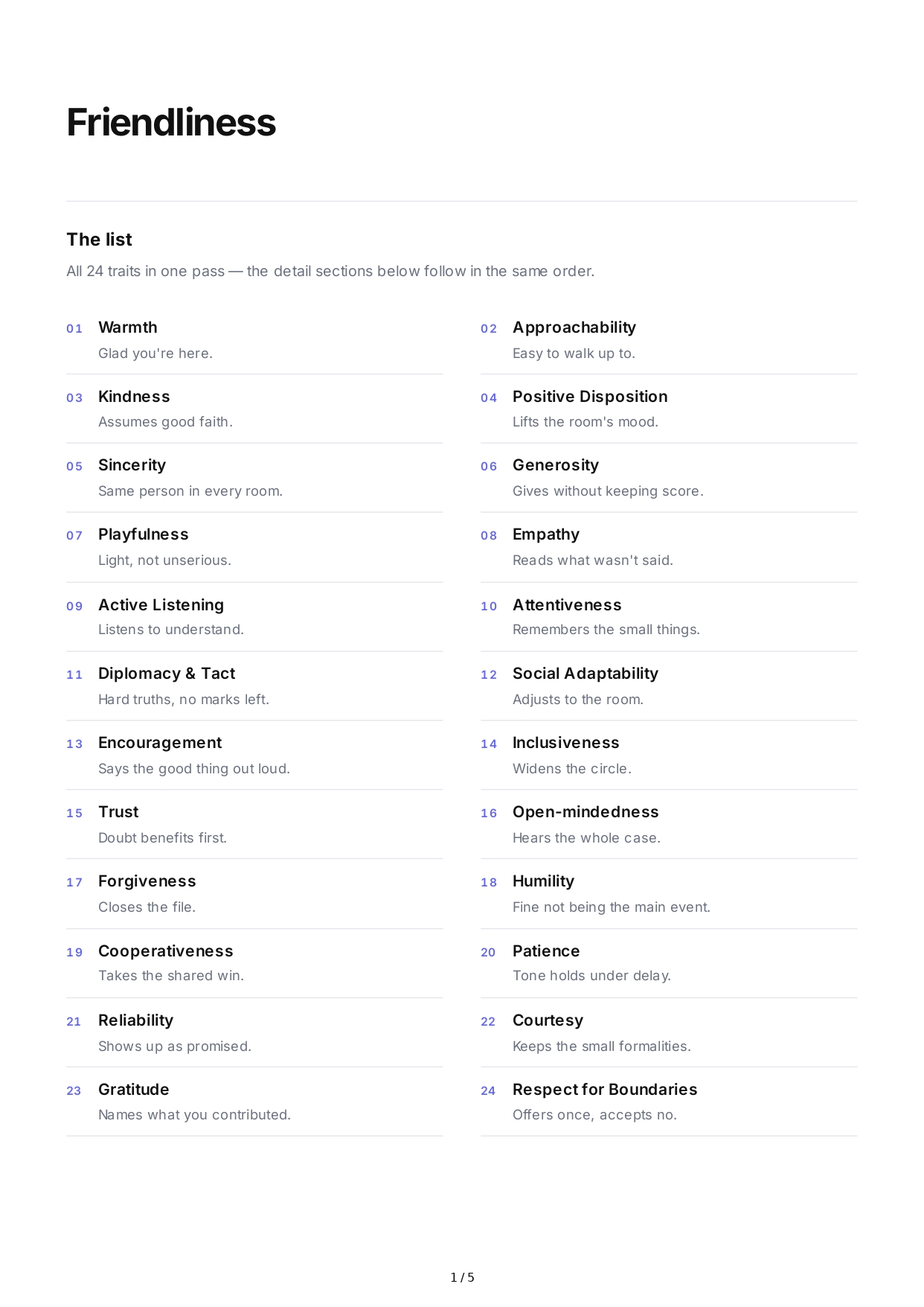
- Friendly
- Sociable
- Outgoing
- Approachable
- Cooperative
- Diplomatic
- Charismatic
- Talkative
- Understanding
- Considerate
Emotional Personality Traits
Emotional traits describe tendencies related to emotional awareness, responses, and regulation.
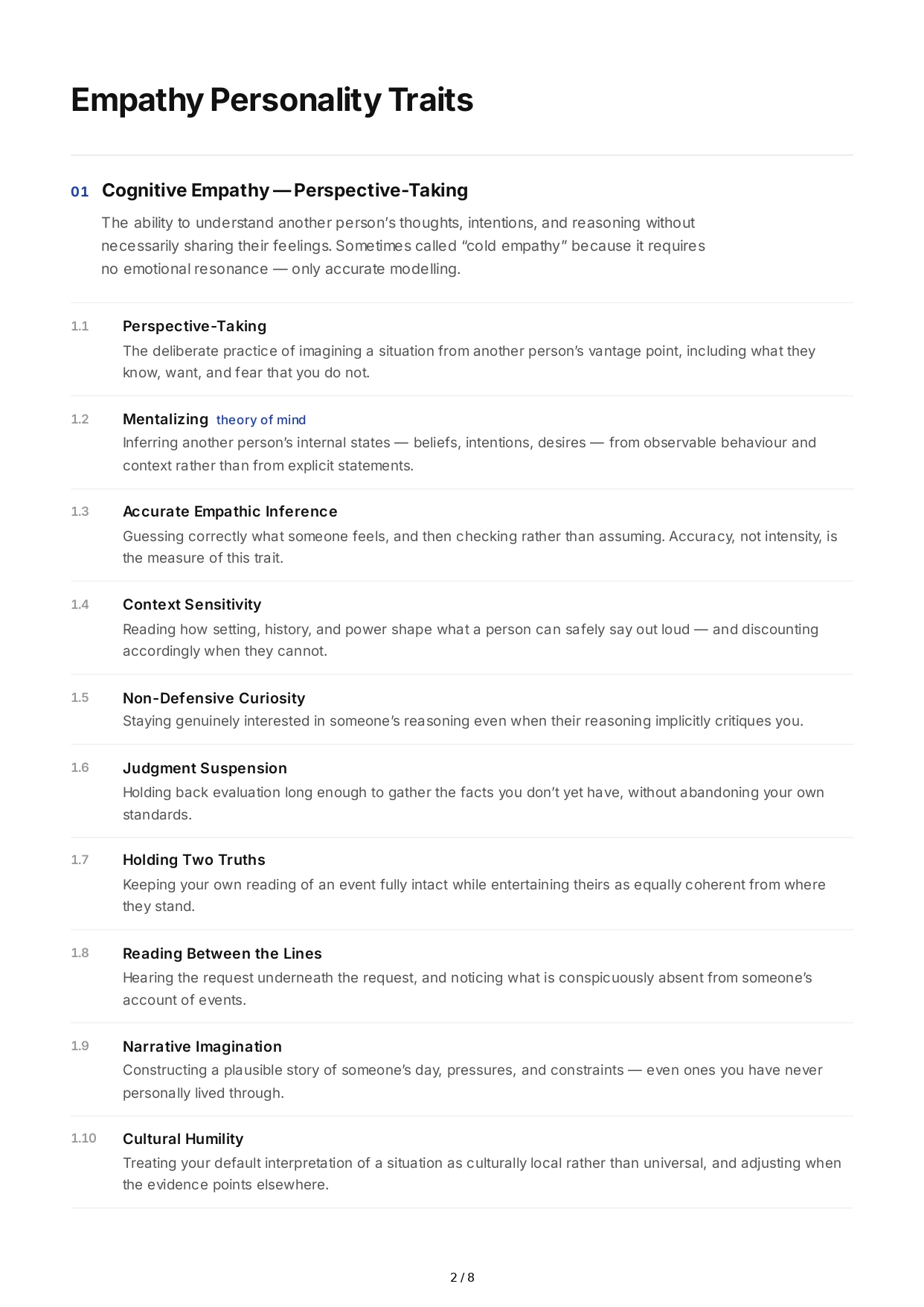
- Empathetic
- Calm
- Resilient
- Sensitive
- Patient
- Self-aware
- Composed
- Encouraging
- Compassionate
- Positive
Intellectual Personality Traits
These traits relate to curiosity, thinking, learning, and approaching ideas.
- Curious
- Analytical
- Creative
- Imaginative
- Observant
- Inquisitive
- Open-minded
- Thoughtful
- Logical
- Innovative
Work-Related Personality Traits
These qualities can describe how a person approaches responsibilities and professional situations.
- Dependable
- Conscientious
- Organized
- Disciplined
- Punctual
- Responsible
- Proactive
- Diligent
- Adaptable
- Self-motivated
Growth-Oriented Personality Traits
These traits describe qualities associated with learning, improvement, and responding to challenges.
- Ambitious
- Determined
- Persistent
- Flexible
- Adaptable
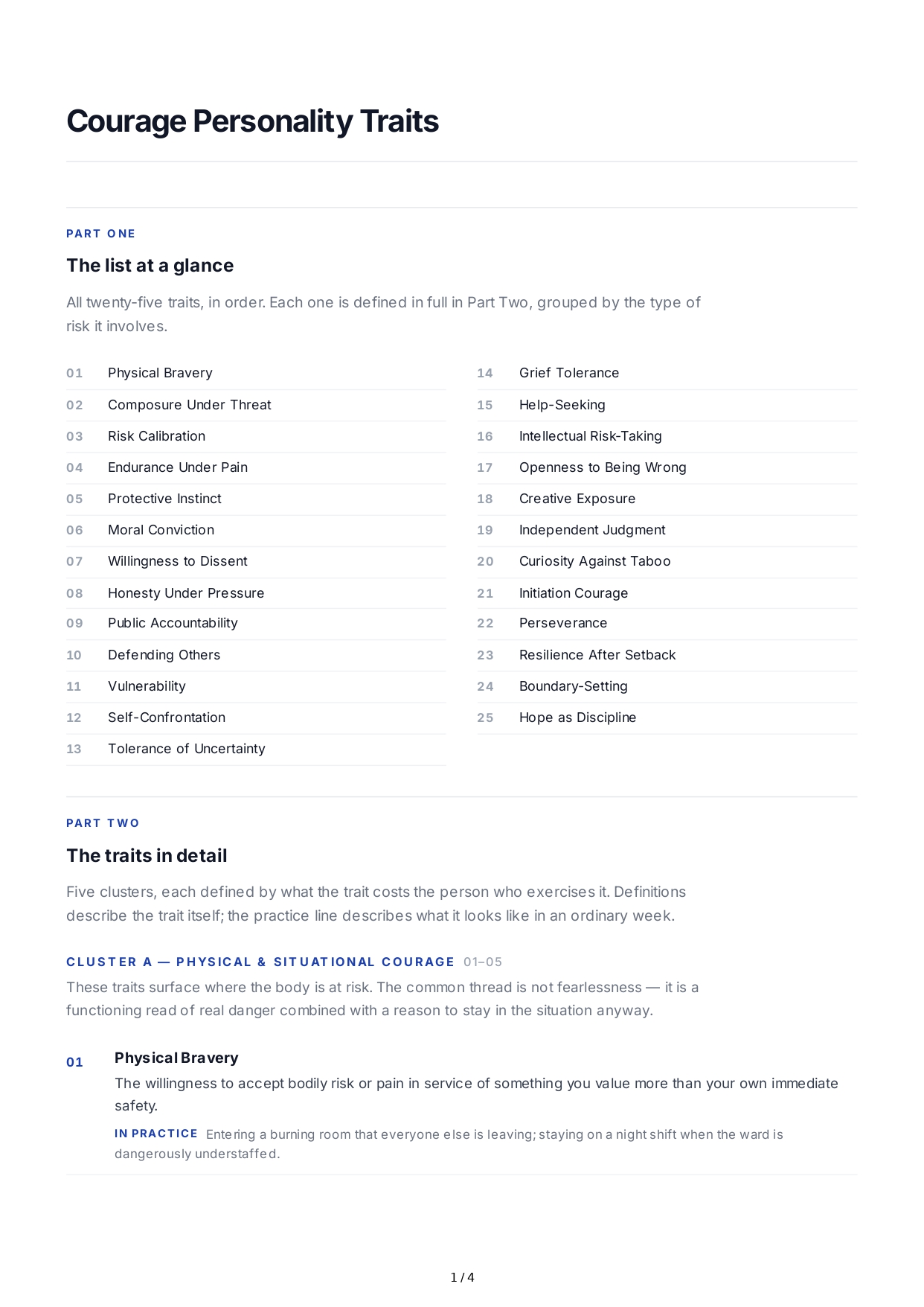
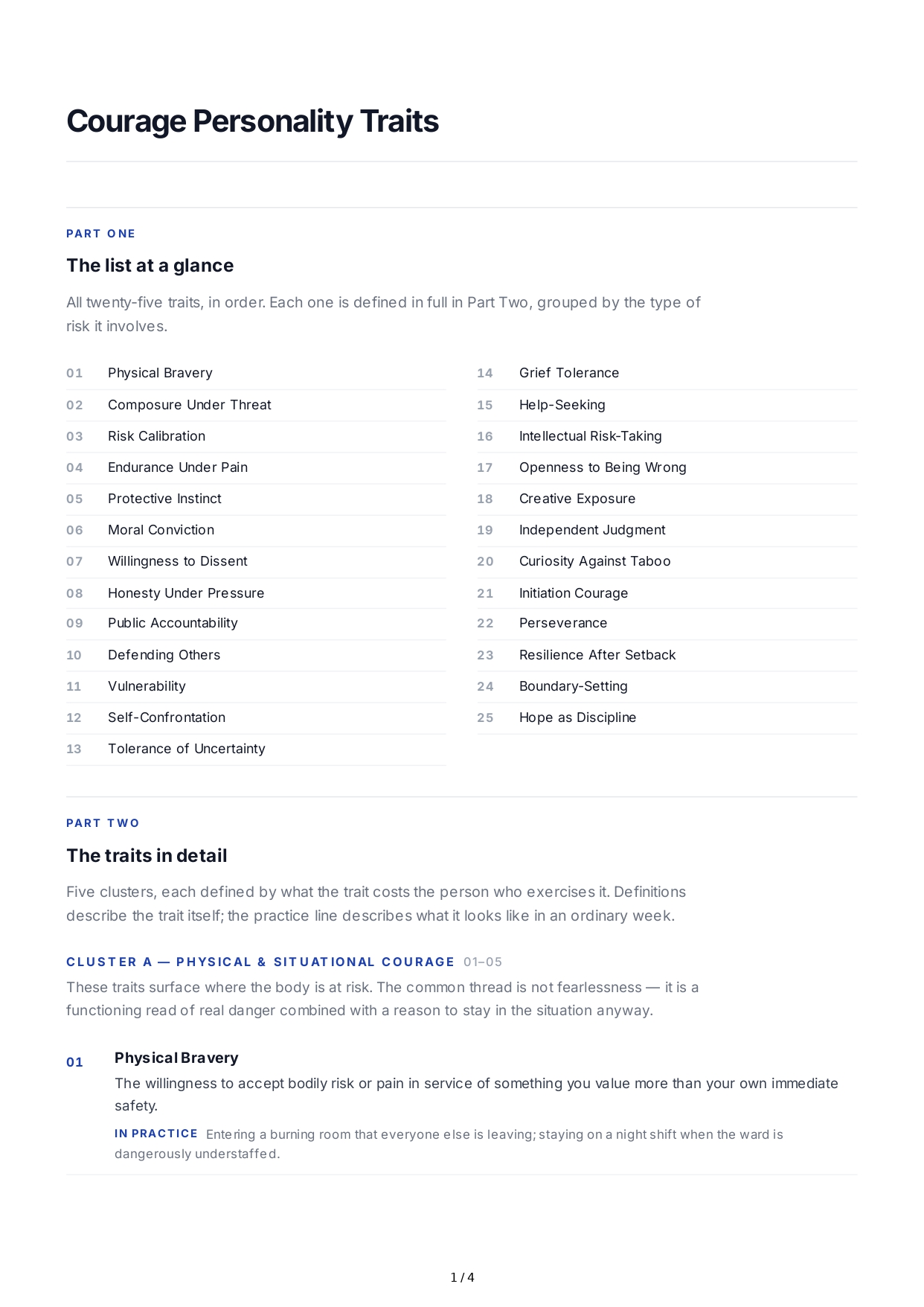
- Courageous
- Resourceful
- Motivated
- Resilient
- Versatile
Leadership Personality Traits
Leadership-related personality traits can influence how someone guides, supports, and motivates others.
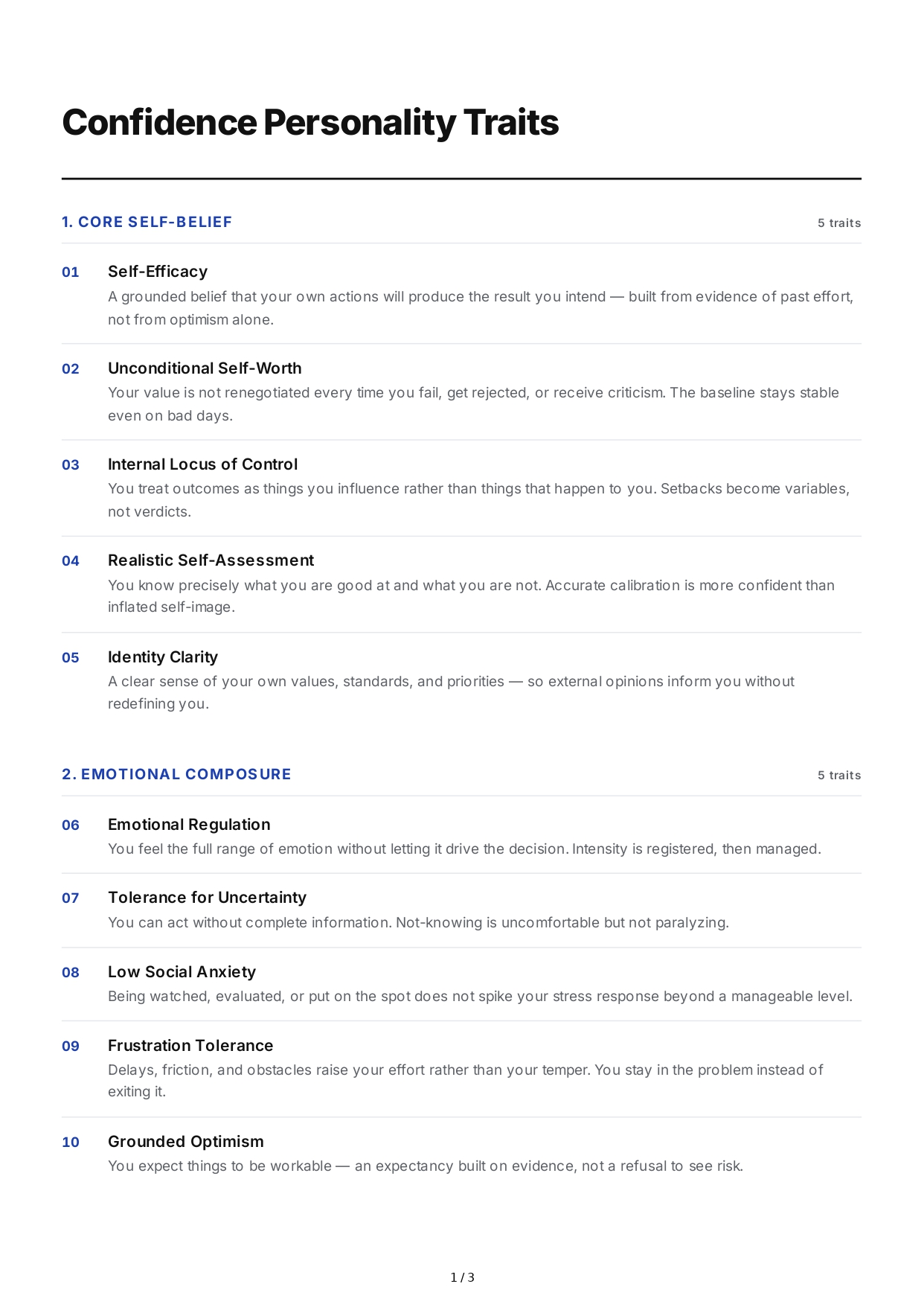
- Confident
- Decisive
- Accountable
- Responsible
- Assertive
- Visionary
- Encouraging
- Strategic
- Influential
- Empowering
How Do I Generate Personality Traits Using Proven Examples from Top Companies?
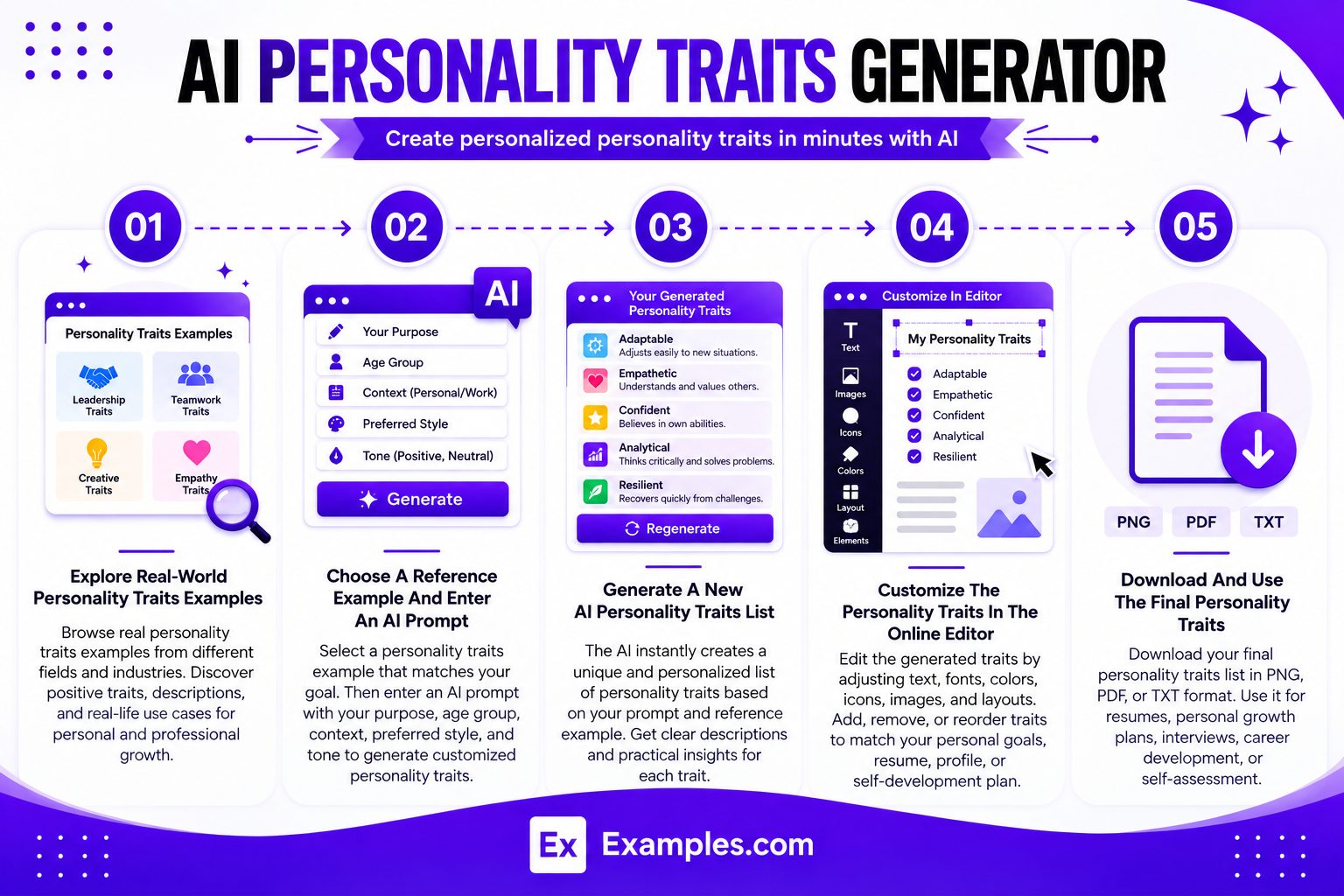
Creating personality traits with AI helps users quickly generate relevant personality examples using prompts, reference examples, and built-in editing tools.
Explore Real-World Personality Traits Examples
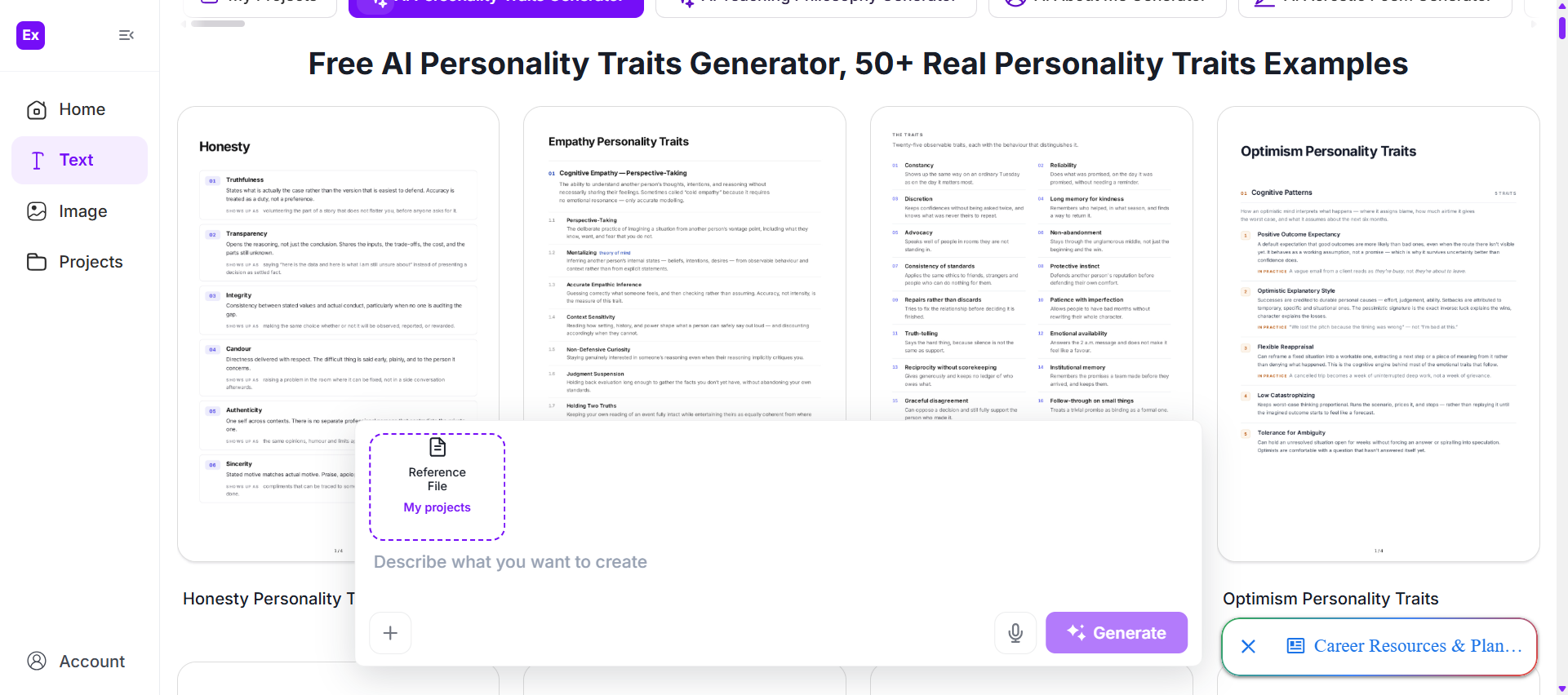
Browse real-world personality traits examples to discover different qualities, behaviors, strengths, and characteristics. These examples can help users identify traits that match a personal profile, career objective, interview response, character description, or other purpose.
Choose A Reference Example And Enter An AI Prompt
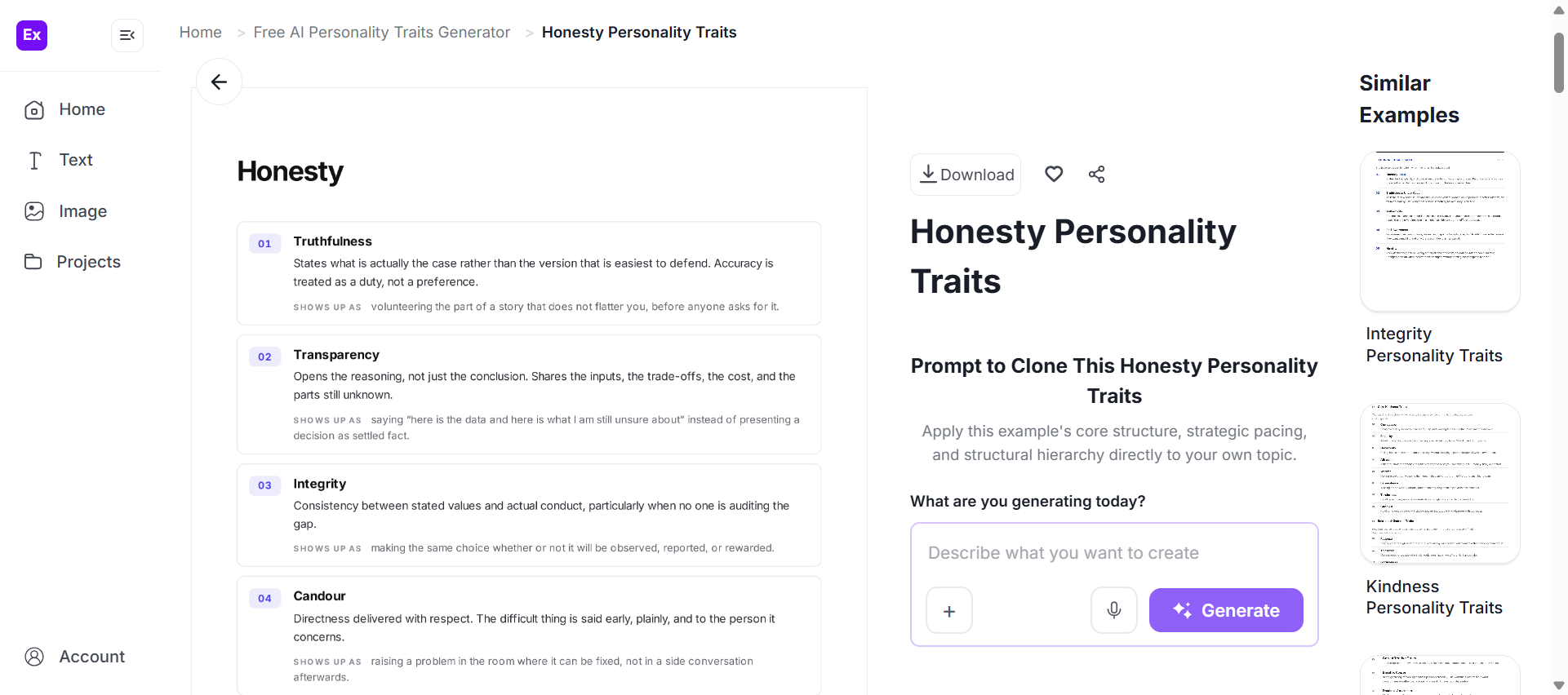
Select a personality trait example that matches the type of description you want to create. Then enter an AI prompt describing the person, purpose, context, desired qualities, tone, and other preferences you want the generated example to reflect.
Generate A New AI Personality Trait
The AI generates a new personality trait example based on the selected reference and user prompt. The result can provide ideas for describing qualities such as confidence, creativity, empathy, adaptability, leadership, patience, or resilience.
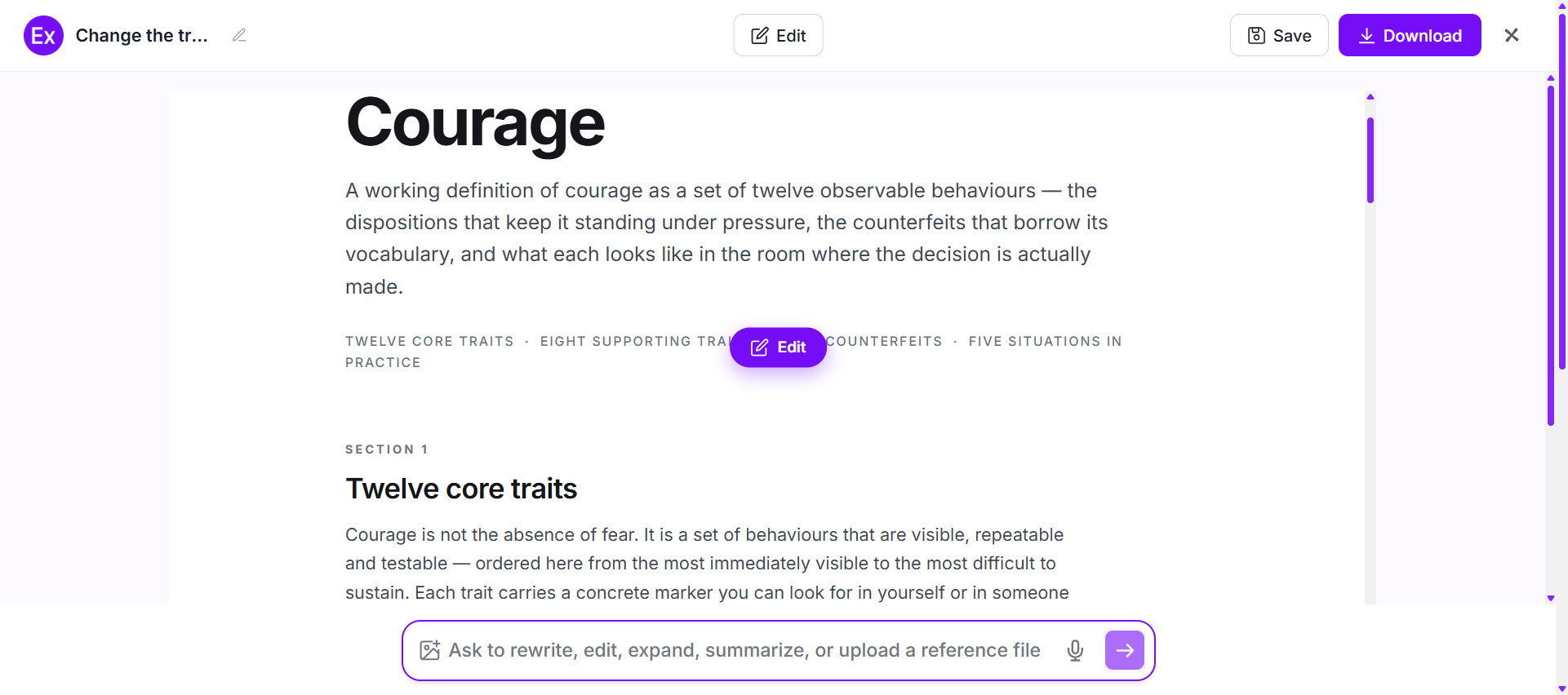
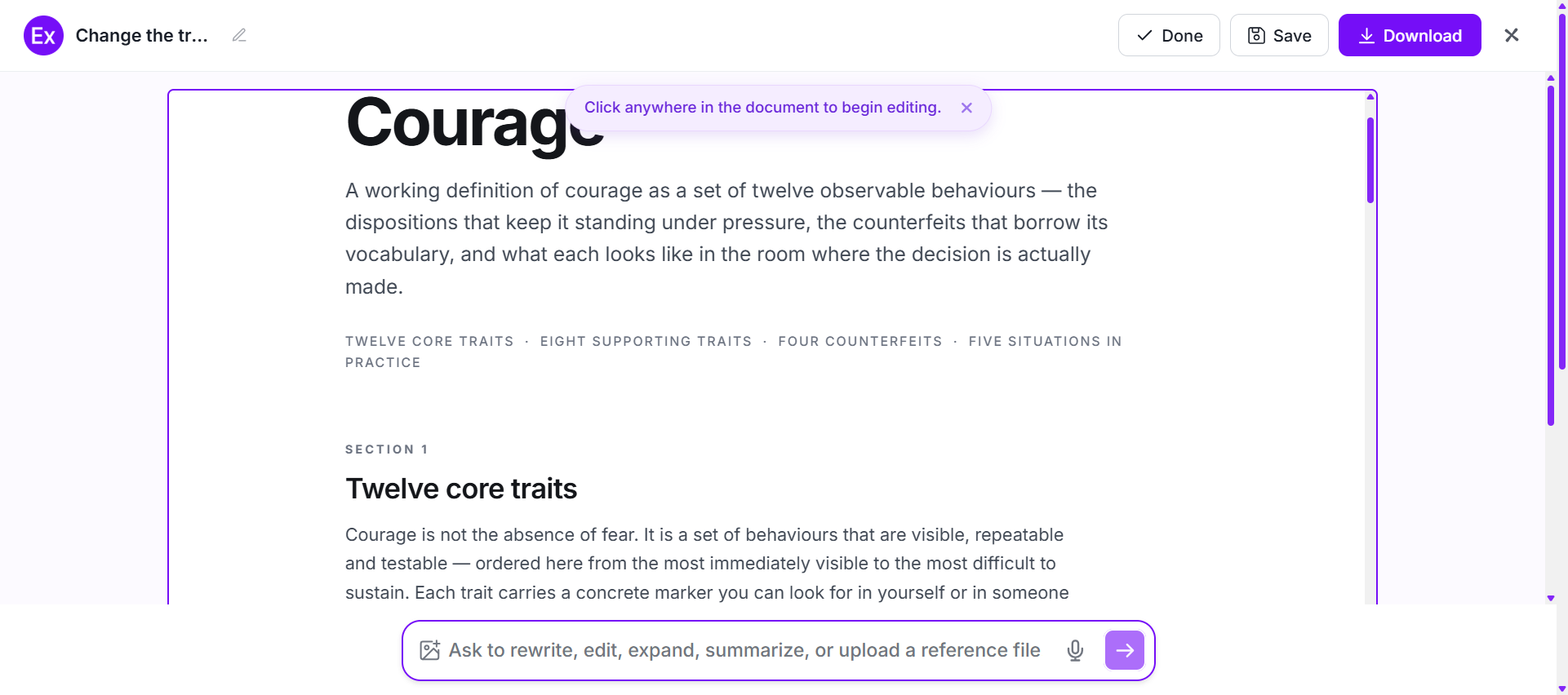
Customize The Personality Trait In The Online Editor
Open the generated personality trait example in the online editor to personalize the content. Users can edit descriptions, adjust wording, organize traits, and refine the example to match a resume, profile, interview response, character description, or other requirement.
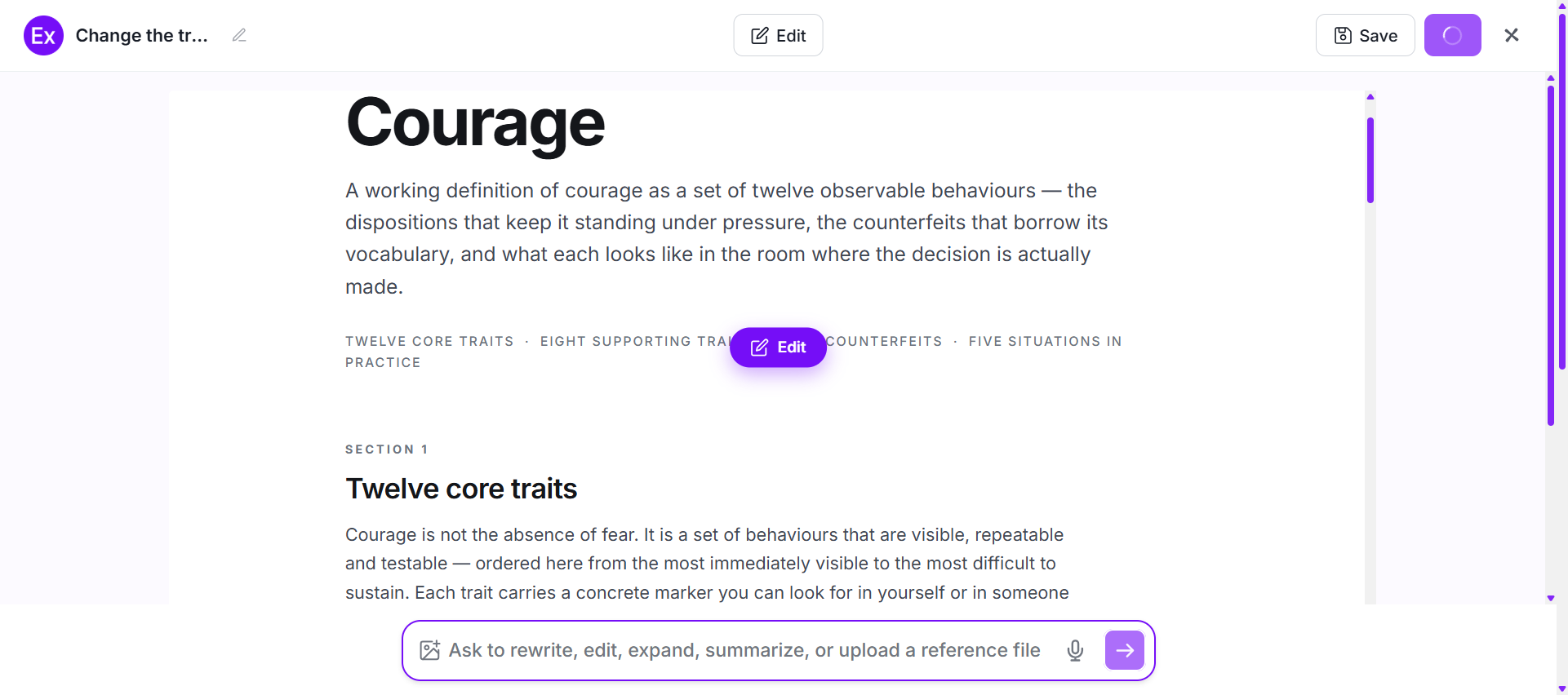
Download And Use The Final Personality Trait
Once customization is complete, download the final personality trait example in the available format. The finished content can be used for resumes, professional profiles, interviews, personal descriptions, character development, educational activities, and other purposes.
50 Personality Traits Examples
Here are practical personality traits that can be used to describe people in different contexts:
- Adaptable — adjusts effectively when situations or expectations change.
- Adventurous — enjoys exploring new experiences and opportunities.
- Ambitious — strongly motivated to achieve meaningful goals.
- Assertive — expresses thoughts and needs confidently and respectfully.
- Authentic — behaves in a genuine way that reflects personal values.
- Calm — remains composed when facing pressure or uncertainty.
- Charismatic — naturally attracts and engages other people.
- Compassionate — shows concern for the difficulties and needs of others.
- Confident — trusts personal abilities and decisions.
- Conscientious — approaches responsibilities carefully and reliably.
- Cooperative — willingly works with others toward shared outcomes.
- Courageous — faces difficult situations despite fear or uncertainty.
- Creative — develops original ideas and approaches.
- Curious — enjoys learning, exploring, and asking questions.
- Decisive — makes decisions efficiently after considering relevant information.
- Dependable — can be trusted to fulfill responsibilities.
- Determined — continues working toward an objective despite obstacles.
- Diplomatic — handles sensitive situations tactfully.
- Disciplined — maintains consistent behavior and effort toward responsibilities.
- Empathetic — recognizes and considers other people’s feelings.
- Enthusiastic — approaches activities with energy and genuine interest.
- Flexible — willingly adjusts to changing circumstances.
- Friendly — creates comfortable and positive interactions.
- Generous — willingly gives time, support, or resources to others.
- Honest — communicates truthfully and acts with integrity.
- Humble — recognizes personal limitations and appreciates others’ contributions.
- Imaginative — creates new ideas, possibilities, or perspectives.
- Independent — can work effectively without constant direction.
- Innovative — looks for new approaches and better solutions.
- Inquisitive — actively seeks information and deeper understanding.
- Loyal — remains committed to people, responsibilities, or values.
- Meticulous — pays close attention to details.
- Open-minded — considers perspectives and ideas different from one’s own.
- Optimistic — tends to approach situations with a positive outlook.
- Organized — creates structure and manages responsibilities systematically.
- Patient — remains composed while waiting or dealing with difficulties.
- Persistent — continues pursuing an objective despite setbacks.
- Proactive — takes initiative instead of waiting for instructions.
- Reflective — thoughtfully considers experiences and behavior.
- Reliable — consistently follows through on commitments.
- Resilient — recovers from difficulties and continues moving forward.
- Resourceful — finds practical ways to solve problems with available resources.
- Respectful — treats people and their perspectives with consideration.
- Responsible — accepts ownership of duties and decisions.
- Sincere — communicates and behaves with genuine intentions.
- Sociable — enjoys interacting and building connections with others.
- Thoughtful — carefully considers other people and circumstances.
- Versatile — performs effectively across different situations.
- Visionary — thinks about possibilities and long-term direction.
- Warm — creates a welcoming and supportive atmosphere.
These examples overlap with workplace qualities commonly discussed in career guidance, including adaptability, confidence, empathy, organization, curiosity, creativity, honesty, collaboration, and resilience.
Personality Traits Examples for a Resume
Personality traits can strengthen a resume when they are relevant to the role and supported by evidence. Instead of simply listing many adjectives, connect a trait to an action or achievement.
Resume Examples
- Adaptable: Quickly adjusted to new project requirements and changing priorities.
- Collaborative: Worked with cross-functional teams to complete projects on schedule.
- Organized: Maintained structured workflows while managing multiple deadlines.
- Proactive: Identified process improvements and introduced practical solutions.
- Empathetic: Built positive client relationships by listening carefully to customer concerns.
- Detail-oriented: Reviewed documents carefully to identify inconsistencies before submission.
- Self-motivated: Completed assigned projects independently while consistently meeting deadlines.
The best personality traits for a resume depend on the position. Match them to the job description and demonstrate them through specific examples rather than making unsupported claims.
How to Describe Your Personality Traits
A useful way to describe a personality trait is to connect trait + behavior + context.
For example:
Trait: Adaptable
Behavior: Quickly learned a new workflow
Context: Joined a team that changed its project management system
This is stronger than simply writing, “I am adaptable,” because it gives the reader evidence of how the quality appears in practice.
For interviews, career guidance similarly recommends selecting one or two relevant strengths and supporting them with a specific context or story rather than giving a long list of vague qualities.
Personality Traits vs. Skills
Personality traits and skills are related but are not identical.
| Personality Traits | Skills |
|---|---|
| Curious | Research |
| Organized | Project management |
| Empathetic | Active listening |
| Creative | Graphic design |
| Analytical | Data analysis |
| Confident | Public speaking |
| Adaptable | Change management |
| Collaborative | Team coordination |
Personality Traits and the Big Five Model
The Big Five personality model, also called the OCEAN model, organizes personality into five broad dimensions:
- Openness: curiosity, imagination, and willingness to experience new things.
- Conscientiousness: organization, diligence, and carefulness.
- Extraversion: energy, sociability, and assertiveness.
- Agreeableness: cooperation, friendliness, and compassion.
- Neuroticism: emotional sensitivity and tendency toward negative emotional experiences.
The model describes traits on continua rather than placing everyone into five fixed personality types.
Other frameworks, such as Myers-Briggs and DISC, use different approaches to describe personality preferences or behavioral styles. They can be useful for reflection and communication, but they should not be treated as interchangeable with the Big Five model.
Frequently Asked Questions
What are five examples of personality traits?
Five common personality traits are confidence, honesty, creativity, empathy, and adaptability.
What are positive personality traits?
Positive personality traits can include honesty, reliability, patience, compassion, confidence, curiosity, resilience, flexibility, and responsibility.
What are the Big Five personality traits?
The Big Five are openness, conscientiousness, extraversion, agreeableness, and neuroticism. They describe broad personality dimensions rather than five fixed personality categories.
What personality traits are good for a resume?
Relevant examples include adaptability, dependability, organization, conscientiousness, collaboration, initiative, empathy, creativity, and resilience. Choose traits that match the position and support them with specific examples.
How can I identify my personality traits?
Start by reviewing situations where you consistently receive positive feedback, the way you respond to challenges, your preferred working style, and the qualities people who know you well often mention. Personality assessments can also provide a structured starting point for self-reflection.
Can personality traits change?
Personality traits can show relative consistency, but people can develop and change over time. Life experiences, environments, learning, and intentional behavior can influence how traits are expressed.
What is the difference between personality traits and character traits?
Personality traits broadly describe patterns in how a person tends to think, feel, and behave. Character traits are often used more specifically for qualities connected to behavior, values, morals, and ethical choices.