
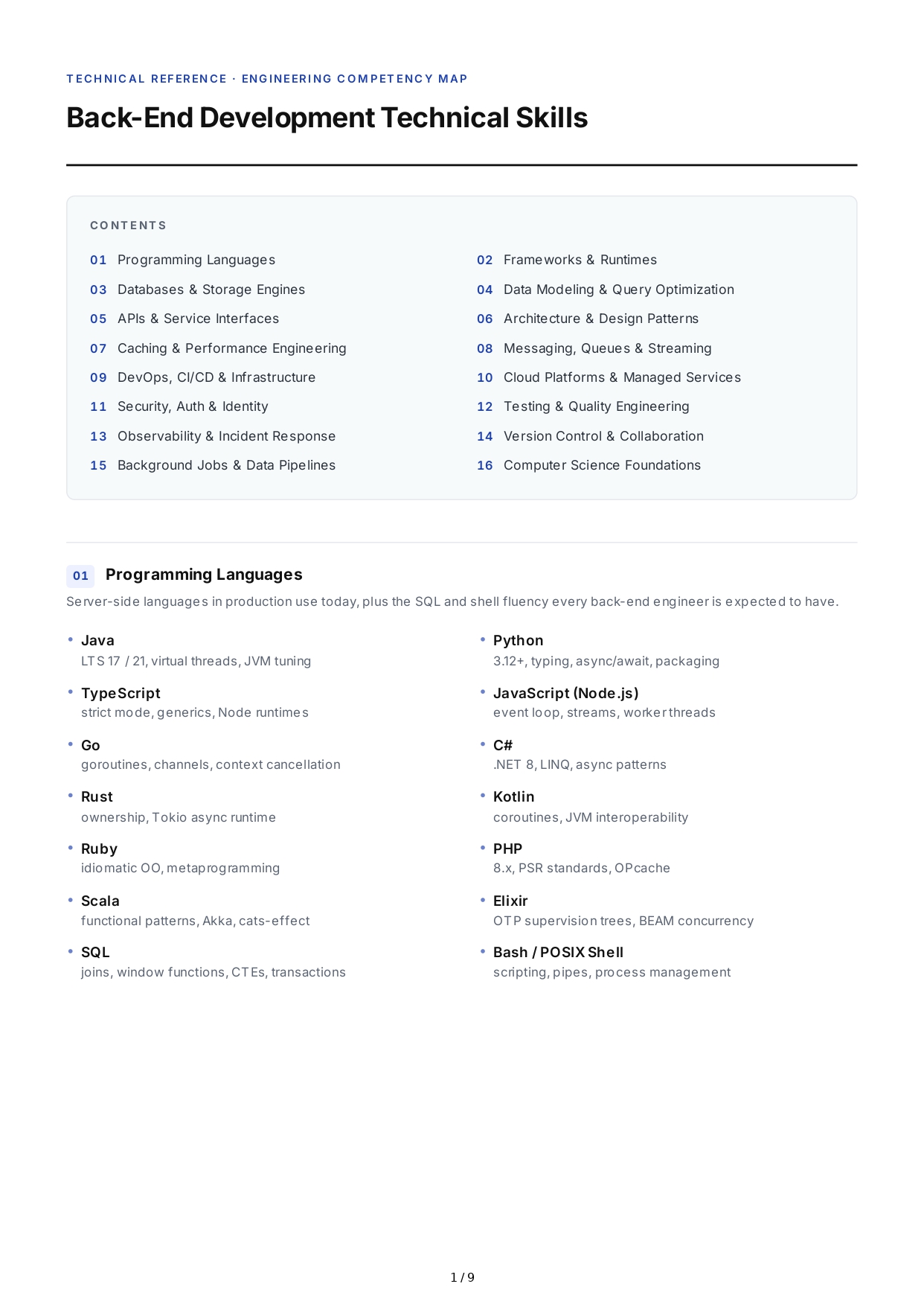
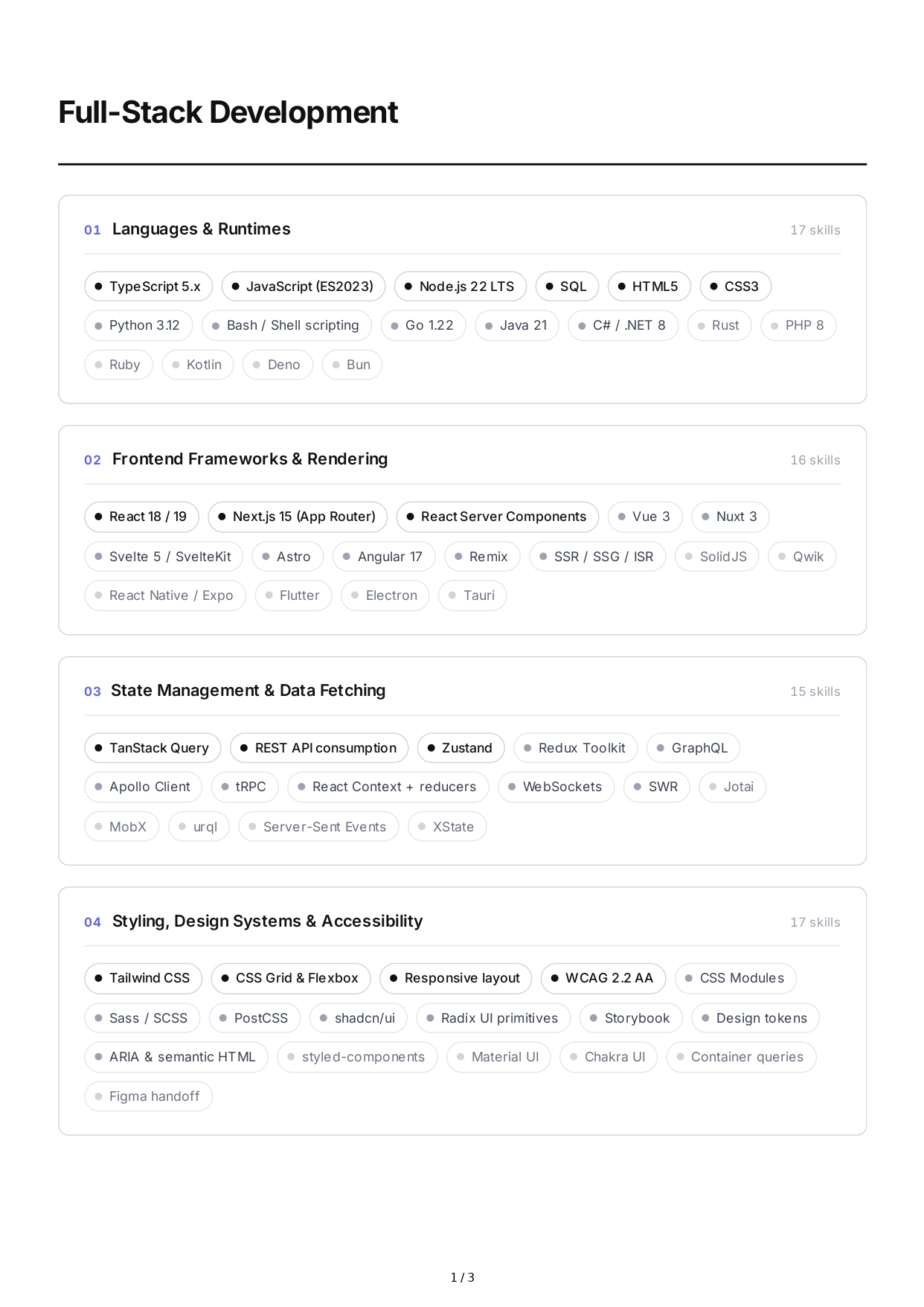
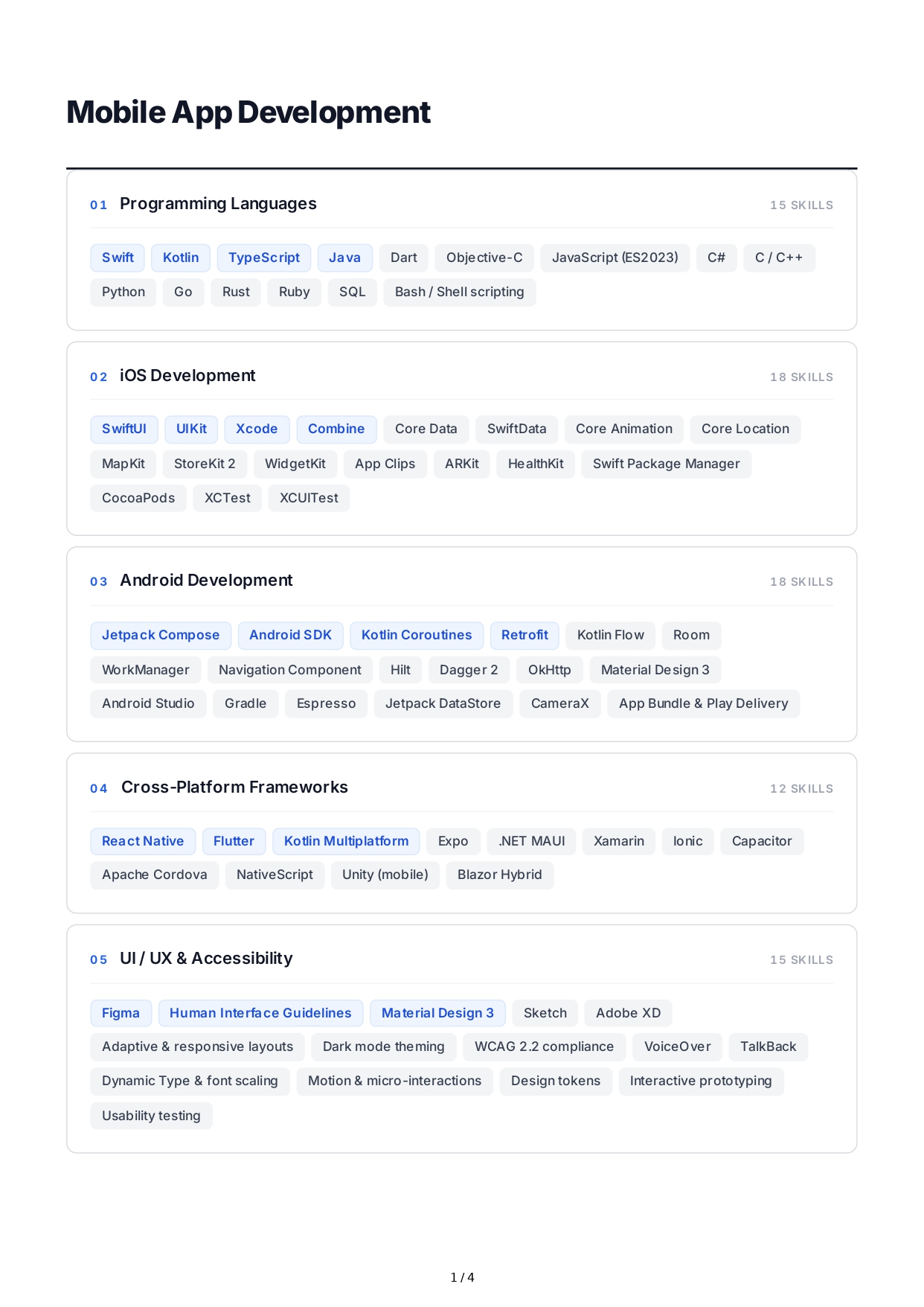
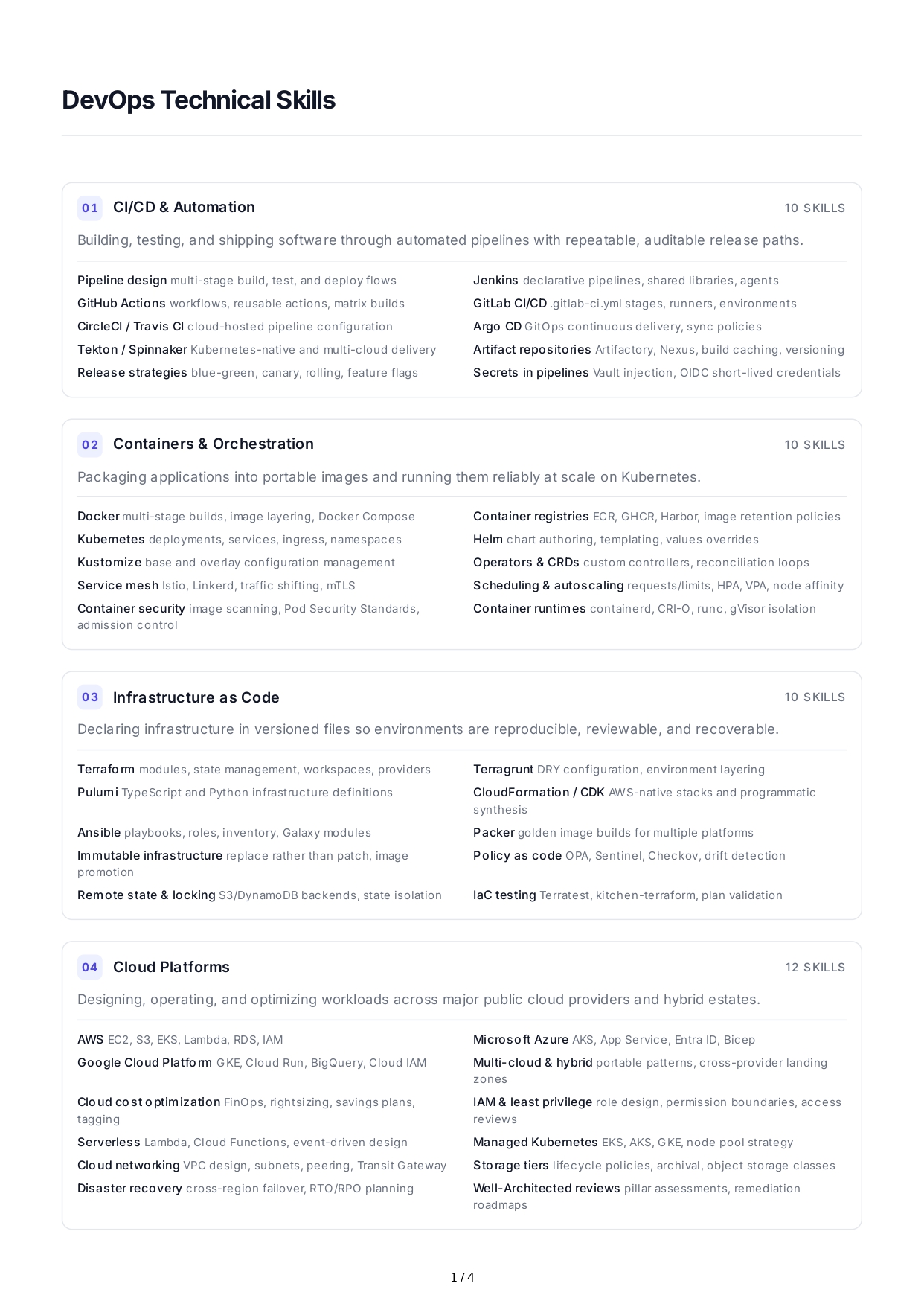
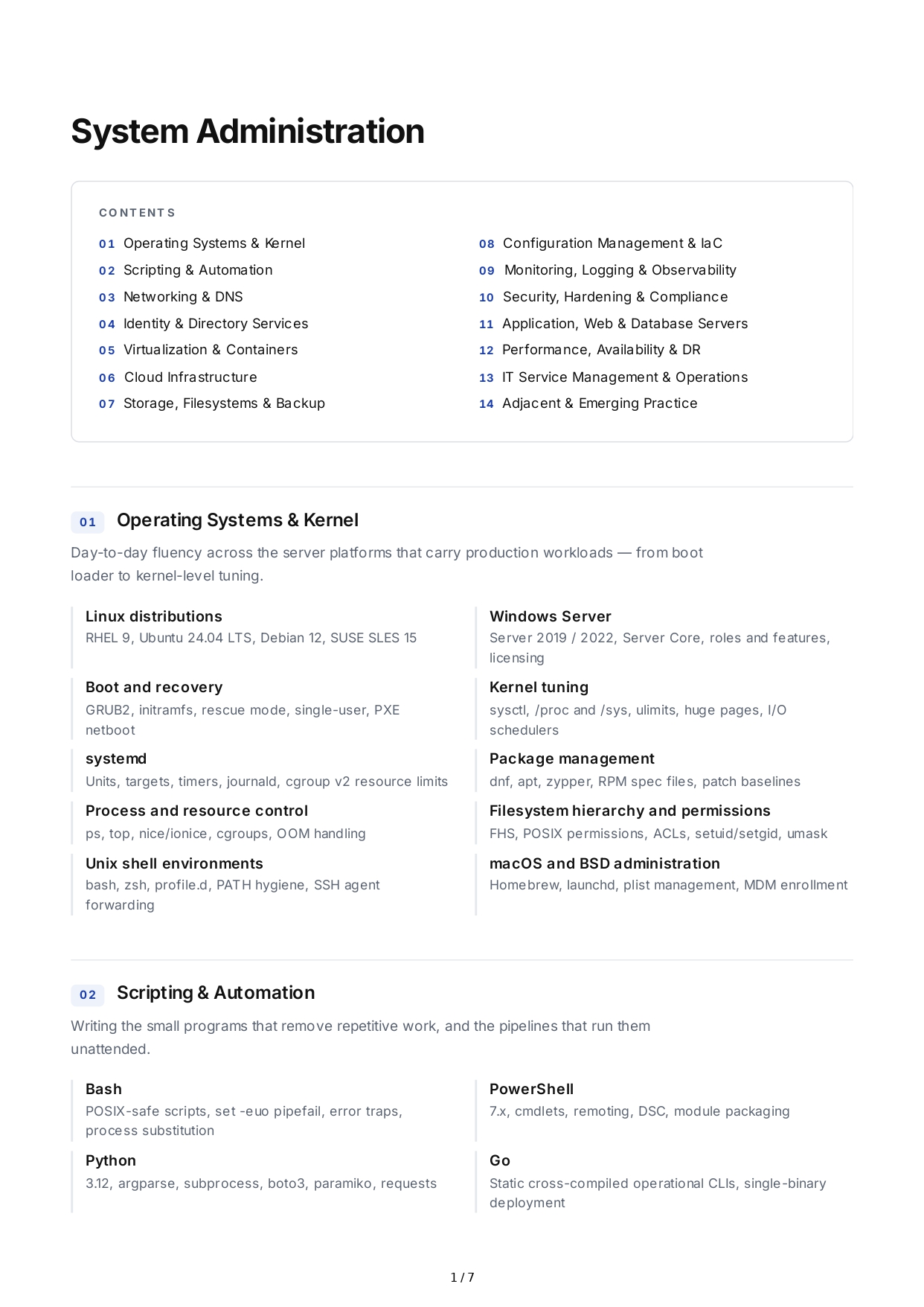
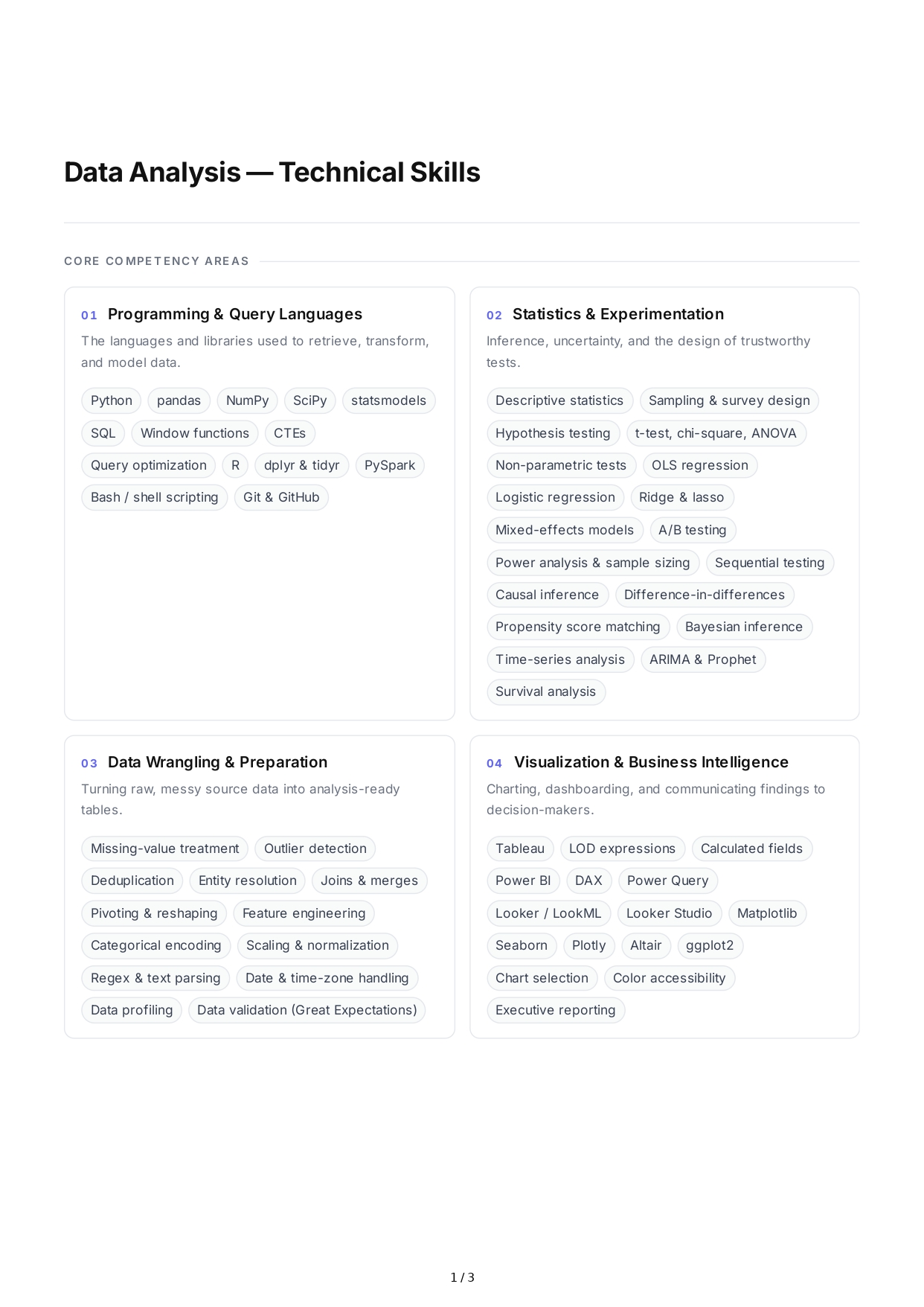
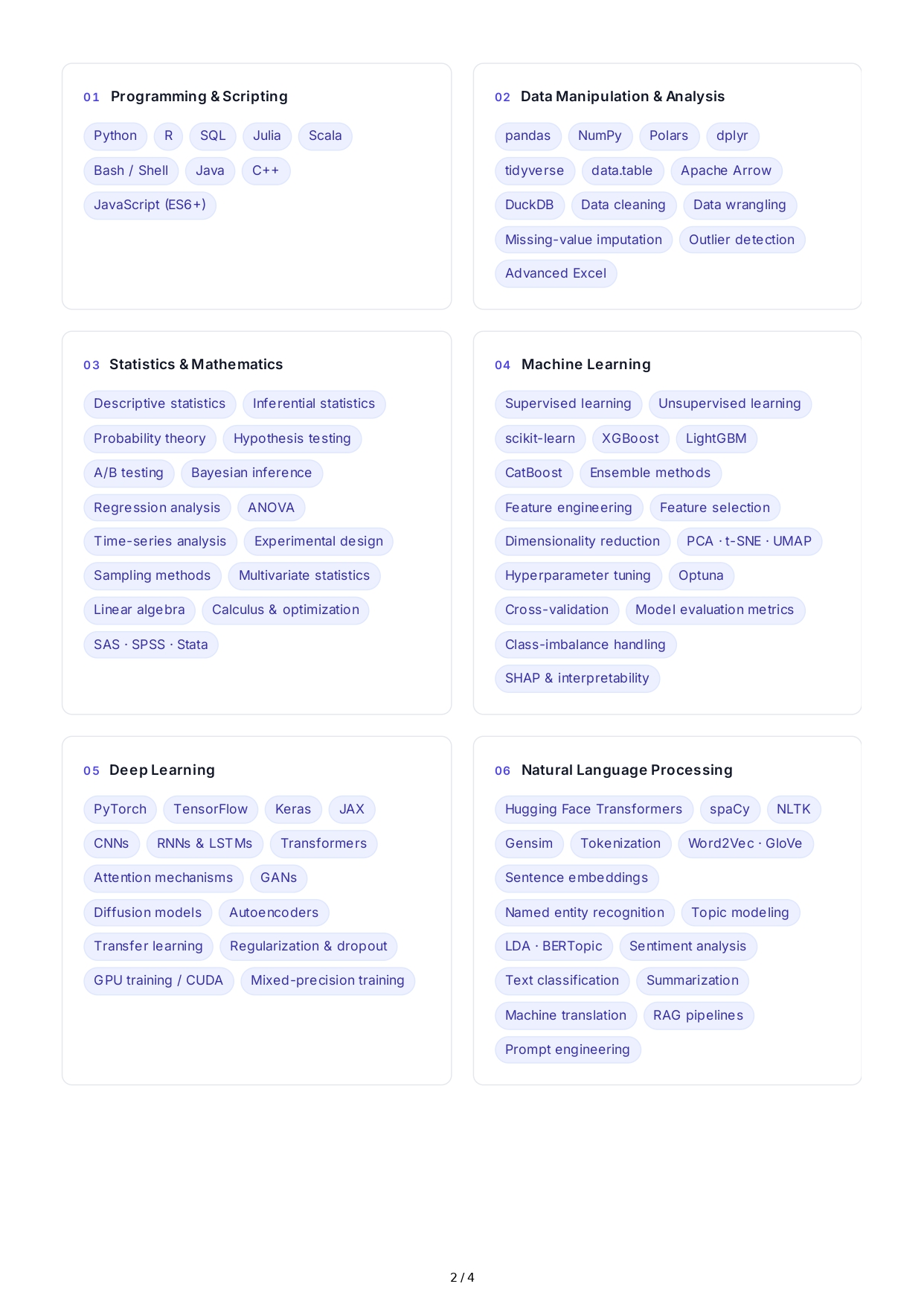
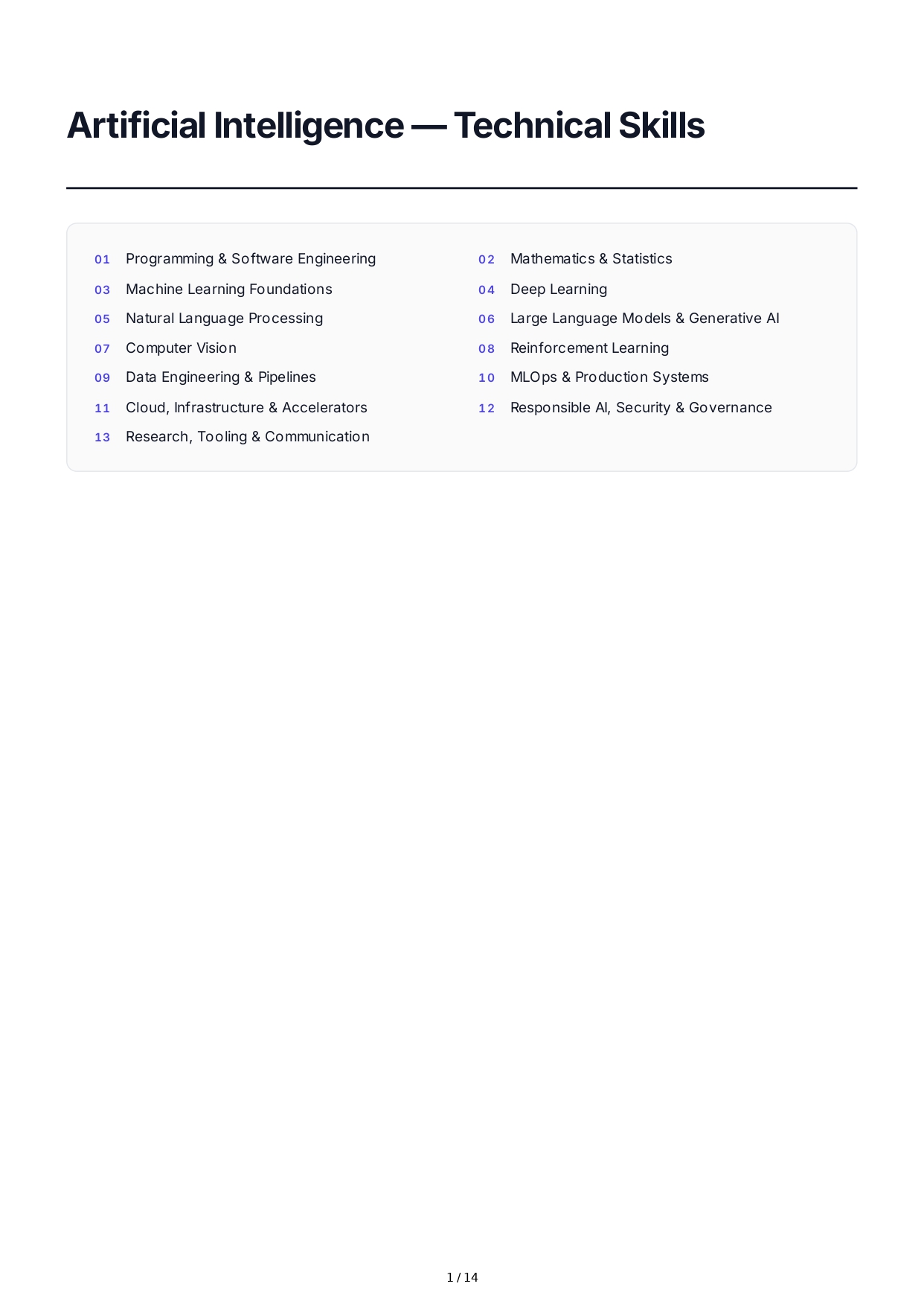
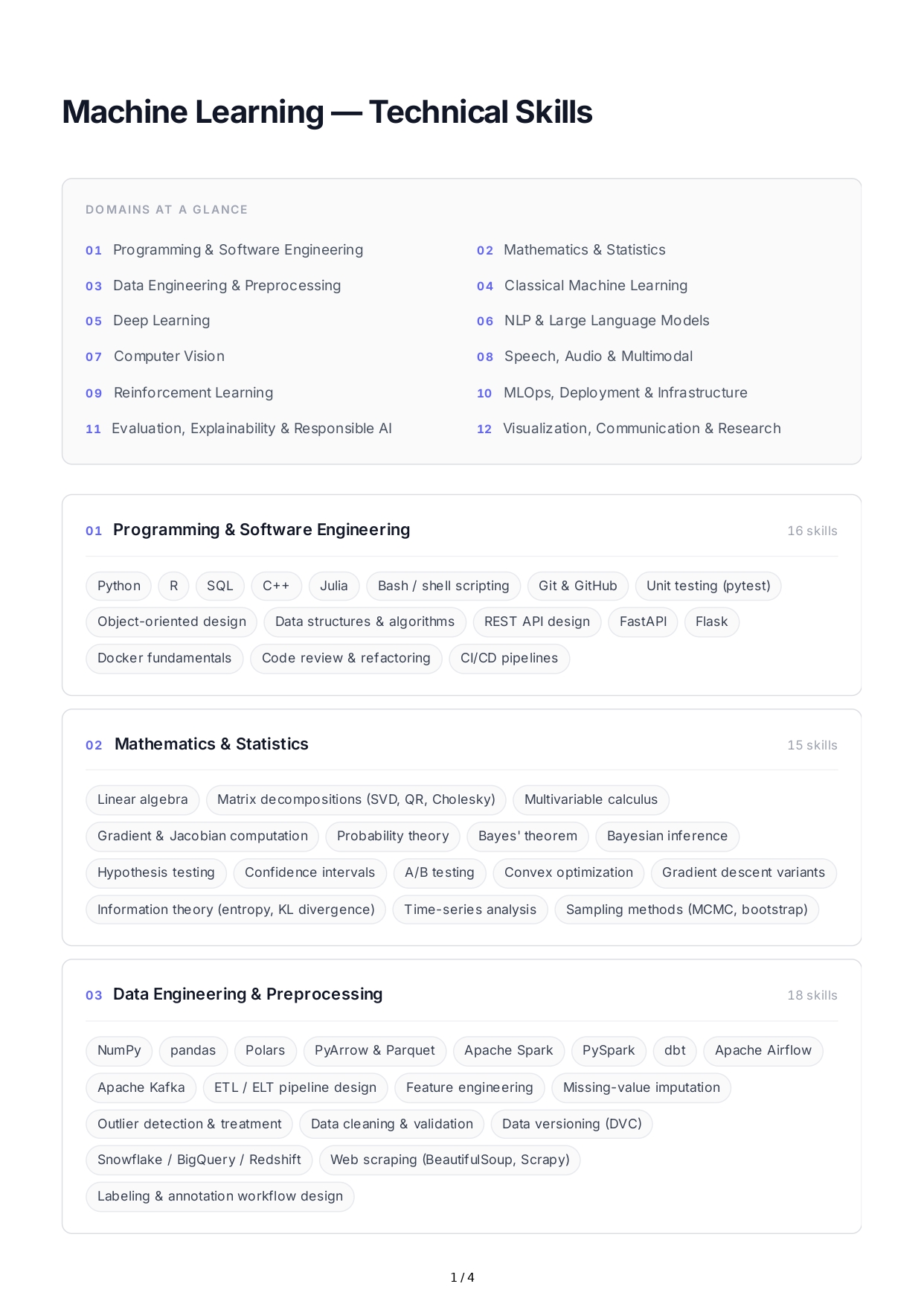
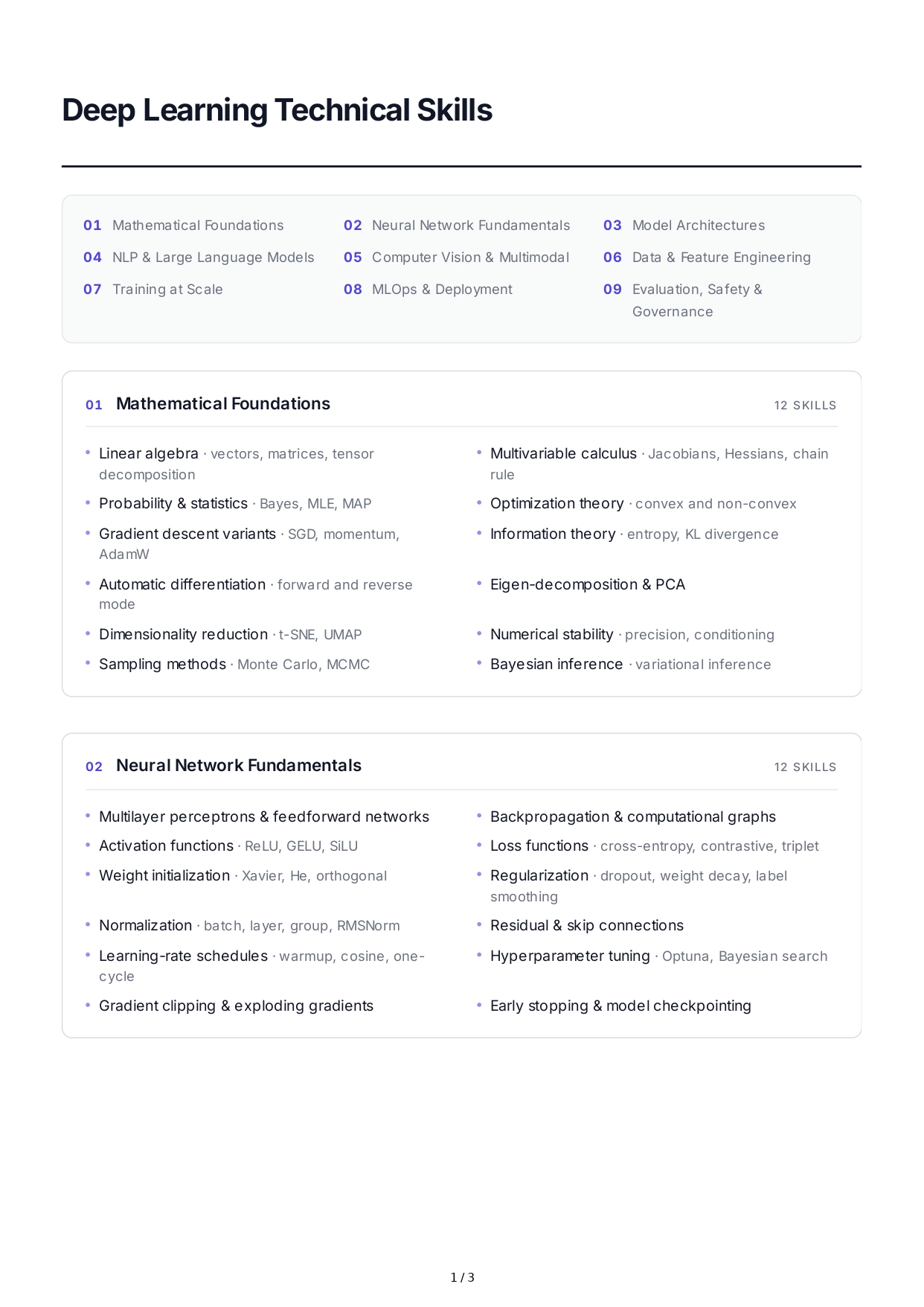
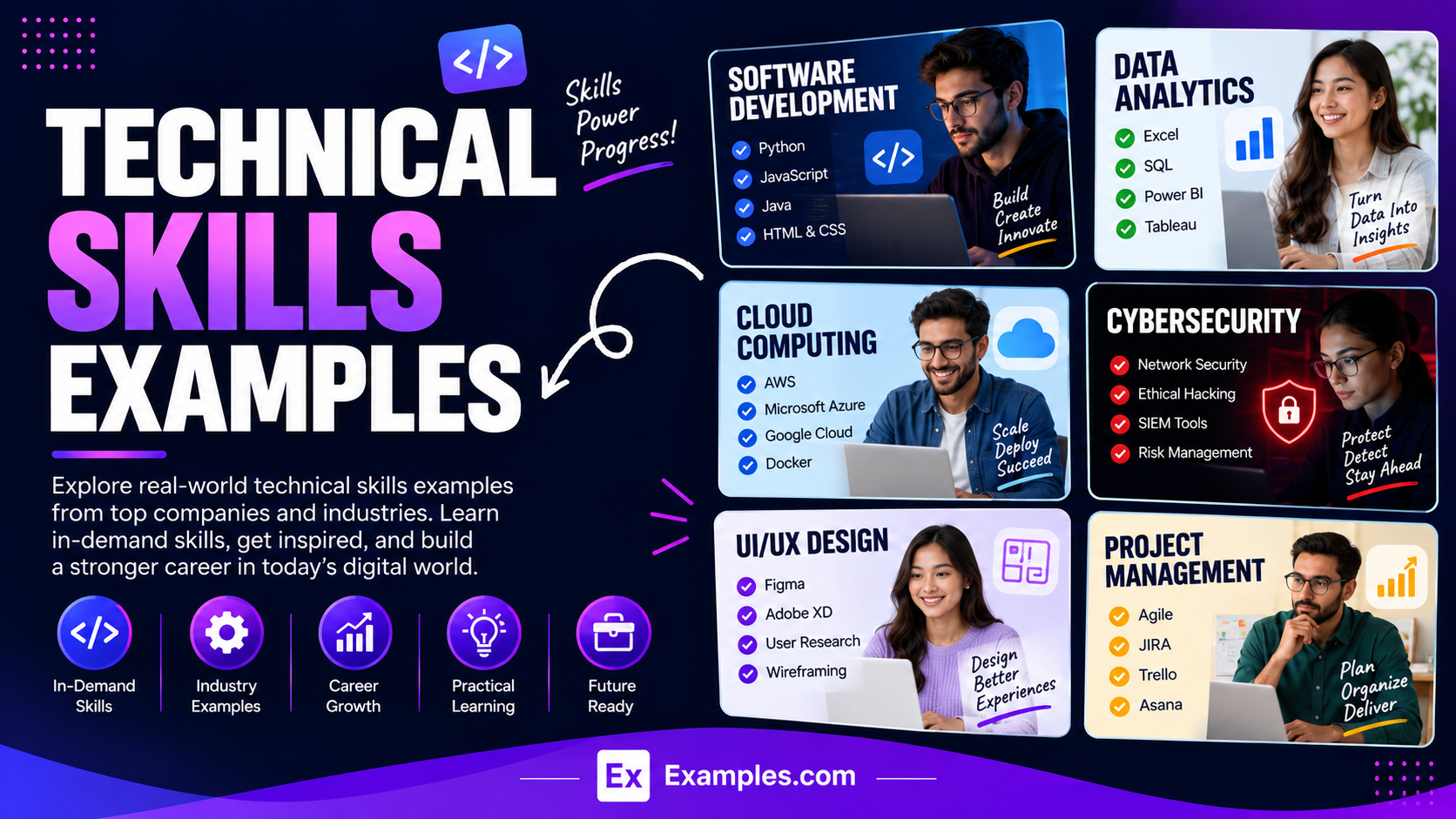
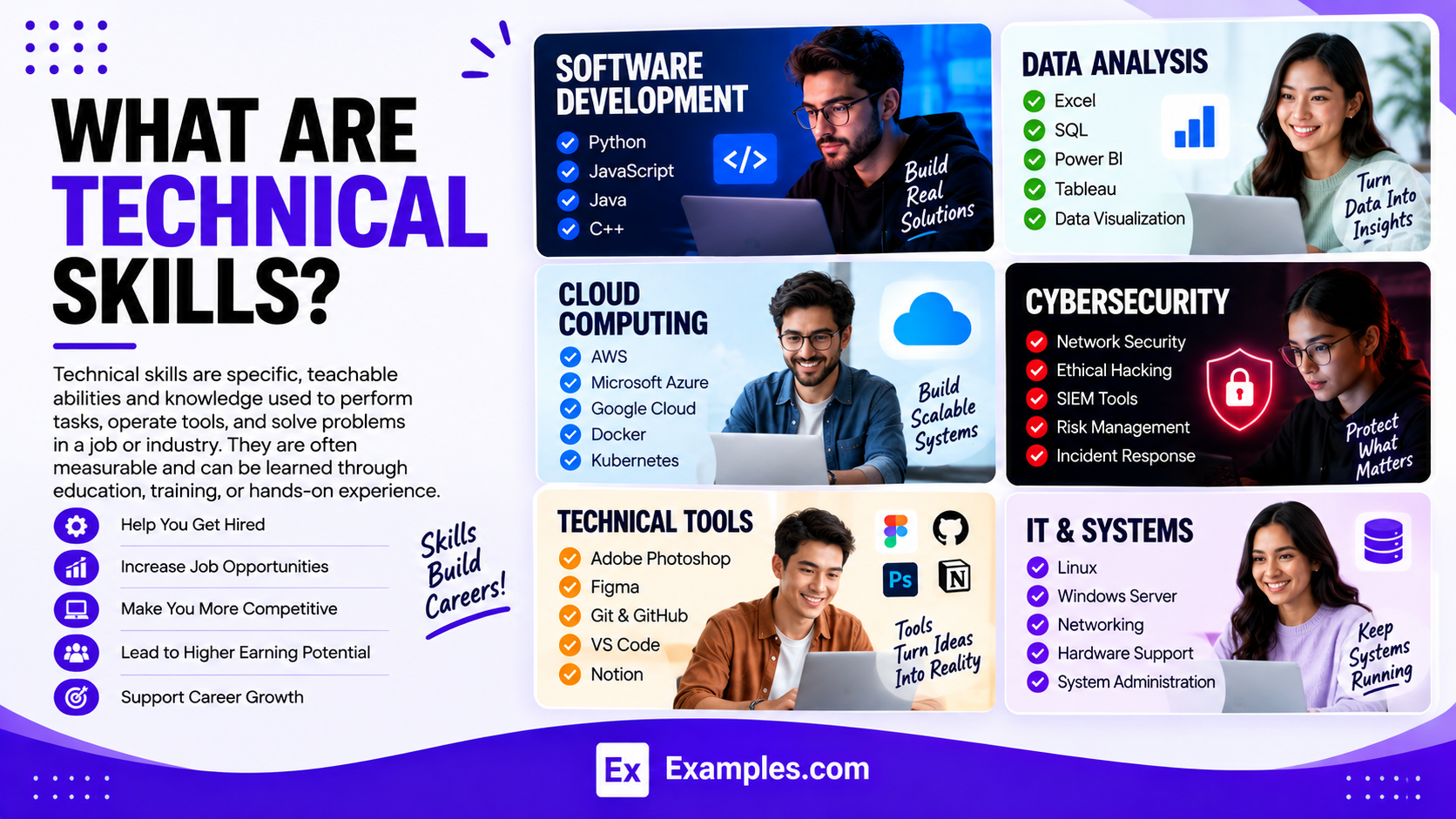
Technical skills are job-specific abilities and practical knowledge used to perform physical or digital tasks with tools, software, systems, processes, or specialized methods. Common Technical Skills Examples include programming, data analysis, cloud computing, cybersecurity, project management, technical writing, software proficiency, accounting, UX design, and SEO. The exact skills required depend on the job and industry.
Technical skills, also called hard skills, are usually developed through education, training, certifications, hands-on projects, internships, or workplace experience. They can be demonstrated through specific tools, technologies, methods, or measurable work outcomes.
What are Technical Skills?
Technical skills are specialized abilities that help a person complete specific job responsibilities. They may involve using software, operating equipment, analyzing information, writing code, managing systems, creating designs, or applying technical processes.
For example, Python programming is a technical skill for a software or data professional, while Excel can be a technical skill for an accountant, analyst, administrator, or project coordinator. Technical skills vary significantly between roles.
Why Are Technical Skills Important?
Technical skills can help professionals:
- Perform role-specific tasks
- Use workplace software and technology
- Analyze and manage information
- Build or maintain technical systems
- Complete projects efficiently
- Demonstrate job-specific knowledge
- Qualify for specialized positions
- Adapt to changing workplace technologies
Technical Skills vs Soft Skills
| Technical Skills | Soft Skills |
|---|---|
| Python programming | Communication |
| Data analysis | Teamwork |
| SQL | Adaptability |
| Excel | Leadership |
| Cloud computing | Problem-solving |
| Graphic design | Time management |
| SEO | Emotional intelligence |
| Accounting software | Collaboration |
Popular Types Of Technical Skills
Technical skills vary according to career path. Some are highly specialized, while others, such as spreadsheet software, project management, writing, and scheduling, can appear across many different roles.
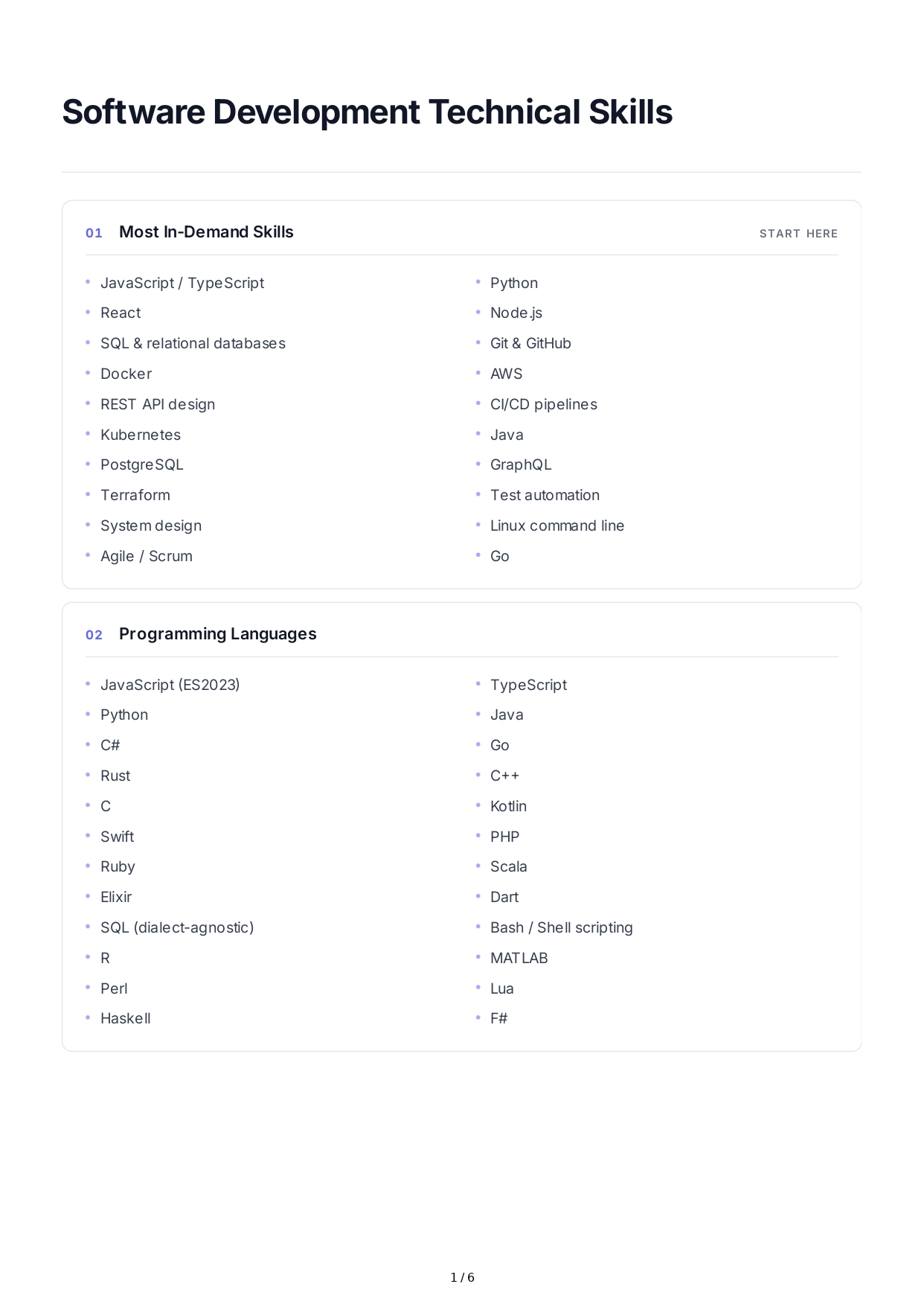
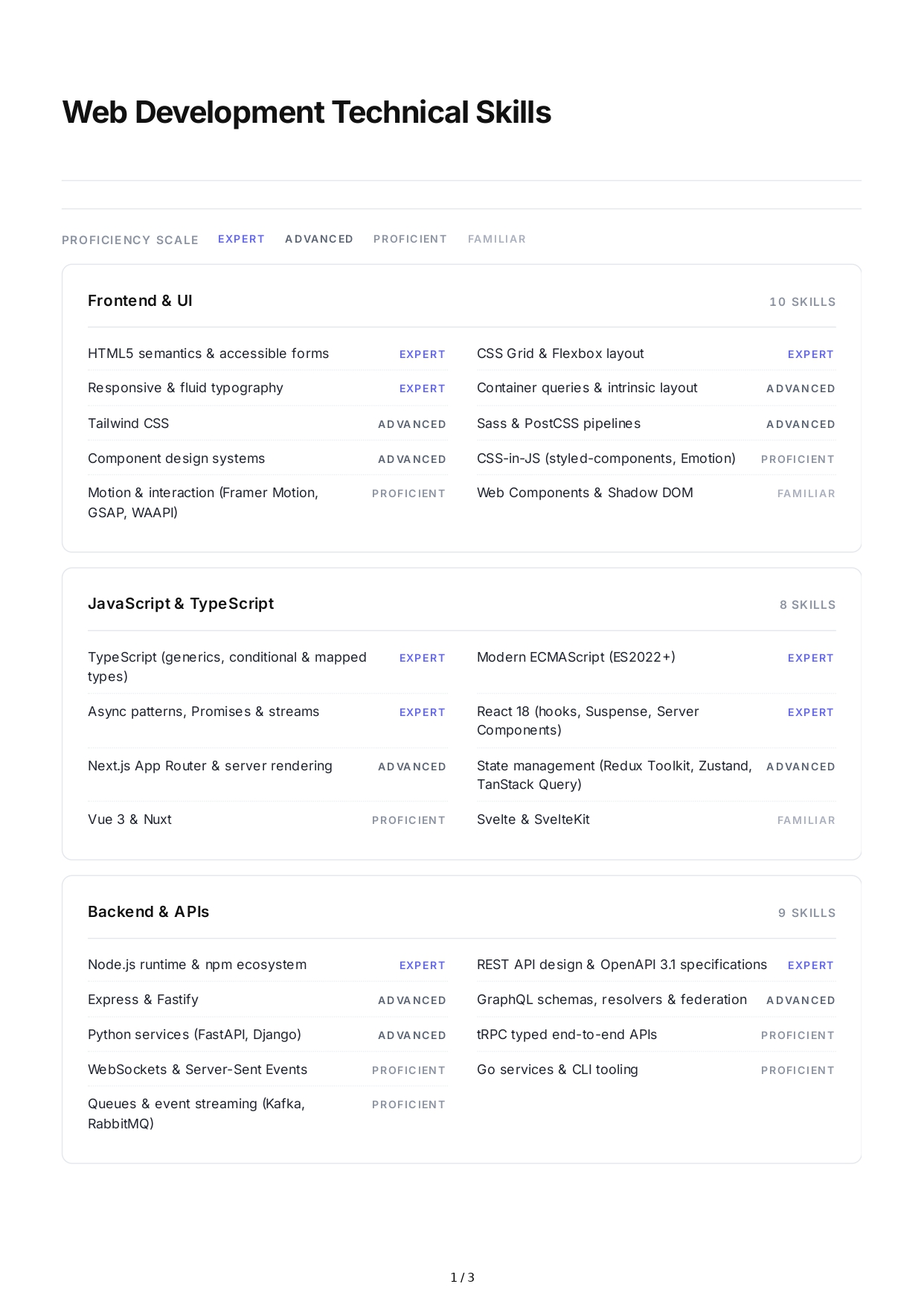
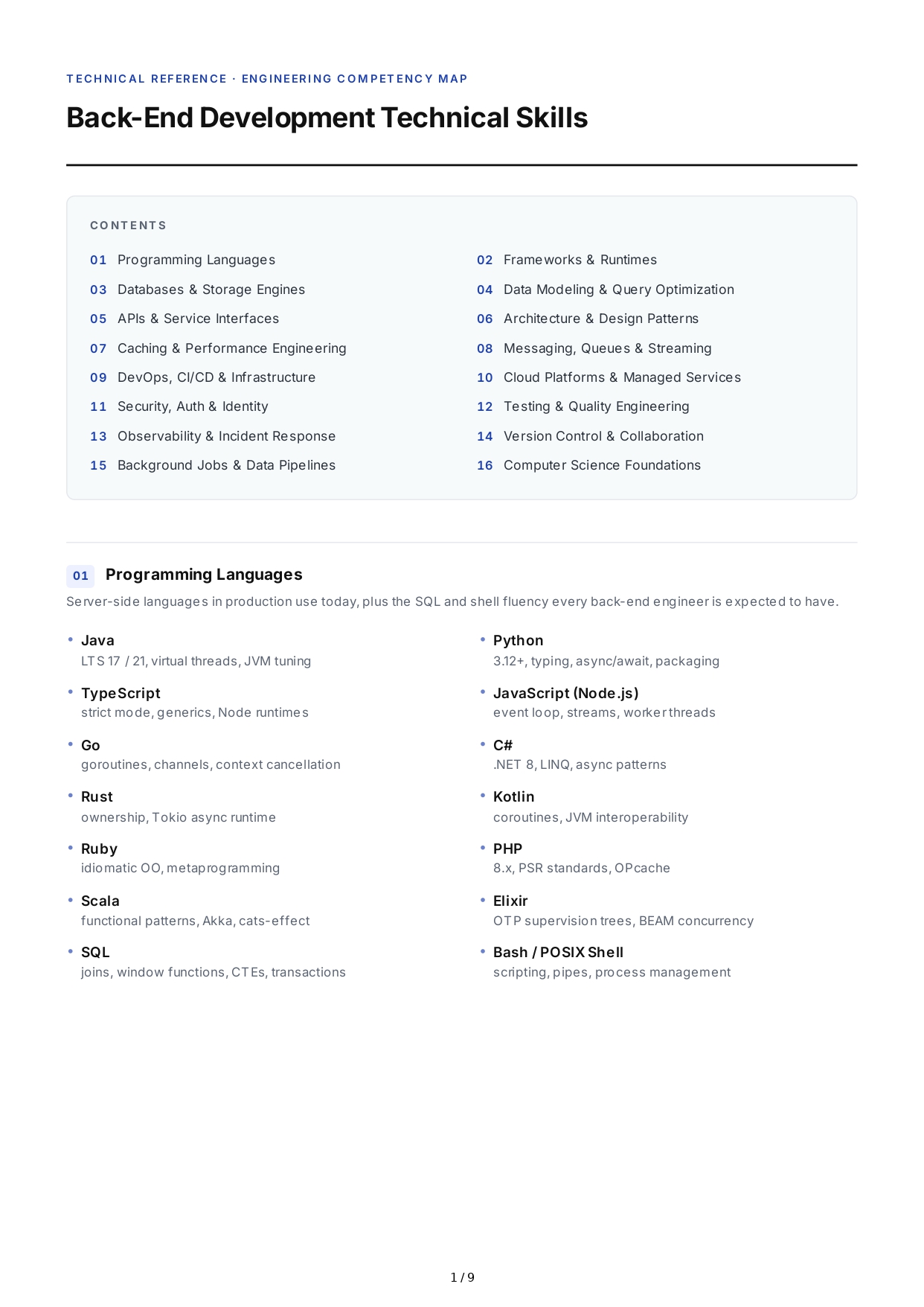
Programming and Software Development
Programming skills involve writing, testing, debugging, and maintaining software.
Examples include:
- Python
- JavaScript
- Java
- C++
- C#
- HTML and CSS
- React
- Node.js
- Git
- API development
Data Analysis and Visualization
Data skills involve collecting, organizing, analyzing, and presenting information.
Examples include:
- Microsoft Excel
- SQL
- Power BI
- Tableau
- Google Sheets
- Data visualization
- Statistical analysis
- Data cleaning
- Database management
Artificial Intelligence and Machine Learning
AI-related technical skills involve developing, applying, or working with intelligent systems and data-driven models.
Examples include:
- Machine learning
- Generative AI
- Natural language processing
- Neural networks
- Model evaluation
- Python for AI
- Prompt engineering
- AI APIs
- Data preprocessing
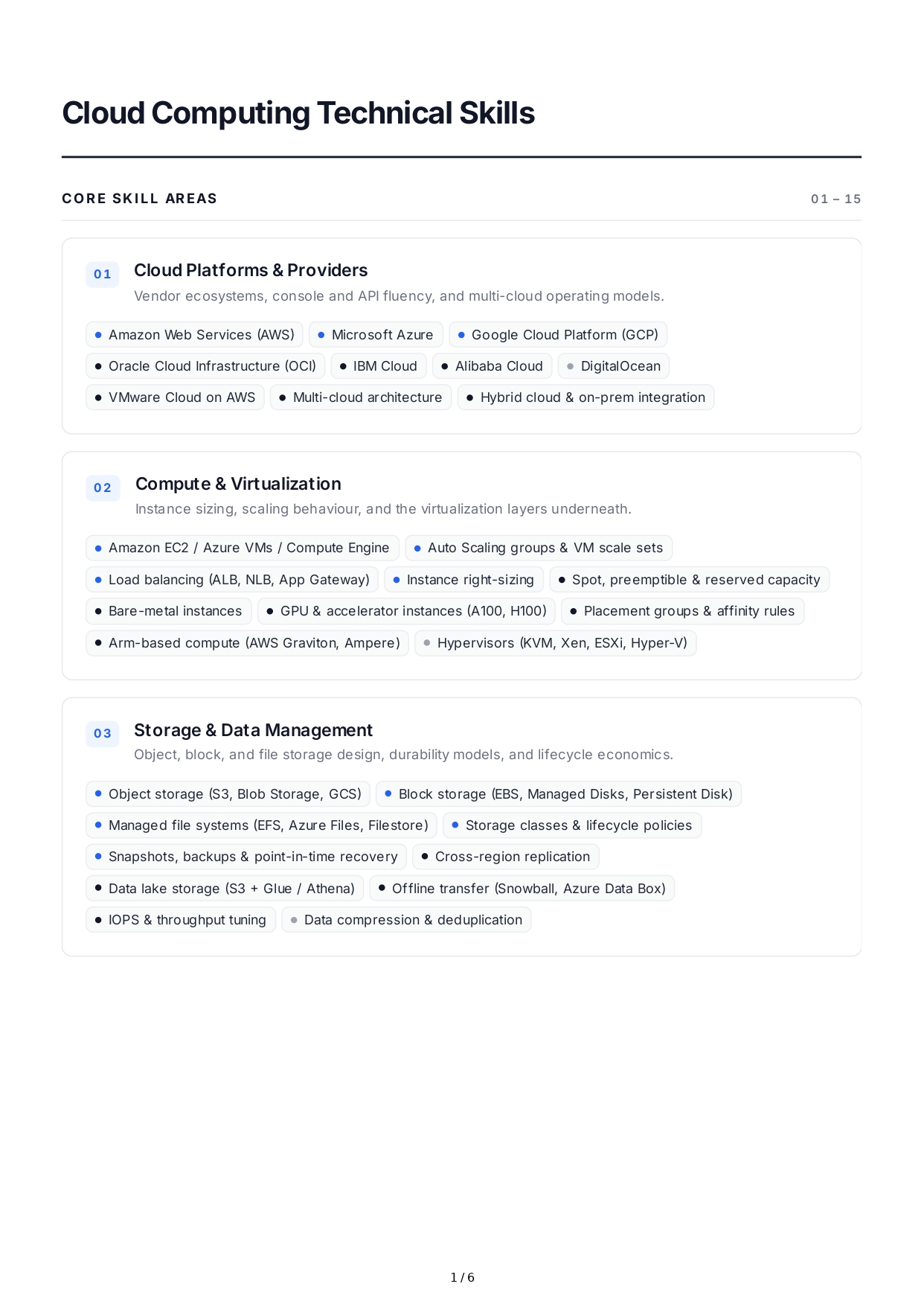
Cloud Computing
Cloud computing skills involve working with cloud platforms, infrastructure, applications, and services.
Examples include:
- Amazon Web Services
- Microsoft Azure
- Google Cloud
- Docker
- Kubernetes
- Cloud security
- Cloud deployment
- Infrastructure management
Cybersecurity
Cybersecurity skills focus on protecting systems, networks, applications, and information.
Examples include:
- Network security
- Threat detection
- Incident response
- Security monitoring
- Ethical hacking
- Vulnerability assessment
- Identity and access management
- Data security
Project Management
Project management is a technical or job-specific skill when it involves structured project planning, execution, tracking, and resource management.
Examples include:
- Agile
- Scrum
- Jira
- Trello
- Asana
- Microsoft Project
- Project scheduling
- Risk management
- Resource planning
Digital Marketing and SEO
Digital marketing professionals use technical skills to manage digital campaigns, websites, analytics, and search visibility.
Examples include:
- Search engine optimization
- Google Analytics
- Keyword research
- Search Console
- Content management systems
- Email marketing platforms
- Marketing automation
- Conversion tracking
- Social media analytics
UX and UI Design
UX and UI skills involve designing digital experiences and interfaces based on user needs.
Examples include:
- Figma
- Adobe XD
- Wireframing
- Prototyping
- User research
- Information architecture
- Usability testing
- Design systems
Graphic Design and Multimedia
These skills involve creating visual and multimedia content using specialized software.
Examples include:
- Adobe Photoshop
- Adobe Illustrator
- Canva
- InDesign
- Video editing
- Motion graphics
- Typography
- Photo editing
Financial and Accounting Skills
Finance professionals use technical knowledge to manage financial information and business transactions.
Examples include:
- Financial analysis
- Bookkeeping
- Budget management
- Financial modeling
- Payroll systems
- Accounting software
- Tax preparation
- Excel
- Financial reporting
Technical Writing
Technical writing involves producing documentation that explains specialized information clearly.
Examples include:
- User manuals
- Technical documentation
- Standard operating procedures
- Research reports
- Product documentation
- Editing
- Documentation tools
- Knowledge-base content
IT and Systems Administration
IT professionals may need technical skills for managing computers, networks, servers, and organizational systems.
Examples include:
- Linux
- Windows Server
- System administration
- Network configuration
- Hardware troubleshooting
- Database administration
- Virtualization
- IT support
How Do I Generate Technical Skills Using Proven Examples from Top Companies?
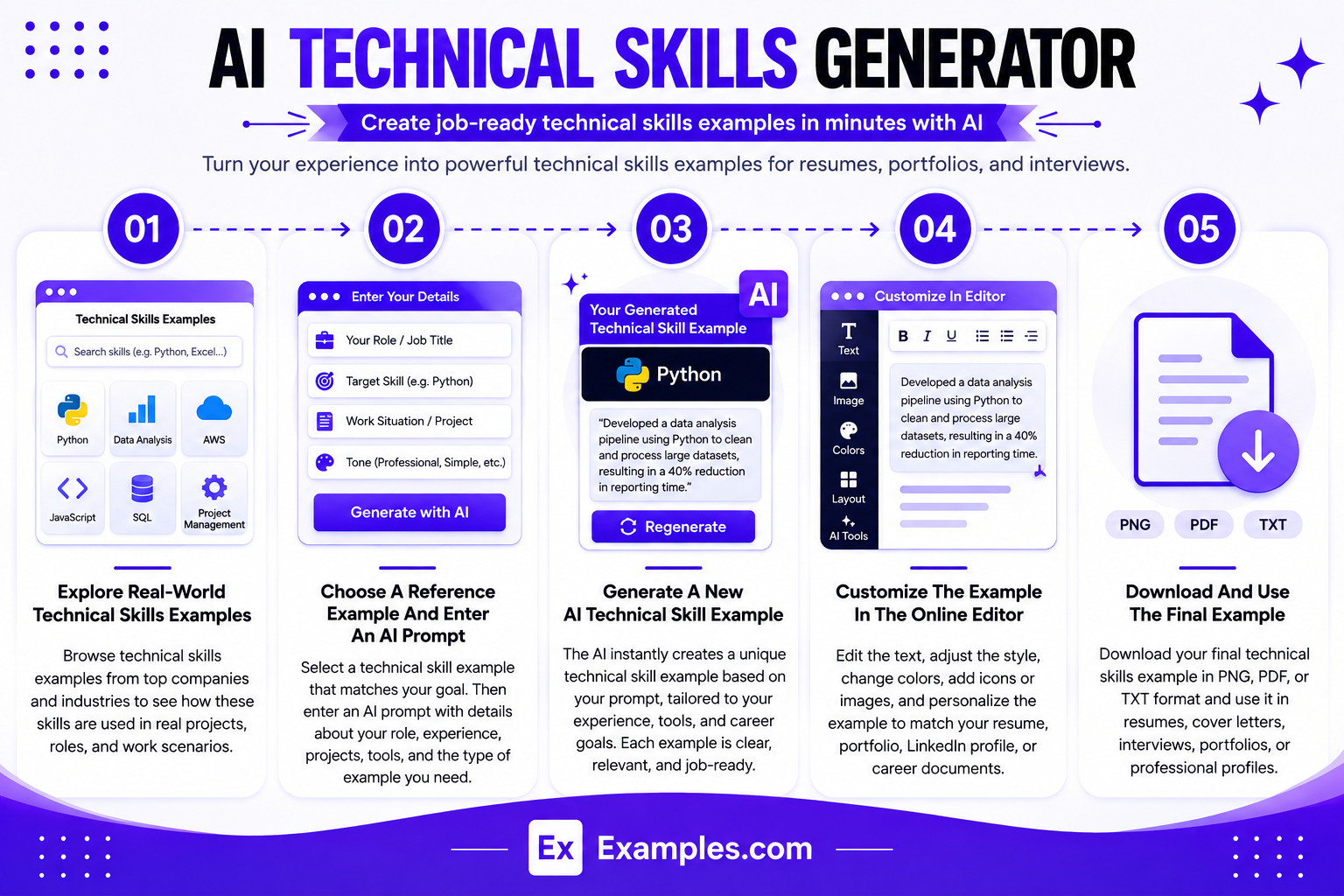
Creating technical skills examples with AI helps users turn their experience, tools, projects, and job responsibilities into clear, professional skill examples using reference content and customizable prompts.
Explore Real-World Technical Skills Examples
Browse real-world technical skills examples across software development, data analysis, cybersecurity, cloud computing, design, marketing, finance, IT, project management, and other industries. These examples can help you identify relevant skills, tools, technologies, and practical applications for your career goals.
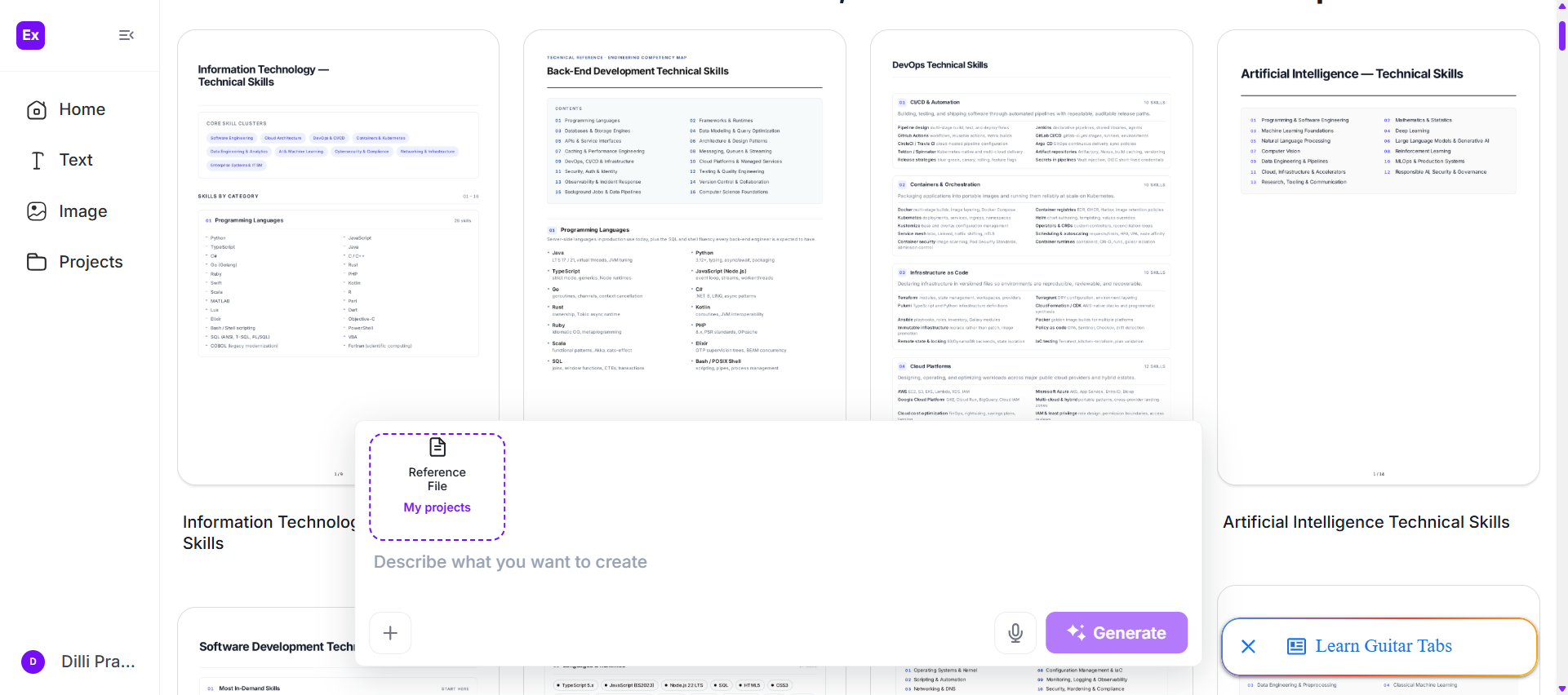
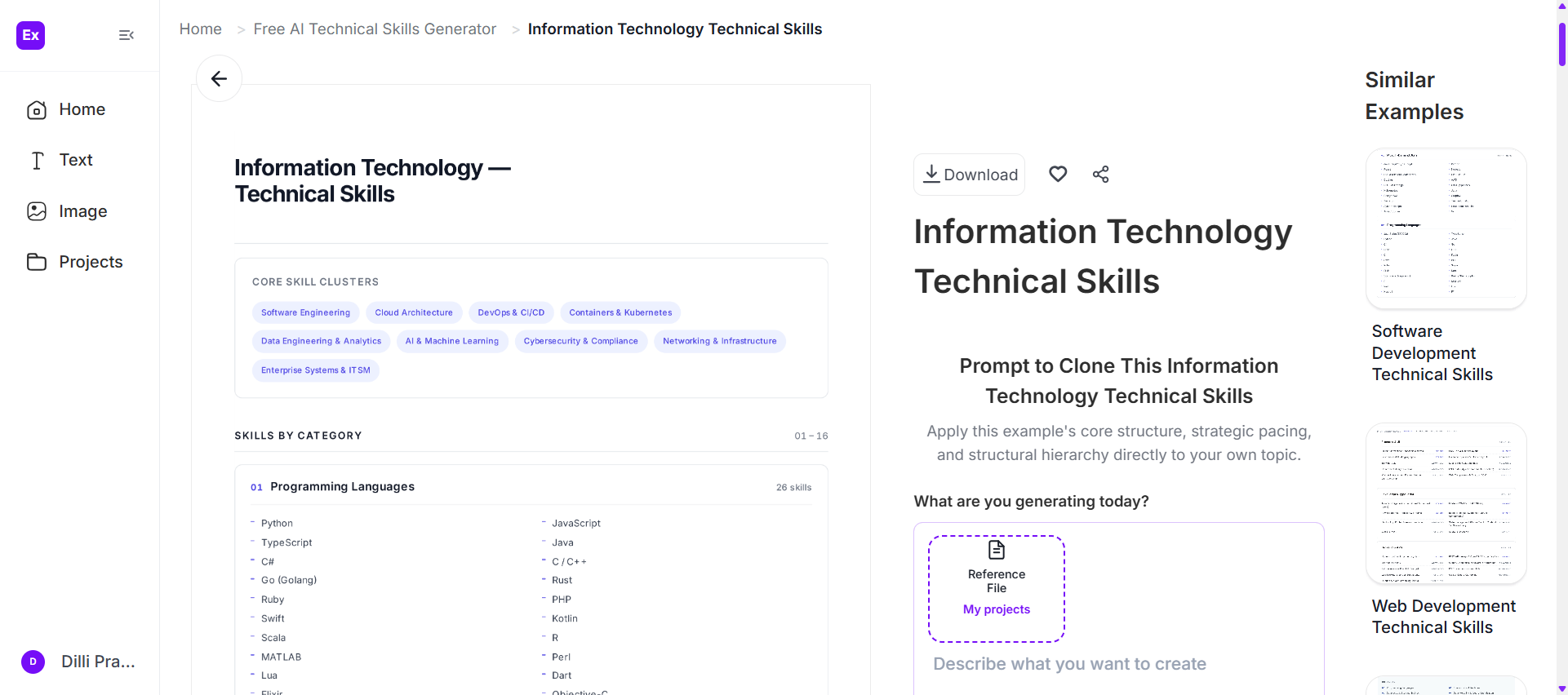
Choose A Reference Skill And Enter An AI Prompt
Select a technical skills example that matches your role or career goal. Then enter an AI prompt describing your job title, experience, projects, tools, technologies, responsibilities, industry, and the type of technical skill example you want to create.
Generate A New AI Technical Skill Example
The AI generates a new technical skill example based on your prompt and selected reference. The result can connect your technical knowledge with practical tasks, projects, tools, and workplace situations to create a clear and relevant example.
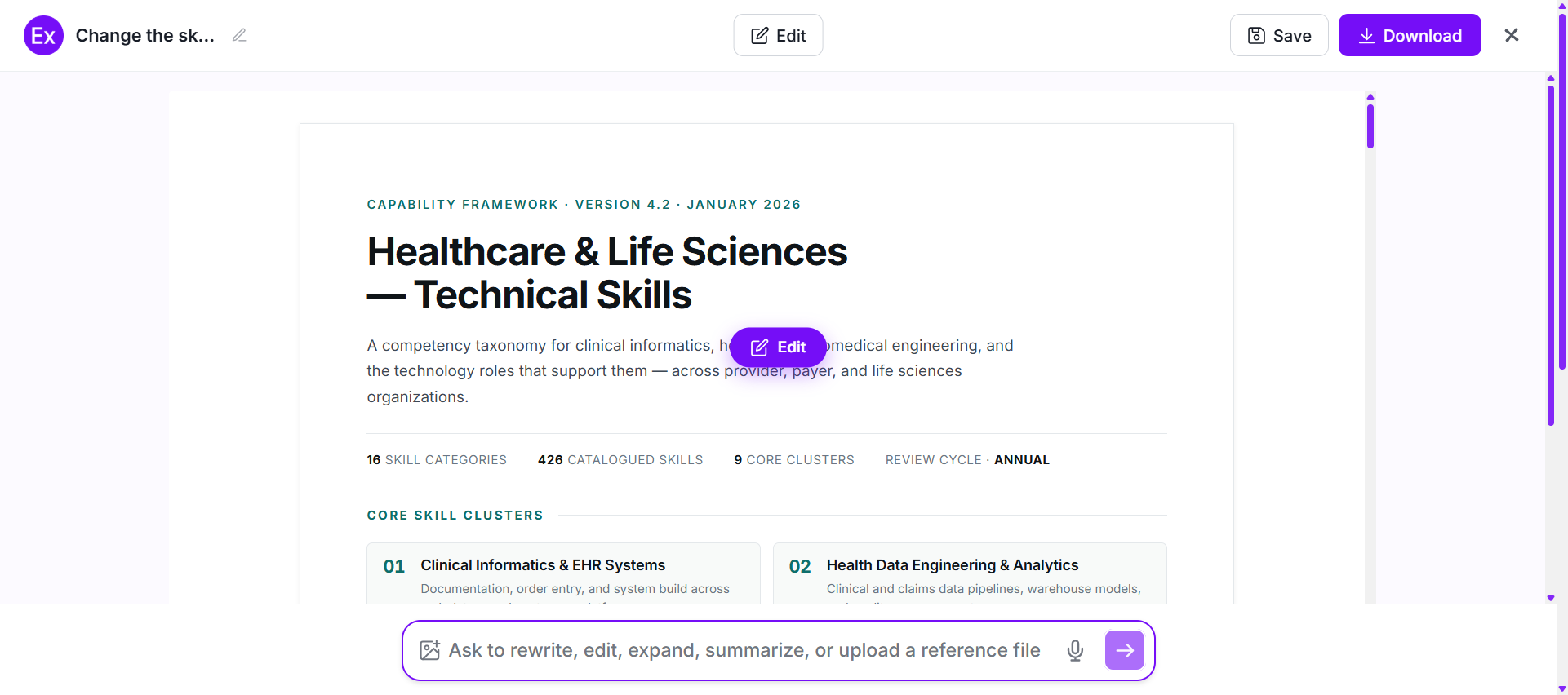
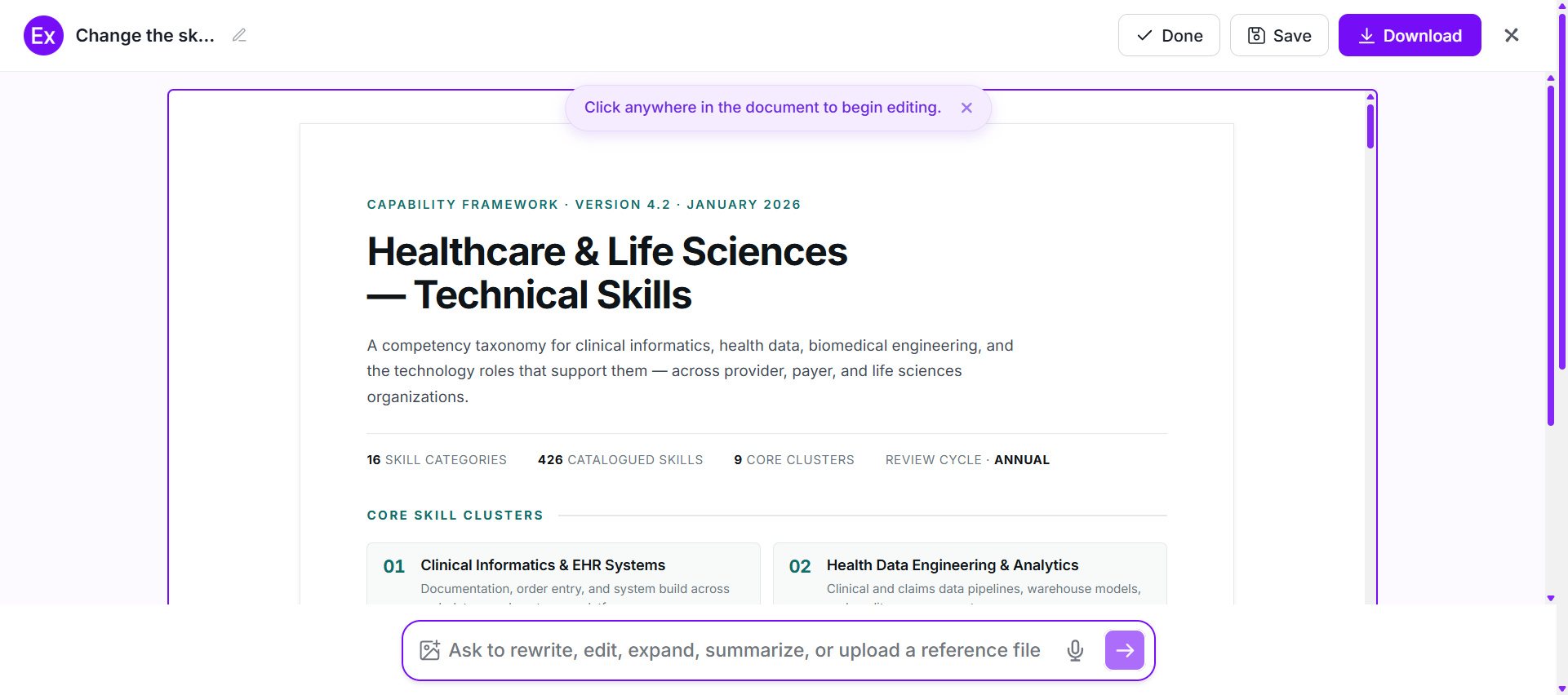
Customize The Technical Skill In The Online Editor
Open the generated technical skill example in the online editor to personalize it. Adjust the wording, formatting, examples, colors, graphics, and other elements to match your resume, portfolio, professional profile, interview preparation, or career document.
Download And Use The Final Technical Skill Example
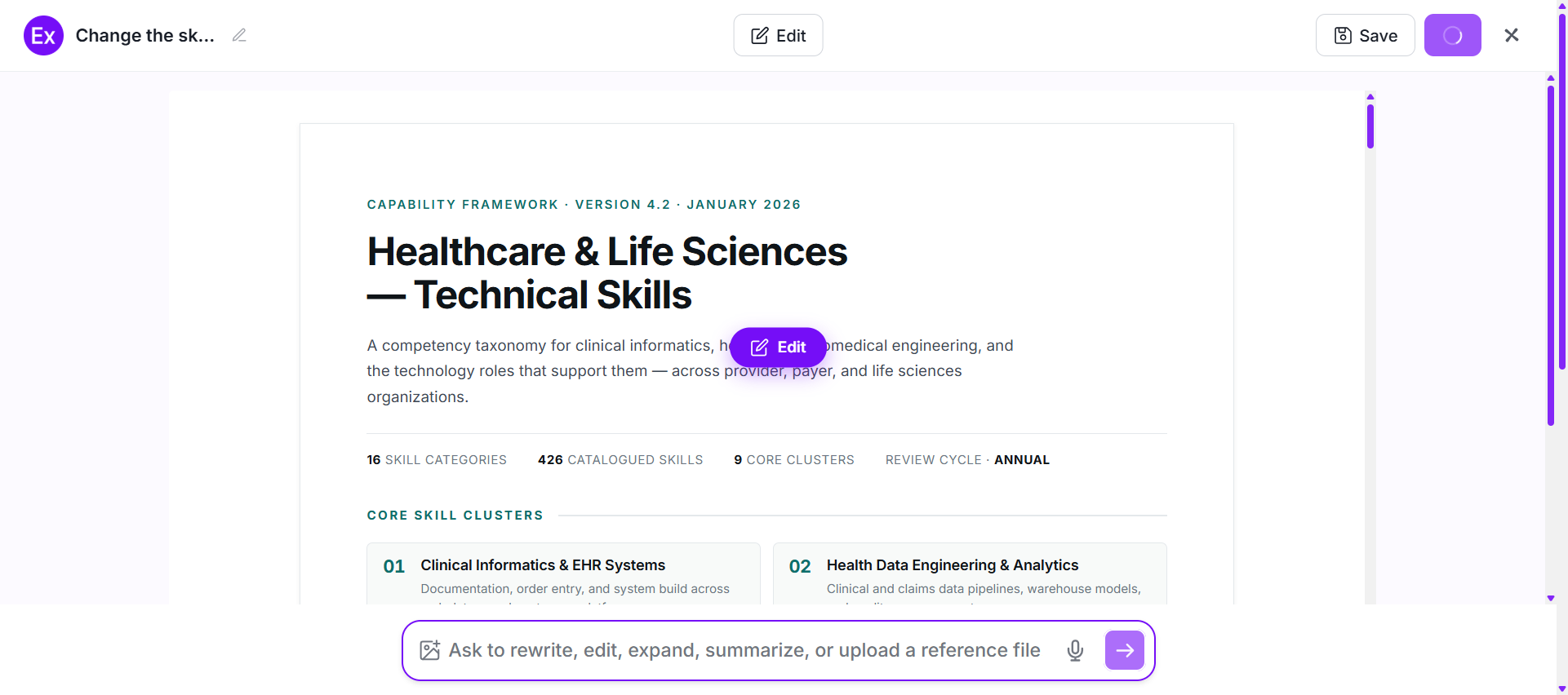
Once customization is complete, download the final technical skills example in PNG, PDF, or TXT format and use it for resumes, cover letters, portfolios, interviews, professional profiles, presentations, or career planning.
Technical Skills Examples by Industry
The technical skills employers expect can change significantly depending on the industry and position.
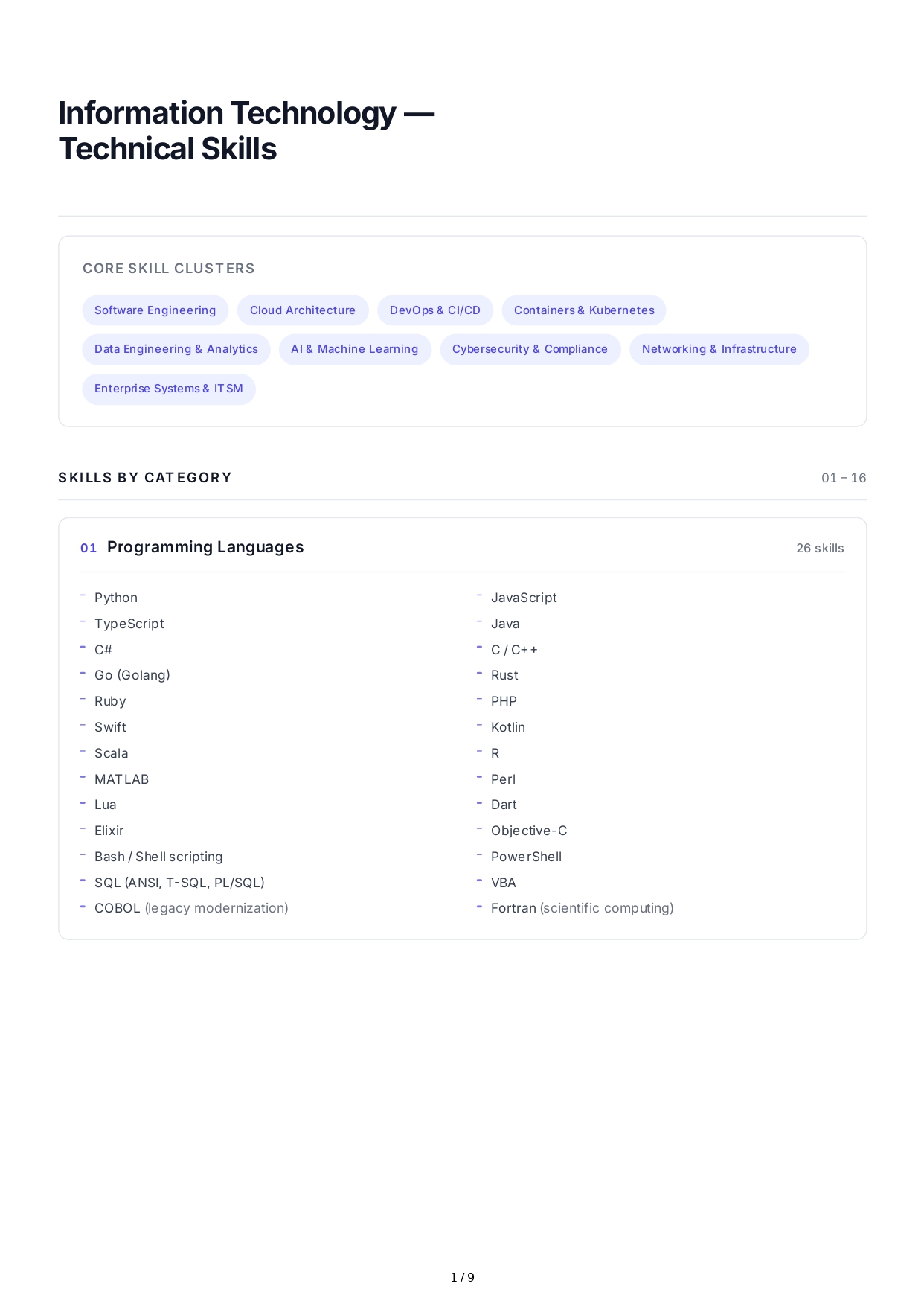
Information Technology
- Programming
- Network administration
- Cloud computing
- Database management
- Cybersecurity
- System administration
Marketing
- SEO
- Google Analytics
- Keyword research
- CRM software
- Marketing automation
- Content management systems
Finance
- Financial modeling
- Excel
- Accounting software
- Budgeting
- Financial reporting
- Data analysis
Healthcare
- Electronic health record systems
- Medical coding
- Clinical documentation
- Medical software
- Diagnostic equipment
- Healthcare data management
Engineering
- CAD software
- Technical drawing
- Simulation software
- Quality control
- Data analysis
- Engineering documentation
Design
- Figma
- Adobe Creative Cloud
- Wireframing
- Prototyping
- User research
- Visual design
Education
- Learning management systems
- Educational technology
- Digital assessment tools
- Presentation software
- Online classroom platforms
- Spreadsheet applications
Technical Skills Examples for a Resume
When adding technical skills to a resume, focus on abilities that are relevant to the specific position rather than creating a long list of unrelated tools.
For example:
Software Developer
- Python
- JavaScript
- React
- Git
- REST APIs
- SQL
Data Analyst
- Excel
- SQL
- Power BI
- Tableau
- Data visualization
- Statistical analysis
Digital Marketer
- SEO
- Google Analytics
- Keyword research
- Google Search Console
- CRM platforms
- Content management systems
How to Show Technical Skills With Experience
Instead of only listing a skill, demonstrate how you used it.
Basic:
SQL
Stronger:
Used SQL to query and organize customer datasets for recurring business reports.
Basic:
Python
Stronger:
Used Python to automate data-processing tasks and prepare datasets for analysis.
Specific examples help connect a technical skill with actual work or project experience.
How to Develop Technical Skills
Technical skills can be developed through formal education, online courses, certifications, hands-on projects, internships, and workplace experience.
A practical approach is to:
- Identify skills required for your target role.
- Review current job descriptions in your field.
- Choose one skill to learn at a time.
- Complete structured courses or training.
- Practice through realistic projects.
- Build a portfolio of completed work.
- Use the skill in internships or workplace assignments.
- Update your resume as your proficiency grows.
- Review new tools and technologies regularly.
Because technical requirements change between industries and roles, checking current job descriptions is useful when deciding which skills to develop.
Technical Skills and the Changing Job Market
Technical skill requirements continue to evolve as organizations adopt new software, automation, cloud platforms, data systems, and AI technologies. Current 2026 career research includes areas such as AI, machine learning, data, software development, cybersecurity, and cloud-related capabilities among technical skill areas being tracked.
At the same time, technical skills are only one part of a professional skill set. Many roles require a combination of technical abilities, workplace skills, and transferable skills.
What are technical skills?
Technical skills are specialized abilities and knowledge used to perform specific job tasks with tools, software, systems, processes, or technical methods. They are often called hard skills.
What are five examples of technical skills?
Five examples are programming, data analysis, cloud computing, cybersecurity, and project management. Other examples include technical writing, SEO, accounting, UX design, and software proficiency.
What technical skills should I put on my resume?
Choose technical skills that are relevant to the position you are applying for and that you can demonstrate through education, projects, certifications, or work experience. Reviewing the job description can help you identify relevant requirements.
Are technical skills the same as hard skills?
Technical skills are commonly considered a type of hard skill. The terms are often used interchangeably when referring to specialized, measurable abilities required to perform particular tasks.
Can technical skills be learned?
Yes. Technical skills can be developed through education, certification programs, online courses, hands-on projects, internships, and workplace training.
Which technical skills are useful across different careers?
Some skills that can appear across multiple career areas include spreadsheet software, data analysis, project management, writing, scheduling, SEO, and CRM software. The specific level of proficiency required depends on the position.
How do I prove my technical skills?
You can demonstrate technical skills through completed projects, work experience, certifications, portfolios, assessments, technical interviews, and measurable work results. Where possible, explain how you used the skill rather than simply listing its name.