
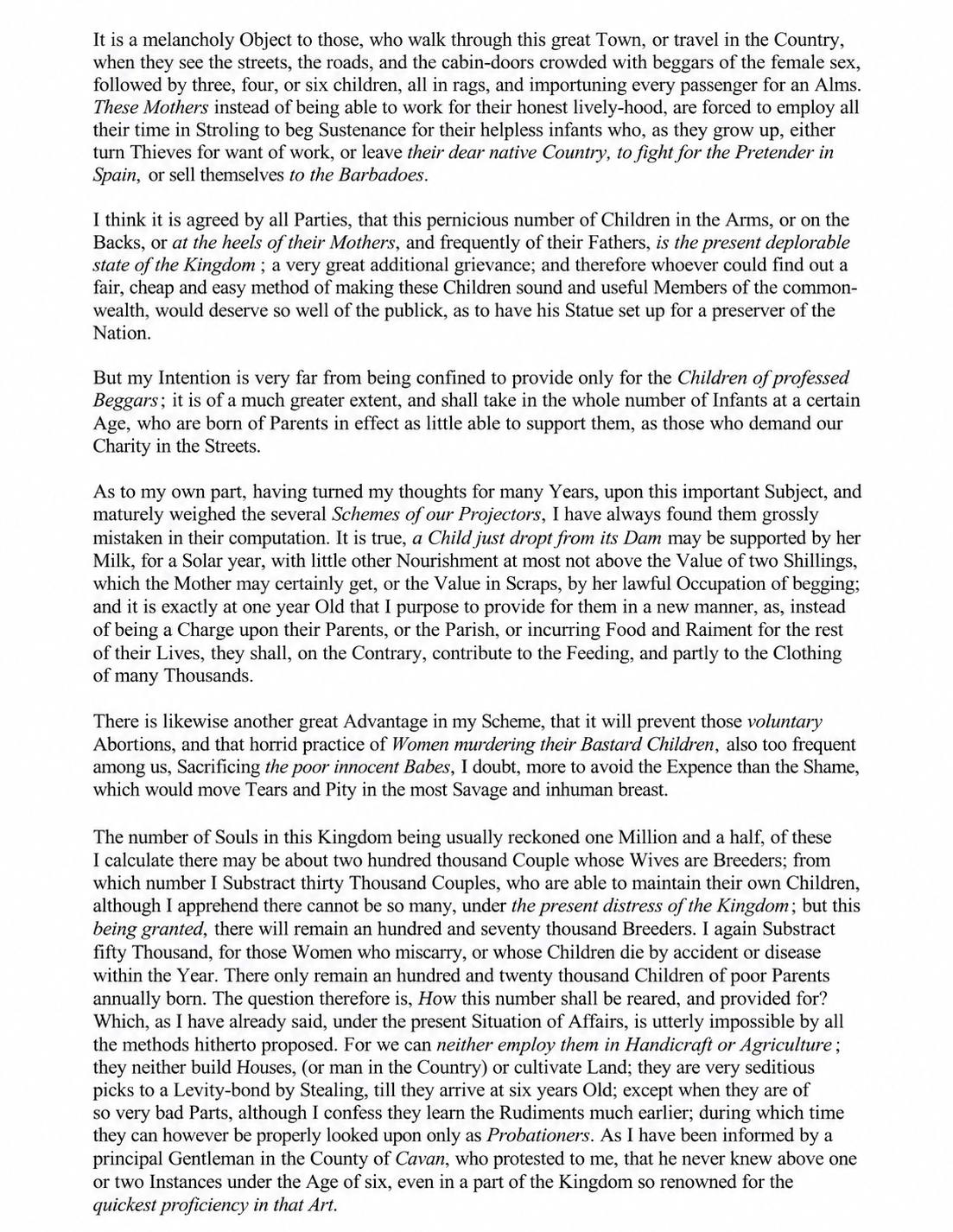
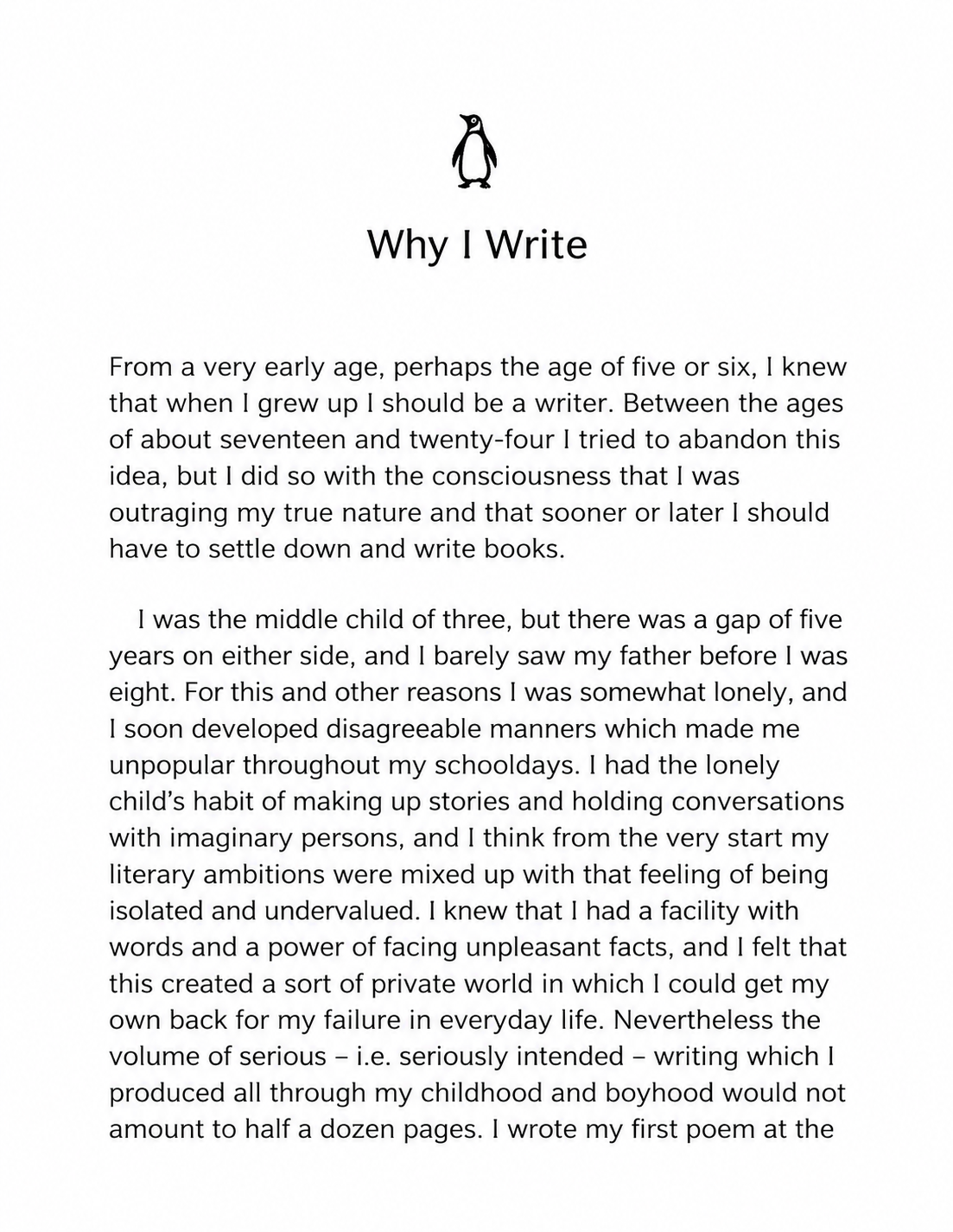
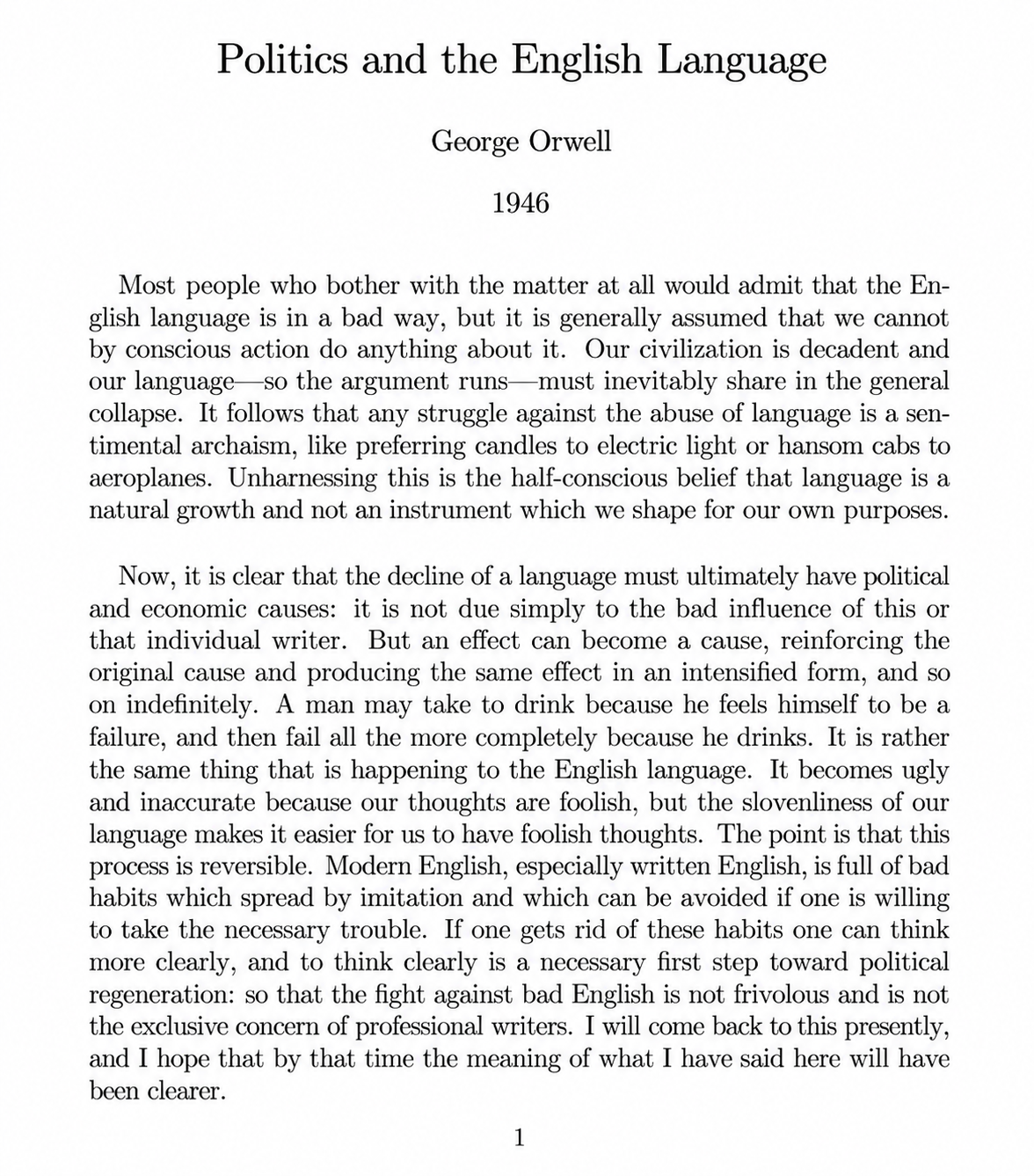
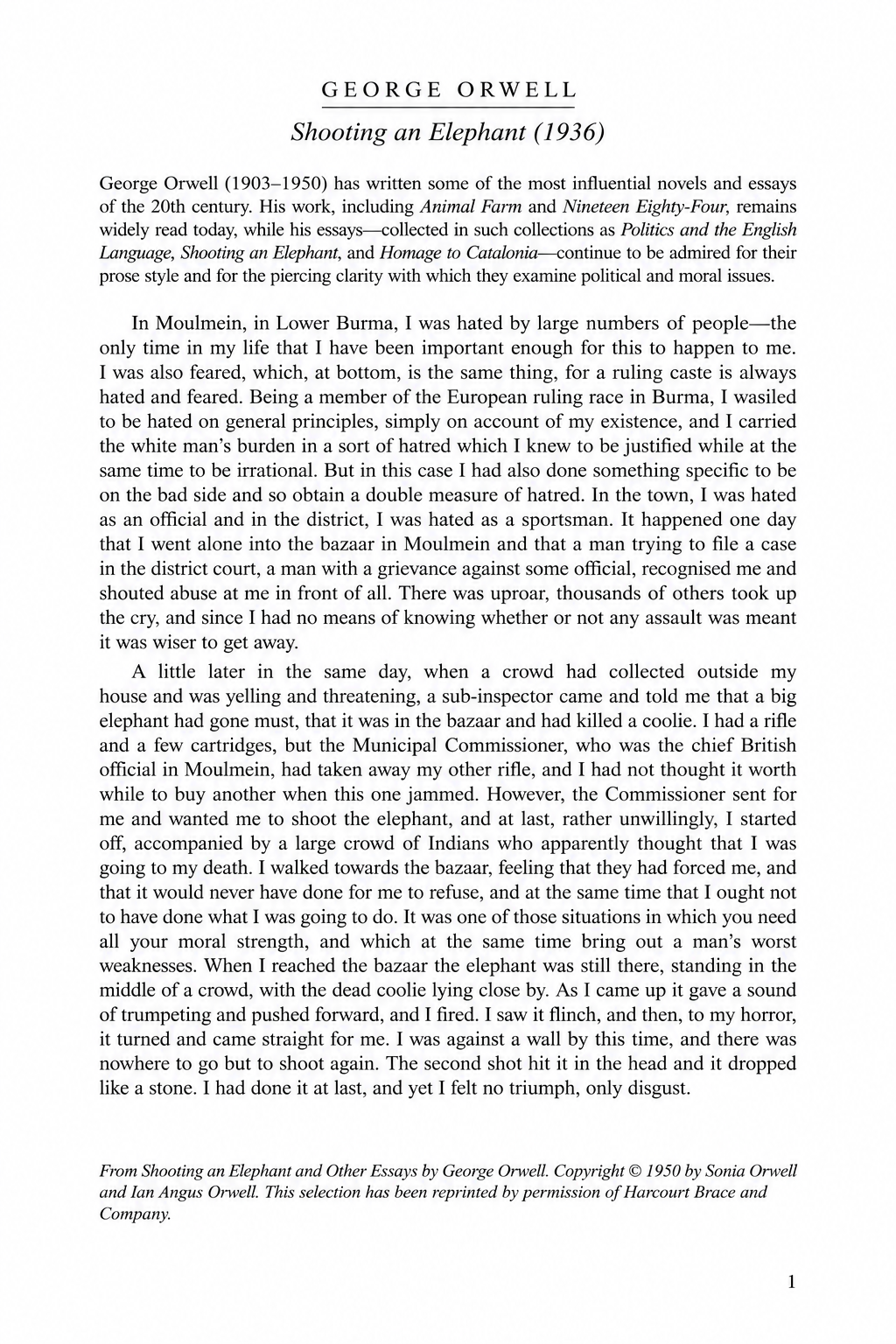
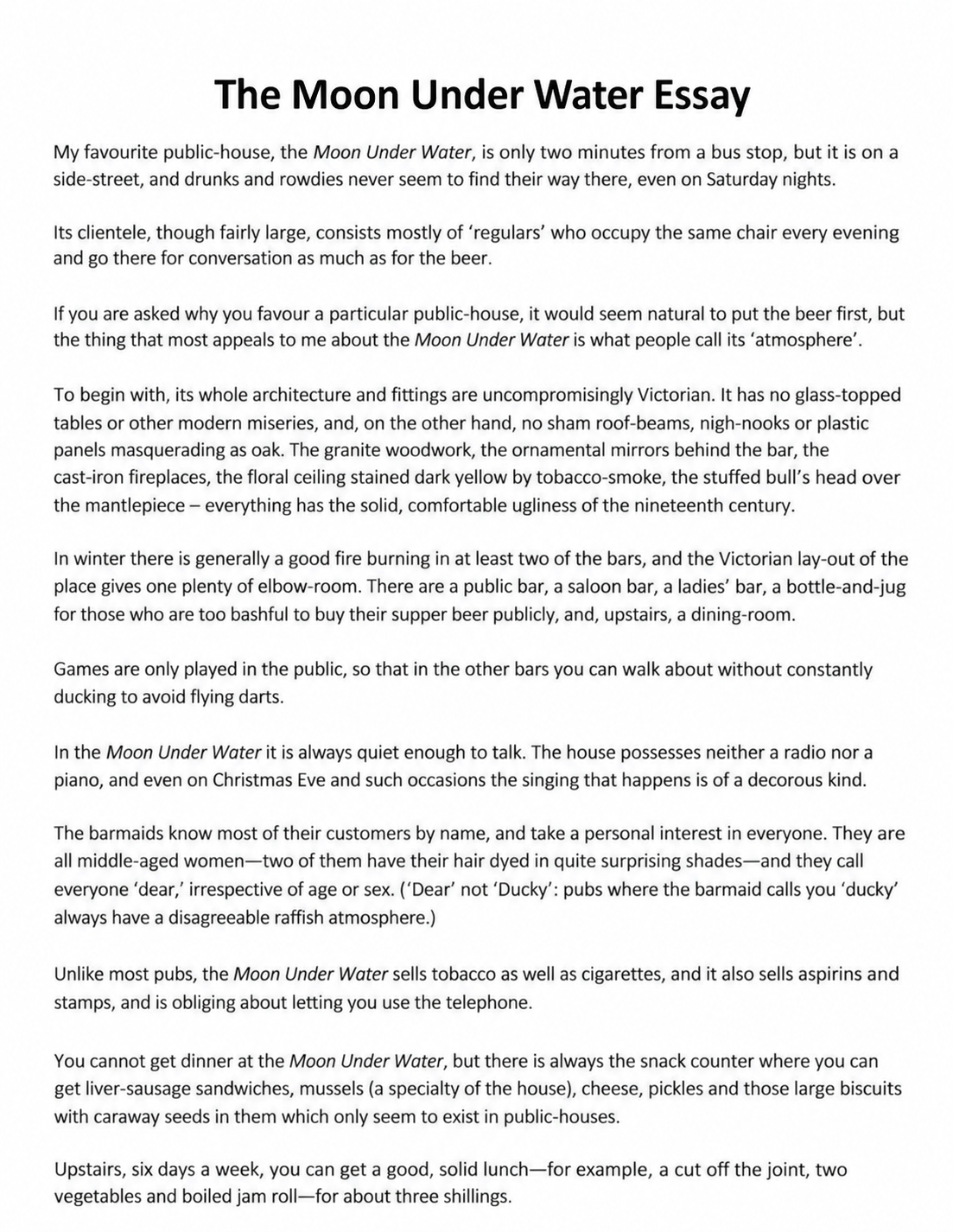
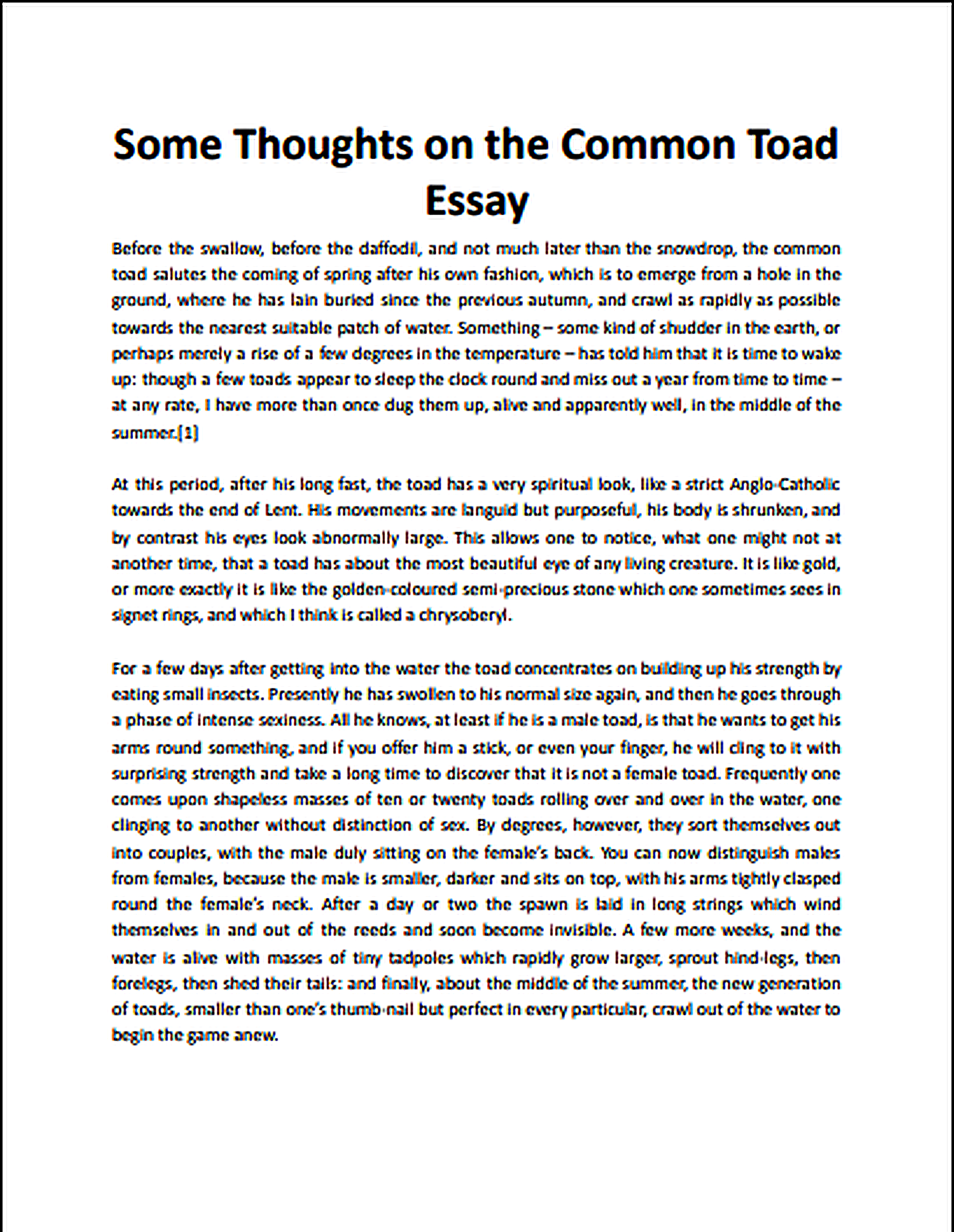
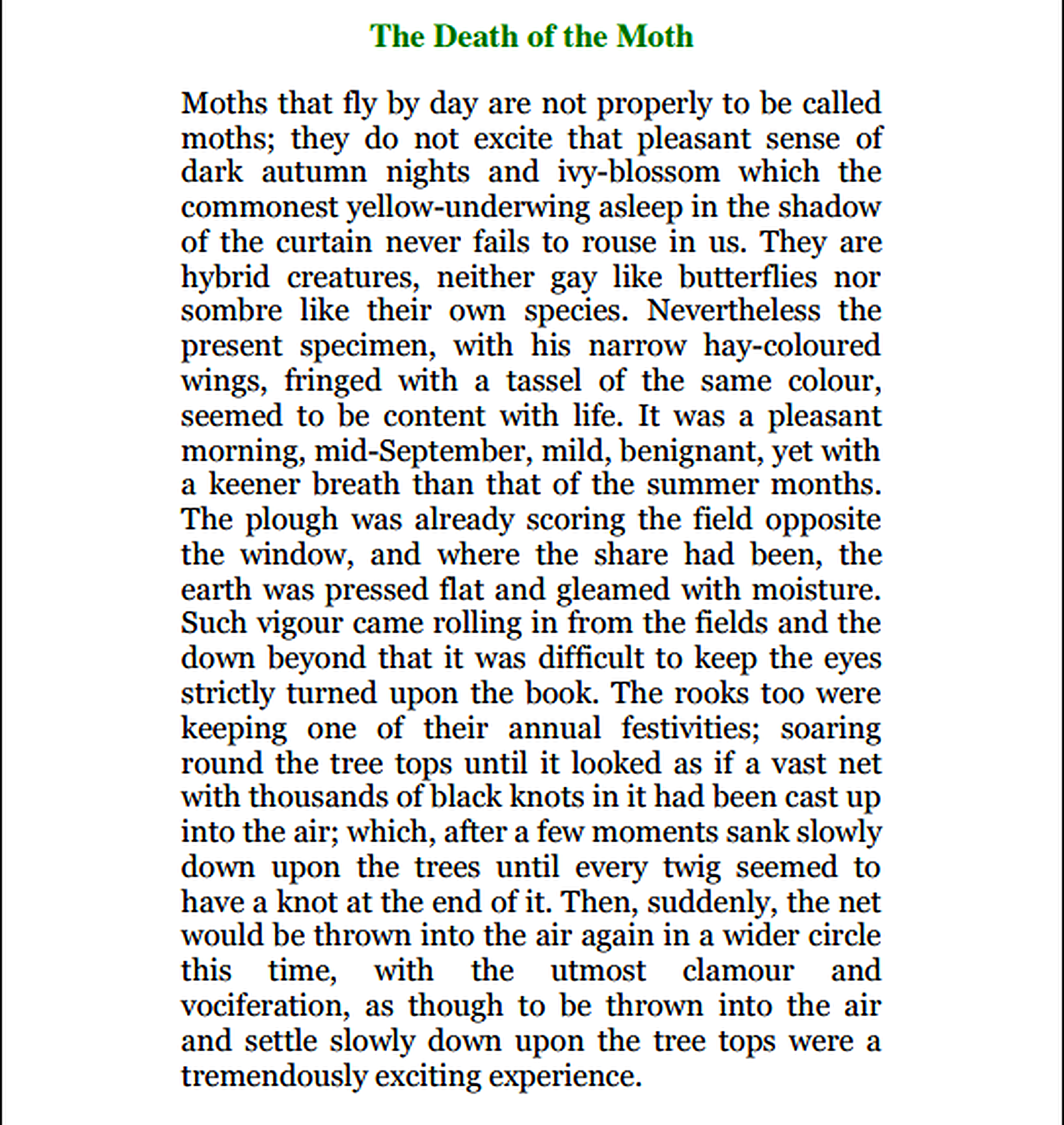
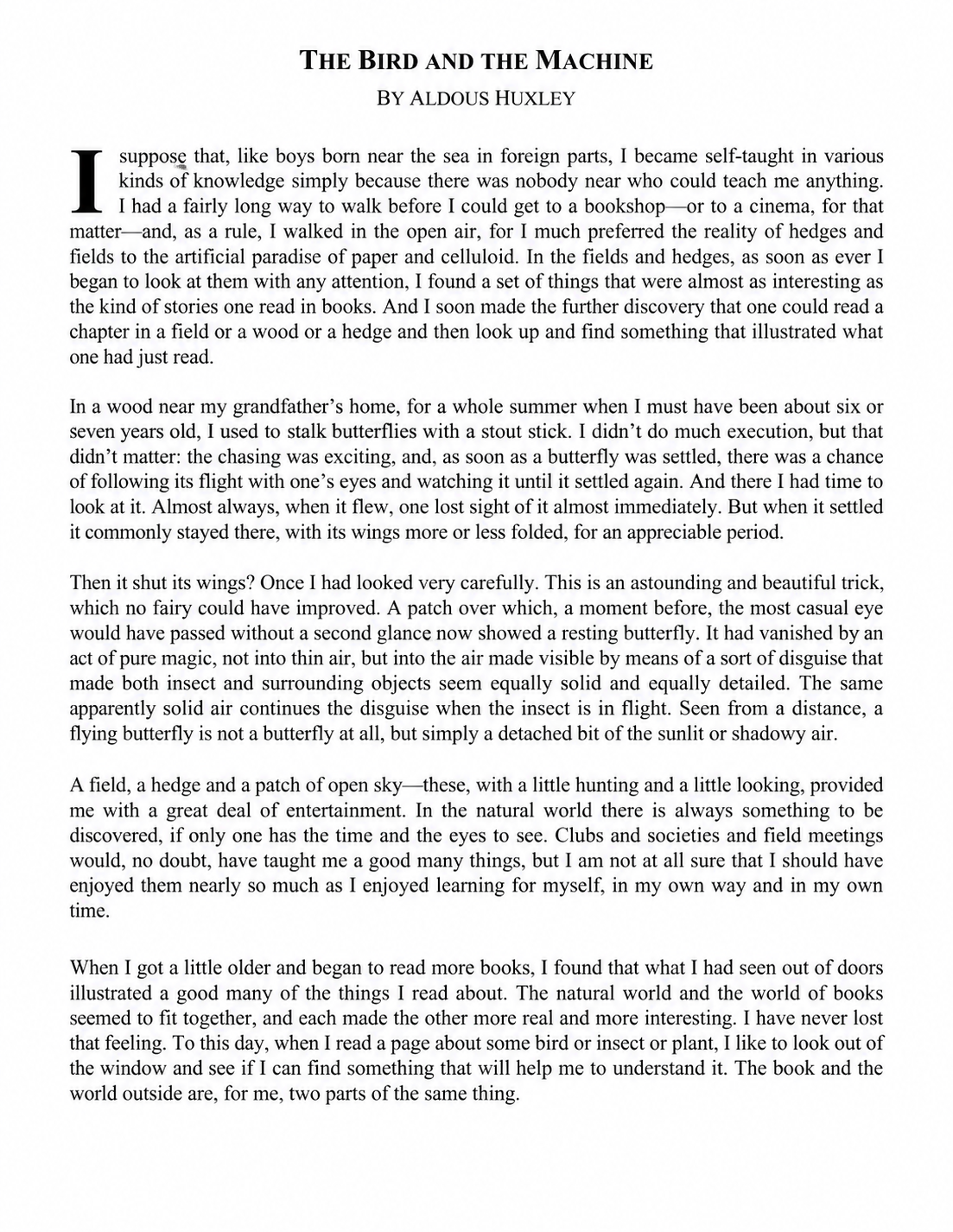
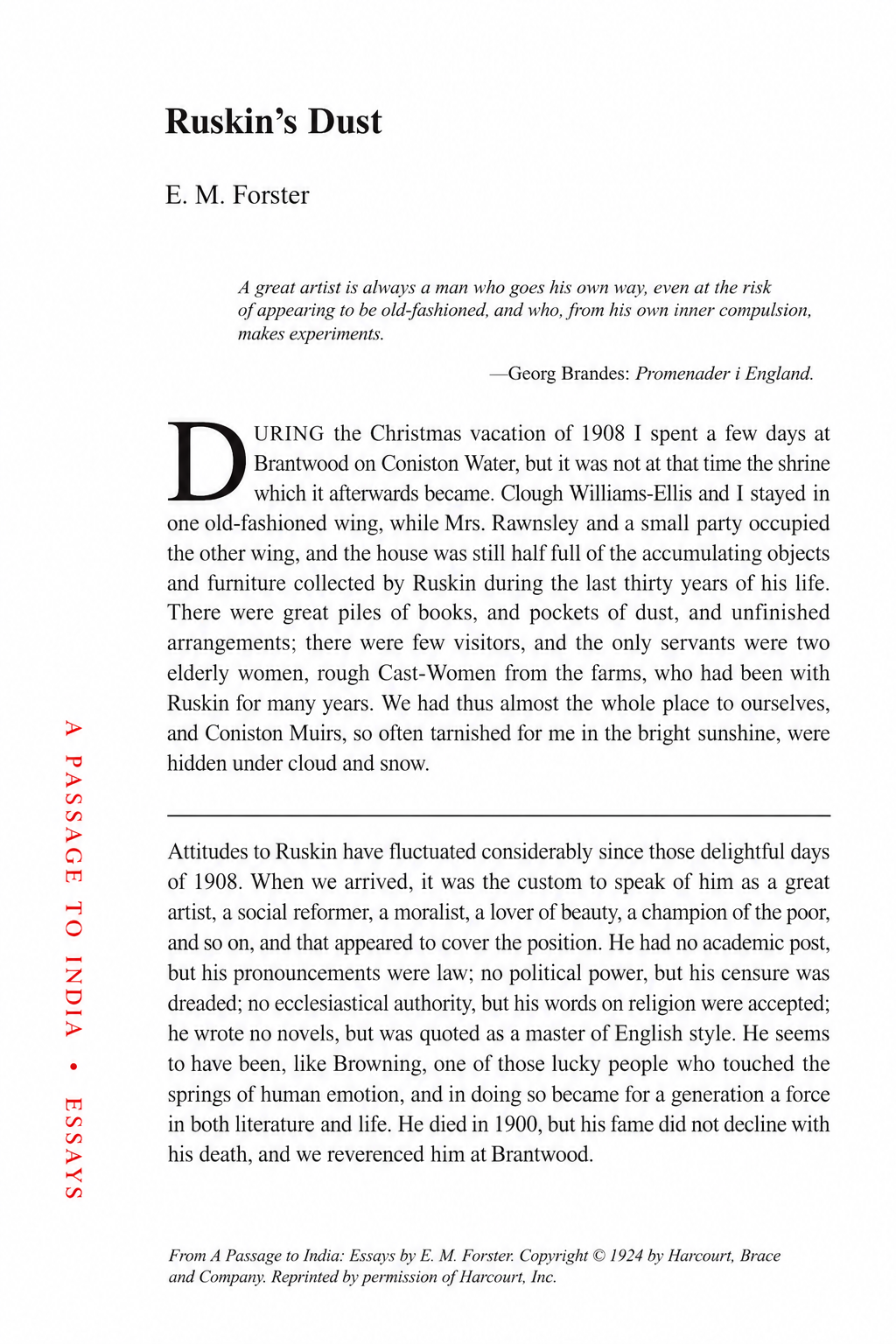
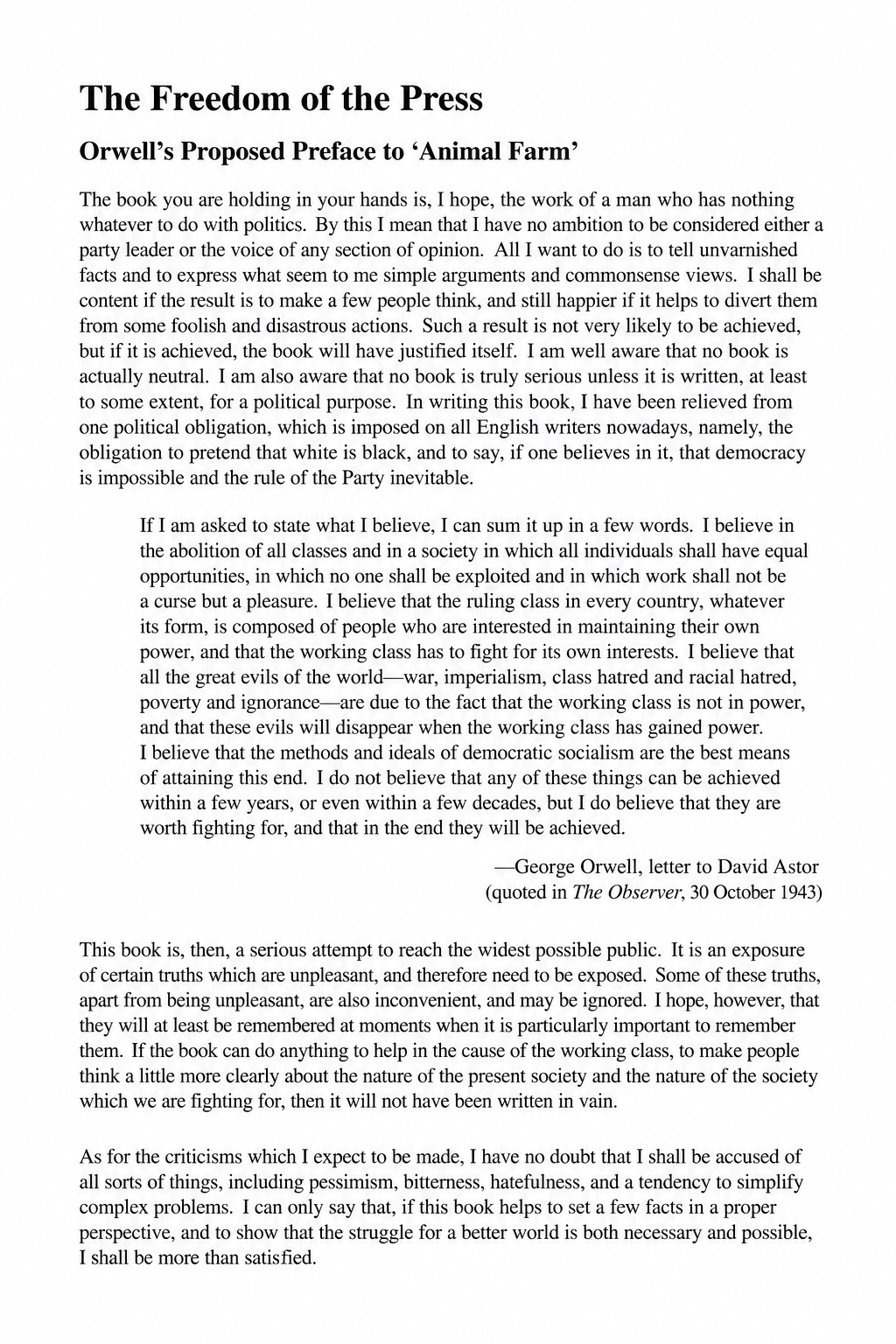
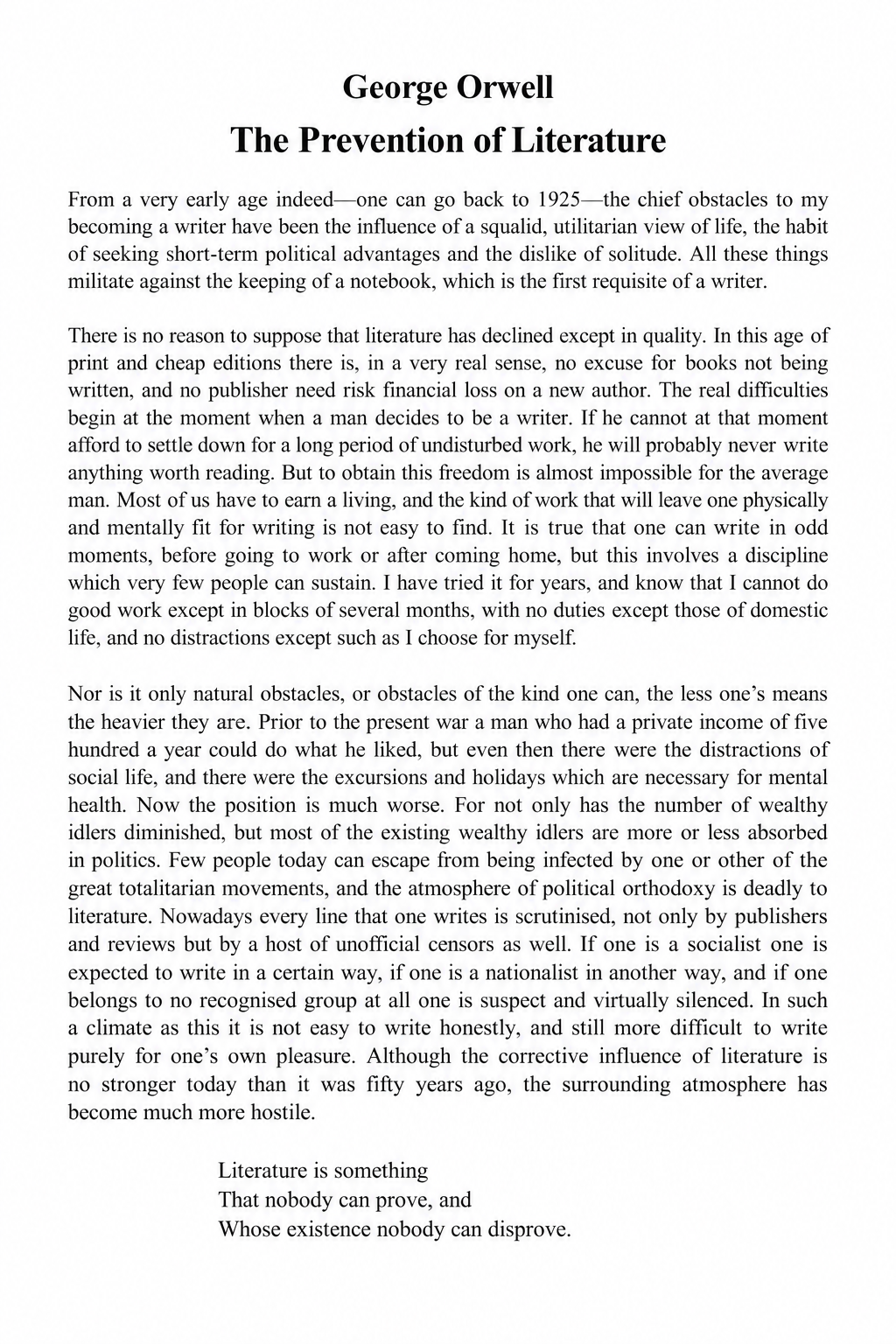
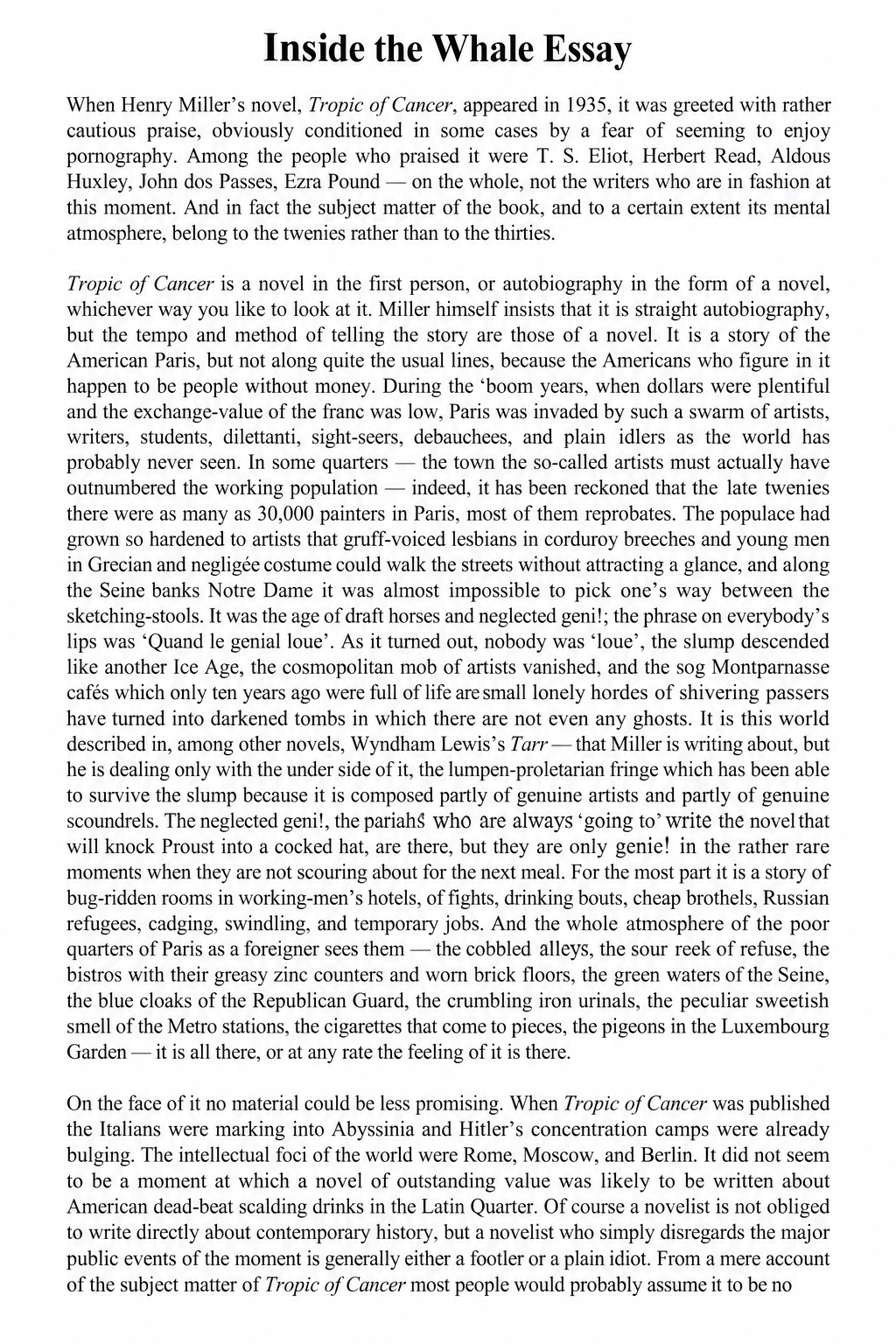
An Essay is a focused piece of writing that presents an idea, argument, explanation, or personal perspective on a specific topic. Whether you are starting from a blank page, developing a thesis, or struggling to organize your thoughts, the right essay structure can make writing much easier. Explore real essay examples, generate a new essay with AI, refine your writing with smart editing features, and customize your work online—all in one place. From choosing the right essay type to improving your introduction, body paragraphs, and conclusion, this guide helps you turn your ideas into a clear, well-structured essay with less effort.
What Is an Essay?
An essay is a focused piece of writing that presents an argument, analysis, explanation, or personal perspective on a specific topic. It typically includes an introduction, body paragraphs, and conclusion to organize ideas clearly and support the writer’s main point.
What Are the Main Types of Essays?
Narrative Essay
A Narrative Essay tells a story or shares a personal experience, usually with a clear sequence of events and a meaningful conclusion.
Descriptive Essay
A Descriptive Essay uses detailed language and sensory descriptions to help readers visualize a person, place, object, event, or experience.
Expository Essay
An Expository Essay explains or informs readers about a specific topic using facts, evidence, examples, and logical explanations.
Persuasive Essay
A Persuasive Essay presents a specific viewpoint and uses reasoning, evidence, and supporting points to encourage readers to accept that position.
Argumentative Essay
An Argumentative Essay makes a claim and supports it with logical reasoning and evidence while addressing opposing viewpoints or counterarguments.
Analytical Essay
An Analytical Essay examines a topic, text, or idea by breaking it into parts and explaining how those parts support a particular interpretation.
Compare and Contrast Essay
A Compare and Contrast Essay examines two or more subjects by identifying their similarities, differences, or both.
Cause and Effect Essay
A Cause and Effect Essay explains why something happens, what results from it, or how different causes and effects are connected.
Process Essay
A Process Essay explains how to complete a task or how something works by presenting the steps in a clear and logical order.
Definition Essay
A Definition Essay explains the meaning of a word, concept, or idea in greater depth by providing descriptions, examples, characteristics, and context.
How Do I Generate Essays Using Real Essay Examples?
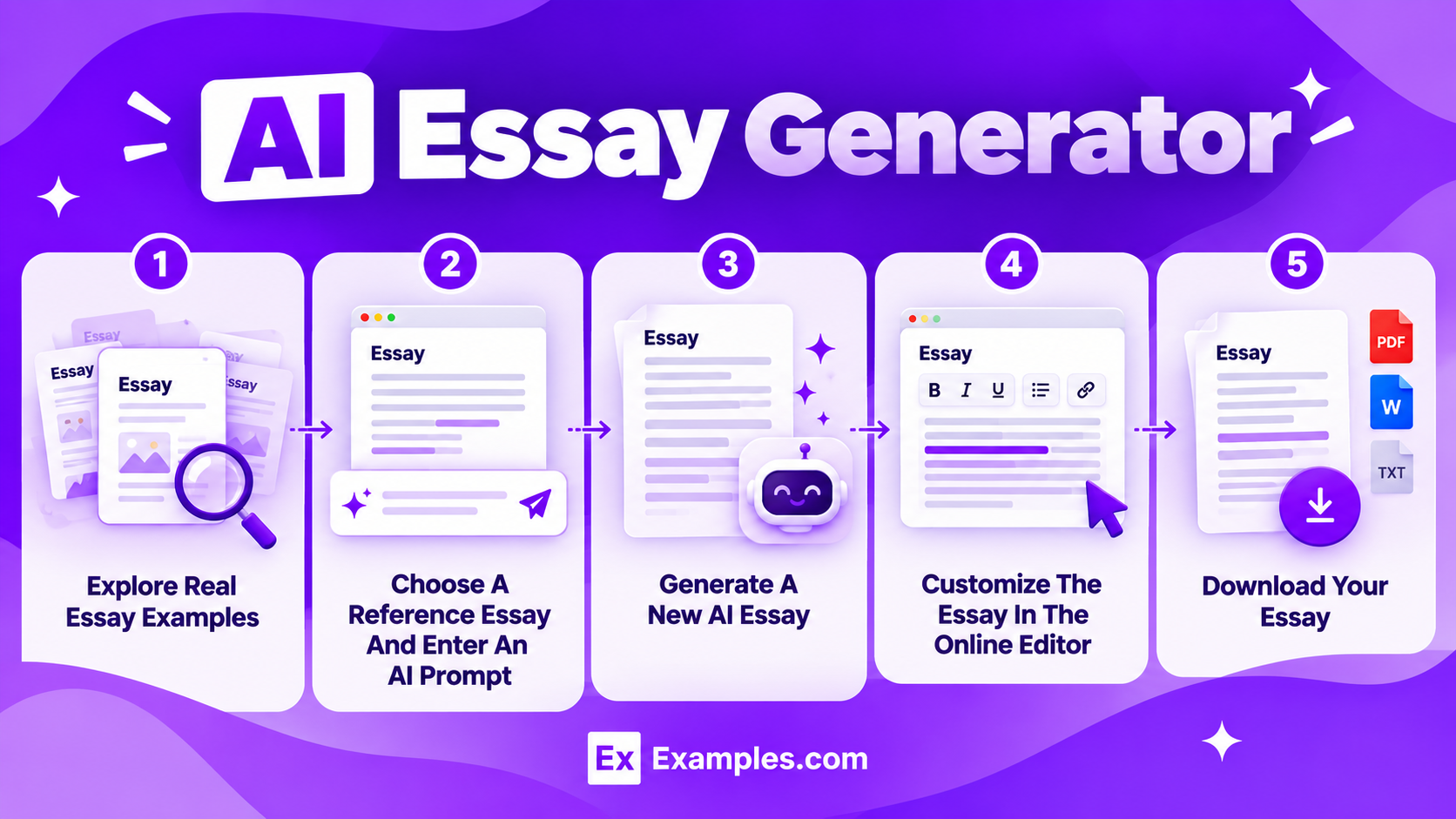
Explore Real Essay Examples
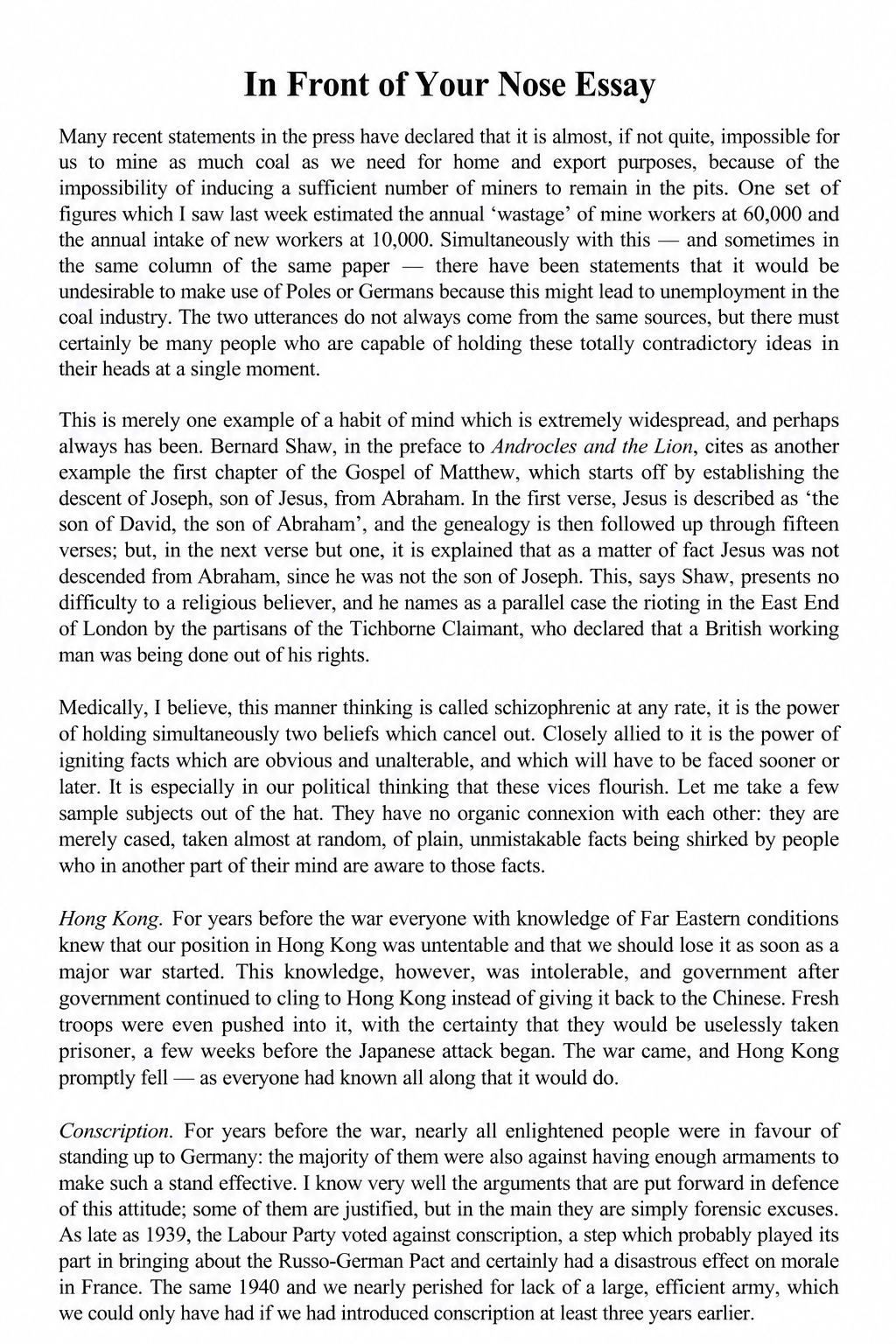
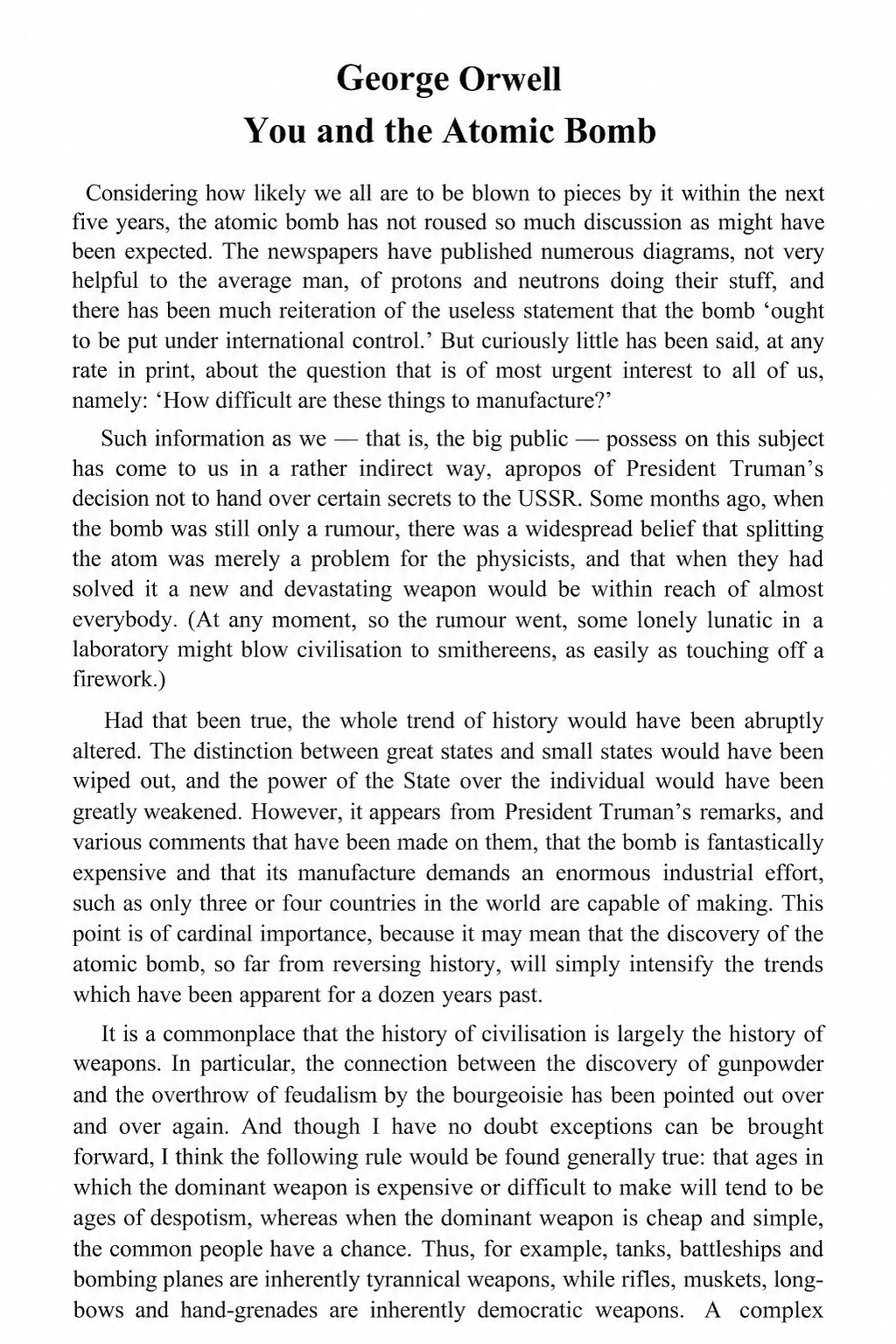
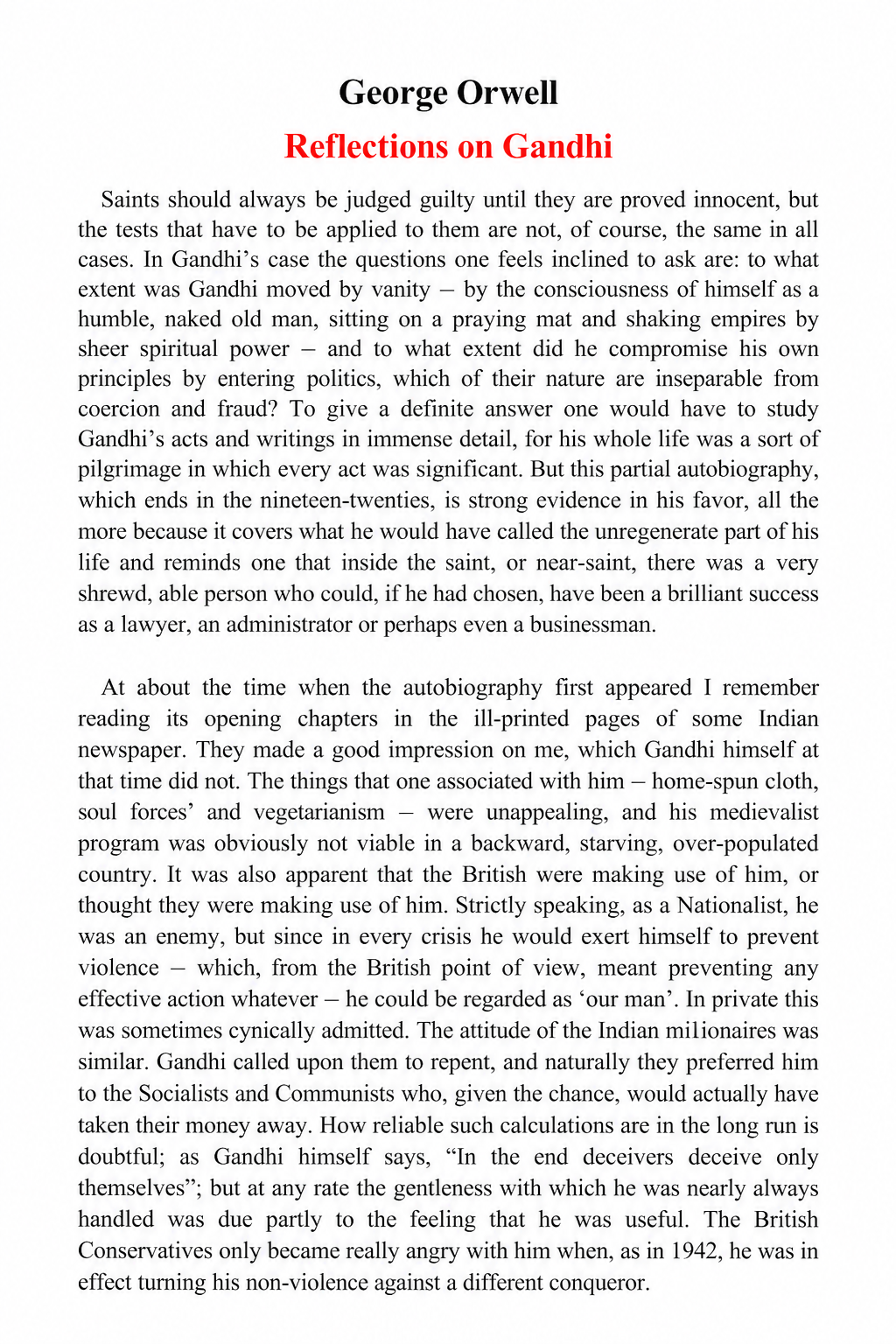
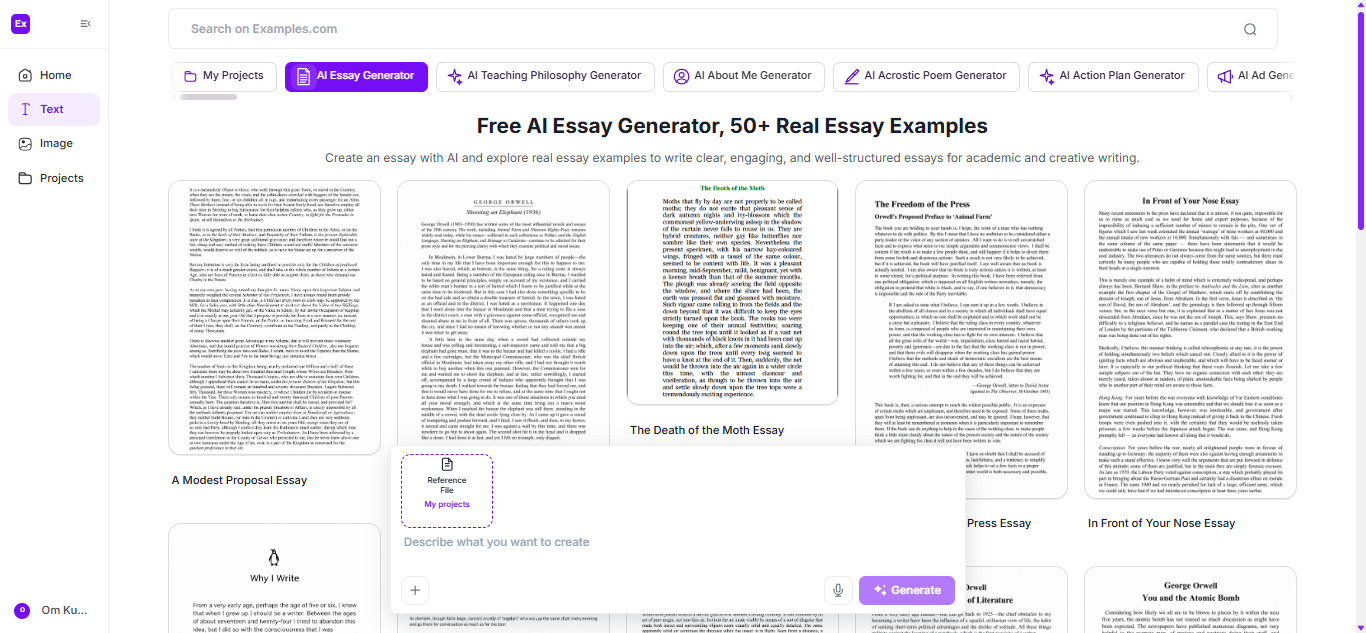
Browse real essay examples to understand essay structure, writing style, organization, thesis statements, supporting points, and conclusions. Reviewing examples can help you develop a clearer approach before creating your own essay.
Choose A Reference Essay And Enter An AI Prompt
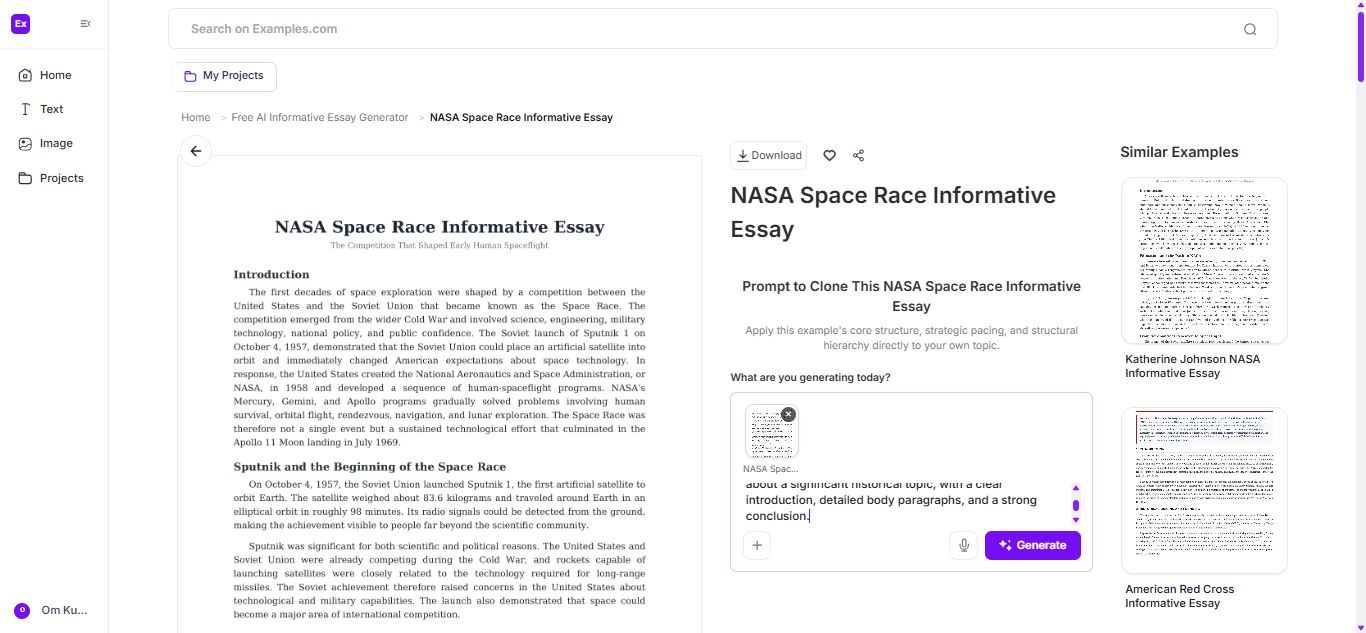
Select a reference essay and describe your requirements, including the essay type, subject, main idea, tone, structure, length, and key points you want to include.
Generate A New AI Essay
The AI generates a new essay based on your prompt, organizing the content into a clear introduction, body paragraphs, supporting points, and conclusion.
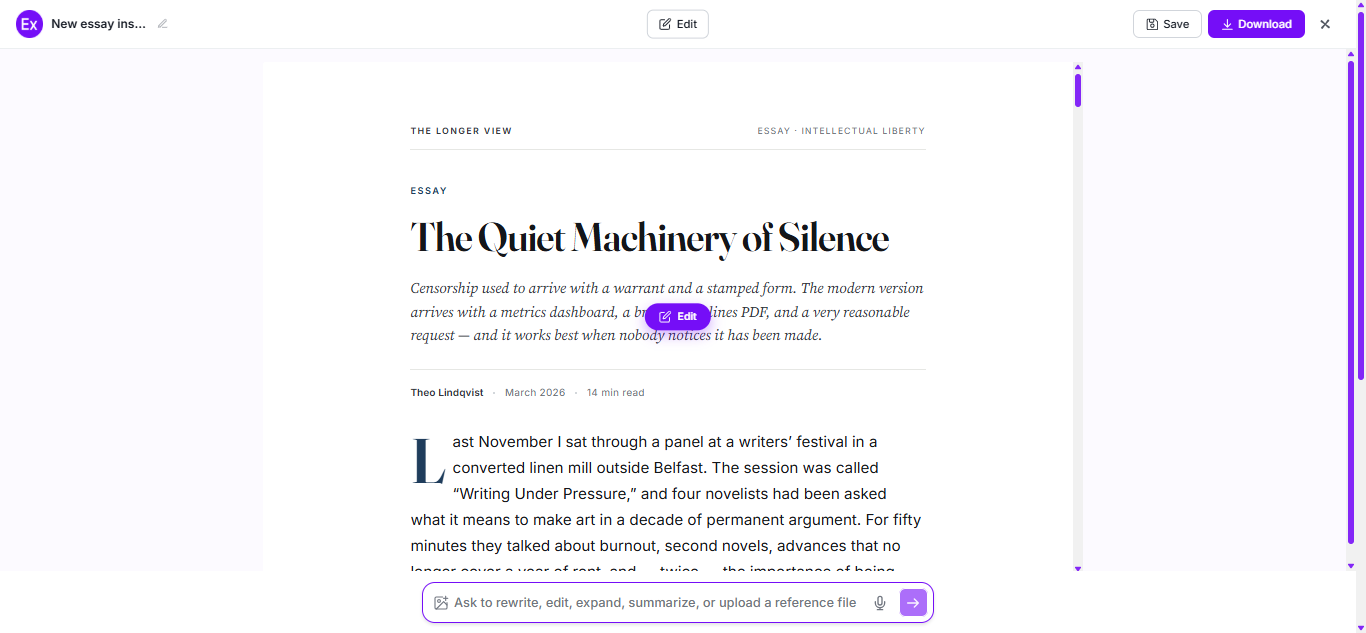
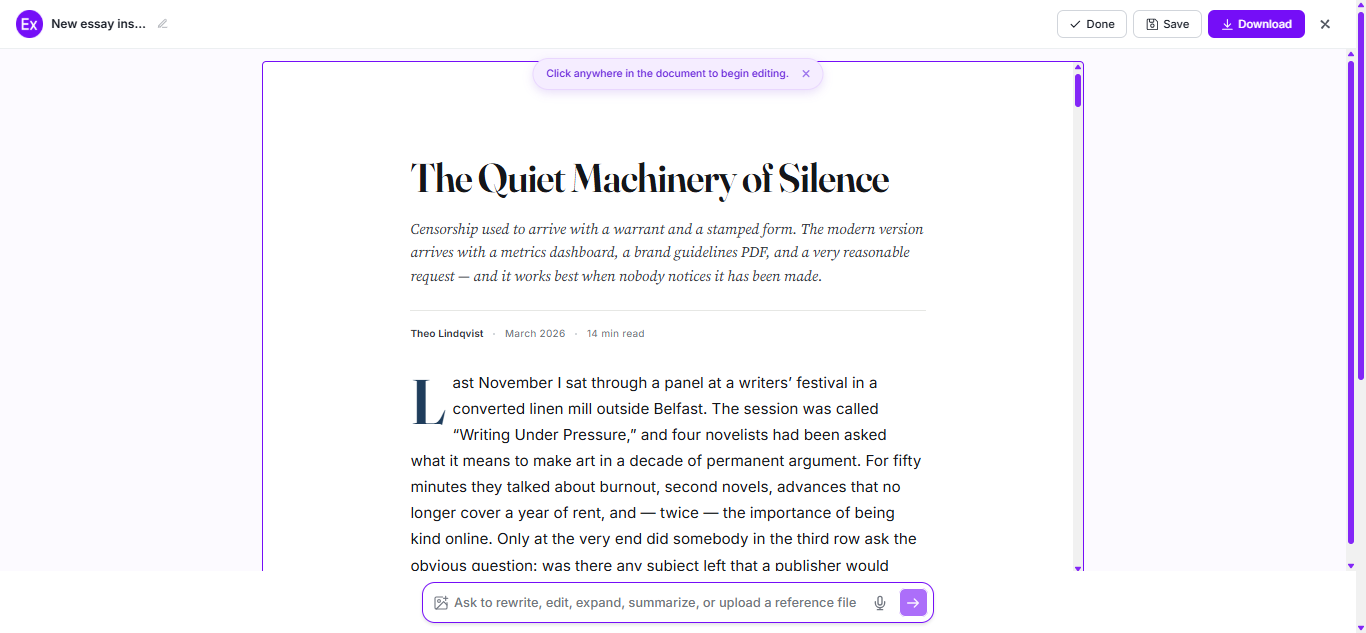
Customize The Essay In The Online Editor
Edit the thesis statement, paragraphs, wording, supporting details, formatting, and other sections to align the essay with your requirements and writing goals.
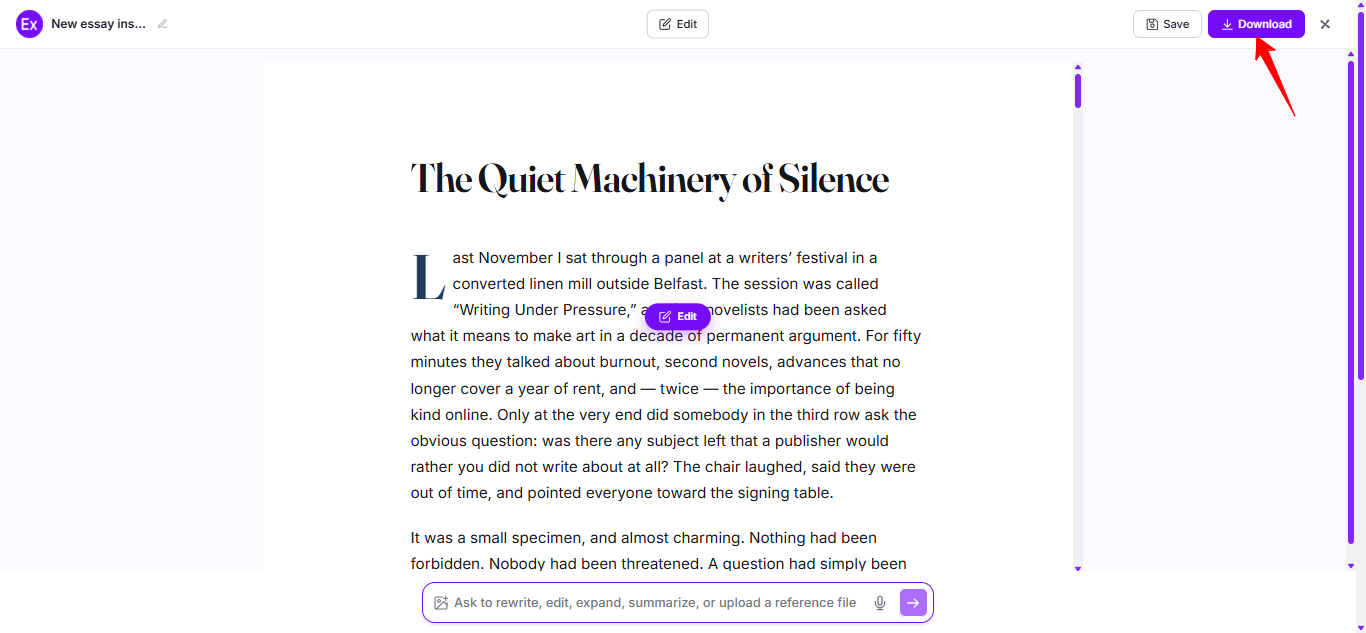
Download Your Essay
Download your completed essay in PDF format for reviewing, printing, or keeping as a finished document.
How Do I Customize an Essay Online?
You can customize an essay online by editing its title, thesis statement, introduction, body paragraphs, supporting details, wording, tone, structure, and conclusion to match your purpose. Adjust the content and formatting as needed to create a clear, organized essay that fits your requirements.
AI Essay Writing and Editing Features
AI Content Generation
Generate a well-structured essay based on your topic, essay type, writing goals, and specific requirements.
Smart Essay Editing
Add, remove, or revise sentences, paragraphs, arguments, and supporting details to improve your essay.
Auto Formatting
Automatically organize headings, paragraphs, spacing, and overall layout for a clear and readable essay.
Writing Review
Review your essay for clarity, organization, grammar, sentence structure, and consistency before finalizing it.
Instant PDF Download
Download your completed essay in PDF format for reviewing, printing, or keeping as a finished document.
Which Essential Elements Should I Include in Every Essay?
- Title: Clearly identifies the essay topic and gives readers an immediate idea of its subject.
- Introduction: Introduces the topic, provides relevant context, and presents the main idea or thesis statement.
- Thesis Statement: States the central argument, claim, or purpose that guides the essay.
- Topic Sentences: Introduce the main idea of each body paragraph and connect it to the thesis.
- Supporting Evidence: Uses facts, examples, explanations, or relevant details to develop and support the main points.
- Body Paragraphs: Organize ideas logically and explain how each point contributes to the overall argument or purpose.
- Transitions: Connect sentences and paragraphs smoothly so the essay is easy to follow.
- Conclusion: Summarizes the main ideas and reinforces the overall argument or message without simply repeating the introduction.
How Do I Write a Better Essay?
Start With a Strong Introduction
Open with an engaging statement, relevant context, or interesting idea that introduces the topic and encourages the reader to continue.
Write a Clear Thesis Statement
State the main argument, idea, or purpose of your essay clearly so readers understand what the essay will focus on.
Organize Your Main Ideas
Arrange your body paragraphs logically, with each paragraph focusing on one main point that supports the overall purpose of the essay.
Support Your Points
Use relevant facts, examples, explanations, or evidence to develop your ideas and make your essay more informative and convincing.
End With a Strong Conclusion
Summarize the key ideas and reinforce your main point while giving the reader a clear sense of completion.
Why Should I Use Real Essay Examples to Create My Own Essay?
- Understand how successful essays are structured and organized from introduction to conclusion.
- See how writers develop a clear thesis statement and connect it to supporting ideas.
- Learn how different essay types use appropriate writing styles, evidence, and organization.
- Find ideas for presenting your topic clearly without copying another writer’s work.
- Identify effective ways to introduce a topic, develop paragraphs, and create a strong conclusion.
- Compare different approaches to writing and choose a structure that fits your purpose.
- Improve your confidence by using real examples as a guide while developing your own original ideas.
What Common Essay Writing Mistakes Should I Avoid?
- Writing Without a Clear Thesis: Avoid starting without a central argument or main idea that guides the entire essay.
- Using a Weak Introduction: Avoid lengthy or unrelated openings that do not clearly introduce the topic and purpose.
- Poor Paragraph Organization: Avoid combining unrelated ideas in one paragraph; keep each paragraph focused on a specific point.
- Lack of Supporting Evidence: Avoid making claims without relevant facts, examples, explanations, or supporting details.
- Weak Transitions: Avoid jumping between ideas without transition words or sentences that connect your paragraphs.
- Repeating the Same Ideas: Avoid unnecessary repetition of arguments, examples, or statements throughout the essay.
- Ignoring the Essay Format: Avoid overlooking required structure, formatting, length, or other assignment instructions.
- Ending Without a Conclusion: Avoid stopping abruptly without summarizing the main ideas and reinforcing the essay’s central message.
- Not Proofreading Your Essay: Avoid submitting your essay without checking grammar, spelling, punctuation, clarity, and sentence structure.
Essay Ideas for Different Purposes and Subjects
- Academic Essays: Analyze a literary work, explain a scientific concept, examine a historical event, or discuss an important social issue.
- Personal Essays: Write about a meaningful experience, important life lesson, personal challenge, memorable journey, or influential person.
- Argumentative Essays: Explore topics such as technology in education, environmental responsibility, social media use, or the role of artificial intelligence.
- Persuasive Essays: Encourage a specific viewpoint on school policies, healthy lifestyles, environmental protection, or community issues.
- Descriptive Essays: Describe a memorable place, special event, favorite person, childhood memory, or unique experience using vivid details.
- Narrative Essays: Tell a story about overcoming a challenge, learning from a mistake, reaching an important goal, or experiencing a significant change.
- Expository Essays: Explain how a process works, why an event occurred, how technology affects daily life, or how a particular system operates.
- Compare and Contrast Essays: Compare two books, historical periods, technologies, cultures, educational approaches, or different ways of solving a problem.
FAQs
What Is the Main Purpose of an Essay?
An essay communicates an idea, argument, explanation, or perspective about a specific topic through organized and focused writing.
How Long Should an Essay Be?
Essay length depends on the assignment, purpose, subject, and required format, so always follow the specified word count.
What Makes an Essay Effective?
An effective essay presents a clear thesis, organized ideas, relevant supporting details, logical transitions, and a focused conclusion.
How Do I Choose an Essay Topic?
Choose a topic that interests you, fits the assignment, provides enough information, and allows you to develop clear ideas.
Where Should I Put the Thesis Statement?
The thesis statement usually appears near the end of the introduction and clearly communicates the essay’s central argument or purpose.
How Many Paragraphs Should an Essay Have?
There is no fixed number, but most essays include an introduction, several focused body paragraphs, and a concluding paragraph.
Can I Use Real Essay Examples for Inspiration?
Yes, real essay examples can help you understand structure, organization, writing approaches, and supporting details while developing your own original work.
What Should I Include in an Essay Conclusion?
An essay conclusion should summarize important points, reinforce the central idea, and provide a clear sense of completion.
How Can I Make My Essay Easier to Read?
Use clear language, focused paragraphs, logical transitions, appropriate headings, and well-organized ideas to make your essay easier to follow.
Should I Proofread My Essay Before Submitting It?
Yes, proofreading helps identify grammar, spelling, punctuation, clarity, formatting, and sentence structure issues before you finalize your essay.