
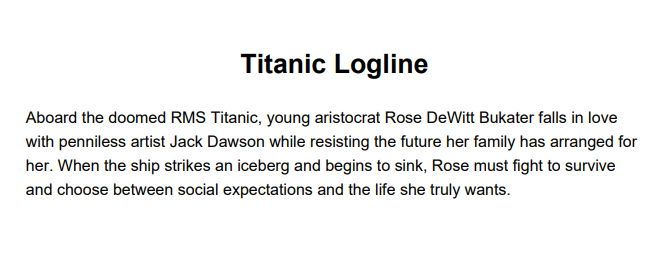
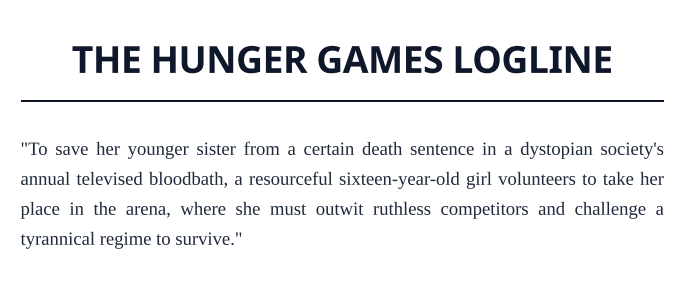
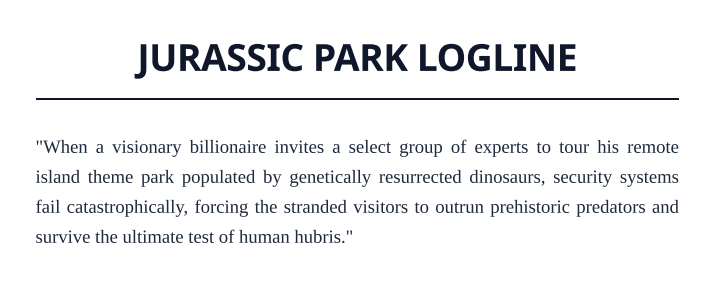
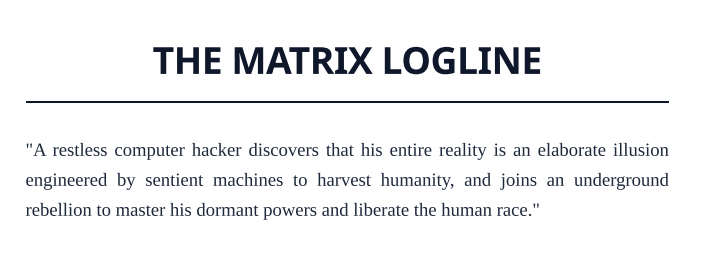



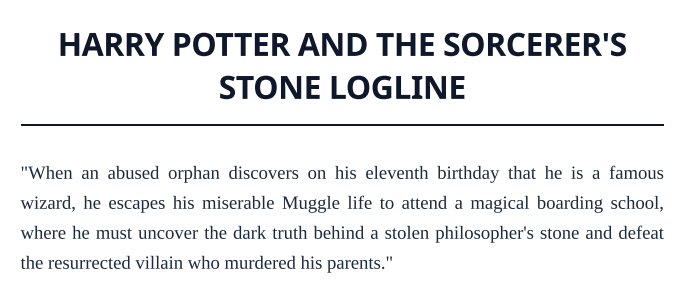
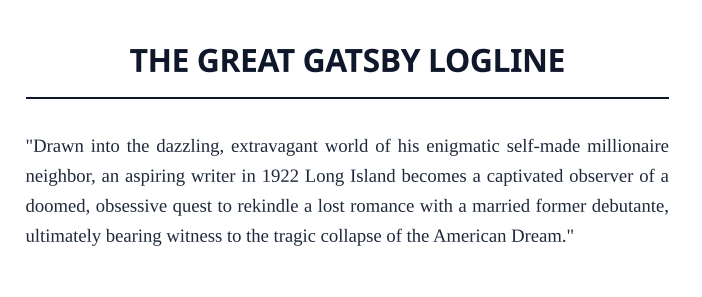
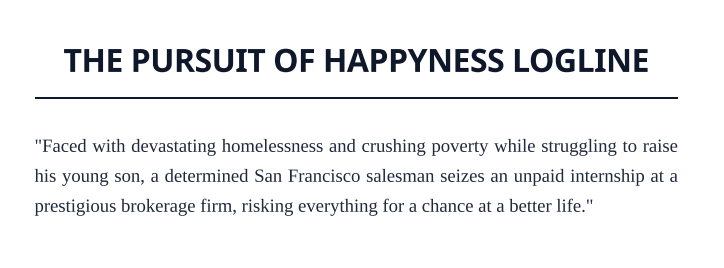
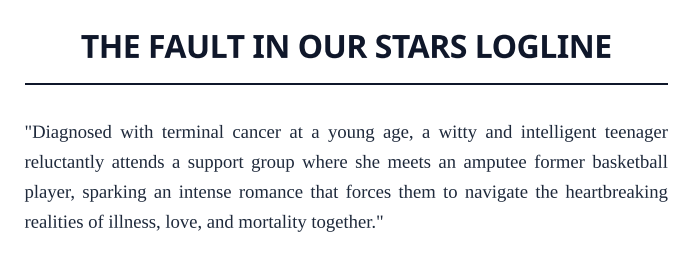
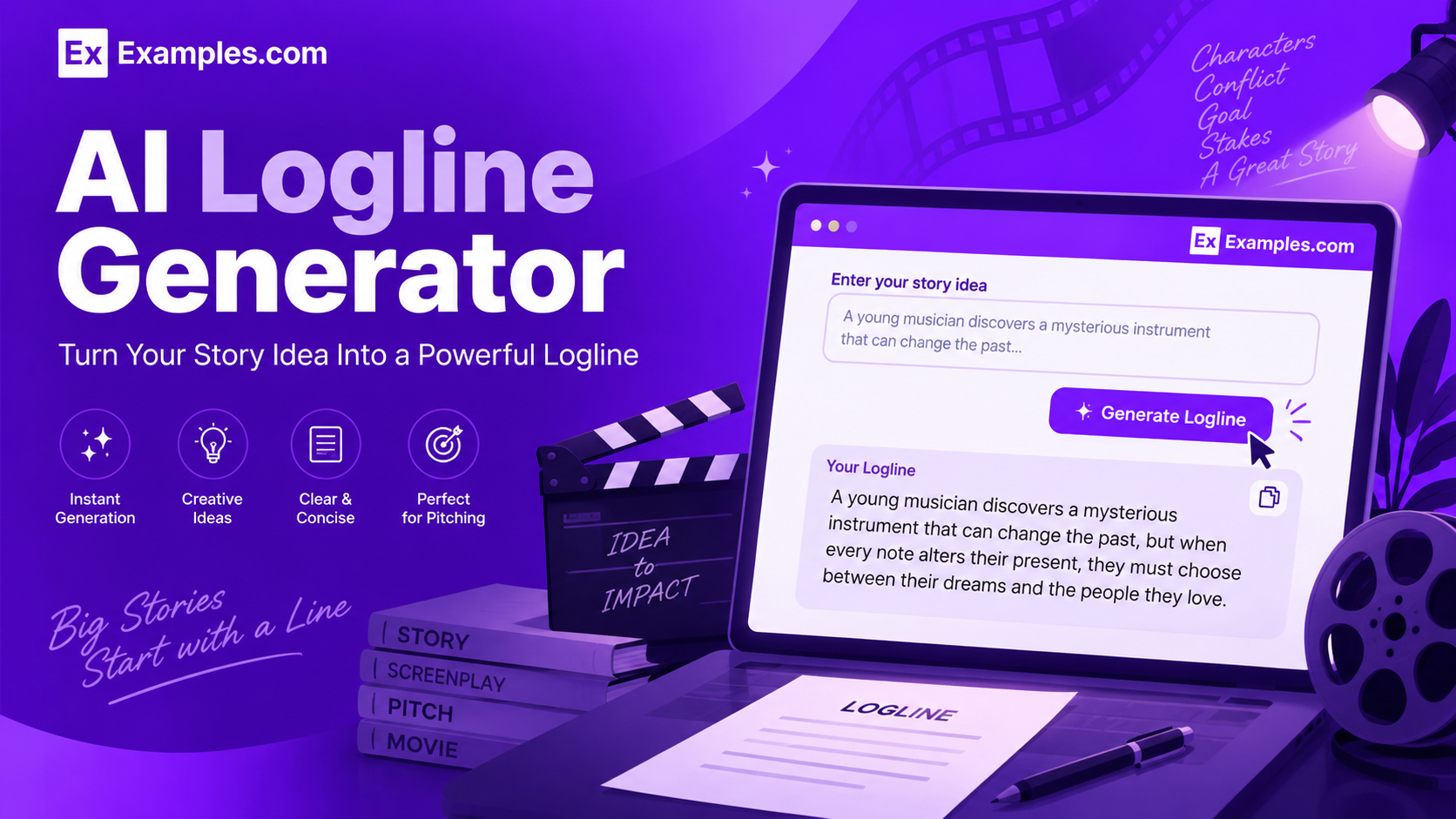
A logline is a brief, one- or two-sentence summary that captures a story’s protagonist, central conflict, goal, stakes, and emotional hook. The best loglines make a story instantly understandable and compelling, helping writers explain their film, TV show, book, or script without unnecessary details. With an AI Logline Generator, you can turn your story idea into a concise, engaging logline using proven storytelling principles and real logline examples.
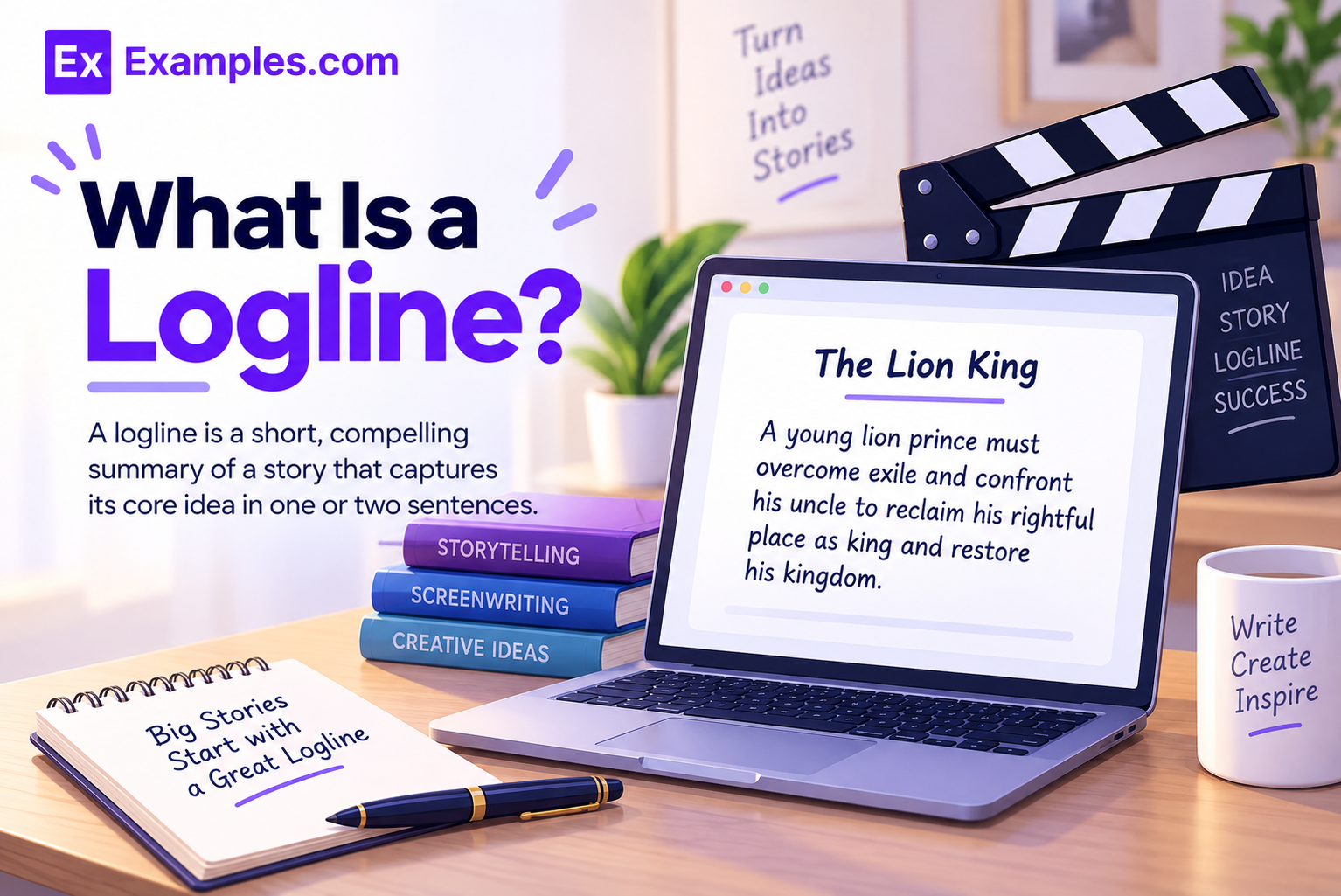
What Is a Logline?
A logline is a brief, one- or two-sentence summary that presents a story’s protagonist, central conflict, goal, stakes, and emotional hook. It gives readers, producers, or audiences a quick understanding of what a film, TV show, book, or script is about and why the story is compelling.
What Are the Different Types of Loglines?
Film Logline
A Film Logline briefly presents the protagonist, central conflict, goal, and stakes of a movie story.
TV Show Logline
A TV Show Logline summarizes the main premise, characters, conflict, and ongoing story direction of a television series.
Book Logline
A Book Logline captures the main character, central challenge, goal, and stakes of a novel or other book.
Drama Logline
A Drama Logline focuses on the protagonist’s emotional conflict, difficult circumstances, and personal stakes.
Comedy Logline
A Comedy Logline highlights a humorous premise, unusual situation, protagonist, and central conflict.
Horror Logline
A Horror Logline introduces the protagonist, terrifying threat, central conflict, and consequences of failure.
Romance Logline
A Romance Logline presents the characters, relationship conflict, emotional goal, and obstacles keeping them apart.
Thriller Logline
A Thriller Logline emphasizes the protagonist’s urgent goal, dangerous obstacle, escalating conflict, and high stakes.
Action Logline
An Action Logline describes the protagonist, mission, major obstacle, and consequences that drive the story forward.
Sci-Fi Logline
A Sci-Fi Logline introduces a protagonist facing a conflict shaped by futuristic technology, science, or an unfamiliar world.
How Do I Generate Loglines Using Real Logline Examples?
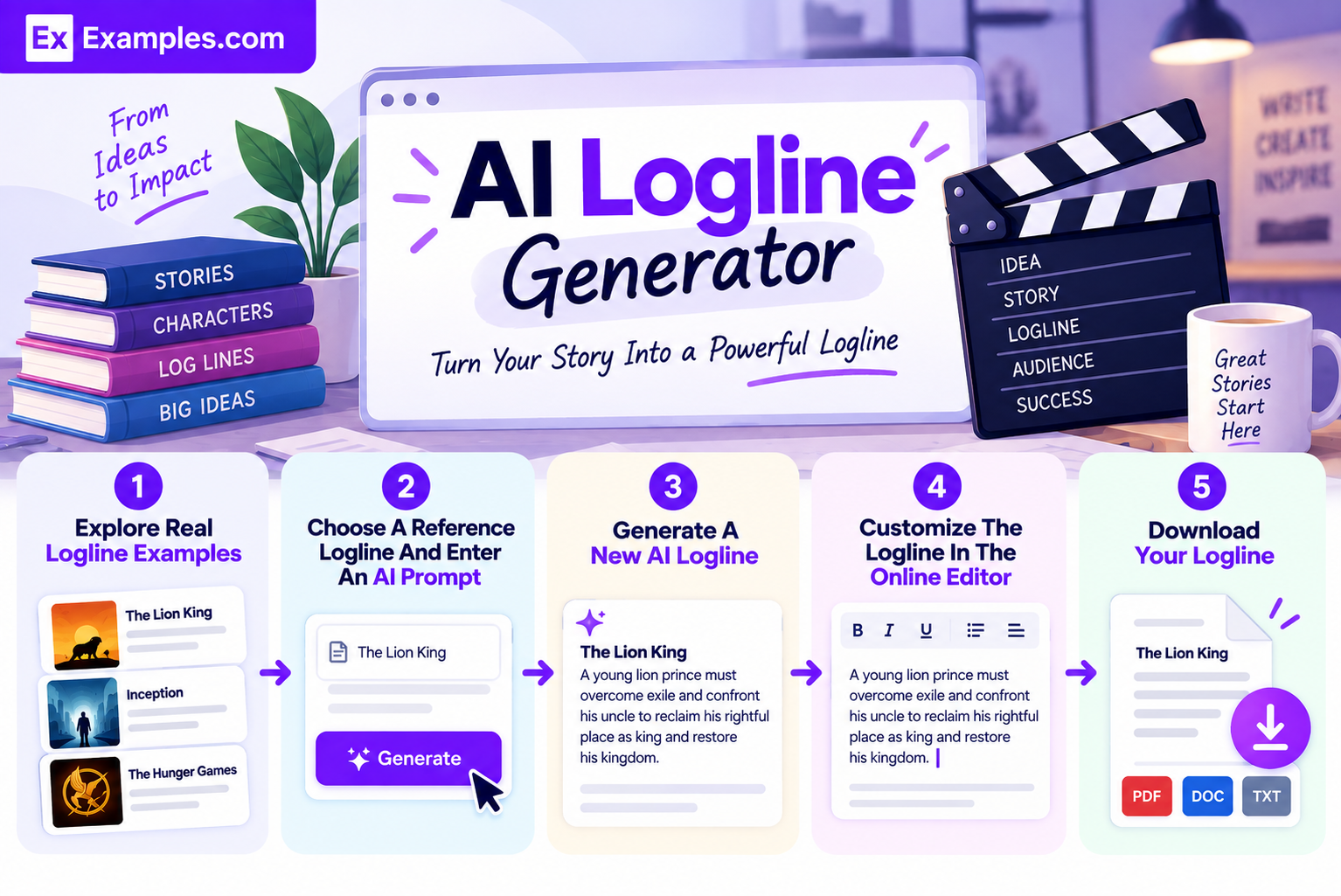
Explore Real Logline Examples
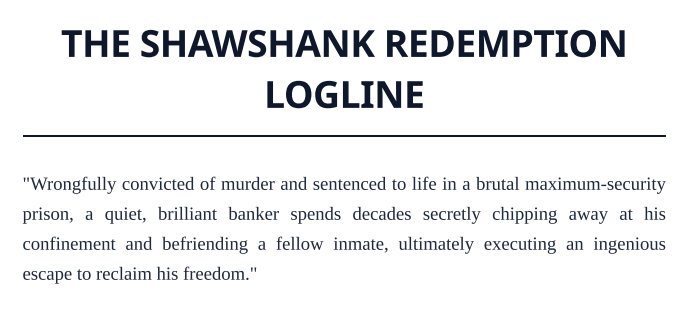
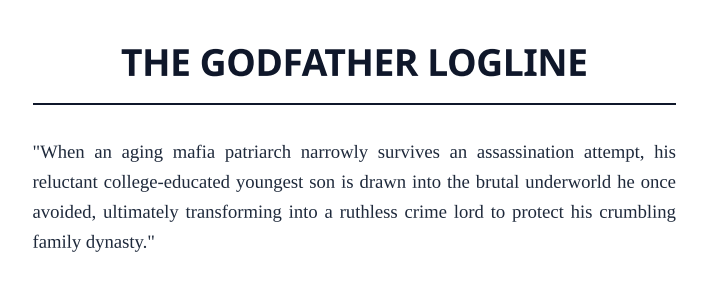
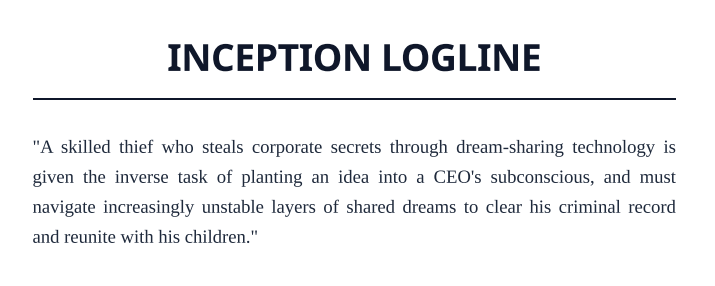
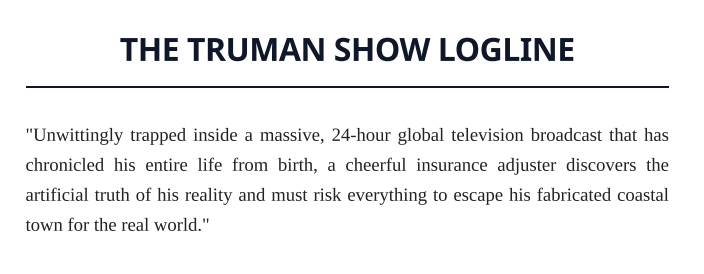
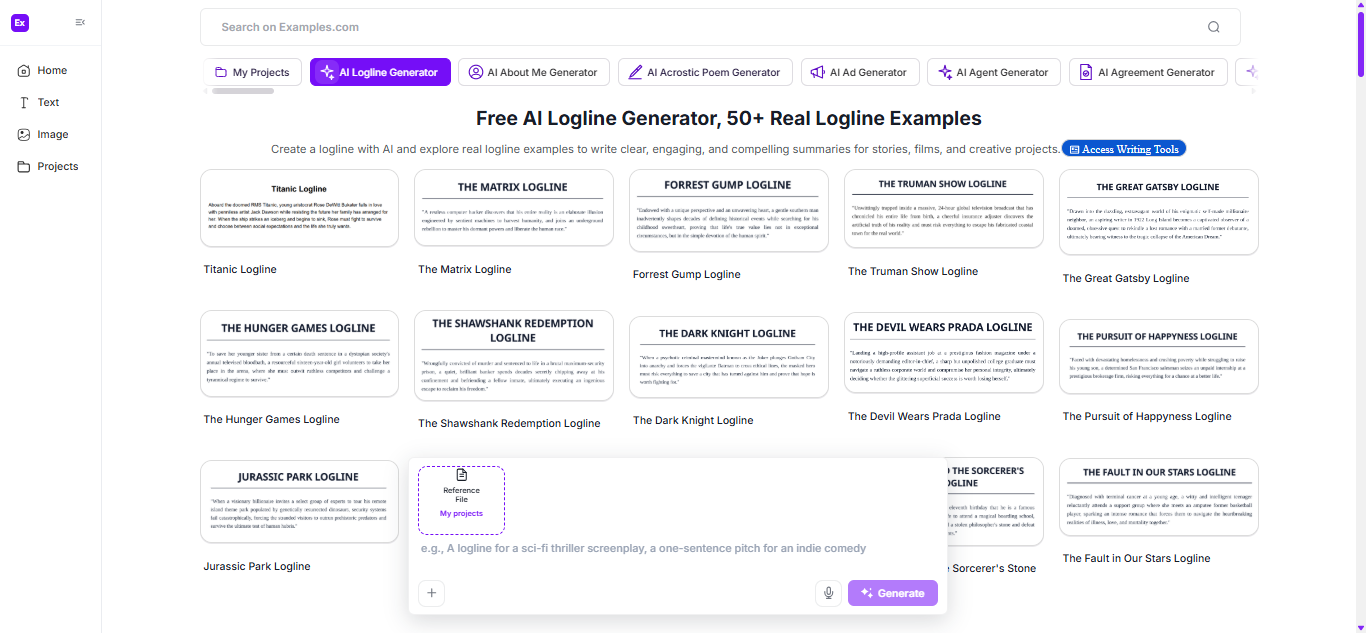
Browse professionally written logline examples to understand how stories present the protagonist, conflict, goal, obstacles, stakes, and emotional hook in a concise format. Reviewing real examples helps you recognize effective story structures and develop stronger loglines of your own.
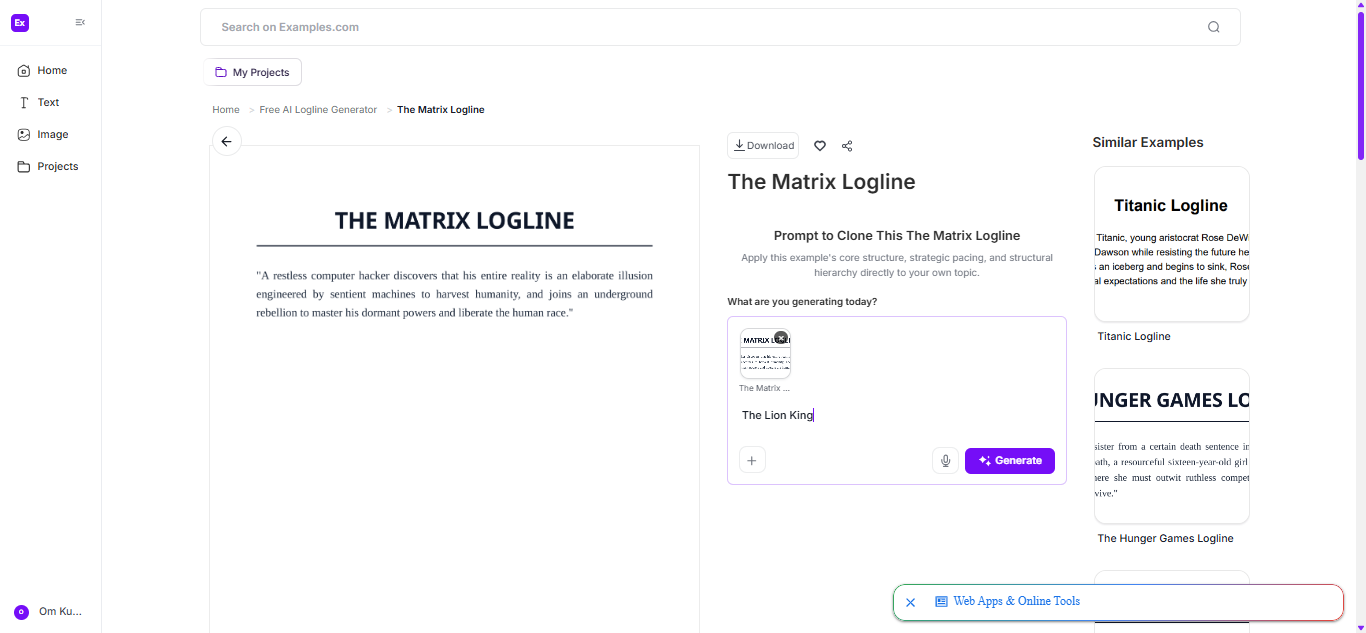
Choose A Reference Logline And Enter An AI Prompt
Select a reference logline and describe your story requirements in an AI prompt, including the protagonist, central conflict, goal, obstacle, stakes, genre, and key story details.
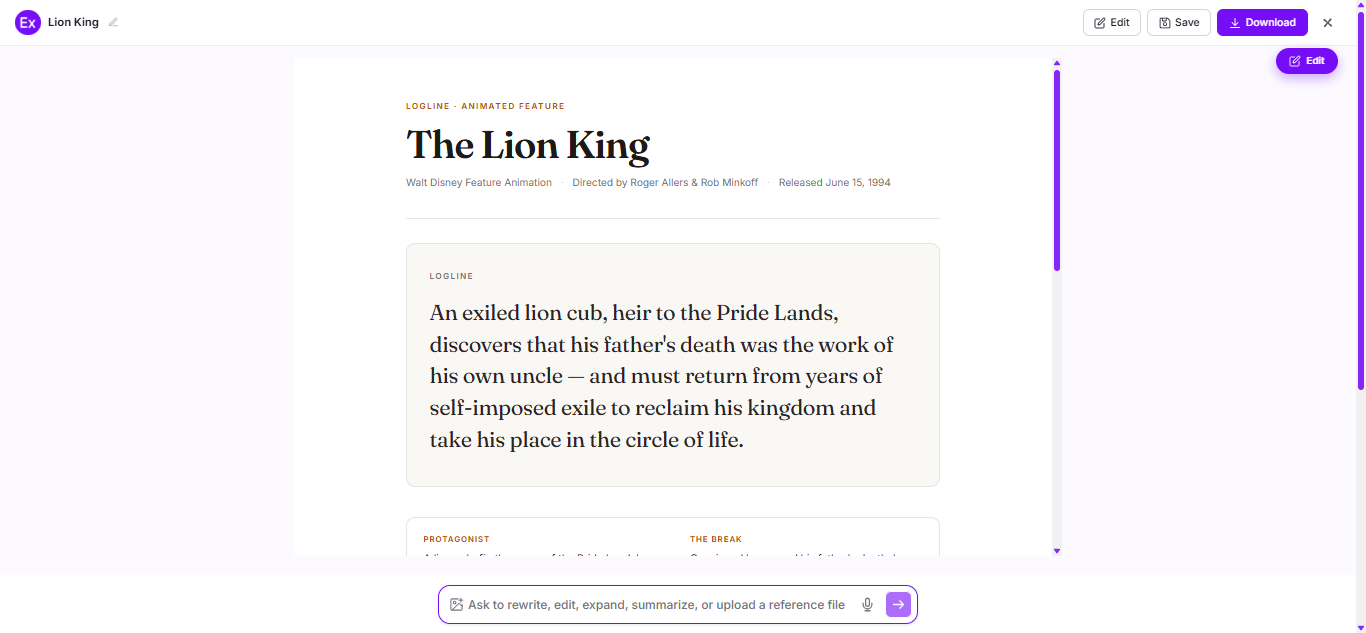
Generate A New AI Logline
The AI generates a concise, engaging logline based on your prompt, highlighting the protagonist, central conflict, goal, obstacles, stakes, and emotional hook while keeping the story focused.
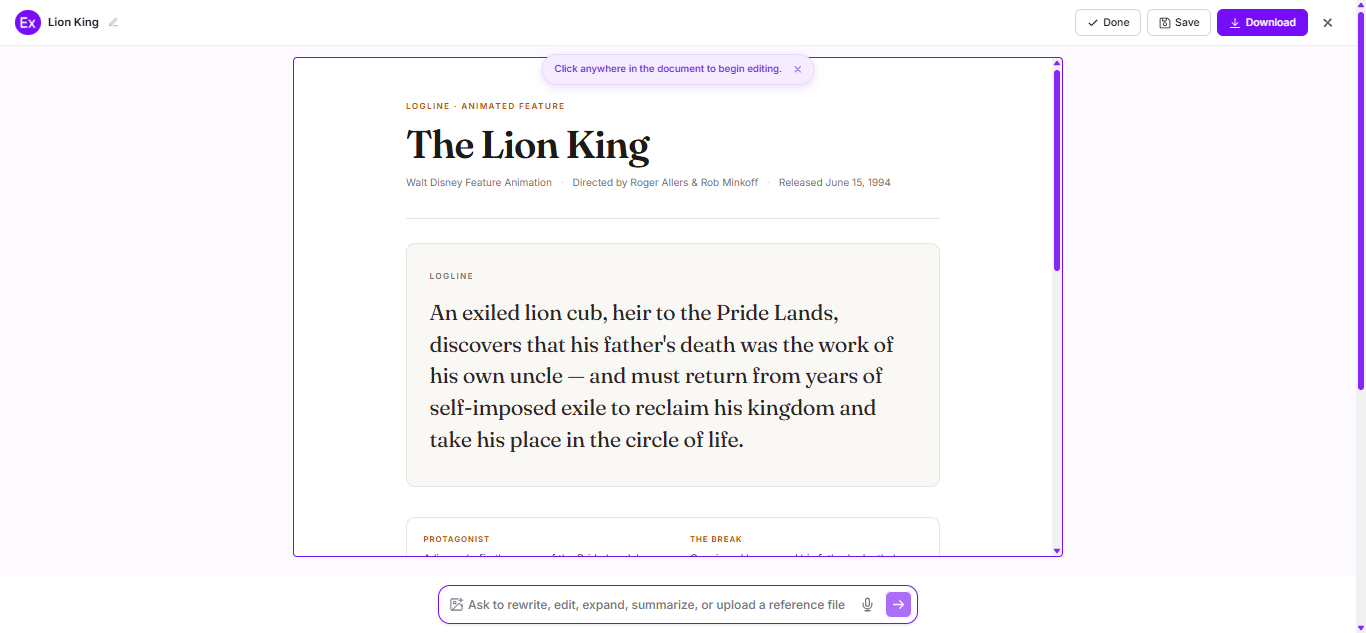
Customize The Logline In The Online Editor
Edit the protagonist, conflict, goal, stakes, tone, genre, wording, and other story details to refine your logline and make it more specific, compelling, and aligned with your story.
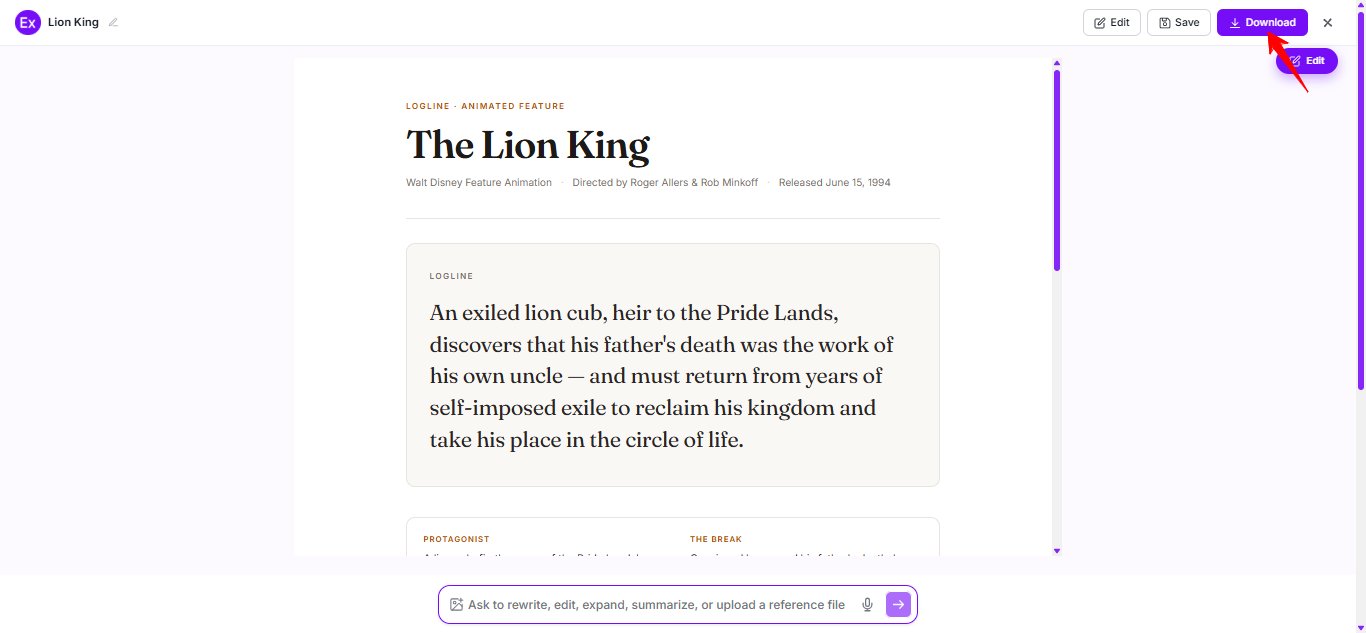
Download Your Logline
Download your completed logline in PDF format for reviewing, printing, organizing, or keeping with your story, script, or book project.
How Do I Customize and Refine a Logline Online?
Customize and refine a logline online by adjusting the protagonist, central conflict, goal, obstacle, stakes, genre, tone, and emotional hook to match your story. Use the online editor to simplify unnecessary details, strengthen the main conflict, clarify what the protagonist wants, and make every word contribute to a concise, engaging logline.
AI Logline Editing Features
AI Logline Generation
Generate concise, compelling loglines based on your story idea, genre, protagonist, conflict, goal, and stakes.
Smart Logline Editing
Add, remove, or refine story details to make your logline clearer, more focused, and engaging.
Automatic Structure
Organize key story elements such as the protagonist, conflict, goal, obstacle, and stakes into a clear logline structure.
Logline Customization
Adjust the genre, tone, characters, conflict, stakes, and wording to match your specific story or creative project.
PDF Download
Download your completed logline in PDF format for reviewing, printing, or keeping with your story, script, or book project.
What Are the Essential Elements of a Strong Logline?
-
Protagonist: Introduce the main character using a clear description that shows who the story follows.
-
Inciting Incident: Identify the event that disrupts the protagonist’s normal life and starts the main story.
-
Goal: Explain what the protagonist wants or must accomplish throughout the story.
-
Conflict: Show the central problem, challenge, or opposing force preventing the protagonist from reaching the goal.
-
Stakes: Explain what the protagonist stands to lose if they fail to overcome the central conflict.
- Emotional Hook: Add the intriguing element that makes the story feel compelling and encourages the reader to learn more.
How Do I Write a Better Logline?
Start With the Protagonist
Introduce the main character with a clear and descriptive phrase that quickly shows who the story follows.
Introduce the Central Conflict
Present the main problem or challenge that forces the protagonist into action and drives the story forward.
Define the Main Goal
Explain what the protagonist wants to accomplish or what they must achieve to overcome the central conflict.
Show the Stakes
Explain what the protagonist could lose or what consequences may occur if they fail to achieve their goal.
Add an Emotional Hook
Include an intriguing element that creates curiosity and gives the reader a reason to want to know more about the story.
Keep It Concise
Remove unnecessary characters, subplots, and background information so the logline remains focused, clear, and compelling.
Why Should I Use Real Logline Examples to Create My Own Logline?
- Real logline examples show how professional stories communicate the protagonist, conflict, goal, obstacles, and stakes in only a few sentences.
- They help you understand how different genres present their central story idea while keeping the wording concise and engaging.
- Studying examples makes it easier to identify the essential information your own logline needs.
- Examples provide useful inspiration for developing a strong opening, clear conflict, and compelling emotional hook without copying another story.
- Comparing several loglines helps you recognize effective structures, sentence patterns, and storytelling techniques.
- Reference examples can help you refine vague story ideas into focused premises that are easier to understand.
- Using real examples alongside an AI Logline Generator can help you create and edit a logline that clearly communicates your story’s unique premise.
What Common Logline-Writing Mistakes Should I Avoid?
- Writing Too Much: Avoid including detailed backstory, multiple subplots, or unnecessary character information. Focus on the story’s central premise.
- Leaving Out the Main Conflict: A logline should clearly communicate the problem or challenge that drives the protagonist into action.
- Using Vague Descriptions: Replace general statements with specific details that make the protagonist, goal, and conflict easy to understand.
- Forgetting the Stakes: Explain what the protagonist could lose if they fail so the story has urgency.
- Introducing Too Many Characters: Focus on the central protagonist and the most important opposing force rather than listing the entire cast.
- Making the Goal Unclear: State what the protagonist wants or needs to accomplish so readers can immediately understand the story’s direction.
- Giving Away the Ending: Create curiosity without revealing the complete resolution or major twist.
- Using Weak Language: Choose active, specific wording that makes the premise feel immediate and engaging.
- Ignoring the Emotional Hook: Include an intriguing element that makes readers want to discover what happens next.
- Failing to Revise: Don’t settle for the first draft. Edit your logline until every word contributes to a clear, concise, and compelling story summary.
How Can I Use a Logline for My Story, Script, or Pitch?
- For a Story Idea: Use a logline to summarize your story’s central premise and quickly communicate what makes the idea interesting.
- For a Script: Place the logline at the planning or pitching stage to keep the protagonist, conflict, goal, and stakes focused throughout the script.
- For a Film or TV Pitch: Use the logline as a concise introduction that helps producers or other decision-makers understand the project’s core concept quickly.
- For a Book Pitch: Use it to present the novel’s protagonist, central conflict, and unique hook in a memorable format.
- For Story Development: Return to the logline while developing your project to check whether the main plot remains focused and compelling.
Logline Ideas for Different Genres
- Action: A determined hero must complete a dangerous mission while overcoming powerful enemies and escalating threats.
- Comedy: An ordinary person gets caught in an increasingly chaotic situation and must solve the problem before everything falls apart.
- Drama: A struggling individual faces a difficult personal conflict that forces them to make a life-changing choice.
- Horror: A vulnerable protagonist must confront a terrifying threat before it destroys everything they care about.
- Romance: Two people drawn to each other must overcome personal or external obstacles before they can build a lasting relationship.
- Thriller: A determined protagonist races to uncover the truth while a dangerous enemy closes in.
- Mystery: An investigator follows a trail of clues to uncover a hidden truth before the culprit escapes.
- Science Fiction: A protagonist must survive an extraordinary technological or futuristic threat while fighting to protect their future.
- Fantasy: An unlikely hero must embrace a mysterious power and face a dangerous force threatening their world.
- Adventure: A courageous protagonist embarks on a challenging journey where unexpected obstacles test their determination and survival.
FAQs
What Is a Logline Used For?
A logline summarizes a story’s central premise, helping readers quickly understand its protagonist, conflict, goal, stakes, and emotional hook.
How Long Should a Logline Be?
A logline is typically one or two sentences long, providing enough detail to communicate the story without unnecessary information.
What Should a Good Logline Include?
A strong logline includes the protagonist, inciting incident, goal, central conflict, obstacles, stakes, and an engaging emotional hook.
Should I Include Character Names in a Logline?
Usually, describe the protagonist by role or distinctive trait rather than using their name to make the premise immediately understandable.
How Do I Make My Logline More Compelling?
Create a compelling logline by using specific language, clear stakes, active verbs, focused conflict, and an intriguing story premise.
Can a Logline Reveal the Story Ending?
A logline should create curiosity about the story without revealing its complete resolution, major twist, or ending.
Can I Use a Logline for a Book?
Yes, a book logline concisely presents its protagonist, central conflict, goal, obstacles, stakes, and distinctive narrative hook.
Can I Create a Logline From a Story Idea?
Yes, you can develop a logline from a basic story idea by identifying its protagonist, conflict, goal, and stakes.
How Can Real Logline Examples Help Me?
Real logline examples demonstrate effective structures and wording, helping you understand how to present a story’s core premise concisely.
Can AI Help Me Write a Logline?
AI can transform your story details into a concise logline and help refine its structure, wording, conflict, and emotional hook.