
A statement is a clear, direct expression of a fact, idea, or opinion that communicates exactly what you want to say. Whether you need a personal statement for an application, a logical statement for critical thinking, or a simple statement to express an idea, creating the right words can make your message more effective. With an AI Statement Generator, you can quickly create, refine, and customize statements for different purposes while keeping them clear, focused, and relevant to your needs.
What Is A Statement?
A statement is a clear expression of a fact, idea, or opinion that communicates a specific thought or position. Statements can be used in everyday communication, applications, financial records, and logical reasoning to present information clearly and directly.
What Are the Different Types of Statements?
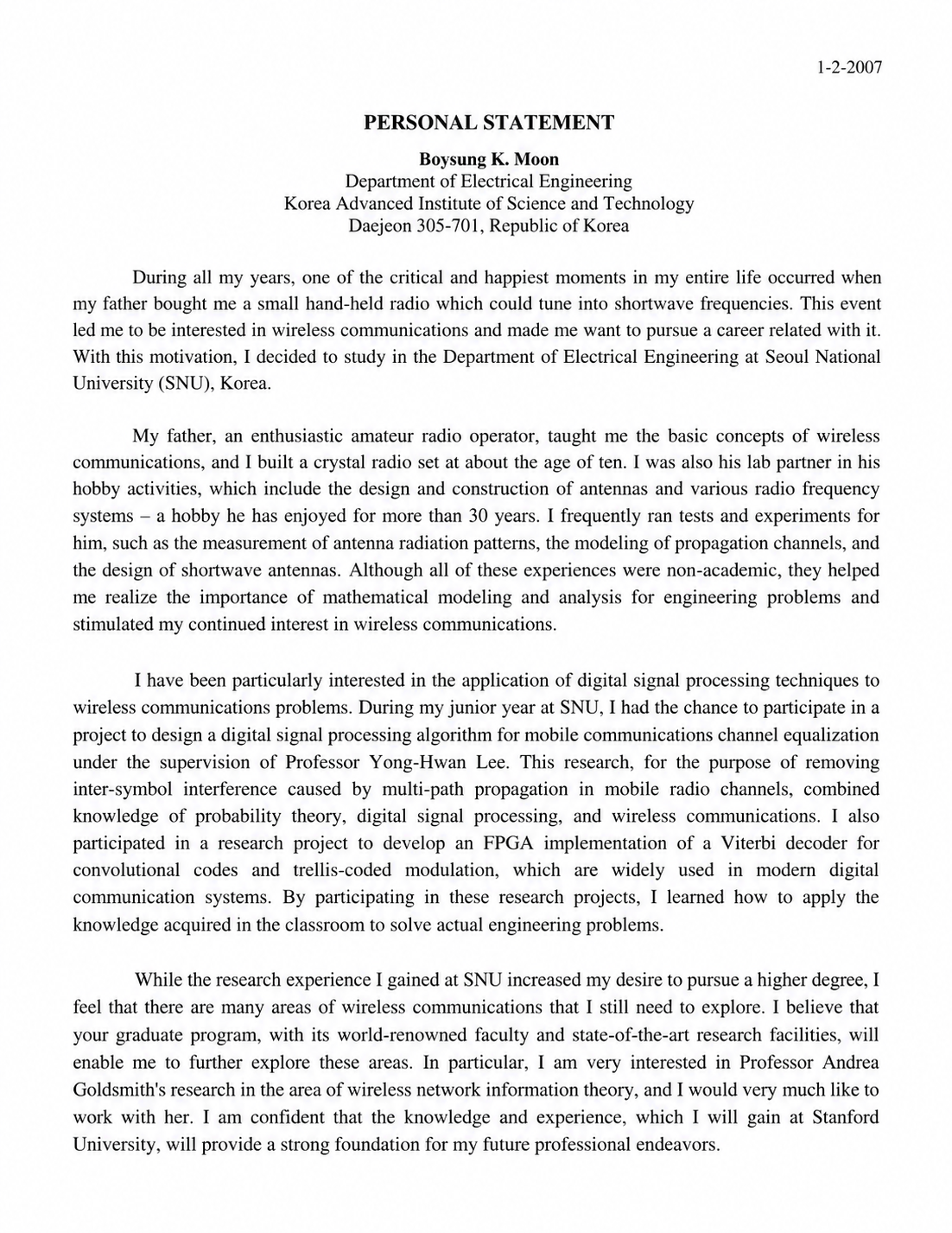
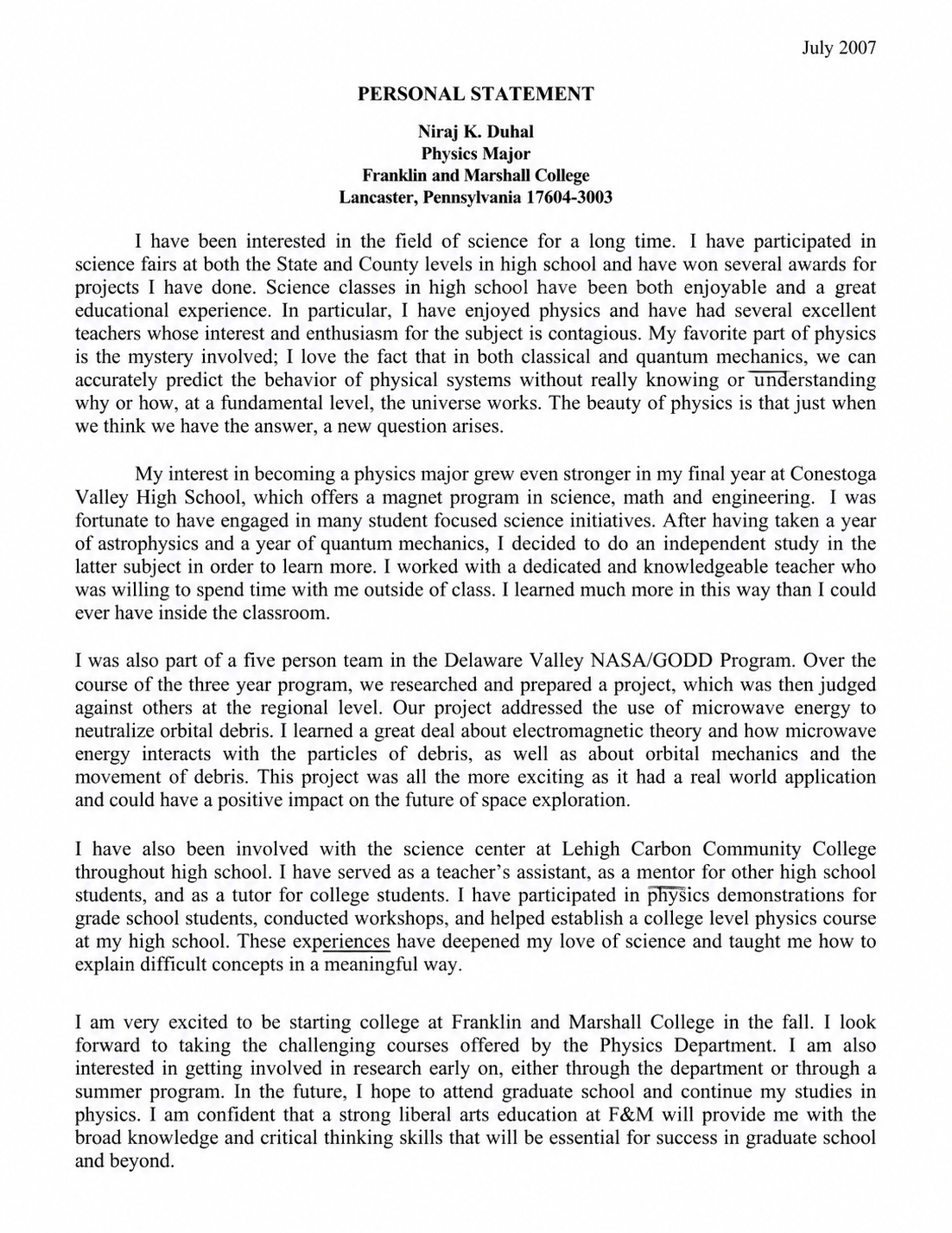
Personal Statement
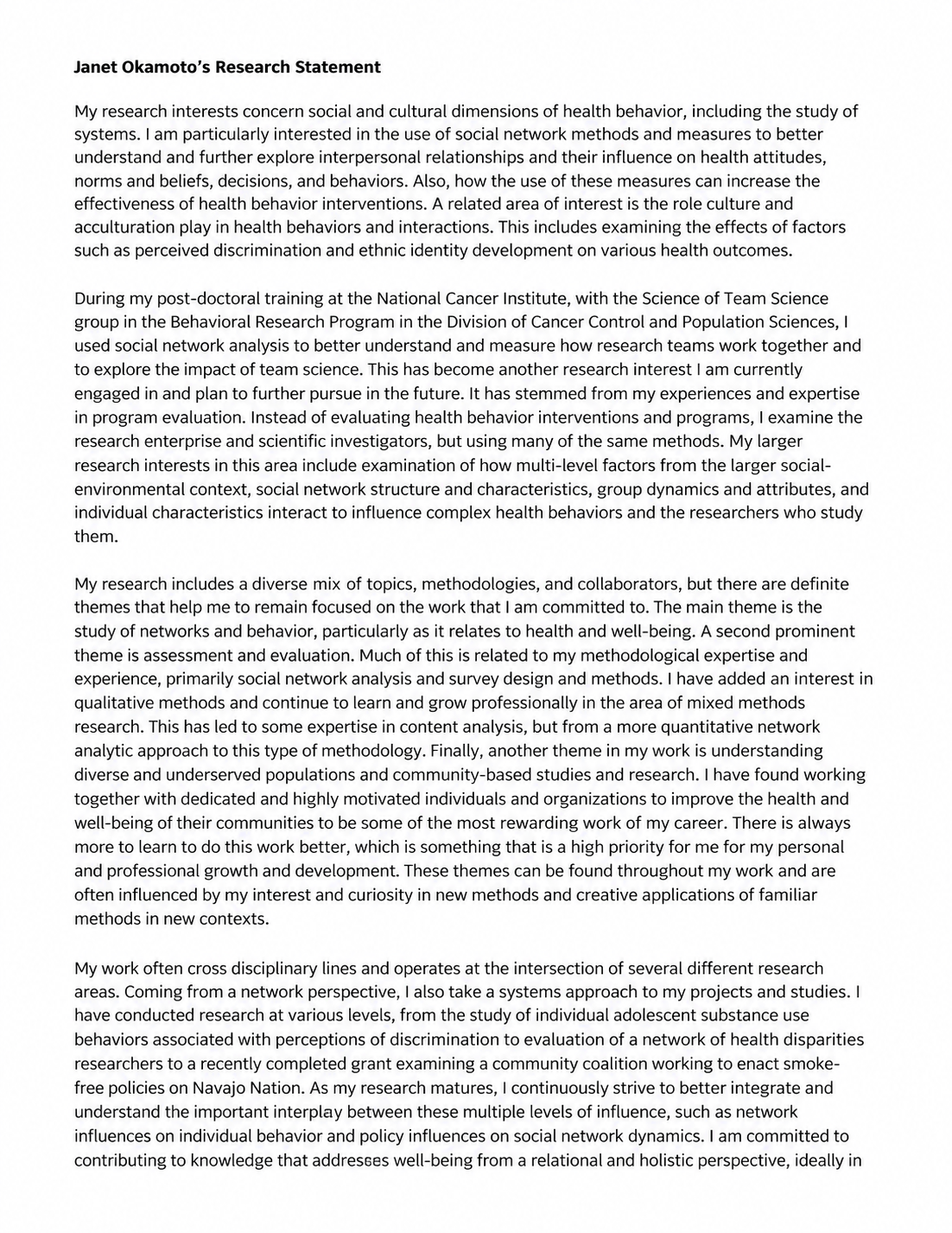
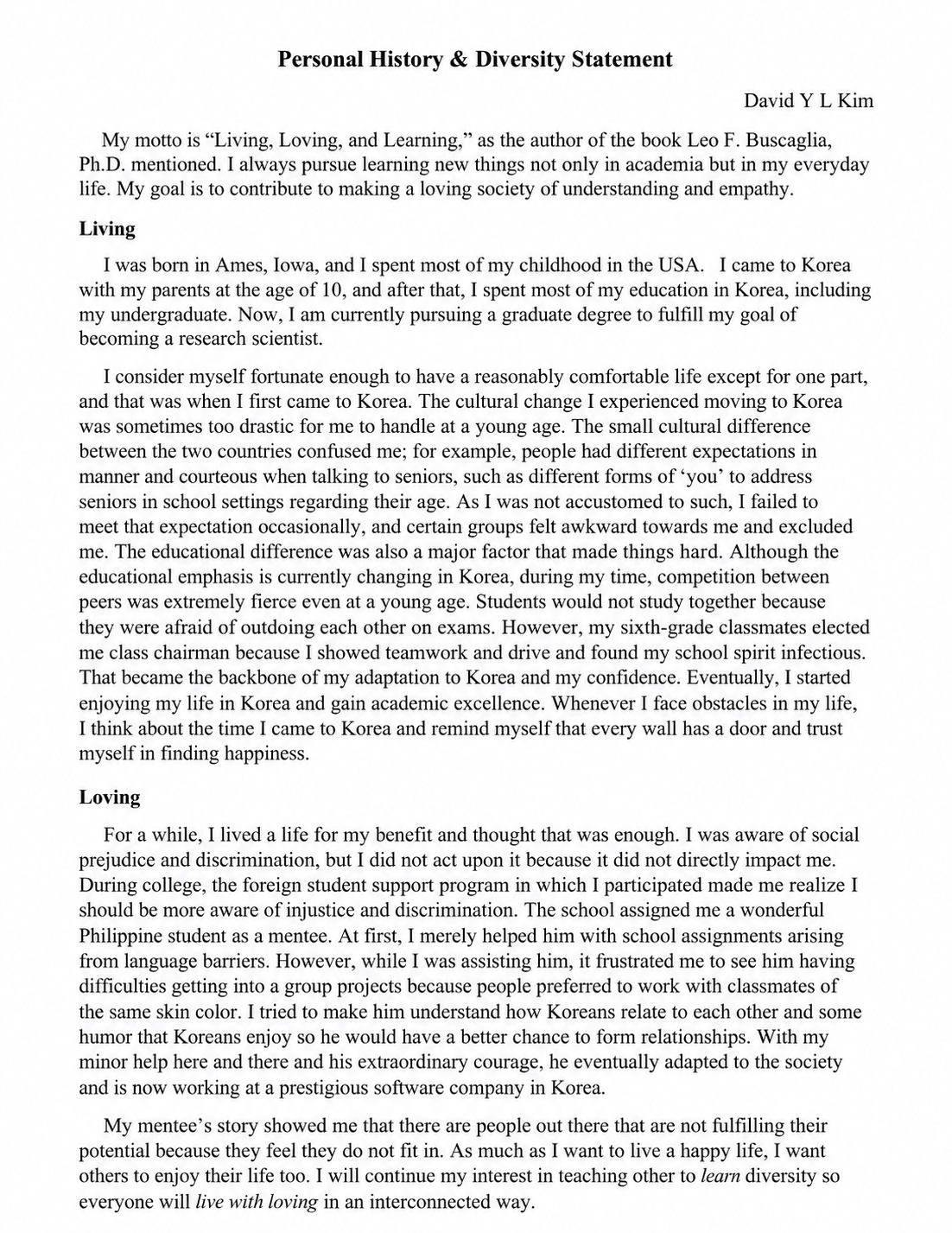
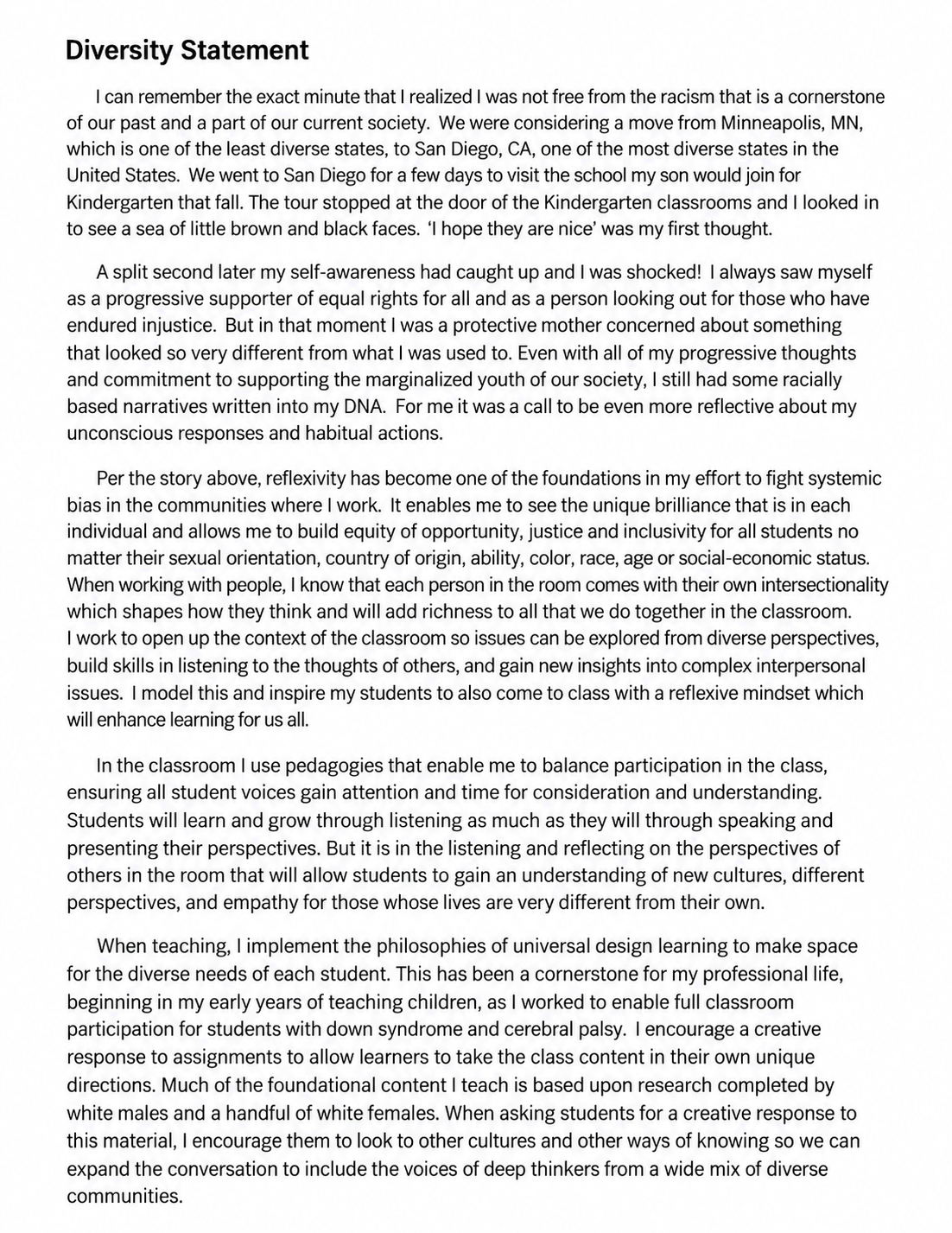
A Personal Statement describes a person’s background, experiences, interests, and goals, often for an educational or professional application.
Academic Statement
An Academic Statement explains a student’s educational background, achievements, interests, and academic goals.
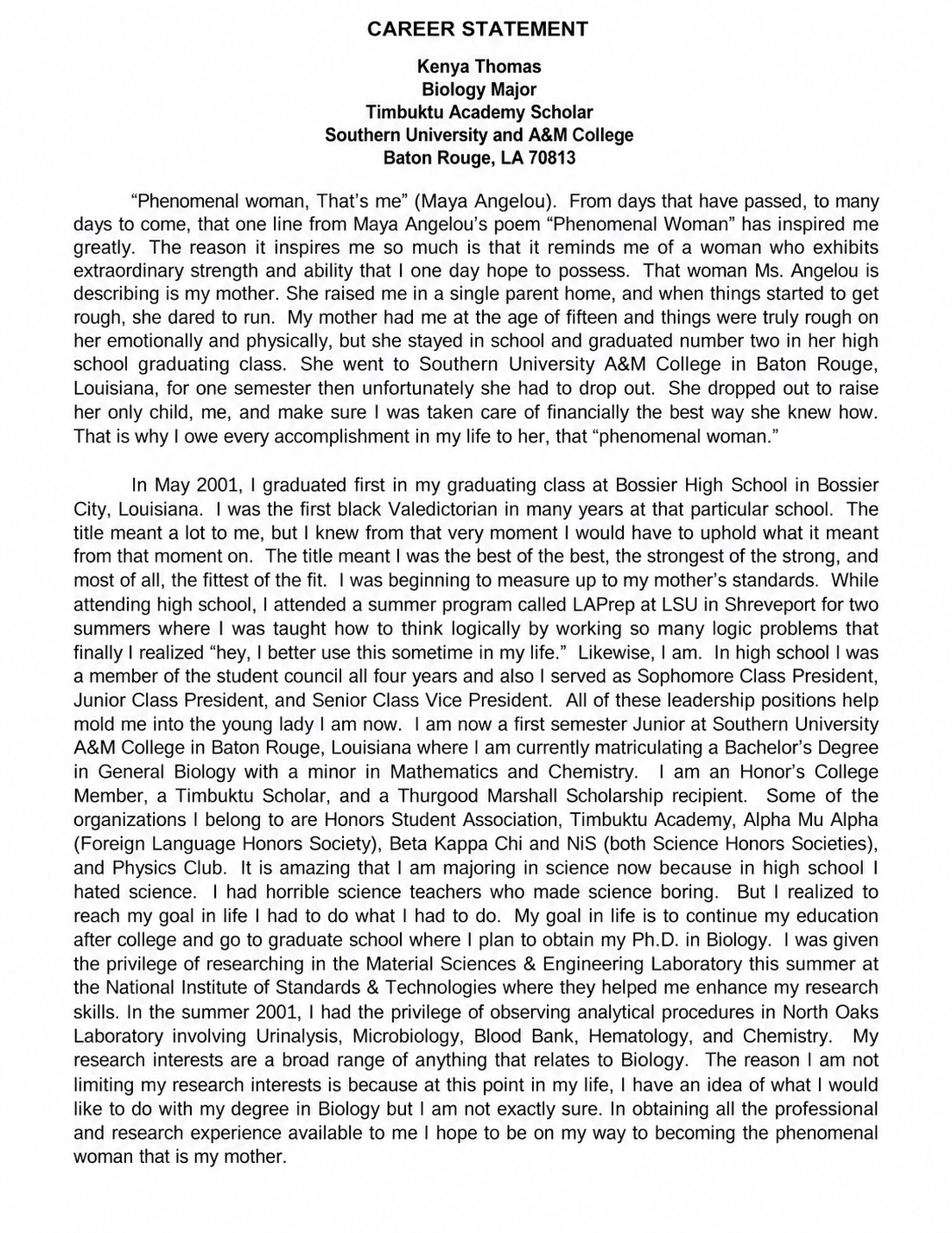
Professional Statement
A Professional Statement summarizes a person’s skills, experience, career goals, and professional qualifications.
Bank Statement
A Bank Statement records financial transactions, including deposits, withdrawals, payments, transfers, and account balances over a specific period.
Legal Statement
A Legal Statement presents relevant facts, positions, or information in connection with a legal matter, proceeding, or dispute.
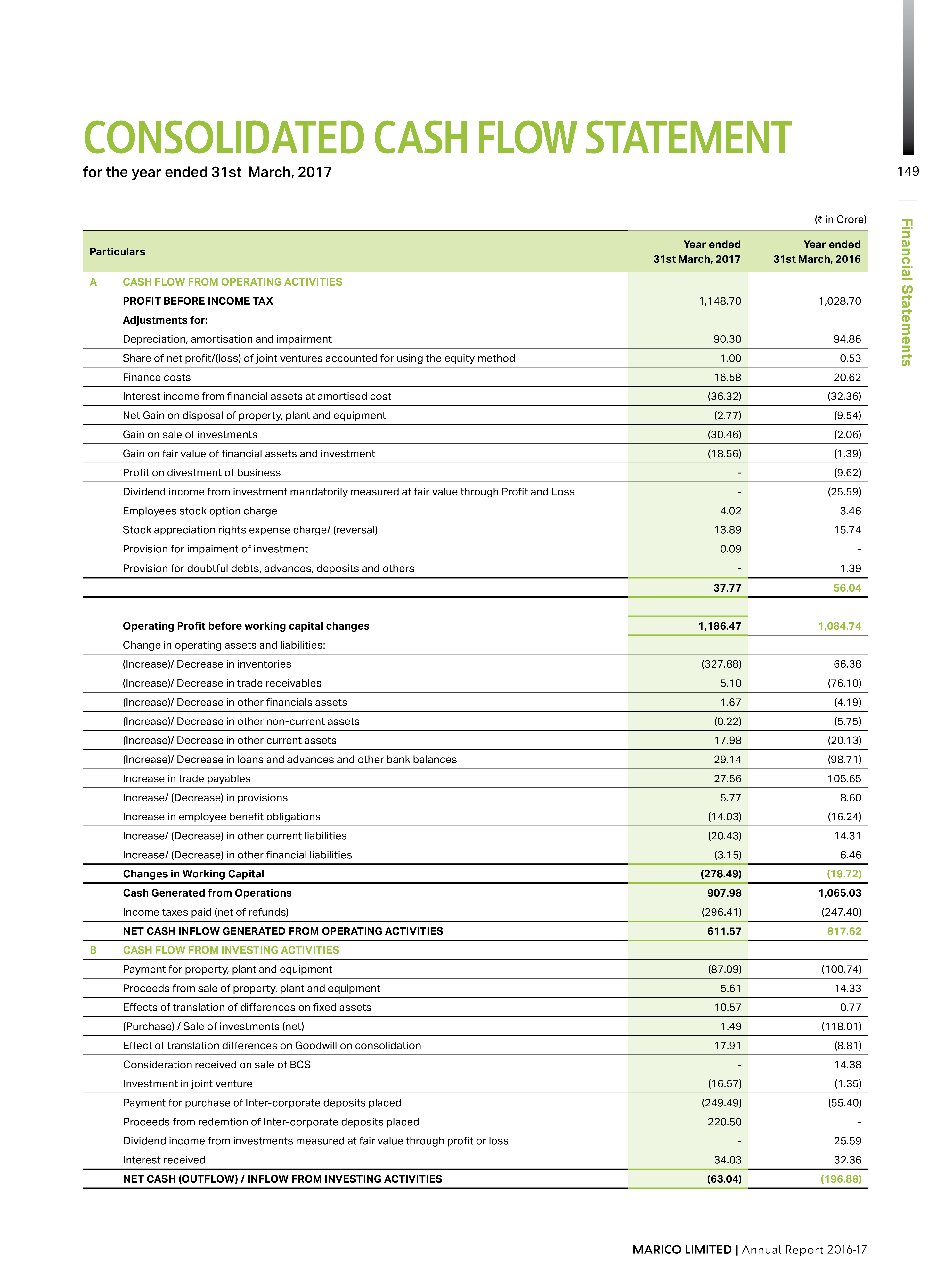
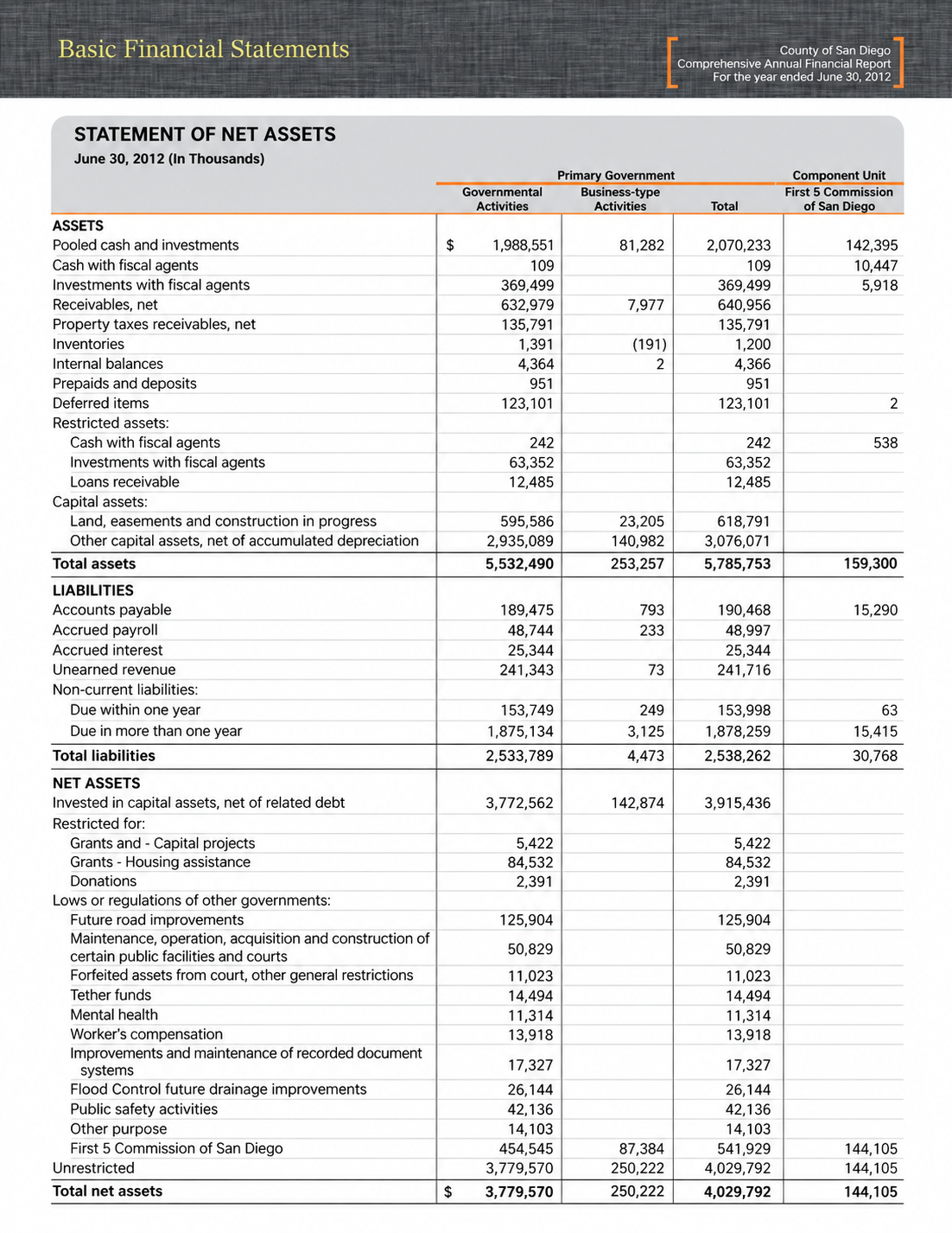
Financial Statement
A Financial Statement presents financial information such as income, expenses, assets, liabilities, and cash flow for a specific period.
Mission Statement
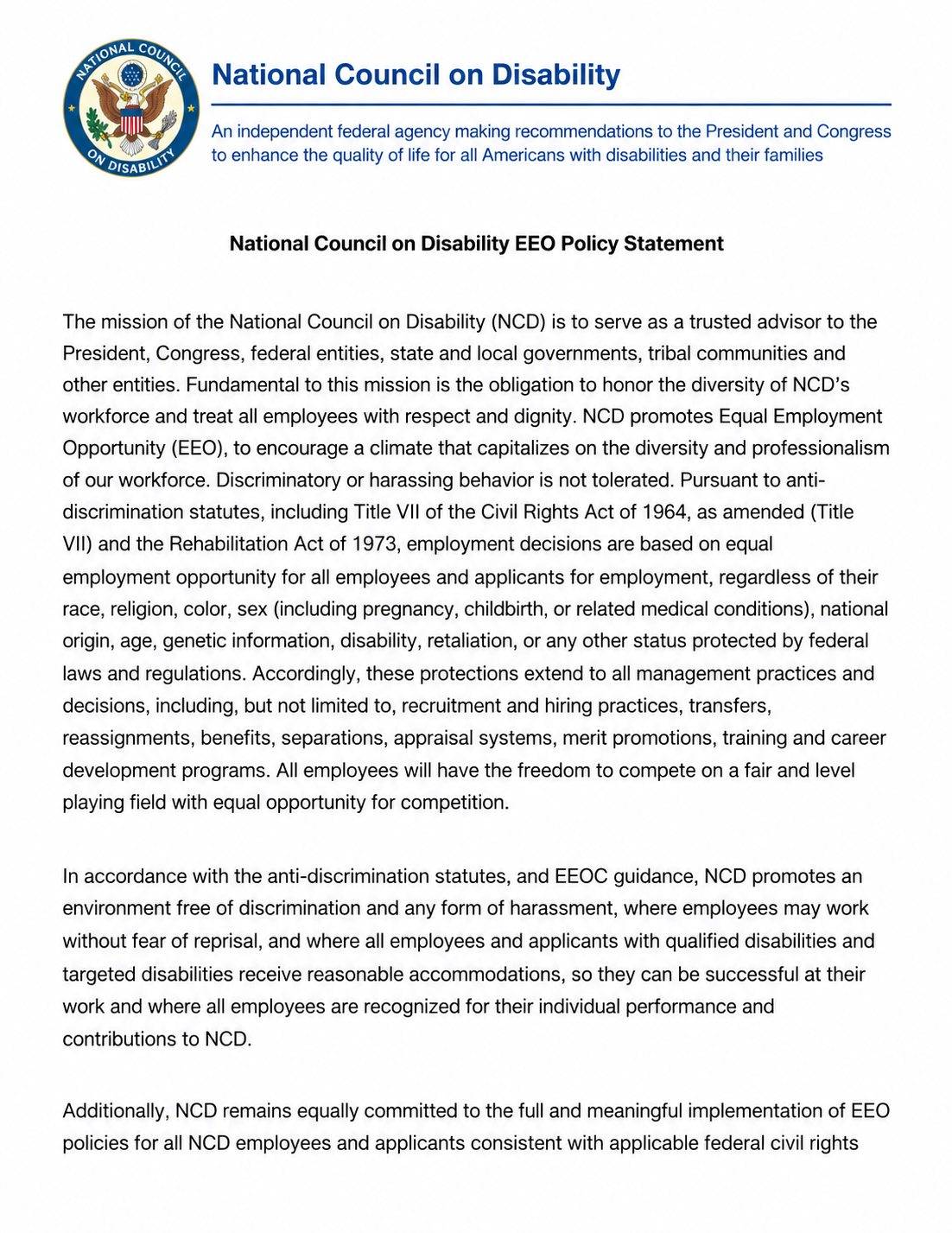
A Mission Statement explains an organization’s purpose, core goals, and the people or communities it aims to serve.
Statement of Purpose
A Statement of Purpose explains a person’s academic or professional interests, goals, qualifications, and reasons for pursuing a particular opportunity.
Logical Statement
A Logical Statement expresses a proposition that can be evaluated as true or false in logical or critical reasoning.
Position Statement
A Position Statement clearly presents a person’s or organization’s position on a specific issue, subject, or policy.
How Do I Generate Statements Using Real Statement Examples?
Explore Real Statement Examples
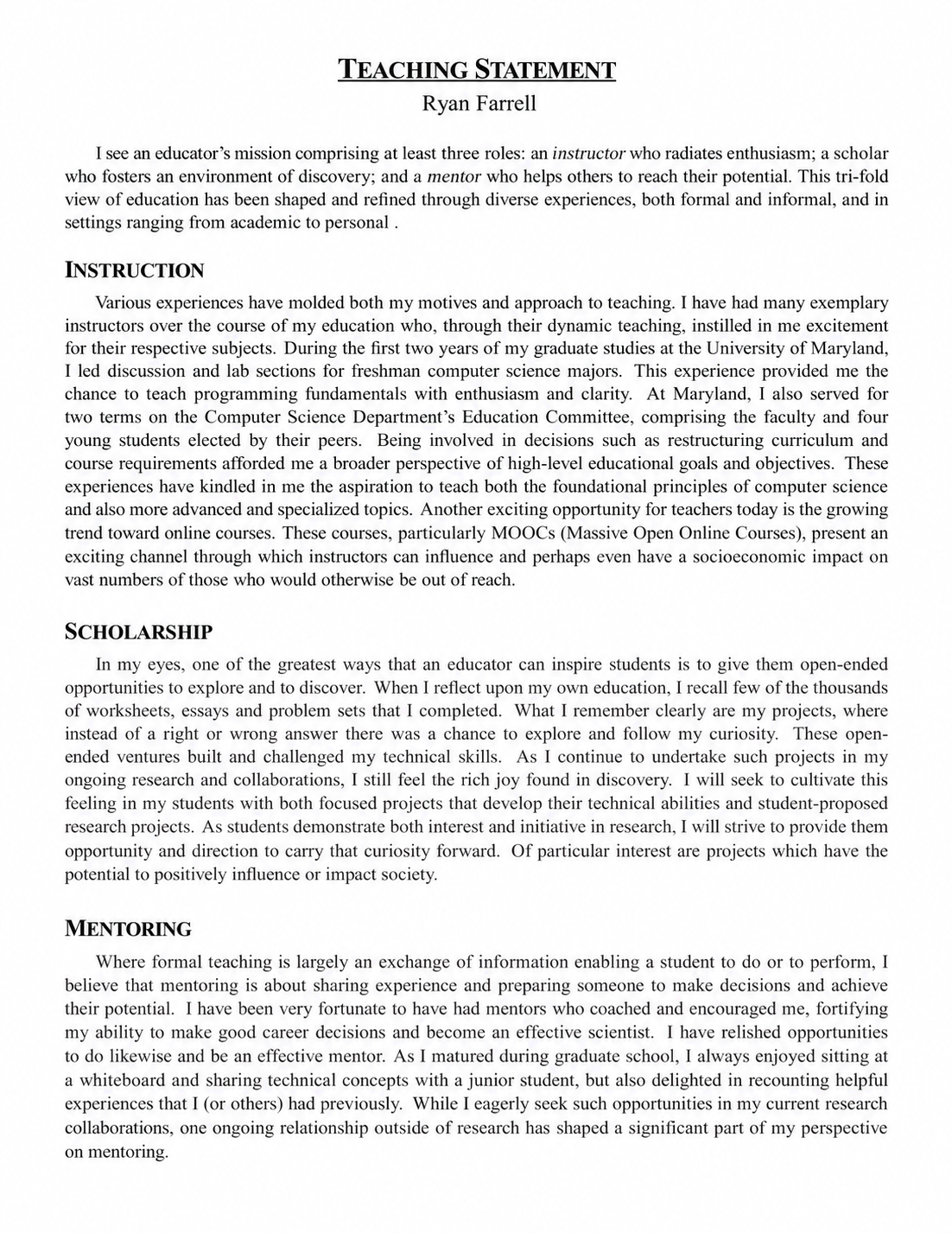
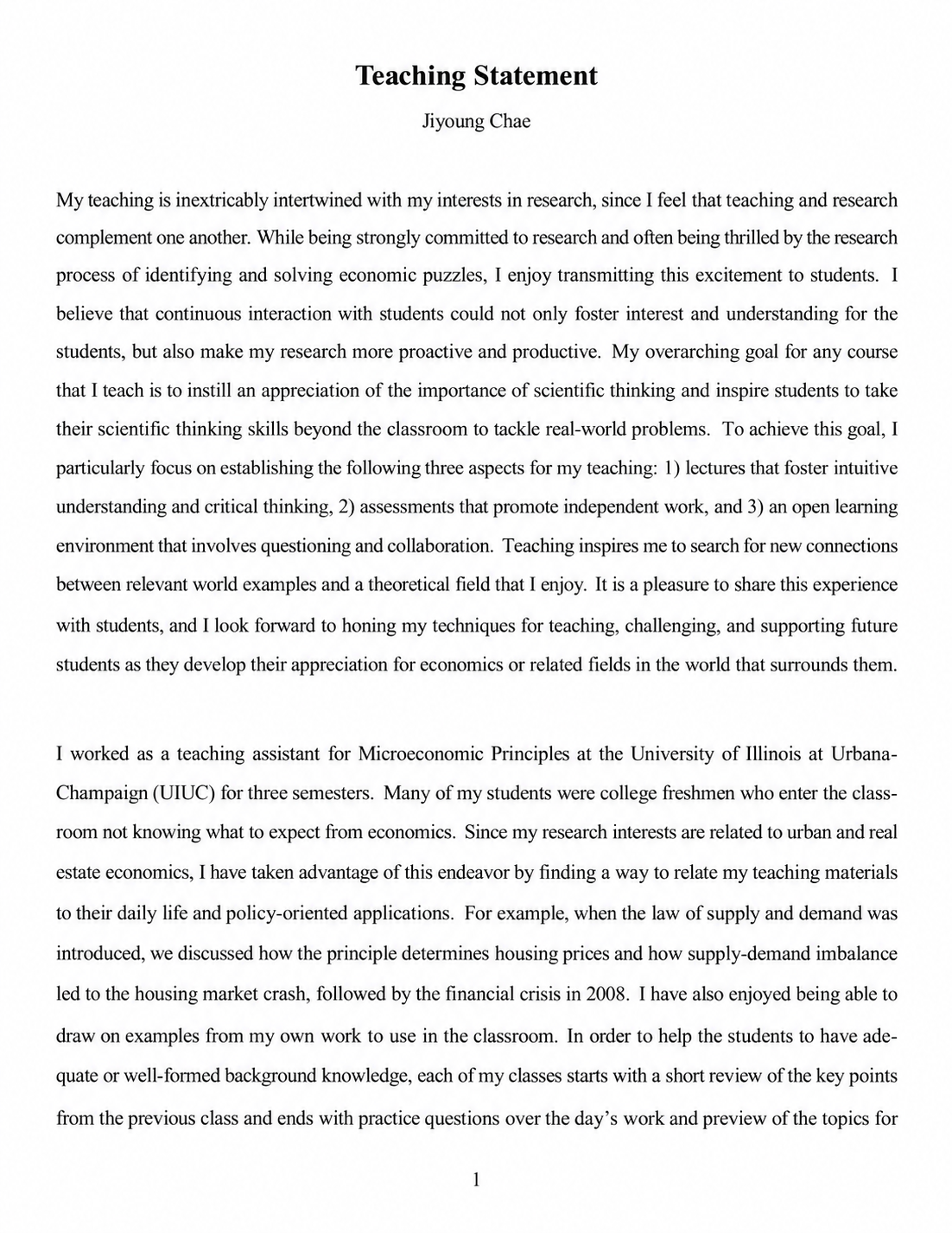
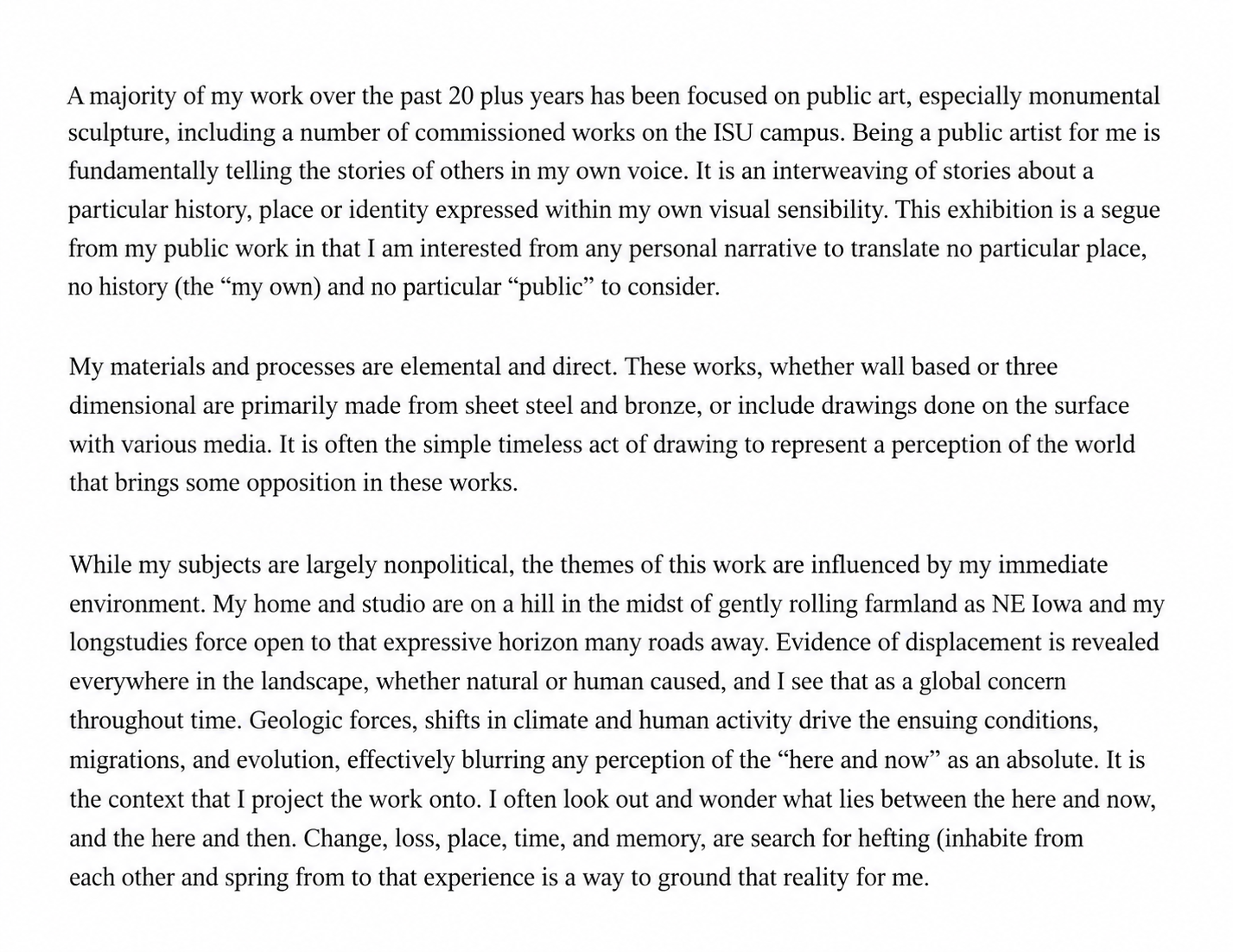
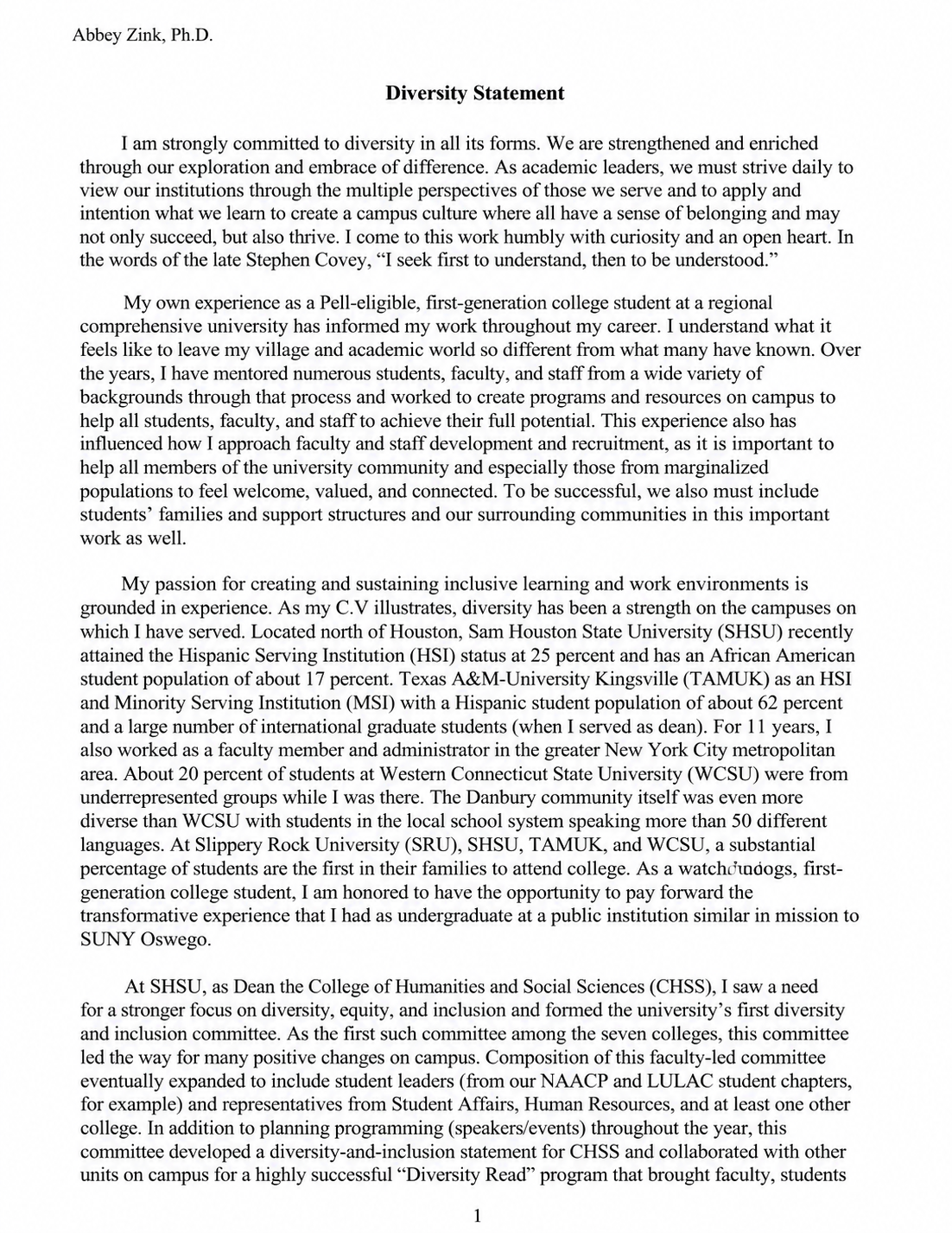
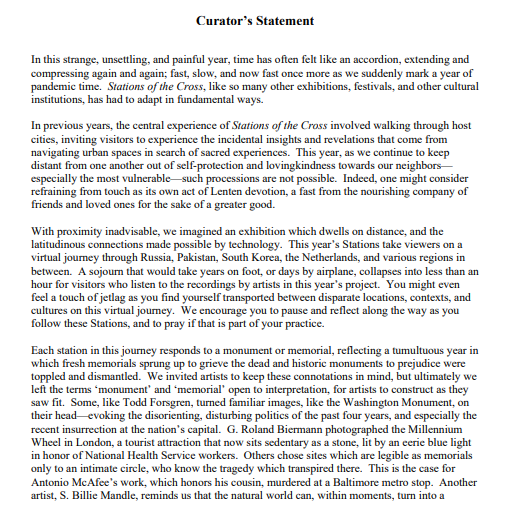
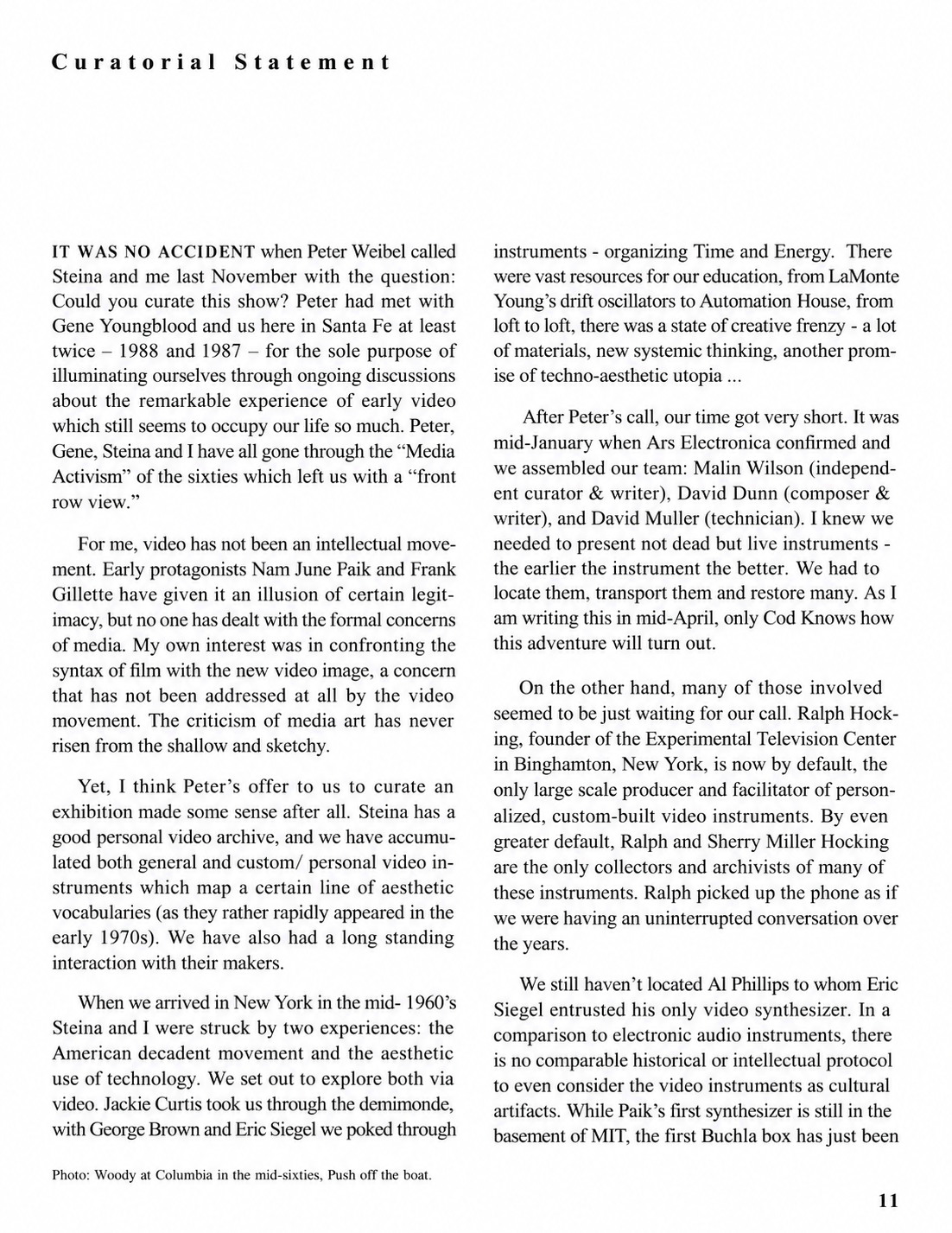
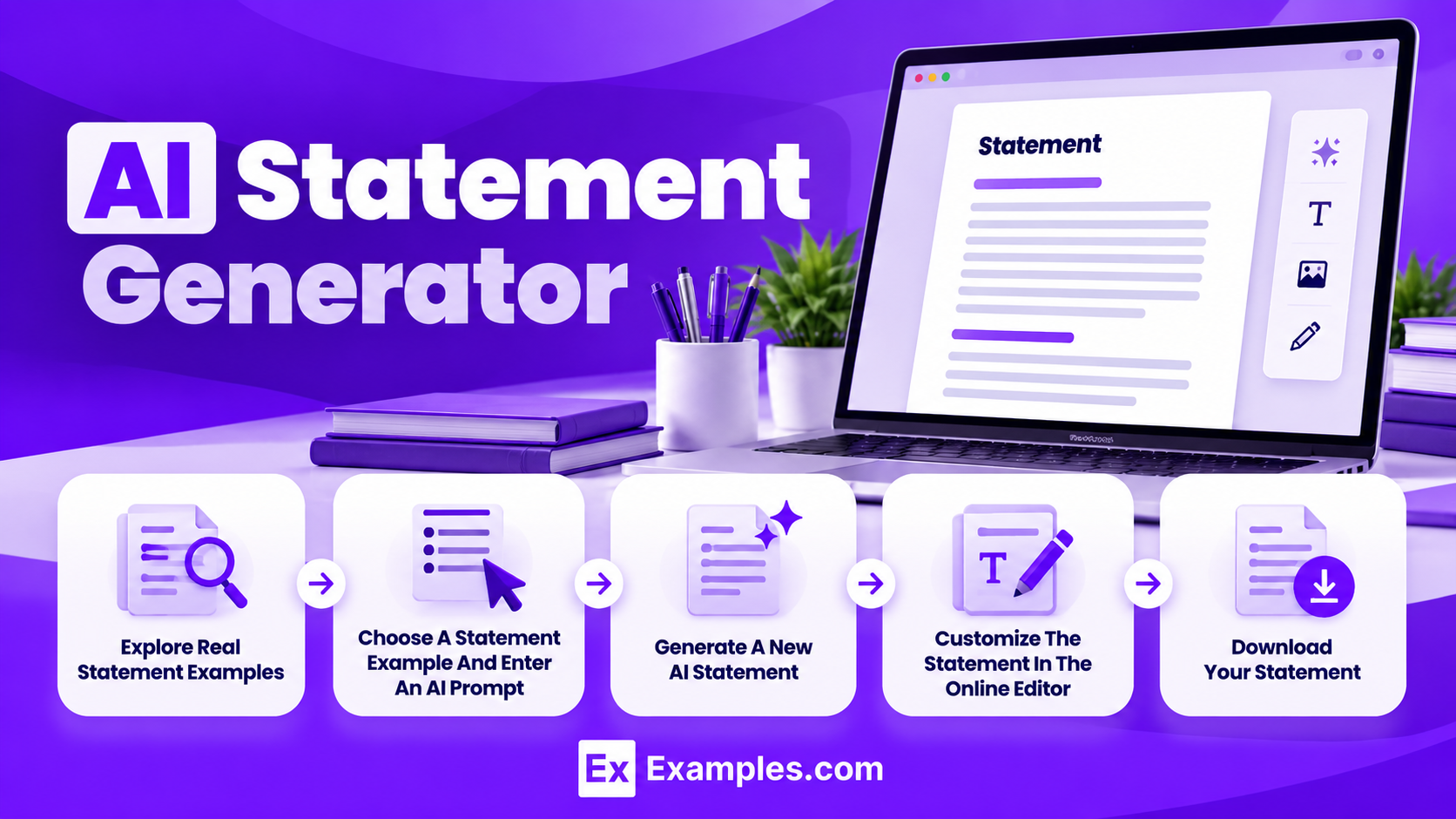
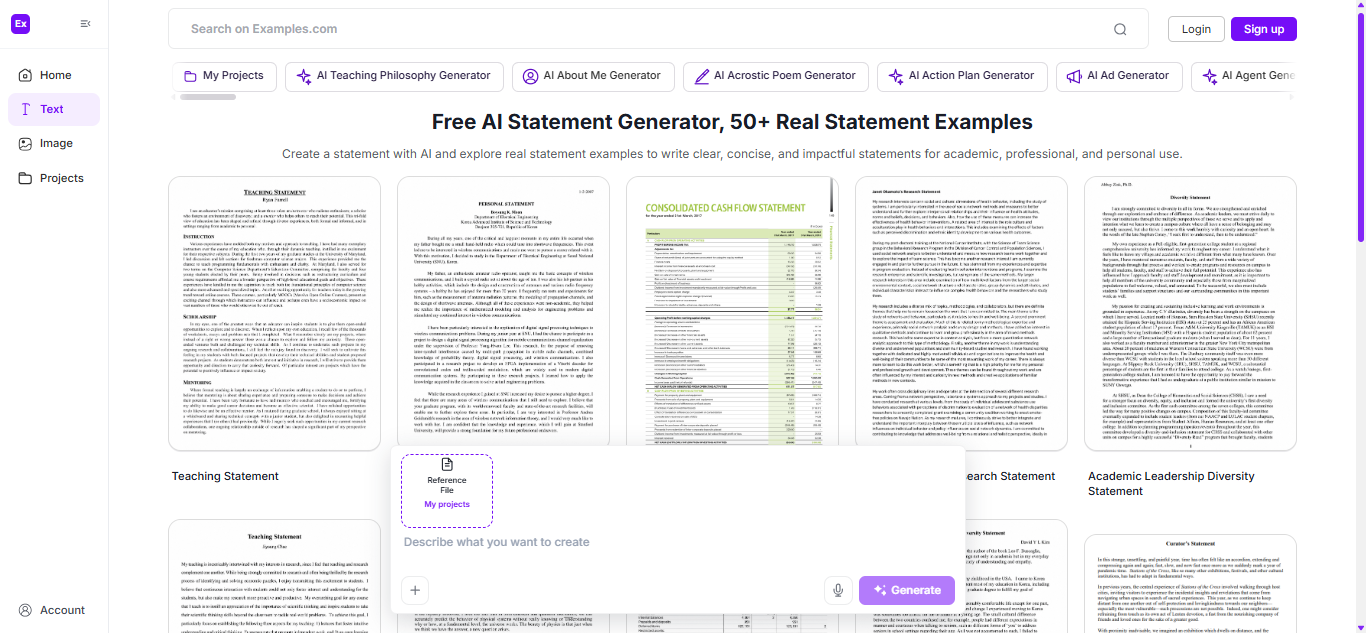
Browse real-world statement examples to understand structure, tone, wording, formatting, and essential information. Reviewing relevant statements can help you create clear and well-organized statements for academic, professional, personal, financial, and other purposes.
Choose A Statement Example And Enter An AI Prompt
Select a statement example and describe your requirements, including the statement type, purpose, key information, audience, tone, and specific details you want to include.
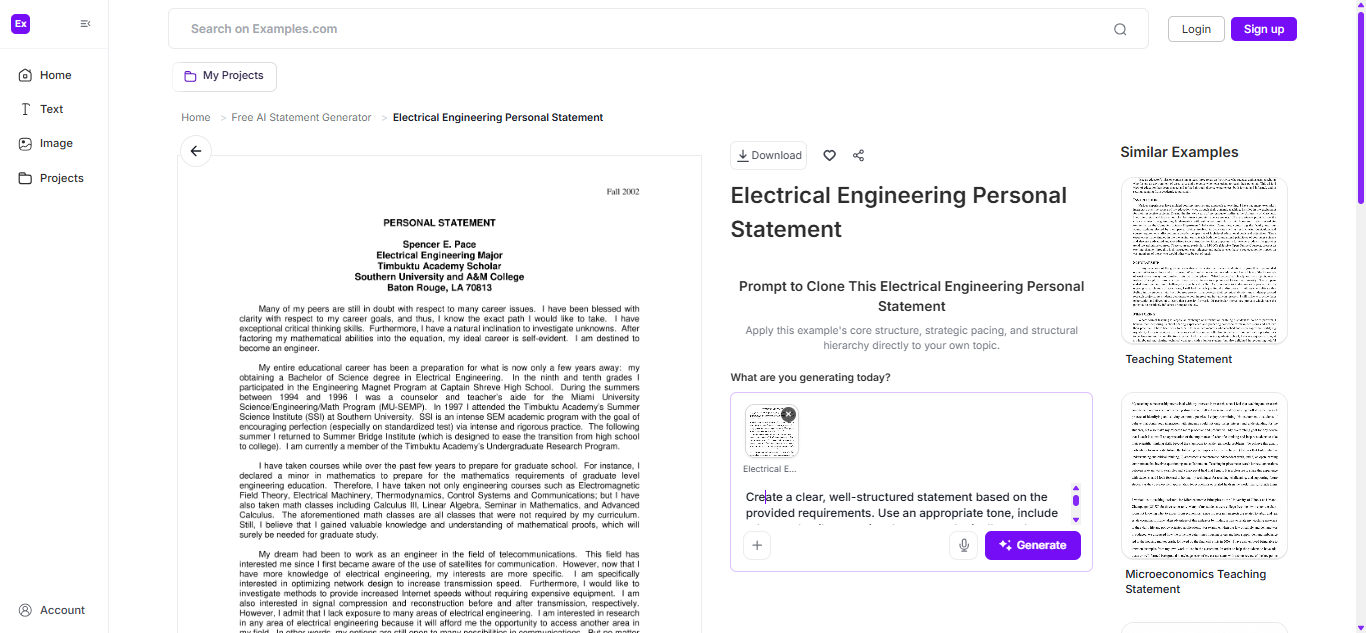
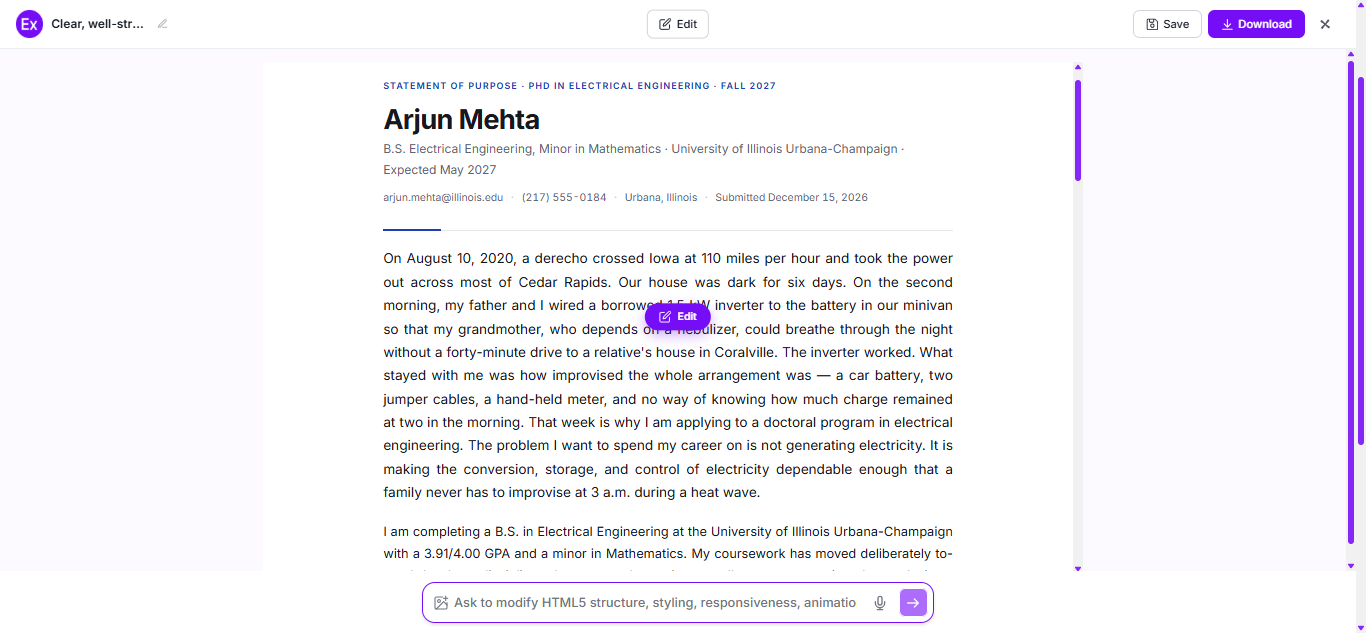
Generate A New AI Statement
The AI generates a customized statement based on your prompt, organizing your ideas into clear, relevant, and professionally structured content.
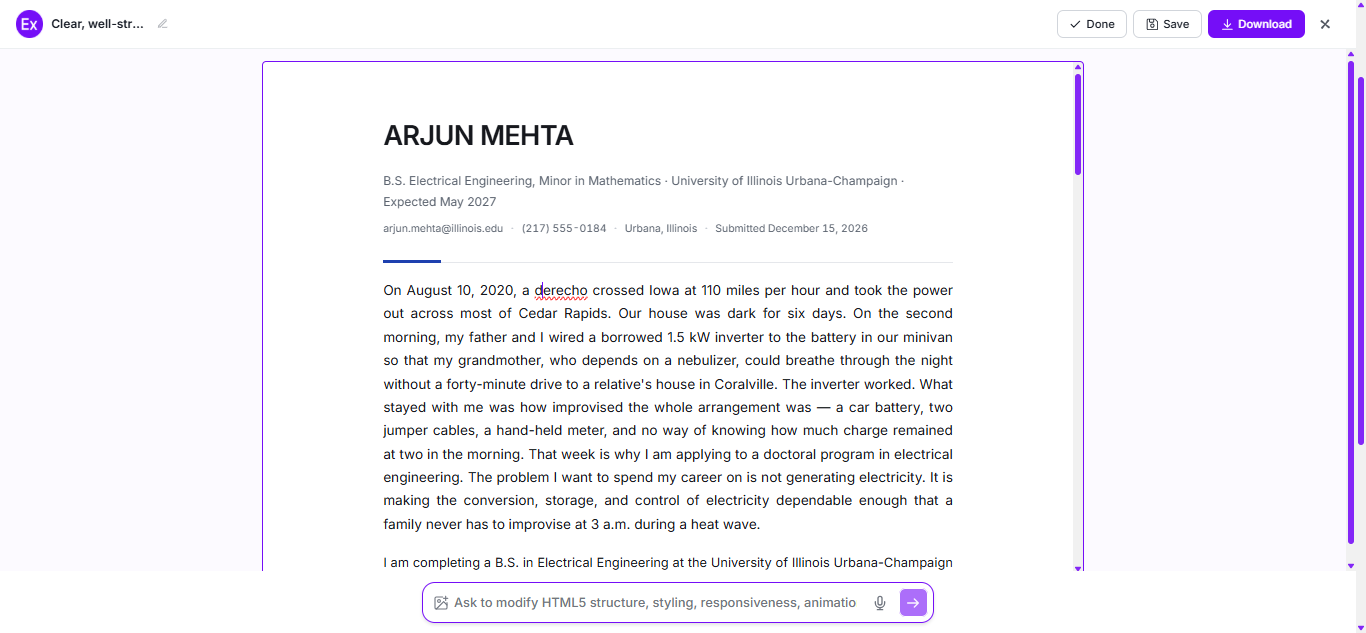
Customize The Statement In The Online Editor
Edit the wording, details, tone, structure, formatting, and other sections to make the statement suitable for your specific purpose and requirements.
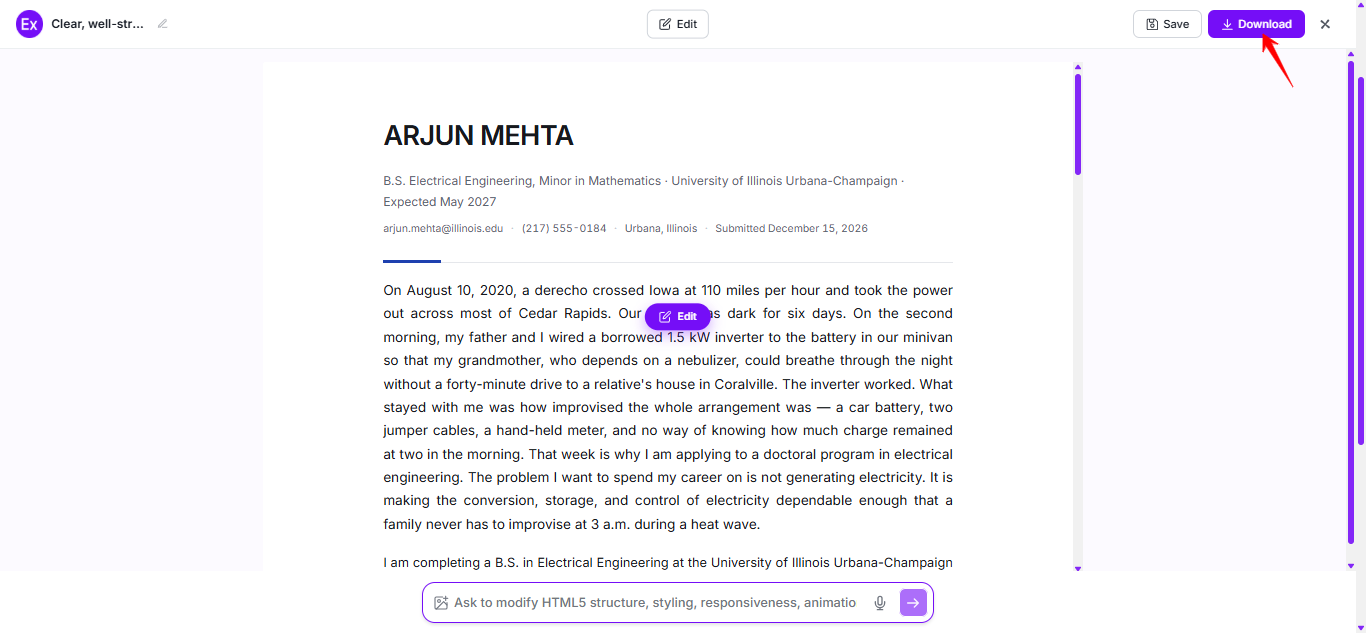
Download Your Statement
Download your completed statement in PDF format for printing, reviewing, submitting, or keeping as a record.
How Do I Customize a Statement for My Purpose?
Customize a statement by selecting the appropriate statement type, defining its purpose, and adjusting the content, tone, structure, and level of detail to match your audience and requirements. You can personalize key information, experiences, goals, facts, opinions, or supporting details to make the statement clear, relevant, and suited to its intended use.
AI Statement Editing Features
AI Content Generation
Generate clear, well-structured statements based on your purpose, requirements, and key information.
Smart Statement Editing
Add, remove, or rewrite sentences, ideas, and details to make your statement more relevant and effective.
Auto Formatting
Organize headings, paragraphs, sections, and layouts for a clean and professional statement.
Statement Customization
Update personal details, goals, experiences, facts, opinions, tone, and other information to suit your specific purpose.
Instant PDF Download
Download your completed statement in PDF format for reviewing, printing, submitting, or keeping as a record.
Which Essential Elements Should I Include in Every Statement?
- Clear Purpose: State the main purpose of the statement from the beginning.
- Relevant Details: Include the facts, experiences, ideas, or information needed to support the statement.
- Logical Structure: Organize the content with a clear beginning, middle, and conclusion.
- Appropriate Tone: Use a tone that matches the statement’s purpose, audience, and context.
- Specific Information: Add accurate names, dates, goals, achievements, or other details relevant to the statement.
- Clear Language: Use simple, direct wording that makes the statement easy to understand.
- Strong Closing: End with a clear conclusion that reinforces the main message or purpose.
How Do I Write a Better Statement?
Define the Main Purpose
Start by clearly identifying what the statement is about and what you want the reader to understand.
Lead With the Key Message
Present the most important idea, fact, opinion, or purpose early so the statement is immediately clear.
Add Specific Details
Include relevant facts, experiences, goals, examples, or supporting information that strengthen the statement.
Use Clear and Direct Language
Choose concise wording and avoid unnecessary details, complicated sentences, or vague statements.
Finish With a Strong Conclusion
End by reinforcing the main message and leaving the reader with a clear understanding of your purpose.
Why Should I Use Real Statement Examples to Create My Own Statement?
- Real statement examples help you understand how effective statements are structured and organized.
- They show how to present facts, ideas, opinions, experiences, goals, and supporting details clearly.
- Reviewing different statement examples helps you identify the appropriate tone and writing style for your purpose.
- Real examples can provide ideas for introducing your main message without copying the original content.
- They help you understand how much detail to include and how to keep your statement focused.
- Comparing different examples can help you recognize common structures used for personal, academic, professional, financial, legal, and other statements.
- Examples can make it easier to identify important information that should be included in your own statement.
- Using examples as inspiration can help you create a more organized, relevant, and purposeful statement.
What Common Statement Writing Mistakes Should I Avoid?
- Avoid Being Too Vague: Make your main message clear and support it with specific information.
- Avoid Unnecessary Details: Include only information that directly supports the purpose of your statement.
- Avoid Poor Organization: Arrange your ideas in a logical order so the statement is easy to follow.
- Avoid Repetitive Content: Do not repeat the same idea or information in different sentences.
- Avoid Inappropriate Tone: Choose language that fits your audience, purpose, and type of statement.
- Avoid Unsupported Claims: Make sure important facts, achievements, or opinions are accurate and clearly presented.
- Avoid Grammar and Spelling Errors: Proofread your statement to improve clarity and professionalism.
- Avoid Ignoring the Purpose: Keep every section focused on what the statement is intended to communicate.
What Makes a Statement Different From an Essay, Letter, or Report?
| Writing Type | Main Purpose | Typical Focus | Writing Style |
|---|---|---|---|
| Statement | Express a fact, idea, opinion, position, or personal information clearly. | A specific message, purpose, or position. | Direct and focused |
| Essay | Explore, explain, or argue an idea in greater detail. | A topic, argument, experience, or analysis. | Structured and developed |
| Letter | Communicate directly with a specific person or audience. | A request, update, message, response, or personal communication. | Personal, professional, or formal |
| Report | Present organized information, findings, or results. | Facts, evidence, observations, analysis, or recommendations. | Formal and informative |
Statement Examples for Different Purposes
- Personal Statement: A personal statement explains your background, experiences, interests, achievements, and future goals for an application or opportunity.
- Academic Statement: An academic statement presents your educational interests, achievements, qualifications, and academic goals.
- Professional Statement: A professional statement summarizes your skills, experience, career objectives, and professional strengths.
- Statement of Purpose: A statement of purpose explains your academic or professional goals and why you are pursuing a particular opportunity.
- Mission Statement: A mission statement describes the purpose, goals, and core focus of an organization or group.
- Position Statement: A position statement clearly communicates a person’s or organization’s position on a specific issue or subject.
- Financial Statement: A financial statement presents financial information such as income, expenses, assets, liabilities, or cash flow.
- Bank Statement: A bank statement records account activity, including deposits, withdrawals, payments, transfers, and balances.
- Logical Statement: A logical statement expresses a proposition that can be evaluated as true or false.
- Legal Statement: A legal statement presents relevant facts, information, or positions in connection with a legal matter.
FAQs
What Is a Statement Used For?
A statement communicates a specific fact, idea, opinion, position, purpose, experience, or financial information clearly to its intended audience.
How Long Should a Statement Be?
Statement length depends on its purpose, audience, and requirements, but it should contain enough information to communicate the intended message clearly.
How Do I Start a Statement?
Start with a clear opening that immediately establishes the statement’s purpose, main message, or most important information for readers.
Can a Statement Include Opinions?
Yes, a statement can express an opinion when its purpose involves presenting a personal viewpoint, position, belief, or interpretation.
What Information Should a Statement Include?
Include relevant facts, ideas, experiences, goals, supporting details, and other information necessary to fulfill the statement’s specific purpose.
How Can I Make My Statement More Effective?
Use specific information, clear language, logical organization, an appropriate tone, and a focused message that directly serves your purpose.
Can AI Help Me Create a Statement?
Yes, AI can help generate, organize, customize, rewrite, and refine statement content according to your purpose and requirements.
Can I Customize an AI-Generated Statement?
Yes, you can customize details, wording, tone, structure, experiences, goals, and other content to make the statement personally relevant.
What Should I Check Before Using a Statement?
Review accuracy, grammar, clarity, formatting, tone, relevant details, and overall alignment with the intended purpose before using your statement.
Can I Download a Statement as a PDF?
Yes, you can download your completed statement in PDF format for reviewing, printing, submitting, or keeping as a record.