
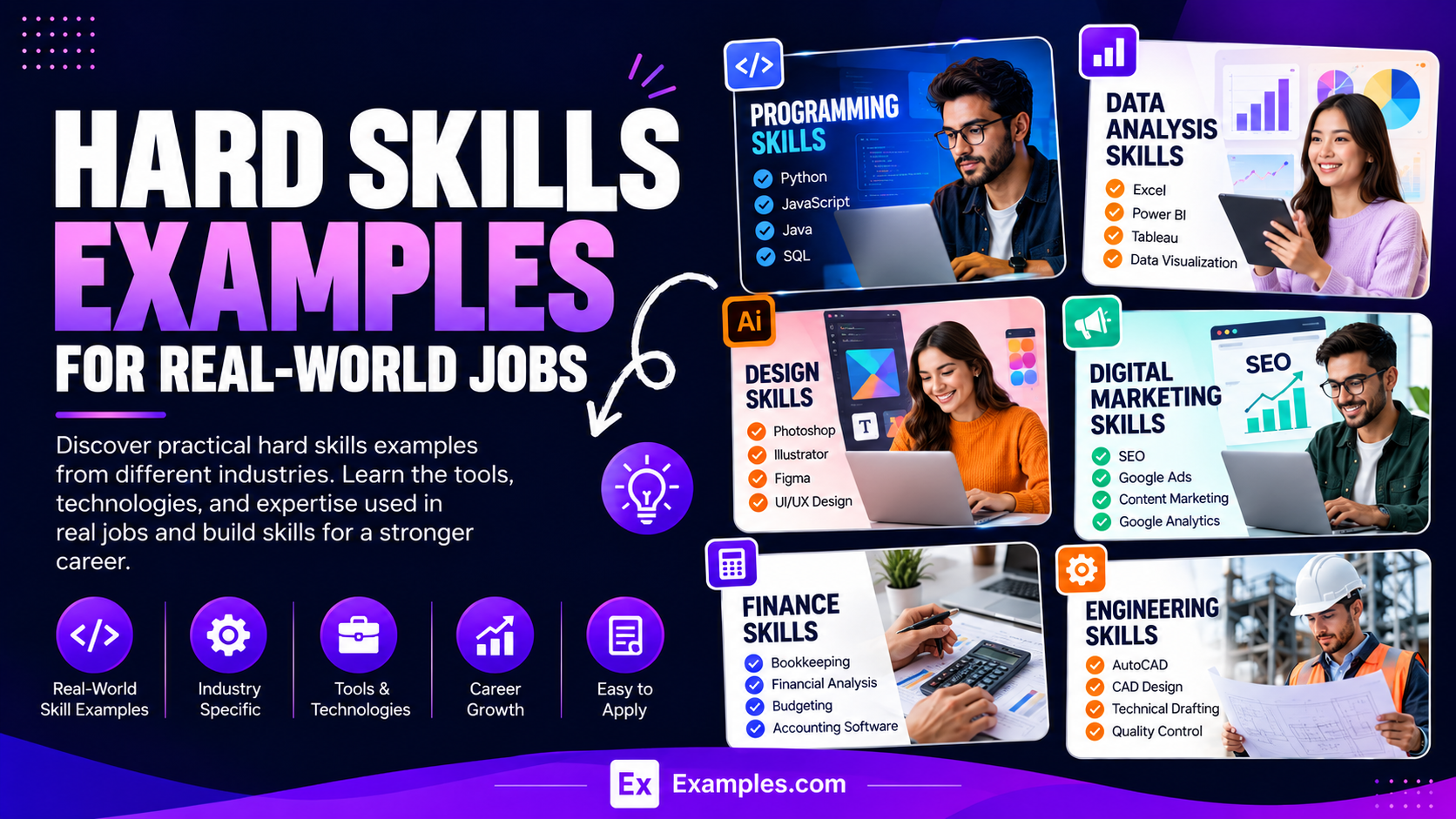
Hard skills are specific, teachable abilities used to perform professional tasks. Examples include computer programming, accounting, data analysis, technical writing, graphic design, machine operation, and foreign language proficiency. These skills are developed through education, training, certifications, and practical experience. Employers can often evaluate them through tests, portfolios, qualifications, or completed projects.
What are Hard Skills?
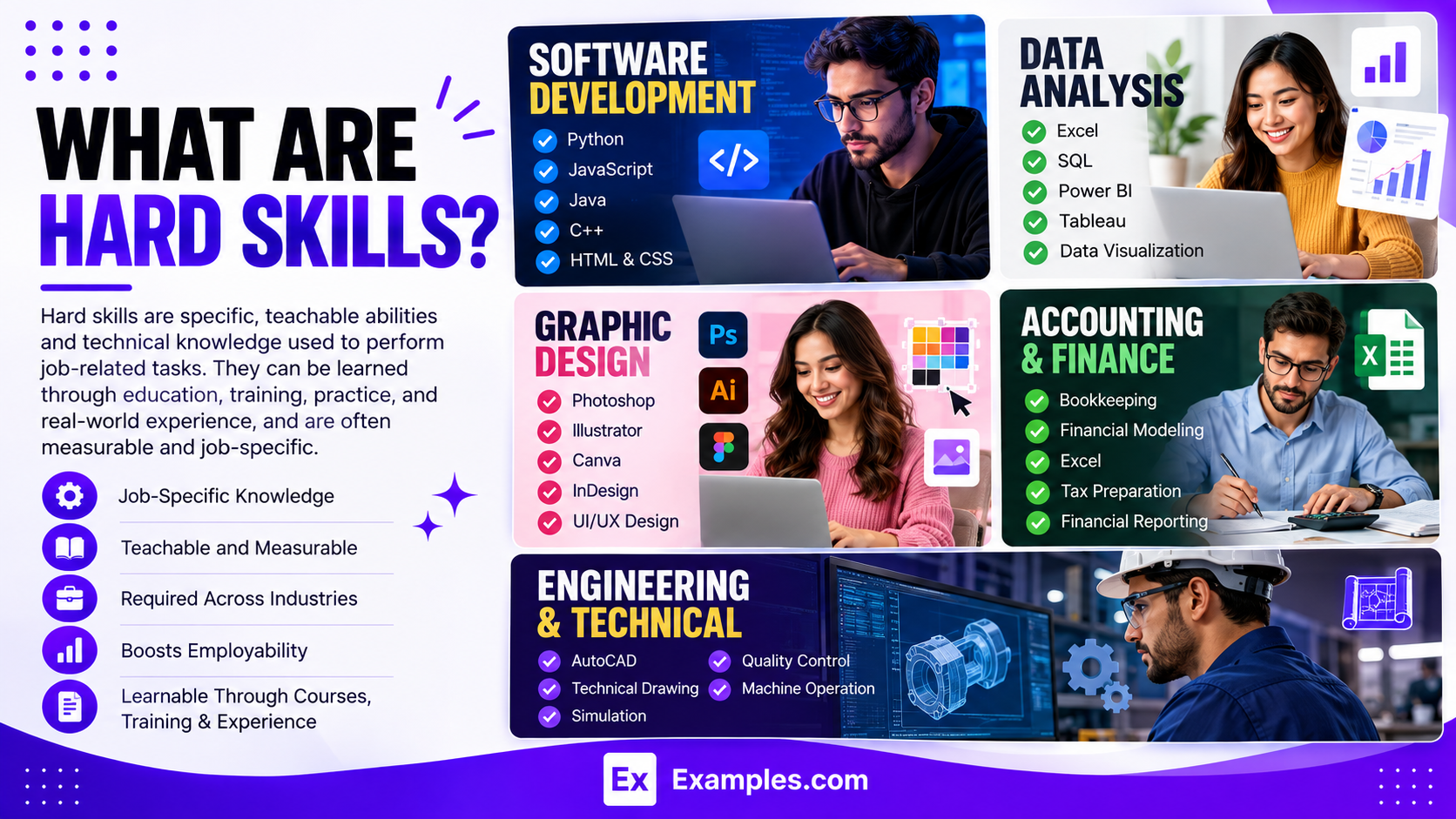
Hard skills are specialized abilities and knowledge required to complete particular tasks or perform specific jobs. They include technical expertise, software proficiency, practical procedures, and industry-specific methods.
Hard skills have three important characteristics:
- Learnable: They can be developed through courses, training, education, or experience.
- Demonstrable: They can be shown through projects, work samples, practical assessments, or qualifications.
- Job-related: They help professionals perform specific tasks within an industry or occupation.
Popular Types Of Hard Skills
Hard skills vary by profession. The following categories cover commonly used abilities across technical, creative, administrative, financial, and operational roles.
Computer and Software Skills
These involve using digital tools and applications to complete workplace tasks.
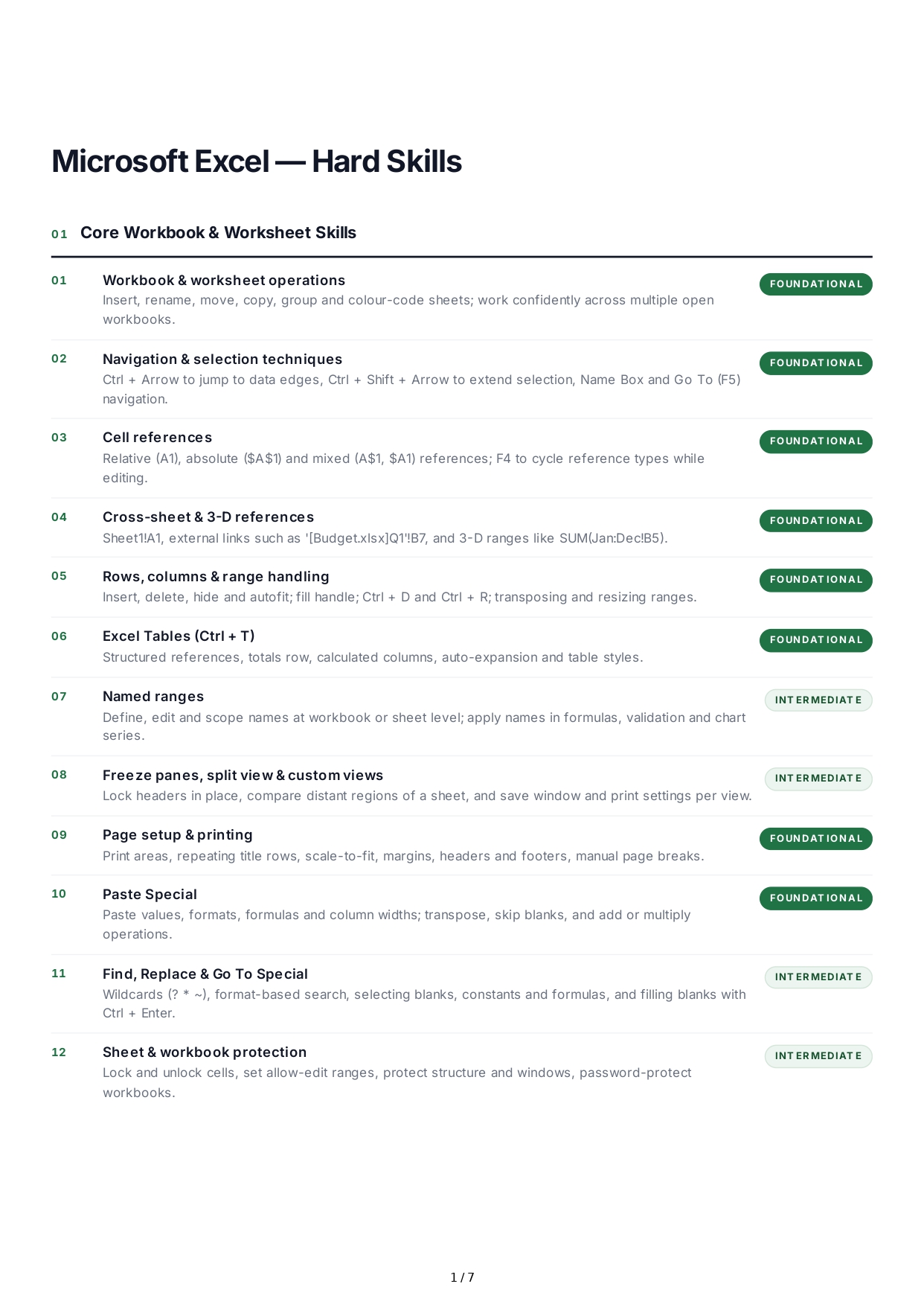
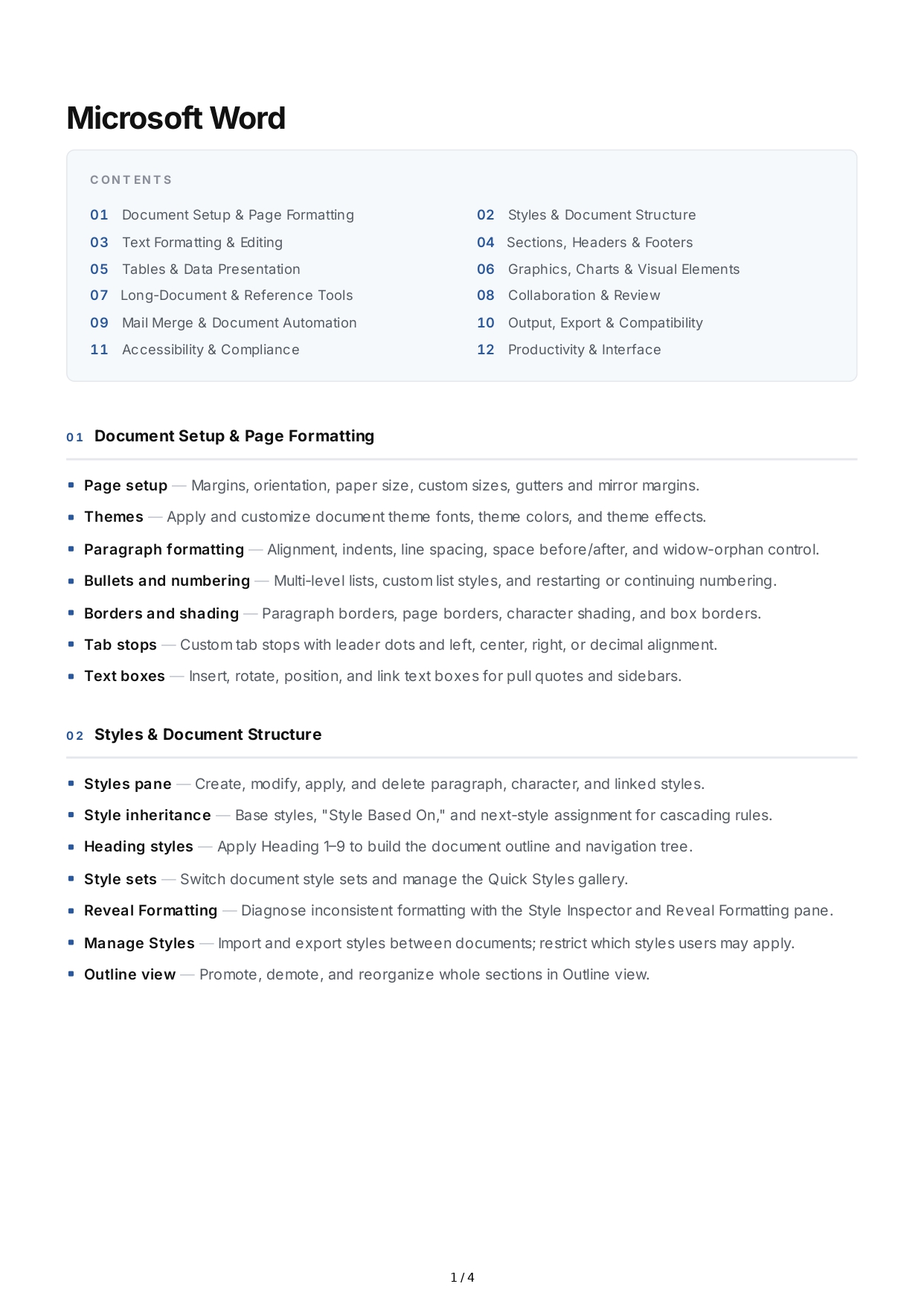
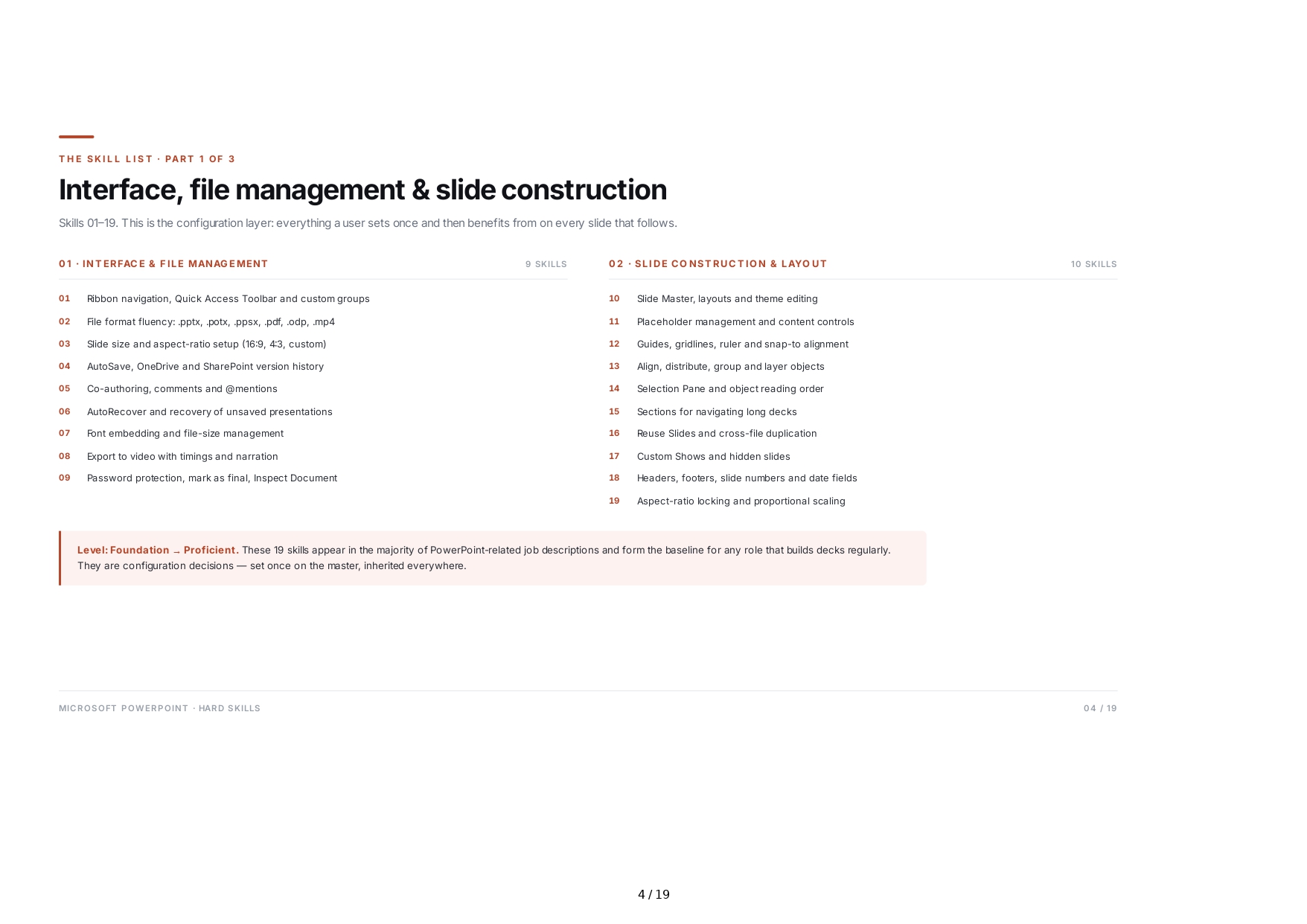
- Microsoft Excel and advanced spreadsheet functions
- Microsoft Office and Google Workspace
- Database management
- Enterprise resource planning software
- Customer relationship management systems
- Computer troubleshooting
Programming and Development Skills
Programming skills are used to build, test, maintain, and improve software applications.
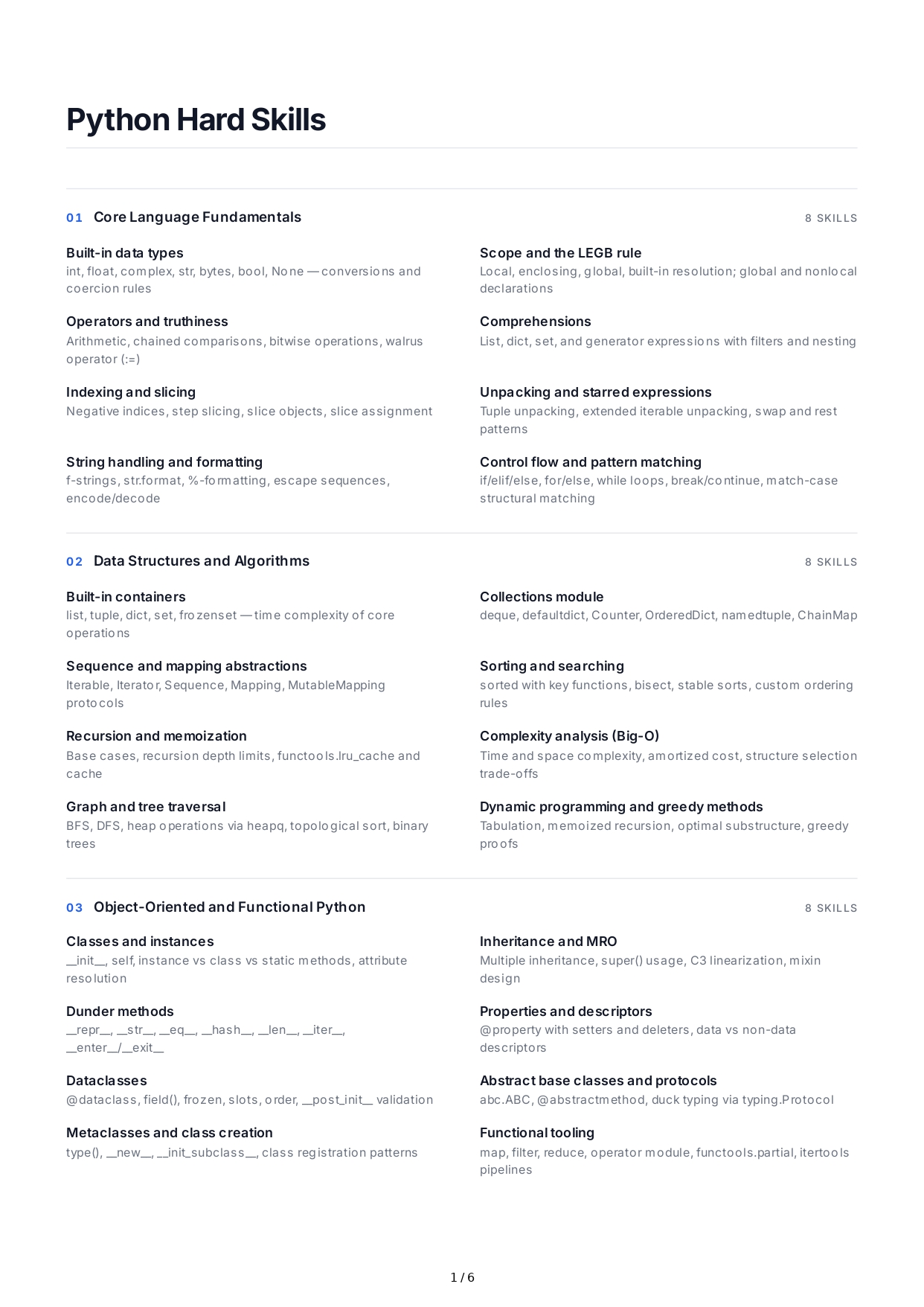
- Python programming
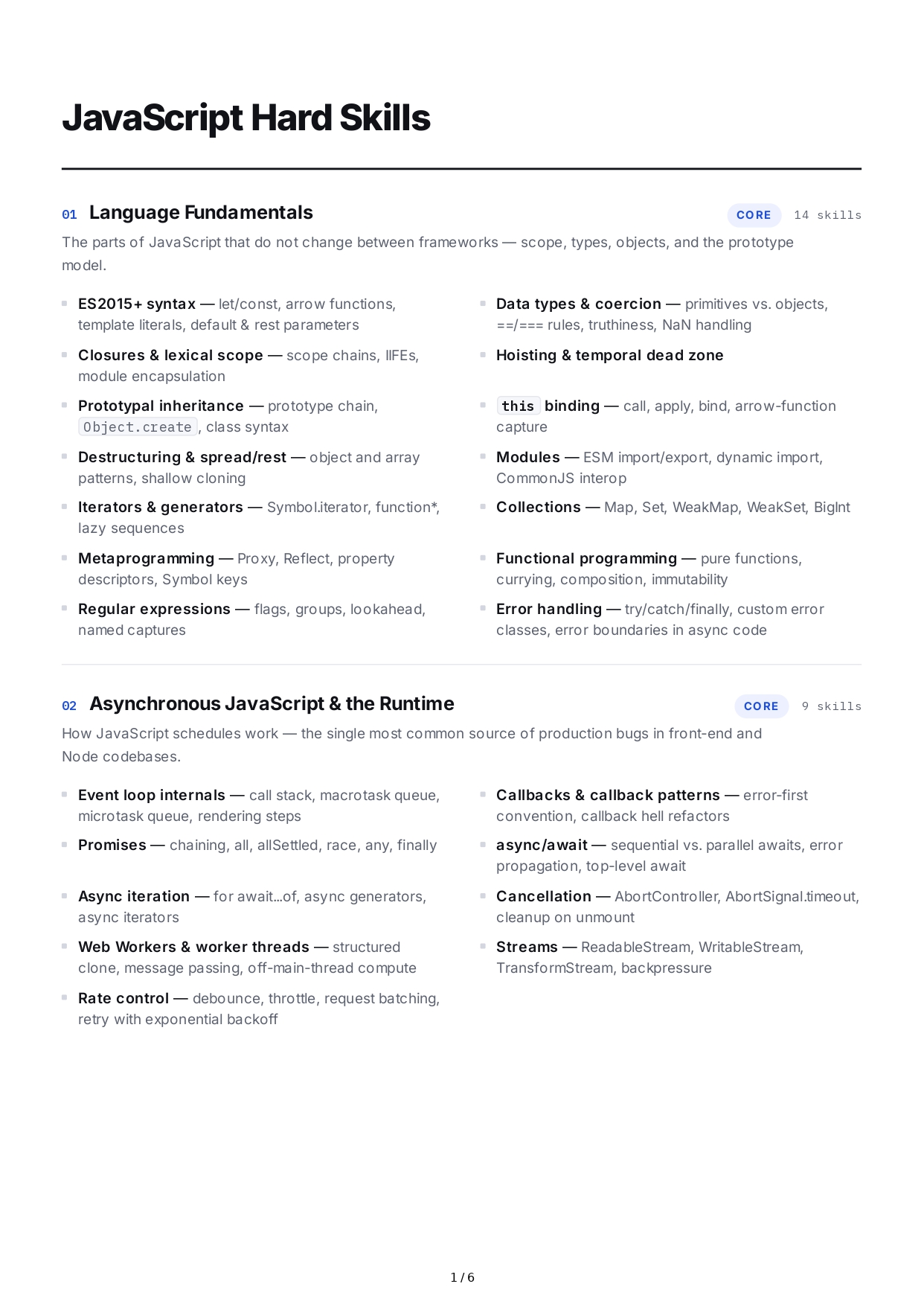
- JavaScript development
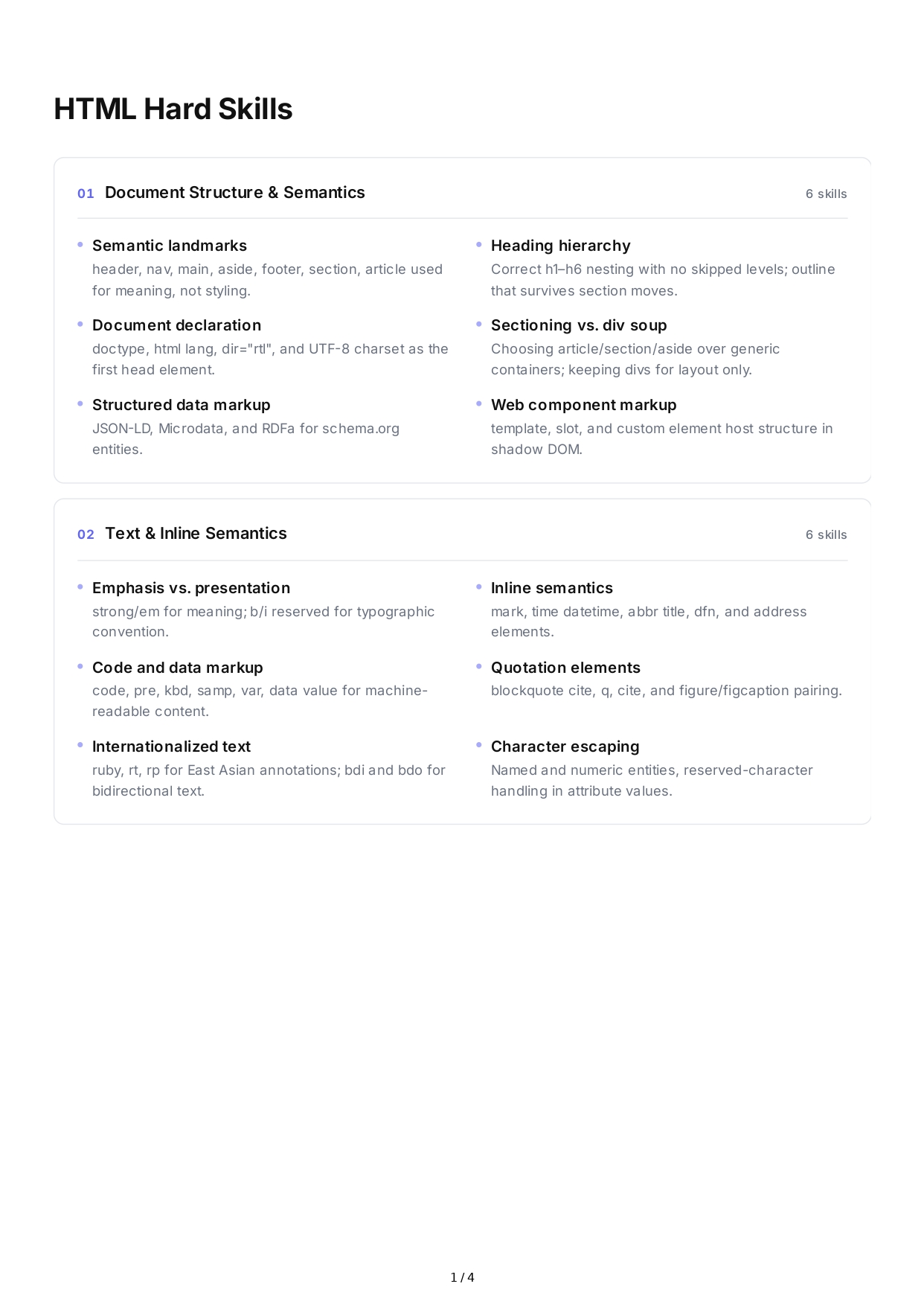
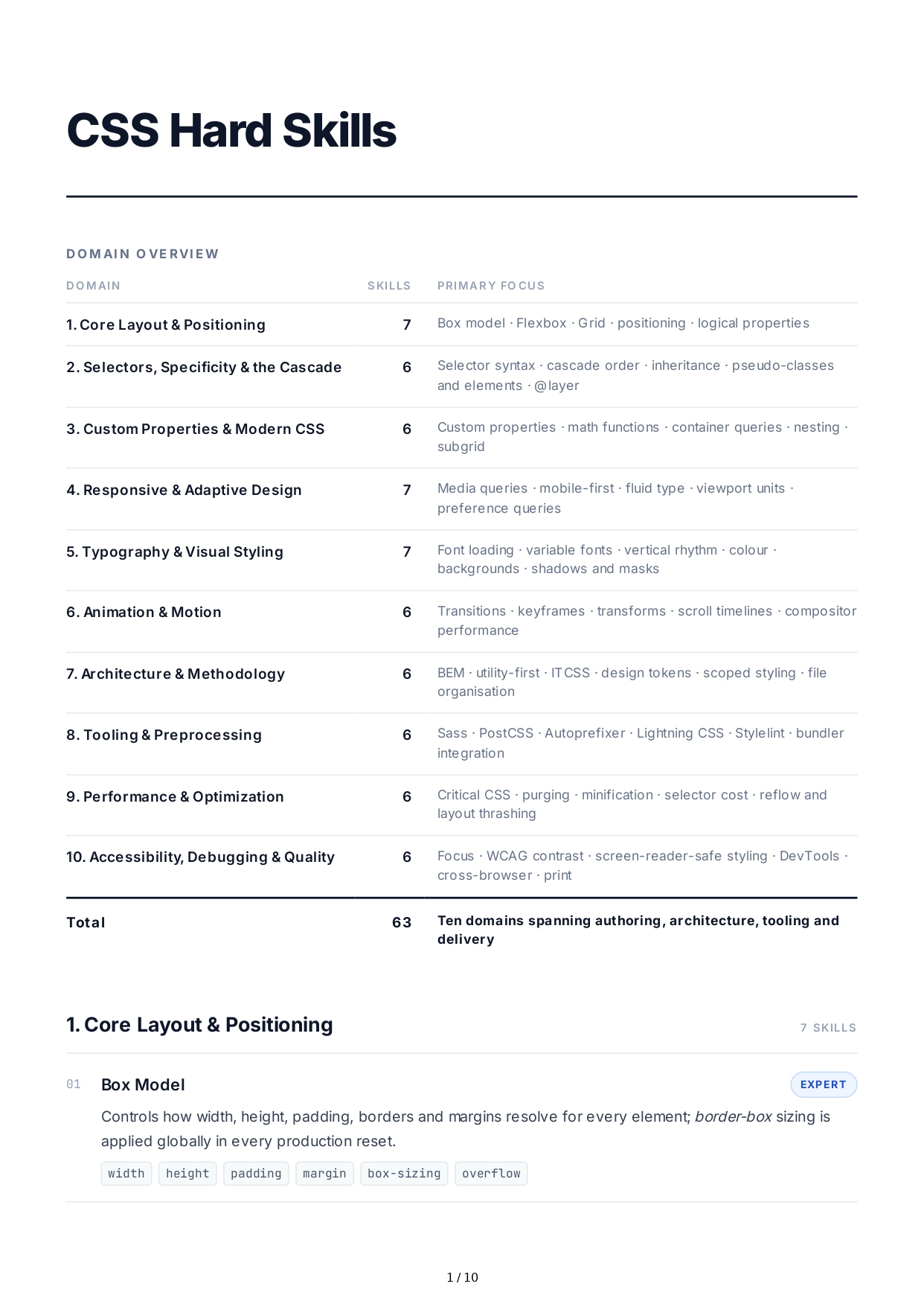
- HTML and CSS
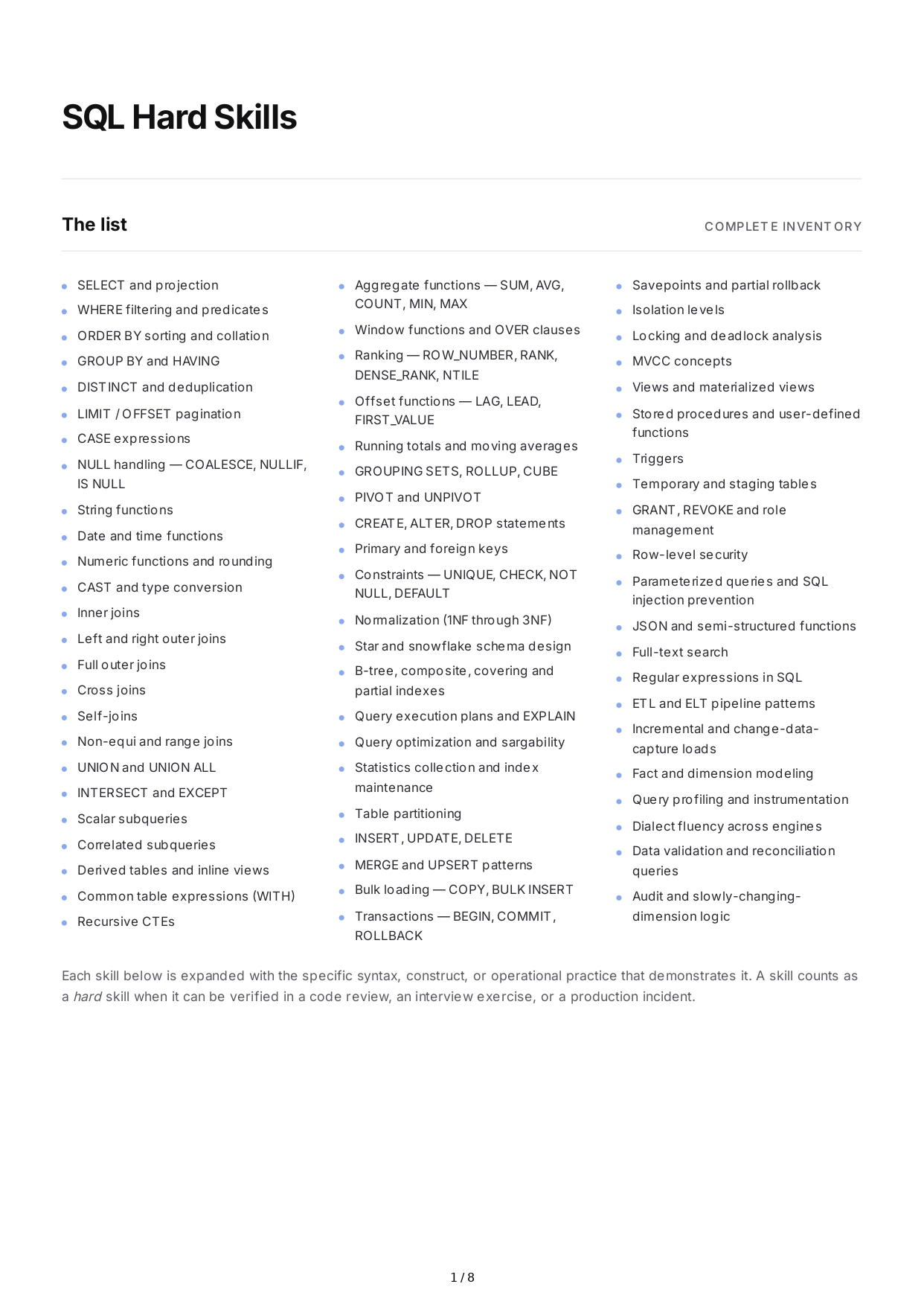
- SQL database queries
- API development
- Software testing
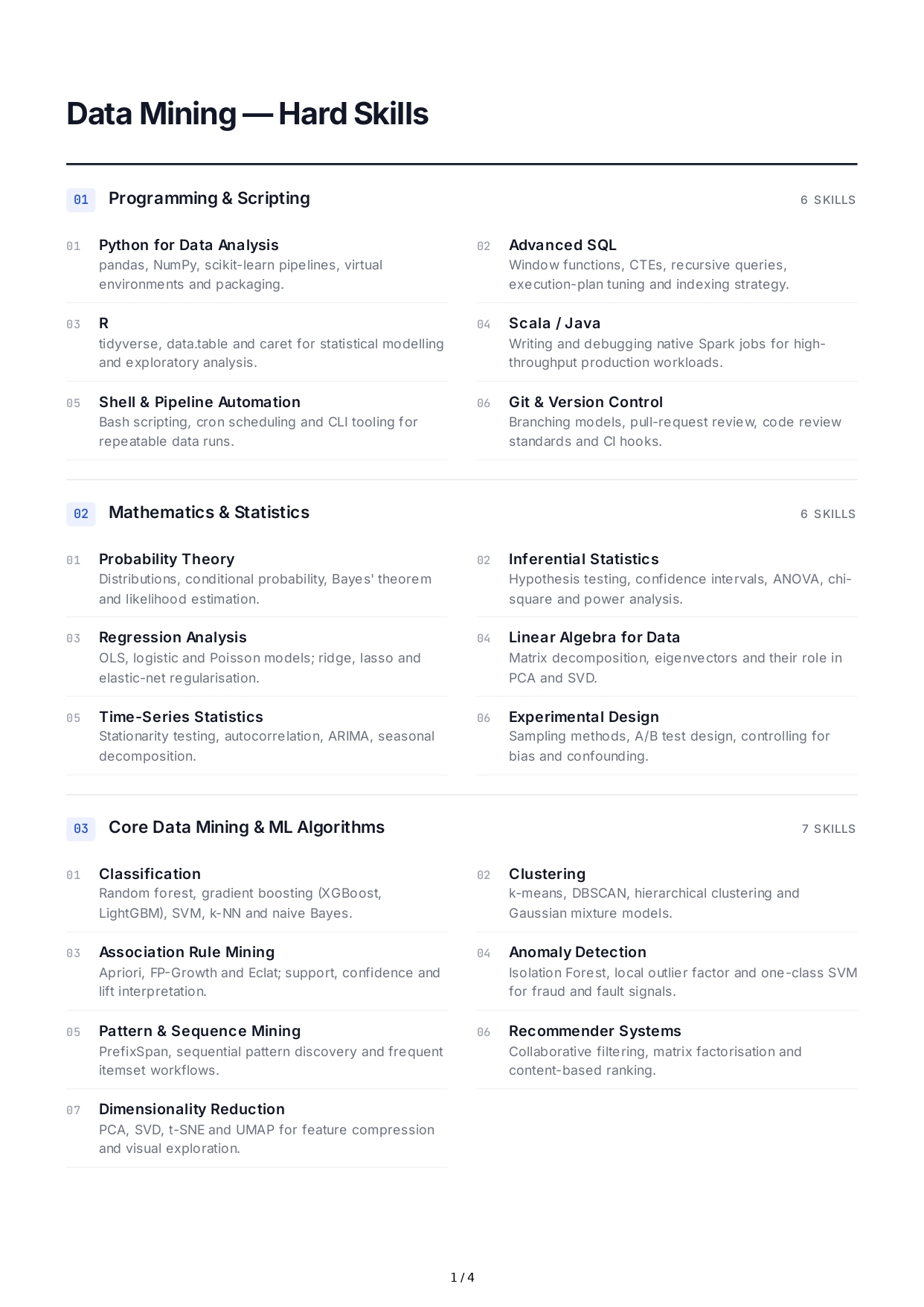
Data and Analytical Skills
Analytical hard skills help professionals collect, process, interpret, and present information.
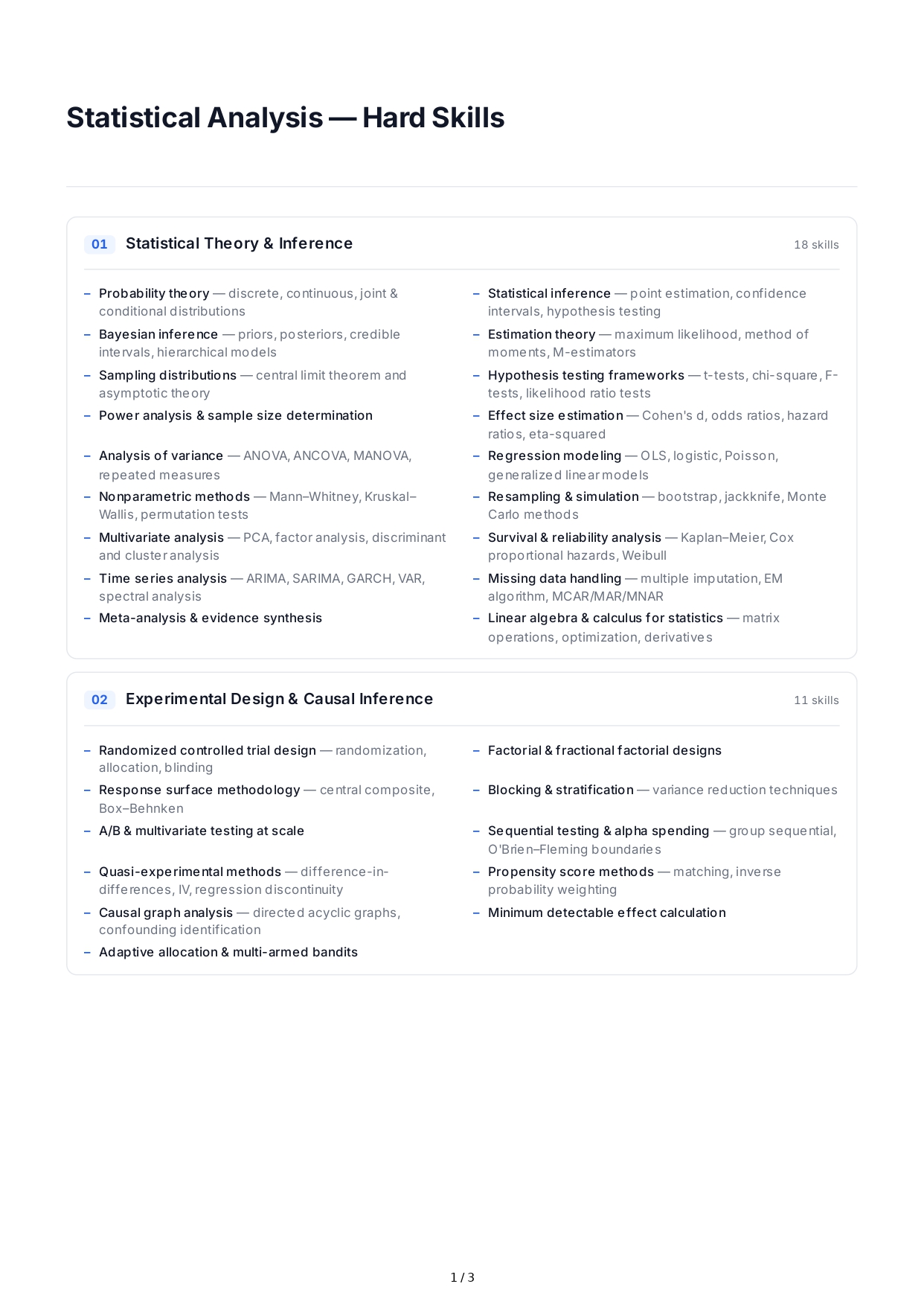
- Statistical analysis
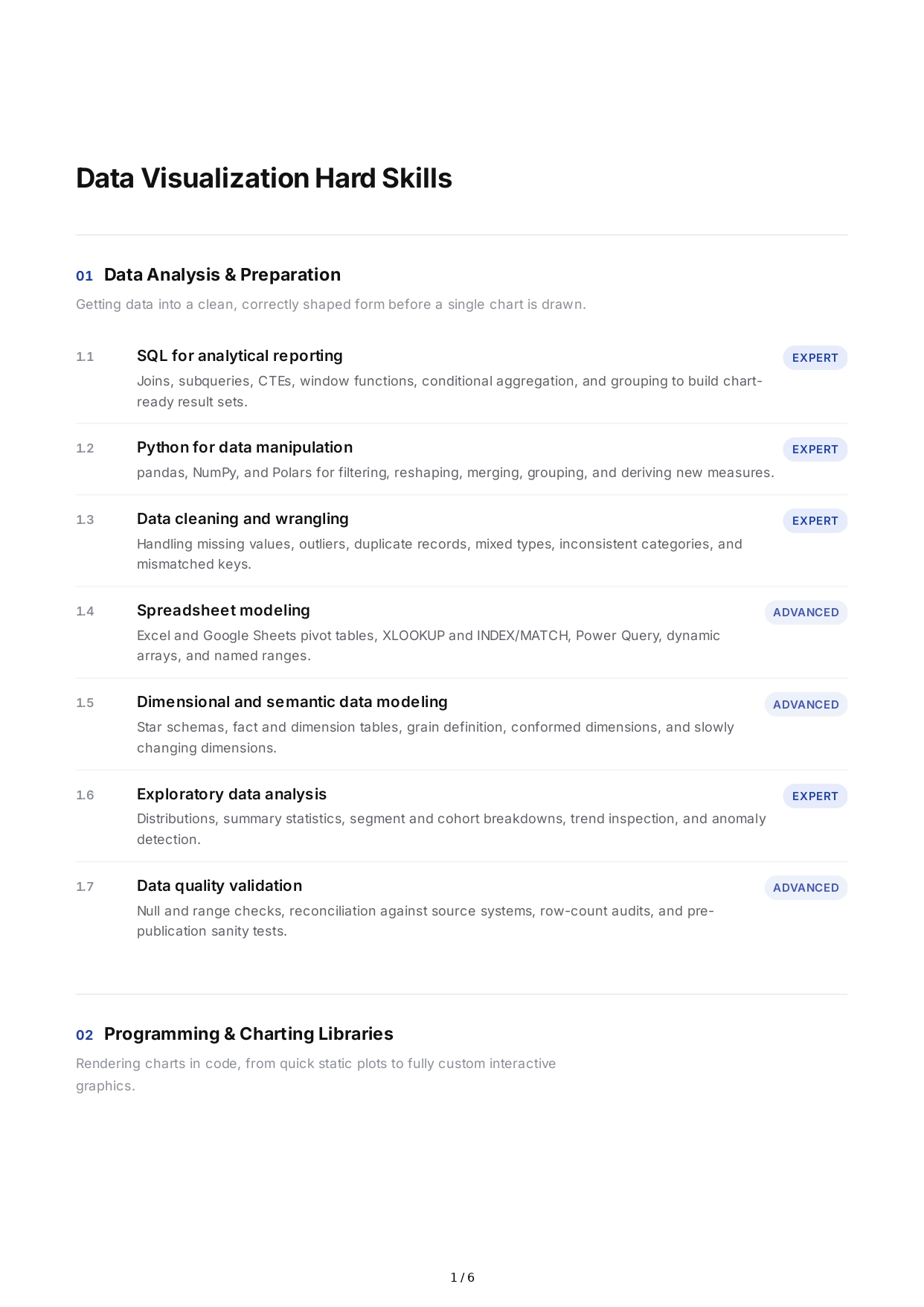
- Data cleaning
- Data visualization
- Power BI and Tableau
- Predictive modeling
- Advanced Excel analysis
Writing and Language Skills
Writing and language-related hard skills support communication, publishing, documentation, and localization.
- Copywriting
- Technical writing
- Content writing
- Proofreading and editing
- Translation
- Transcription
Marketing and Advertising Skills
Marketing professionals use specialized tools and techniques to plan, execute, and measure campaigns.
- Search engine optimization
- Google Analytics
- Pay-per-click advertising
- Email marketing automation
- Keyword research
- Conversion rate optimization
Design and Multimedia Skills
These skills involve producing visual, digital, and multimedia content.
- Adobe Photoshop
- Adobe Illustrator
- UI design
- UX research
- Video editing
- Motion graphics
Financial and Accounting Skills
Finance professionals apply these skills to manage financial information and support business decisions.
- Financial reporting
- Bookkeeping
- Budget forecasting
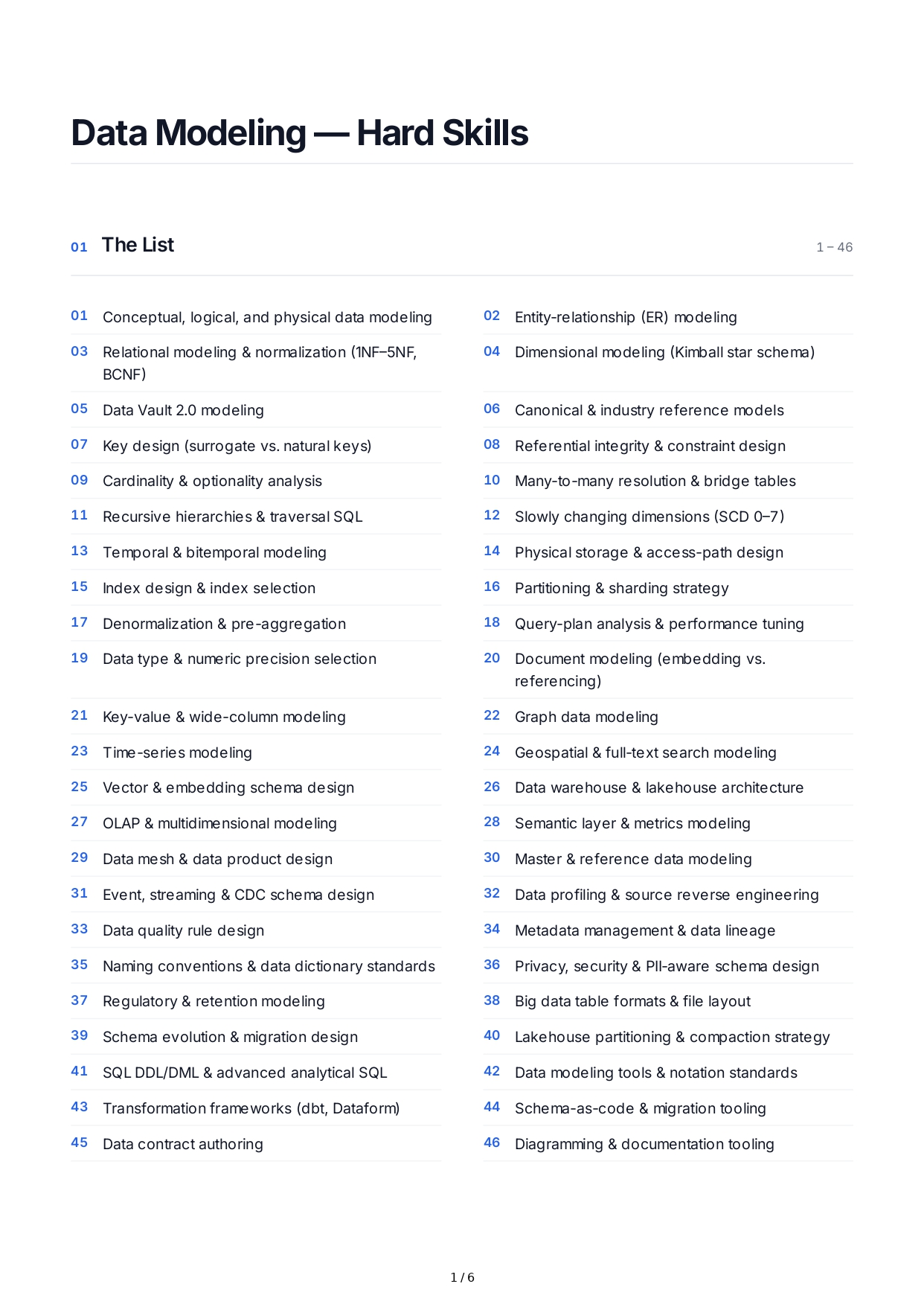
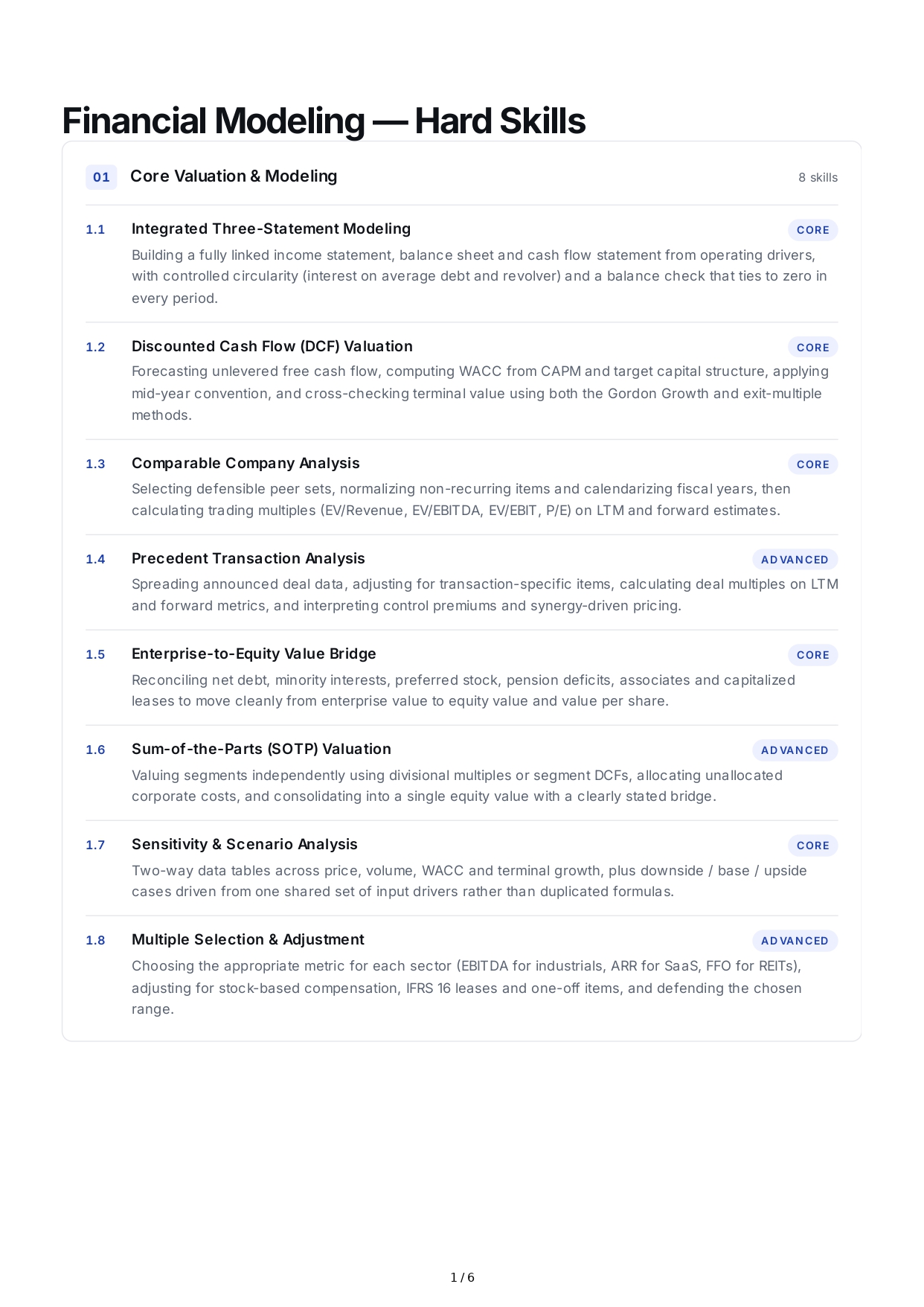
- Financial modeling
- Tax preparation
- Payroll processing
Engineering and Manufacturing Skills
Engineering and manufacturing professionals use specialized techniques, equipment, and software.
- Computer-aided design
- CNC machining
- Blueprint reading
- Quality control testing
- Equipment calibration
- Process optimization
Healthcare and Laboratory Skills
These skills support clinical services, diagnostic procedures, and laboratory operations.
- Medical coding
- Phlebotomy
- Laboratory testing
- Electronic health record management
- Medical equipment operation
- Clinical documentation
Business and Project Management Skills
These skills help professionals organize operations, manage resources, and deliver projects.
- Project scheduling
- Agile and Scrum methodologies
- Risk assessment
- Supply chain management
- Inventory management
- Business process mapping
Education and Research Skills
Education and research professionals use specialized methods to develop learning materials and conduct investigations.
- Curriculum development
- Instructional design
- Learning management systems
- Research methodology
- Academic referencing
- Educational assessment
Cybersecurity and Cloud Skills
These skills help organizations protect digital systems and manage technology infrastructure.
- Network security
- Vulnerability assessment
- Cloud infrastructure management
- Identity and access management
How Do I Generate Hard Skills Using Proven Examples from Top Companies?
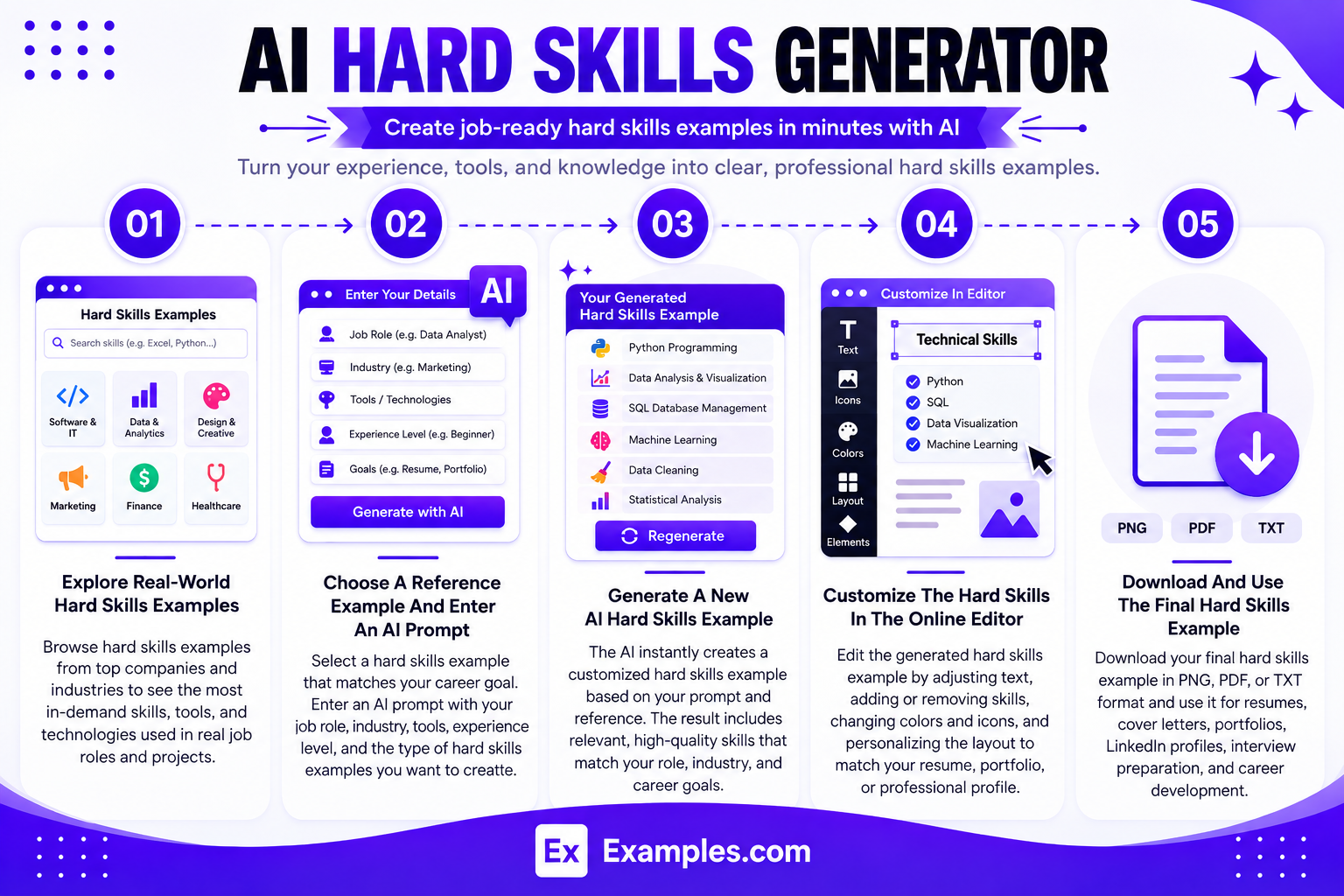
Creating hard skills examples with AI helps users identify relevant professional abilities, explore industry-specific skills, and prepare personalized descriptions for resumes, portfolios, and career development.
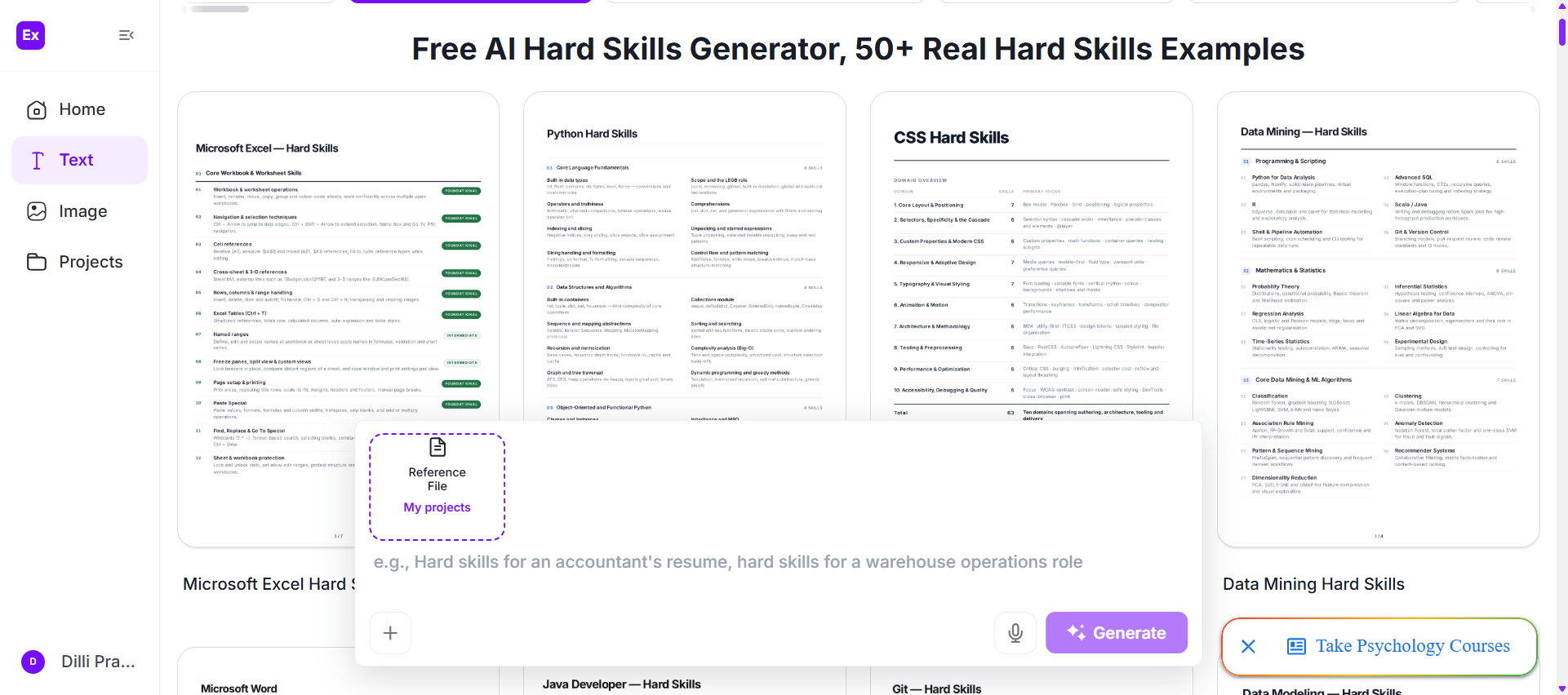
Explore Real-World Hard Skills Examples
Browse real-world hard skills examples to discover abilities used in different industries and professional roles. Explore technical expertise, software proficiency, specialized procedures, and job-specific competencies to identify skills relevant to your career.
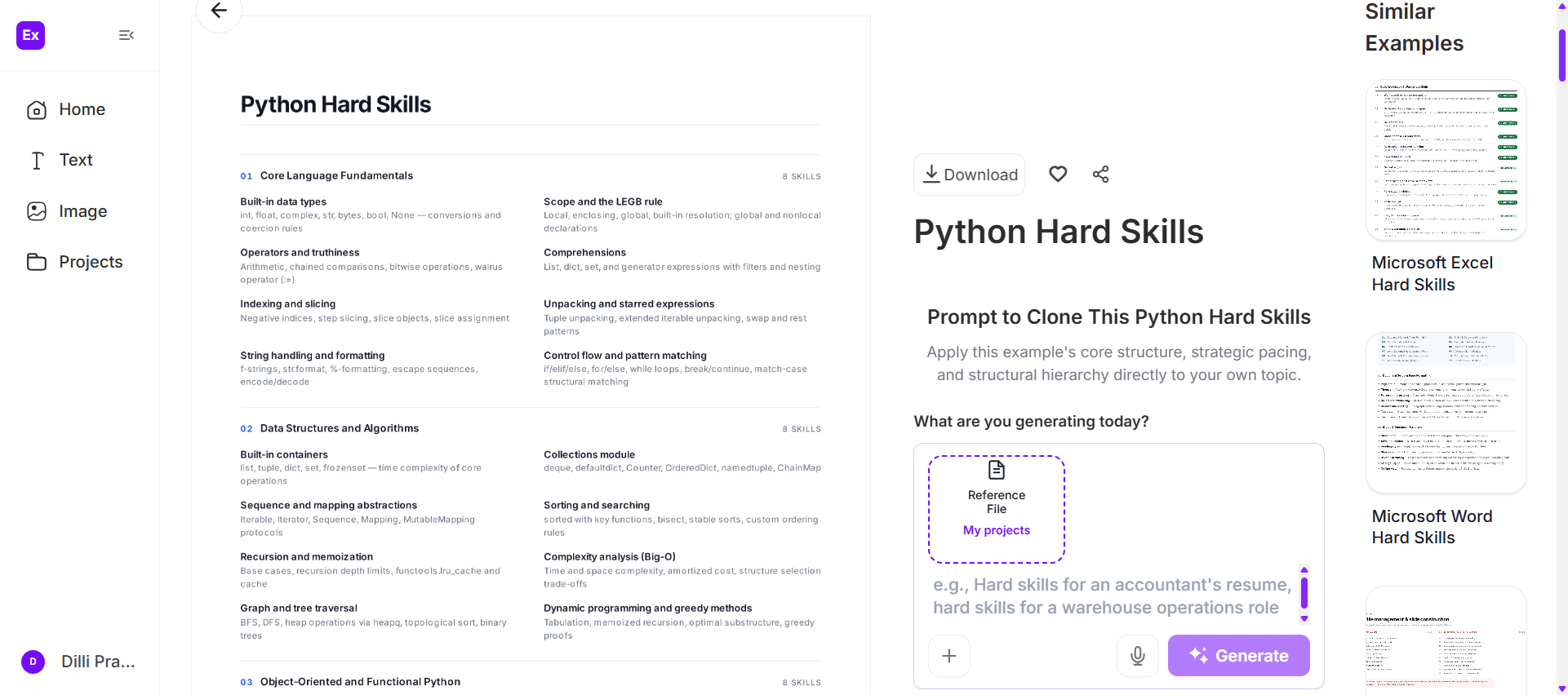
Choose A Reference Example And Enter An AI Prompt
Select a hard skills example that matches your profession or career goals. Enter an AI prompt describing your job title, industry, experience level, existing abilities, and the purpose of your skills list.
Generate A New AI Hard Skills Example
Use AI to generate a personalized hard skills example based on your reference and prompt. Review the suggested skills and retain only those that accurately reflect your knowledge, qualifications, and practical experience.
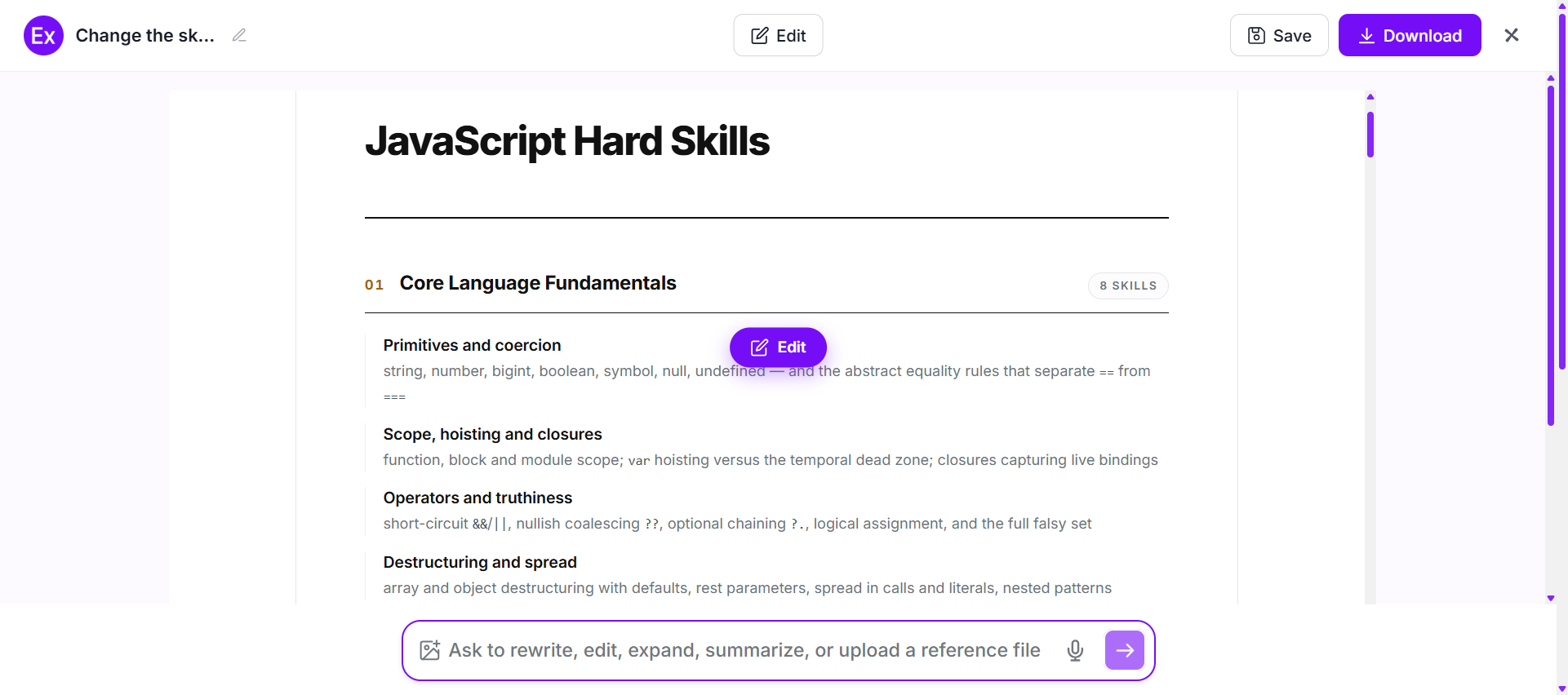
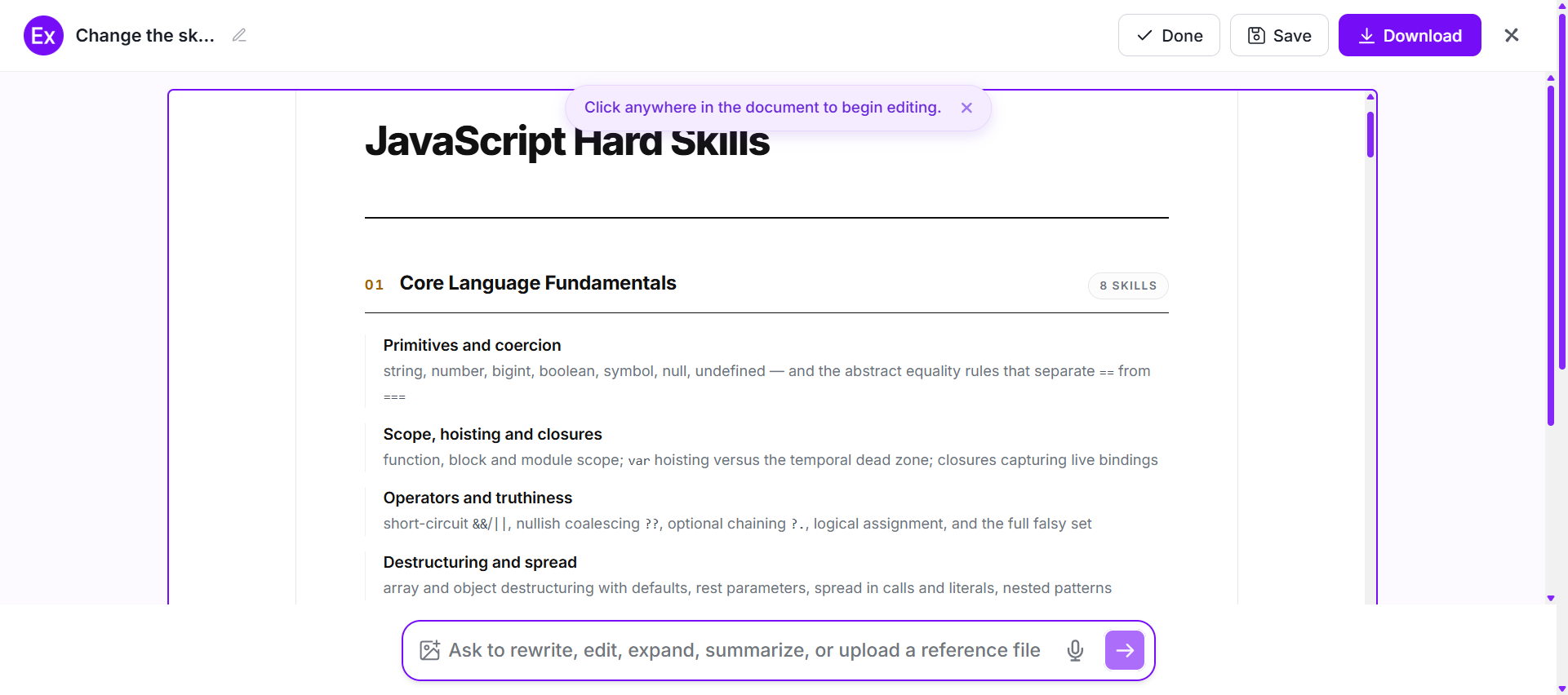
Customize The Hard Skills In The Online Editor
Open the generated example in the online editor. Refine skill descriptions, organize abilities into relevant categories, adjust formatting, and include specific tools, certifications, or projects that demonstrate your expertise.
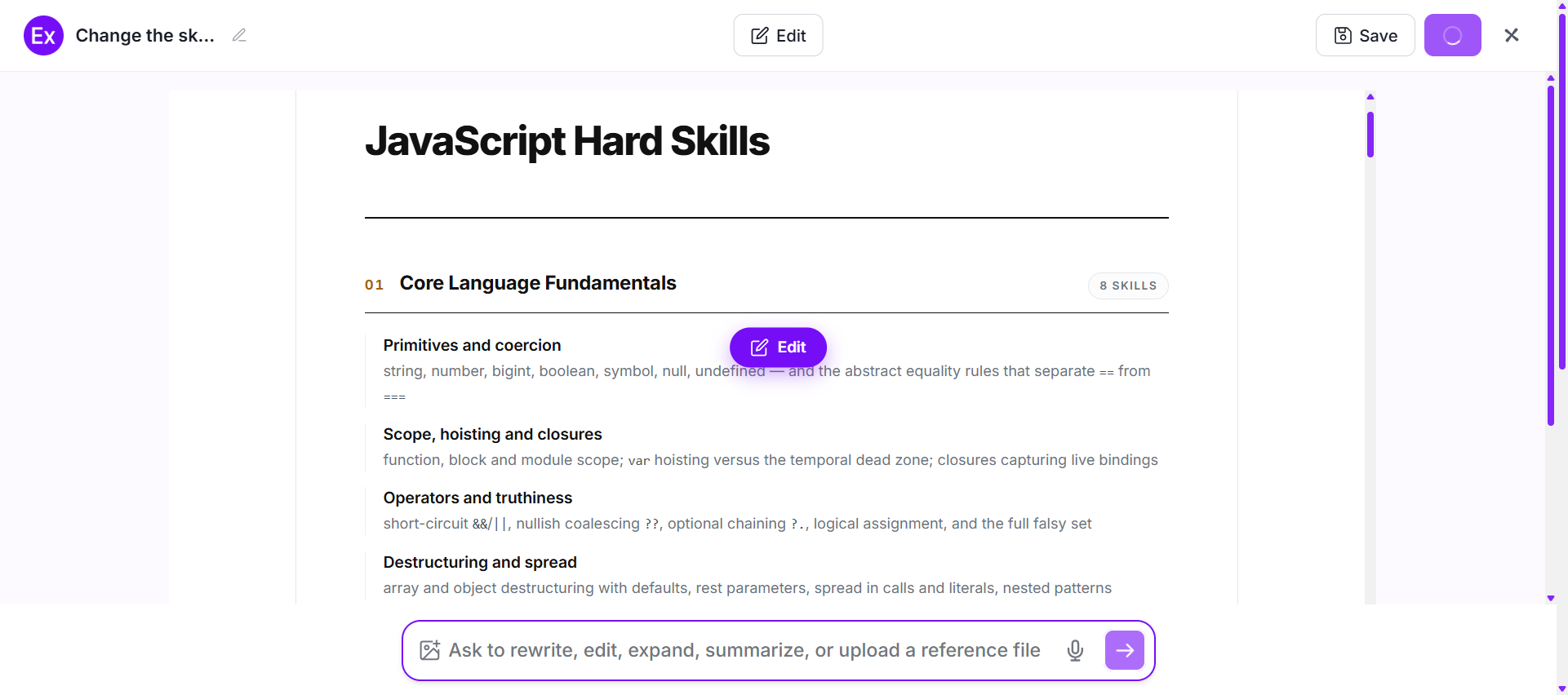
Download And Use The Final Hard Skills Example
Download the completed hard skills example in the formats supported by the editor. Use it as a reference when preparing resumes, professional profiles, portfolios, training plans, and career development documents.
Hard Skills vs. Soft Skills: Understanding the Difference
Both hard and soft skills contribute to professional performance, but they serve different purposes.
| Hard Skills | Soft Skills |
|---|---|
| Specific technical or practical abilities | Behavioral and interpersonal abilities |
| Usually acquired through training and practice | Developed through experience and interaction |
| Often evaluated through tests or work samples | Often evaluated through behavior and feedback |
| Examples: SQL, accounting, graphic design | Examples: teamwork, adaptability, empathy |
A data analyst, for instance, may use SQL to retrieve information and communication skills to explain findings to colleagues. Most professions require a combination of both.
Hard Skills Examples by Industry
The following examples show how hard skills differ according to professional responsibilities.
| Industry | Hard Skills Examples |
|---|---|
| Information Technology | Python, SQL, API development, network administration |
| Marketing | SEO, Google Analytics, paid advertising, email automation |
| Finance | Financial modeling, bookkeeping, auditing, Excel |
| Healthcare | Medical coding, clinical documentation, laboratory testing |
| Engineering | AutoCAD, technical drawing, equipment calibration |
| Education | Curriculum development, instructional design, assessment |
| Human Resources | Payroll processing, HRIS software, workforce analytics |
| Manufacturing | CNC machining, quality inspection, production planning |
| Creative Media | Photoshop, video editing, animation, typography |
| Administration | Data entry, document management, spreadsheet reporting |
How to Choose Hard Skills for Your Resume
A relevant hard skills section helps employers understand whether your abilities match the position. Rather than including every skill you possess, prioritize the ones required for the job.
Identify Skills in the Job Description
Read the job posting and highlight the software, tools, methods, and technical abilities mentioned in the requirements.
For example, a data analyst position may require SQL, Excel, Python, and Power BI.
Group Related Abilities
Organize your skills into clear categories so recruiters can review them quickly.
Example for a digital marketing professional:
- SEO: Keyword research, on-page optimization, technical SEO
- Analytics: Google Analytics, Google Search Console
- Advertising: Google Ads, campaign reporting
- Content: WordPress, content optimization
Demonstrate Skills Through Achievements
Show how you have applied important skills rather than simply naming them.
For example:
- Developed Power BI dashboards to automate monthly sales reporting.
- Used Python to clean and analyze customer transaction data.
- Conducted technical SEO audits and resolved website indexing issues.
How to Develop Hard Skills Without Work Experience
Students, fresh graduates, and career changers can develop hard skills before entering a professional role.
- Complete relevant courses: Learn through universities, vocational programs, and online training.
- Build practical projects: Apply your knowledge to real or simulated tasks.
- Earn relevant certifications: Obtain recognized credentials where they are useful for your chosen occupation.
- Complete internships: Gain supervised experience using professional tools and processes.
- Create a portfolio: Showcase finished work, code, reports, designs, or other practical evidence.
How to Measure Your Hard Skills
Hard skills can often be assessed through practical evidence, although the appropriate assessment method depends on the skill.
| Assessment Method | Example |
|---|---|
| Practical test | Complete a programming exercise |
| Portfolio | Present graphic design projects |
| Certification | Demonstrate training in cloud technology |
| Work sample | Submit a technical writing document |
| Project outcome | Show a completed financial model |
| Language assessment | Complete a recognized proficiency examination |
Avoid assigning yourself unsupported proficiency percentages. Use specific descriptions, qualifications, and completed work to demonstrate your abilities.
Frequently Asked Questions
What are five examples of hard skills?
Five common examples are computer programming, data analysis, bookkeeping, graphic design, and technical writing. Each involves knowledge or abilities that can be developed through learning and practice.
Are hard skills and technical skills the same?
The terms are frequently used interchangeably. However, hard skills can also include non-digital abilities such as cooking, translation, laboratory procedures, and operating machinery.
Which hard skills should I include on my resume?
Include skills that you genuinely possess and that match the requirements of your target position. Prioritize relevant tools, professional methods, software, and specialized knowledge.
Can students have hard skills?
Yes. Students can develop hard skills through academic coursework, internships, independent projects, online courses, and practical training.
Is Microsoft Excel a hard skill?
Yes. Excel proficiency is a hard skill. Specific abilities such as PivotTables, XLOOKUP, Power Query, and financial modeling provide a clearer description of what you can do.
How can I improve my hard skills?
Choose a skill relevant to your career, complete structured training, practice regularly, build projects, seek feedback, and assess your progress through practical tasks.