
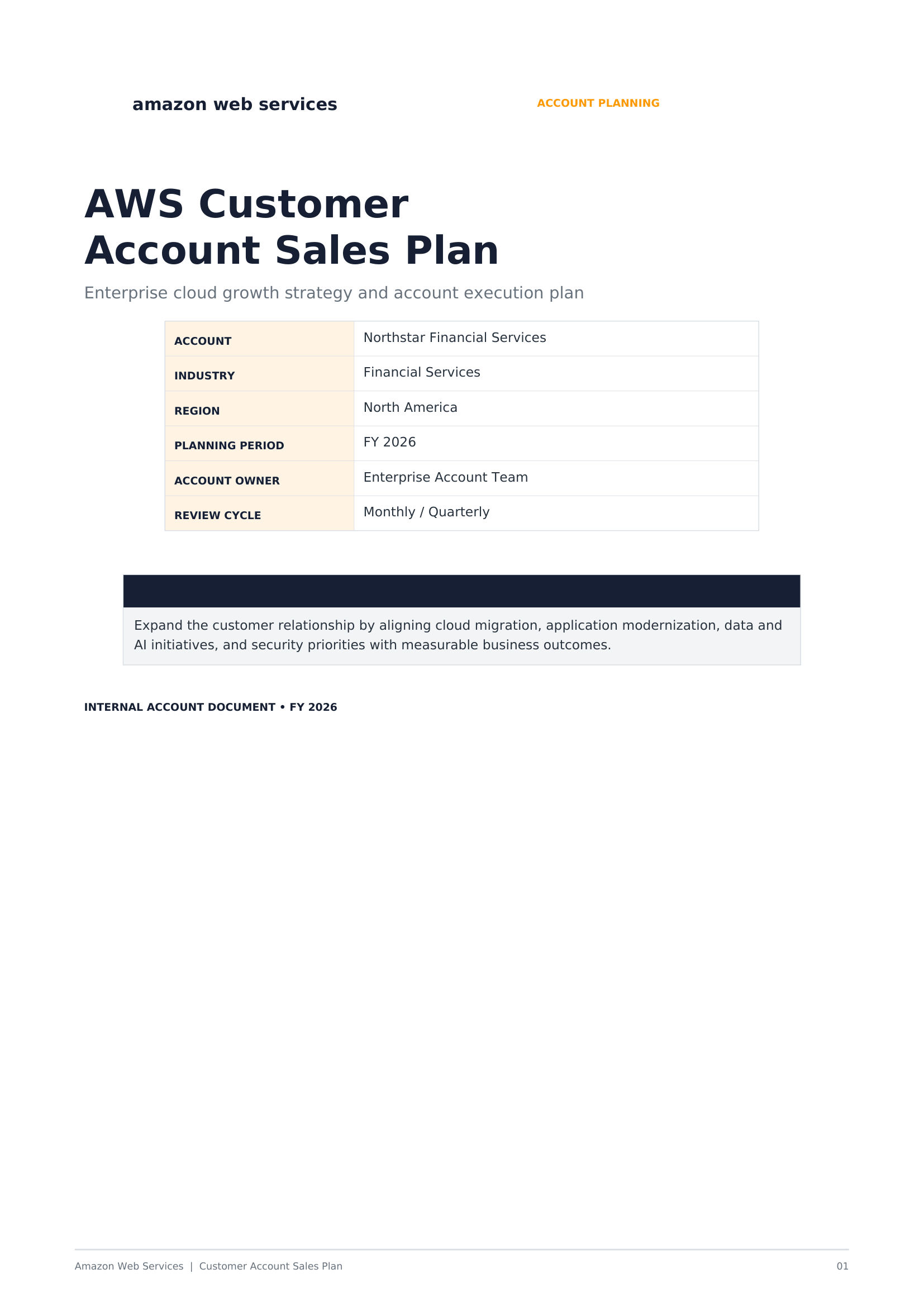
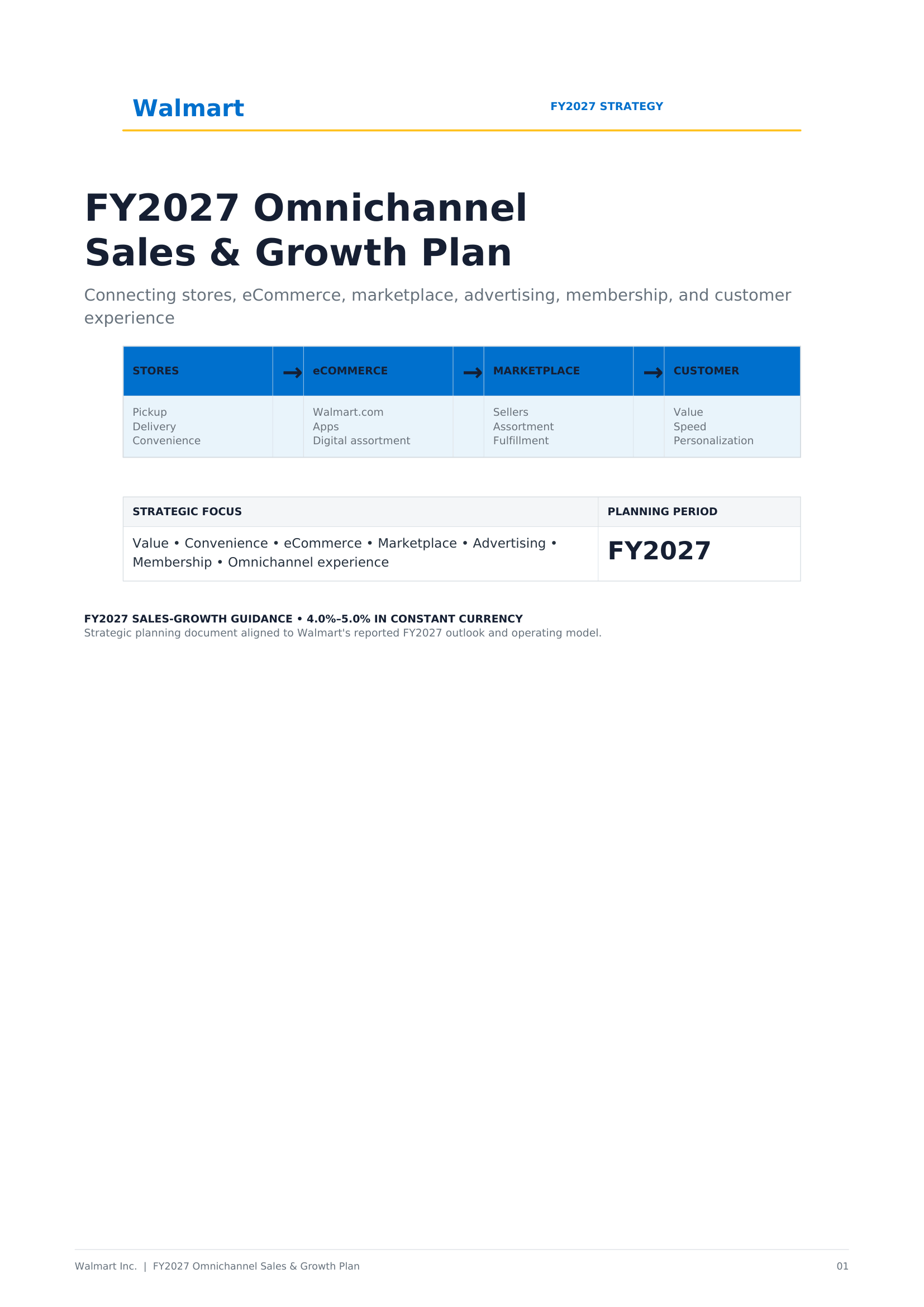
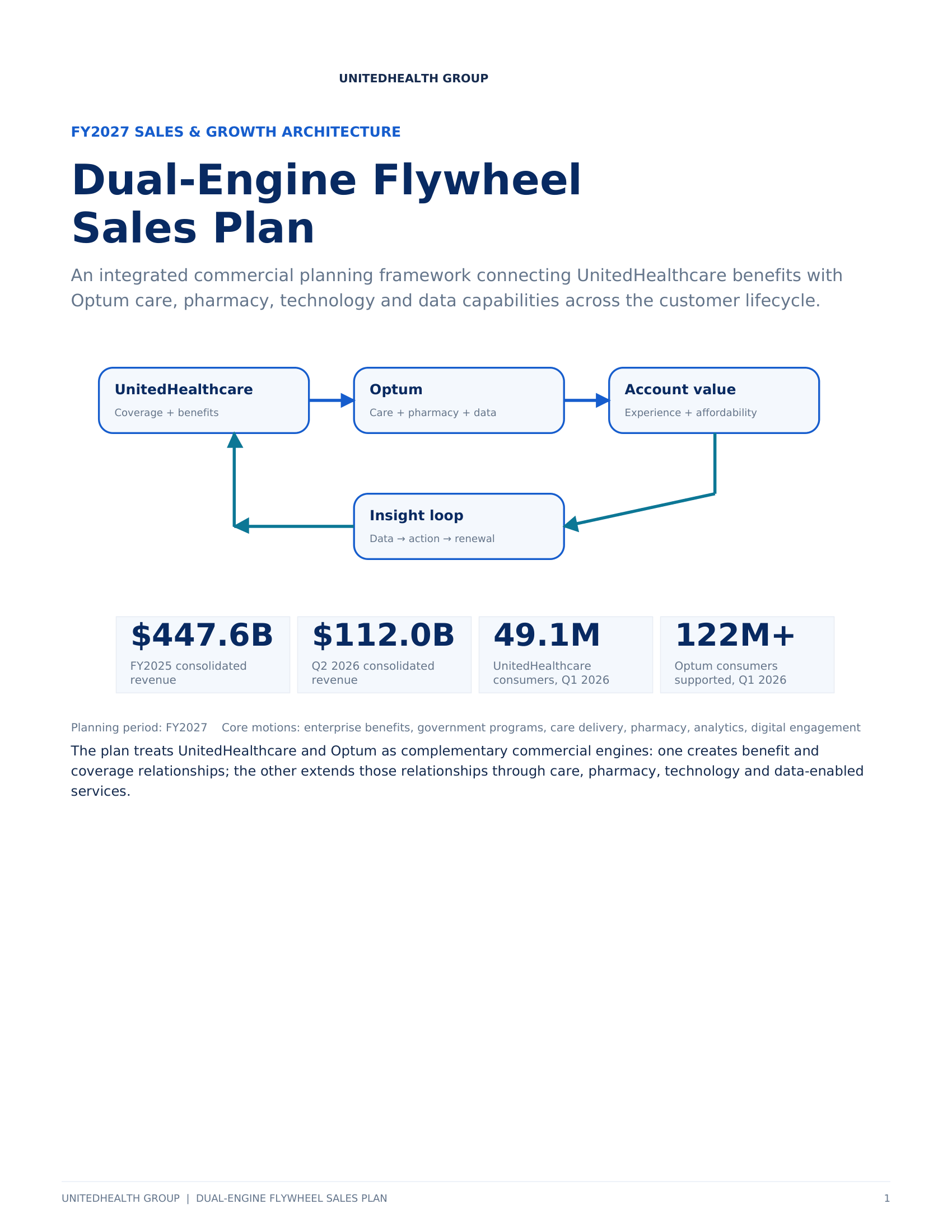
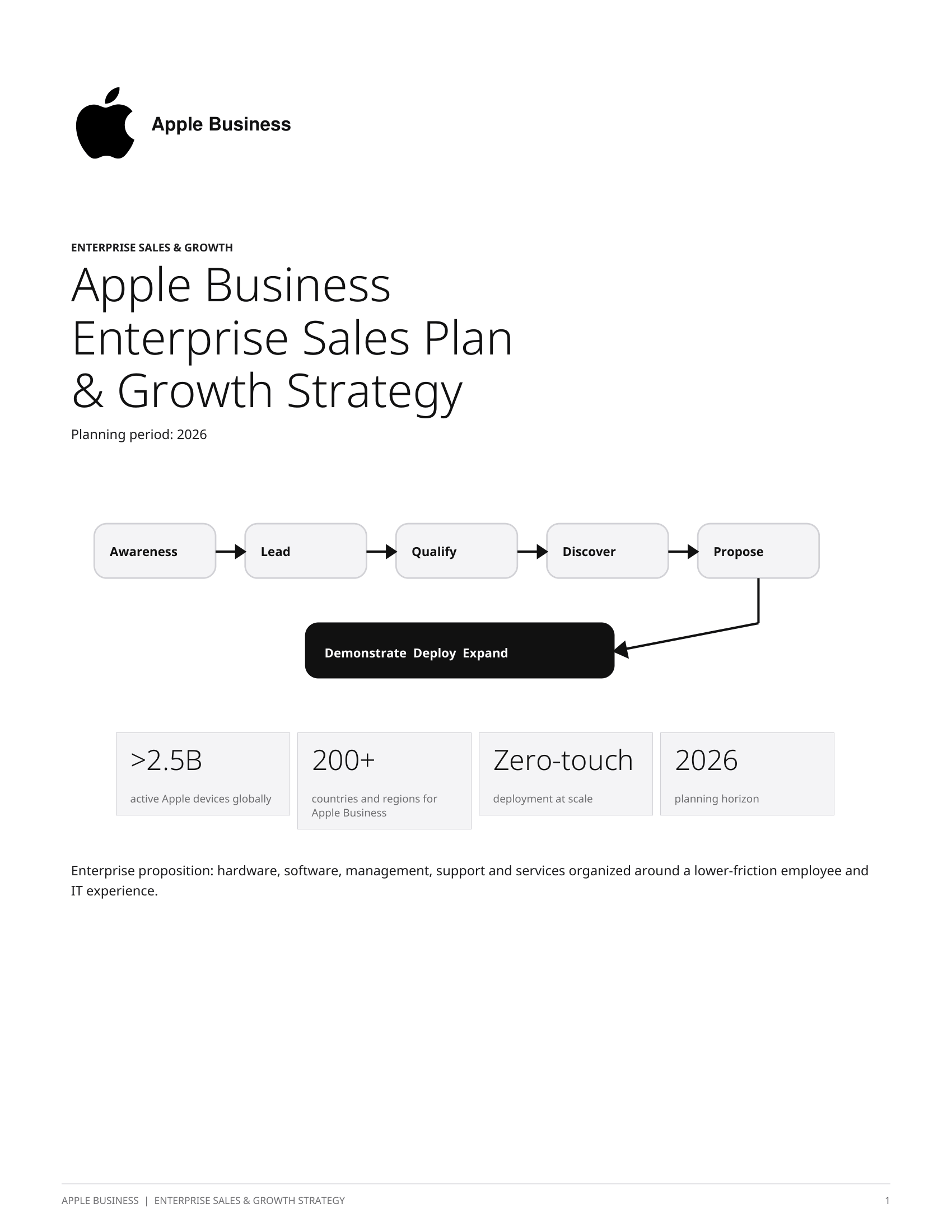
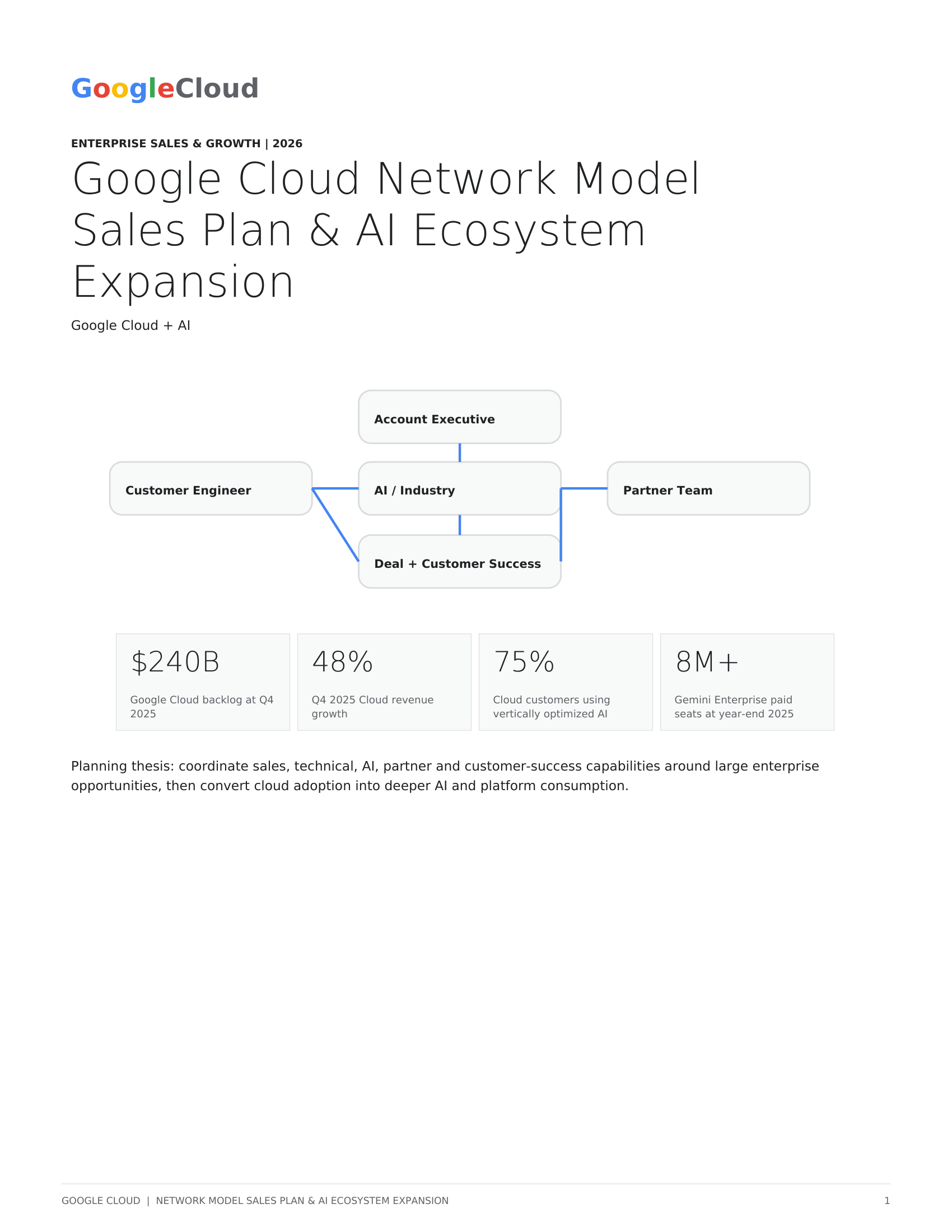
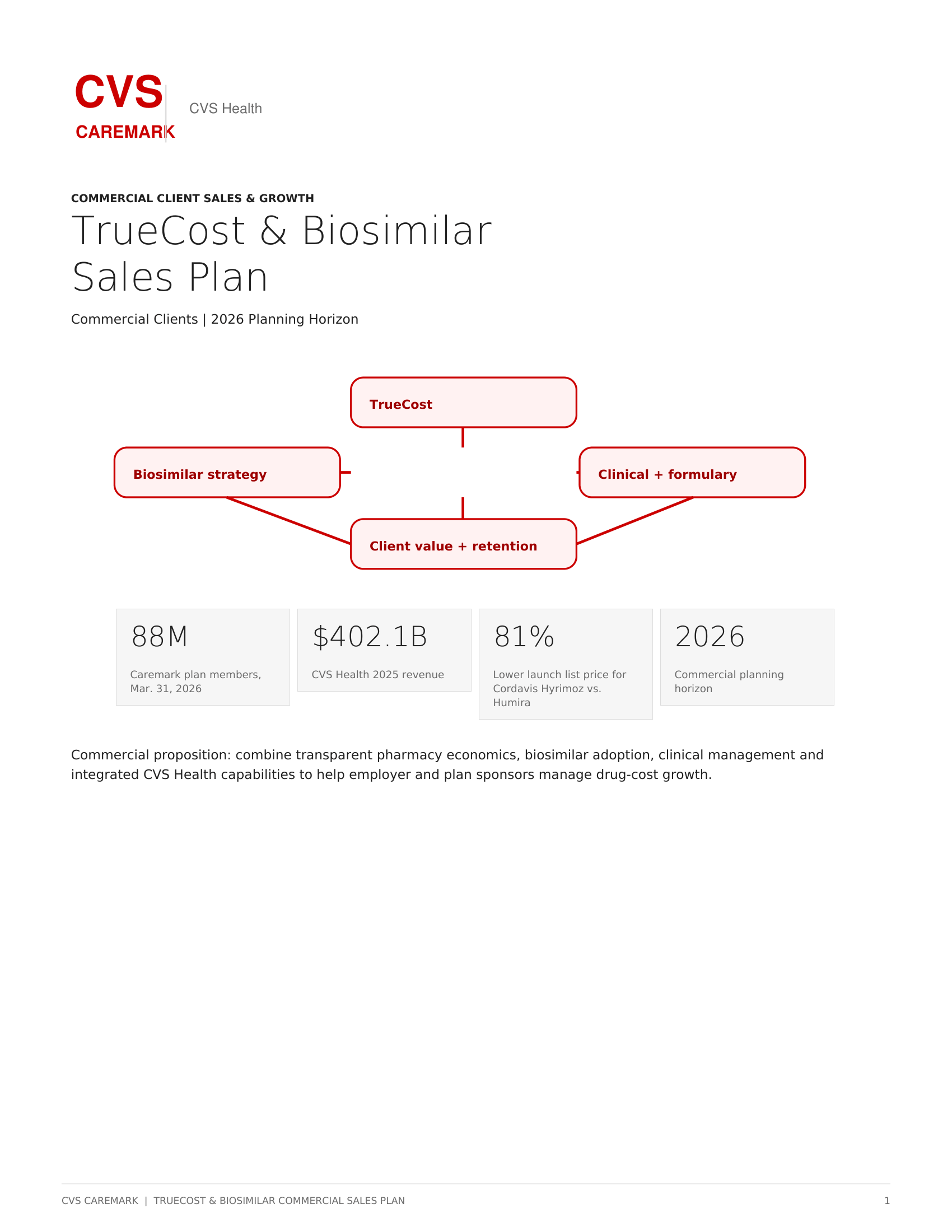
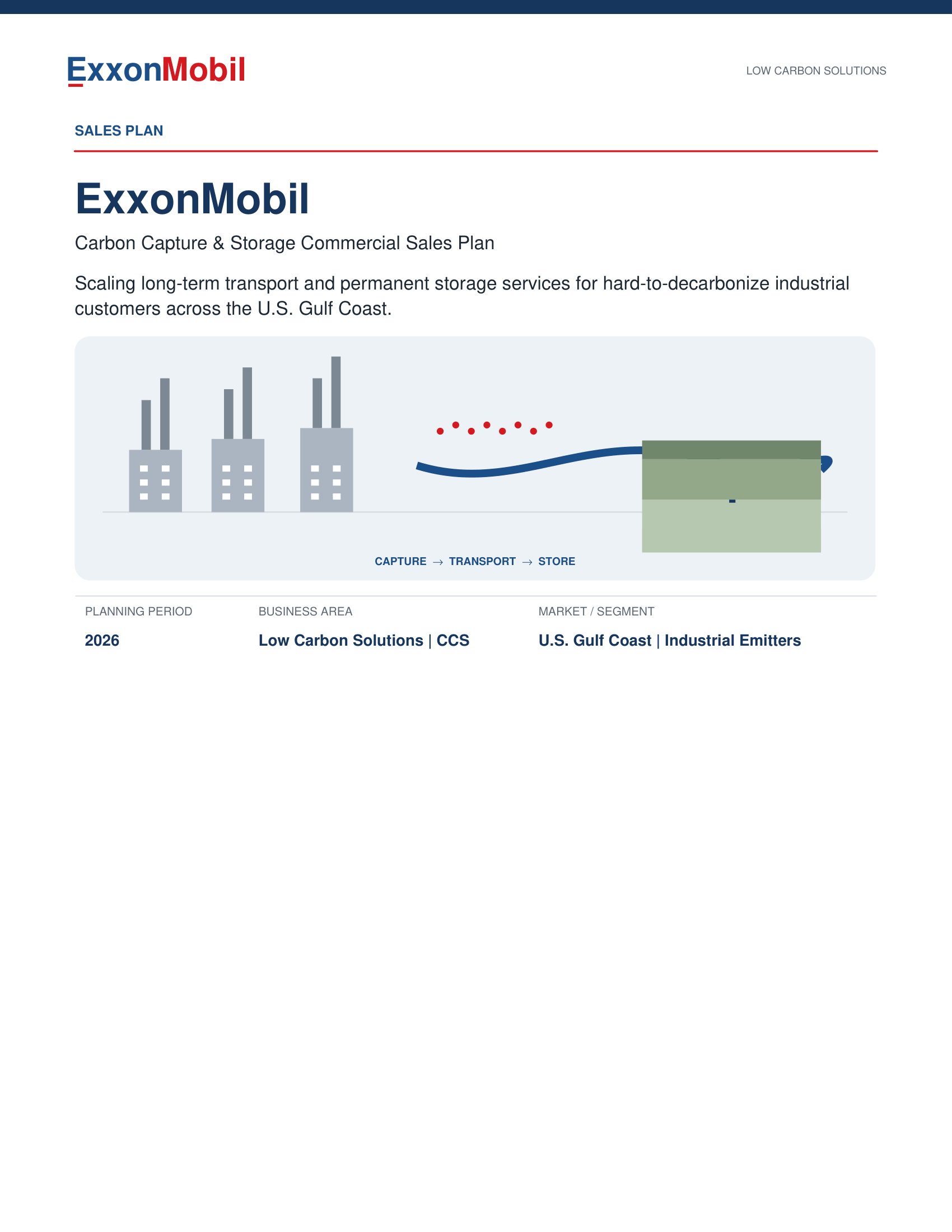
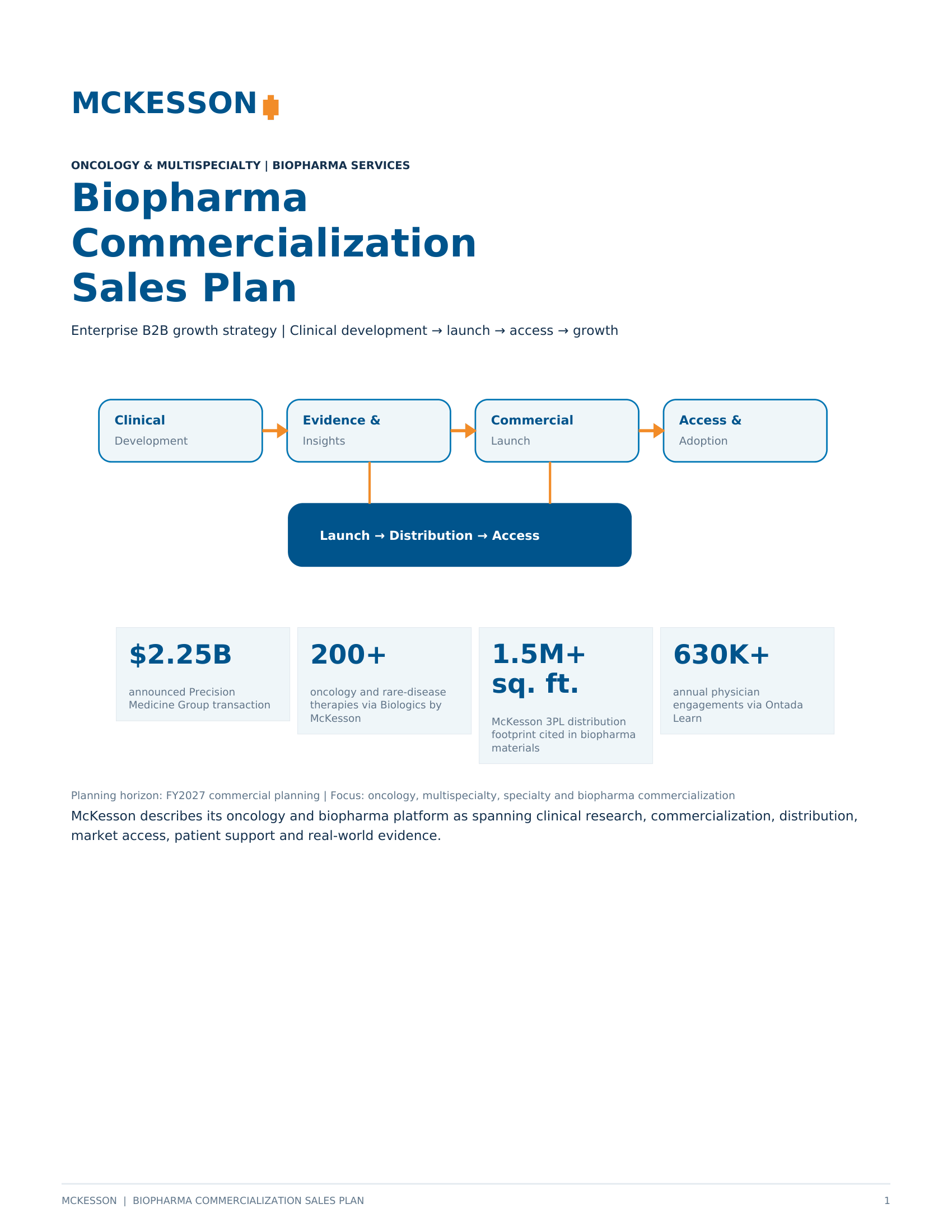
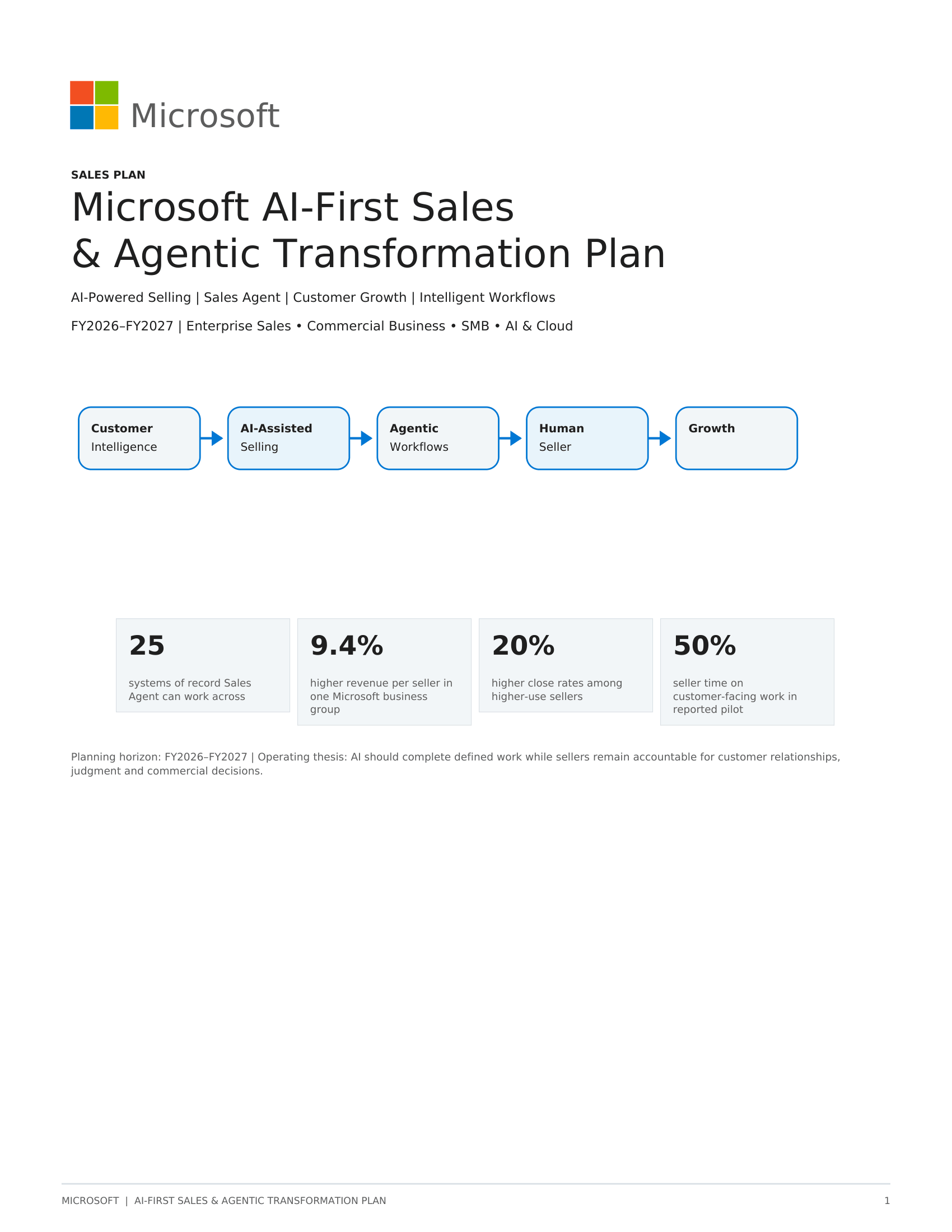
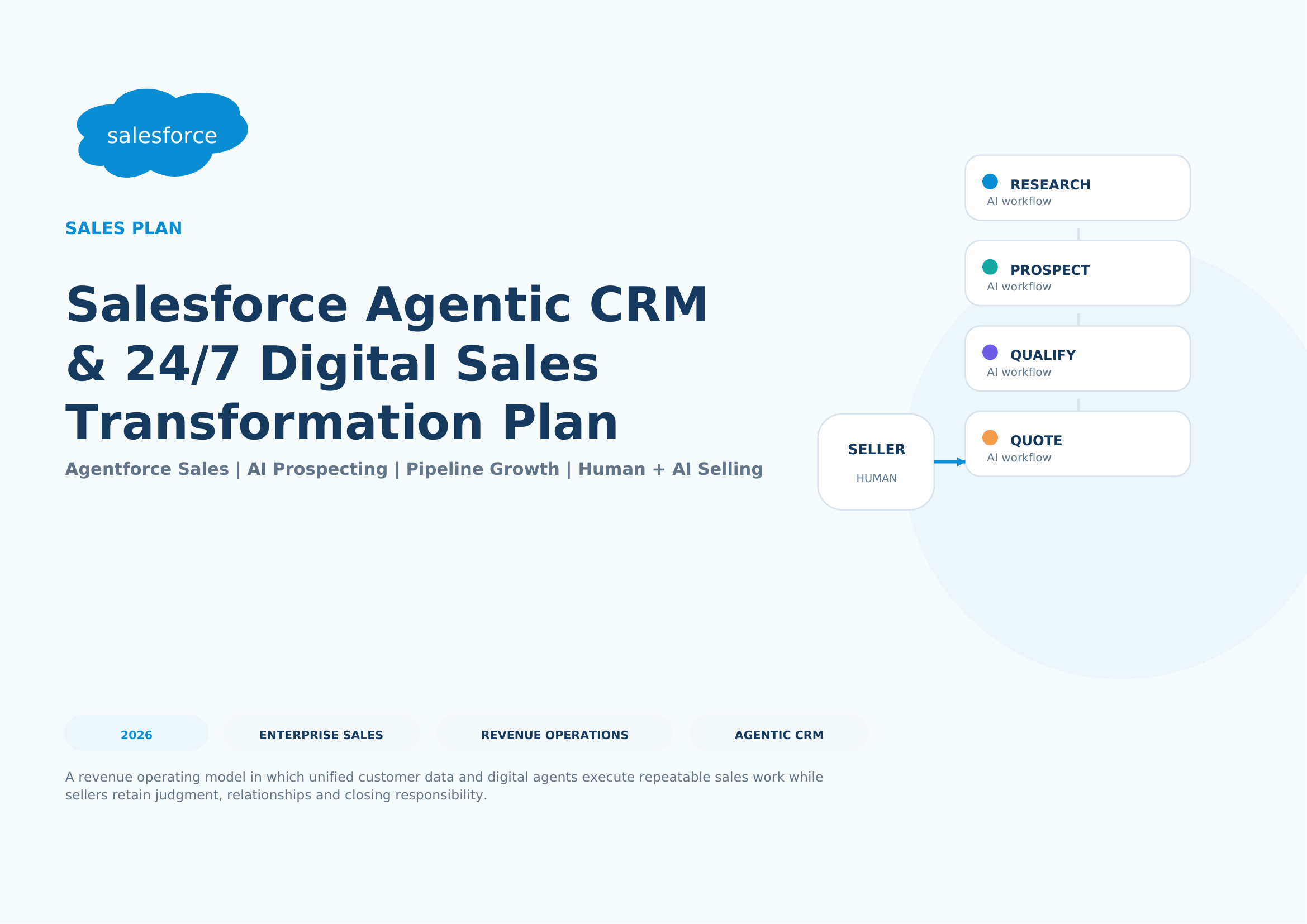
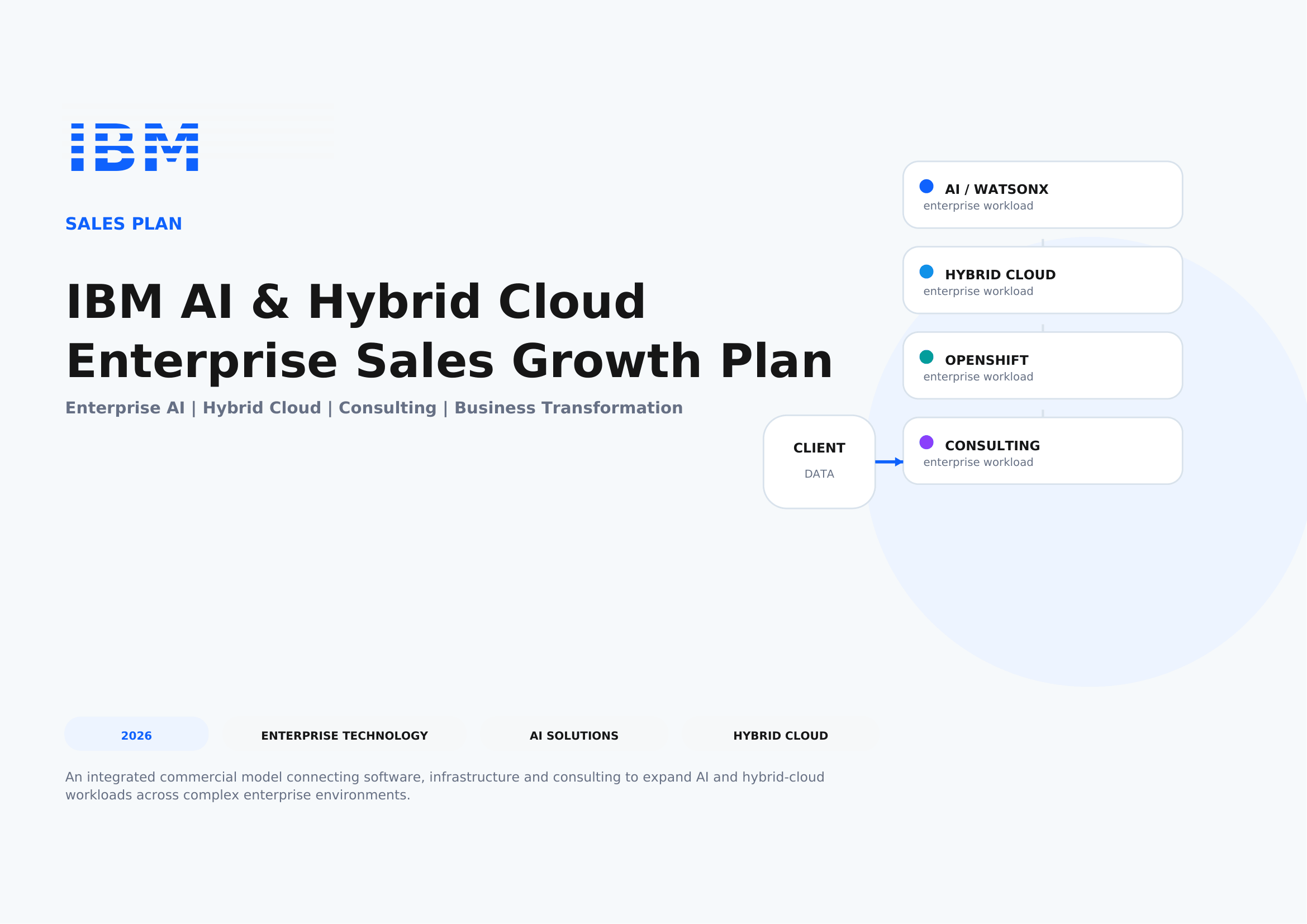
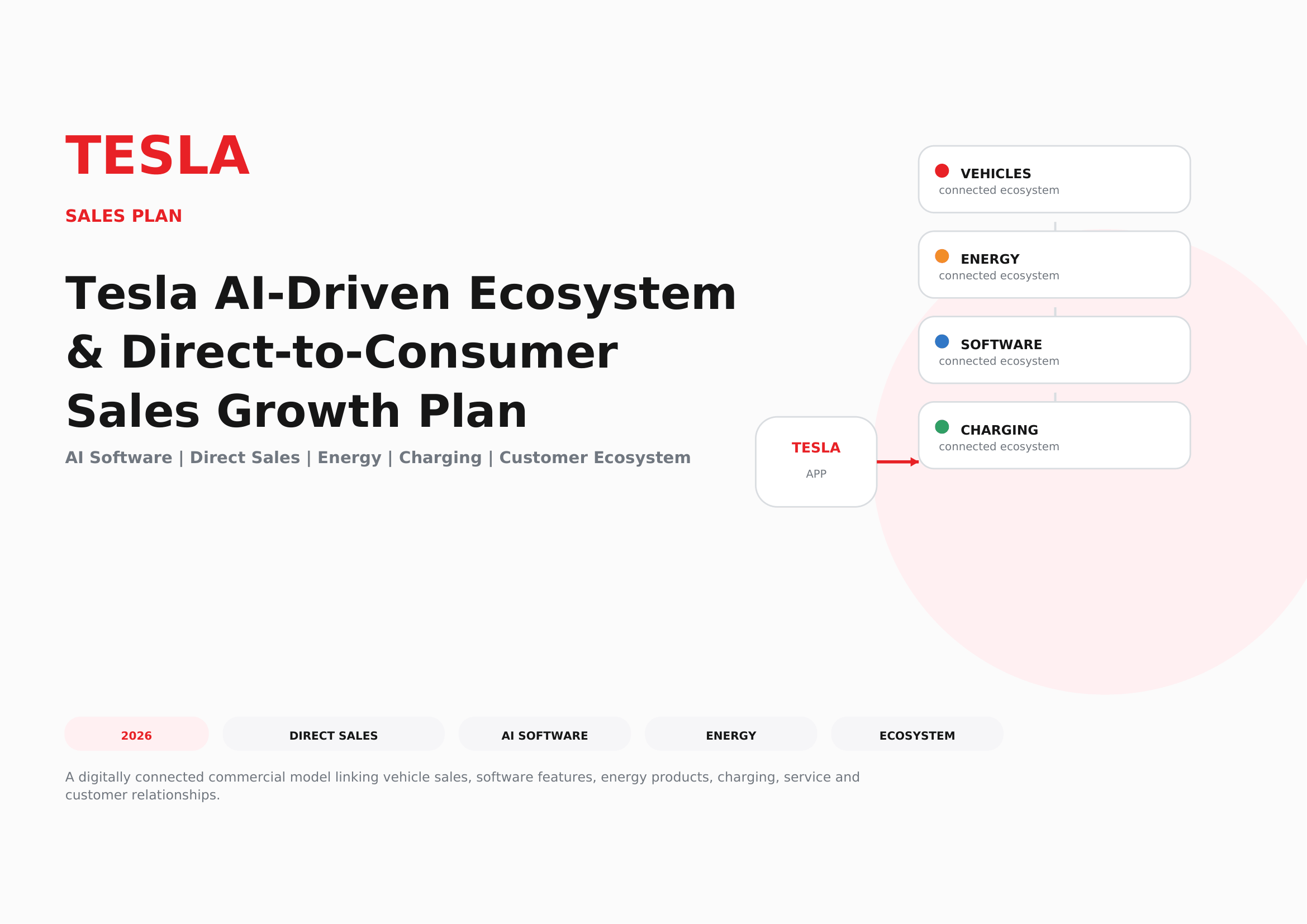
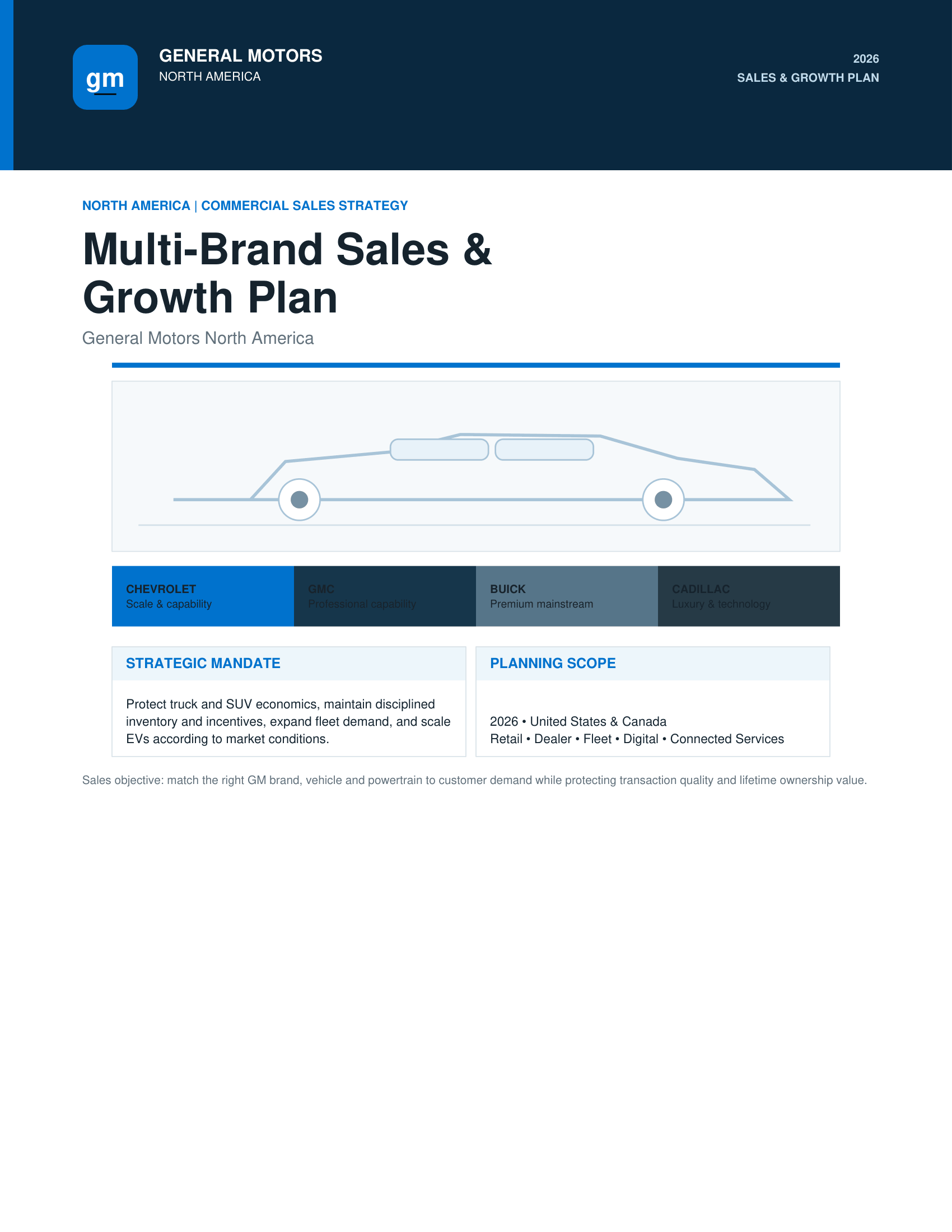
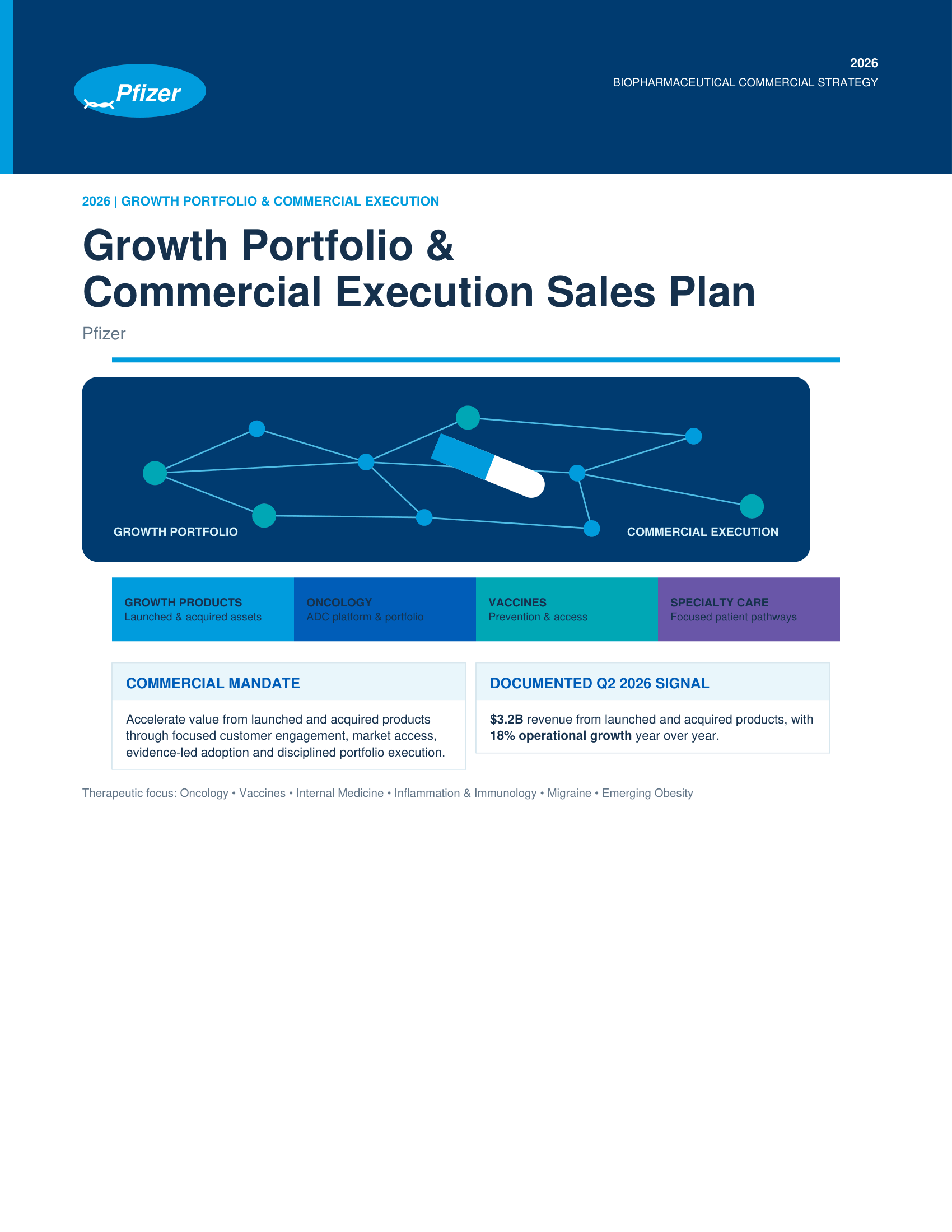
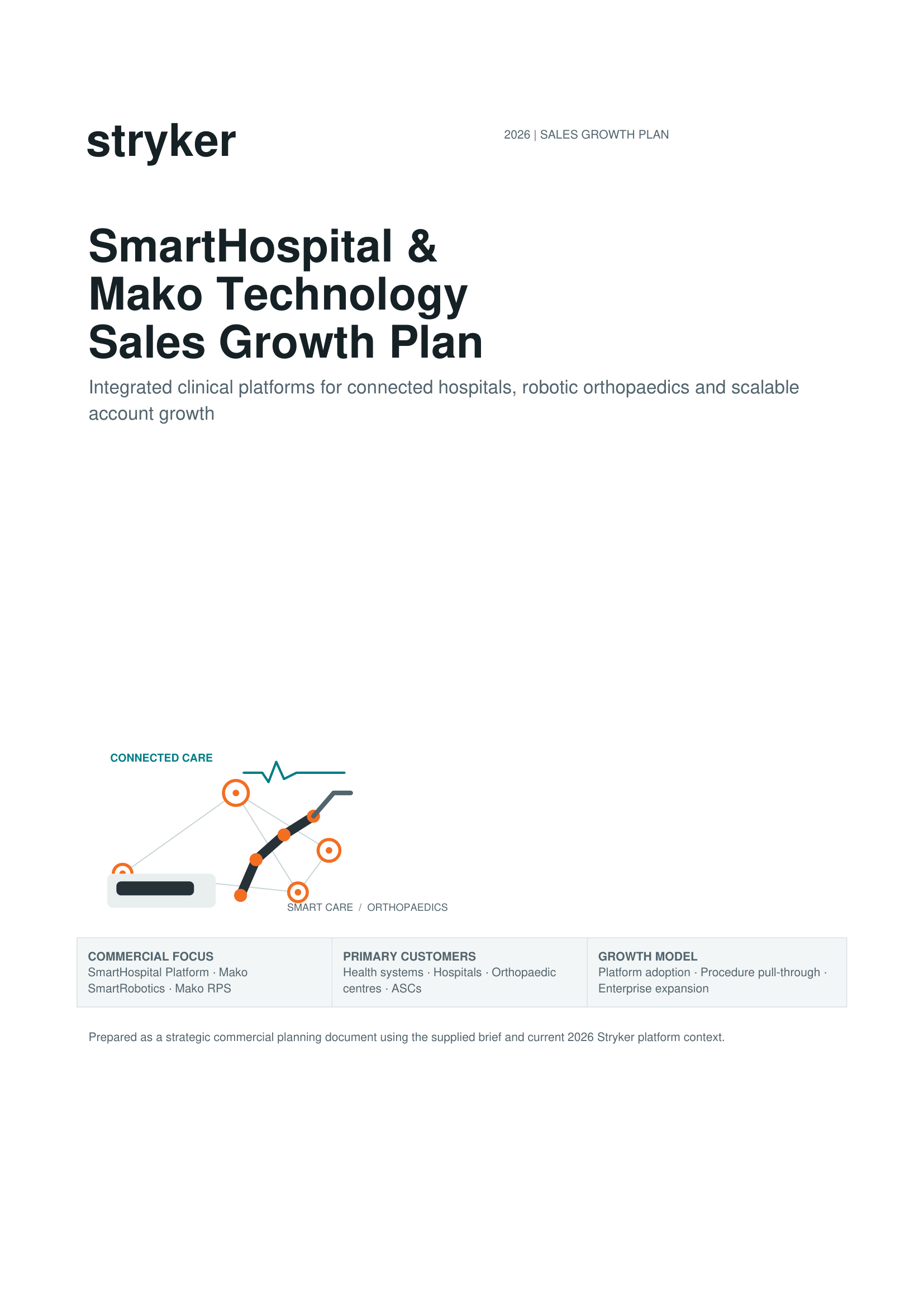
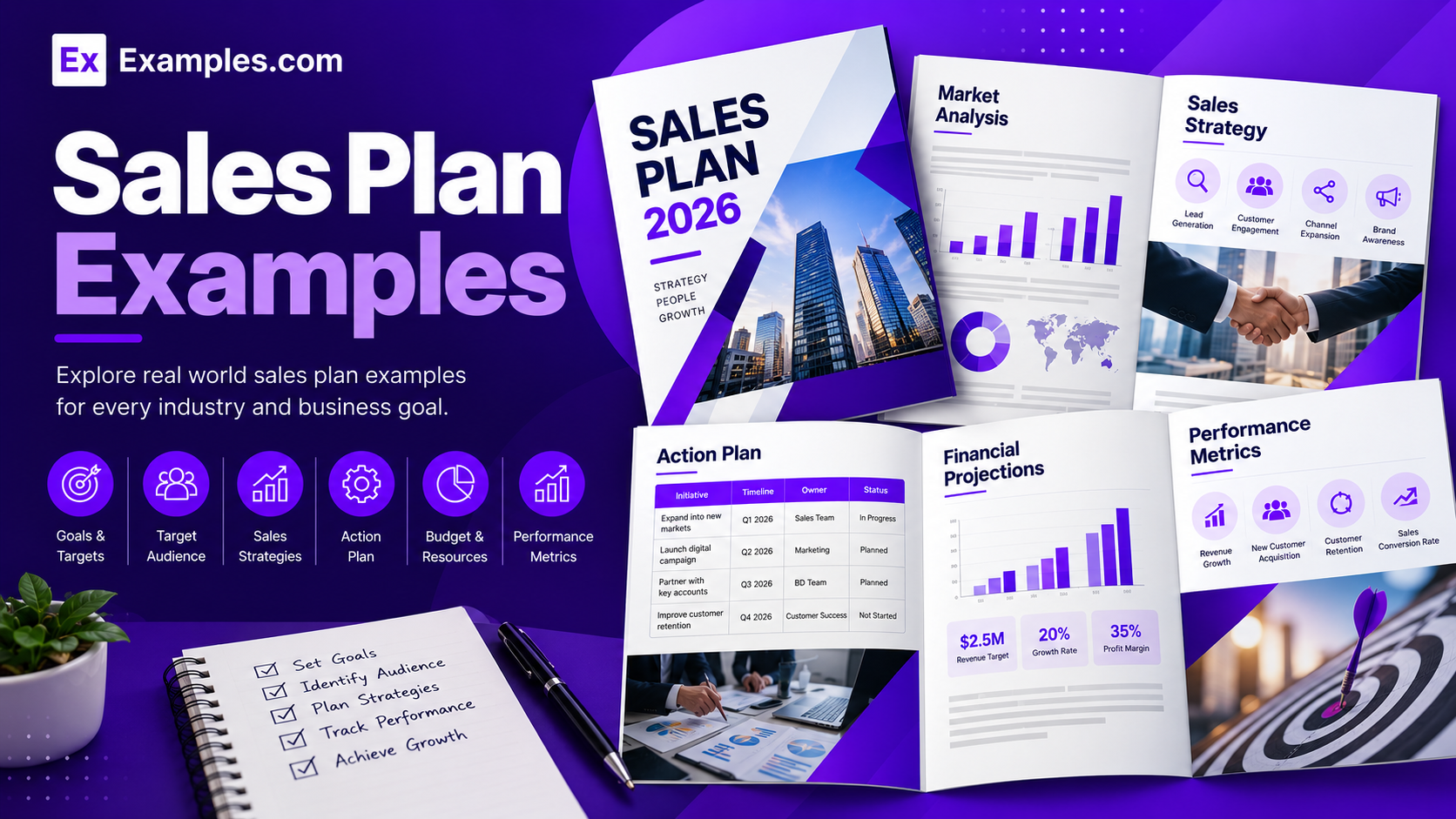
Build structured sales plans using AI-powered generation inspired by real-world sales plan examples. Explore sales plans for technology companies, retail businesses, professional services, manufacturing organizations, SaaS companies, healthcare providers, and other industries. Choose a structure that fits your revenue objectives, enter an AI prompt, generate a completely new sales plan, customize every section in the online editor, and download the final PNG. Examples.com helps users organize revenue goals, target customers, sales strategies, pipeline activities, team responsibilities, milestones, and performance metrics into a clear visual sales plan.
What Is A Sales Plan?
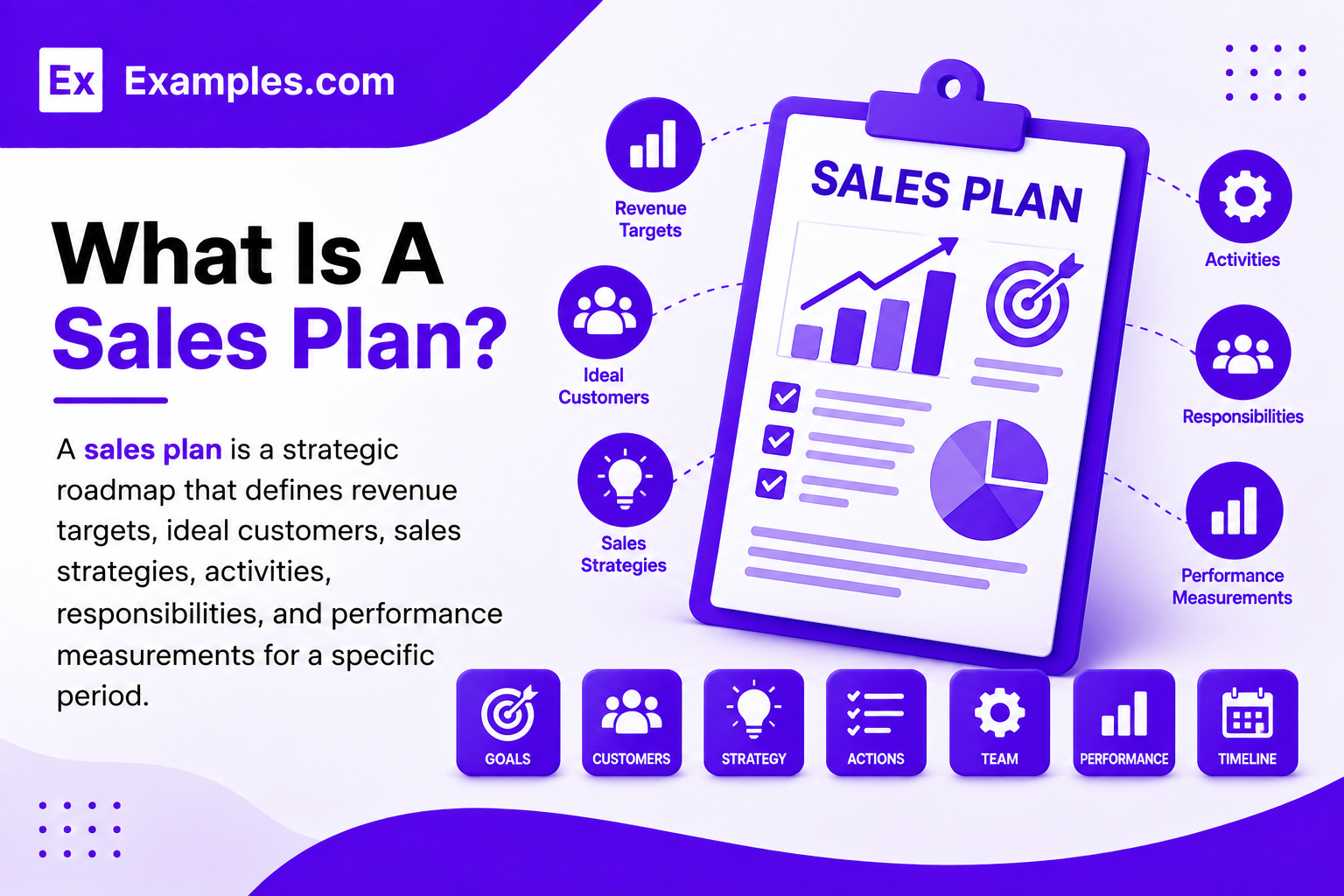
A sales plan is a strategic roadmap that defines revenue targets, ideal customers, sales strategies, activities, responsibilities, and performance measurements for a specific period. It helps sales teams translate business objectives into actionable plans by organizing quotas, buyer personas, pipeline stages, milestones, resources, and tracking methods.
Popular Types Of Sales Plans
Different sales plan formats help organizations address specific revenue objectives, markets, products, and selling models.
Annual Sales Plans
Annual sales plans define yearly revenue objectives, quotas, strategies, budgets, and major sales initiatives.
New Product Sales Plans
New product sales plans organize launch targets, customer segments, sales messaging, channels, and acquisition activities.
Territory Sales Plans
Territory sales plans assign revenue goals, accounts, prospects, and sales activities across specific geographic or market territories.
Account-Based Sales Plans
Account-based sales plans focus sales resources on selected high-value accounts using personalized outreach and relationship strategies.
Channel Sales Plans
Channel sales plans coordinate revenue targets and sales activities through distributors, resellers, partners, or other indirect channels.
SaaS Sales Plans
SaaS sales plans structure recurring revenue goals, subscription acquisition, pipeline stages, customer segments, and retention activities.
Why Should I Use Real Sales Plan Examples To Create My Own Sales Plan?
Real sales plan examples help me understand how successful organizations organize revenue targets, customer profiles, sales activities, quotas, milestones, budgets, and performance metrics. They provide practical inspiration for building a plan that connects strategic objectives with specific actions and measurable outcomes.
Instead of modifying an existing sales plan, I can use professional examples as references. On **Examples.com**, I can select a sales plan style, enter an AI prompt describing my business and objectives, generate a completely new plan, and customize the information around my own customers, products, sales team, and revenue goals.
How Do I Generate Sales Plans Using Proven Examples From The World’s Best Brands?
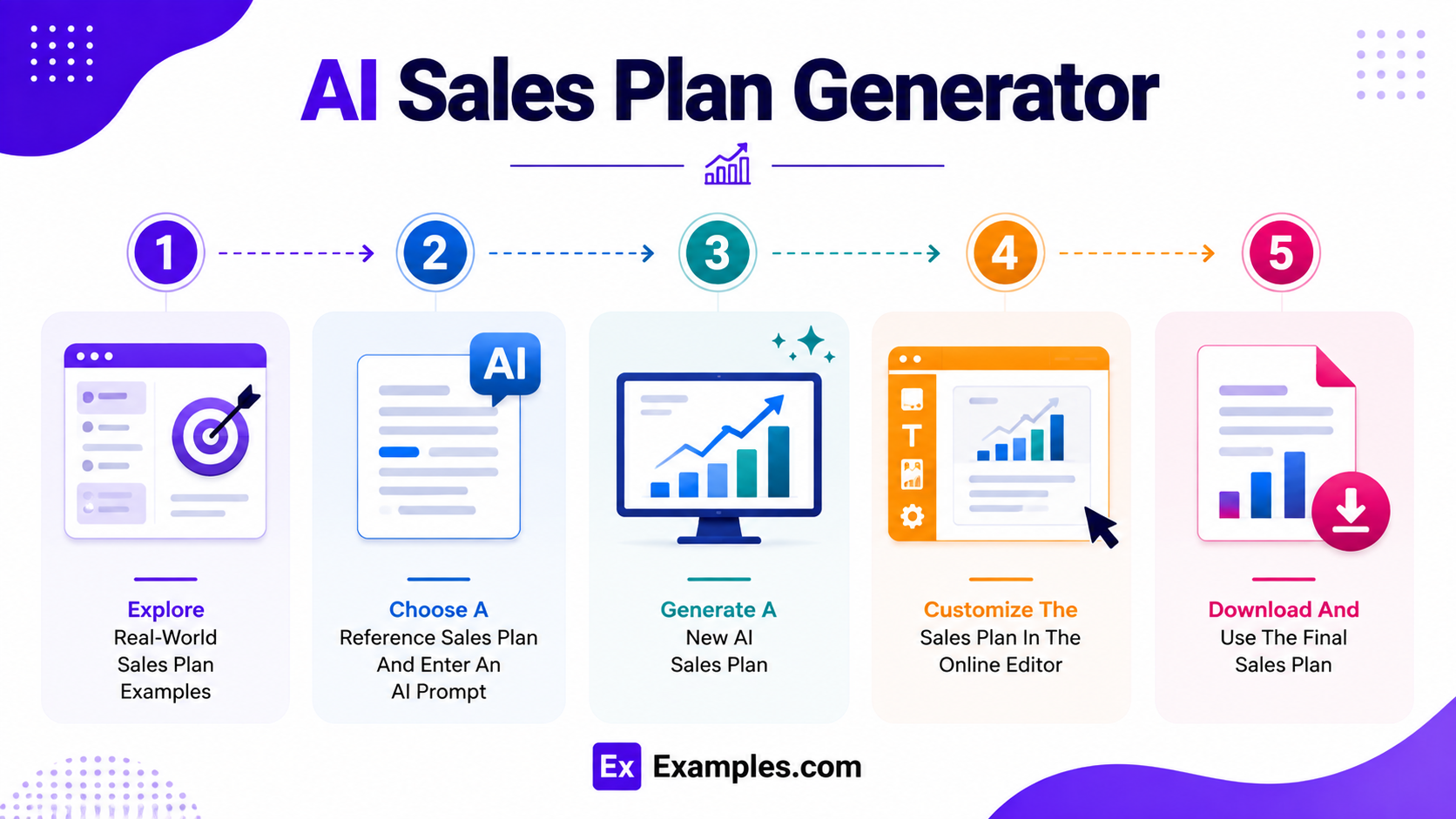
Creating a professional sales plan becomes easier when I use real-world examples as structural inspiration. The workflow combines proven sales plan references, AI-powered generation, online editing, and personalized customization to turn revenue objectives into an actionable sales roadmap.
Explore Real-World Sales Plan Examples
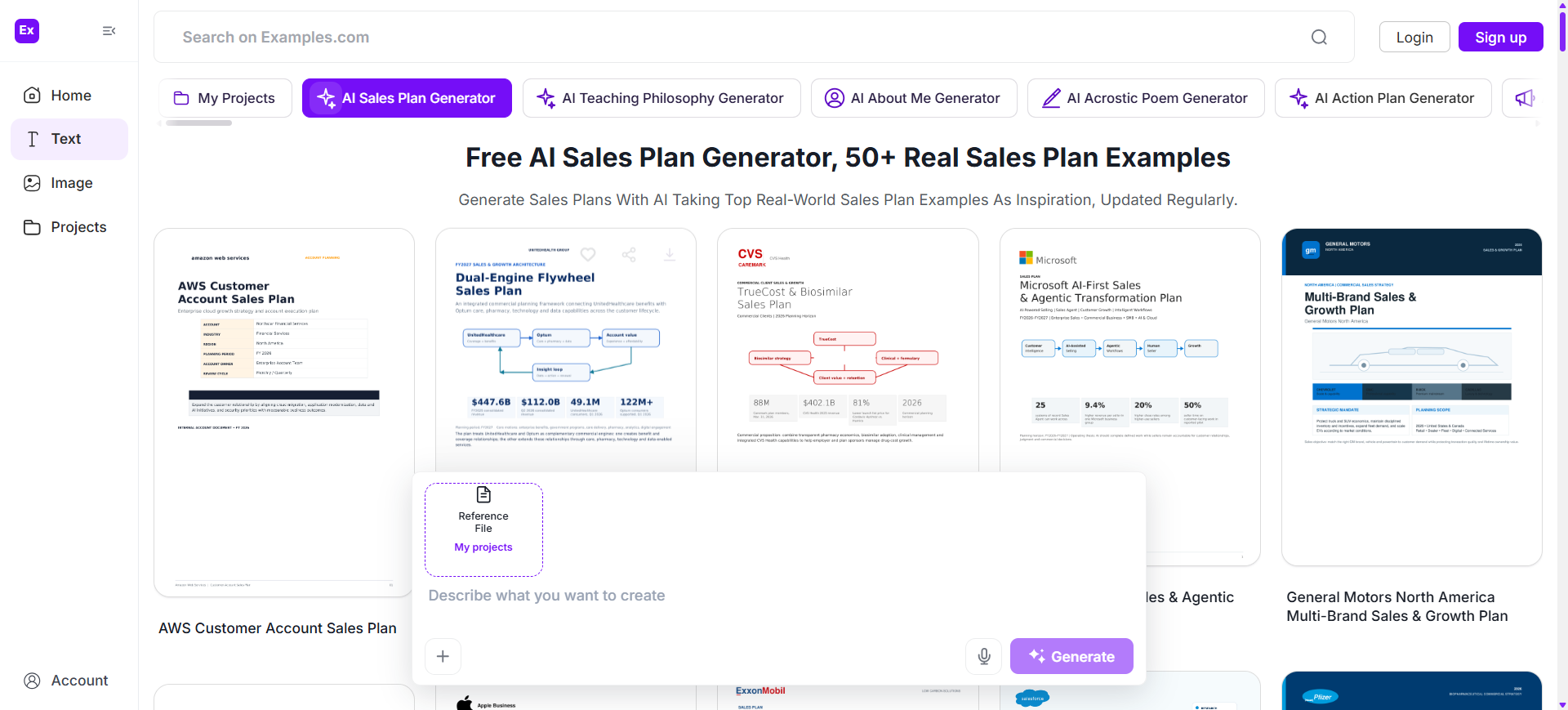
I can browse sales plan examples covering enterprise sales, SaaS, retail, manufacturing, healthcare, technology, professional services, account-based selling, and channel sales to understand how organizations structure goals, customer segments, pipelines, activities, and metrics.
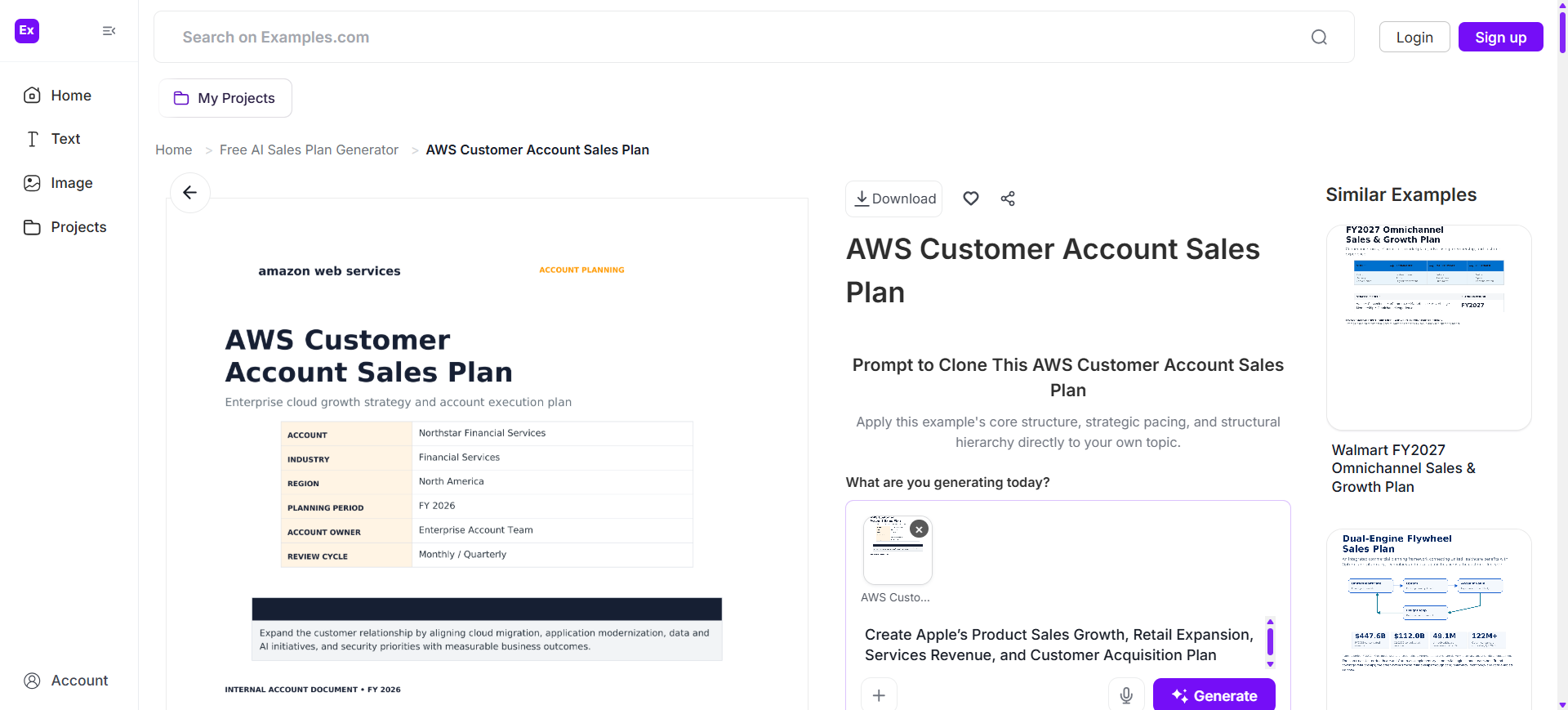
Choose A Reference Sales Plan And Enter An AI Prompt
After selecting a sales plan style, I can describe my products, target market, ideal customer profile, revenue goals, buyer personas, sales channels, team structure, budget, and strategic priorities through an AI prompt.
Generate A New AI Sales Plan
The AI creates a brand-new sales plan based on my prompt and the selected reference structure. It can organize revenue targets, customer segments, sales strategies, pipeline stages, action plans, milestones, responsibilities, and tracking metrics without modifying the original reference.
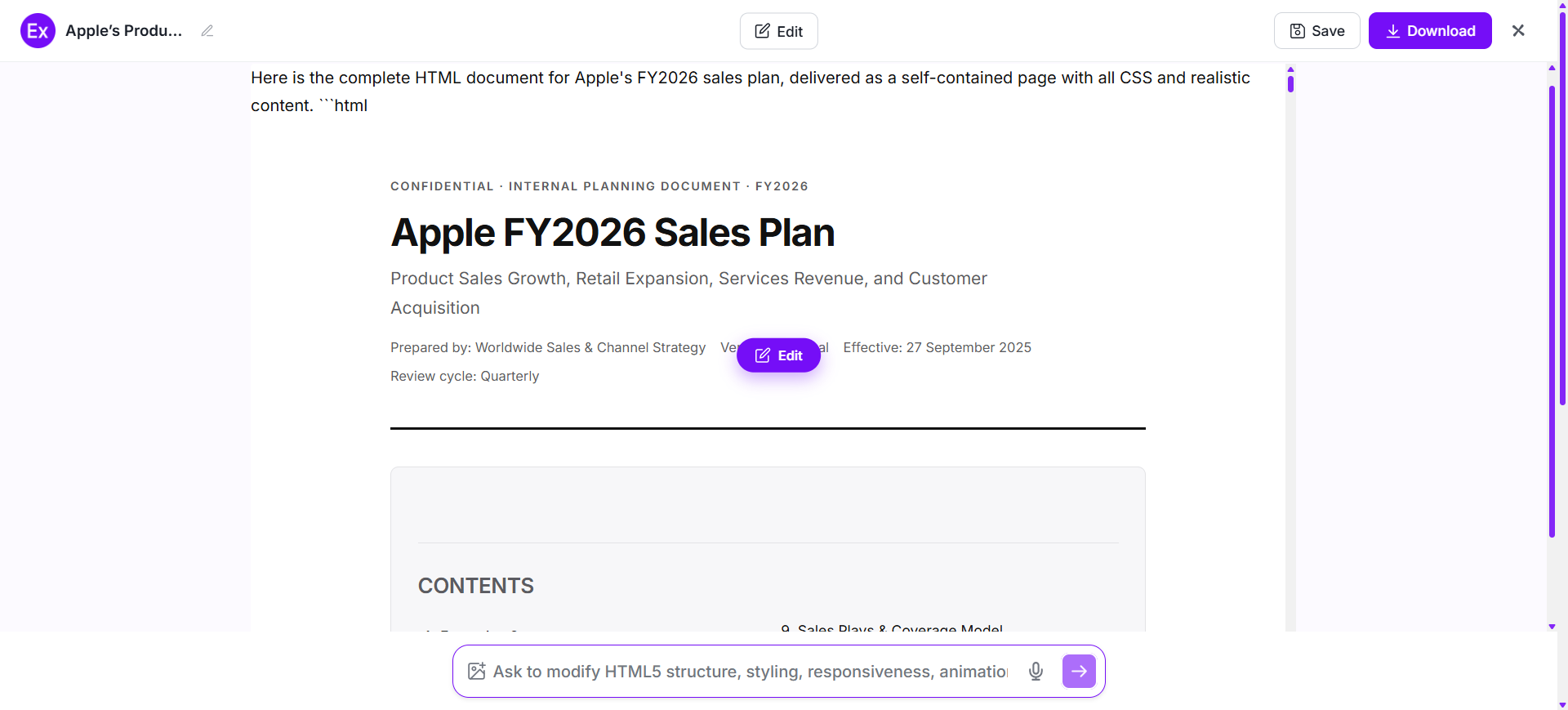
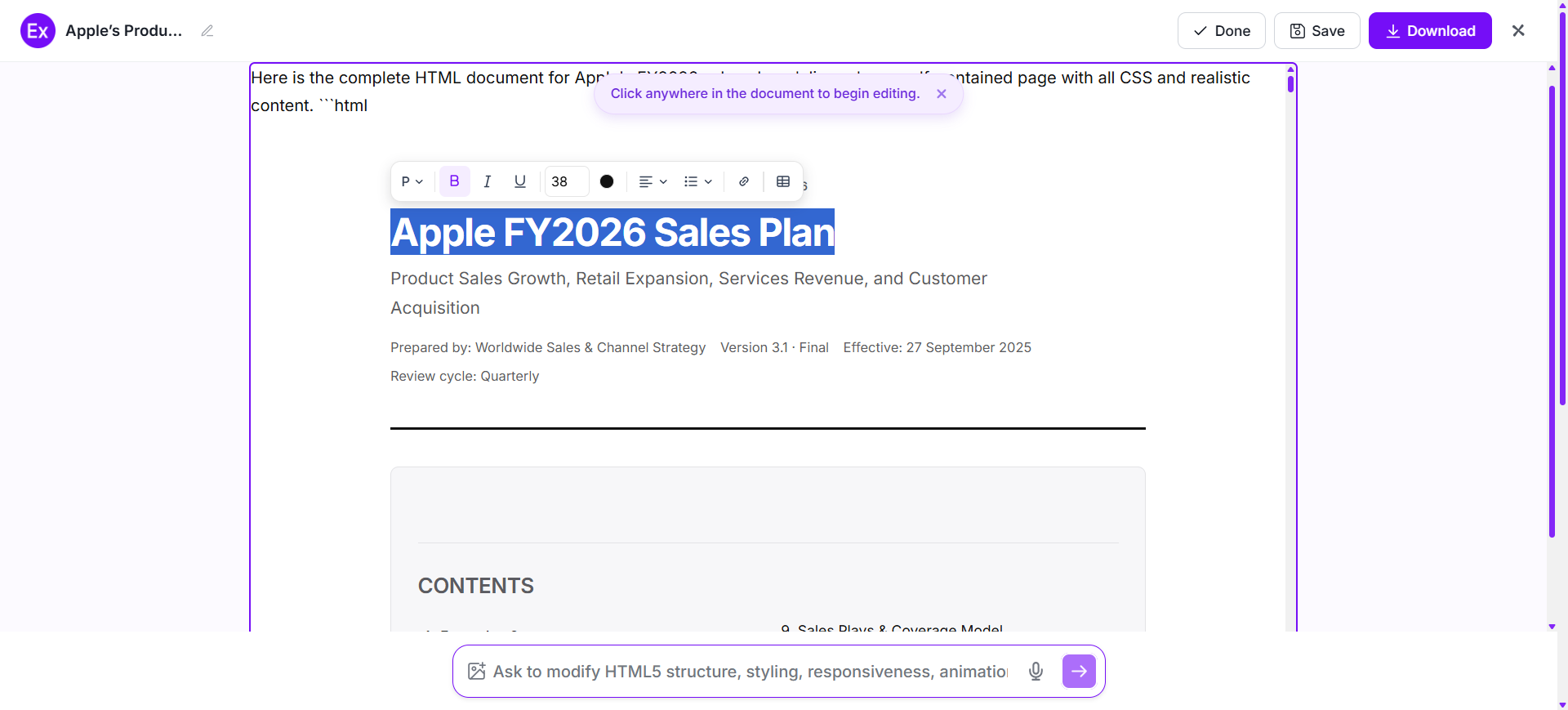
Customize The Sales Plan In The Online Editor
I can personalize every section by updating revenue targets, customer profiles, quotas, sales activities, deadlines, team responsibilities, budgets, pipeline stages, and performance metrics using AI-powered editing tools.
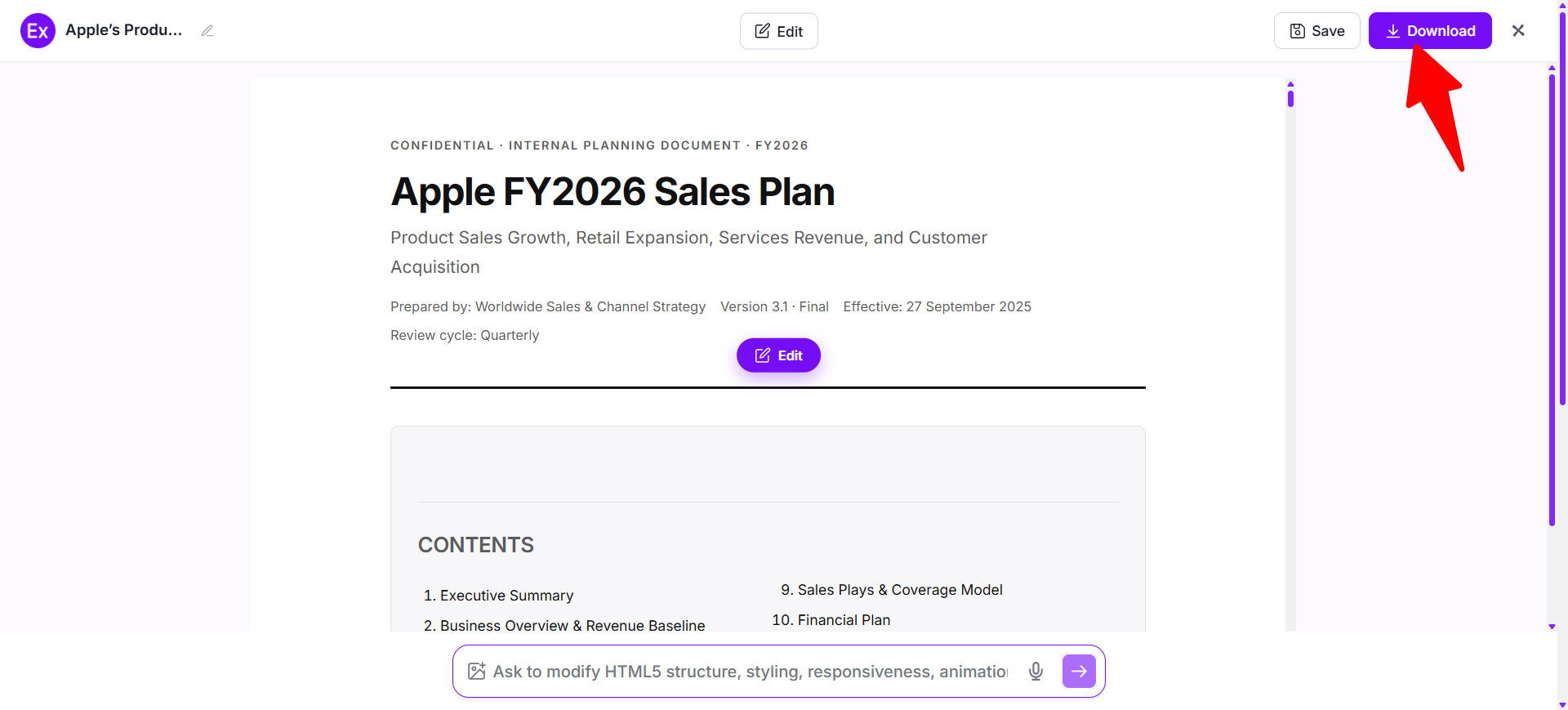
Download And Use The Final Sales Plan
Once my sales plan is complete, I can download the finished design as a PNG image and use it for sales team meetings, quarterly planning, leadership reviews, revenue planning, territory management, account planning, or strategic execution.
Customize Sales Plan Designs Online
After generating a new sales plan, I can open it in the online editor to personalize revenue targets, customer segments, sales activities, pipeline stages, milestones, and team responsibilities. I can edit figures, update headings, add tables, change colors, rearrange sections, upload supporting graphics, and organize the plan around my company’s sales objectives.
The editor also includes AI-powered tools that help improve visuals, resize layouts, remove backgrounds, and create multiple design variations. With **Examples.com**, I can turn an AI-generated sales plan into a polished visual document for sales meetings, leadership reviews, quarterly planning, and revenue strategy discussions.
AI Sales Plan Editing Features
AI-powered sales plan features make it easier to generate, organize, customize, and refine sales plans around business goals and growth priorities.
AI Sales Plan Generation
Generate a structured sales plan based on your business goals, target market, products, sales strategy, revenue objectives, and growth priorities.
Automatic Sales Plan Structure
Organize your sales plan into clear sections covering objectives, target customers, sales strategies, channels, quotas, activities, timelines, and performance metrics.
Sales Plan Customization
Update revenue targets, customer segments, sales territories, products, pricing, sales channels, team responsibilities, and timelines to match your business needs.
AI Sales Strategy Editing
Create, revise, or improve sales strategies, customer acquisition approaches, lead-generation activities, conversion tactics, and account-growth initiatives.
Performance And Goal Tracking
Add measurable sales targets, KPIs, milestones, quotas, conversion metrics, and review periods to help organize and track sales performance.
Instant PDF Download
Download your completed sales plan as a PDF for presentations, team planning, business reviews, sharing, or record-keeping.
Standard Sales Plan Sizes And Formats
The right sales plan format depends on how the document will be presented, shared, reviewed, and updated by the sales organization.
| Sales Plan Format | Common Size | Best Use Case |
|---|---|---|
| Landscape Sales Plan | 1920 × 1080 px | Sales meetings and executive presentations |
| Portrait Sales Plan | 1080 × 1920 px | Mobile viewing and vertical sales summaries |
| Square Sales Plan | 1080 × 1080 px | Digital summaries and internal sharing |
| A4 Sales Plan | 210 × 297 mm | Detailed sales documents and planning reports |
| A3 Sales Plan | 297 × 420 mm | Large planning boards and team workshops |
| Digital Sales Plan | Custom Screen Size | Online collaboration and sales management |
Landscape formats provide more horizontal space for pipeline tables, targets, and performance charts. A4 is useful for detailed documentation, while larger formats can accommodate complex sales structures and multiple planning sections.
Essential Elements Every Sales Plan Should Include
A comprehensive sales plan connects revenue objectives with specific customers, strategies, activities, responsibilities, and measurements.
- Executive Summary – Provide a concise overview of the business context, current sales position, major objectives, and priorities for the planning period.
- Target Revenue Goals – Define specific revenue targets and break them into annual, quarterly, and monthly quotas.
- Ideal Customer Profile – Identify the characteristics of the most relevant or valuable target accounts using appropriate firmographic, demographic, or technographic information.
- Buyer Personas – Describe important decision-makers, influencers, their needs, purchasing behavior, and common business challenges.
- Sales Pipeline Stages – Define a repeatable sequence from prospecting and qualification through proposal, negotiation, and closed-won opportunities.
- Action Plan – List specific prospecting, lead-generation, referral, outreach, account-development, and conversion activities.
- Milestones And Deadlines – Connect important sales activities with clear completion dates and measurable targets.
- Team Structure – Define sales roles, territories, responsibilities, quotas, and reporting relationships across the organization.
- Tools And Budget – Document essential CRM and sales enablement systems along with planned spending for compensation, travel, software, and other resources.
How Do I Design A Better Sales Plan?
A useful sales plan should connect high-level revenue objectives with specific actions that sales teams can execute and measure.
- Define Revenue Goals – Start by defining clear revenue goals for the planning period.
- Break Down Sales Targets – Break annual targets into realistic quarterly and monthly quotas.
- Identify Priority Customers – Identify the ideal customer profile and highest-priority market segments.
- Map Buyer Personas – Map buyer personas and understand their major business pain points.
- Define The Sales Process – Define a repeatable sales process with clear pipeline stages.
- Assign Responsibilities – Assign responsibilities, territories, quotas, and milestones to appropriate team members.
- Select Sales Channels – Select sales channels, prospecting methods, and customer acquisition strategies.
- Plan Tools And Resources – Identify the CRM, sales enablement tools, data resources, and budget required for execution.
- Track Performance</\strong> – Establish performance metrics and review progress regularly against targets.
- Update The Plan</ – Update the plan when market conditions, customer priorities, sales performance, or business objectives change.
Common Sales Plan Design Mistakes To Avoid
A sales plan should connect revenue goals with specific customers, activities, responsibilities, and measurable outcomes. Avoiding common planning problems helps sales teams maintain clarity and execution discipline.
- Setting Vague Revenue Goals – Define specific, measurable, and time-bound revenue targets instead of broad growth statements.
- Ignoring The Ideal Customer Profile – Clearly identify target accounts and customer characteristics so sales resources remain focused.
- Using An Unclear Sales Process – Define consistent pipeline stages from prospecting through closed-won opportunities.
- Setting Unrealistic Quotas – Align quotas with historical performance, available resources, market conditions, and sales capacity.
- Leaving Responsibilities Unclear – Assign territories, accounts, activities, and milestones to specific sales roles or team members.
- Tracking Too Few Metrics – Monitor relevant indicators such as pipeline value, conversion rates, win rates, sales cycle length, and revenue attainment.
- Ignoring Budget And Resources – Account for compensation, commissions, travel, software, data, training, and other execution costs.
- Failing To Review The Plan – Evaluate performance regularly and adjust activities, priorities, or resources when business conditions change.
How Can I Market My Product Using A Sales Plan?
A sales plan can connect product marketing with customer acquisition by defining target audiences, messaging, sales activities, and measurable revenue objectives.
Product Launch
Coordinate sales targets, customer segments, product messaging, outreach activities, and launch milestones.
Lead Generation
Plan prospecting channels, inbound opportunities, referrals, events, partnerships, and outbound campaigns.
Account-Based Marketing
Align sales and marketing activities around high-priority accounts with personalized messaging and coordinated outreach.
Customer Expansion
Identify opportunities for cross-selling, upselling, renewals, and expansion within existing customer accounts.
Sales Enablement
Give sales representatives product information, messaging, case studies, competitive information, and resources needed for customer conversations.
Performance Tracking
Connect marketing activities with pipeline creation, qualified opportunities, conversion rates, and revenue outcomes.
Which Sales Plan Sizes Perform Best?
The most useful sales plan format depends on whether it is being used for detailed planning, executive presentations, team meetings, or digital collaboration.
| Sales Plan Format | Best For | Advantages |
|---|---|---|
| Landscape (1920 × 1080 px) | Executive reviews and sales presentations | Provides wide space for targets, pipeline information, and charts |
| Portrait (1080 × 1920 px) | Mobile sales summaries | Convenient for vertical viewing and quick updates |
| Square (1080 × 1080 px) | Internal digital sharing | Compact format for key targets and sales highlights |
| A4 (210 × 297 mm) | Detailed planning documents | Easy to print, distribute, review, and archive |
| A3 (297 × 420 mm) | Sales workshops and planning sessions | Provides additional space for detailed targets and activities |
| Digital Sales Plan | CRM-connected planning and collaboration | Easy to update, share, and review across distributed teams |
Choosing an appropriate format helps sales teams review targets, responsibilities, pipeline information, and action plans without making the document unnecessarily difficult to navigate.
Sales Plan Ideas For Different Industries
Sales plans can be adapted to different markets by changing customer profiles, revenue objectives, sales channels, pipeline stages, and performance measures.
- Technology And SaaS Sales Plans – Plan subscription acquisition, enterprise accounts, product-led opportunities, renewals, expansion revenue, and recurring revenue targets.
- Retail Sales Plans – Organize store or regional targets, product categories, customer segments, promotions, seasonal campaigns, and sales quotas.
- Manufacturing Sales Plans – Plan distributor relationships, industrial accounts, territory coverage, production-related sales cycles, contracts, and order targets.
- Healthcare Sales Plans – Structure sales activities around healthcare organizations, product categories, account relationships, regulatory considerations, and purchasing cycles.
- Financial Services Sales Plans – Organize customer acquisition, account development, product cross-selling, relationship management, and revenue objectives.
- Professional Services Sales Plans – Plan lead generation, consultations, proposals, client acquisition, project opportunities, referrals, and account expansion.
- Real Estate Sales Plans – Track property leads, buyer and seller prospects, listings, viewings, negotiations, closings, and territory performance.
- Telecommunications Sales Plans – Plan customer acquisition, service upgrades, enterprise accounts, channel partners, and recurring revenue opportunities.
- Automotive Sales Plans – Organize dealership targets, fleet accounts, vehicle categories, regional opportunities, promotions, and customer retention activities.
- Consumer Goods Sales Plans – Plan retailer relationships, distributor sales, product launches, promotional activity, regional targets, and account growth.
FAQs
What Is The Main Purpose Of A Sales Plan?
A sales plan translates revenue objectives into specific customer targets, sales strategies, activities, responsibilities, quotas, milestones, and performance measurements.
What Should A Sales Plan Include?
A comprehensive sales plan can include an executive summary, revenue goals, ideal customer profile, buyer personas, sales pipeline, action plan, milestones, team structure, tools, and budget.
How Do I Set Sales Targets In A Sales Plan?
Set measurable revenue objectives for the planning period and break them into appropriate monthly or quarterly quotas based on business objectives, sales capacity, and available resources.
What Is An Ideal Customer Profile In A Sales Plan?
An ideal customer profile describes the characteristics of accounts that are most relevant to the company’s products or services, such as industry, company size, location, technology, or business needs.
Can I Customize Every Sales Plan Section After AI Generates It?
Yes. After generating a sales plan, I can edit targets, customer profiles, pipeline stages, team responsibilities, milestones, budgets, colors, layouts, and other visual elements using the online editor available on **Examples.com**.
What Is The Difference Between A Sales Plan And A Marketing Plan?
A sales plan focuses primarily on revenue targets, customers, sales activities, pipeline management, quotas, and sales execution, while a marketing plan focuses on market positioning, audiences, campaigns, content, and demand generation.
Which Metrics Should I Track In A Sales Plan?
Relevant metrics can include revenue attainment, pipeline value, qualified opportunities, conversion rates, win rates, average deal size, sales cycle length, quota attainment, and customer acquisition activity.
How Often Should A Sales Plan Be Reviewed?
The review frequency depends on the organization and sales cycle. Teams may review performance regularly against monthly or quarterly targets and update activities or priorities when business conditions change.