


A strong “Tell Me About Yourself” answer is a short, professional introduction that explains who you are, highlights your most relevant experience or strengths, and connects your background to the opportunity. For most job interviews, a clear Present–Past–Future structure works well: explain what you do now, mention relevant experience or achievements, and finish with why you are interested in the role.
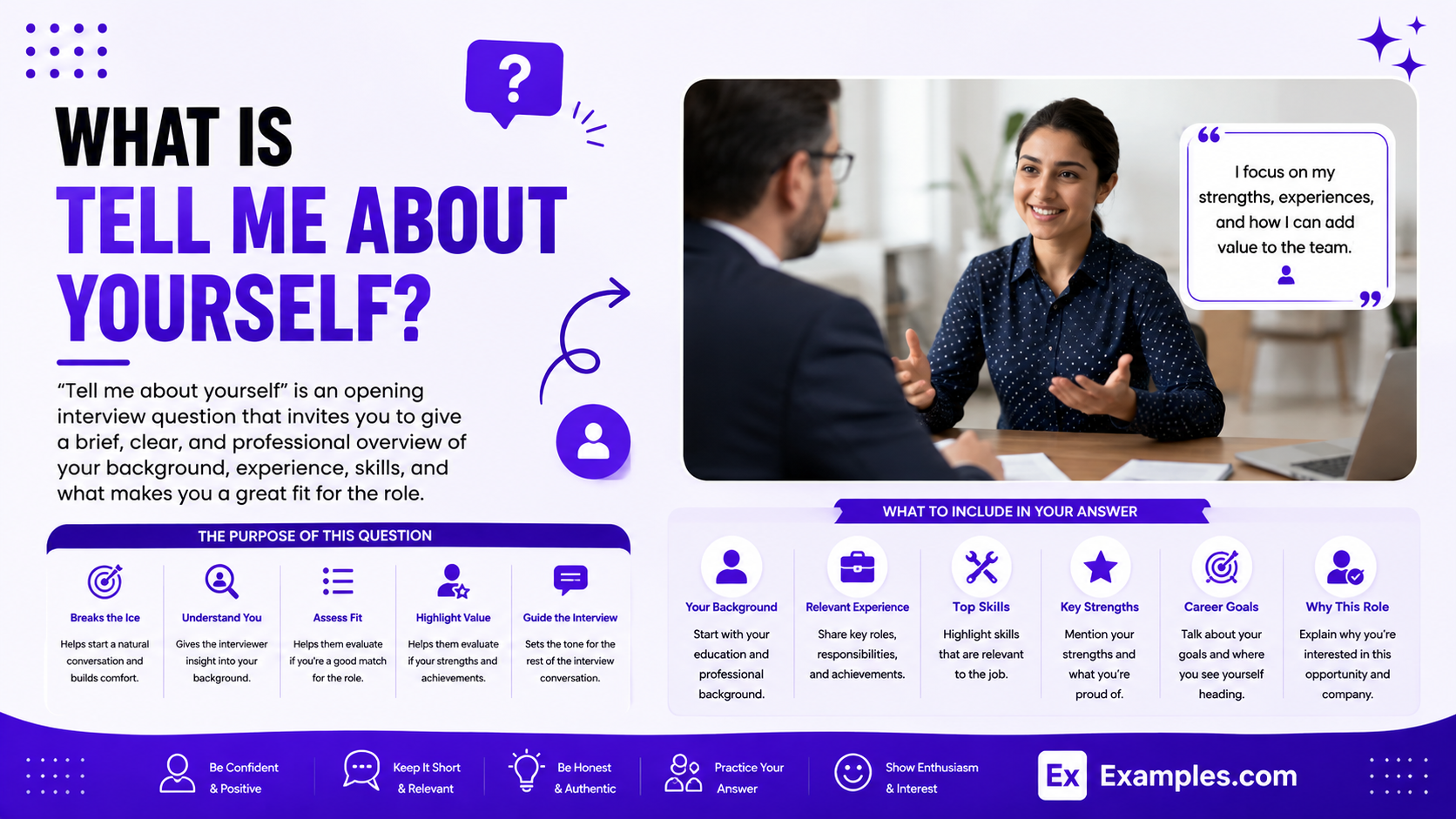
What is a Tell Me About Yourself ?
When preparing a “Tell Me About Yourself” answer, the goal is different. Instead of describing your entire life story, you should create a concise professional snapshot that helps the interviewer understand your background, strengths, accomplishments, and career direction.
A good answer should:
- Introduce your current professional status.
- Highlight relevant education or experience.
- Mention one or two meaningful accomplishments.
- Show your strongest job-related skills.
- Explain why you are interested in the position.
- End with a confident connection to the company or role.
Popular Types Of Tell Me About Yourself
Professional “Tell Me About Yourself” examples also vary according to the interview situation.
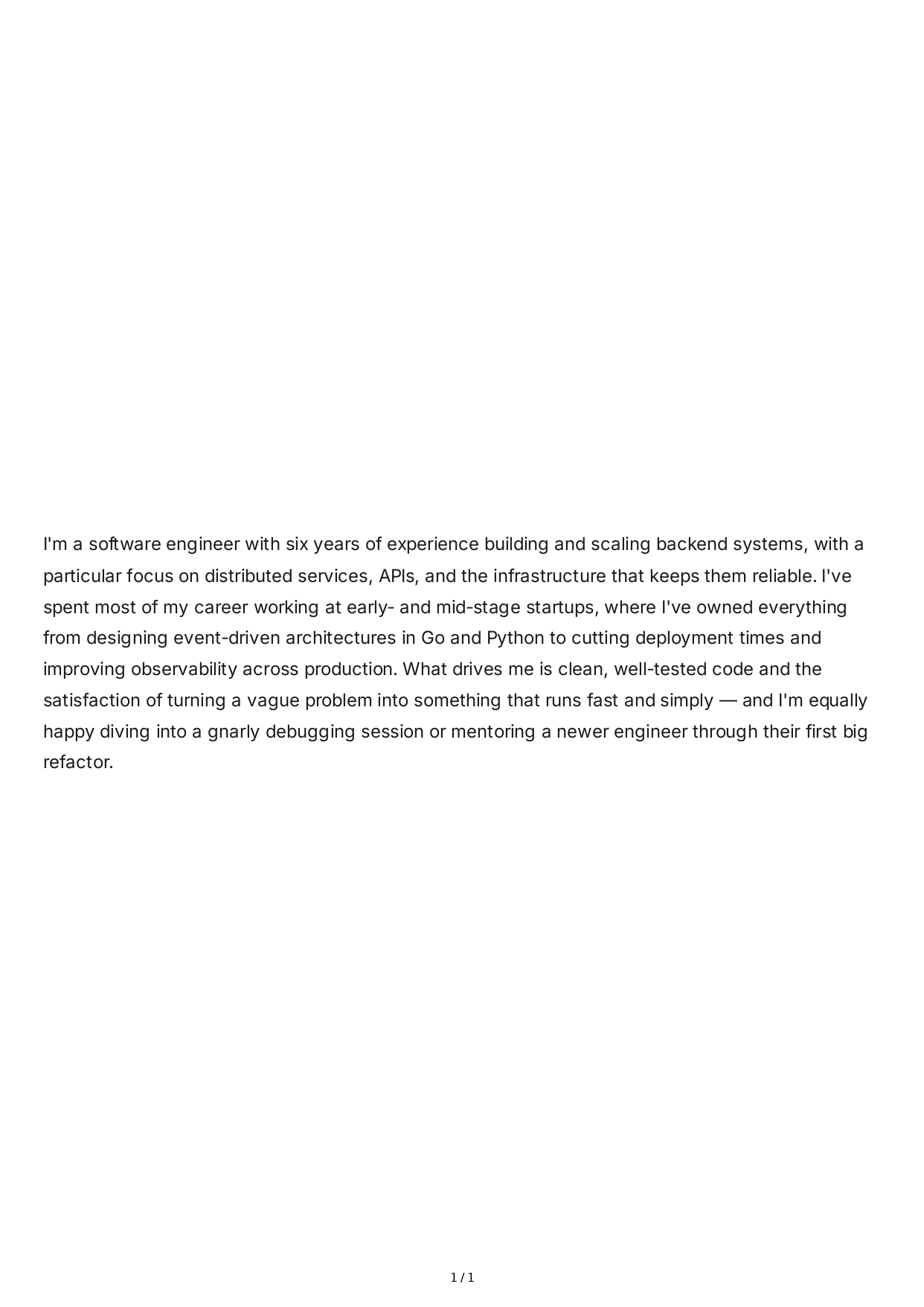
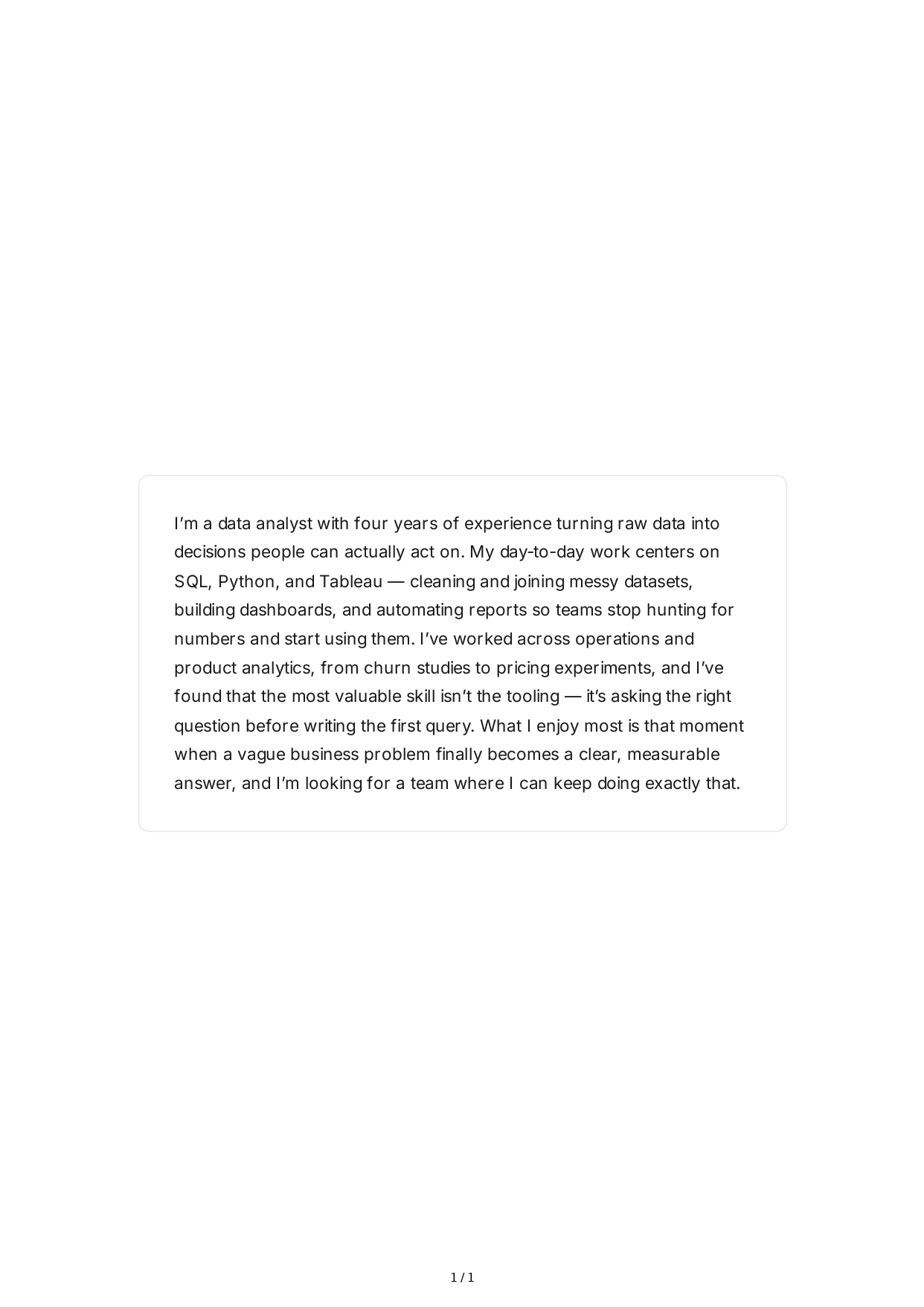
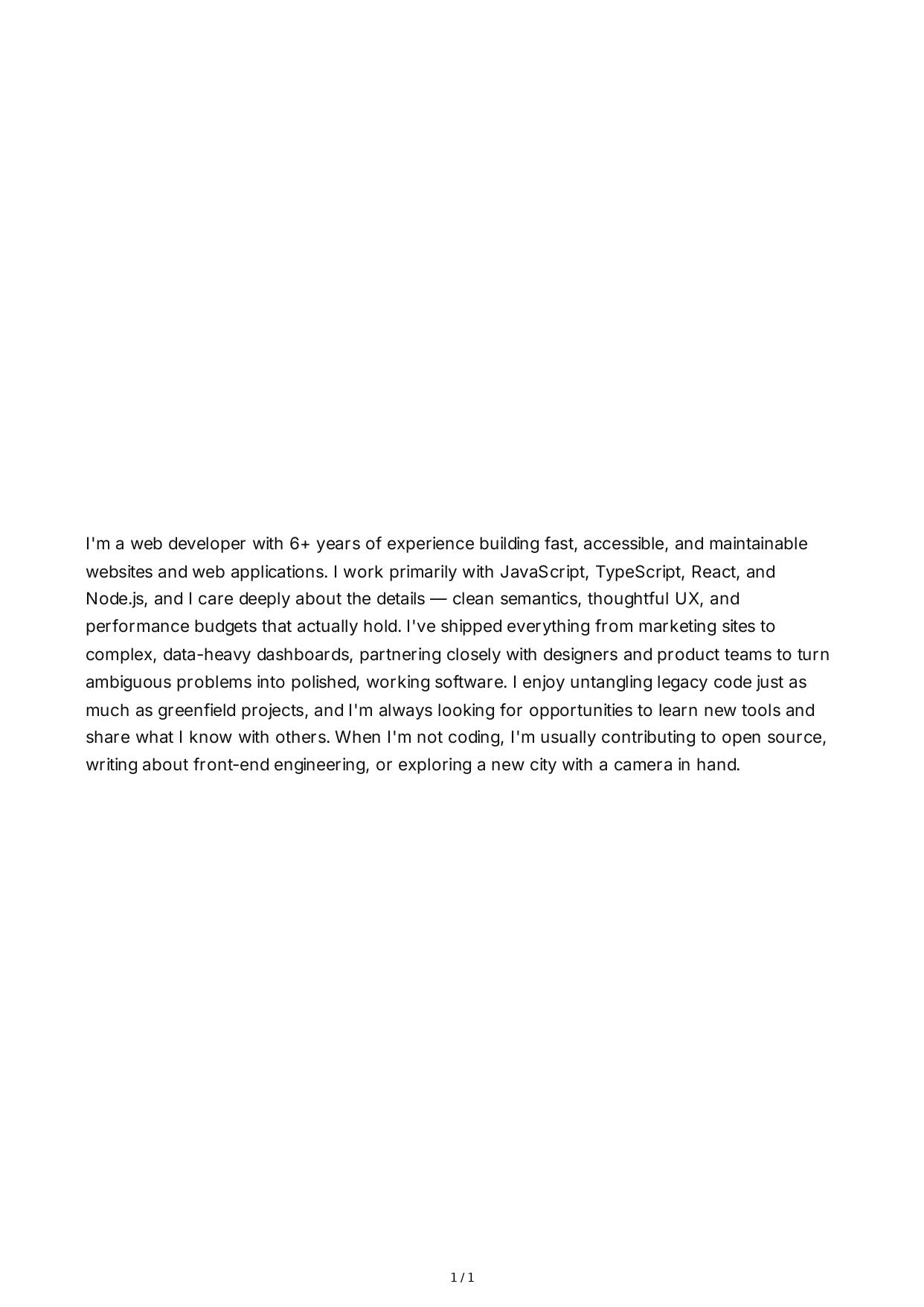
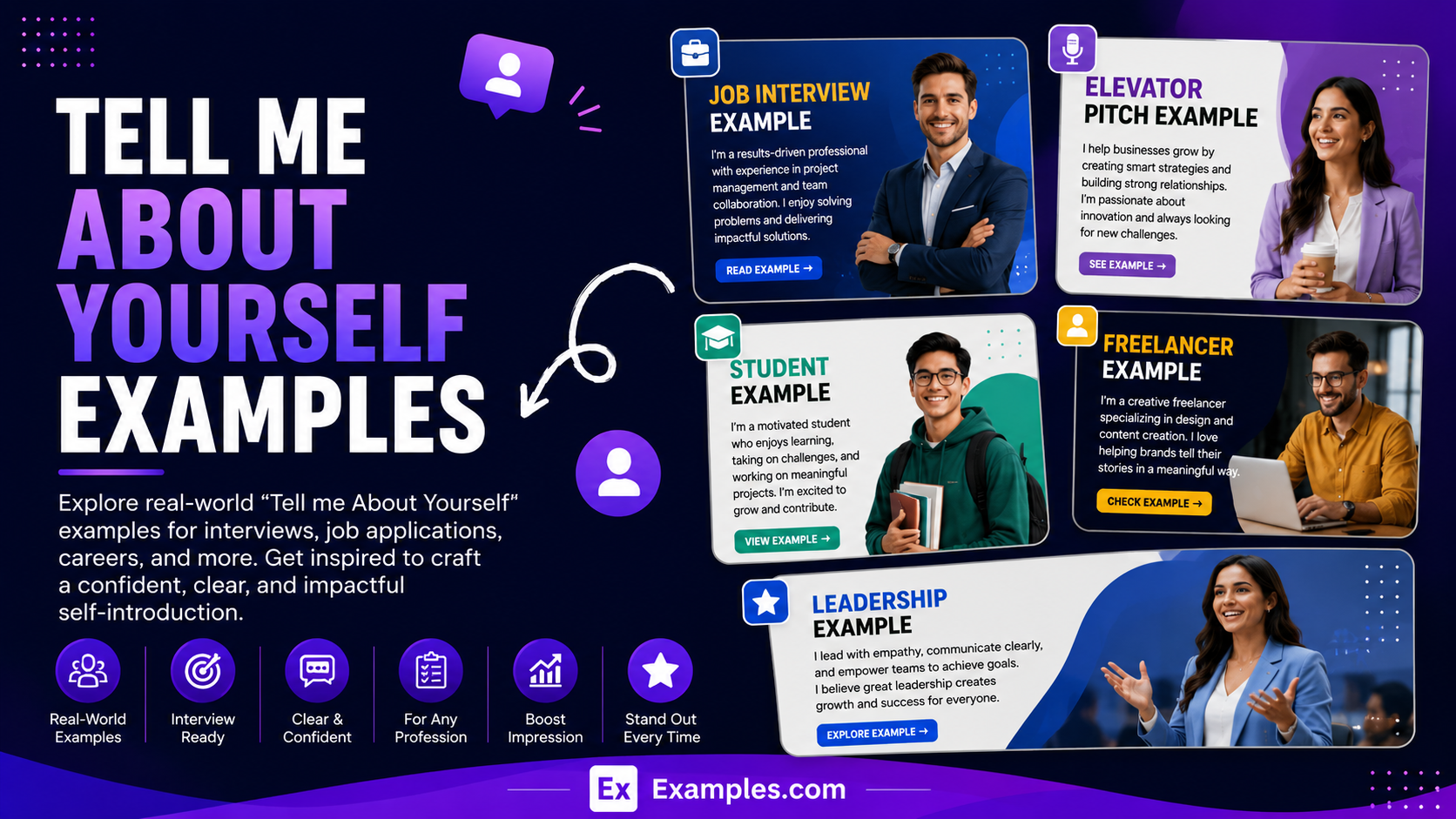
Tell Me About Yourself for a Job Interview
Focus on your professional background, relevant skills, recent accomplishments, and interest in the position.
Tell Me About Yourself for Freshers
Discuss your education, internships, academic projects, skills, extracurricular activities, and career goals.
Tell Me About Yourself for Experienced Professionals
Emphasize your current role, years of experience, major responsibilities, measurable achievements, and the value you can bring to the new employer.
Tell Me About Yourself for Career Changers
Explain your transferable skills, relevant experience, reason for the career transition, and enthusiasm for the new field.
Tell Me About Yourself for College Interviews
Talk about your academic interests, accomplishments, activities, goals, and what makes you a good fit for the institution.
Tell Me About Yourself for Internal Interviews
Highlight your current contributions, accomplishments within the company, newly developed skills, and reasons for pursuing the new opportunity.
How Do I Generate Tell Me About Yourself Using Proven Examples from Top Companies?
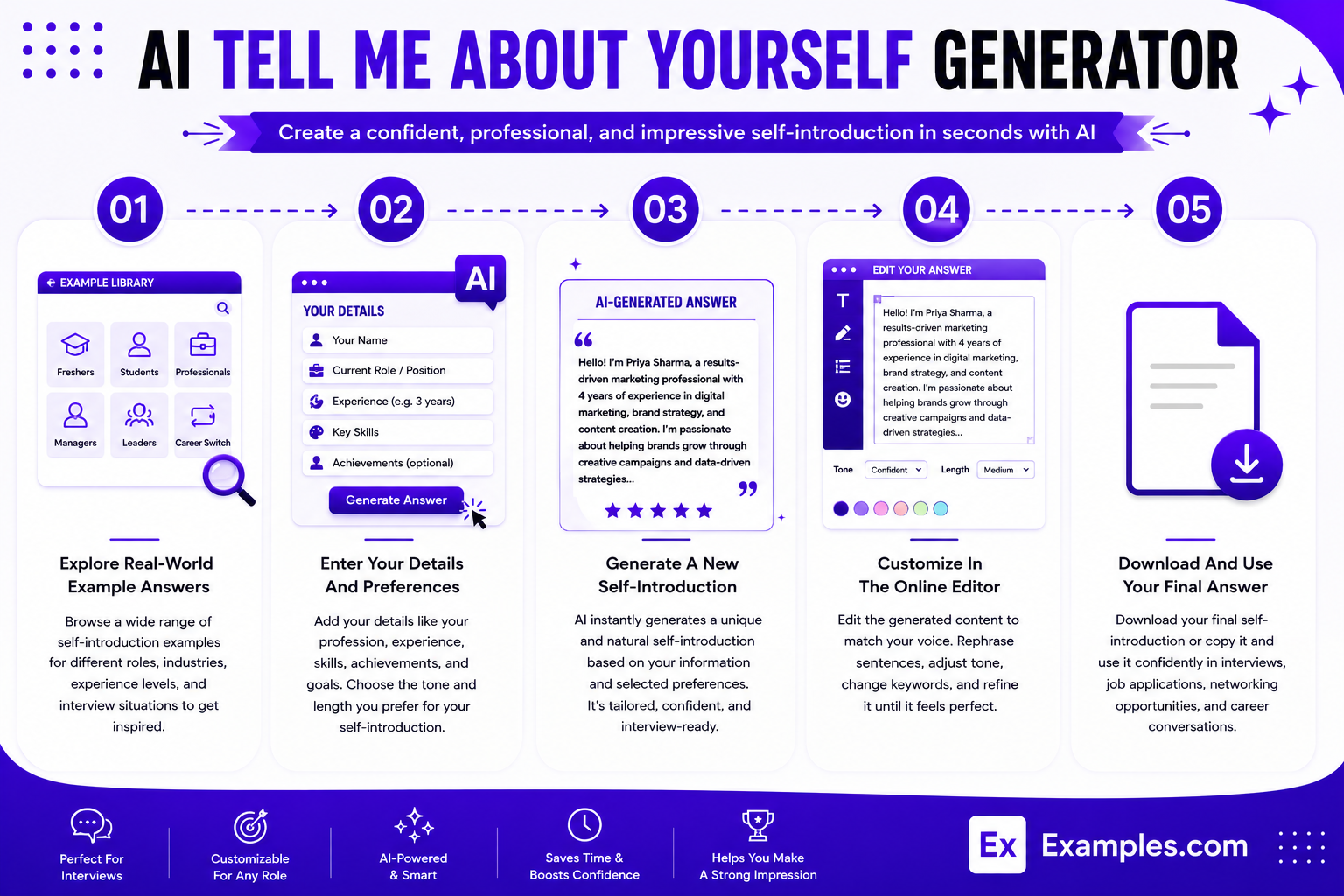
Creating a strong “Tell Me About Yourself” response becomes easier when you study proven examples, identify the structure that fits your situation, and personalize the answer with your own experience, skills, achievements, and career goals.
Explore Real-World Tell Me About Yourself Examples
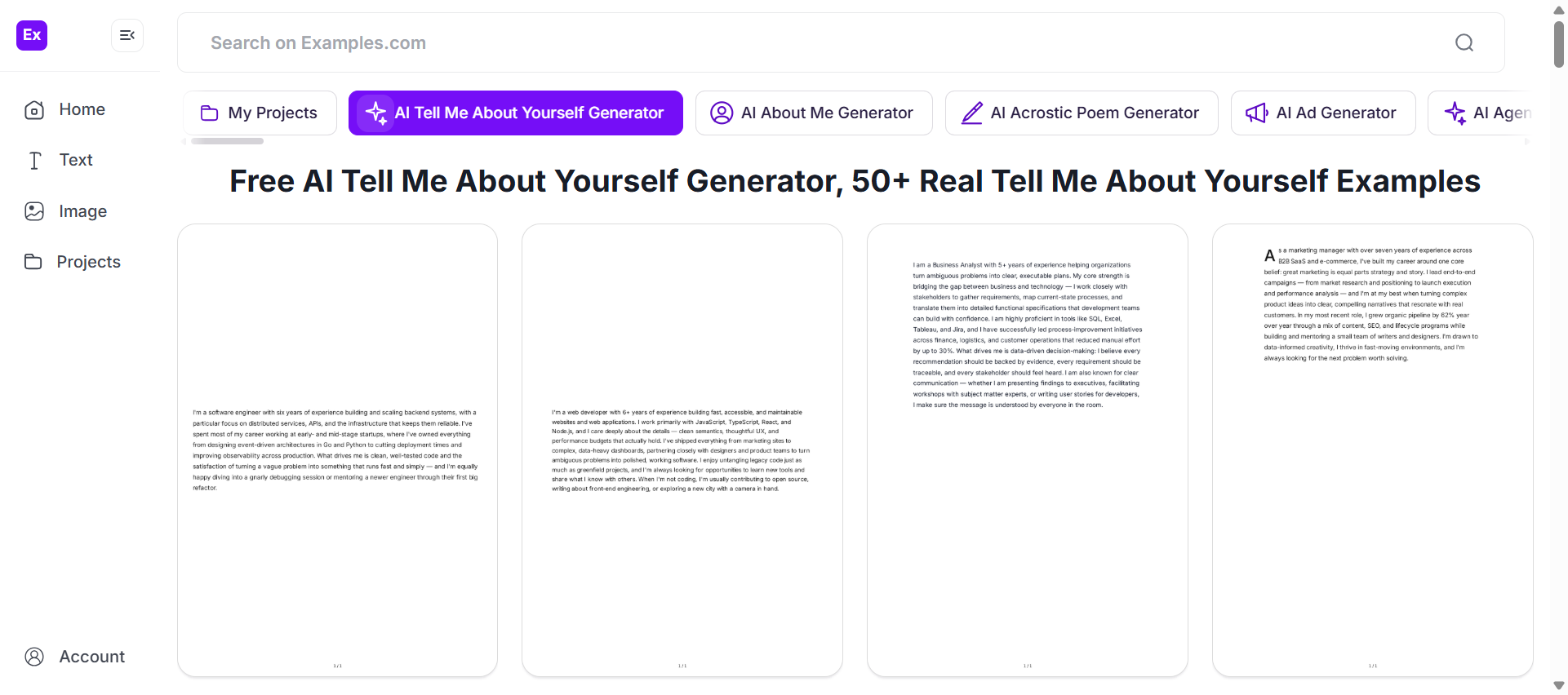
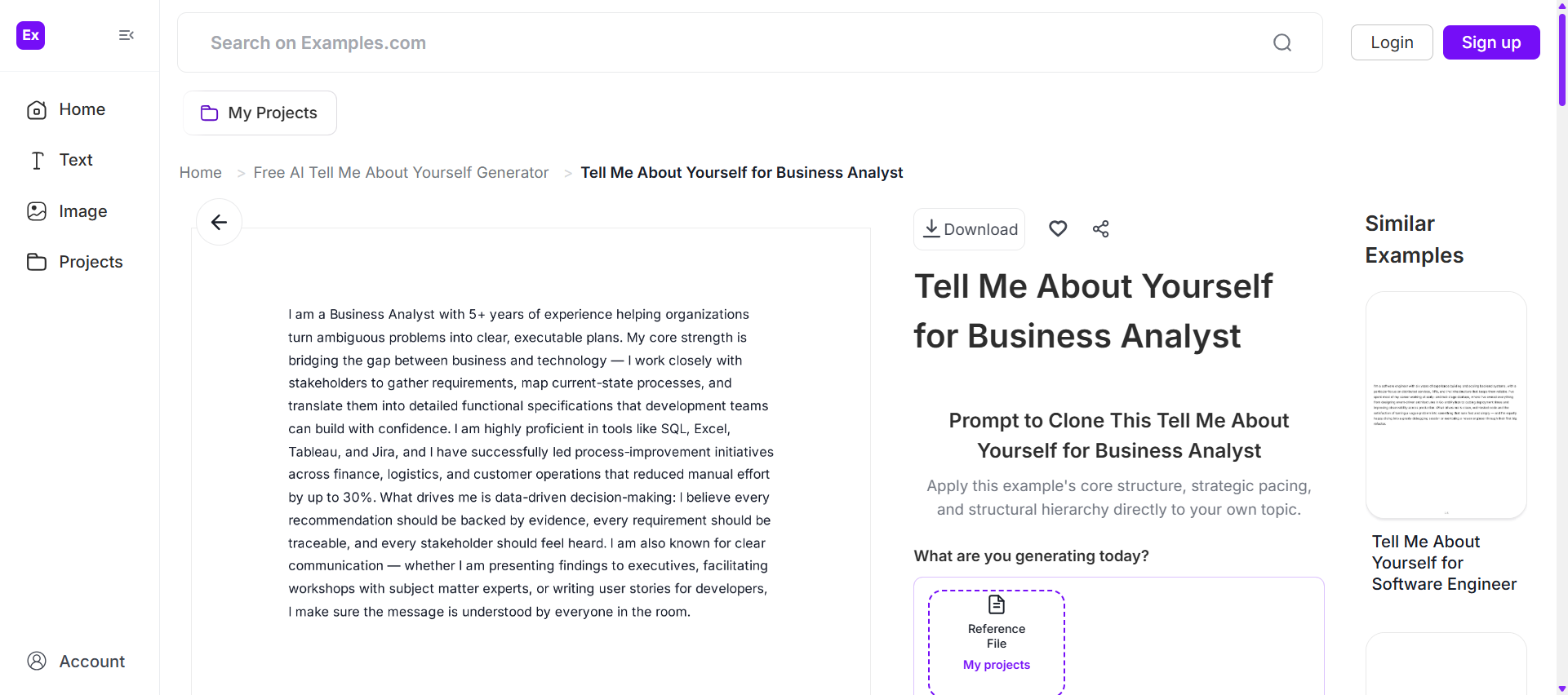
Browse real-world “Tell Me About Yourself” examples to understand different answer styles for freshers, experienced professionals, students, career changers, teachers, managers, technical professionals, and other roles. Use these examples to identify an approach that matches your interview situation.
Choose A Reference Answer And Enter Your Details
Choose an example that matches your career stage and target position. Then prepare your own details, including your current role or education, relevant experience, strongest skills, notable achievements, and career goals.
Generate A New Tell Me About Yourself Answer
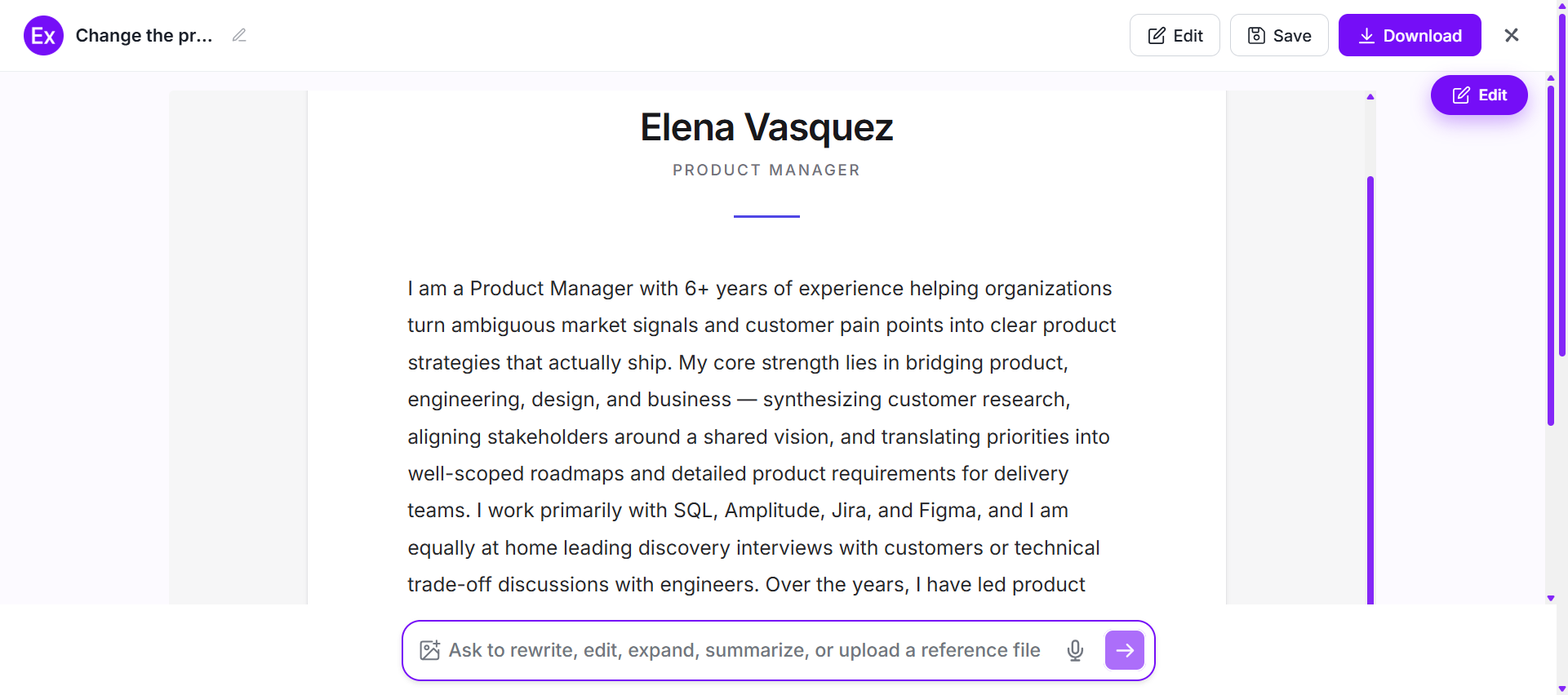
Create a new response based on your professional background and the position you want. Keep the answer specific, concise, authentic, and focused on information that demonstrates your suitability for the opportunity.
Customize The Answer For The Interview
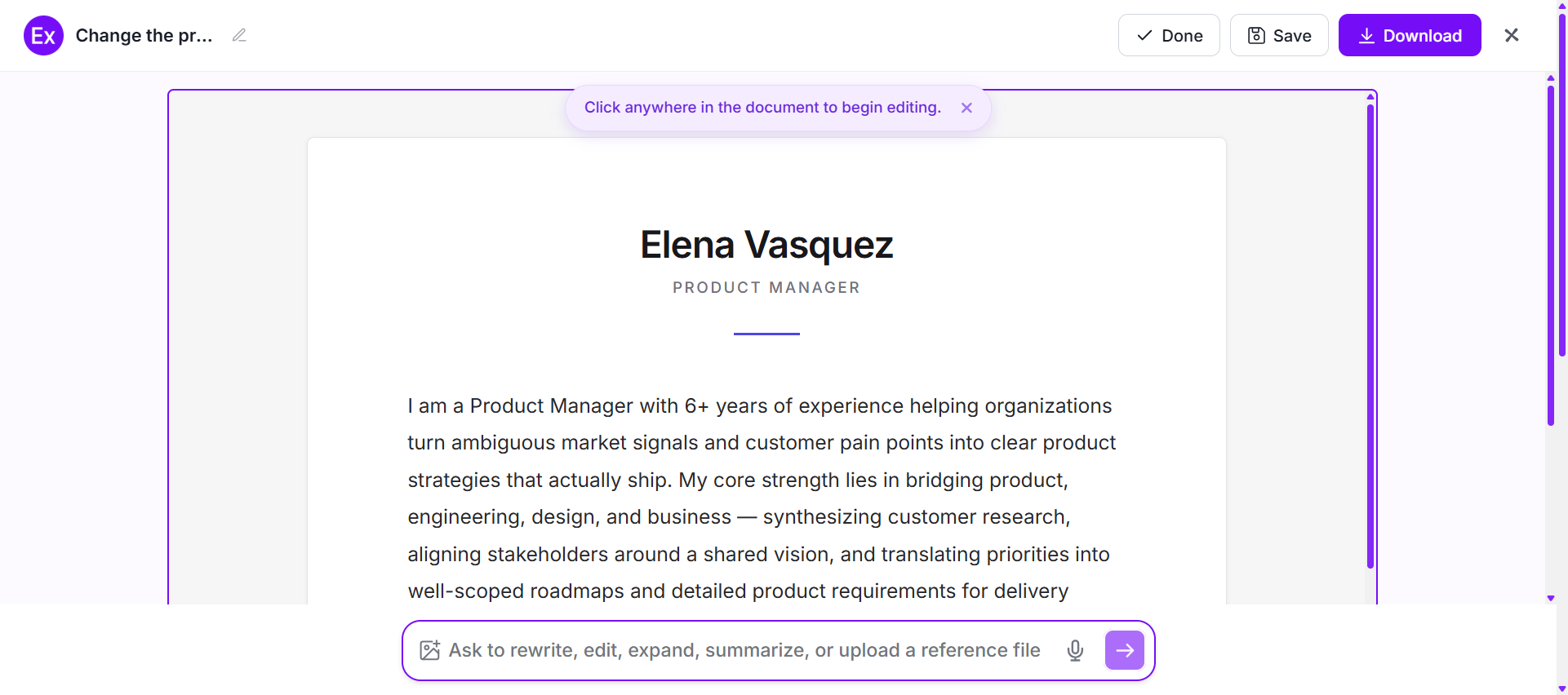
Personalize the response by adding relevant accomplishments, skills, certifications, projects, or experiences from your background. Remove information that does not support your candidacy and adjust the wording so the answer sounds natural when spoken.
Practice And Deliver Your Final Answer
Practice your final response aloud until you can deliver it confidently without sounding memorized. Aim for a concise answer and be ready for the interviewer to ask follow-up questions about anything you mention.
What Should You Say When an Interviewer Asks “Tell Me About Yourself”?
The easiest approach is to organize your answer into three parts:
Present: Explain what you currently do.
Past: Mention the experience, education, or achievement that is most relevant to the role.
Future: Explain why this opportunity interests you and how it fits your career direction.
This structure keeps your answer focused instead of turning it into a complete biography or a line-by-line reading of your resume.
Simple Formula
Present + Relevant Past + Key Achievement + Future Goal
For example:
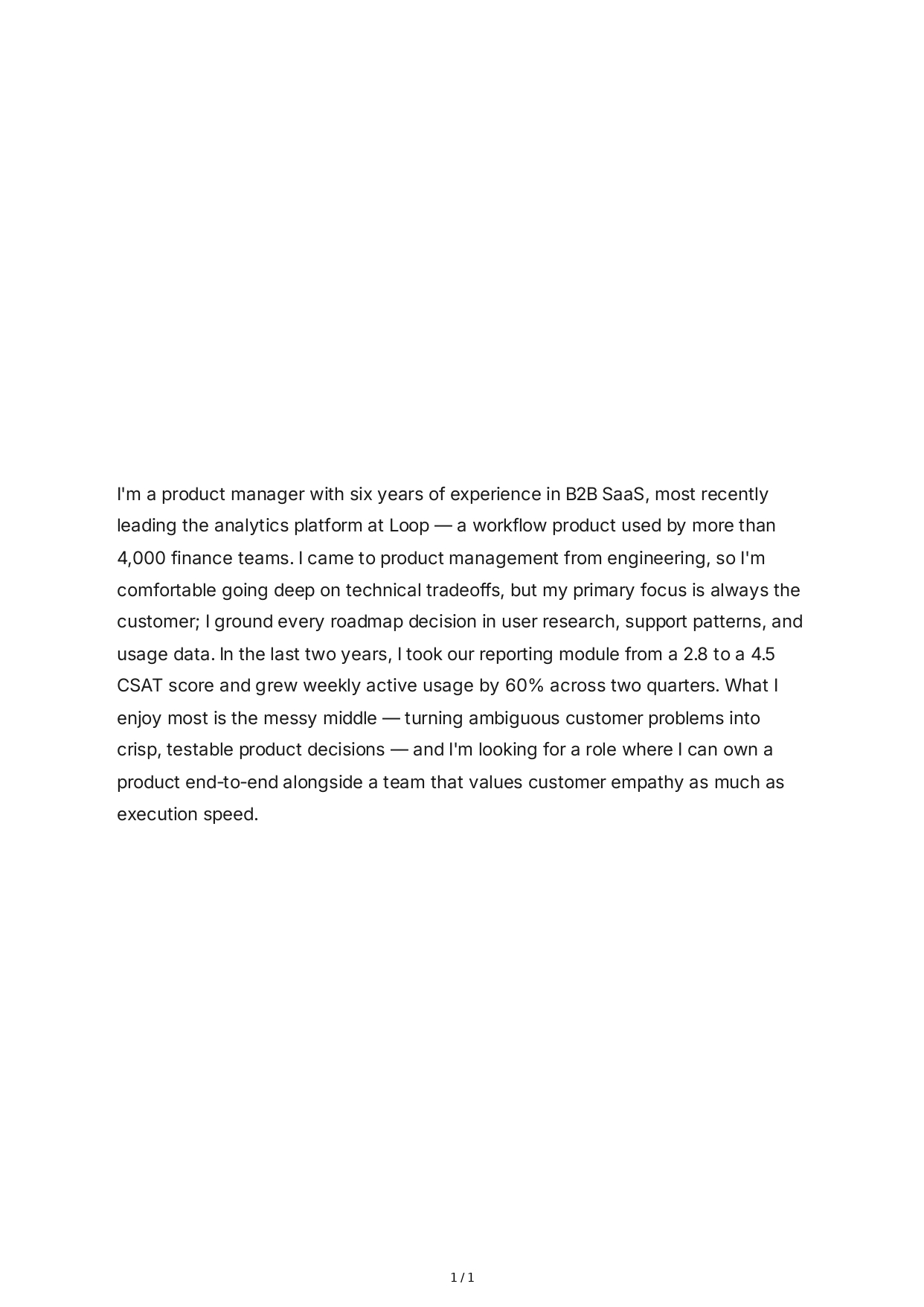
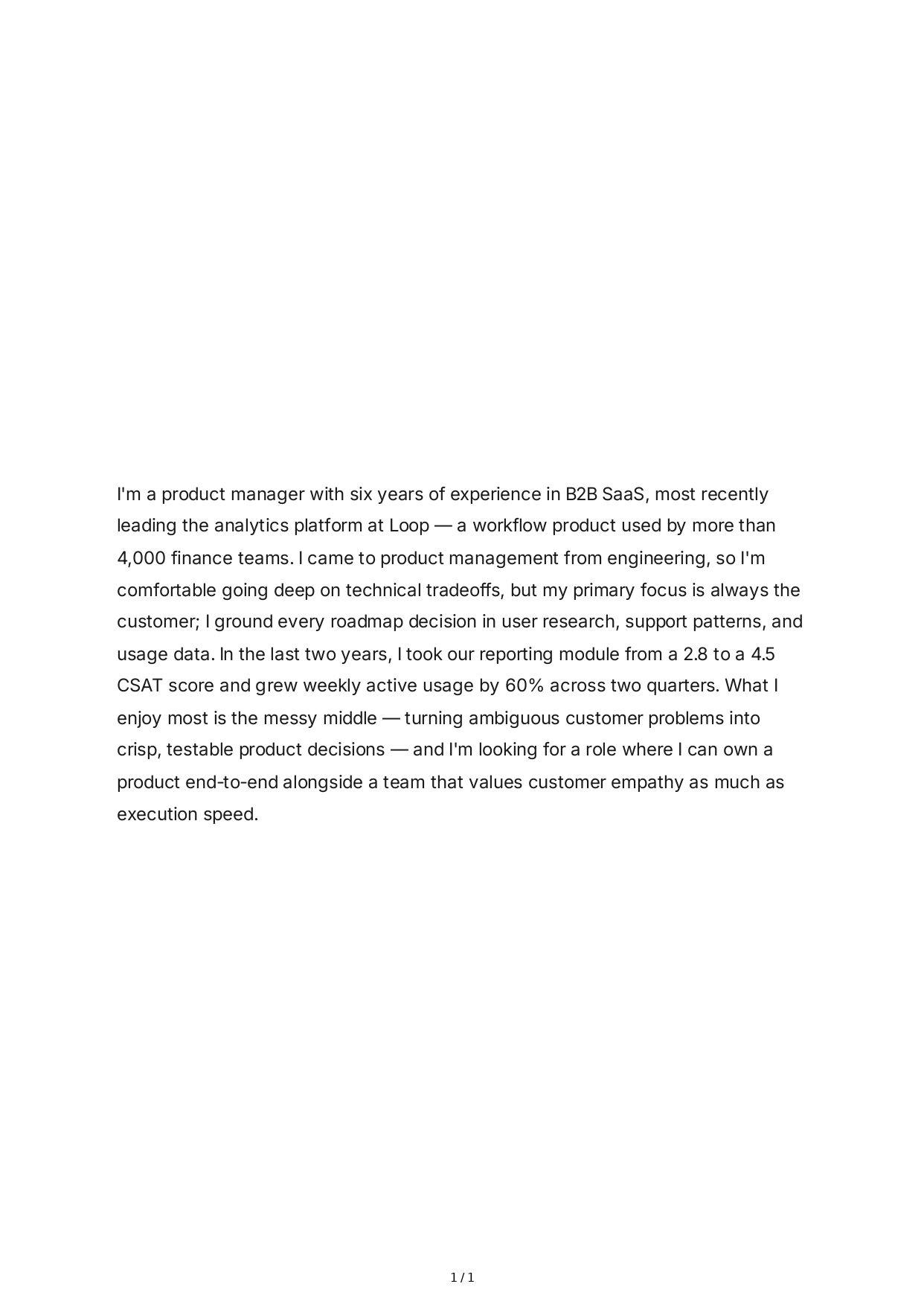
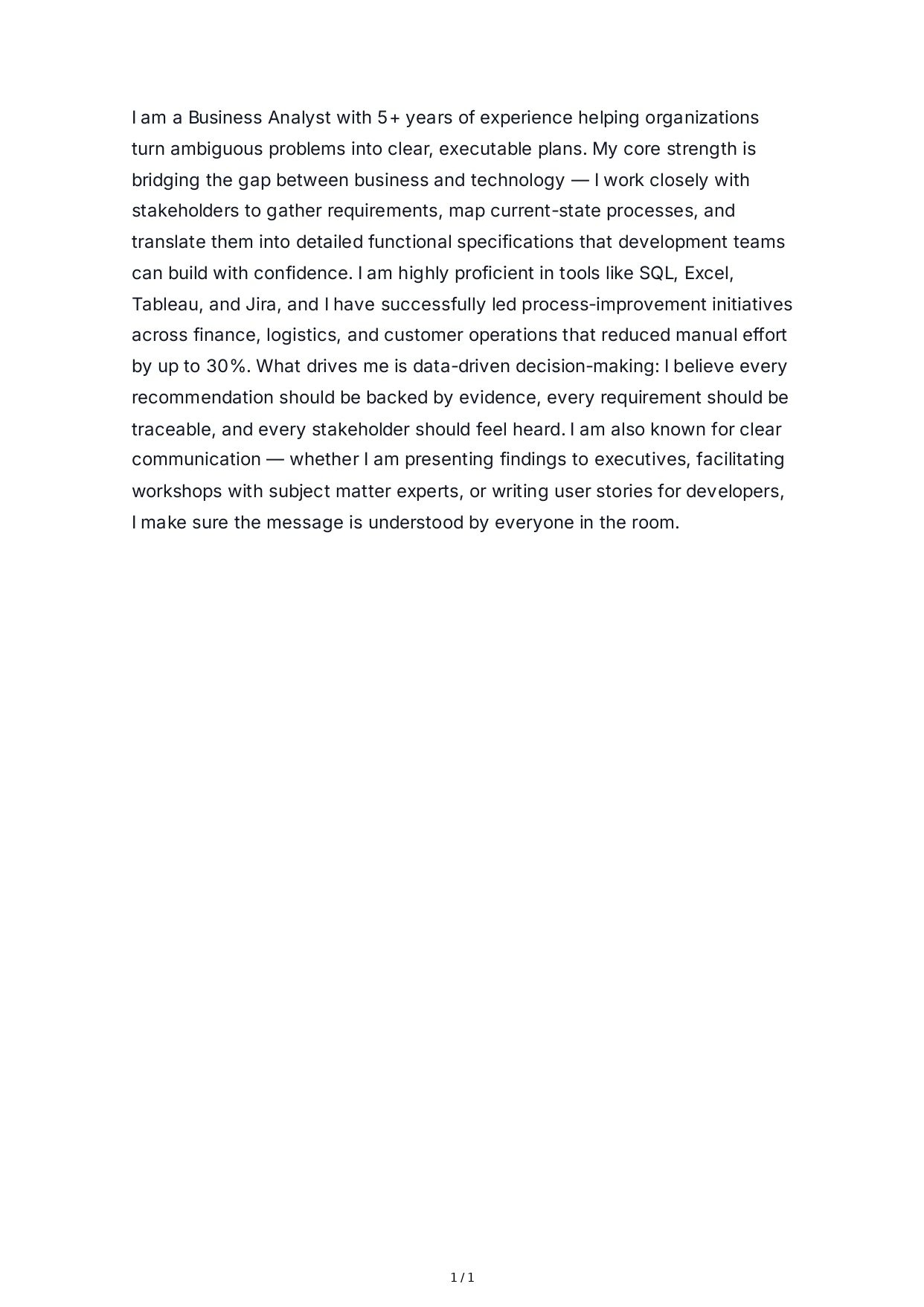
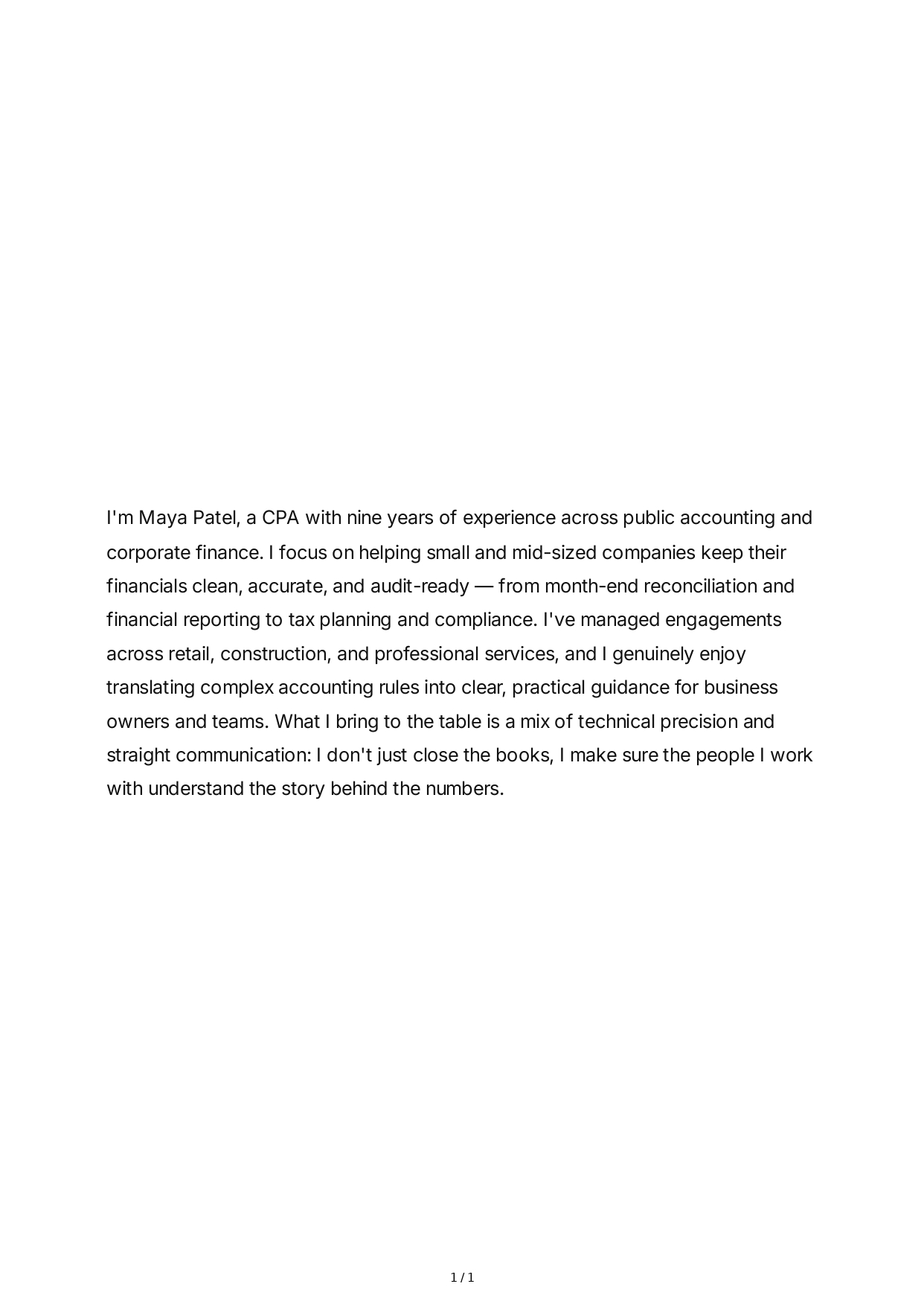
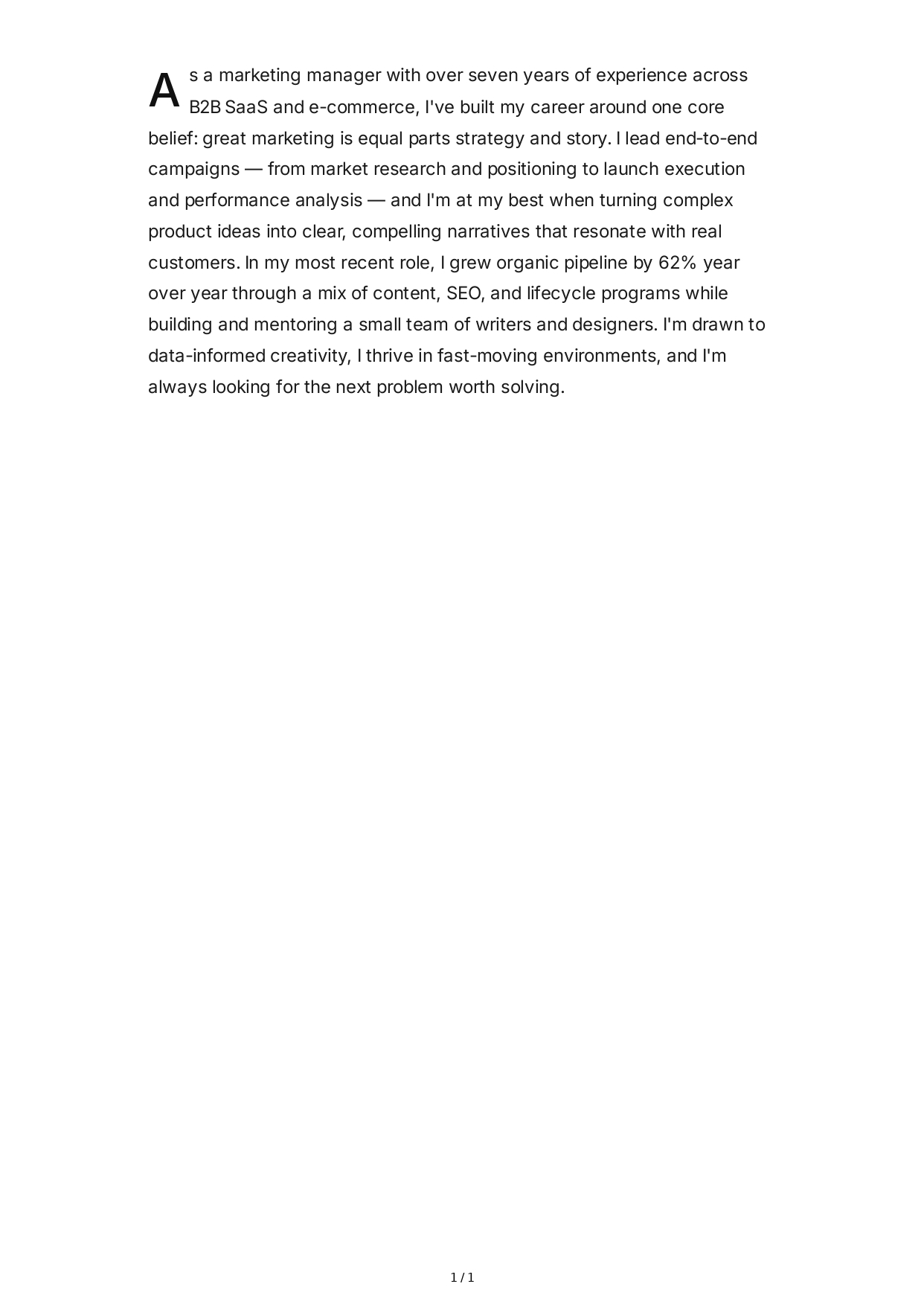
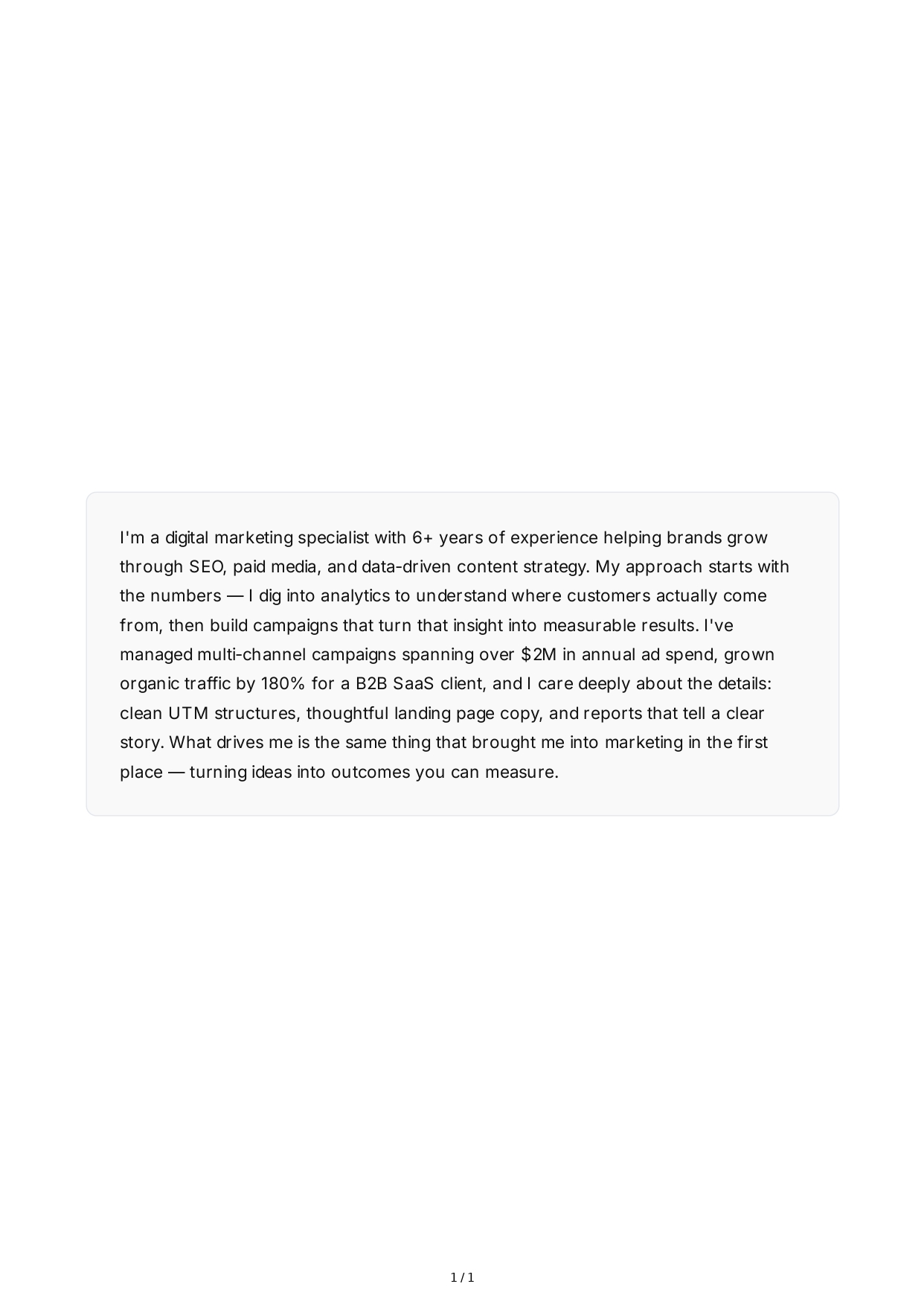
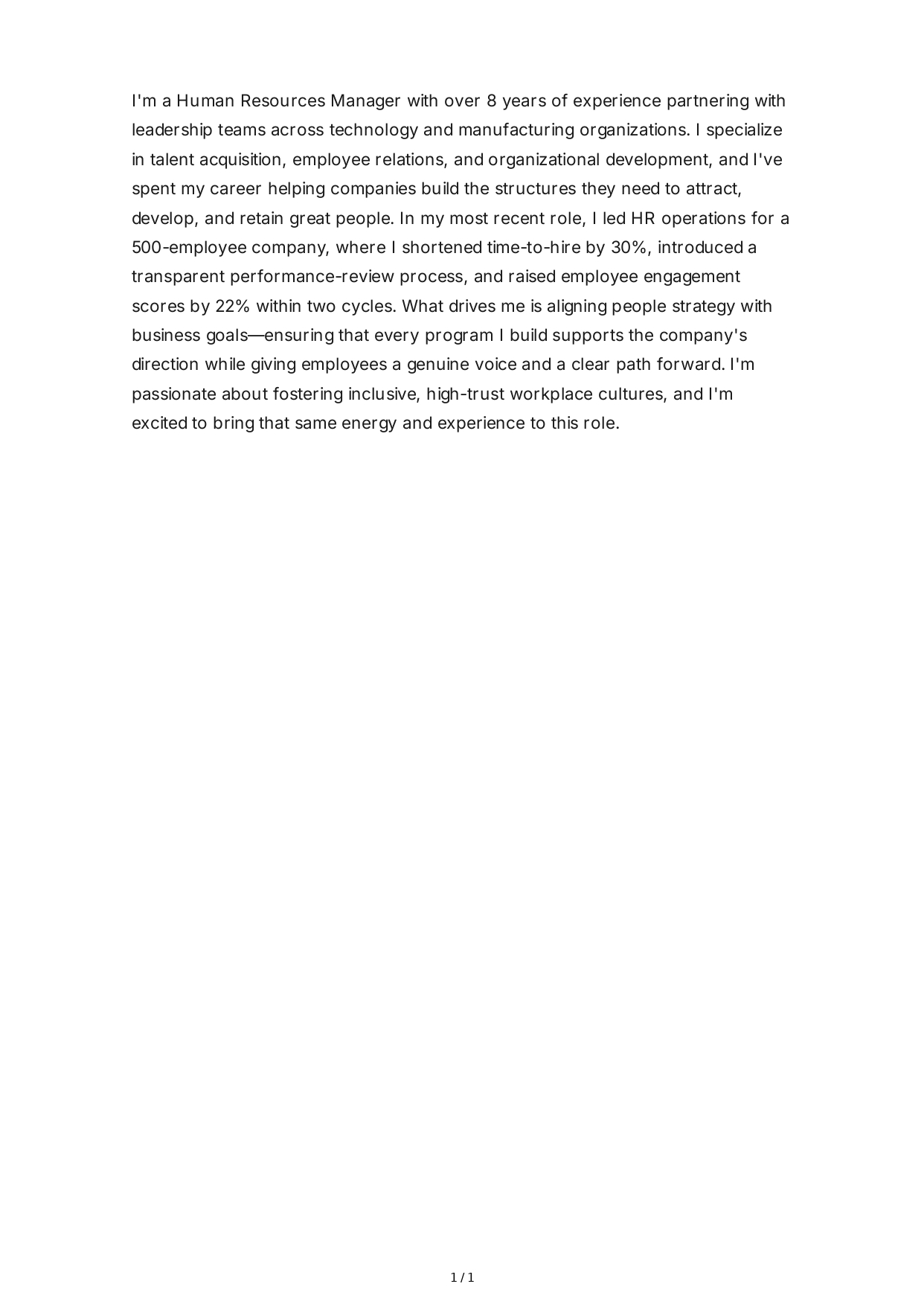
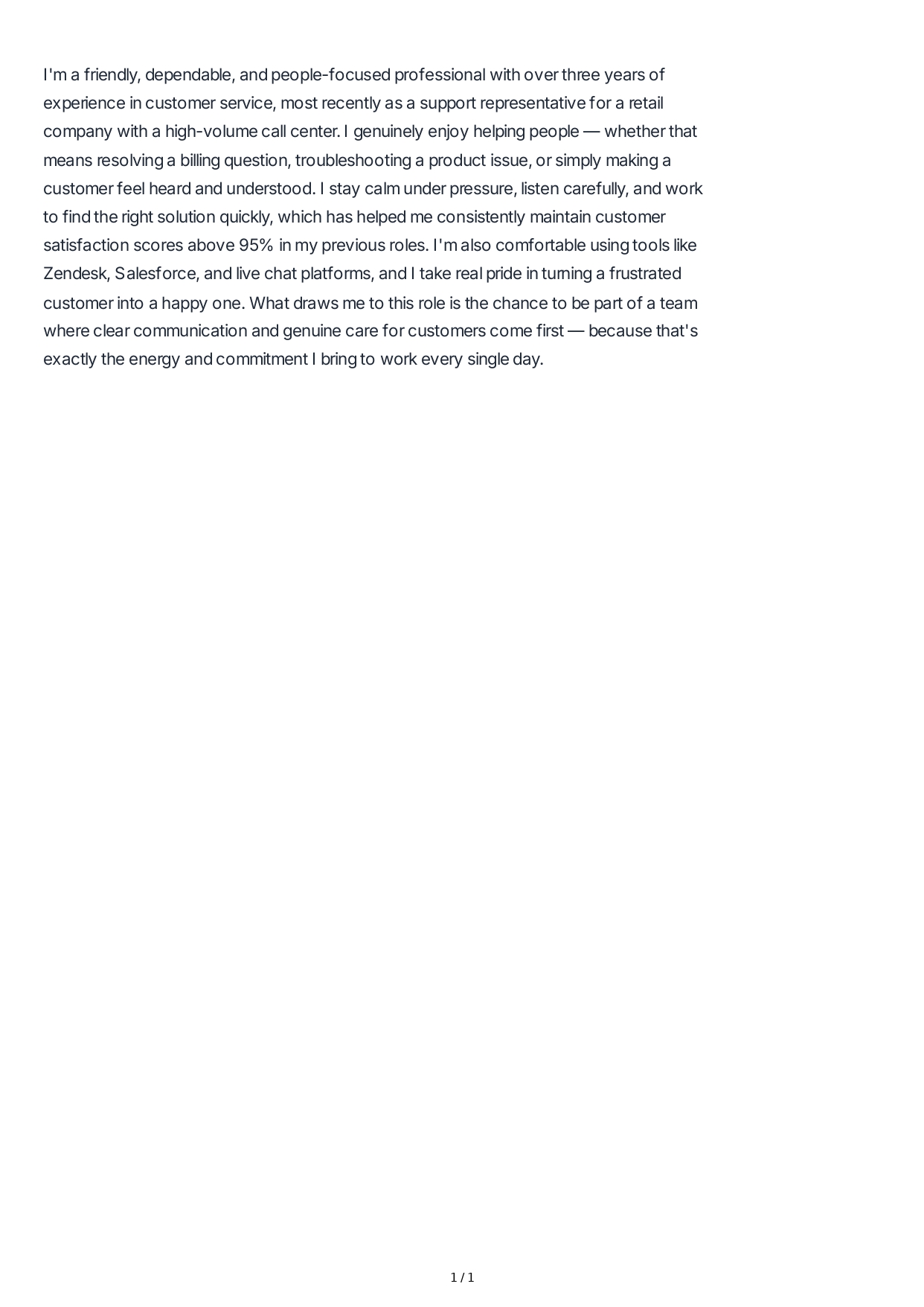
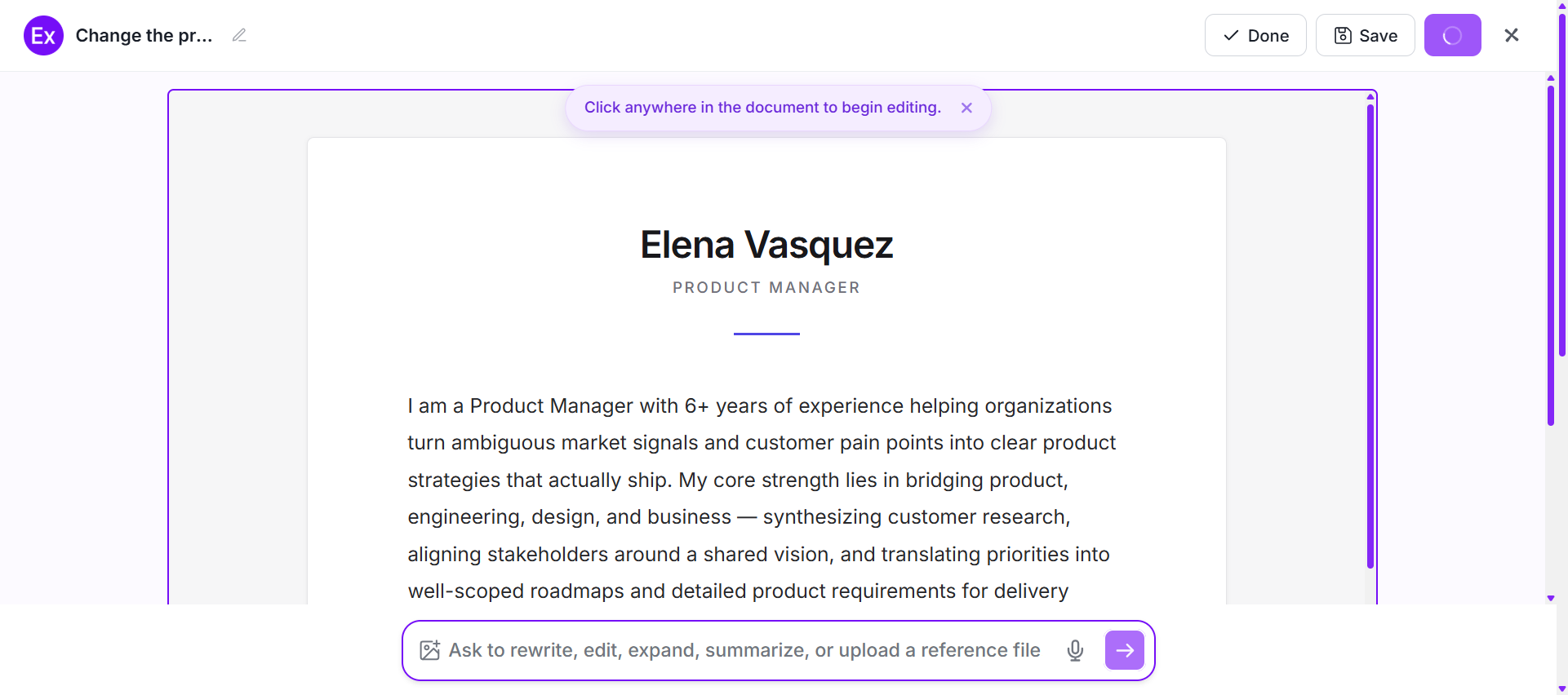
“I’m currently a marketing coordinator with three years of experience in digital campaigns and content strategy. In my previous role, I managed email and social media campaigns and helped increase qualified leads by 25%. I particularly enjoy combining creative content with data-driven decisions. I’m now looking for an opportunity where I can take greater ownership of marketing strategy, which is why this position interests me.”
What Should You Avoid in a “Tell Me About Yourself” Answer?
Avoid turning your response into a personal biography. Interview guidance generally recommends keeping the answer professional and focusing on experiences and achievements relevant to the position.
Avoid:
- Starting with unrelated childhood information.
- Describing your entire resume word for word.
- Listing every job responsibility.
- Giving too many personal details.
- Speaking for several minutes without a clear point.
- Using achievements that have no connection to the role.
- Making claims you cannot support.
- Memorizing an answer so closely that it sounds robotic.
- Speaking negatively about previous employers.
- Ending without explaining your interest in the position.
How Long Should a “Tell Me About Yourself” Answer Be?
A practical target is about 60–90 seconds. Some situations may call for a shorter answer, while an interviewer may invite you to expand. The important point is to provide enough information to establish your professional story without rambling.
A simple time breakdown is:
- 20–30 seconds: Current role, education, or professional identity.
- 30–40 seconds: Relevant experience and achievement.
- 15–20 seconds: Why you want the opportunity.
How Can You Make Your Answer More Memorable?
Use one specific accomplishment instead of listing many generic strengths.
For example, instead of saying:
“I’m a hardworking and dedicated employee.”
Say:
“In my previous role, I redesigned our client follow-up process, which helped the team respond to inquiries more efficiently.”
Specific evidence makes your answer more credible and gives the interviewer something meaningful to ask about.
Frequently Asked Questions
What is the best way to answer “Tell me about yourself”?
Use a Present–Past–Future structure. Introduce what you currently do, explain the most relevant part of your background, highlight a useful achievement, and connect your experience to the position.
Should I talk about my personal life?
Usually, no. Keep your response professional unless the interviewer specifically asks about your personal background. Focus on information that helps demonstrate your qualifications and suitability for the opportunity.
Should I mention my strengths?
Yes, but connect them to evidence. Instead of simply saying you are a good communicator, briefly explain how you used communication skills to solve a problem, support customers, lead a project, or achieve a result.
Can I use the same “Tell Me About Yourself” answer for every interview?
Use the same basic structure, but customize the details. Emphasize the experience, skills, achievements, and goals that are most relevant to each job.
What should a fresher say when asked “Tell me about yourself”?
A fresher can discuss their degree, relevant coursework, internships, projects, certifications, extracurricular activities, skills, and career interests. Focus on evidence that demonstrates potential even if you have limited professional experience.
What if I have a career gap?
Briefly explain the gap if relevant, then shift the focus to what you learned, accomplished, or developed during that period. Keep the explanation positive and return quickly to your qualifications for the role.
Should I memorize my answer?
It is better to practice than memorize. Know the main points you want to cover so you can speak naturally and adapt your response to the interviewer.
What is the biggest mistake candidates make?
One of the most common mistakes is making the answer too long or simply repeating the resume. Interviewers already have access to your application materials, so use the opportunity to provide context, highlight relevant strengths, and explain why you are interested in the role.
What is a good closing sentence?
Connect your background to the opportunity. For example: “That experience has prepared me well for this role, and I’m excited about the opportunity to bring those skills to your team.”