
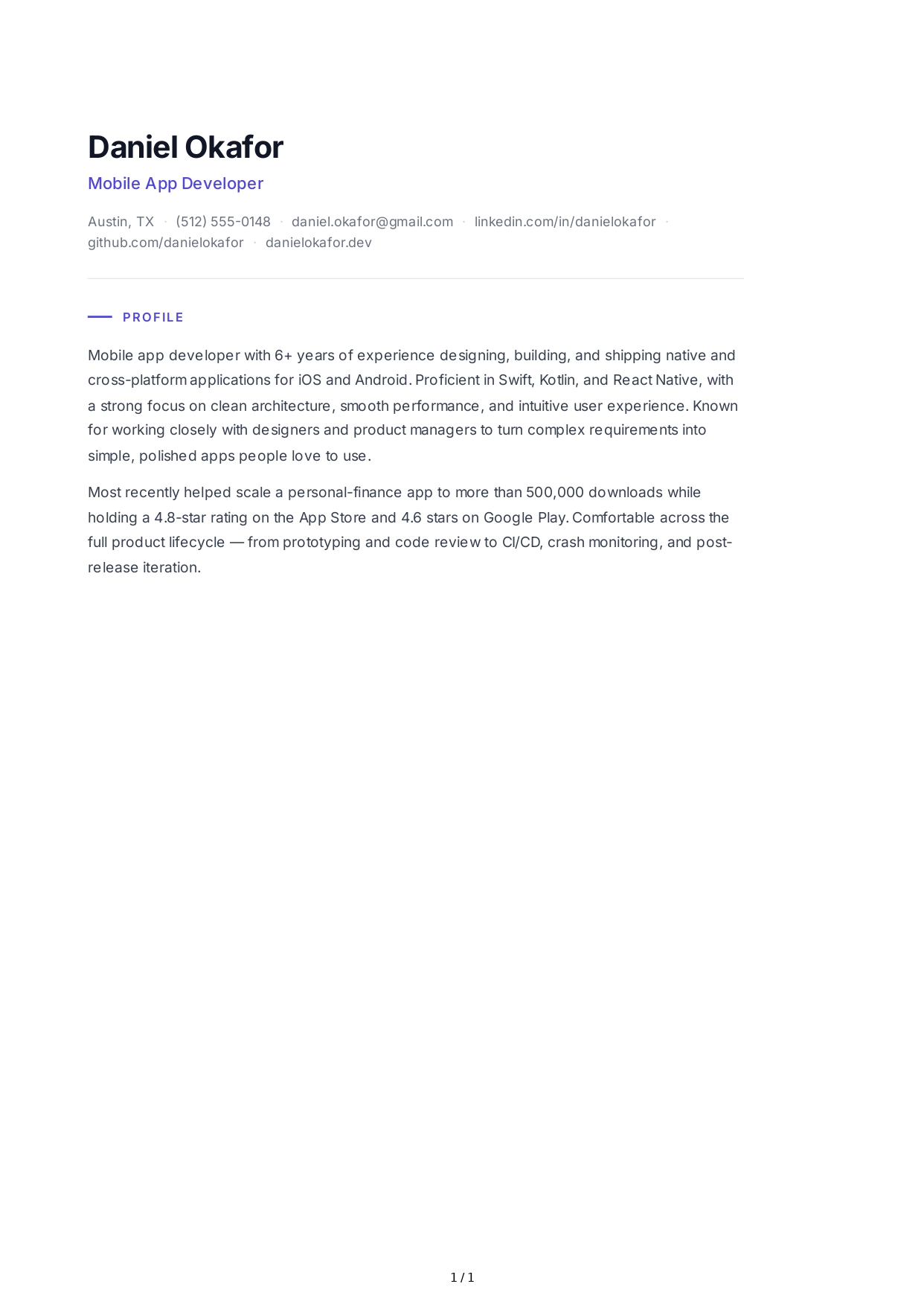
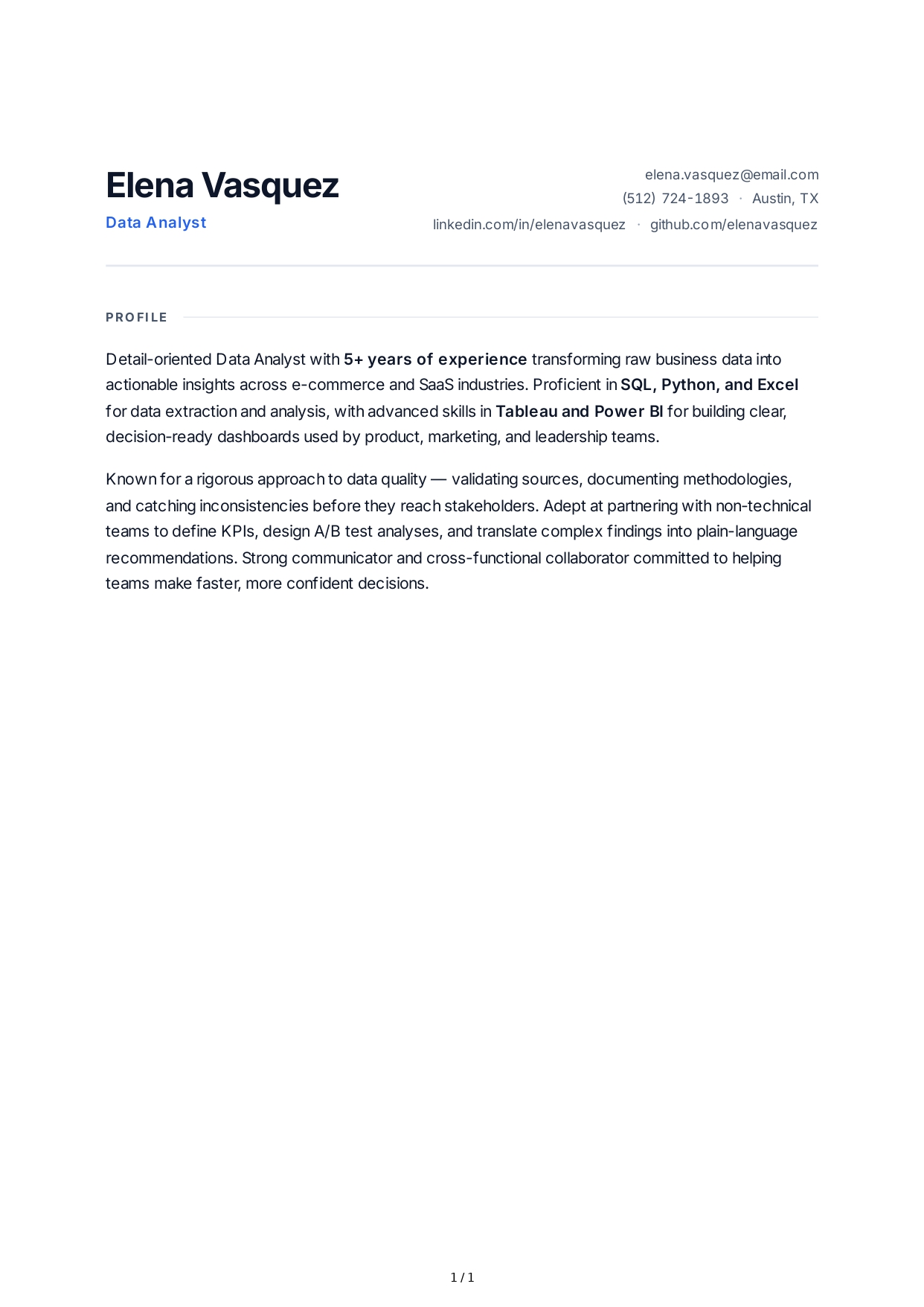
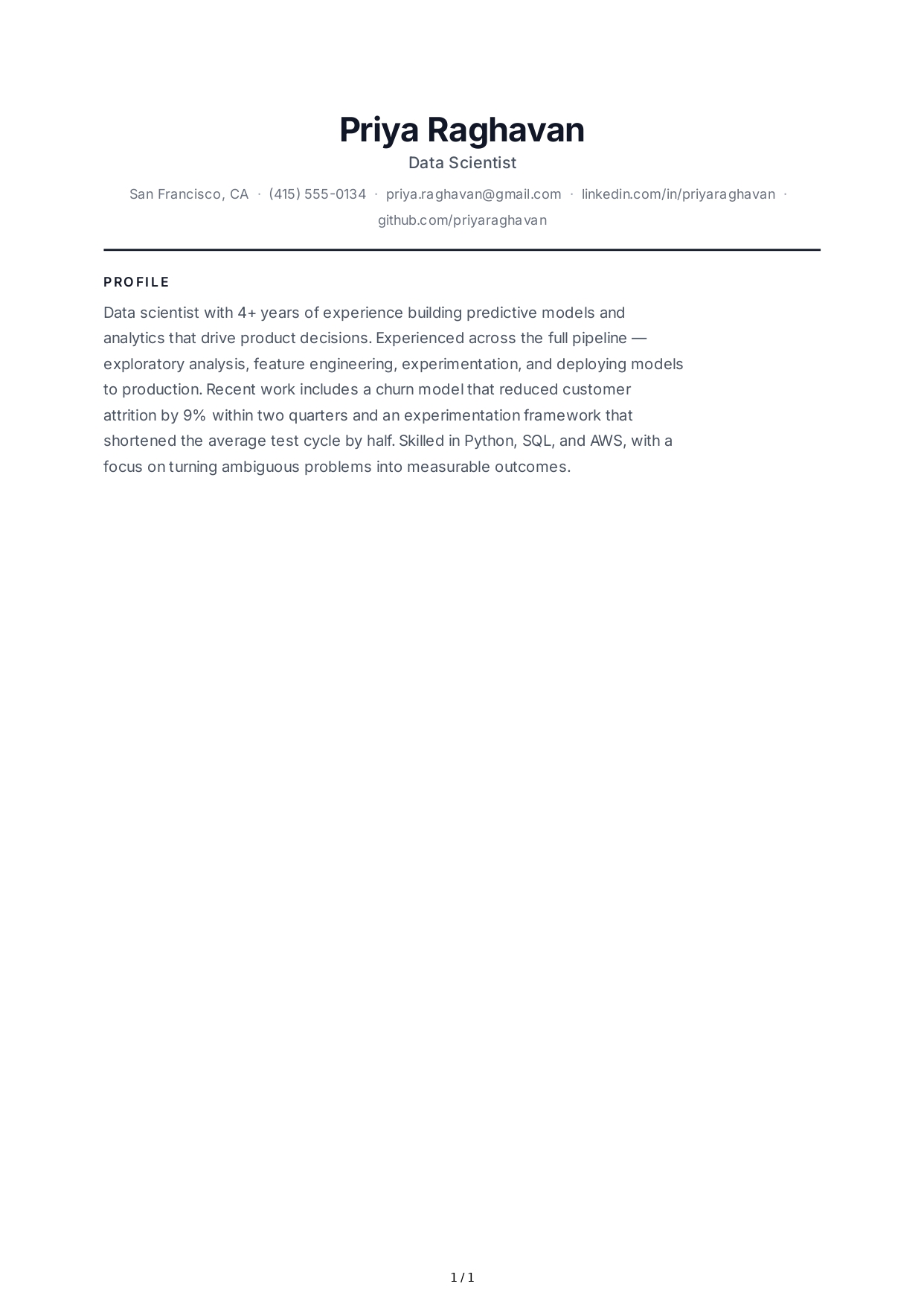
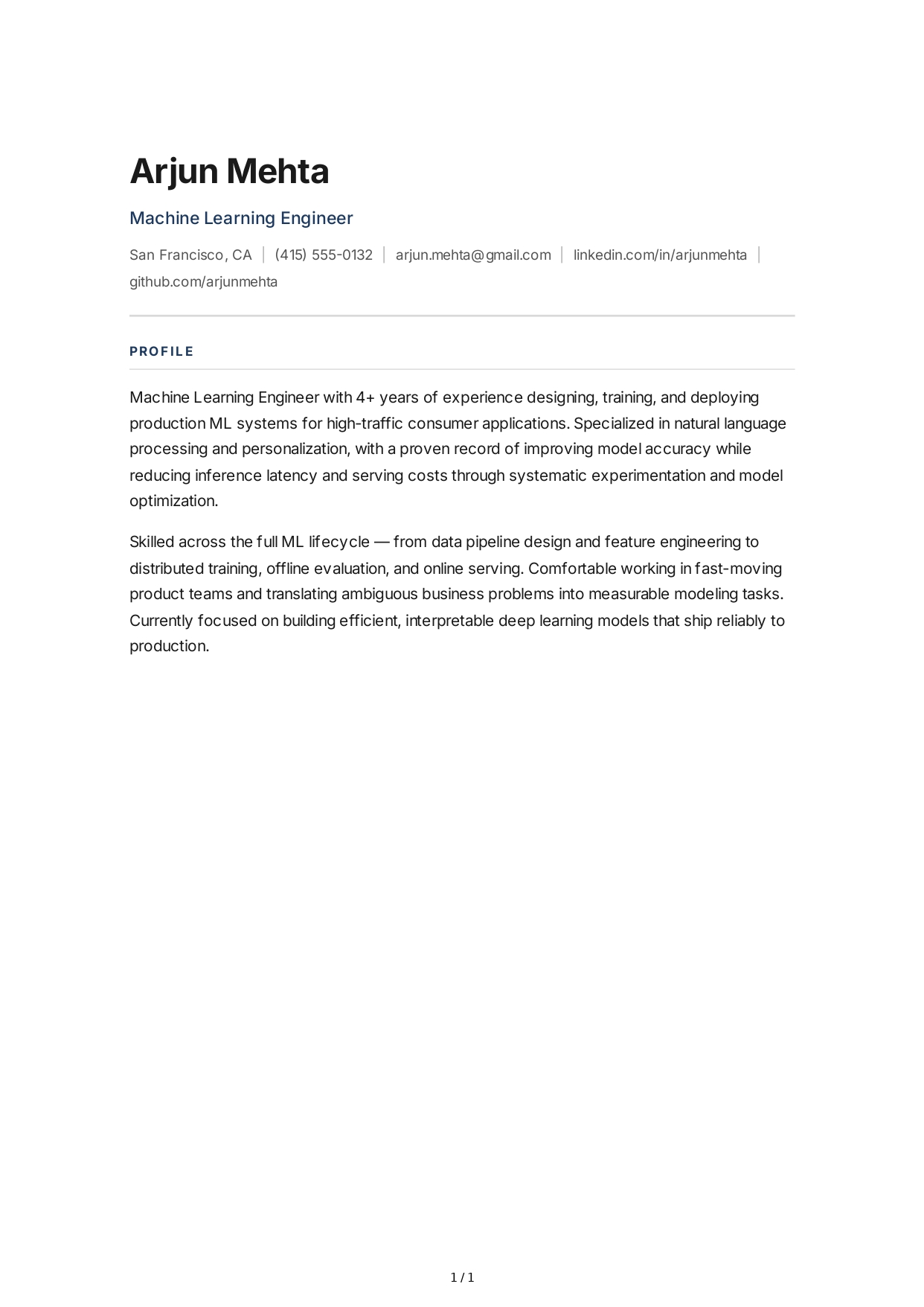
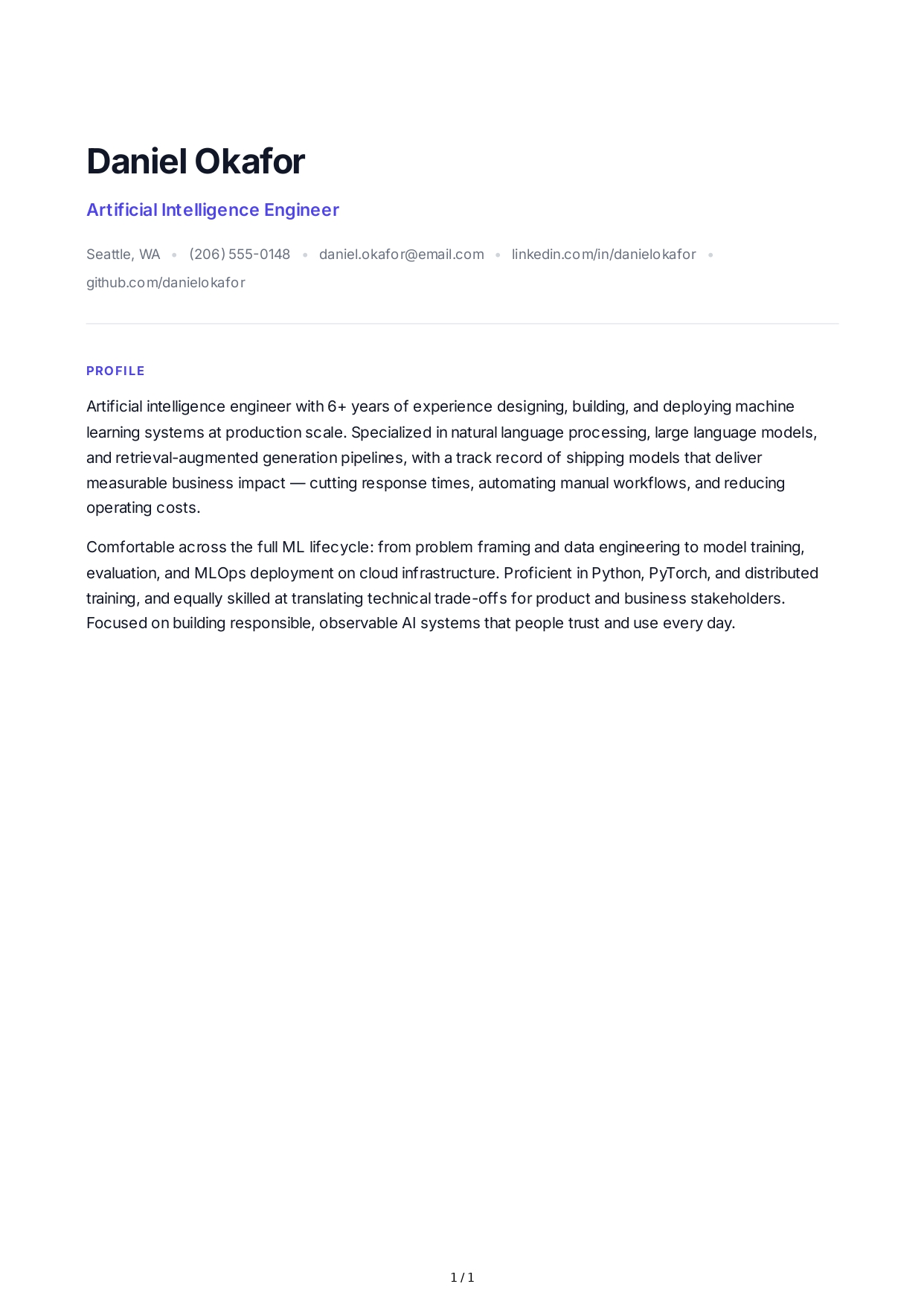
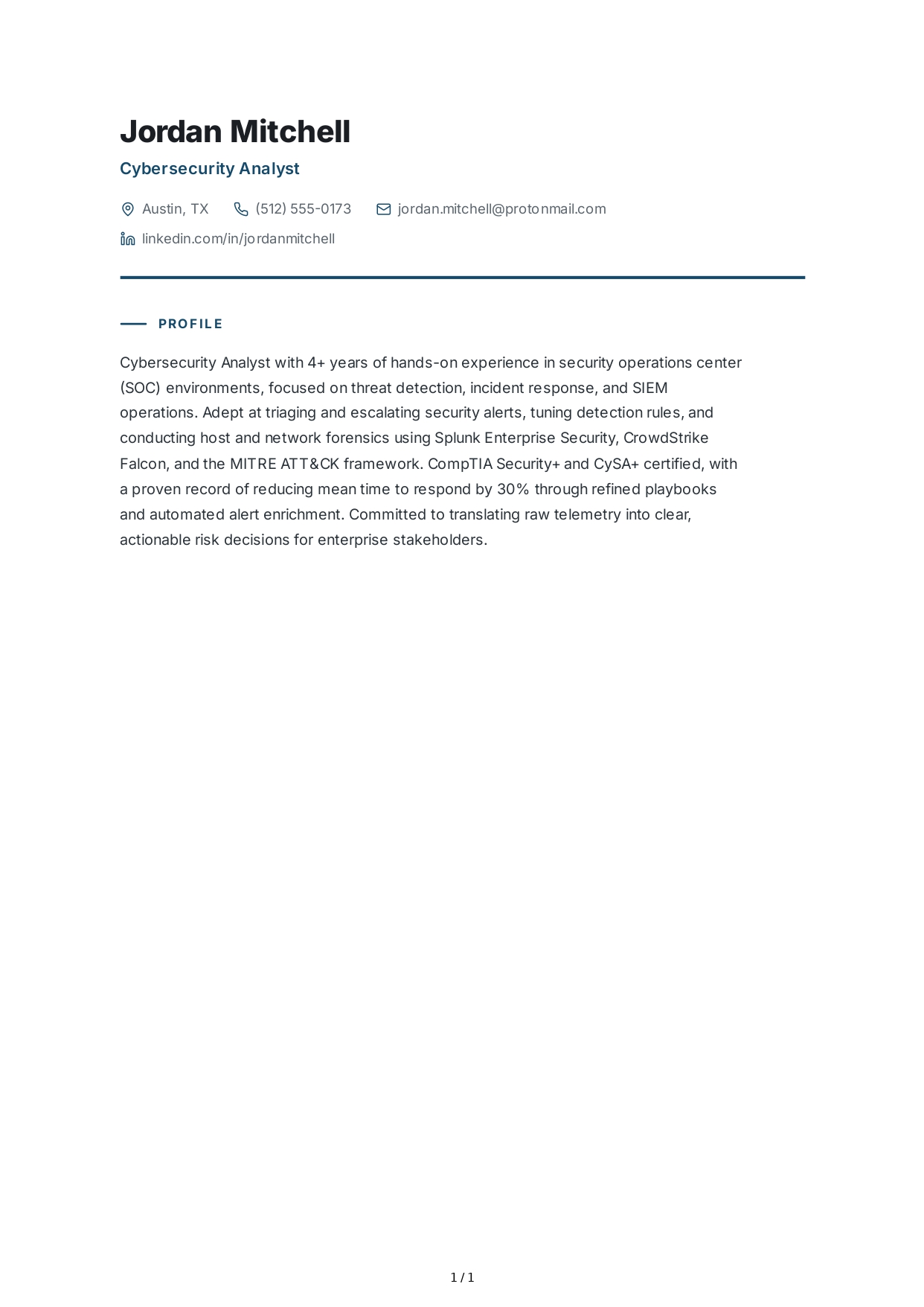
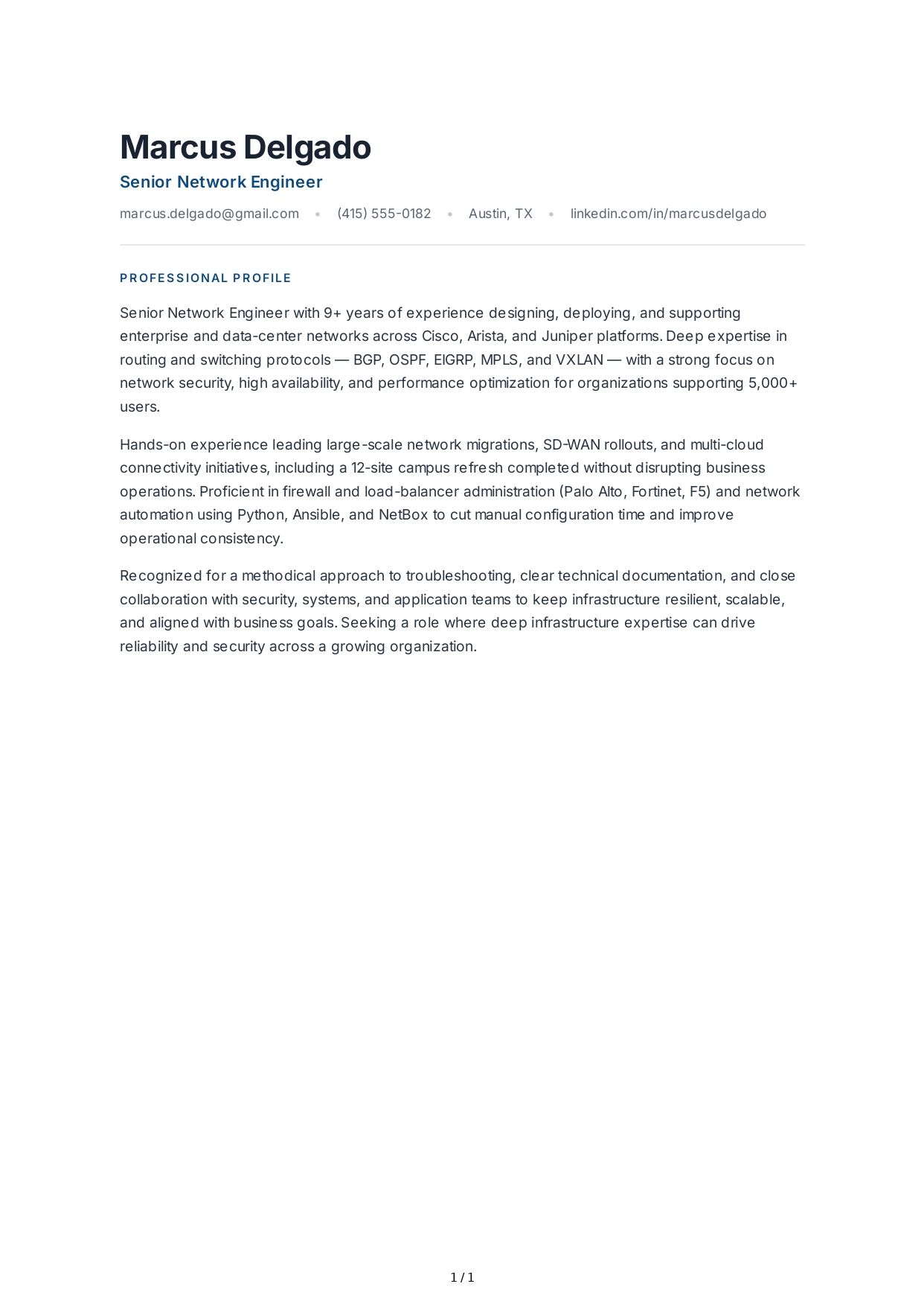
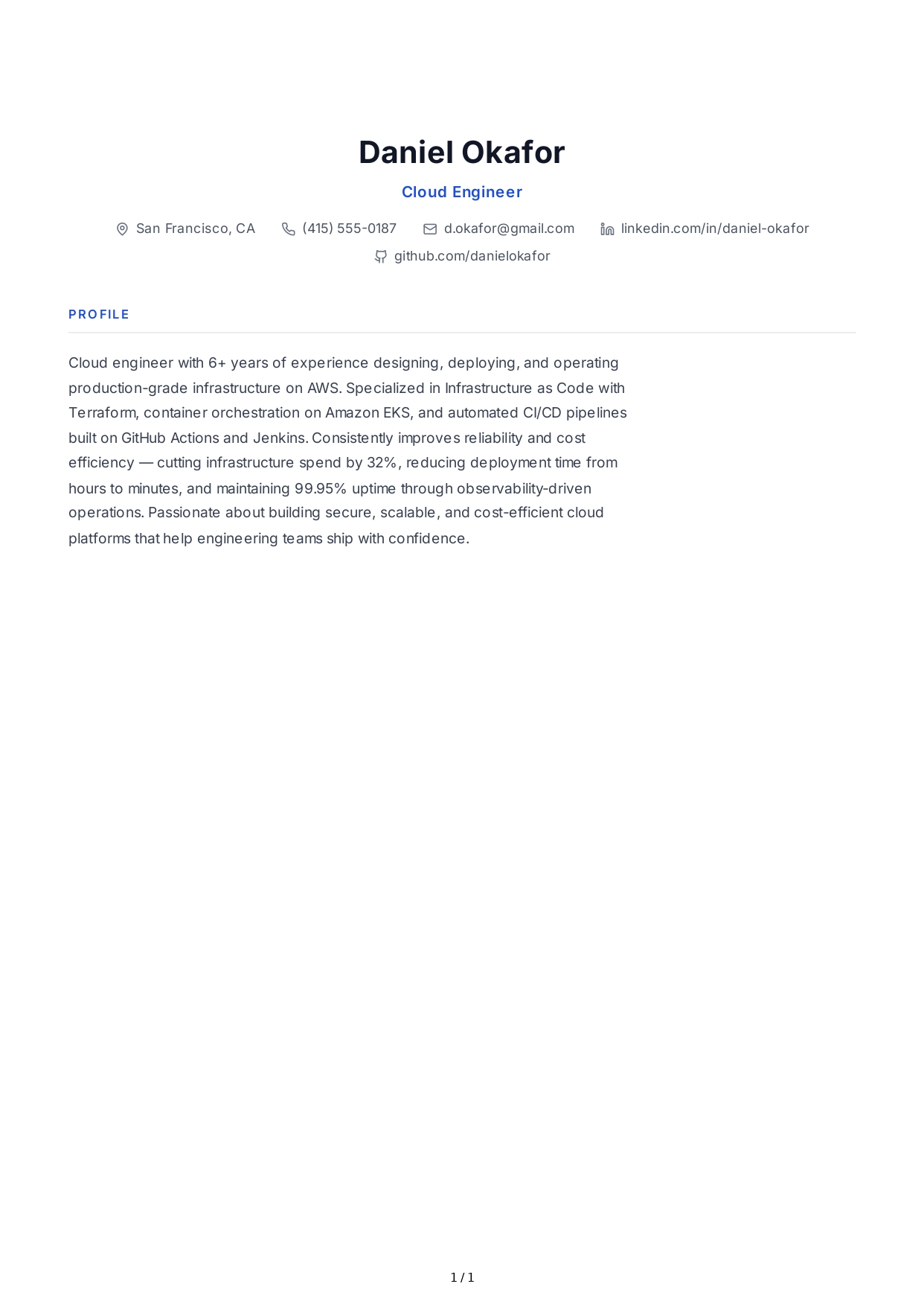
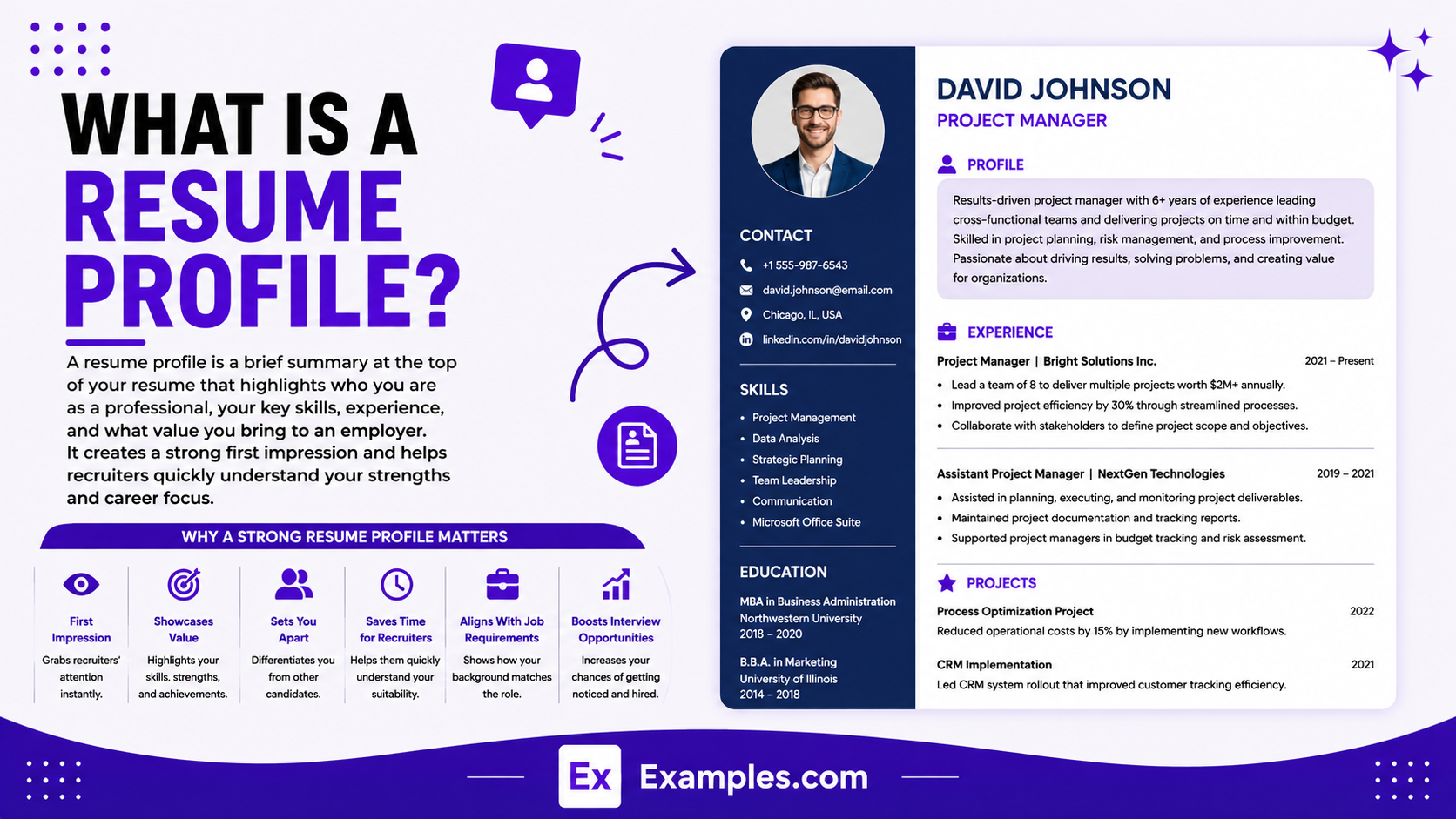
A resume profile is a short professional introduction placed near the top of a resume. It highlights your experience, key skills, career strengths, achievements, and the value you can bring to a specific role. A strong resume profile should be concise, relevant to the job description, and tailored to the position you want.
A resume profile can help employers quickly understand your professional background before they read the rest of your resume. It is especially useful for experienced professionals, career changers, and applicants who want to emphasize a particular area of expertise.
What is a Resume Profile?
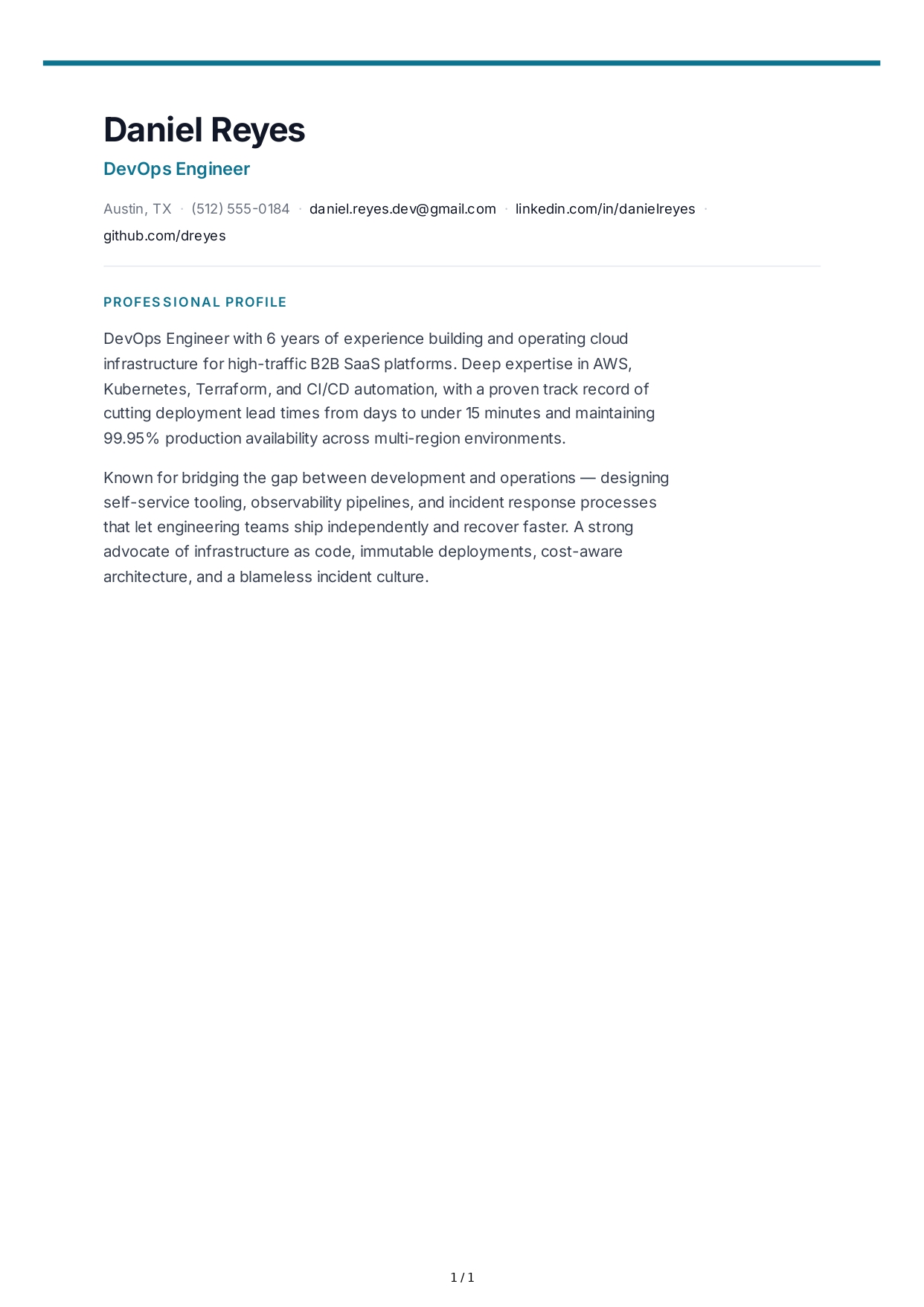
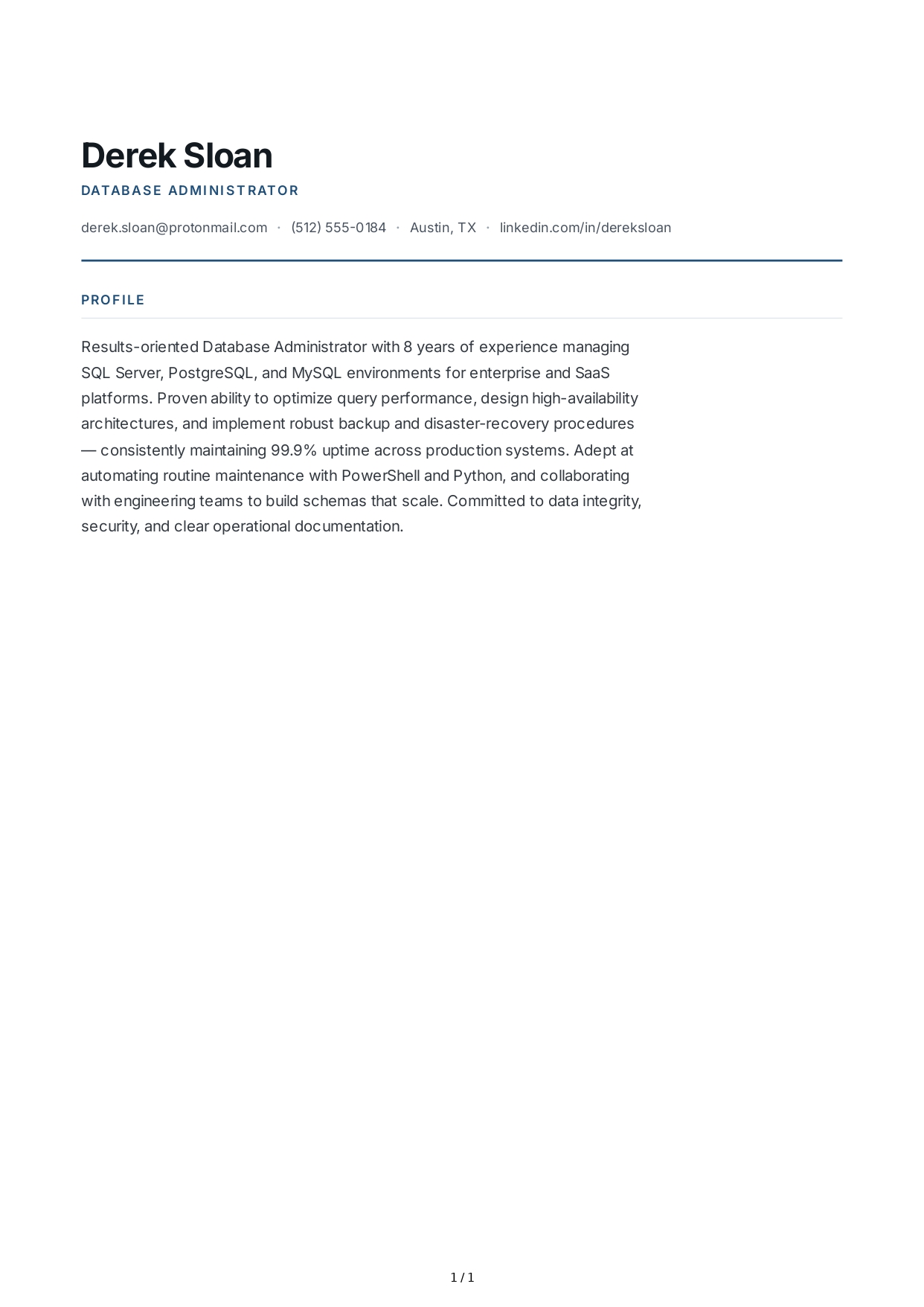
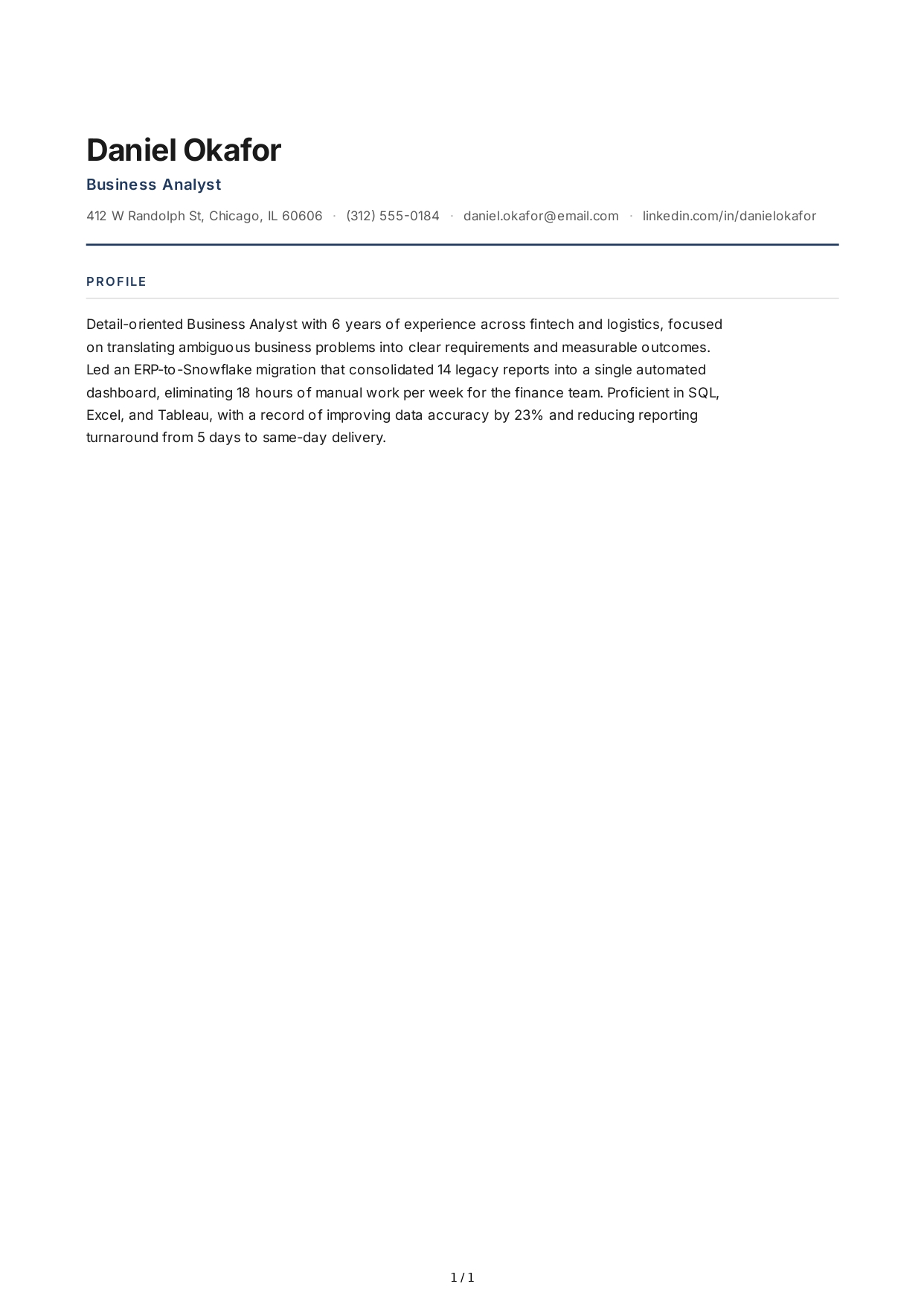
A resume profile is a brief statement at the beginning of a resume that summarizes who you are professionally and why you are a strong candidate for the position.
It may include:
- Professional title or career focus
- Years of experience
- Core skills
- Areas of expertise
- Relevant qualifications
- Major accomplishments
- Career strengths
- Job-specific keywords
- Career direction or professional focus
Popular Types Of Resume Profile
Resume profiles should reflect the candidate’s experience, industry, career level, and target position. Here are some of the most useful types of resume profiles.
1. Entry-Level Resume Profile
Designed for recent graduates and candidates with limited professional experience.
Example:
Recent business administration graduate with internship experience in customer service, data organization, and office administration. Strong communication, research, and problem-solving skills with an interest in supporting efficient business operations.
2. Experienced Professional Resume Profile
Highlights years of experience, expertise, and measurable results.
Example:
Results-focused operations manager with 8+ years of experience leading teams, improving workflows, and managing business operations. Skilled in process optimization, performance reporting, and cross-functional collaboration, with a record of improving efficiency and reducing operating costs.
3. Career Change Resume Profile
Connects transferable skills from one career to a new field.
Example:
Customer service supervisor transitioning into human resources, bringing 6 years of experience in employee support, scheduling, conflict resolution, and team coordination. Experienced in training new employees and maintaining confidential records, with a strong interest in employee relations.
4. Executive Resume Profile
Emphasizes leadership, strategy, business impact, and organizational results.
Example:
Strategic business executive with 15+ years of experience leading revenue growth, organizational transformation, and high-performing teams. Proven ability to develop growth strategies, manage complex operations, and build partnerships that support long-term business objectives.
5. Technical Resume Profile
Focuses on technical expertise, tools, systems, and problem-solving abilities.
Example:
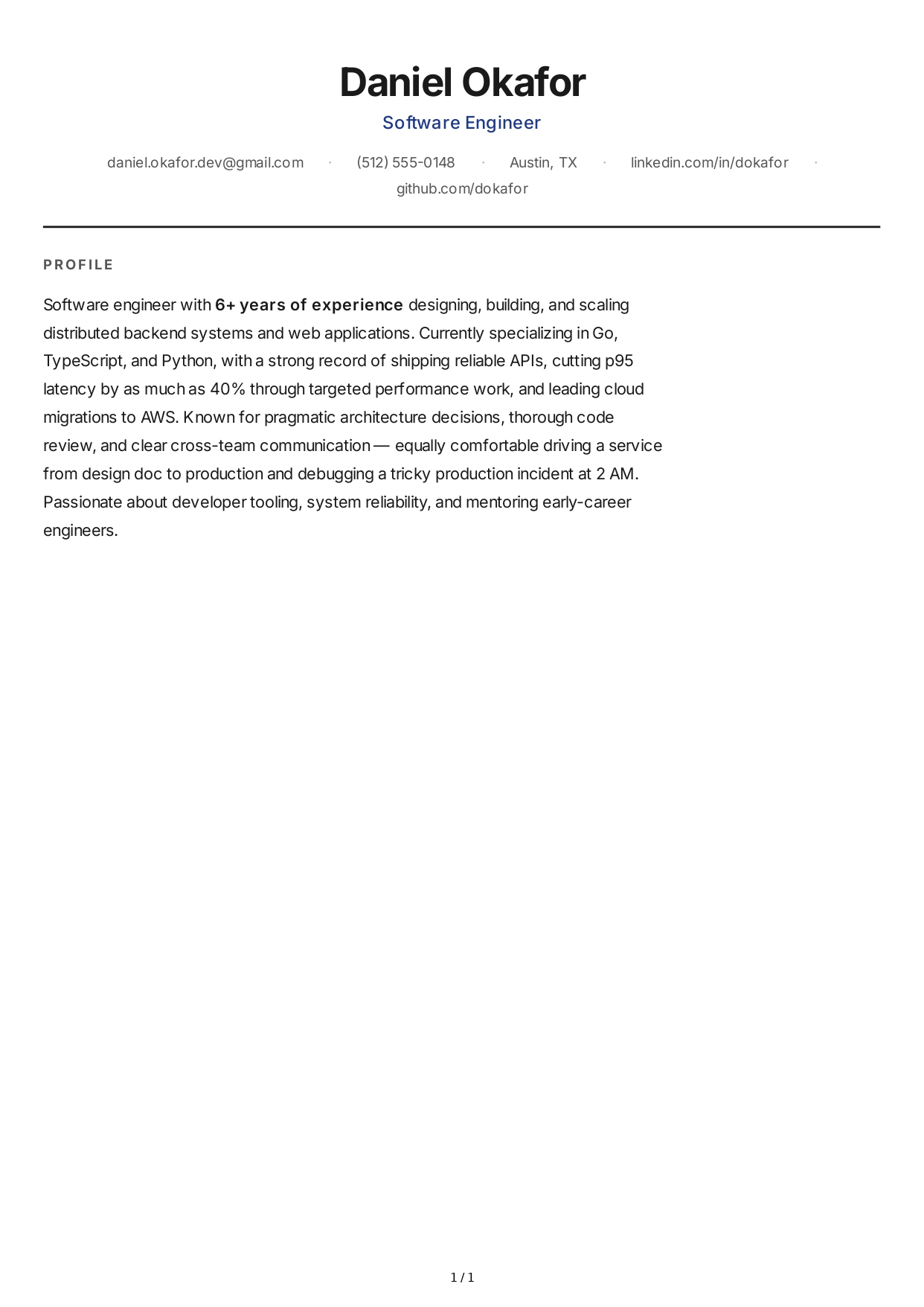
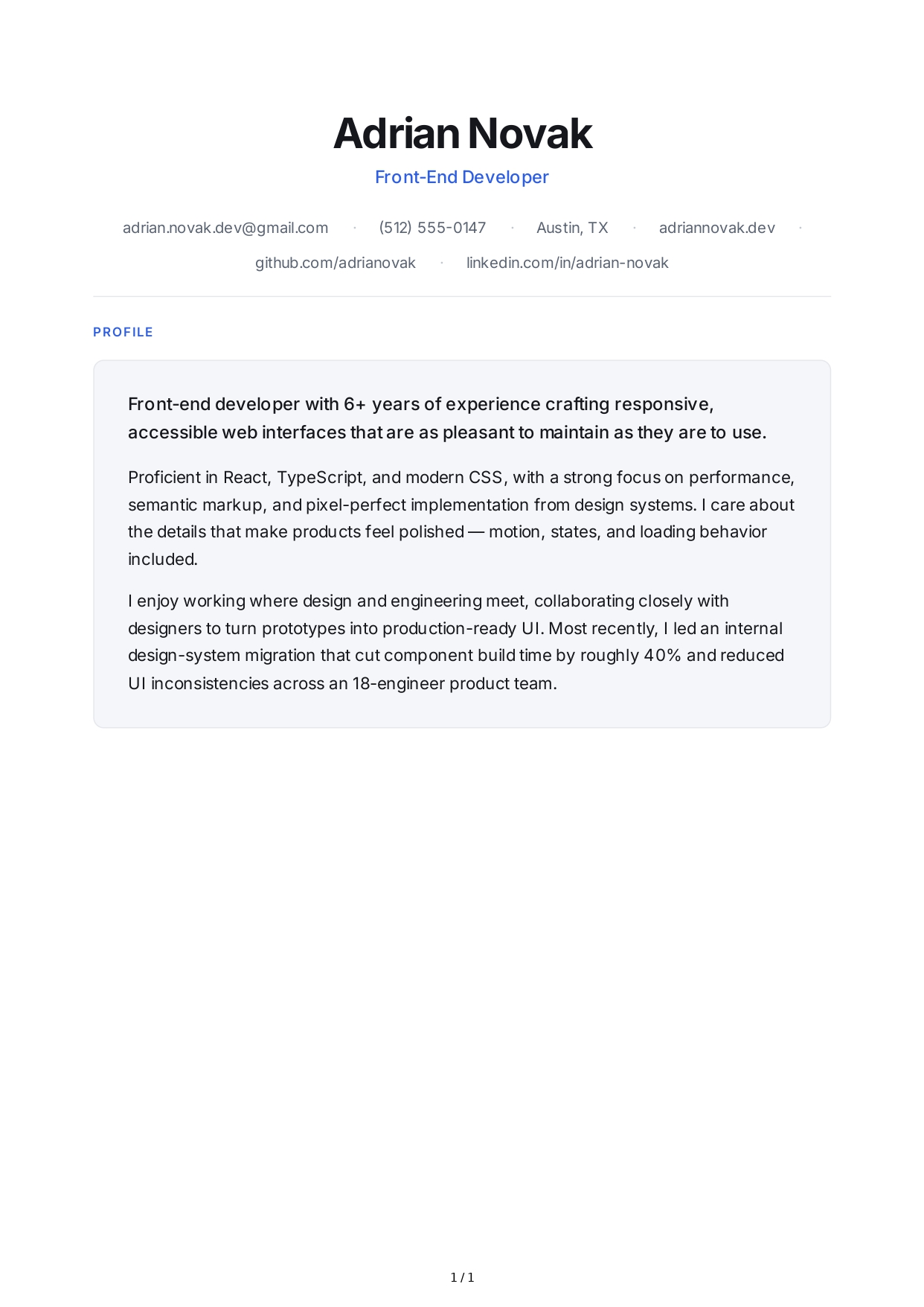
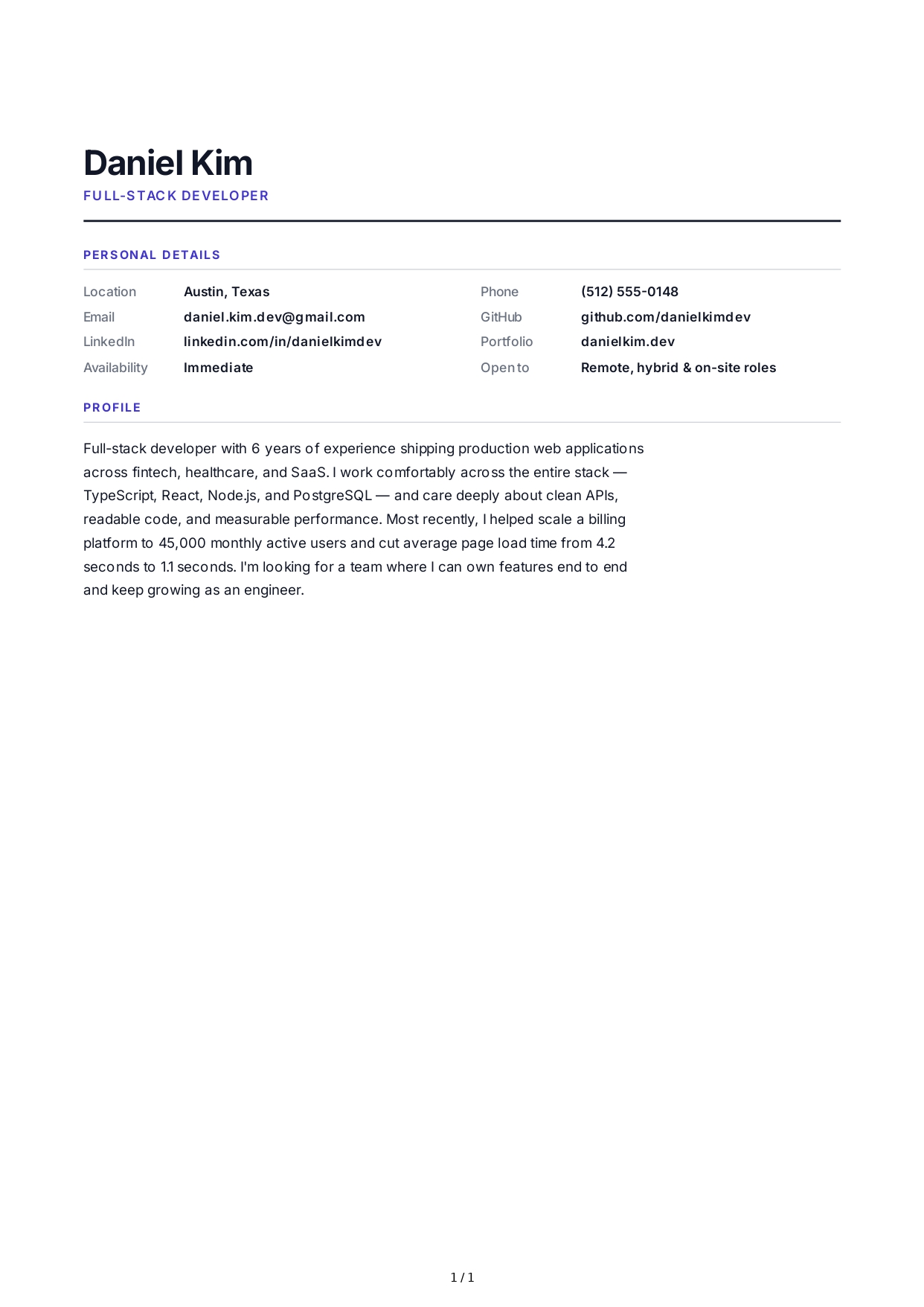
Software engineer with 6 years of experience developing scalable web applications using JavaScript, TypeScript, React, and Node.js. Skilled in API development, cloud deployment, testing, and performance optimization, with a strong focus on building reliable user experiences.
6. Industry-Specific Resume Profile
Targets a particular profession or industry by emphasizing specialized qualifications.
Example:
Detail-oriented financial analyst with 5 years of experience in financial modeling, forecasting, reporting, and variance analysis. Skilled in Excel, financial dashboards, and data interpretation, with experience supporting budgeting and strategic planning decisions.
7. Achievement-Focused Resume Profile
Leads with measurable accomplishments instead of simply listing responsibilities.
Example:
Digital marketing specialist with 5 years of experience managing paid and organic campaigns. Increased qualified website traffic by 42% and improved campaign conversion rates through audience segmentation, testing, and performance optimization.
8. Student Resume Profile
Useful for students who want to emphasize education, projects, internships, and relevant skills.
Example:
Marketing student with hands-on experience creating social media campaigns, conducting market research, and developing promotional content through academic and internship projects. Creative communicator with strong analytical skills and an interest in brand marketing.
9. Freelancer Resume Profile
Highlights independent work, client management, specialized services, and results.
Example:
Freelance graphic designer specializing in brand identity, digital marketing graphics, and presentation design. Experienced in managing multiple client projects from concept to delivery while maintaining consistent visual standards and deadlines.
10. Remote Work Resume Profile
Emphasizes communication, organization, digital collaboration, and independent work.
Example:
Organized project coordinator with 4 years of experience supporting distributed teams and managing multiple projects remotely. Skilled in digital collaboration, scheduling, documentation, and stakeholder communication across time zones.
11. Leadership Resume Profile
Best for applicants targeting management or team-lead positions.
Example:
People-focused team leader with 7 years of experience managing customer operations and developing high-performing teams. Skilled in coaching, performance management, workflow improvement, and cross-functional communication.
12. Specialized Skills Resume Profile
Useful when a particular technical or professional skill is central to the target job.
Example:
Cybersecurity analyst specializing in threat monitoring, vulnerability assessment, incident response, and security documentation. Experienced with security monitoring tools and risk-based analysis, with a strong focus on protecting business systems and sensitive data.
How Do I Generate Resume Profile Using Proven Examples from Top Companies?
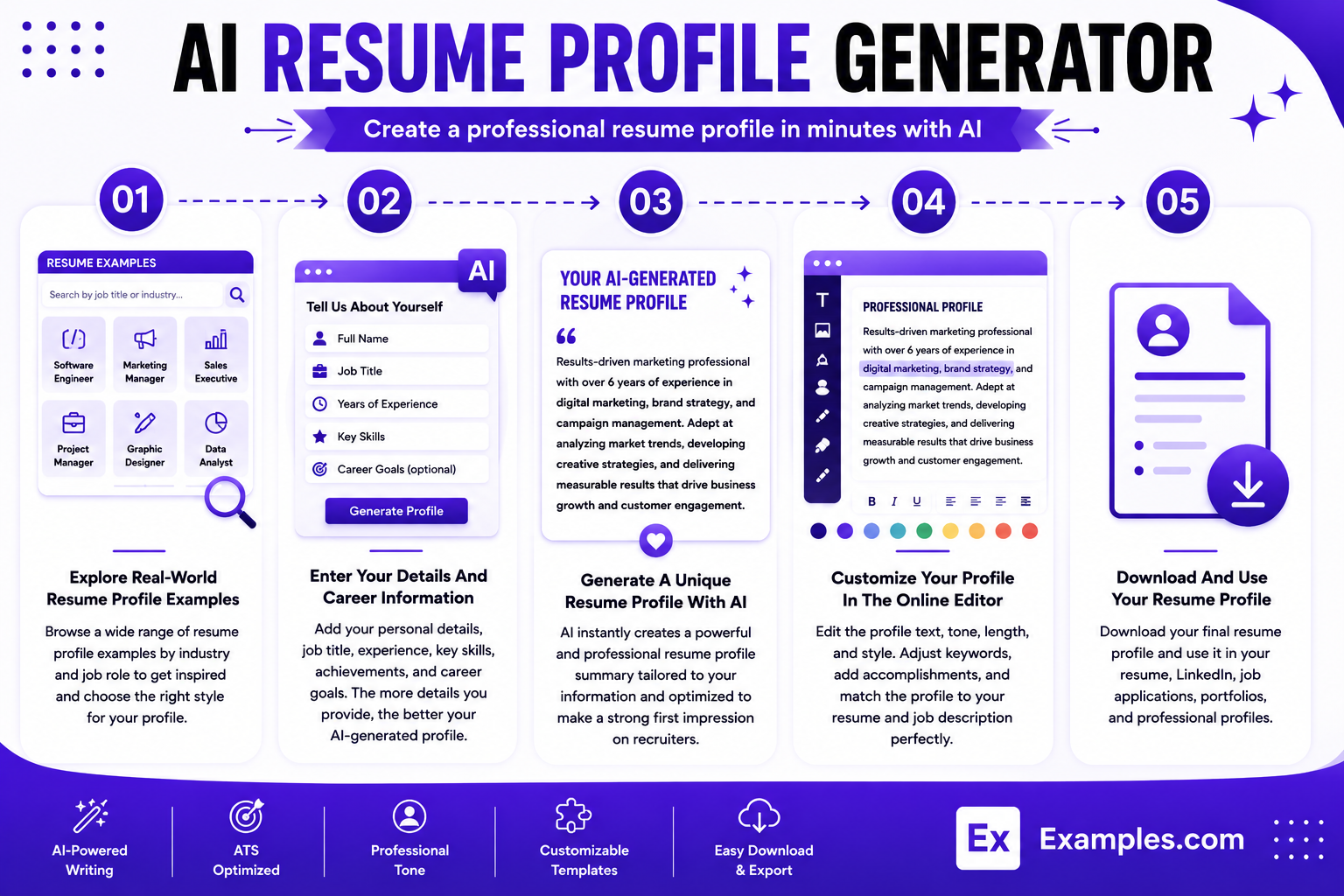
Creating a resume profile with AI can help you turn your career information into a concise professional introduction. The best results come from combining relevant resume profile examples with accurate information about your experience, skills, accomplishments, and target role.
Explore Real-World Resume Profile Examples
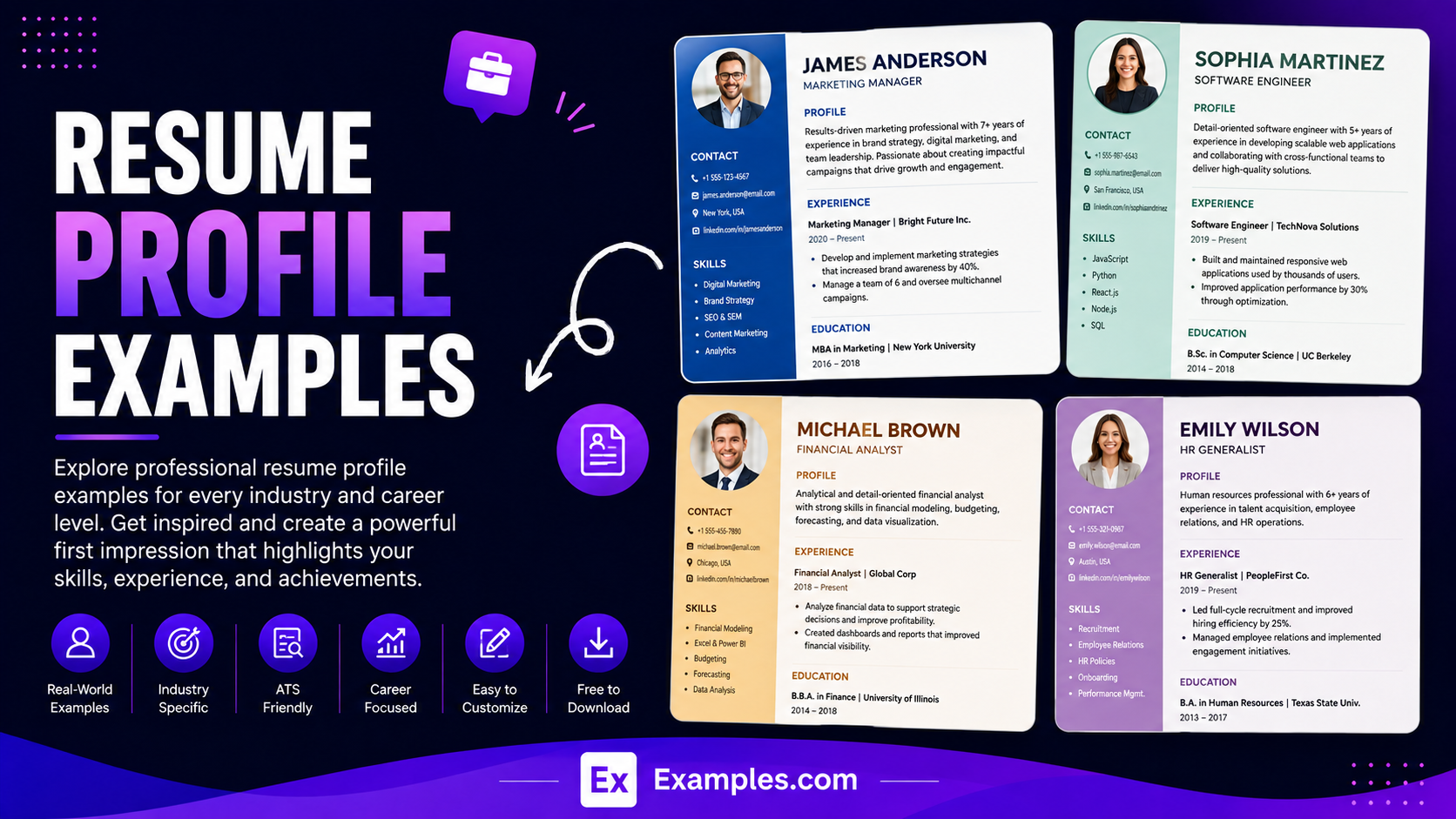
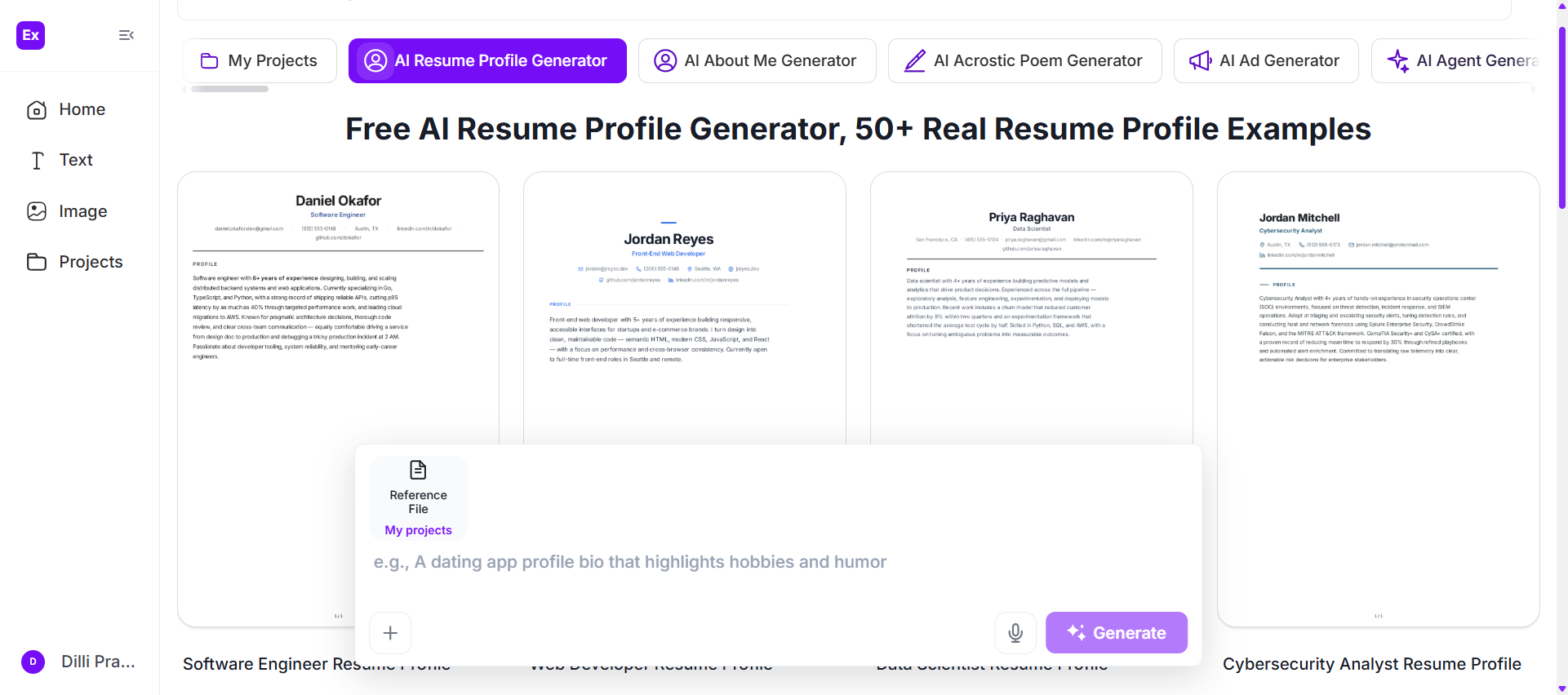
Browse real-world Resume Profile examples to explore different writing styles, professional tones, structures, career levels, industries, and job-specific approaches. Use these examples to identify the type of profile that best matches your experience and target position.
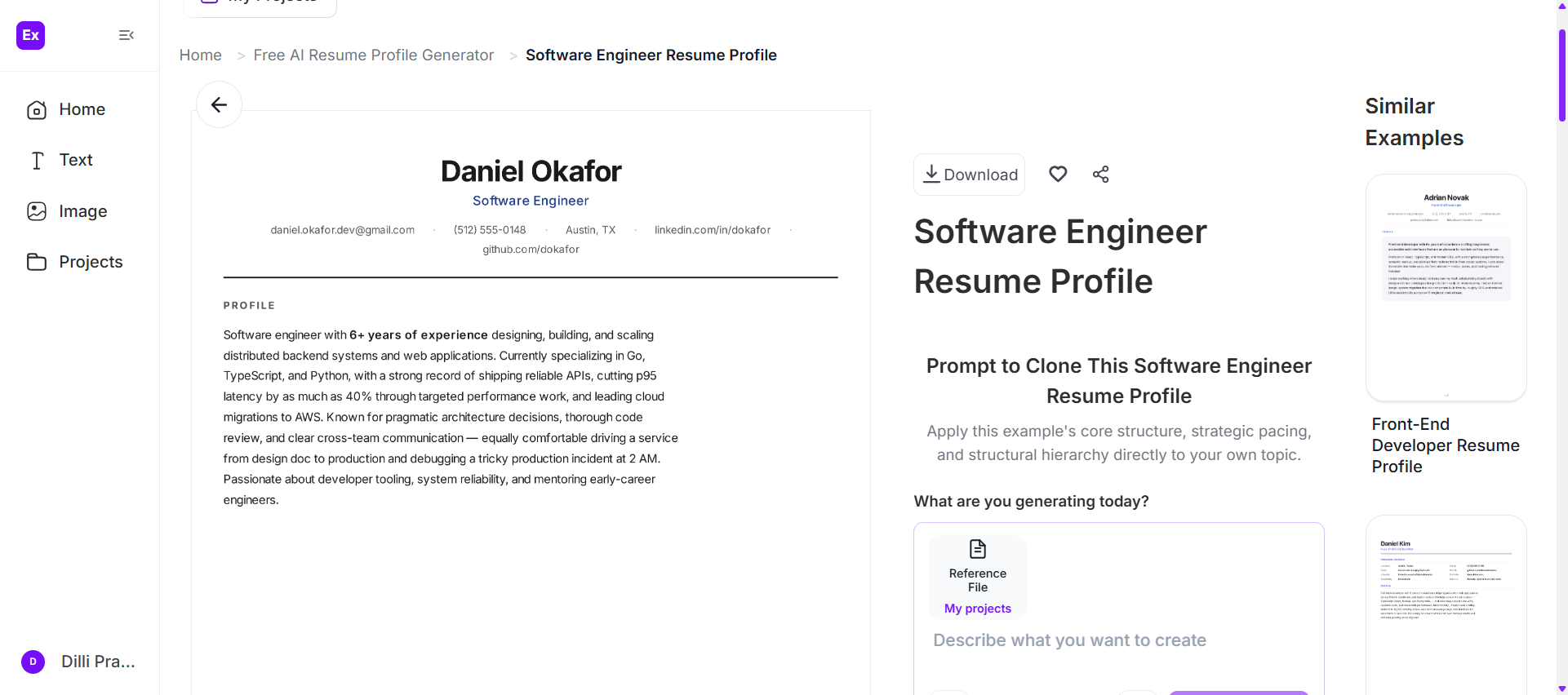
Choose A Reference Design And Enter Your Career Details
Select a resume profile example that matches the career level or job type you are targeting. Then provide an AI prompt with your job title, years of experience, education, key skills, accomplishments, industry, certifications, career goals, and the position you want to pursue.
Generate A New AI Resume Profile
The AI generates a new resume profile based on your career information and selected reference style. The profile can highlight your most relevant qualifications, strengths, accomplishments, and job-specific skills while maintaining a professional and concise tone.
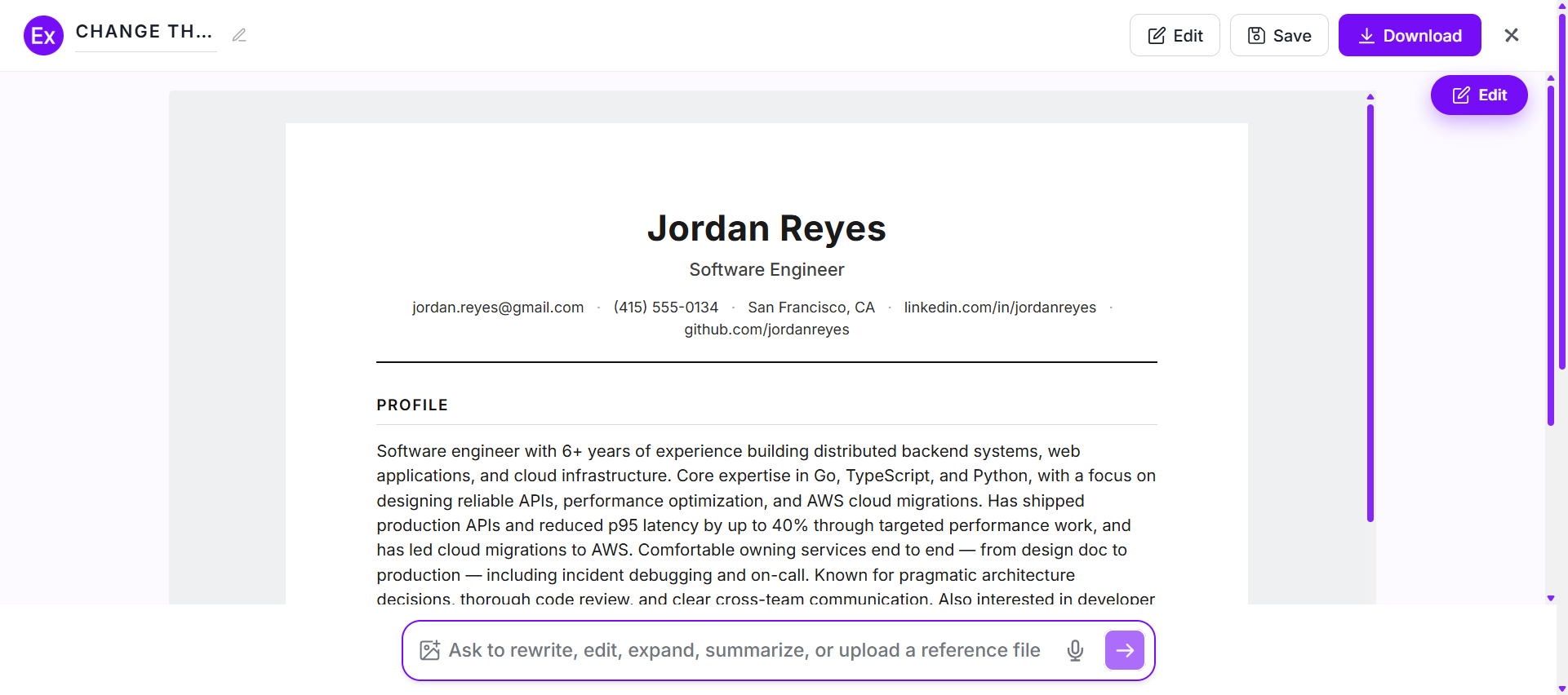
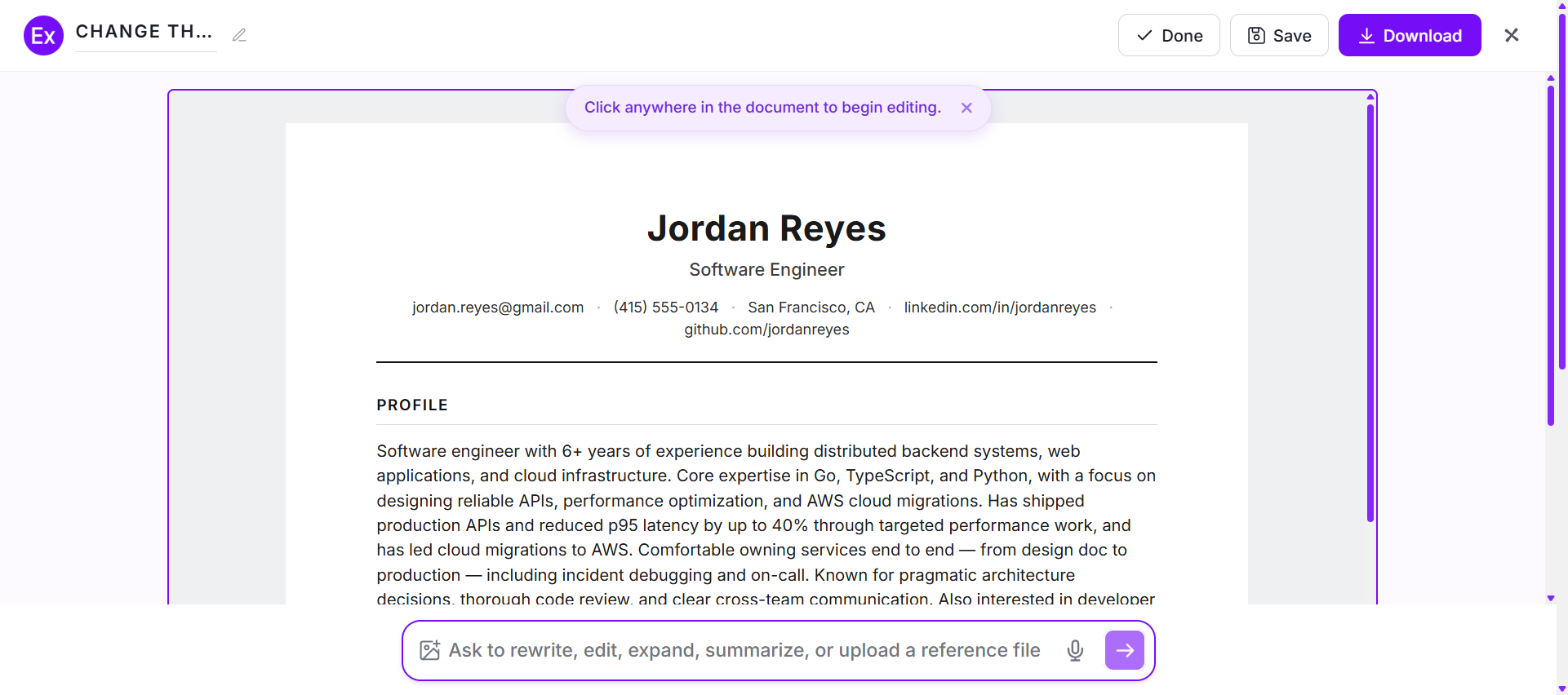
Customize Your Resume Profile In The Online Editor
Open the generated profile in the online editor to refine the wording and presentation. Edit the tone, length, keywords, skills, accomplishments, and career focus so the profile accurately represents your background and aligns with the position you are applying for.
Download And Use Your Resume Profile
Once your profile is complete, use the final version in your resume and other professional materials where appropriate. A tailored profile can also support job applications, professional portfolios, and career branding.
What Should You Include in a Resume Profile?
A strong resume profile should answer three questions quickly:
- Who are you professionally?
- What relevant skills and experience do you have?
- What value can you bring to the target role?
A practical structure is:
Professional identity + experience + relevant skills + achievement or value
For example:
Results-driven project manager with 7 years of experience leading cross-functional technology projects. Skilled in project planning, risk management, stakeholder communication, and process improvement, with a record of delivering complex projects on schedule and within budget.
The strongest profiles focus on information that is relevant to the specific job rather than trying to summarize the entire resume.
How to Write a Strong Resume Profile
1. Start With Your Professional Identity
Begin by stating your job title, specialty, or career focus.
Example:
“Detail-oriented data analyst with 4 years of experience…”
2. Mention Relevant Experience
Add your years of experience or relevant training when it strengthens your application.
Example:
“Marketing specialist with 5+ years of experience in B2B content and campaign management…”
3. Highlight Important Skills
Choose skills that directly relate to the position. Avoid filling the profile with a long list of unrelated keywords.
4. Add a Specific Achievement
Whenever possible, demonstrate your value with a measurable result.
Instead of:
Experienced sales professional with strong communication skills.
Use:
Sales professional with 6 years of B2B experience who increased regional revenue by 28% through account expansion and targeted sales strategies.
Quantifiable achievements give employers clearer evidence of your contribution.
5. Match the Job Description
Review the job posting and identify relevant skills, qualifications, tools, and terminology. Naturally incorporate the keywords that accurately describe your background.
This can make the profile more relevant to both recruiters and applicant tracking systems (ATS).
6. Keep It Concise
A resume profile should be easy to scan. Two to four sentences are generally enough for most candidates.
Resume Profile vs. Resume Summary vs. Resume Objective
These terms are often used interchangeably, but they can emphasize different things.
| Resume Section | Main Focus | Best Used For |
|---|---|---|
| Resume Profile | Skills, experience, strengths, and professional identity | Most career levels |
| Resume Summary | Career experience, qualifications, and achievements | Experienced professionals |
| Resume Objective | Career goals and desired position | Entry-level candidates or career changers |
Career resources note that the terminology is not completely standardized, so employers may use “profile,” “summary,” or “professional summary” for similar sections.
Common Resume Profile Mistakes to Avoid
A resume profile can lose its impact when it contains too much information or focuses on the wrong details.
Avoid:
- Writing a long biography
- Using generic phrases without evidence
- Copying the same profile for every application
- Listing skills unrelated to the position
- Repeating information word-for-word from the experience section
- Adding unsupported achievements
- Using excessive jargon
- Writing in the first person with repeated “I” statements
- Including personal information that is irrelevant to the job
- Making the profile difficult to scan
Your resume profile should be accurate. Never add skills, qualifications, certifications, or accomplishments that you do not actually have.
Tips for Making Your Resume Profile Stand Out
Use these practices when creating your final profile:
- Target the position: Write for the job you want, not every job.
- Lead with relevance: Put your strongest qualifications first.
- Use action-oriented language: Show what you have accomplished.
- Add numbers when appropriate: Percentages, revenue, savings, project size, or productivity improvements can make achievements more concrete.
- Use industry keywords naturally: Include terms that accurately reflect the job description.
- Show your specialty: Make it clear what type of professional you are.
- Keep the wording simple: Avoid complicated sentences.
- Proofread carefully: Grammar and spelling errors can weaken an otherwise strong resume.
Frequently Asked Questions
What is a good resume profile?
A good resume profile is a concise introduction that identifies your professional background, relevant experience, core skills, and strongest value for the target position. It should be specific rather than generic.
How long should a resume profile be?
For most resumes, keep the profile to about two to four concise sentences. The exact length can vary based on experience and the amount of relevant information you need to communicate.
Should a fresher include a resume profile?
Yes. A fresher can use a resume profile to highlight education, internships, academic projects, certifications, relevant skills, and career interests instead of relying on professional work experience.
Where should a resume profile appear?
Place it near the top of the resume, usually below your name and contact information. This makes the introduction easy for recruiters to find during an initial scan.
Should I customize my resume profile for every job?
Yes. Tailoring your profile to each relevant position helps you emphasize the qualifications and keywords that matter most for that role.
Can I use a resume profile instead of a resume objective?
In many cases, yes. A resume profile generally emphasizes what you bring to the employer, while an objective focuses more on your career goals. For candidates with relevant experience, a profile or summary can provide a stronger introduction.
What keywords should I use in a resume profile?
Use keywords that accurately match the target job, such as relevant job titles, technical skills, software, certifications, industry terms, and professional competencies. Avoid keyword stuffing and only include skills you genuinely possess.
Can AI generate a resume profile?
Yes. AI can help turn your job title, experience, skills, achievements, and career goals into a professional profile. However, review and personalize the generated text to ensure every statement is accurate and relevant to the job.