
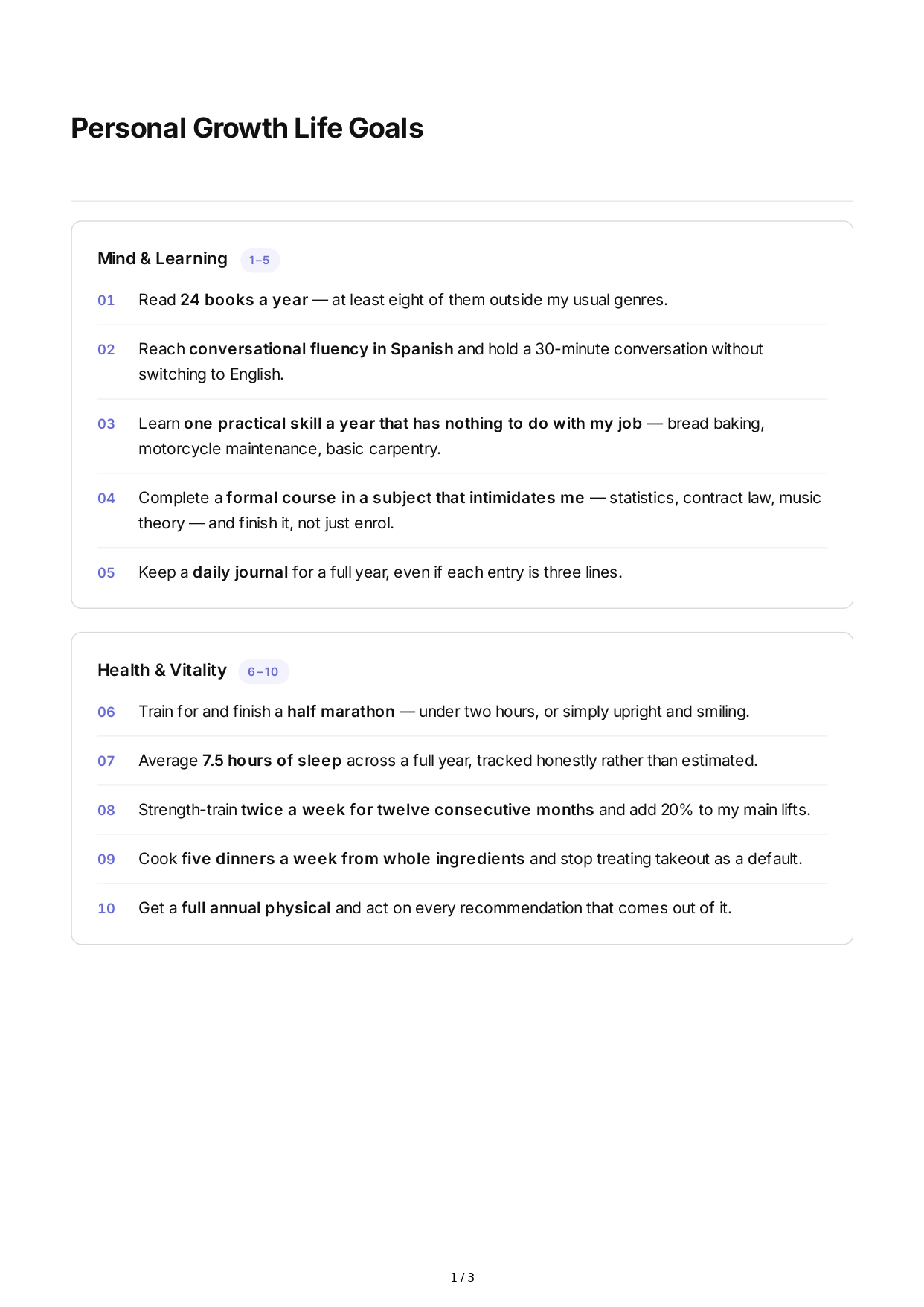
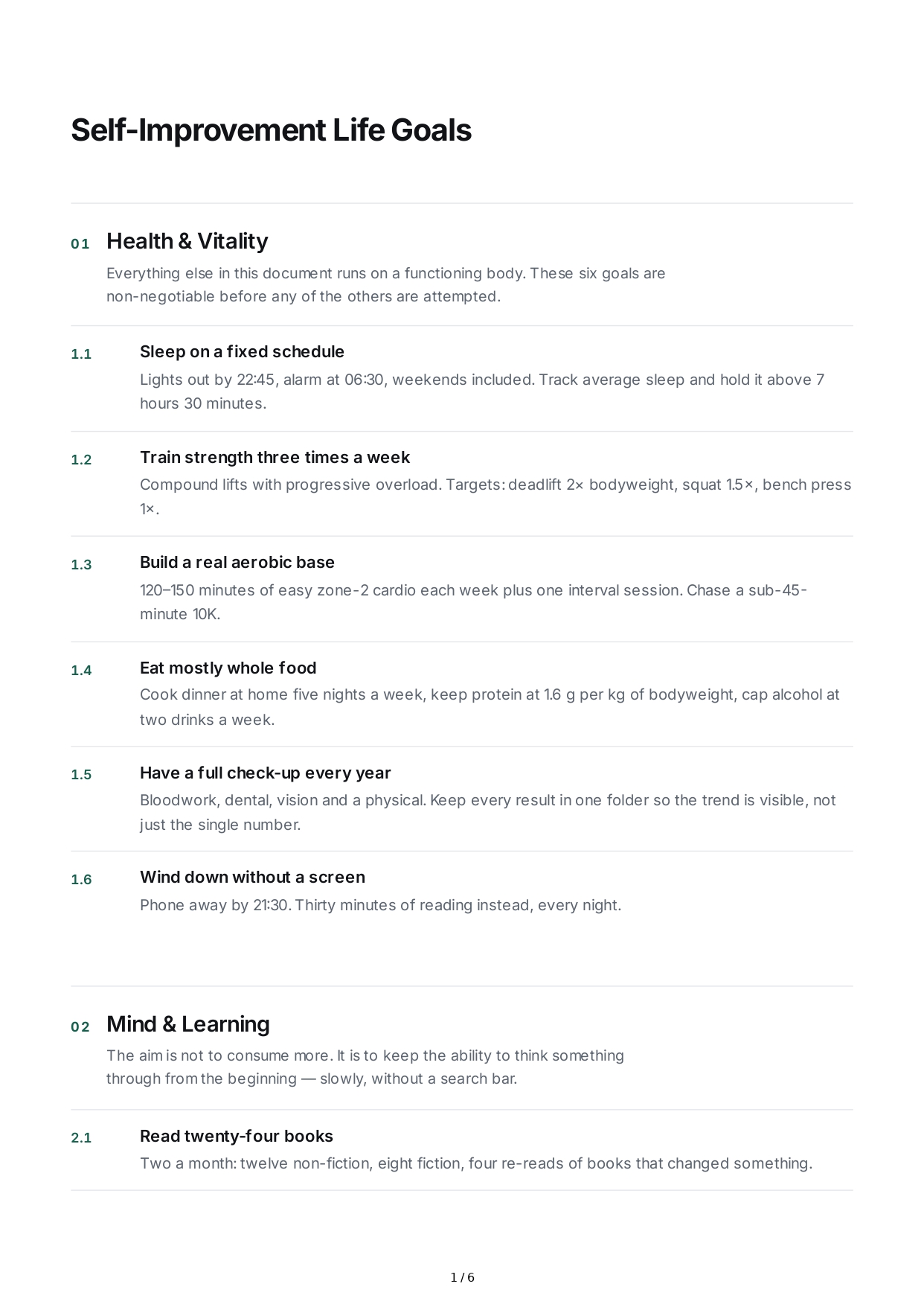
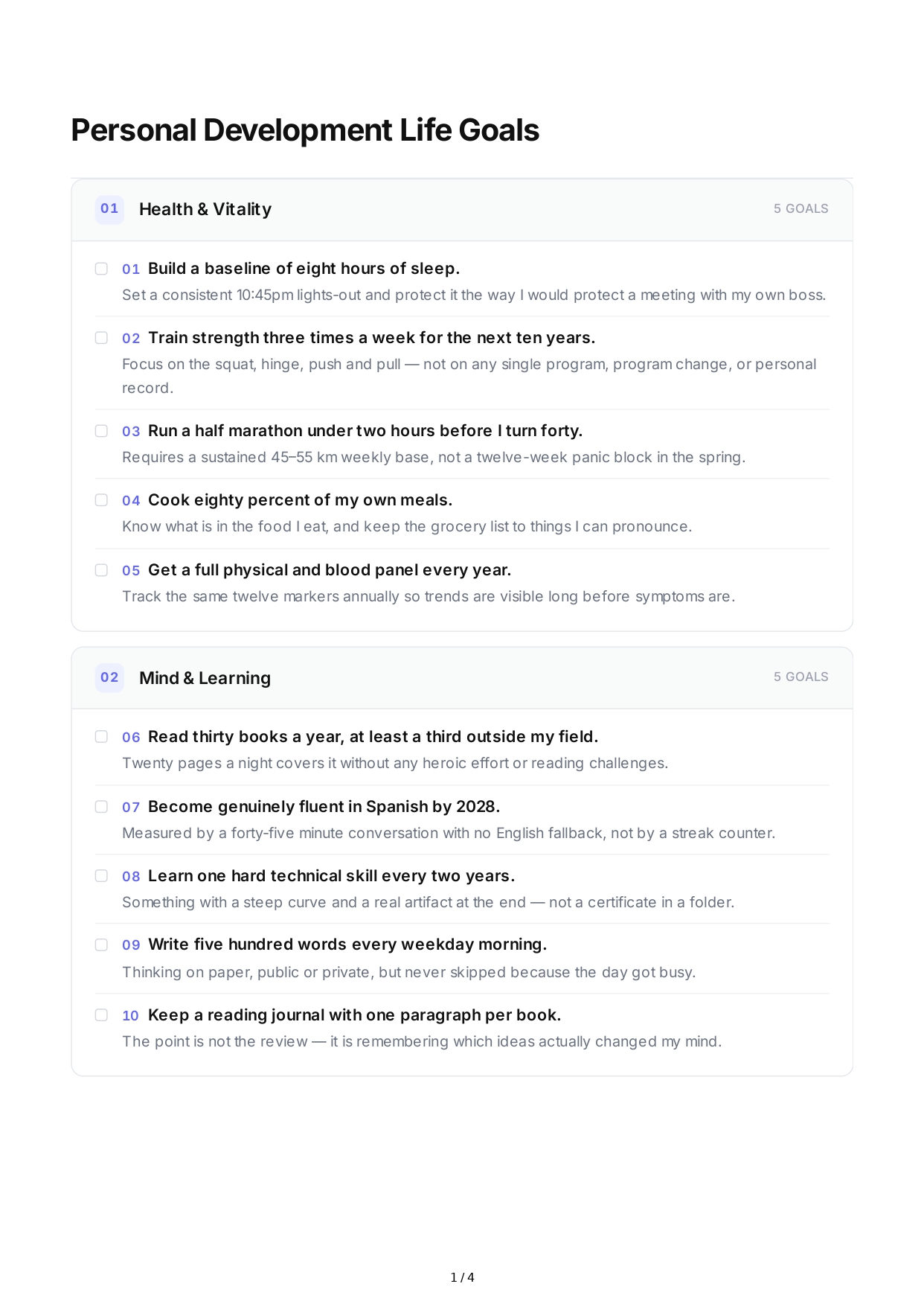
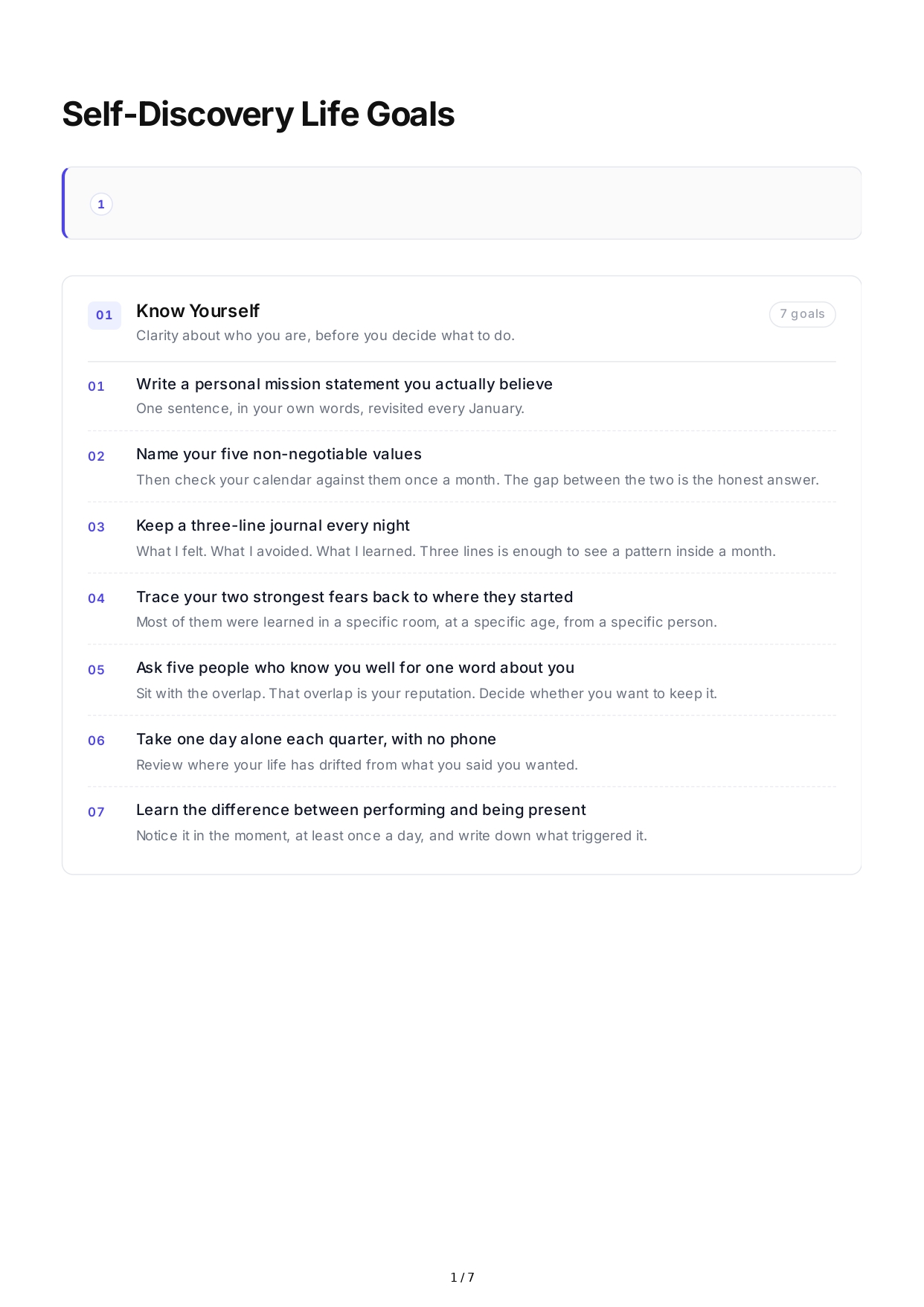
Life goals are meaningful achievements or experiences you want to pursue throughout your life. They can relate to health, relationships, career, finances, personal growth, travel, learning, contribution, happiness, and the kind of life you want to build. Unlike short-term tasks, life goals usually reflect a broader direction and may take months or years to achieve.
What are Life Goals?
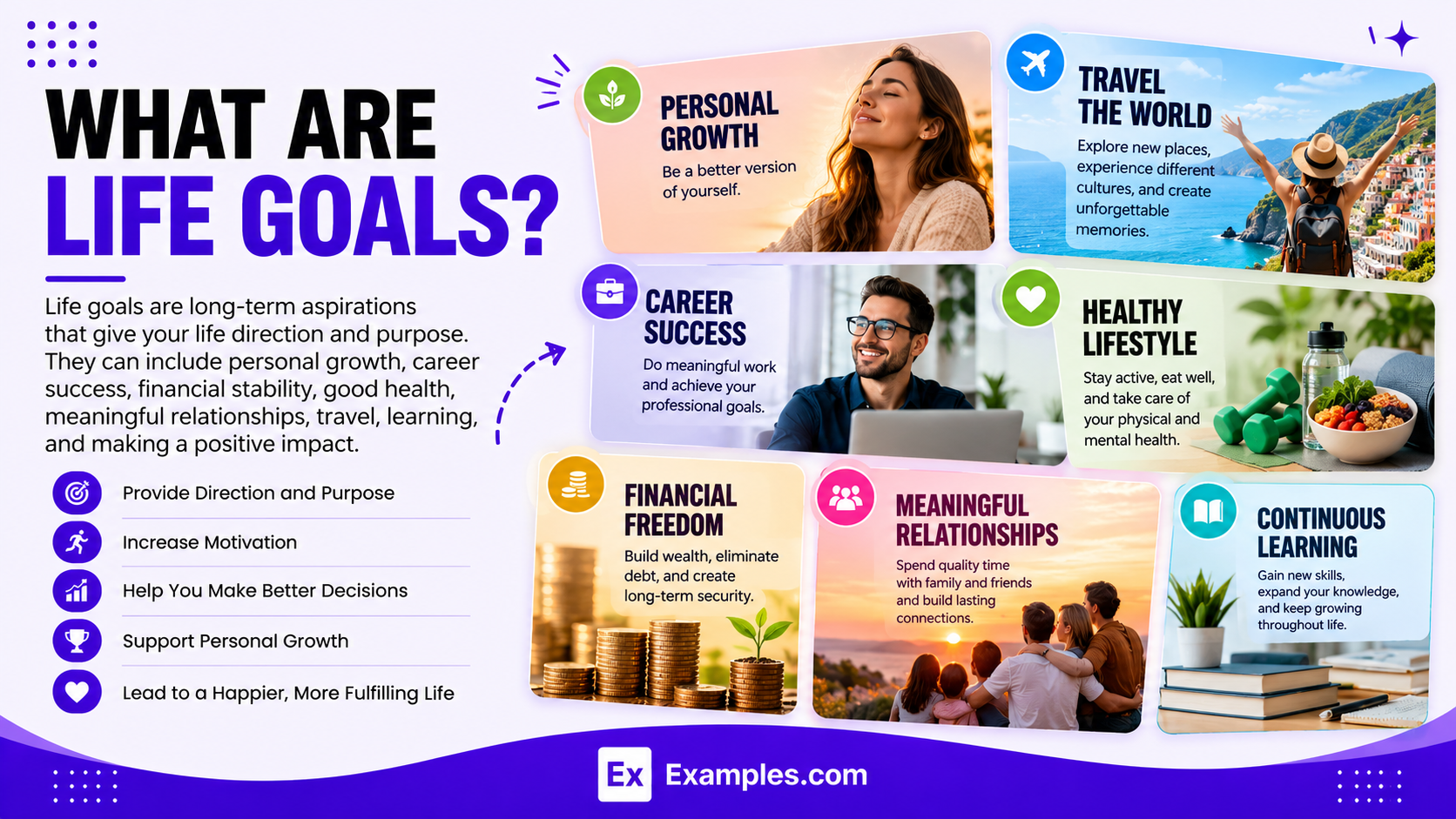
Life goals are long-term aspirations that give direction and purpose to your choices, habits, and priorities. They can be practical, personal, professional, financial, emotional, social, or experiential.
For example, wanting to build a successful career, maintain a healthy lifestyle, travel to different countries, support your family, become financially independent, or make a positive contribution to society can all be life goals.
A life goal is different from a simple wish because it involves intention and action. A goal becomes more useful when you can identify what you want, why it matters, what steps are required, and how you will measure progress.
Why Are Life Goals Important?
Well-defined life goals can help you:
- Create a clearer sense of direction
- Prioritize what matters most
- Make better personal and professional decisions
- Stay motivated during difficult periods
- Turn broad ambitions into actionable steps
- Track personal growth and progress
- Balance different areas of life
- Build habits that support long-term aspirations
Popular Types Of Life Goals
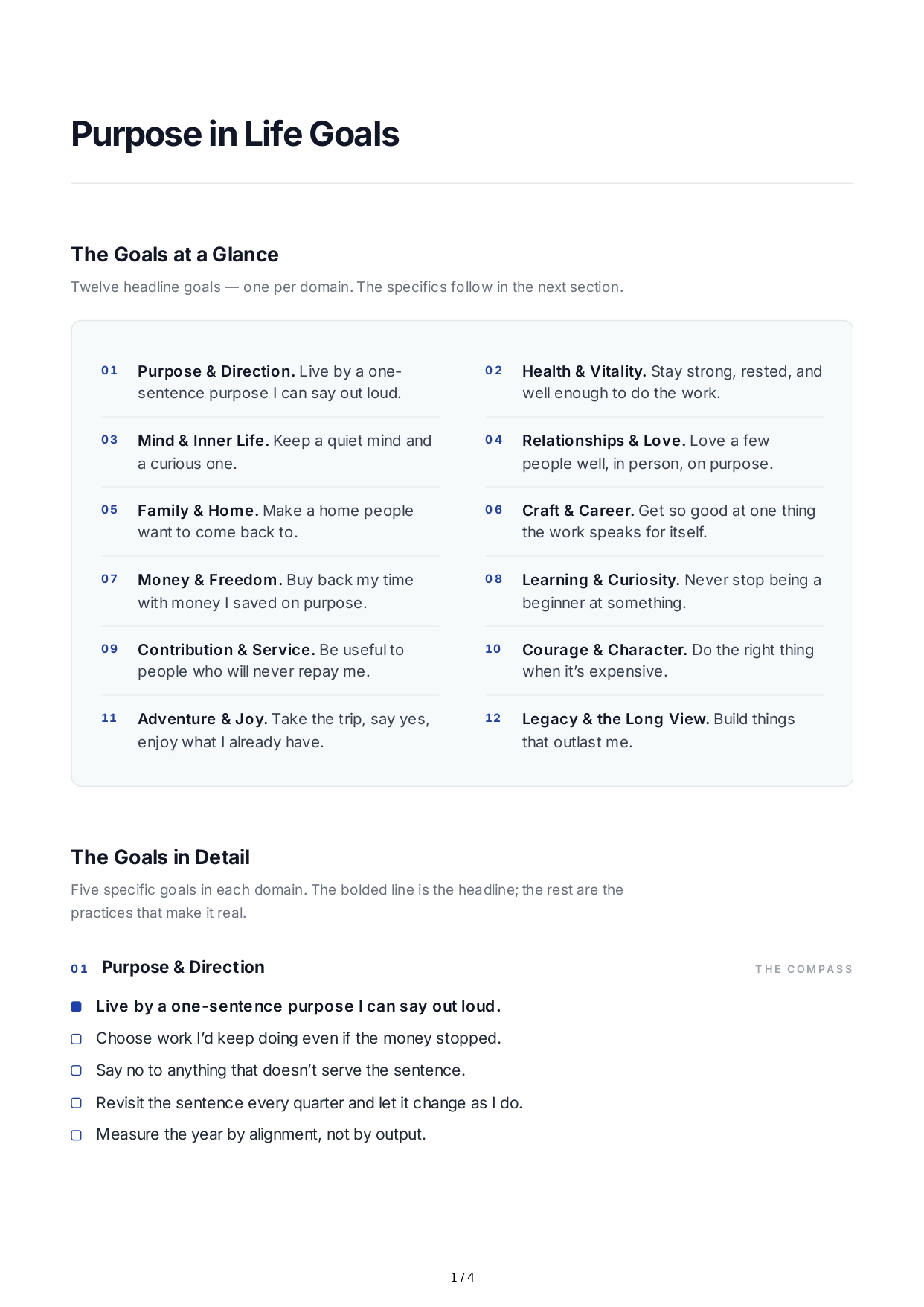
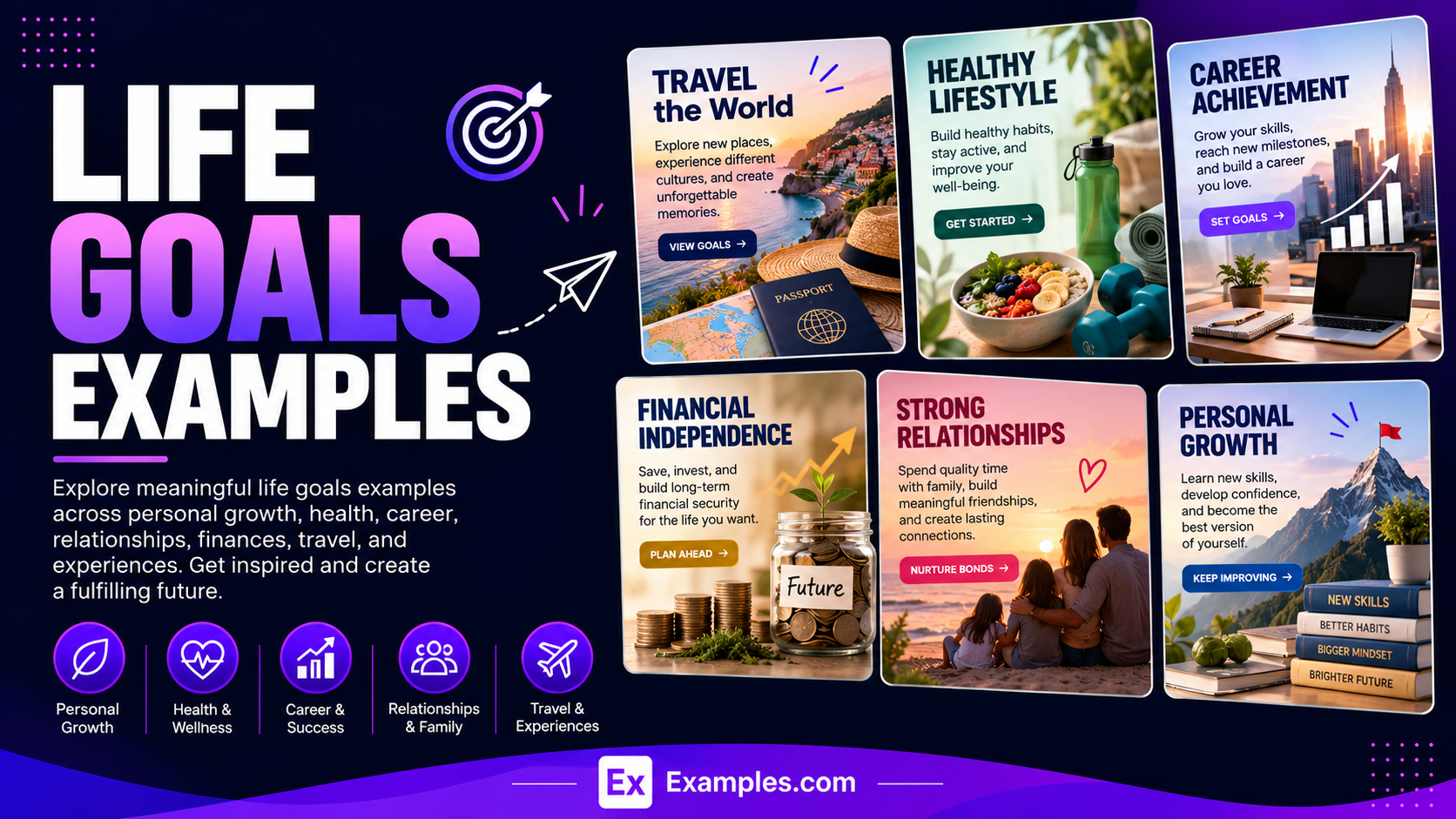
Life goals can cover almost every important area of your life. Instead of choosing goals simply because they sound impressive, focus on goals that reflect your values, interests, responsibilities, and desired future.
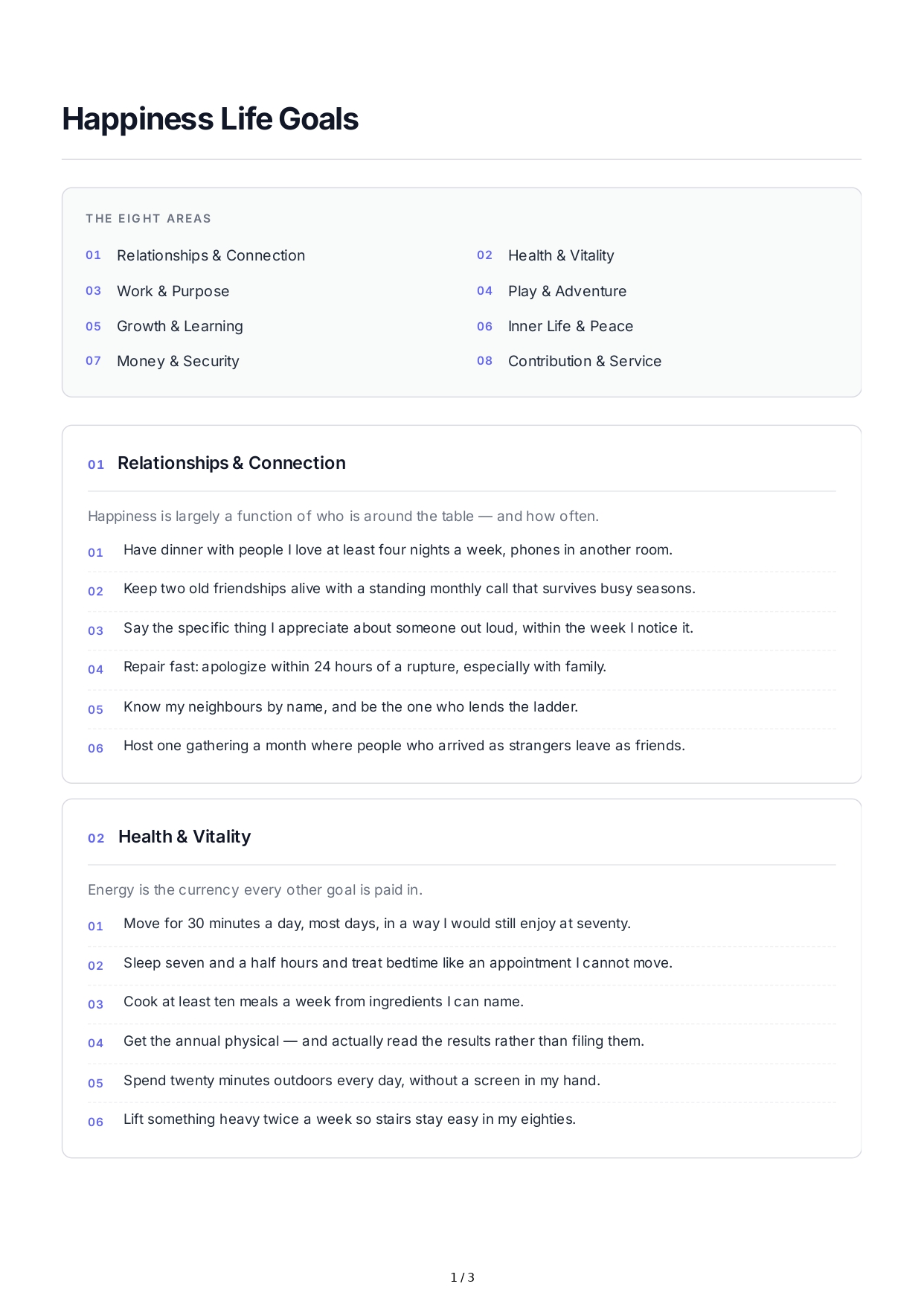
Health and Well-Being Goals
These goals focus on maintaining your physical and overall well-being.
Examples include:
- Build a consistent exercise routine
- Improve sleep habits
- Eat a balanced diet
- Maintain a healthy weight
- Complete regular health checkups
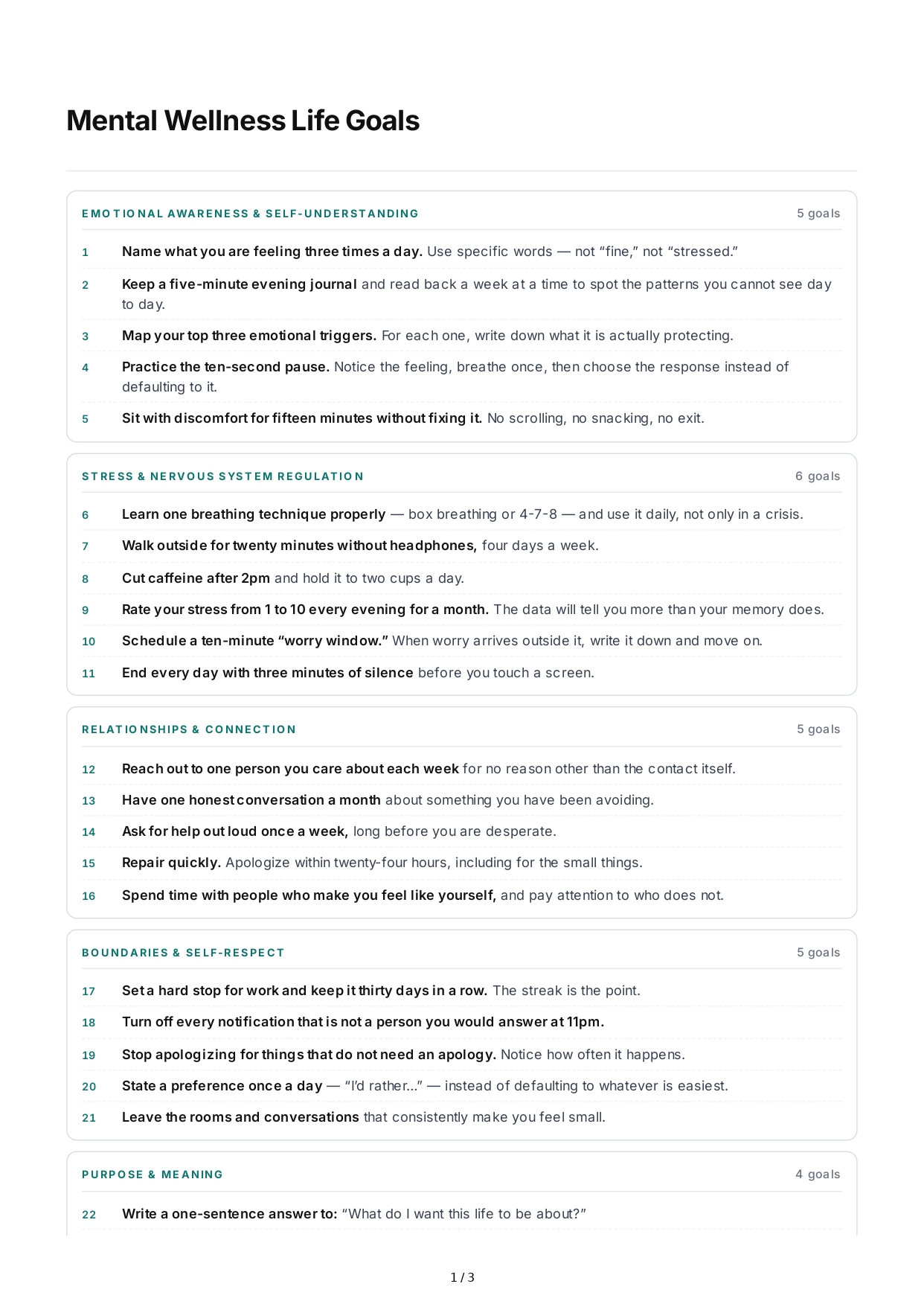
- Develop better stress-management habits
Personal Growth Goals
Personal growth goals help you become more self-aware, capable, confident, and resilient.
Examples include:
- Become more confident
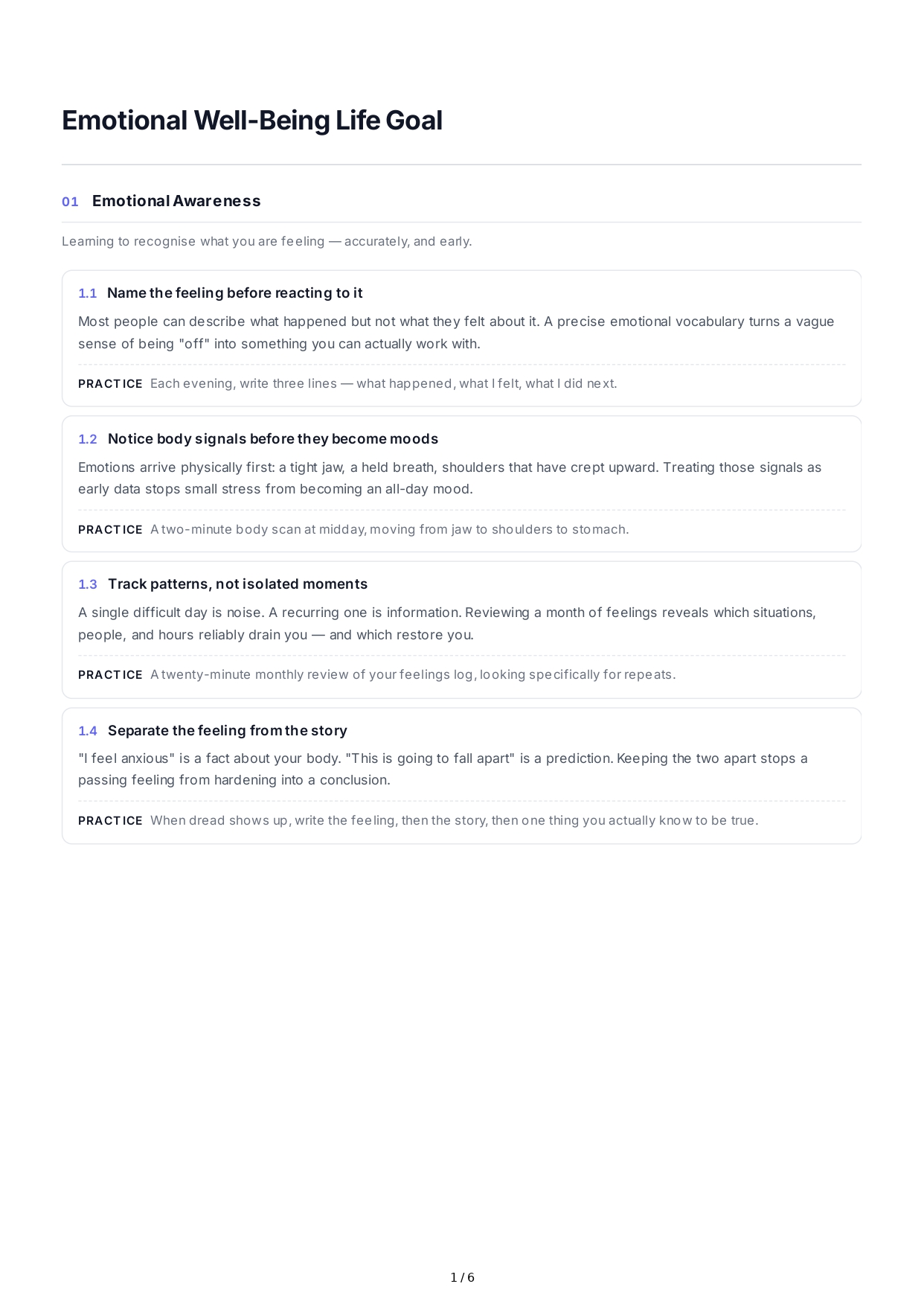
- Develop emotional intelligence
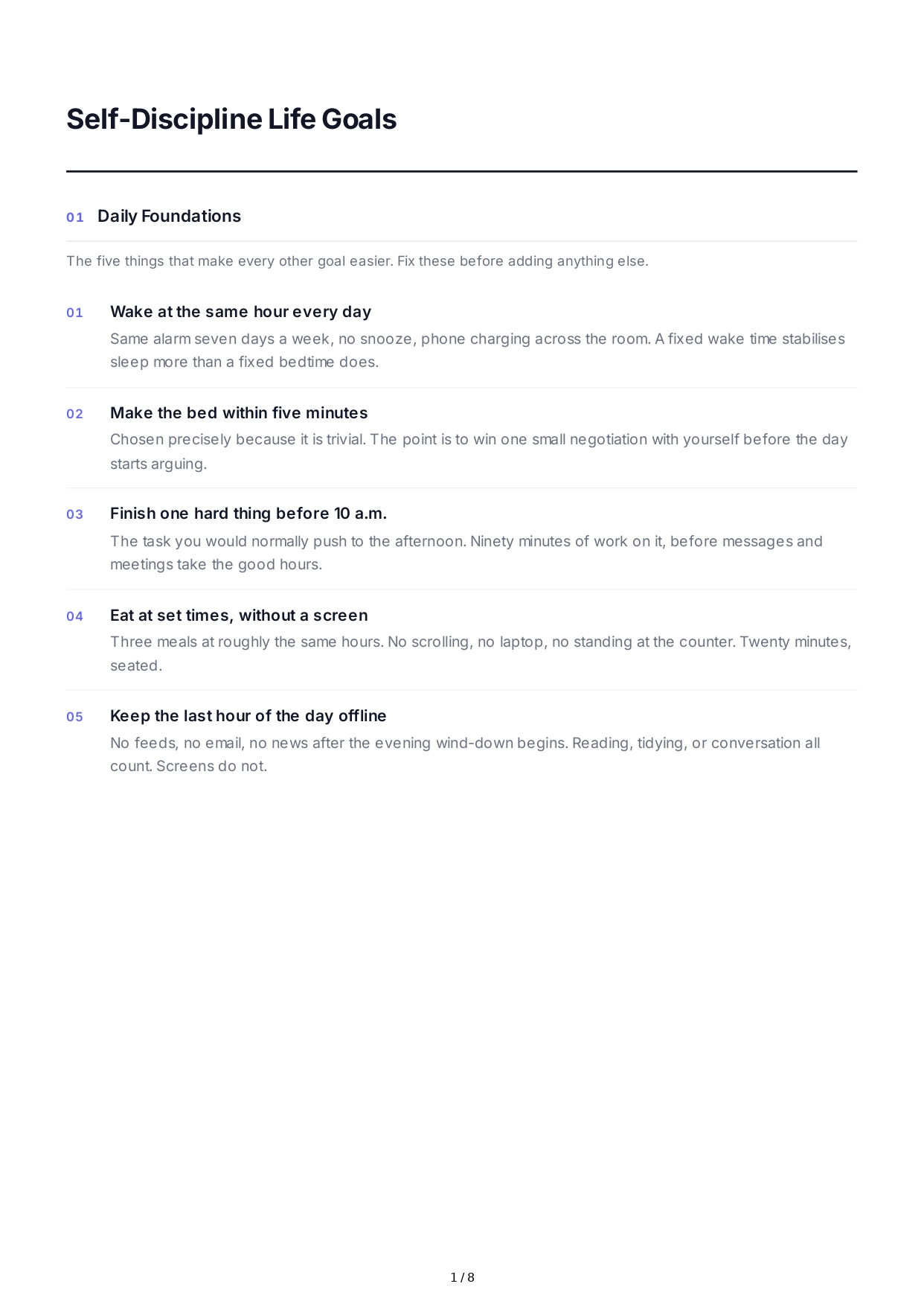
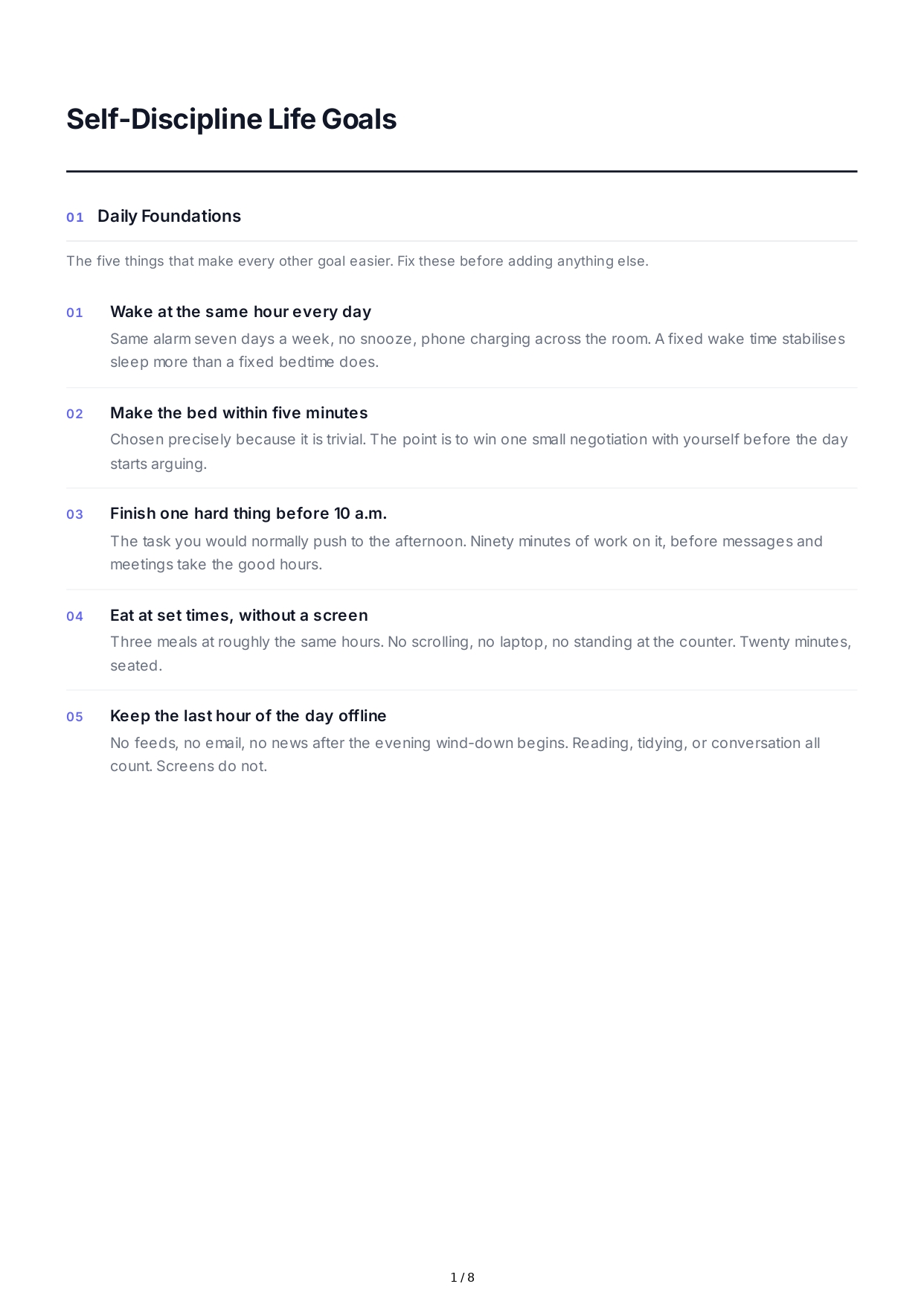
- Improve self-discipline
- Become more patient
- Overcome a limiting habit
- Practice regular self-reflection
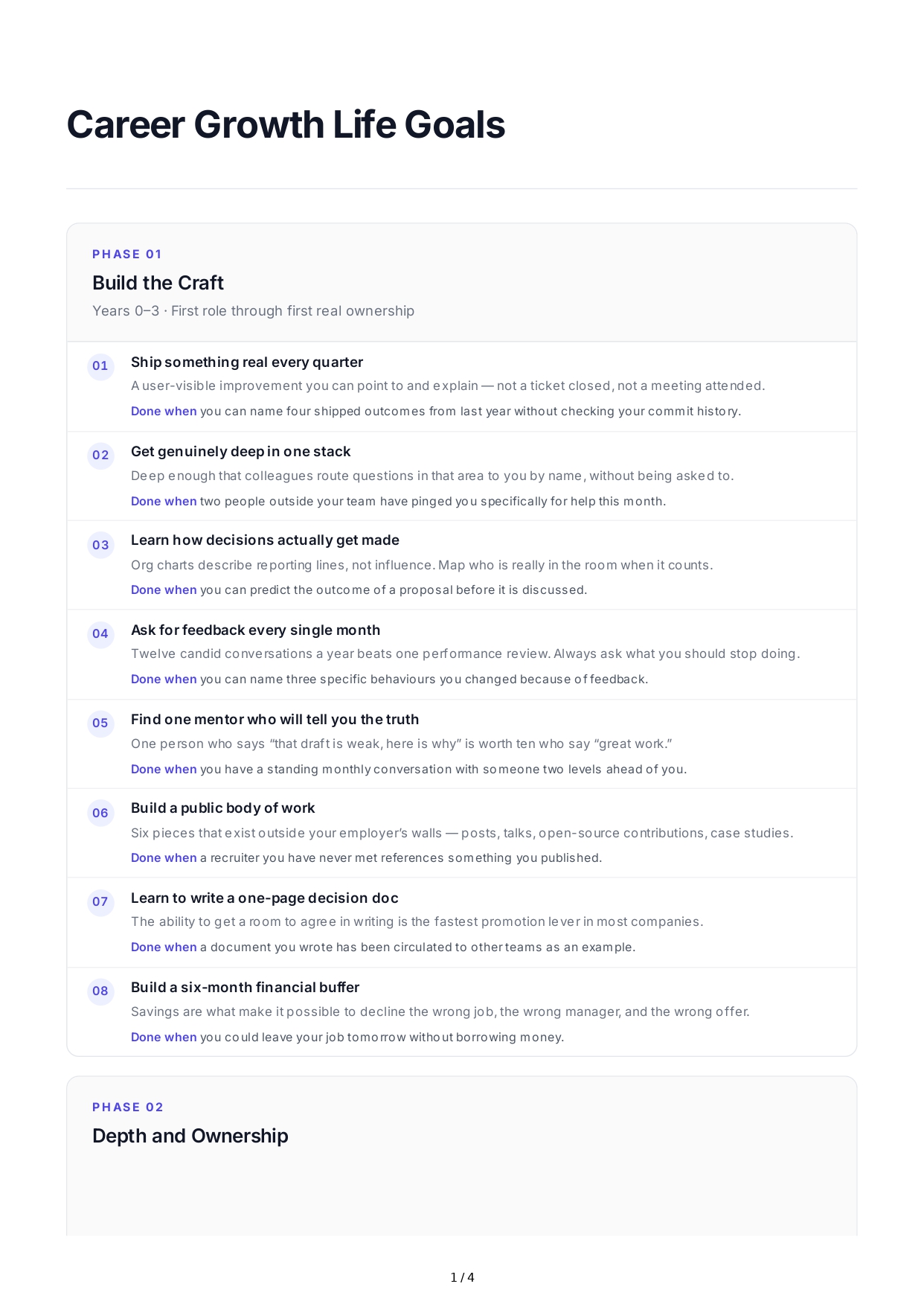
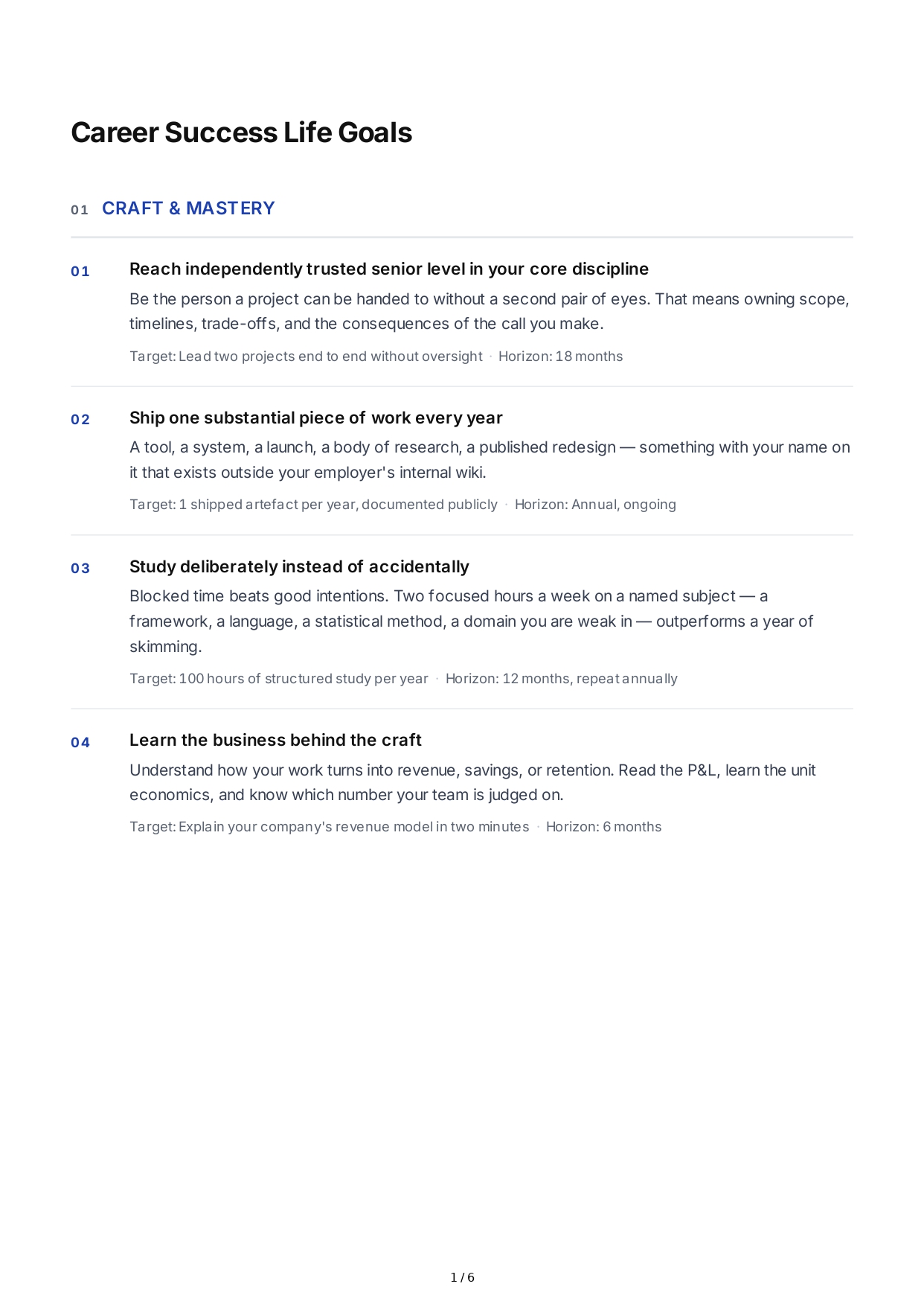
Career and Professional Goals
Career goals focus on the work you want to do and the professional future you want to create.
Examples include:
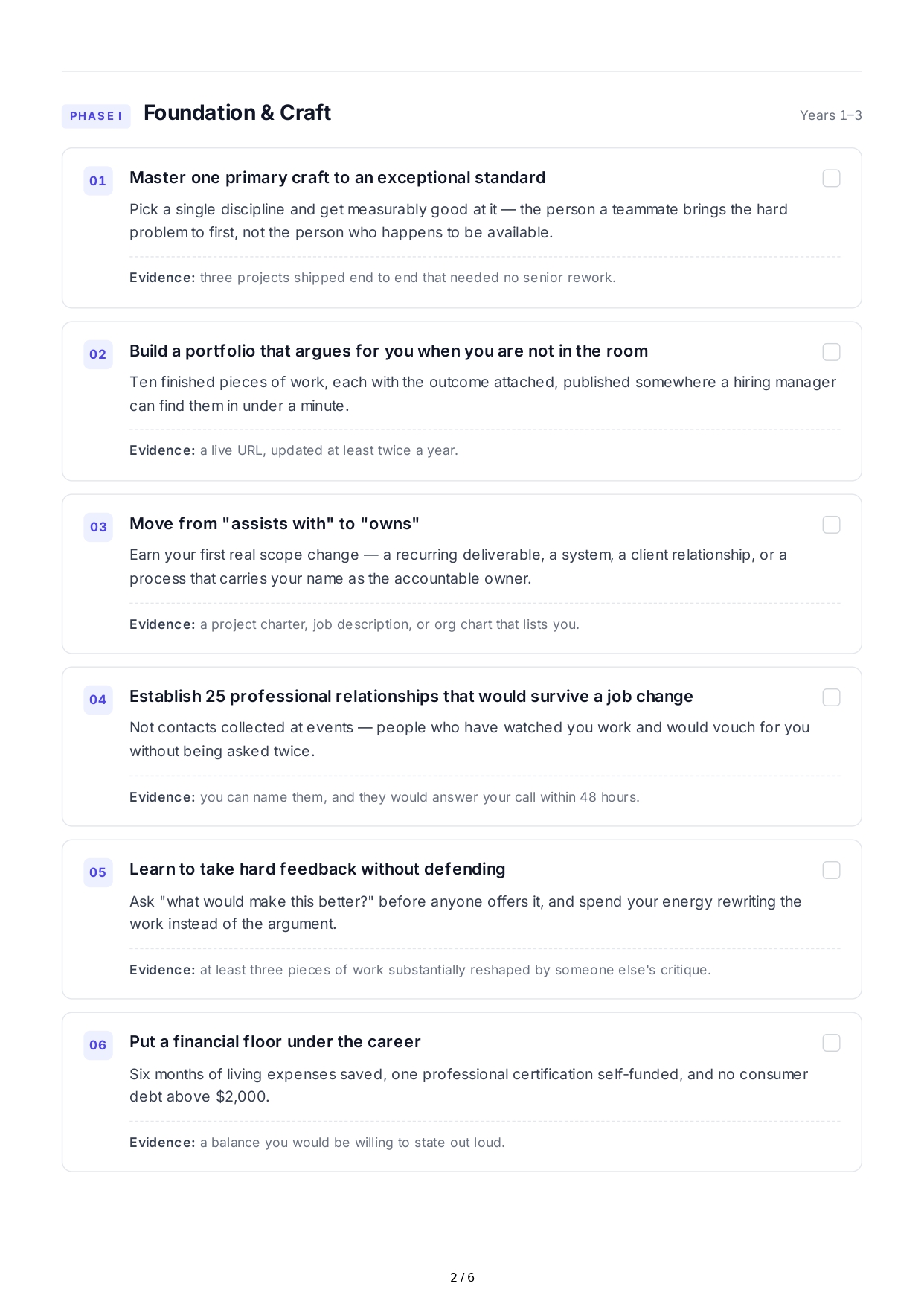
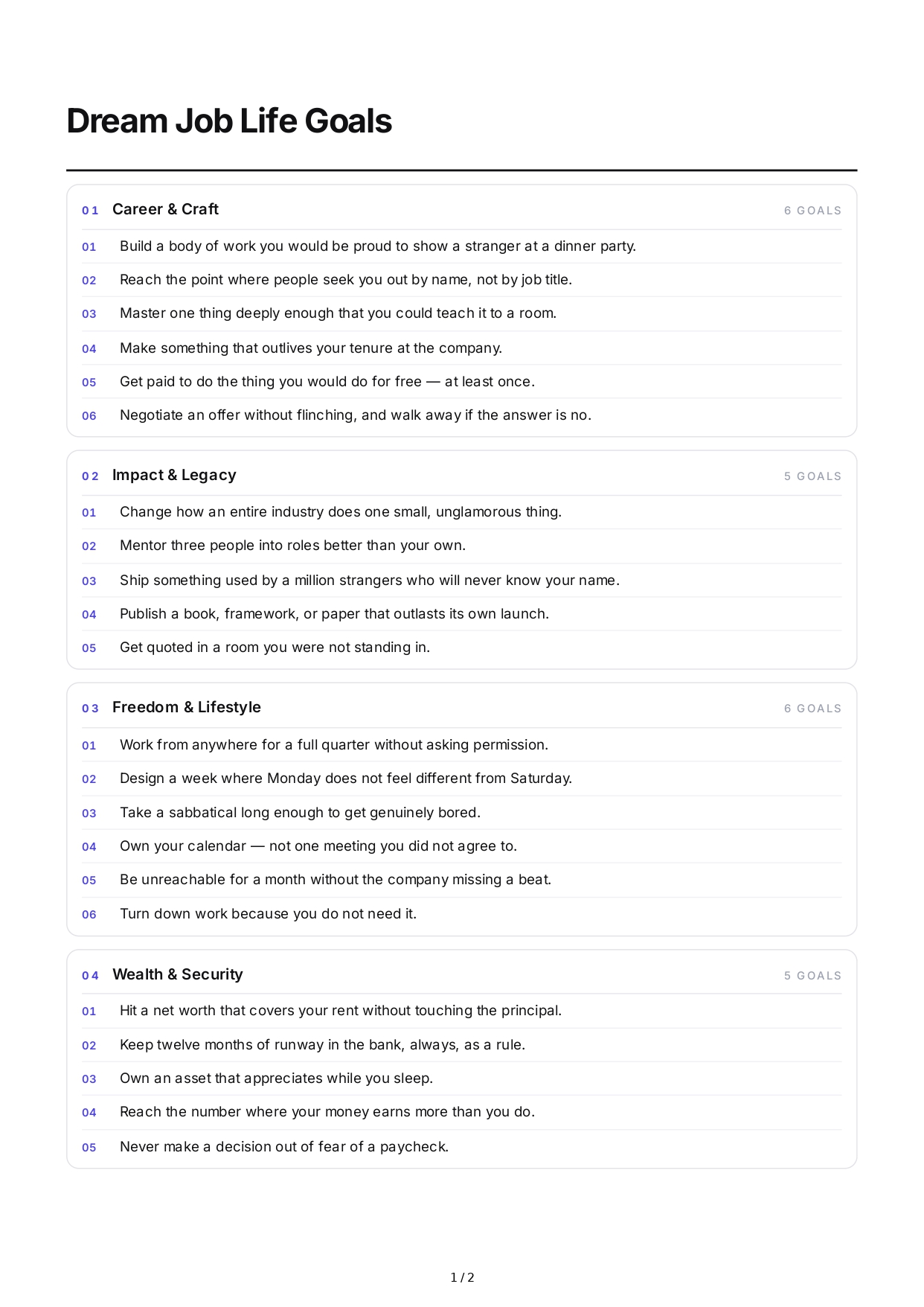
- Build a rewarding career
- Earn a leadership position
- Become an expert in your field
- Start a business
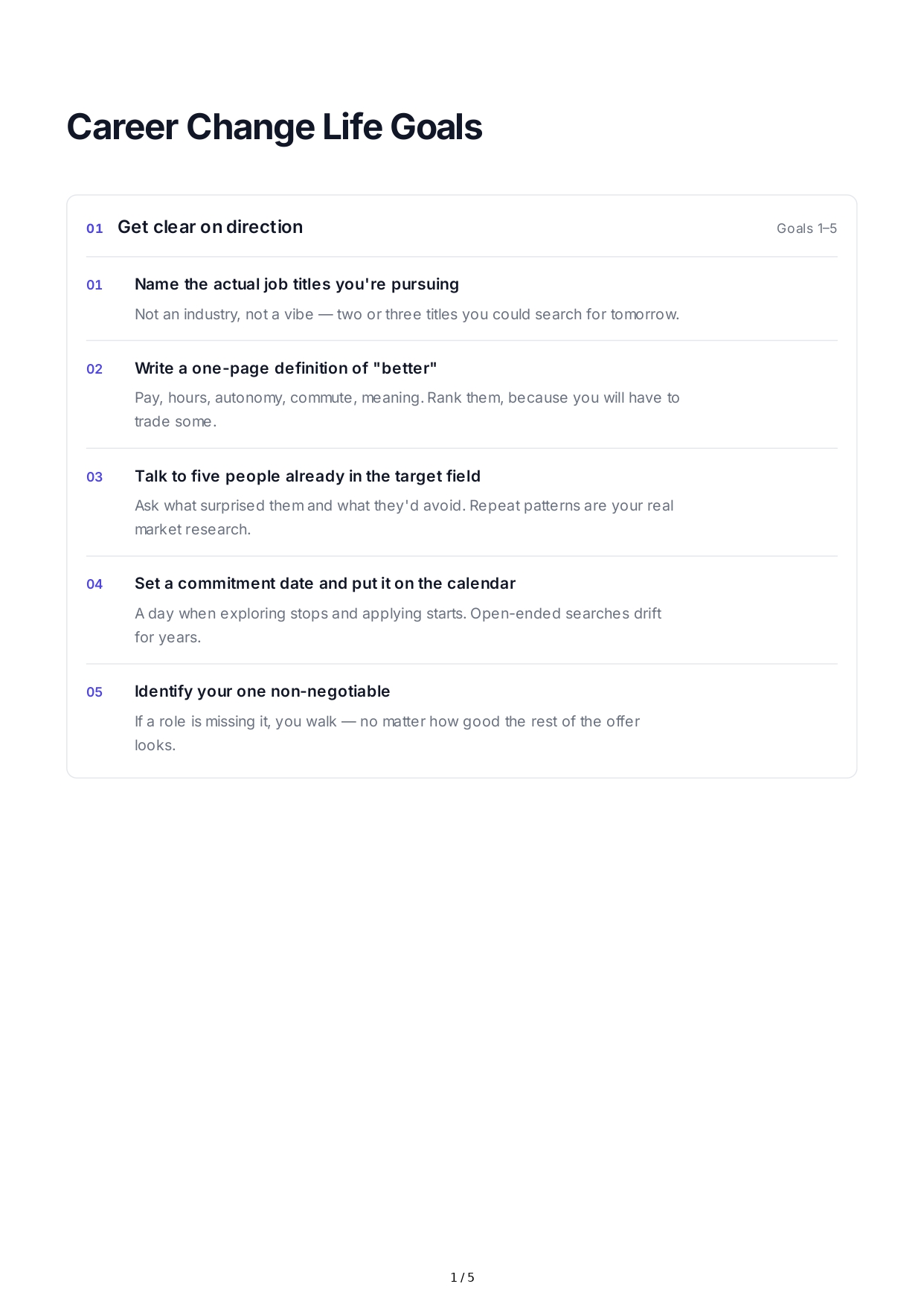
- Change careers
- Build a strong professional reputation
- Achieve better work-life balance
Financial Goals
Financial life goals are connected to security, independence, and the lifestyle you want to maintain.
Examples include:
- Build an emergency fund
- Pay off debt
- Buy a home
- Save for retirement
- Become financially independent
- Build multiple income sources
- Save for major life experiences
Relationship and Family Goals
These goals focus on creating meaningful and supportive relationships.
Examples include:
- Spend more quality time with family
- Build a healthy long-term relationship
- Strengthen friendships
- Become a supportive parent
- Stay connected with loved ones
- Communicate more openly
Learning and Knowledge Goals
Learning goals help you continuously develop your knowledge and abilities.
Examples include:
- Learn a new language
- Earn a degree
- Develop a technical skill
- Read more books
- Learn a musical instrument
- Study a subject outside your profession
- Become highly knowledgeable in a particular field
Travel and Adventure Goals
These goals focus on experiences, exploration, and discovering new places and cultures.
Examples include:
- Visit every state in your country
- Travel internationally
- Visit important historical sites
- Experience different cultures
- Take a solo trip
- Complete a challenging trek
- Create meaningful travel memories
Contribution and Legacy Goals
Some life goals are about what you want to give to other people and what you want to leave behind.
Examples include:
- Volunteer regularly
- Support a meaningful cause
- Mentor younger people
- Help your local community
- Protect the environment
- Start a nonprofit initiative
- Create something that benefits future generations
How Do I Generate Life Goals Using Proven Examples from Top Companies?
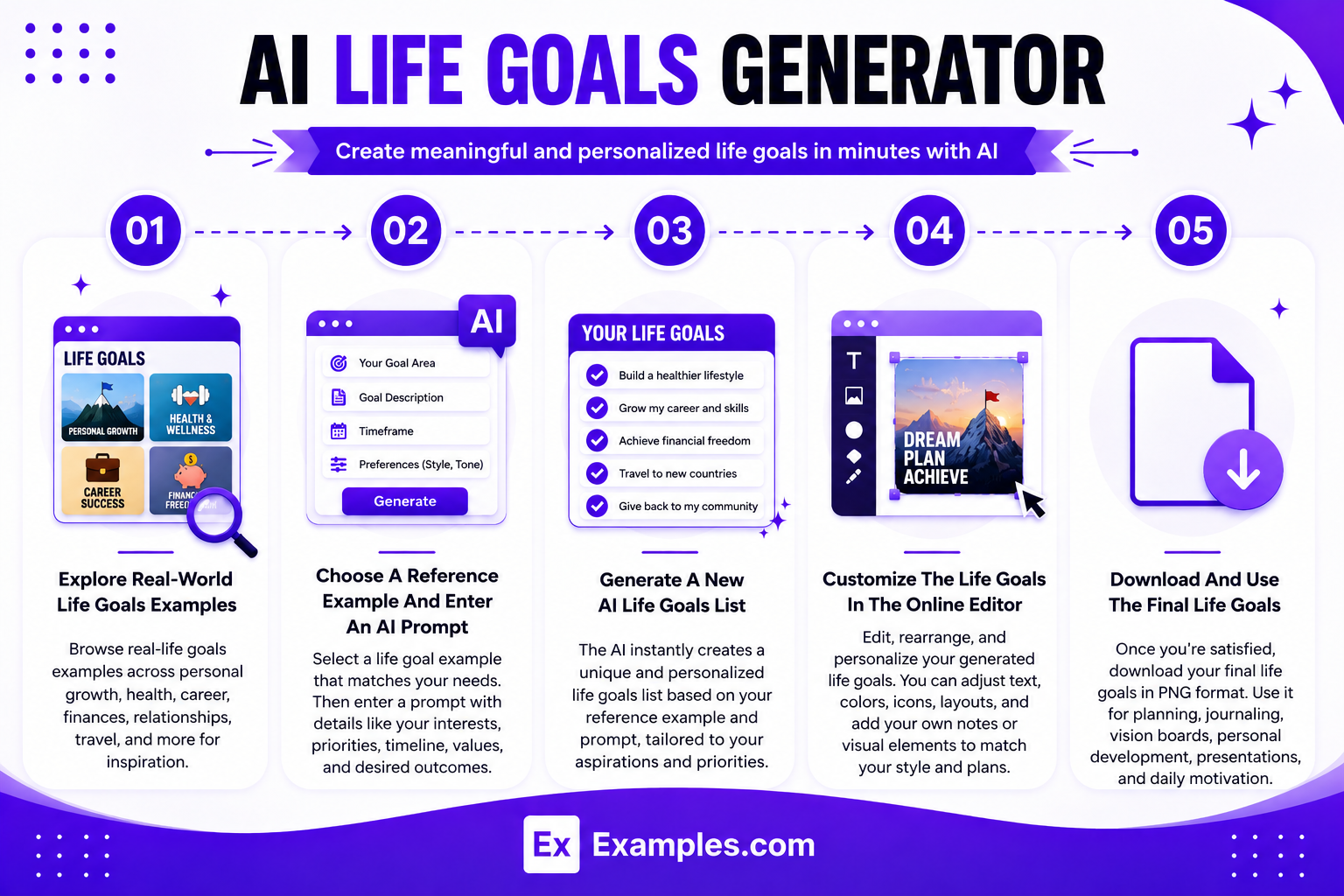
Creating life goals with AI helps users quickly generate meaningful and personalized goals using prompts, reference examples, and built-in editing tools.
Explore Real-World Life Goals Examples
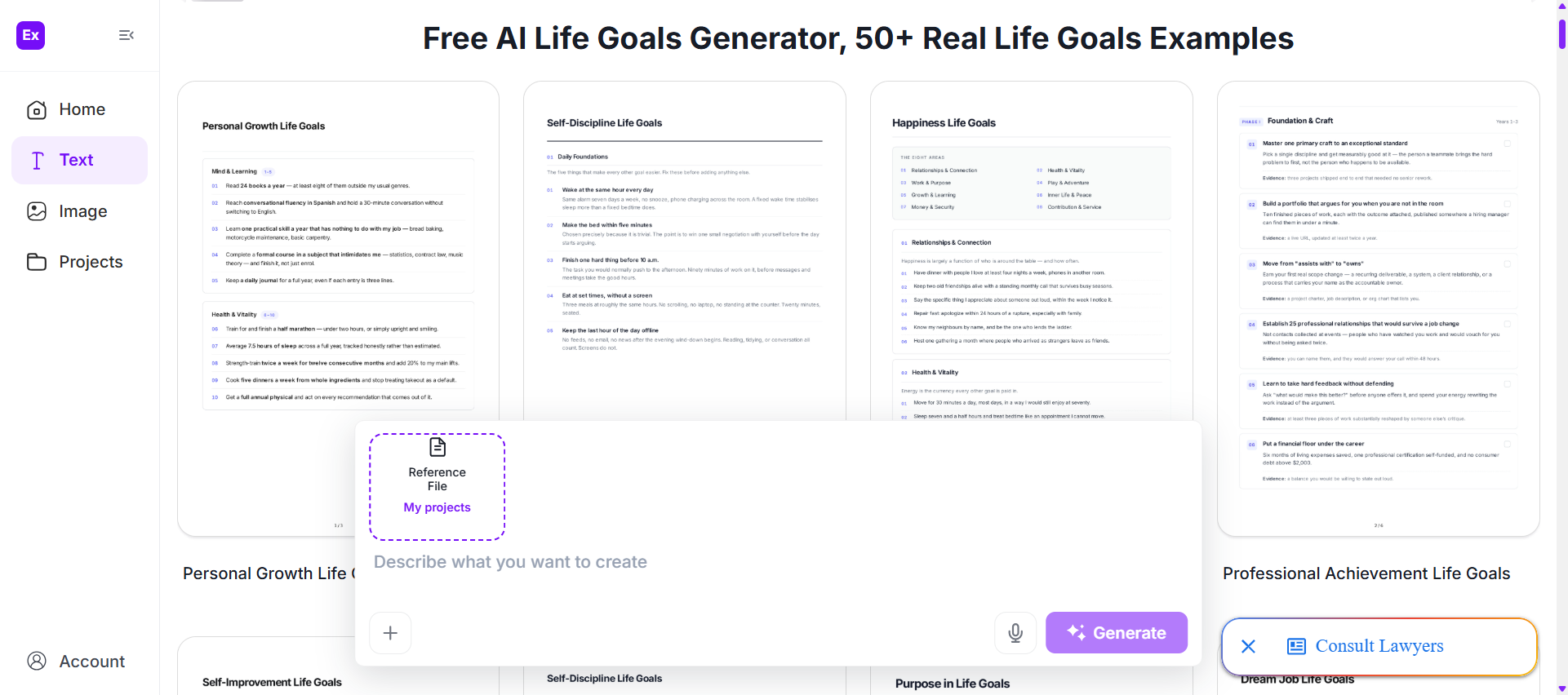
Browse real-world life goals examples on the category page to discover different ideas related to personal growth, health, relationships, career, finances, travel, learning, purpose, and long-term aspirations. These examples help users choose the direction they want for their AI-generated life goals.
Choose A Reference Example And Enter An AI Prompt
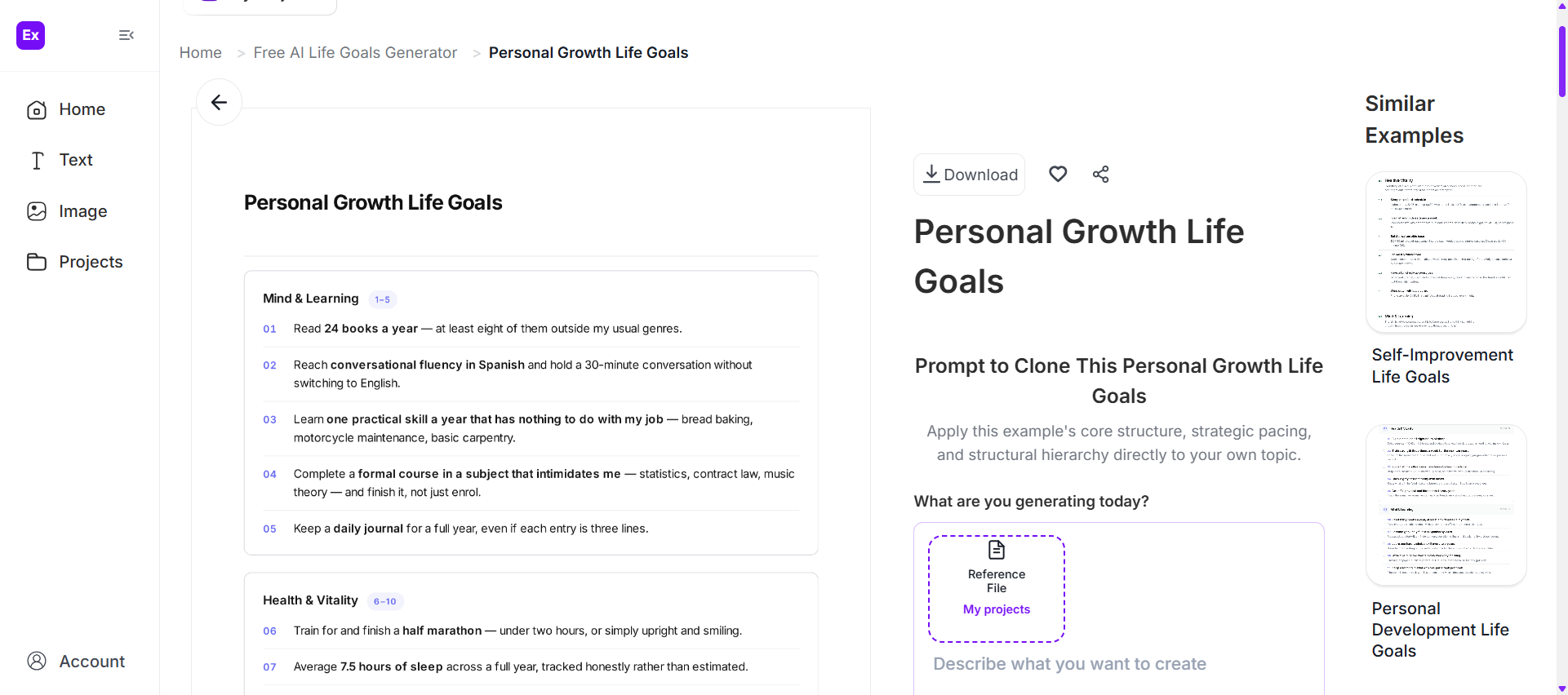
Select a life goals example that matches the type of goals you want to create as inspiration. Then enter an AI prompt describing your goals, including your priorities, interests, lifestyle, personal values, career plans, relationships, financial objectives, travel interests, or personal growth areas.
Generate A New AI Life Goals List
The AI instantly creates a completely new life goals list inspired by the selected reference example and user prompt. The generated result is personalized around the user’s interests, priorities, aspirations, and desired direction in life.
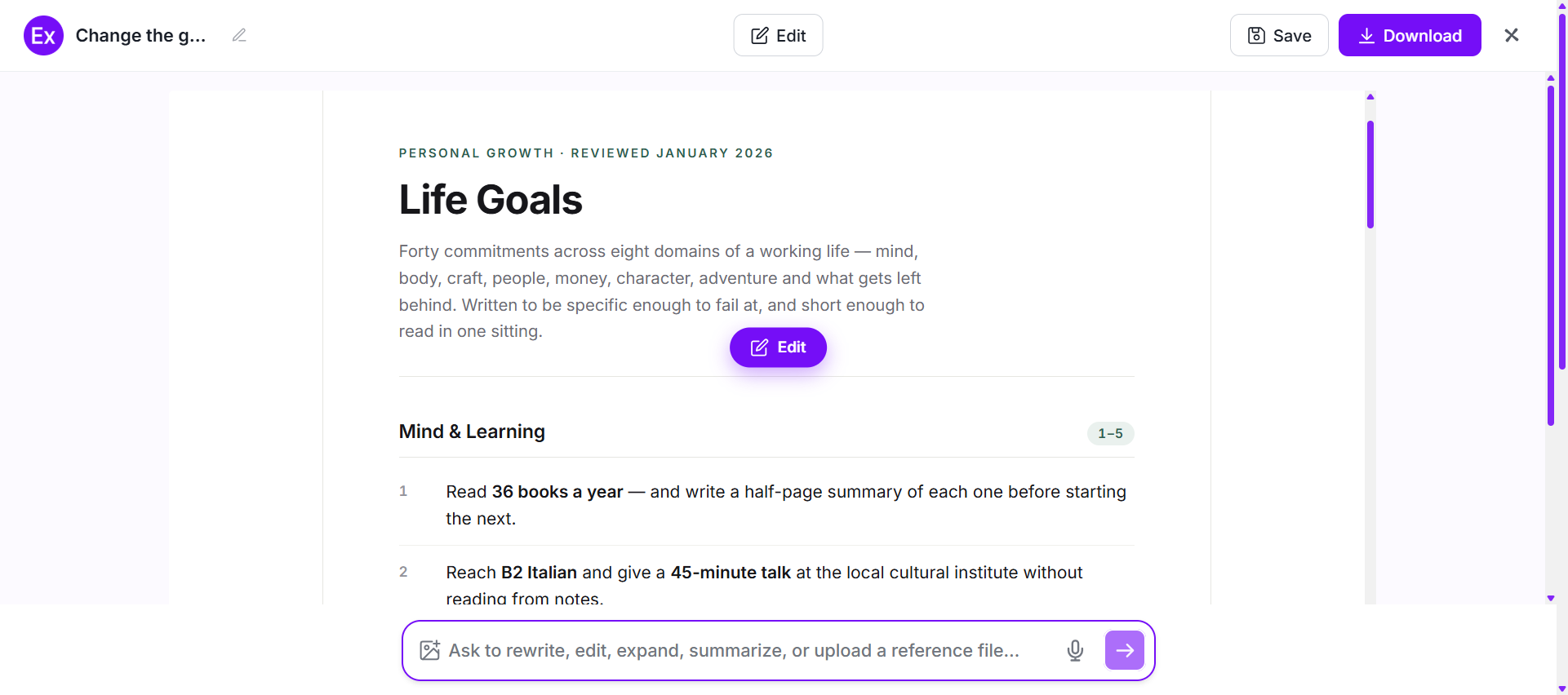
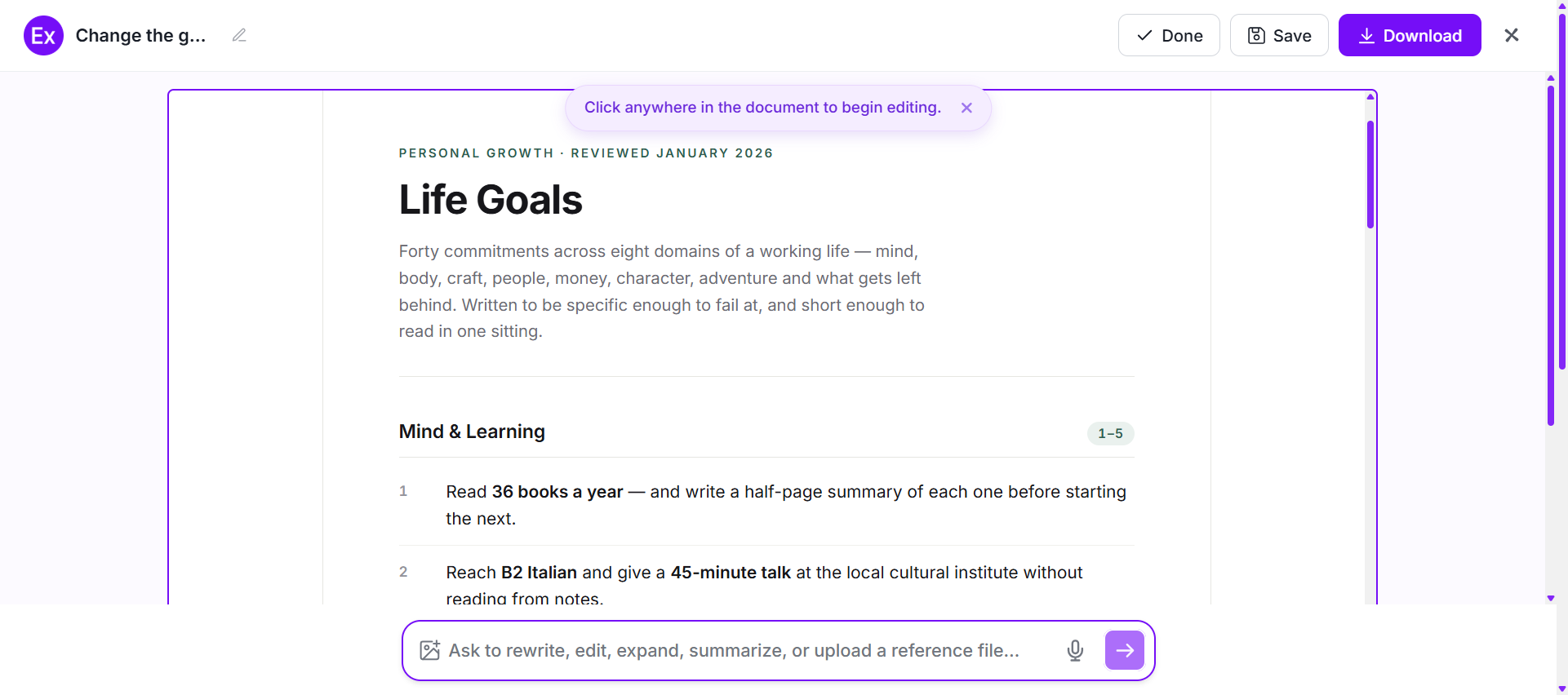
Customize The Life Goals In The Online Editor
Open the generated life goals inside the online editor to personalize the content further. Users can refine goals, edit wording, organize categories, add details, and adjust the content to better match their personal priorities and long-term plans.
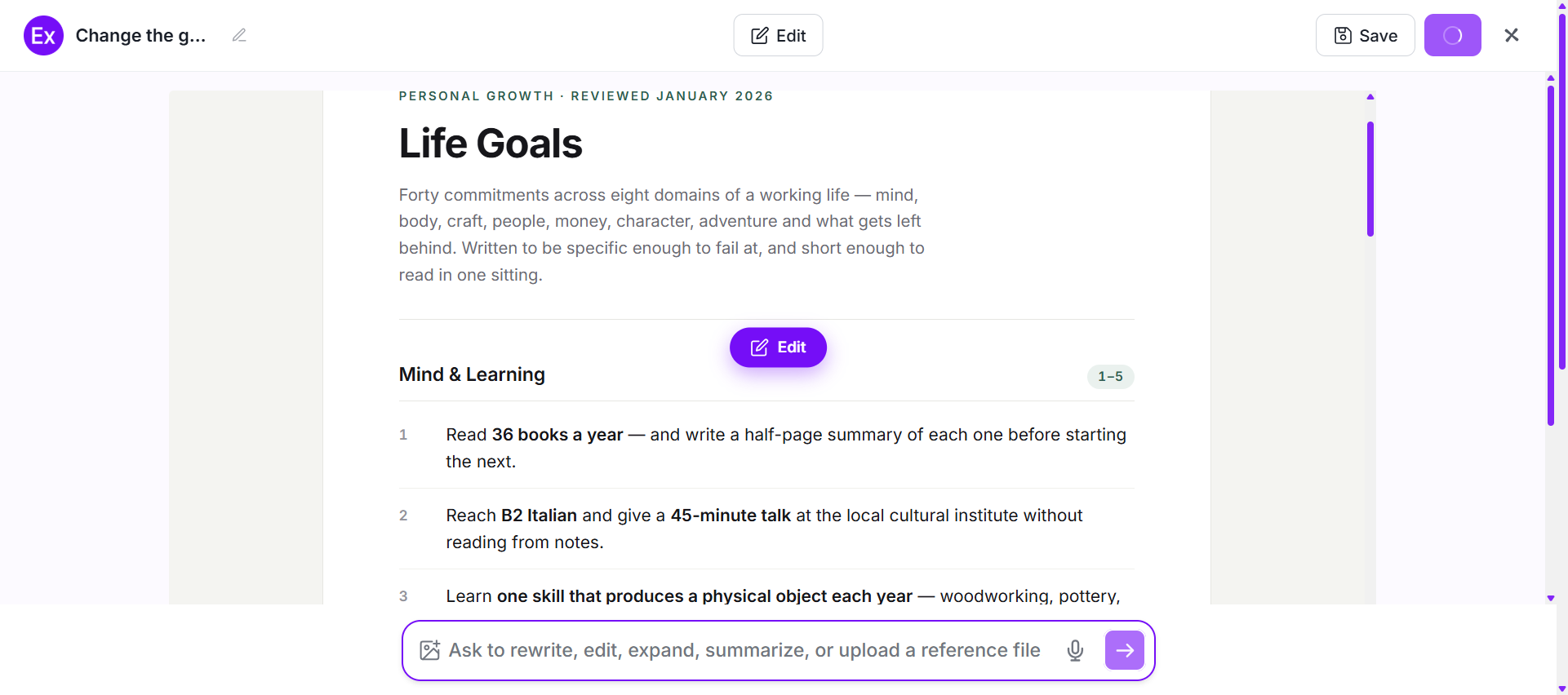
Download And Use The Final Life Goals
Once customization is complete, download the final life goals in PNG format. The finished content can be used for personal planning, goal-setting worksheets, vision boards, journals, presentations, productivity planning, and personal development activities.
50 Life Goals Examples to Inspire Your Own
Here are practical life goal examples across different areas:
Personal Growth
- Become more confident in everyday situations.
- Develop greater self-discipline.
- Become comfortable with change.
- Improve emotional awareness.
- Become more independent.
- Build a positive mindset.
- Learn to manage stress effectively.
Health and Lifestyle
- Maintain a consistent fitness routine.
- Develop healthier eating habits.
- Establish a consistent sleep schedule.
- Spend more time outdoors.
- Create a sustainable daily routine.
- Make preventive health a regular priority.
Career and Work
- Build a career that feels meaningful.
- Become highly skilled in your profession.
- Earn a leadership position.
- Start a business.
- Build a strong professional network.
- Find work that supports your desired lifestyle.
- Become financially rewarded for your expertise.
Financial Freedom
- Create an emergency fund.
- Pay off major debts.
- Purchase a home.
- Build long-term investments.
- Develop additional income streams.
- Reach financial independence.
Relationships and Family
- Maintain close relationships with family.
- Build lasting friendships.
- Become a supportive partner.
- Spend more uninterrupted time with loved ones.
- Create meaningful family traditions.
- Improve communication in important relationships.
Learning and Creativity
- Learn a new language.
- Read consistently throughout the year.
- Learn a musical instrument.
- Earn an advanced qualification.
- Develop a creative hobby.
- Become an expert in a subject that interests you.
Travel and Experiences
- Visit countries you have always wanted to explore.
- Take a solo trip.
- Experience different cultures.
- Visit important historical and spiritual destinations.
- Complete a challenging adventure.
- Create a personal travel bucket list.
Contribution and Purpose
- Volunteer for a meaningful cause.
- Mentor someone who is starting their career.
- Support your local community.
- Contribute to environmental initiatives.
- Create something that helps other people.
- Build a legacy that reflects your values.
These examples demonstrate that life goals do not have to be limited to career or financial success. They can cover health, family, learning, experiences, personal development, and contribution as well.
How to Turn a Life Goal Into an Actionable Plan
A broad life goal can feel overwhelming. The easiest approach is to convert it into smaller milestones.
For example:
Life goal: Become financially independent.
Possible milestones:
- Track monthly spending.
- Create an emergency fund.
- Pay down high-interest debt.
- Increase income.
- Start investing according to your financial situation.
- Review progress every few months.
Similarly:
Life goal: Travel internationally.
Possible milestones:
- Choose the first destination.
- Estimate the total cost.
- Create a travel savings target.
- Research required documents.
- Set a tentative travel date.
- Book the trip when financially ready.
Breaking a large goal into smaller steps makes progress easier to measure and can reduce the feeling of being overwhelmed.
How to Create SMART Life Goals
SMART goals can make life goals more concrete by adding clarity and a timeframe. The framework commonly refers to goals being Specific, Measurable, Achievable, Relevant, and Time-bound.
Instead of:
I want to read more.
Try:
I will read 20 pages every evening and finish 12 books within the next year.
Instead of:
I want to become healthier.
Try:
I will exercise four days a week for the next six months and review my progress at the end of each month.
A useful formula is:
Life goal + measurable action + timeframe = actionable goal
Life Goals vs Personal Goals
Life goals and personal goals overlap, but they are not always identical.
| Life Goals | Personal Goals |
|---|---|
| Usually broader | Usually more specific |
| Often long-term | Can be short-term or long-term |
| Describe a desired direction in life | Focus on a particular outcome |
| May cover multiple areas | Often target one area |
| Can include purpose and legacy | Often focus on immediate development |
For example, living a financially independent life can be a life goal, while saving a specific amount every month can be a personal goal supporting it.
How to Choose the Right Life Goals
You do not need dozens of major goals at once. Start by considering the areas that matter most to you.
Ask yourself:
- What kind of life do I want in the future?
- What experiences do I want to have?
- What relationships do I want to maintain?
- What kind of person do I want to become?
- What work would feel meaningful to me?
- What does financial security mean to me?
- What skills do I want to develop?
- How do I want to contribute to others?
- What would I regret not doing?
- Which goal would make the biggest positive difference right now?
Choose a small number of priorities and create supporting short-term goals for each one. Long-term goals are often easier to manage when they are supported by smaller, measurable milestones.
Common Mistakes When Setting Life Goals
Avoid these common problems:
- Choosing goals because other people expect them
- Setting too many goals at once
- Creating goals without a clear reason
- Making goals impossible to measure
- Ignoring your current resources and responsibilities
- Focusing only on career or money
- Never reviewing your progress
- Treating a setback as permanent failure
- Refusing to change a goal when your priorities genuinely change
A strong life plan should provide direction without becoming so rigid that it prevents you from adapting.
Frequently Asked Questions
What are good examples of life goals?
Good life goals include building a meaningful career, maintaining good health, developing strong relationships, achieving financial independence, learning continuously, traveling, contributing to society, and becoming the person you want to be.
What are the 5 main life goals?
Five broad life-goal areas are health and well-being, relationships and family, career and learning, financial security, and personal growth. Other important areas include travel, spirituality, contribution, creativity, and purpose.
How do I choose my life goals?
Start by identifying your values, priorities, interests, responsibilities, and desired future. Then choose goals that genuinely matter to you rather than goals based only on social expectations.
Should life goals be long-term?
Many life goals are long-term, but they can be supported by short-term and medium-term milestones. A long-term goal can take a year or more, while smaller goals can provide the steps needed to reach it.
Can life goals change?
Yes. Life circumstances, responsibilities, interests, and priorities can change. Reviewing your goals regularly allows you to remove goals that no longer matter and create new ones that better reflect your current direction.
How many life goals should I have?
There is no universal number. A practical approach is to focus on a few important life goals and support each with smaller actionable objectives rather than trying to change everything at once.